1/2
Why We Can’t Have Mid-Century Modern
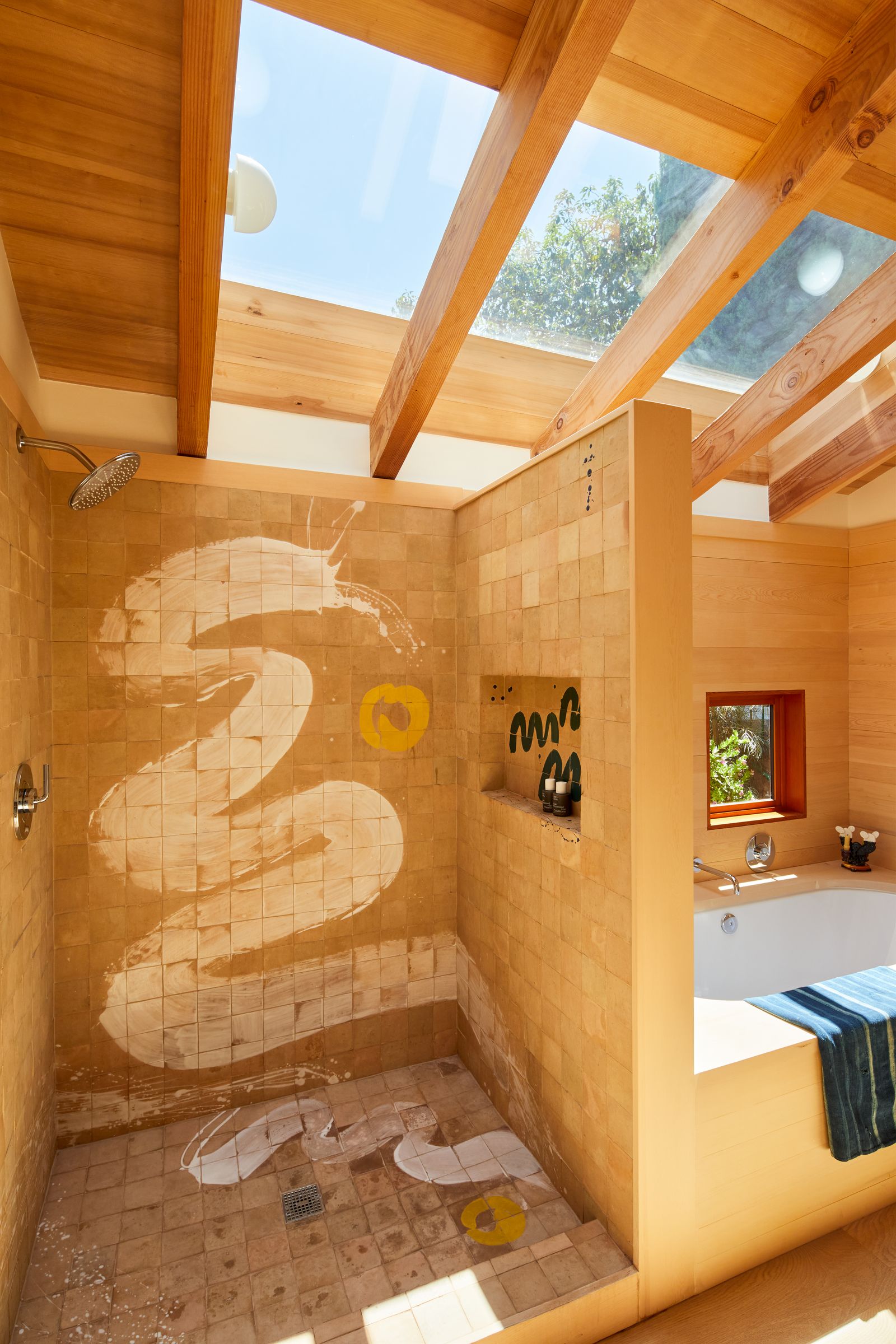
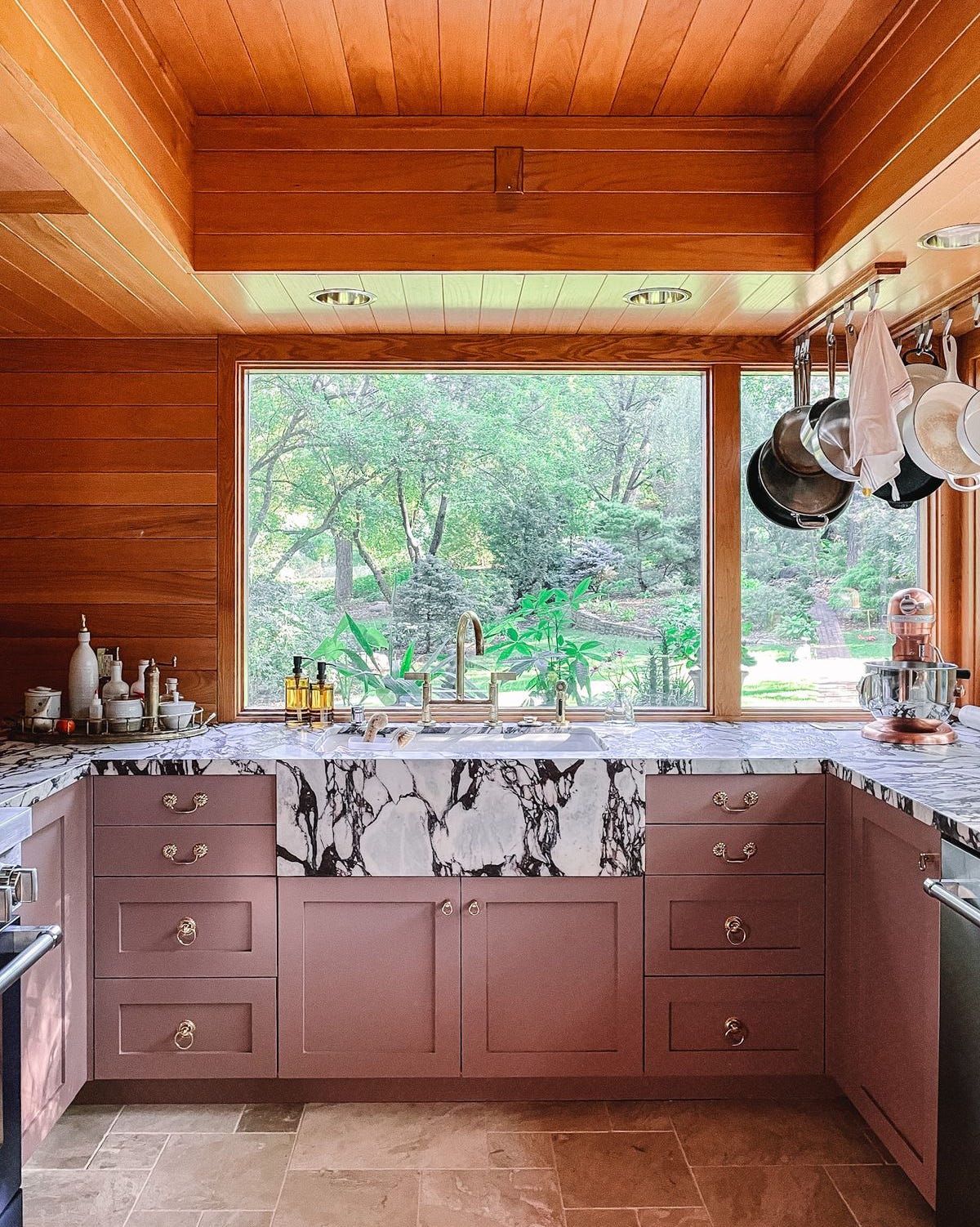
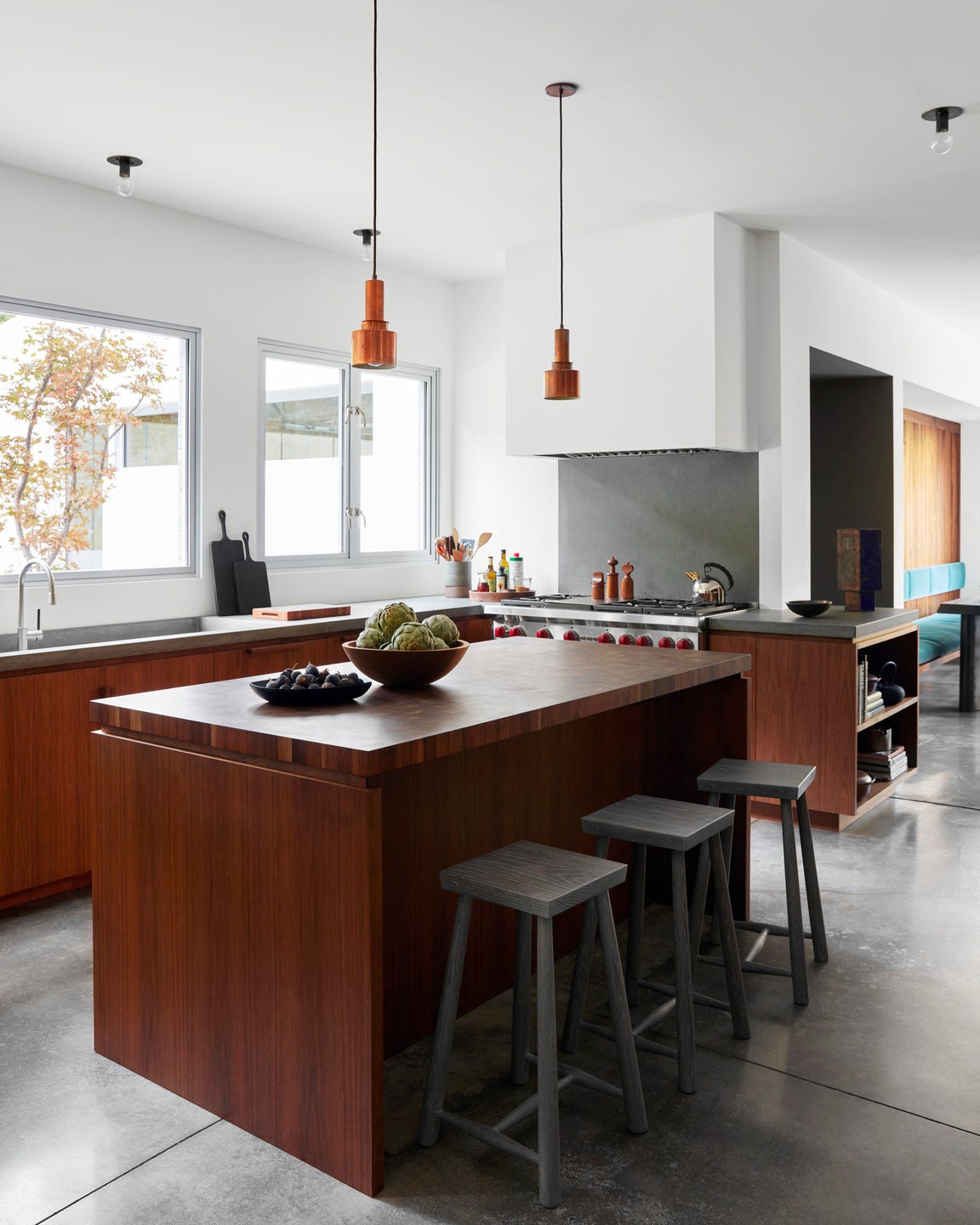
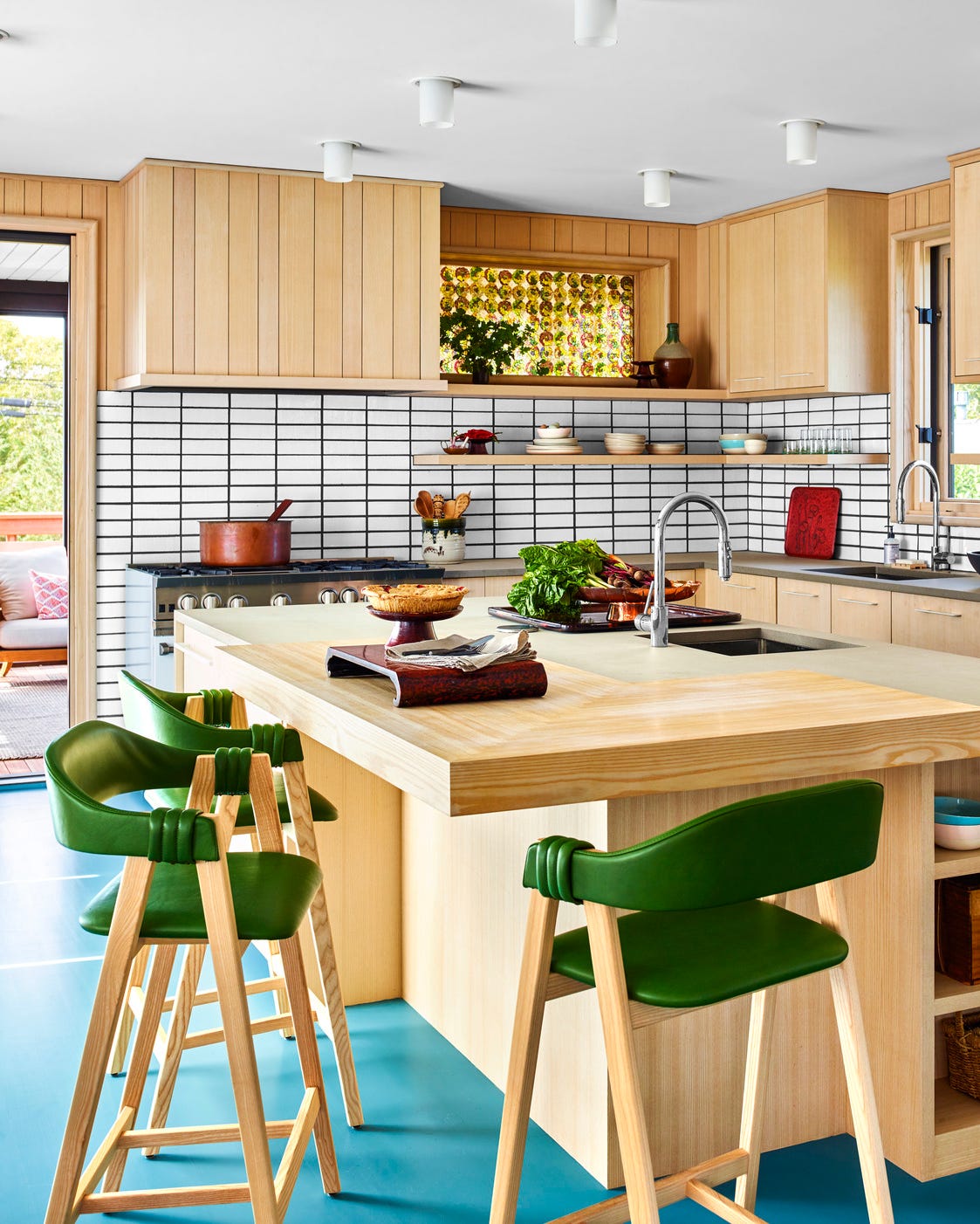
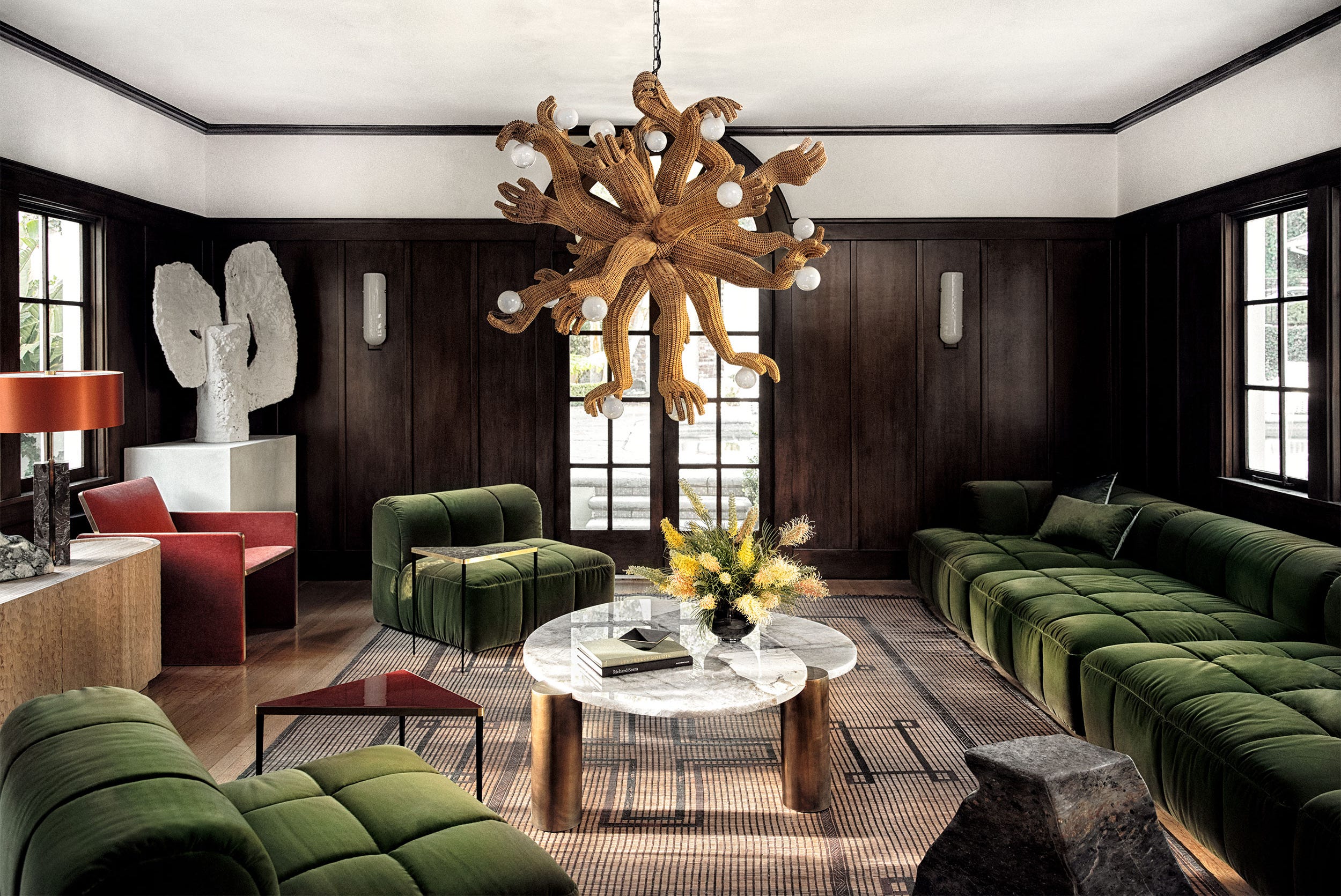
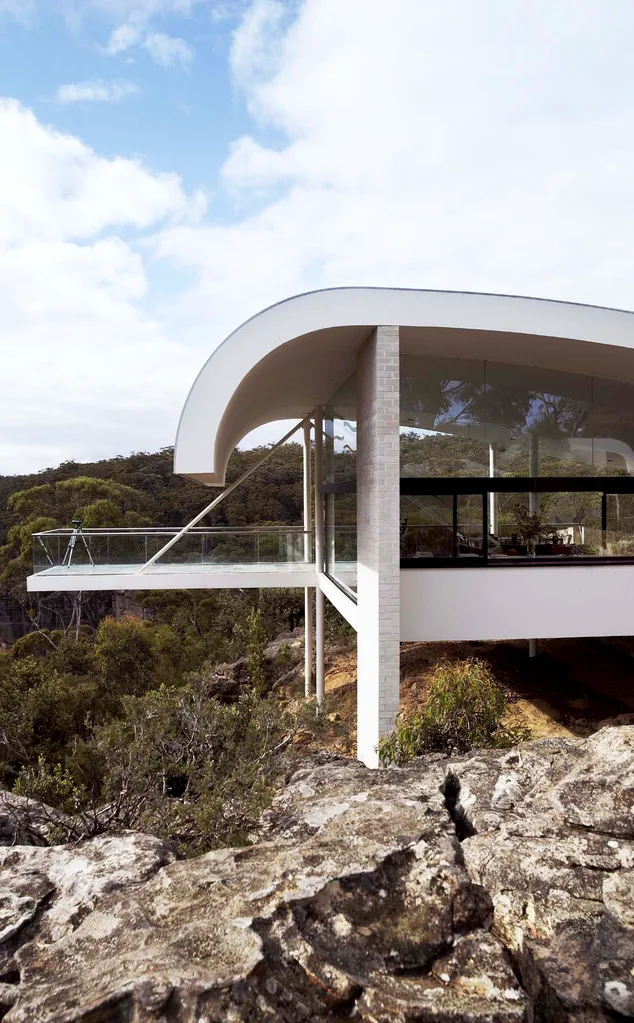
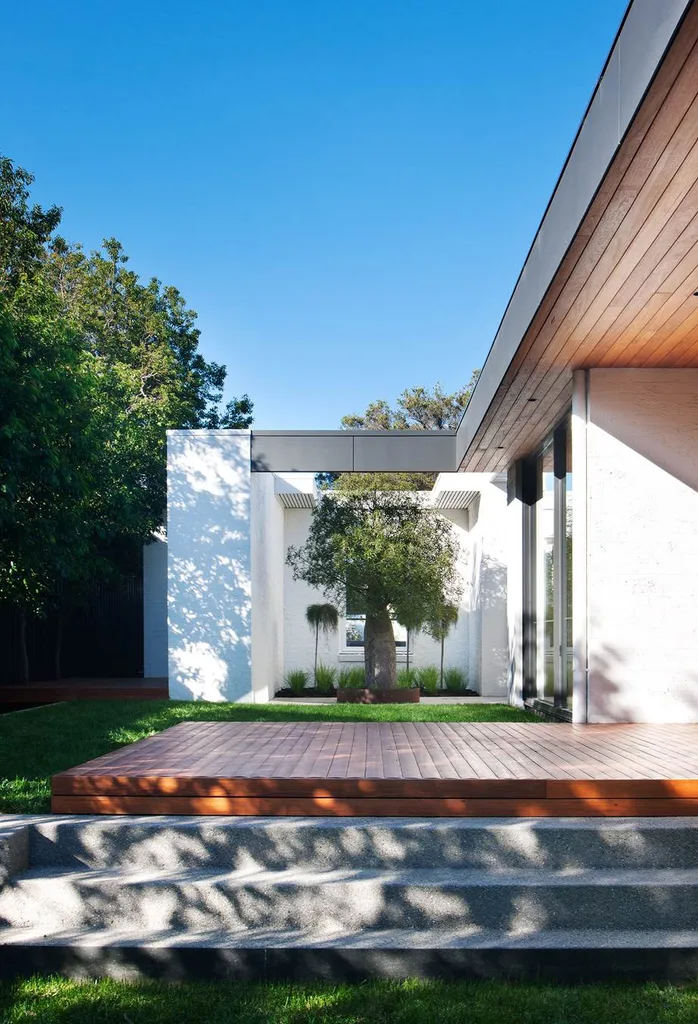
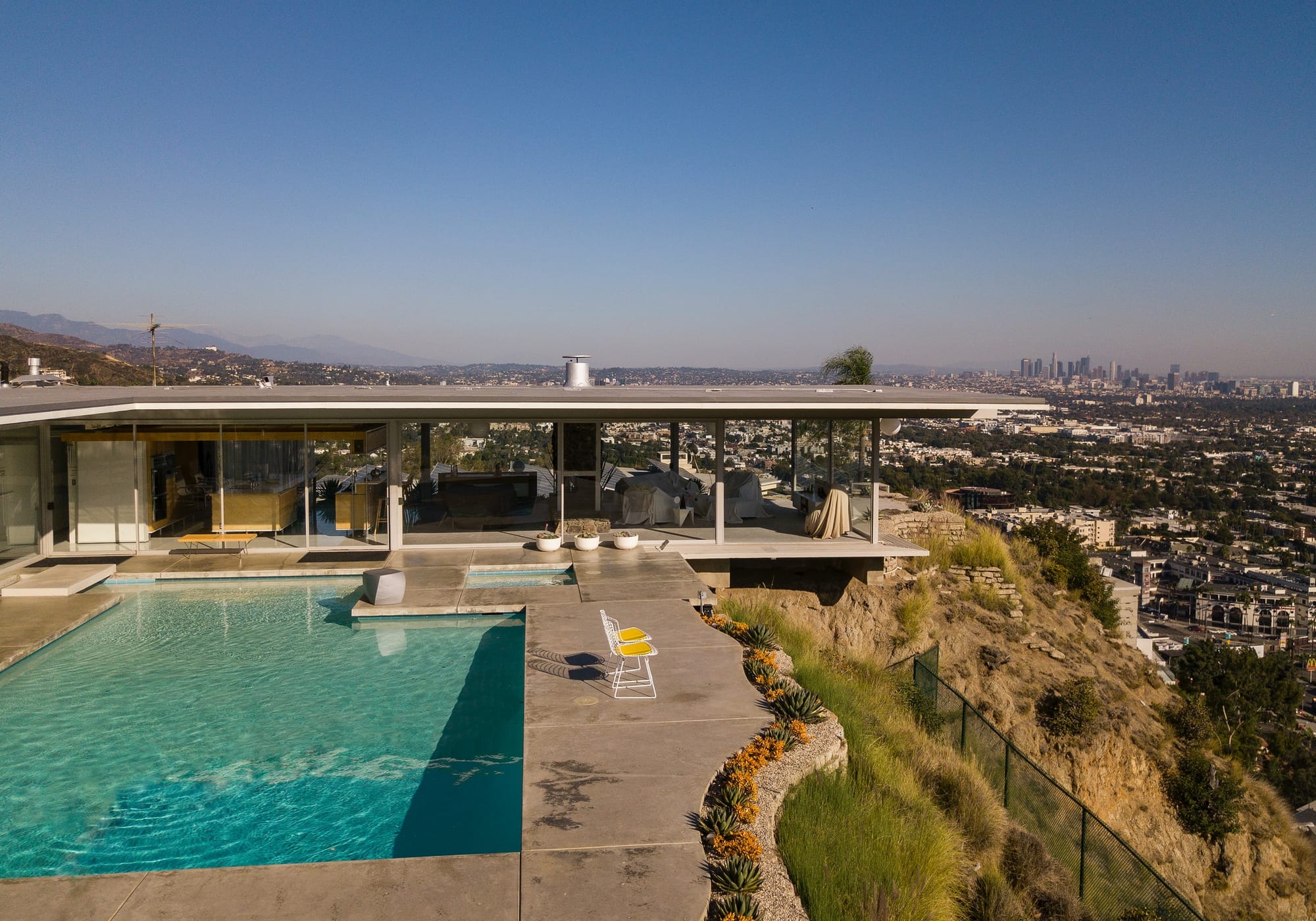
Mid-century modern architecture and design, despite its current widespread popularity, originated from a post-World War II effort to address housing shortages for the average white American family. The Case Study House Program, initiated by Arts & Architecture Magazine between 1945 and 1966, aimed to create easy-to-build, economical homes. These homes, once designed for middle-class accessibility, have now become highly coveted and expensive real estate, often operating as museums or selling for millions of dollars to celebrities, exemplified by Kristin Wiig's purchase of Case Study House #10.
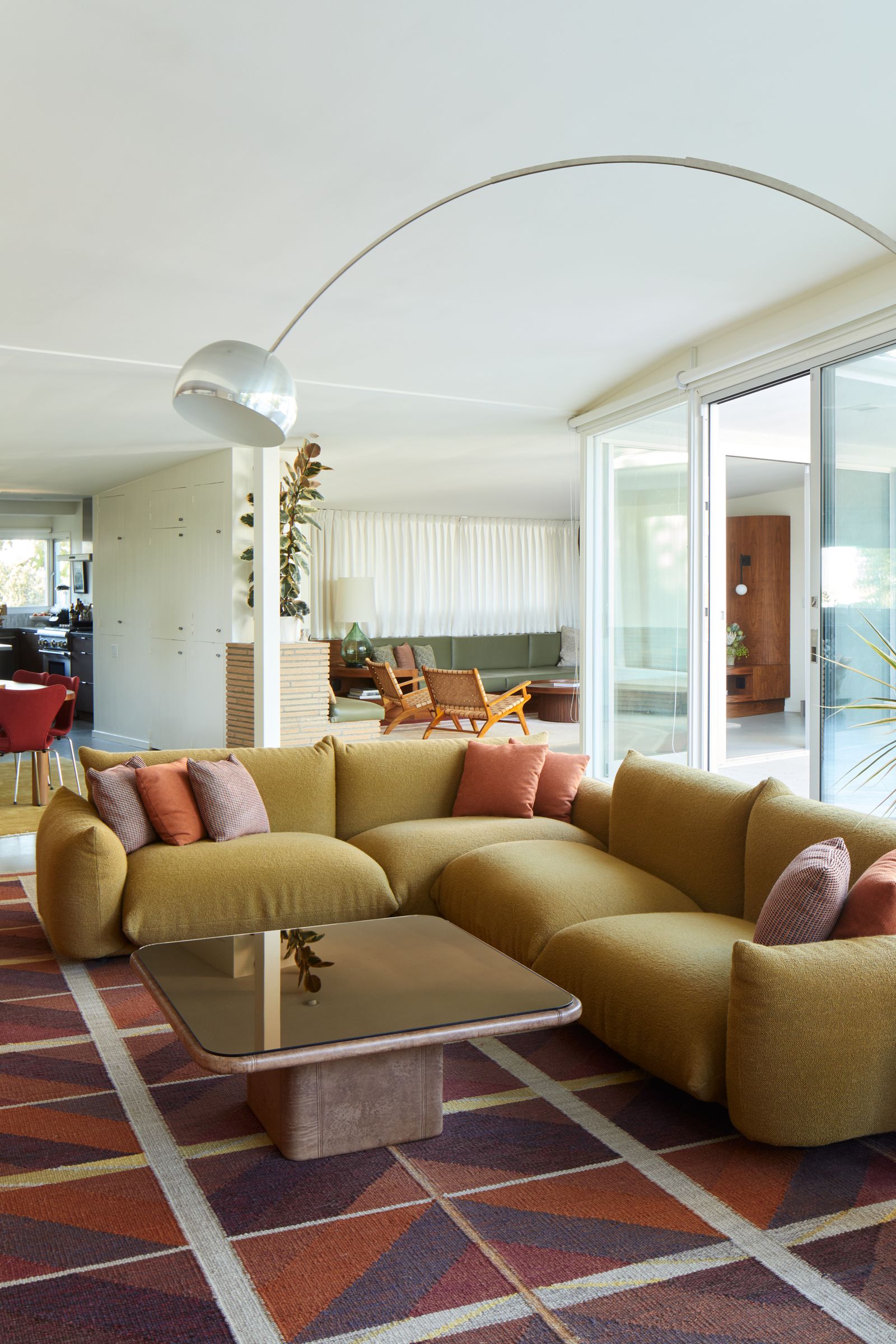
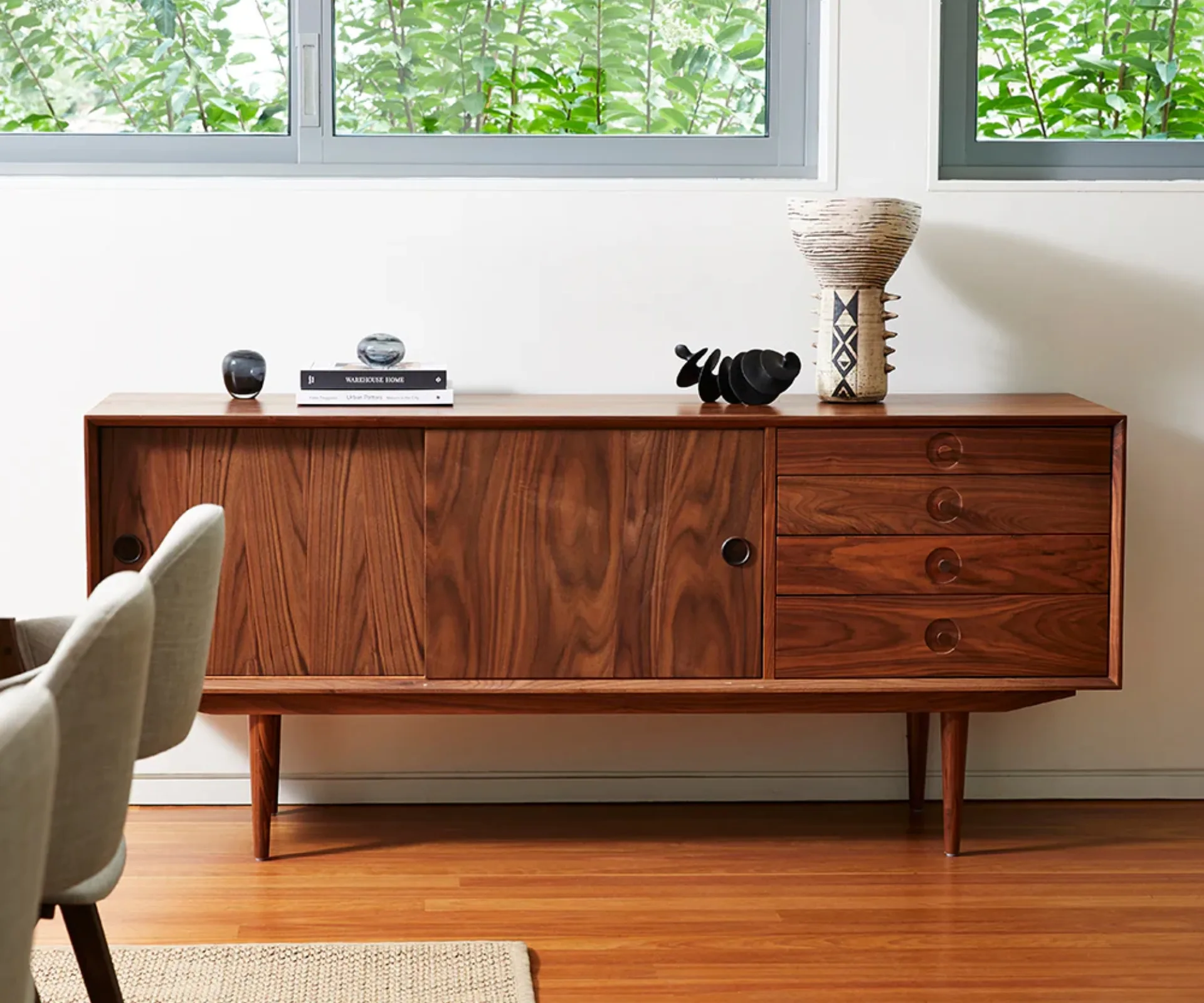
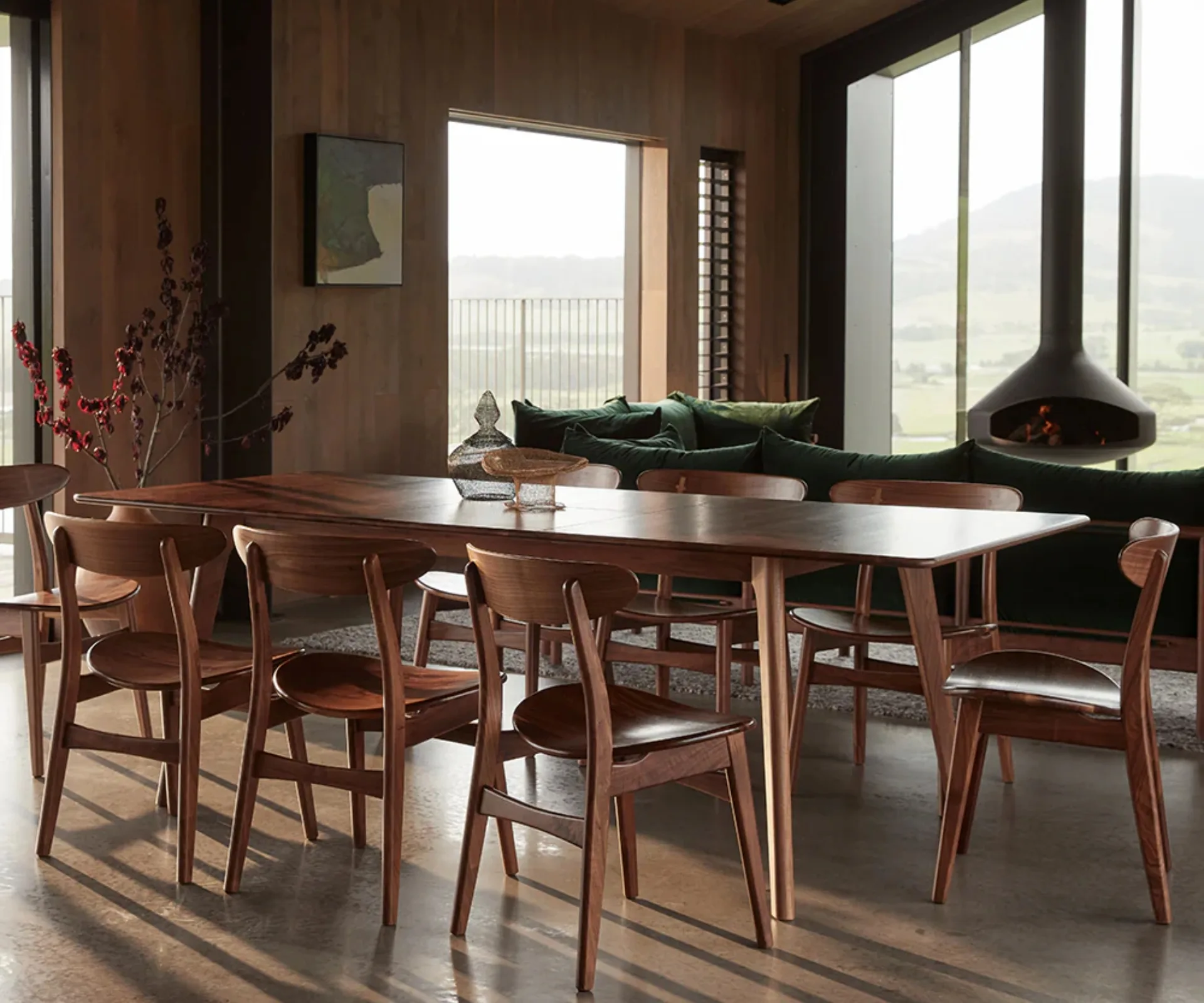
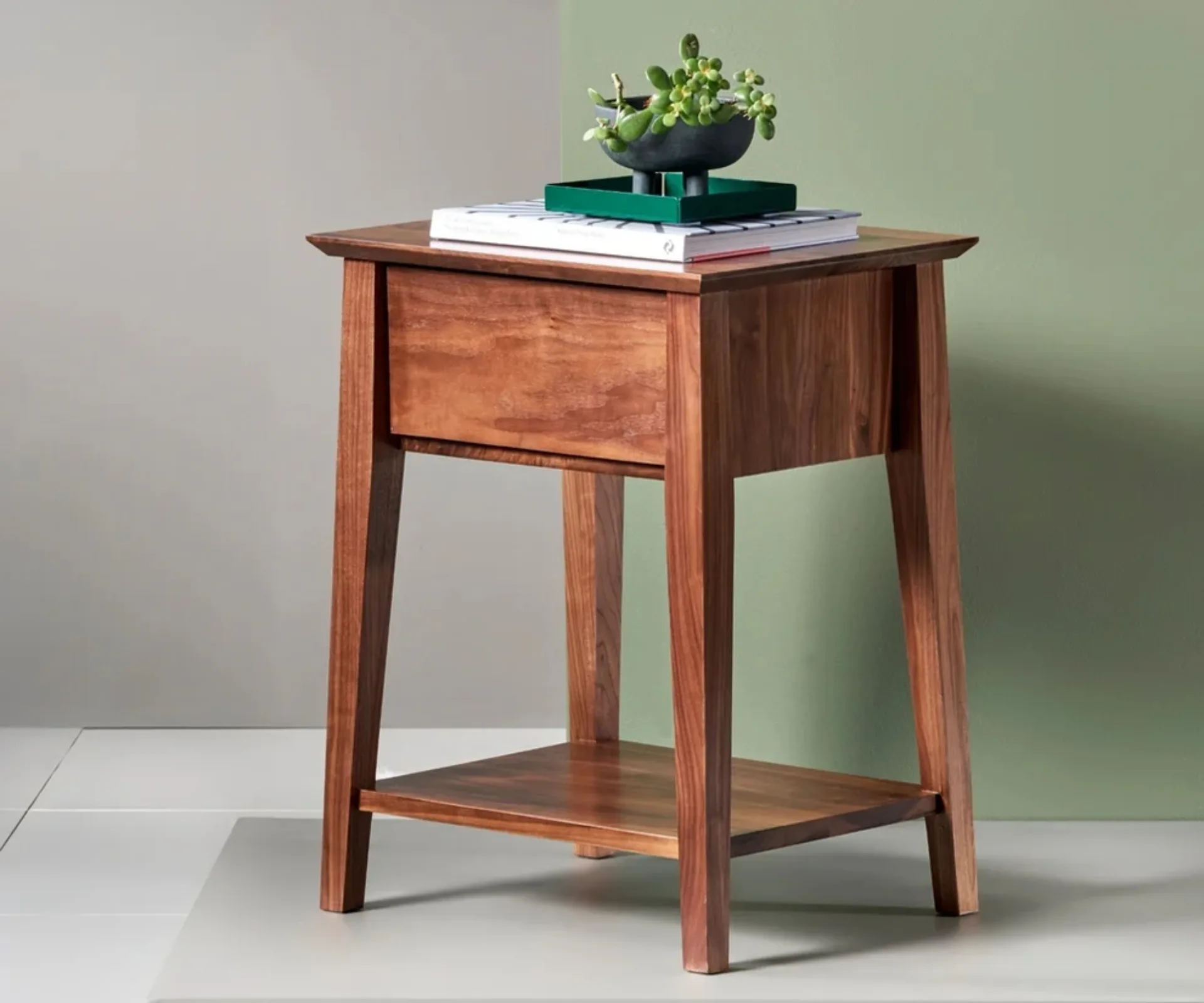
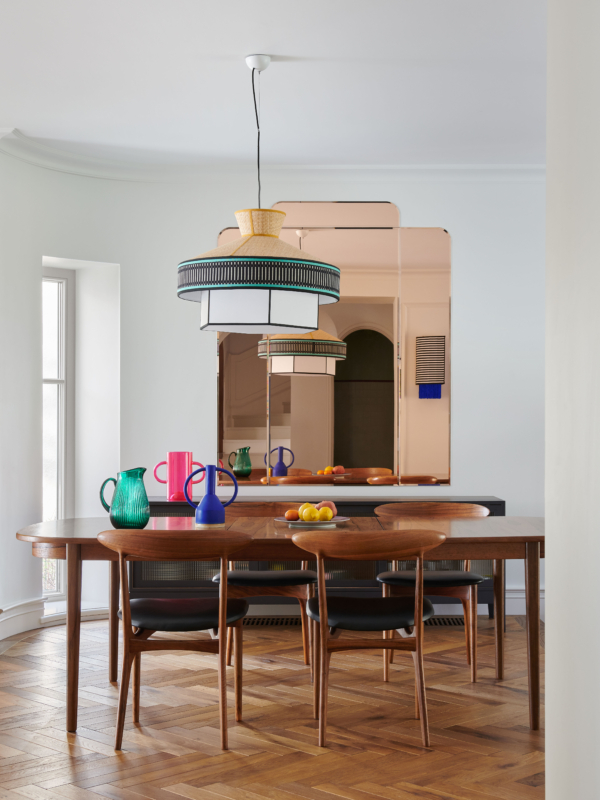
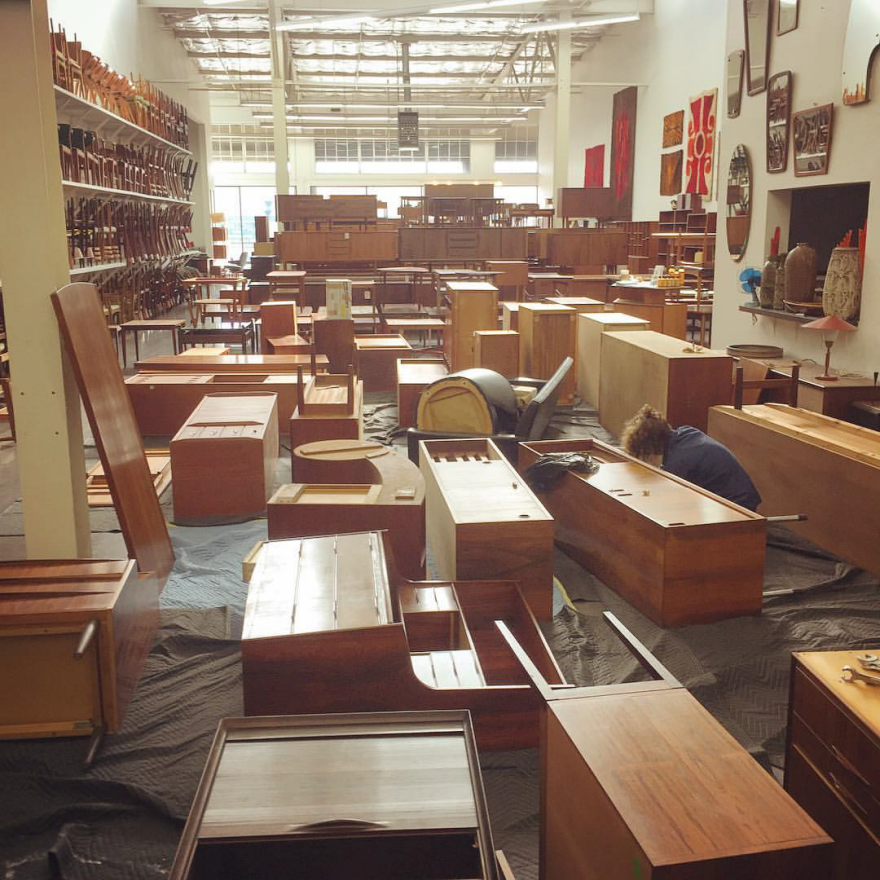
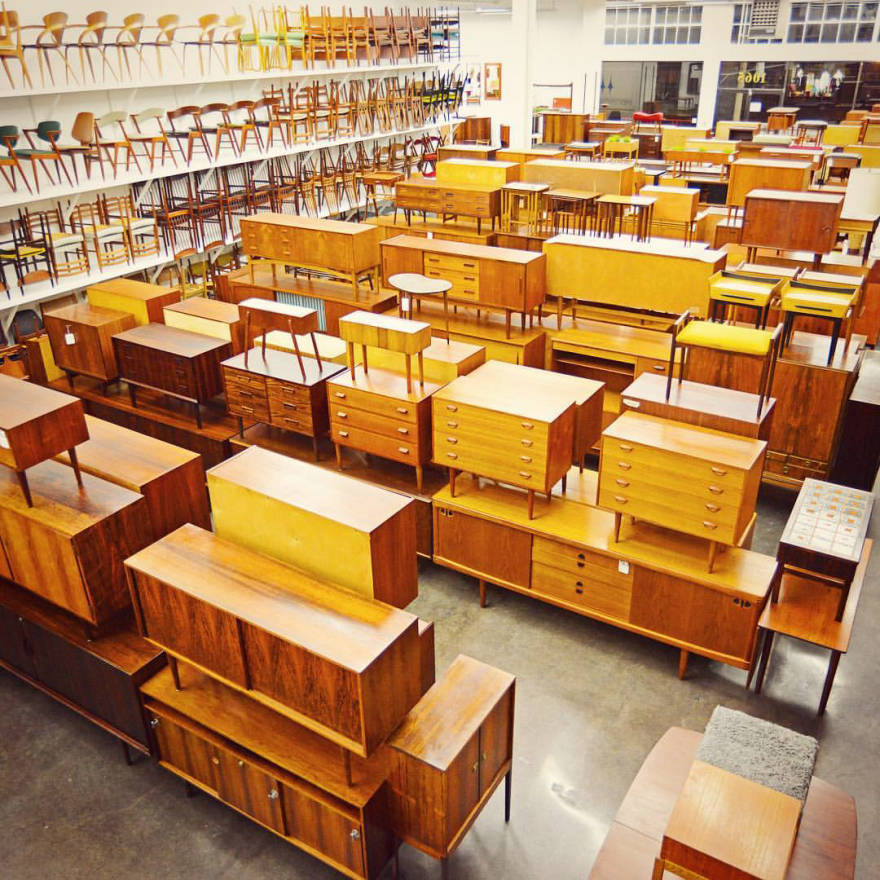
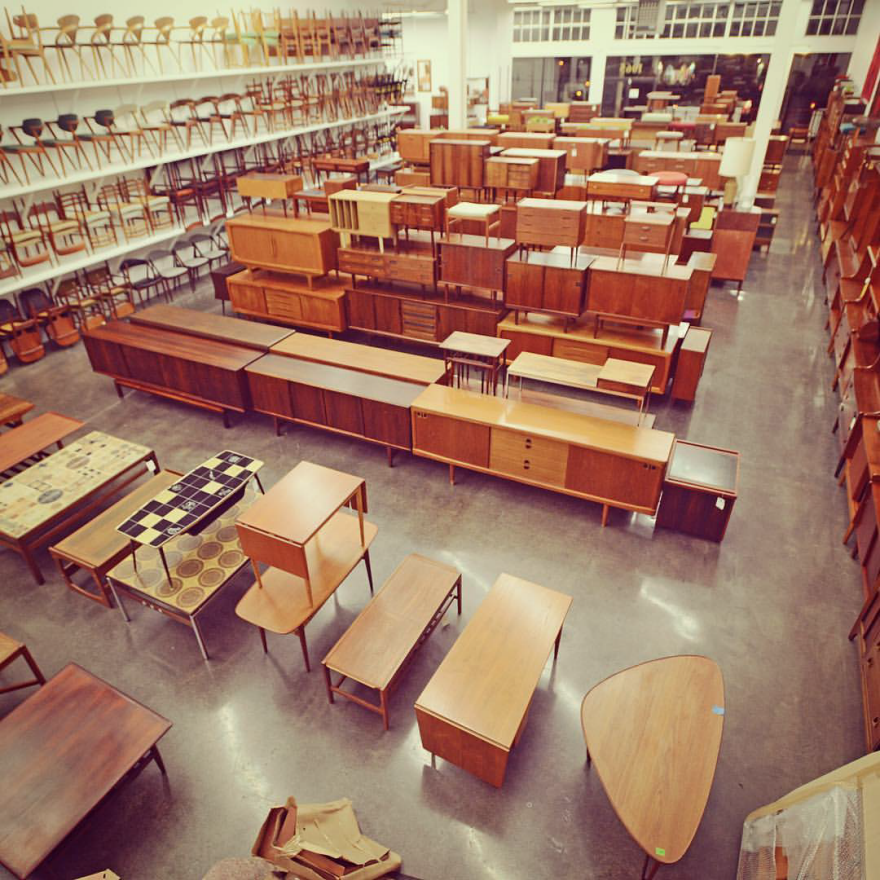

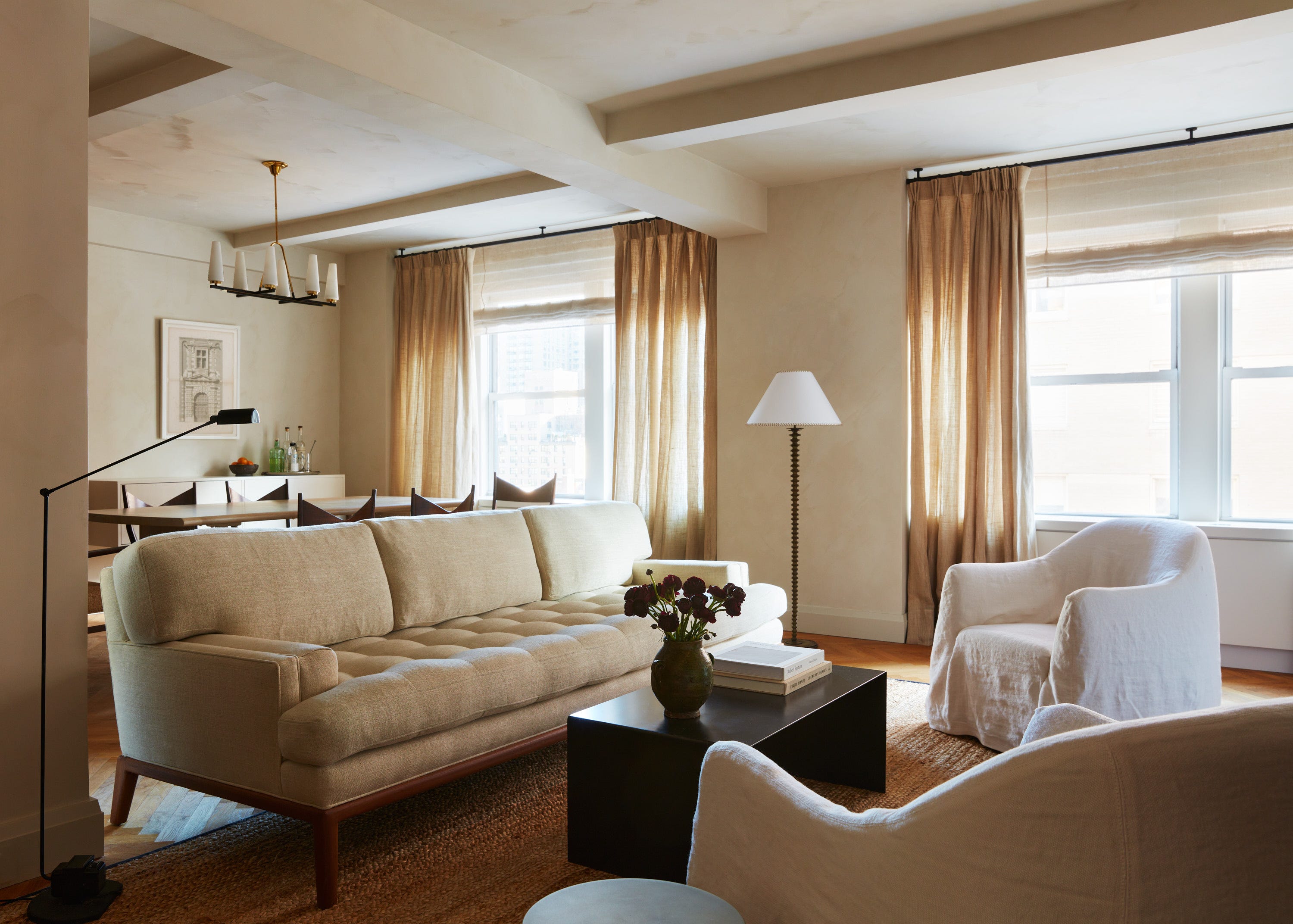
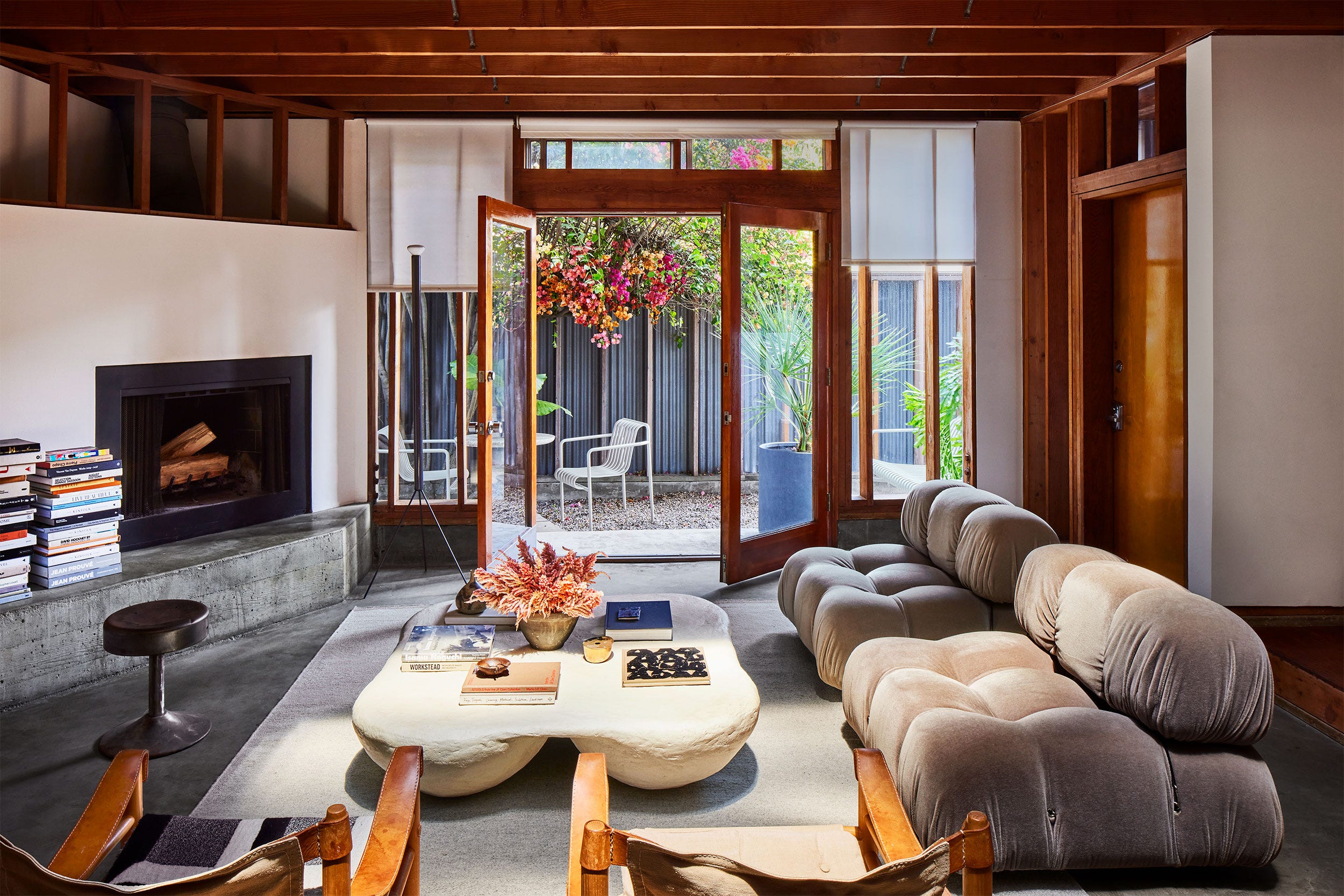
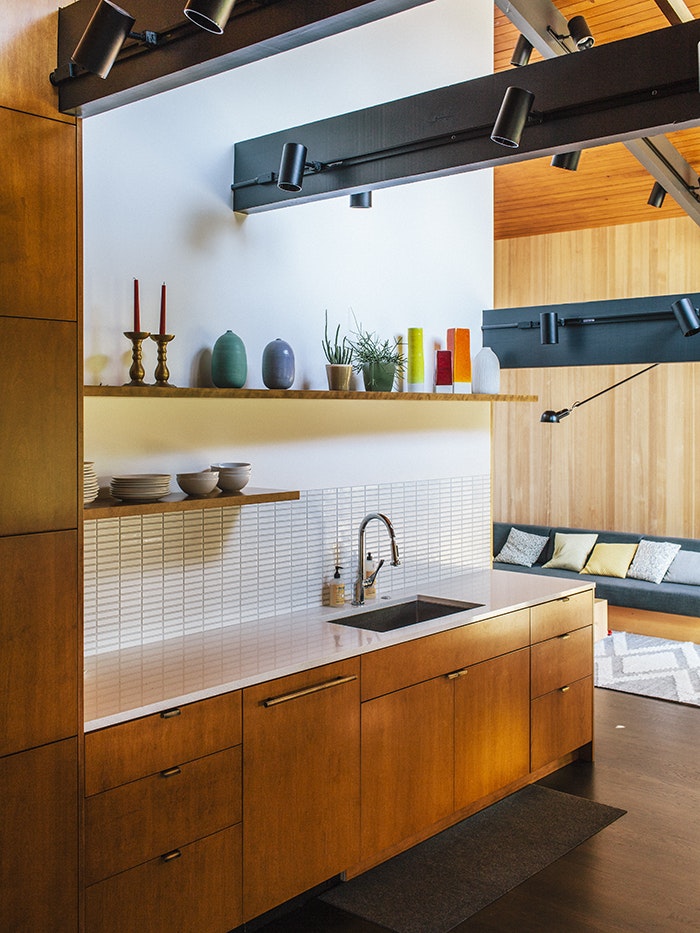
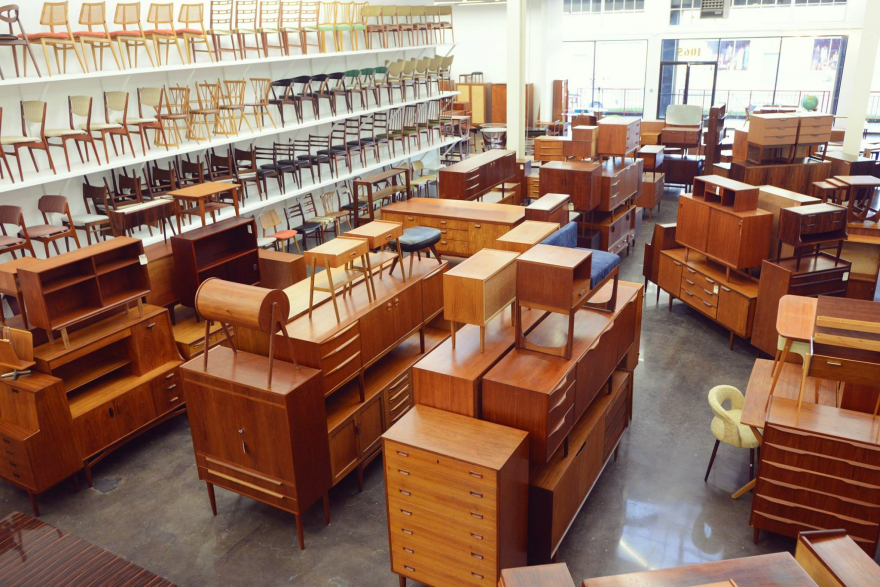
This shift in status highlights a significant disconnect between the original intent of mid-century modernism and its contemporary perception. The style, characterized by sleek lines, tranquil austerity, and an emphasis on form and function, was initially a response to practical needs. Its current 'cultish popularity' has, however, obscured these foundational principles, leading to an aesthetic appreciation that overlooks the underlying socio-economic context it sought to address. The widespread staging of real estate with knock-off mid-century emblems, such as low walnut credenzas and chairs with flared legs, underscores the style's ubiquity, raising questions about whether its appeal stems from its inherent design or simply its omnipresence in media and marketing.
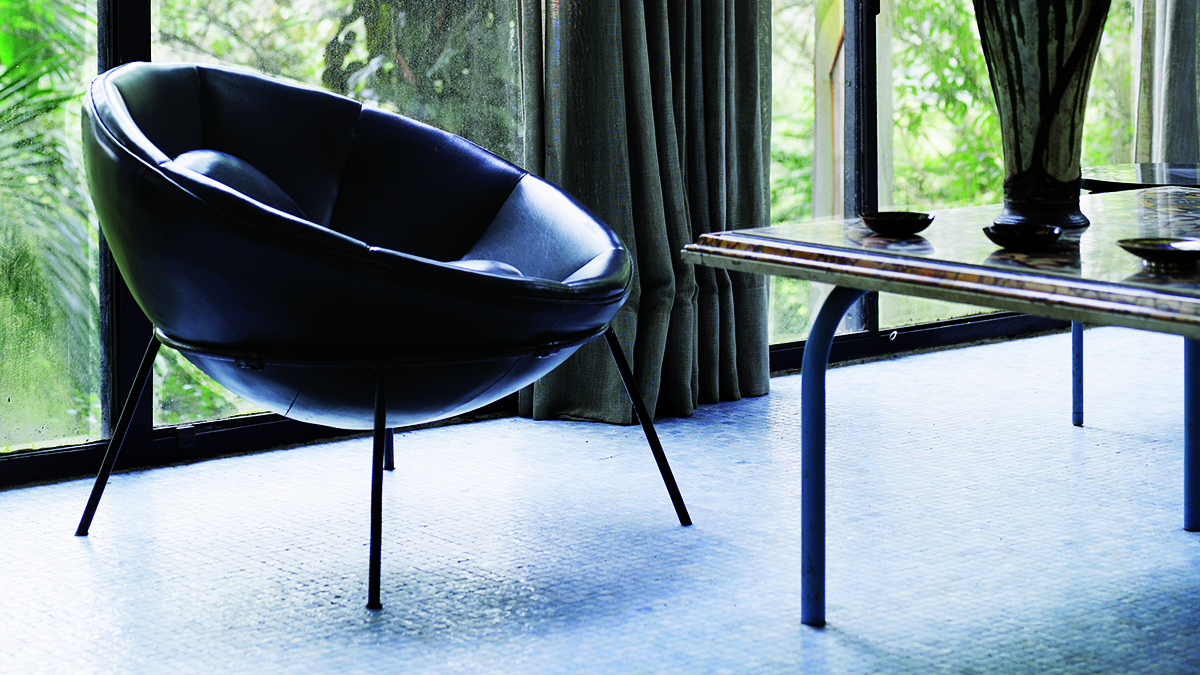
Companies like Design Within Reach have attempted to make mid-century modern design more accessible by offering replicas of classic pieces. However, this accessibility often comes at a high price, underscoring the distinction between being 'within reach' and truly affordable. For instance, a replica of Marcel Breuer's Cesca Chair, originally costing $24 in 1928 (approximately $400 today with inflation), now retails for nearly $1,000. This pricing structure perpetuates the exclusivity, making genuine mid-century modern pieces, or even high-quality replicas, unattainable for many.
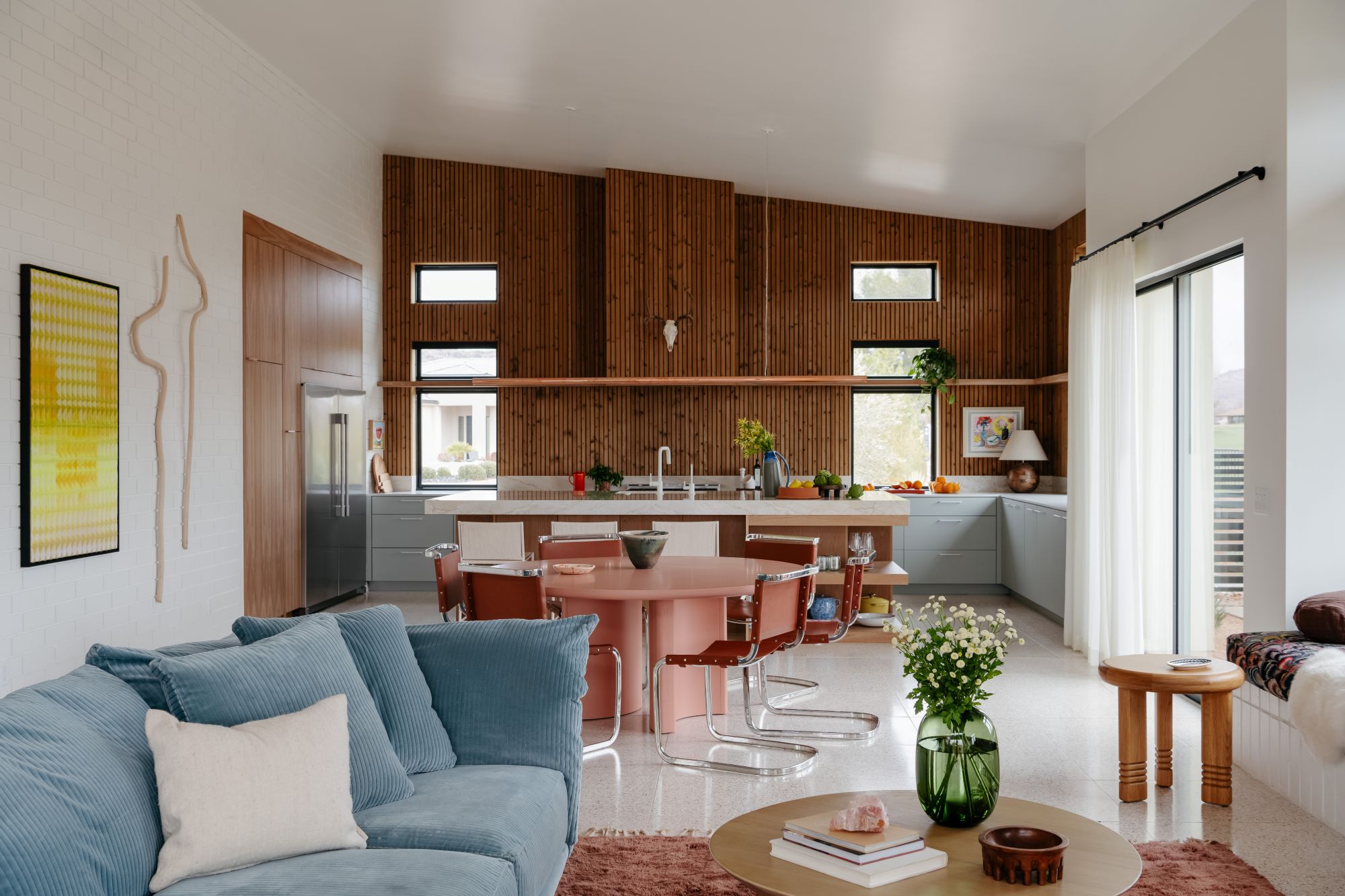
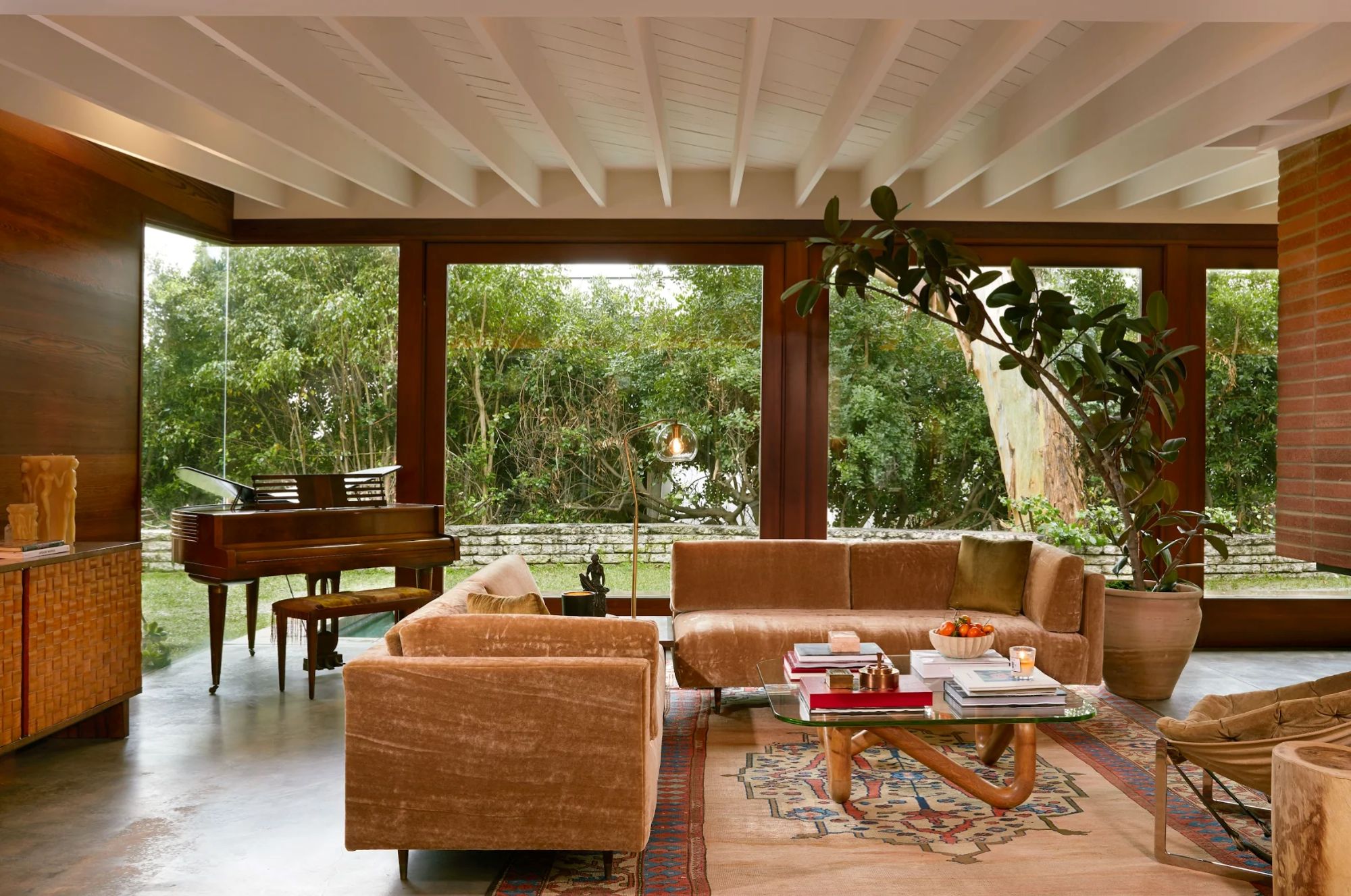

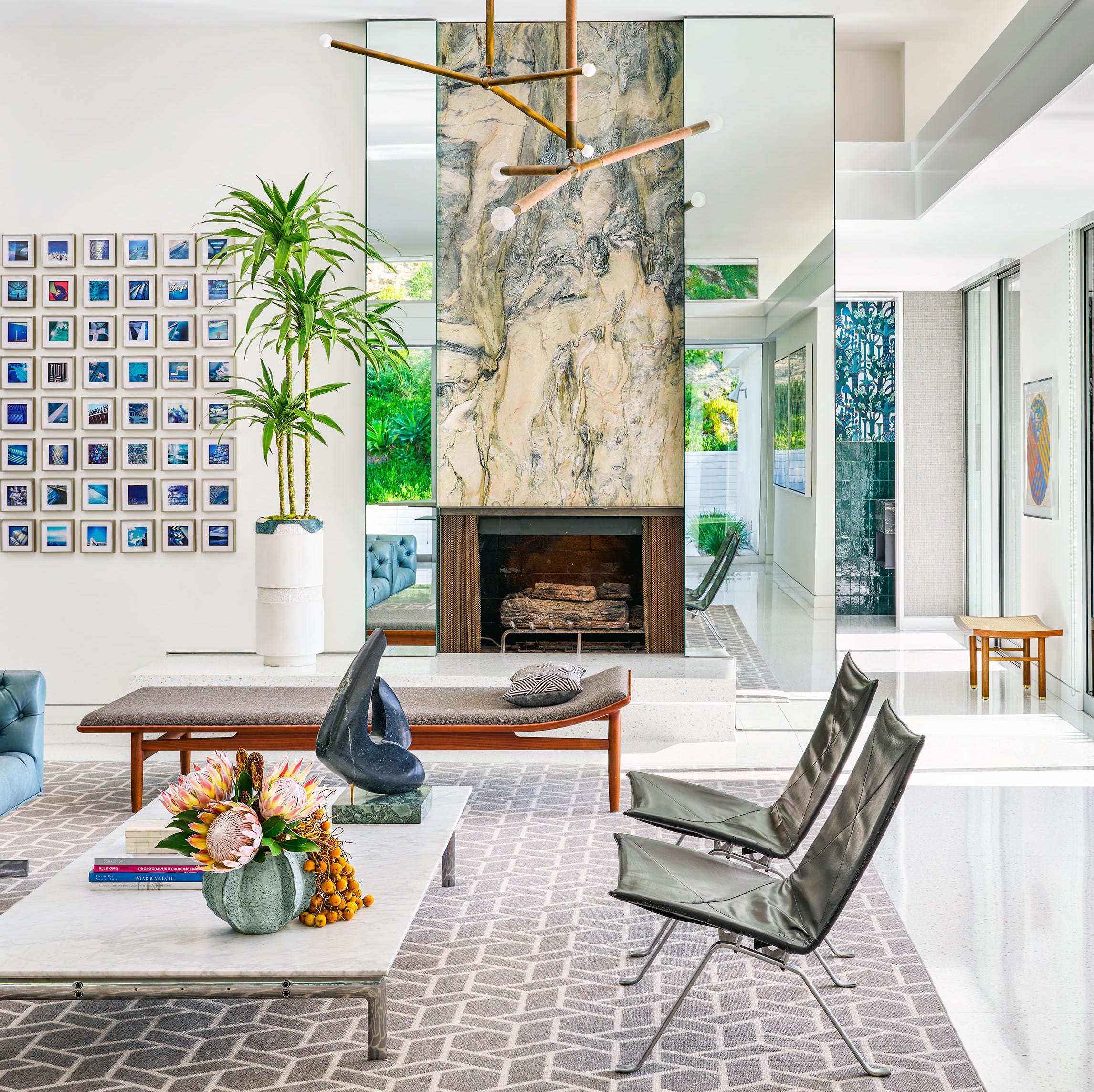
Beyond the financial barriers, the article also points out the overlooked practical drawbacks of the mid-century modern aesthetic in contemporary living. While open, floor-to-ceiling window spaces are visually appealing, other elements like carpeted floors and boxy furniture can evoke an outdated, almost office-like atmosphere. The article suggests that a strong nostalgia for these aesthetics can lead to a disregard for their less practical or attractive aspects. The core argument is that modern society should strive to emulate the civic efforts and social intentions that gave rise to mid-century modernism, rather than merely focusing on its superficial aesthetics. This includes addressing current issues such as wealth inequality and the exorbitant cost of housing, much like the post-war era confronted its own housing challenges. The article concludes by lamenting the current inaccessibility of homeownership and high-quality design for many, contrasting it with the author's personal choice to invest in an affordable replica of a Hans Wegner chair, signaling a resignation to the current economic realities.
#MidCenturyModern #ArchitecturalHistory #RealEstate #DesignAccessibility #SocioeconomicImpact #HousingCrisis #PostWarDesign #DesignWithinReach #CaseStudyHouses #MidCenturyModern #ArchitecturalHistory #RealEstate #DesignAccessibility #SocioeconomicImpact #HousingCrisis #PostWarDesign #DesignWithinReach #CaseStudyHouses
0 comment in total
 No comments yet
You may also like
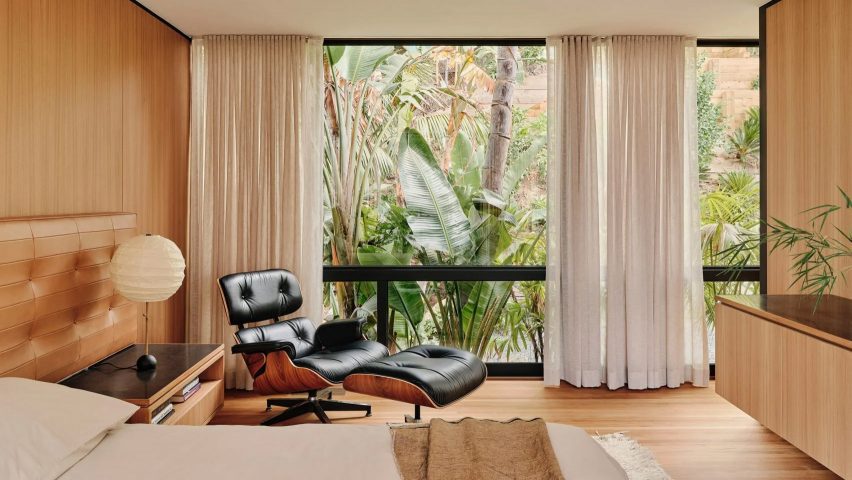
"I love mid-century modern but it makes me sad"
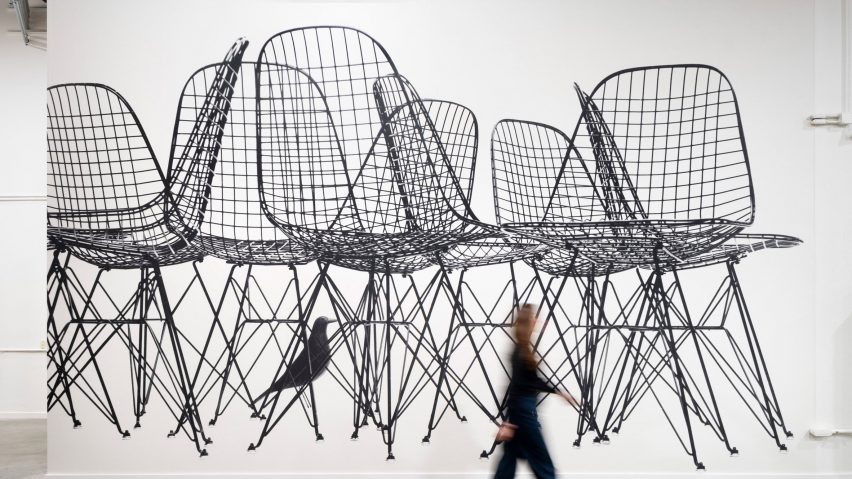
"Mid-century modern is classic, it's never going away" says Cara Greenberg
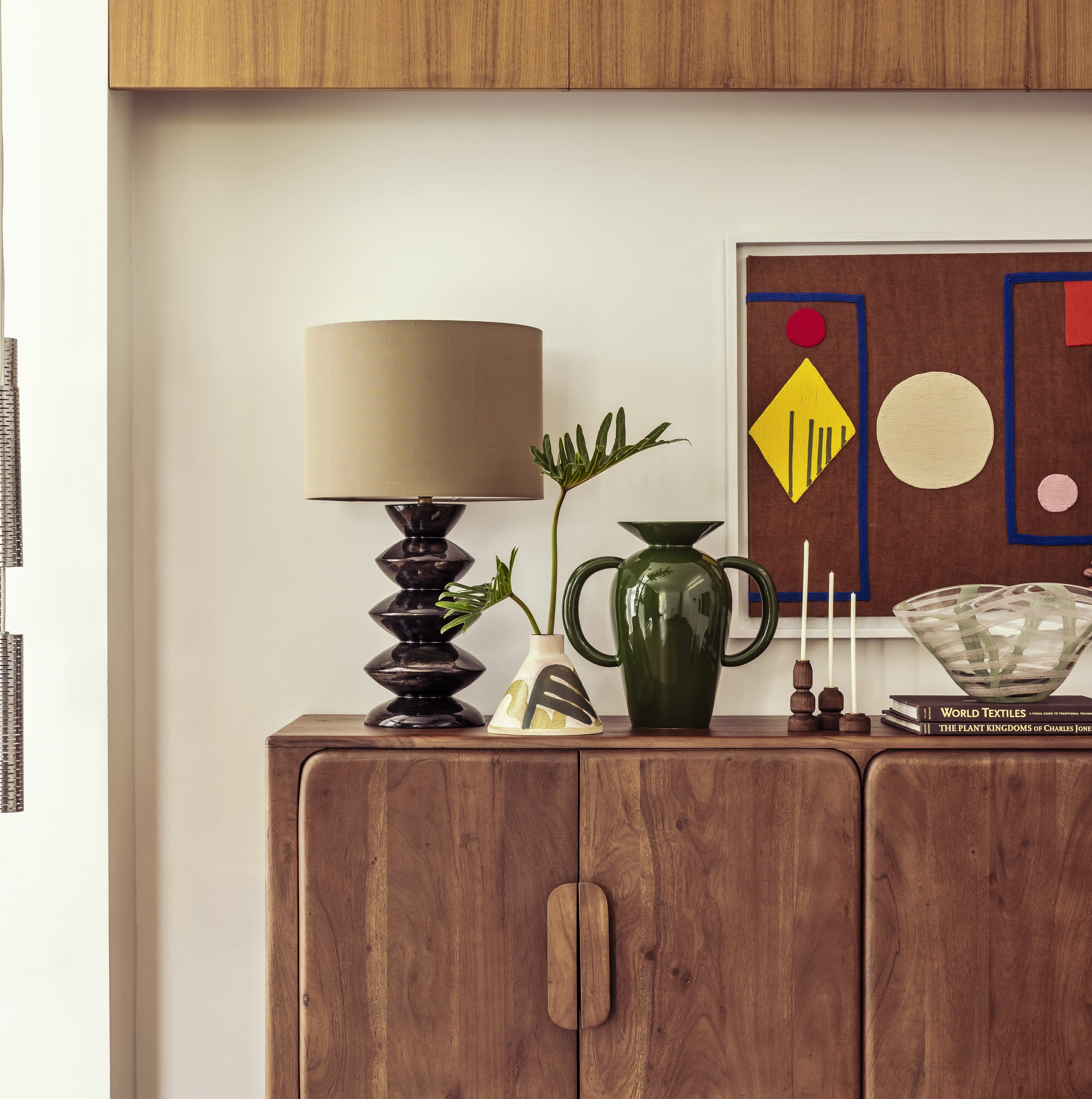
9 Decorating Tips To Master The Mid-Century Modern Look

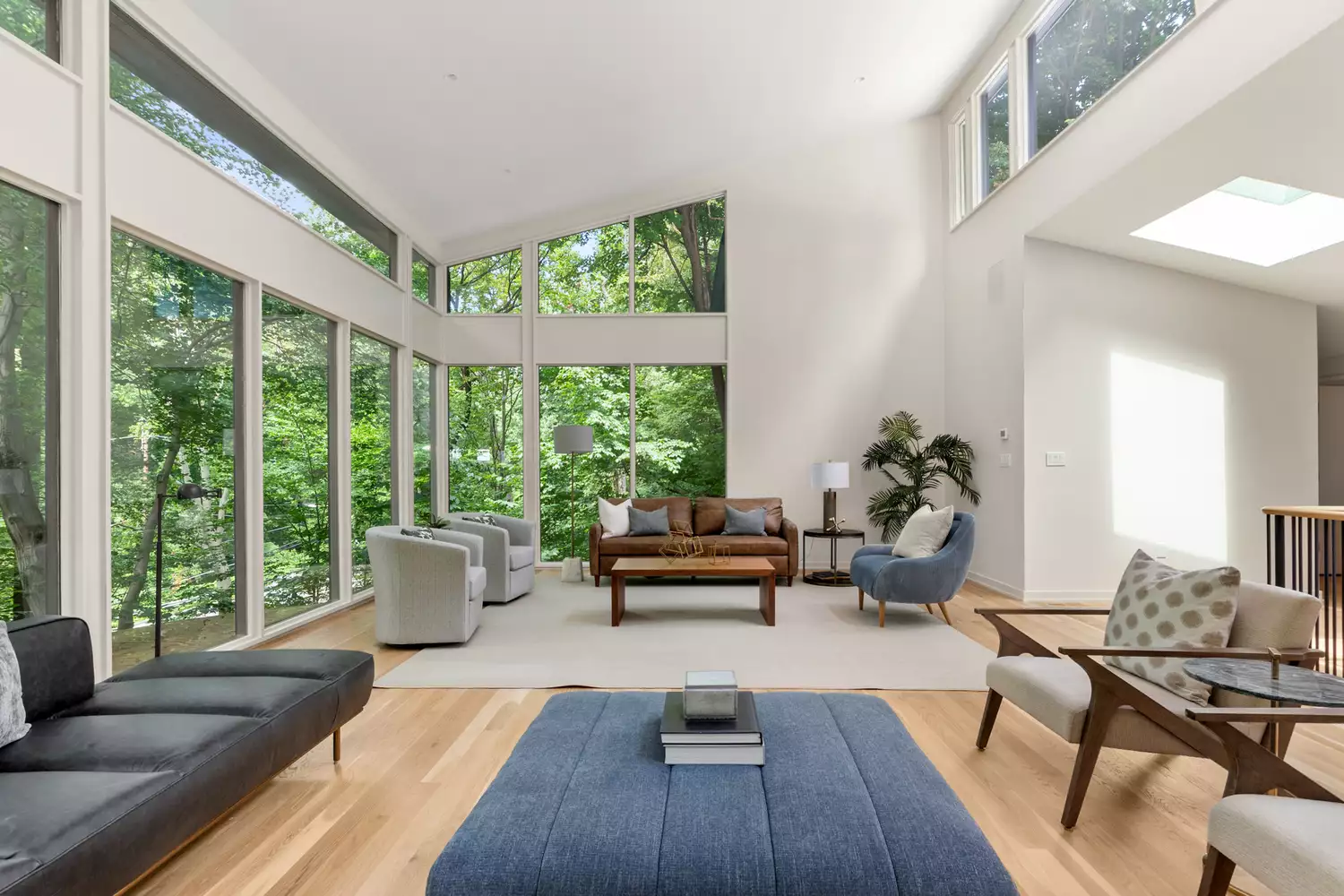
Is Midcentury Modern Decor Finally Out of Style in 2025? What Designers Really Think

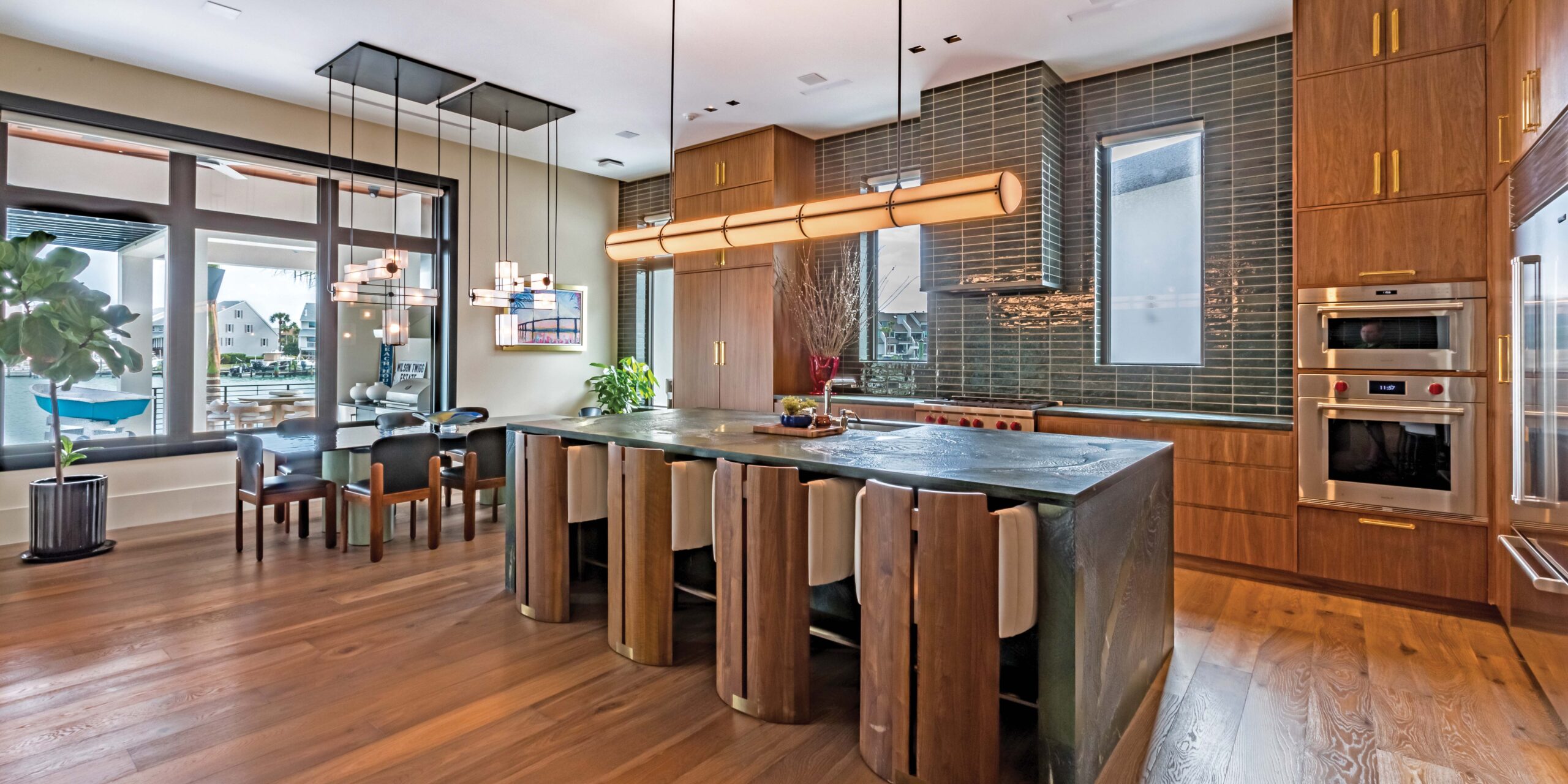
Home Design: Reinvented Midcentury Modern

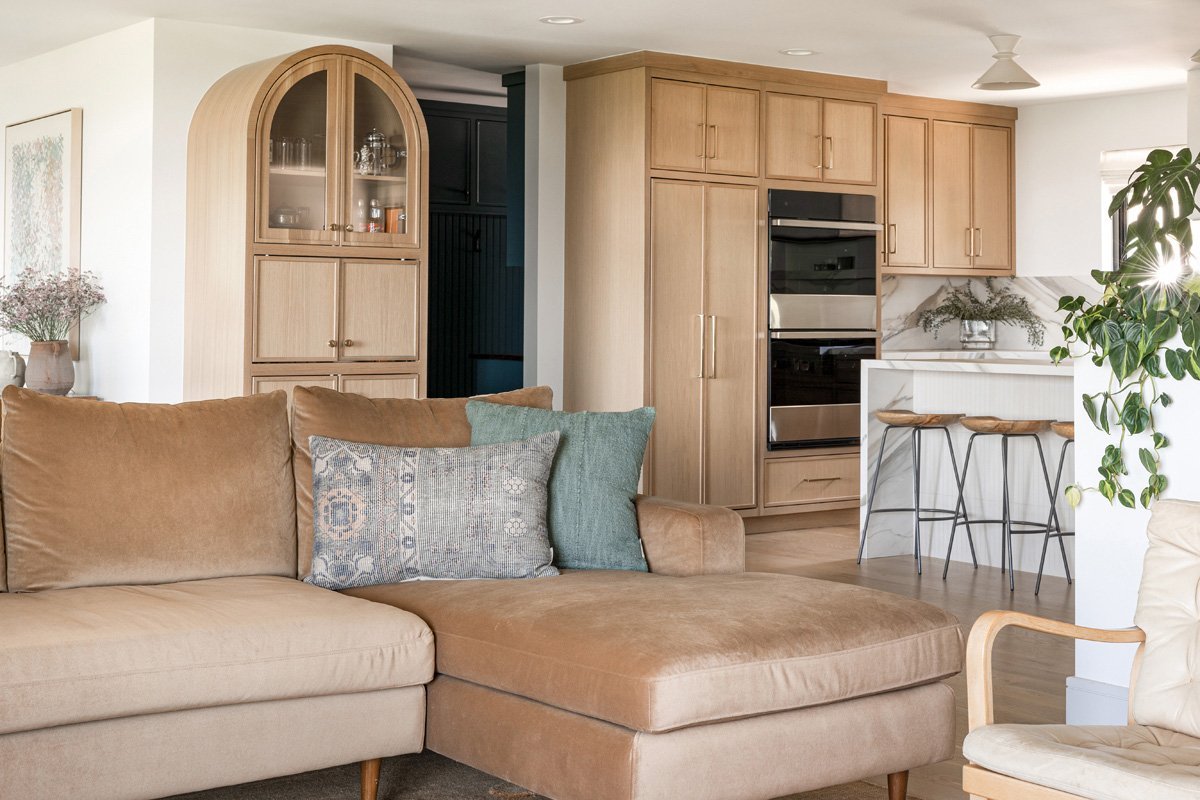
Mid-century Modern Meets Scandinavian

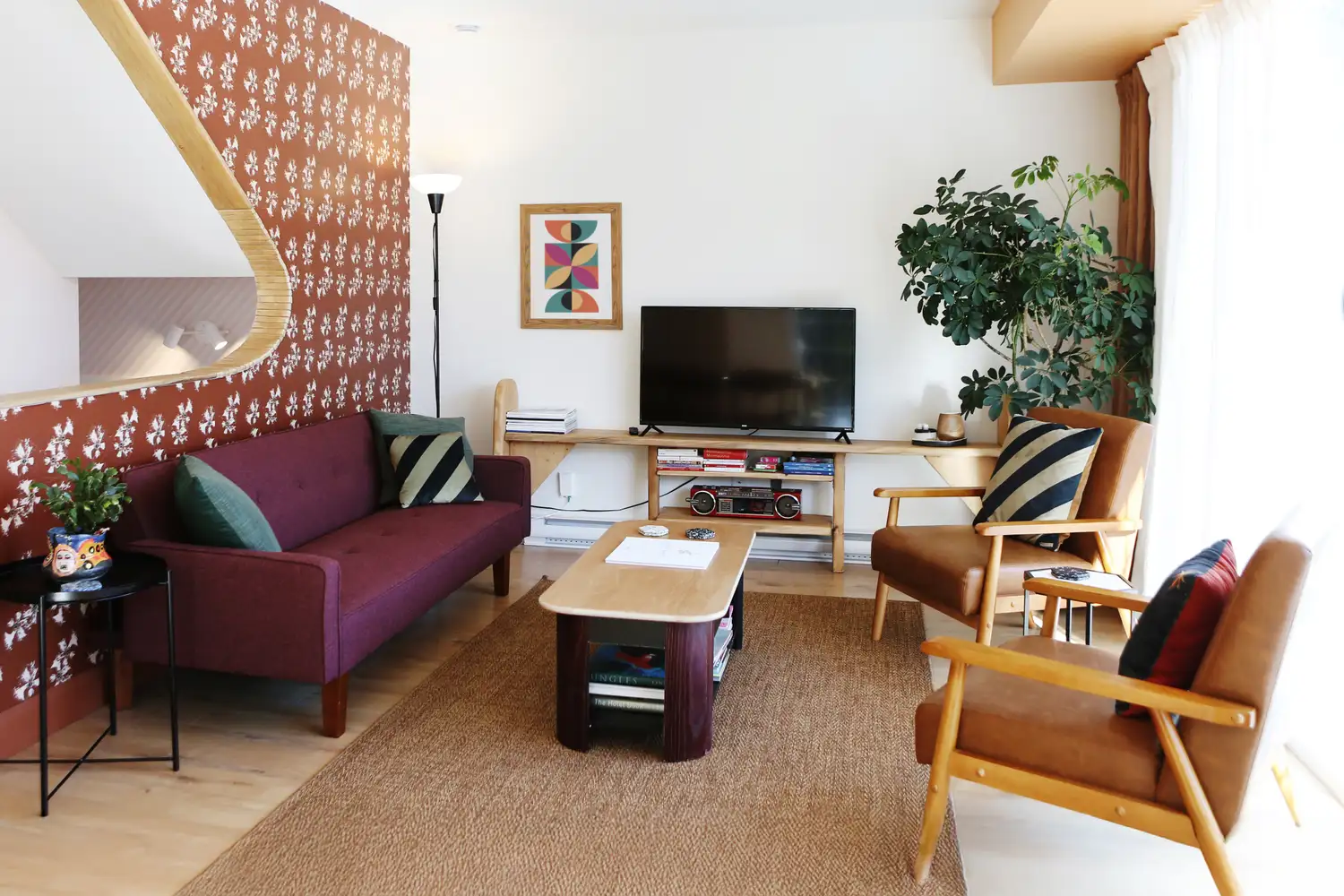
We Asked Designers If Midcentury Modern Is Out of Style—and Their Answer Might Surprise You
Why Australians love mid-century Modernism

Why Mid-Century Modern Interior Design Continues to Reign Supreme
What Is Midcentury Modern Architecture?
These 27 Stylish Rooms Do Mid-Century Modern Right

41 Home Products To Consider If You Love The Mid-Century Modern Look
The enduring appeal of Mid-century Modern

'Good design holds up' – 16 mid-century modern ideas that prove this design style will always be trending

These 12 Kitchens Prove How Timeless Midcentury Design Is

A Designer's Tips For Renovating a Midcentury Modern Interior

How to do mid-century modern style in 5 easy steps

Mid Century Modern Motherlode!

These Midcentury Modern Living Rooms Put Retro Back on the Map
House Plan of the Week: Midcentury Modern