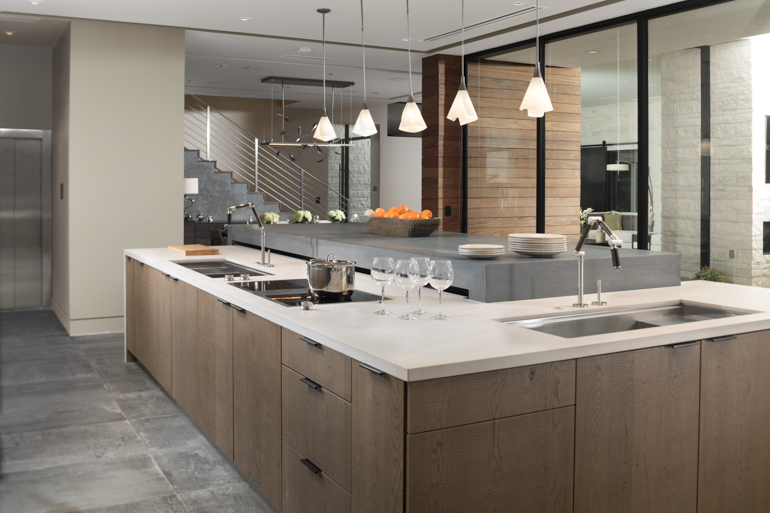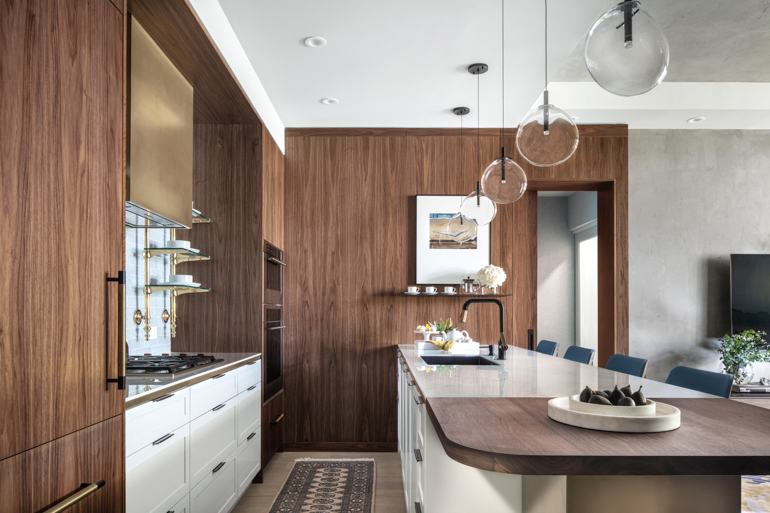
Bigger, Better Kitchen Pantries Are A Covid-Inspired Wellness Design Trend
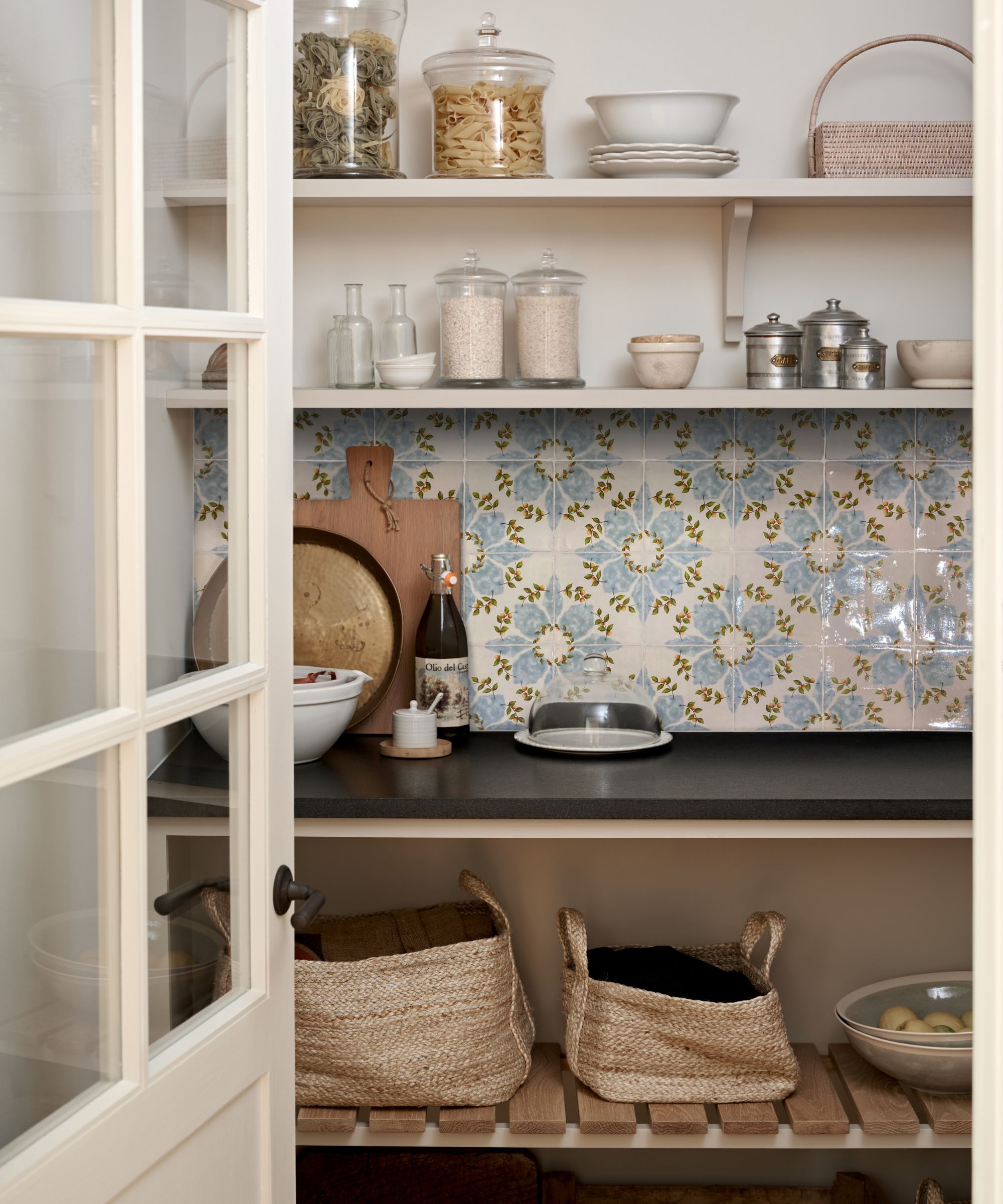
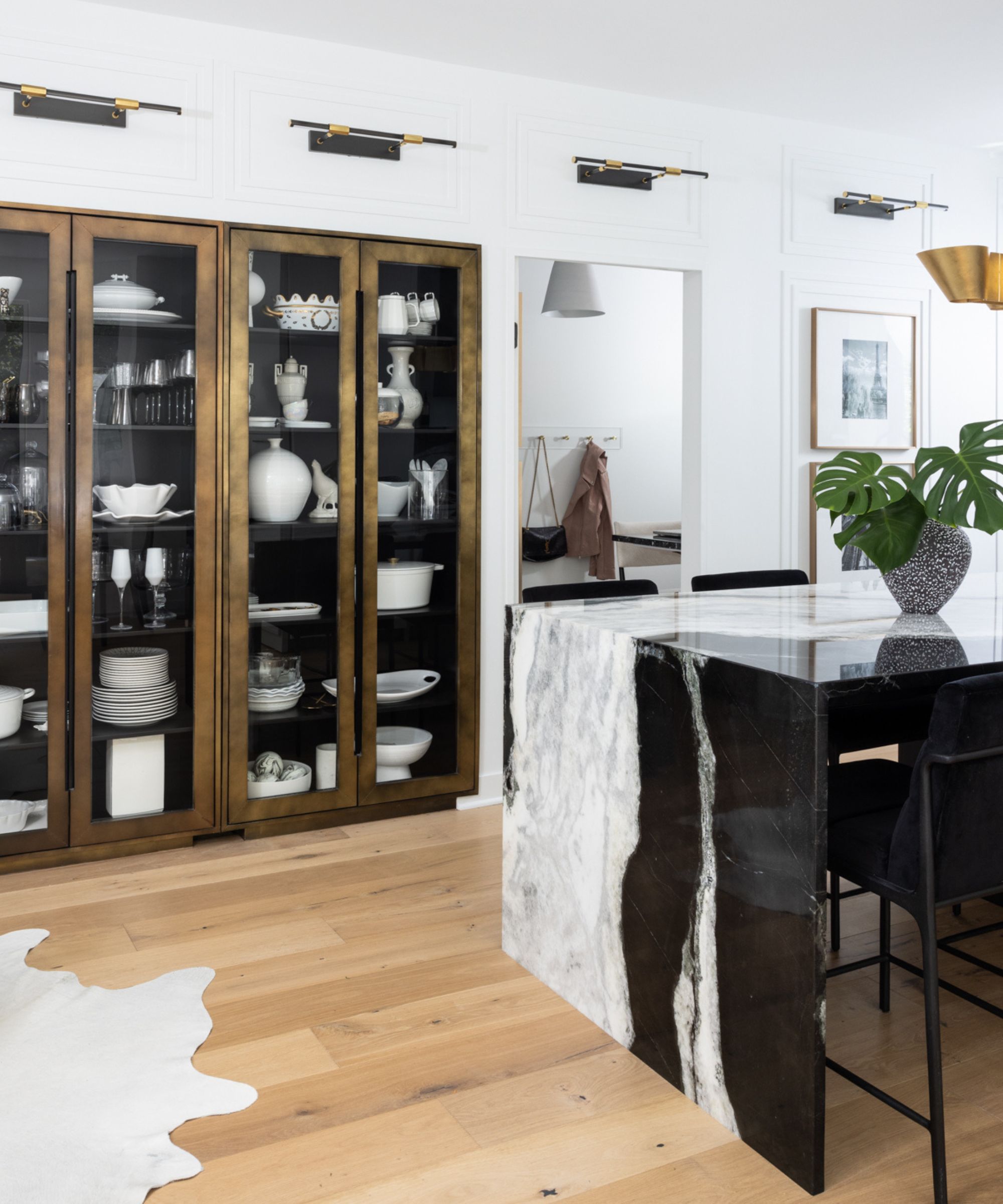
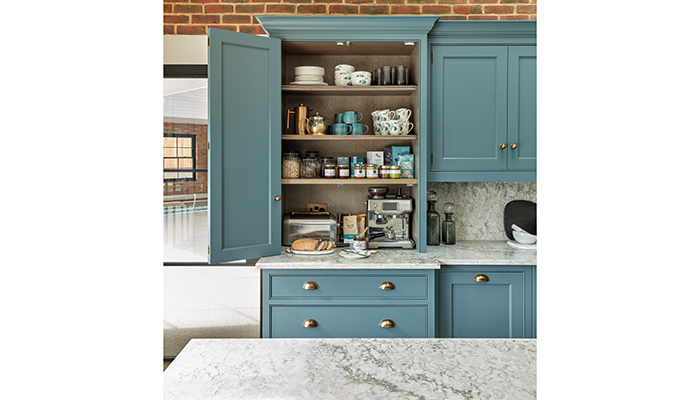
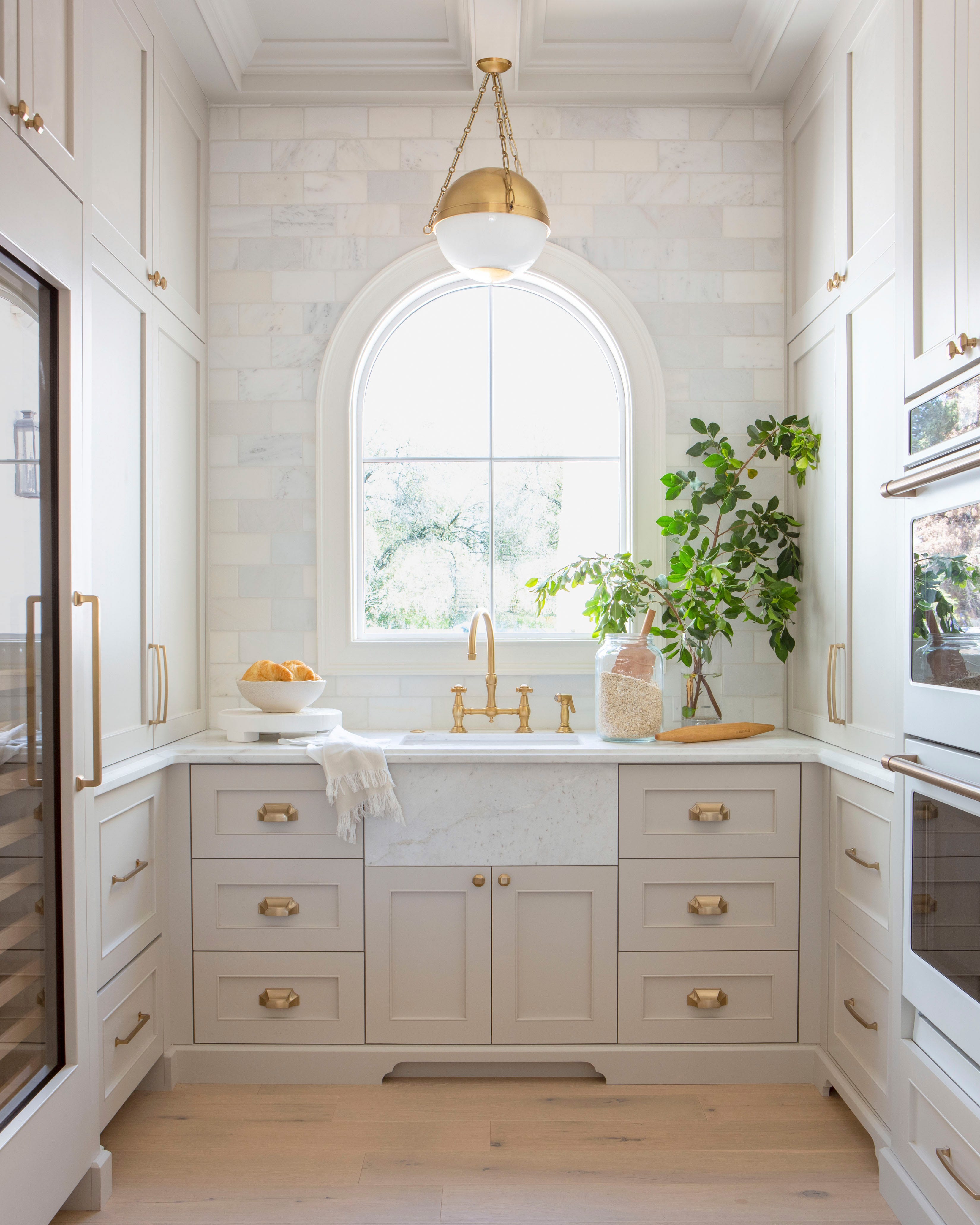
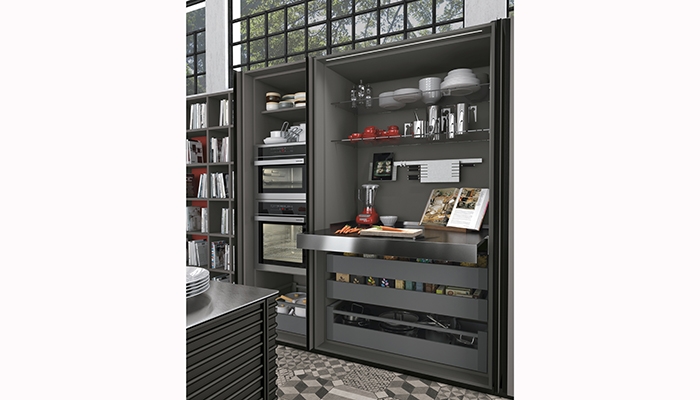
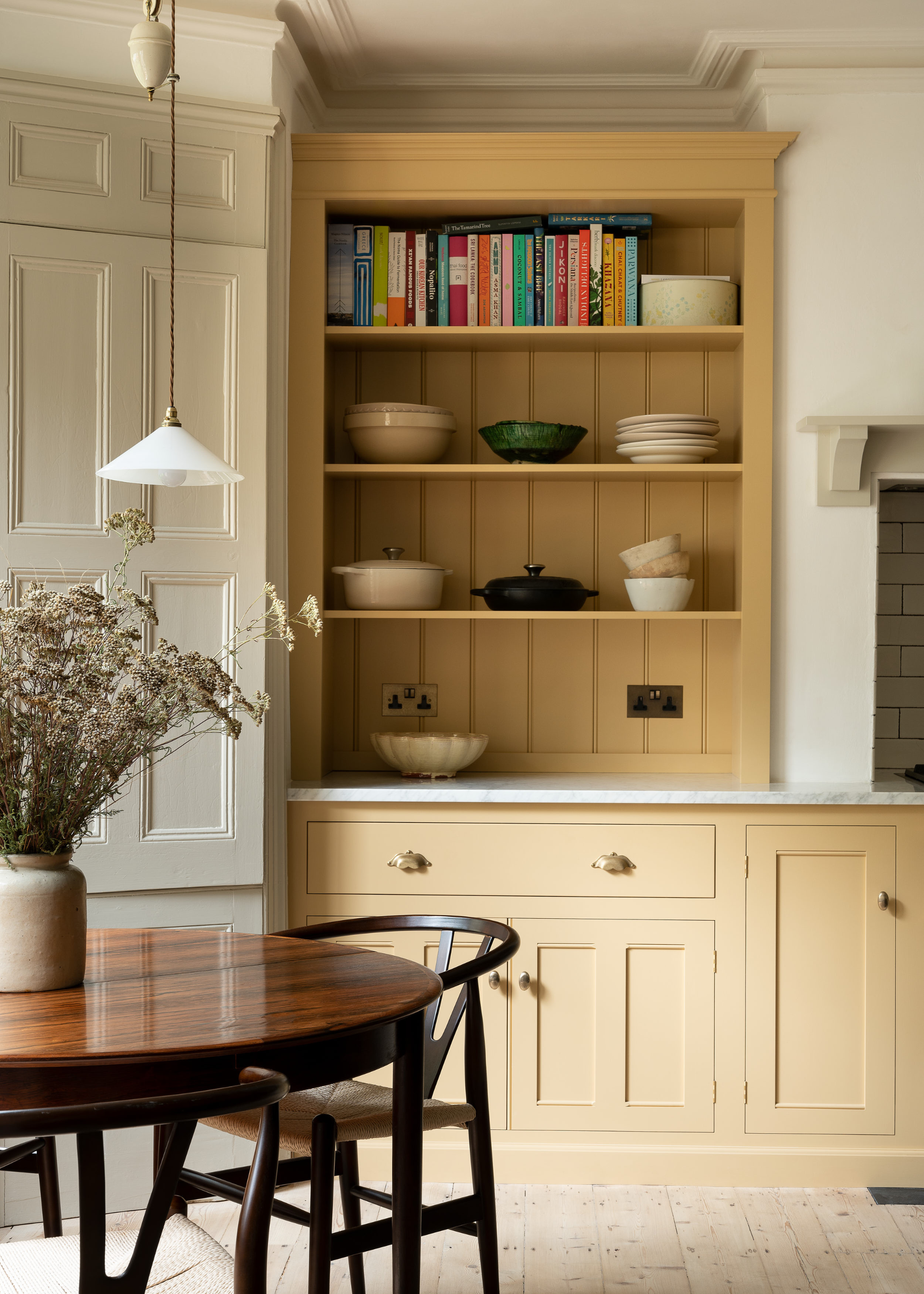
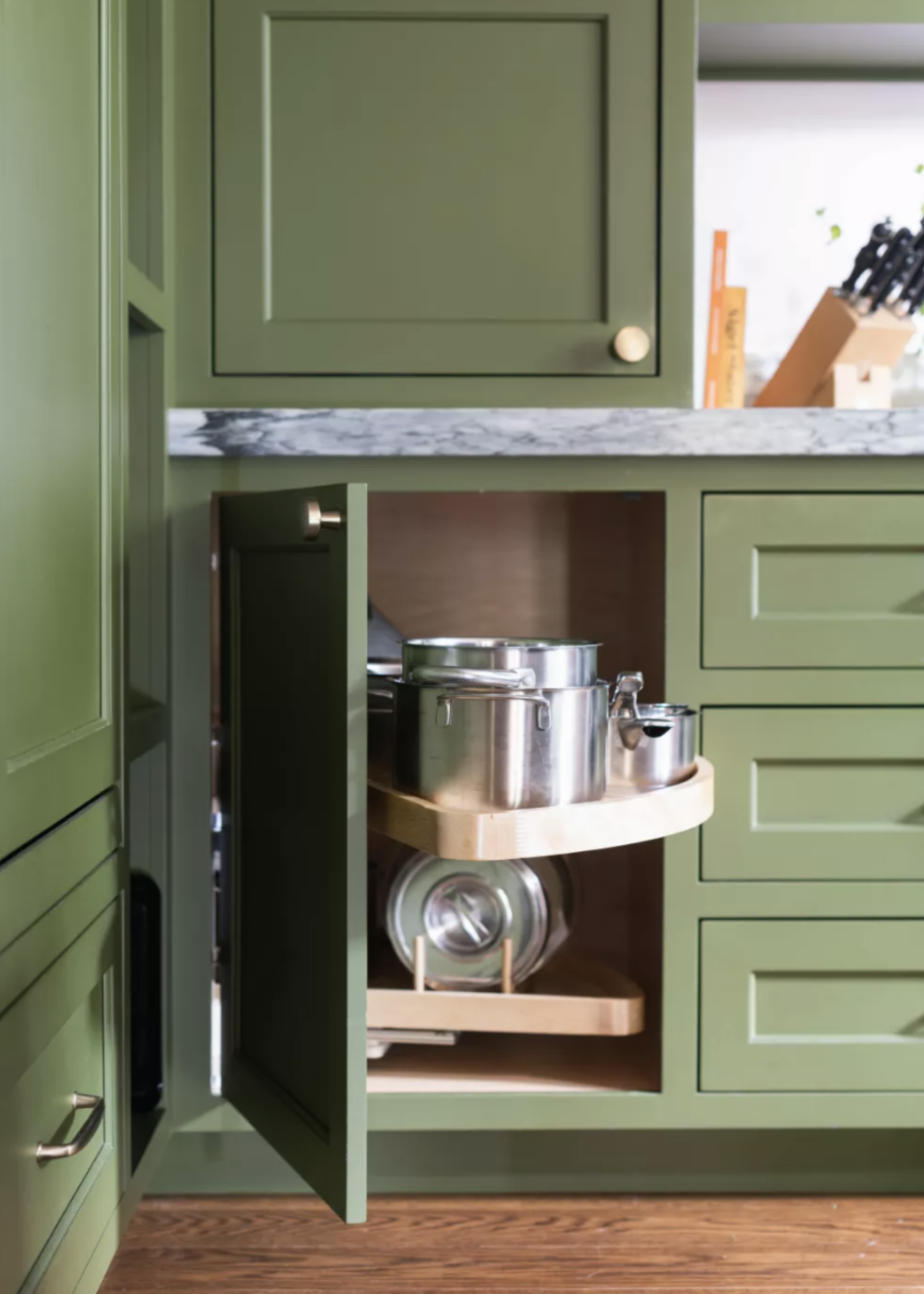
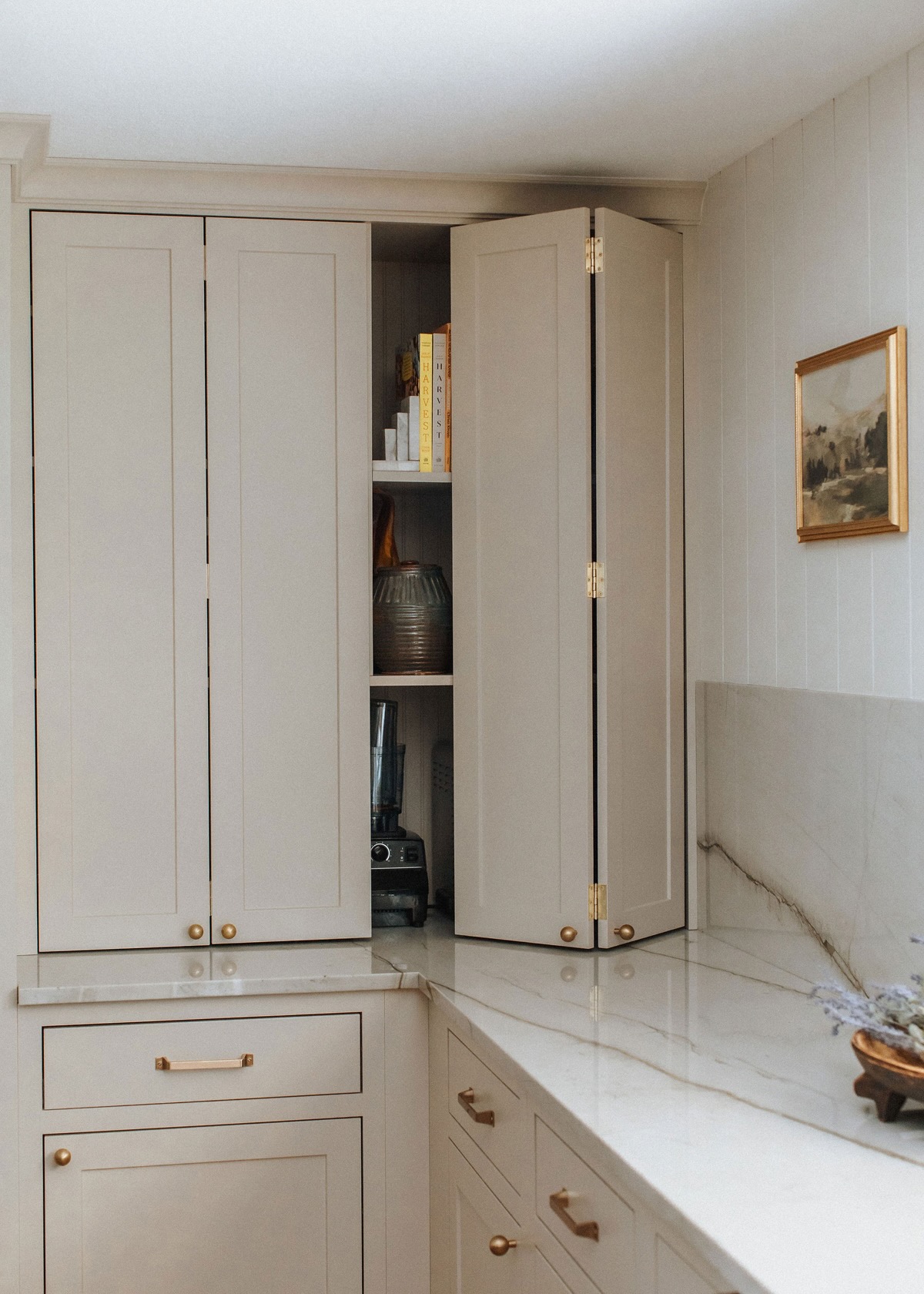
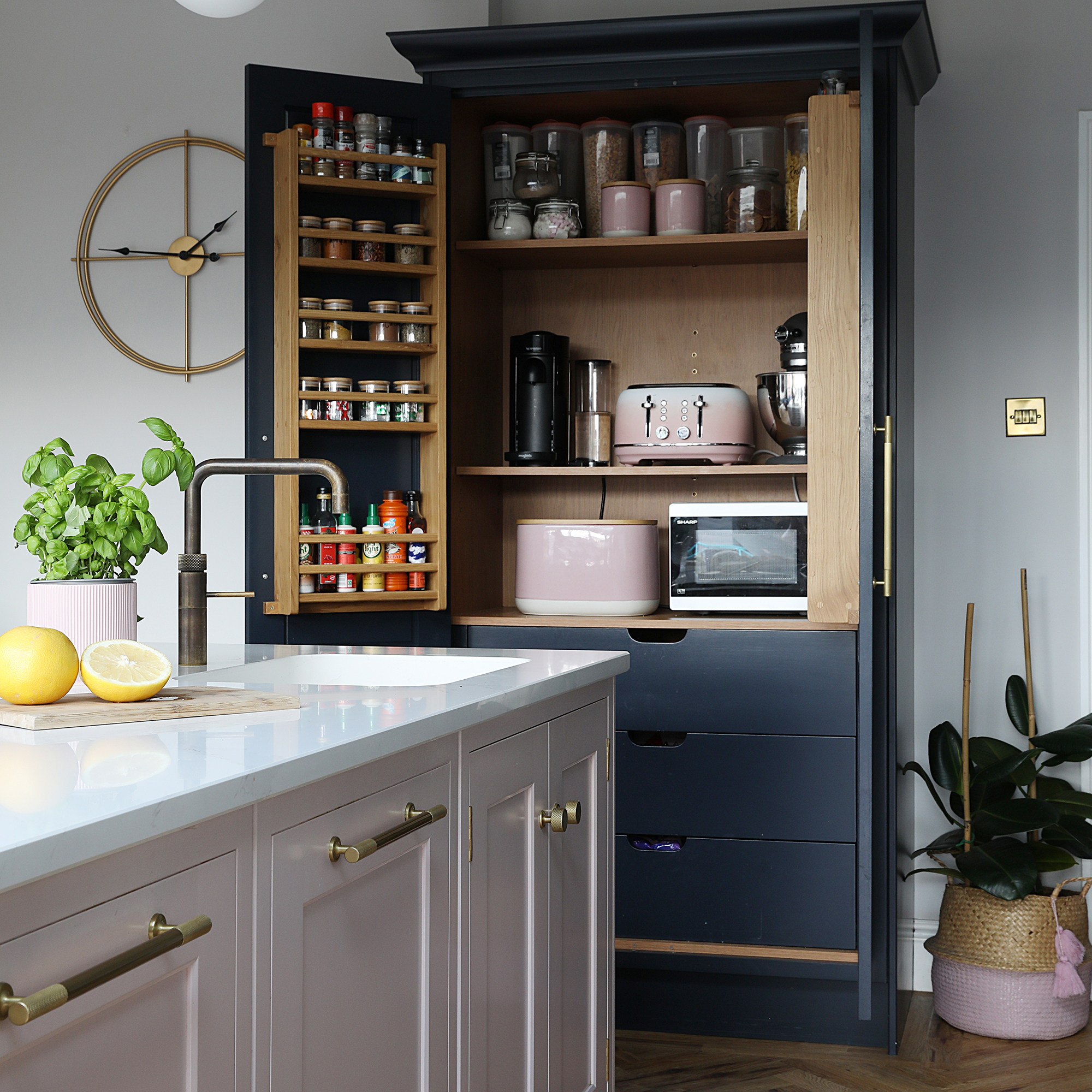
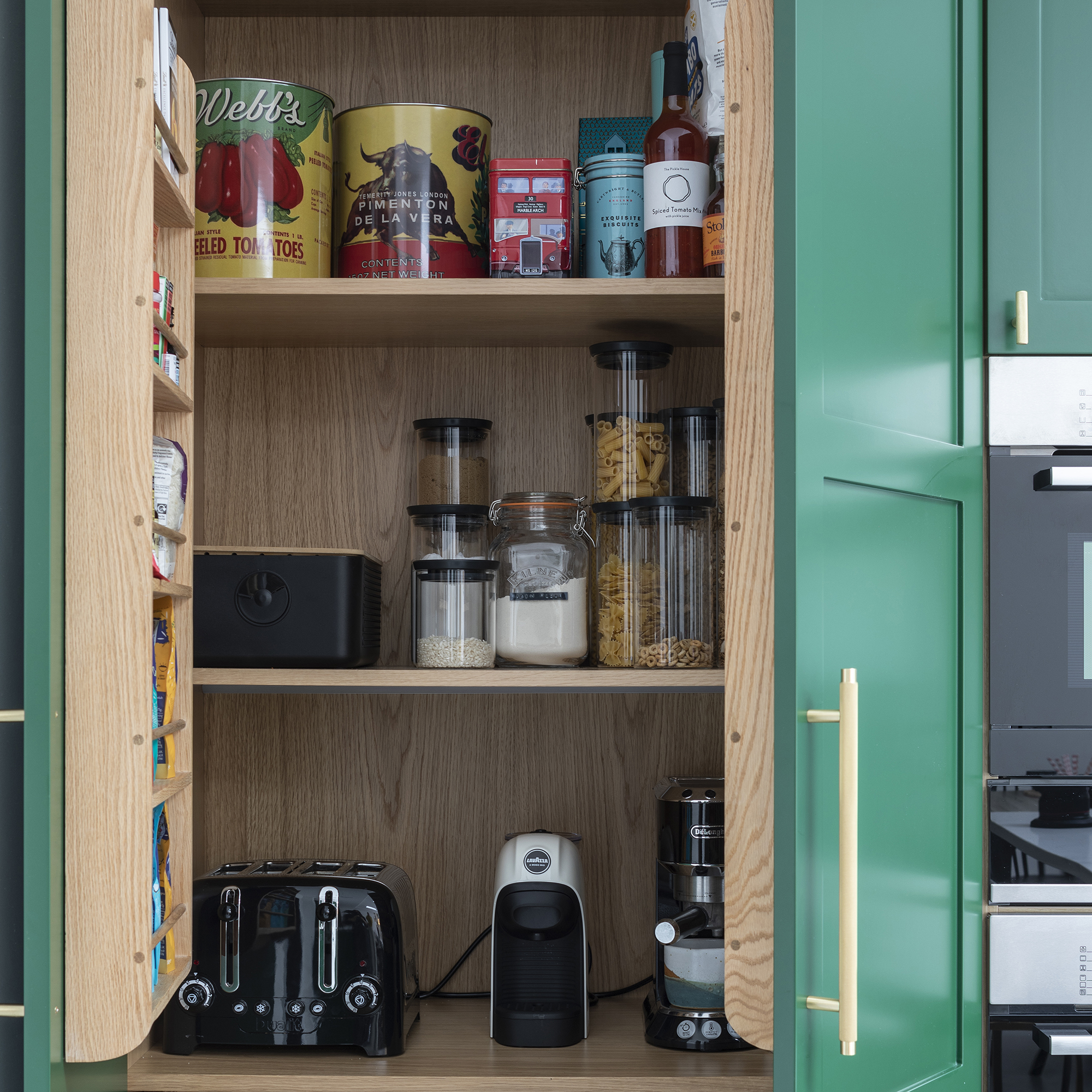
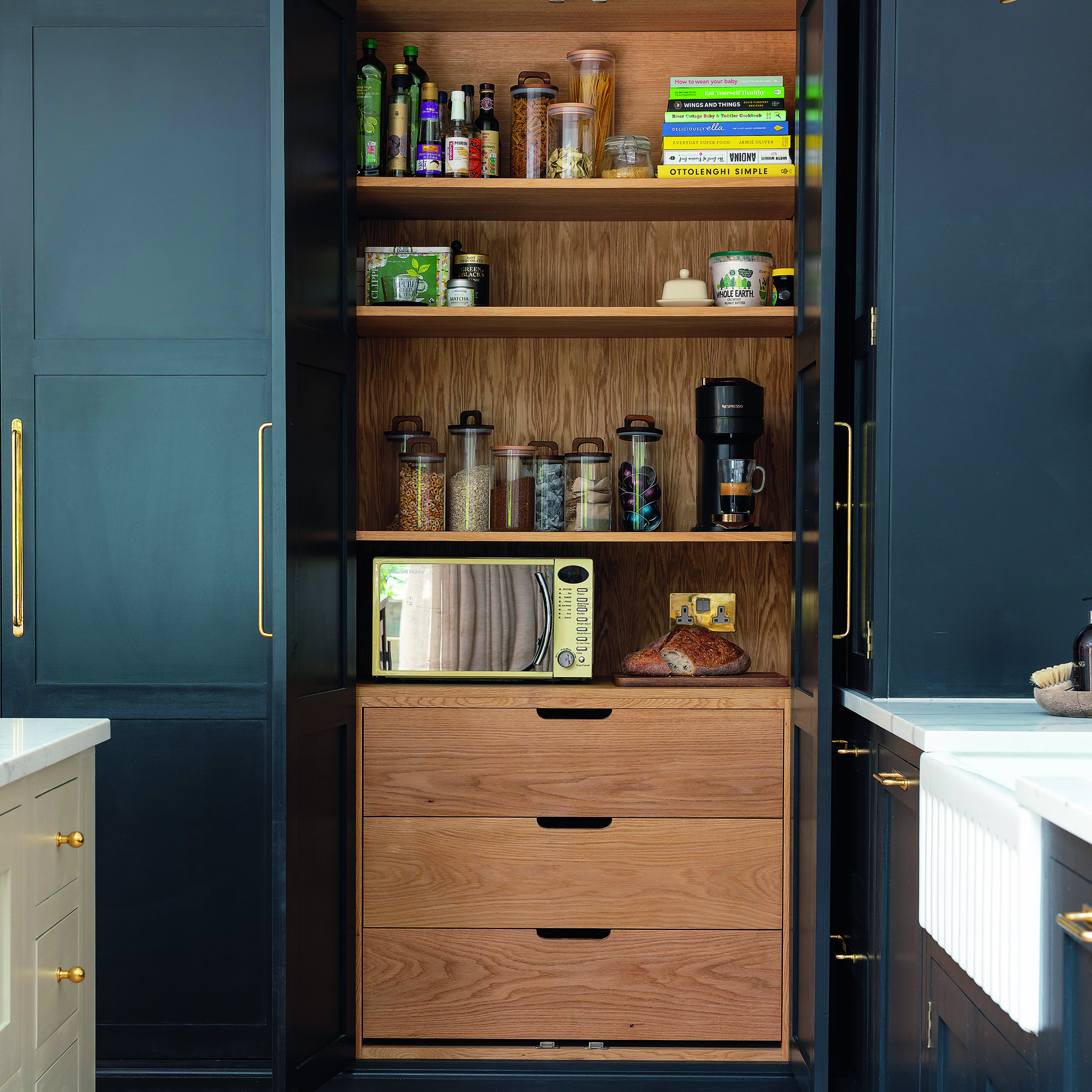
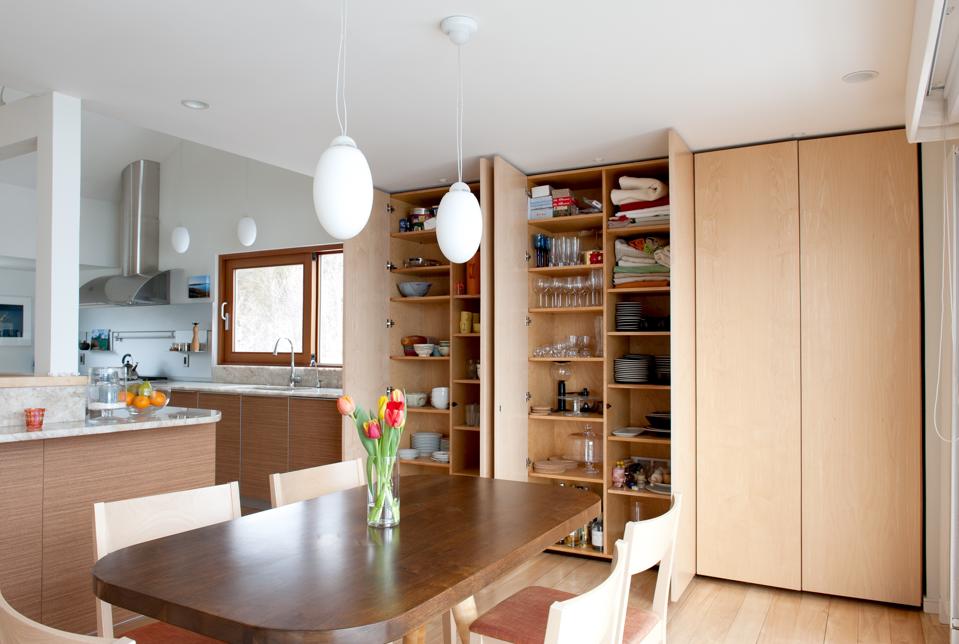
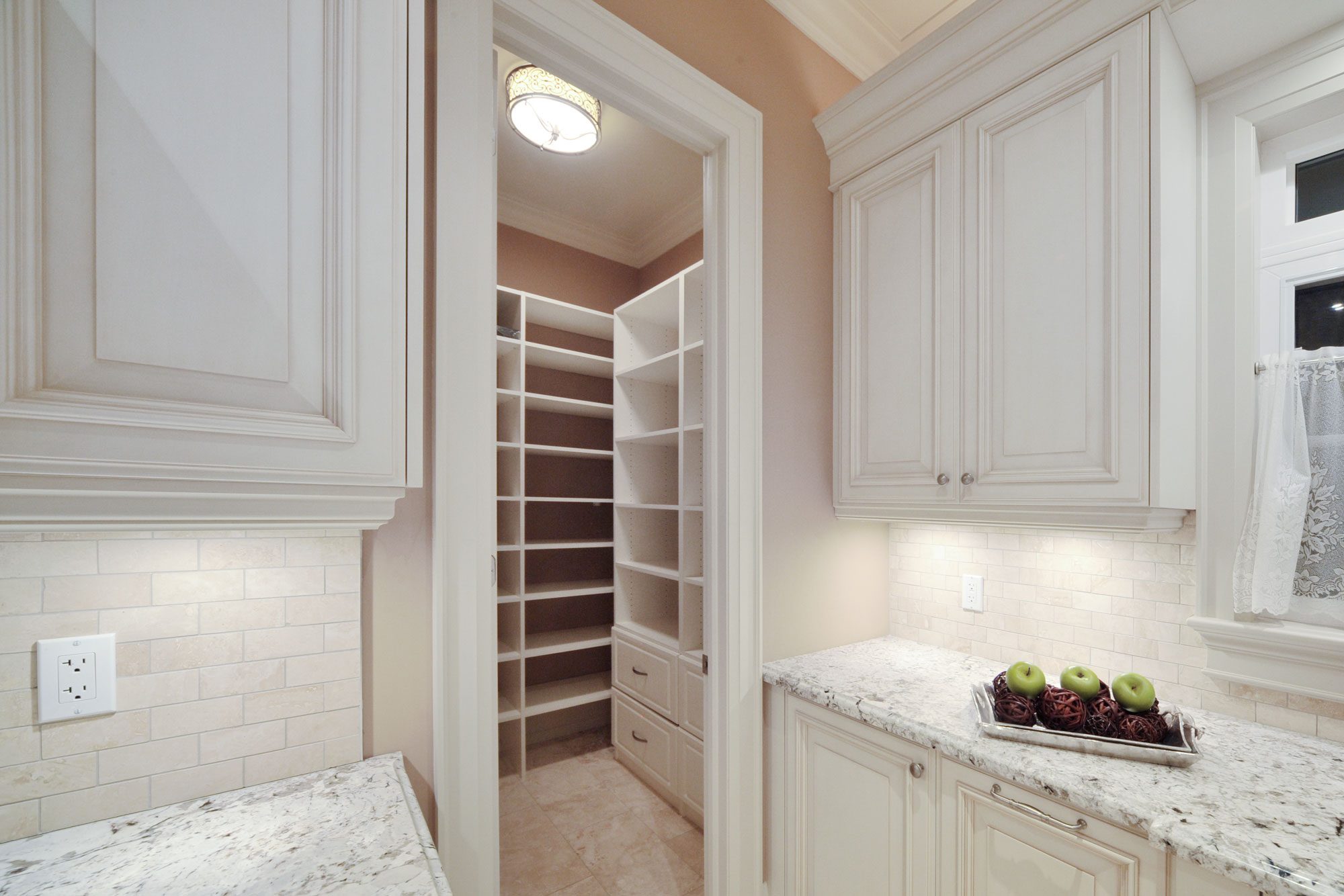
The COVID-19 pandemic has significantly influenced home design trends, particularly regarding kitchen pantries. A notable shift is the increased demand for larger, more functional pantries, driven by a surge in bulk shopping and home cooking. This trend is highlighted in a recent study by the National Kitchen & Bath Association (NKBA), which identified a 'working pantry' as a top emerging kitchen idea, with 60% of surveyed designers and industry professionals advocating for its inclusion. These advanced pantries are envisioned to offer dedicated storage for food and small appliances, including coffee centers, and ample space for serving dishes, pots, and pans. They also incorporate countertops for food preparation, such as baking centers, transforming them into multi-functional zones.
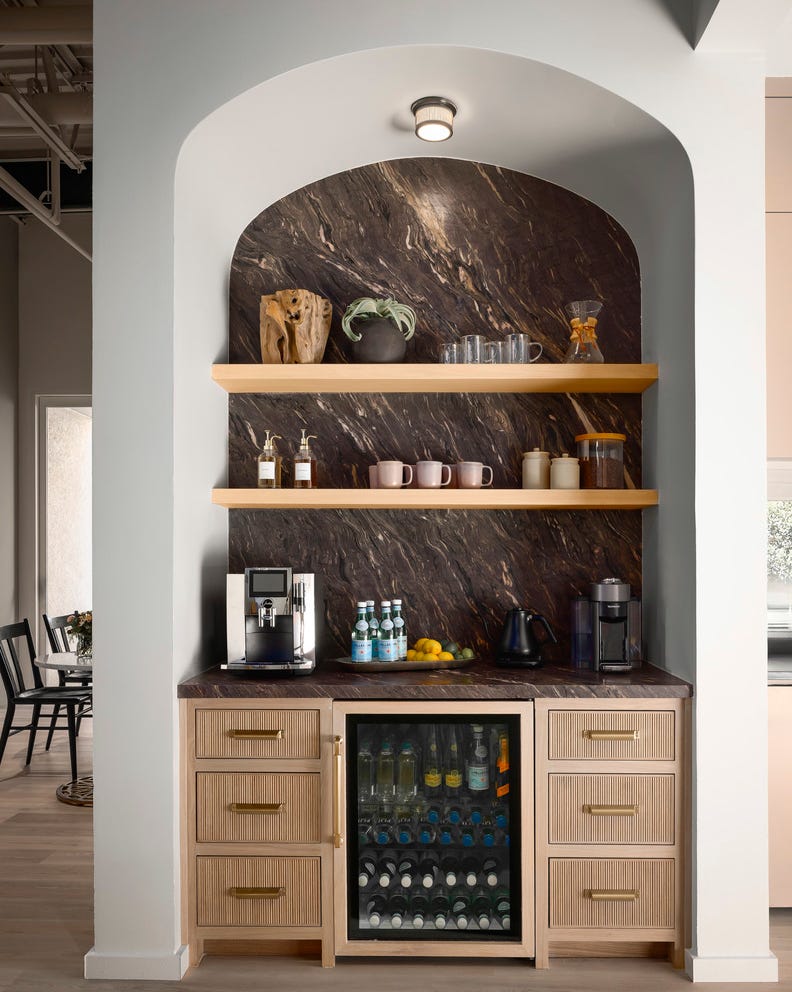
Mitchell Parker, a senior editor at Houzz.com, corroborates this trend, observing an increase in themed storage solutions like baking, coffee prep, and snack stations within pantries. These specialized areas are designed to allow various family members to use the kitchen without interrupting the primary cook's workflow. An interesting development is the growing popularity of beverage refrigerators in pantries, with nearly one in five renovating homeowners incorporating them. This enables easy access to cold drinks without cluttering the main kitchen refrigerator or interfering with meal preparation.
Robin Fisher, a certified master kitchen and bath designer based in Portland, Oregon, notes that her clients are utilizing pantries for diverse purposes, including wine storage and home-canned food. Her design process involves in-depth client consultations to understand their shopping habits, meal planning, entertainment needs, proximity to grocery stores, and sustainability preferences. This comprehensive approach ensures that pantries are custom-designed to the correct size and fully accessible, maximizing visibility and minimizing food waste.
Strategic placement of pantries is also a key consideration. Fisher suggests locating pantries at the kitchen's perimeter for optimal convenience, allowing easy retrieval of items for cooking. Parker agrees, emphasizing the importance of situating pantries within steps of primary kitchen work zones, such as near the refrigerator, sink, or range. In larger homes, multiple pantries may be present, necessitating a well-organized plan to group related food items. Some homeowners are even integrating butler's passes into their walk-in pantries, equipped with microwaves and prep sinks, to function as serving stations. These require accessible locations relative to the dining room while remaining separate from main kitchen activities.
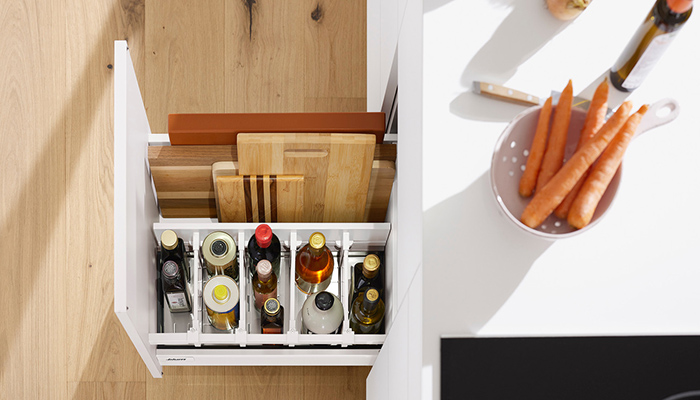
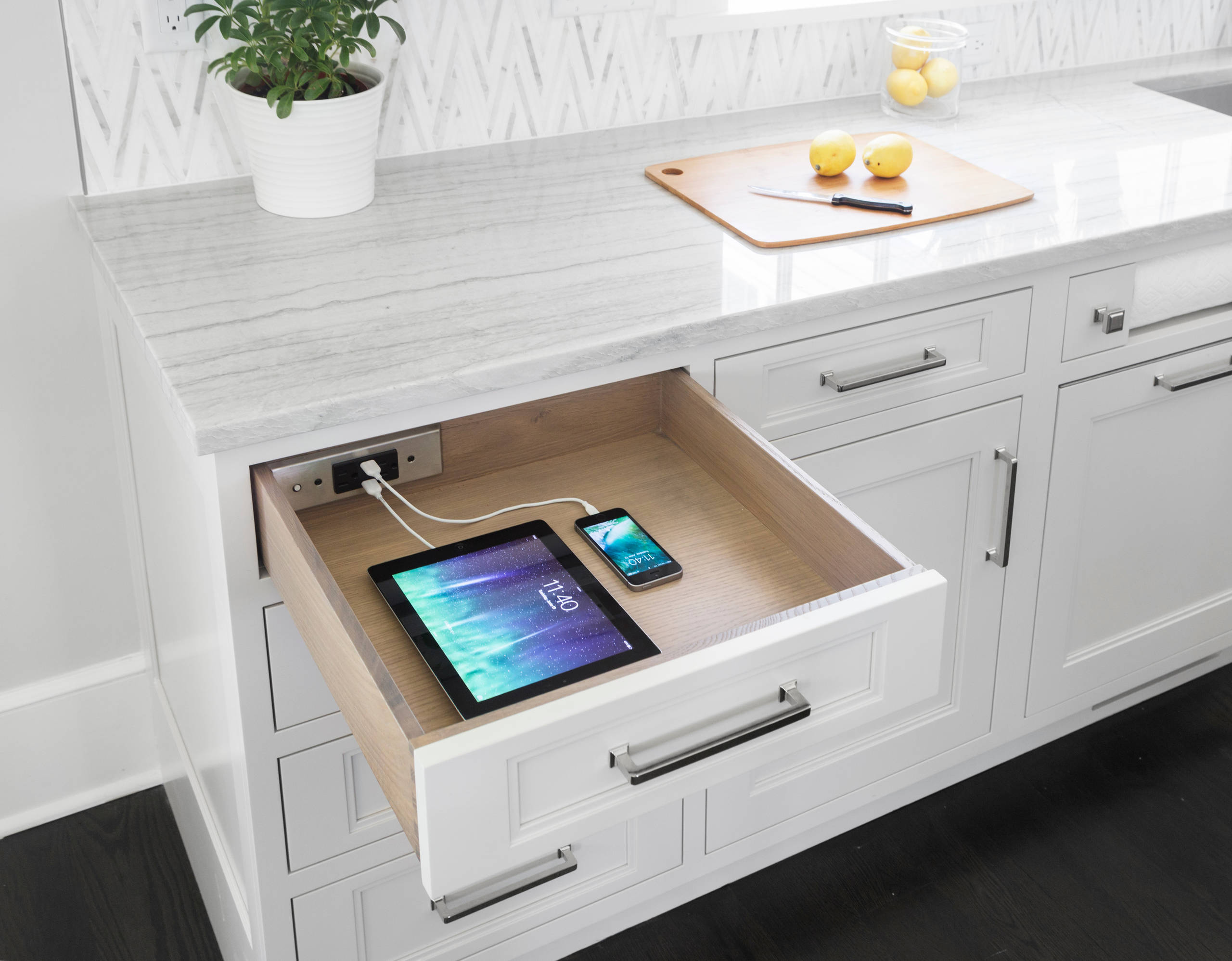
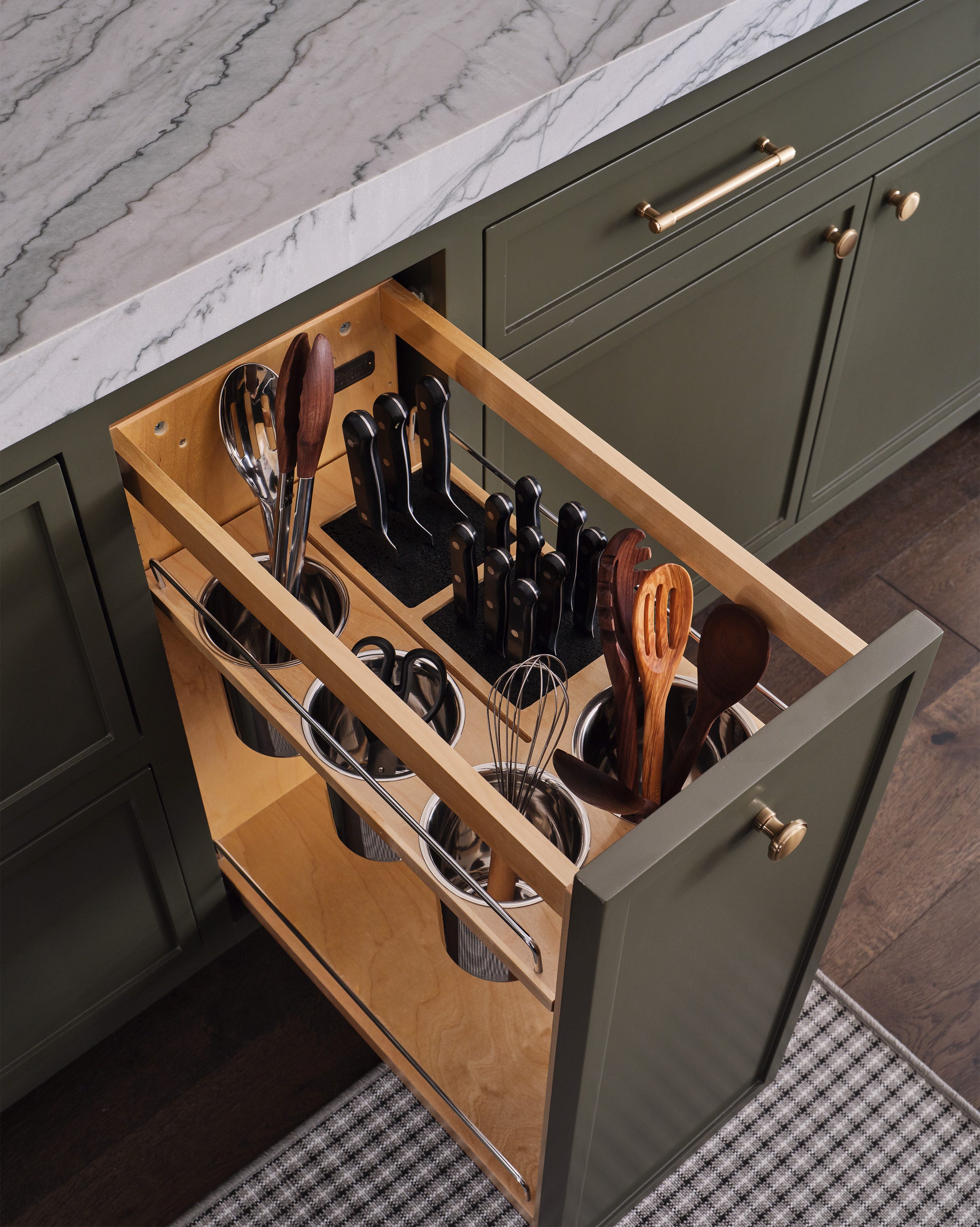
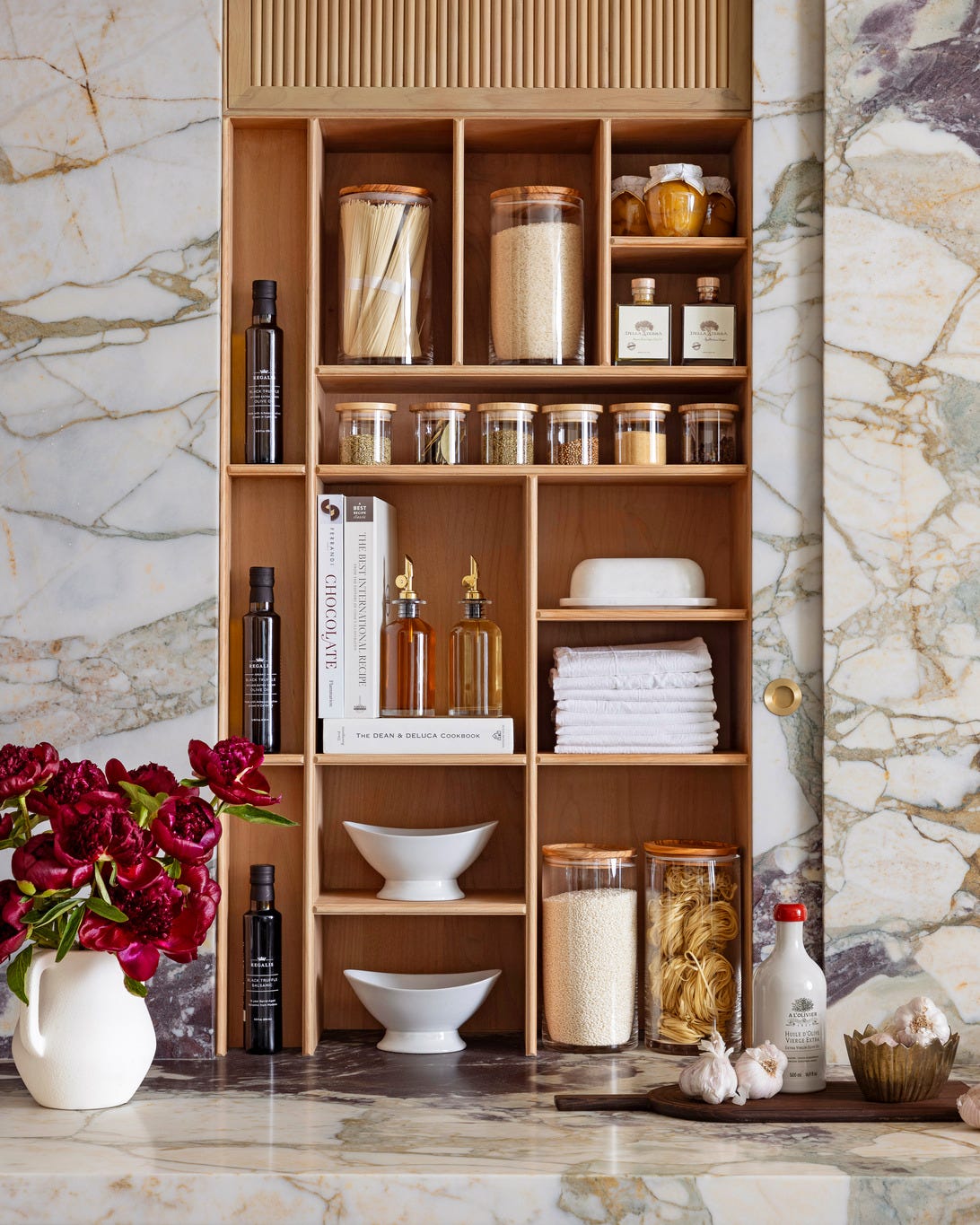
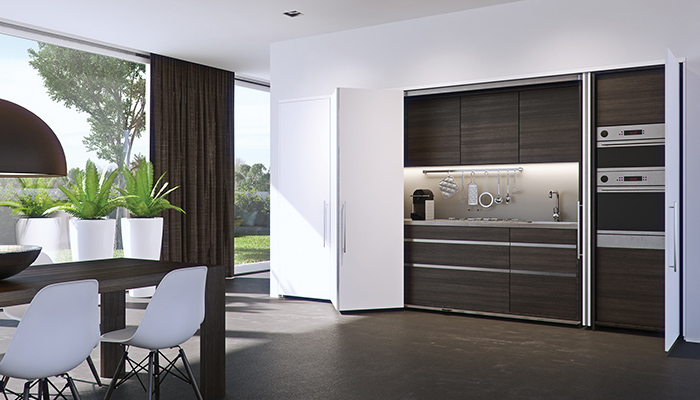
The inclusion of appliances like freezers, wine refrigerators, coffee makers, and microwaves in pantries necessitates careful planning for power sources. Sinks in pantries also require consideration of water supply and drainage. While these additions increase remodel costs, they significantly enhance the kitchen's functionality and overall home value. James Barry, a health-focused private chef and CEO of Pluck seasonings, advocates for visibility within pantry spaces, recommending pantry door shelves and tiered racks for deeper shelves. He stores spices and cooking tools near work zones and less frequently used items, including small appliances, in the pantry, cautioning against built-in appliances due to cleaning difficulties. Barry stresses that an organized pantry, regardless of size, simplifies cooking and reduces stress, advocating for smaller quantities and higher turnover of food items to ensure freshness and efficiency.
#KitchenDesign #PantryTrends #WellnessDesign #HomeRemodel #FoodStorage #ApplianceIntegration #KitchenOrganization #MealPreparation #KitchenDesign #PantryTrends #WellnessDesign #HomeRemodel #FoodStorage #ApplianceIntegration #KitchenOrganization #MealPreparation
0 comment in total
 No comments yet
You may also like
The 2021 Kitchen Design Trends Transforming the Home

7 Kitchen Renovation Trends to Watch
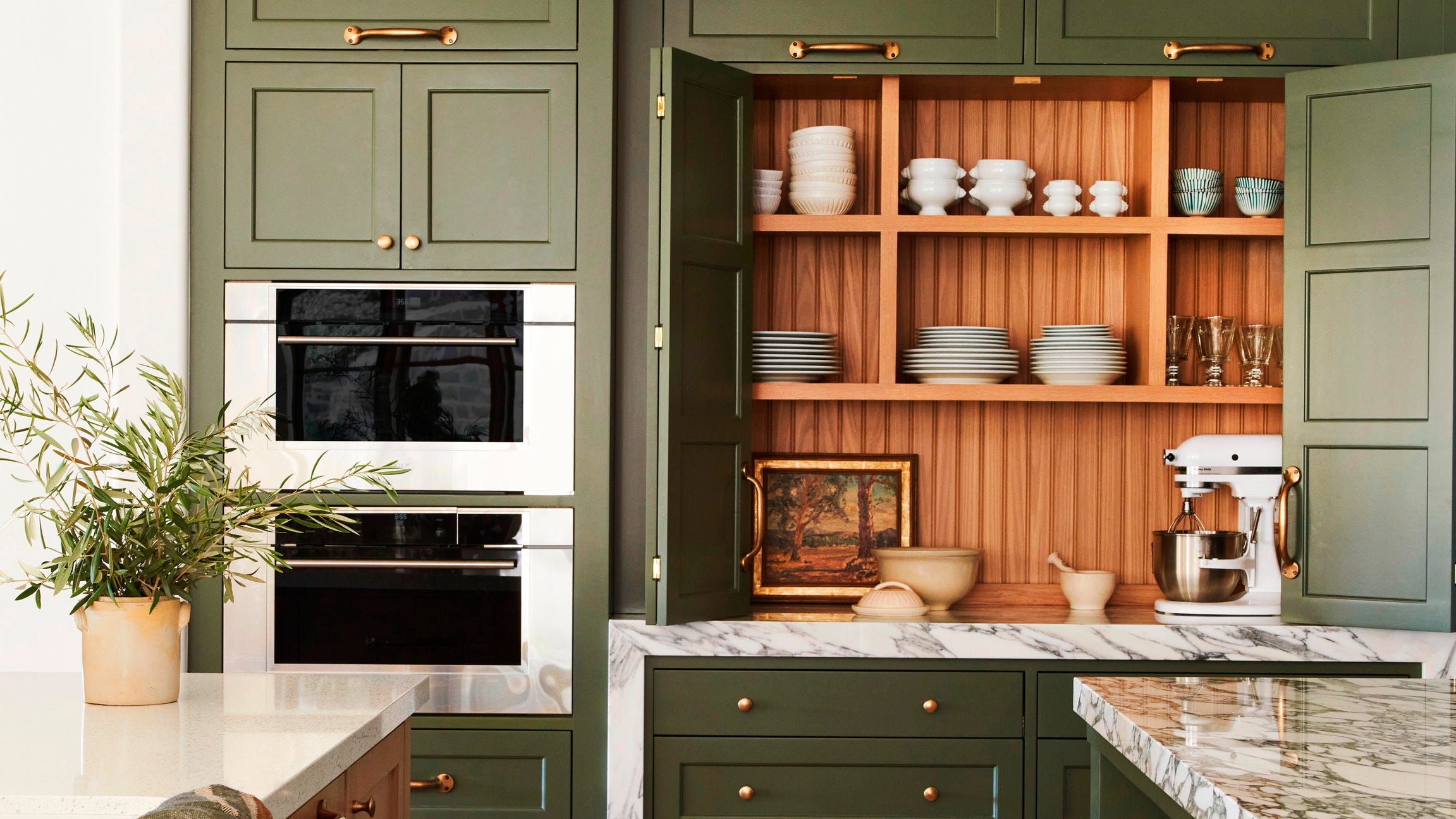
5 Genius Kitchen Pantry Trends That Will Help You Get (and Stay!) Organized

Interior Design Trends for 2021
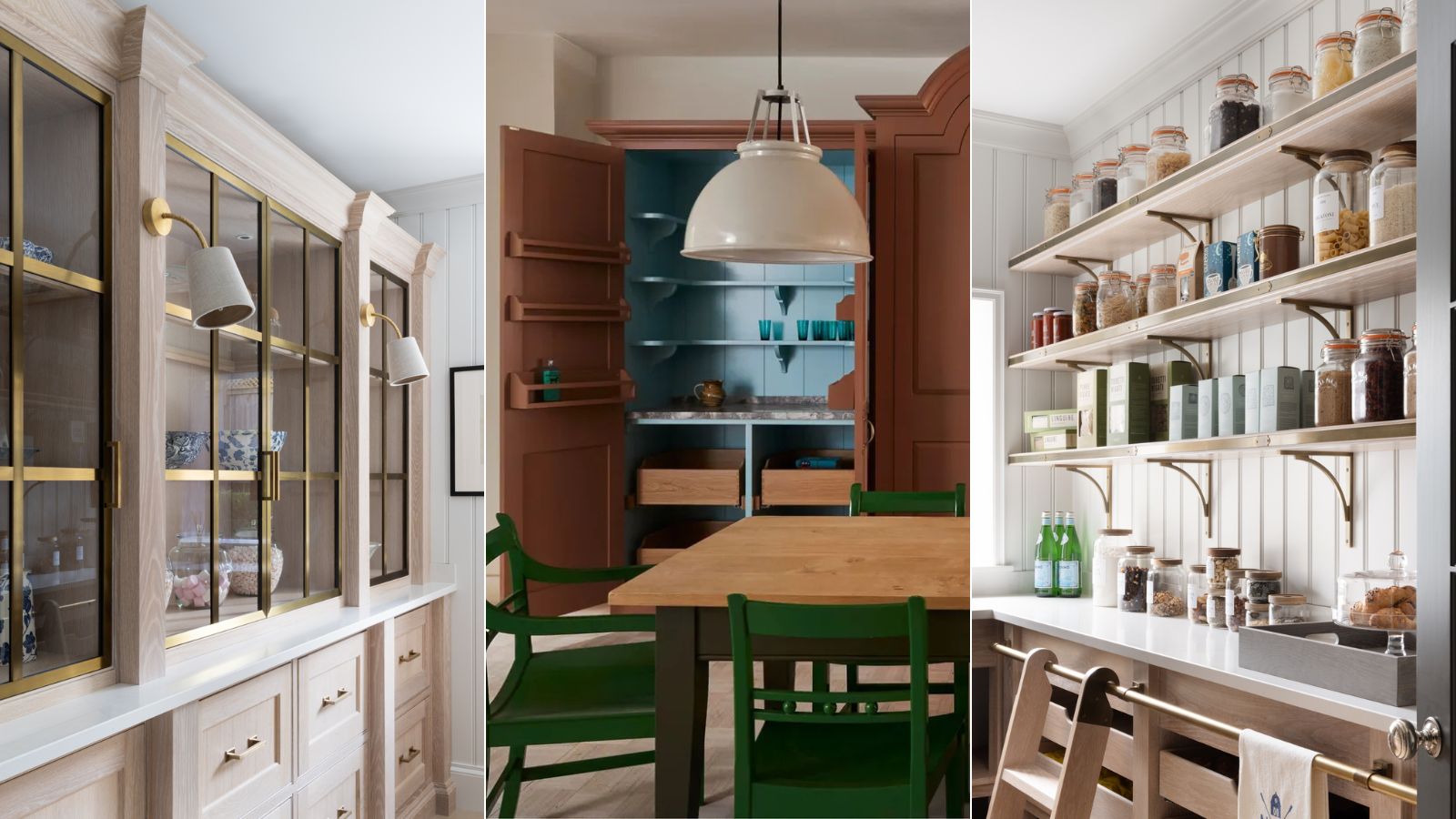
13 pantry trends for an organized yet oh-so-stylish design in 2025

This Music-Inspired Kitchen Island Trend Will Instantly Make Your Layout More Functional
New Survey Highlights Longevity As A Kitchen Design Trend

Savvy Storage

Kitchen storage: The latest innovations for a super-organised space
Pantries Are Making a Comeback

Hide and sleek: The rising popularity of a kitchen behind closed doors
8 kitchen trends to watch in 2026 - this is what the pros predict will be big next year
Walk-in Pantries: Hidden Gems
How wellbeing in kitchen design is now a priority for homeowners
5 Outdated Types of Kitchen Storage Experts Are Urging You to Avoid

Why an appliance garage is the latest trend that no stylish kitchen should be without
Must-Haves in Today’s Kitchen
Kitchen storage trends to avoid – 8 impractical features designers are rethinking for 2024
7 Kitchen Storage Trends That Designers say are Best Avoided
Most-Asked-About Products 2022: Personal Growth