NoVA’s Design Experts Explain How to Make a Mudroom Trendy
Mudrooms, often viewed as purely functional spaces for shedding wet boots, coats, and backpacks, are evolving into stylish and impactful areas within a home. While their primary purpose remains utilitarian, they also serve as the first impression upon entering a house. This transformation is driven by a desire to blend function with aesthetics, making mudrooms both organized and visually appealing. Design experts emphasize that mudrooms offer a unique opportunity for homeowners to experiment with bolder design choices and integrate personalized elements.
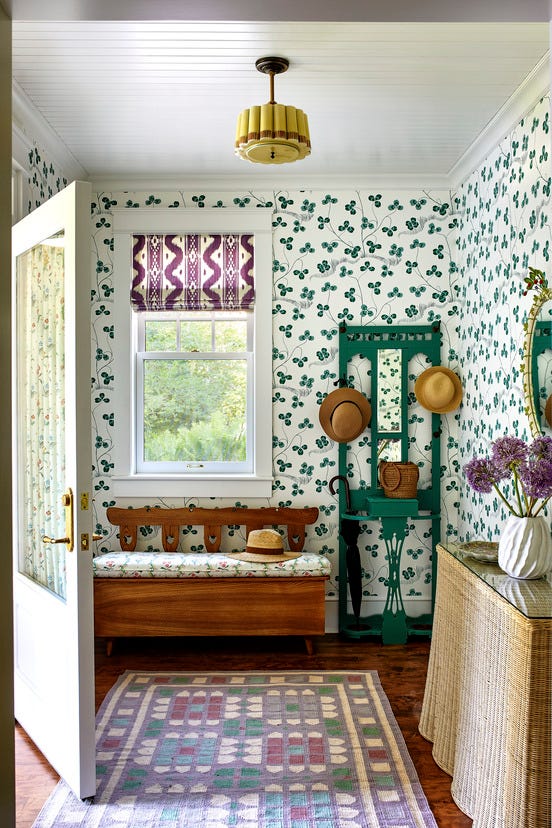
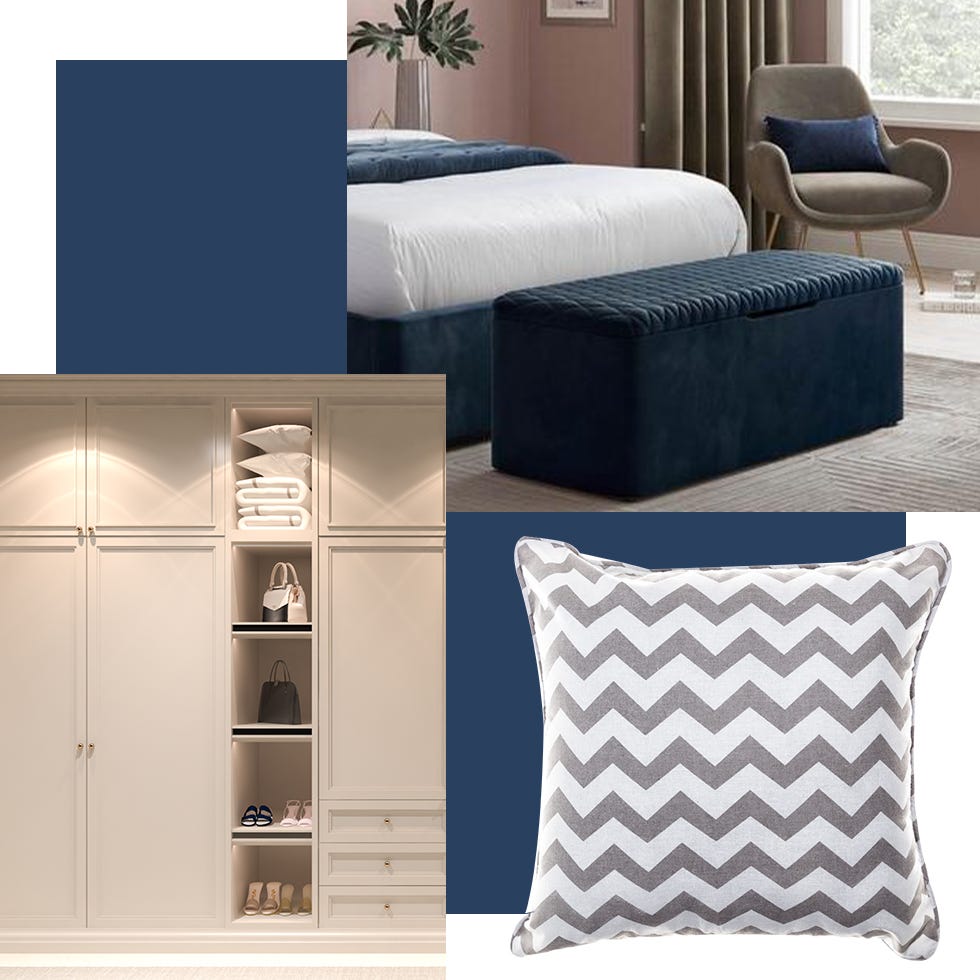
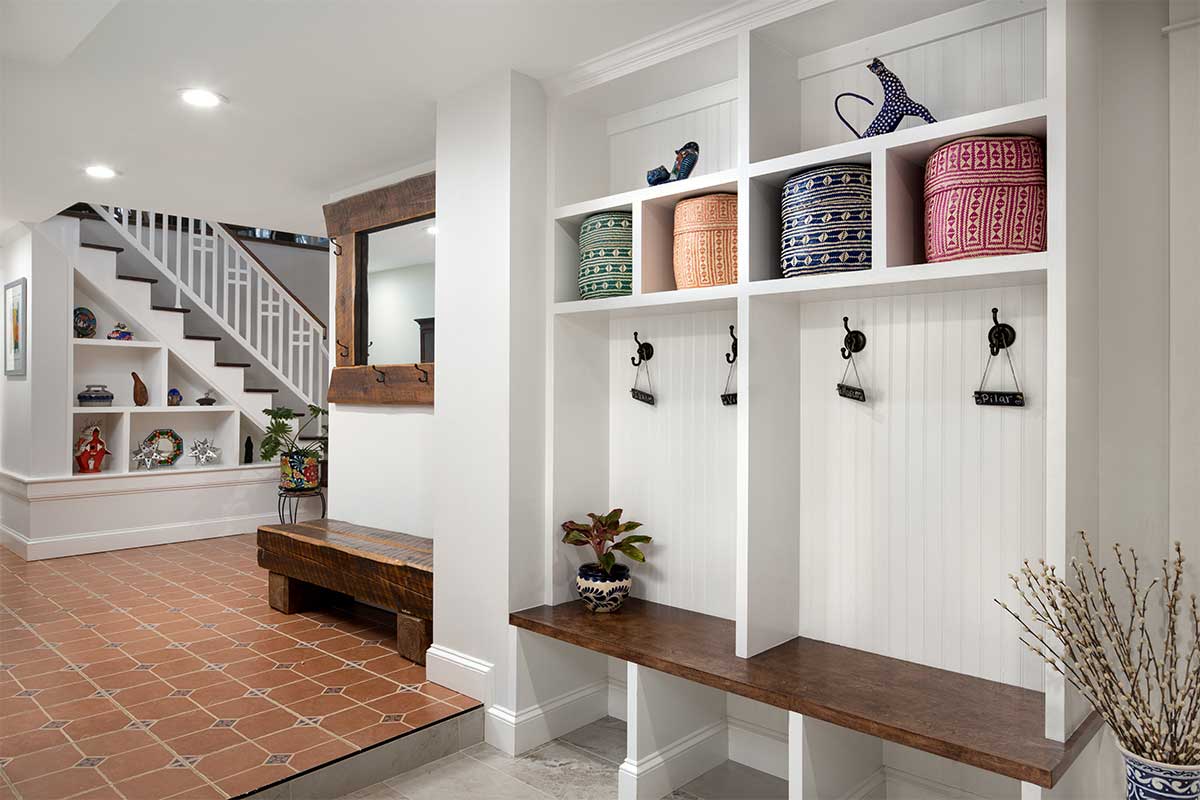
Key trends in mudroom design include the use of saturated cabinet colors, such as dark navy or hunter green, paired with vibrant encaustic tiles or wall coverings to add character and visual interest. Barn doors or French pocket doors are also gaining popularity for their aesthetic appeal and space-saving qualities. Beyond color and doors, designers are seeing an uptick in unique light fixtures and even fun tile patterns adorning mudroom floors. On a more practical note, the COVID-19 pandemic has spurred an increased demand for additional pantry storage, dedicated desks for studying or remote work, and utility sinks within mudrooms, reflecting a shift towards more versatile and self-sufficient home spaces.
The primary benefit of a well-designed mudroom lies in its multi-functional nature. It acts as a central 'drop zone' for family members coming and going, helping to contain clutter that might otherwise spread throughout the house. This organized approach can contribute to a calmer start to the day by ensuring essential items are readily accessible. Furthermore, mudrooms offer versatile storage solutions beyond just outerwear, accommodating pantry items, paper goods, pet food, and even electronics charging stations, thereby reducing disarray in other living areas.
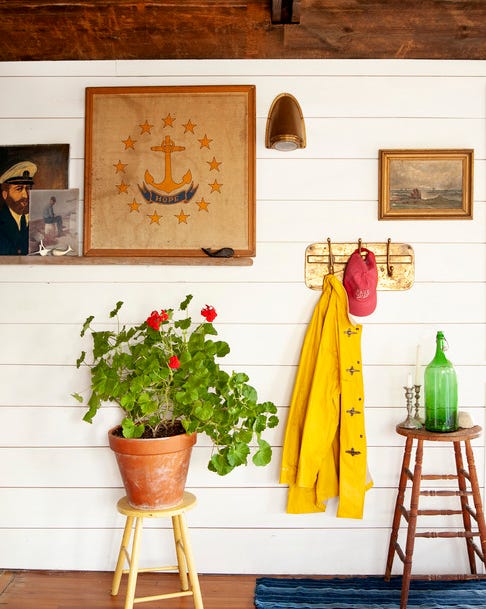
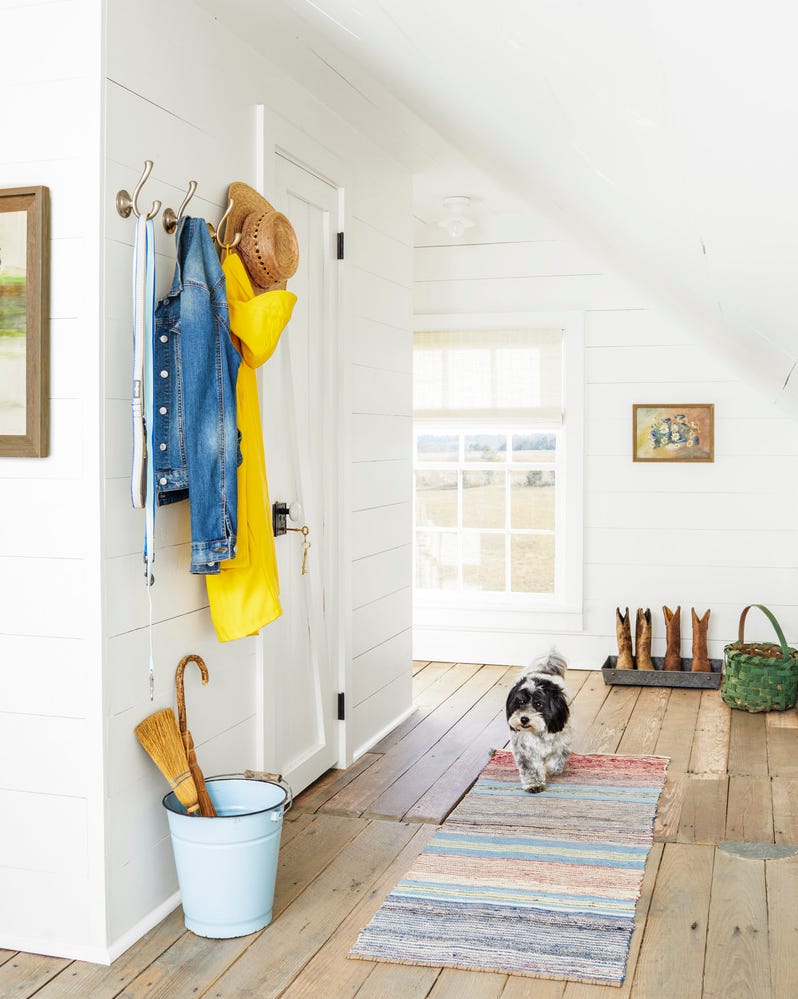
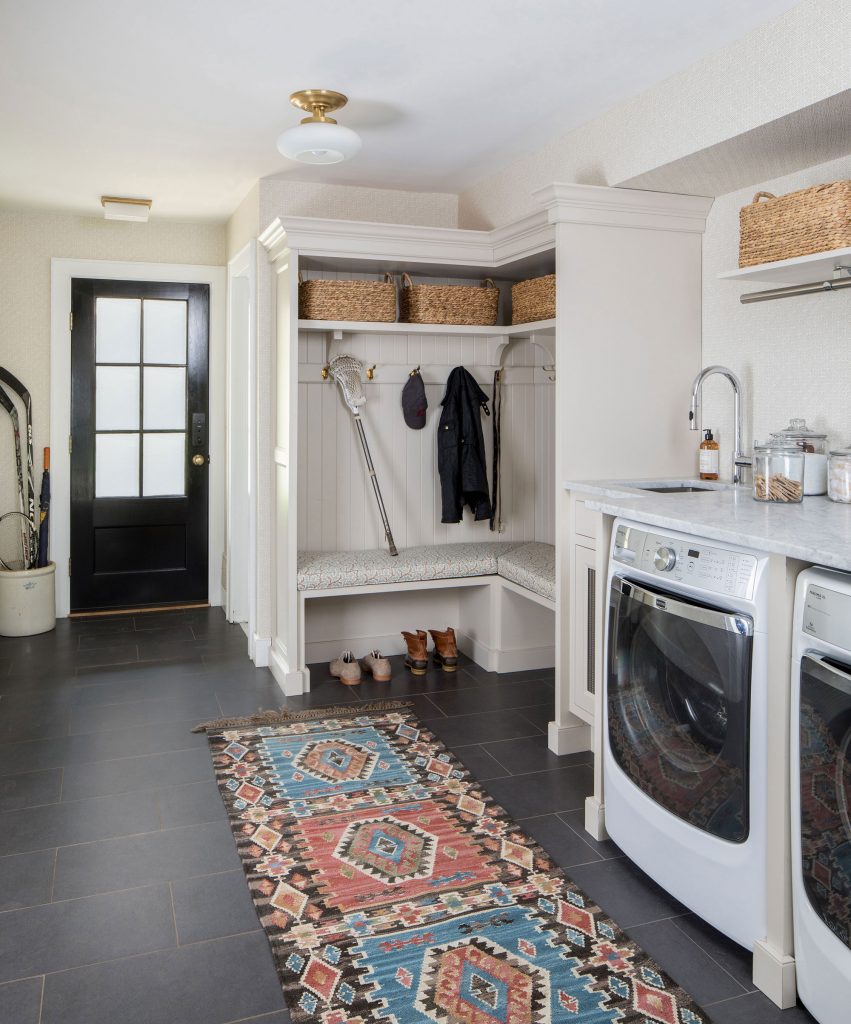
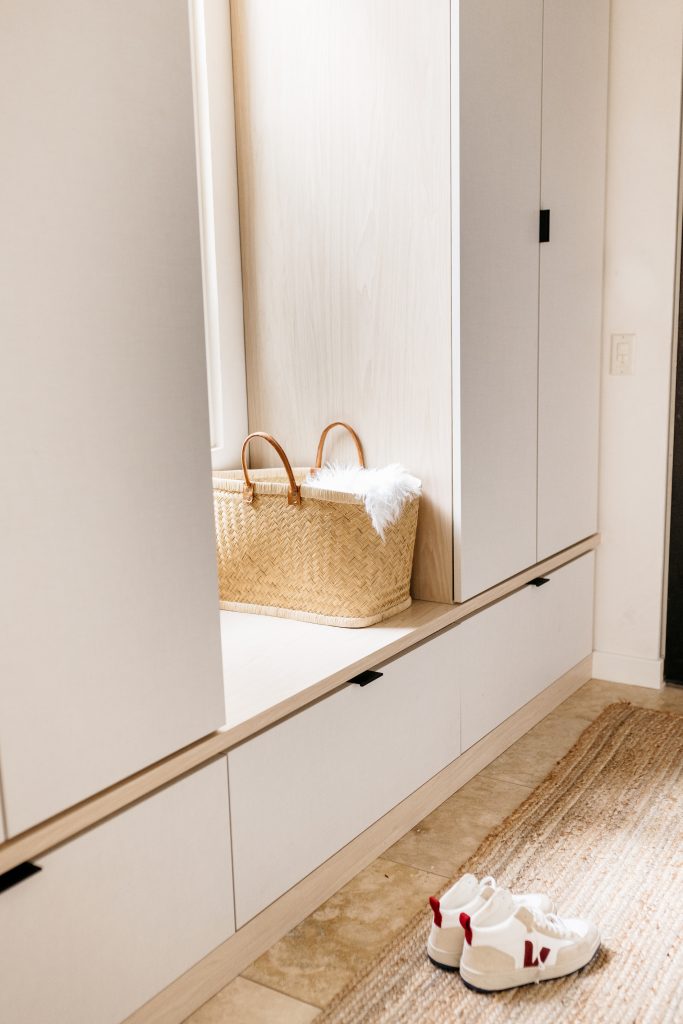
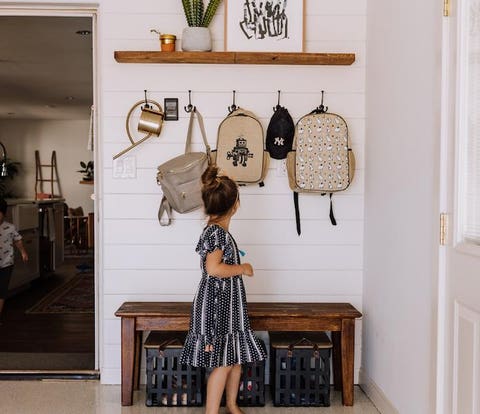
For smaller mudrooms where space is a premium, maximizing vertical space is crucial. Designers recommend incorporating numerous hooks and baskets for efficient storage. Custom cabinetry is a highly recommended, albeit budget-dependent, solution as it can be tailored to meet the specific storage needs of each family member, from athletes to hobbyists. Creating a bench seat with storage both above and below, adding hooks for coats and sweaters, and installing floating shelves for bins, baskets, or electronics provide practical solutions for optimizing compact spaces.
In larger mudrooms, where space is more abundant, several 'nice-to-have' features can significantly enhance functionality and luxury. These include built-in utility sinks for tasks like soaking clothes or arranging flowers, ample countertop space for various activities, dedicated closets for off-season items, and large windows to maximize natural light. A growing trend, particularly for pet owners, is the inclusion of dog-washing stations, often designed with direct access to the yard, along with integrated feeding stations and comfortable sleeping areas for pets. Reputable brands and products recommended by designers for mudroom organization and aesthetics include Elfa, Container Store, The Home Edit, and decorative hardware from Anthropologie or CB2. Specific items like the Ginger pivoting robe hook and durable, stylish baskets from retailers such as Wayfair, World Market, or Home Goods are also highlighted for their utility and design appeal. These recommendations underscore the blend of practical storage and decorative elements that define modern mudroom design.
#MudroomDesign #HomeOrganization #InteriorDesignTrends #CustomCabinetry #FunctionalSpaces #StorageSolutions #HomeDecor #SpaceMaximization #MudroomDesign #HomeOrganization #InteriorDesignTrends #CustomCabinetry #FunctionalSpaces #StorageSolutions #HomeDecor #SpaceMaximization
0 comment in total
 No comments yet
You may also like
Designers’ Favorite Tips for a Stylish and Functional Mudroom
Designer Tips To Refresh Your Entryway Or Mudroom

These 5 Dated Bedroom Trends Are Giving Interior Designers Nightmares in 2026 – Here's Why You Should Avoid Them in Your Sleep Space

6 outdated bedroom trends designers urge us to avoid – not doing so can ruin a space

The 7 Bedroom Design Trends Designers Can't Wait to See in 2025

Is colour drenching a bedroom a good idea? 7 rooms that prove it is
9 Bedroom Trends That Will Dominate 2026, According to Interior Designers
12 bedroom trends interior designers wish would disappear
The 12 Essential Modern Bedroom Ideas for Those Who Want Good Slumber With a Side of Style

Mudroom magic: Contain the chaos with stylish, smart design
15 Dreamy Bedroom Design Ideas Where Creativity Meets Comfort

6 editors share their bedroom decorating hacks

9 Influencers Who Have the Absolute BEST Bedrooms On the Internet
12 bedroom trends for 2025: the best looks to follow this year
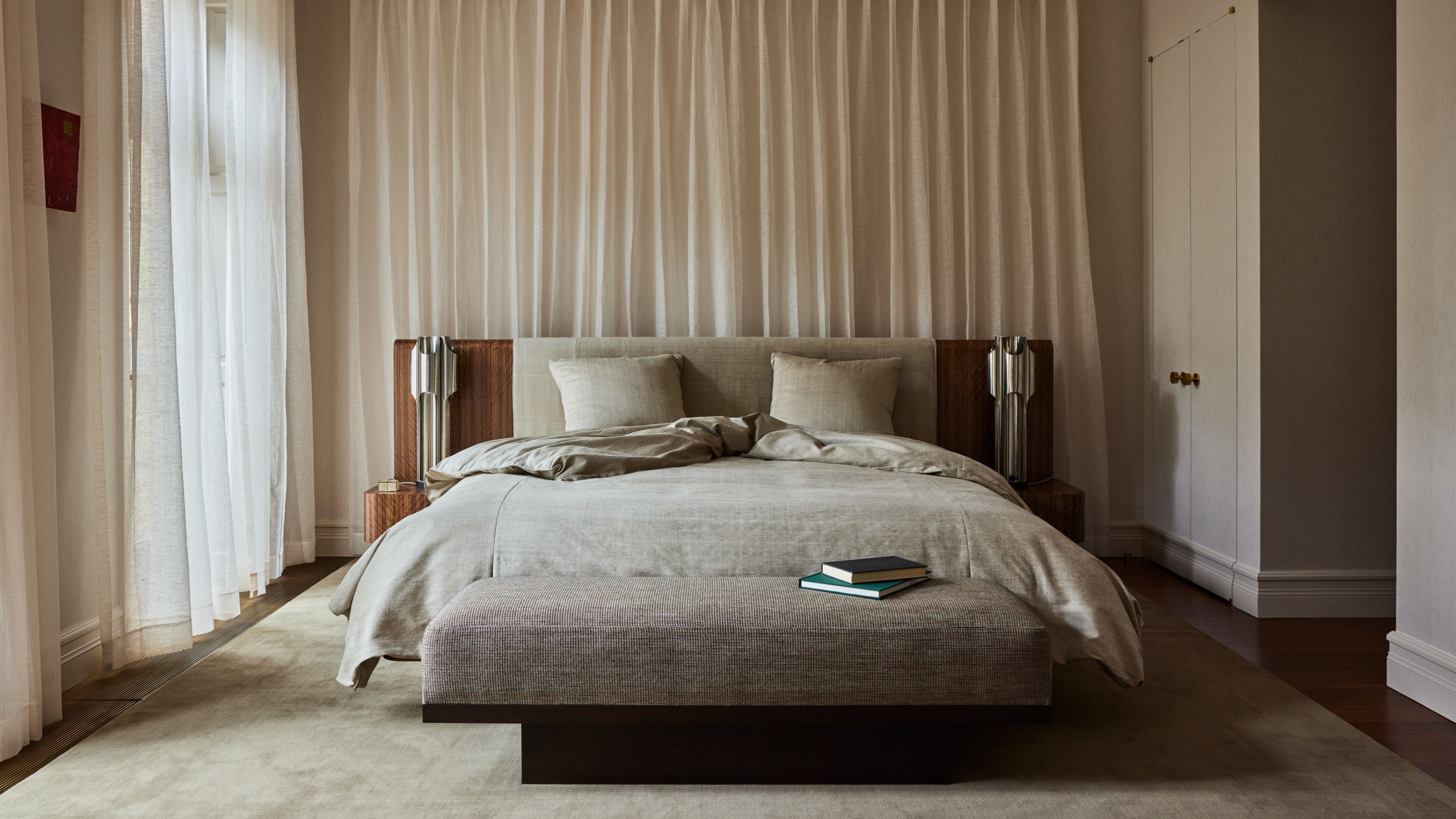
Curtains Are No Longer Just for Windows — I'll Be Putting Them Behind My Bed From Now On, and Here's 7 Ways to Do it
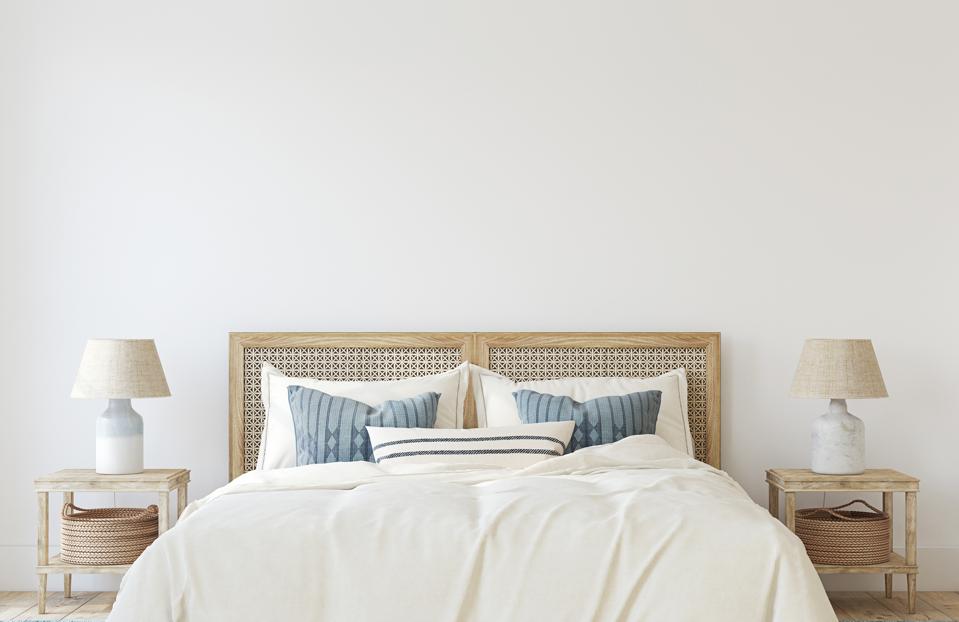
8 Bedroom Design Trends That Will Be Out Of Style In 2023

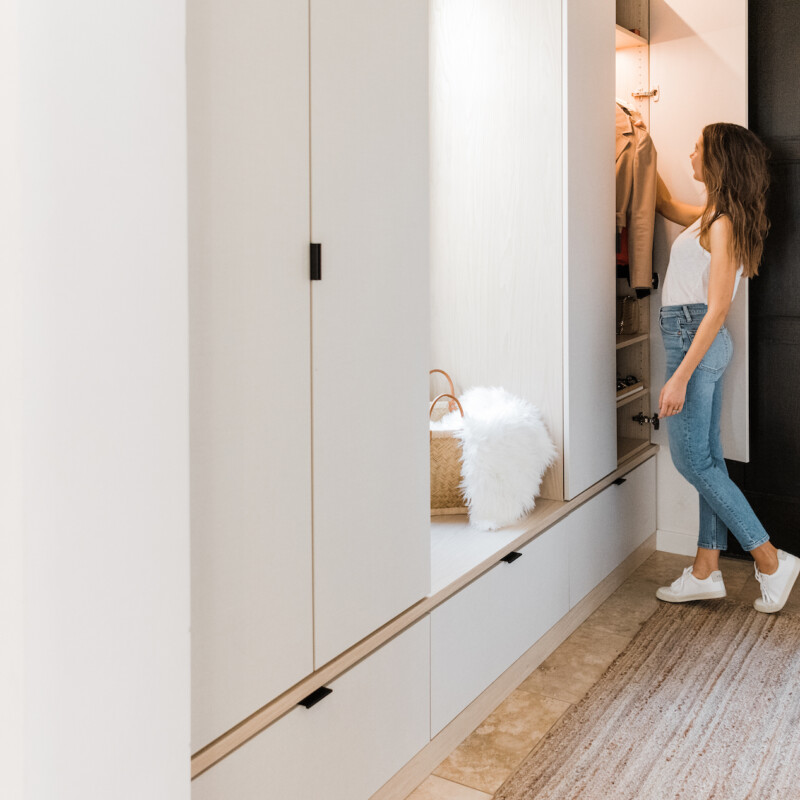
9 Ways to Make Your Mudroom Beautiful and Functional, From a Designer

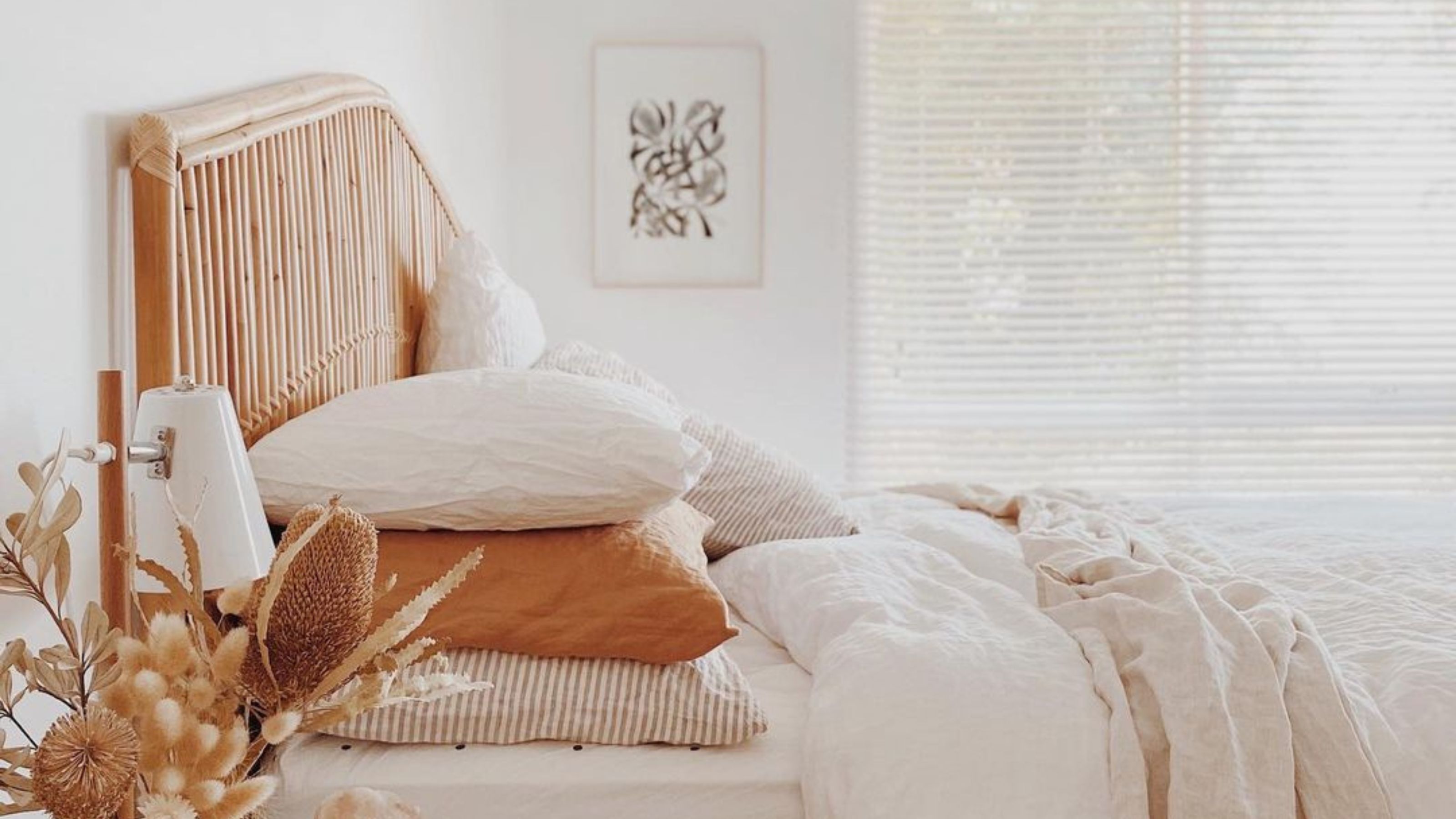
5 outdated bedroom trends design experts say are snooze-worthy in 2024 and what to try instead

The top bedroom design trends of 2025 to inspire a dreamy makeover of your most important space

7 Bedroom Features That Immediately Ruin Your Space, According to Designers