1/19
12 Small Entryway Ideas — This is How Top Designers Maximize Space for Function and Style
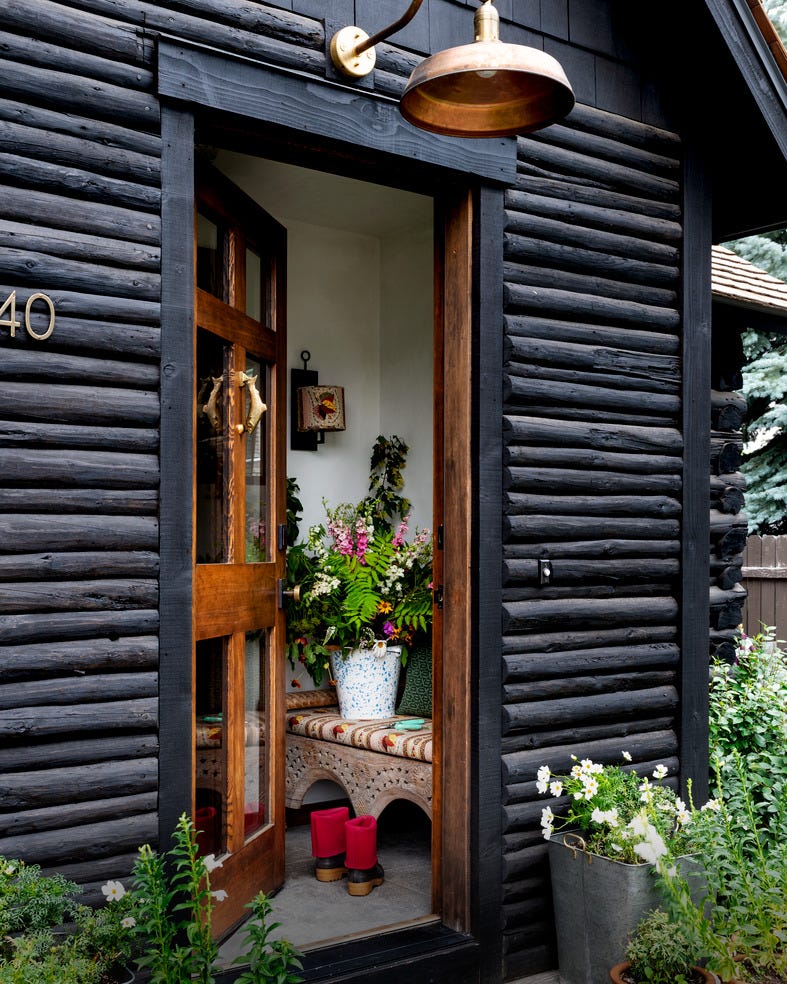
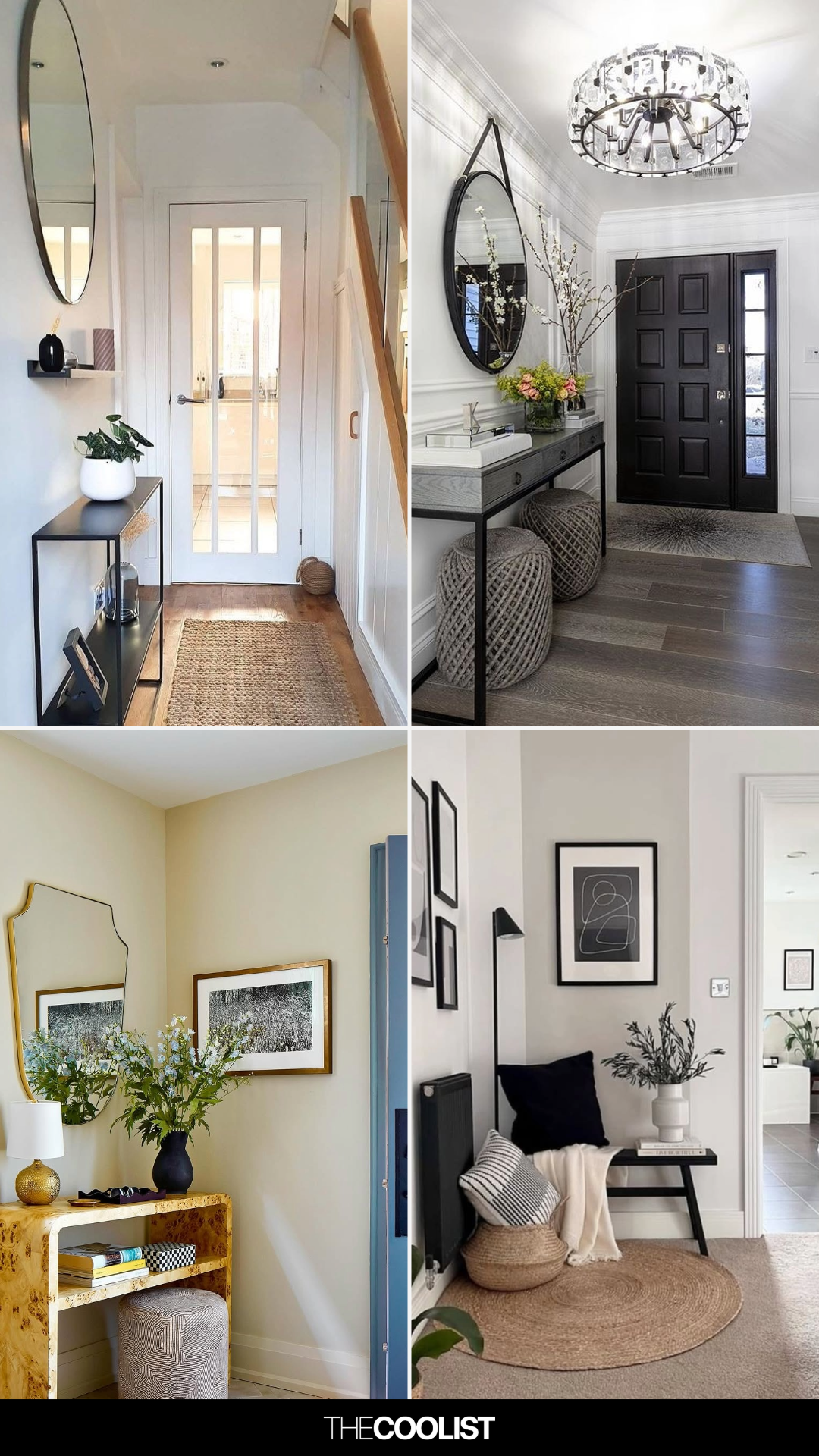
Small entryways, often high-traffic zones, present a unique design challenge as they must balance functionality with aesthetic appeal, serving as both a drop zone for daily items and the first impression of a home. Thoughtful design strategies are essential to maximize compact square footage, whether the entryway is narrow or opens directly into a larger room. The primary goal is to minimize clutter, optimize space, and create a welcoming atmosphere.
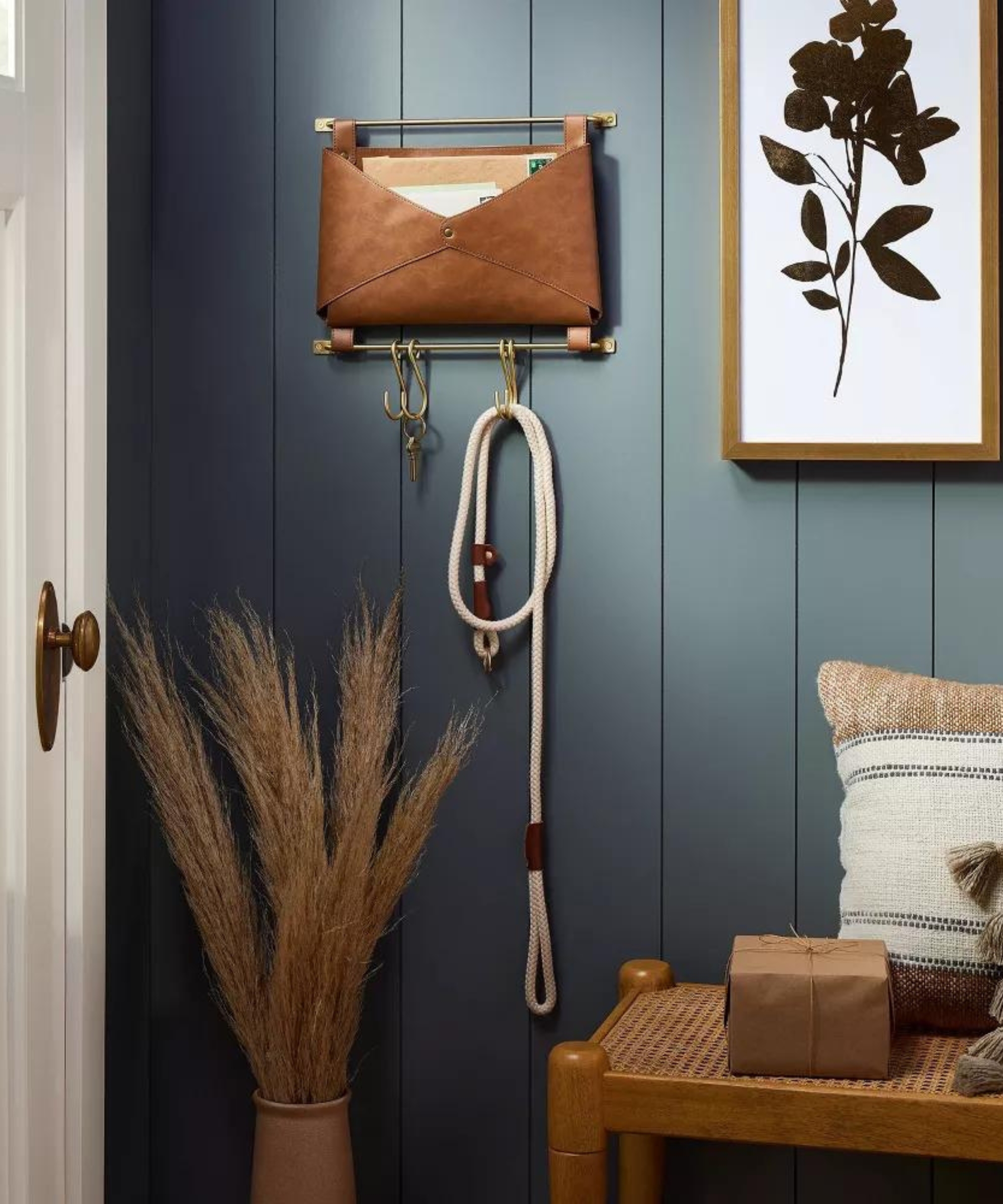
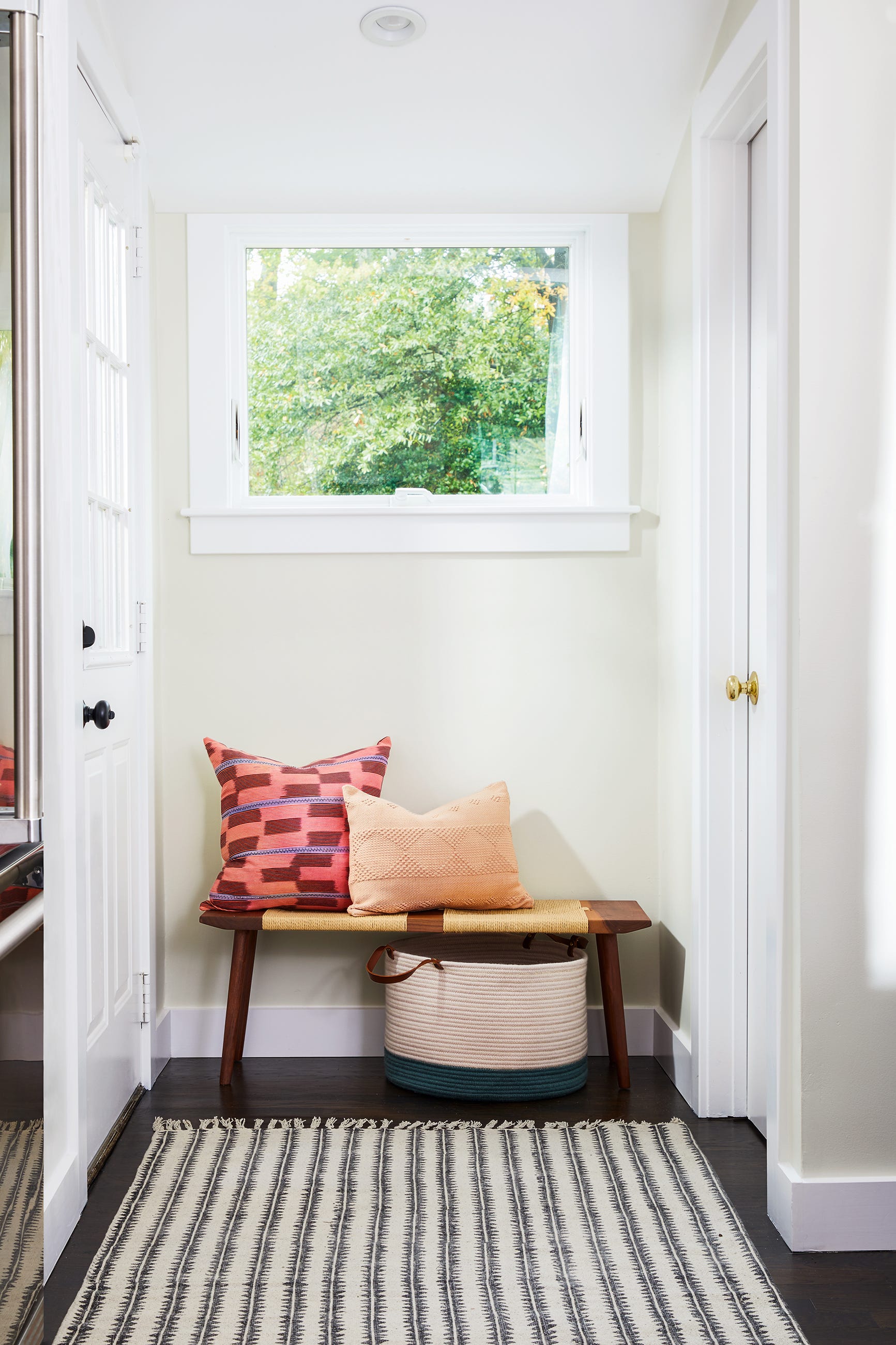
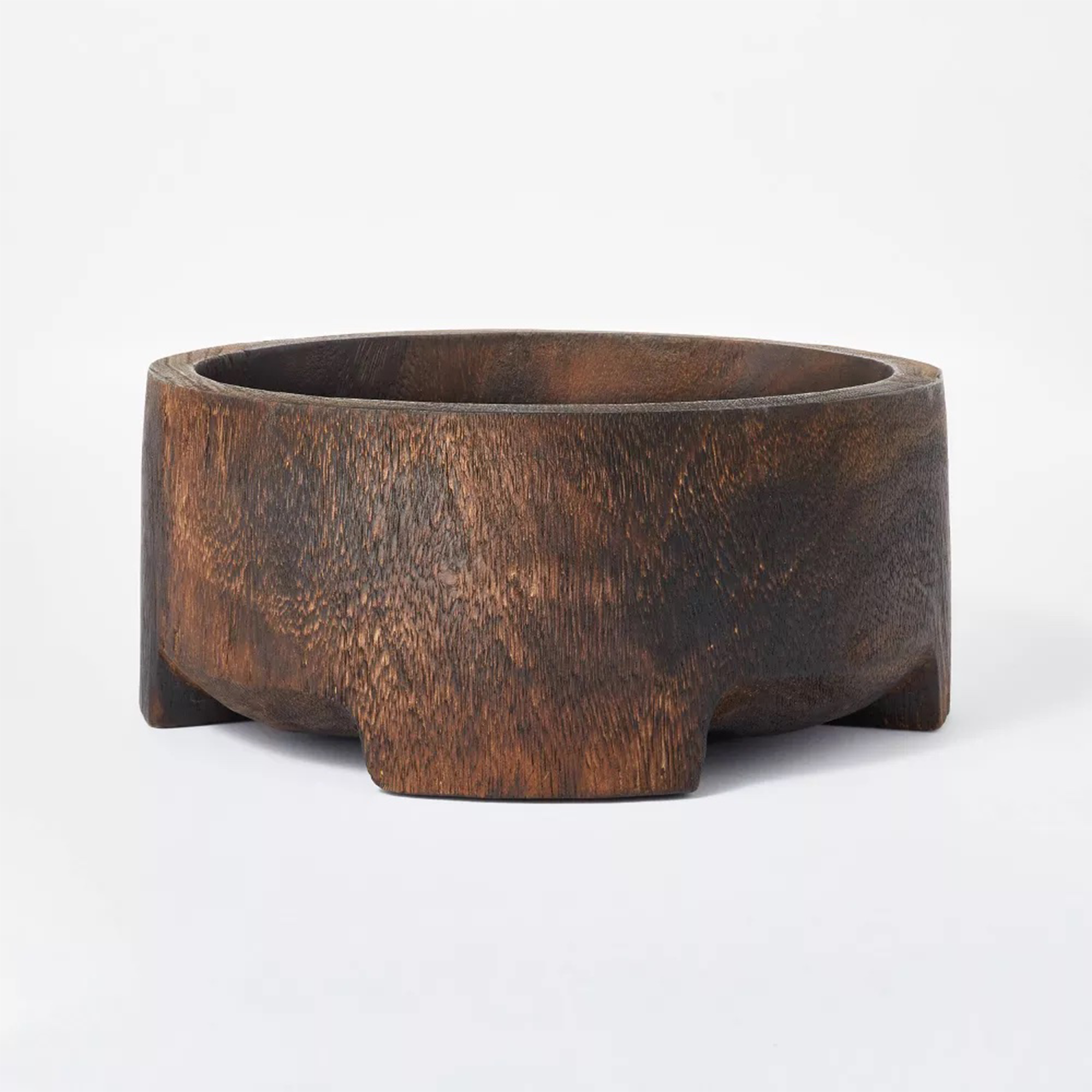
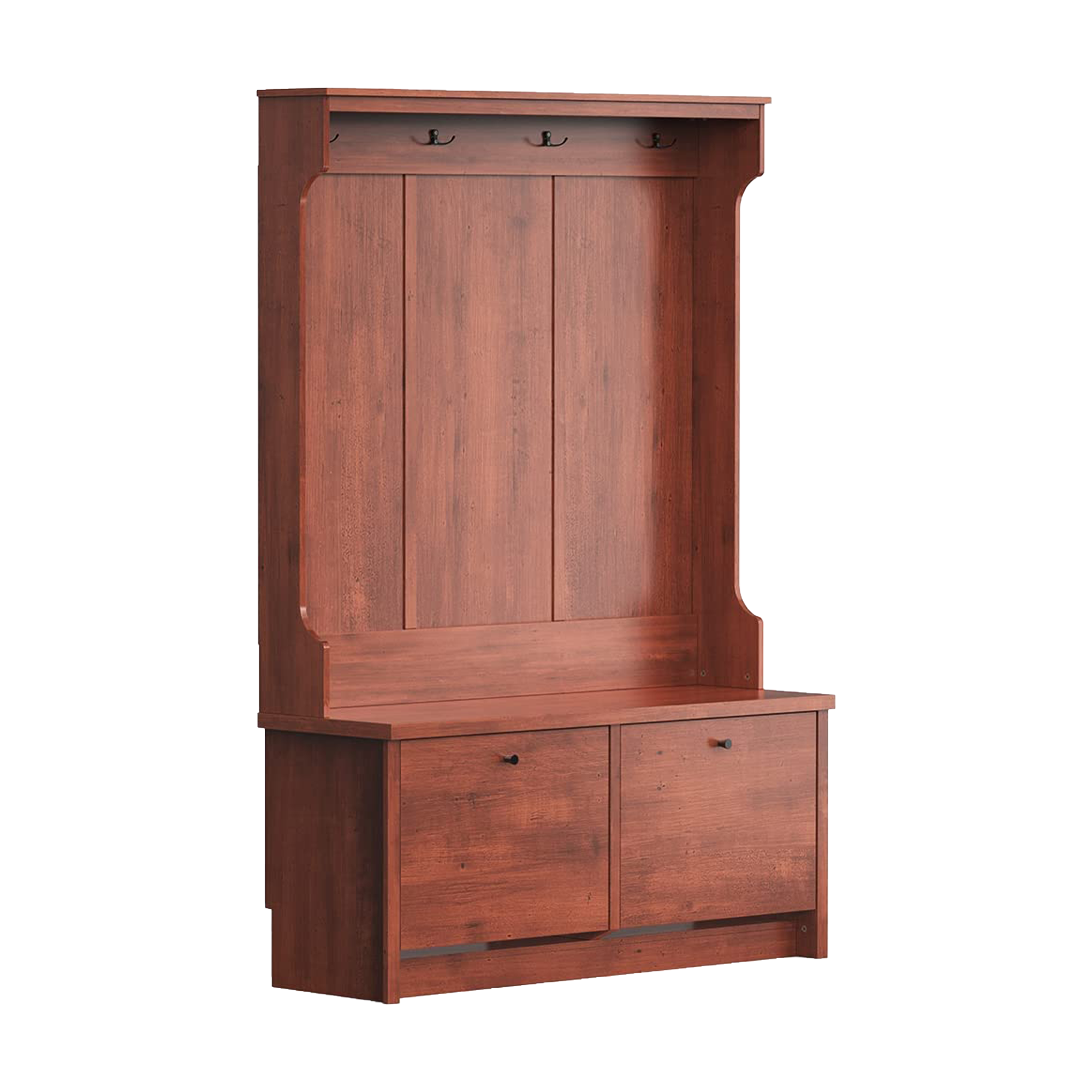
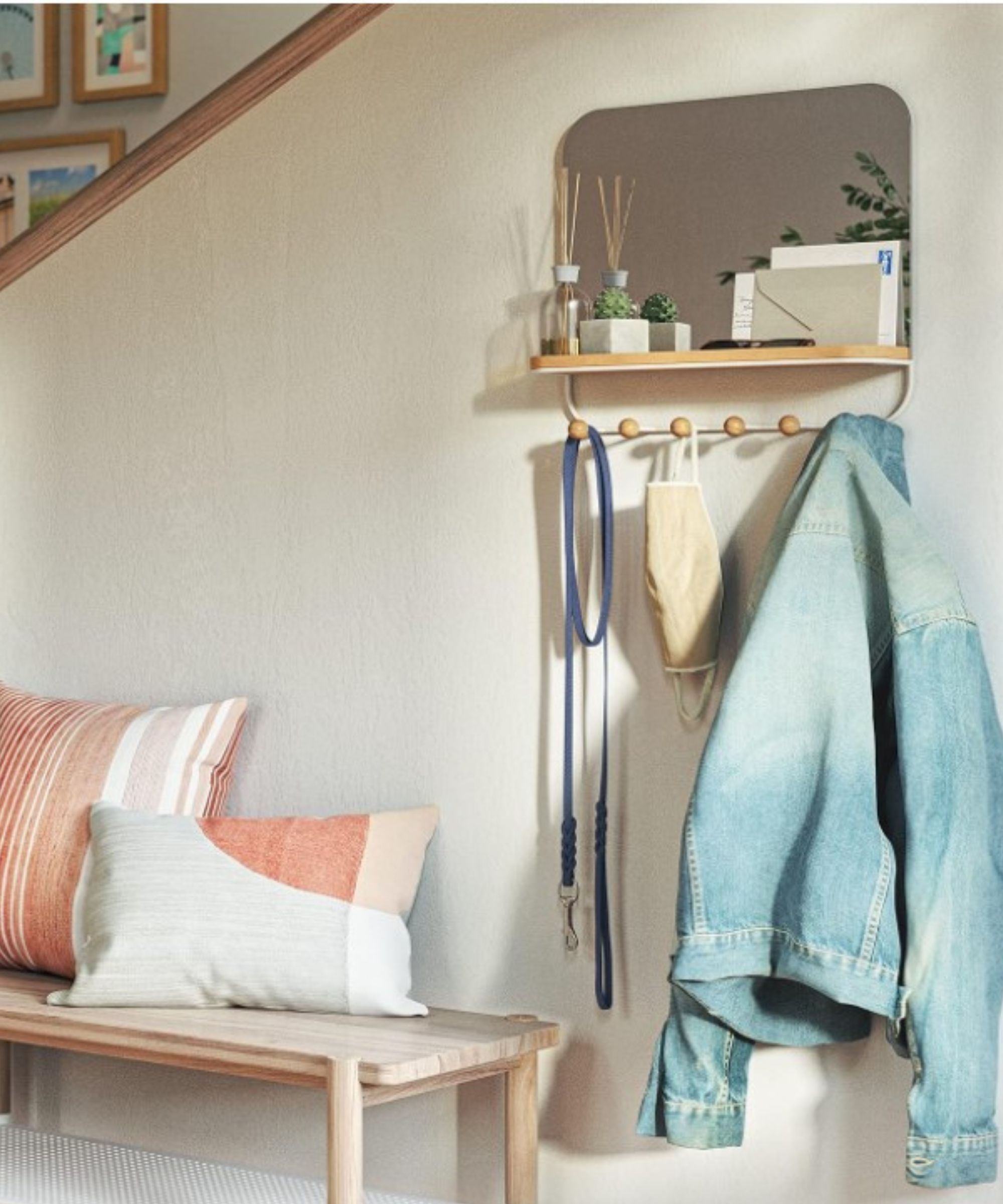
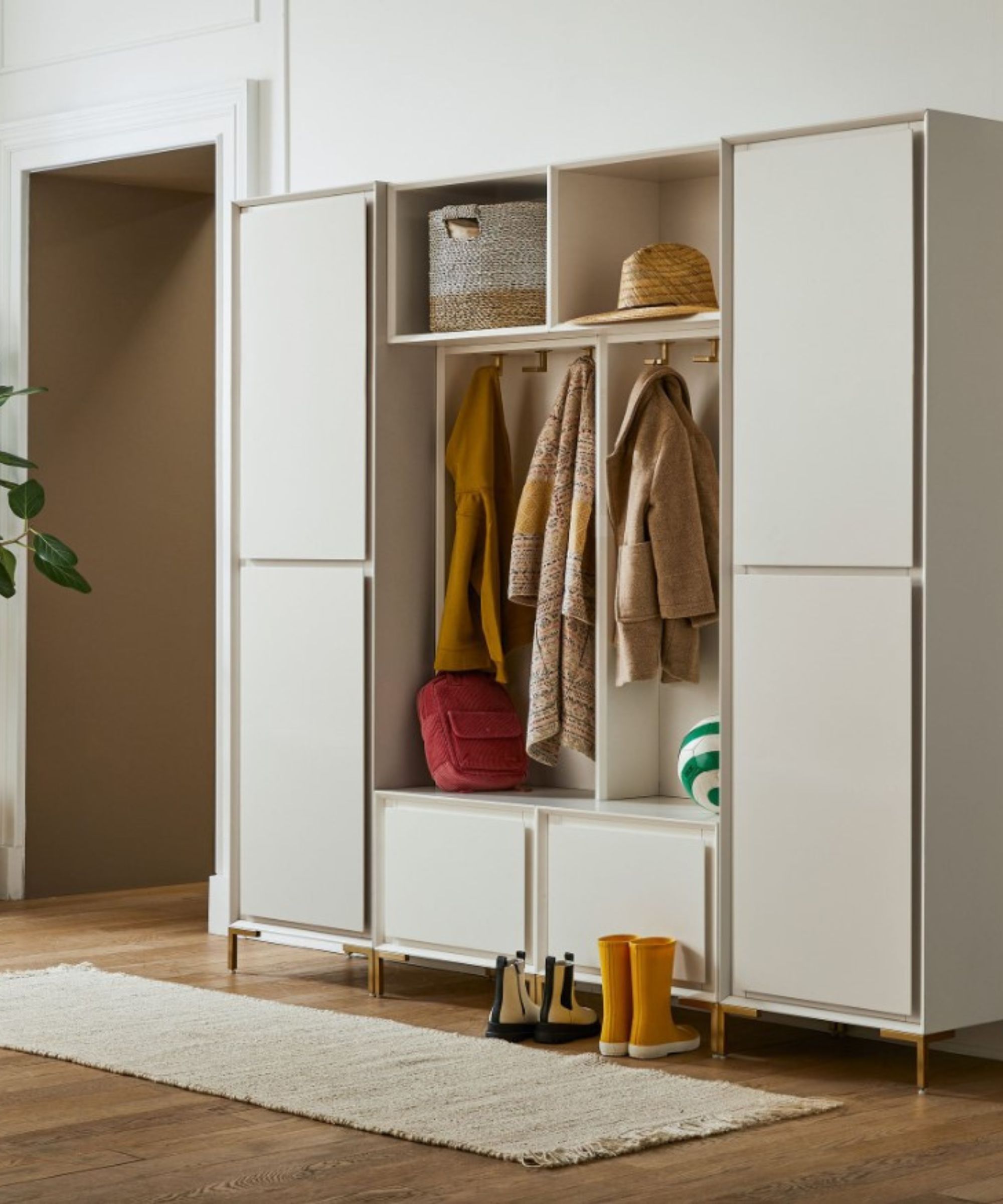
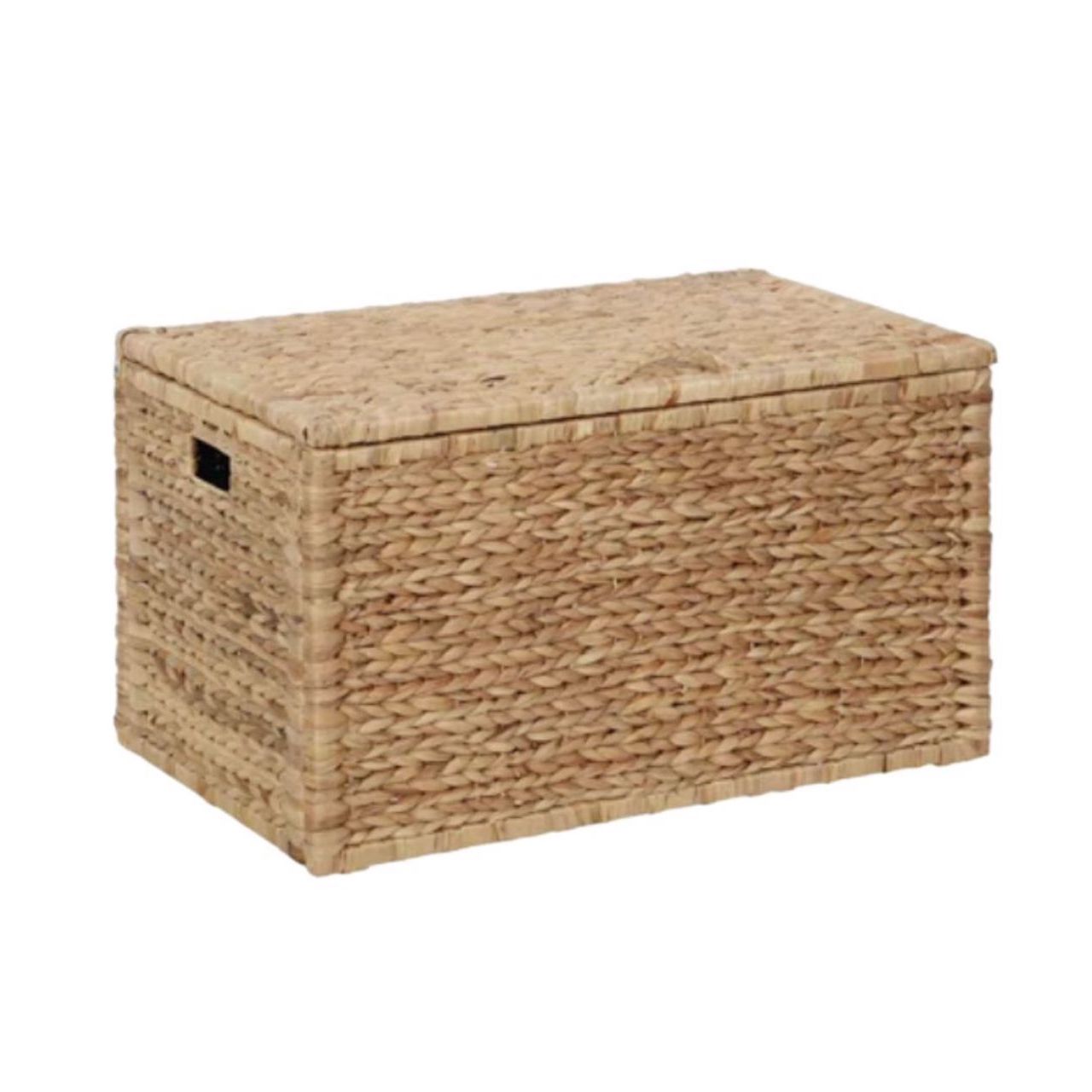
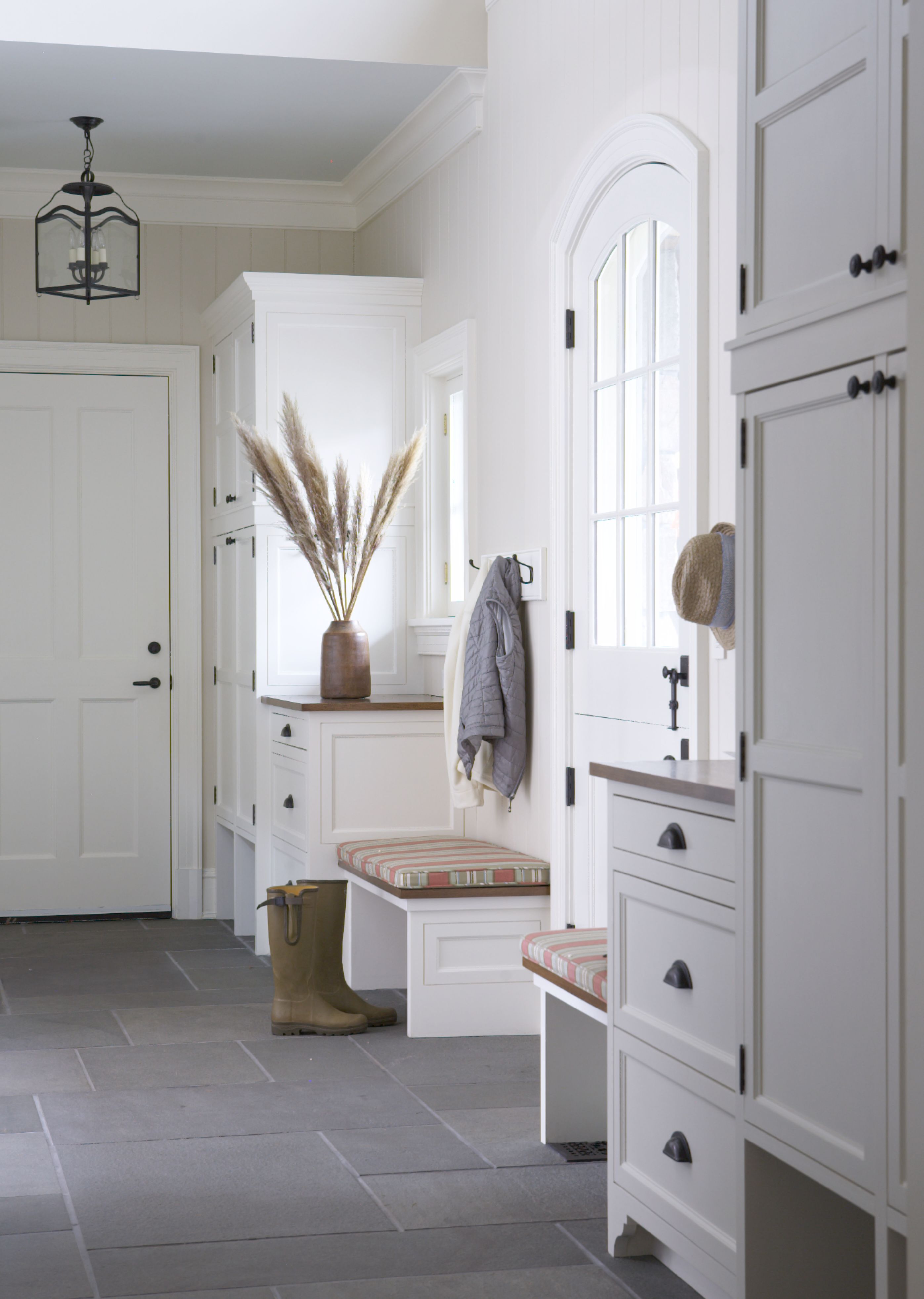
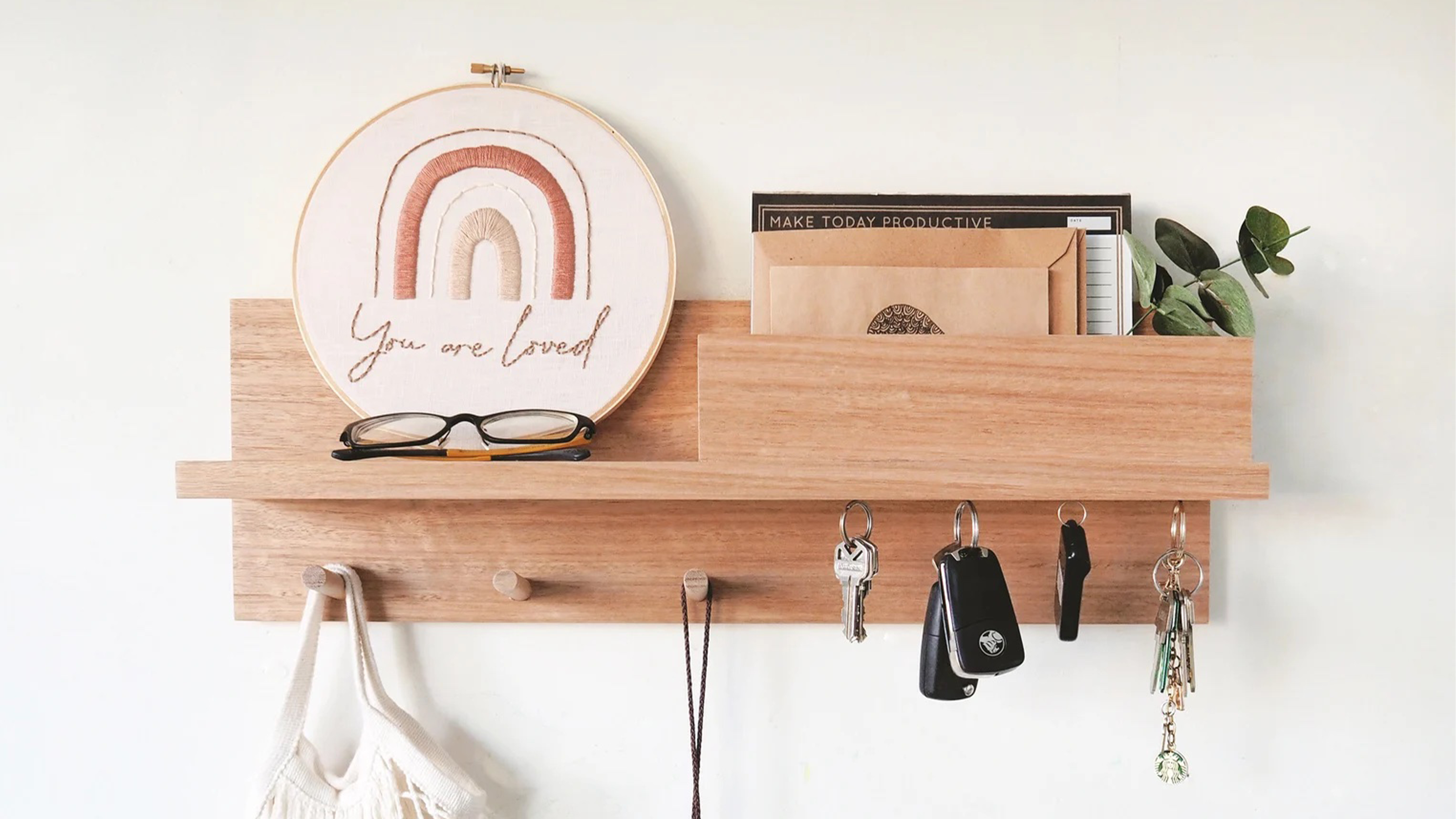
Functional accessories are crucial for small entryways, which can easily become cluttered with shoes, coats, umbrellas, and scarves. Incorporating well-designed storage solutions, such as built-in units, custom shelving, multifunctional furniture, and decorative baskets or trays, ensures efficient space utilization. These elements serve dual purposes, organizing essentials like keys and shoes while enhancing the space's charm. It is recommended to keep only essential and frequently used items in the entryway and to rotate seasonal items to maintain an uncluttered environment.
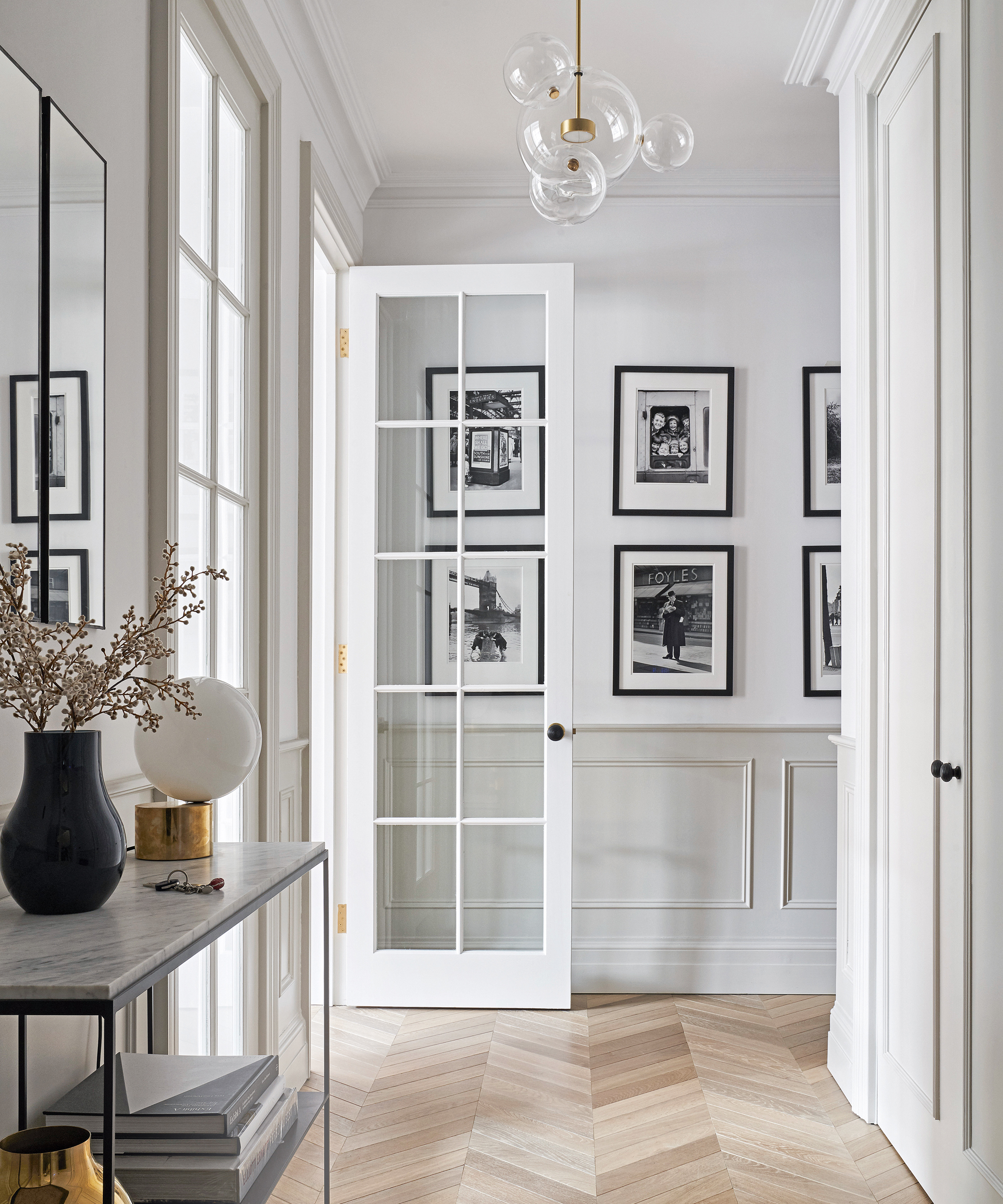
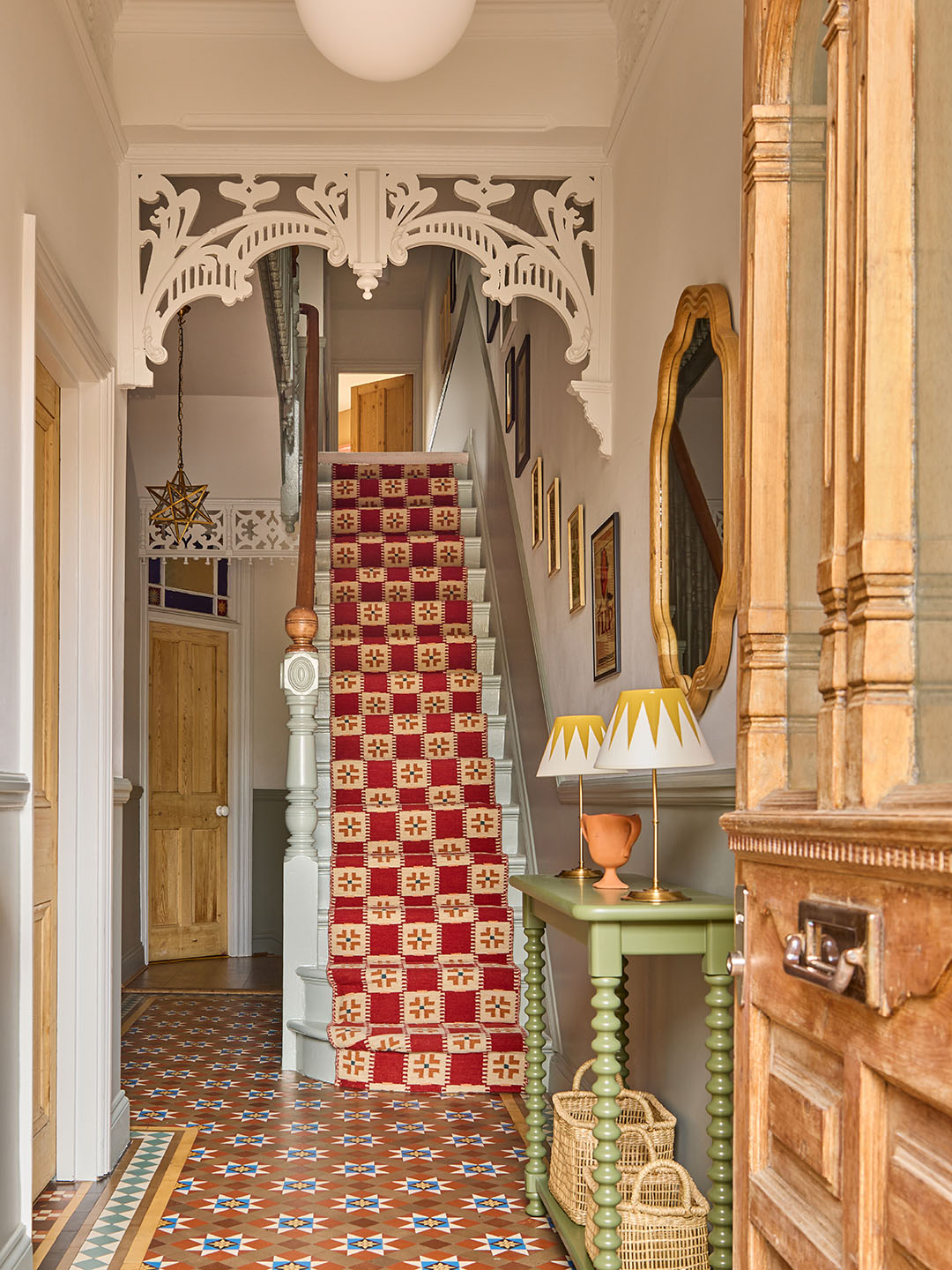
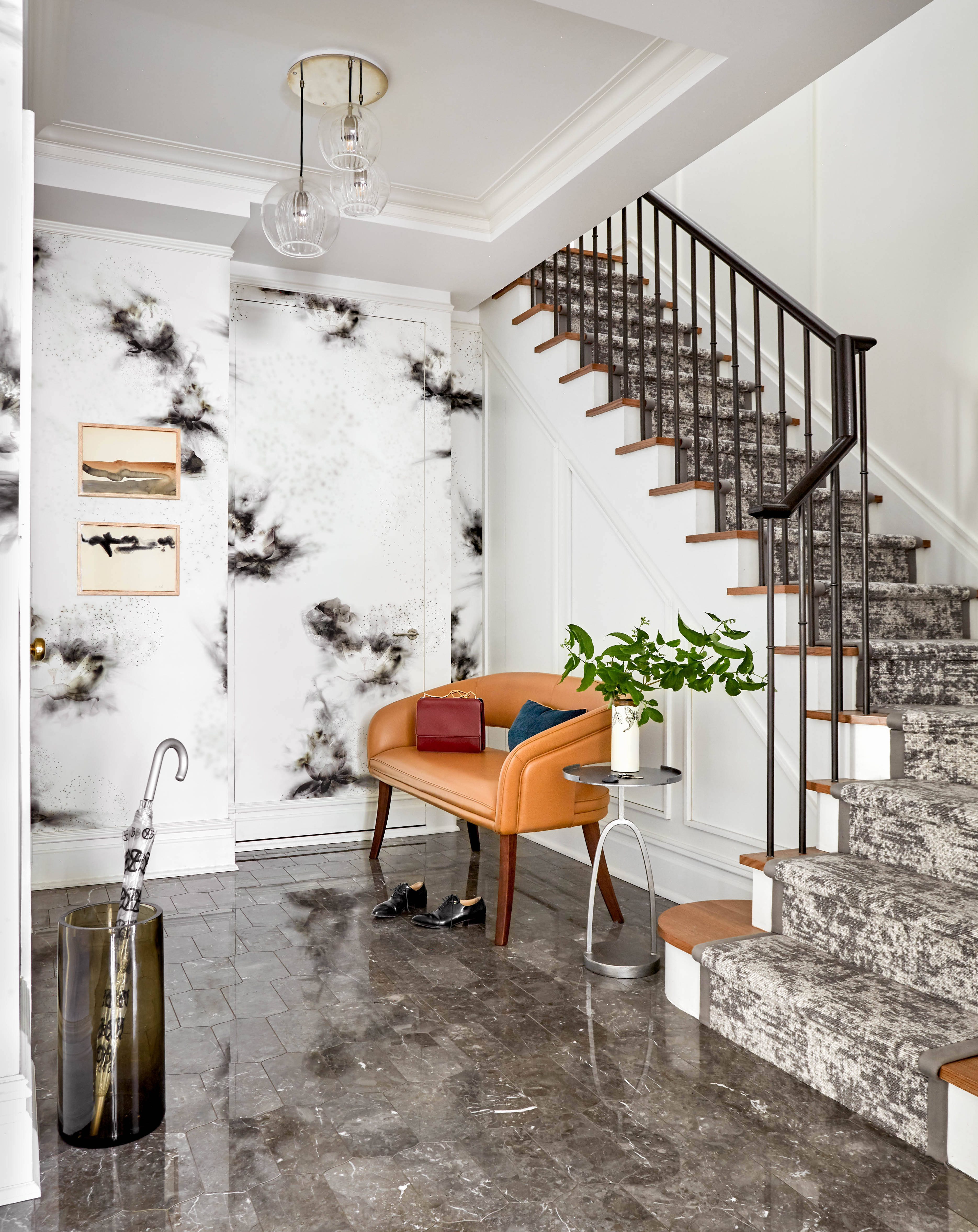
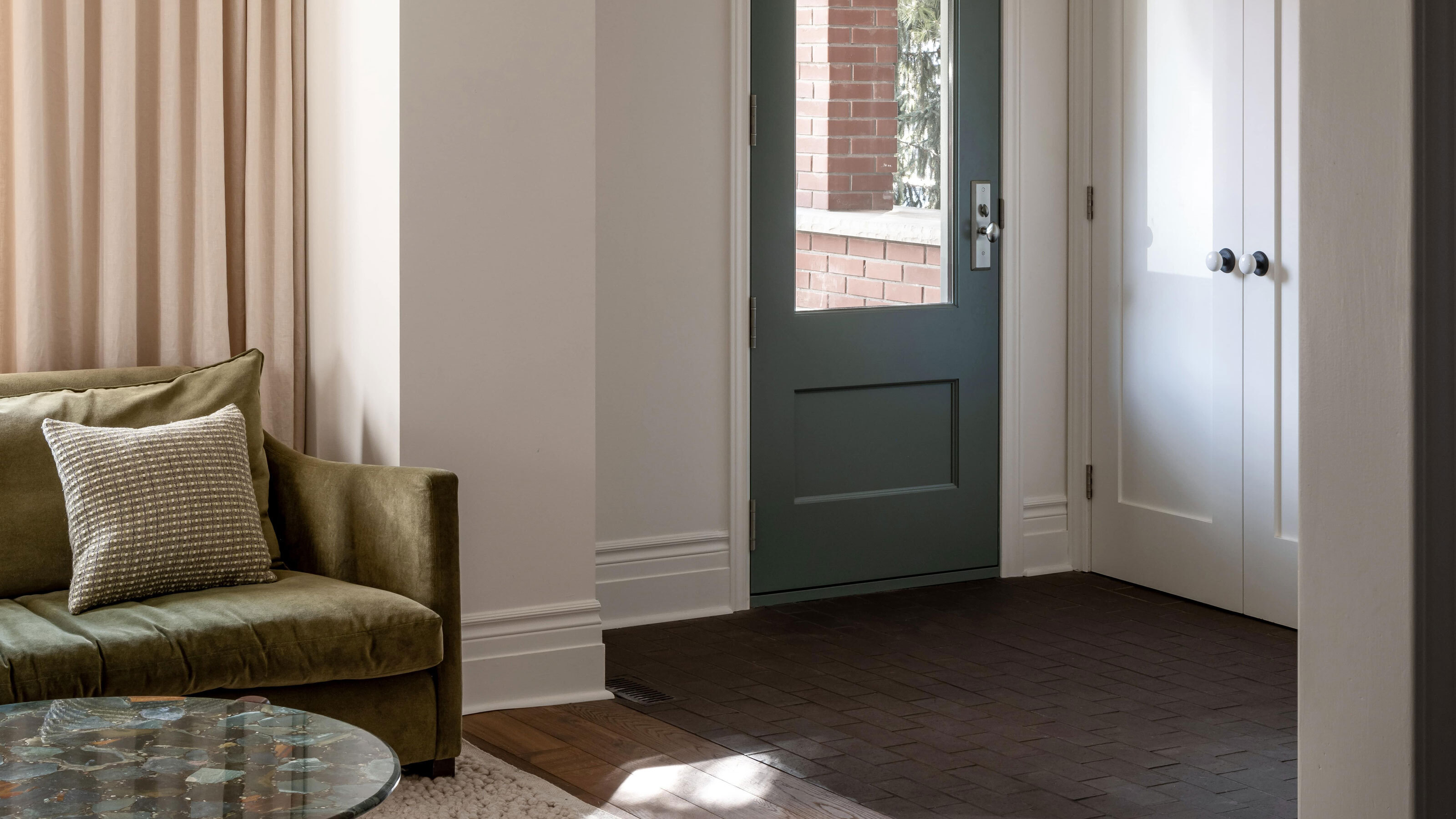
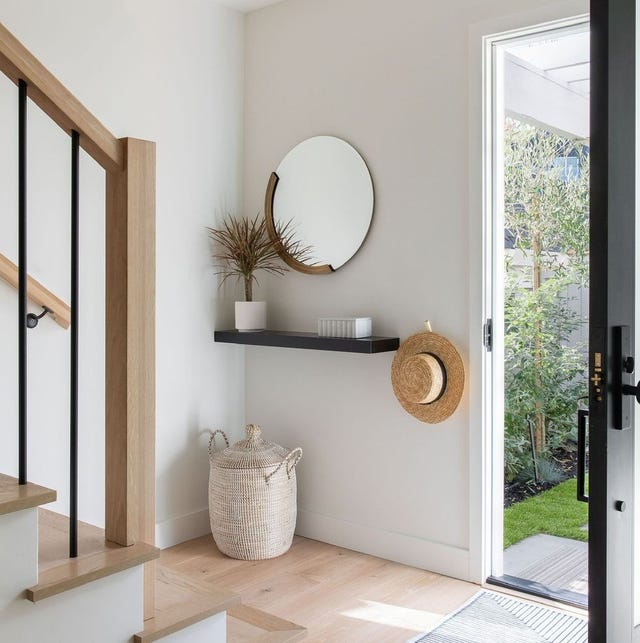
Flooring choices can significantly impact the entryway's visual appeal. Hardwood floors, particularly oak, maple, and walnut, offer a dramatic and durable entrance. Oak, a classic natural hardwood, is currently trending, with white oak being popular for its versatility in accepting various stain colors. Incorporating patterns like chevron or herringbone can further enhance the design, aligning with the home's overall aesthetic.
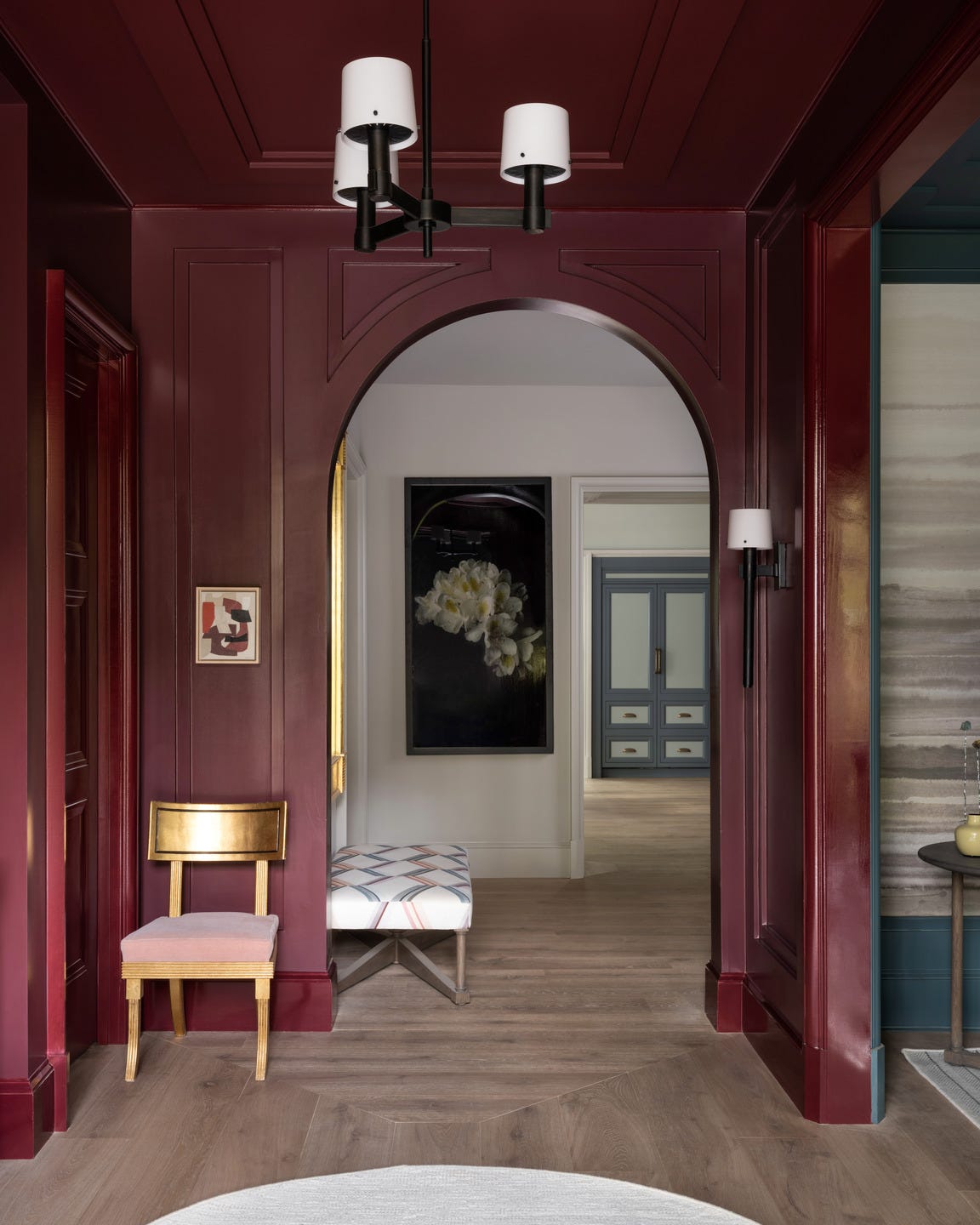
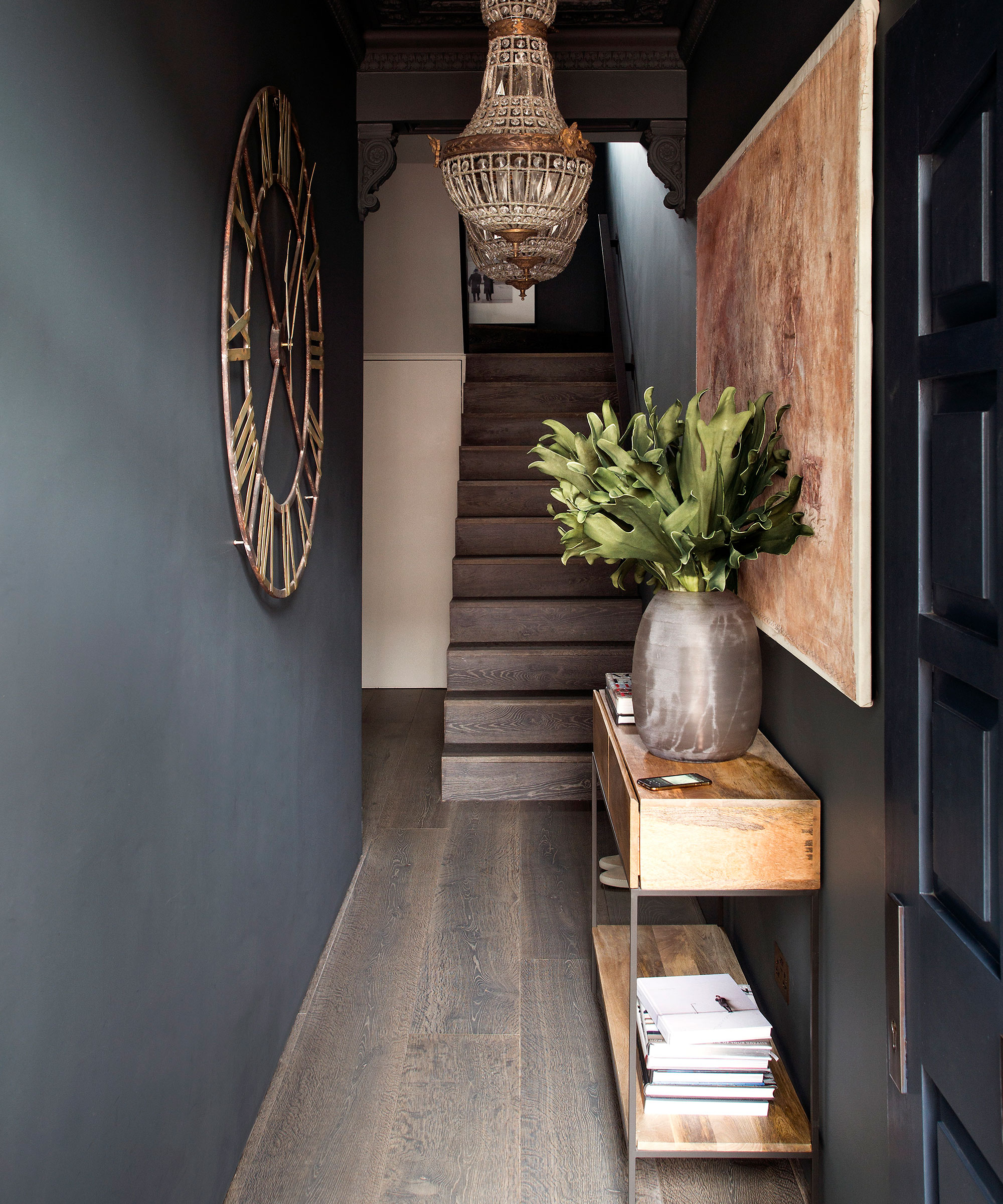
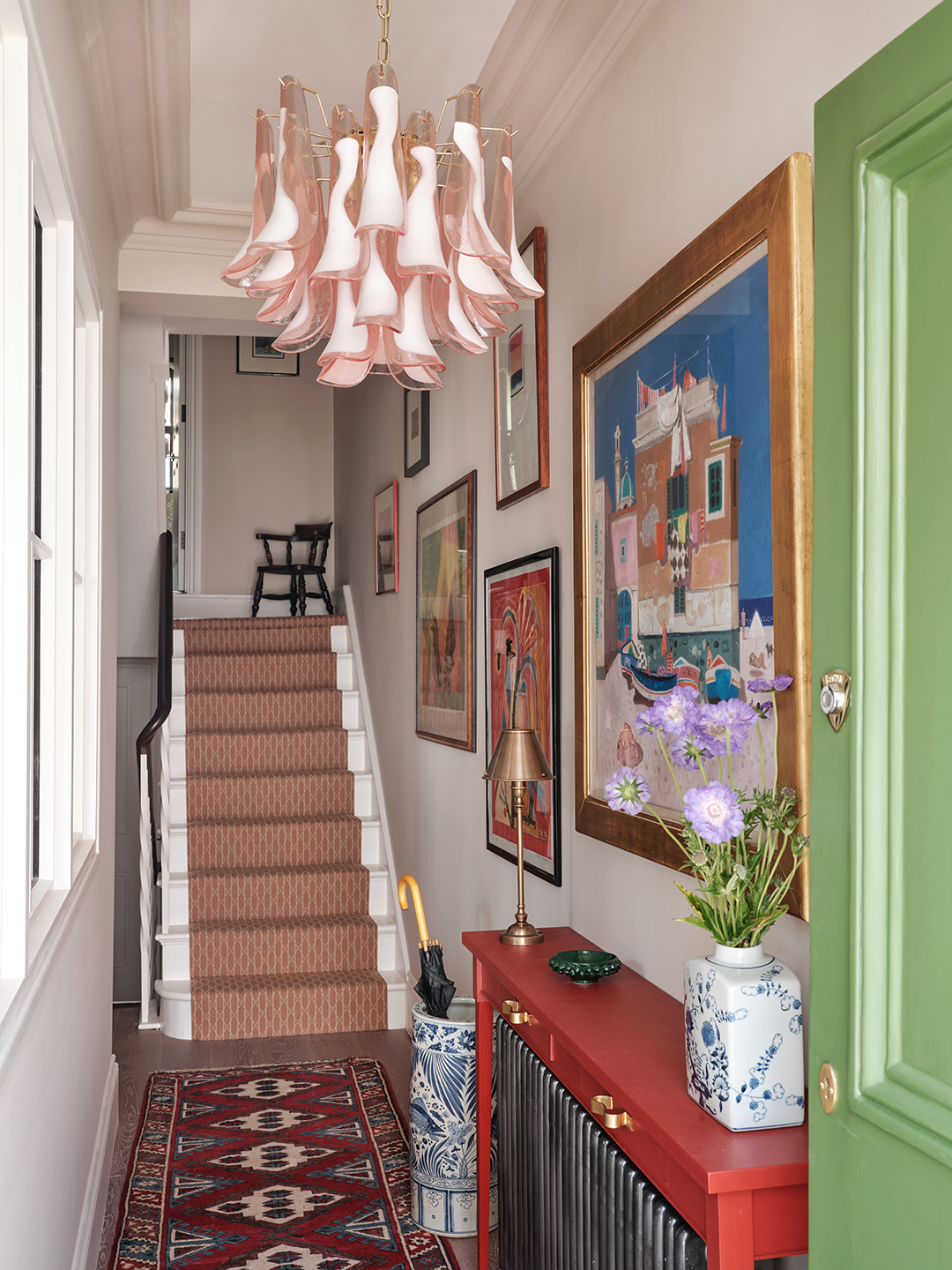
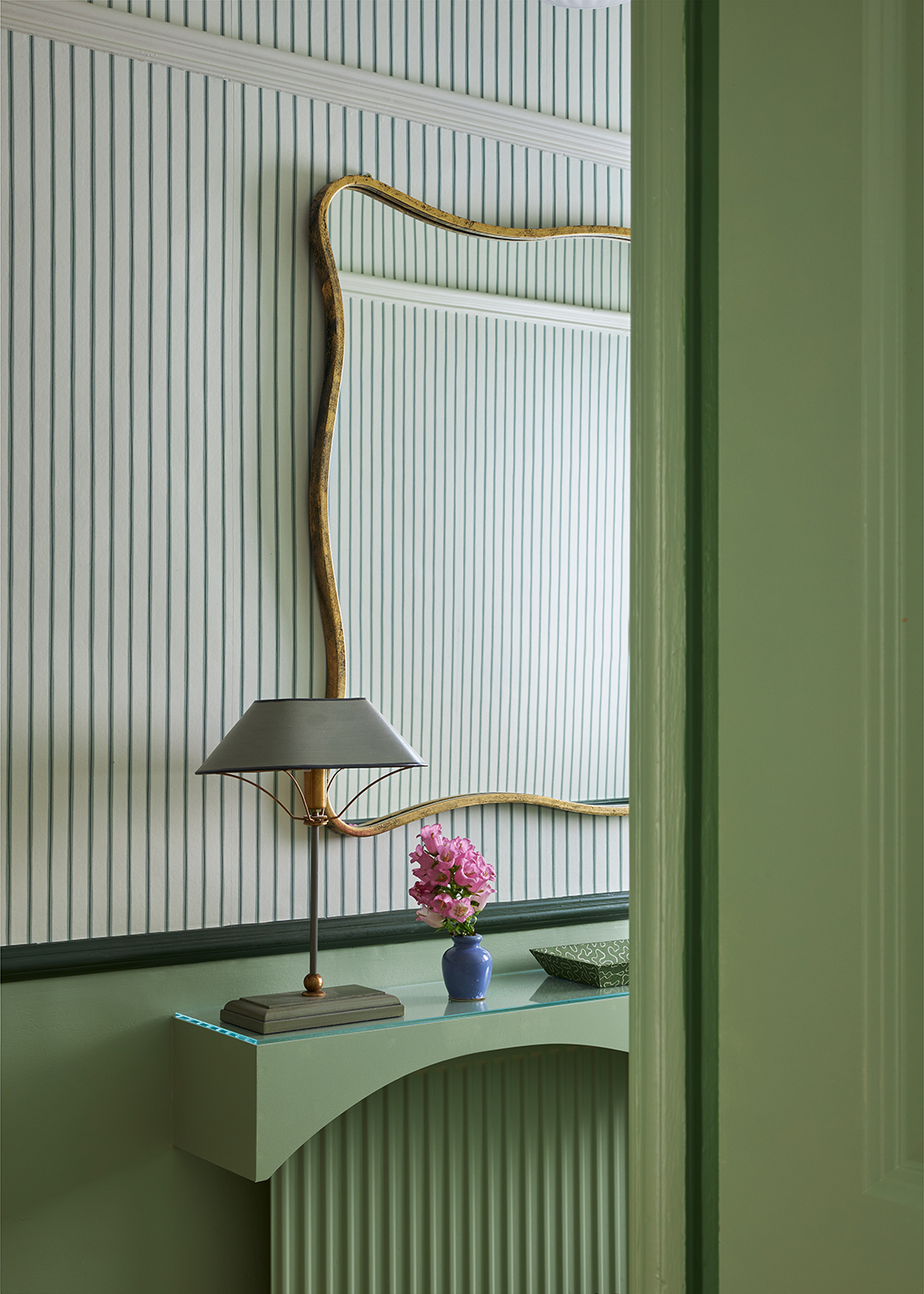
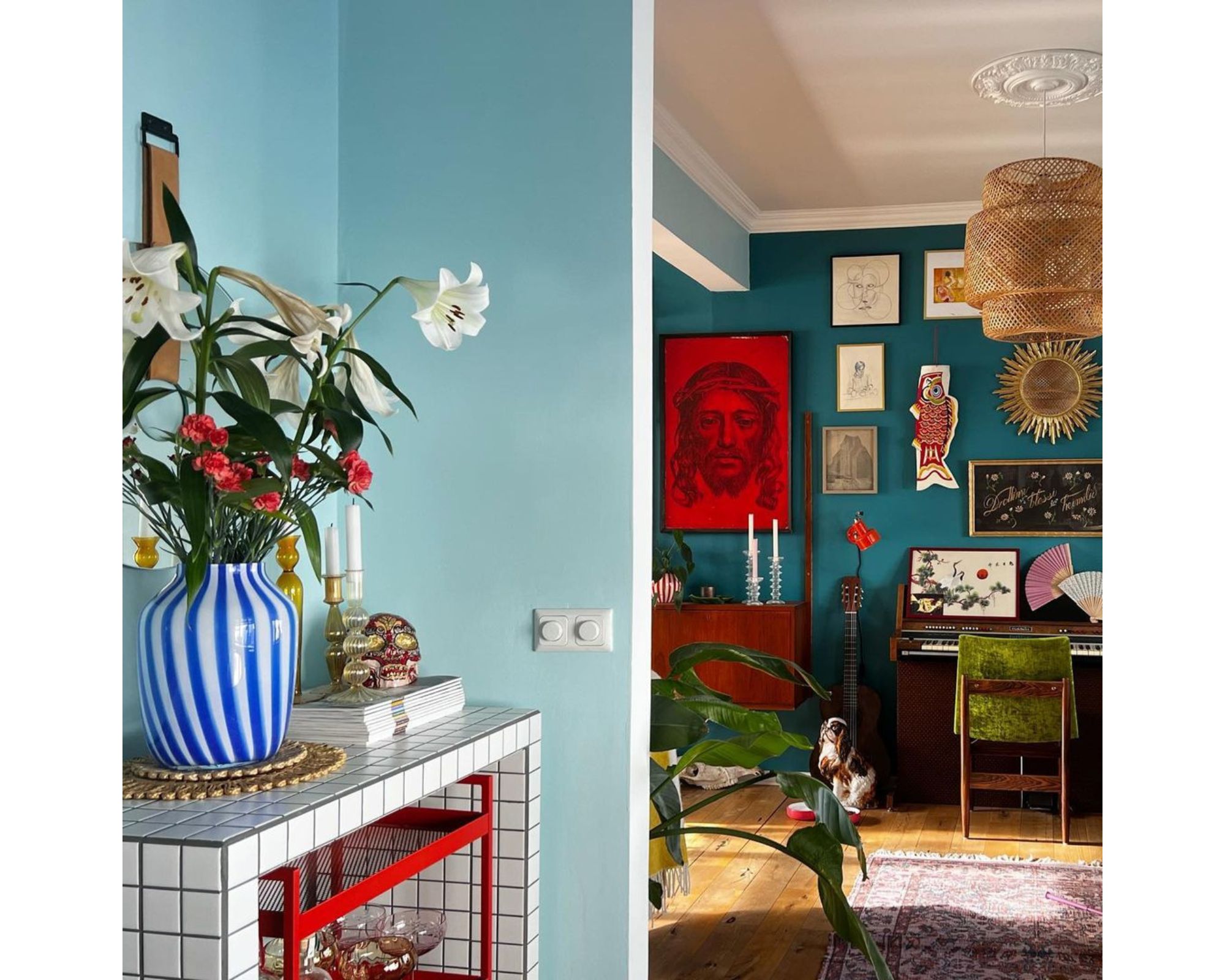
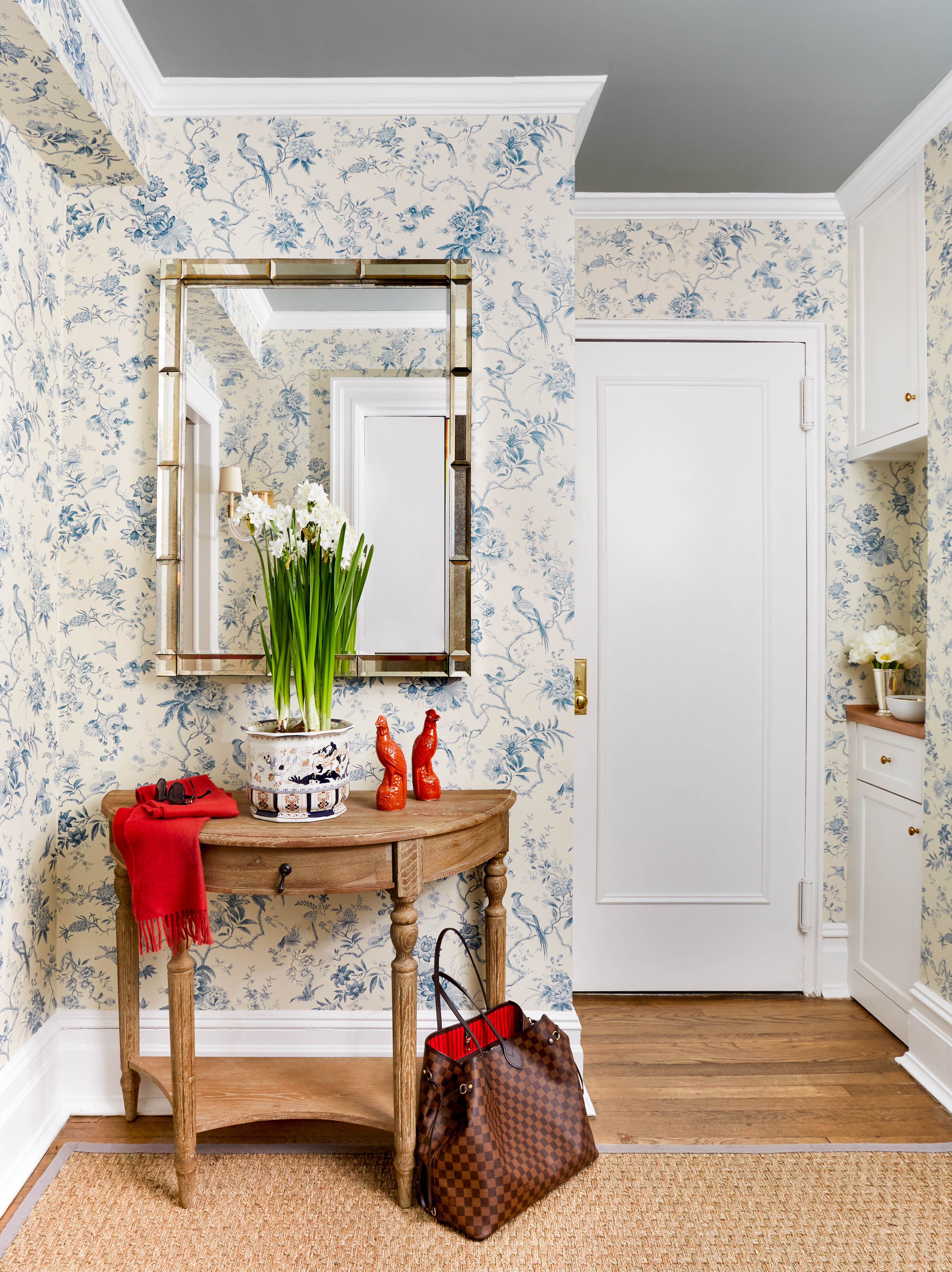
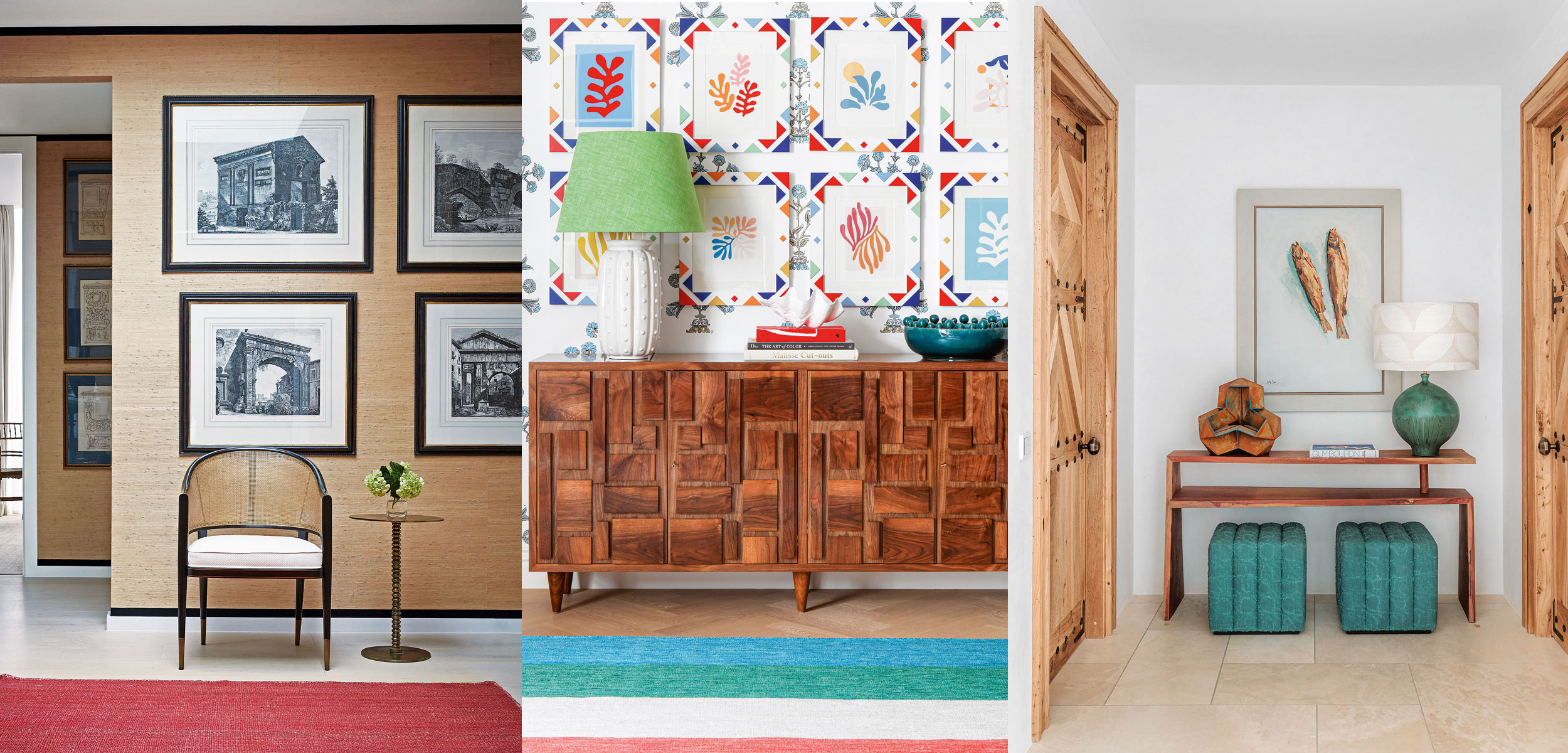
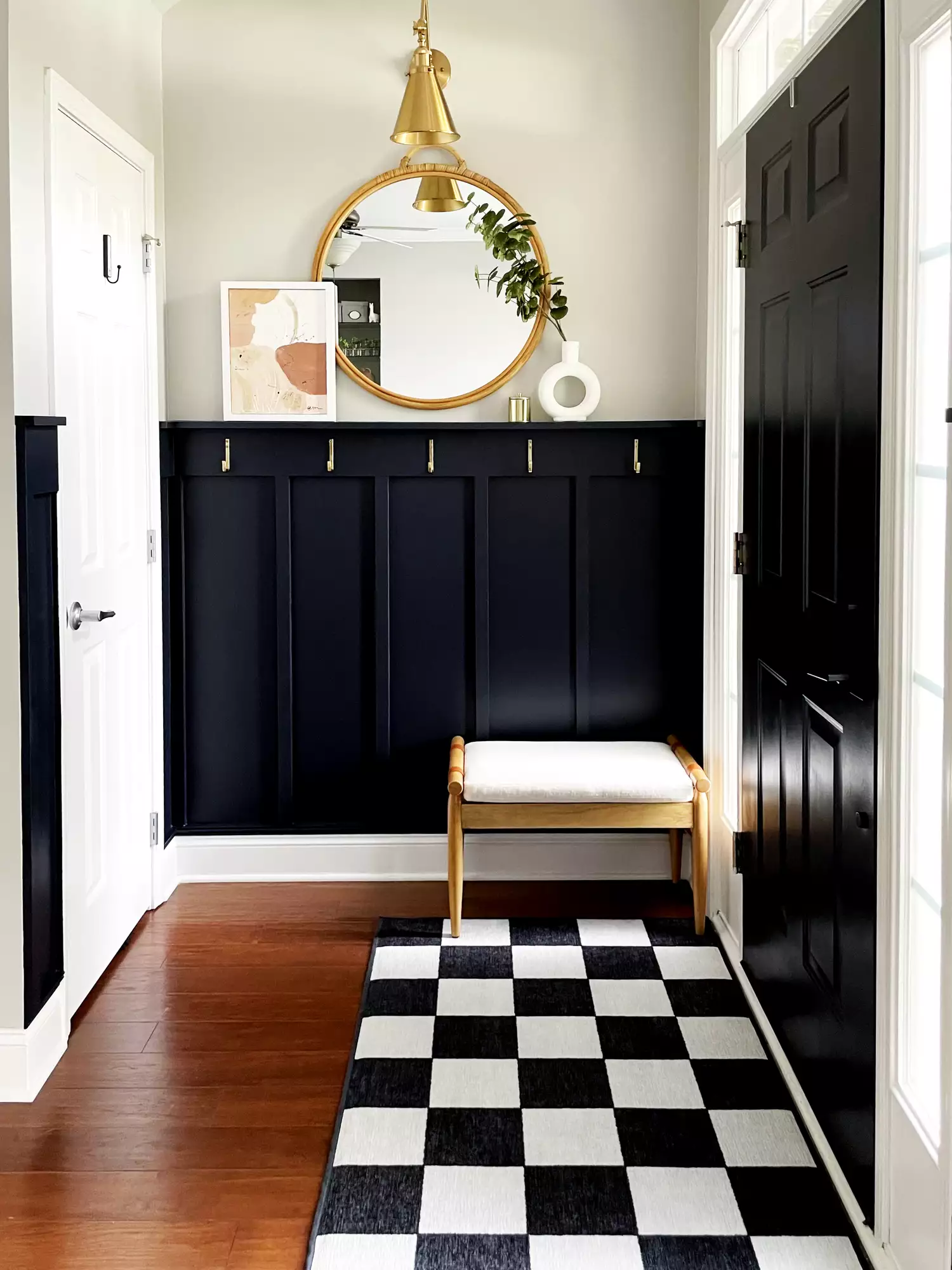
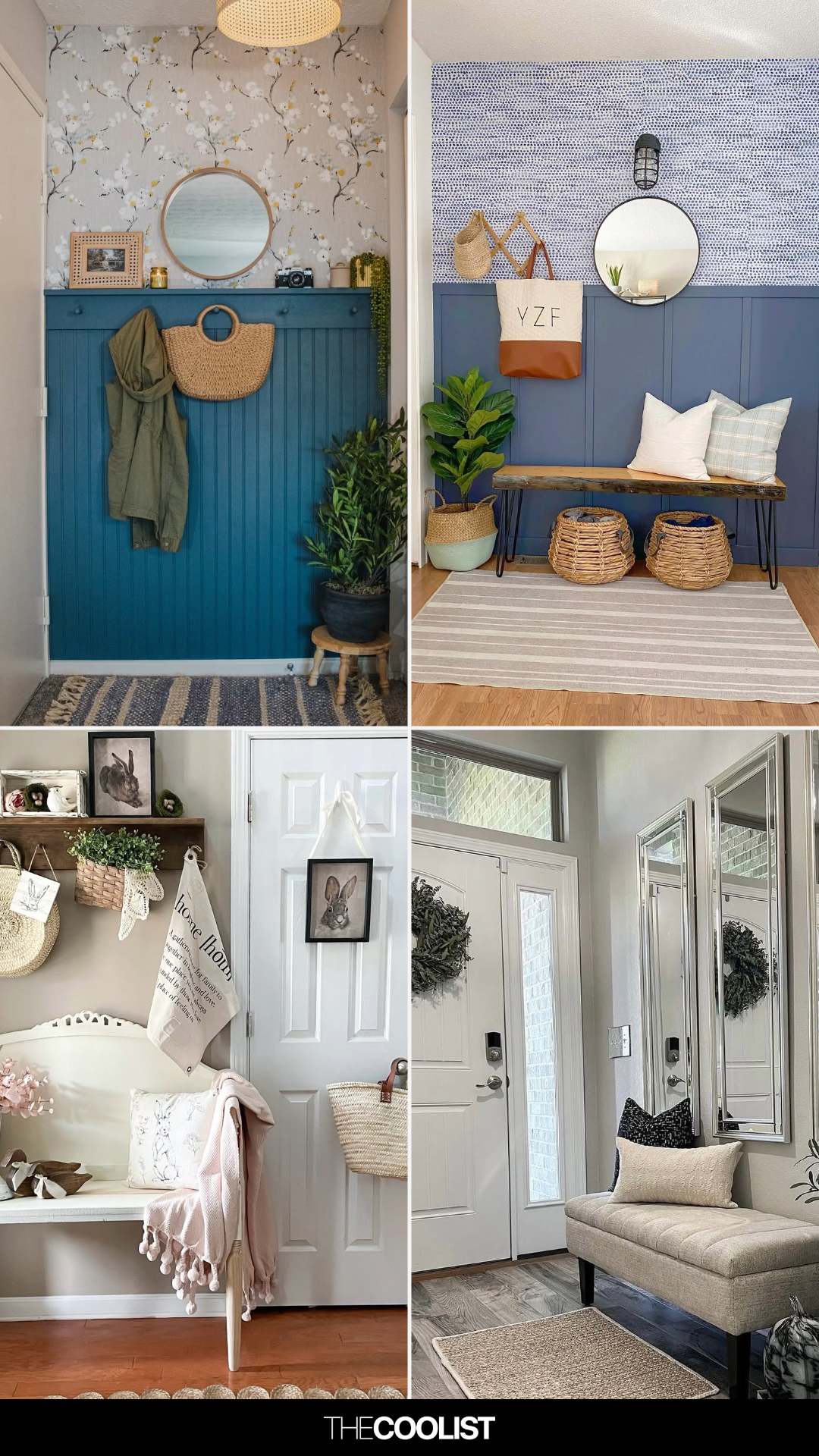

Paint and wallpaper can be leveraged to create impact in small entryways. Bold paint colors or clever color contrasts can add drama and personality, especially in narrow spaces where extensive furnishings are not feasible. Techniques like color blocking or extending paint to the ceiling can embrace the tight space rather than trying to make it appear larger. Similarly, interesting wallpaper designs can reflect the home's character and prevent the space from feeling busy or overcomplicated.
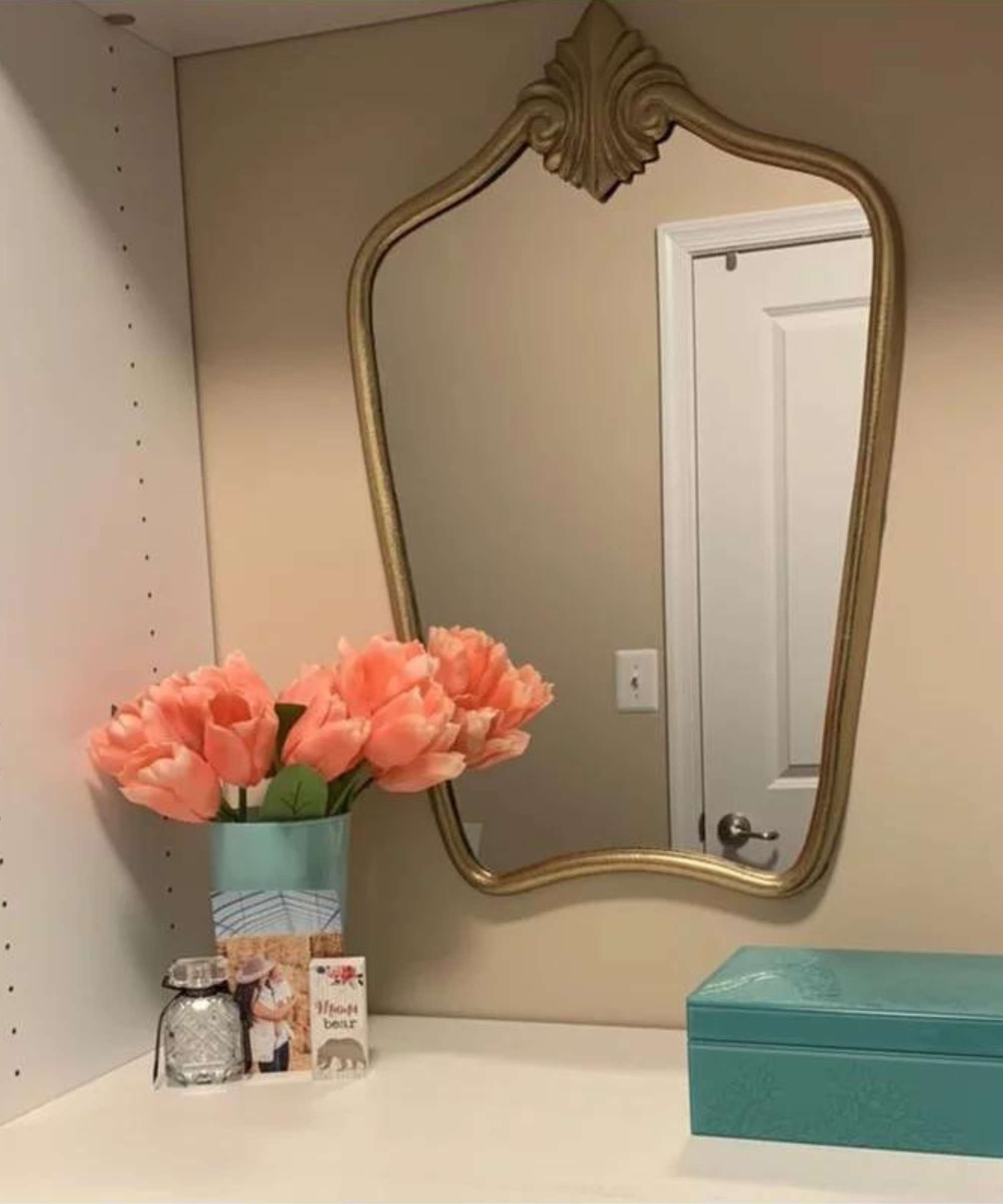
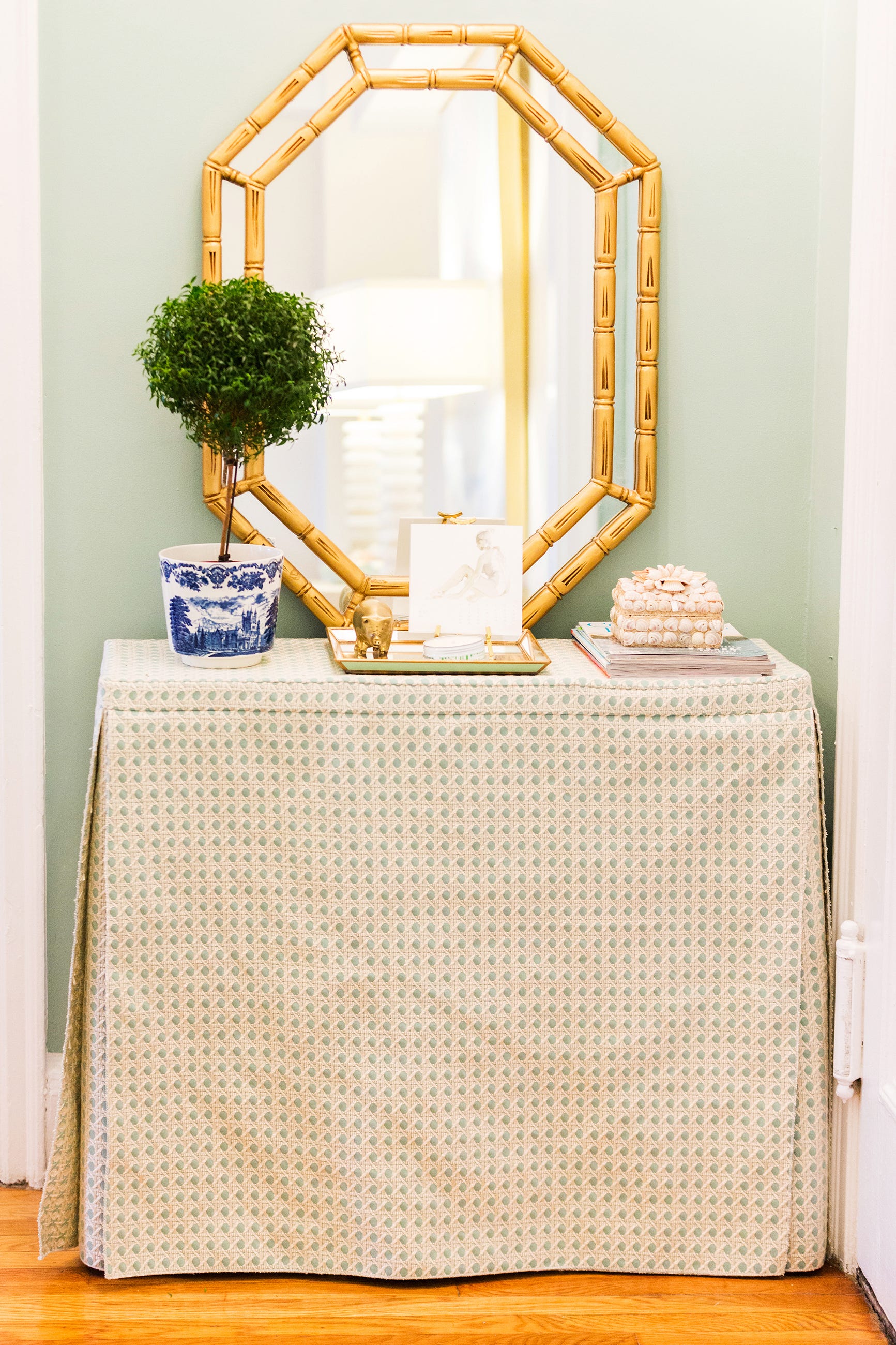
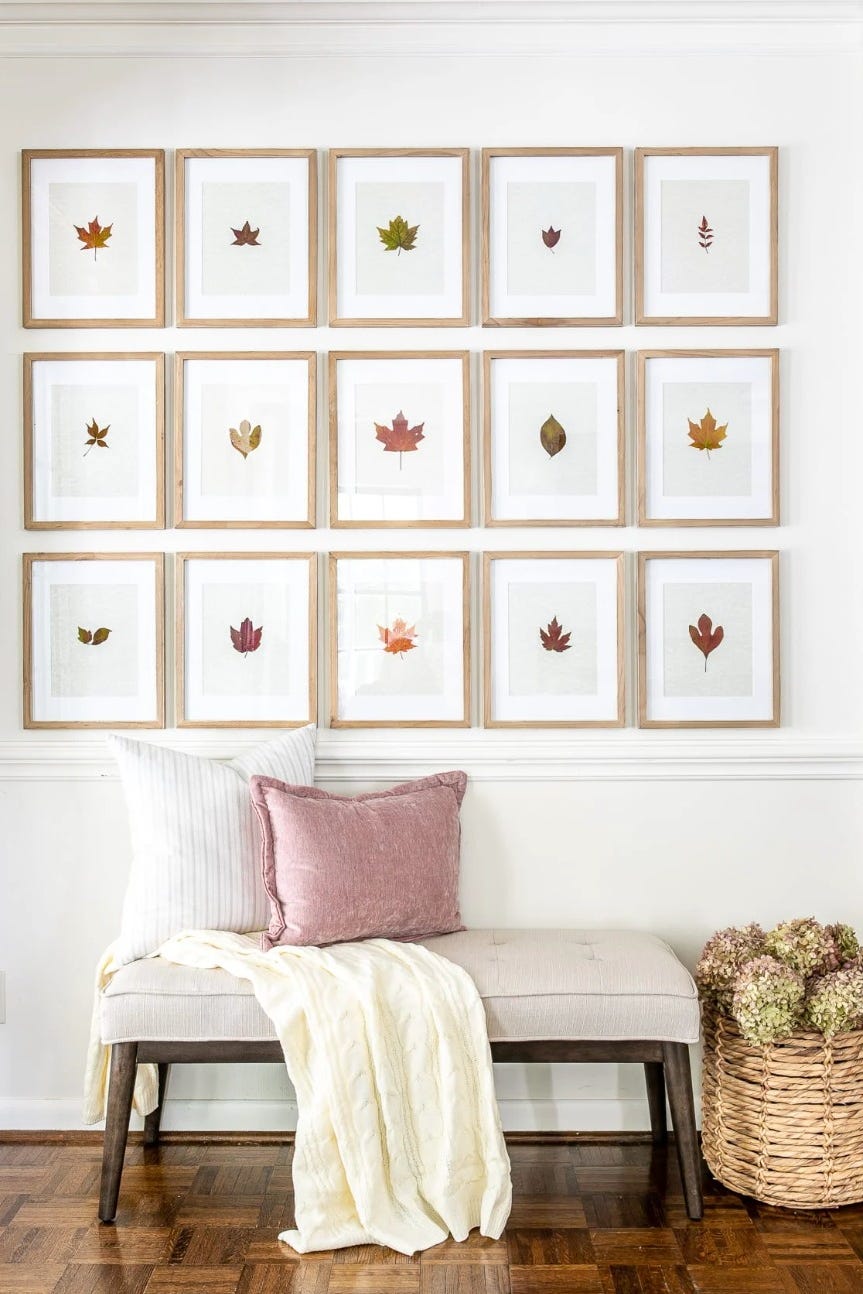
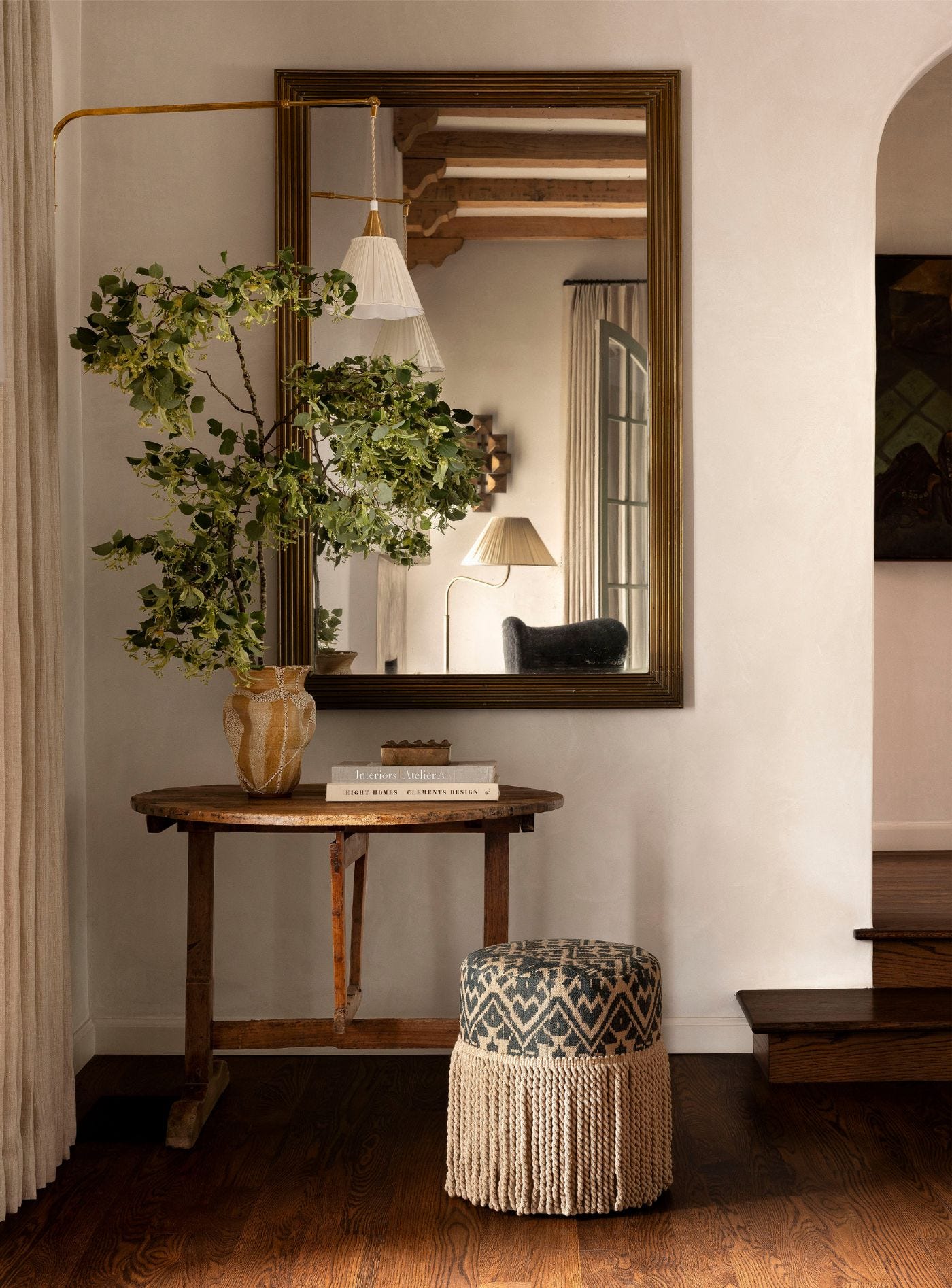
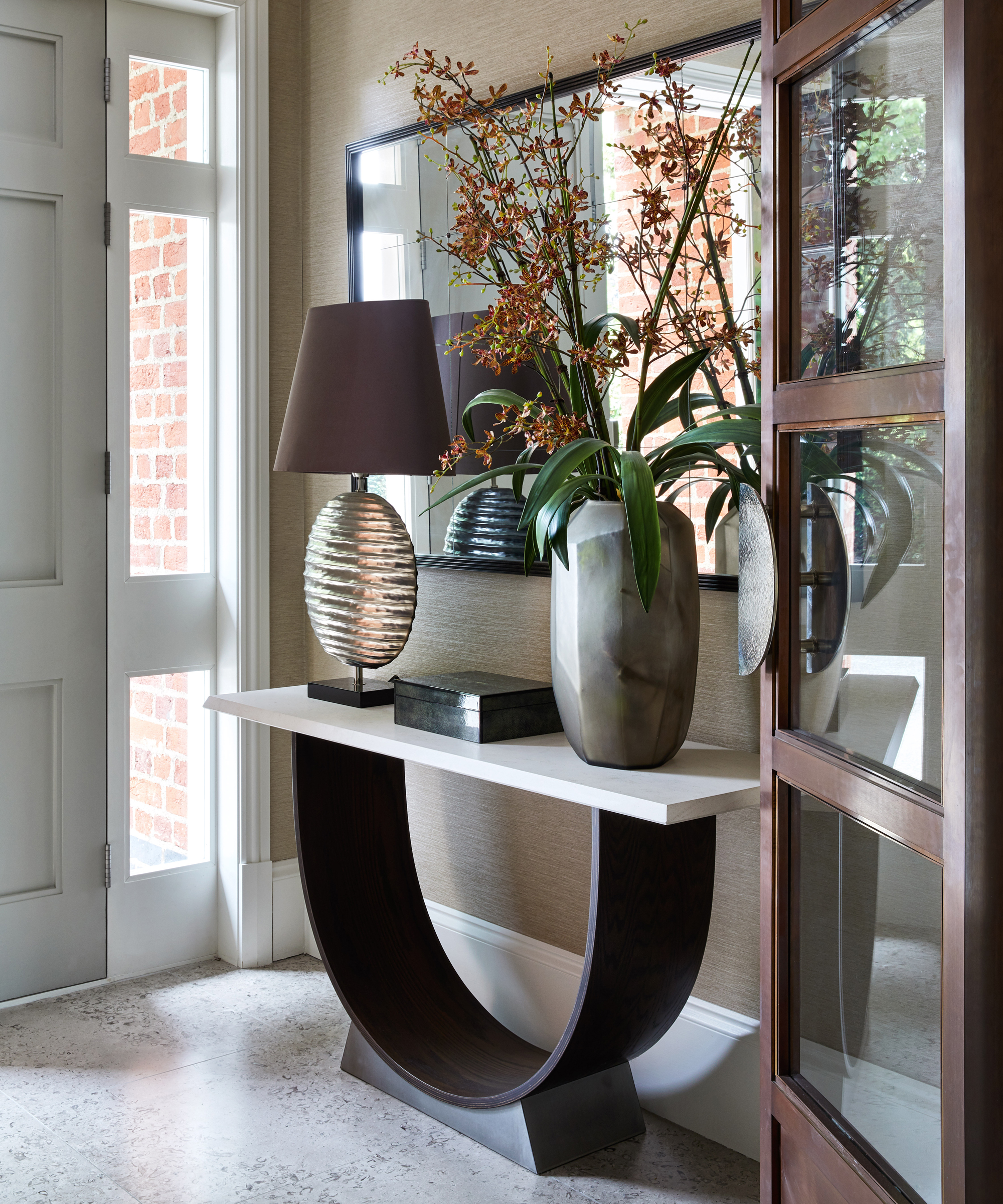
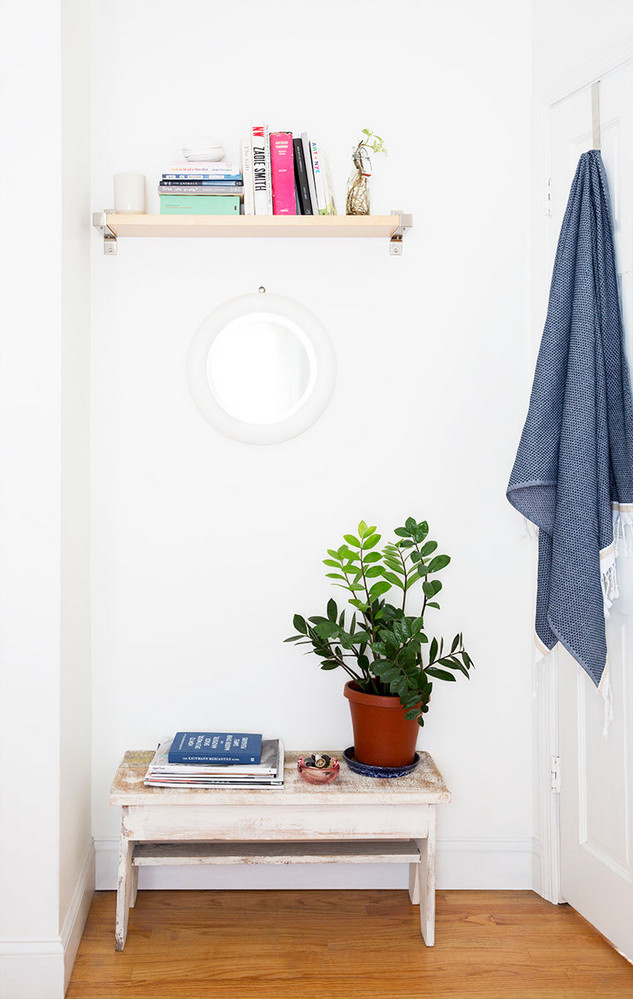
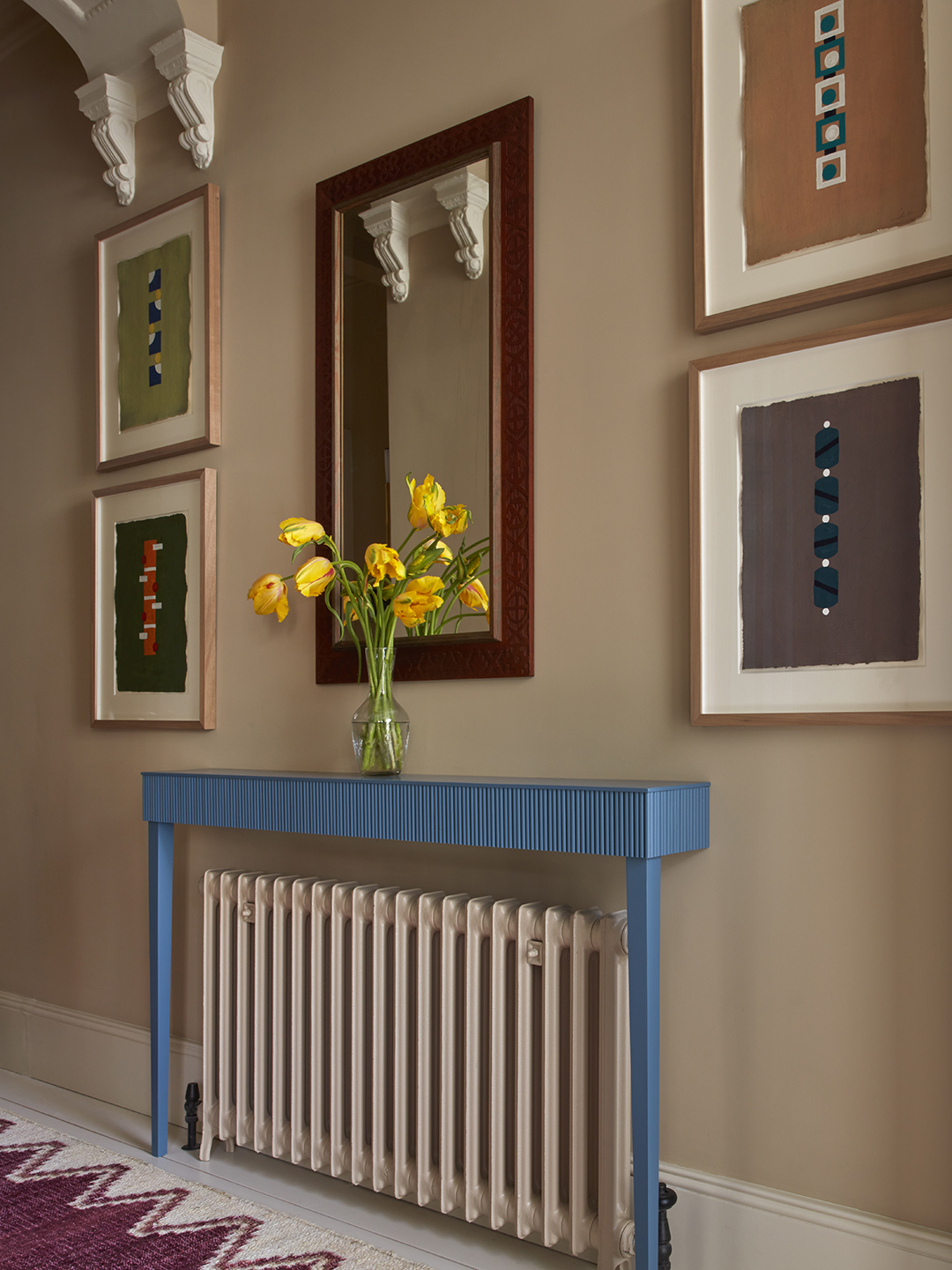
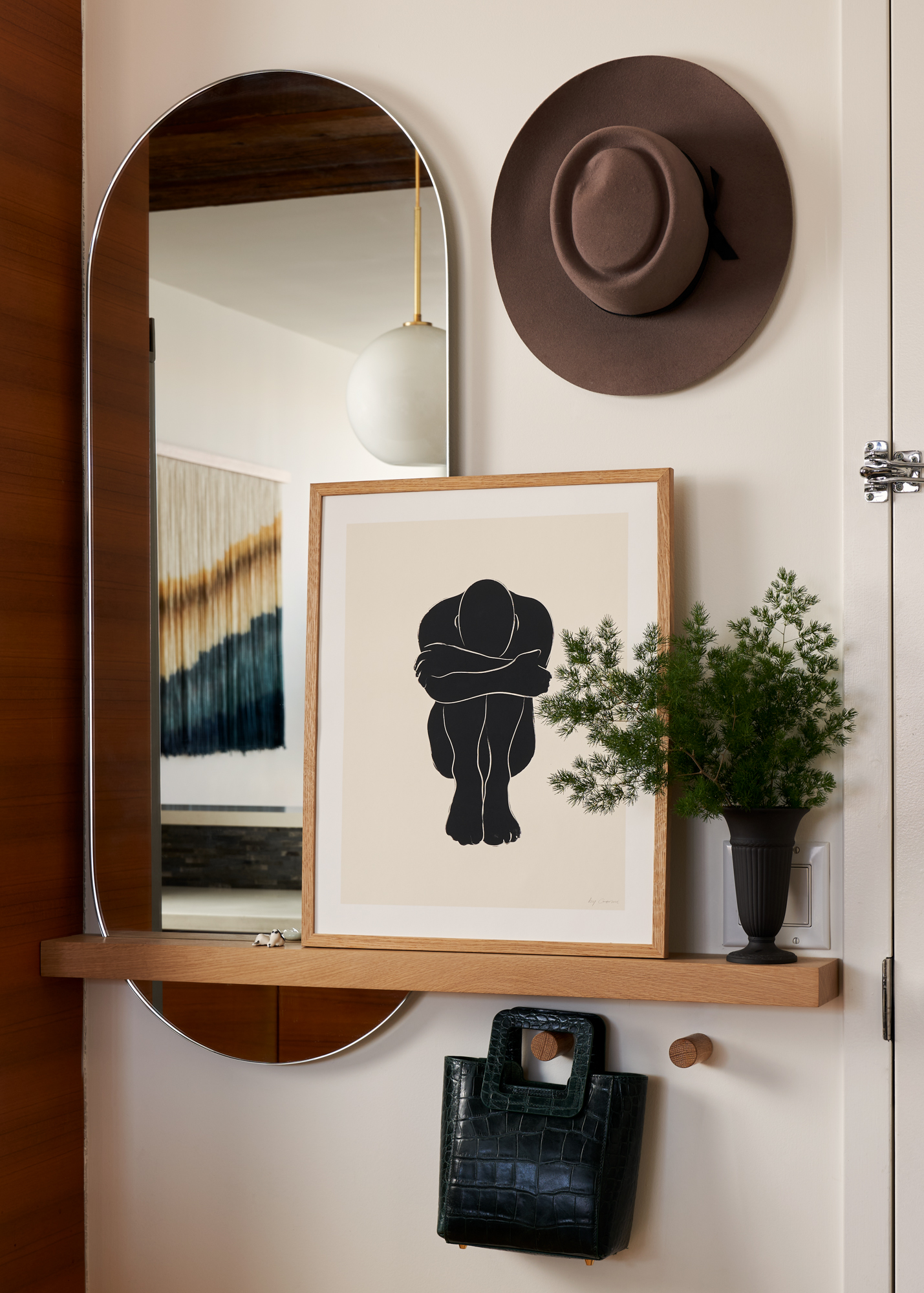
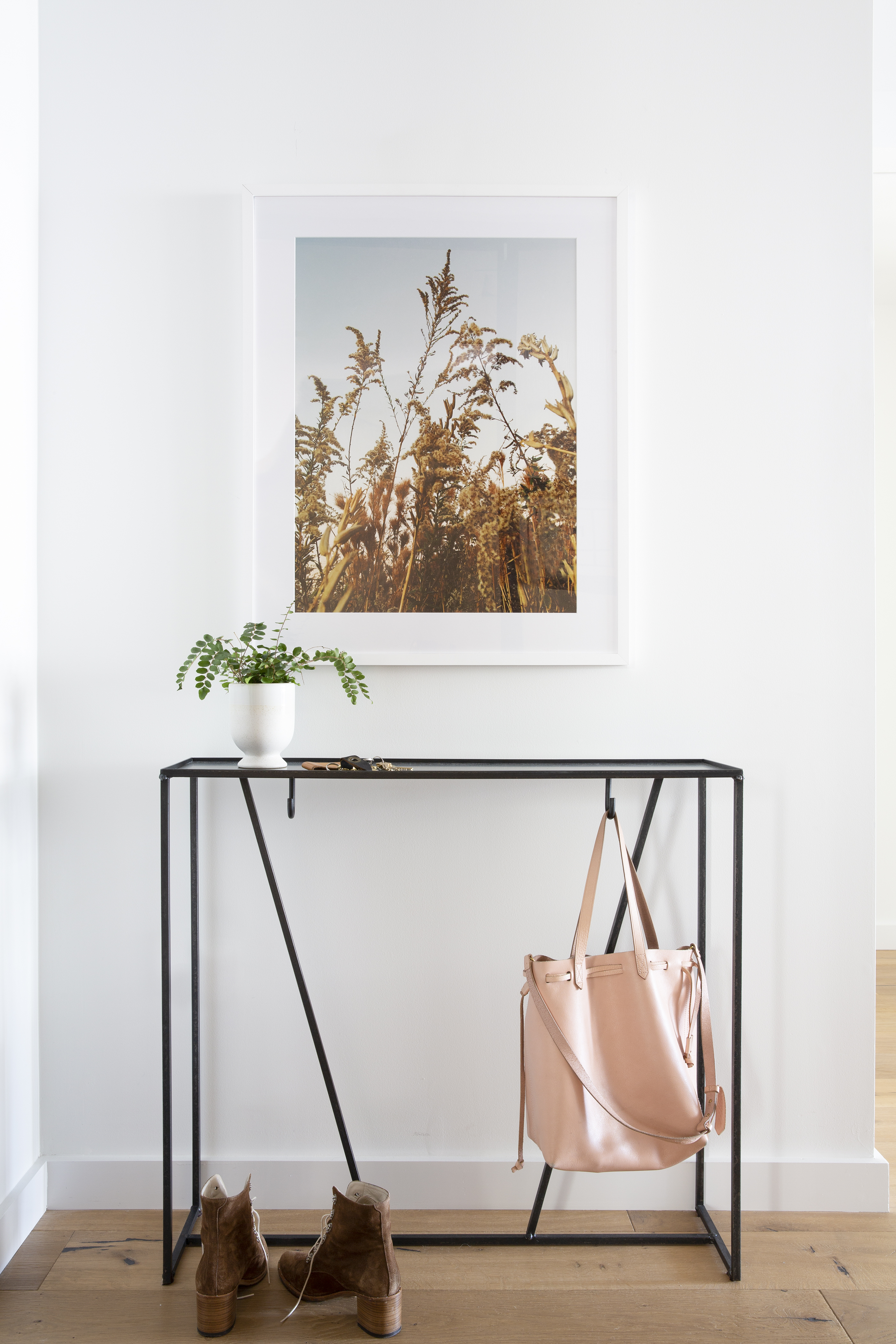
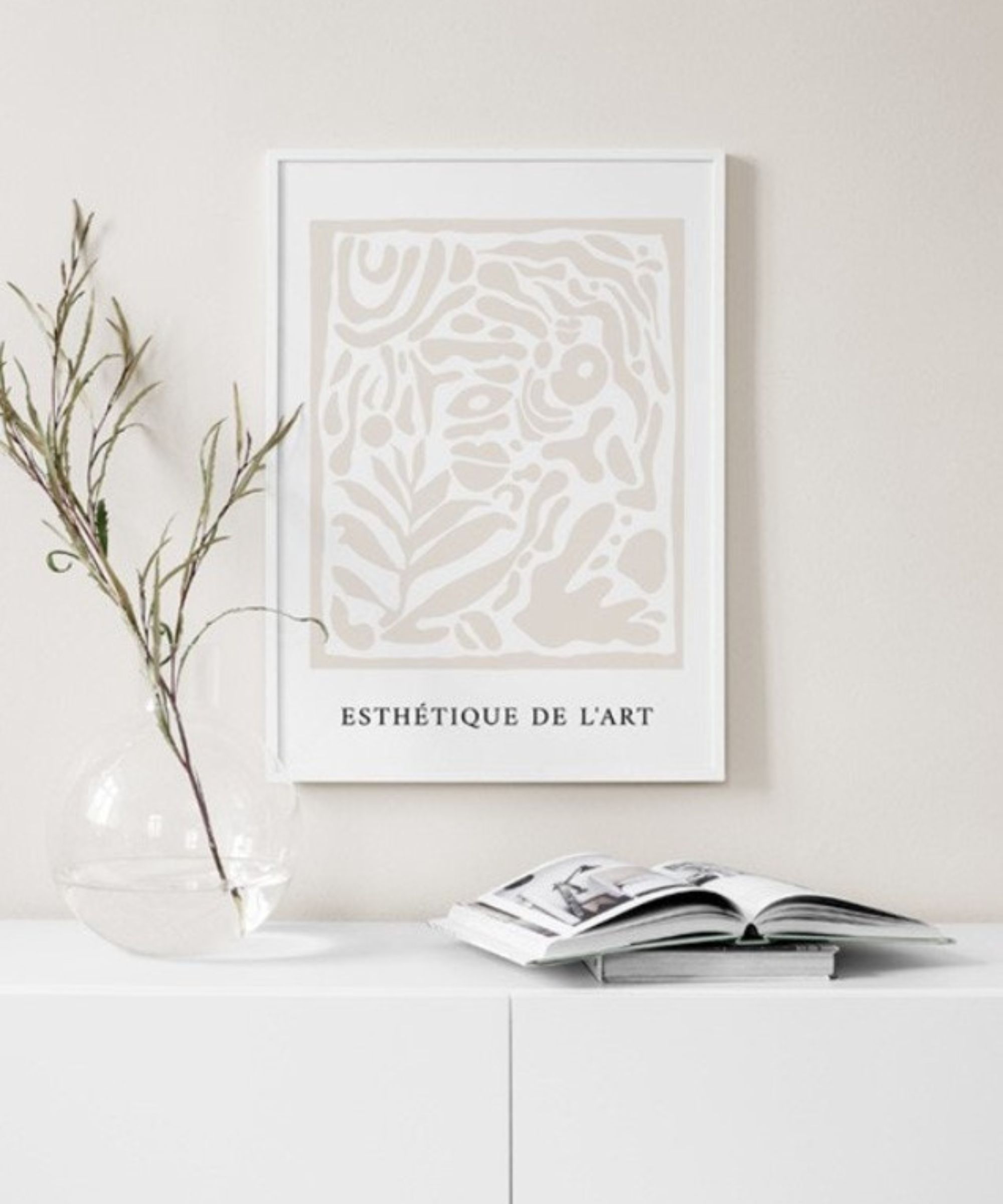
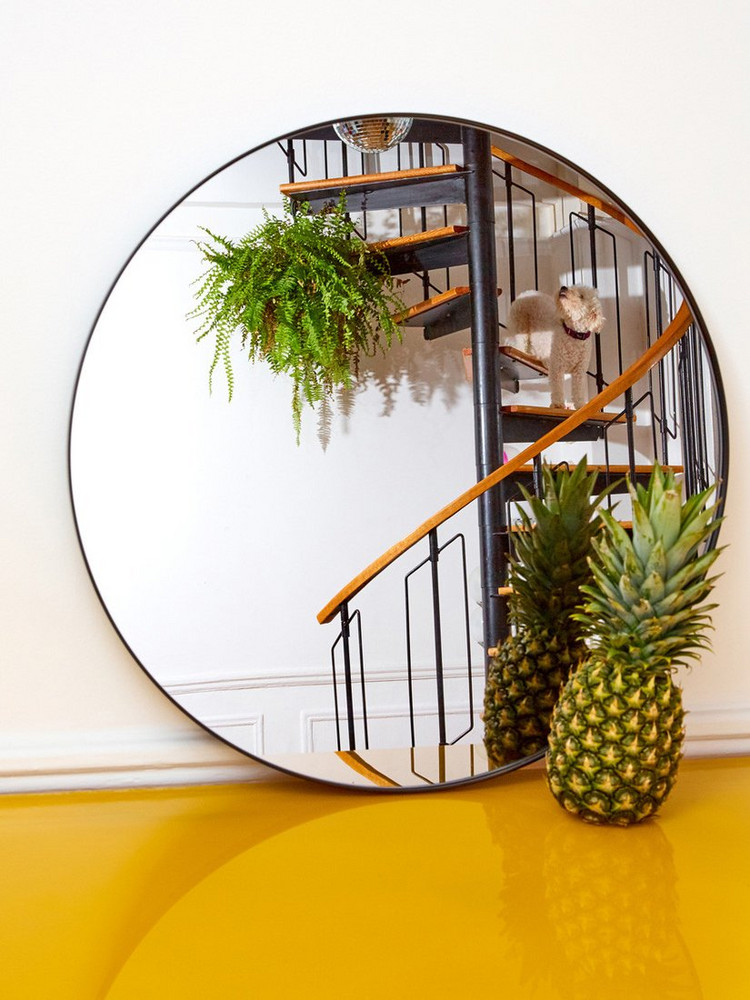
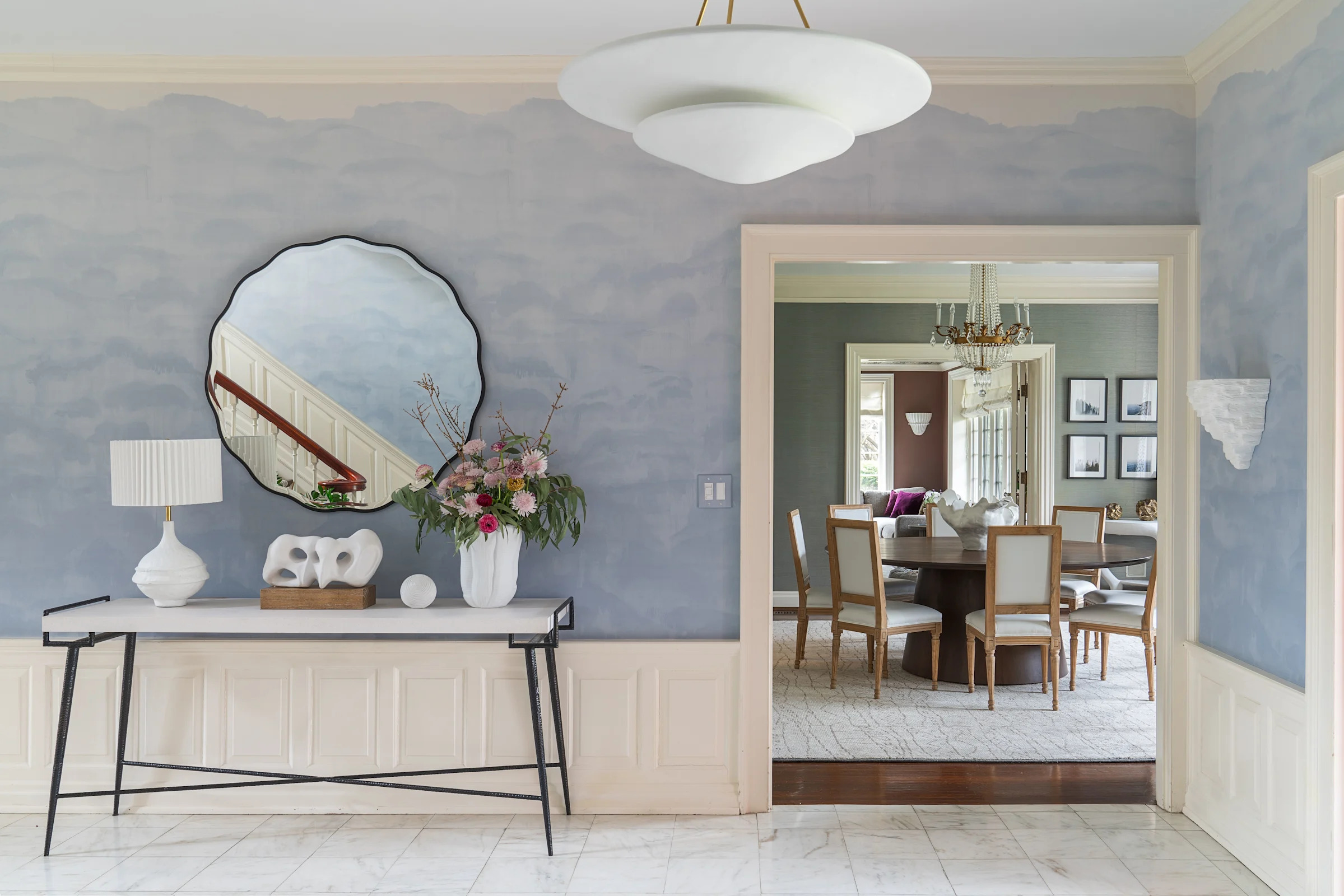
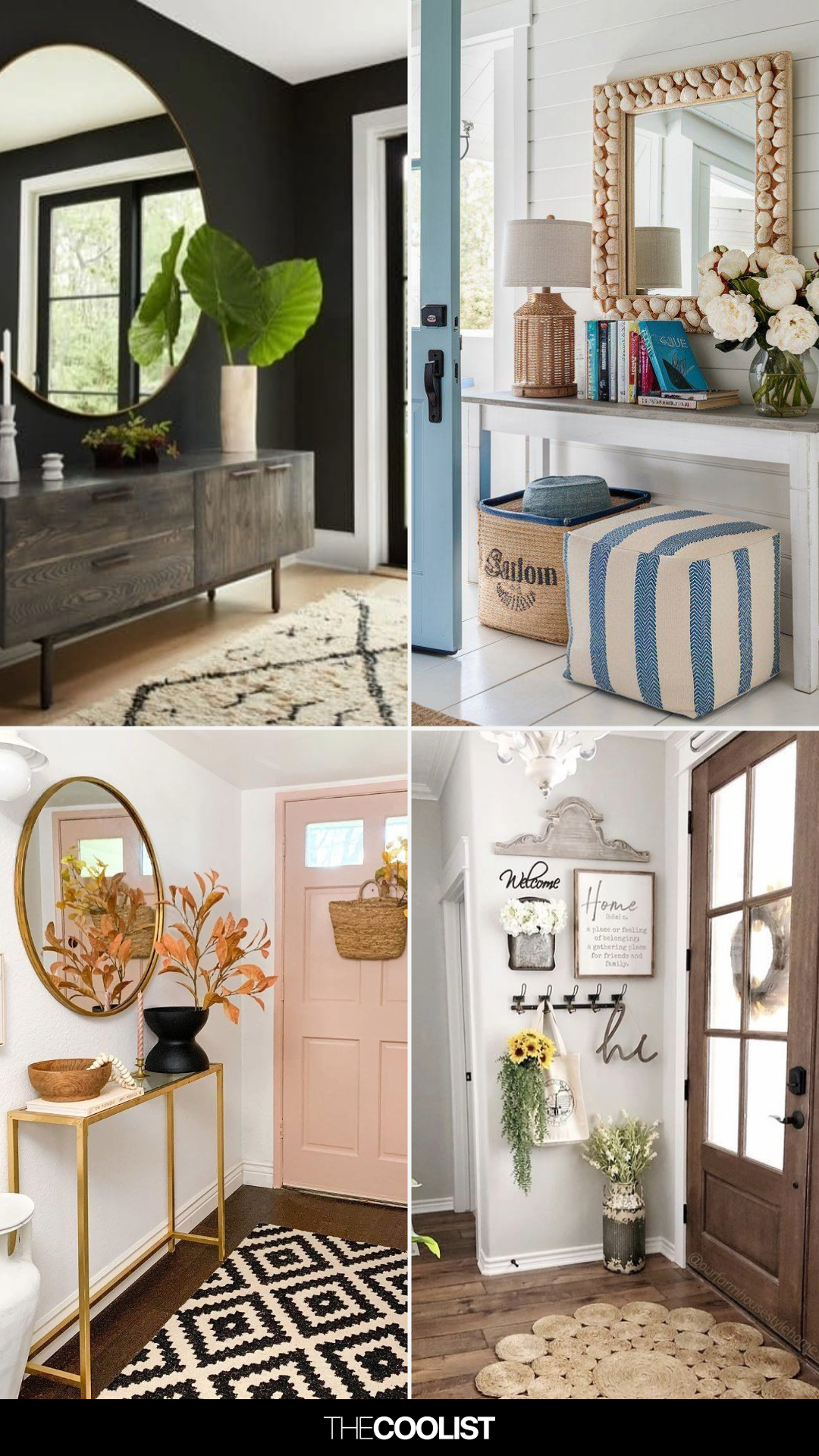
Embracing minimalism helps maintain an open and airy feel by focusing on essential items like a sleek console table, a simple tray for keys, and a few well-chosen decorative accents. This approach allows selected design elements to stand out, making a subtle yet impactful statement. Incorporating architectural features like arches and moldings, along with natural elements such as indoor trees, can add interest and a welcoming mood. Large statement mirrors are also effective in making a small entryway appear bigger, reflecting light and serving as a focal point.
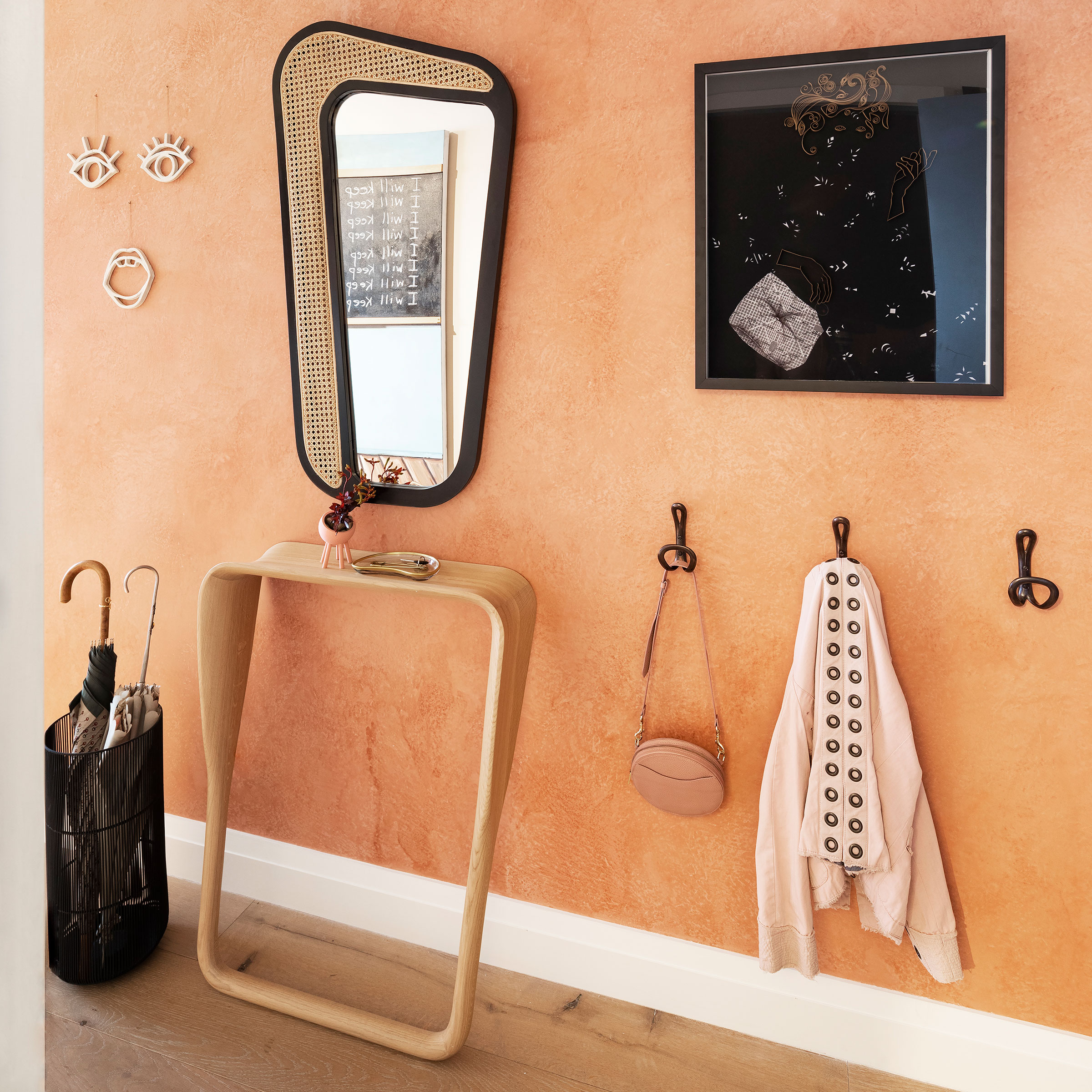
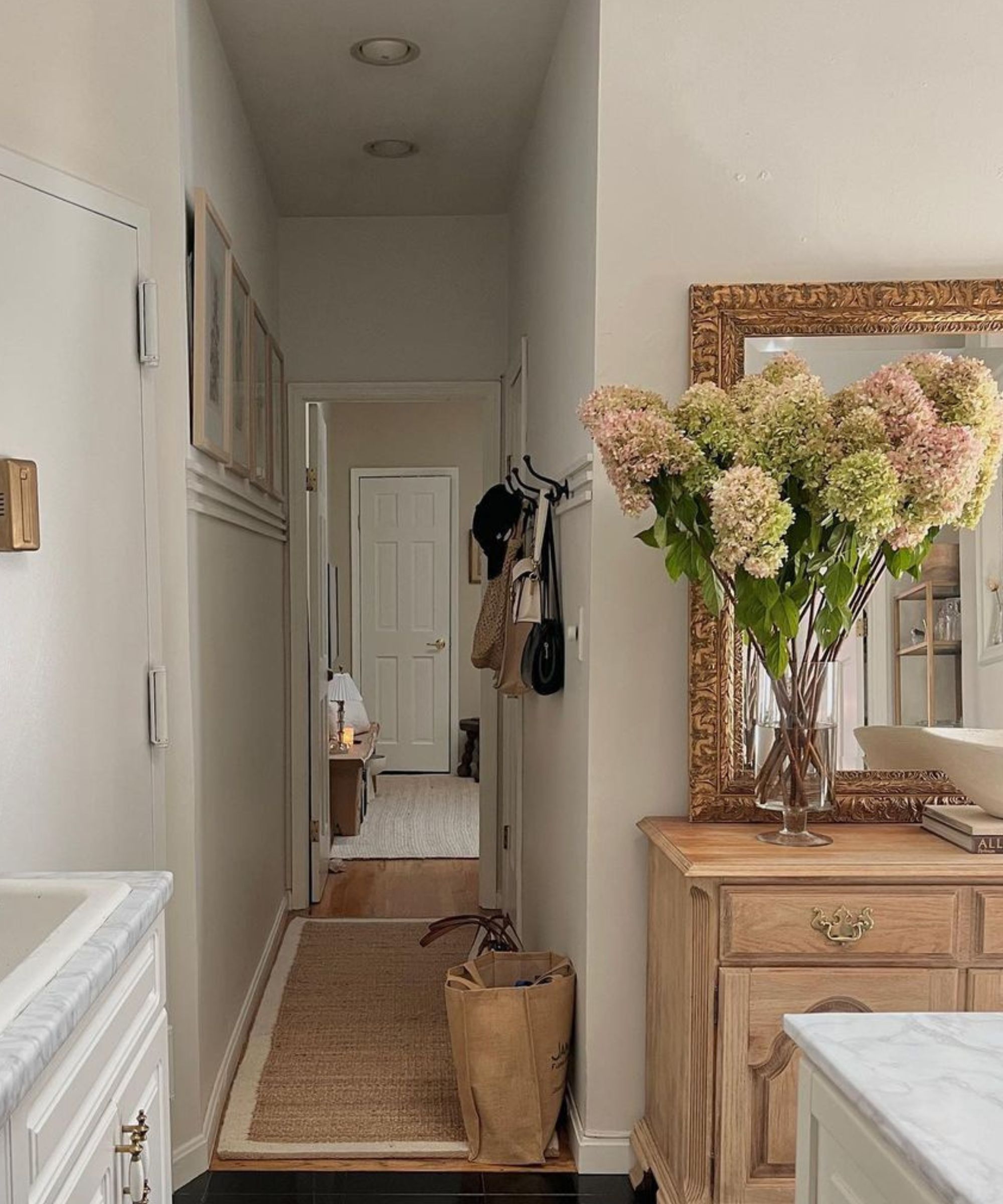
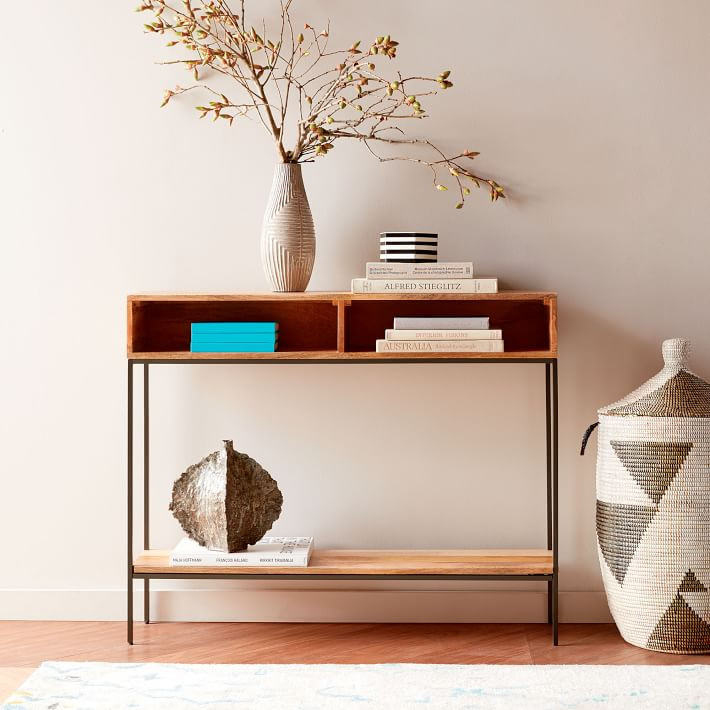
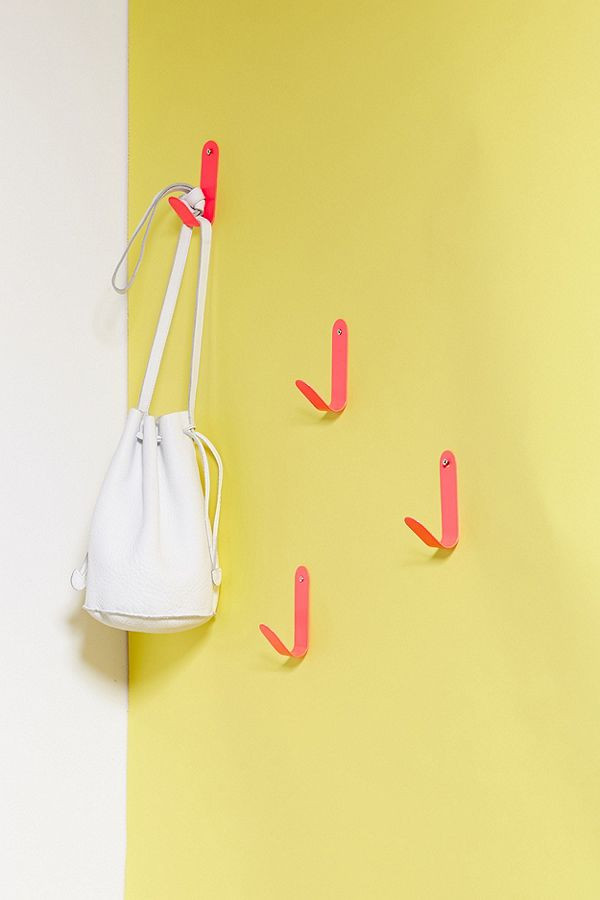
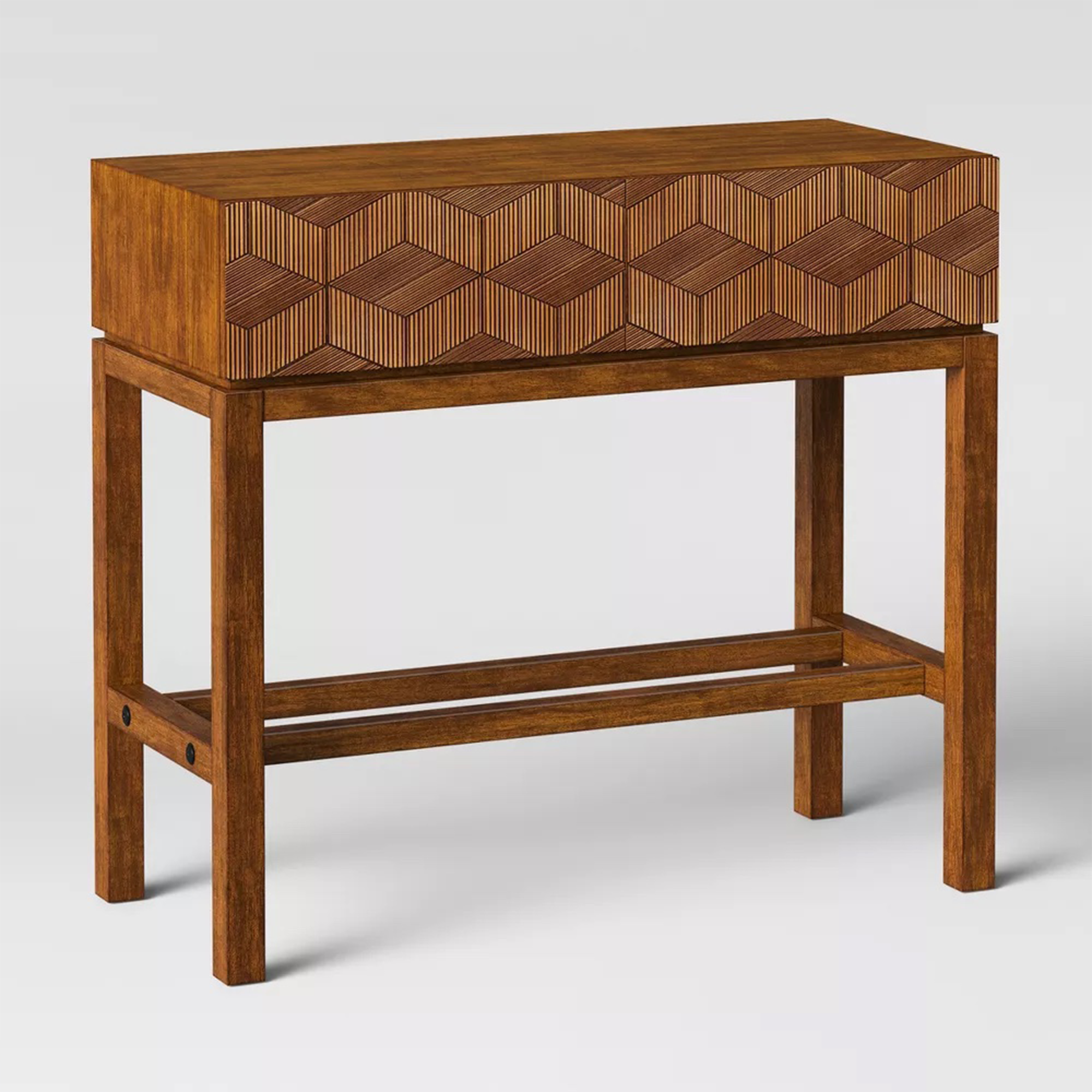
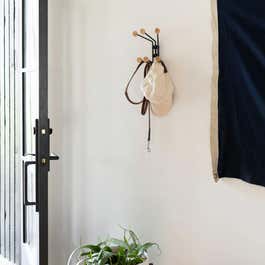
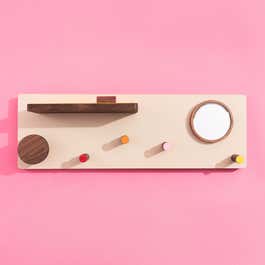
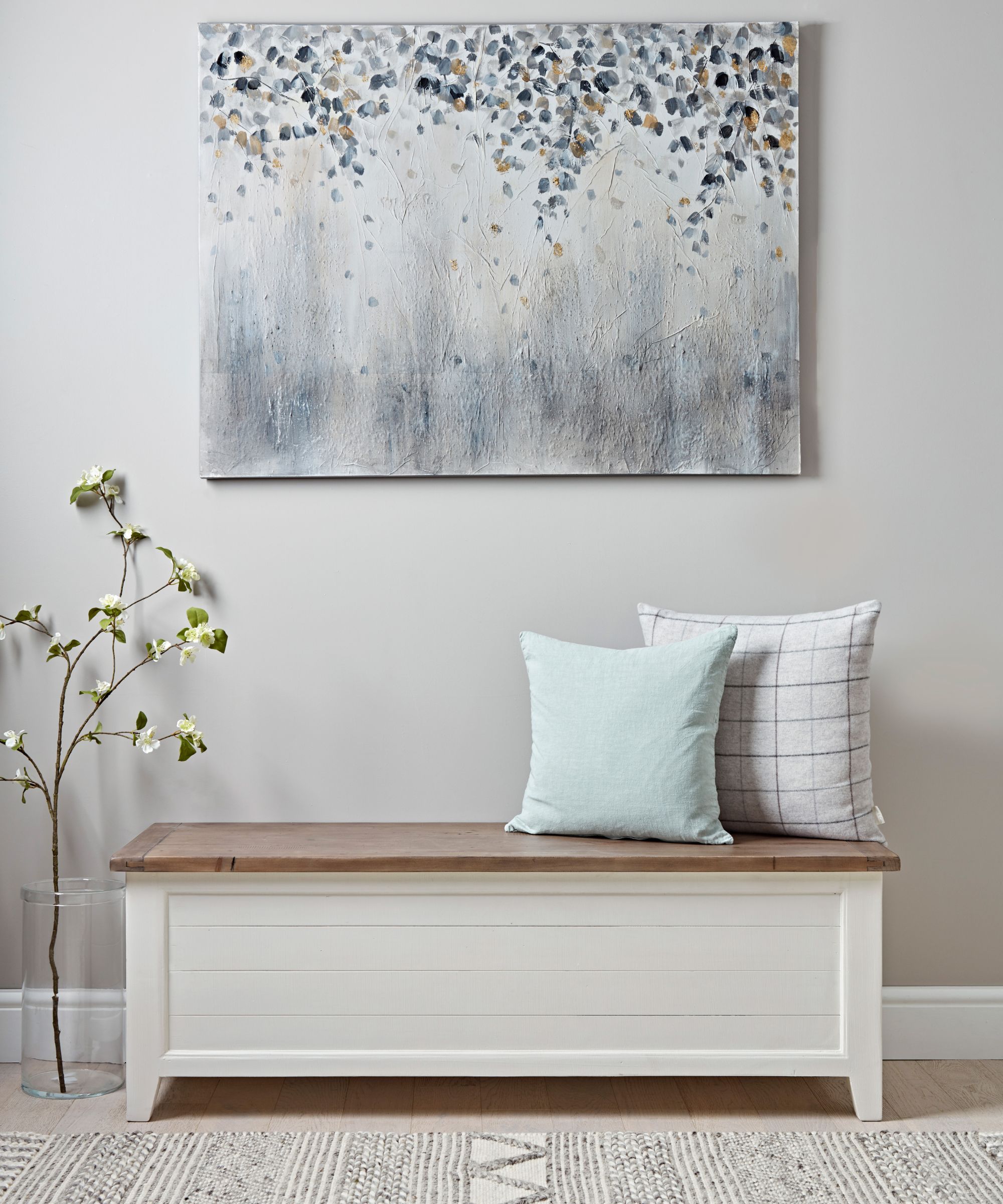
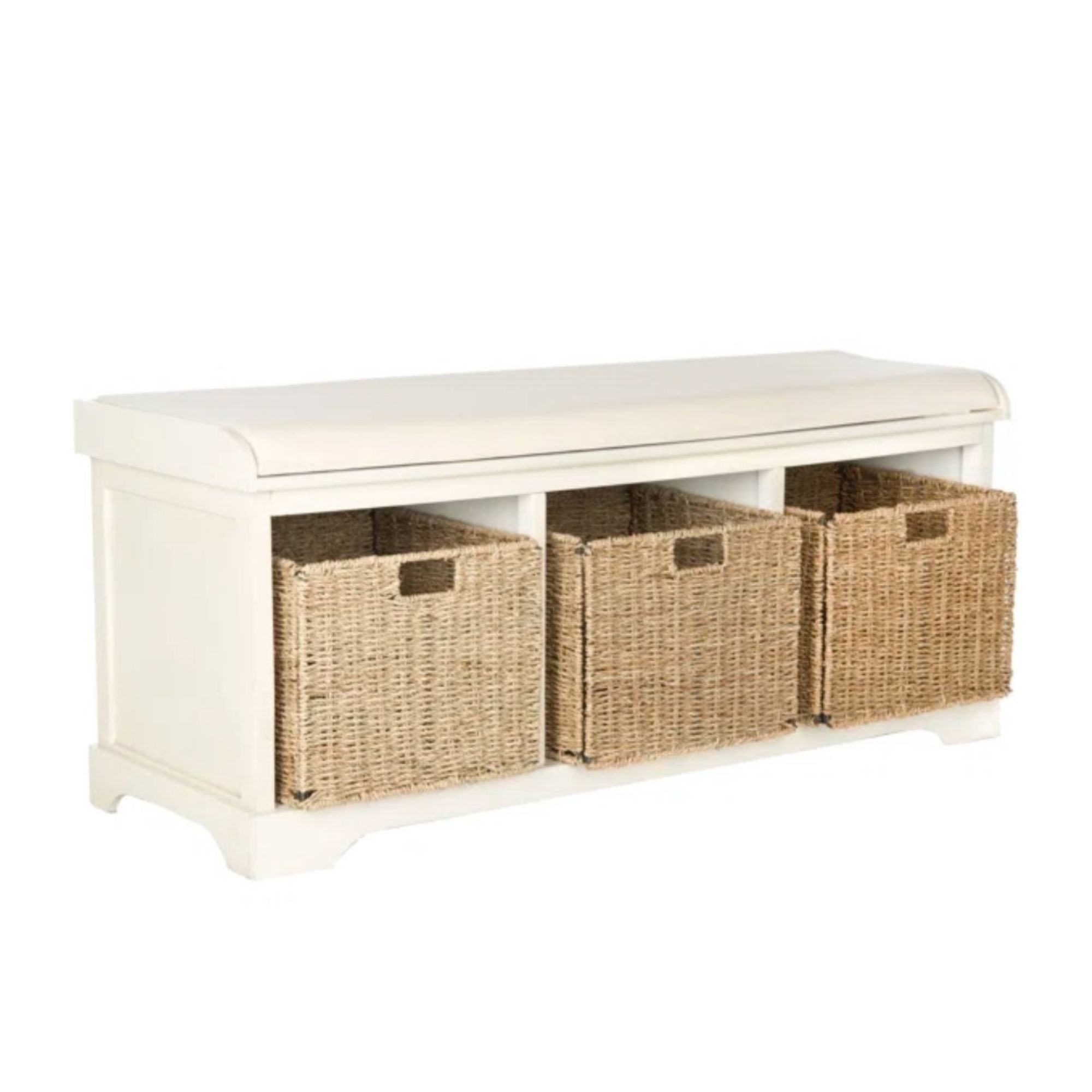
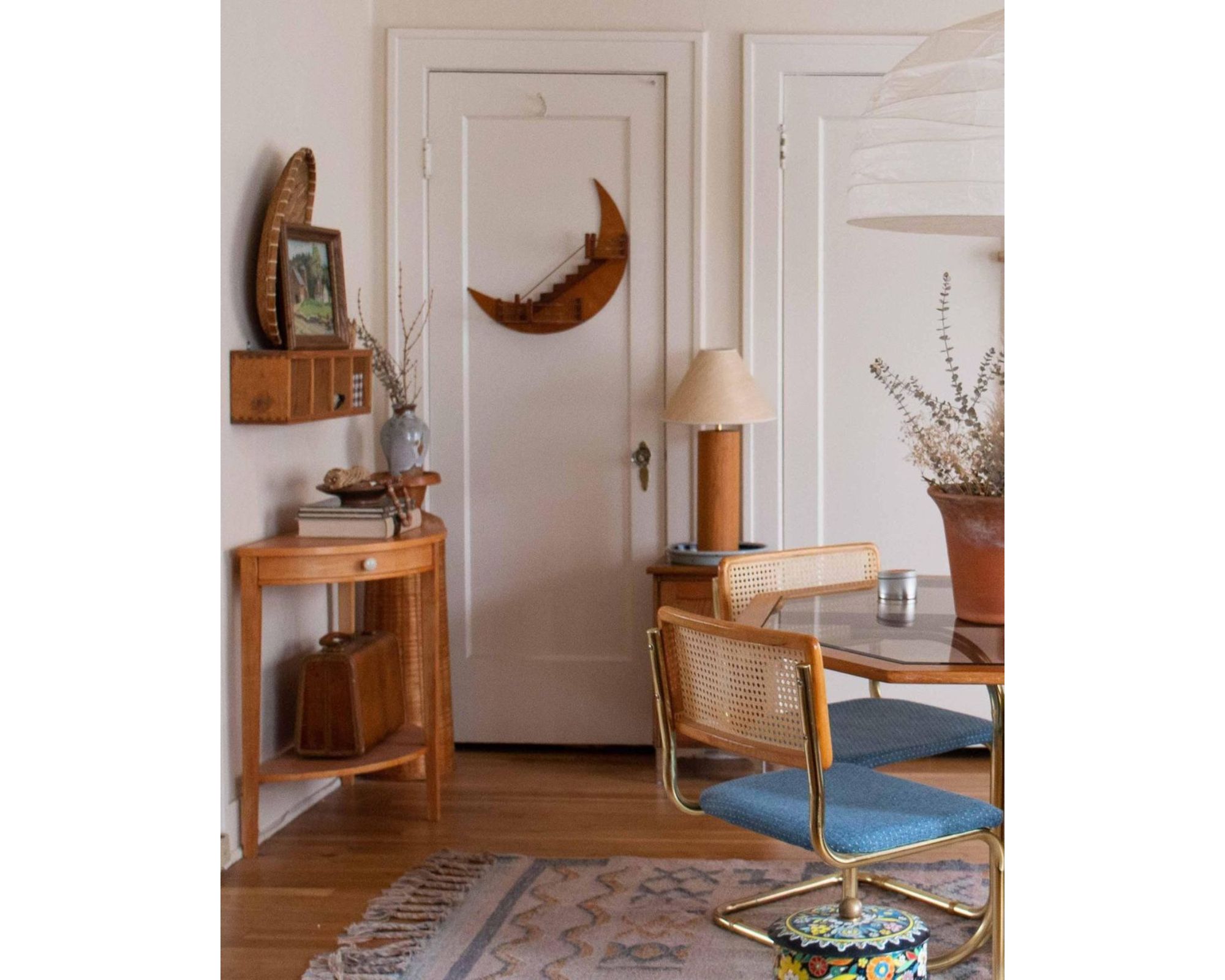
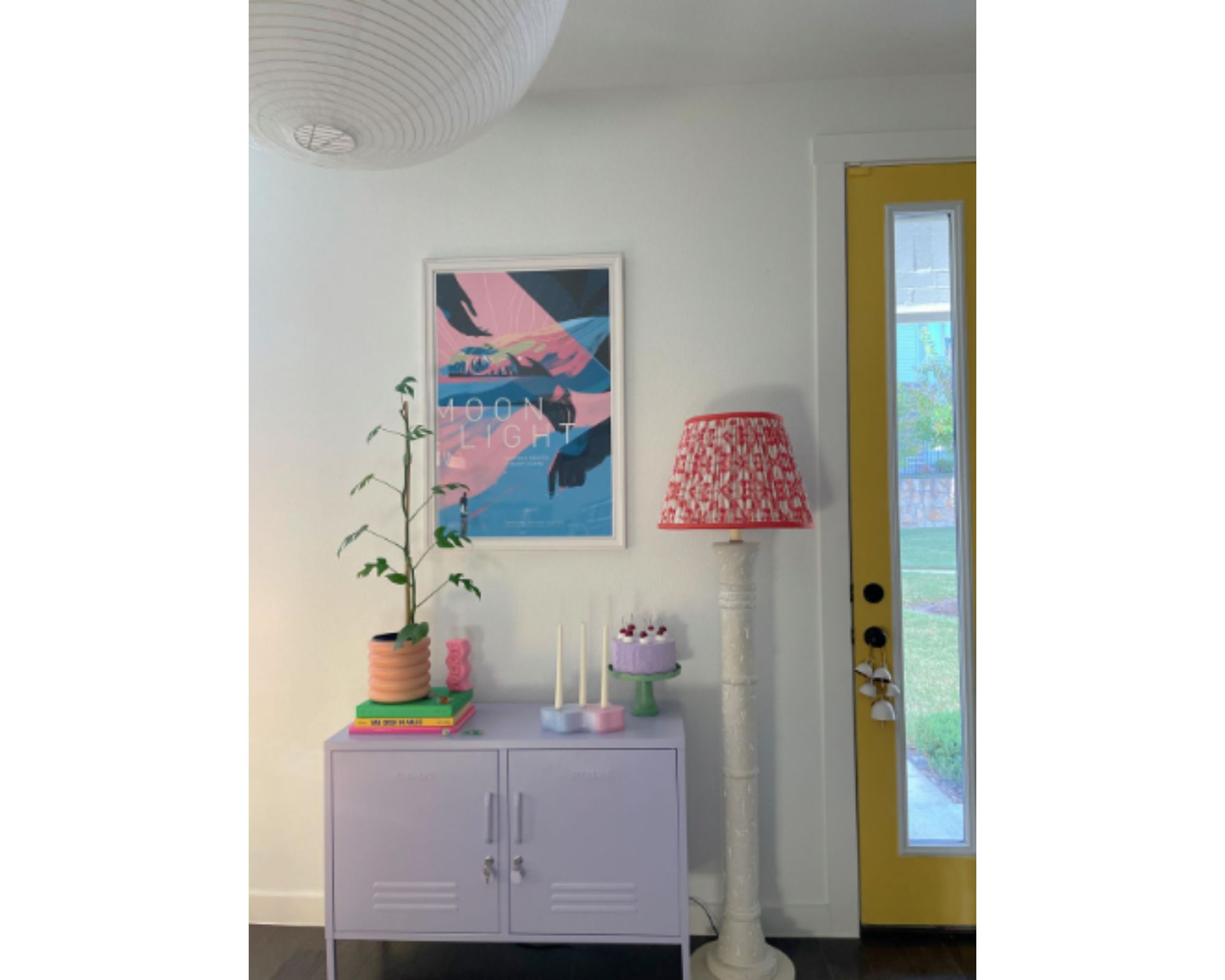
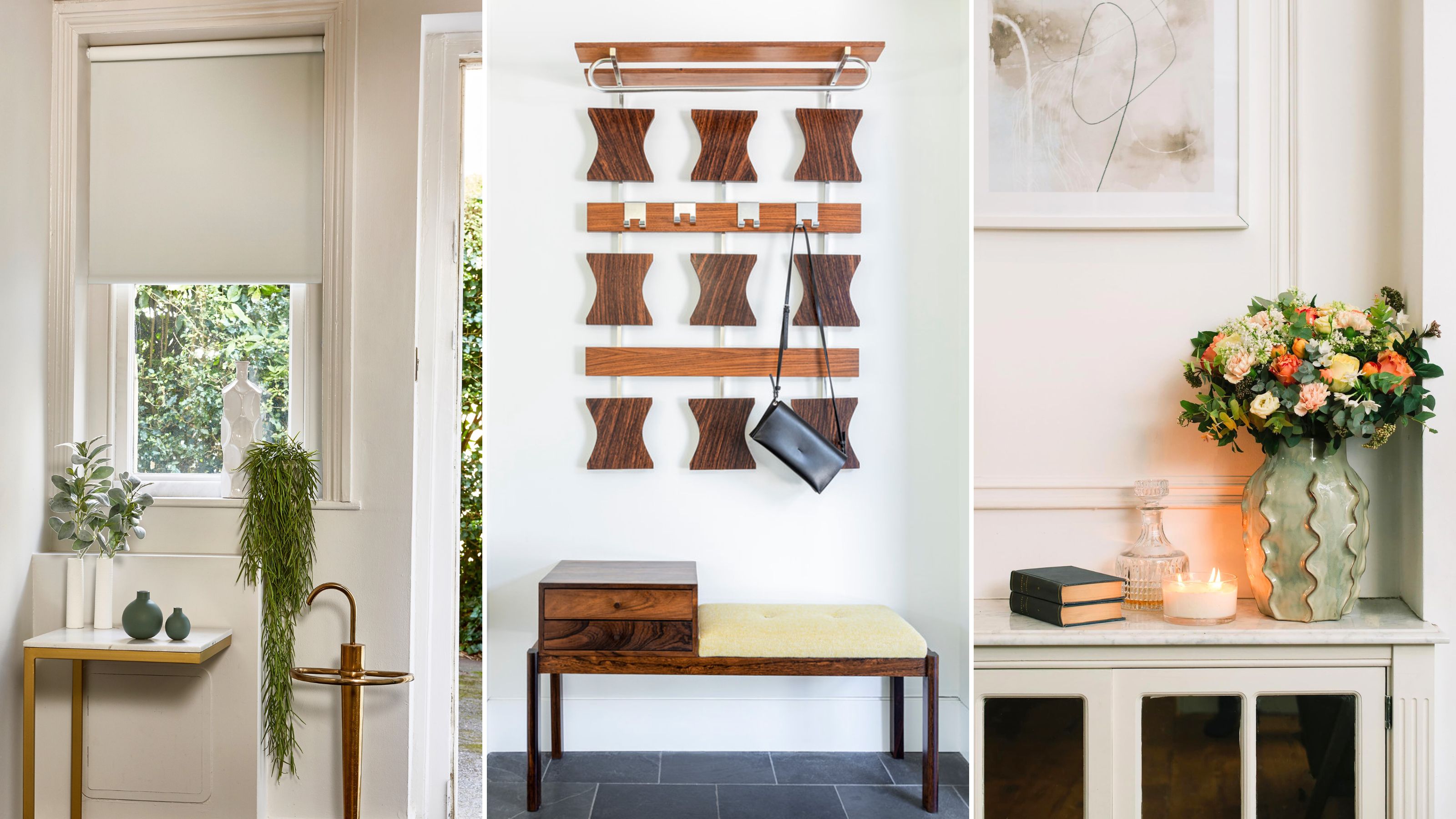
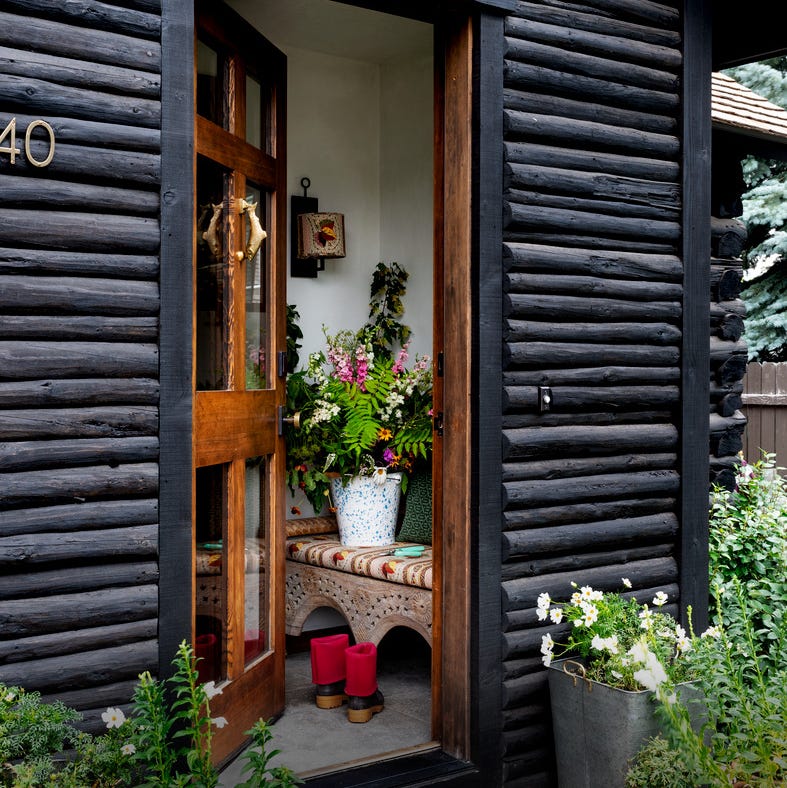
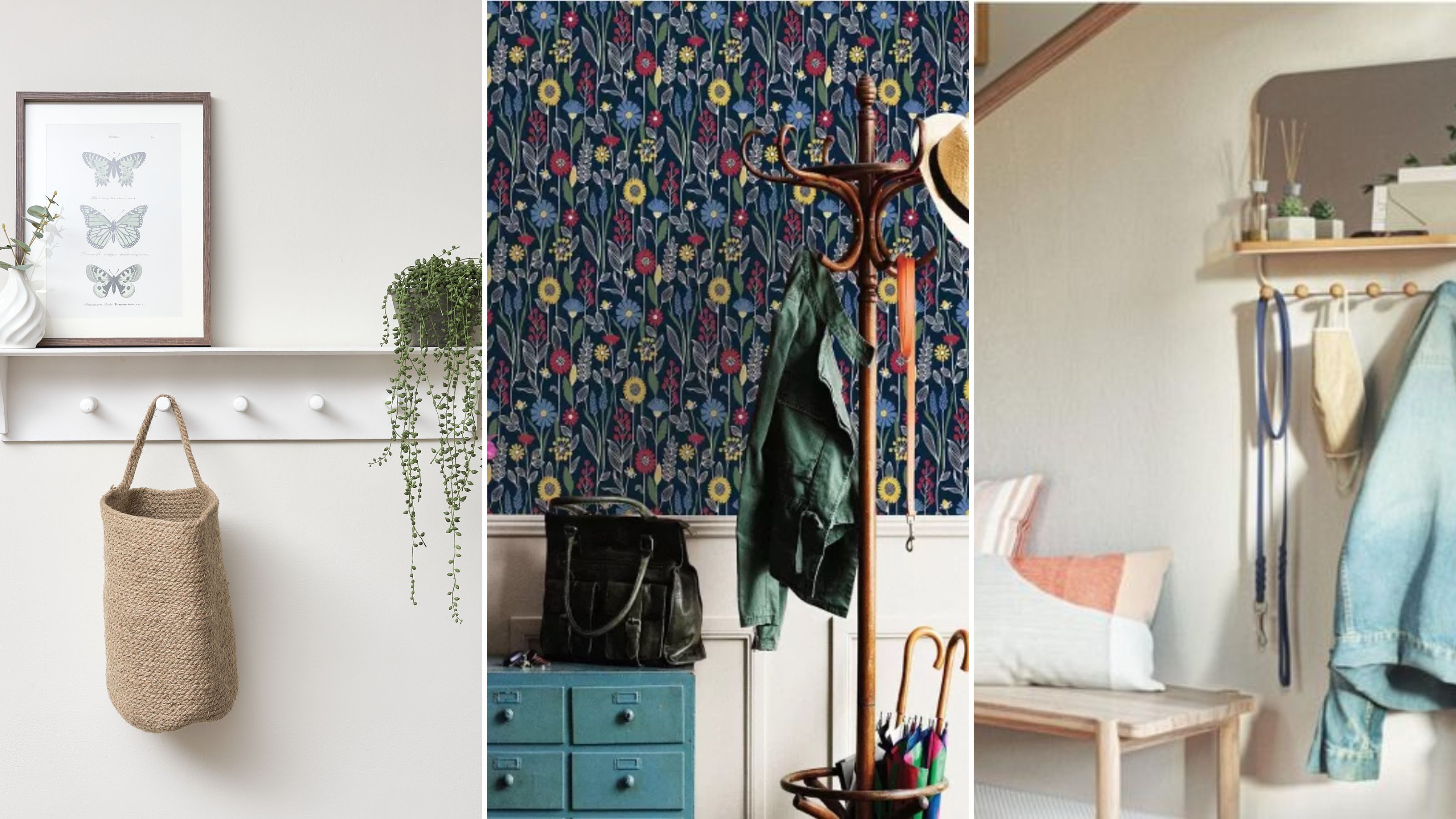
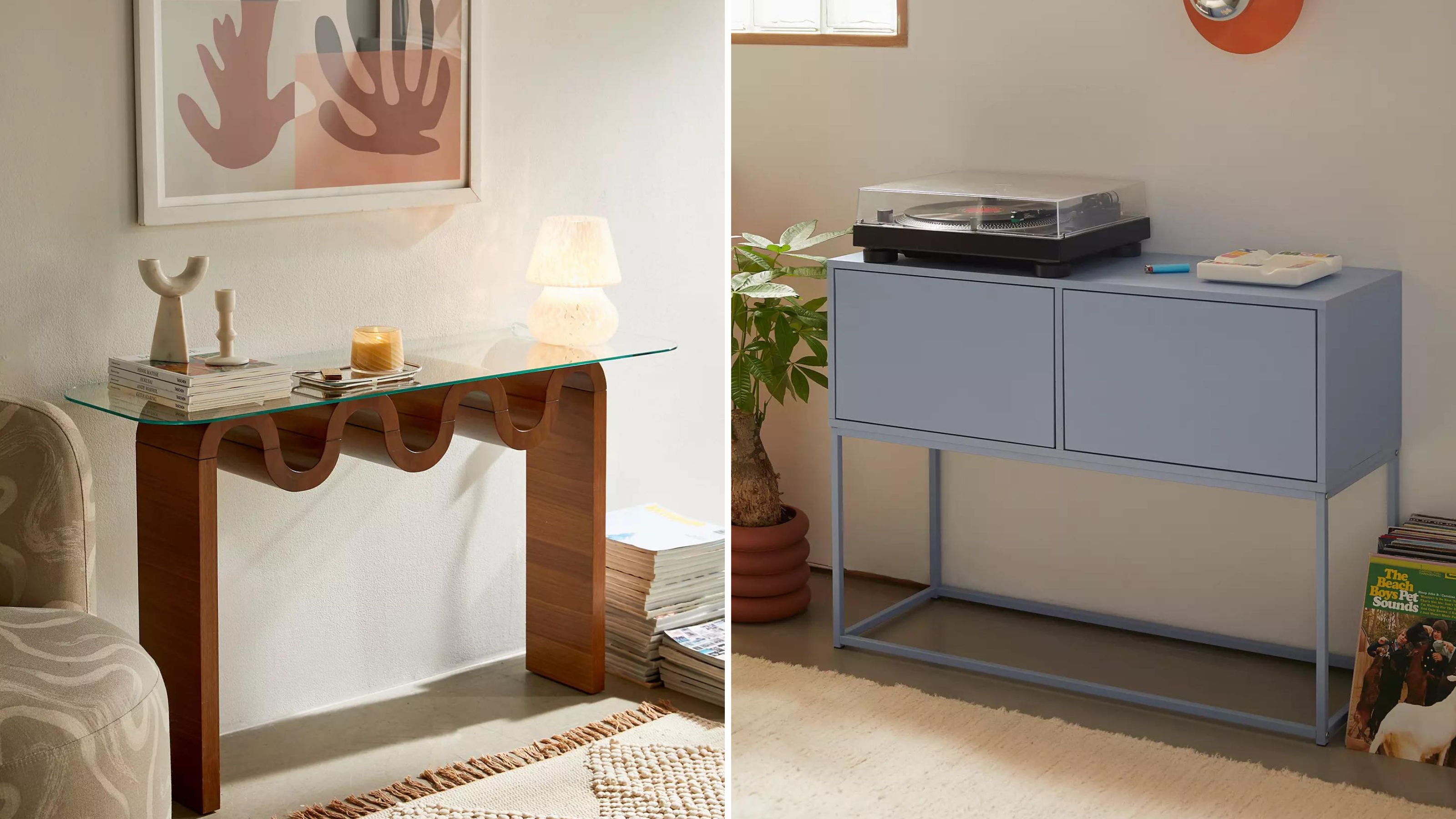
Console tables, even in their most compact forms (e.g., 8 inches deep), are considered essential for organizing keys and mail. These tables can also provide additional storage with drawers or doors and offer an opportunity to display ornaments, creating a charming vignette. Hooks on walls are a practical solution for hanging coats when space is limited, serving as both artistic and functional elements. Indoor trees, such as the fiddle leaf fig, add height and a touch of nature, creating a beautiful and homely welcome. Lastly, dedicating a corner to a 'mudroom moment' with a drop zone, bench, and baskets can provide storage for everyday items, making the entryway more useful and cozy. Choosing paint colors like neutral tones, earthy shades, or bold palettes can further personalize the space, creating an inviting atmosphere while avoiding common mistakes that make entryways feel smaller.
#SmallEntrywayIdeas #HomeDesign #InteriorDecor #SpaceSavingSolutions #EntrywayStorage #MinimalistDesign #HardwoodFlooring #PaintAndWallpaper #DecorativeMirrors #ConsoleTables #SmallEntrywayIdeas #HomeDesign #InteriorDecor #SpaceSavingSolutions #EntrywayStorage #MinimalistDesign #HardwoodFlooring #PaintAndWallpaper #DecorativeMirrors #ConsoleTables
0 comment in total
 No comments yet
You may also like
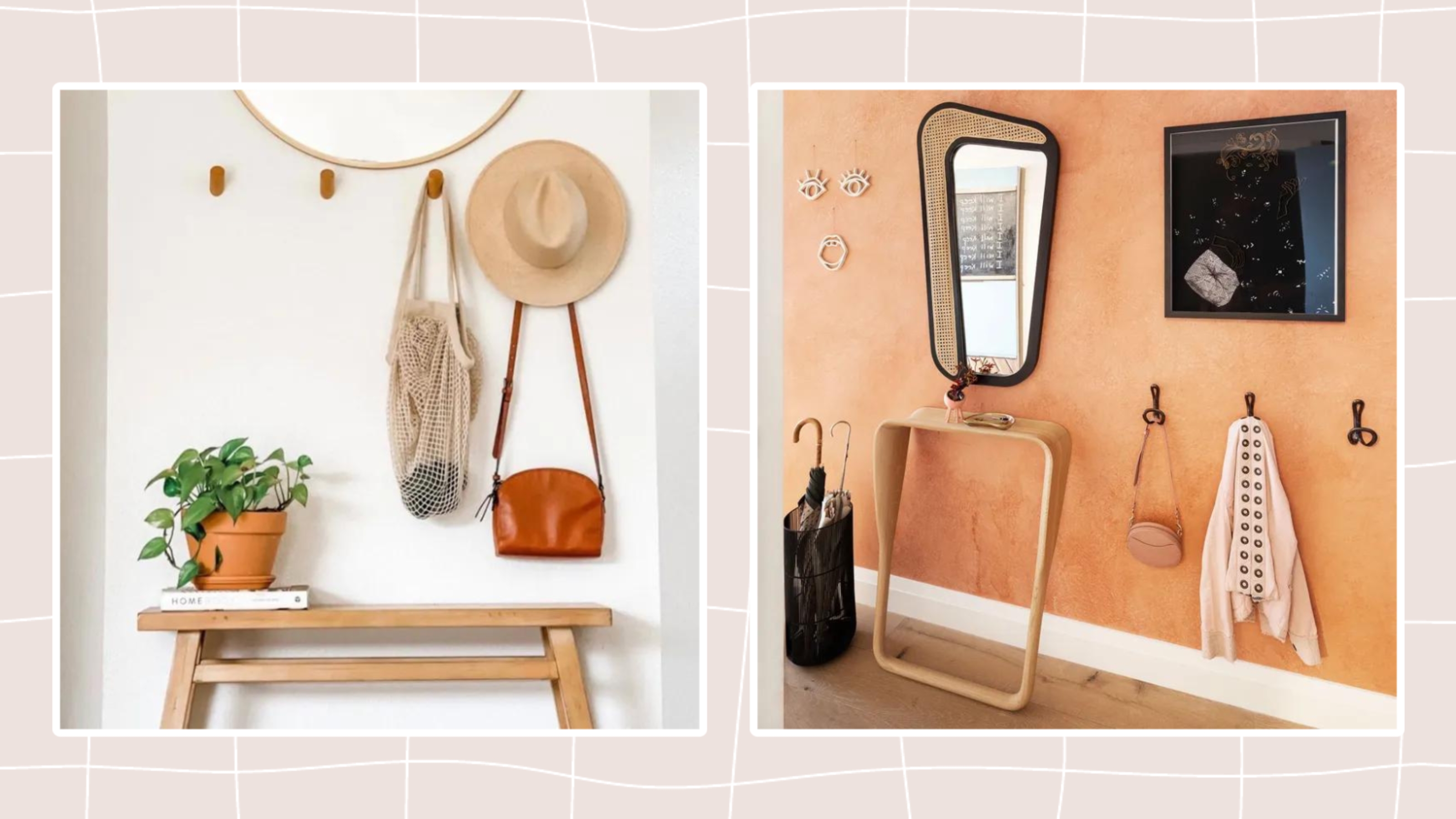
12 small entryway ideas for a cute but very functional nook

Small entryway ideas – 10 design rules for compact entrances

These are the 12 buys professionals say will keep your small entryway organized

15 Small Entryway Ideas That Make a Big First Impression
This DIY Wood Slat Wall for a Small Entryway Will Wow You

The Small-Space Entry Hack We’re Seeing Everywhere

12 Small Entryway Ideas You—Yes, You!—Can Easily DIY
Minimalist entryway ideas — 6 ways to boost a tight space
35 Small Entryway Ideas That Make a Stylish First Impression

19 Small Entrance Hall Ideas That Maximize Space and Style

6 small entryway wall decor ideas interior designers swear by
8 gorgeous small entryway table ideas, no matter the size of your space
21 Small Entryway Ideas That Maximize Space and Style
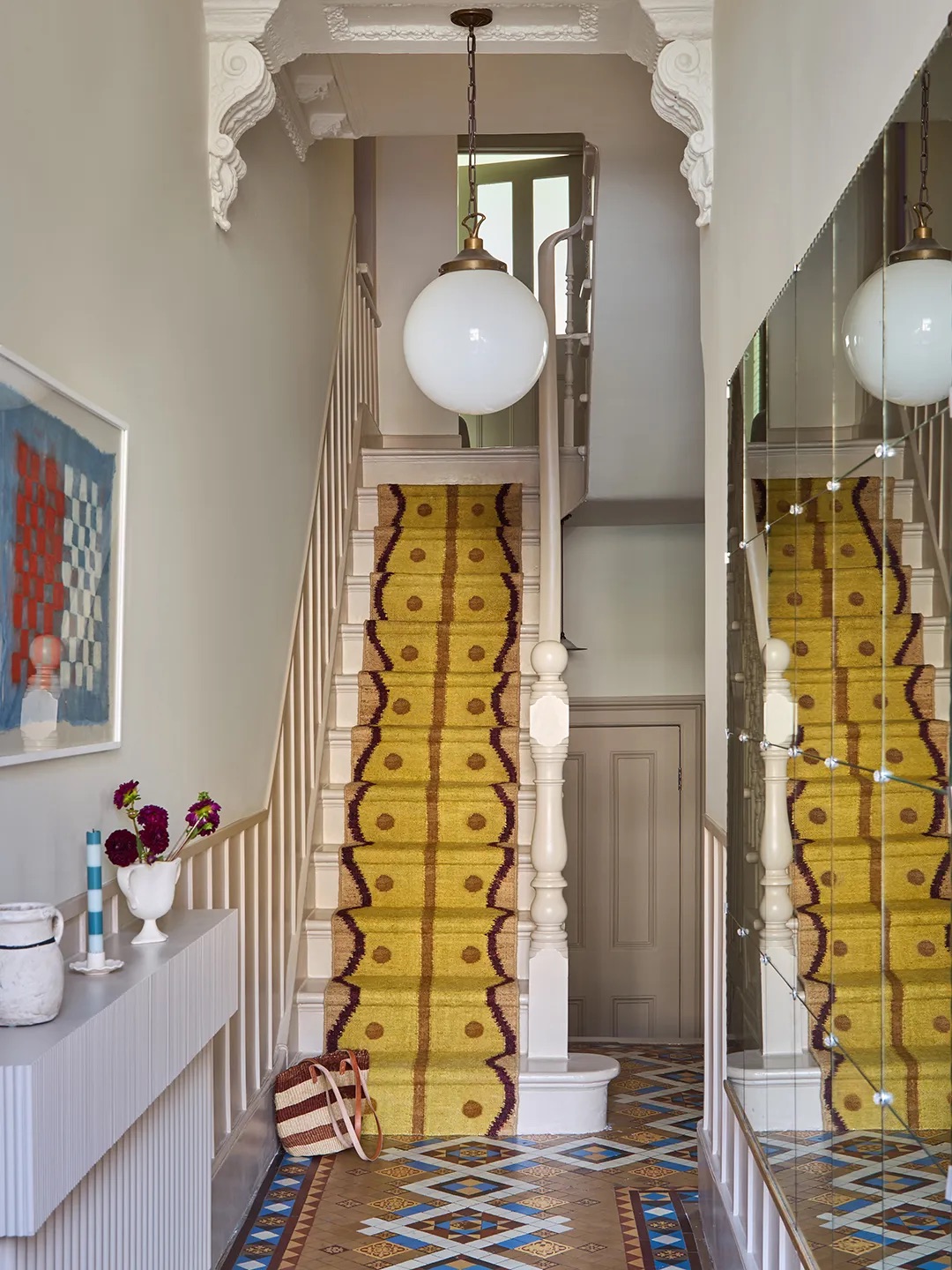
8 Ideas I Stole From British Designers to Help Me Map Out My Narrow Entryway

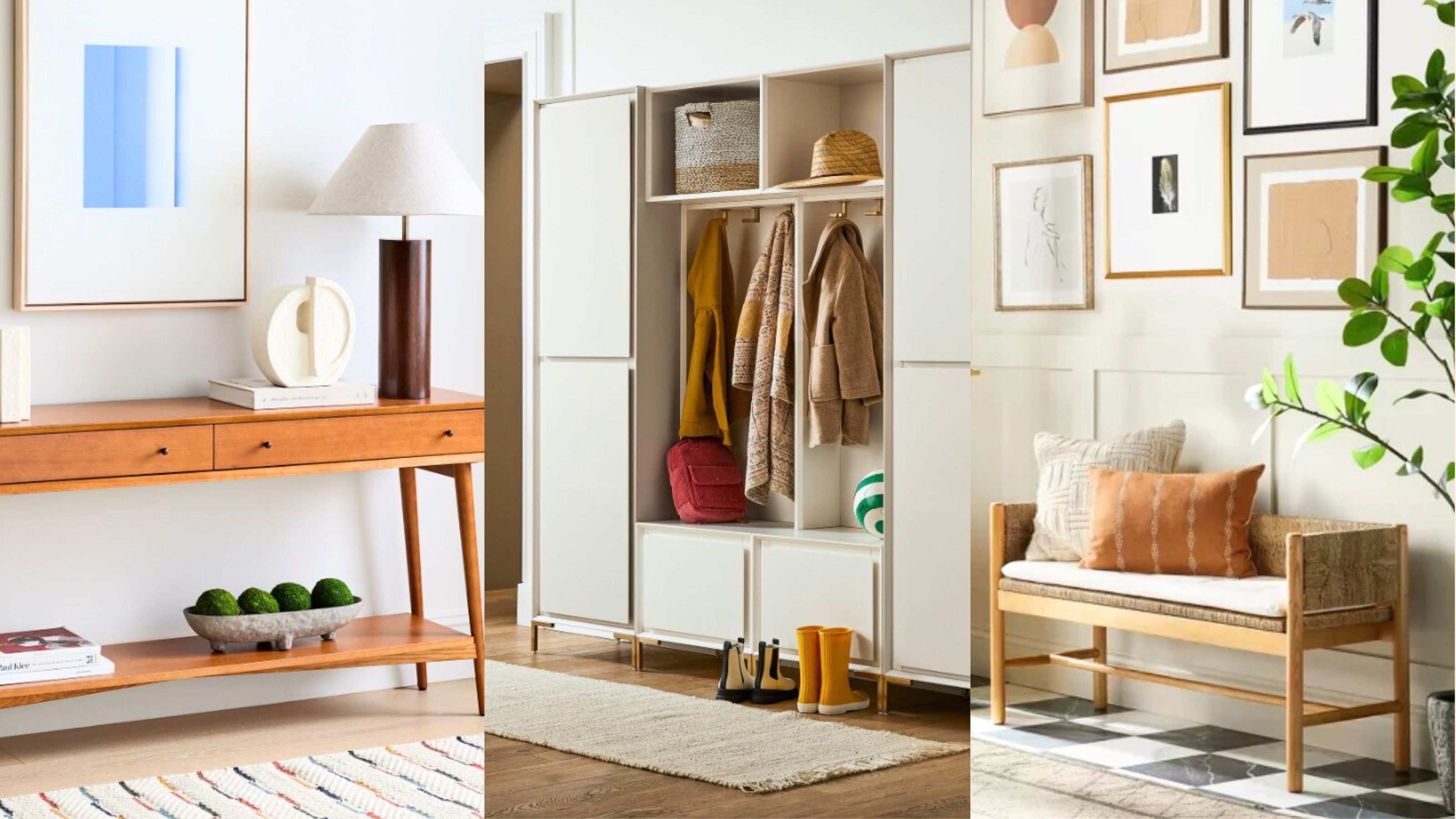
How do you make a small entryway inviting? 5 tips from design experts
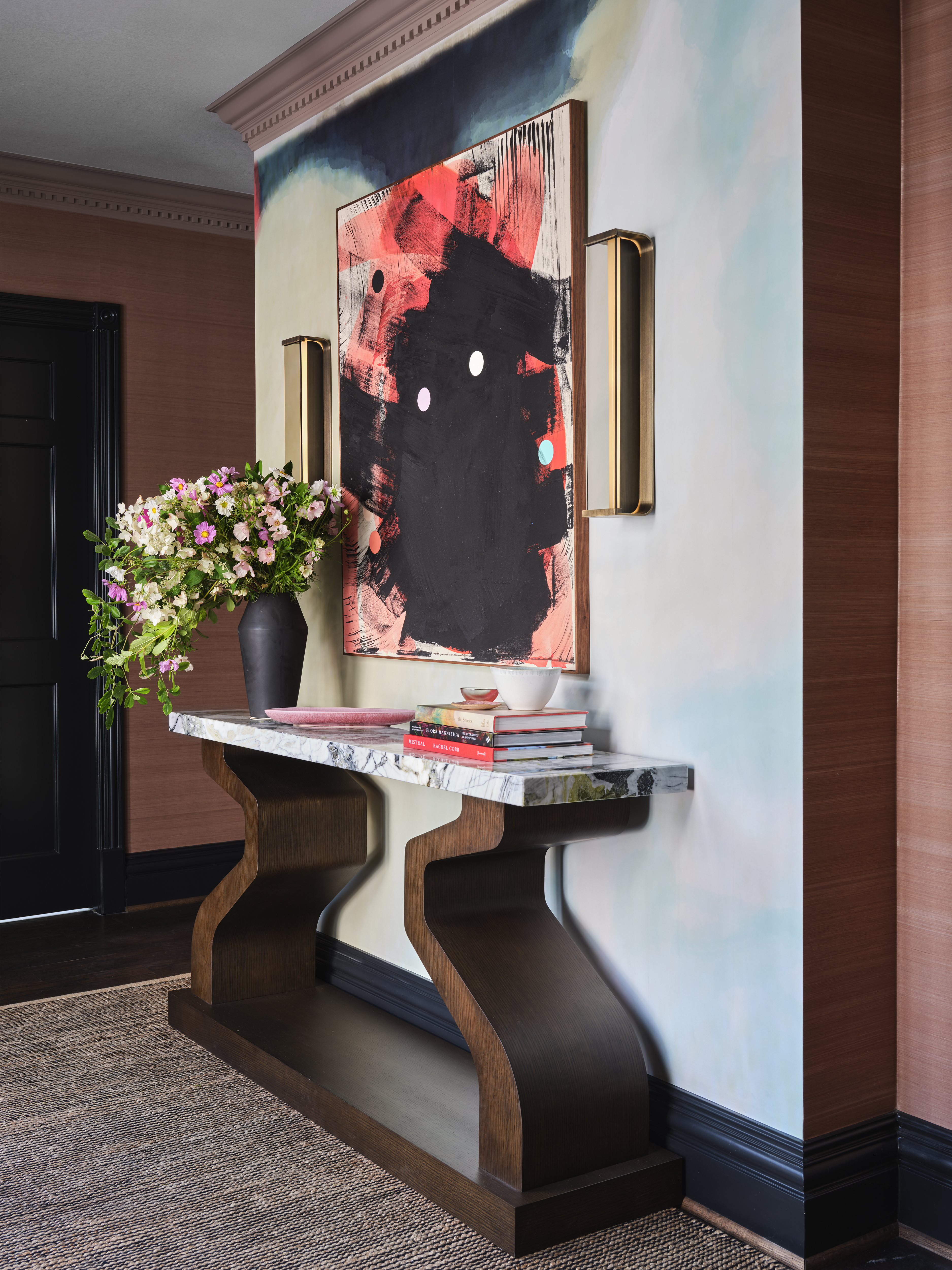
Designing an entryway – expert advice and layout tips
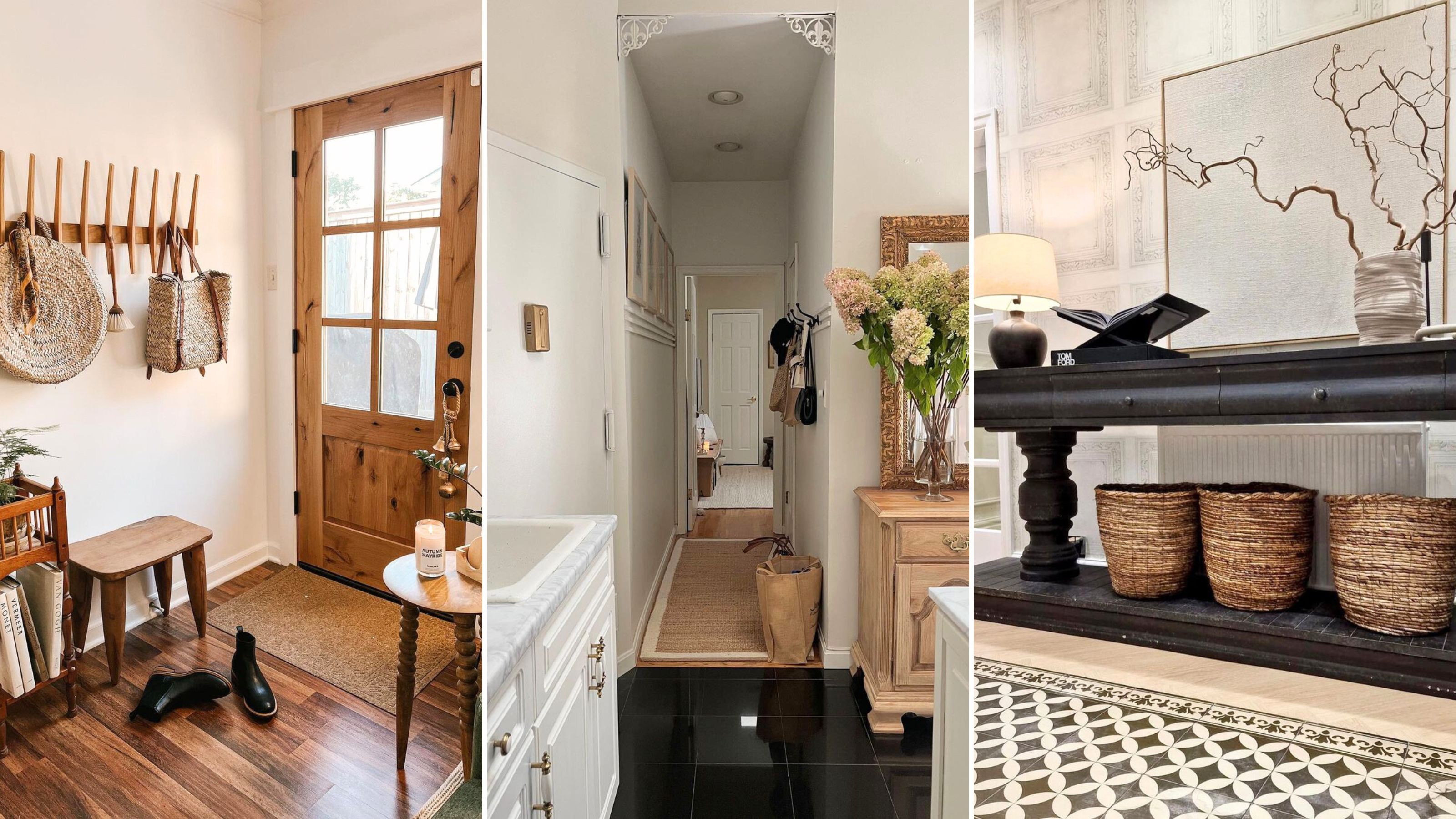
6 narrow entryway ideas design experts love using in awkward spaces
How do you decorate an awkward entryway? 7 designer-approved tricks for tough-to-style entrances
How to Declutter a Small Entryway, According to Professional Organizers
23 Clever Entryway Ideas That Solve Small-Space Struggles in Style