5 Pretty Storage Solutions That Actually Create More Clutter (According to the Designers Who Regret Using Them)
Many popular storage solutions, while aesthetically pleasing, can inadvertently contribute to clutter rather than alleviate it, according to interior designers. Understanding these pitfalls can help homeowners make more effective organizational choices.
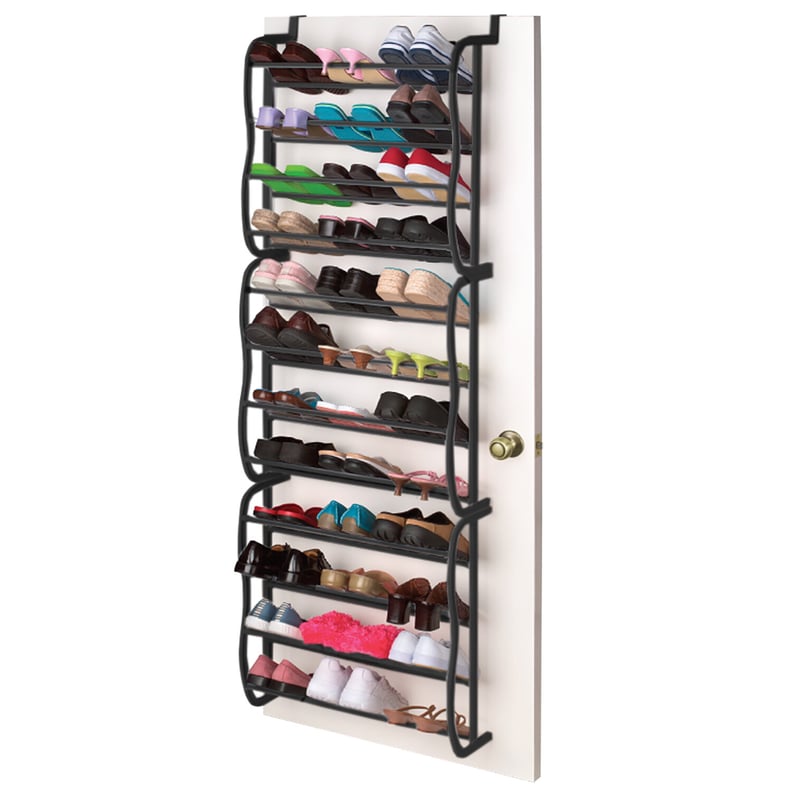
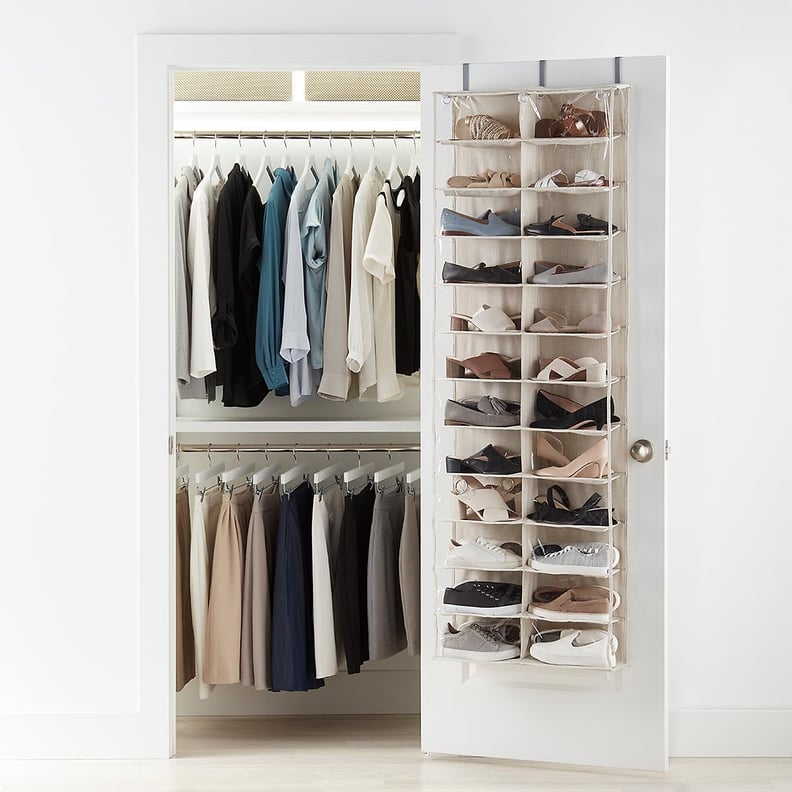
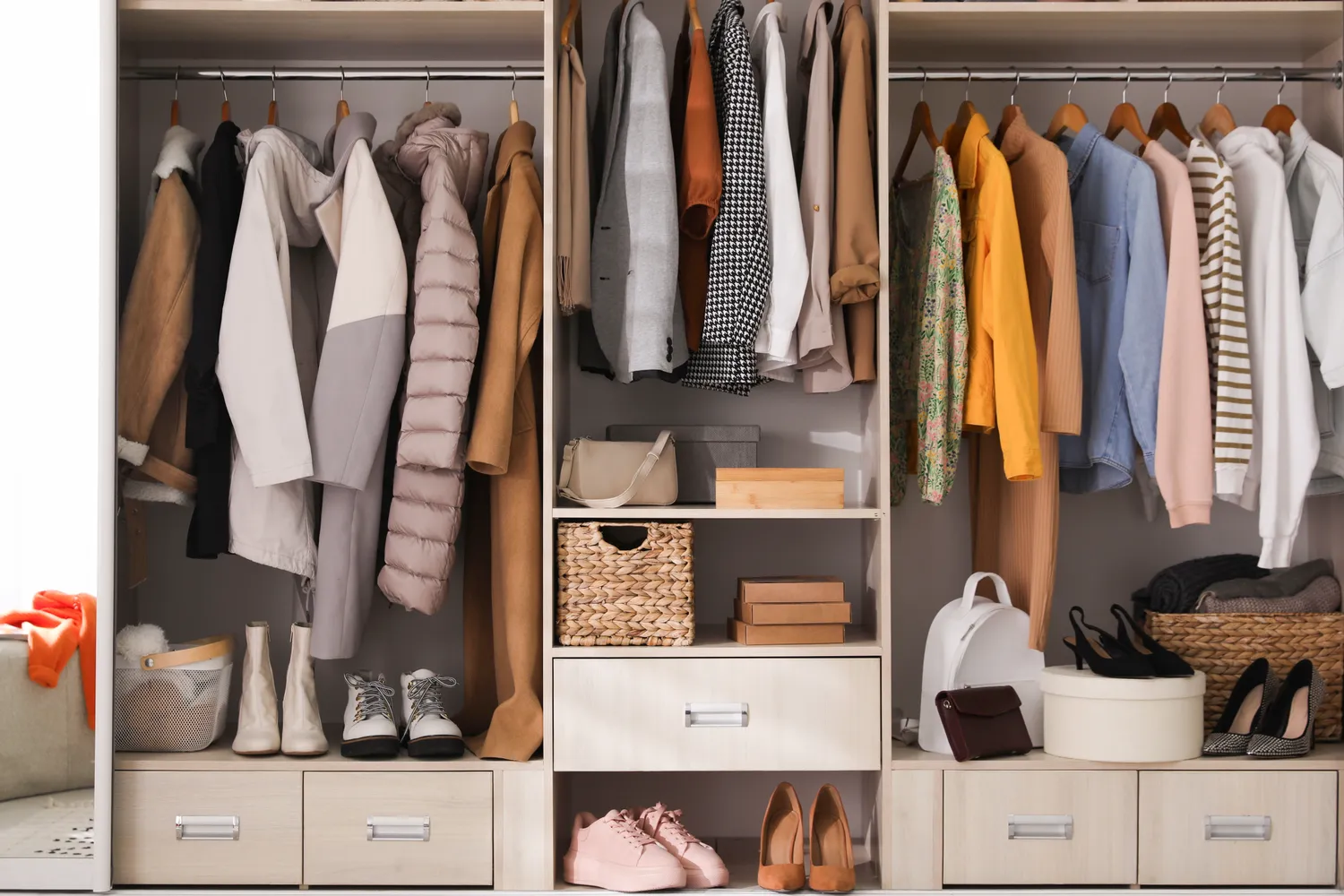
Angled shoe shelves, often seen as a stylish option for closets, are a common culprit. While they present a neat display, they are inherently less versatile than flat, adjustable shelving. Liz Hoekzema, owner and creative director of KLH Custom Homes, points out that angled shelves are limiting because they cannot easily accommodate various types of footwear, purses, or other items that a person might own, especially those with diverse wardrobes or who experience all four seasons. Flat shelves, in contrast, offer adaptability, allowing users to reconfigure their storage as their needs change.
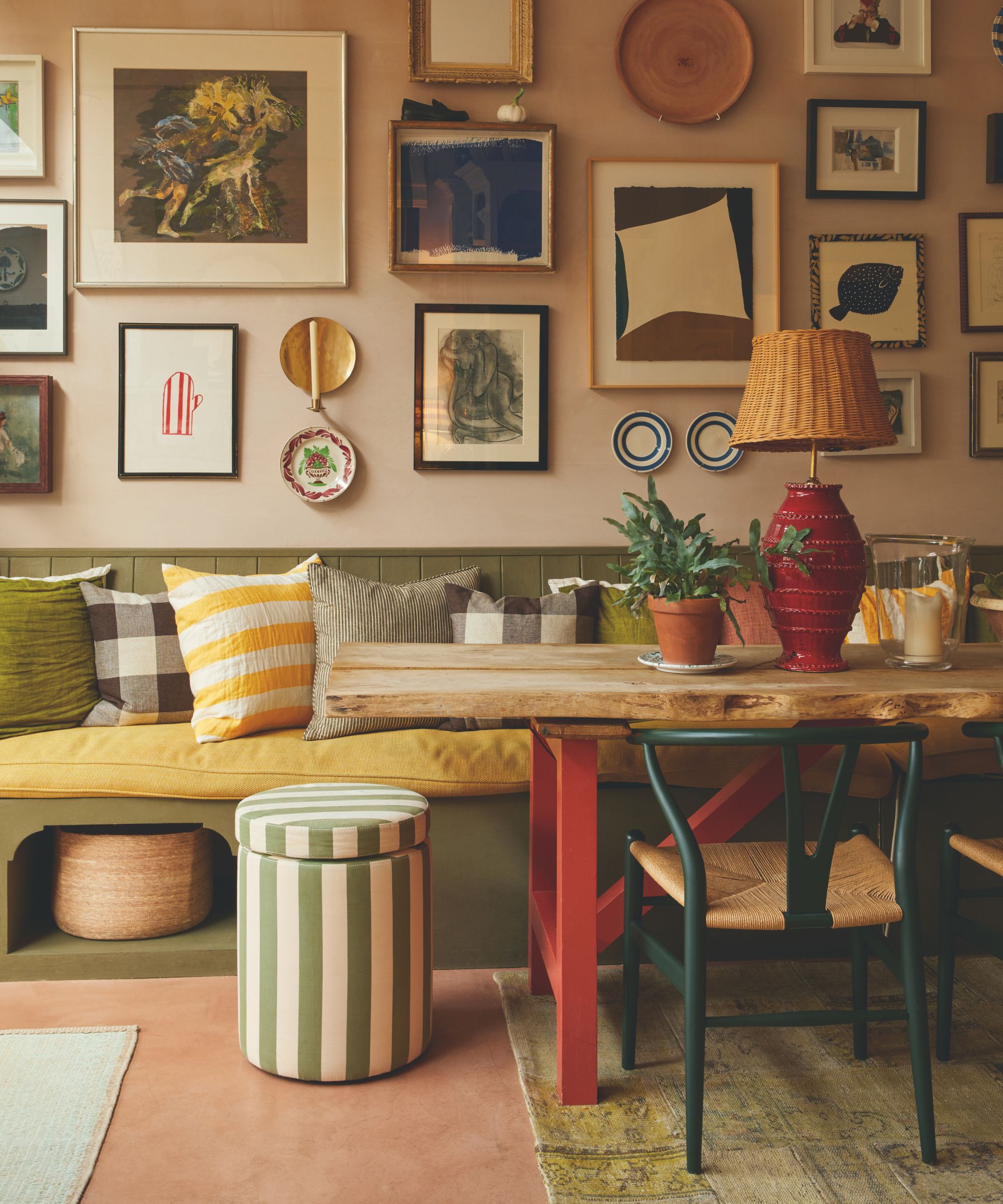
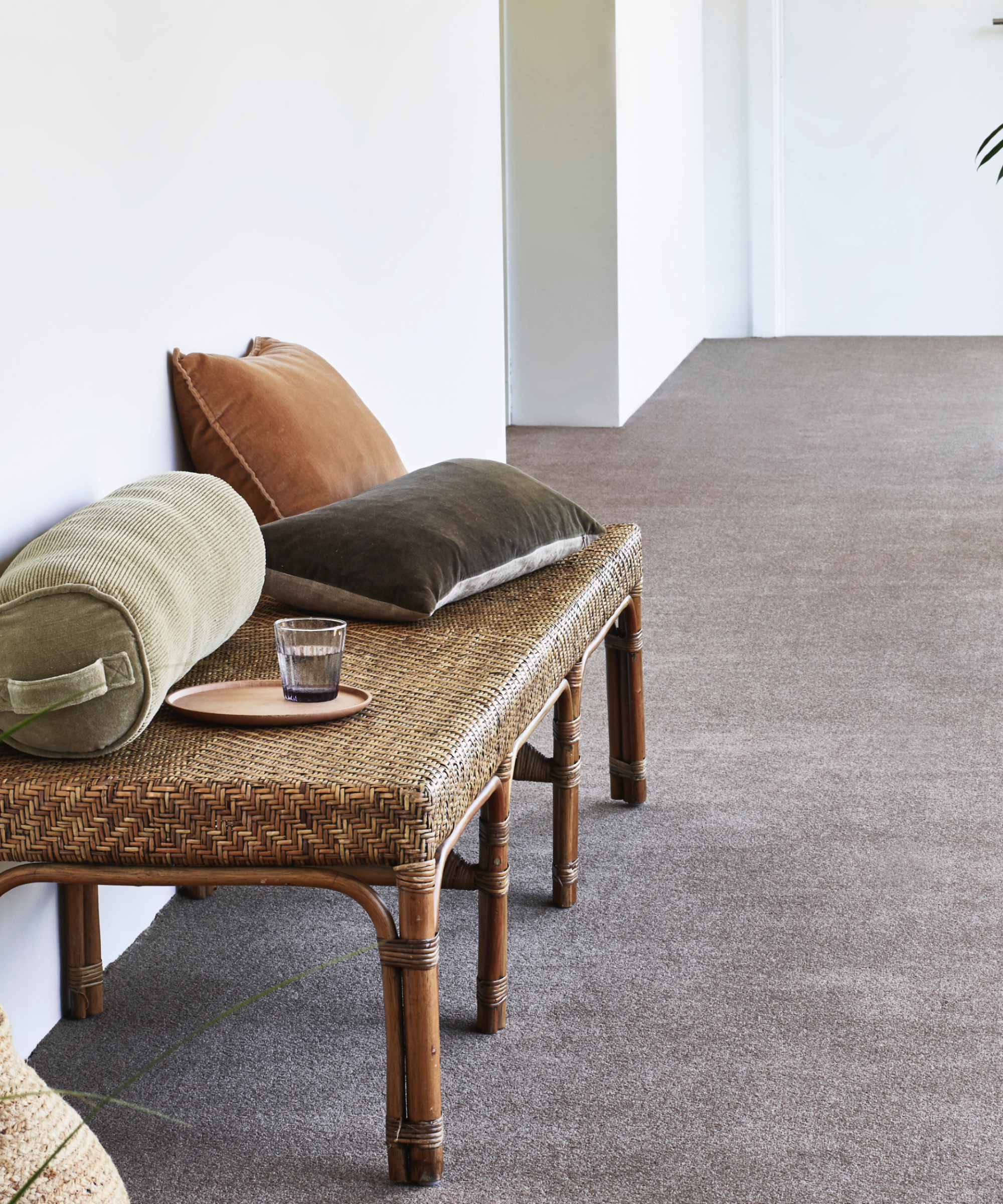
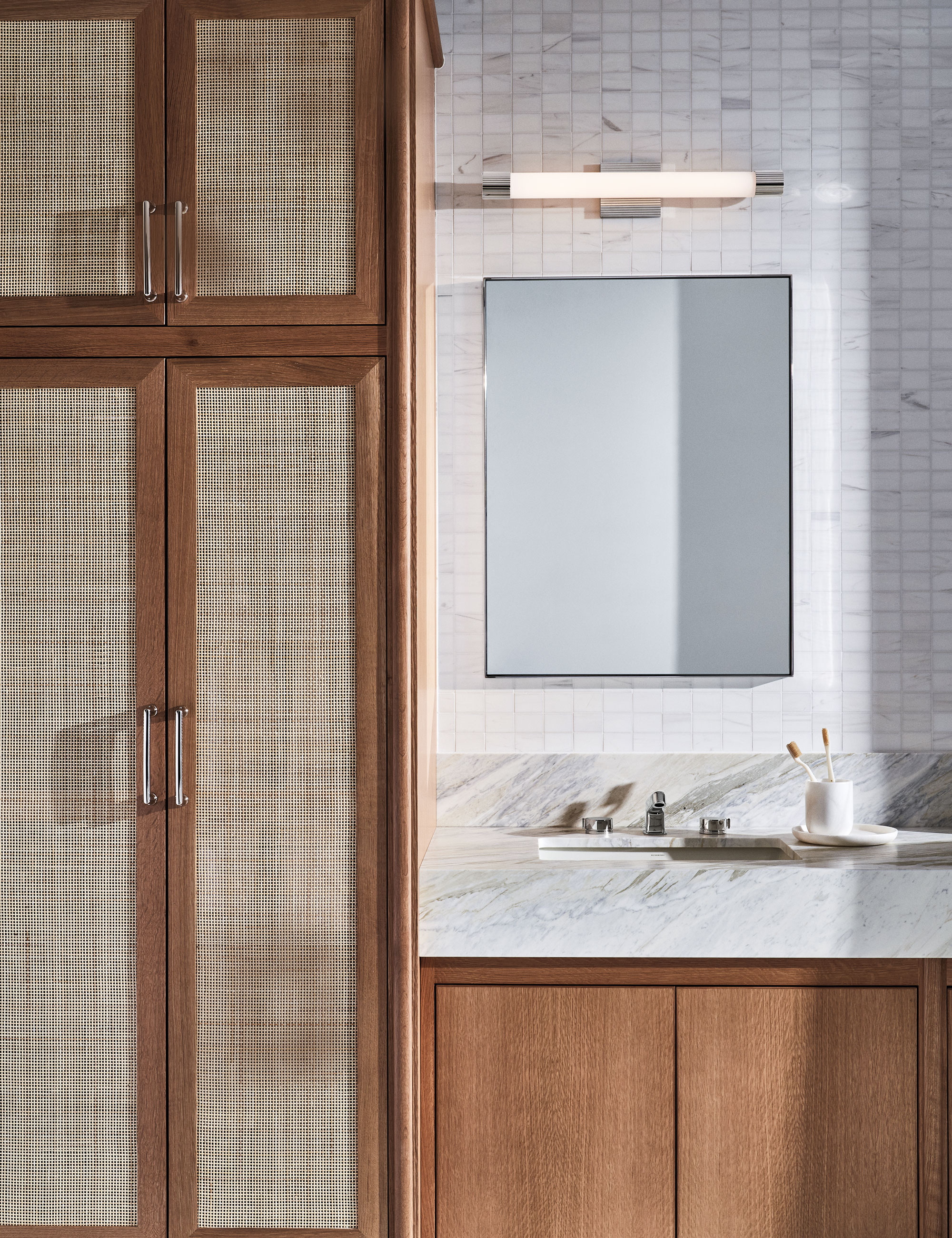
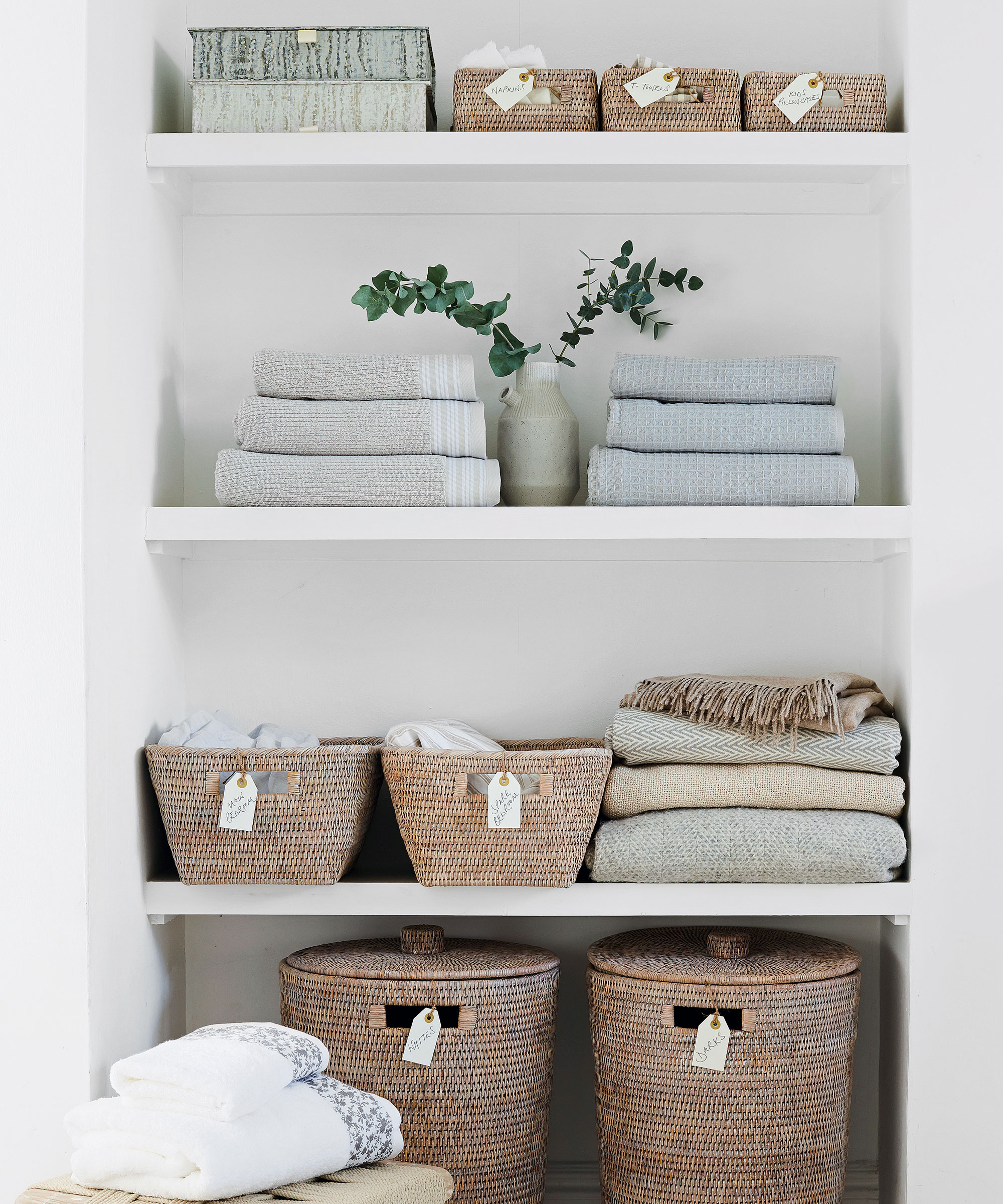
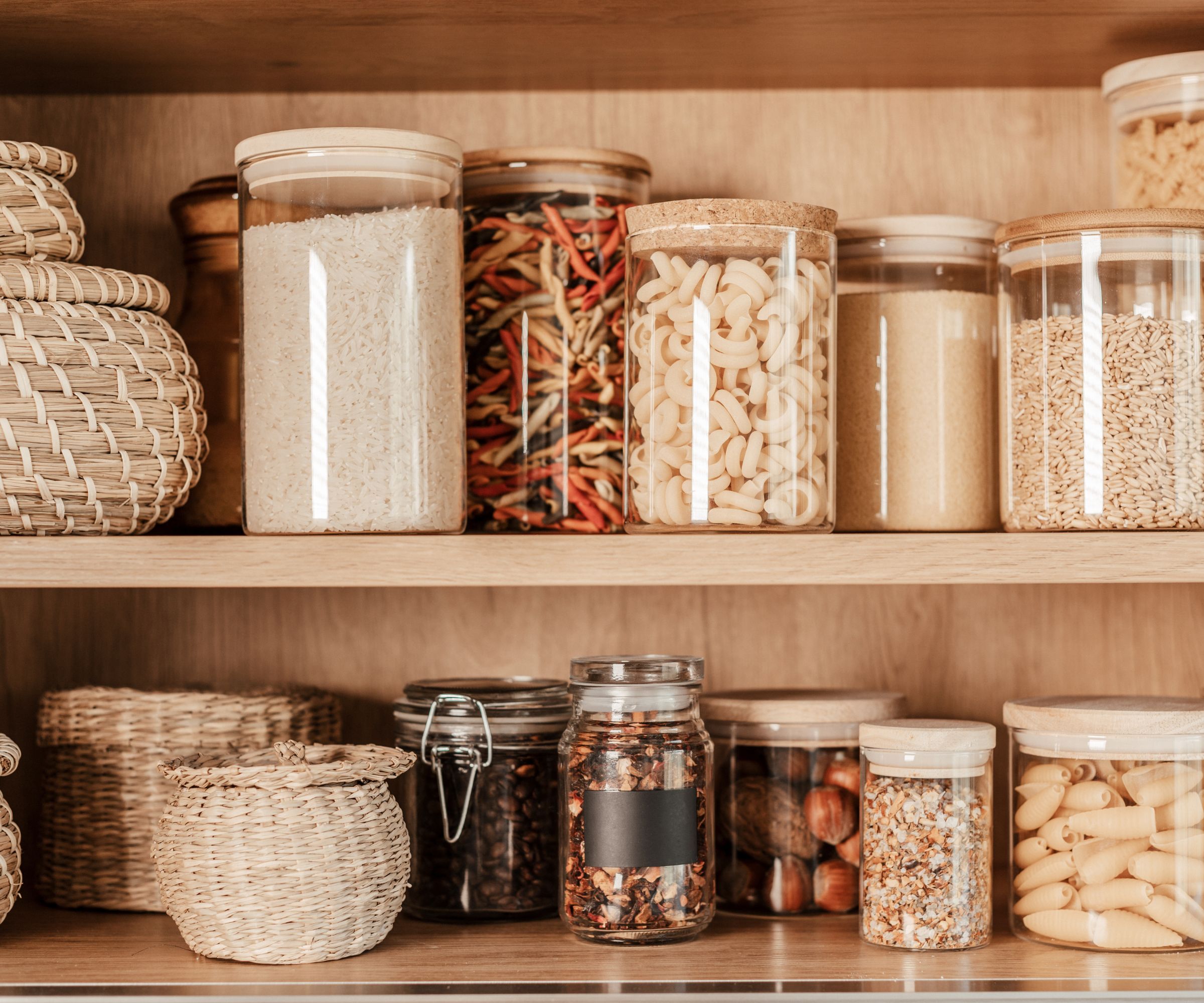
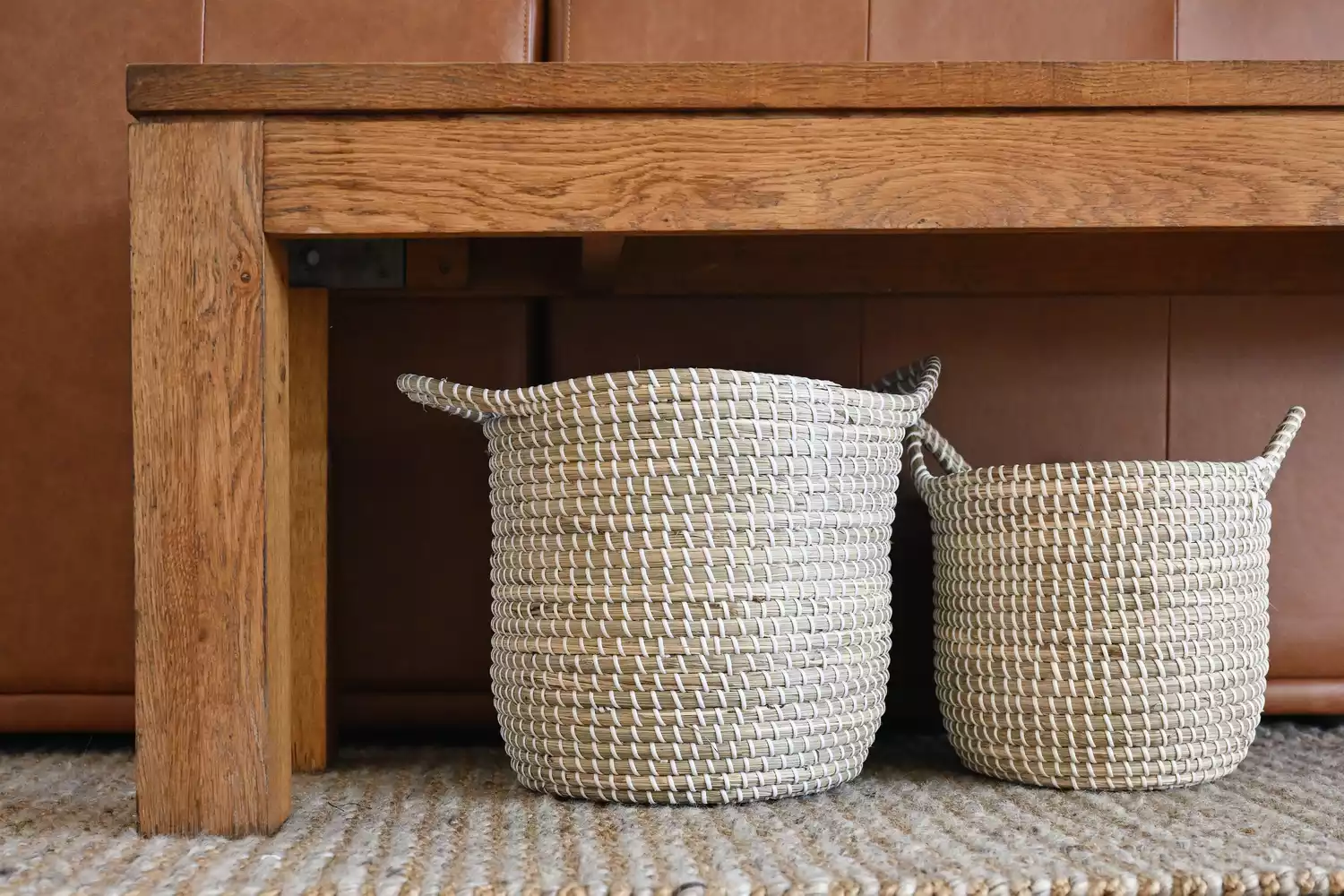
Woven baskets are another seemingly charming storage item that can backfire. Interior stylist Alexis Woodbury Earman of The Woodbury Home explains that despite their visual appeal, baskets often lack functionality. They are typically not stackable, making vertical space utilization inefficient. Furthermore, labeling items within them can be challenging, leading to difficulty in locating stored contents quickly. While they might be suitable for very specific items like blankets, their general use for diverse storage can lead to disorganization.
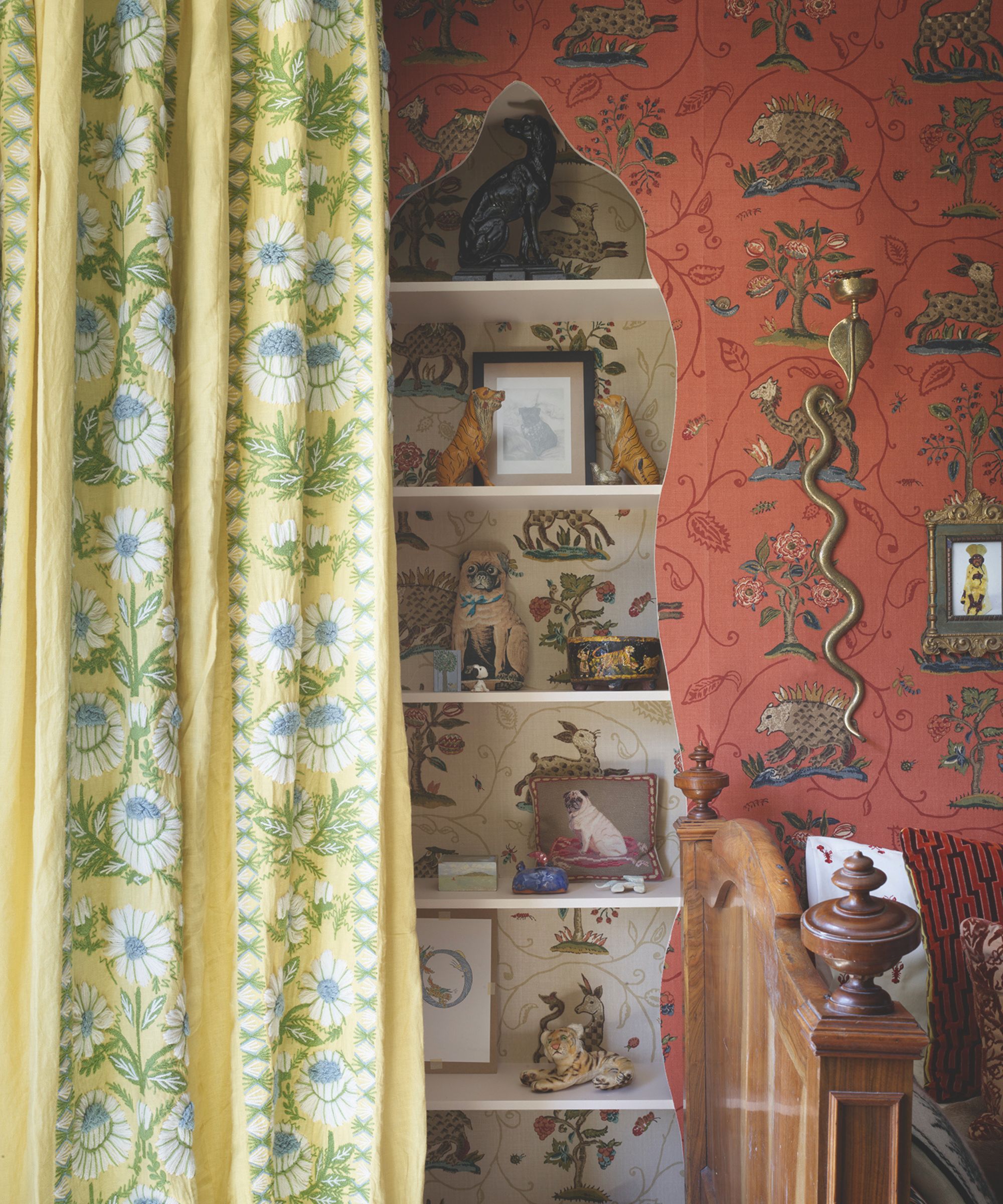
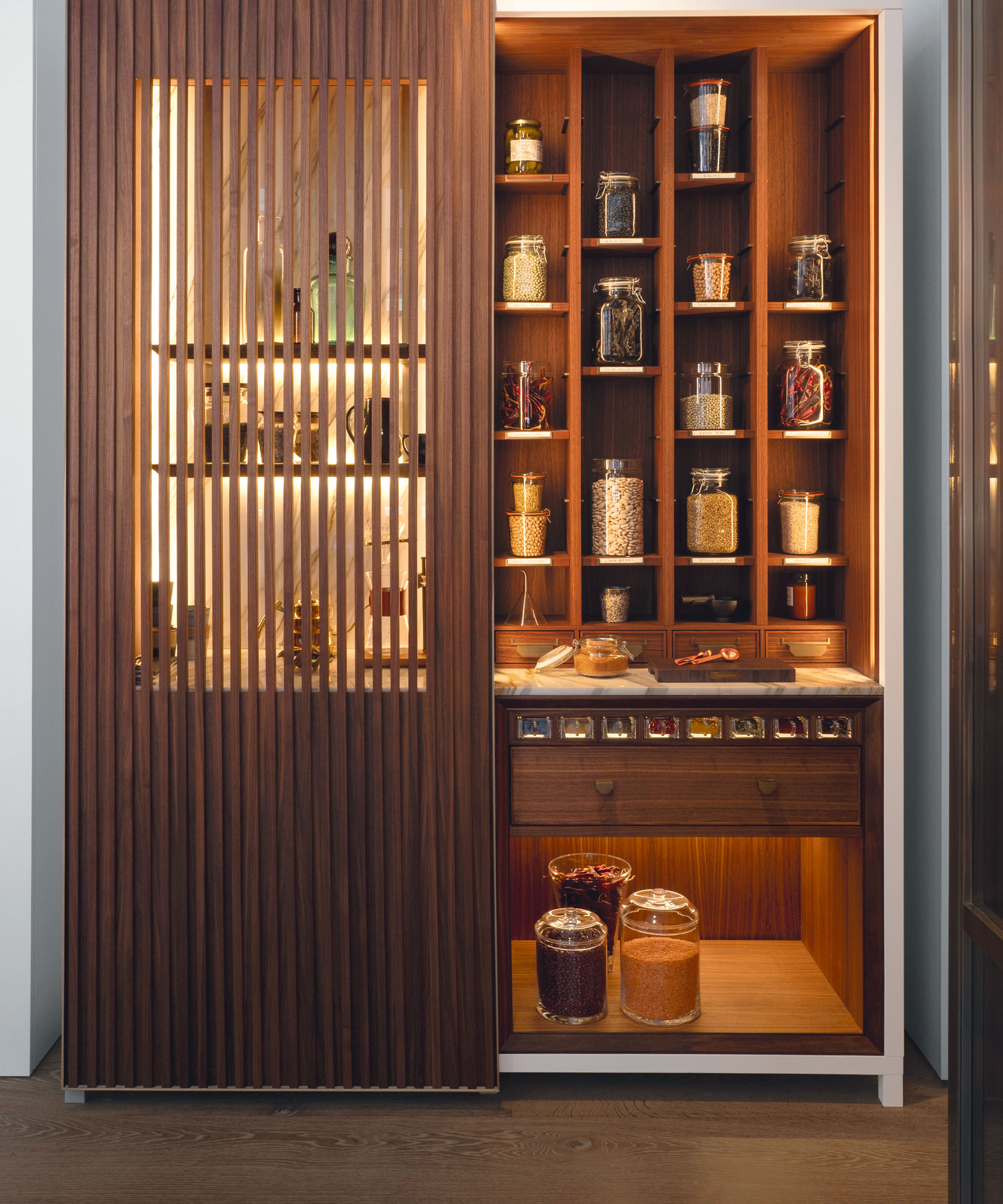
Asymmetrical shelving, favored for its modern aesthetic, also poses significant organizational challenges. Amy Courtney, principal of her design firm, advises against this design choice because the varying-sized openings make it difficult to find appropriately sized objects to fill each space. This often results in awkward, empty voids or an inability to neatly store items, undermining the primary purpose of shelving. Conventional, symmetrical shelving offers more practical and adaptable storage opportunities.
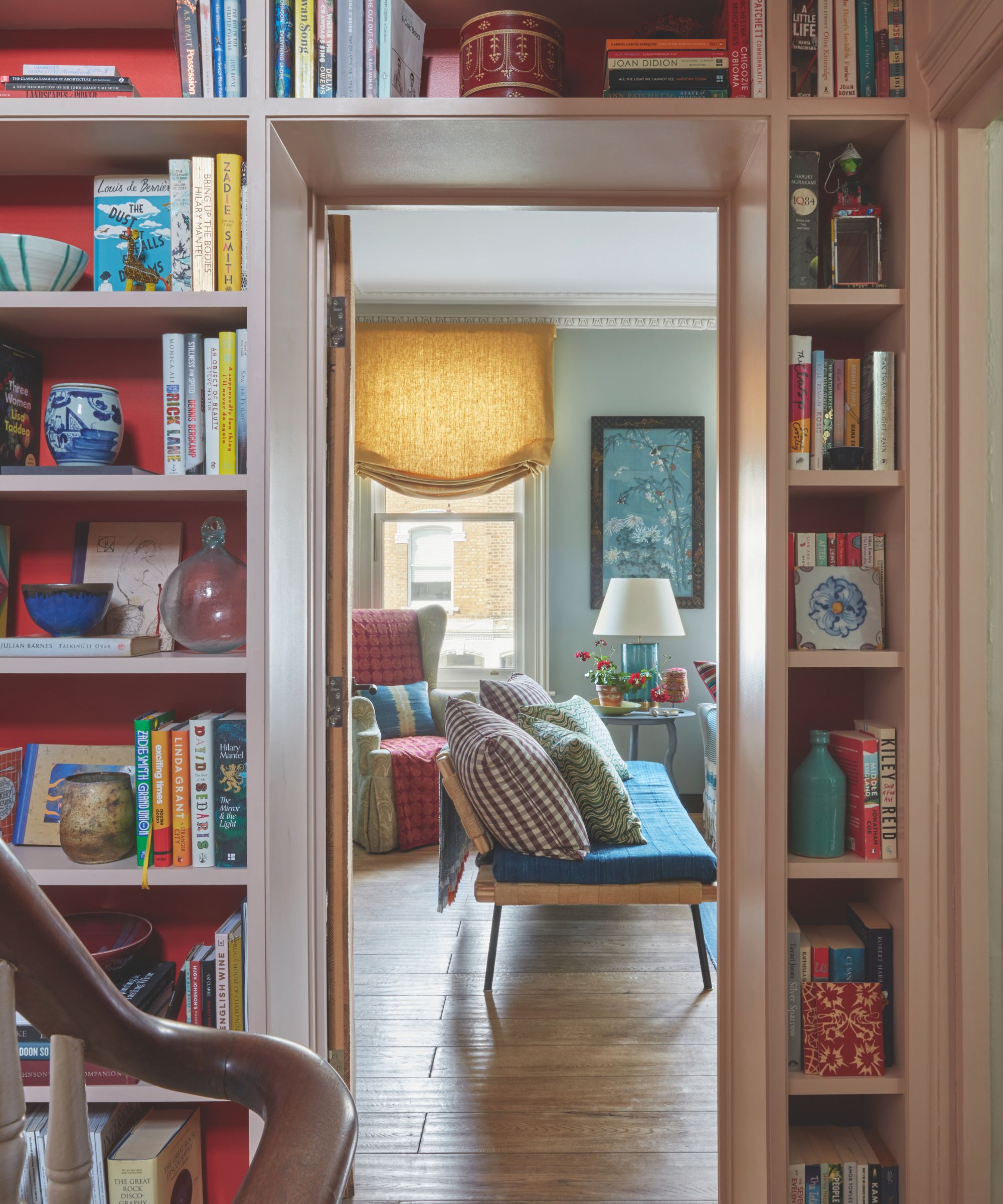
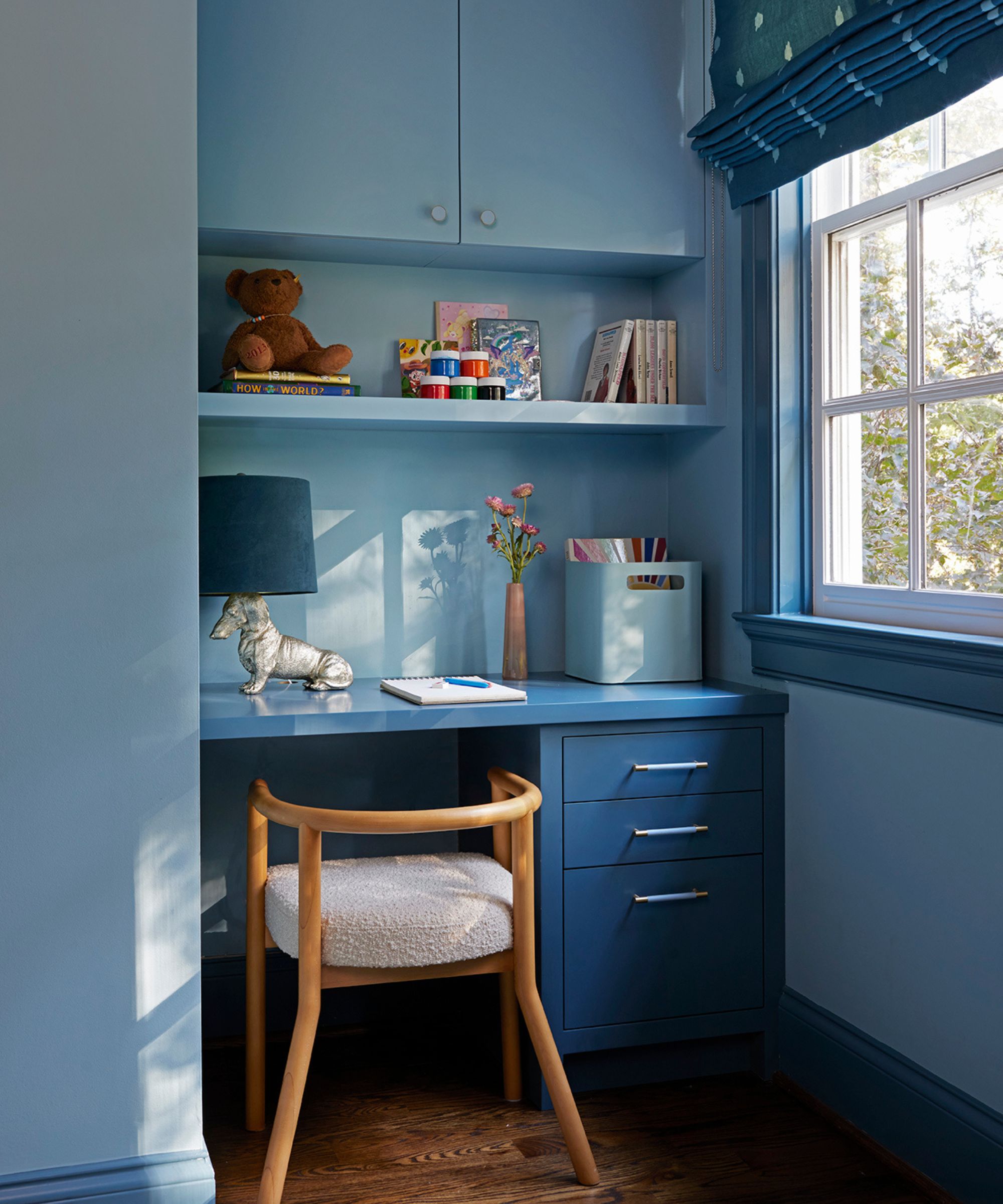
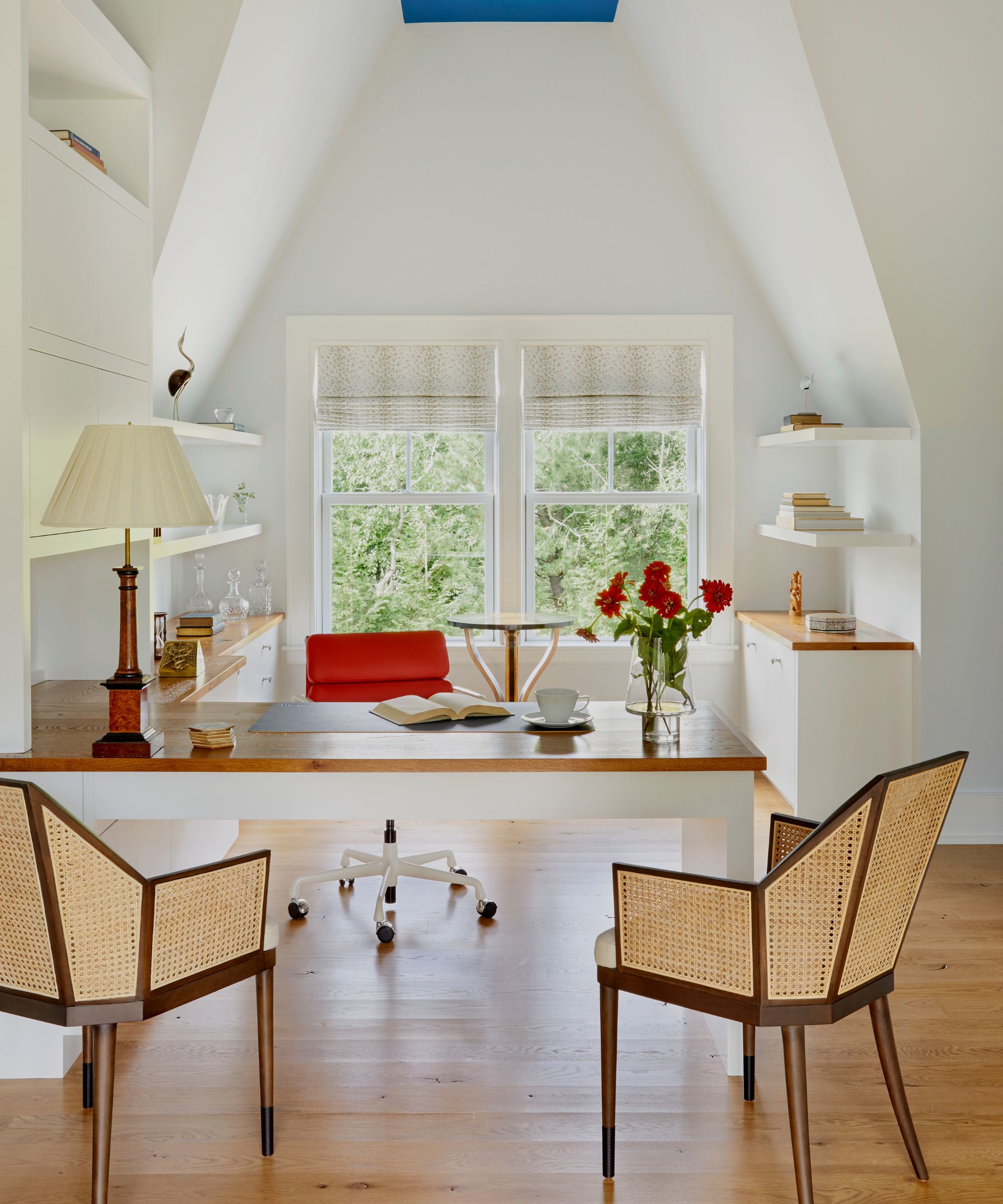
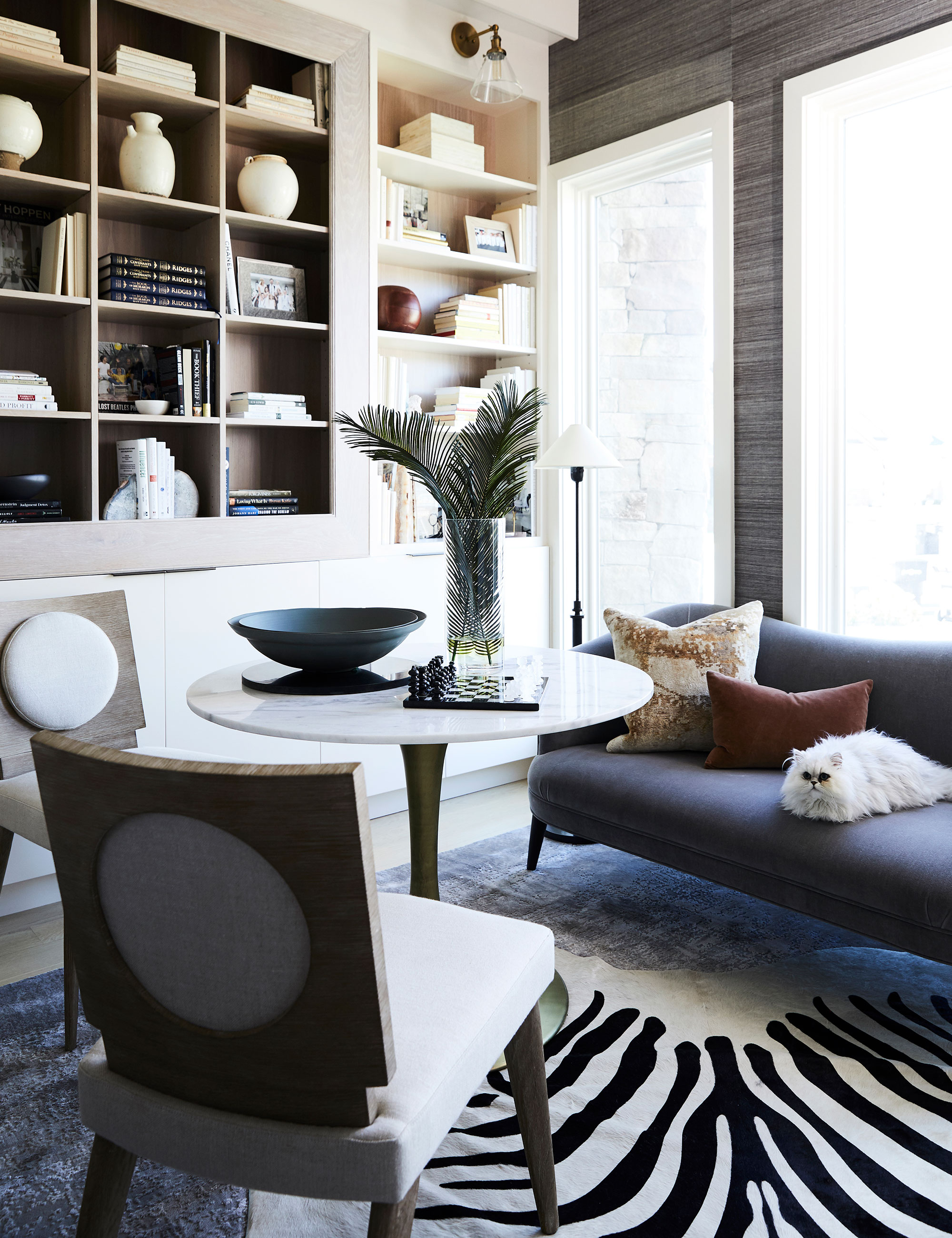
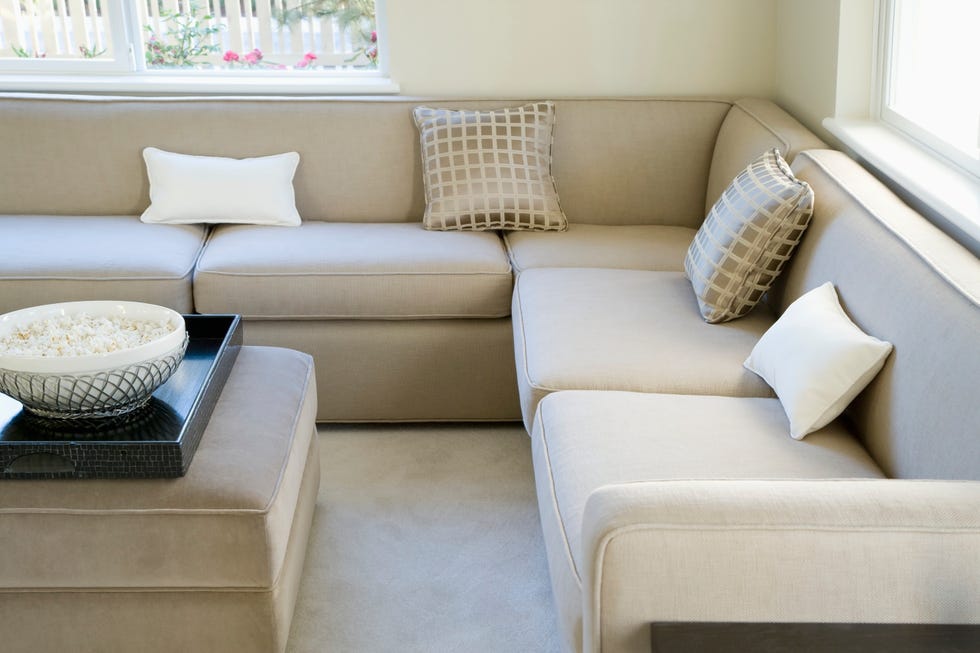
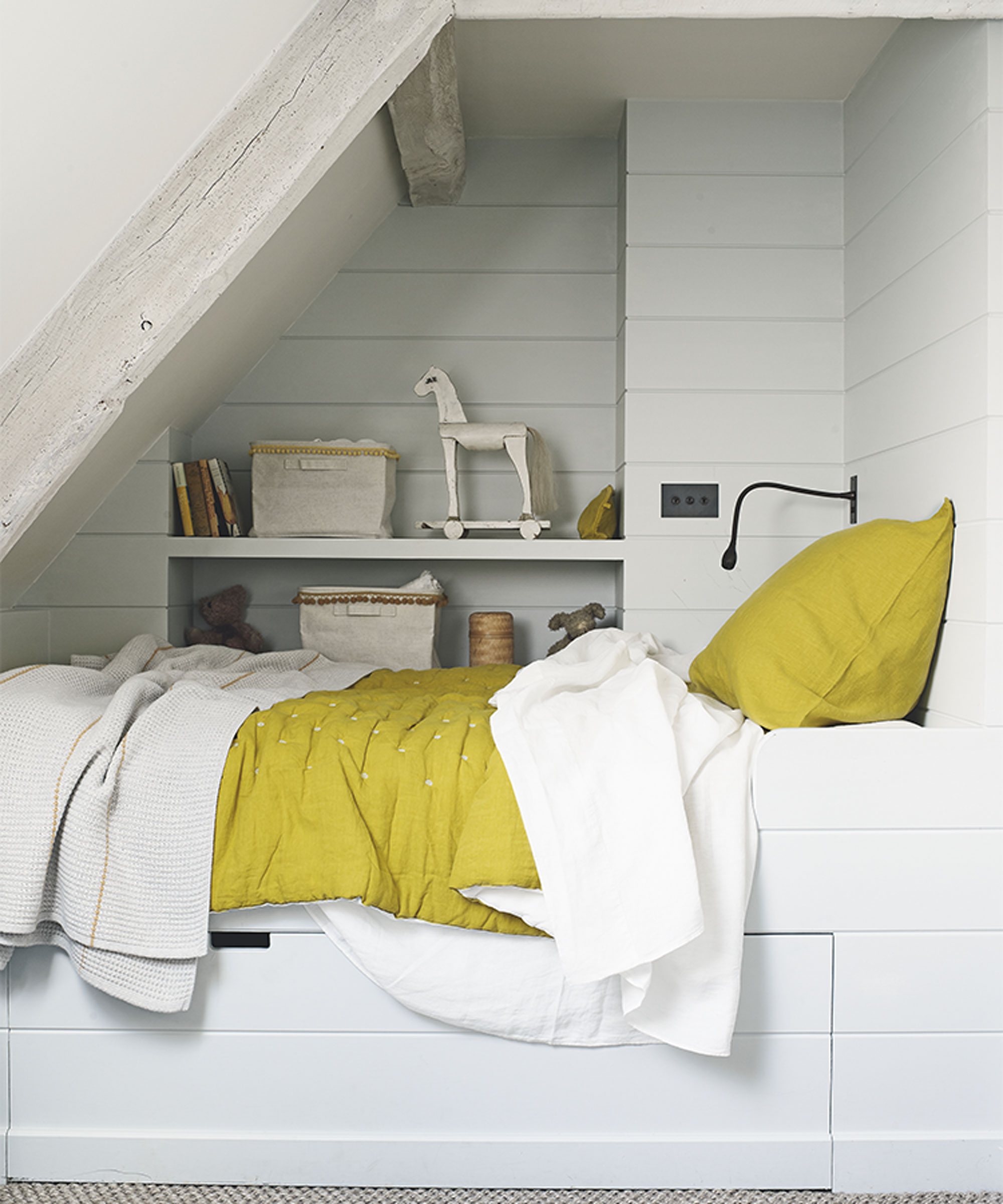
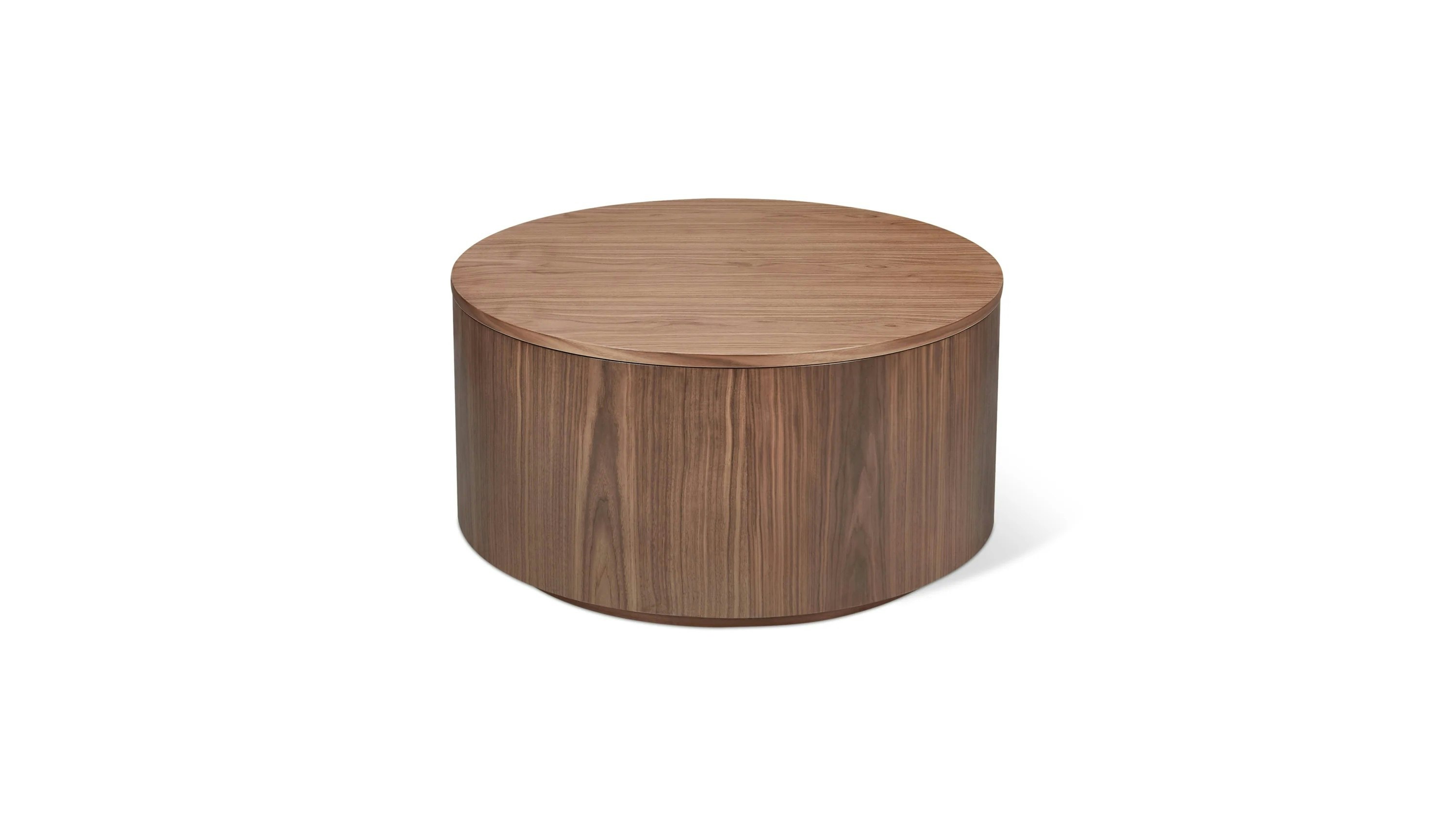
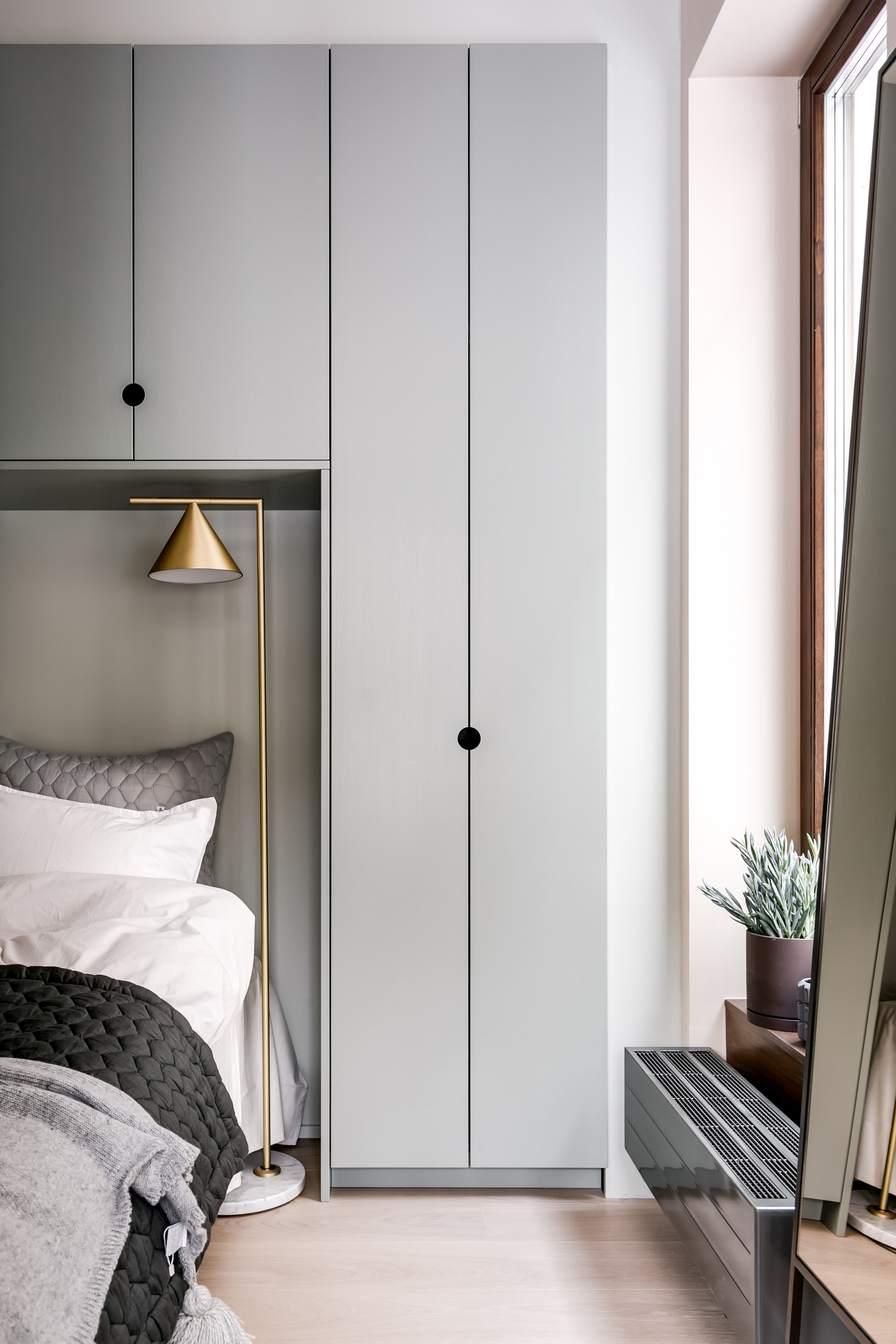
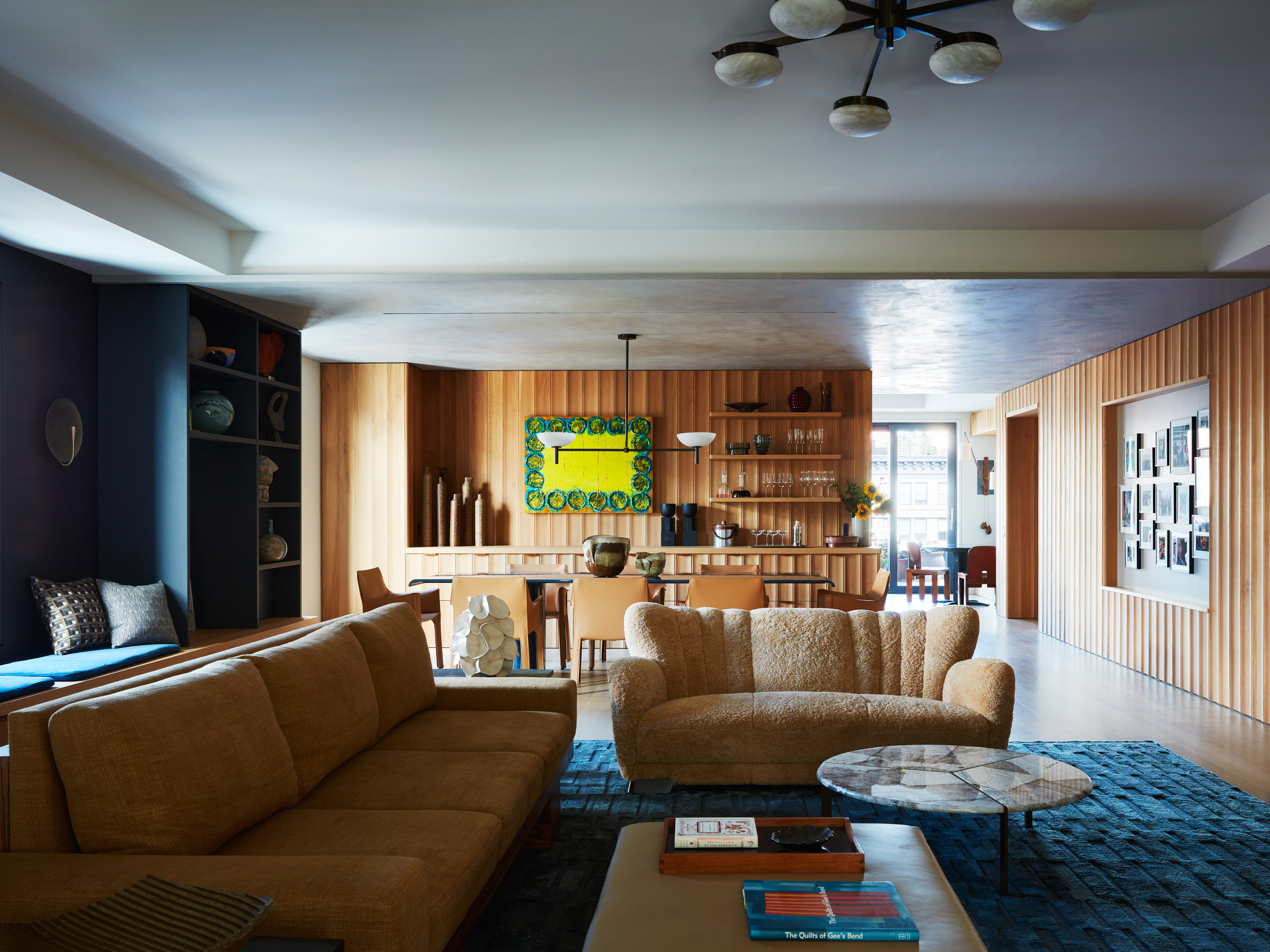
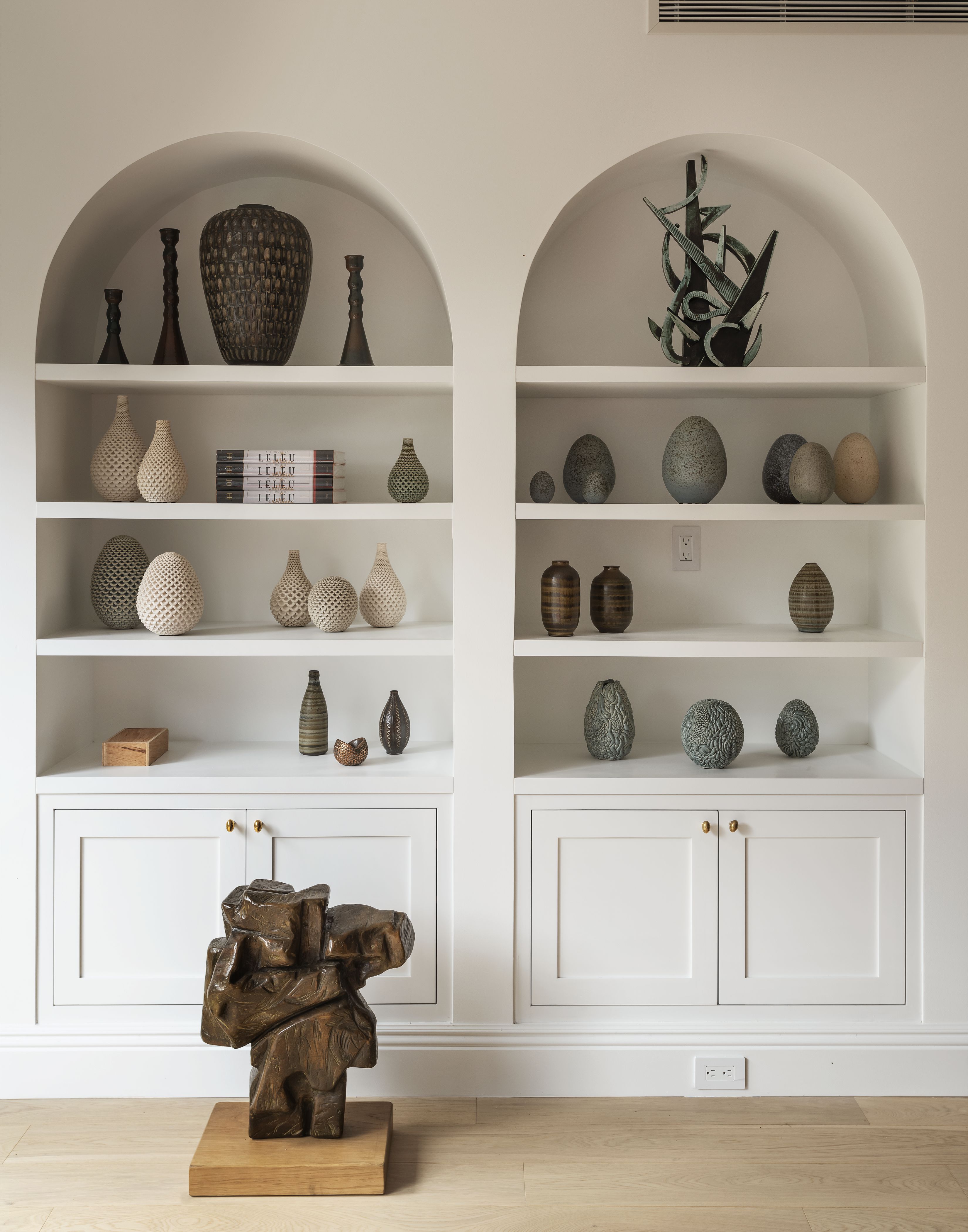
Built-ins, while offering a customized look and potentially maximizing space, come with their own set of drawbacks. Sheila Broderson, an interior designer and design director for Safavieh, notes that built-ins are not only costly but also a permanent fixture that cannot be moved if one relocates. For those not in a "forever home," this can be a significant financial and practical disadvantage. Broderson suggests clever furniture alternatives like storage ottomans, lift-up beds with under-storage, and versatile cabinets that offer both form and function without the permanence or expense of built-ins. These movable pieces provide flexibility and can be personalized with various textures, woods, metals, and marble to match individual styles.
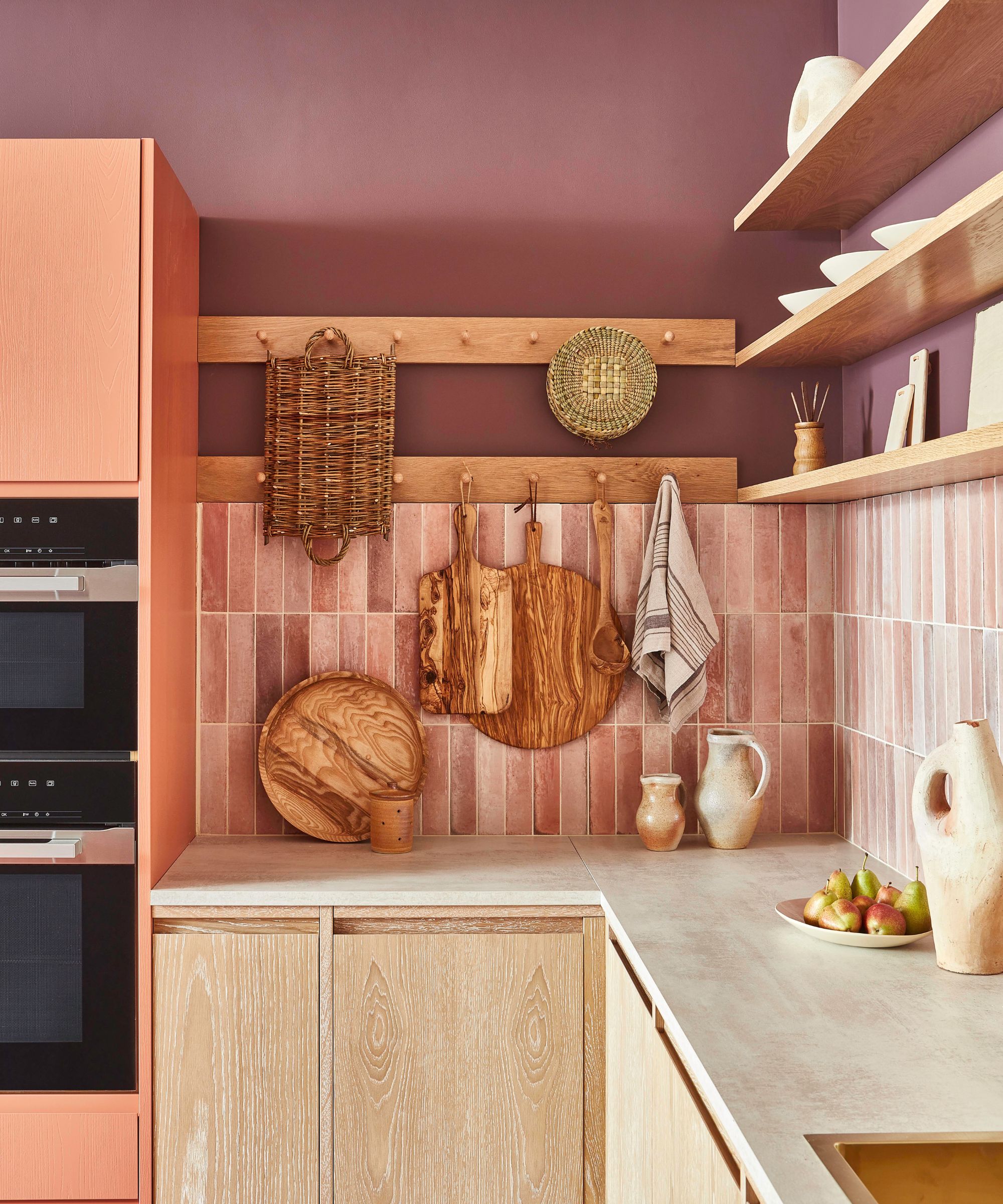
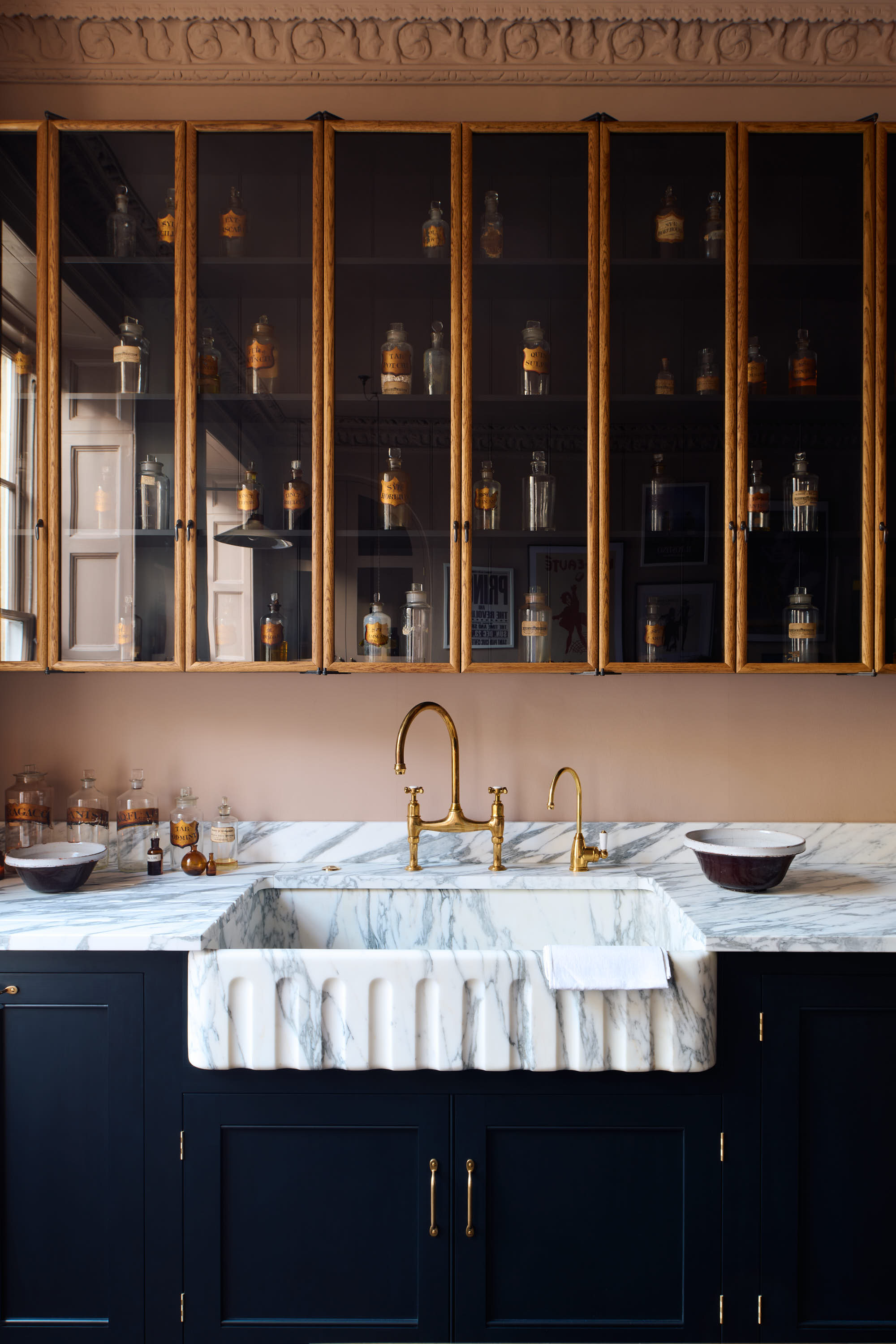
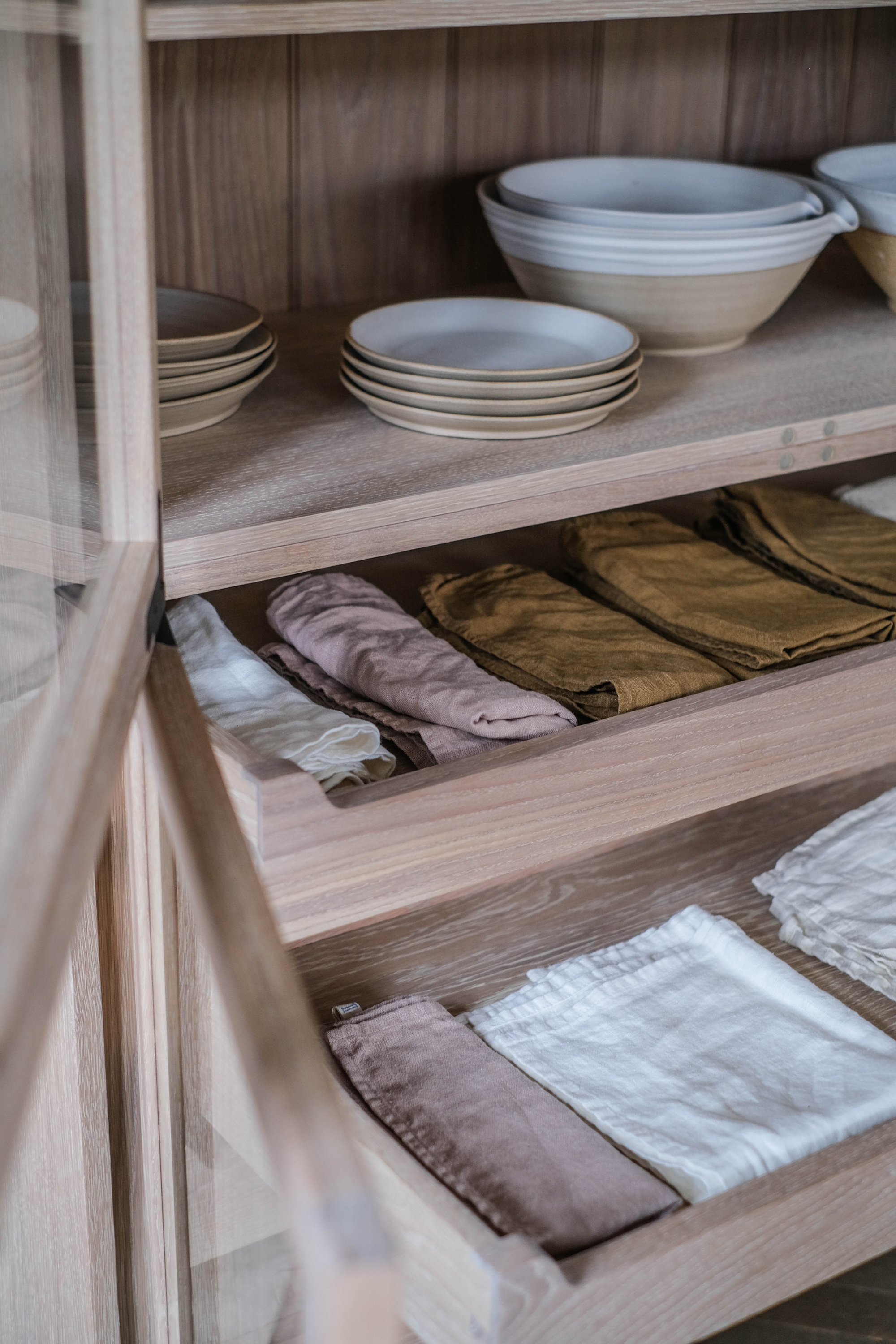
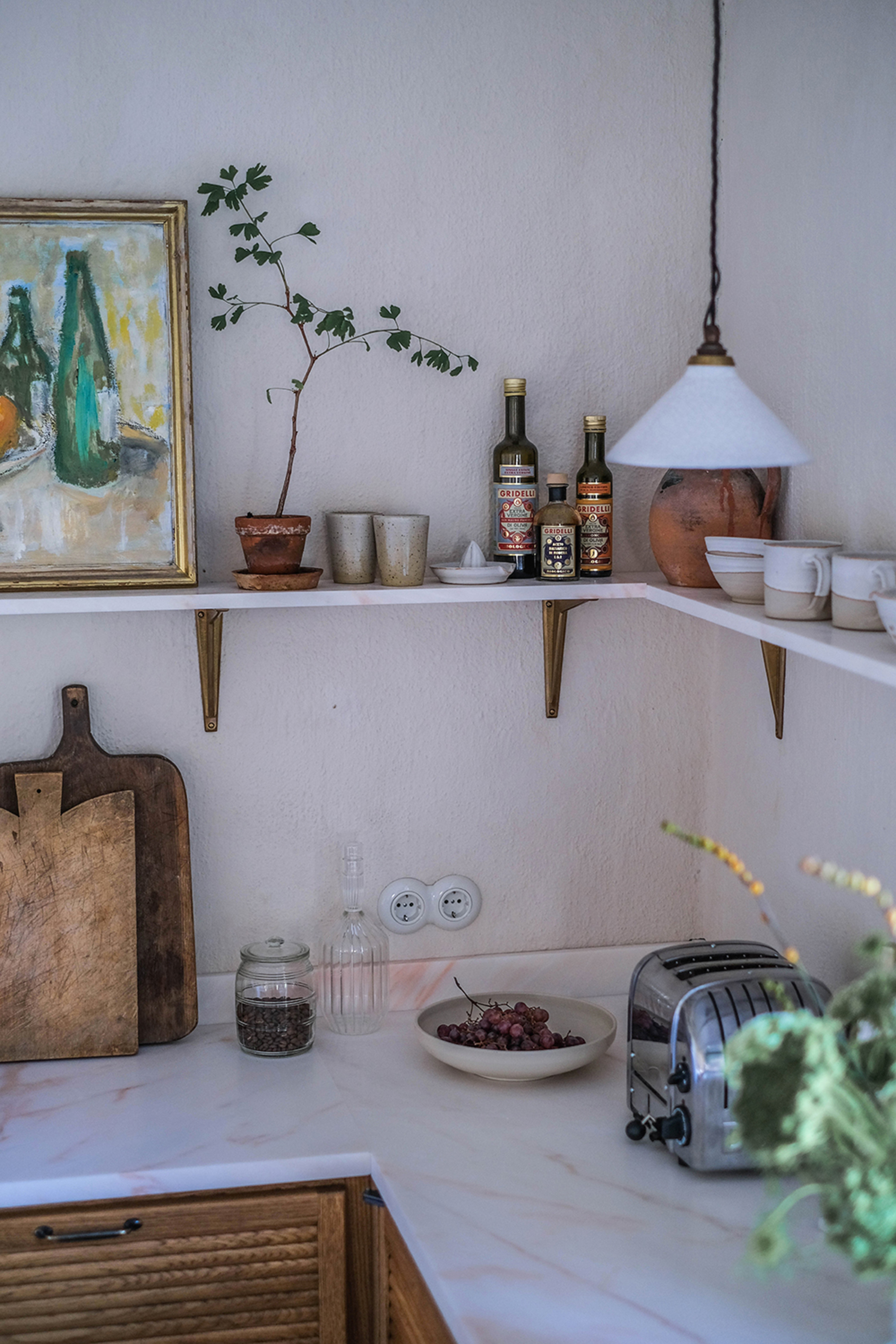
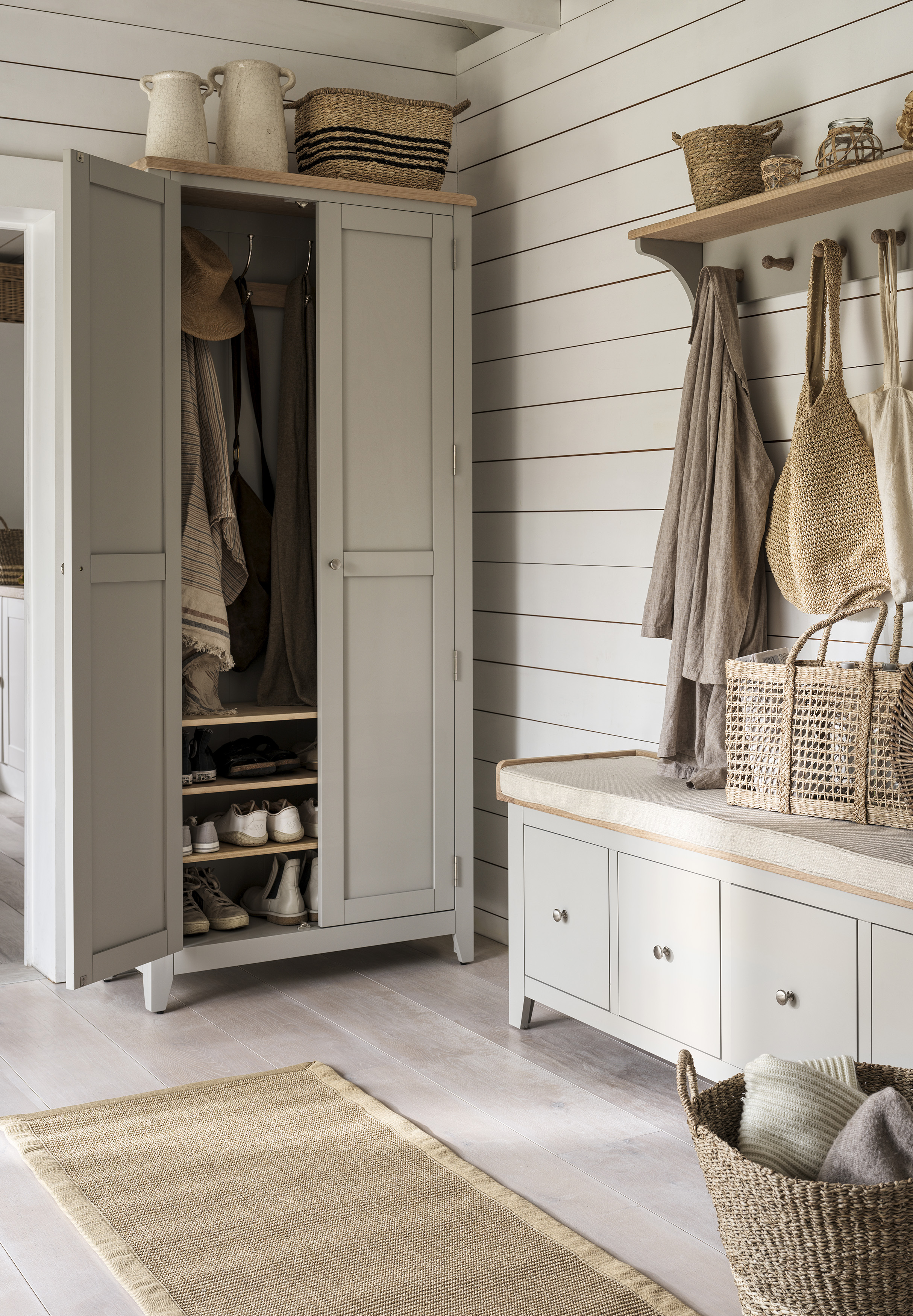
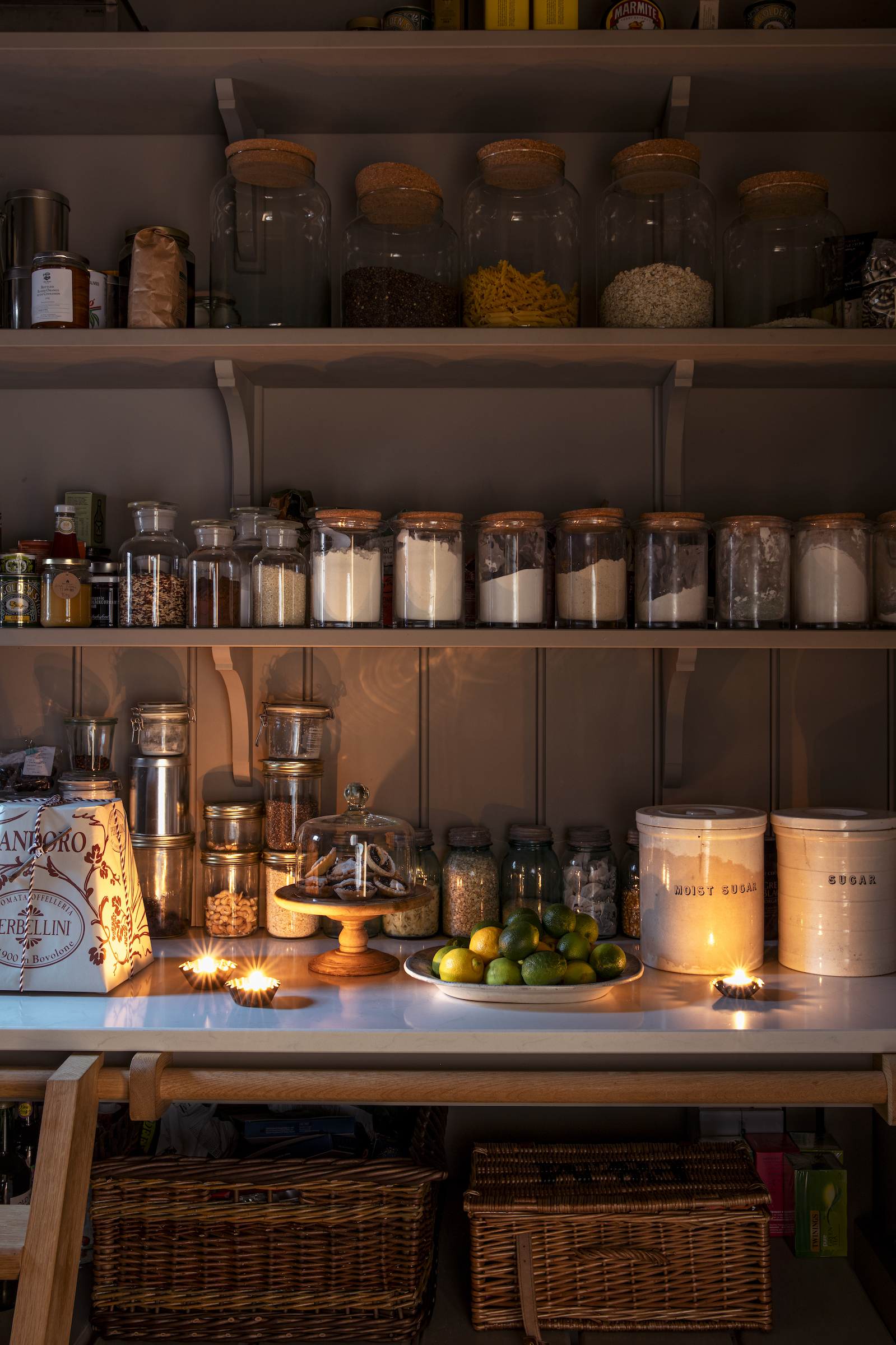
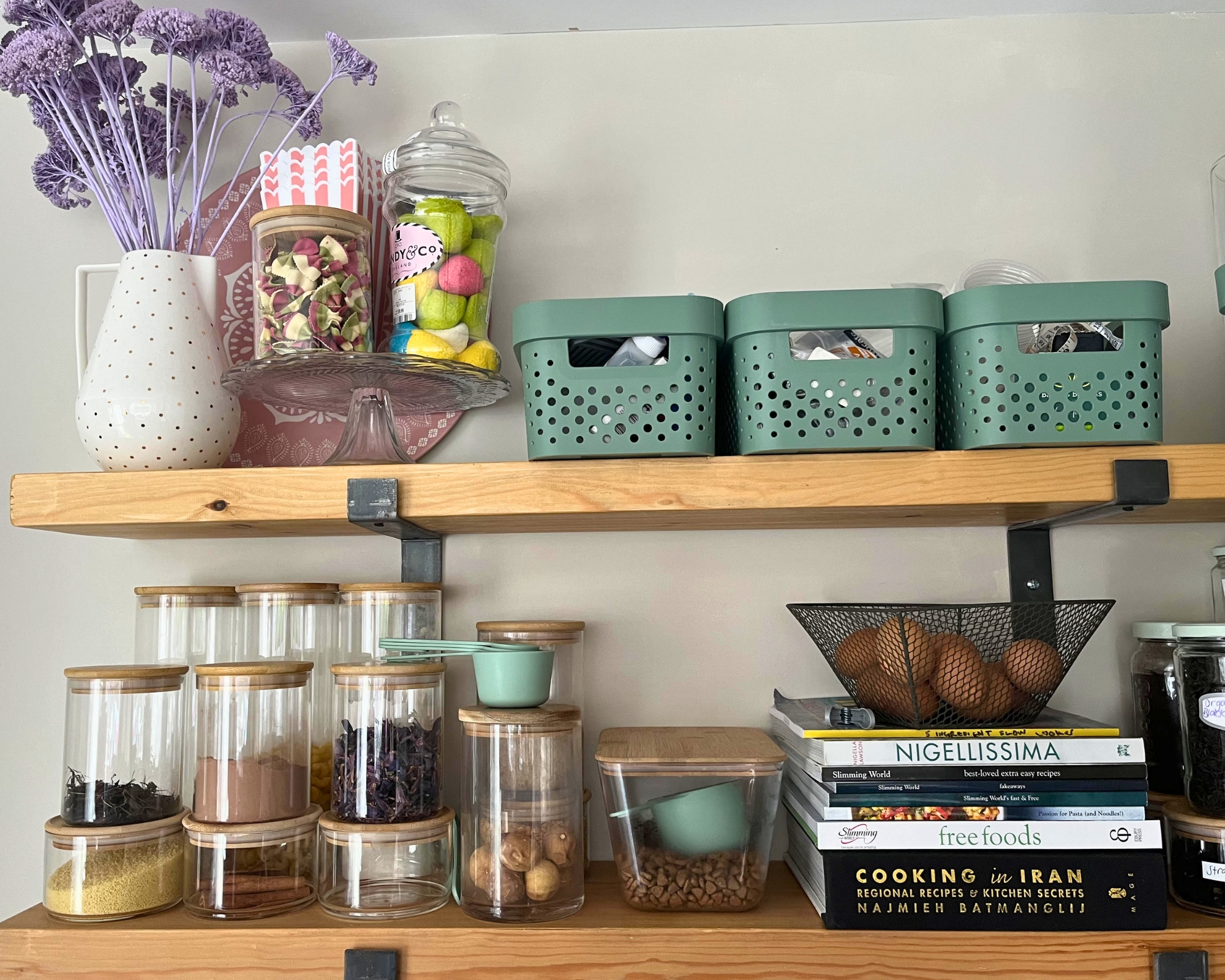
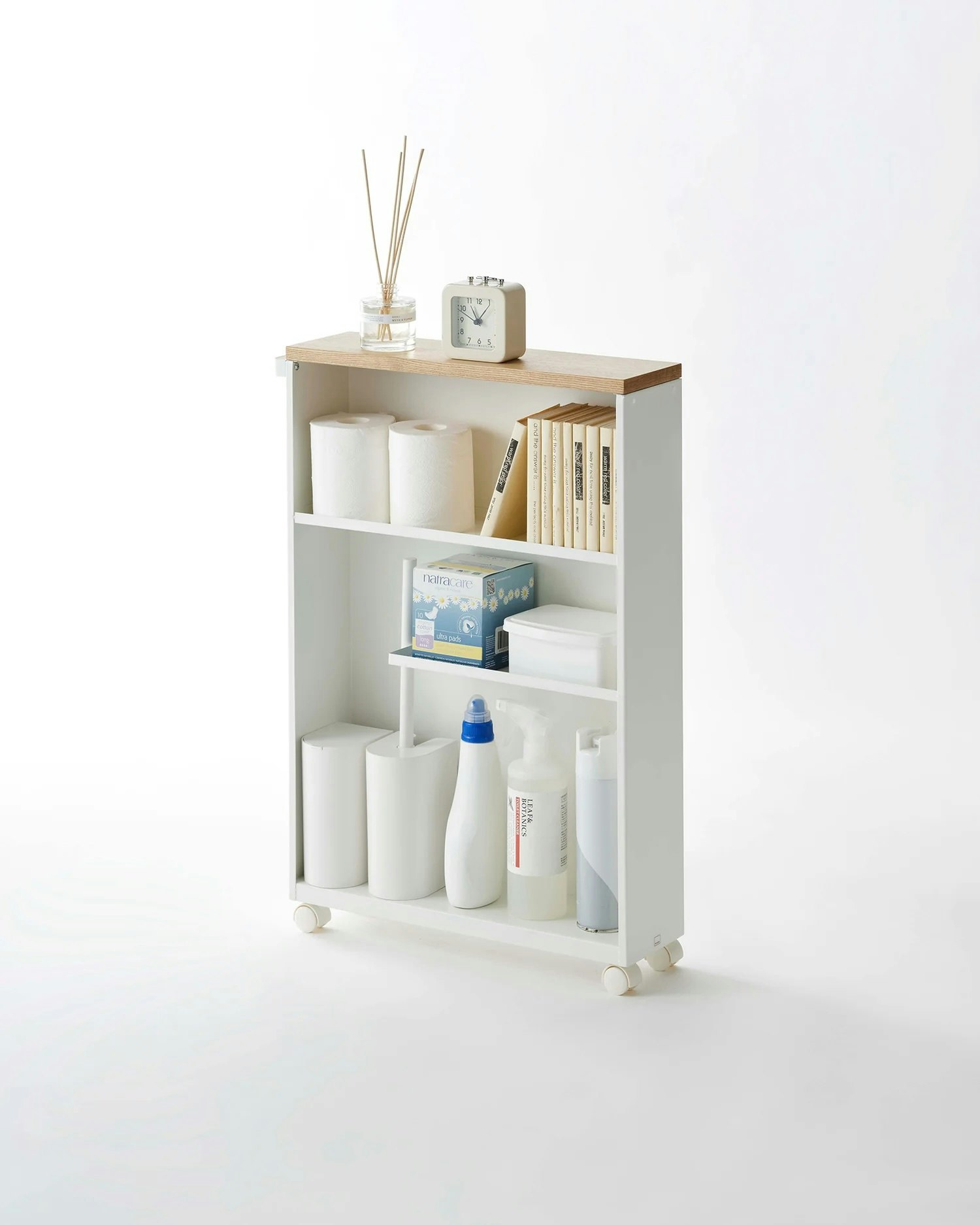
Finally, open storage, including exposed cubbies, shelves, and cabinets, is frequently styled beautifully in photographs but can be highly impractical for daily living. Kshama Shah, founder of House of Design, emphasizes that open storage demands constant maintenance to remain clutter-free; otherwise, it quickly becomes an eyesore. Additionally, these exposed surfaces act as dust magnets, necessitating frequent cleaning. Holly Heffinger, founder of Heffinger Interiors, supports this by recommending a separate coat closet in mudrooms alongside built-in lockers. The ability to hide clutter is crucial for maintaining a relaxed and refreshing home environment, suggesting that closed storage solutions are often more practical for real-world living.
#StorageSolutions #HomeOrganization #InteriorDesign #Decluttering #PracticalStorage #DesignMistakes #HomeDecor #FunctionalDesign #StorageSolutions #HomeOrganization #InteriorDesign #Decluttering #PracticalStorage #DesignMistakes #HomeDecor #FunctionalDesign
0 comment in total
 No comments yet
You may also like
Storage doesn't get more chic than this – 9 designers on how they made storage a design statement

What storage makes a house look expensive? 7 designer-approved storage solutions that add style
7 Kitchen Storage Trends That Designers say are Best Avoided

Goodbye, Gallery Walls! 5 Decor Choices Designers Think Are Overdone—and What to Do Instead

9 things professional organizers wish you wouldn't spend your money on – and what's worth the spend instead
9 CONTROVERSIAL Decor Choices Designers Secretly Wish You’d Stop Making

6 Things That Are Making Your Closet Feel Cramped, According to Designers

7 types of storage you should never use in a pantry – they'll make utilizing this space well 10 times harder, pros say
5 small entryway storage mistakes designers want you to stop making

These Popular Closet "Upgrades" Are Secretly Limiting Your Storage Space, Organizers Say
5 surprising storage essentials minimalists avoid – and what they use instead
I Found Some Smart Storage Solutions for Those Allergic to Visual Clutter

9 Storage Boxes That Control Your Clutter Without Being Eyesores

Clean Up Extra Clutter With These 17 Genius Over-the-Door Storage Solutions
Storage Boxes - Our Pick of the Best
5 built-in storage ideas that can make any room look 100% better - 'they're the secret to tidier-looking homes'
47 Storage Solutions That Will Make Clutter *Poof* Disappear
The 5 kitchen storage mistakes interior designers always avoid
7 classic organizational staples experts actually hate – and what to pick instead
5 Outdated Closet Features You Should Never Add to Your Home, According to Designers