1/8
Spring cleaning time: How to organize (in 6 easy steps) and clean your closet like a pro
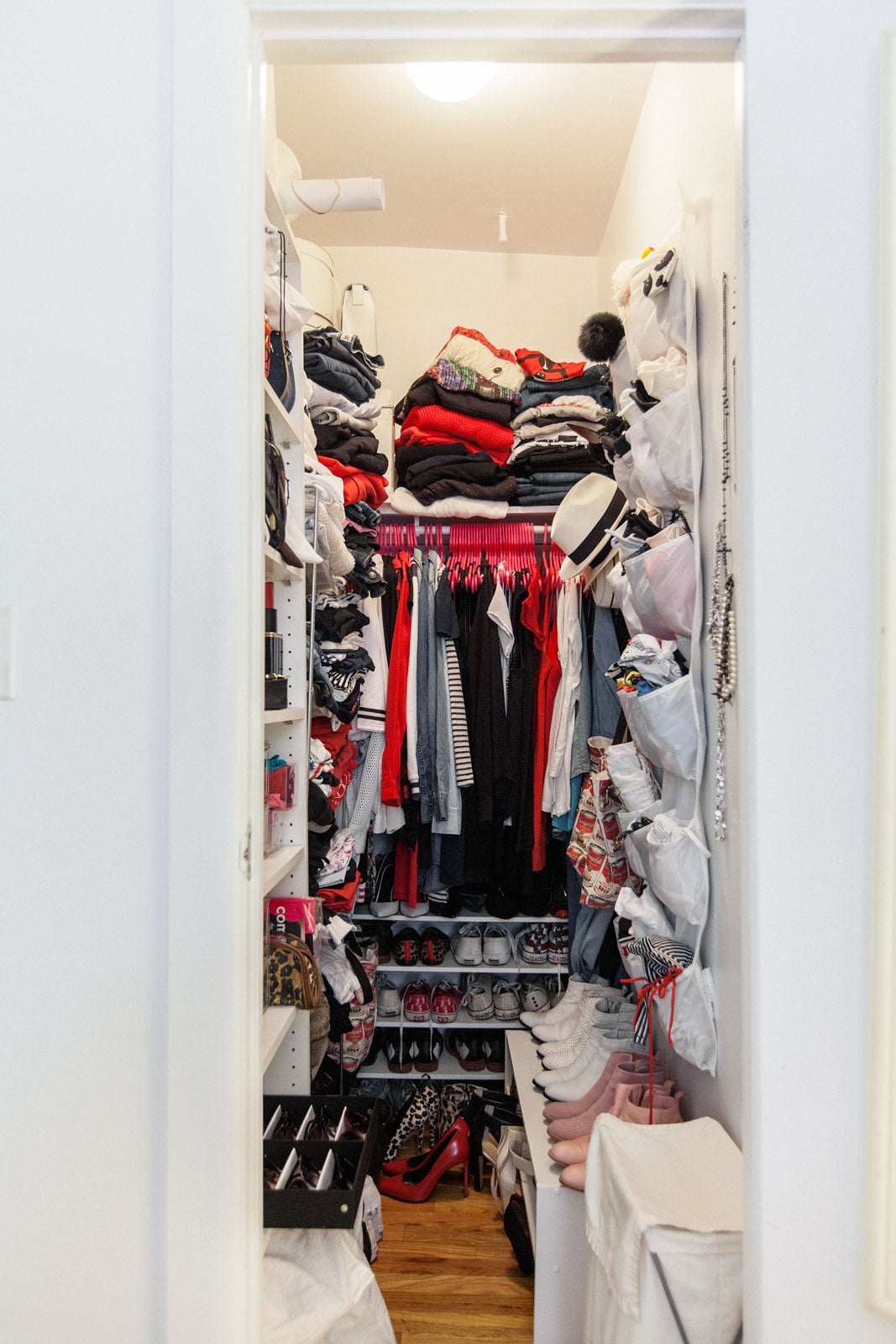
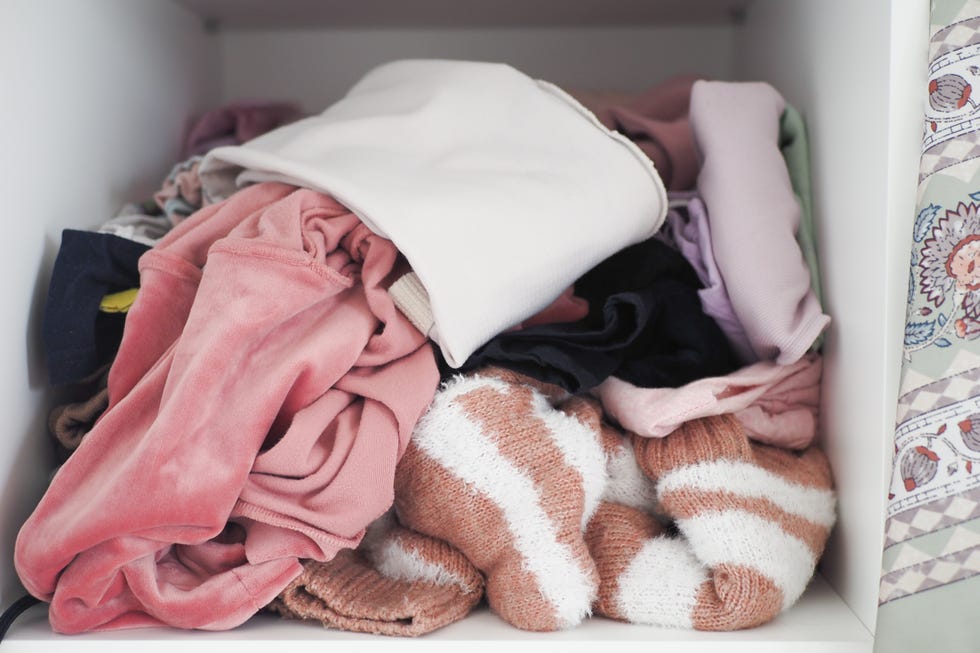
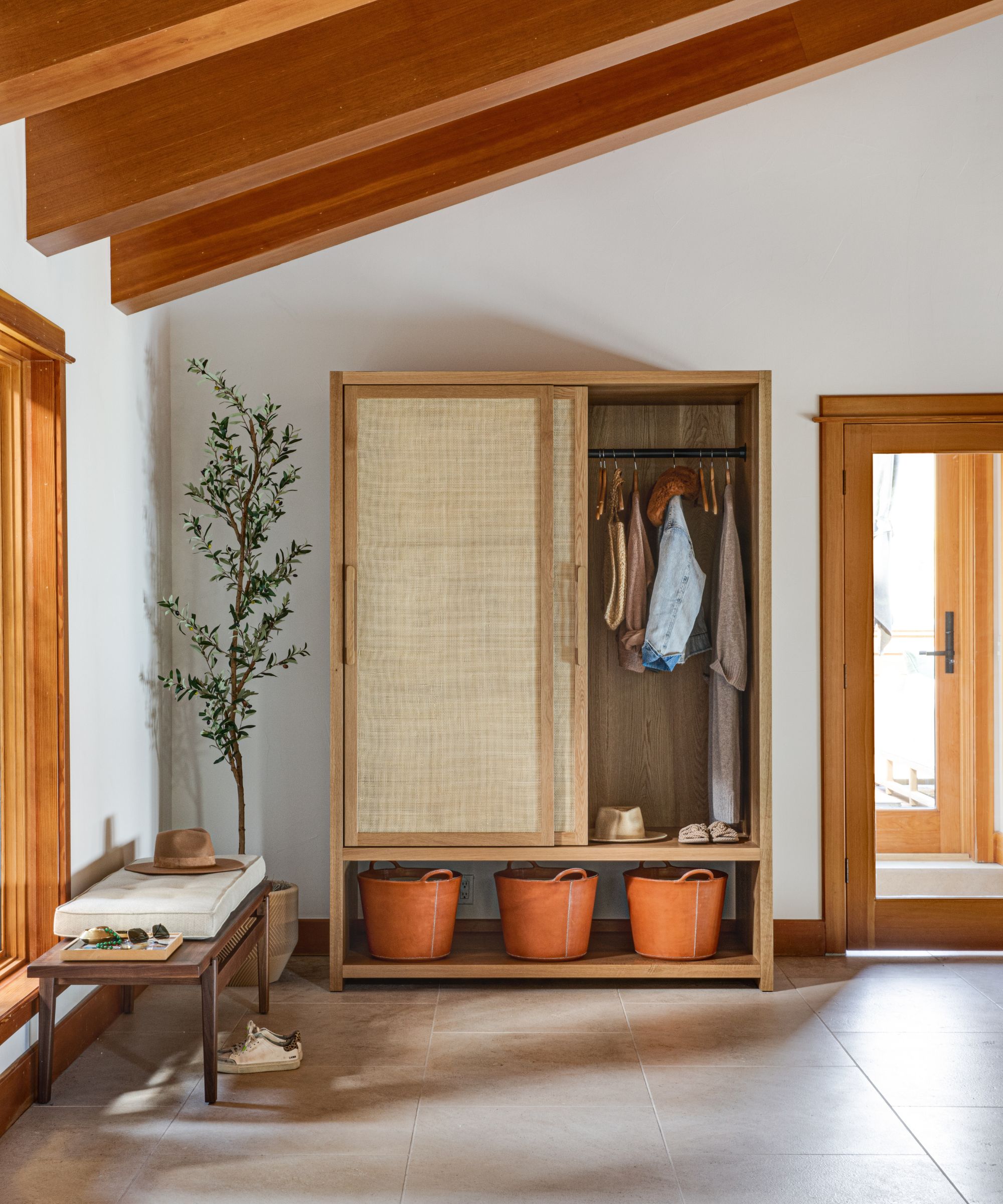
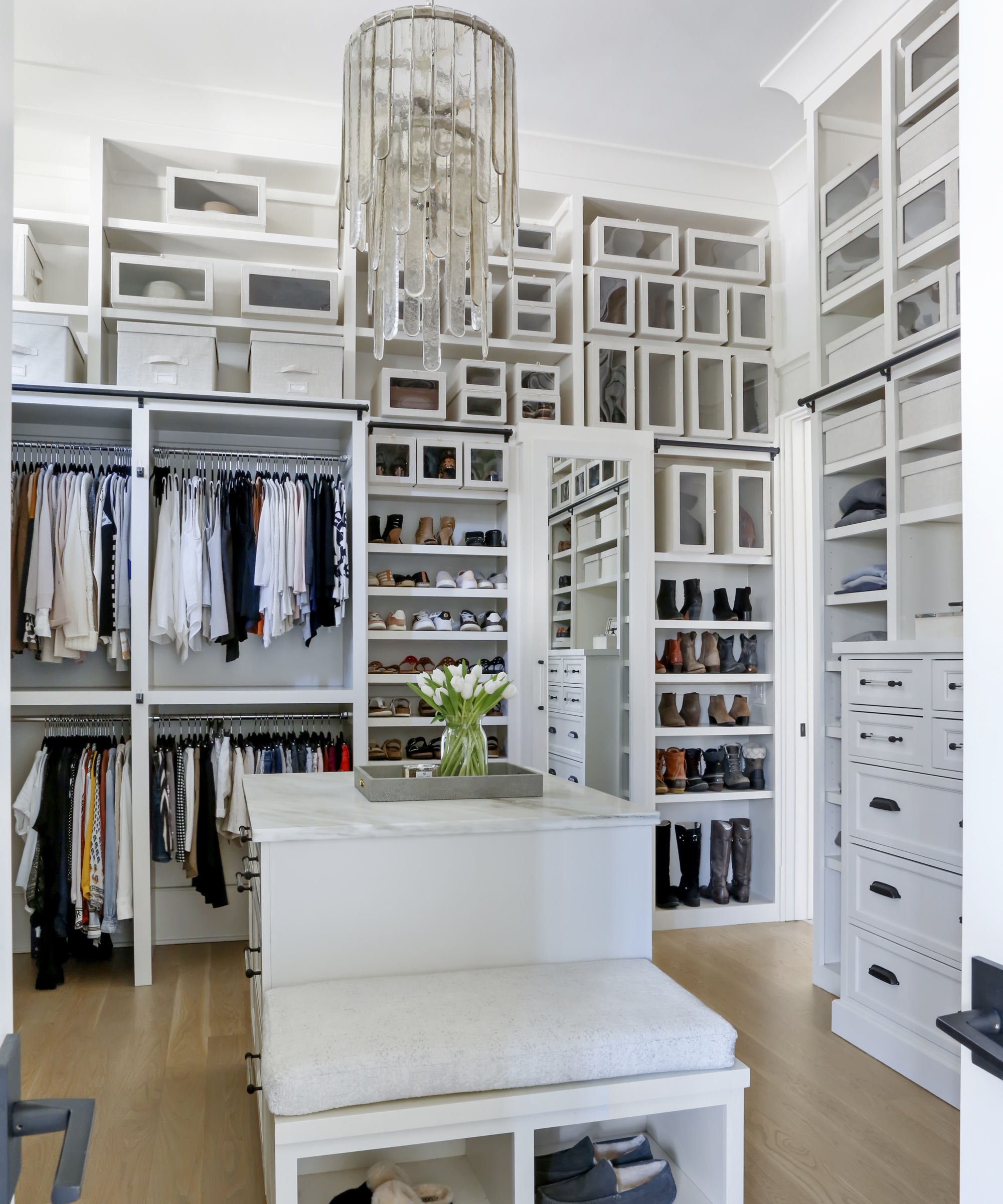
This article offers a comprehensive guide to organizing a closet, drawing insights from professional organizer Jamie Hord, founder of Horderly. It emphasizes that closet organization, while potentially daunting, can be approached in manageable steps. The process begins with a complete pull-out and sorting of all items from the closet and dressers, categorizing them to assess the volume of belongings and identify long-lost items. This initial step allows for a realistic evaluation of what needs to be kept and what can be discarded or donated.
The second step focuses on editing the wardrobe, advising individuals to touch each item and decide whether to keep, toss, or donate it. This involves creating distinct piles for categories like jeans, T-shirts, and dress shirts, and physically engaging with each item to determine its value and use frequency. The article suggests seeking assistance from a professional organizer or a decisive friend to facilitate difficult decisions, particularly when confronted with items that are rarely used or no longer fit. It also cautions against holding onto an excessive number of aspirational items, recommending keeping only truly special pieces.
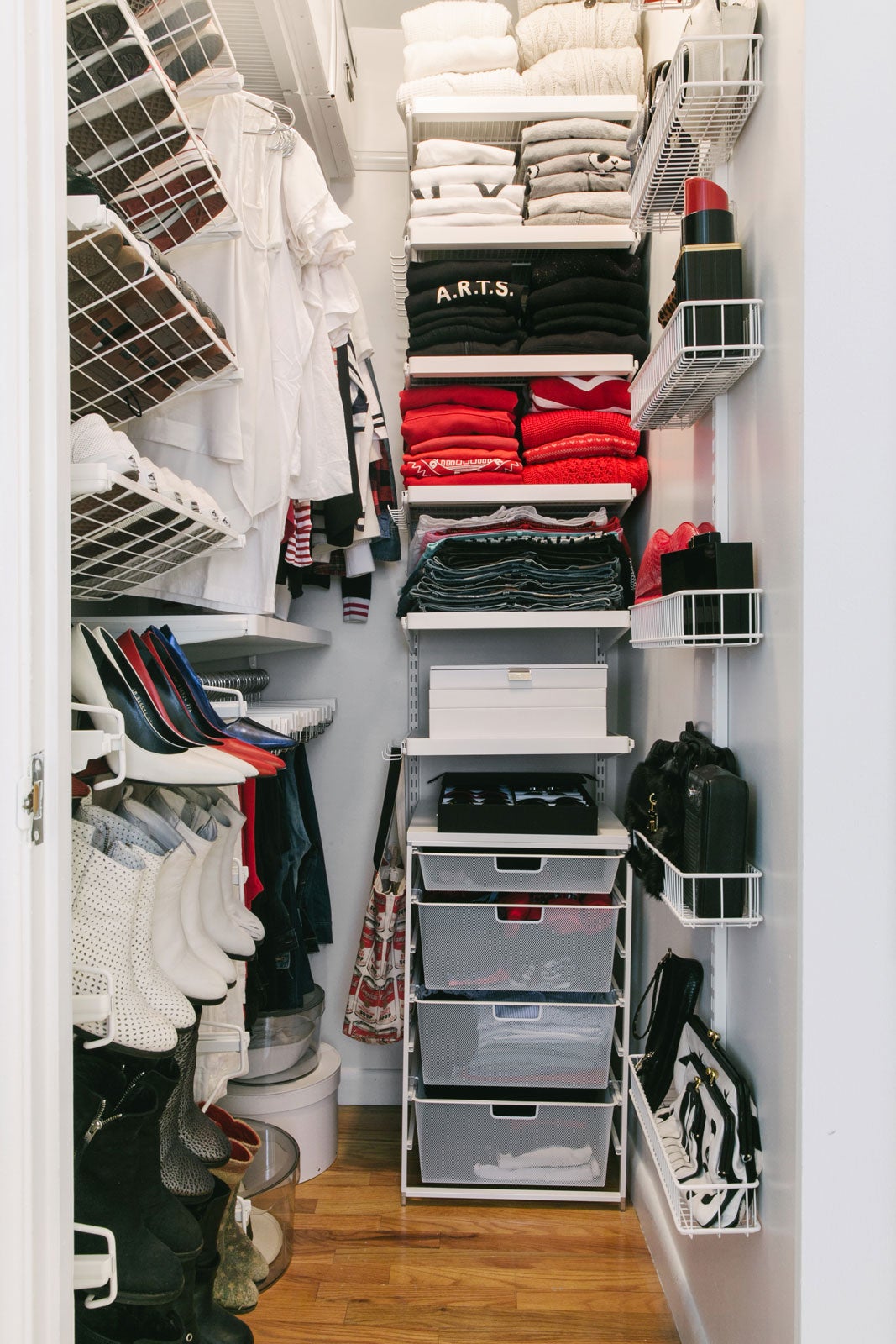
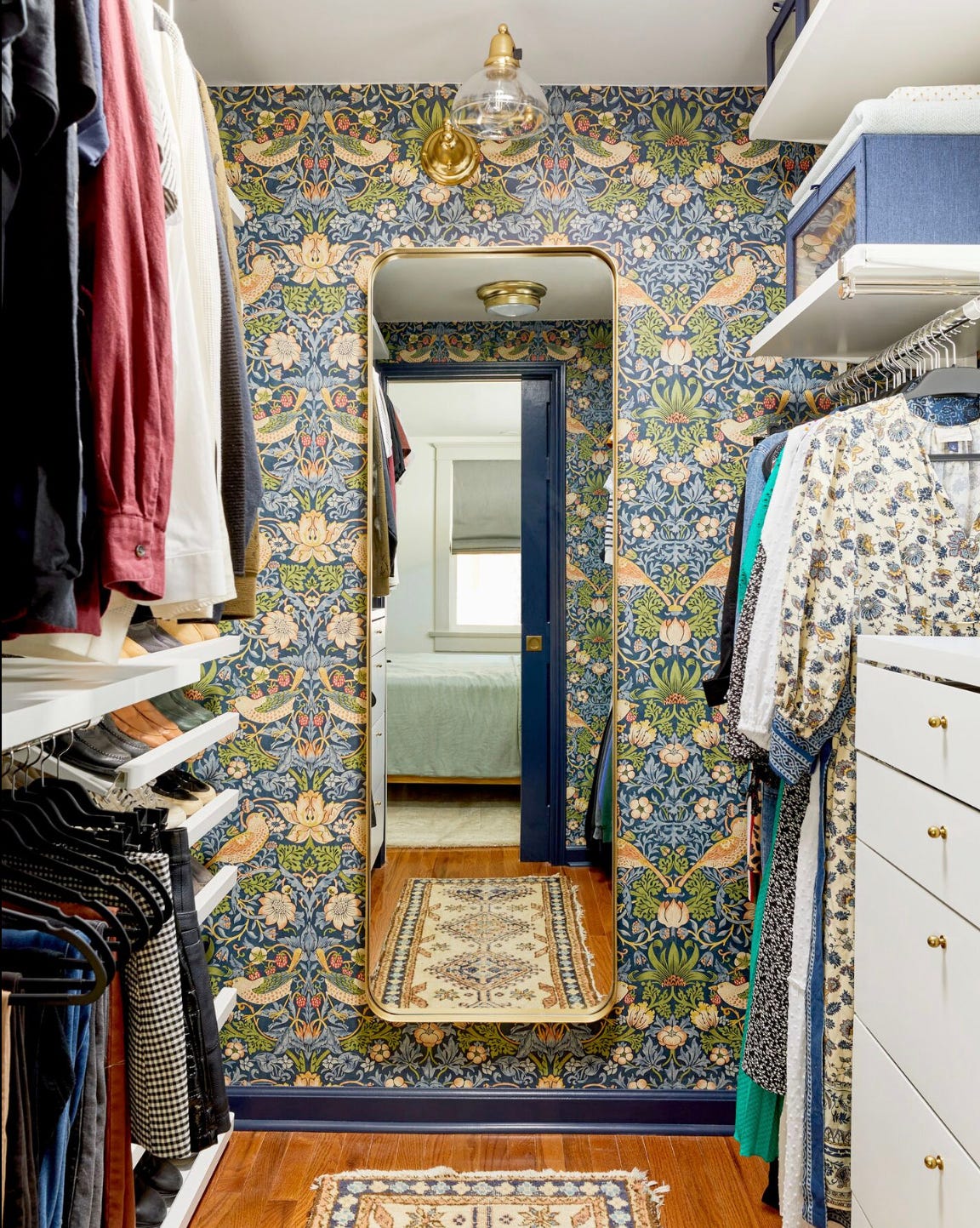
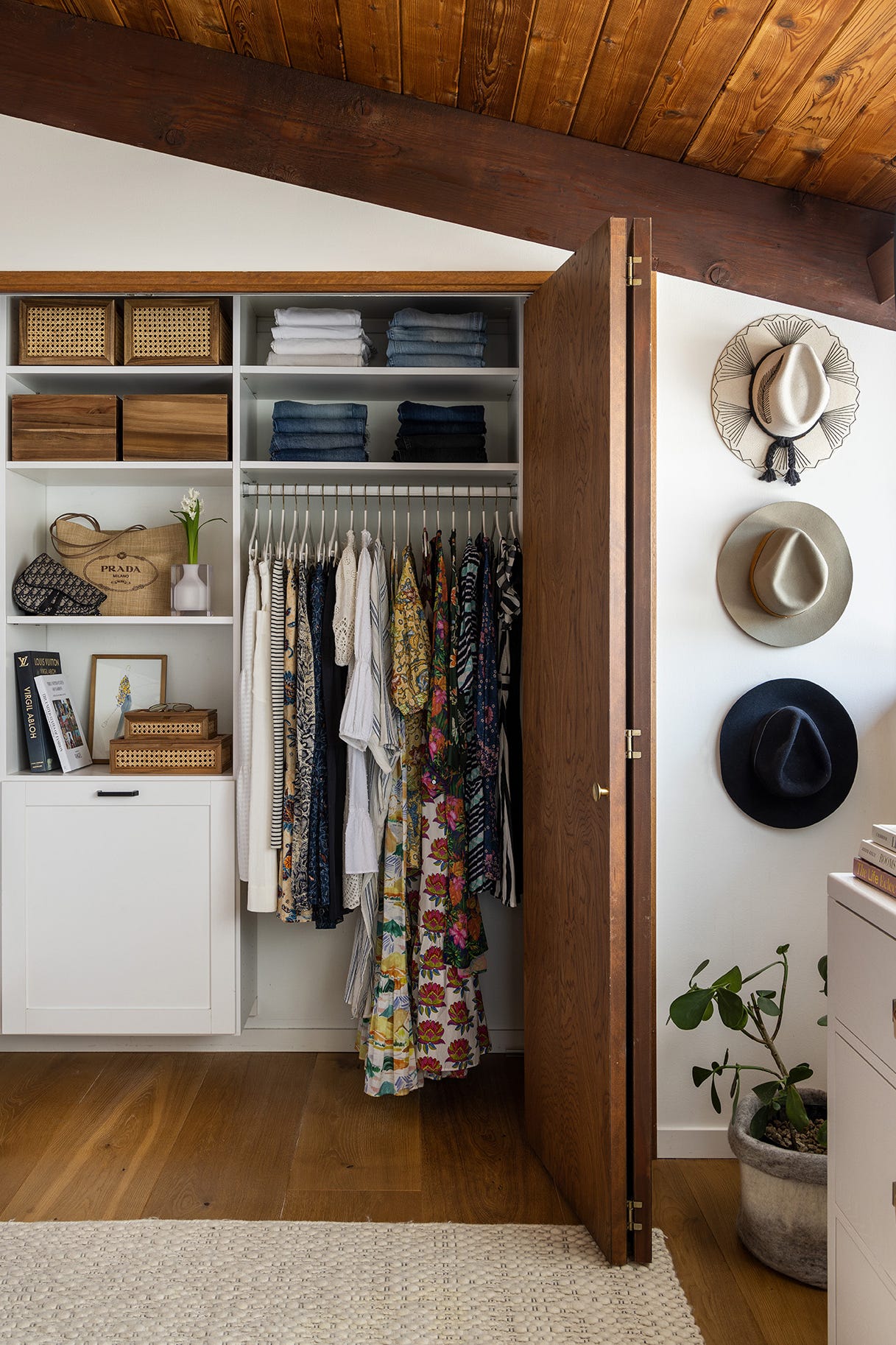
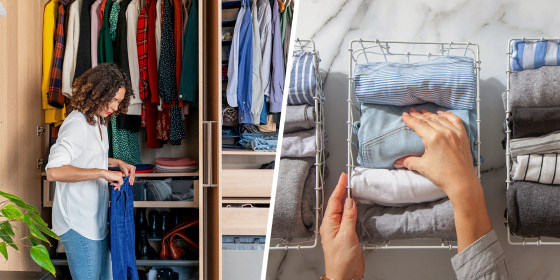
Following the editing phase, the third step involves assessing the remaining items to strategize their placement within the closet. The principle here is to assign prime real estate to frequently used items, ensuring easy access. The article highlights that most clothing items, except for certain delicate sweaters, can be hung, advocating for a system that prioritizes visibility and accessibility for daily wear. This stage also includes taking measurements and planning for organizational products.
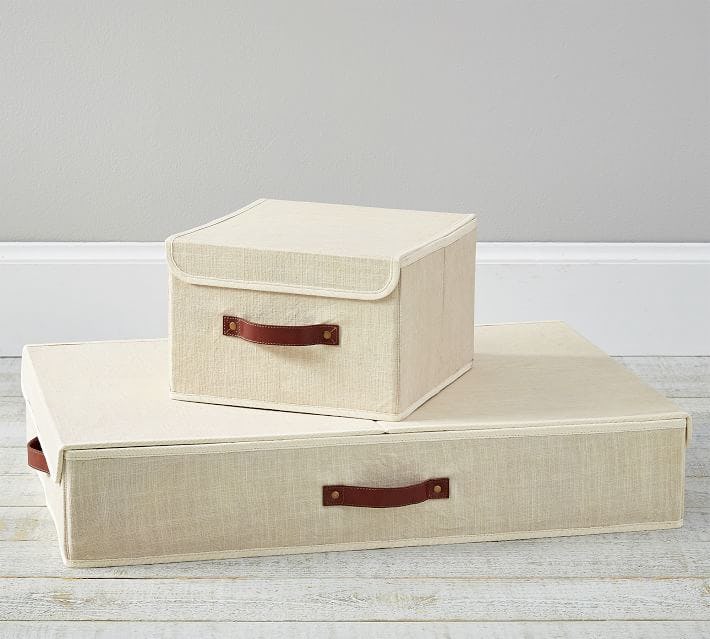
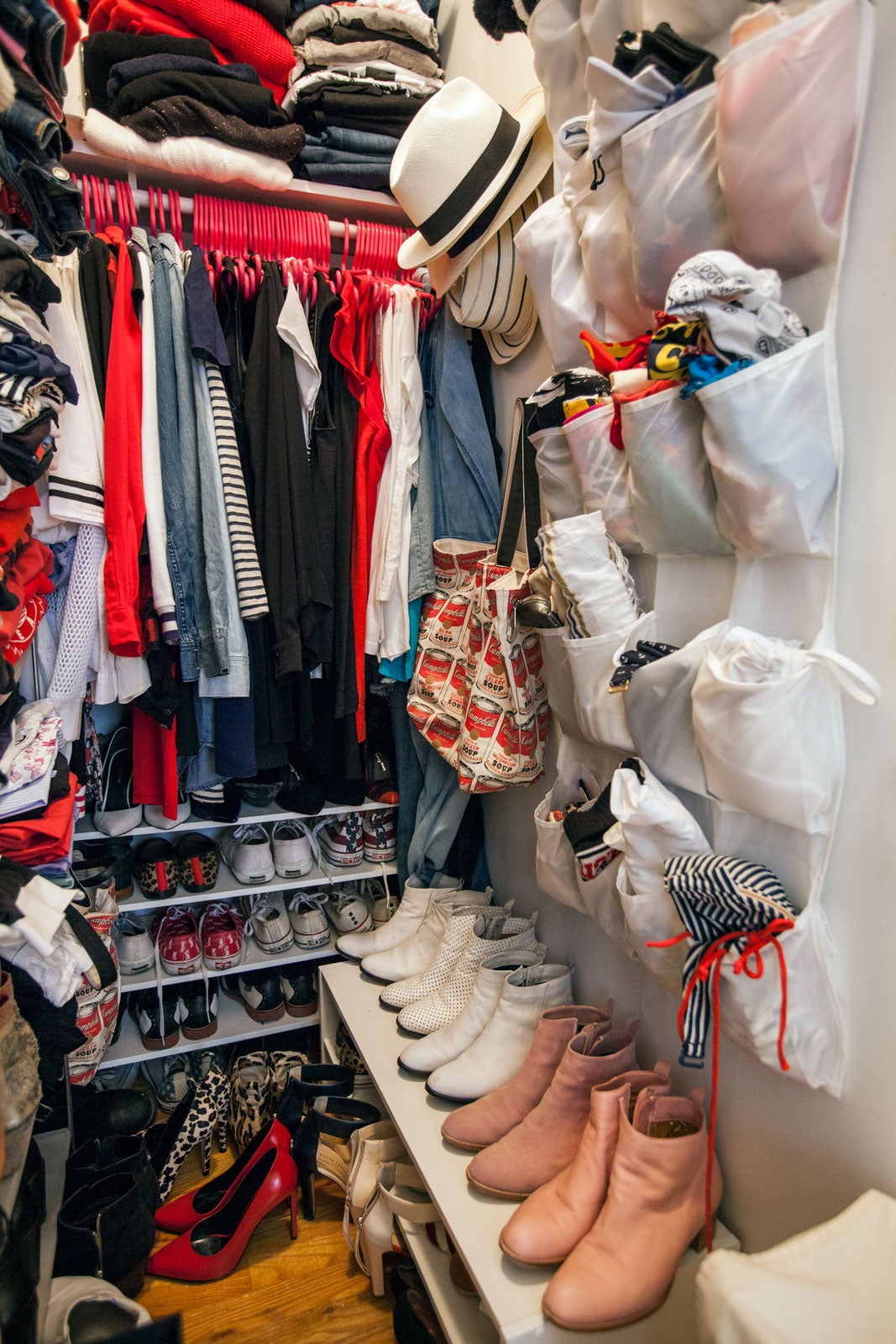
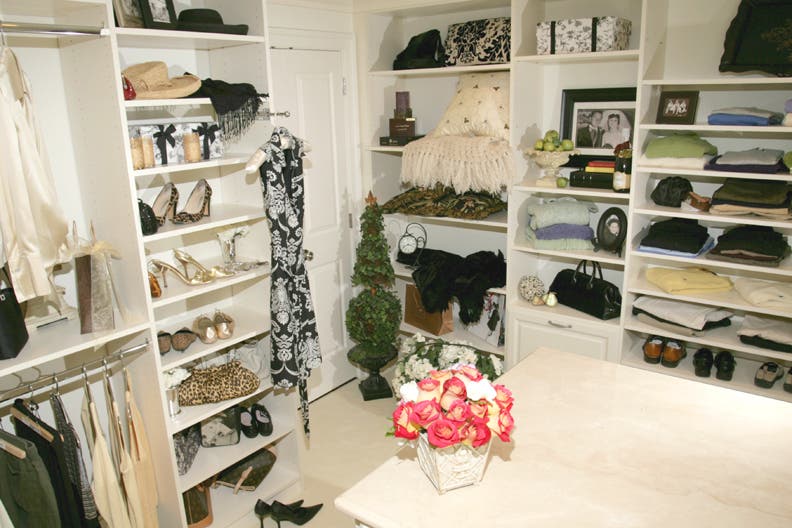
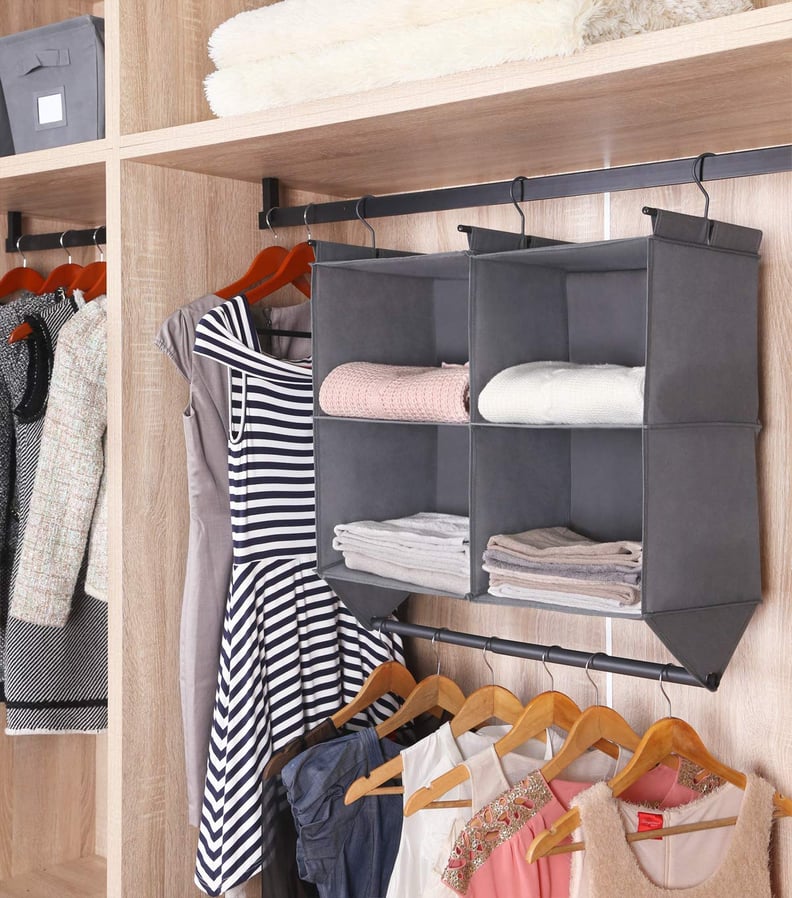
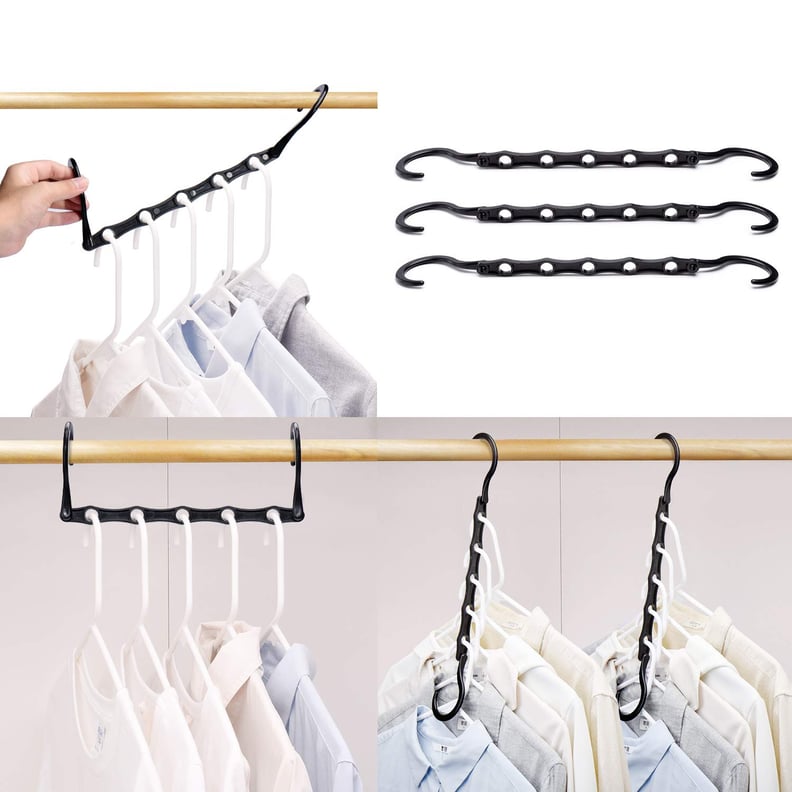
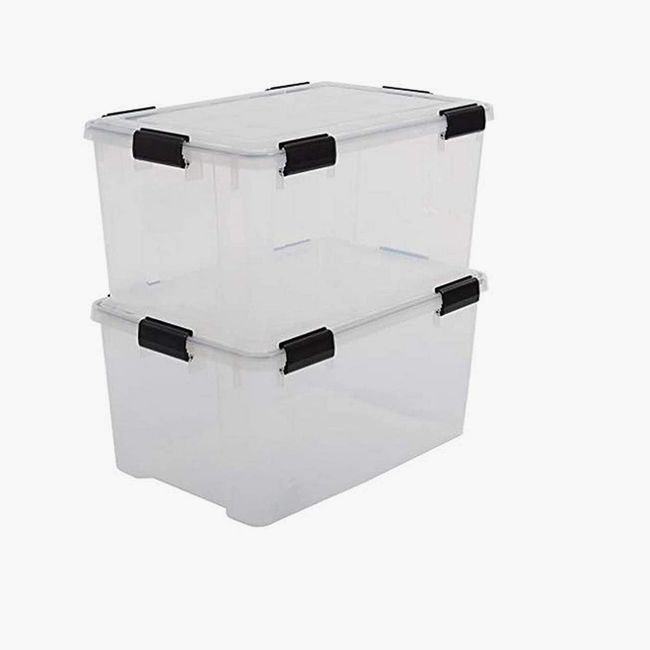
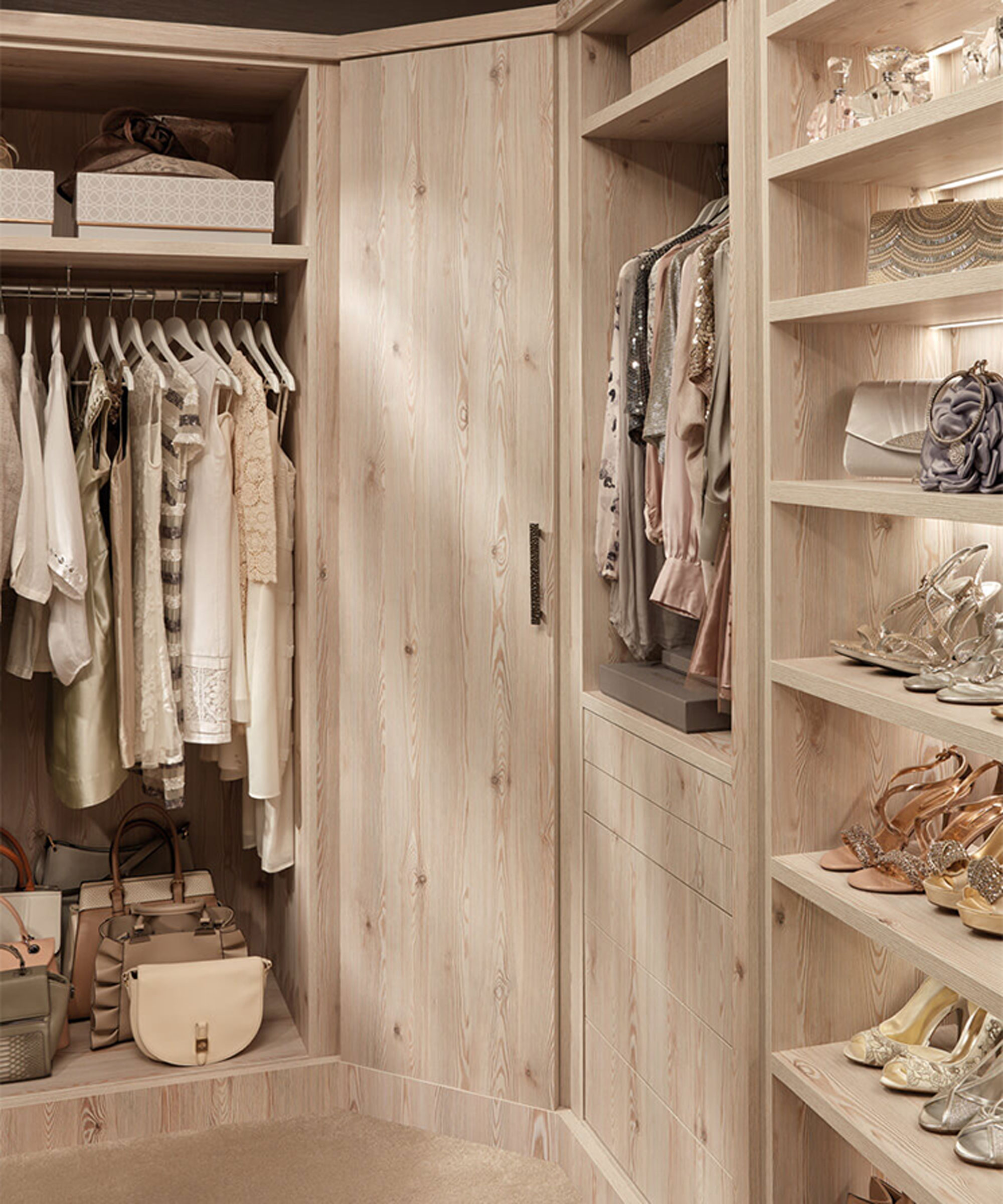
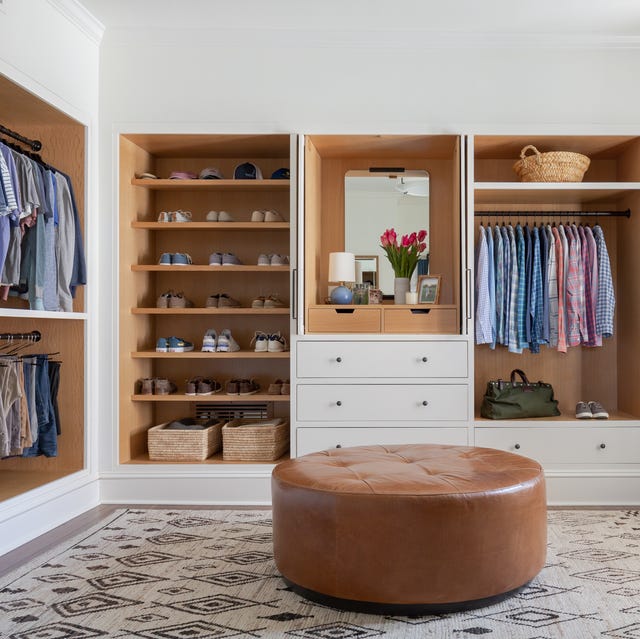
The fourth step addresses maximizing existing space, regardless of closet size. The primary goal is to clear floor and counter space to reduce clutter. For smaller living spaces, under-bed storage bins are recommended for off-season clothes or less frequently accessed items. The article also encourages utilizing vertical space through shelving systems, back-of-door organizers, and stacking drawers. Creative storage solutions are also suggested, such as using shower rings for ties and belts, repurposing hangers for sunglasses, or employing beer can tabs for tiered clothing hangers, and even adding an extra shower rod to double hanging volume.
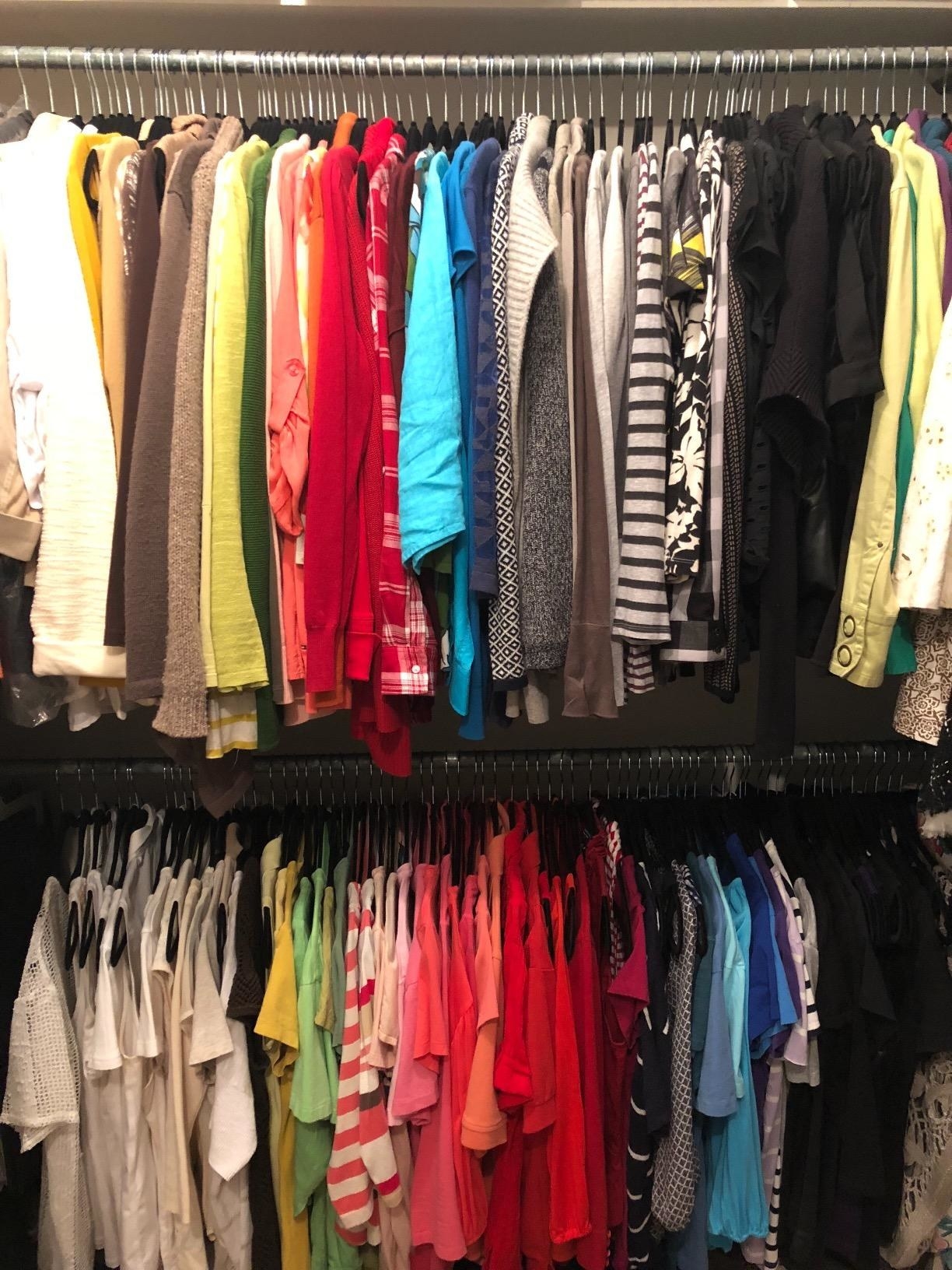
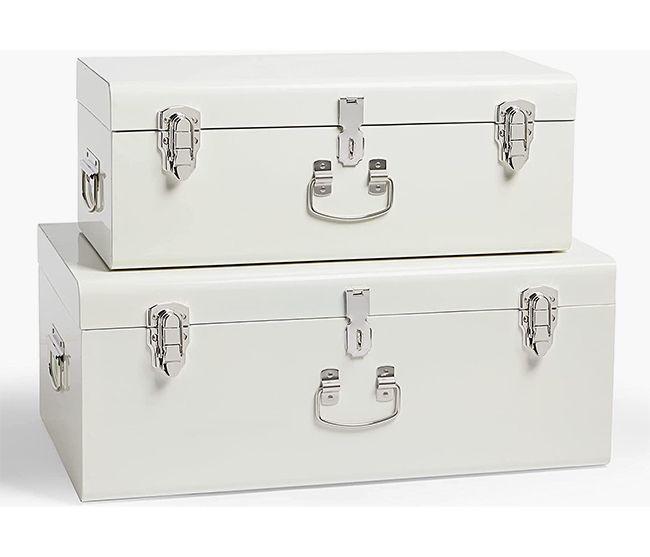
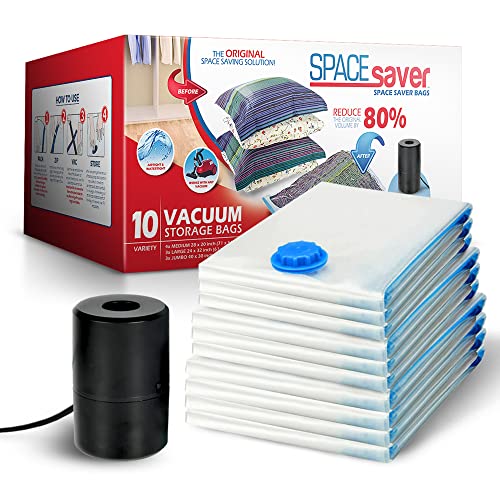
The fifth step advocates for an organizational system that is functional and sustainable for the individual. Instead of grouping clothes solely by type, the article recommends organizing by function, such as separating office clothes from casual wear. This approach aims to streamline the dressing process and diversify wardrobe choices by presenting relevant options together. The final step involves storing seasonal and occasional items. This prevents closet overcrowding by identifying items not needed for the next six months and packing them away. Delicate items like fine sweaters and wool coats should be stored in vacuum-sealed bags, while other items can be placed in bins, crates, or old suitcases, with clear labeling being crucial.
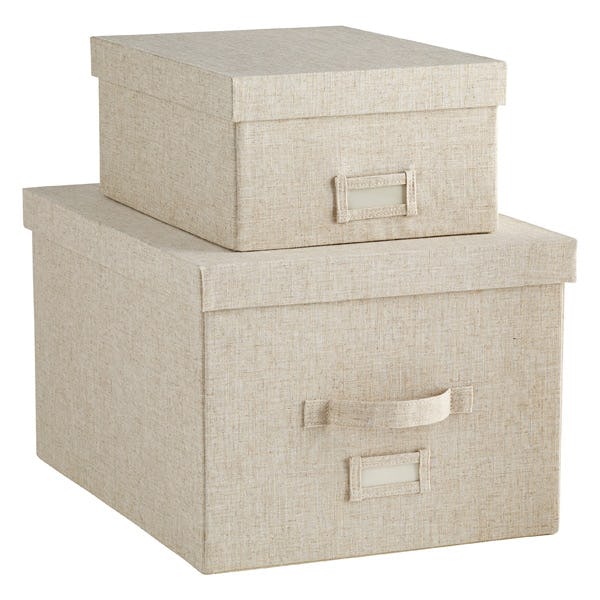
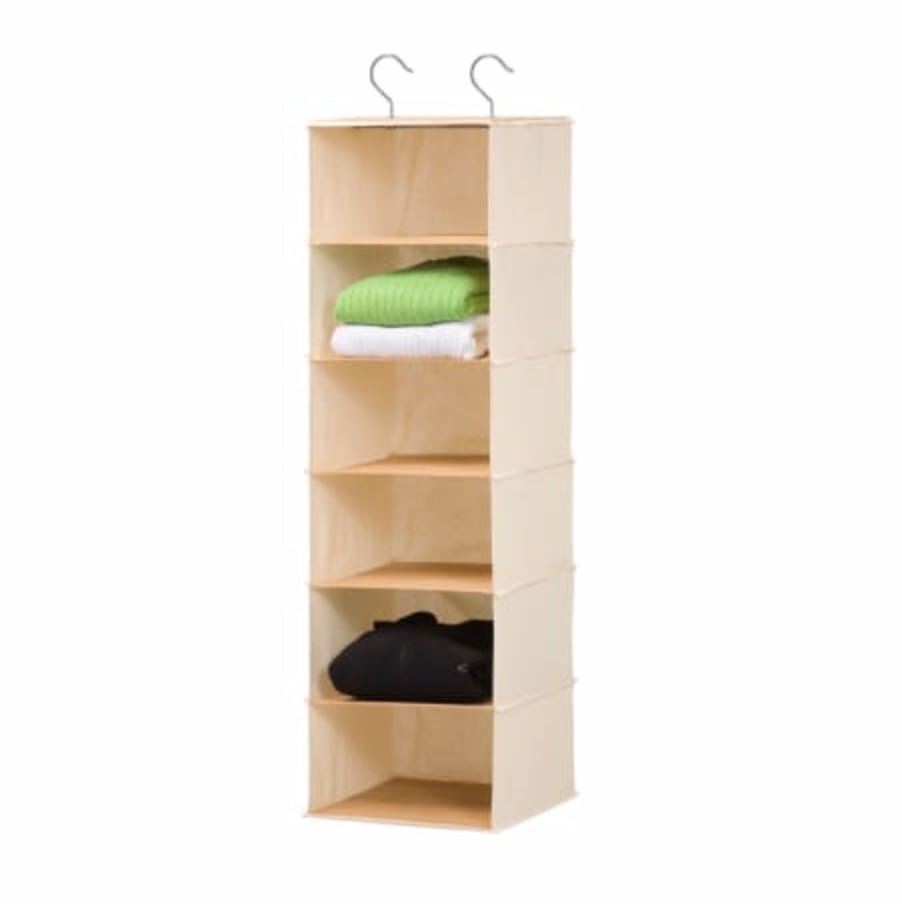
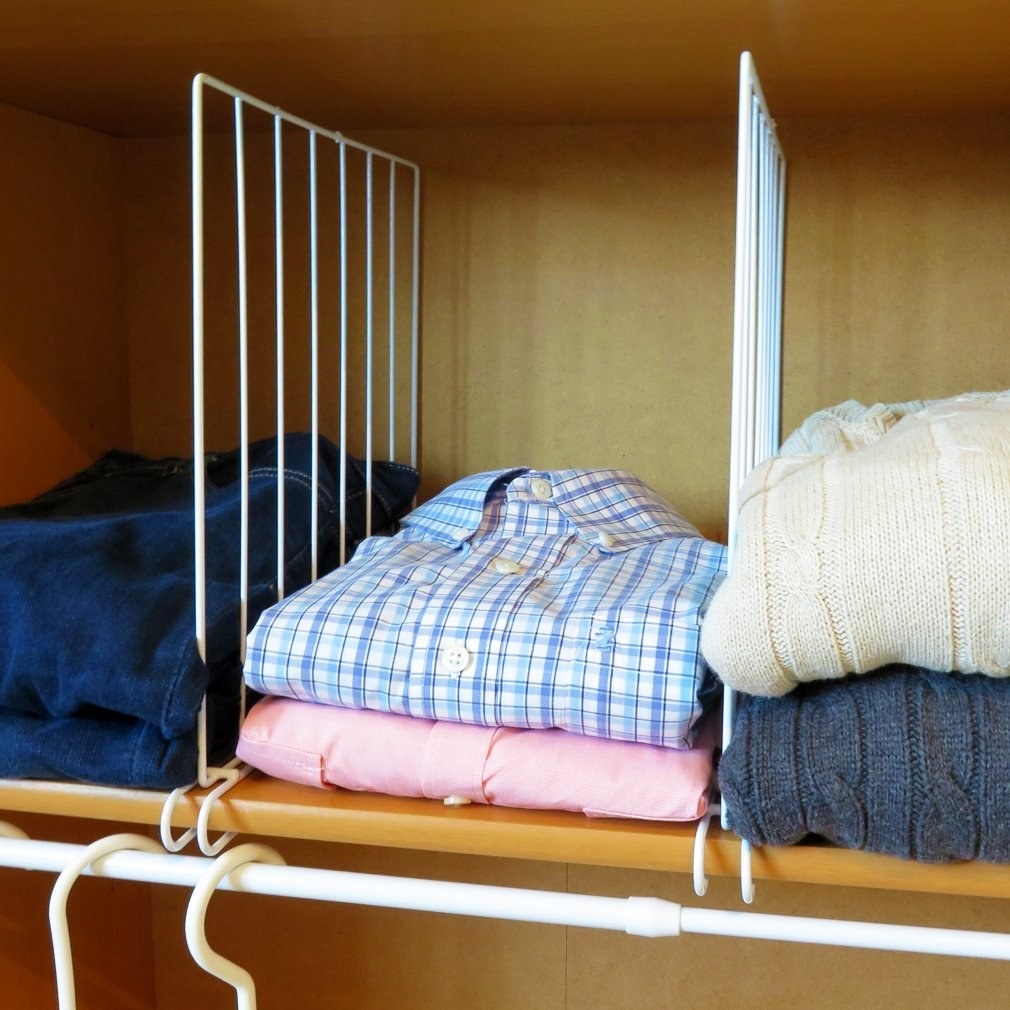
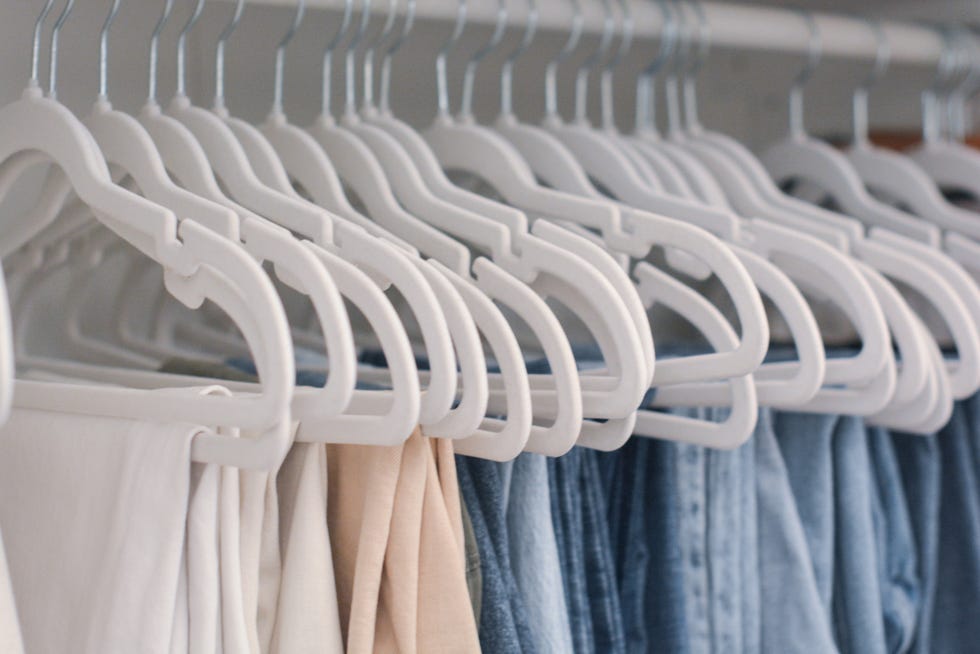
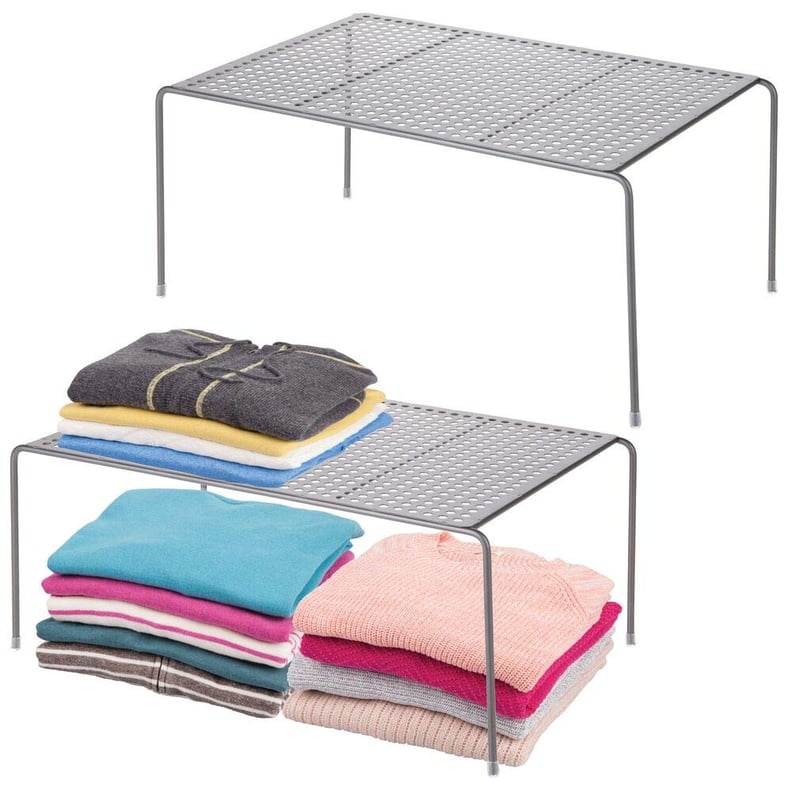
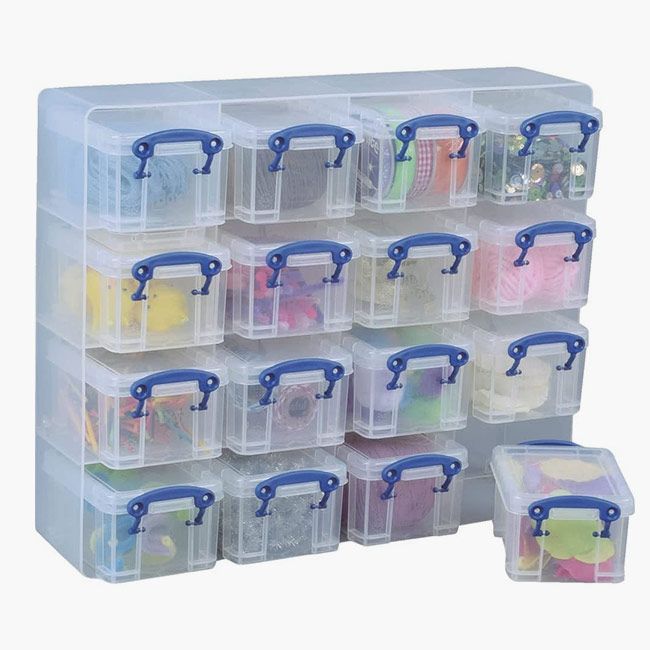
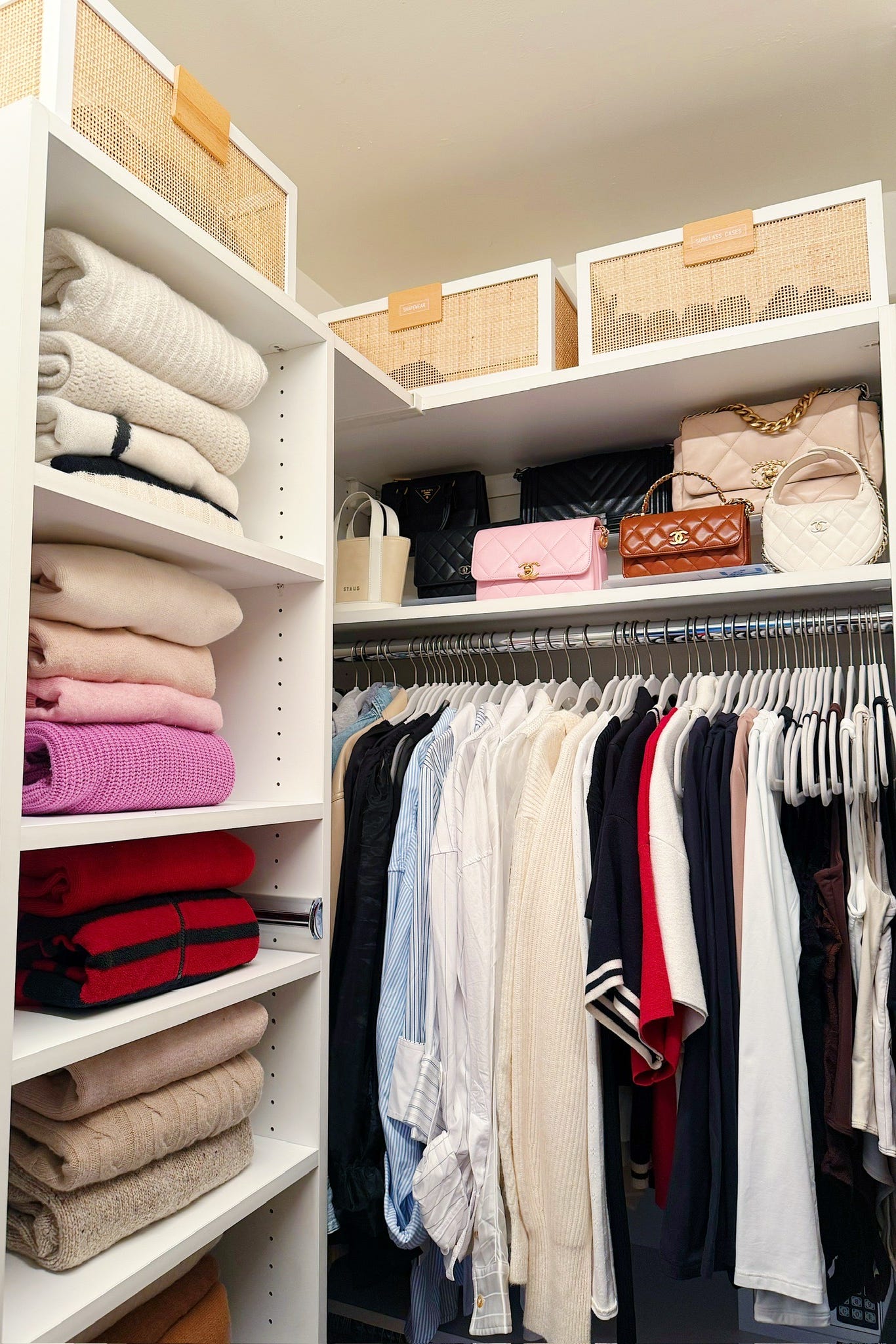
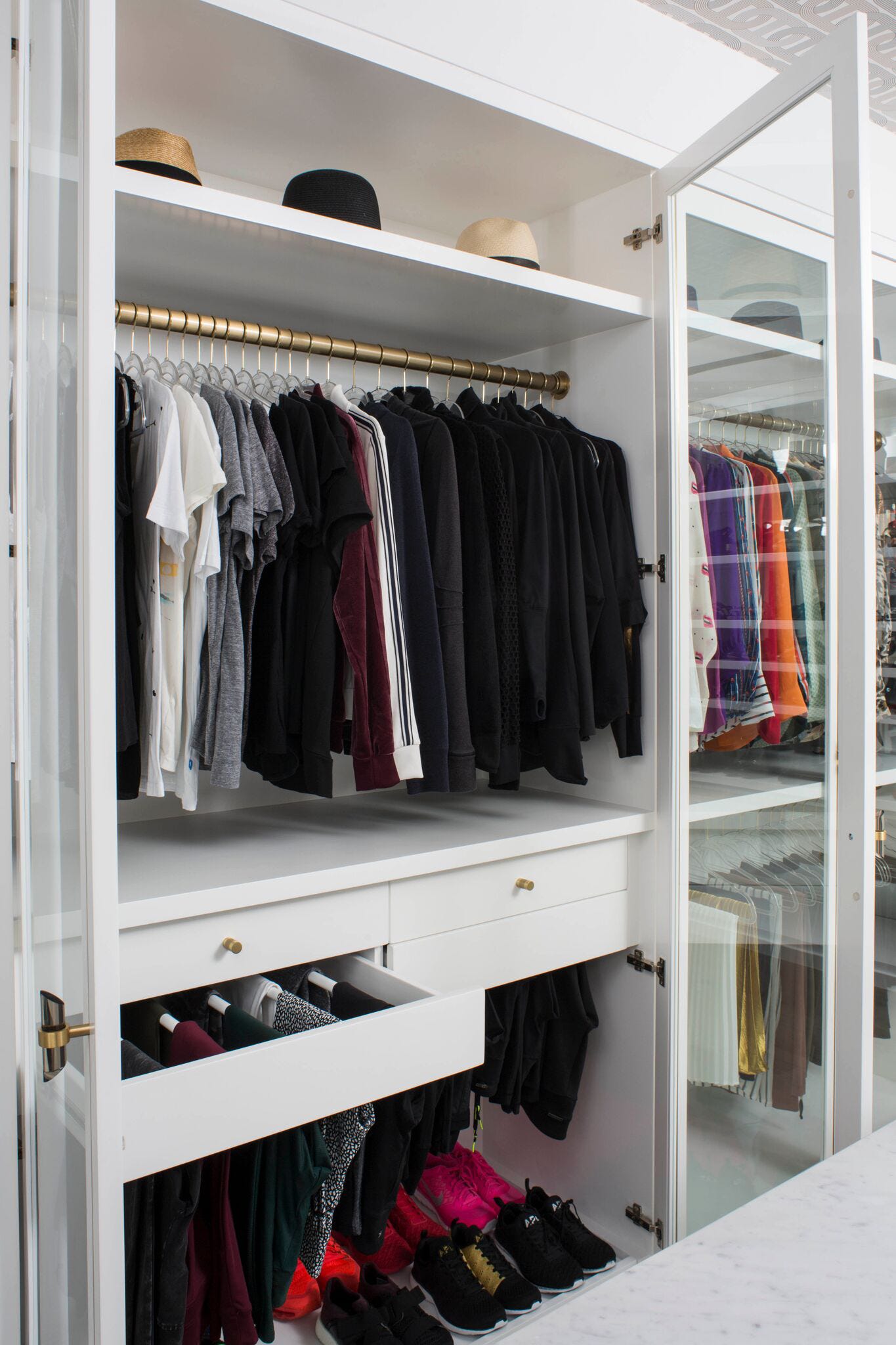
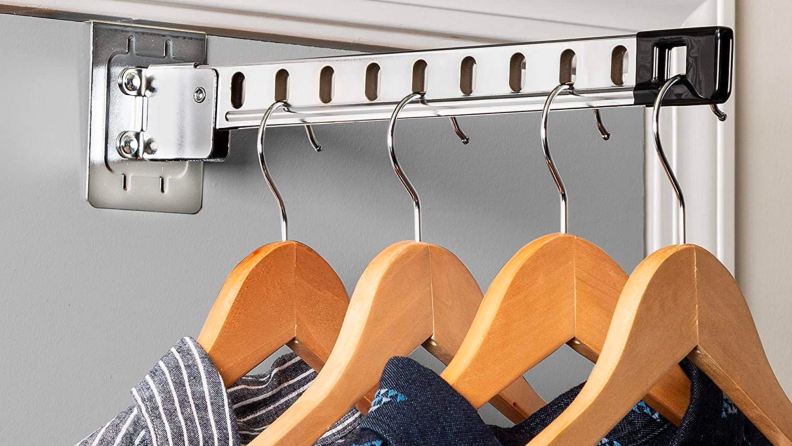
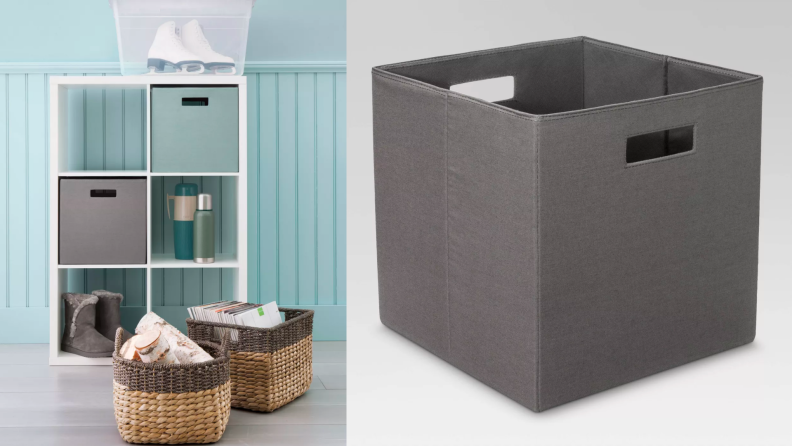
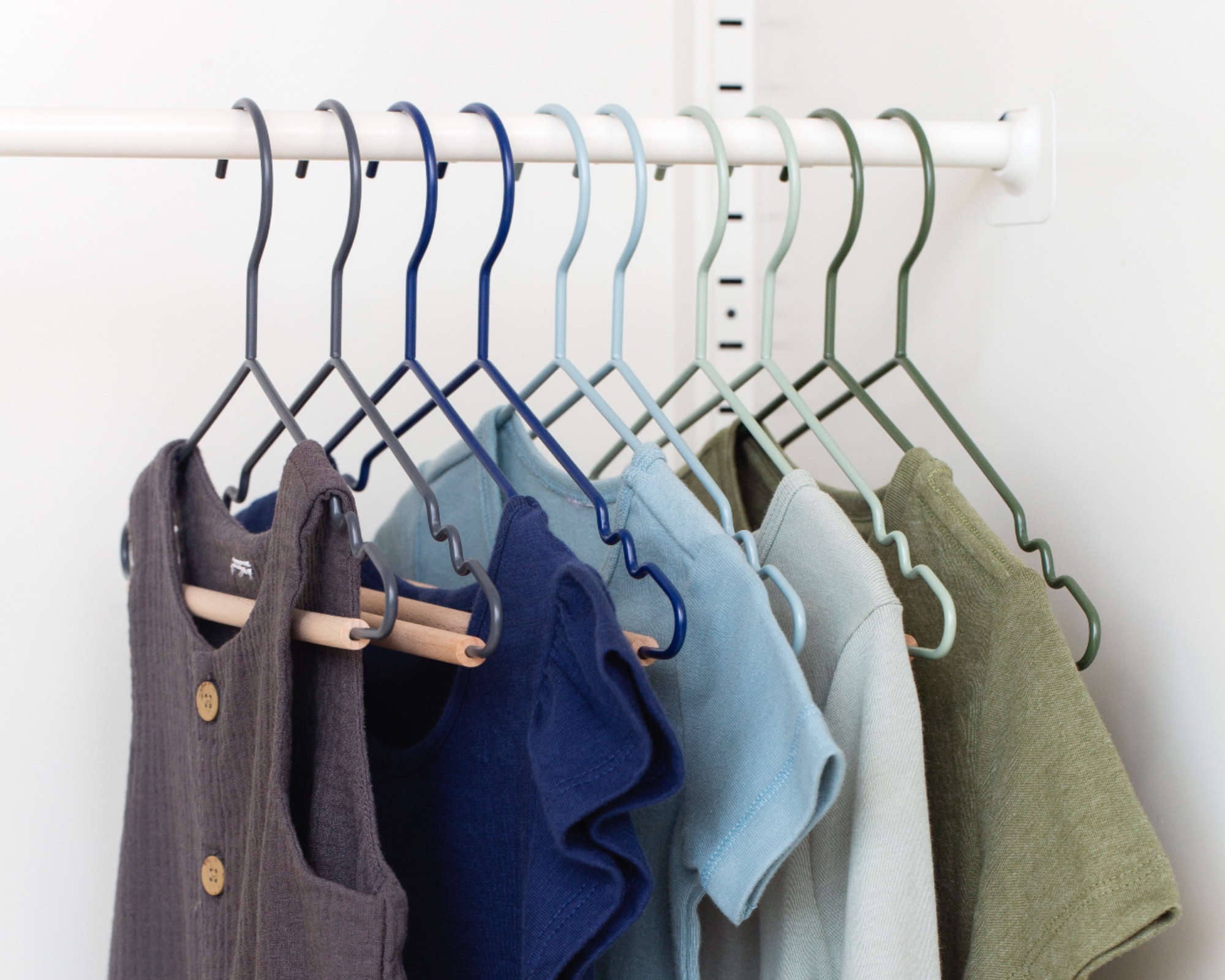
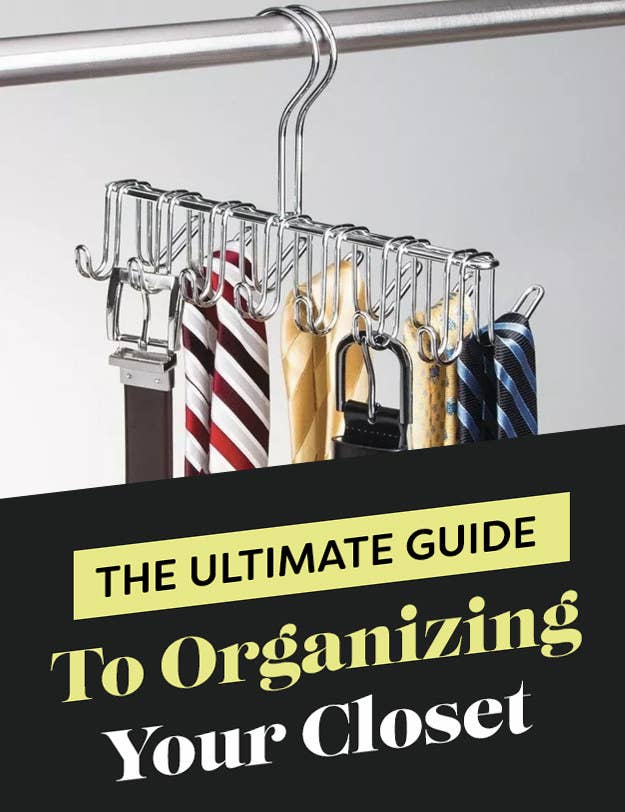
The article concludes by highlighting several key organizational products. These include matching, slim non-slip hangers to maximize hanging space and improve aesthetic appeal; storage bins for shelves to act as makeshift drawers for folded activewear or accessories; shelf dividers to maintain order for folded clothes; under-bed storage for seasonal items; hanging organizers for accessories like scarves and belts; and specialized hat and shoe organizers to keep these items visible and off the floor. These tools collectively contribute to a more organized, functional, and clutter-free closet space.
#ClosetOrganization #HomeOrganization #SpringCleaning #WardrobeManagement #Decluttering #StorageSolutions #Productivity #LifeHacks #ClosetOrganization #HomeOrganization #SpringCleaning #WardrobeManagement #Decluttering #StorageSolutions #Productivity #LifeHacks
0 comment in total
 No comments yet
You may also like
I Bested My Fashion Burnout With These Expert Closet Cleanout Tips
I tried my mom's three-day spring cleaning blitz – and the intensive program makes total sense

Cluttered Closet? These 25 Clever Organizers Will Save You — For Less Than $25 Each
6 Signs It’s Time to Reorganize Your Closet, According to Pro Organizers

How To Organize Your Messy, Crowded Closet

If You Didn’t Clean And Organize Your Closet For The New Year, Spring Is The Perfect Time To Do It — These 19 Products Will Help


I Asked a Pro Organizer for Spring Cleaning Tips—Here Were Their 7 Genius Ideas


6 warning signs it is time to quickly reorganize your closet and make stressful mornings easy to navigate again
Spring Cleaning Checklist: A Room-by-Room Cleaning Guide

Get your closets and laundry room in shape for spring & summer!

Spring-Cleaning Checklist 2022 - TODAY
Expert tips for organizing a closet and maximizing storage space

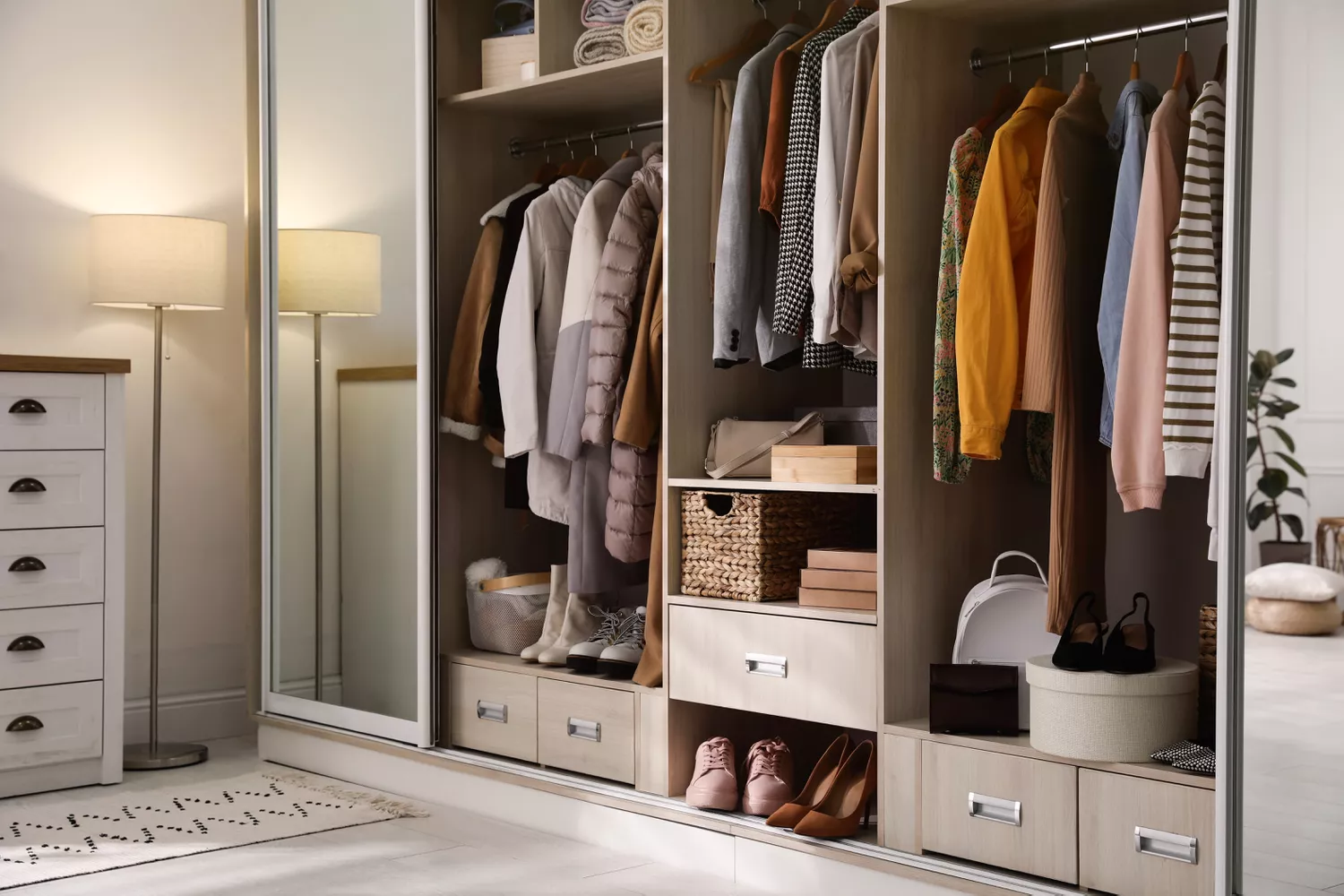
How to Organize Your Closet in 6 Easy Steps
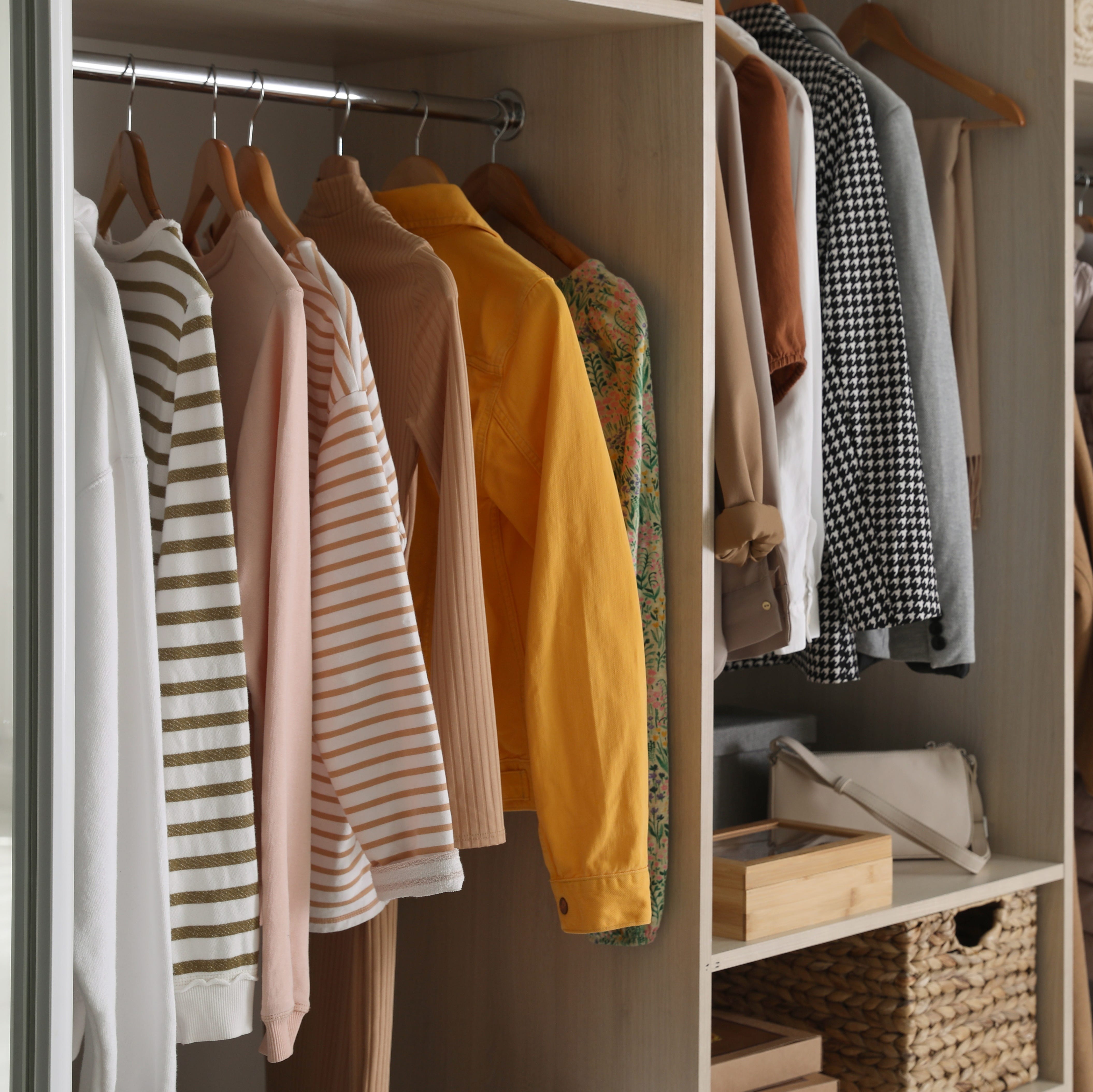
Never Make These Closet Organization Mistakes, Warn Experts


16 best wardrobe storage ideas for your spring clean closet refresh

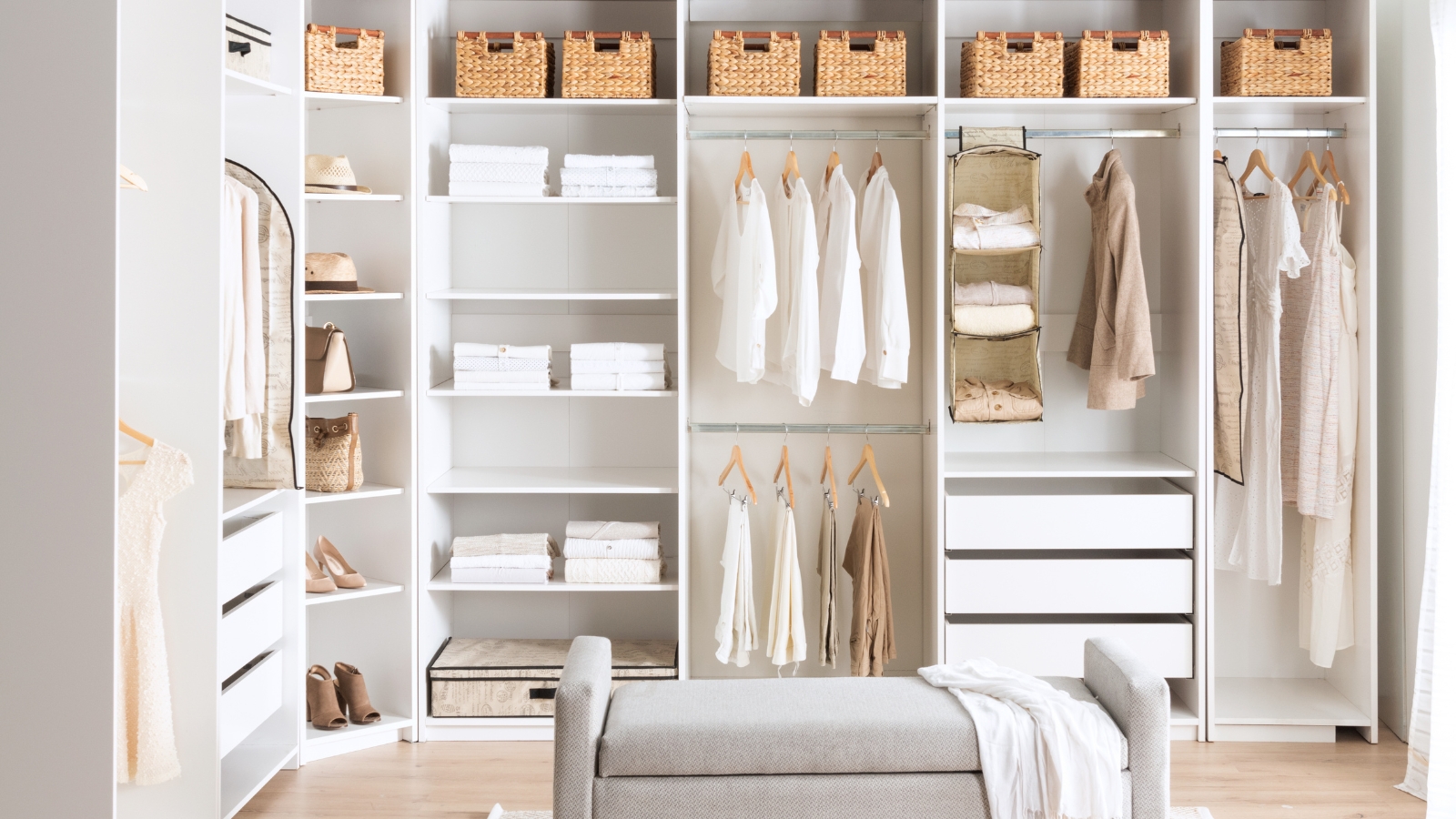
7 things the most organized people have in their closets – and what they always do first
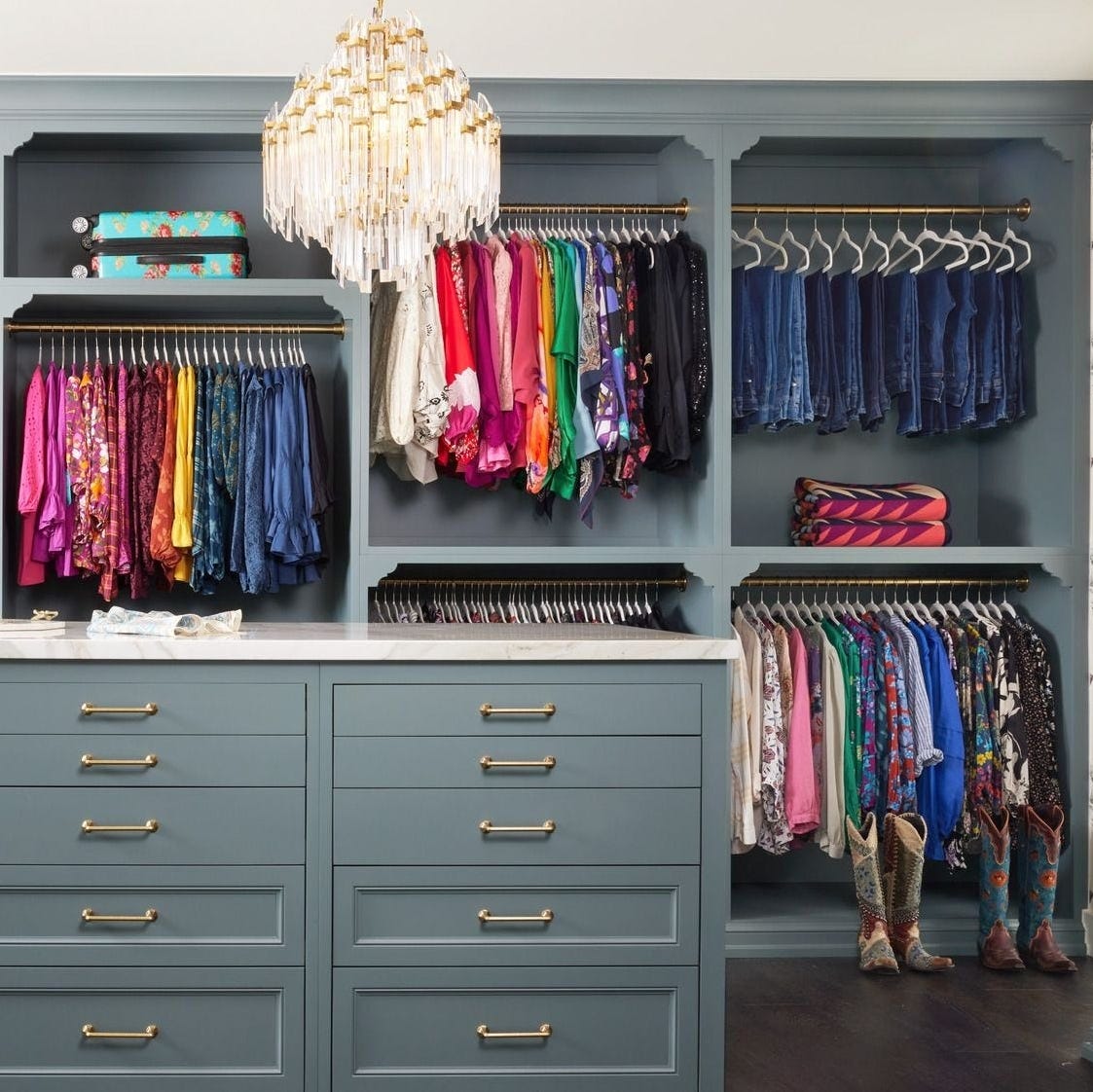
It's Officially Time to Refresh Your Closet for Spring

The best ways to organize your closet, according to a pro
10 Clever Ways to Organize a Small Laundry Room

35 Tips That'll Finally Organize Your Closet Once And For All