1/17
7 things the most organized people have in their closets – and what they always do first
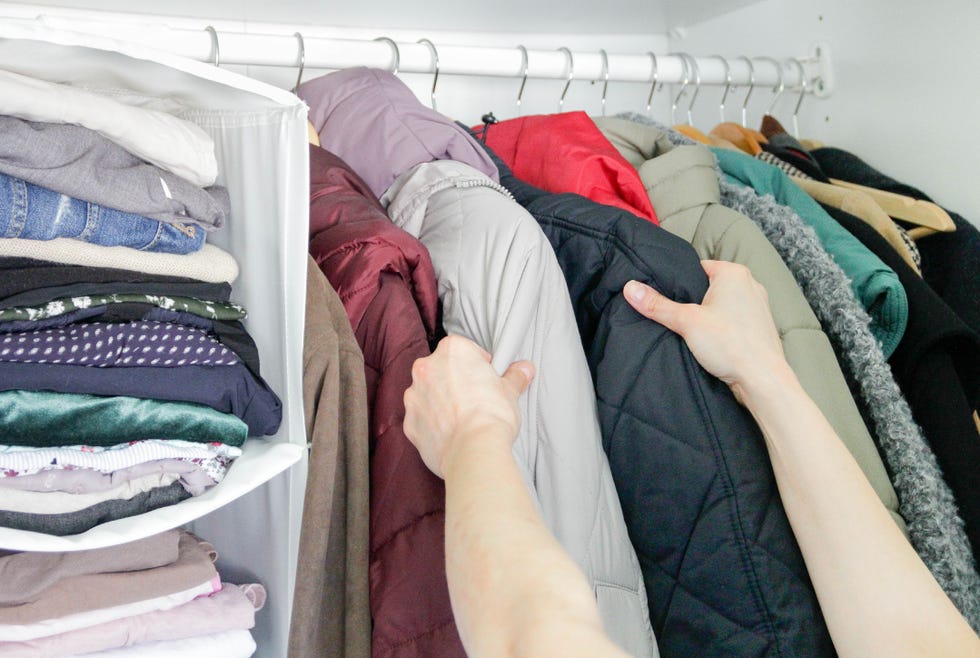
The article discusses seven essential items and practices that highly organized individuals utilize to maintain a tidy and efficient closet. The initial and most crucial step in achieving an organized closet is decluttering. This involves systematically reviewing all clothing, footwear, and accessories, and promptly removing any items that have not been worn within the last 6-12 months. This process extends to items held onto with sentimental attachment or the expectation of future use, encouraging a realistic assessment of their practical value and promoting donation, selling, or recycling of unused articles. Professional organizers also recommend scrutinizing accessories for relevance and personal taste.
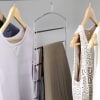
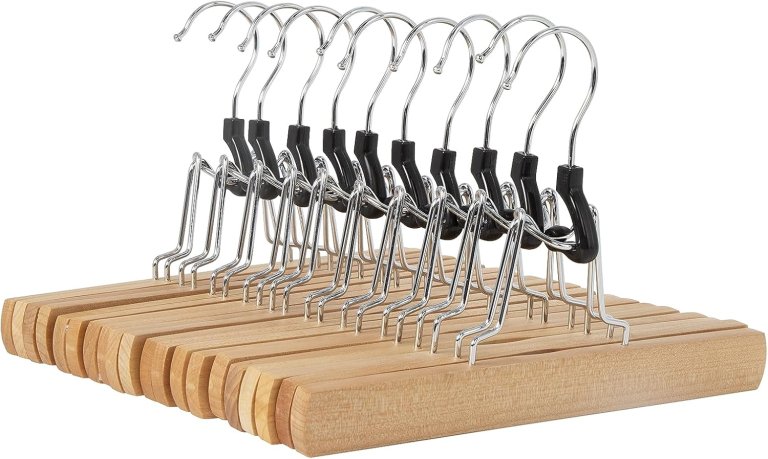
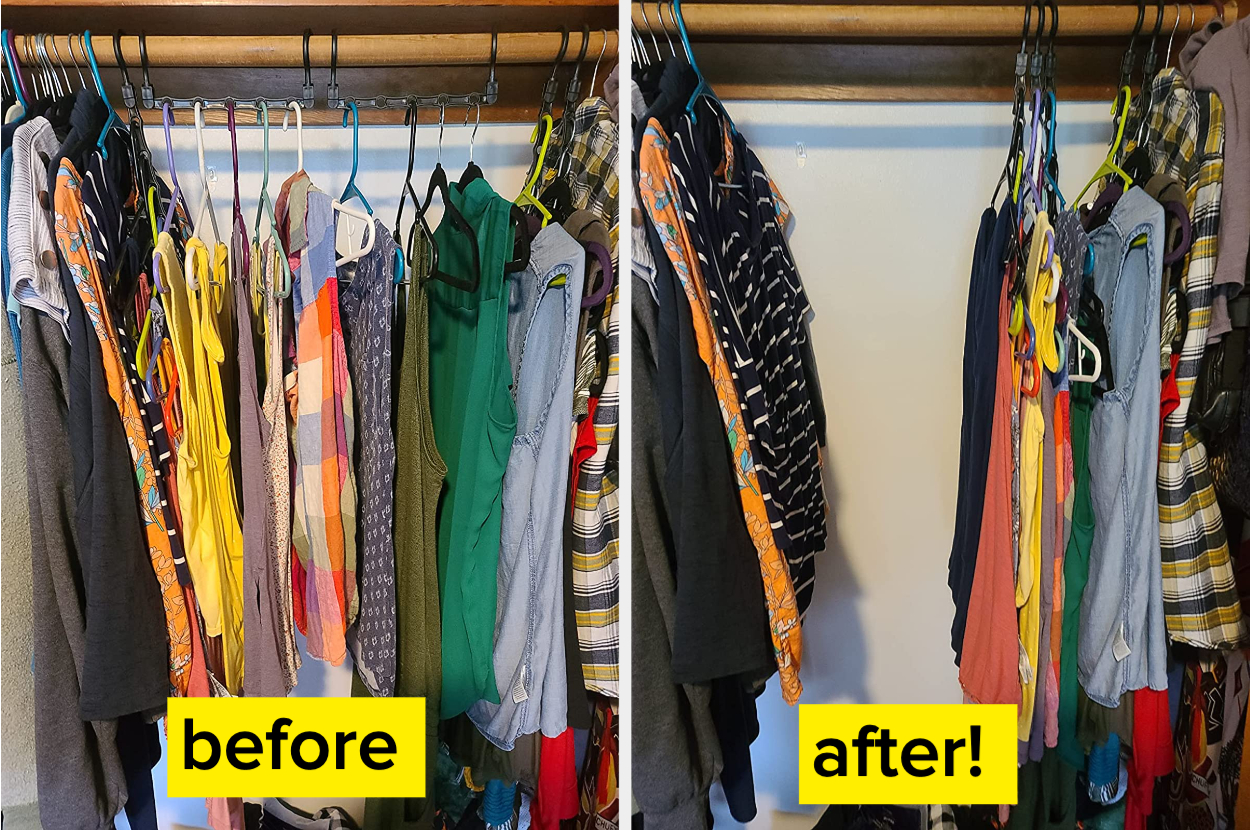
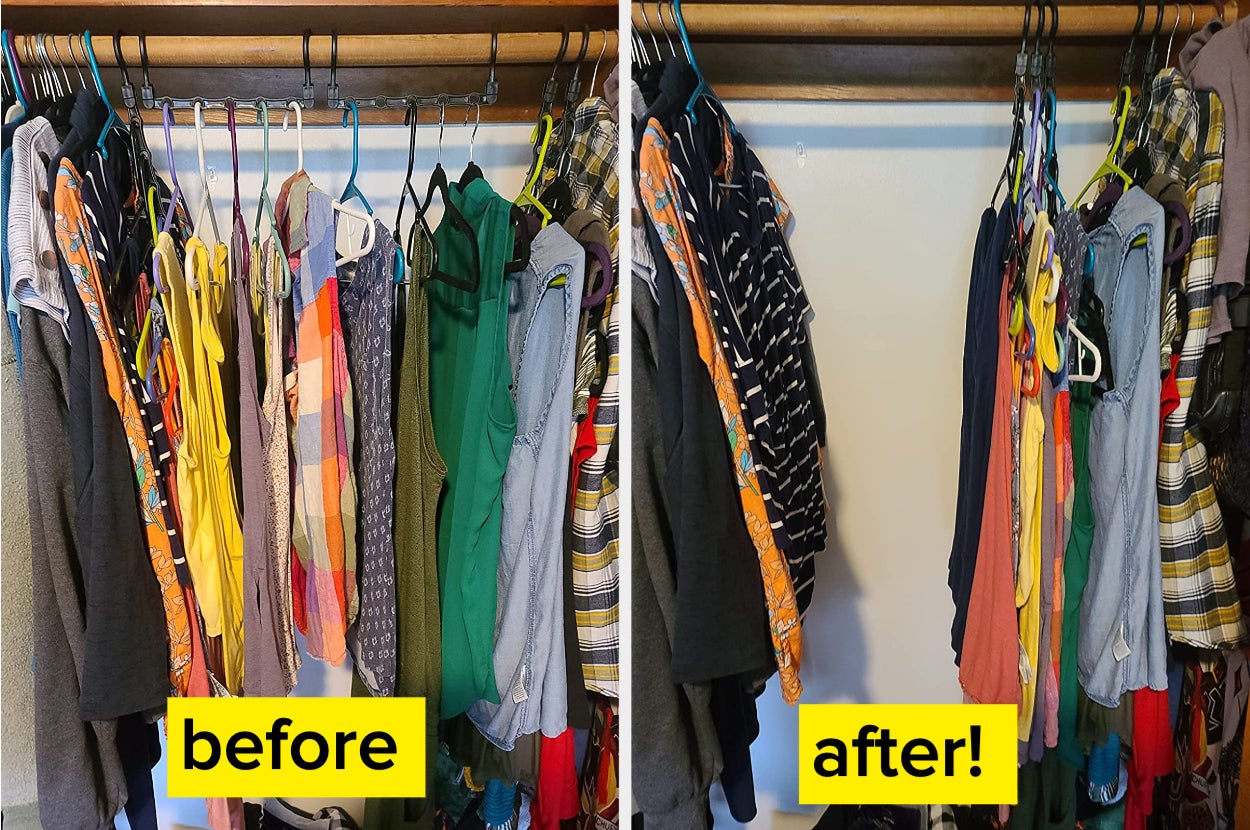
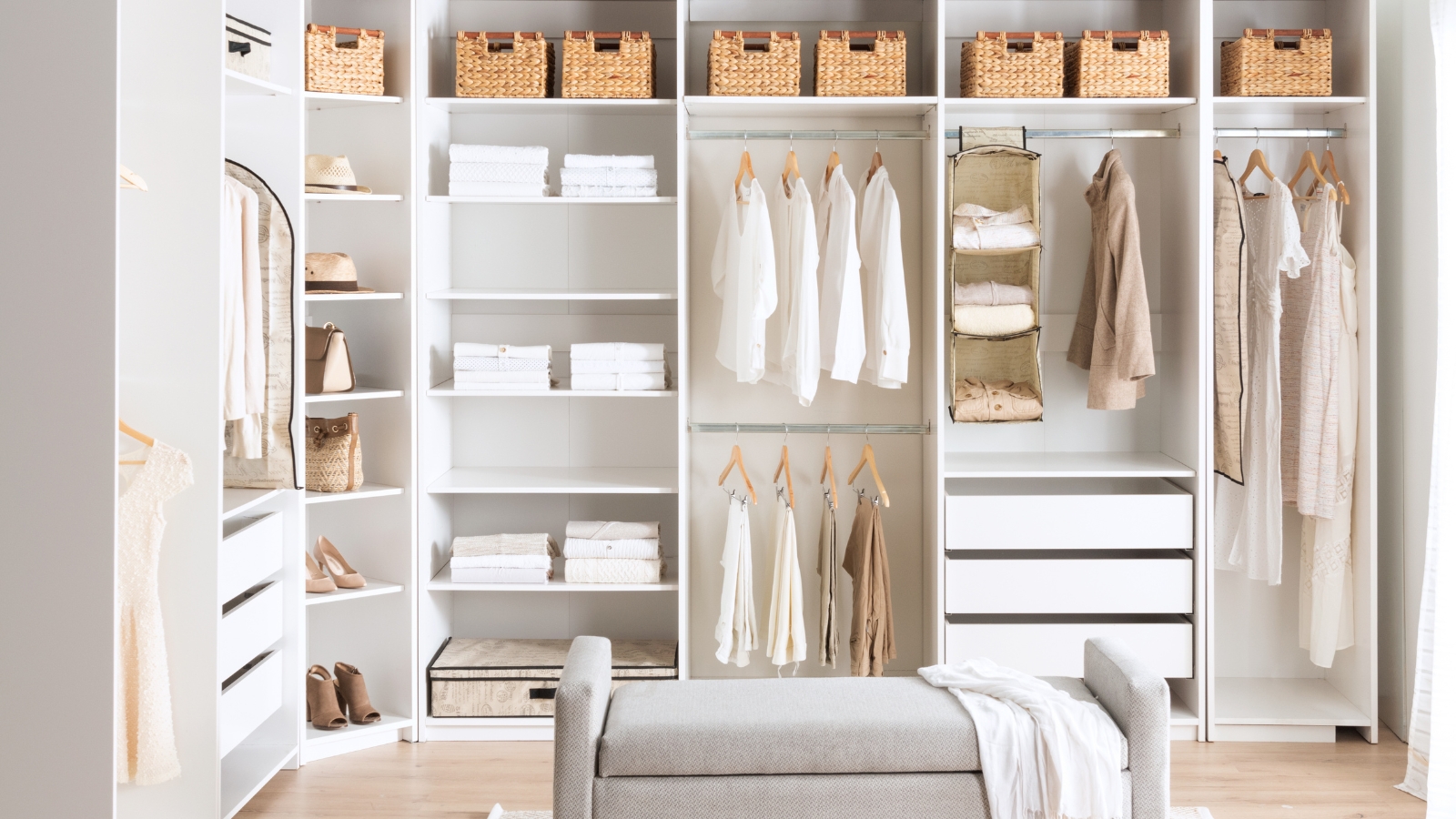
Following decluttering, the selection of appropriate hangers significantly impacts both the functionality and visual appeal of a closet. Uniform, slimline hangers, such as velvet options, are recommended for their space-saving properties and ability to create a streamlined look. These types of hangers also prevent damage to delicate fabrics, unlike wire hangers. Maximizing hanging space is crucial for visibility and accessibility of clothing. For smaller closets or limited hanging options, alternative methods like children's hangers for adult garments or creative solutions such as coffee mug hanger tricks are suggested.
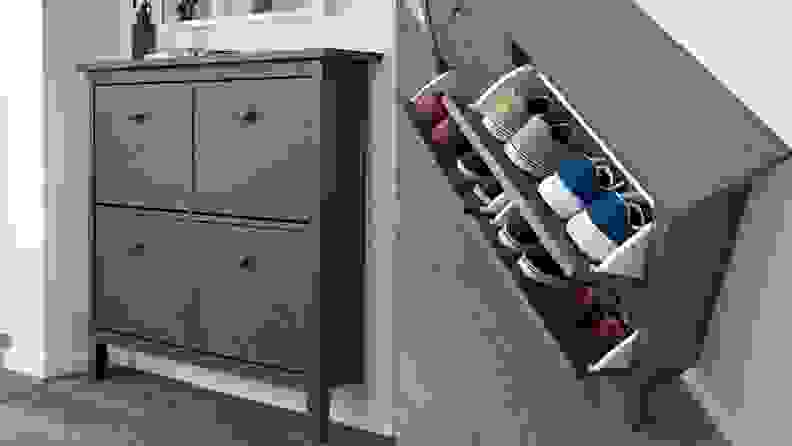
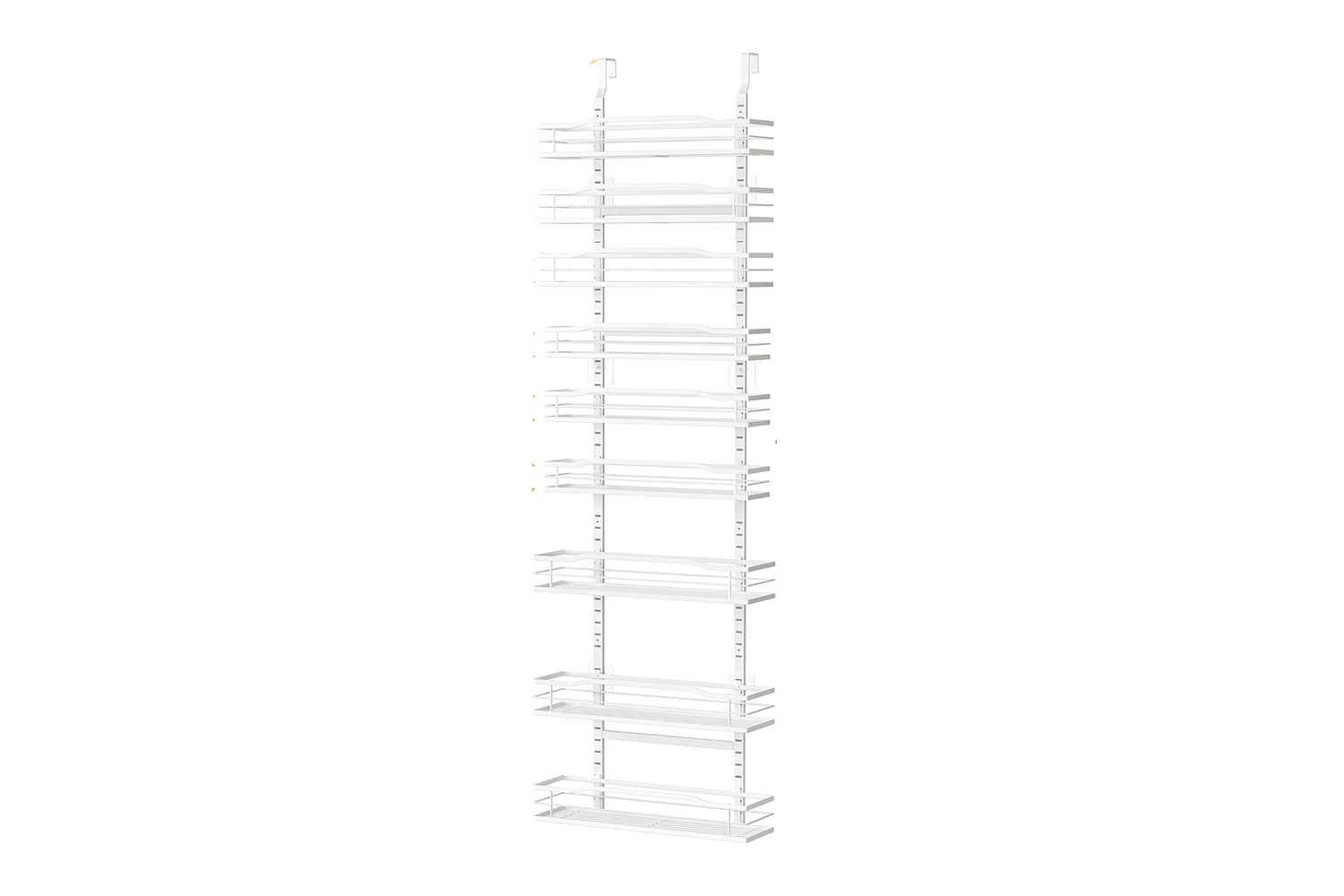
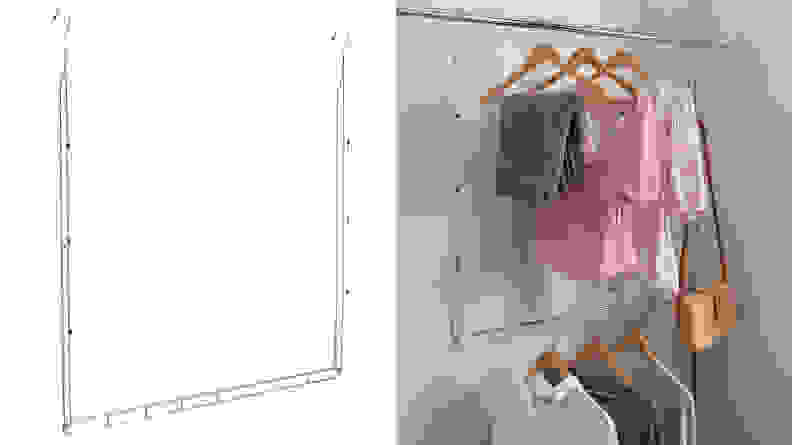
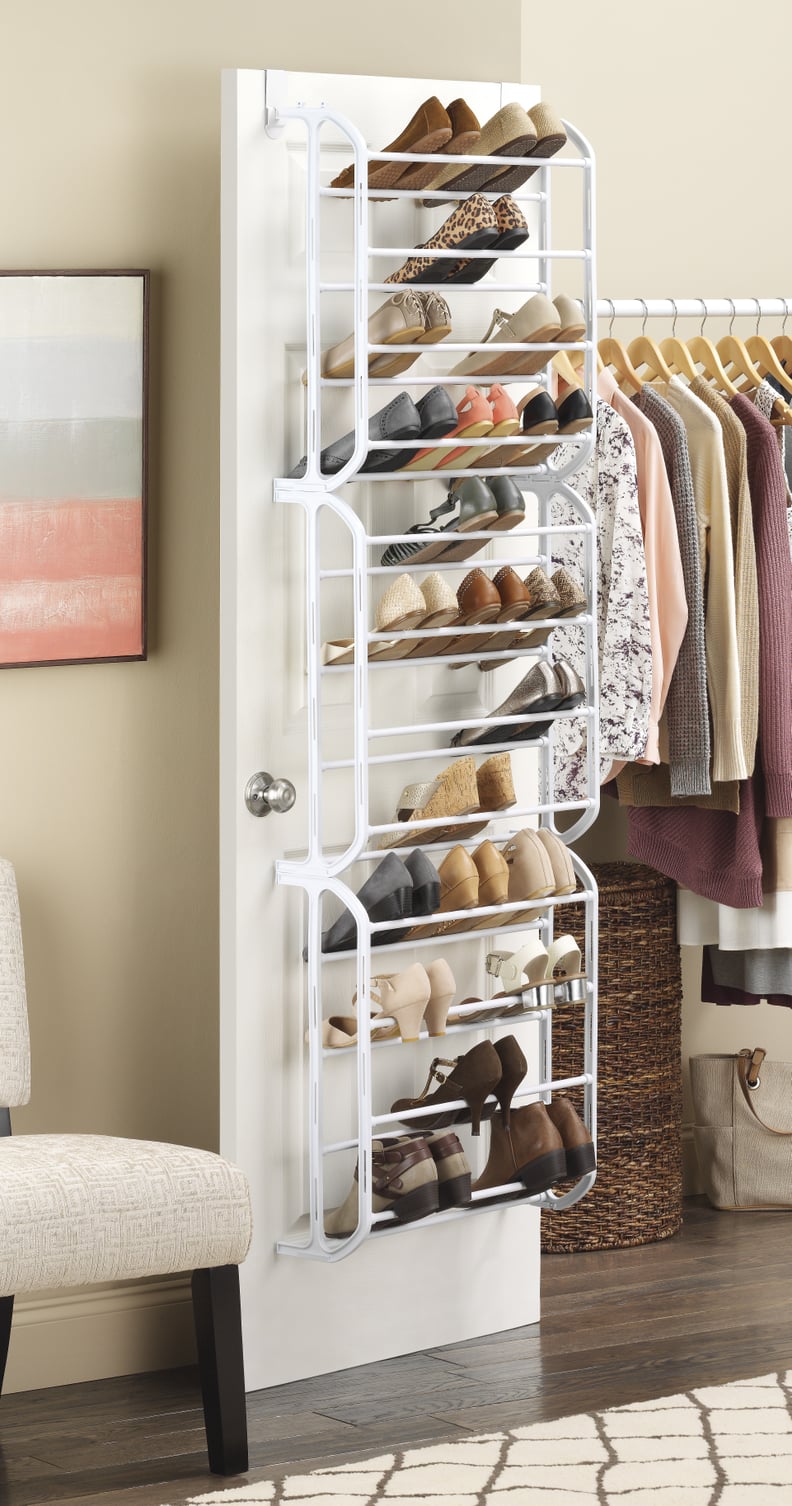
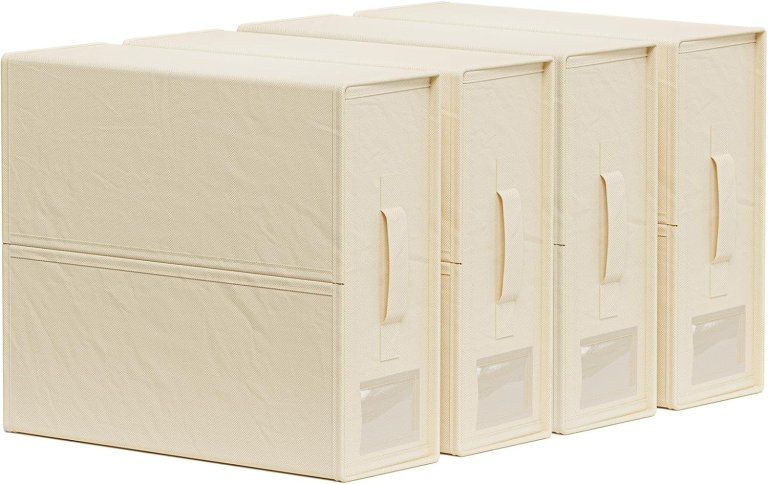
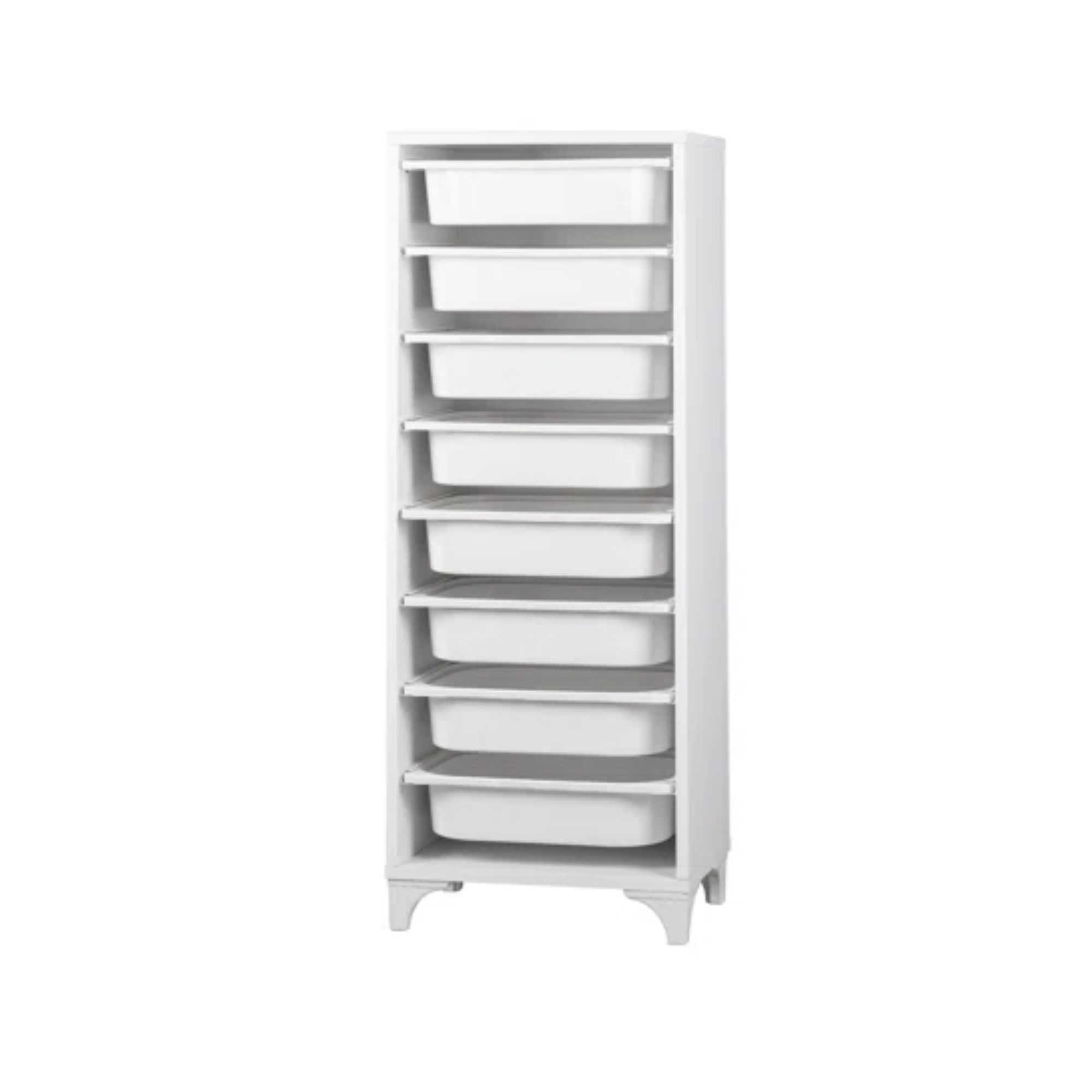
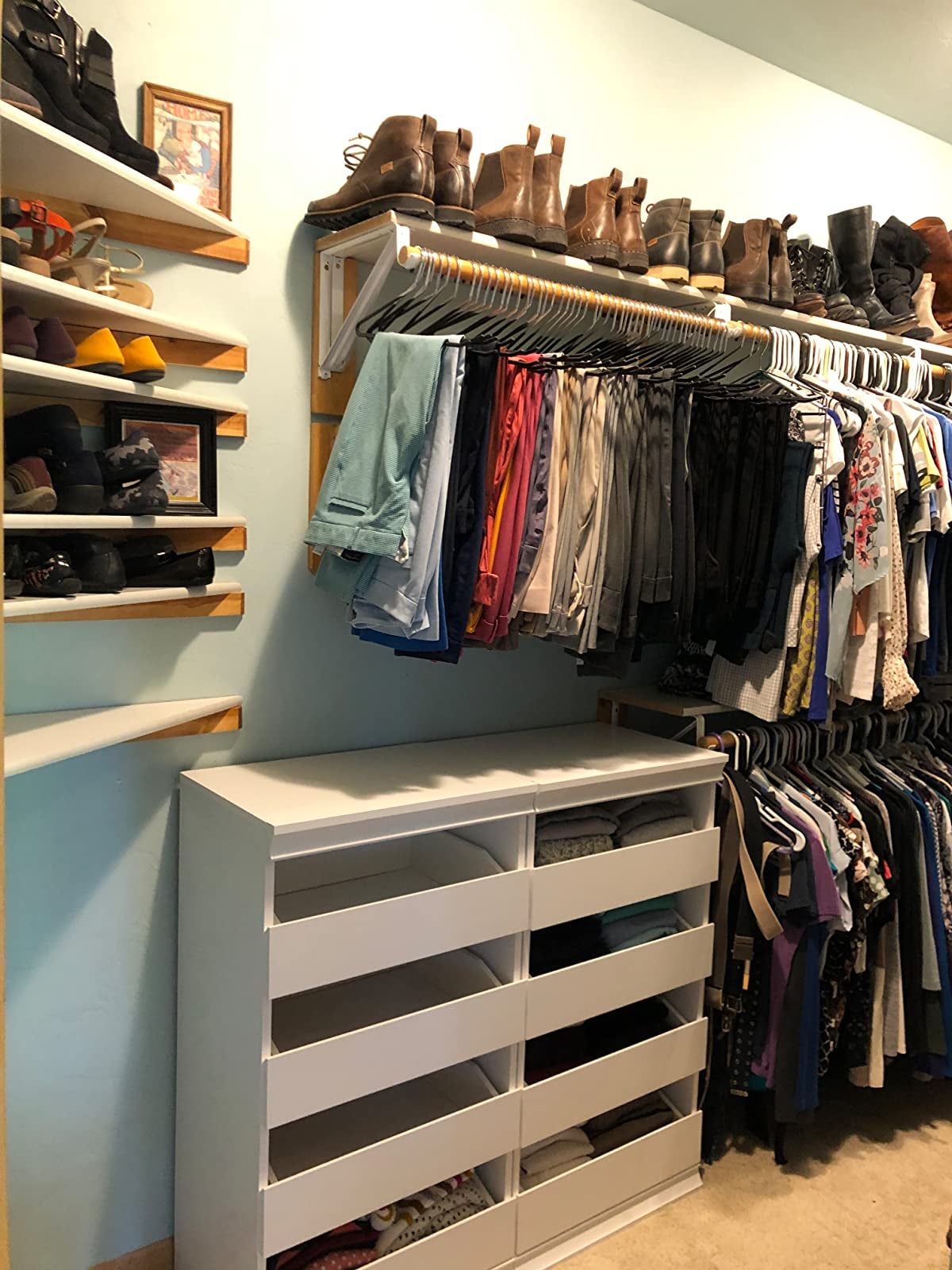
Shoe storage is another critical aspect addressed, with tiered shoe racks identified as a valuable space-saving solution. These can be integrated into closet designs or purchased as standalone units. Over-the-door organizers are also effective for smaller closets, capable of holding not only shoes but also scarves and other small accessories. The article emphasizes checking dimensions to ensure shoe racks do not obstruct doors or clothing. It also highlights stackable and portable shoe storage options for their versatility and capacity to accommodate various shoe sizes.
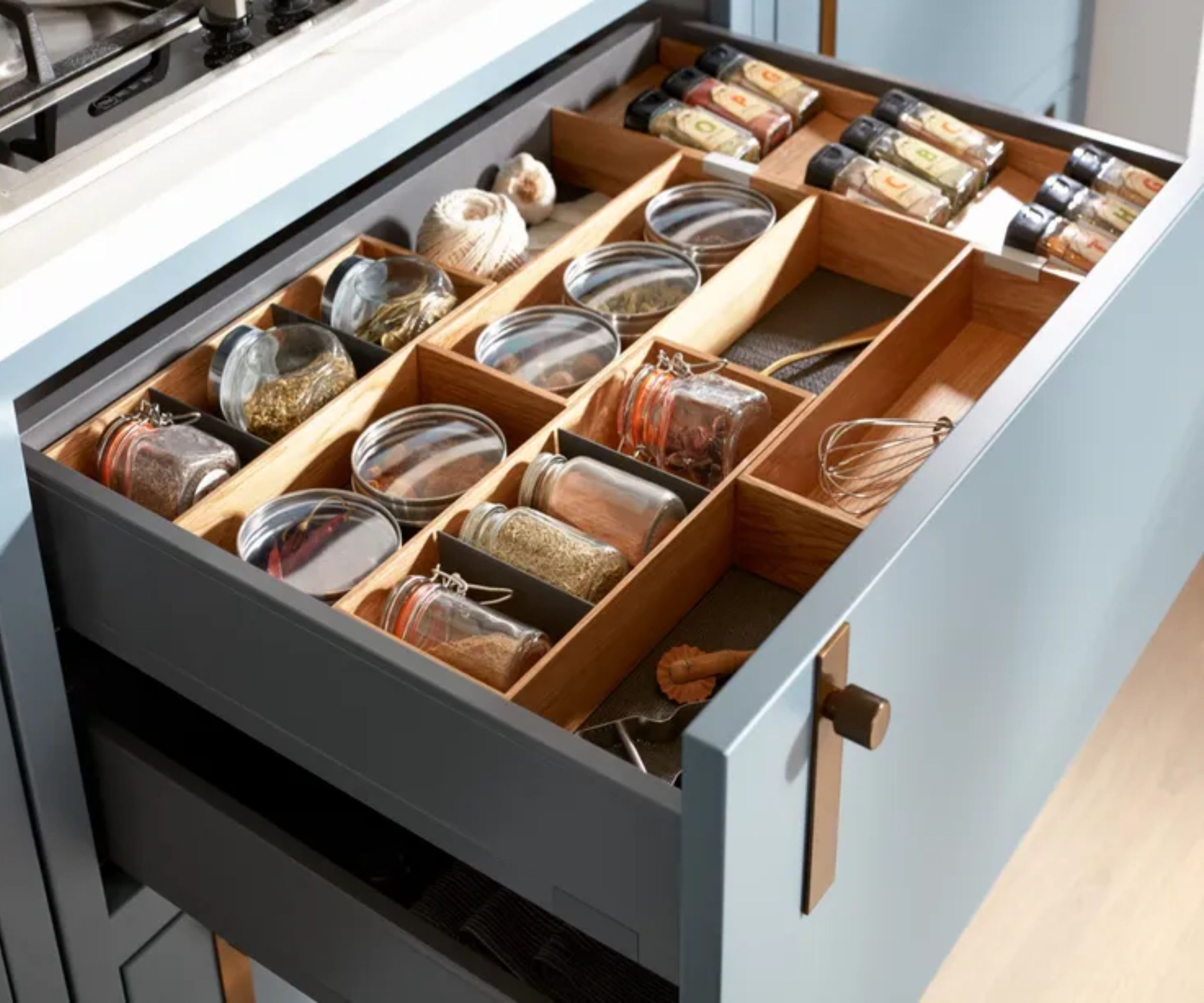
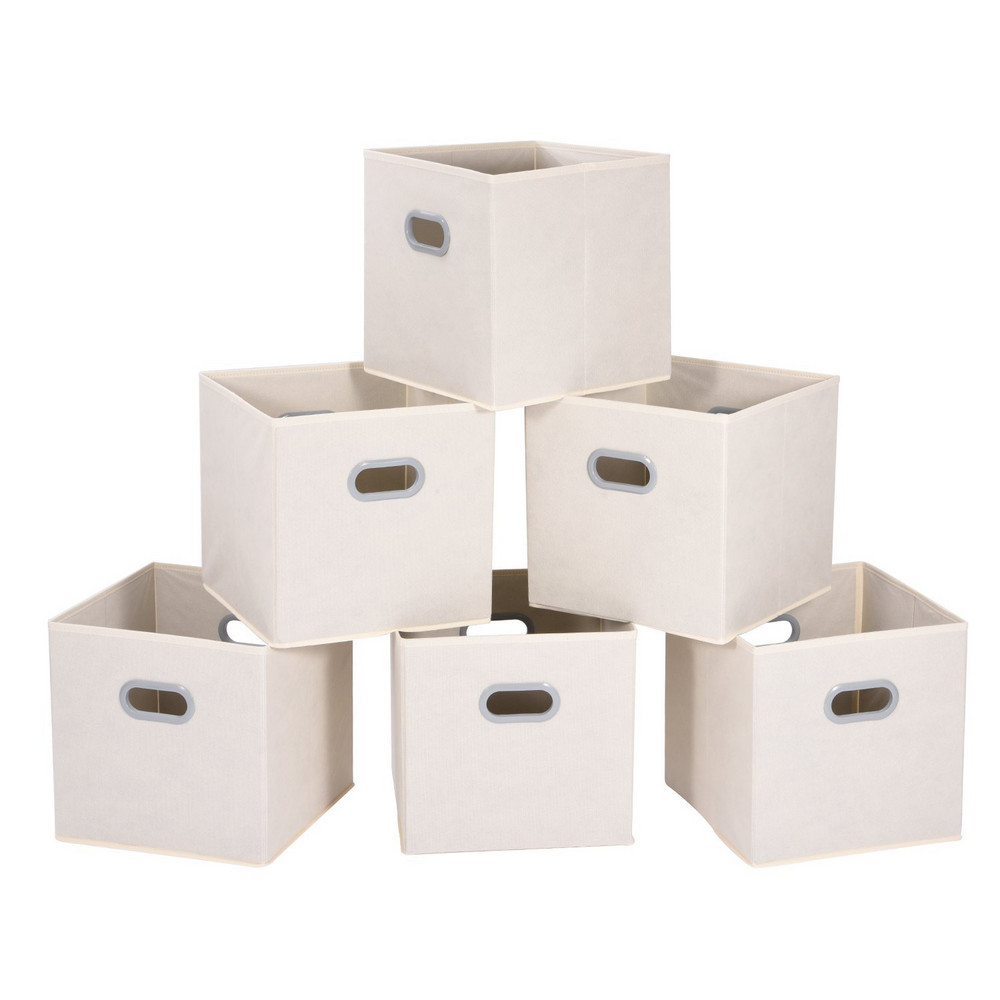
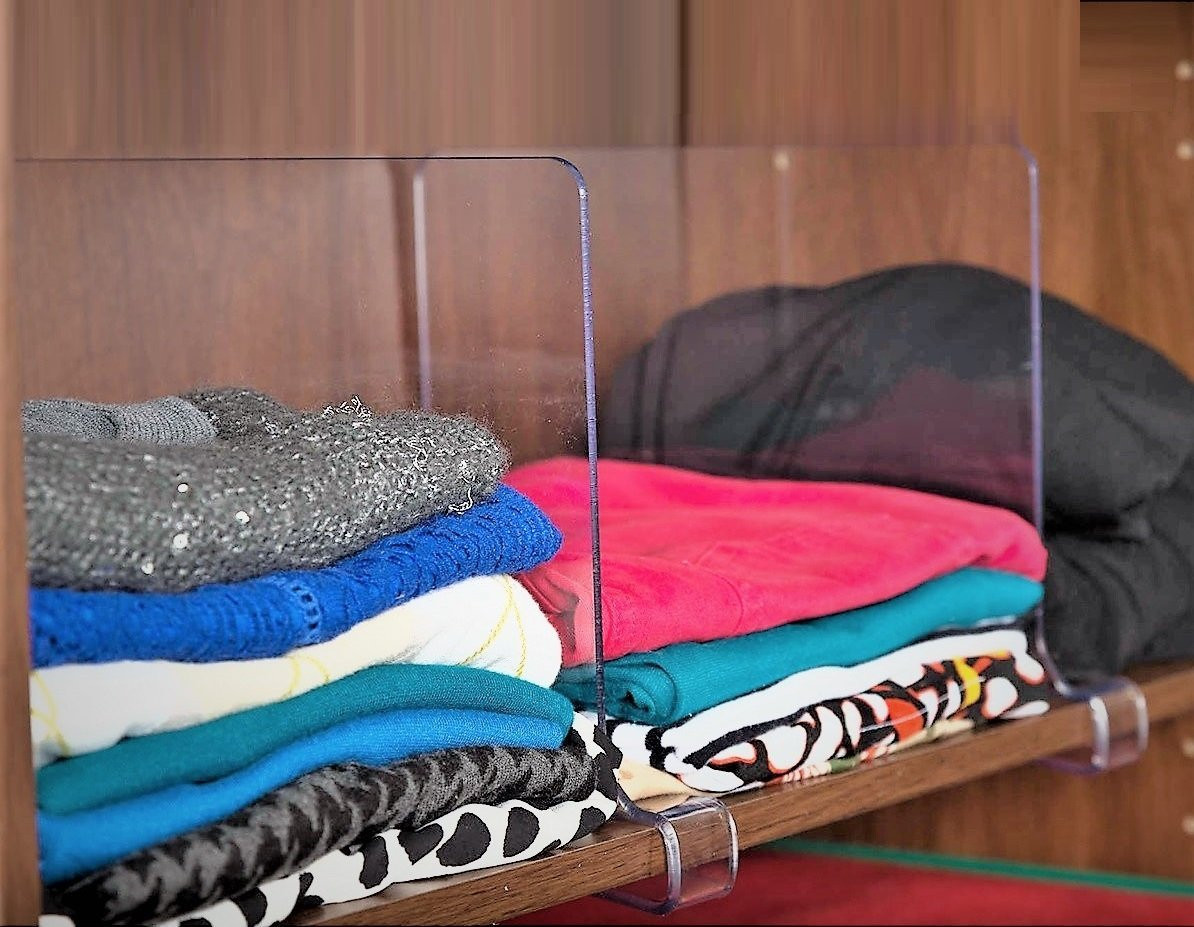
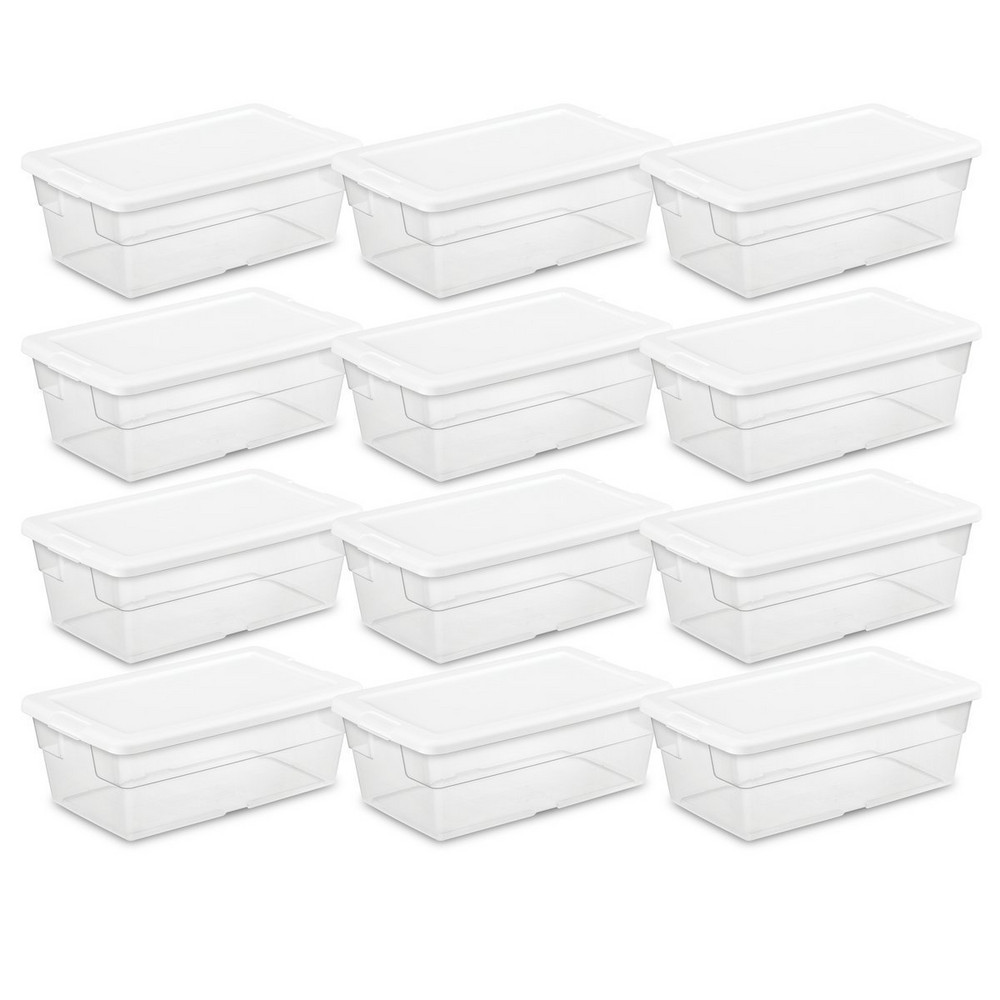
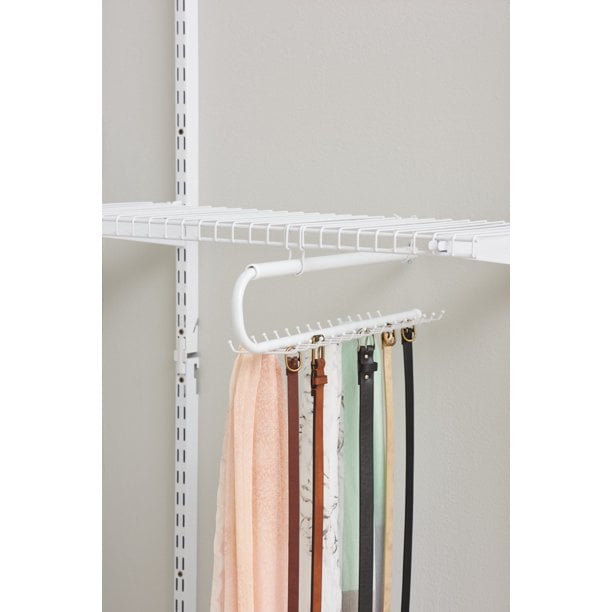
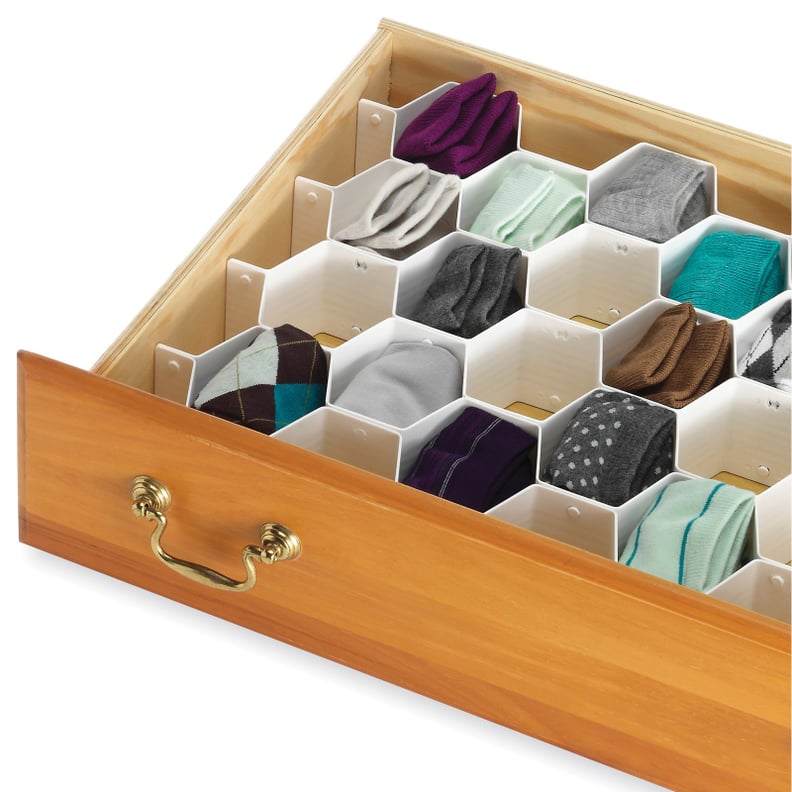
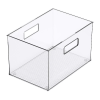
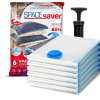
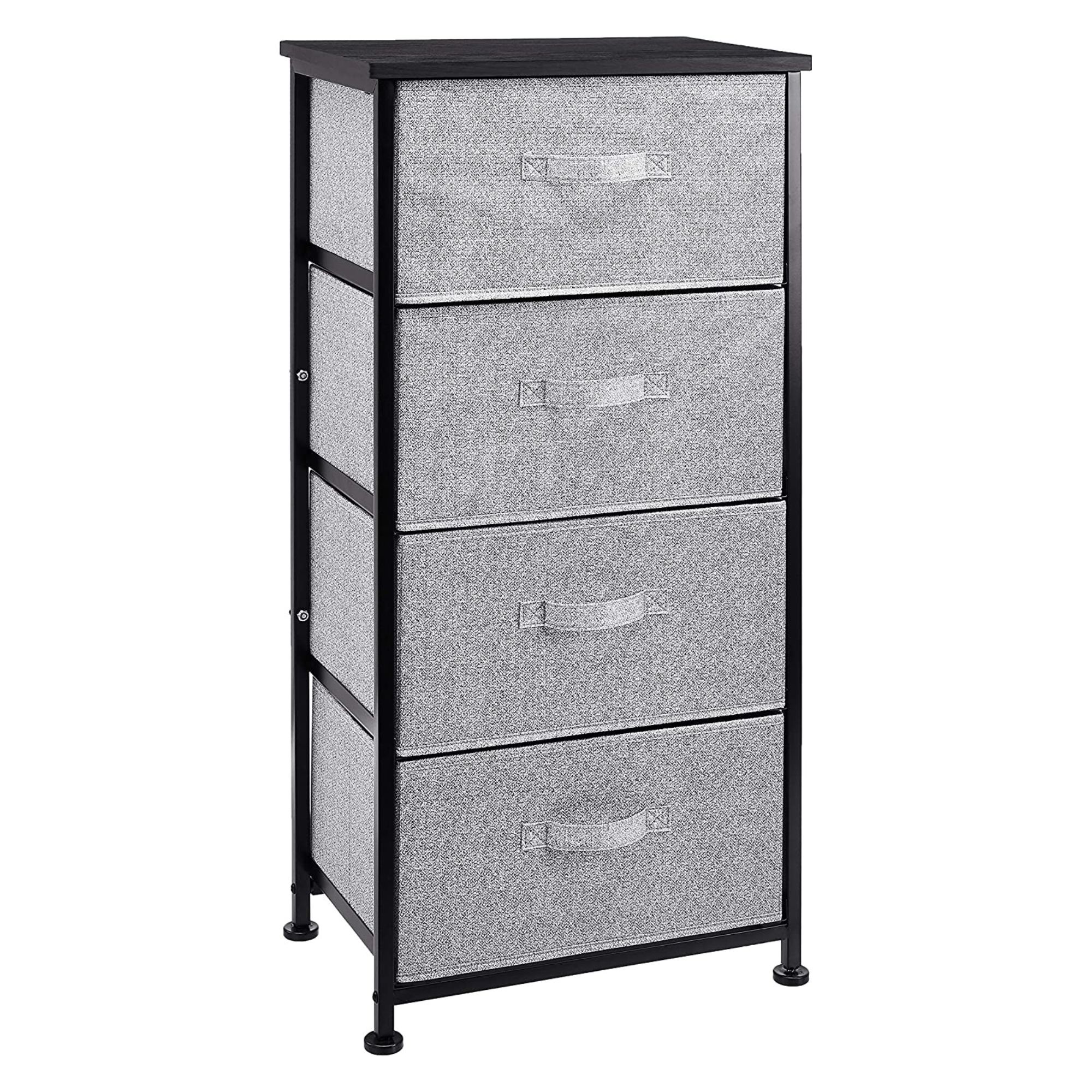
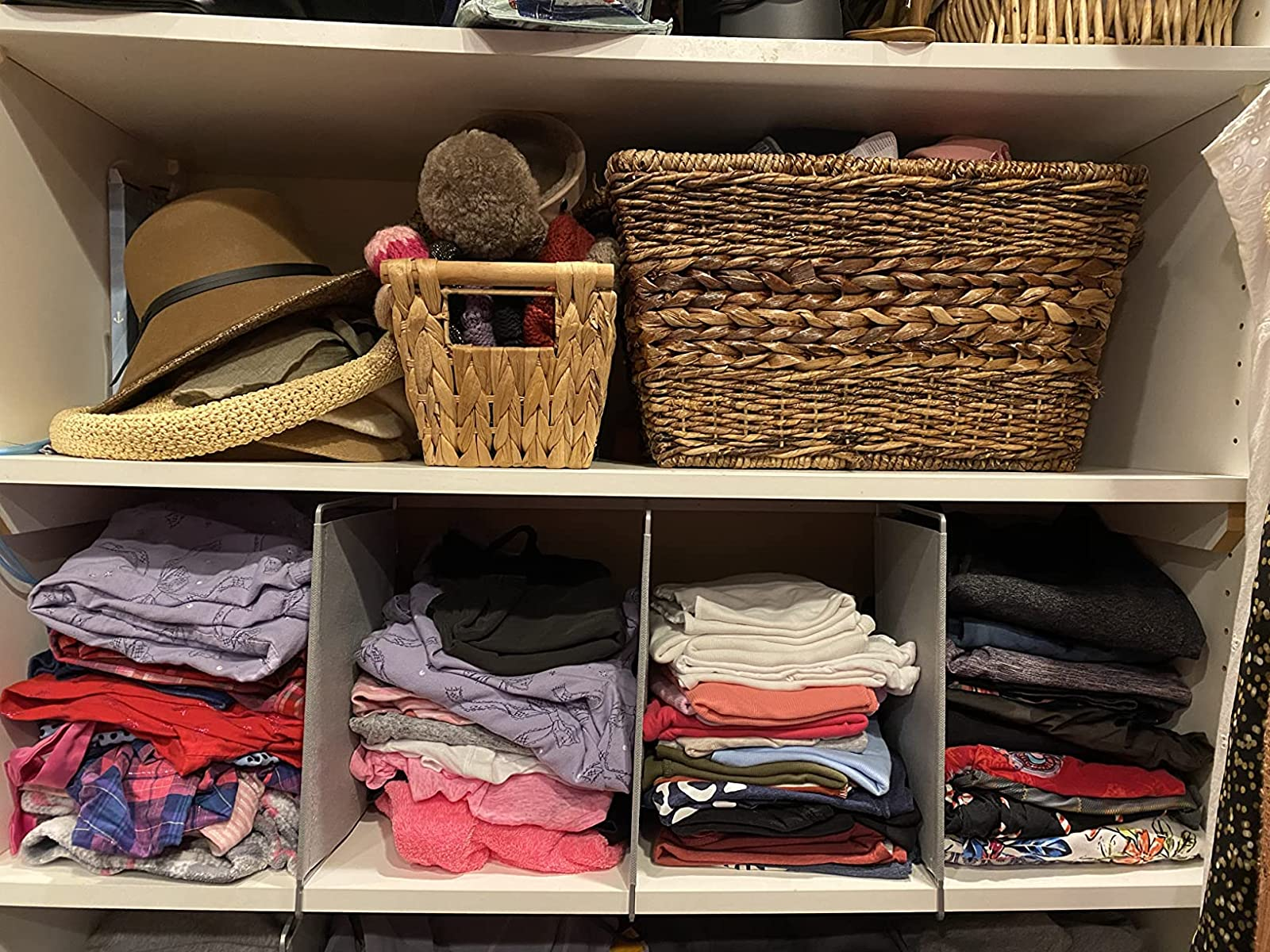
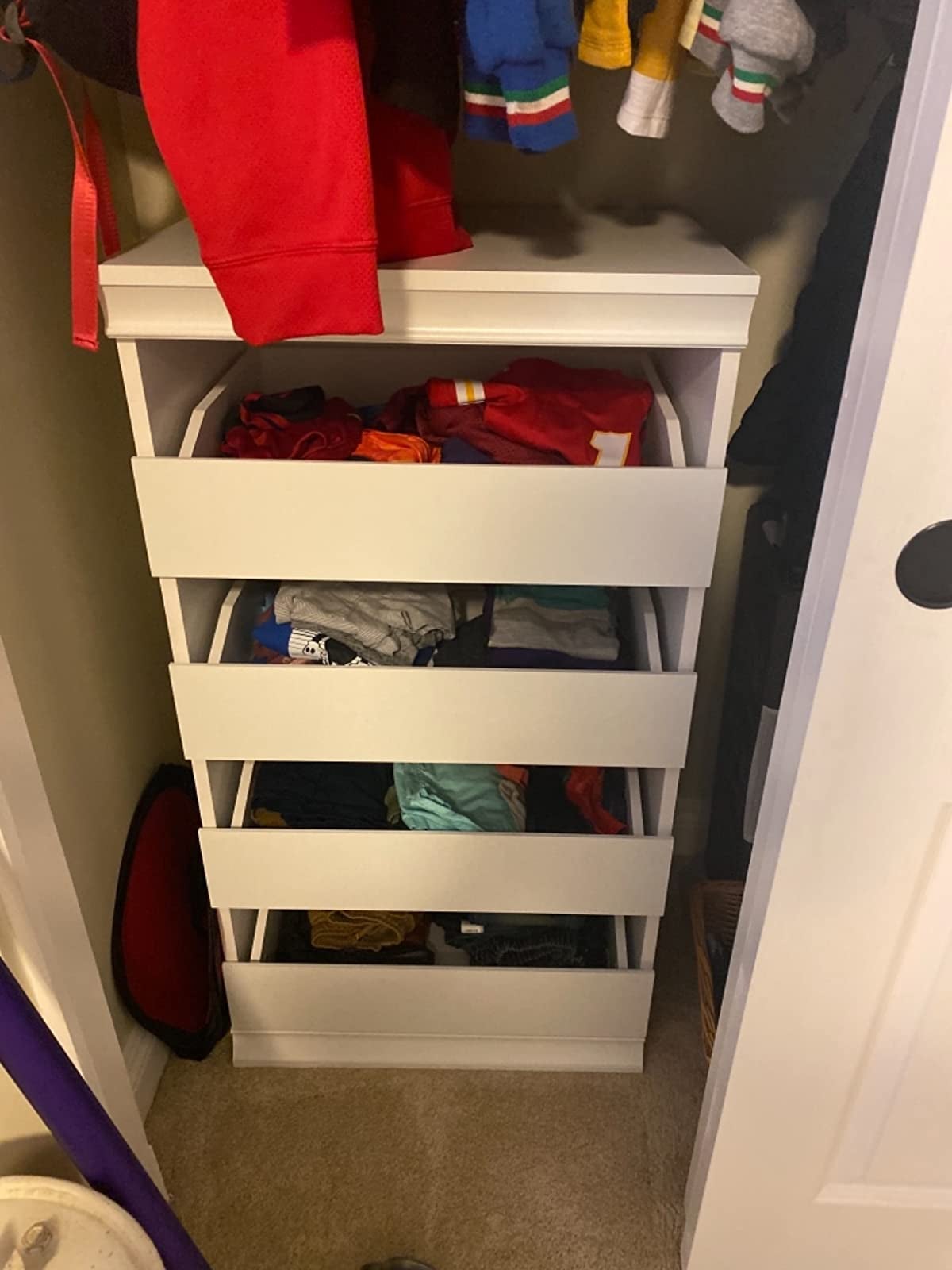
Drawer dividers are presented as essential for organizing smaller items such as socks, ties, and belts, helping to maintain order and facilitate quick access. Adjustable fabric or bamboo dividers allow for customization, preventing items from becoming mixed or lost. Effective drawer organization, such as implementing specific hacks for socks, contributes to long-term closet neatness and ease of maintenance. The importance of seasonal clothing rotation is stressed, advising the removal of out-of-season garments and their storage in labeled bins or vacuum-sealed bags elsewhere in the home, such as on high shelves or under beds. This practice frees up closet space for current attire and prevents clothes from being damaged by inappropriate storage conditions.
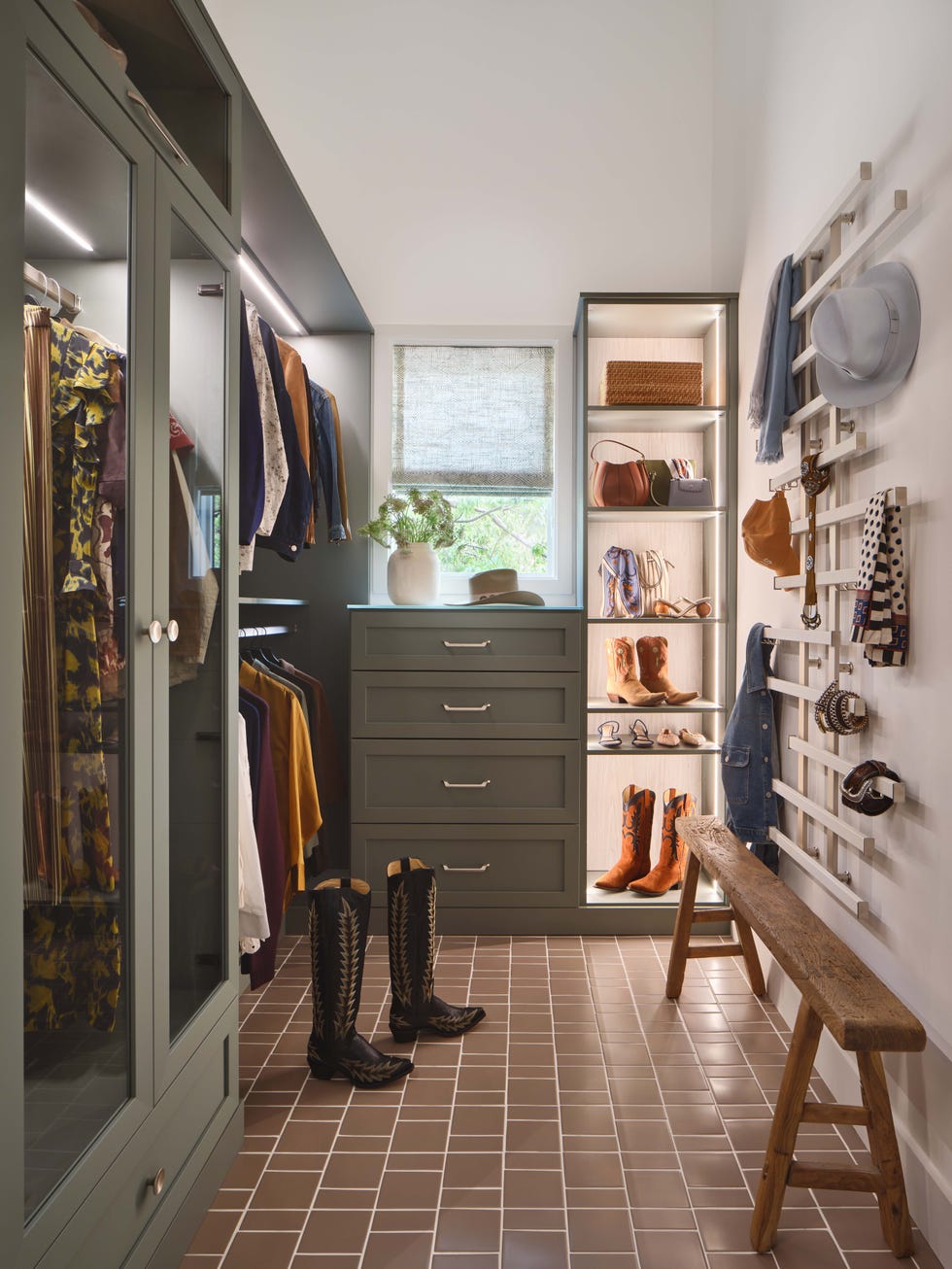
Jewelry organization is often overlooked but is a vital component of a well-ordered closet. Dedicated storage solutions like velvet trays or hooks inside closet doors prevent tangling, damage, and loss of jewelry. Rolling carts with mesh baskets are also recommended for storing various accessories, offering both mobility and visibility. Lastly, investing in good lighting is presented as an indispensable element for any closet. LED strip lights or motion-sensor options are suggested to ensure adequate illumination, particularly in dark corners or during early mornings, enhancing the practicality and overall user experience of the closet. The article concludes by reiterating that an organized closet is less about size or fancy tools, and more about establishing a functional system tailored to individual needs.
#ClosetOrganization #Decluttering #HomeStorage #InteriorDesign #OrganizationalTips #SpaceSaving #WardrobeManagement #ClosetOrganization #Decluttering #HomeStorage #InteriorDesign #OrganizationalTips #SpaceSaving #WardrobeManagement
0 comment in total
 No comments yet
You may also like
5 things people with organized drawers always have – according to professional organizers
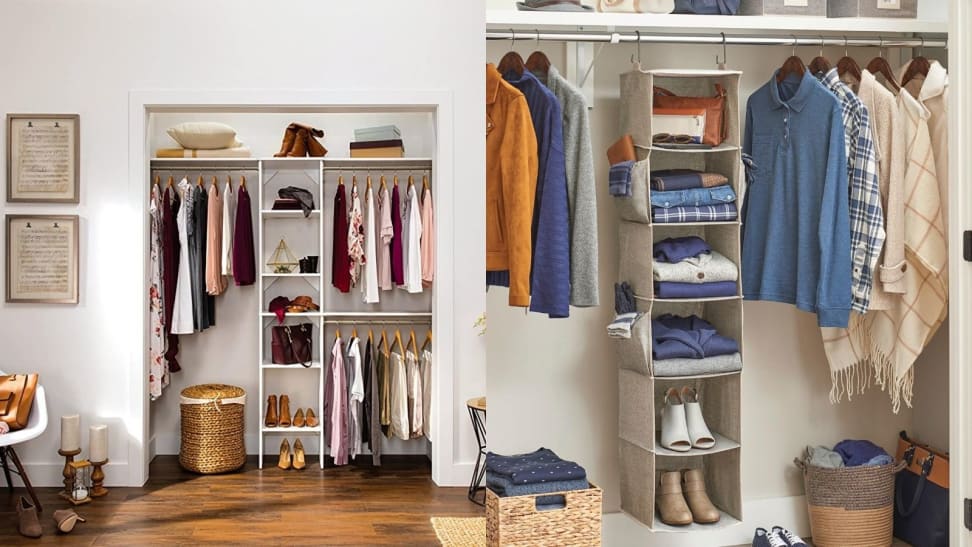
12 must-have products to keep your closet organized

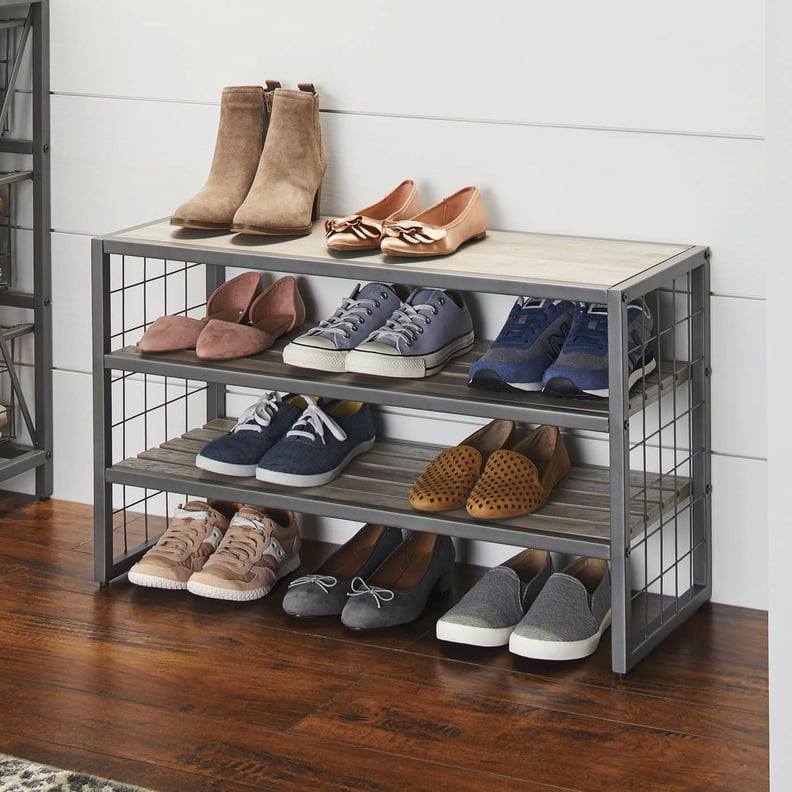
17 Closet Organizers So Clever, You'll Wonder How You Ever Functioned Without Them
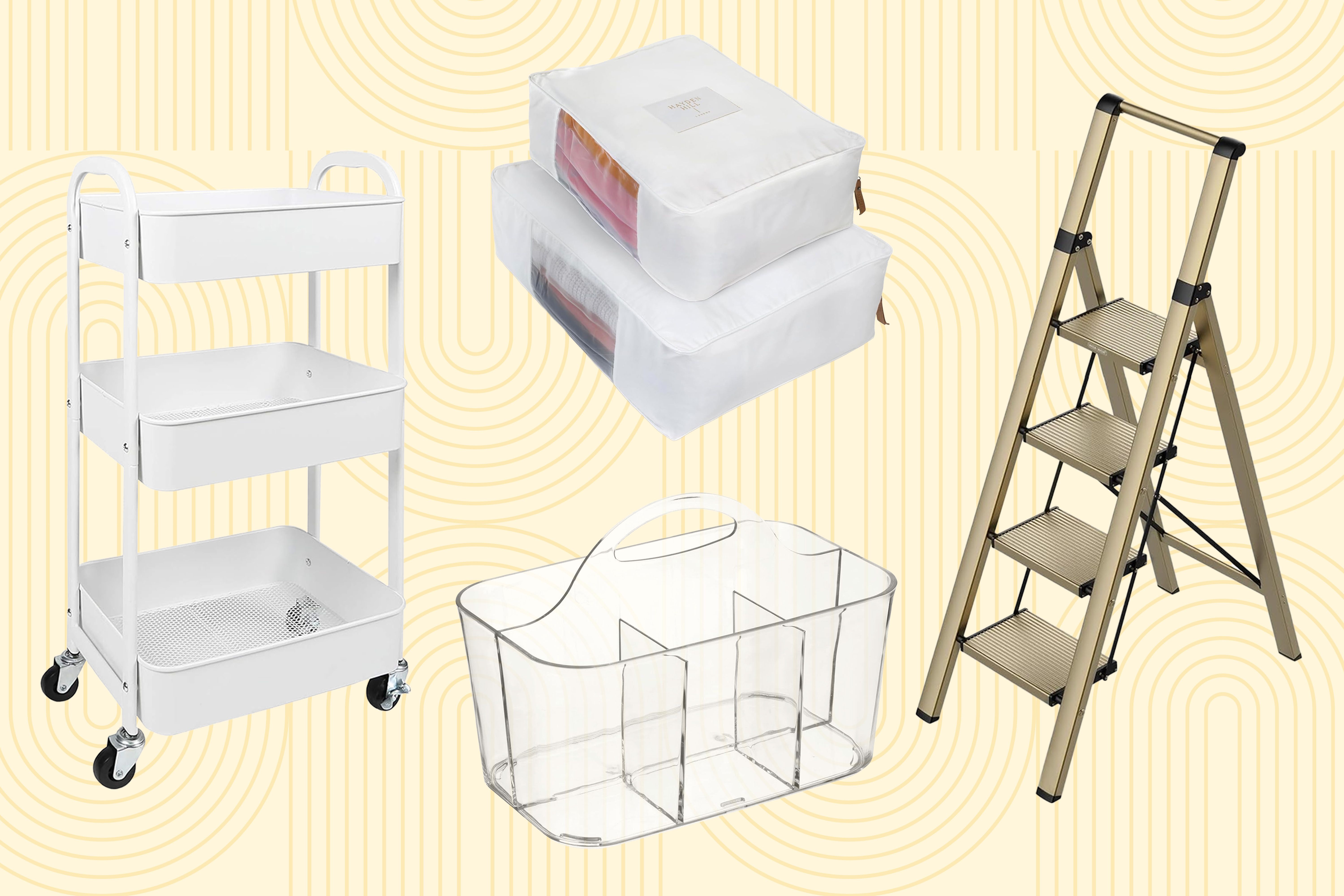
13 Professional Organizer-Approved Hacks for Managing Closet Clutter—and Keeping It Tidy 24/7

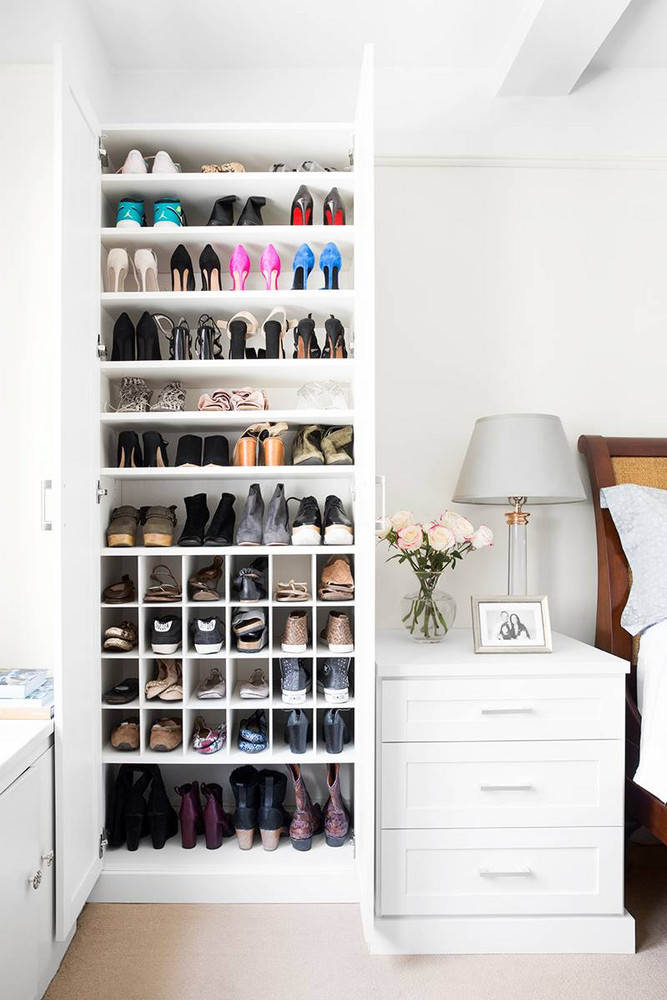
10 Must-Haves For an Organized Closet

Professional Organizers Use These 7 Products to Keep Their Pantries Beautifully Tidy

35 Tips That'll Finally Organize Your Closet Once And For All

17 Of The Best Closet Organizers To Keep Pesky Clutter Out Of Your House
7 things people with organized kitchen pantries always do
13 Secrets Only Professional Closet Organizers Know
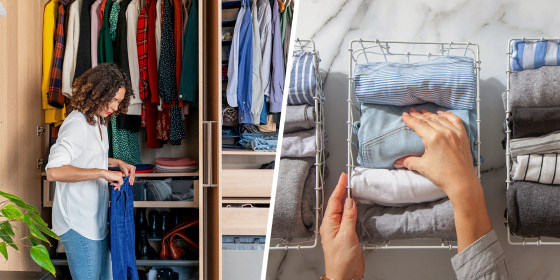
The best ways to organize your closet, according to a pro

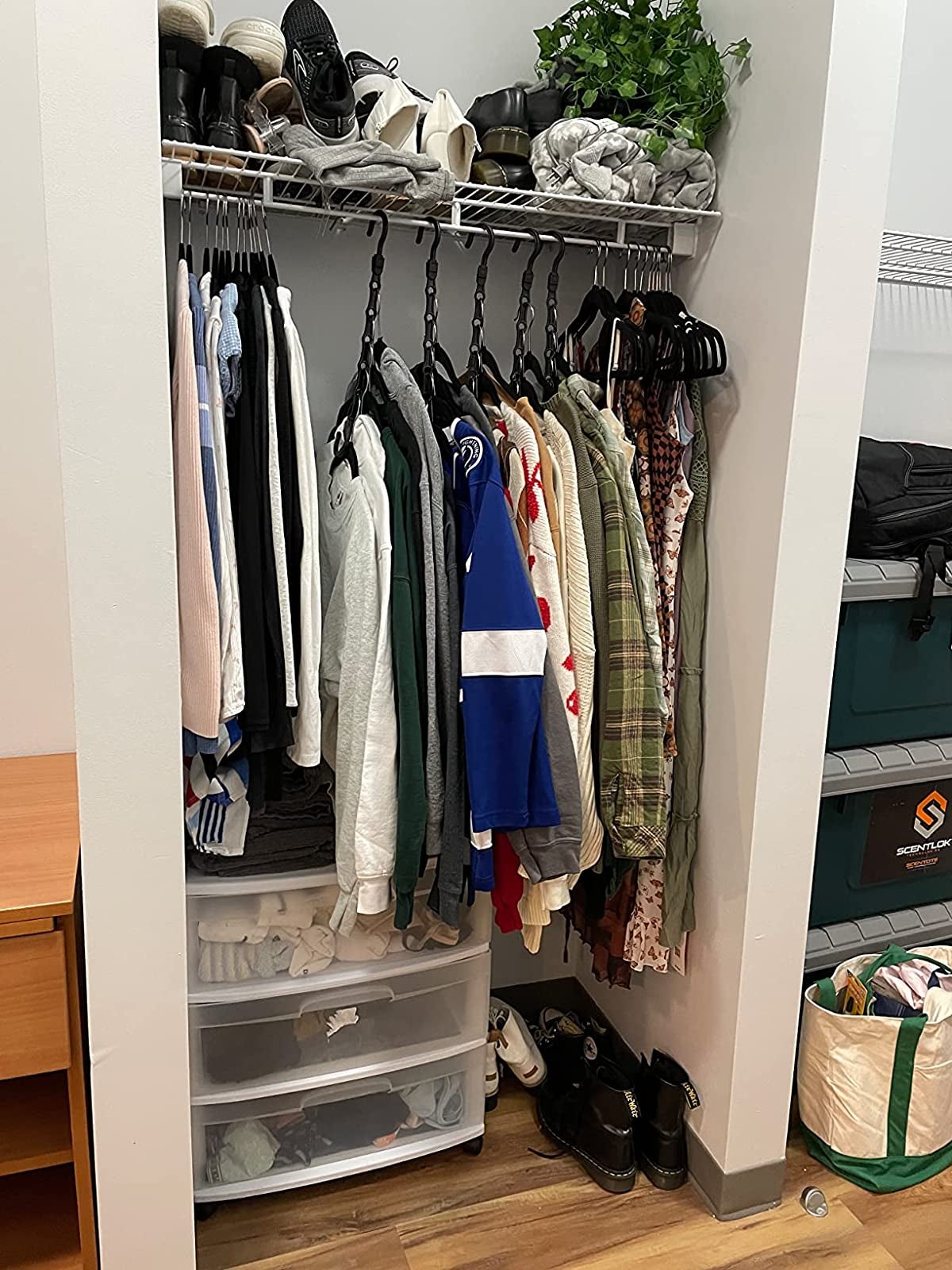
If Your Wardrobe Is Vast But Your Closet Is Not, Check Out These 27 Helpful Organization Items
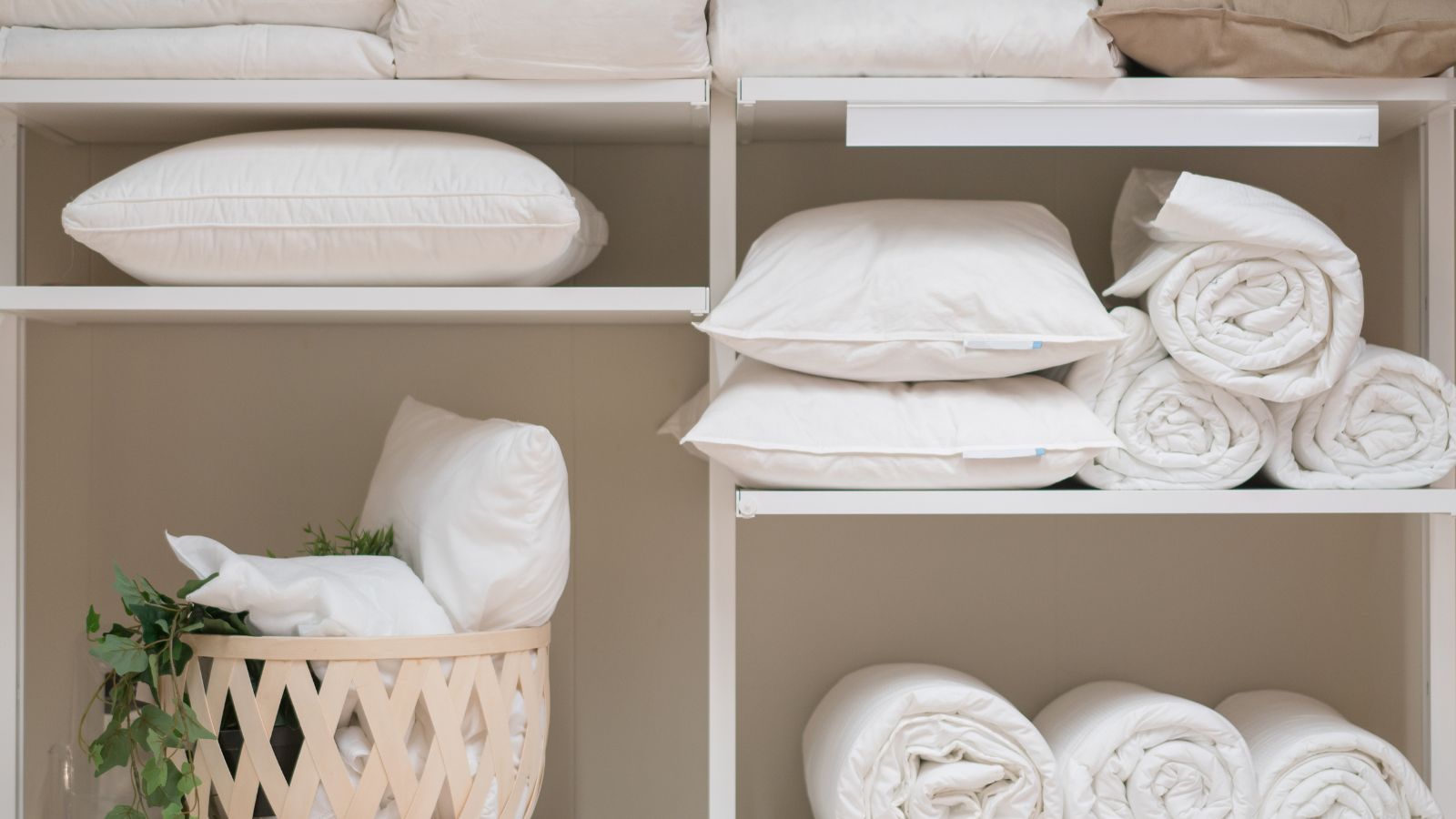
5 things pro organizers have in their linen closets that they wouldn't live without
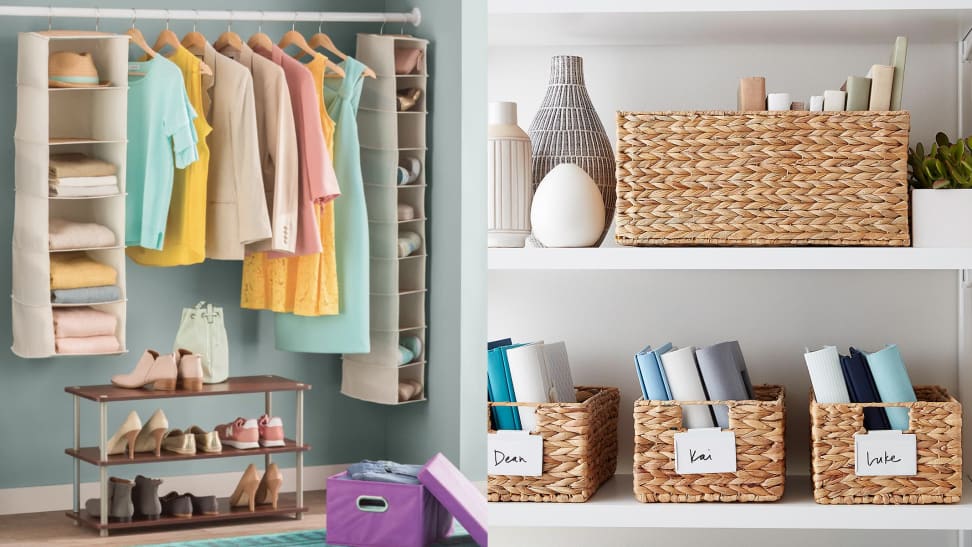
14 genius things you need to organize your closet
12 Products That Actually Work to Organize Every Closet in Your House

13 Things EVERY Professional Organizer Does to Keep Their Home Clutter-Free

10 things the most organized people have in their entryways, according to organization and interior experts
4 Thoughtfully Designed Closets That Will Organize Everything You Own
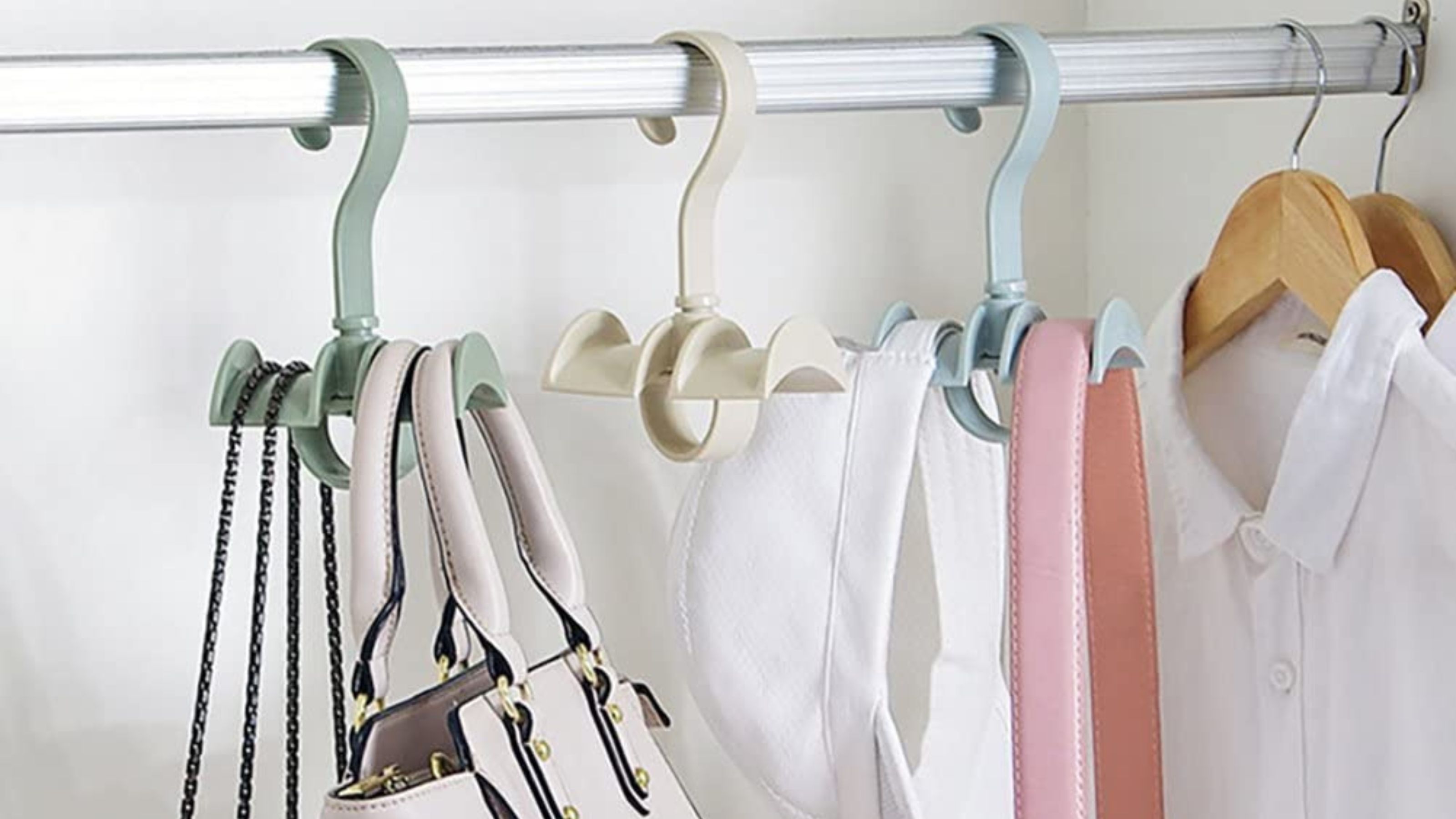
The 15 best closet organizers shoppers love that make room for everything

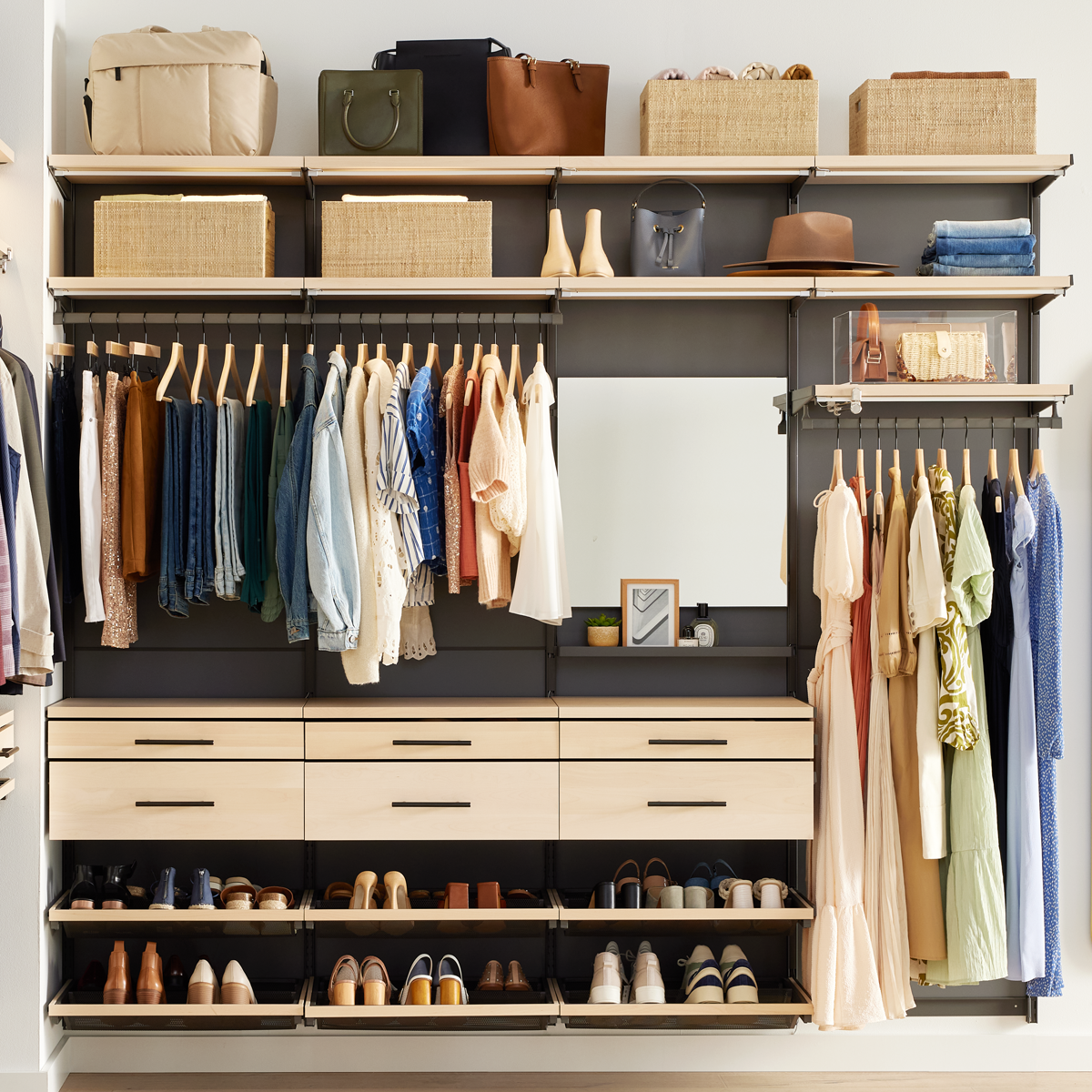
4 Thoughtfully Designed Closets That Will Organize Everything You Own