1/8
Stackable clothes bins solved my rented stroage woes
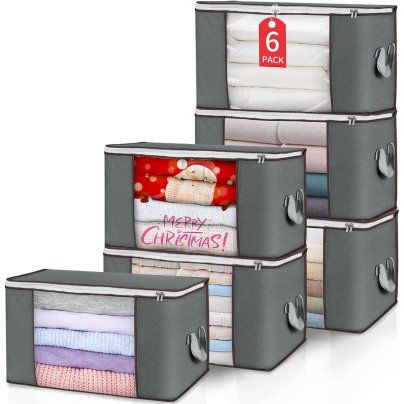
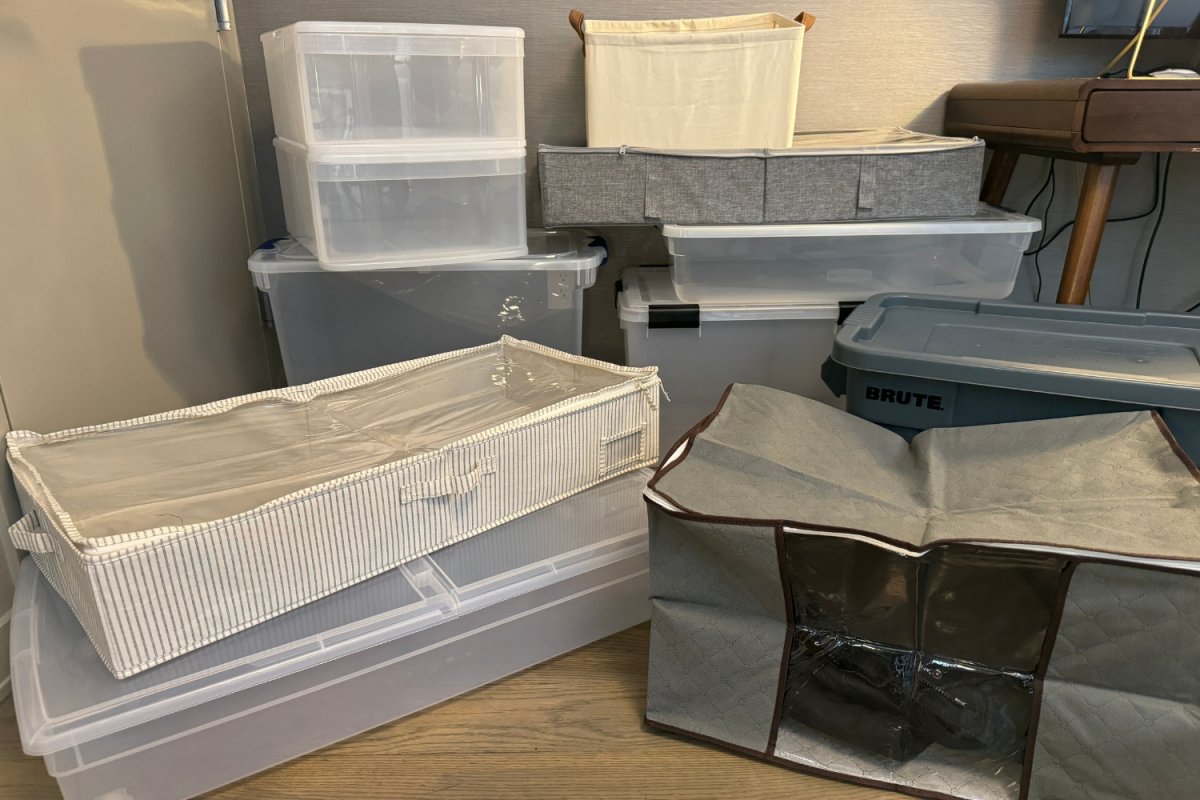
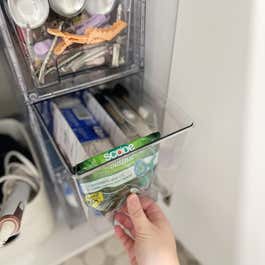
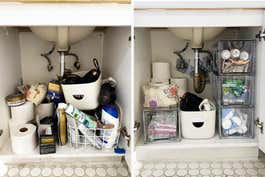
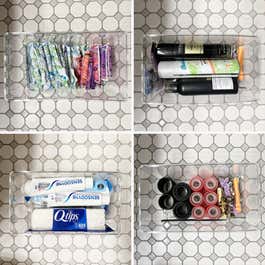
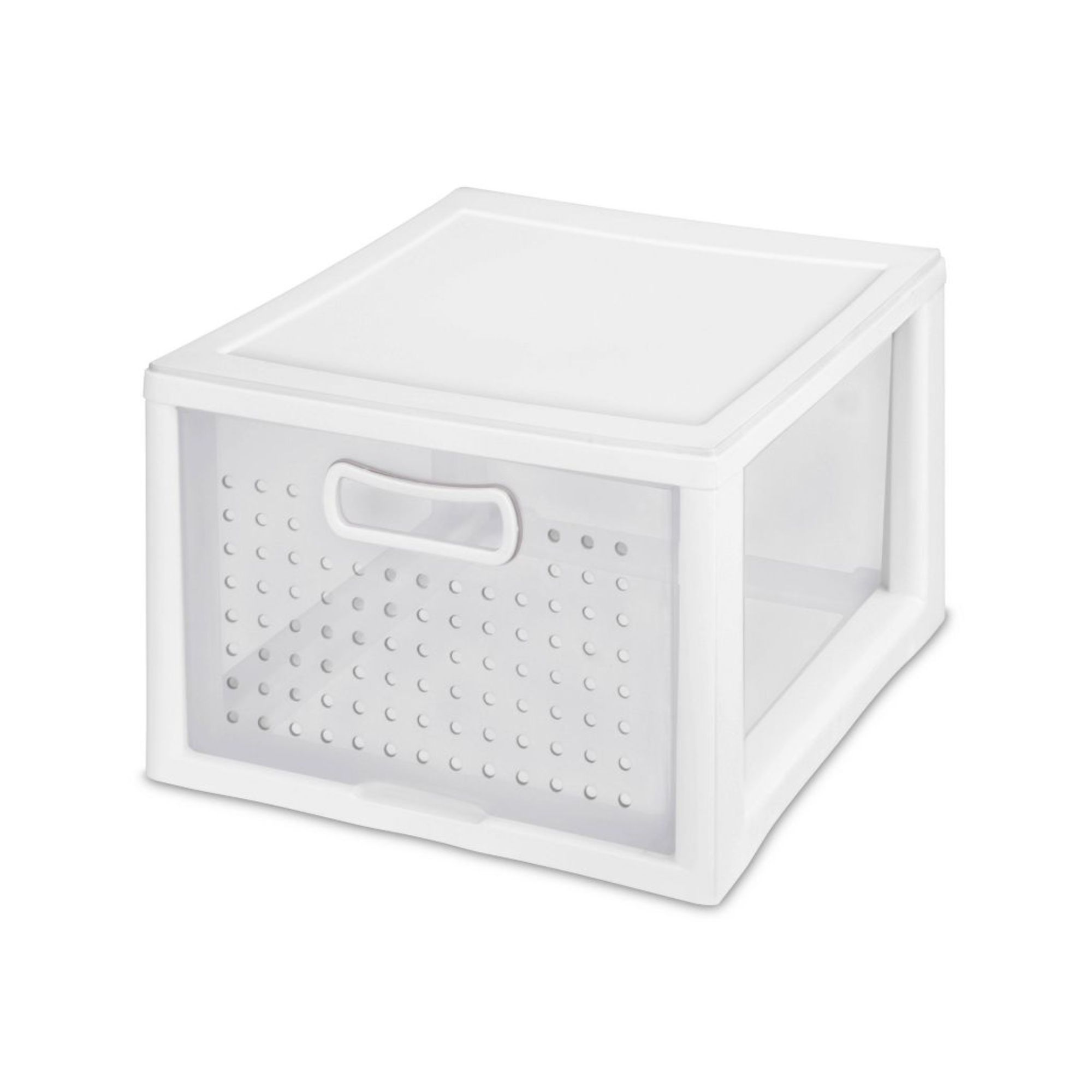
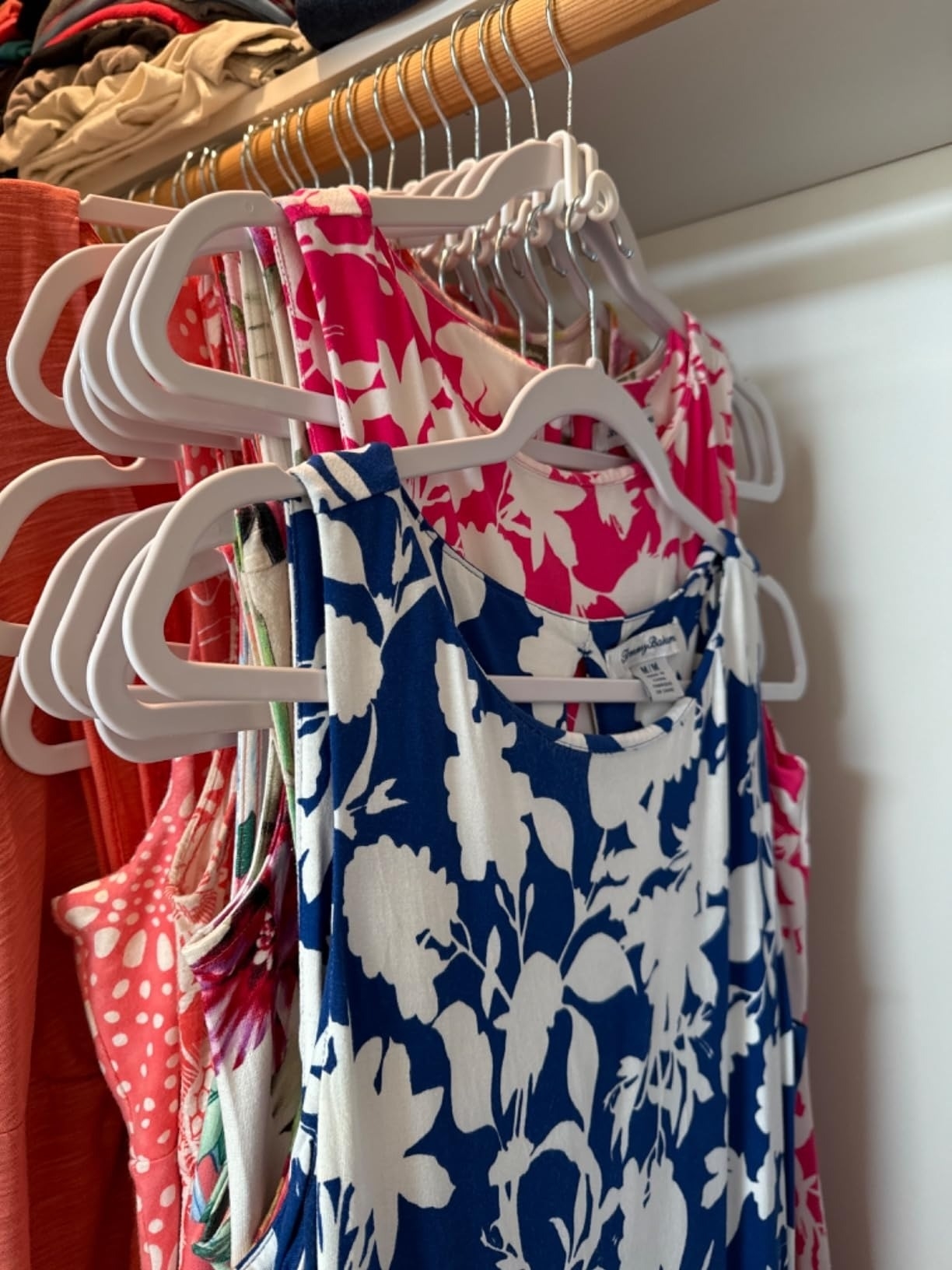
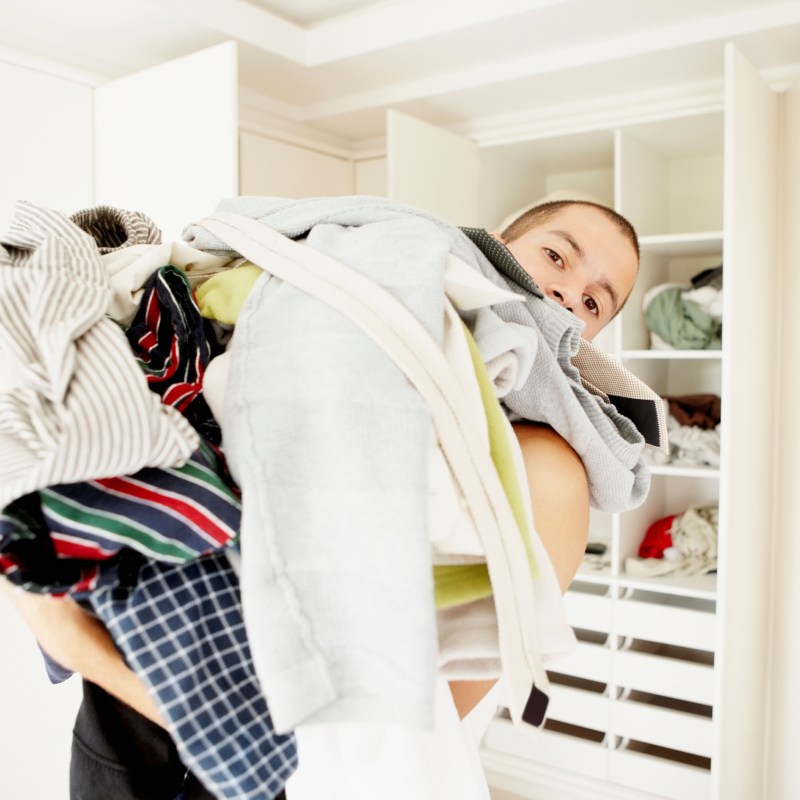
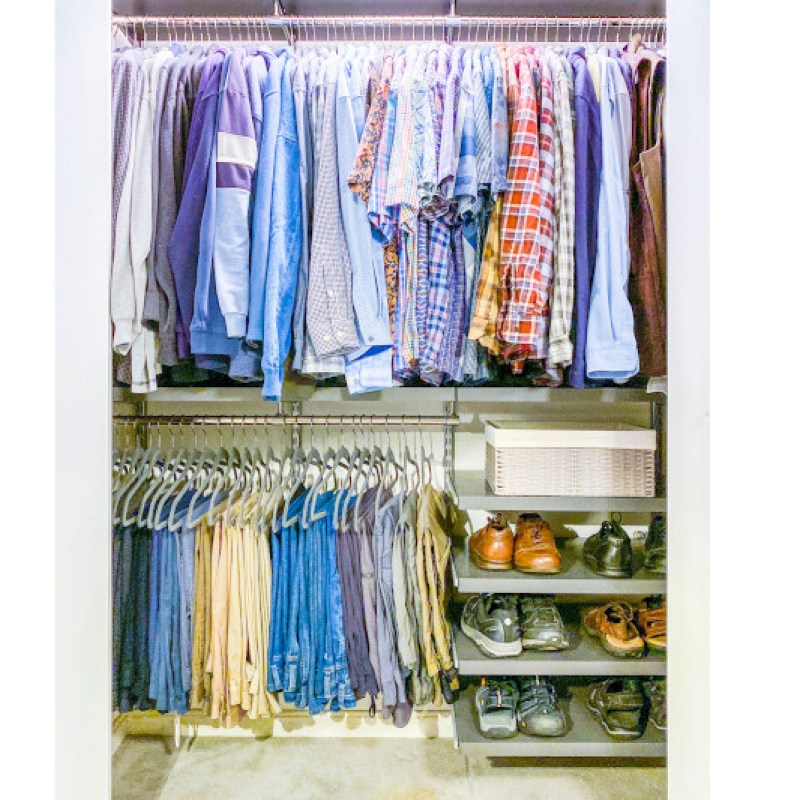
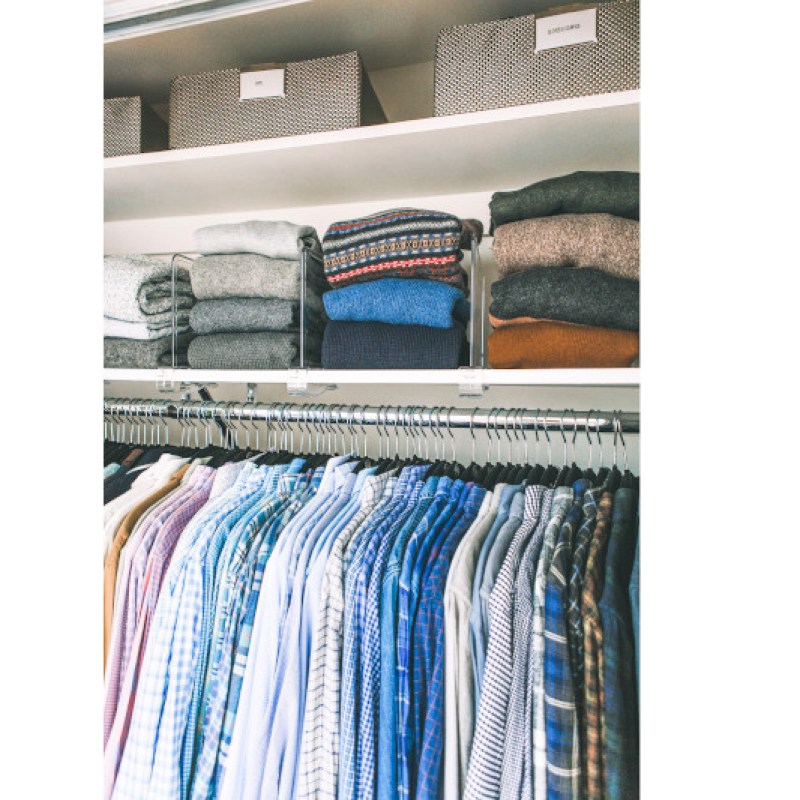
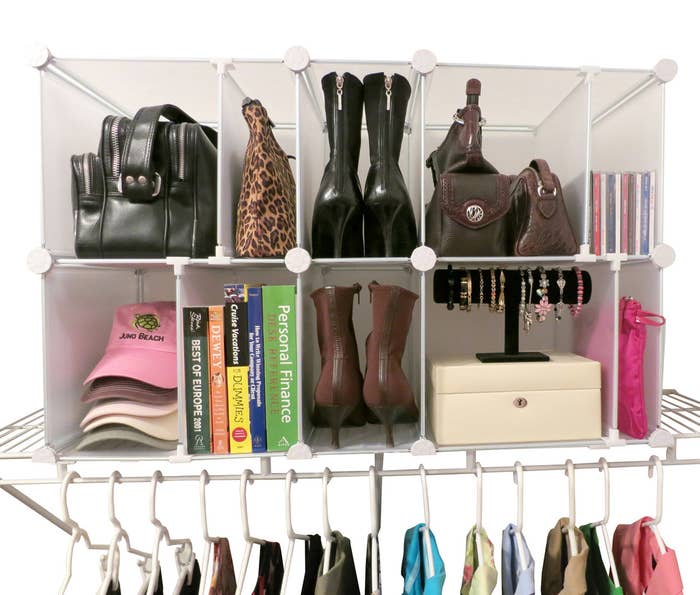
The author, a renter, faced common challenges with closet organization due to restrictions on drilling holes or adding permanent shelves. This resulted in an overflowing closet and clothes piled messily, making it difficult to find specific items and causing the closet itself to tilt. The article highlights the discovery of stackable clothes bins as an effective solution for maintaining order in a rented space without violating lease terms. These bins, made from waterproof PP plastic, are described as durable and quick to clean, unlike less robust fabric alternatives previously attempted. The author uses labels on the bins to easily identify clothing items, saving time when preparing to leave the house.
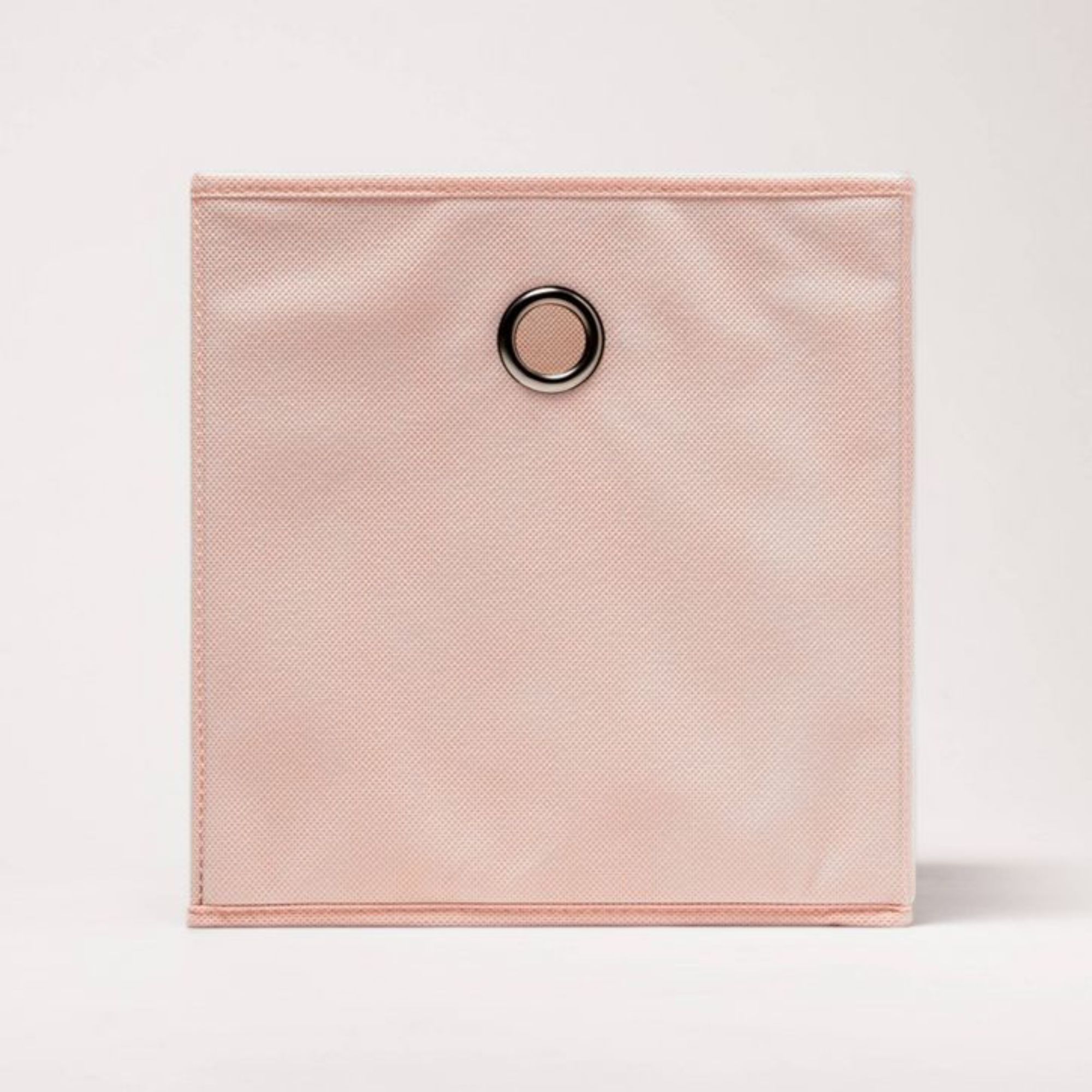
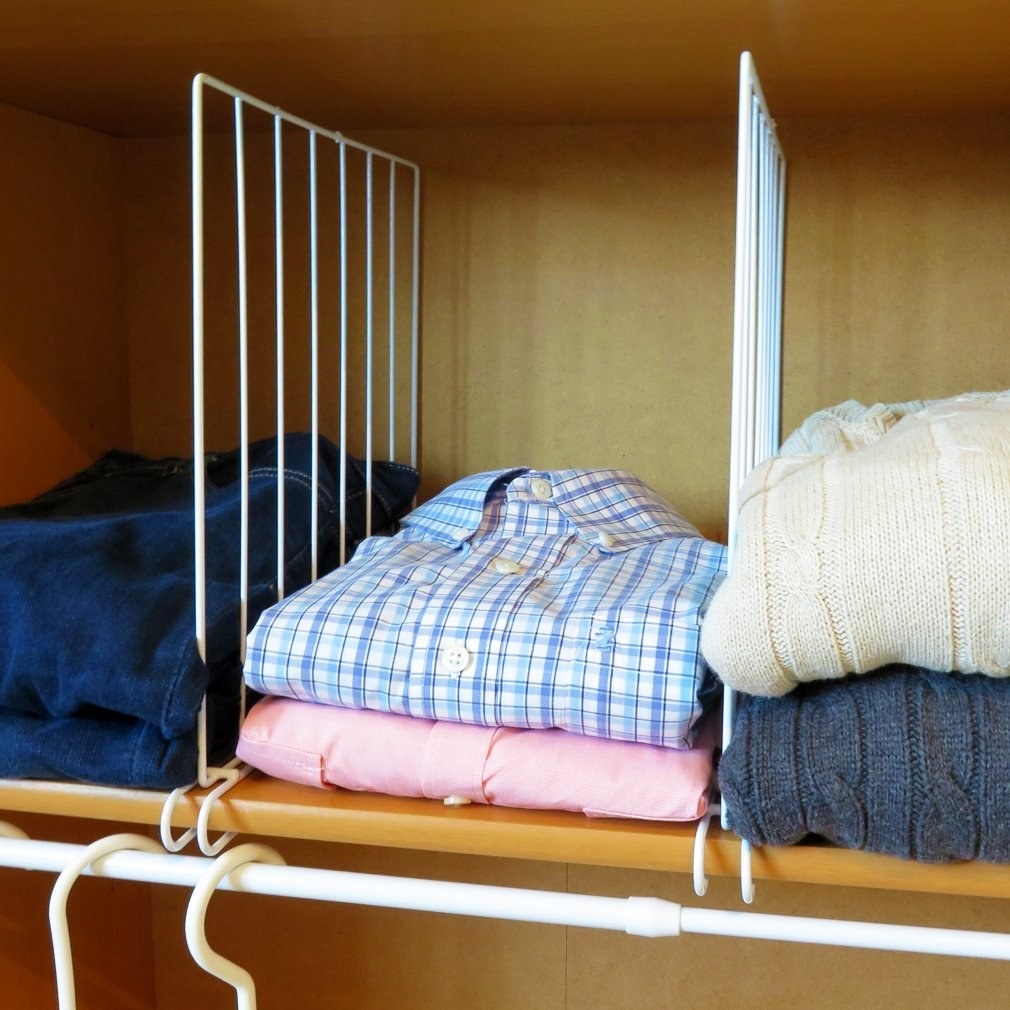
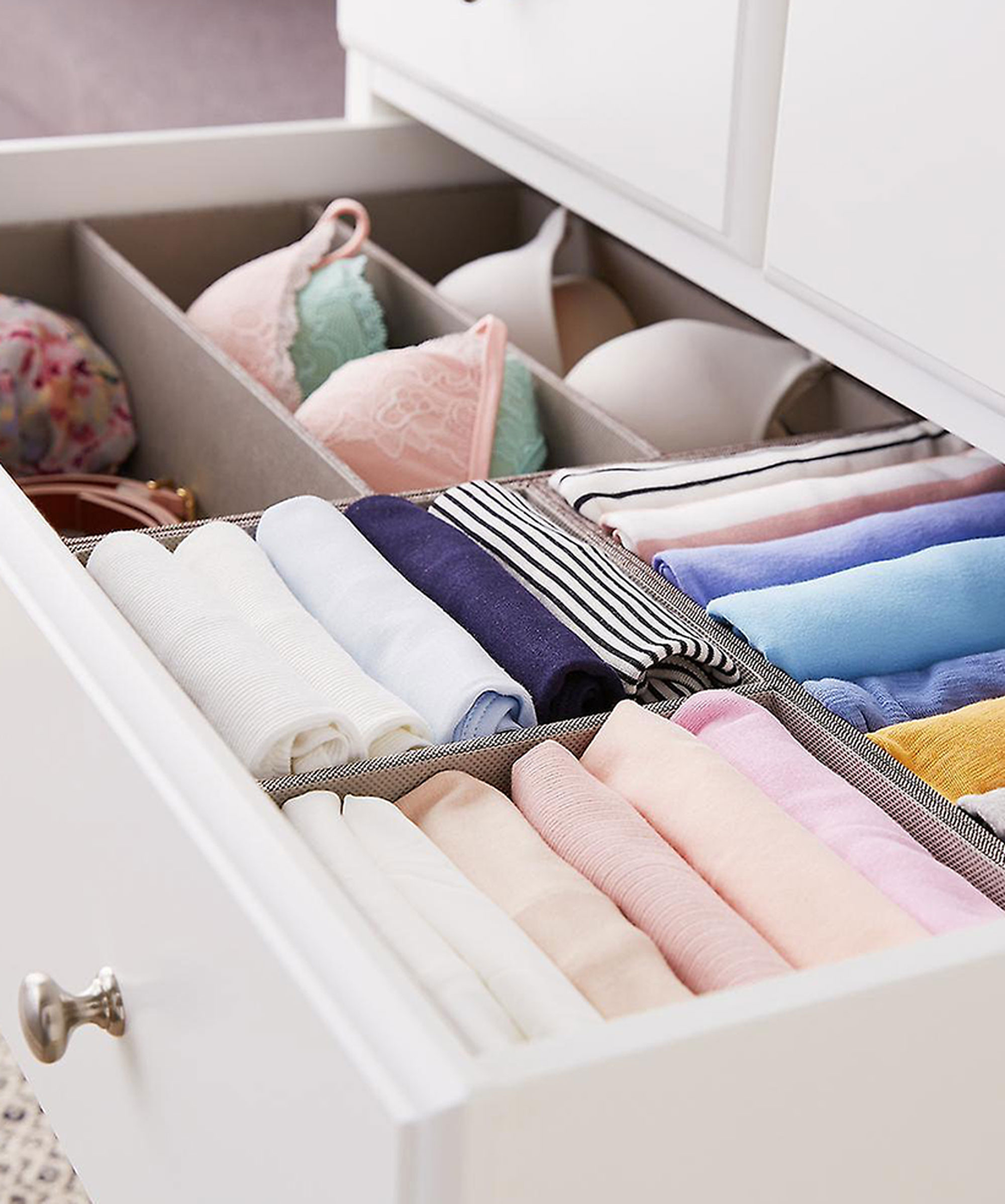
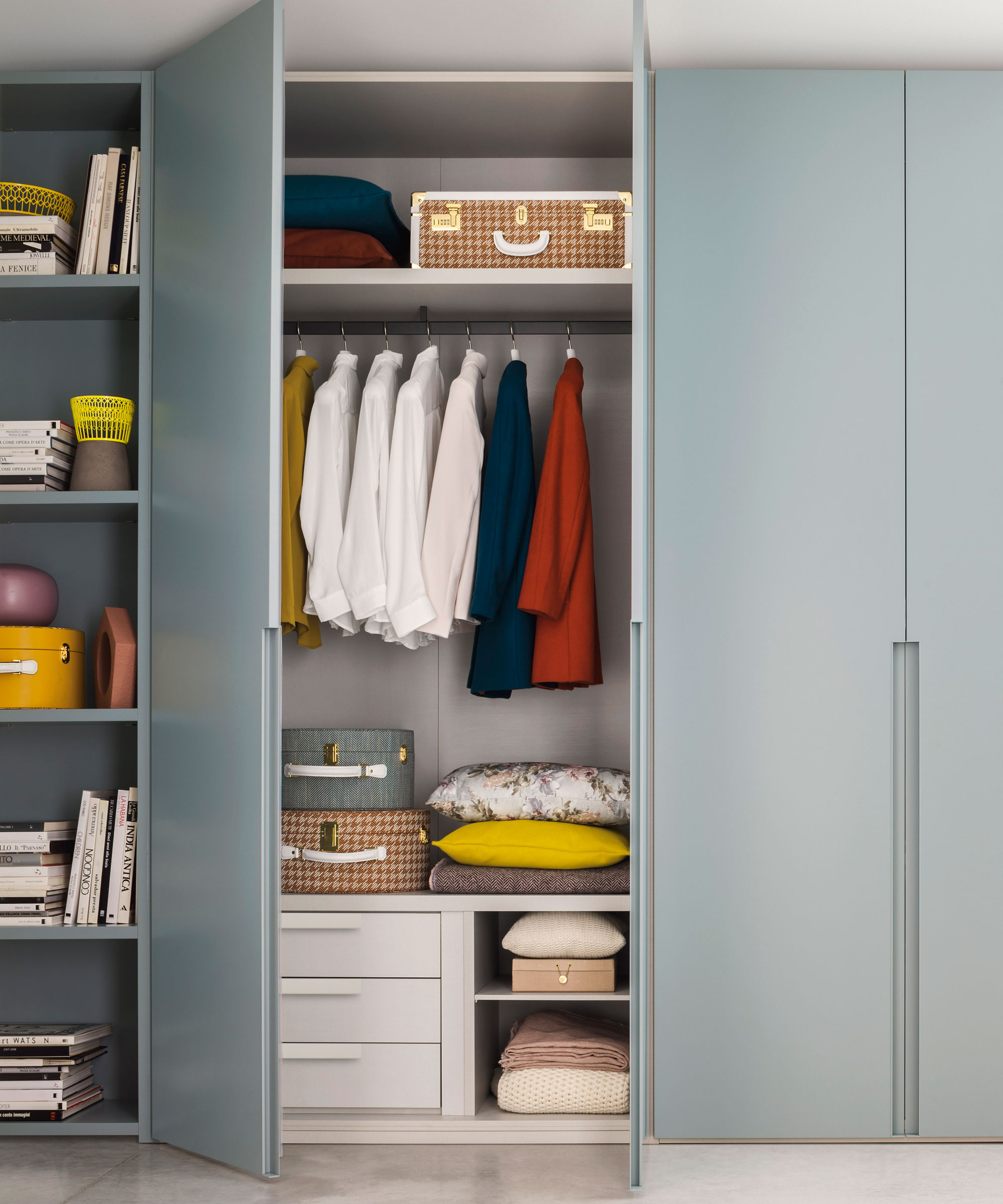
Professional organizers Meghan Cocchiaro and Ashley La Fond offer insights into the pros and cons of using these stackable closet bins. The advantages include providing additional shelving in built-in closet systems where permanent shelves are lacking, serving as a cost-effective and renter-friendly alternative to custom installations. The self-contained nature of the bins allows for effective categorization of different garments, enhancing organization. Furthermore, their versatility extends beyond primary closets to utility closets, linen closets, coat closets, pantries, and even playrooms, demonstrating their broad applicability in home organization. The bins are also noted to be available in pastel shades, enabling color-coordinated aesthetic organization, particularly suitable for children's bedrooms.
However, some drawbacks are also discussed. A primary disadvantage is the necessity for clothes to be perfectly file-folded to fit into the bins, which might not suit individuals who prefer a less meticulous approach to storage. Another challenge relates to accessibility, as retrieving items from the bottom of a stack requires lifting all the bins above it, potentially making them less practical for young children. Additionally, the bins might not remain stationary within a closet unless non-sliding bumpers are applied to the bottom ones. Despite these minor cons, the overall sentiment is positive, emphasizing the bins' effectiveness in creating a tidy and accessible storage system within rental limitations.
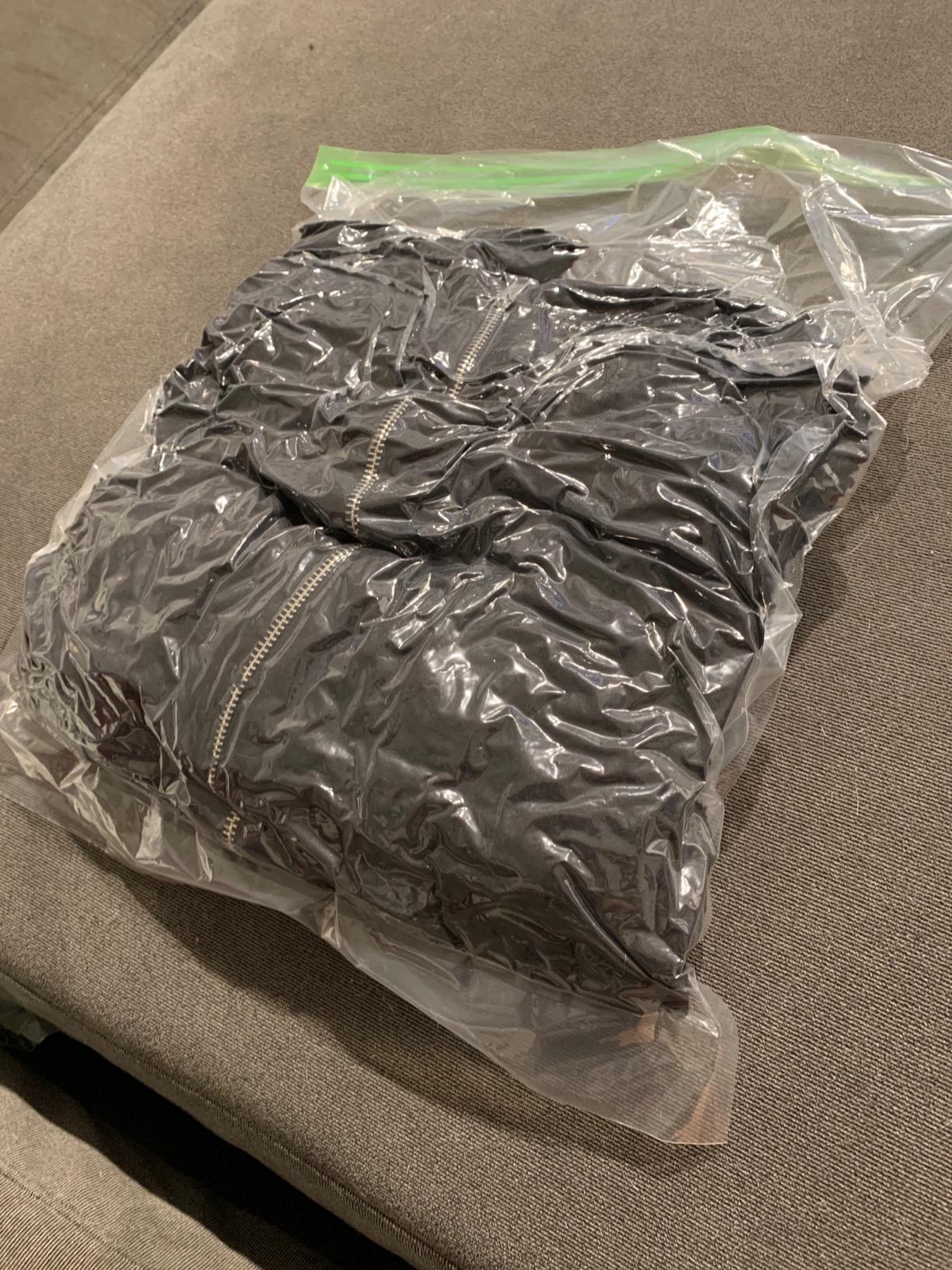
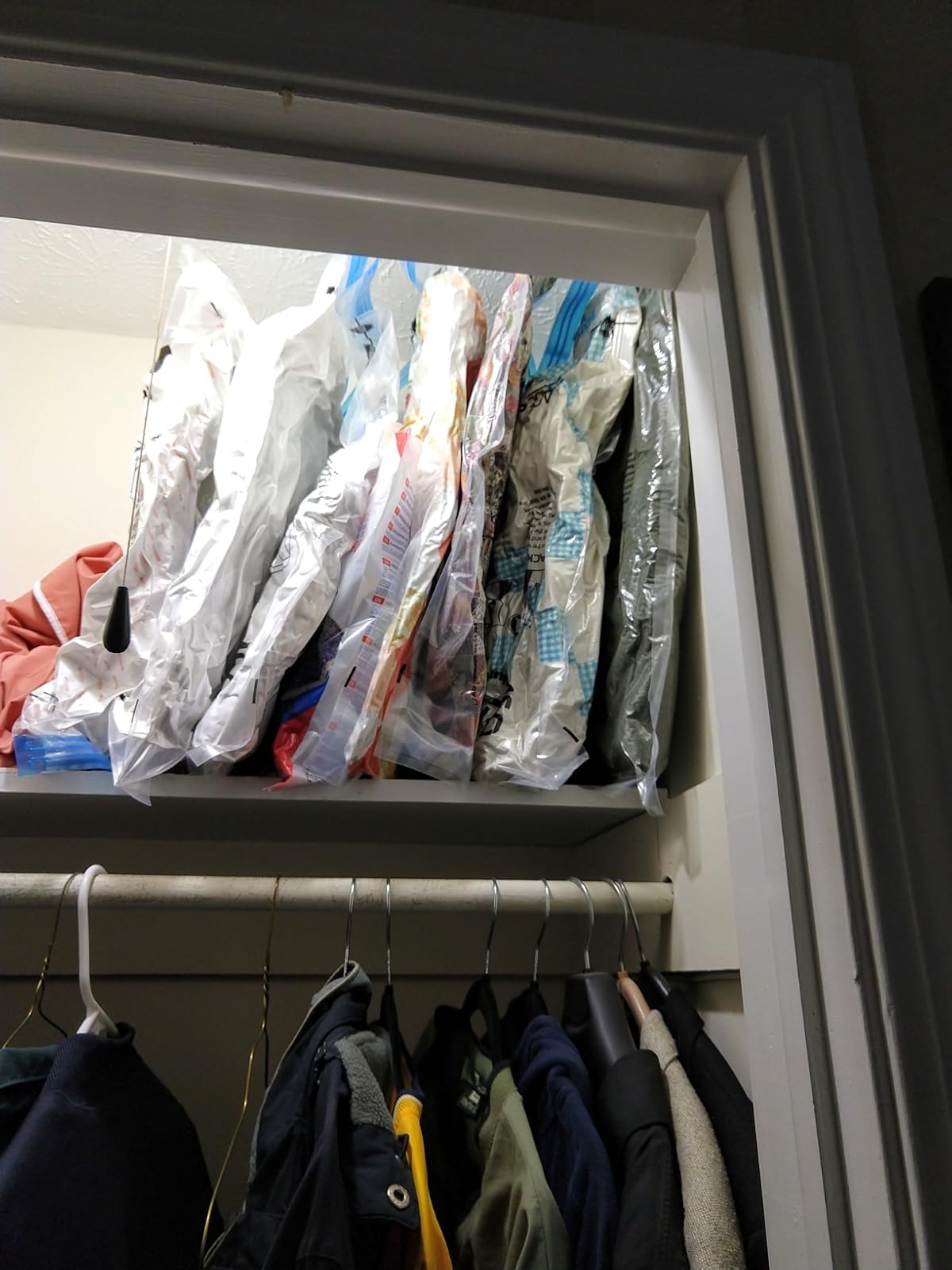
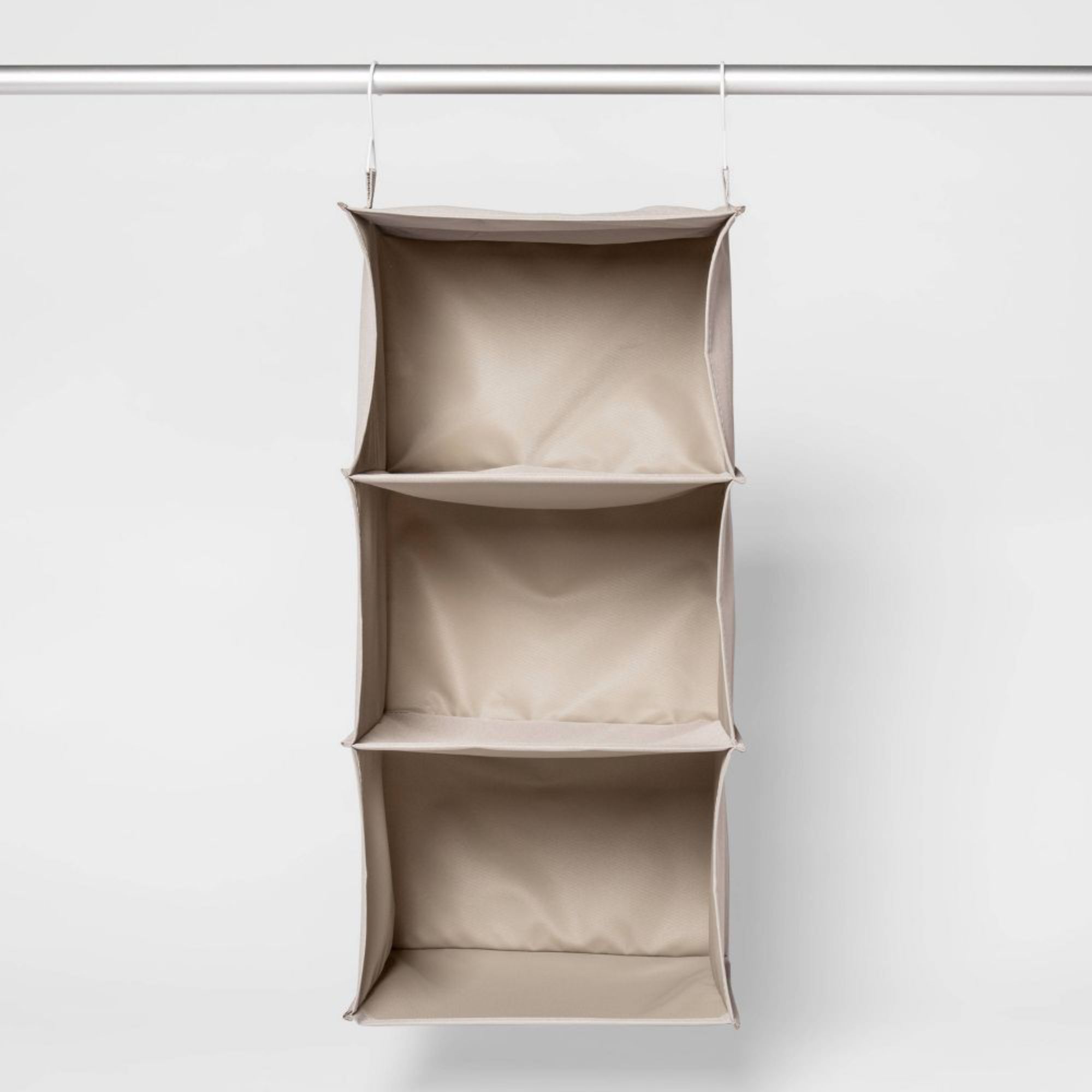
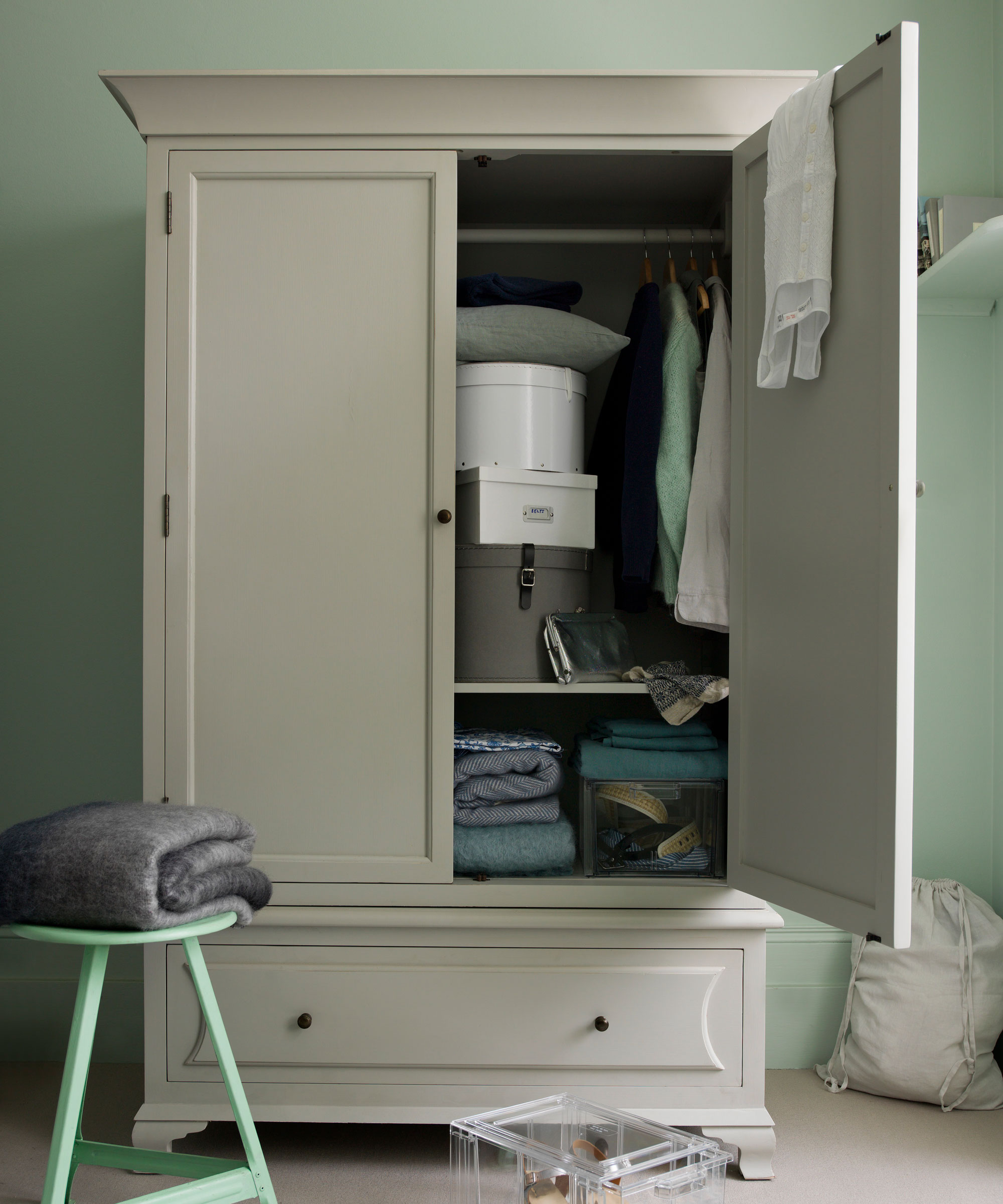
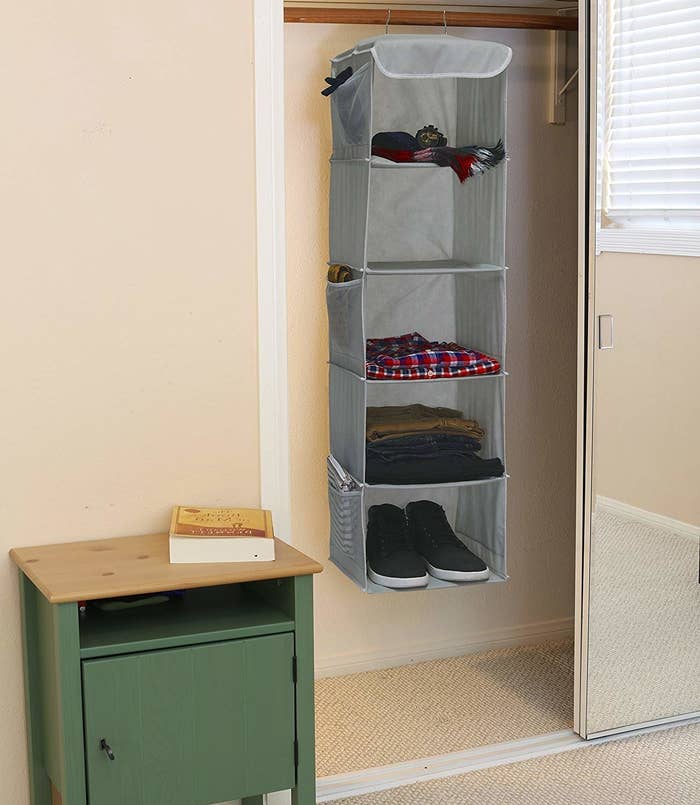
To maximize the benefits of stackable bins, Meghan Cocchiaro advises careful planning, including measuring the space where they will be used. This ensures proper fit and optimal arrangement. She also recommends dividing items into categories and avoiding overloading each bin to facilitate ease of use. For bulkier items like thick sweaters or hoodies, placing them in the topmost bins is suggested to prevent restriction from other stacked units. The article also provides a list of other useful clothes storage essentials, such as breathable storage bags with windows for out-of-season garments, hanging closet organizers for vertical space, and plastic storage baskets with bamboo lids for smaller accessories like hats, gloves, scarves, stationery, and jewelry. These additional items complement the stackable bins, contributing to a comprehensive and efficient home organization strategy. The author's personal experience underscores the value of these solutions for renters and anyone seeking practical, non-permanent storage enhancements.
#HomeOrganization #RenterFriendly #ClosetStorage #StackableBins #SpaceSavingSolutions #HomeDecor #StorageIdeas #DeclutteringTips #InteriorDesign #HomeOrganization #RenterFriendly #ClosetStorage #StackableBins #SpaceSavingSolutions #HomeDecor #StorageIdeas #DeclutteringTips #InteriorDesign
0 comment in total
 No comments yet
You may also like
My clothes rail solved my lack of hanging space
We Solved Our Entryway Shoe Pile with a Simple Storage Swap
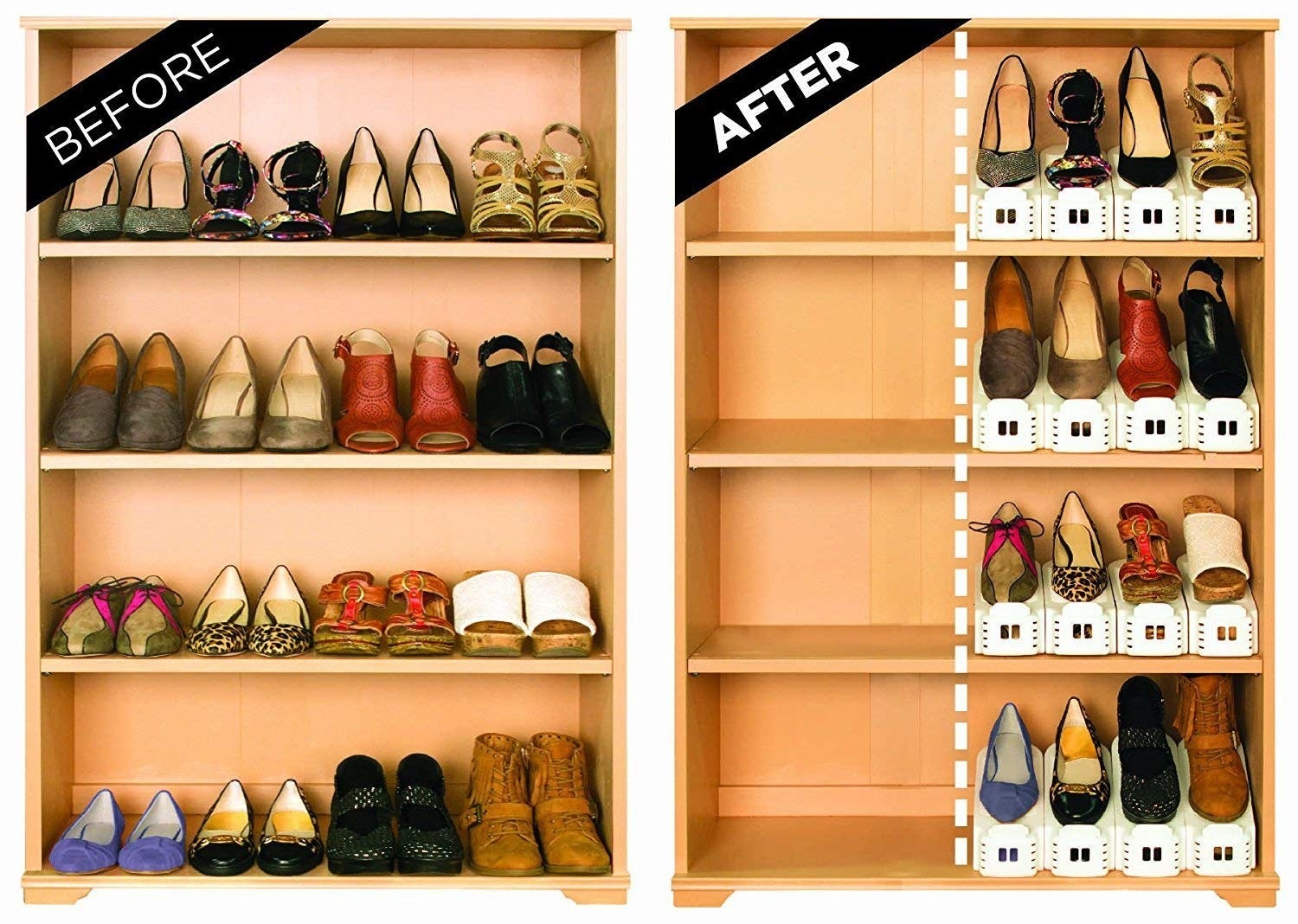
If You Didn’t Clean And Organize Your Closet For The New Year, Spring Is The Perfect Time To Do It — These 19 Products Will Help

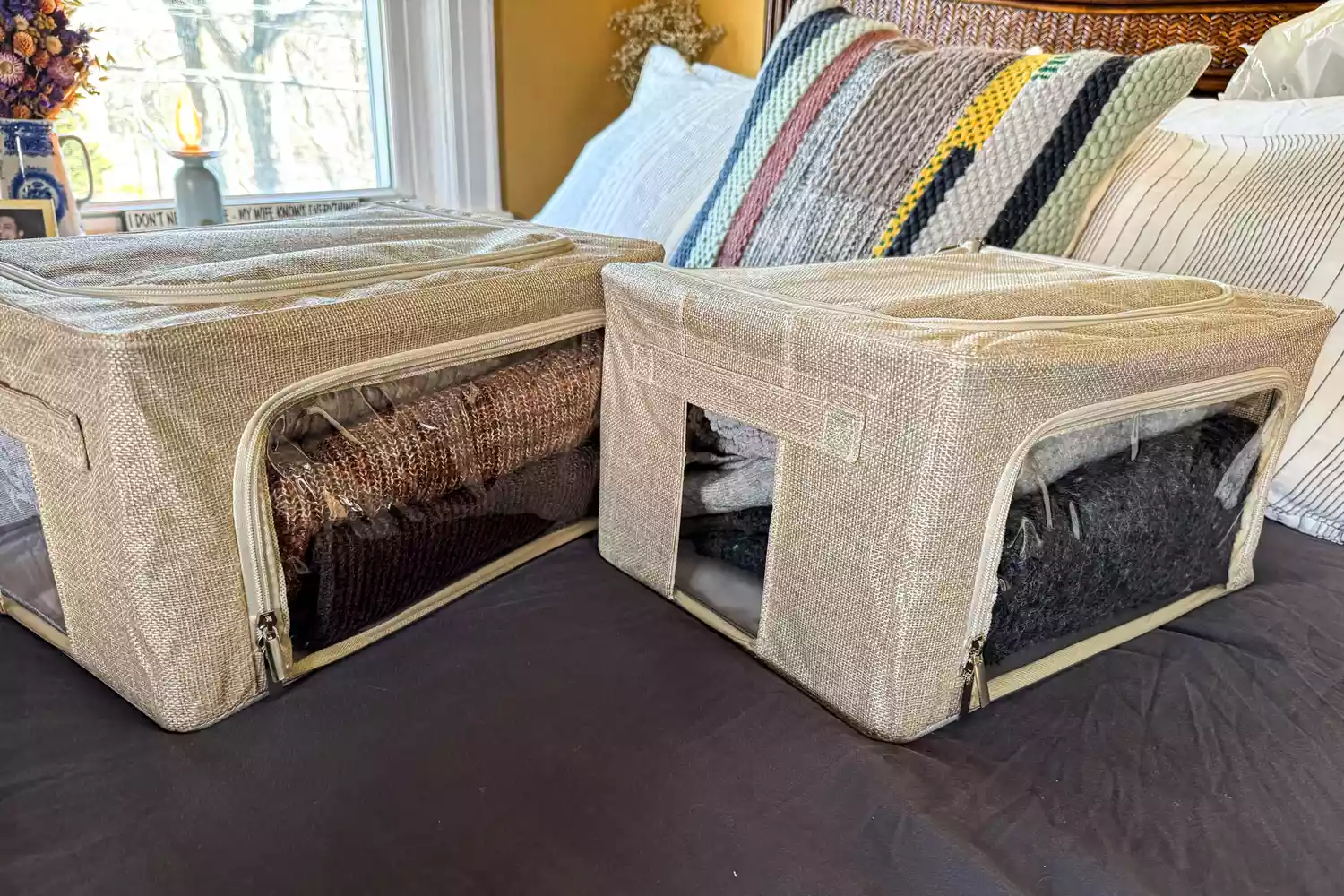
Need to Stow Your Sweaters? Our 8 Favorite Clothing Storage Bins Can Help

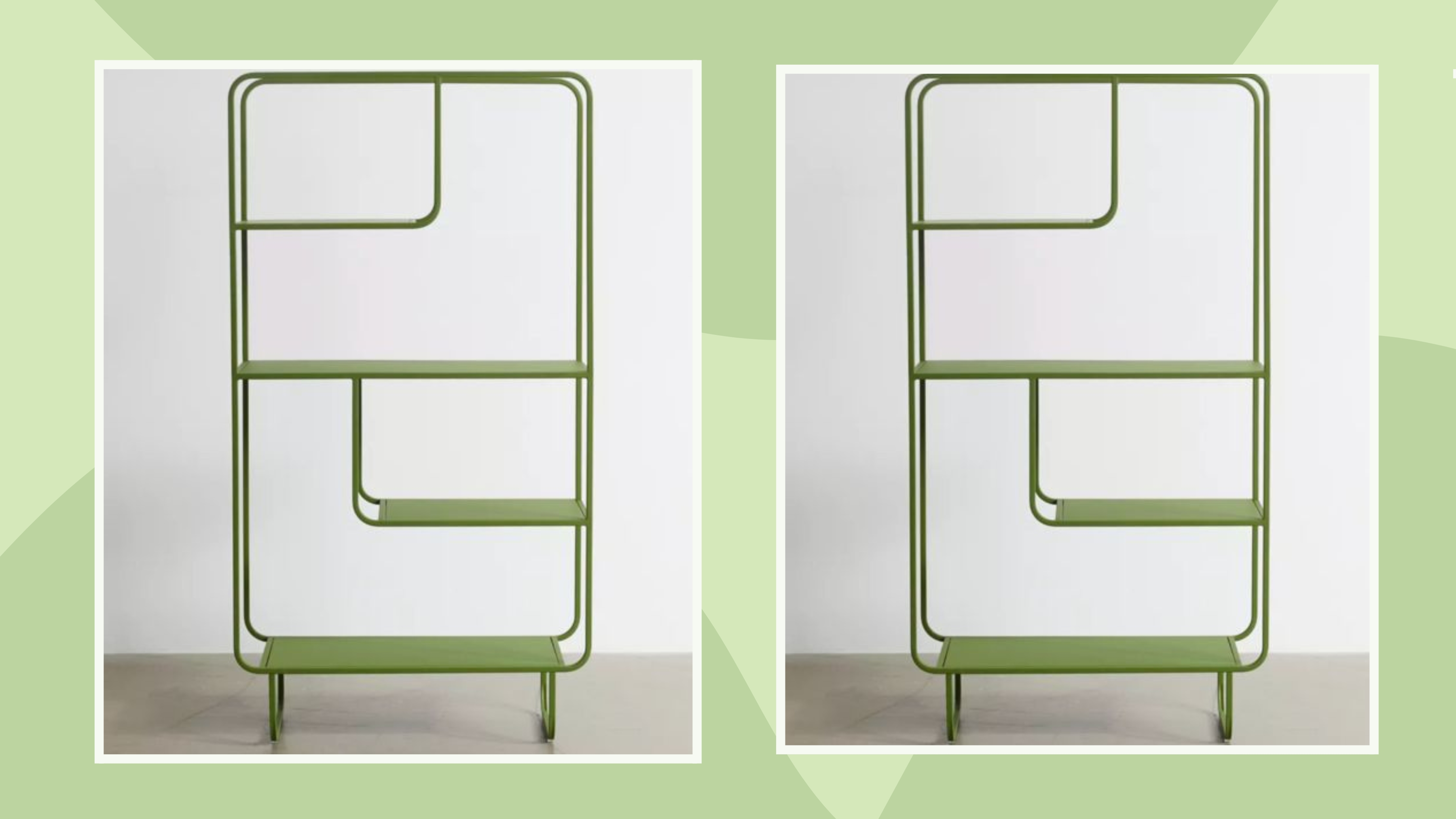
Renters! No more skimping on storage as I've found a bunch of cute renter-friendly shelves


TikTok Made Me Buy These Stackable Drawers—And They Actually Tame the Chaos Under My Bathroom Sink

The Surprising Organizing Solution That Upped the Storage in My Bedroom
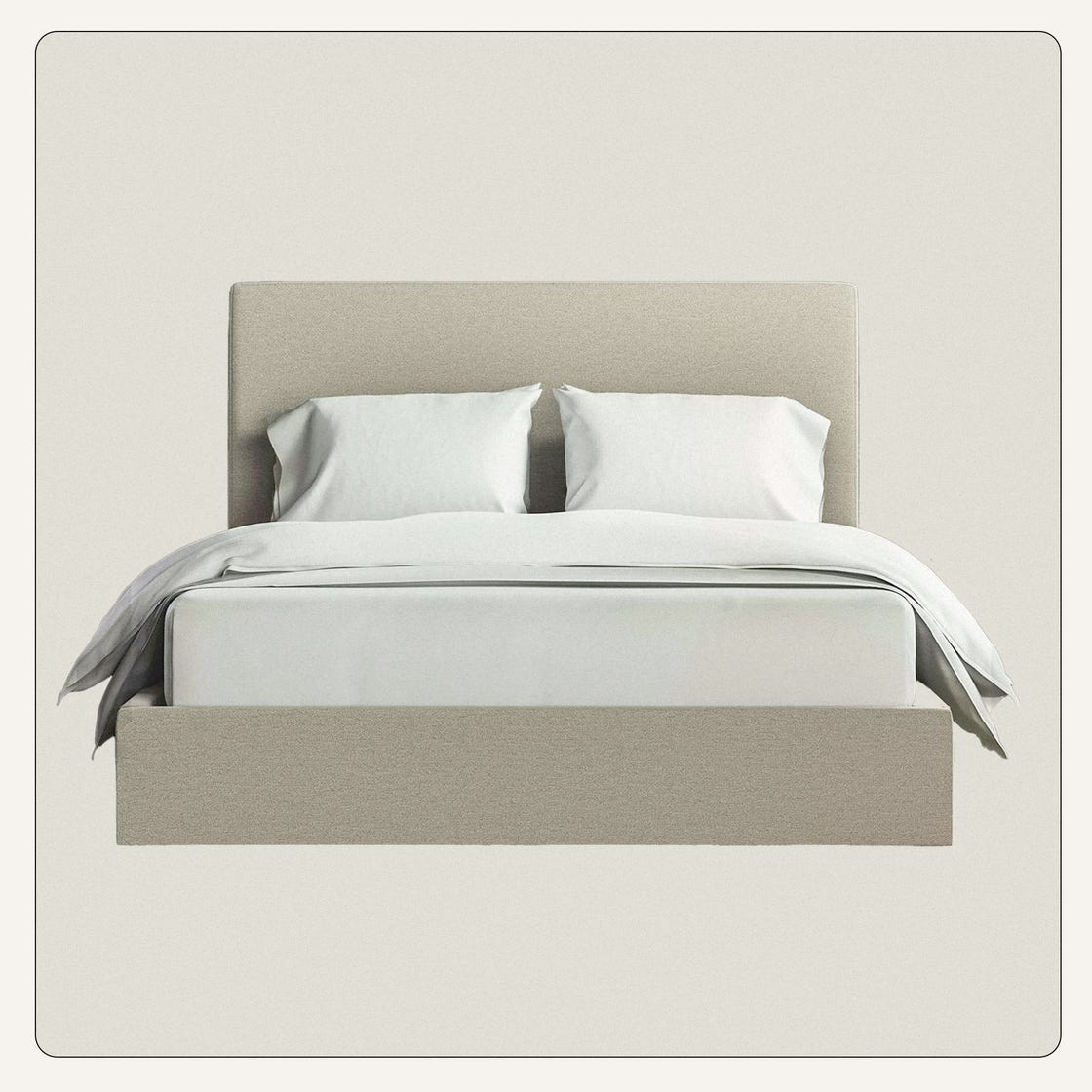
Saatva's Bed Frame With "Secret" Storage Made My Bedroom Less Cluttered in Seconds

This $13 space-saving organizer totally transformed my closet

We Put Closet Kits to the Test—These 8 Made Organizing So Much Easier

Our Top-Tested Hangers Are the Simple Change Your Closet Needs


Spring cleaning time: How to organize (in 6 easy steps) and clean your closet like a pro
My Built-In Storage Solves the Problem of Ugly Under-the-Bed Containers

Create The Closet Of Your Dreams With These 28 Space-Saving Products
If Not Now, When? 27 Things To Finally Organize Your Closet

The 5 Best Laundry Baskets and Hampers of 2026 | Reviews by Wirecutter

The Best Containers for Storing Clothes During the Offseason, Tested

9 Target closet organizers shoppers always snap up to fix overflowing wardrobes

How to store clothes long term: 7 ways pros love
22 Products That Will Make Your Closet Feel Twice As Big