1/8
I Spent a Year Designing My Closet—Here Are My Top 8 Organizing Tips
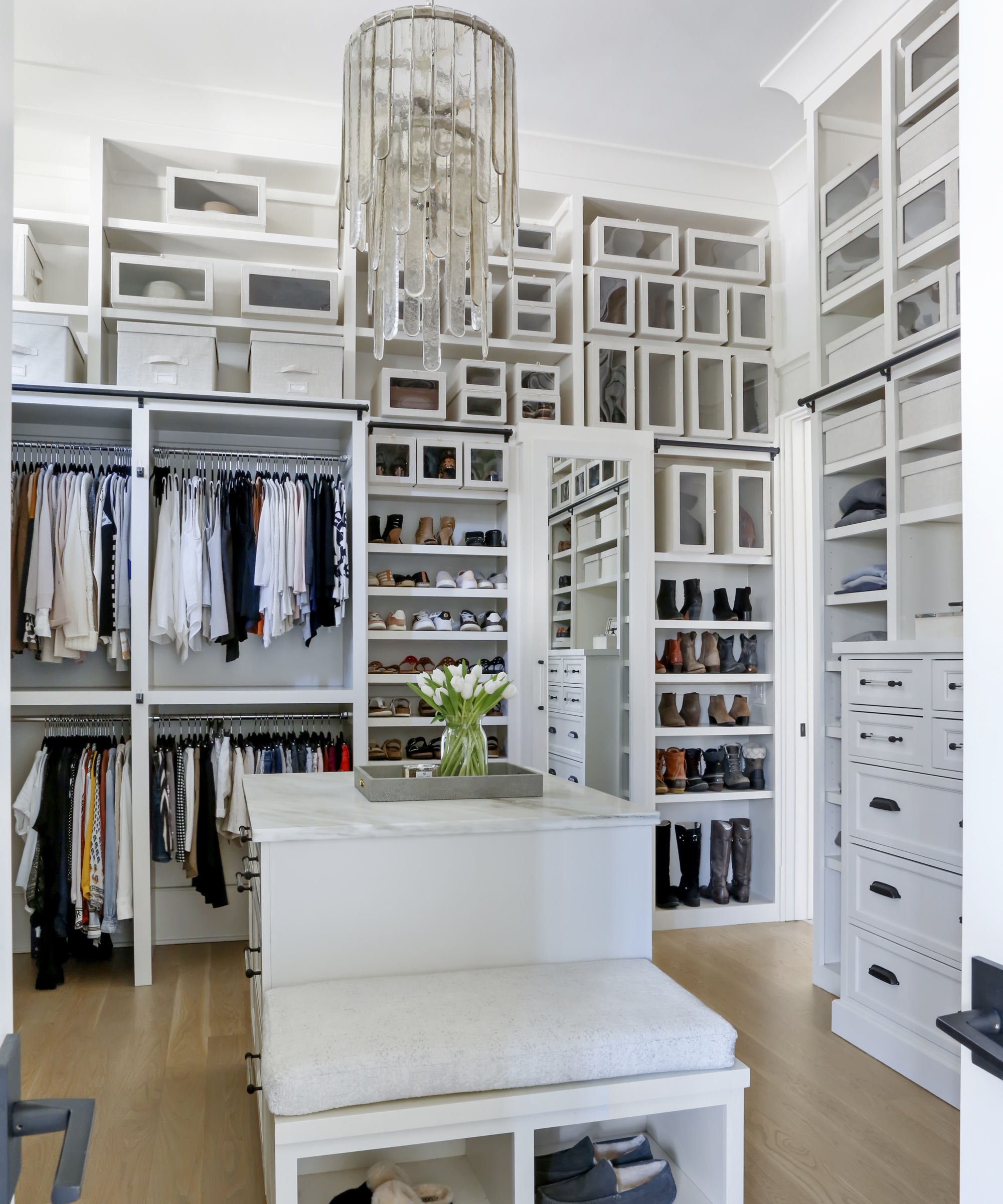
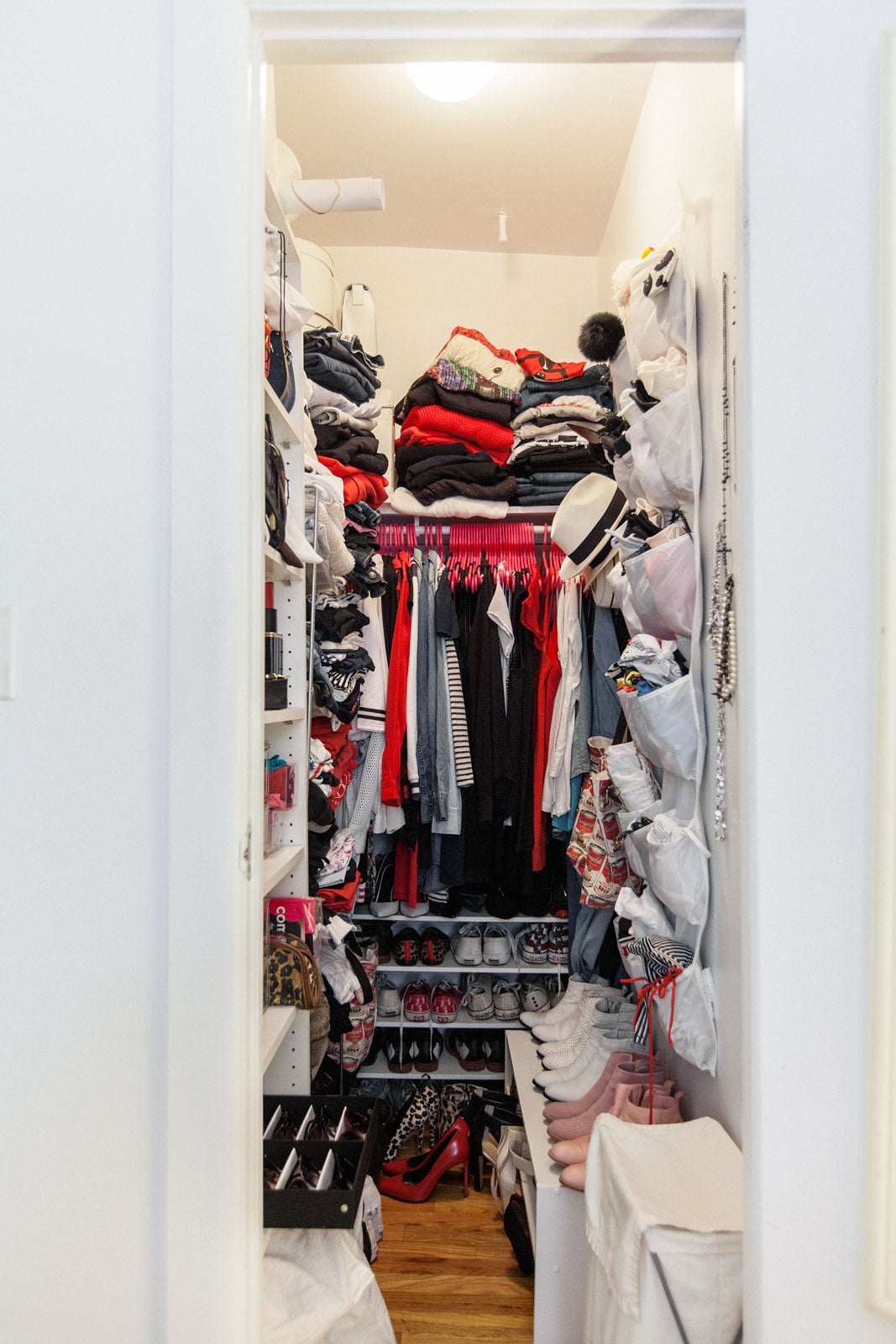
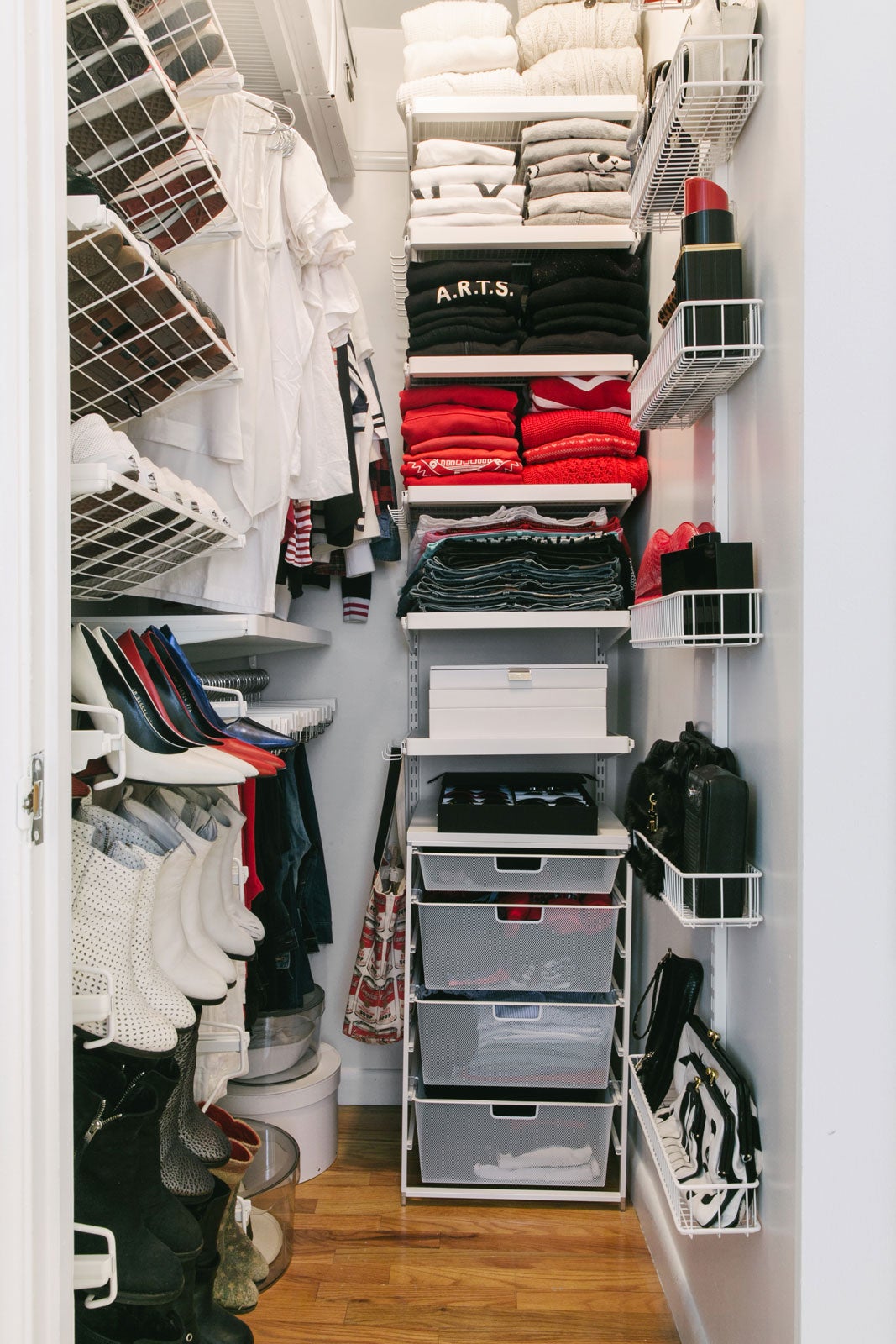
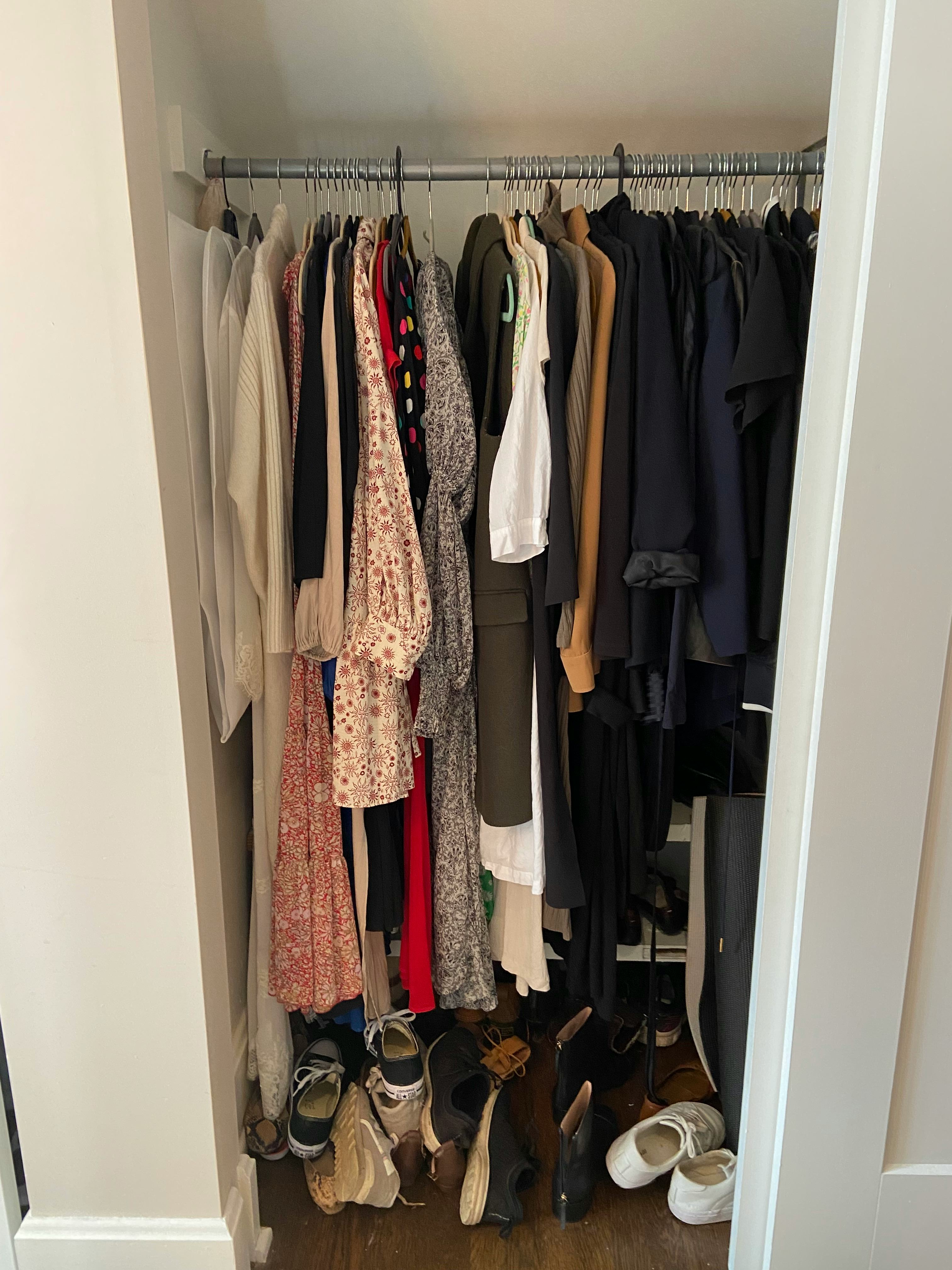
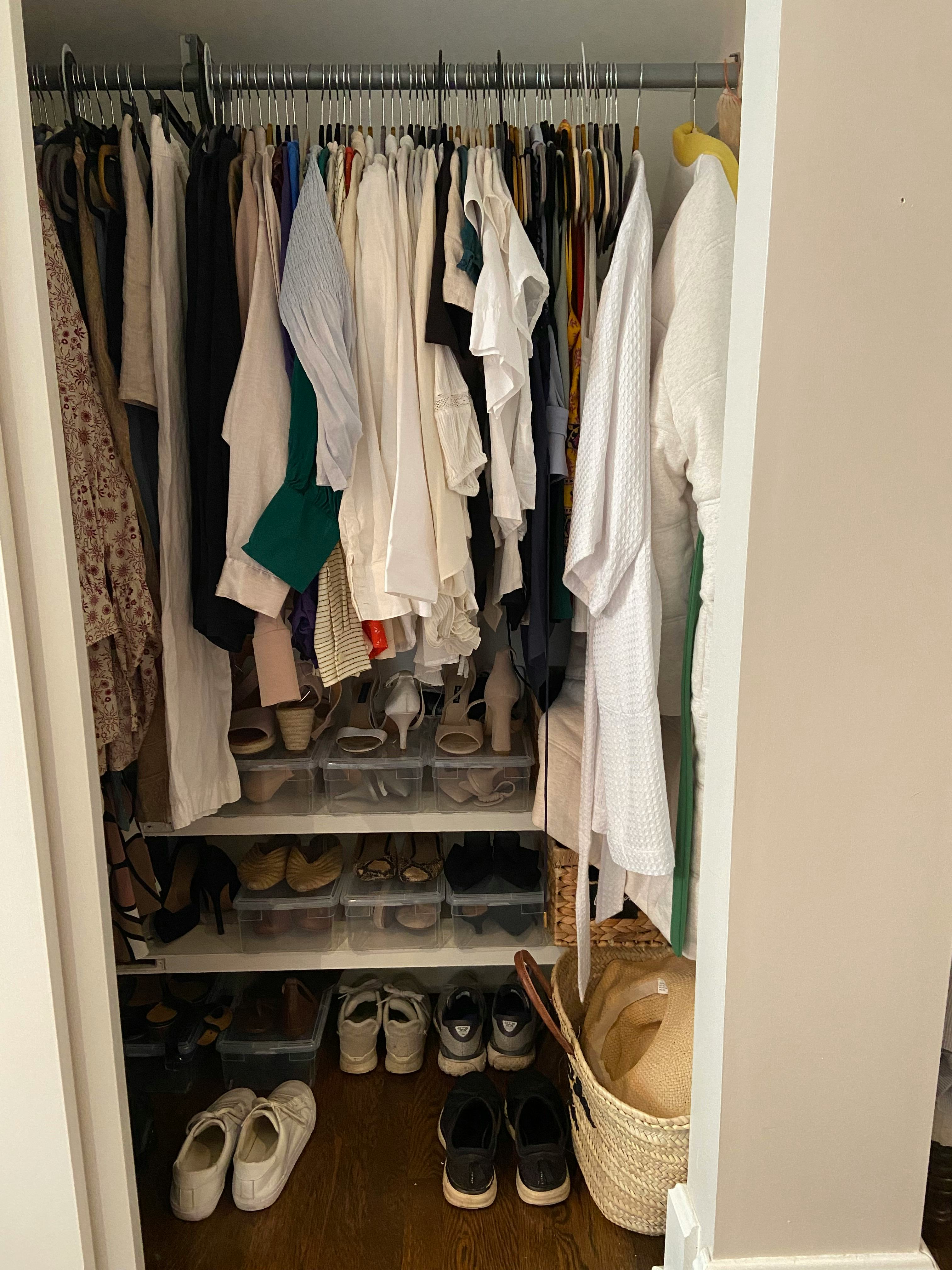
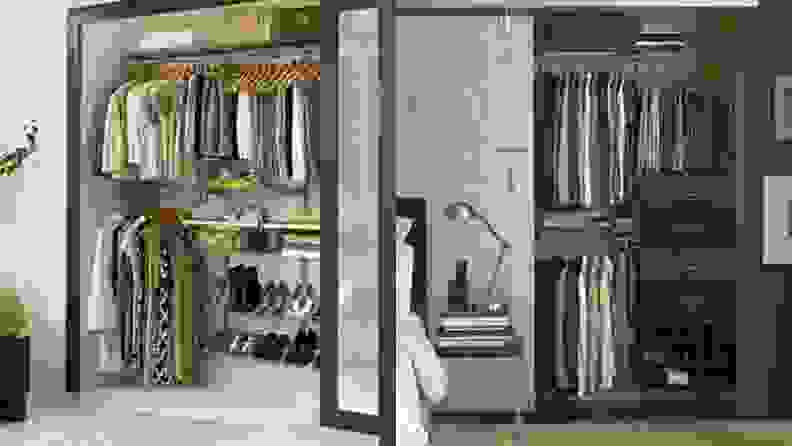
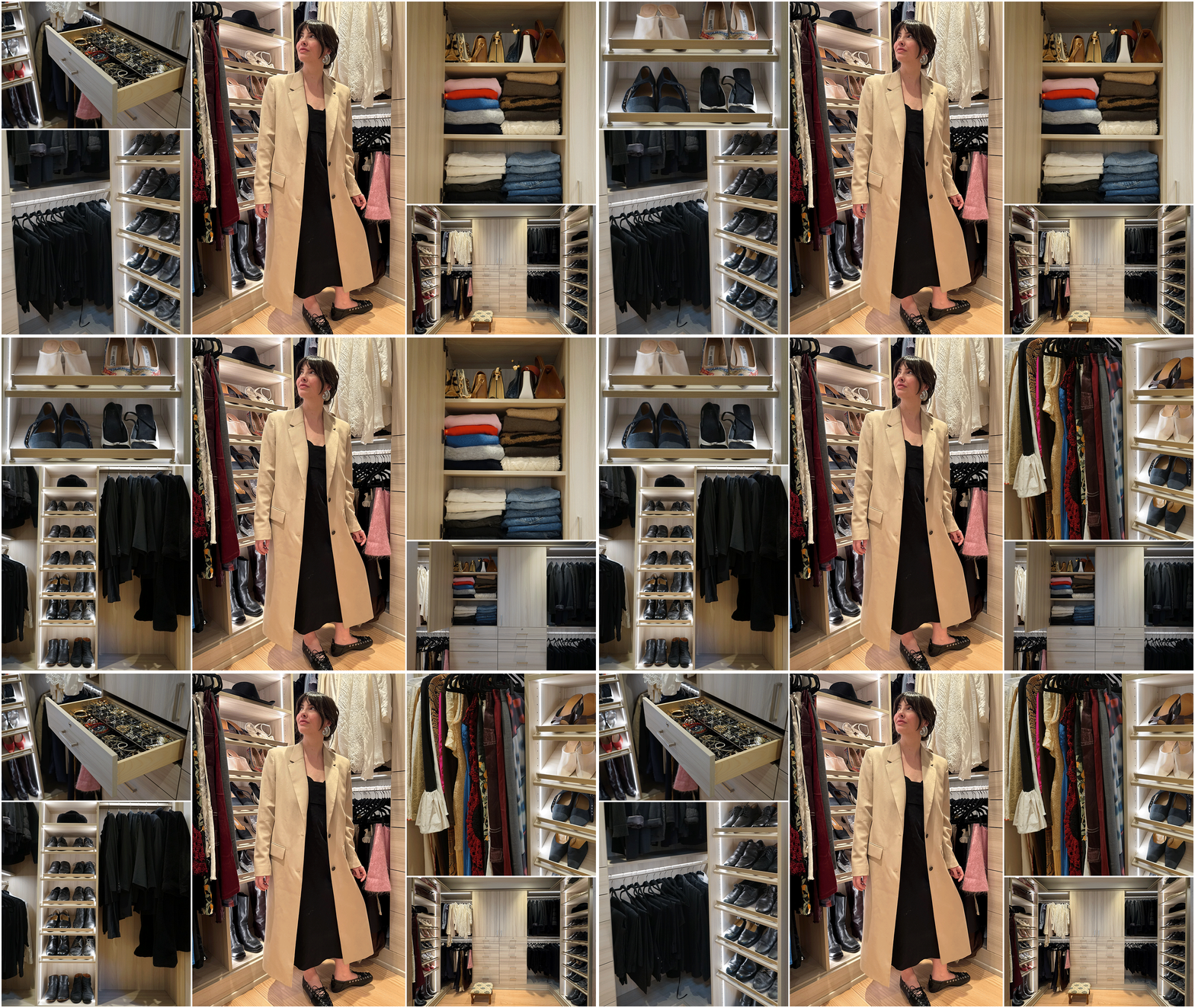
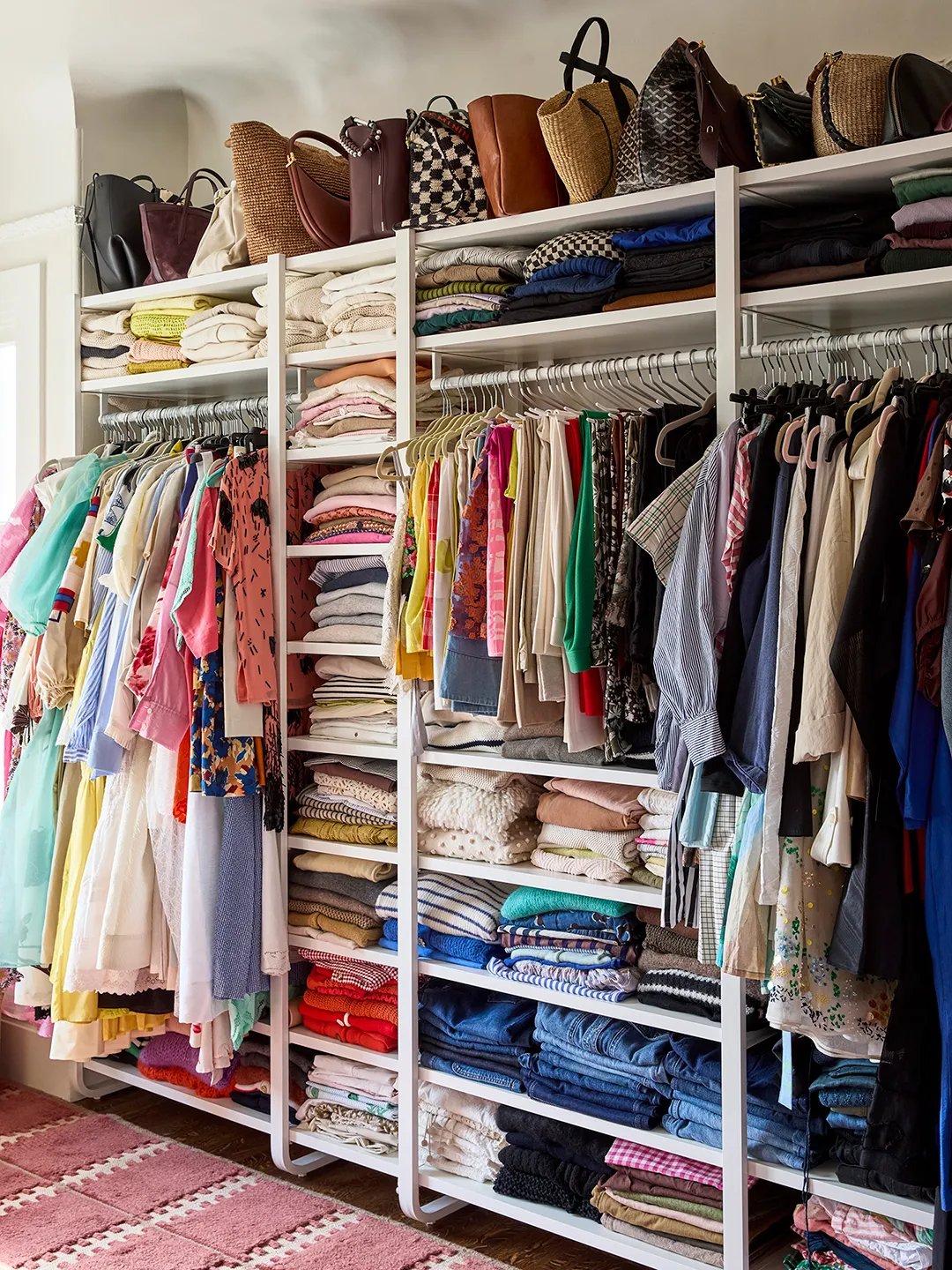
The author shares her experience designing a custom closet with The Container Store after years of dealing with a disorganized and overstuffed wardrobe, a common issue she terms 'chronic closet chaos' among fashion enthusiasts. The process began with a consultation with in-house design experts, opting for a virtual session. She learned about The Container Store's three main lines for custom spaces: Elfa, Avera, and Preston, ultimately choosing Preston for its blend of aesthetic appeal and functionality. The design team provided suggestions and optimizations, accommodating specific needs such as ample space for her extensive collection of white tops. The custom nature of the closet, tailored to fit the space and integrate with the home's architecture, made the experience unique and special.
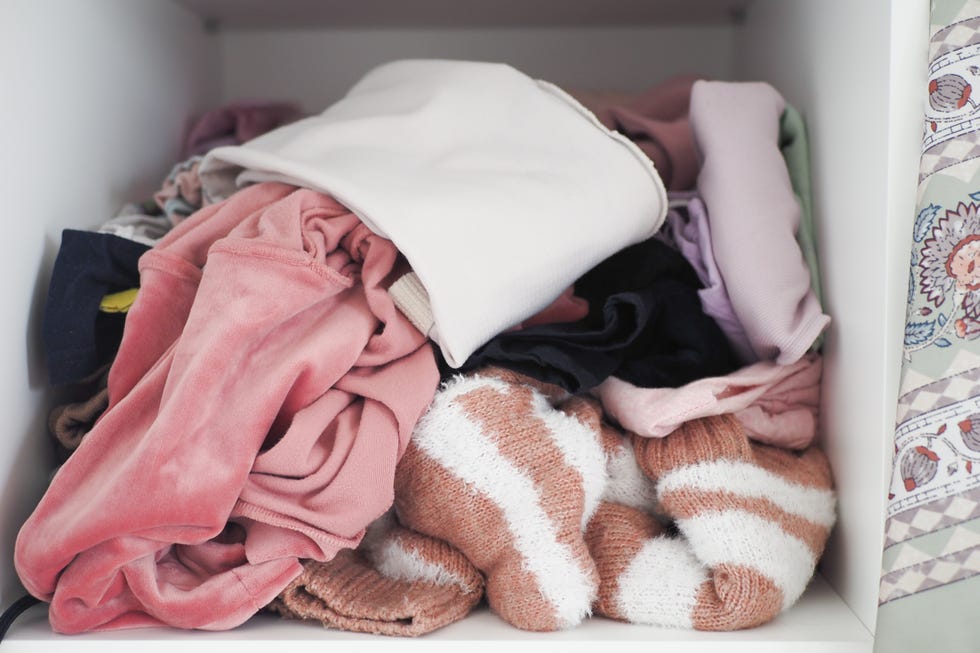
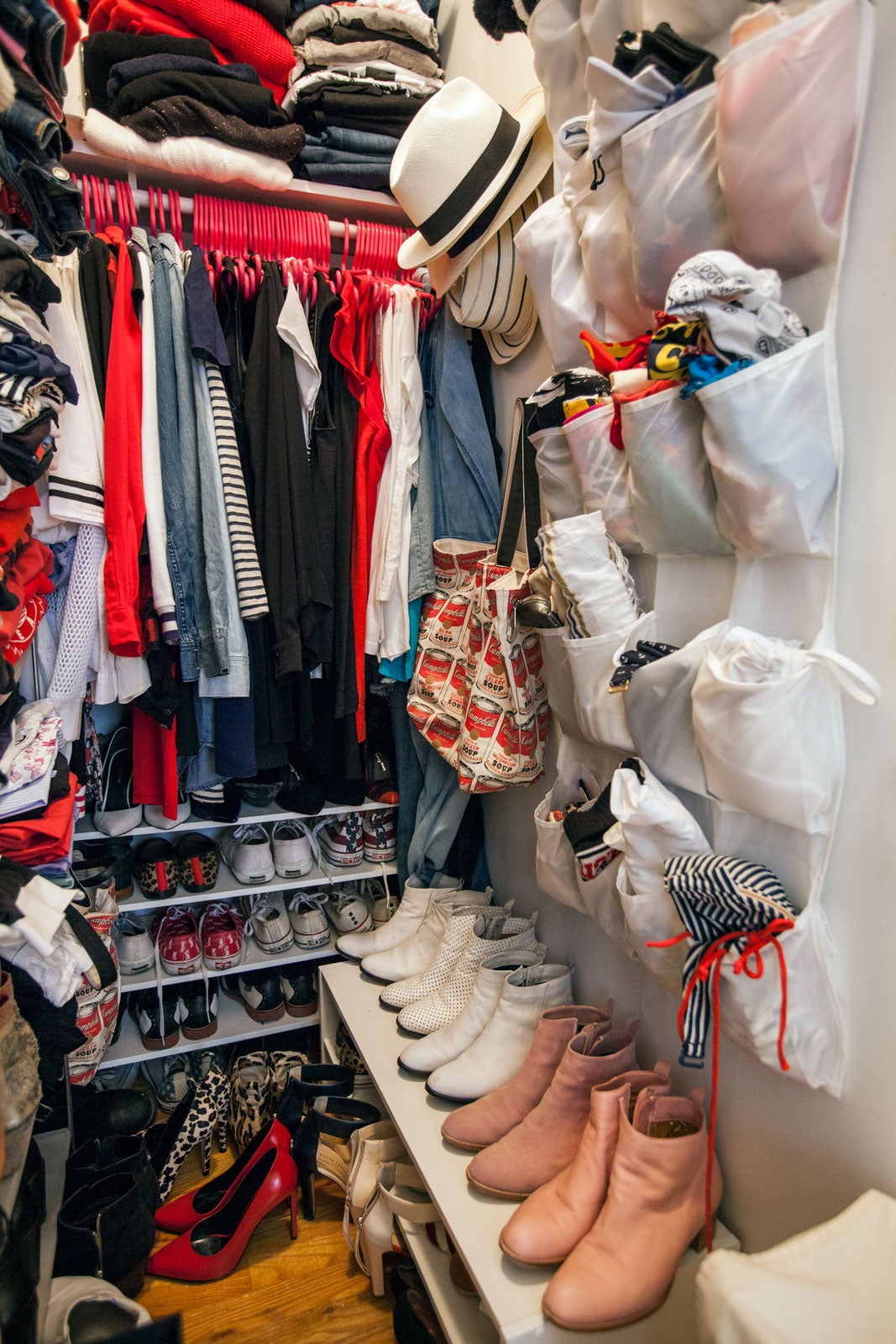
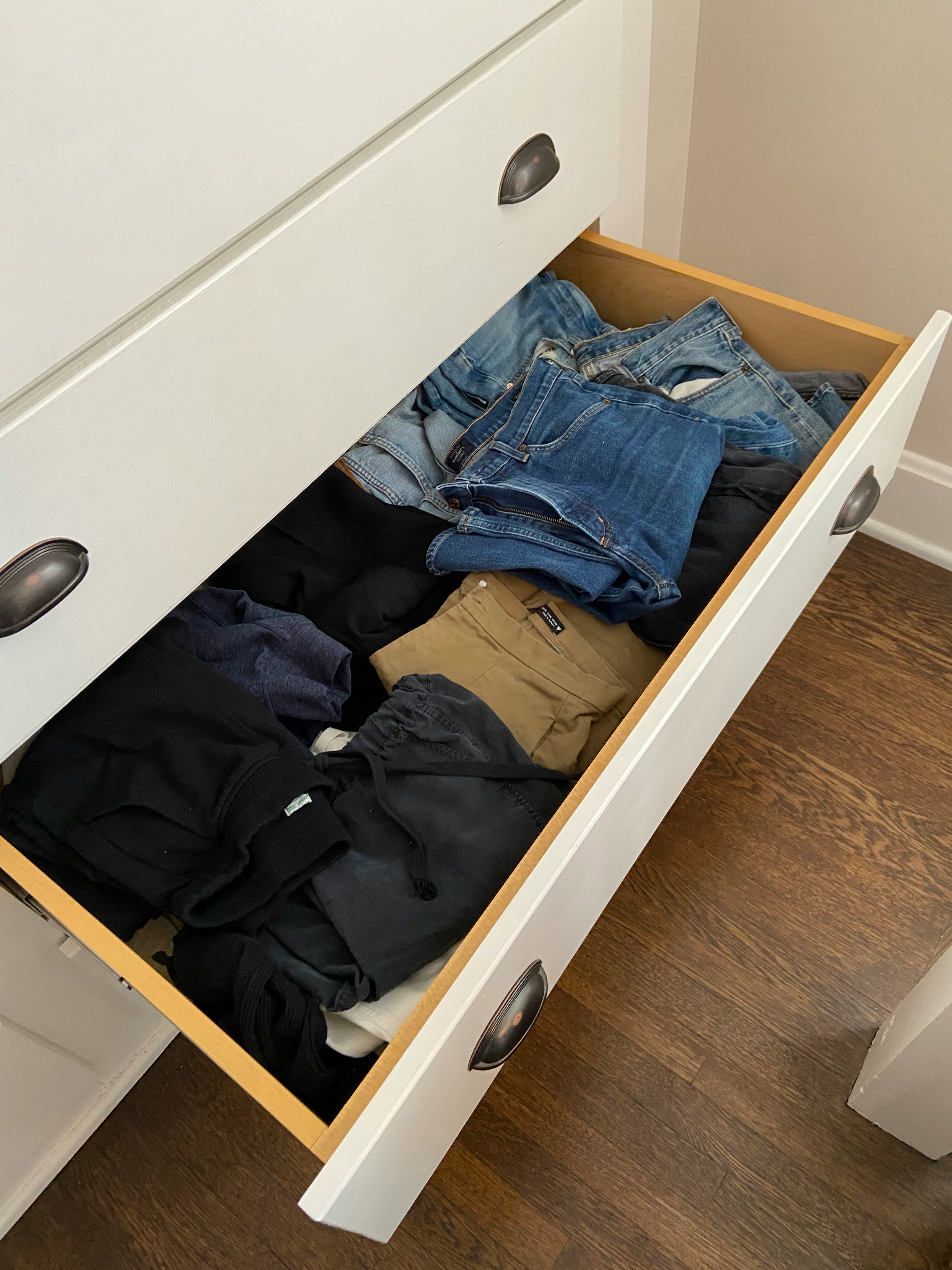
The author details eight key organizational tips derived from her year-long design and installation process, which was extended due to a house remodel. The first tip, "Start With a Blank Slate," involves removing all items from the closet to intentionally select what will be returned. This method, initially daunting, proved effective in providing clarity for culling an excessive clothing collection by prompting questions like whether an item has been worn in the past two years or elicits a strong desire to keep it. The second tip, "Find Your Light," emphasizes the importance of strategic lighting for both aesthetic appeal and functionality, noting that good lighting helps in easily identifying clothing items. She highlights the option of stick-on closet lights as a practical solution even without a custom setup.
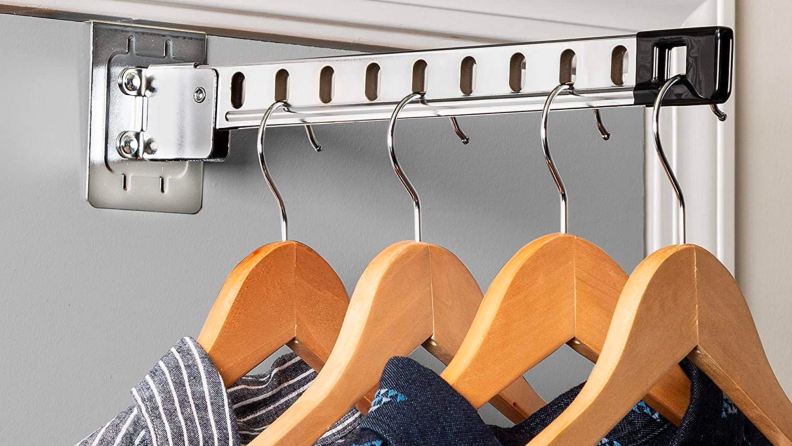
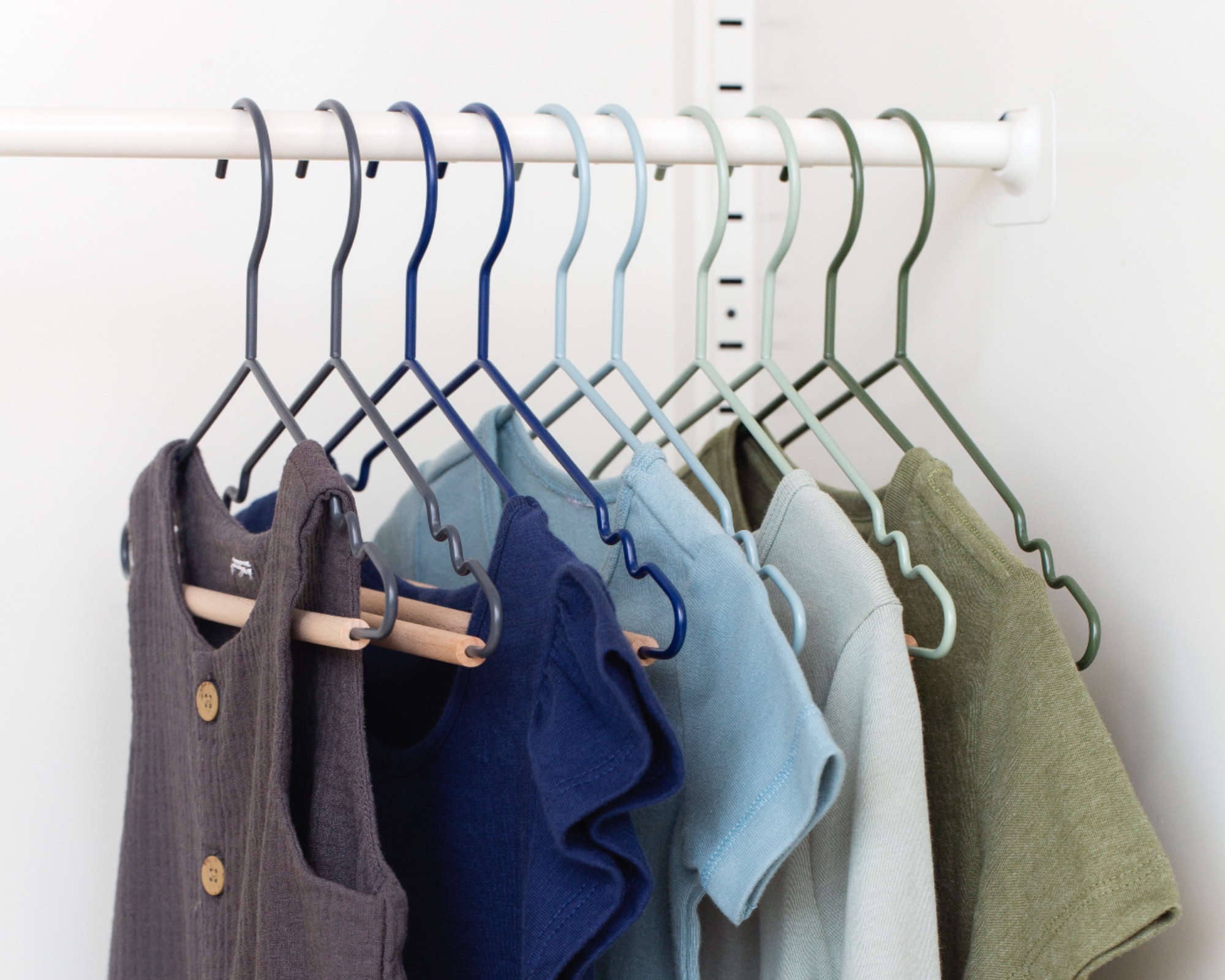
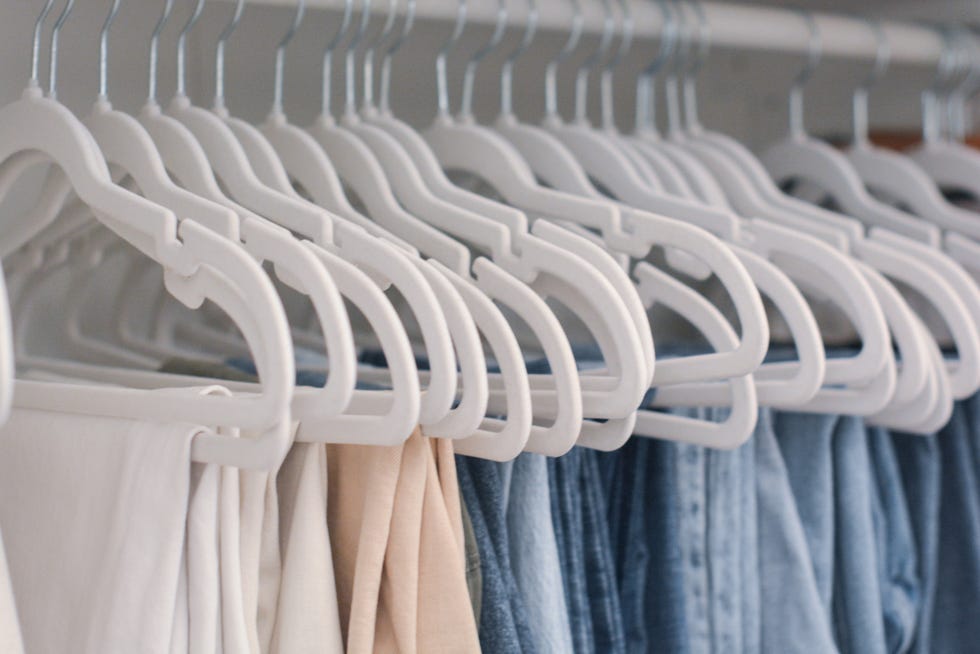
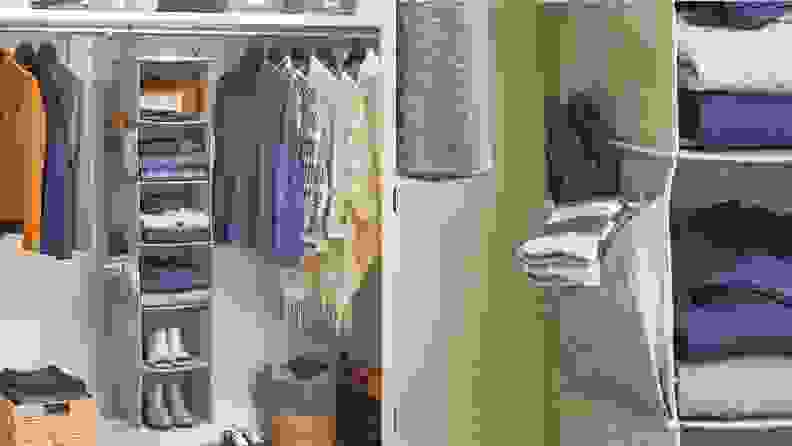
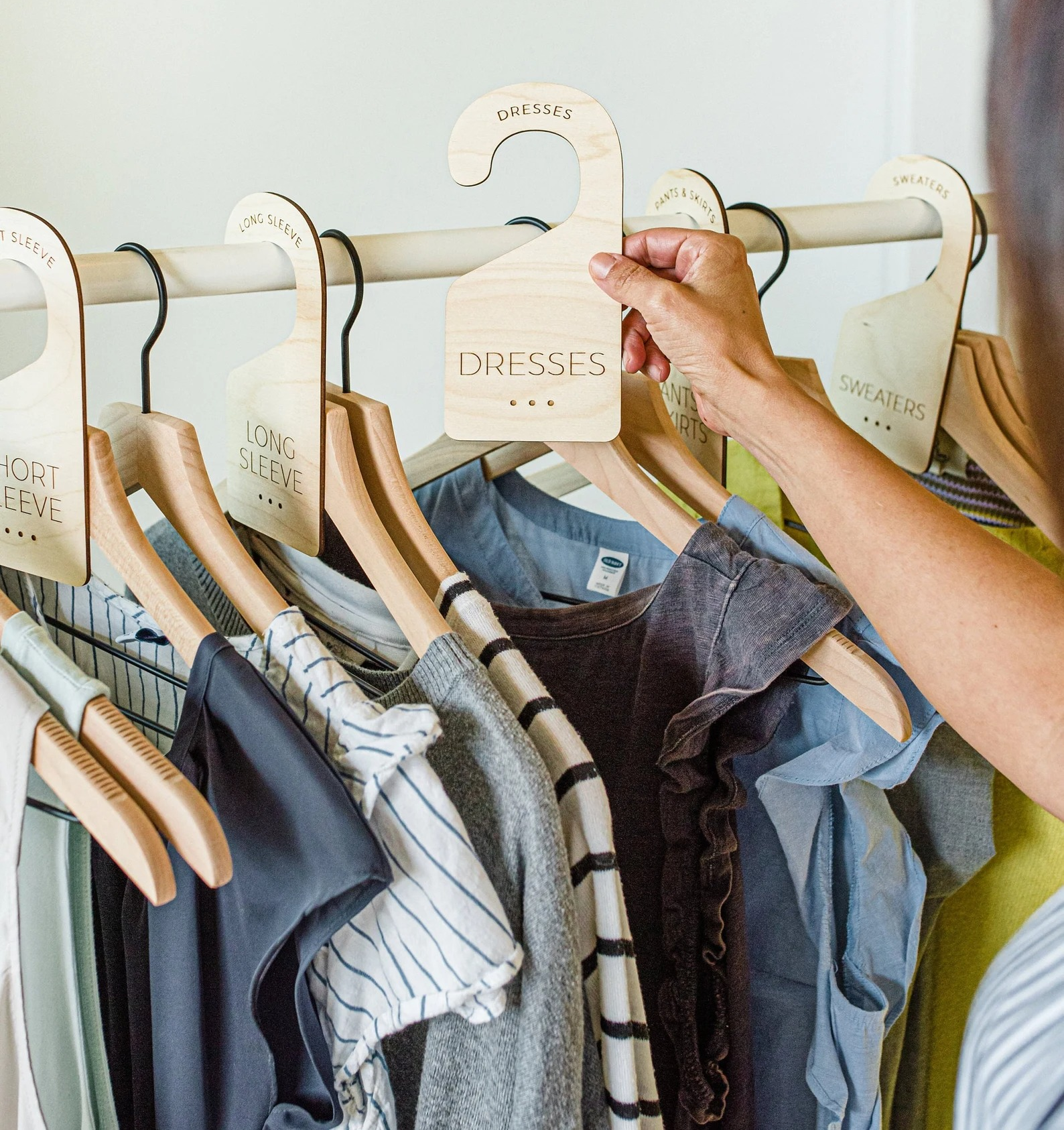
"Great Accessorizing Starts With Good Organization" is the third tip, advocating for prioritizing organizational tools for accessories. The author explains that visible and well-organized accessories lead to their more frequent use and better-accessorized outfits, citing her use of individual acrylic boxes for jewelry. The fourth tip, "Faves to the Front," suggests placing frequently worn or favorite items in easily accessible spots. This approach helps identify which items are used most often and makes it easier to let go of less-used pieces. She also recommends using uniform hangers, specifically slim velvet hangers, for space-saving and non-slip benefits.
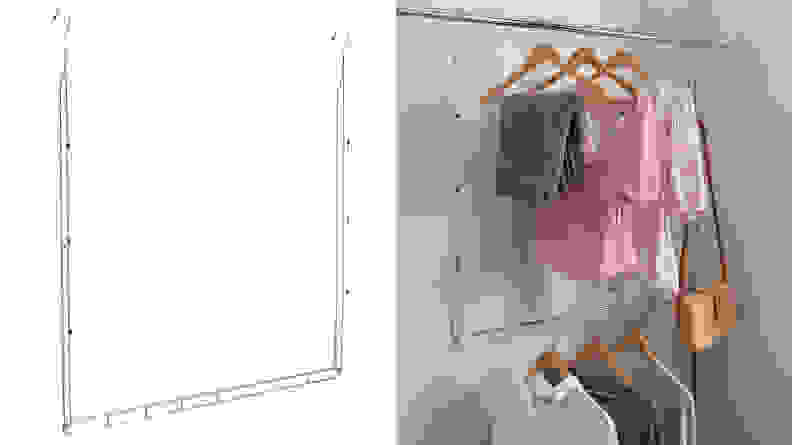
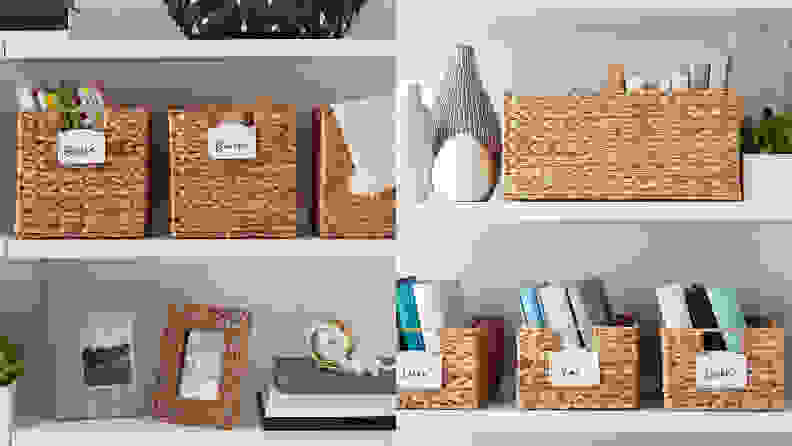
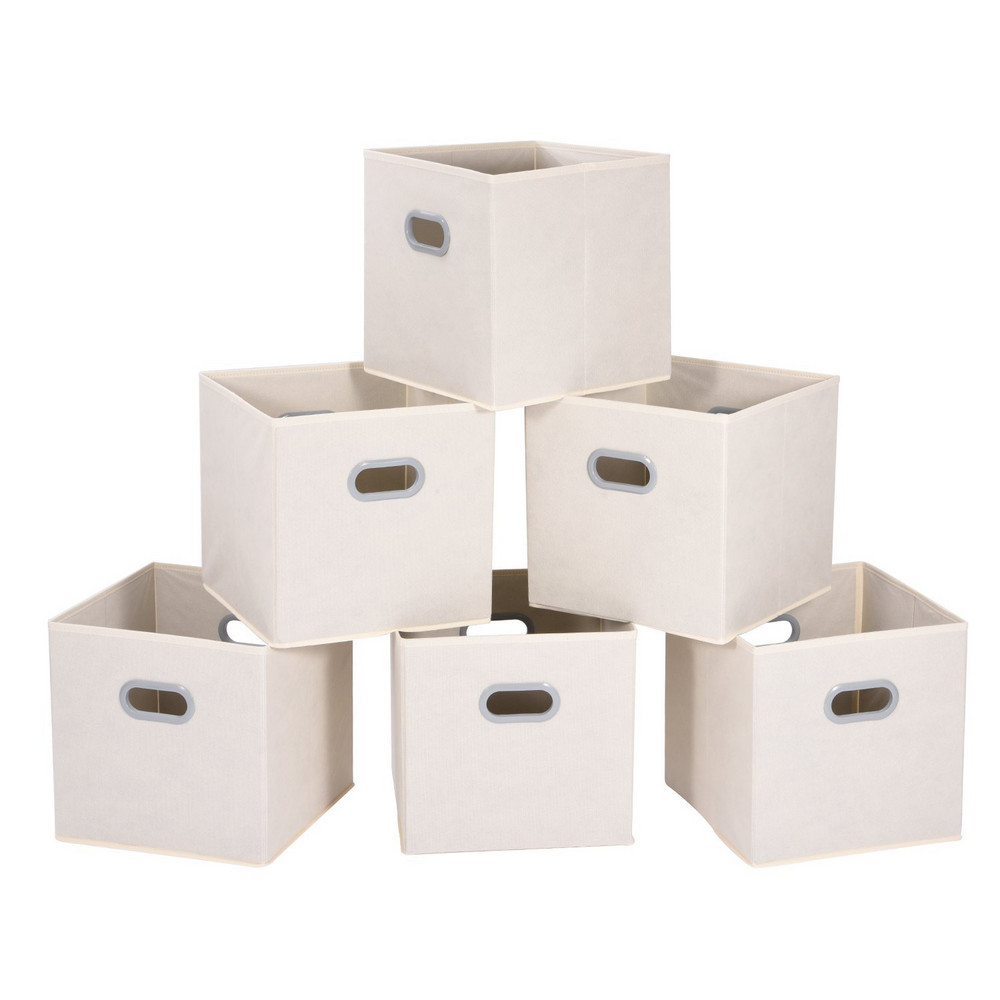
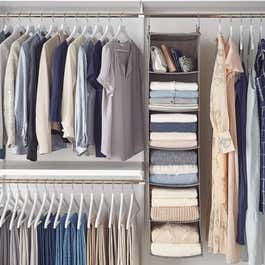
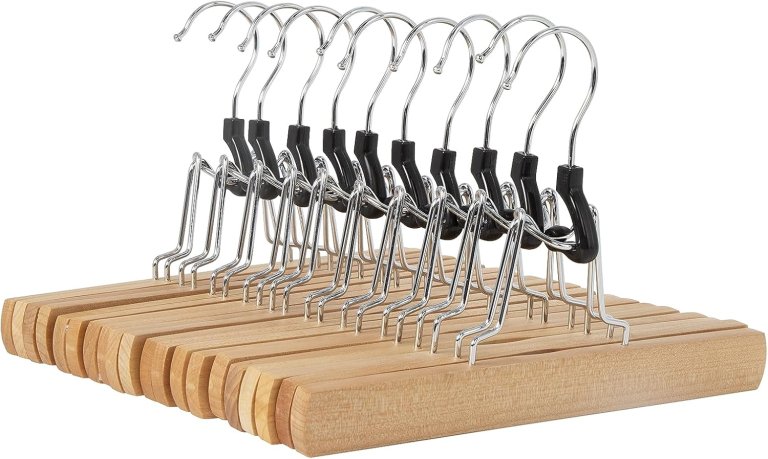
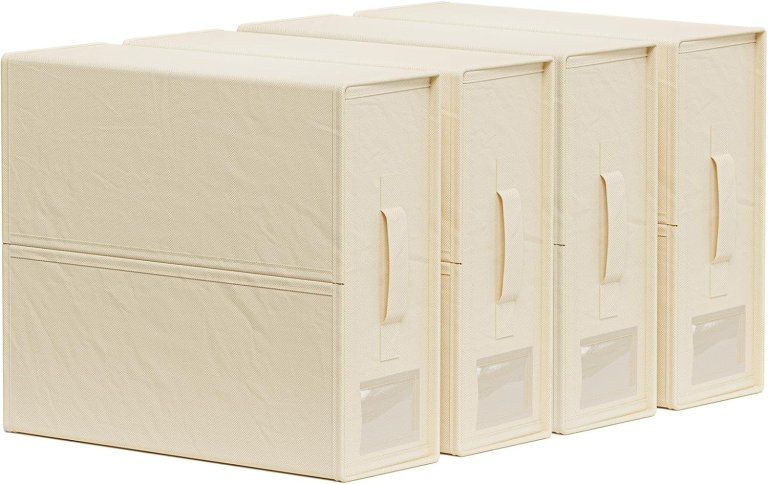
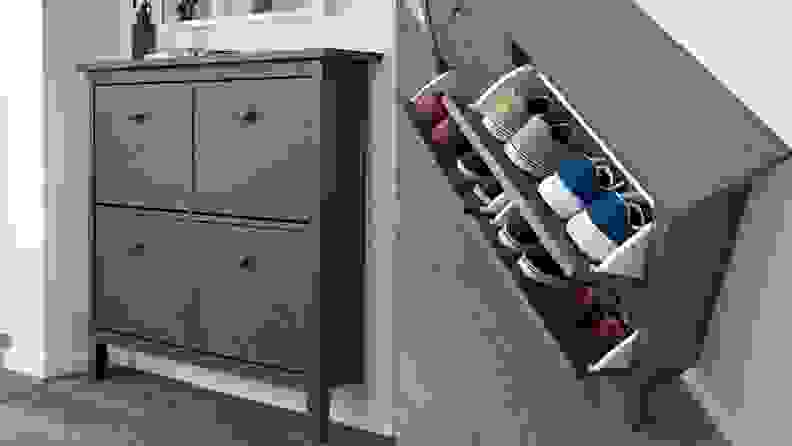
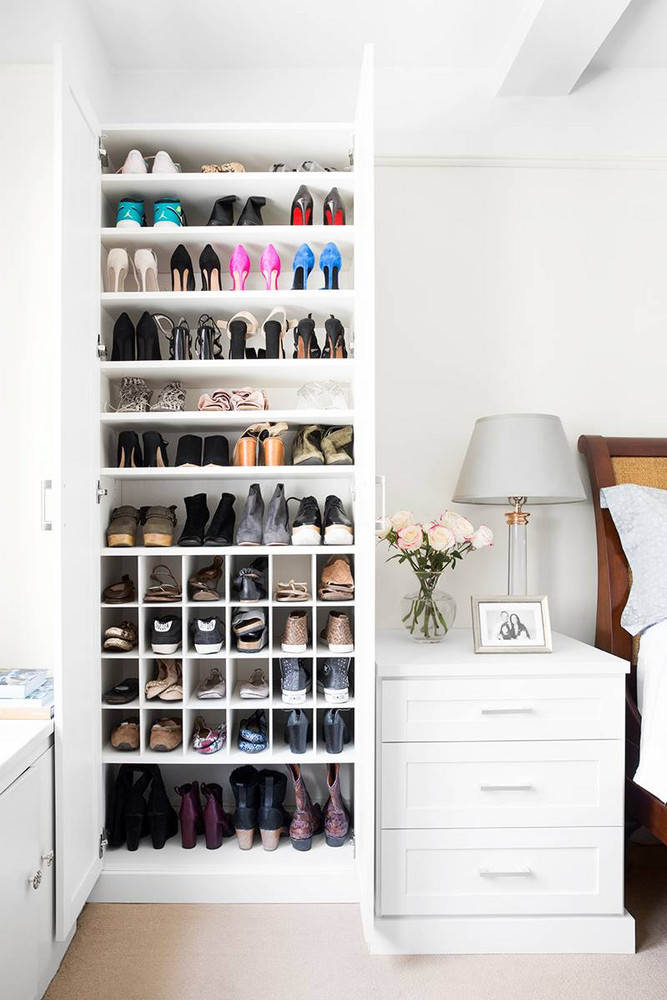
Tip five, "The Long and Short of It," focuses on maximizing space through smart closet design by proportioning hanging space correctly—short hanging for tops and long hanging for maxi dresses. The author custom-designed rod lengths and shoe shelf heights to suit her specific wardrobe. "Bin Wisely," the sixth tip, stresses the utility of bins for maintaining tidiness, particularly for new parents. She prefers clear acrylic bins for visually cohesive items and cognac faux-leather bins for less organized or aesthetically inconsistent items. The seventh tip, "A Shoe Edit," addresses shoe organization, especially for those with large collections. She recommends dedicating space for a "shoe capsule" of favorites and storing less-used pairs elsewhere. Custom design allows for tailored solutions for shoe storage, highlighting products like boot clips and drop-front shoe boxes.
Finally, the author expresses a sense of empowerment and satisfaction with her custom closet, feeling like the "queen of her closet." The article concludes with the practical application of these organizing principles, demonstrating how a well-designed closet can transform daily routines and reduce clutter.
#ClosetOrganization #HomeDesign #CustomCloset #TheContainerStore #WardrobeManagement #Decluttering #OrganizationalTips #InteriorDesign #PrestonCloset #ClosetOrganization #HomeDesign #CustomCloset #TheContainerStore #WardrobeManagement #Decluttering #OrganizationalTips #InteriorDesign #PrestonCloset
0 comment in total
 No comments yet
You may also like
I’ve Written About Hundreds of Closets—These Are the 8 Best Design Tricks I’ve Learned

Expert tips for organizing a closet and maximizing storage space

12 Products That Actually Work to Organize Every Closet in Your House
The Smartest Way to Organize Your Closet
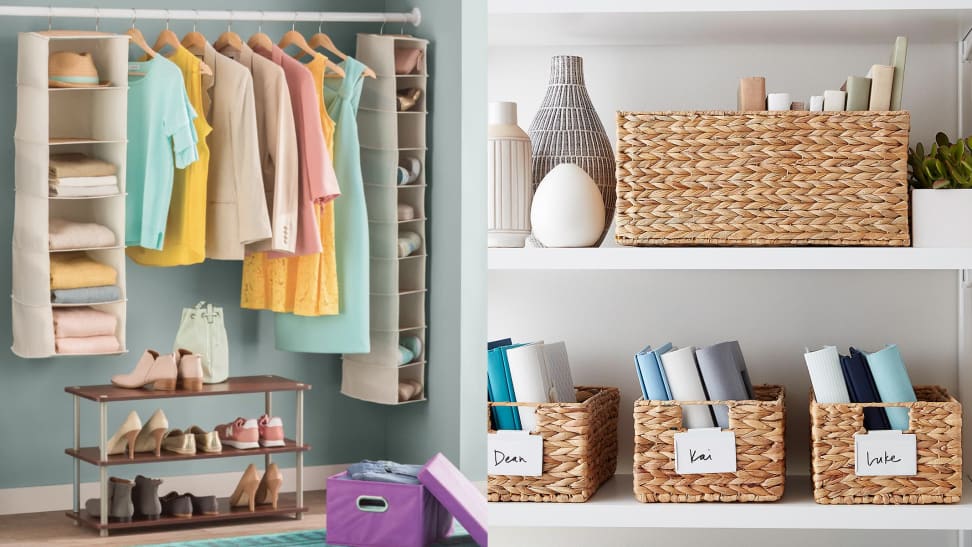
14 genius things you need to organize your closet
The Best Solutions for Organizing a Closet of Any Size
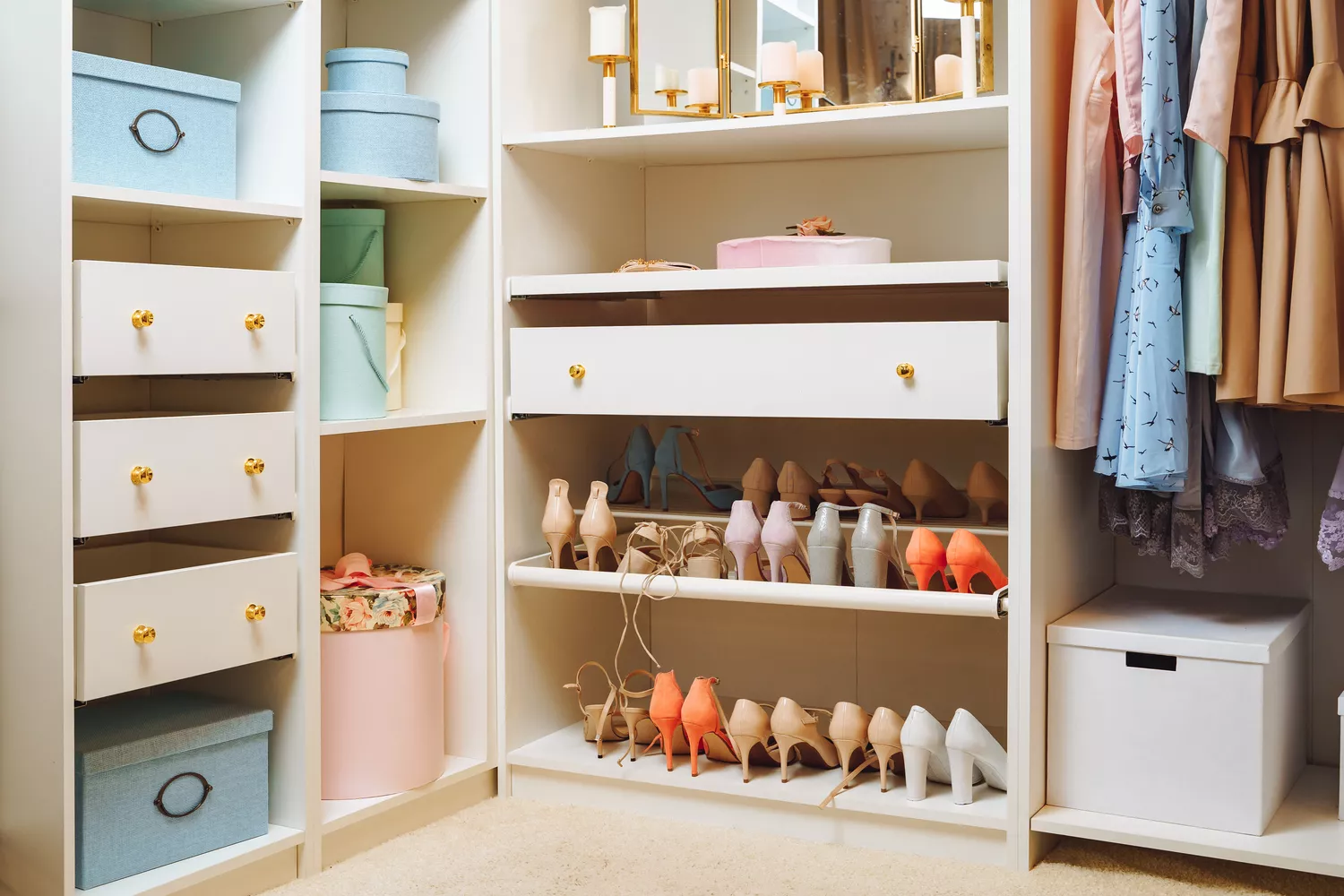
13 Secrets Only Professional Closet Organizers Know

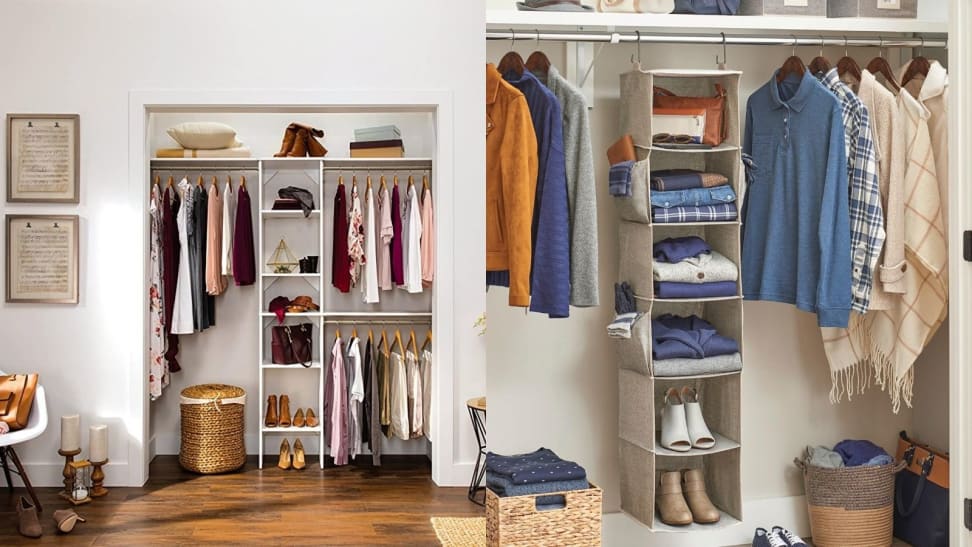
12 must-have products to keep your closet organized
10 Must-Haves For an Organized Closet
13 Professional Organizer-Approved Hacks for Managing Closet Clutter—and Keeping It Tidy 24/7

How To Organize Your Messy, Crowded Closet

Banish Closet Chaos with These Storage Organizers

35 Tips That'll Finally Organize Your Closet Once And For All

7 things the most organized people have in their closets – and what they always do first

33 Best Closet Systems of 2025, According to Experts

If Your Closet Is A Total Horror Show, These 30 Things Will Turn It Into An Organized Dream Come True
The best ways to organize your closet, according to a pro

Never Make These Closet Organization Mistakes, Warn Experts

I Hired A Yelp-Famous Closet Organizer — And Was Shocked By The Results
6 Fashion Designers Spill Their Secrets to a Clutter-Free Closet