1/12
Shared Closet Organization FAQs Answered By the Experts
Sharing a closet with a significant other presents unique organizational challenges, and while the idea can seem daunting, professional organizers offer practical solutions to maintain harmony and functionality. The article addresses common questions couples have about shared closet organization, aiming to alleviate concerns and provide actionable advice.
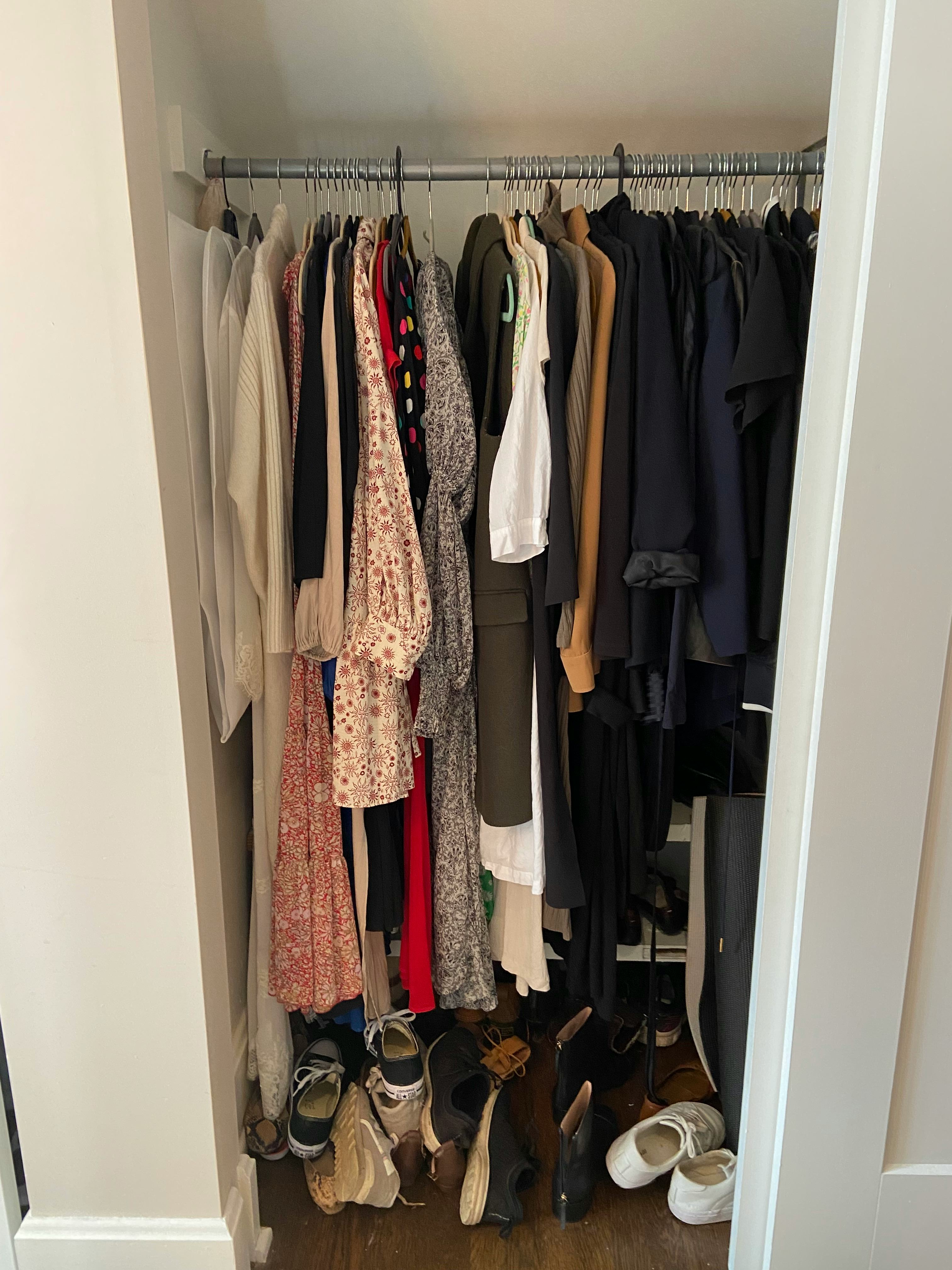
Regular decluttering is a cornerstone of effective shared closet management. Experts recommend decluttering at least twice a year, ideally at the start of spring and fall. These periods coincide with significant seasonal changes, making it a natural time for both individuals to reassess their wardrobes and remove items they no longer wear. This routine prevents overcrowding, which can quickly lead to disorganization and frustration in a shared space. Regular check-ins ensure that the closet remains tidy and functional for both users.
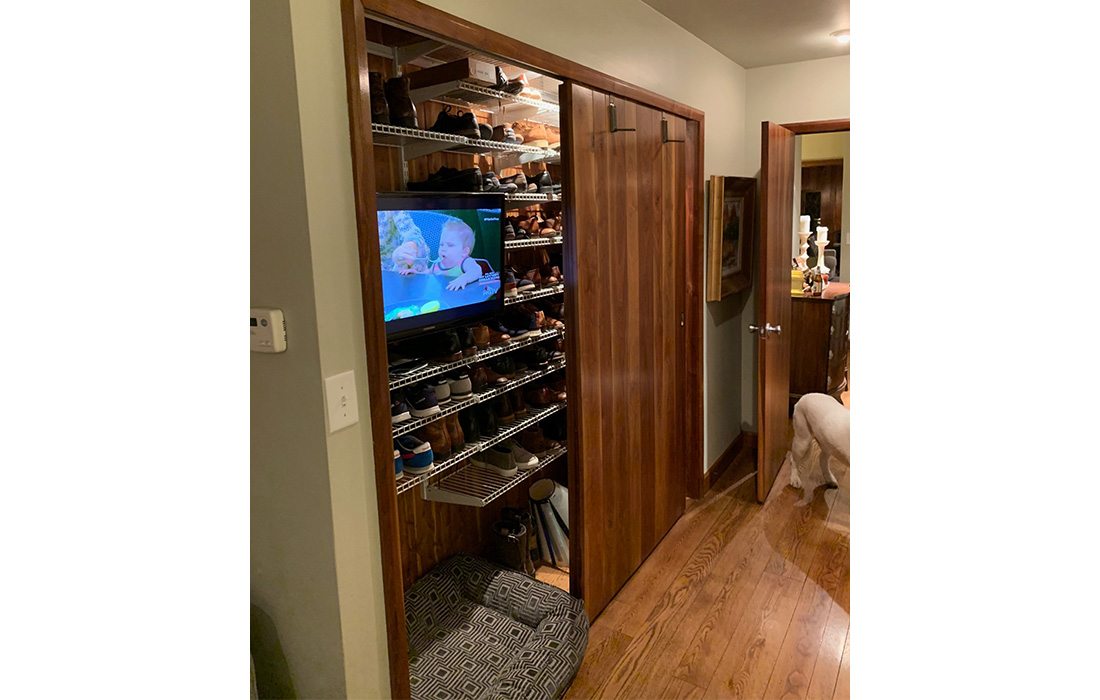
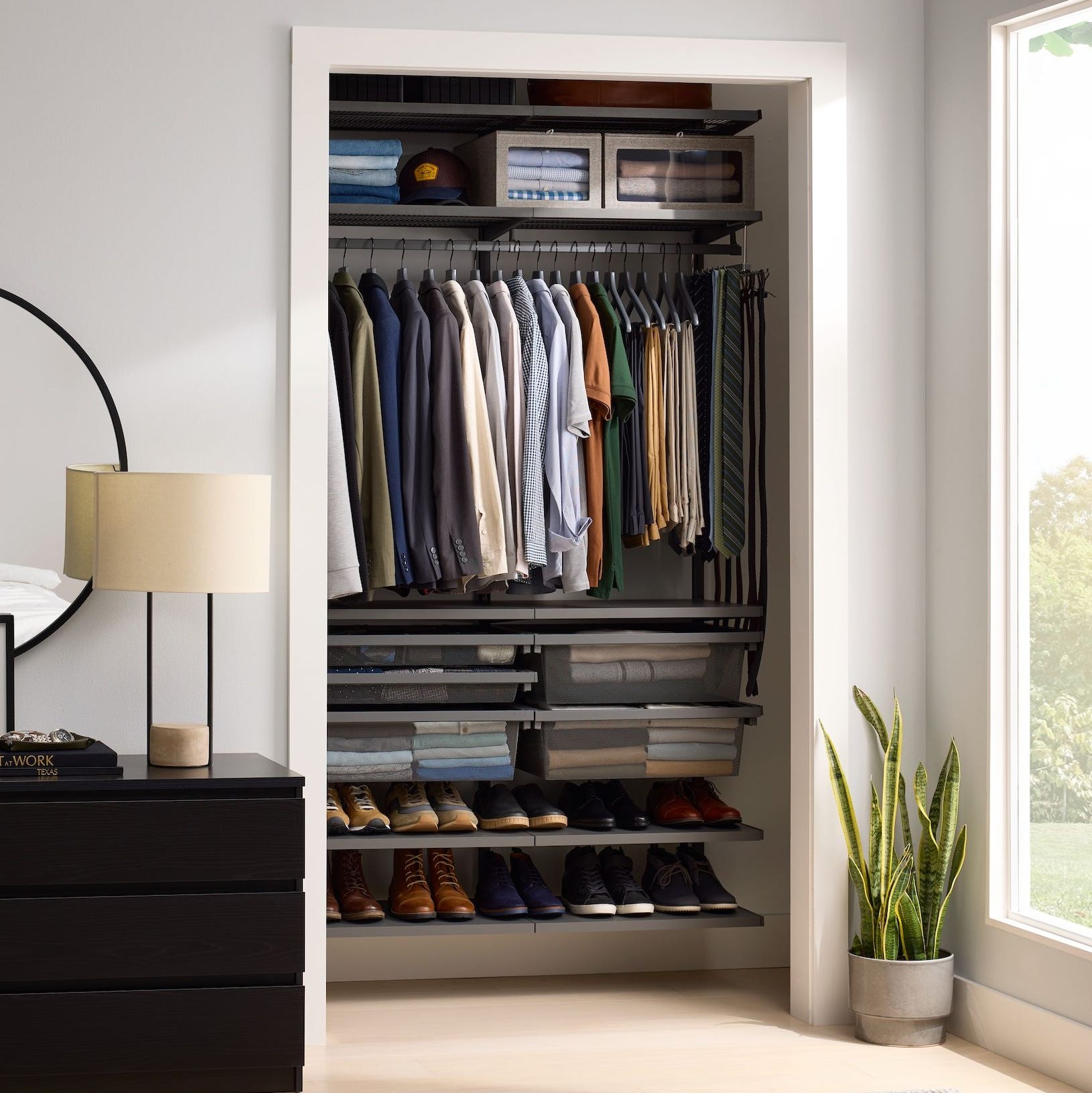
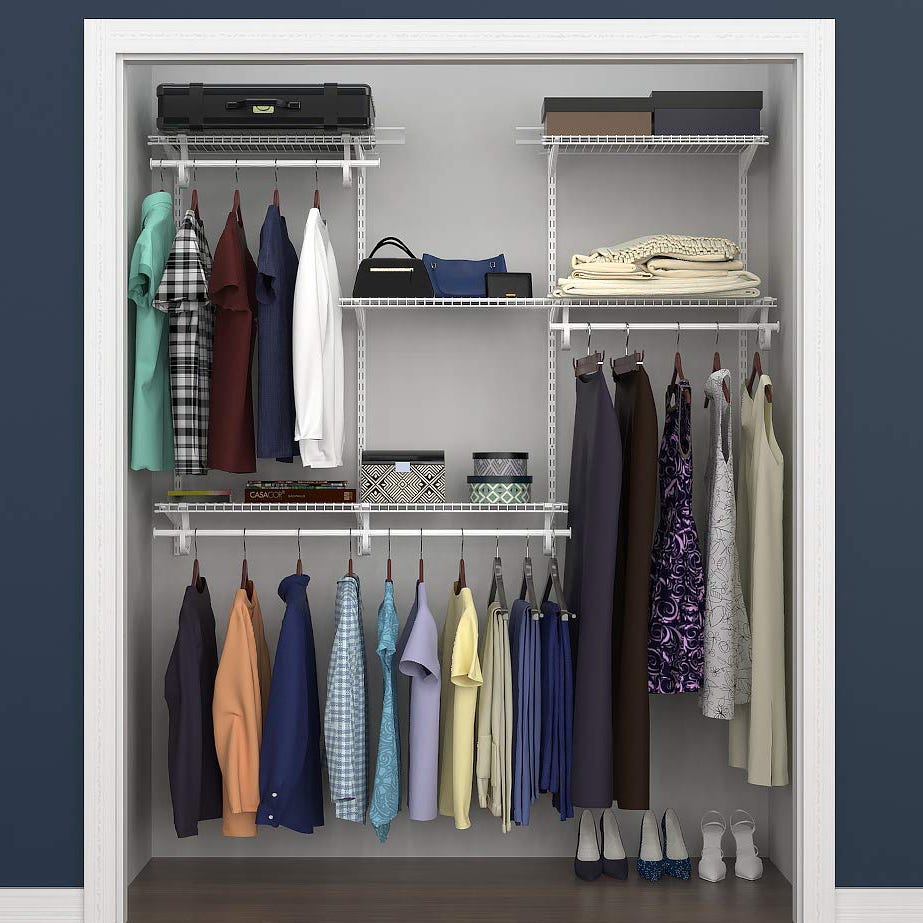
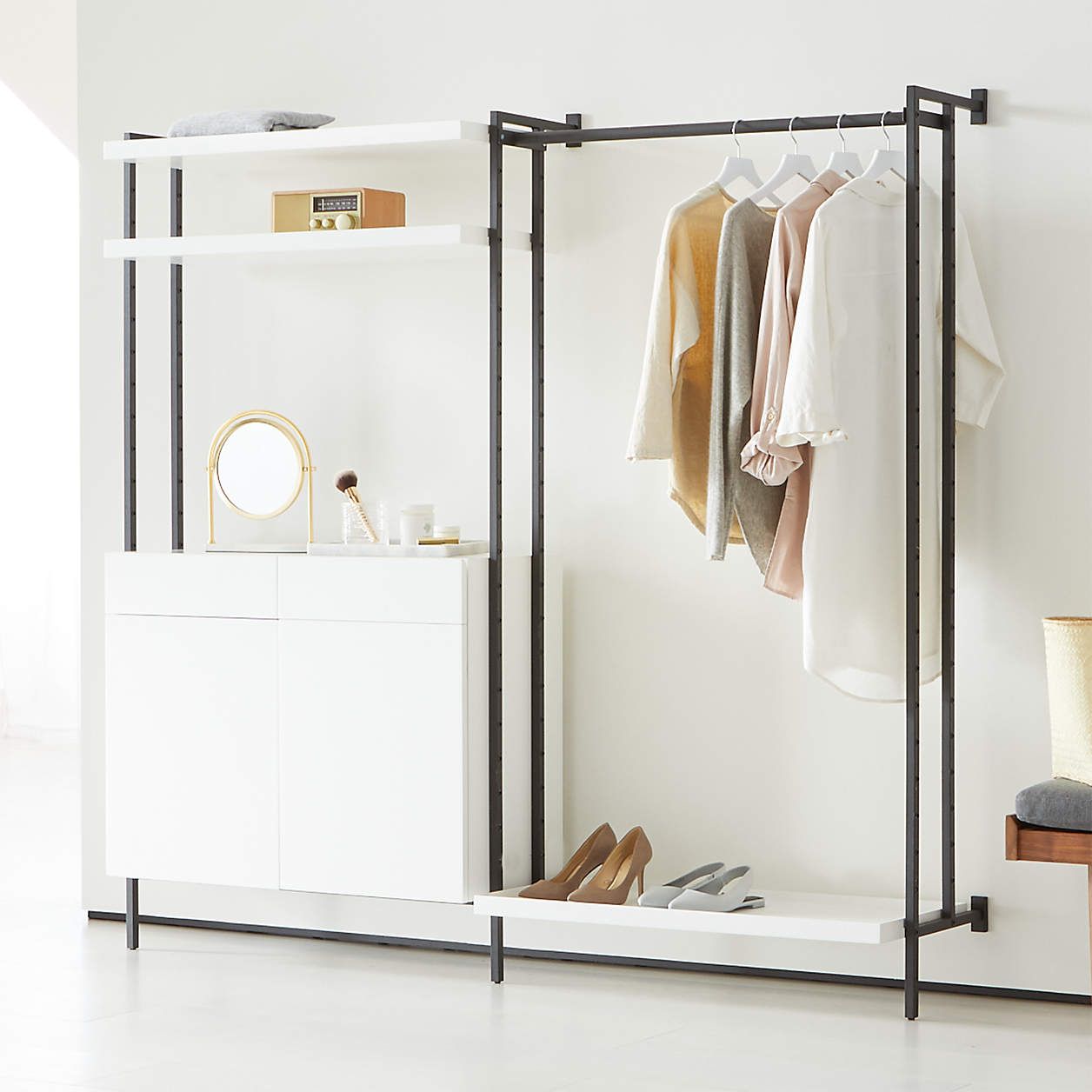
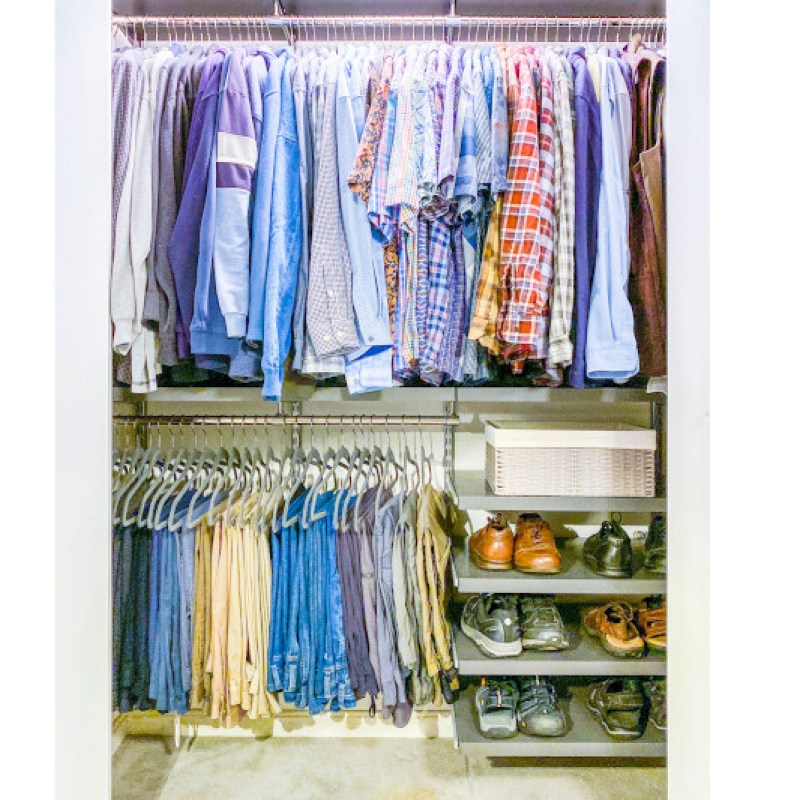
The most effective rule of thumb for organizing a shared closet is to establish clear, designated zones for each person. This approach minimizes overlap and streamlines the process of getting dressed, saving time and reducing potential conflict. Mapping out specific areas for each person’s belongings, such as sections of hanging rods, shelving, or drawers, is crucial. Maintaining consistency in how items are grouped within these zones—keeping all pants together, all accessories in designated drawers—reinforces order and respects boundaries, which is vital for long-term organizational success.
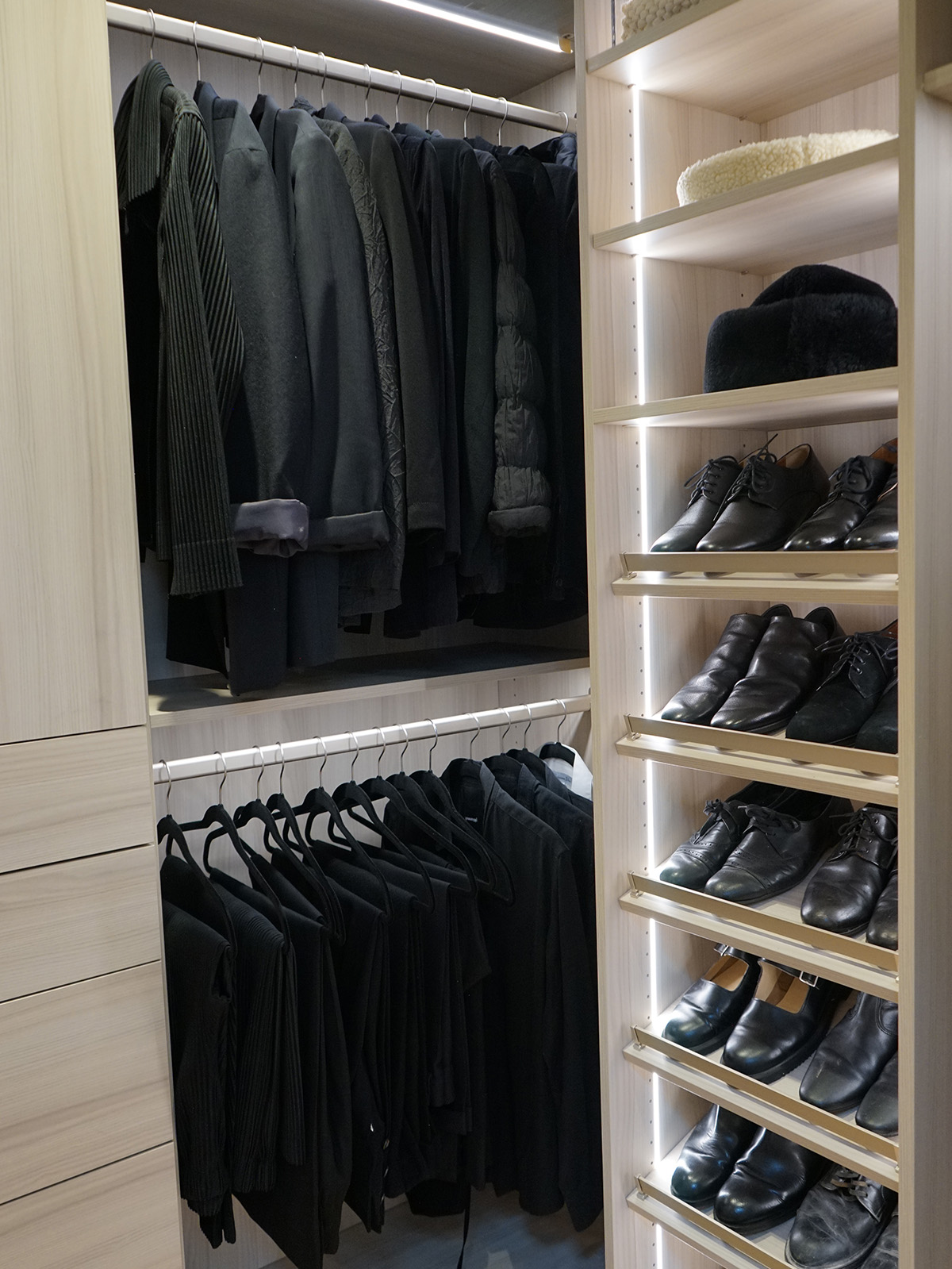
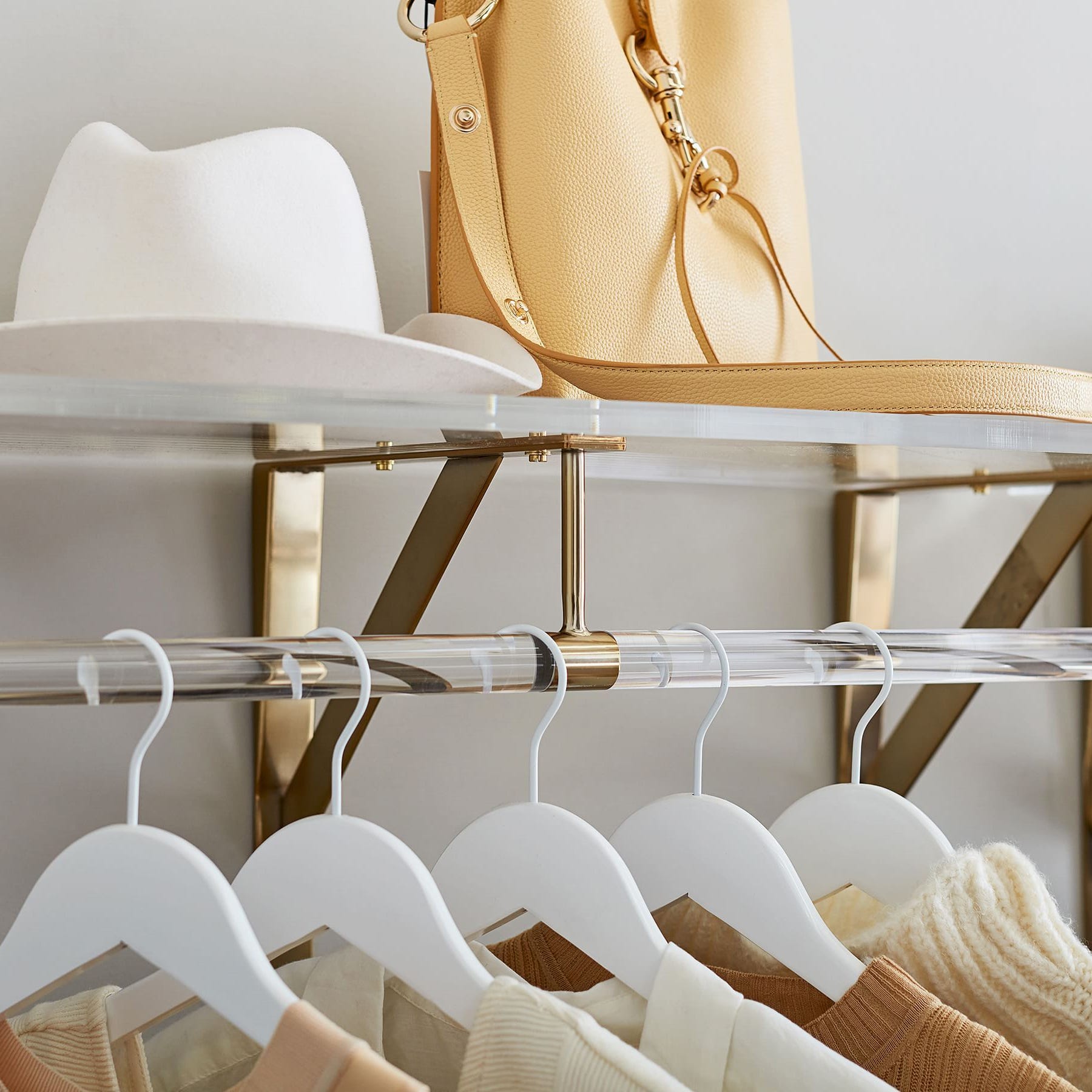
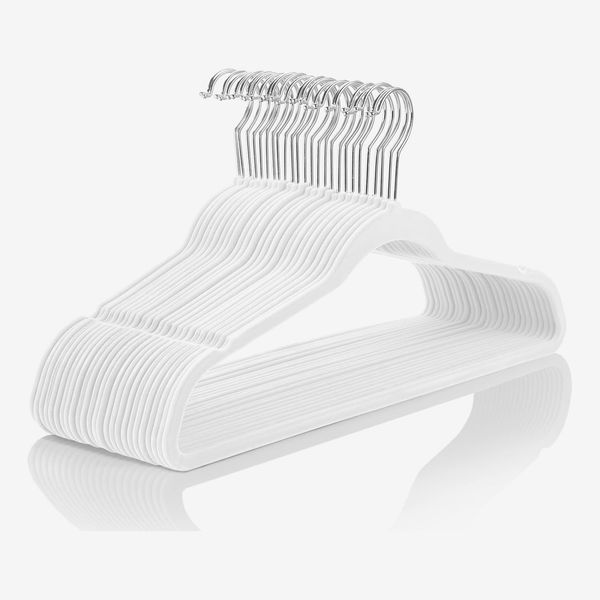
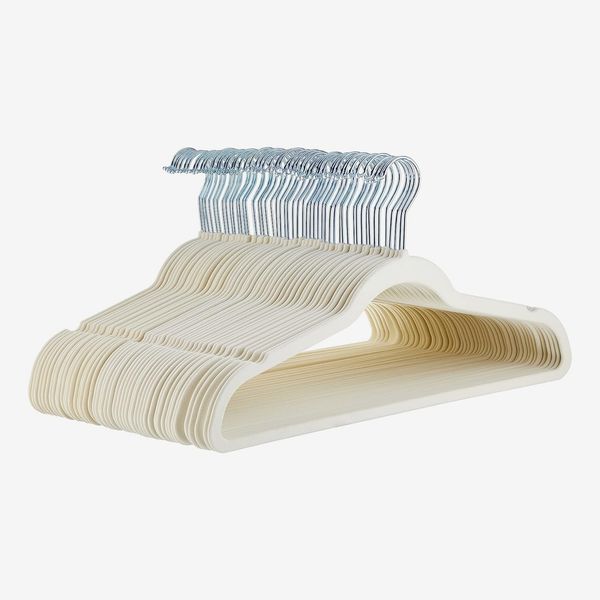
Cohesive hangers are a simple yet impactful tool for shared closets. Beyond their aesthetic appeal, matching hangers save space and prevent clothes from slipping, contributing to a visually unified system. This uniformity fosters a sense of calm and balance in the shared space, making it feel less cluttered and more harmonious for both individuals. Whether opting for non-slip velvet hangers or metal clip hangers for specific garments, consistency in hanger choice can significantly improve the closet's overall appearance and functionality.
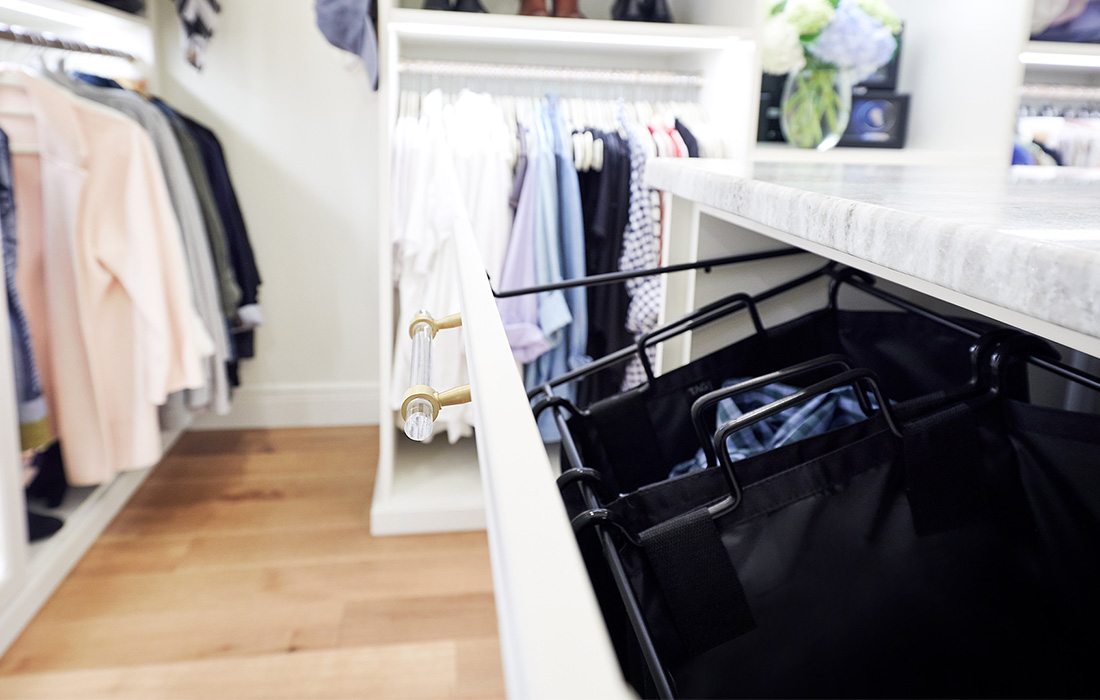
Separate organization within a shared closet is highly recommended. Grouping items by person and then by category helps maintain order and reduces daily frustration. Each individual should have their own distinct area for clothes, shoes, and accessories. Even shared items, such as hampers or laundry bins, should have clear rules regarding their use and placement. This strategic separation is essential for preventing mix-ups and ensuring that each person can easily access their belongings without disturbing the other’s.
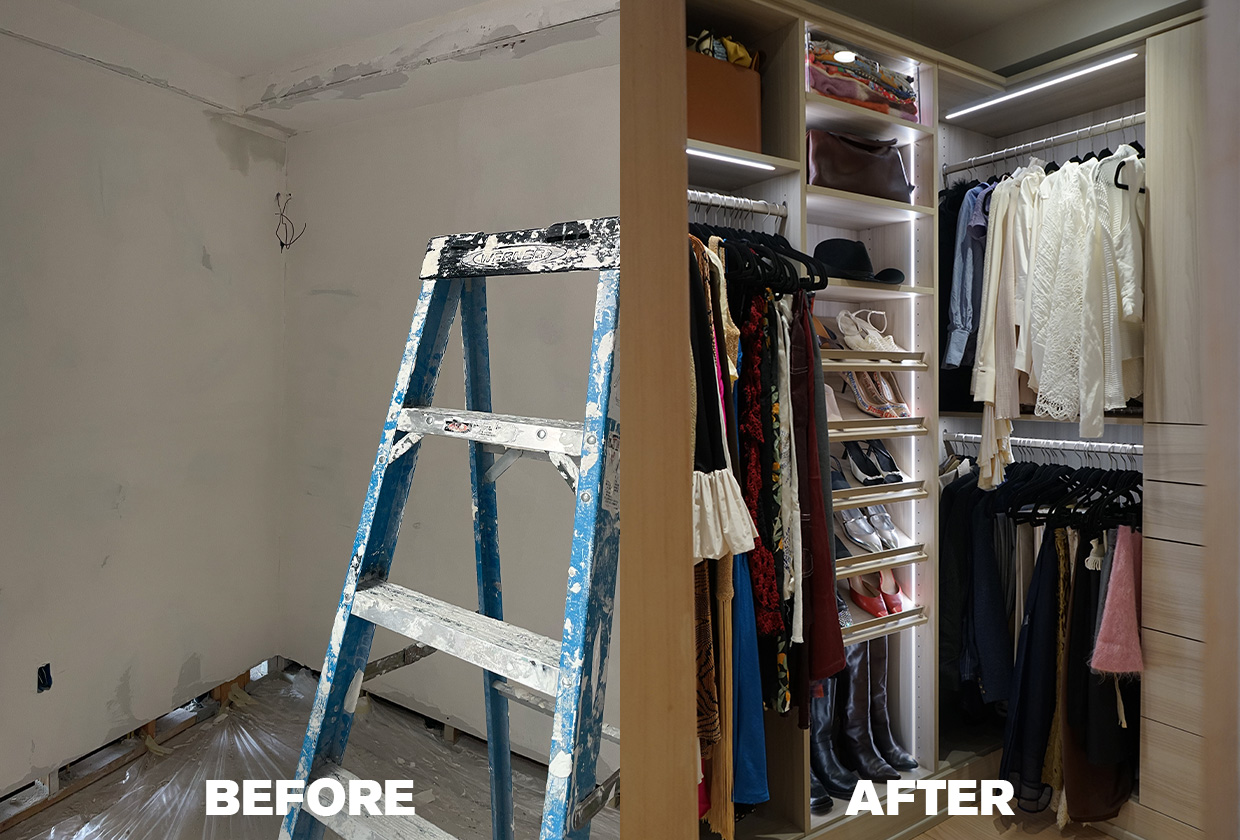
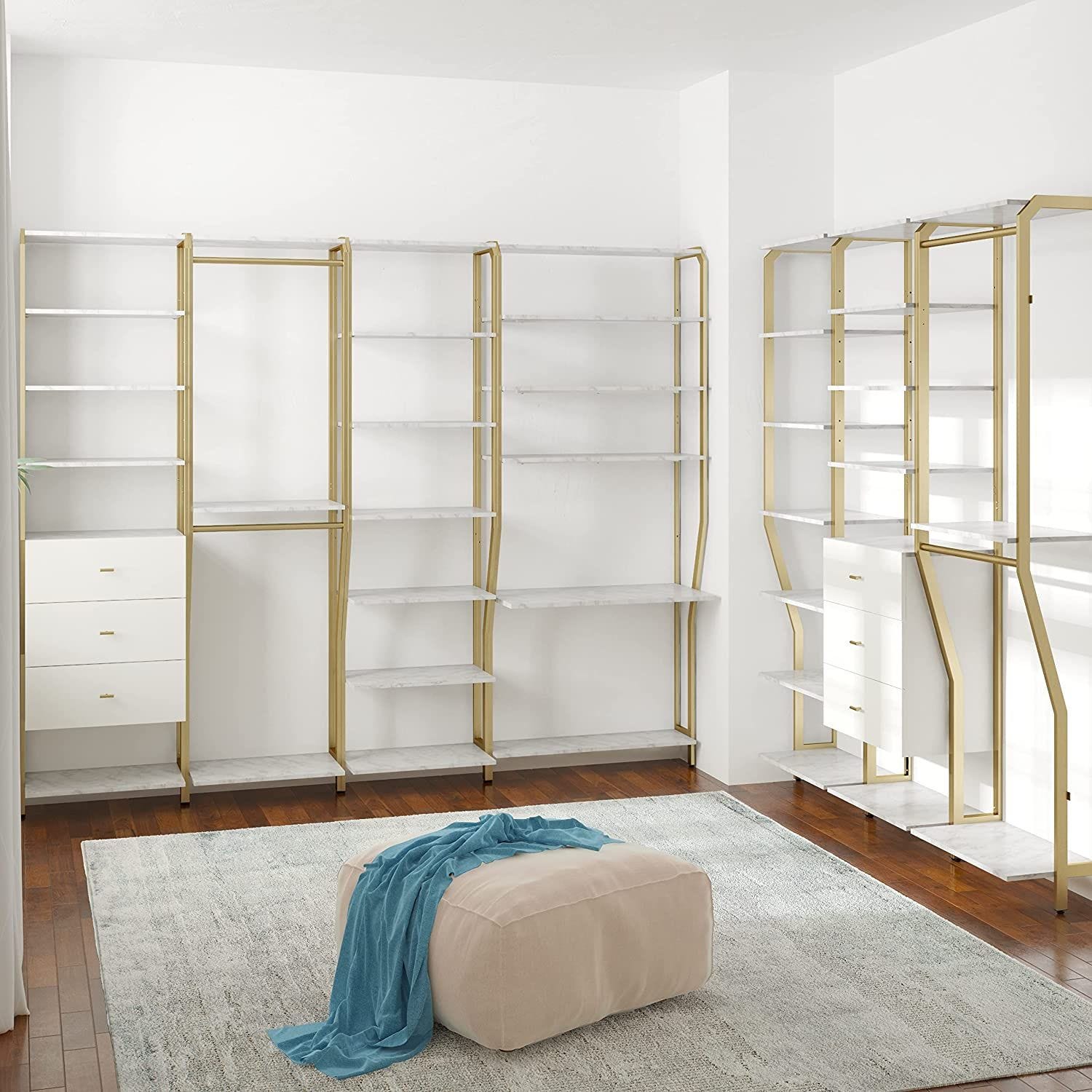
The key differences in organizing shared closets often revolve around individual wardrobe needs. Some individuals may require more hanging space for longer garments like dresses, while others might need additional shelving or drawers for t-shirts and pants. Customizing the closet design based on these individual requirements is paramount. Whether planning a built-in closet or a luxury wardrobe, the focus should be on how each person lives and what types of clothing they own, ensuring the closet is built around their specific needs.
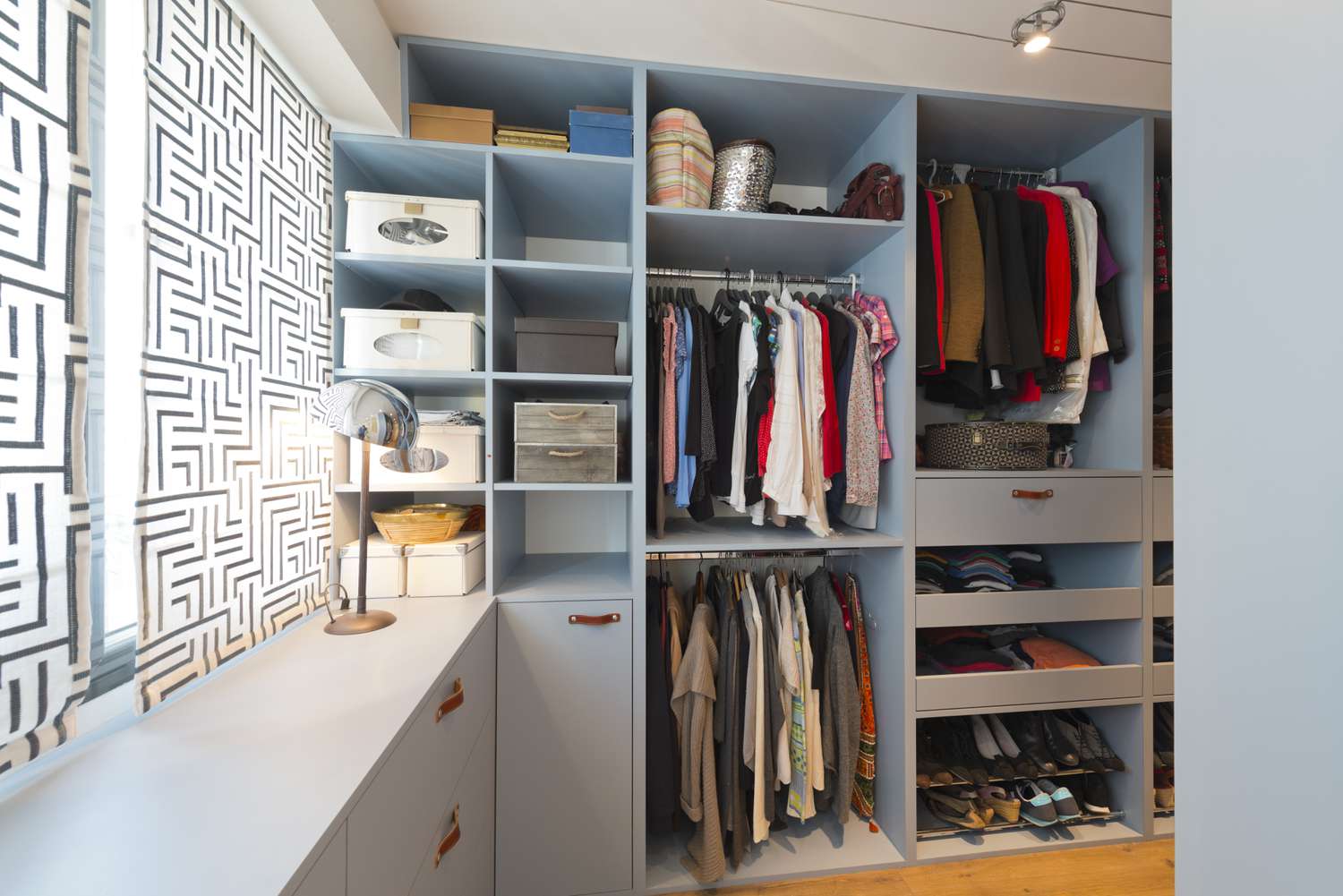
When dividing a shared closet, a vertical split is generally more effective than a horizontal one. This allows each person to have their own side, from top to bottom, which creates a more balanced feel and is easier to maintain. In cases where a full vertical split isn't feasible, such as in reach-in closets, a partial vertical division (e.g., one person using the top half of shelving, the other the bottom) can also work. The ultimate goal is to create distinct, dedicated spaces that eliminate overlap and promote ease of use.
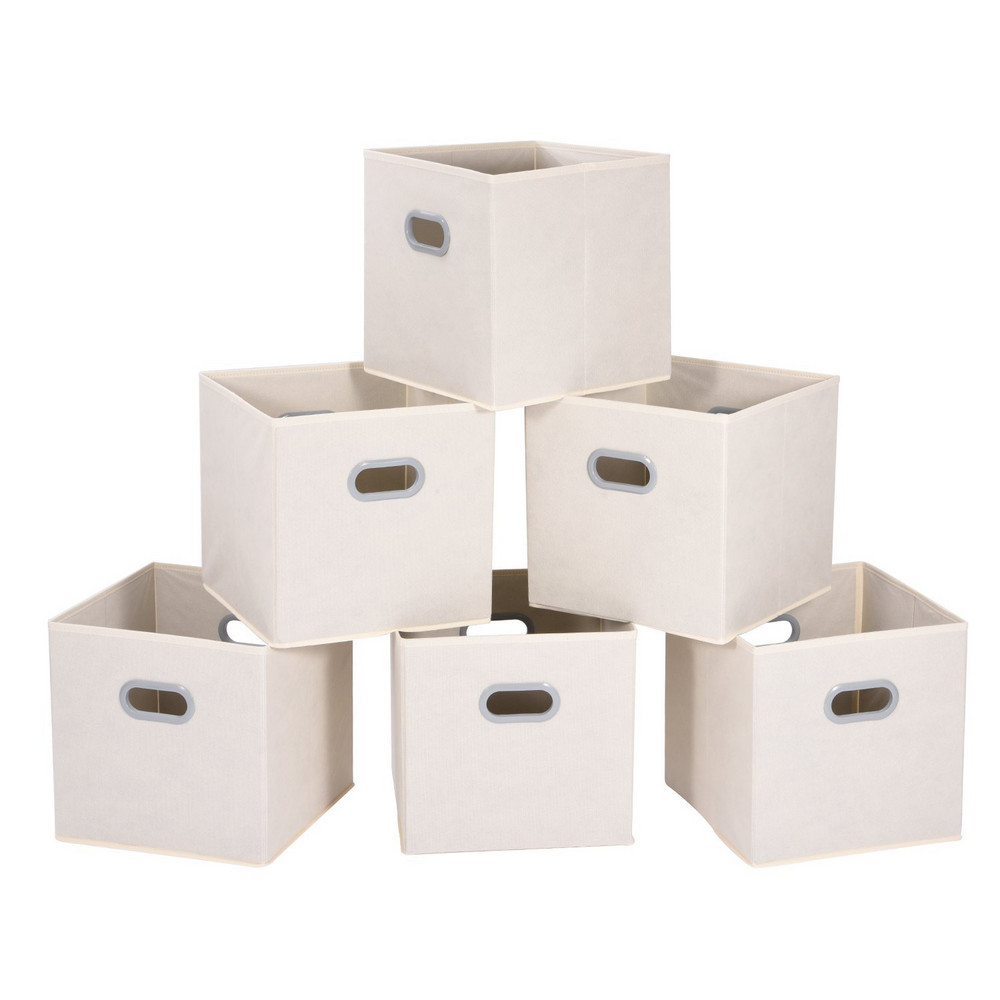
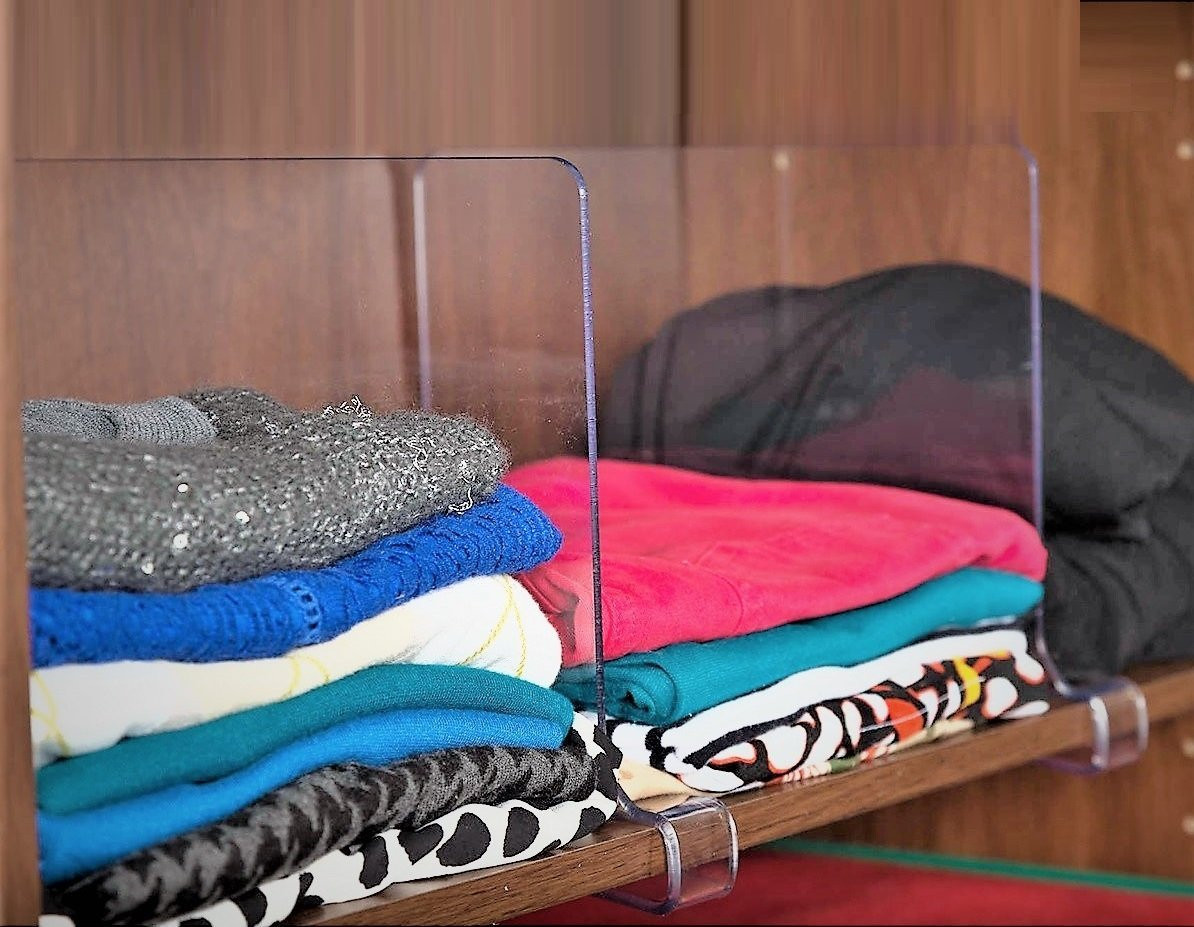
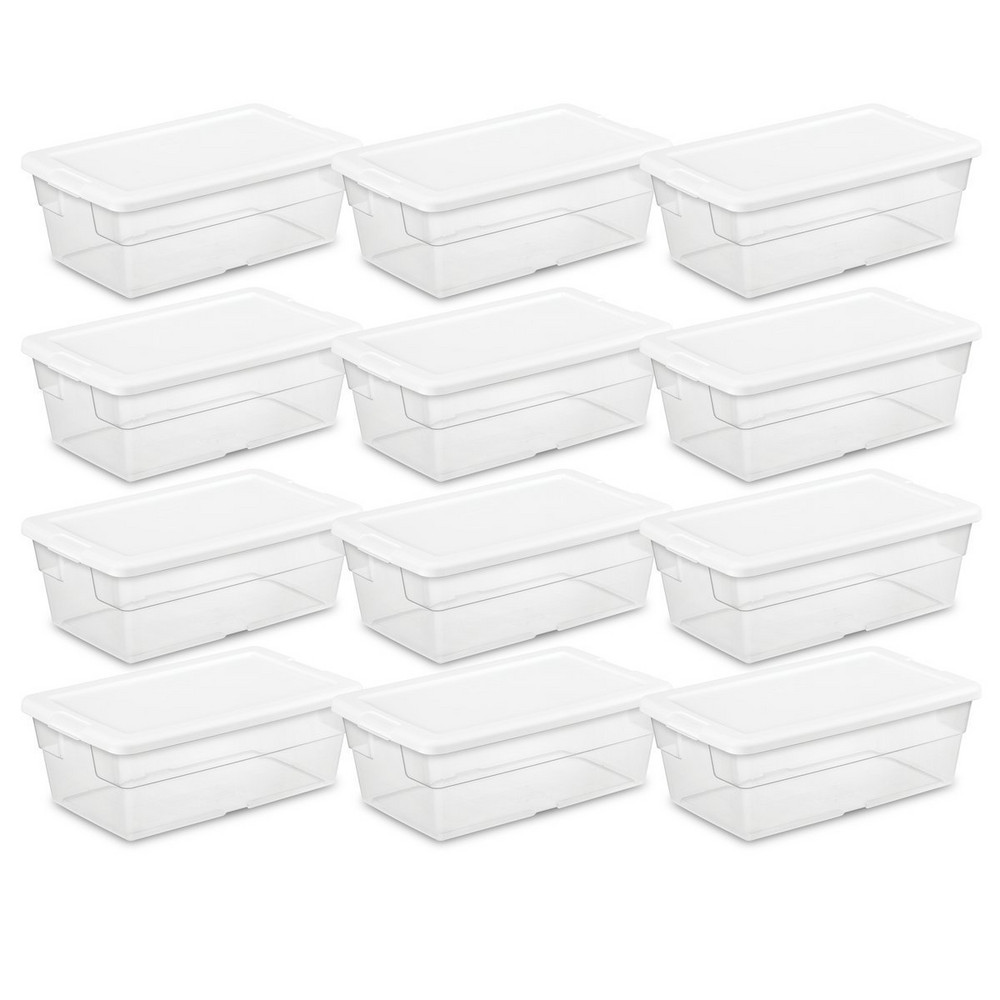
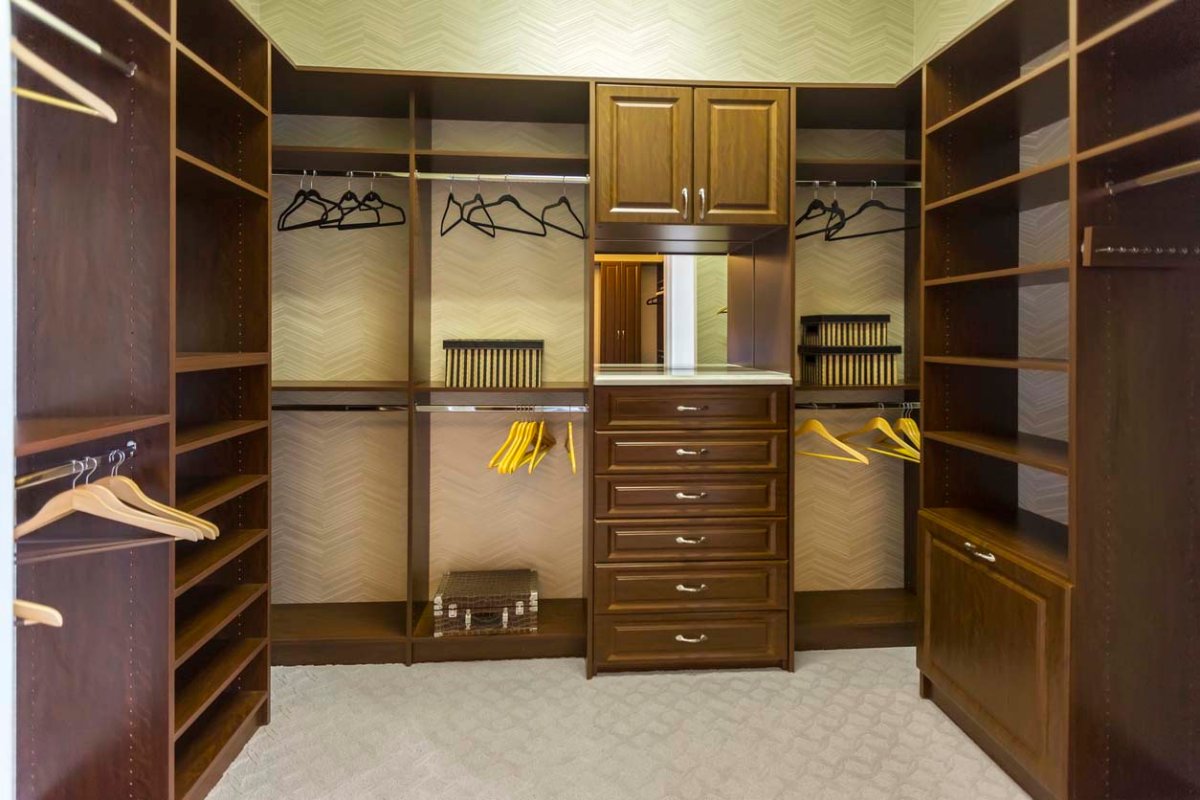
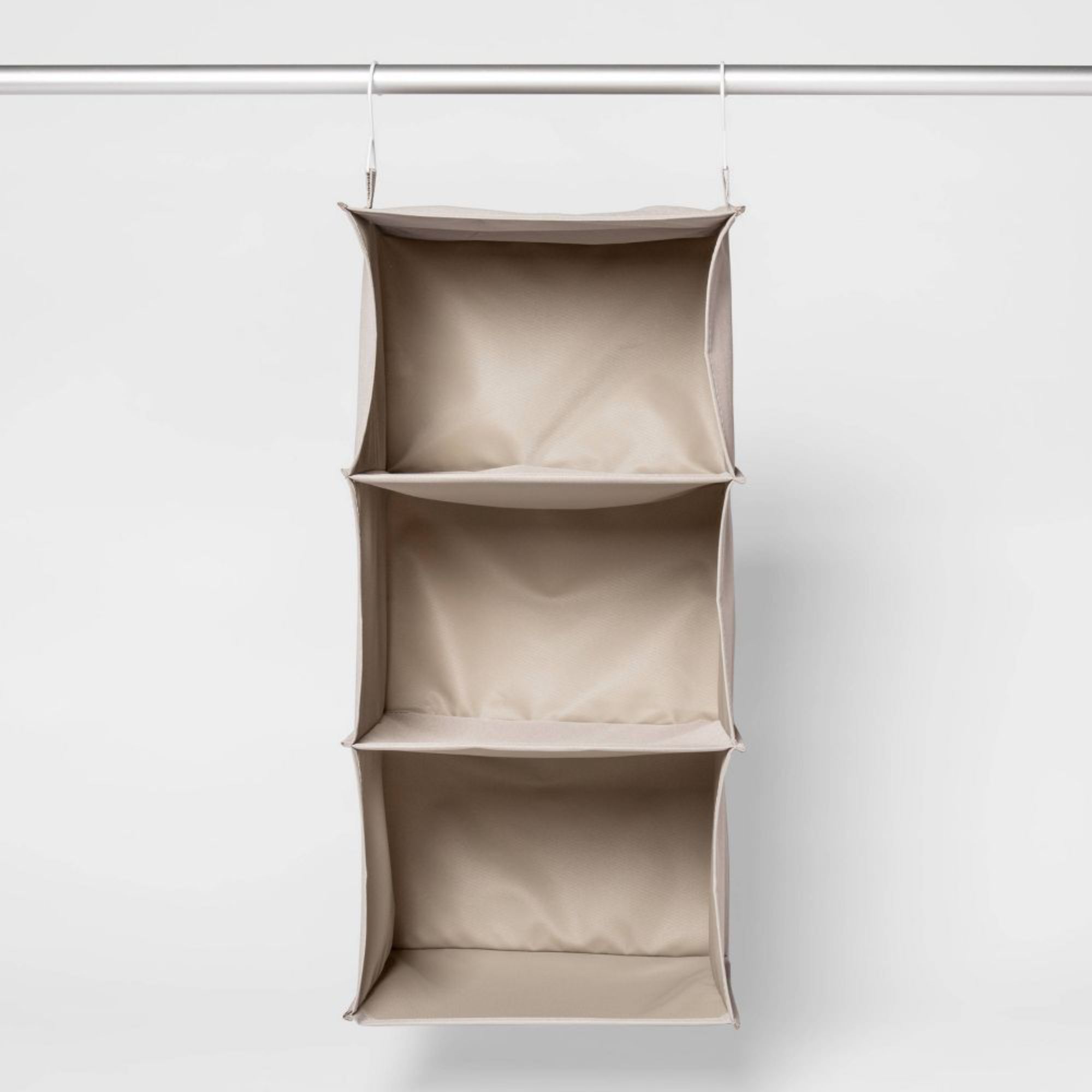
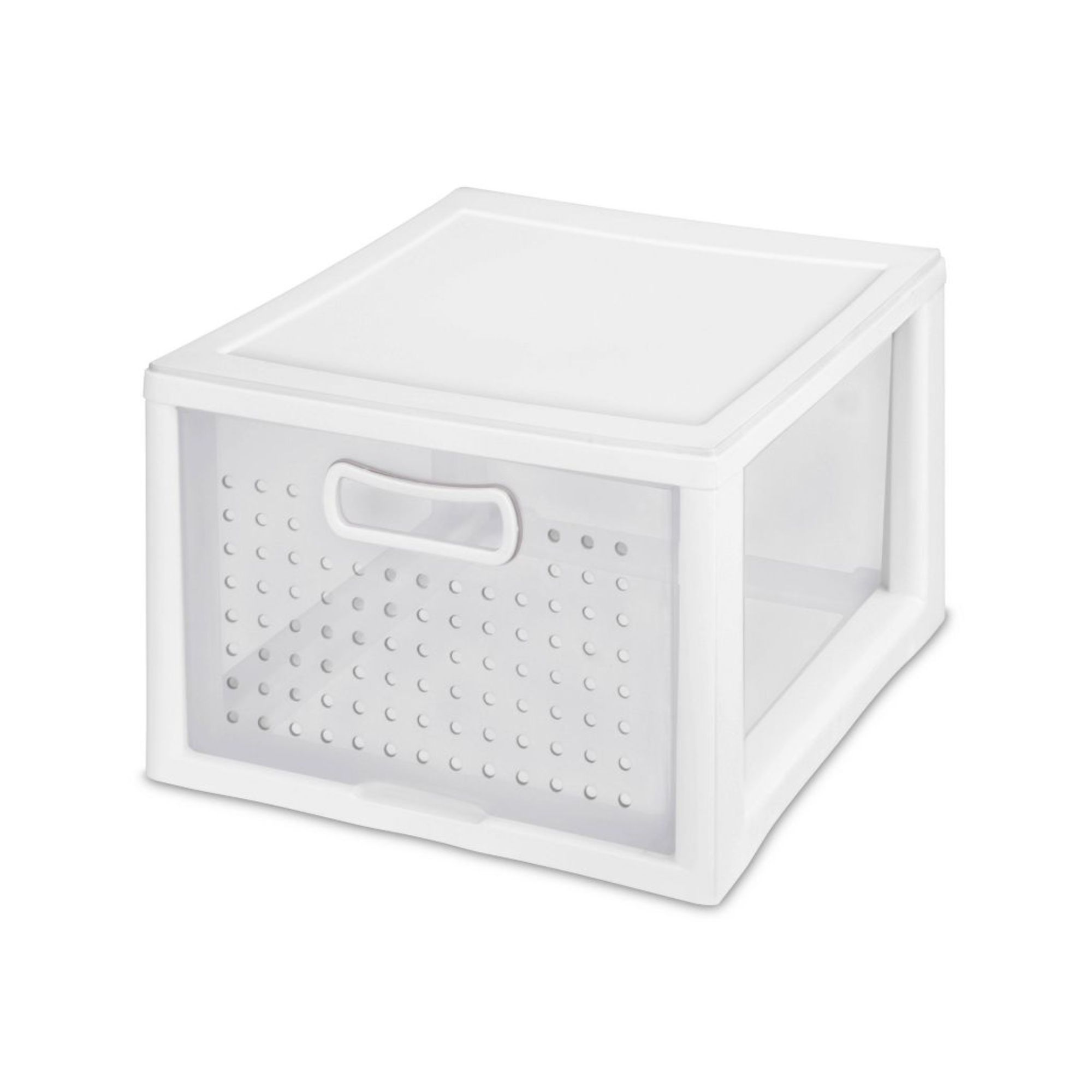
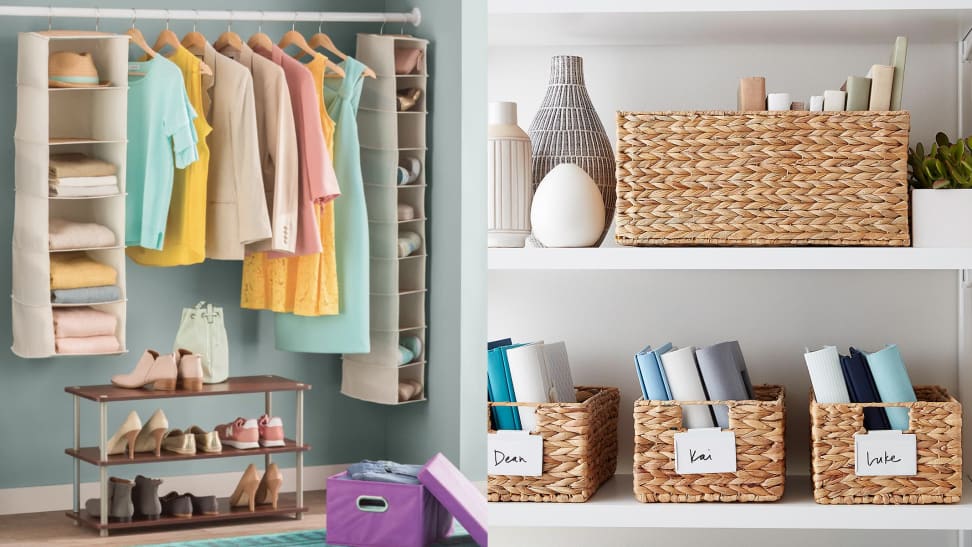
Separating a shared closet involves clear assignments and visual cues. Begin by assigning each person their own section. Then, use labels or subtle visual indicators, such as different colored hangers or baskets, to clearly delineate each person’s space. If space permits and a horizontal division is preferred, installing a center tower of drawers or shelving can act as an effective divider. Tools like bins, baskets, and shelf dividers, along with labeling or color-coding, are simple yet powerful ways to keep everything in order. These clear boundaries and smart design choices make shared closet management manageable and easy.
#ClosetOrganization #SharedLivingSpace #HomeOrganization #DeclutteringTips #WardrobeManagement #InteriorDesignAdvice #CouplesHome #StorageSolutions #FunctionalDesign #ClosetOrganization #SharedLivingSpace #HomeOrganization #DeclutteringTips #WardrobeManagement #InteriorDesignAdvice #CouplesHome #StorageSolutions #FunctionalDesign
0 comment in total
 No comments yet
You may also like
23 affordable closet organizers that’ll declutter your wardrobe

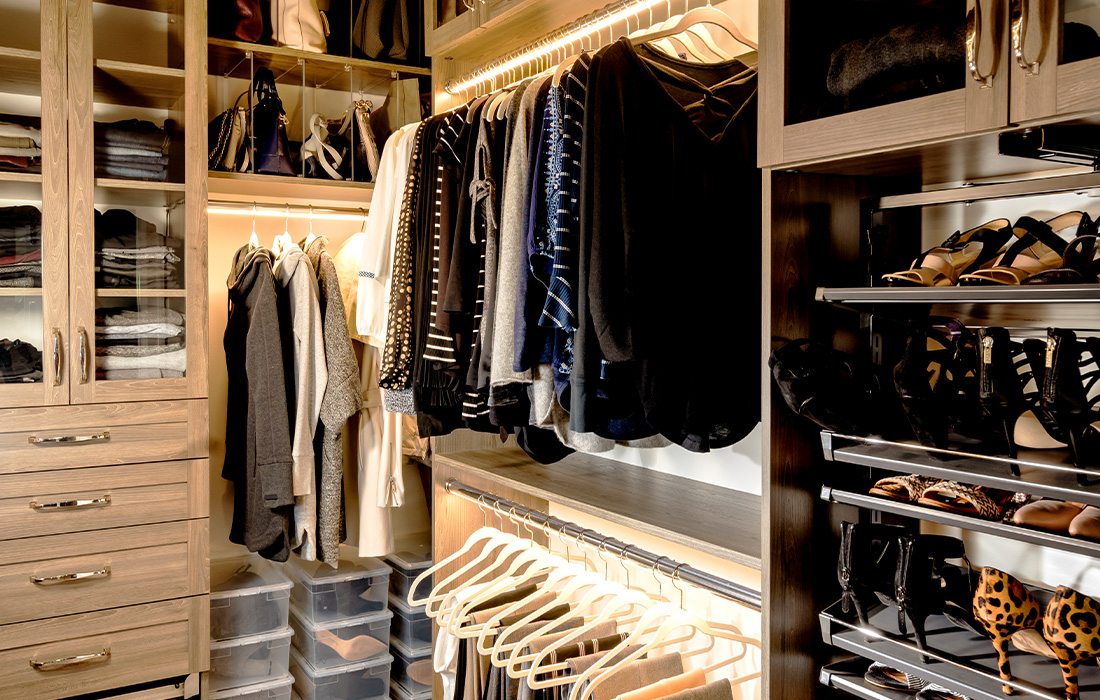
How to Make the Most of Your Closet Space
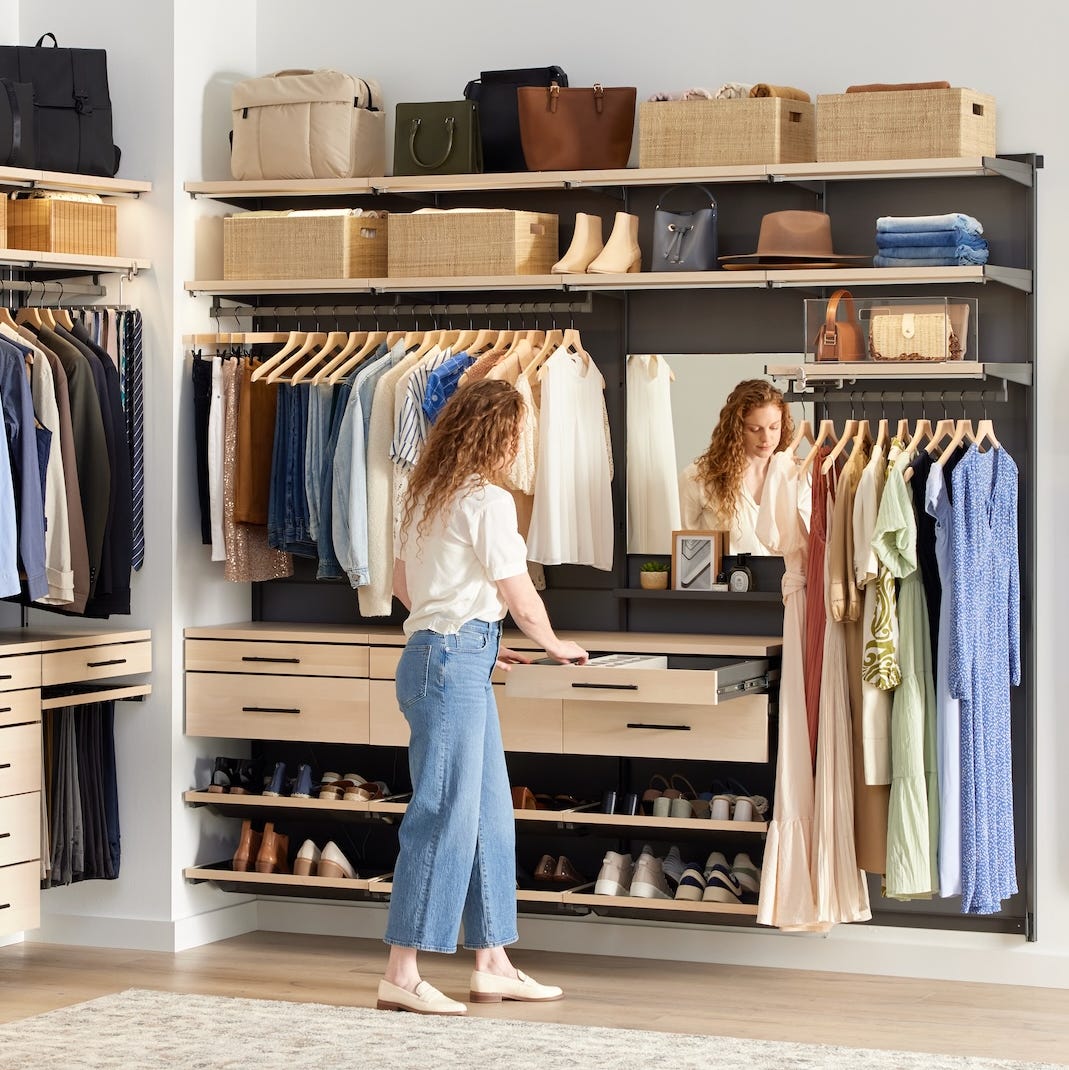
The 10 Best Closet Organization Systems to Maximize Your Space

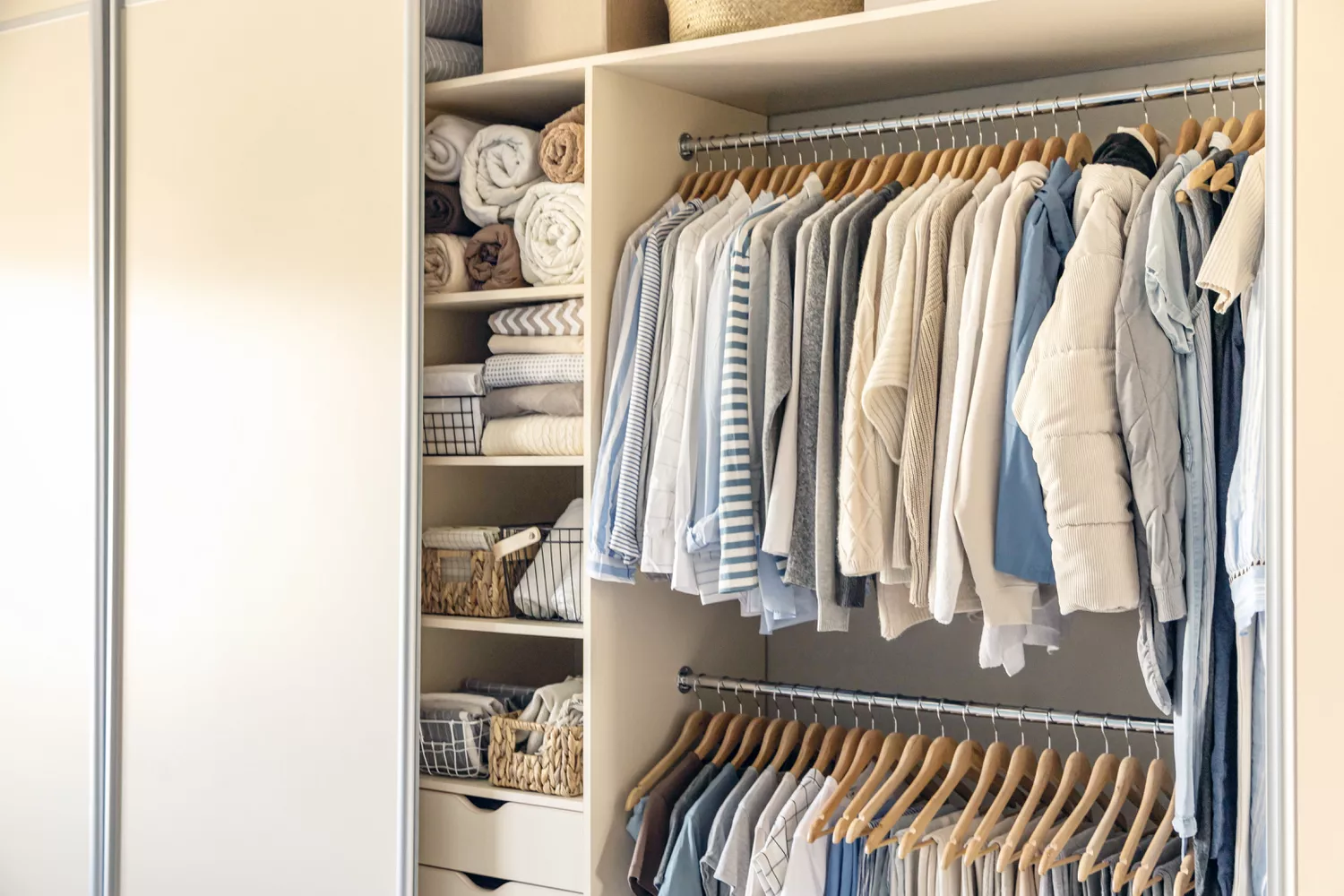
8 Closet Organization Mistakes That Annoy Pro Organizers—and Make Your Space Way Less Functional

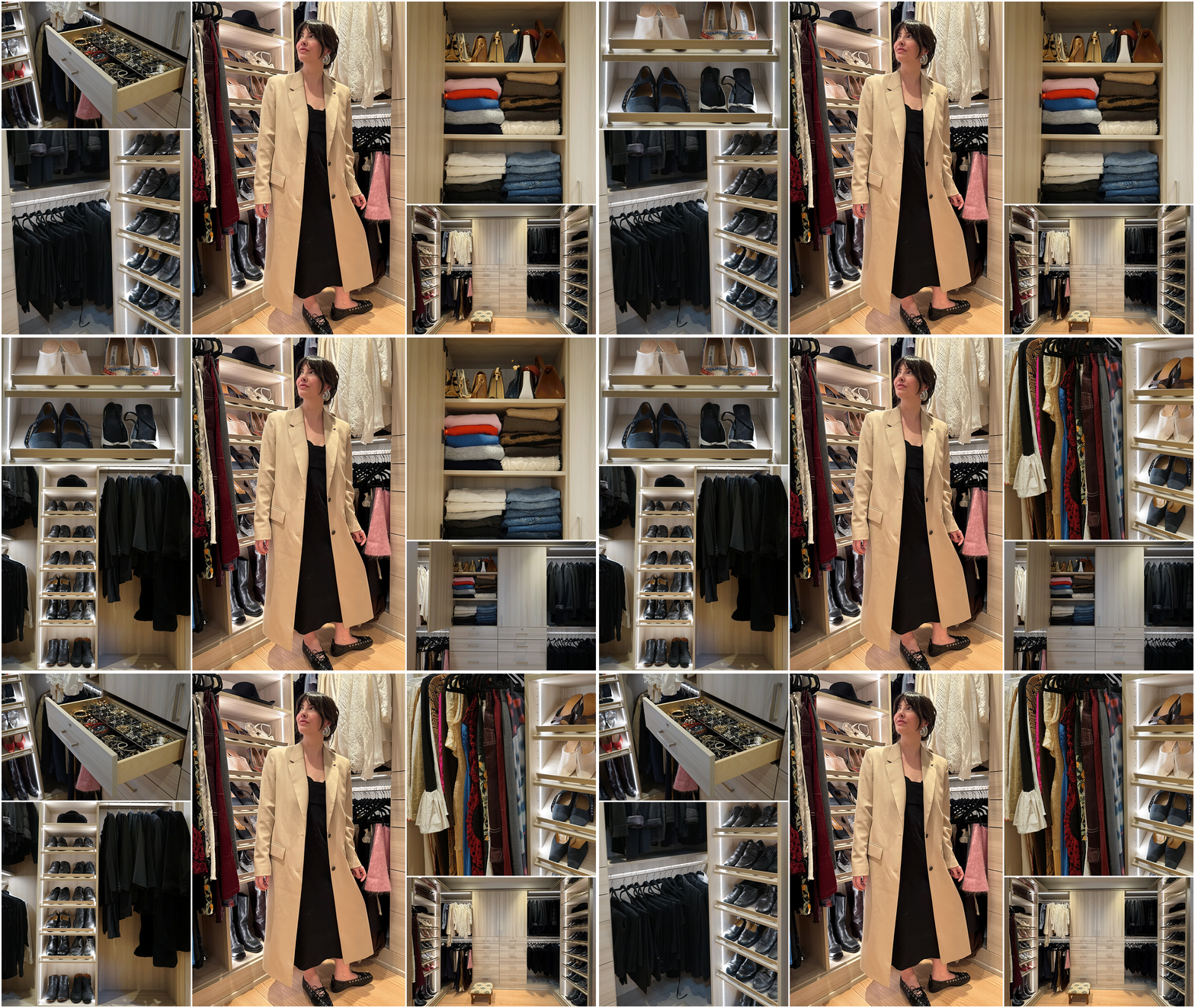
I Spent a Year Designing My Closet—Here Are My Top 8 Organizing Tips


Create The Closet Of Your Dreams With These 28 Space-Saving Products

10 Closet Organization Mistakes That Make Getting Dressed More Stressful
25 Organization Products That'll Basically Double The Space In Your Closet
I Hired A Yelp-Famous Closet Organizer — And Was Shocked By The Results
This Wardrobe Quiz will Give You a Tip to help You Organize Your Closet

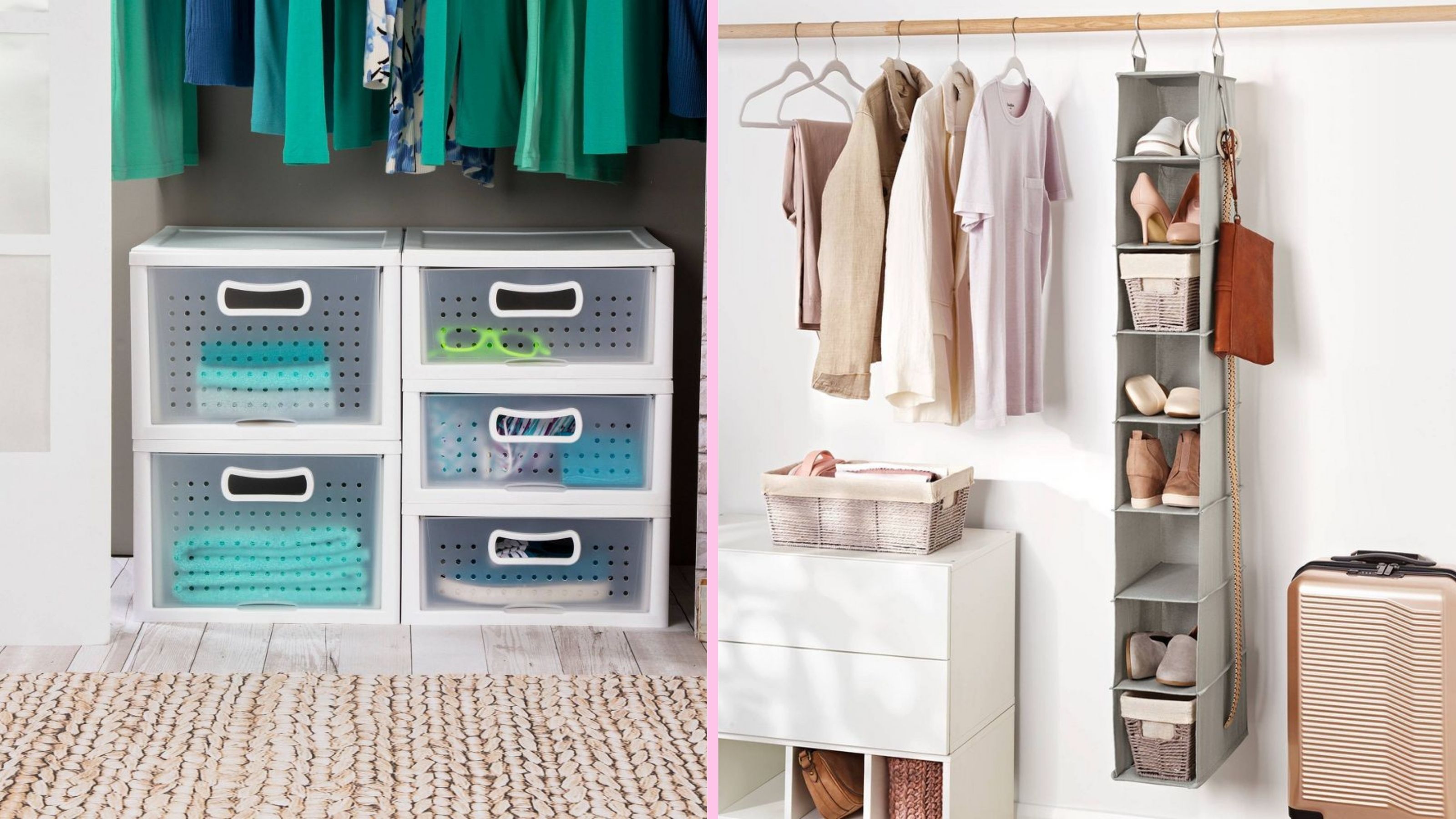
9 Target closet organizers shoppers always snap up to fix overflowing wardrobes


Spring cleaning time: How to organize (in 6 easy steps) and clean your closet like a pro
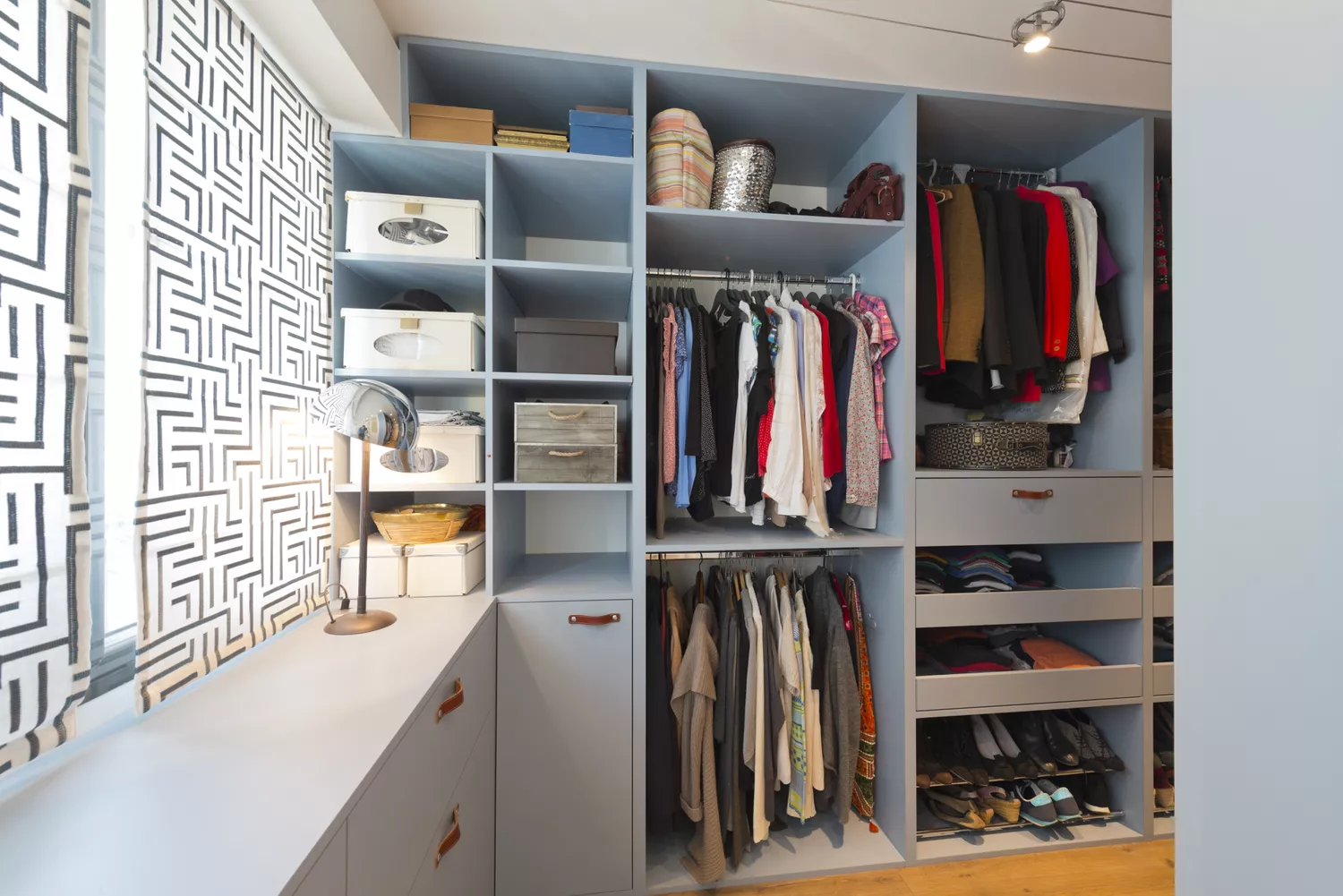
15 Of The Best Closet Organization Ideas, According To An Expert
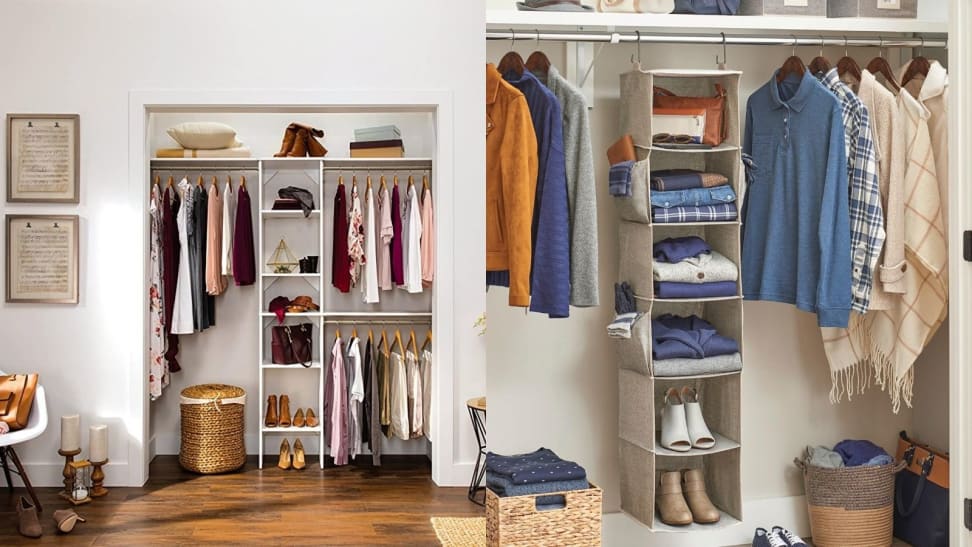
12 must-have products to keep your closet organized

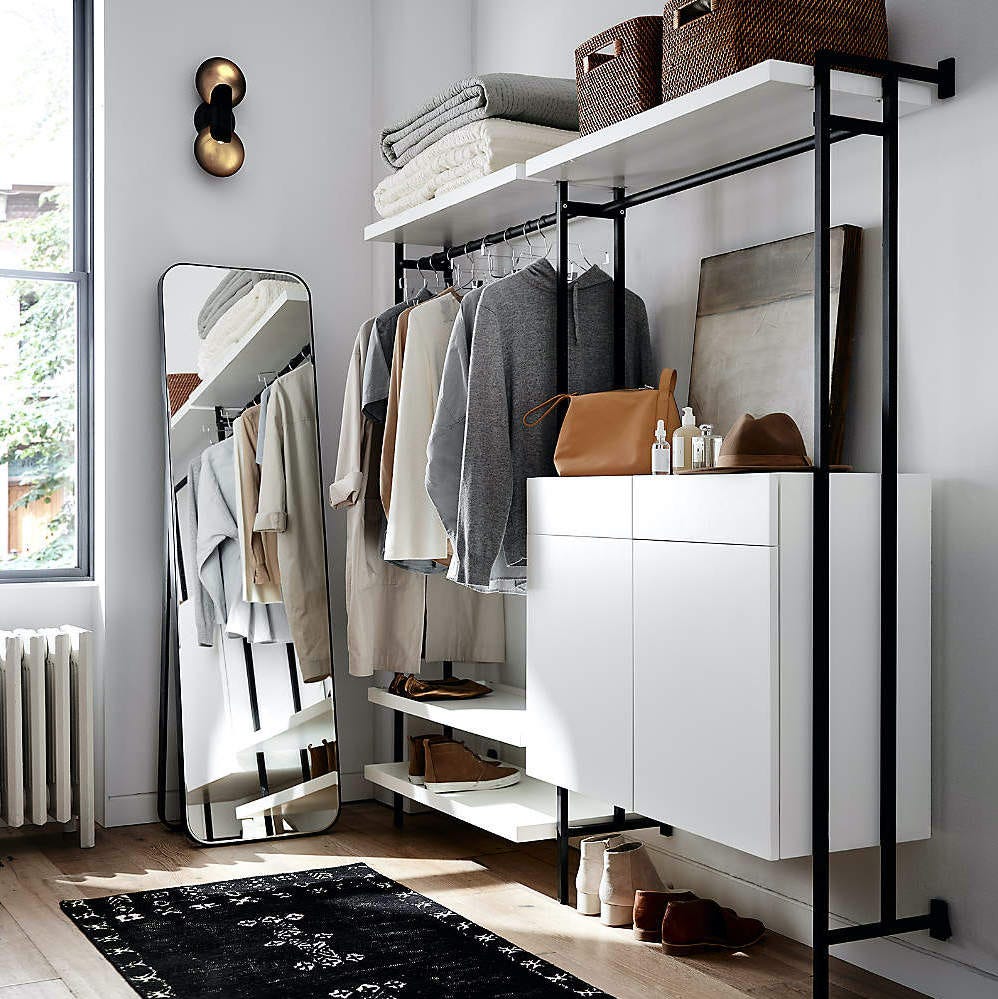
This $23 Closet Organizer Has Gone Totally Unnoticed—But It's Actually the Most Brilliant Invention

14 genius things you need to organize your closet
10 Must-Haves For an Organized Closet

The 6 Best Closet Design Companies


The Best Closet Storage, According to Professional Organizers
6 Closet Organizing Trends That Are Worth the Hype, Experts Say