A Professional Organizer Fixed My Messy Closet (and Changed My Life)
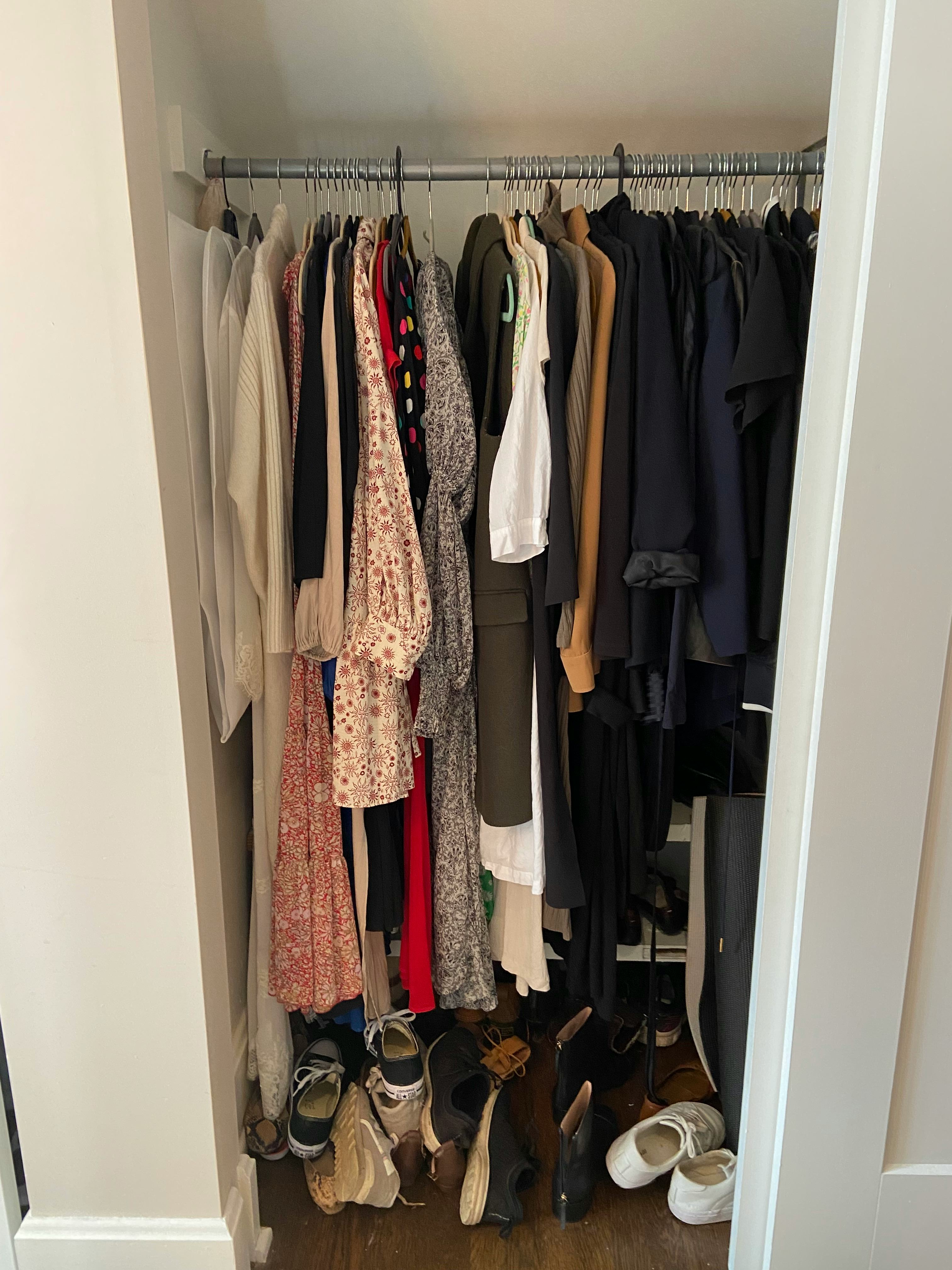
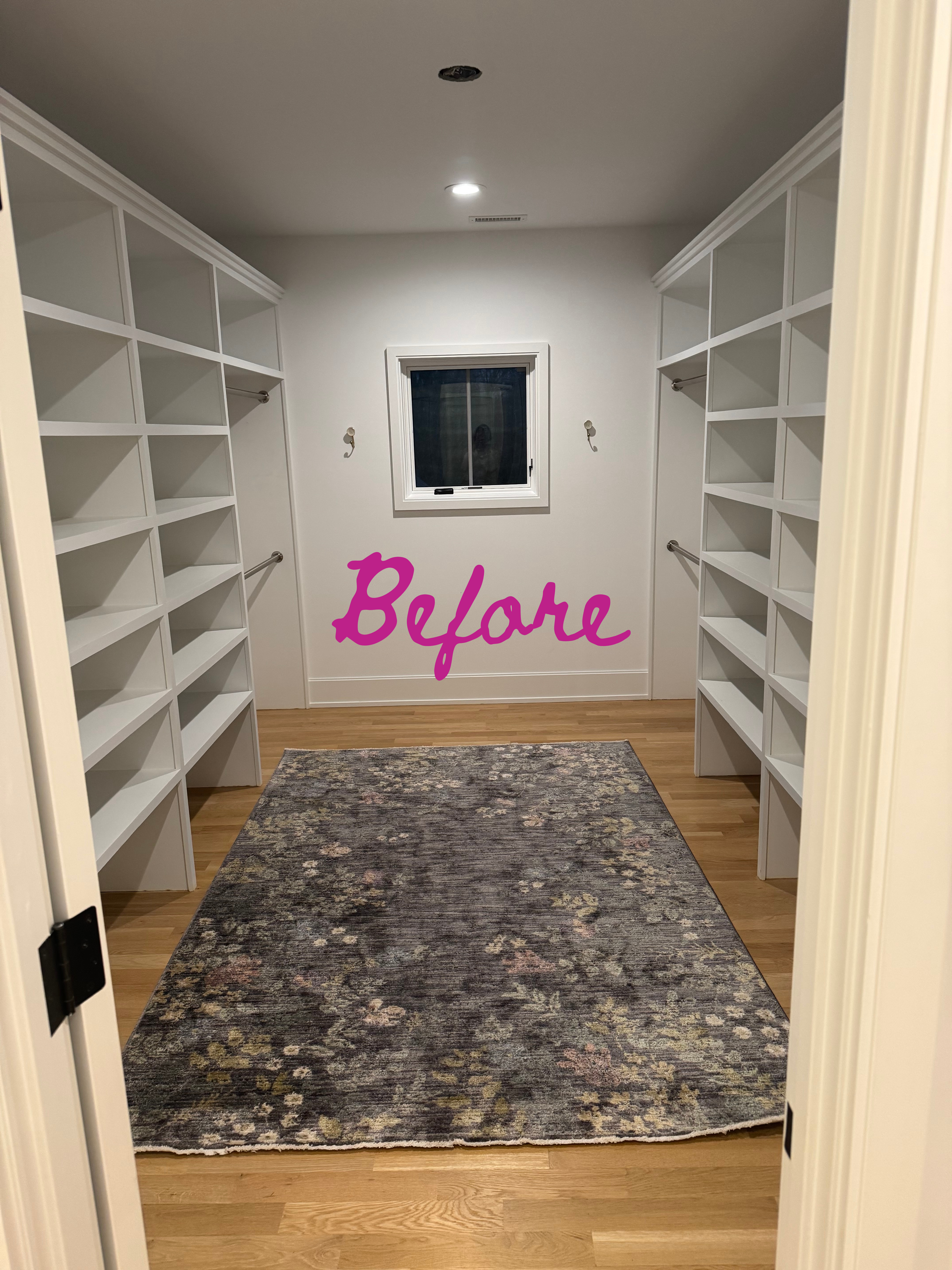
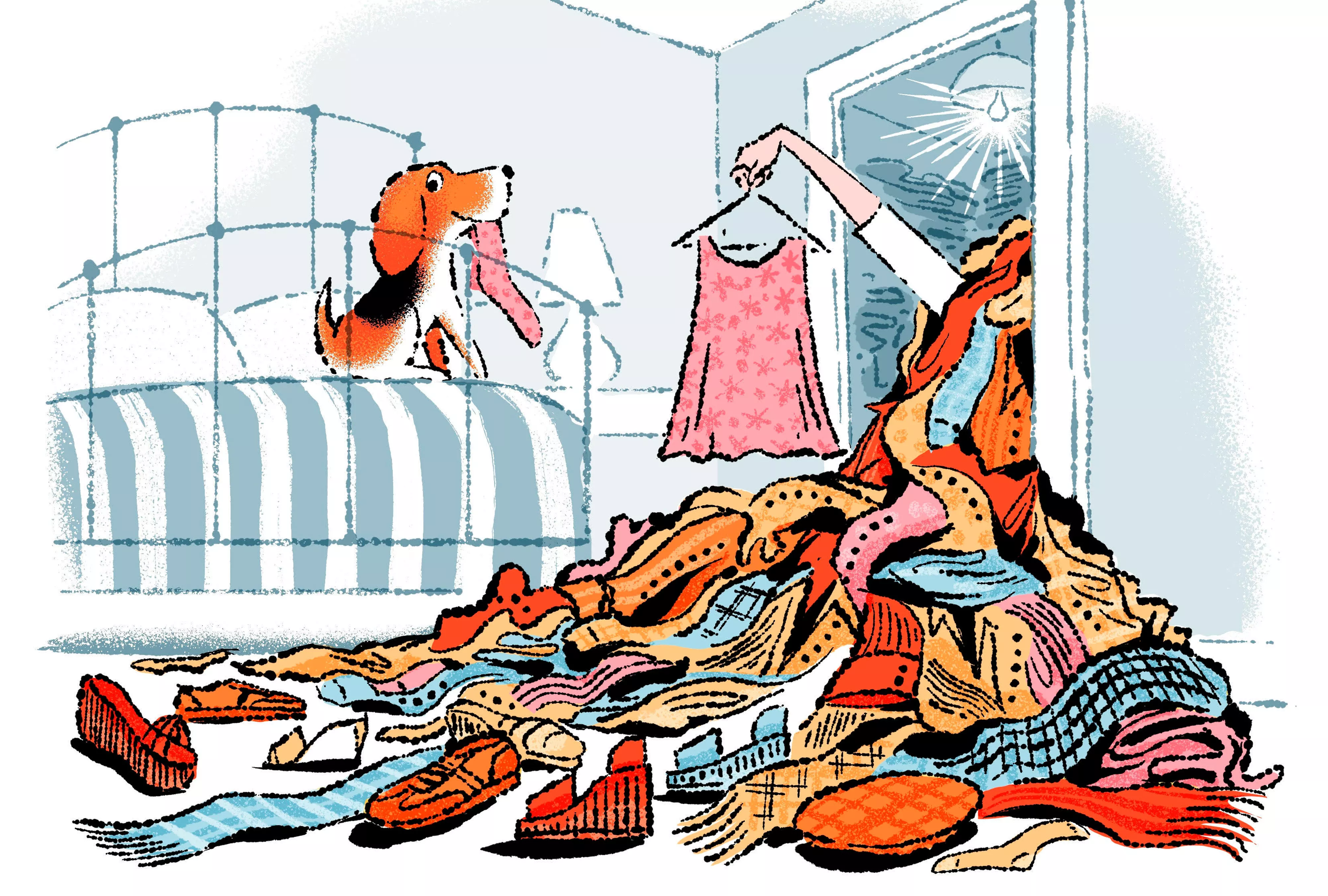
The author recounts her personal struggle with an overflowing and disorganized closet, a common issue stemming from sentimental attachment to clothing and an aversion to parting with items. Her closet had become a chaotic space, making the daily task of getting dressed a frustrating ordeal. Despite her husband's suggestions to declutter, the emotional weight of the task felt overwhelming, preventing her from creating a neat, organized space. This challenge led her to seek the expertise of Rachel Rosenthal, a professional organizer and founder of Rachel & Company. Rosenthal's approach to closet organization is detailed through four key steps, emphasizing not just physical tidiness but also the emotional and practical aspects of decluttering.
The first step, "Be Compassionate with Yourself," highlights the emotional component of decluttering. Rosenthal advises against tying self-worth to the tidiness of one's space and encourages self-grace during the organizing process. She emphasizes that organization is a tool to simplify life, not a reflection of personal value, which was a crucial insight for the author who felt overwhelmed by the project.
The second step, "Sort Smart," focuses on practical decision-making for each clothing item. The core questions to ask are: When was the last time this was worn? Was it within the past year? Why not? Do I love it? Do I feel good wearing it? This process helped the author confront her changing body image and preferences, realizing that many old clothes no longer suited her current style or made her feel good. This systematic approach allowed her to identify items that truly deserved a place in her wardrobe versus those held onto out of habit or sentimentality.
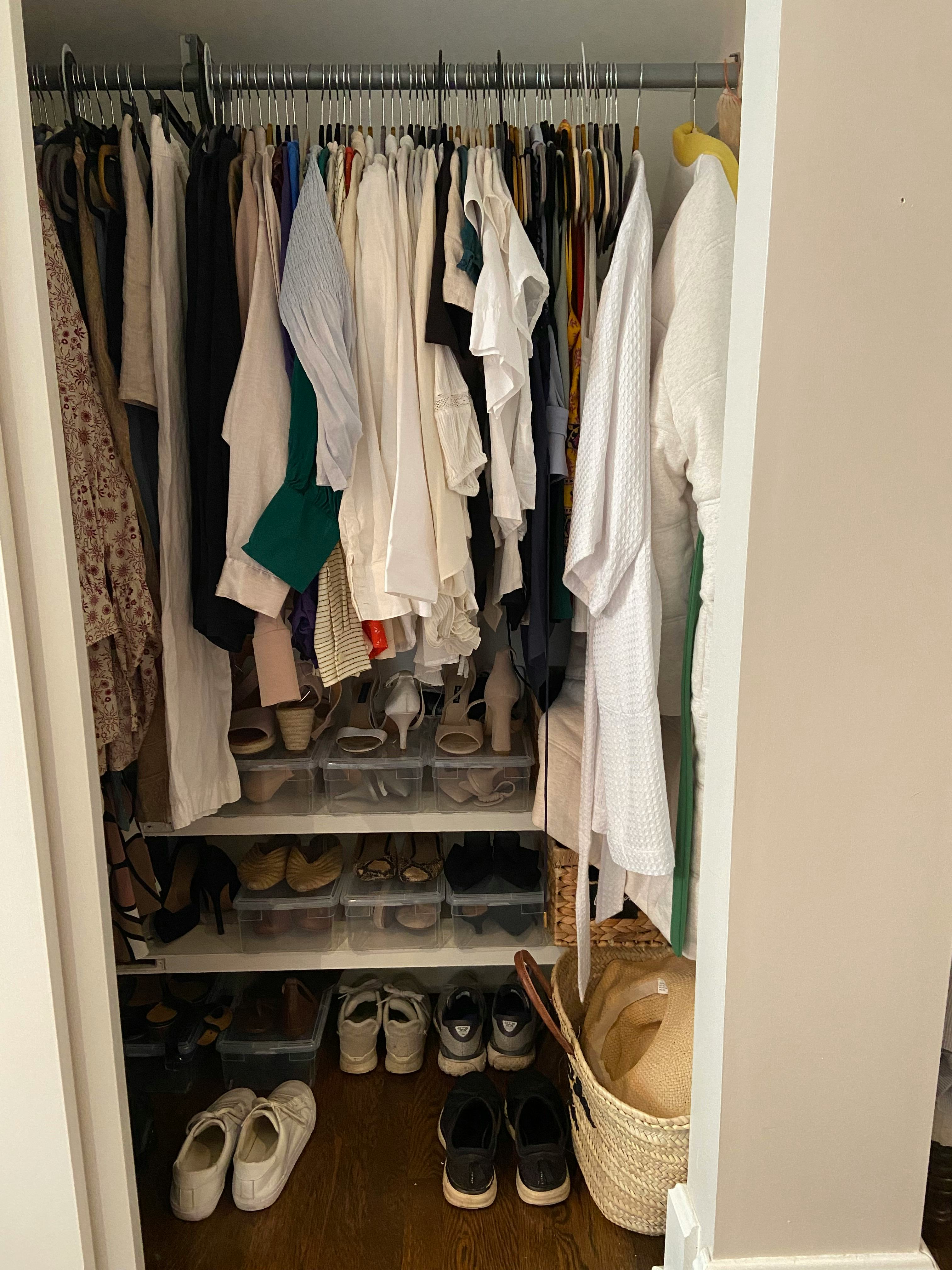
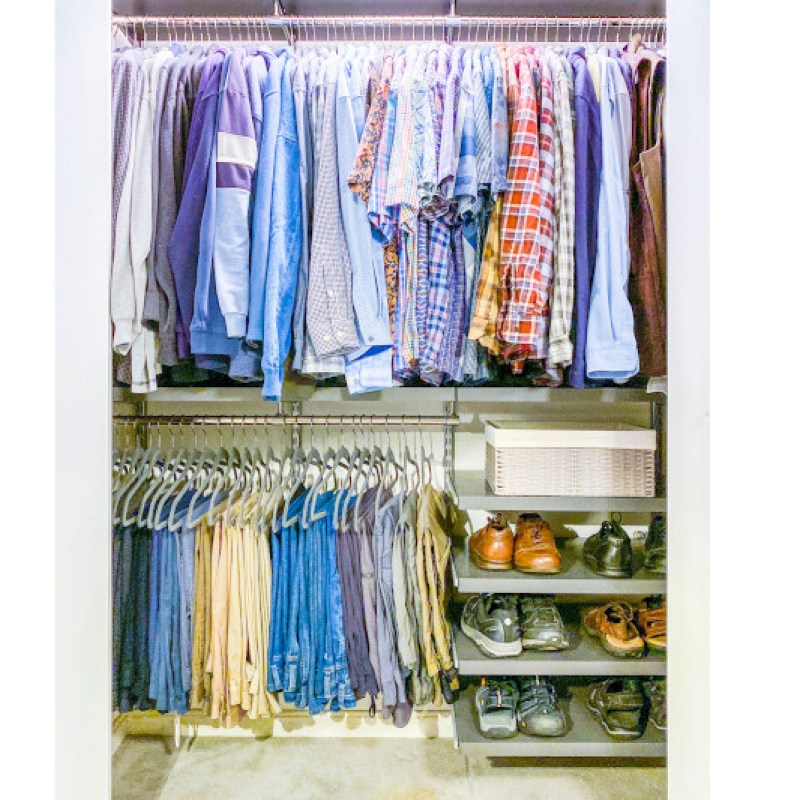
"Think About Your Space and Habits" is the third step, advocating for personalized organization systems. Rosenthal clarifies that effective organization isn't about perfectly color-coordinated displays but rather about creating systems that align with individual routines and the physical constraints of the space. For the author, this meant addressing her narrow closet with high shelves by relocating everyday shoes to accessible shelves and using bins for infrequently worn items on higher shelves, making the space functional despite her height.
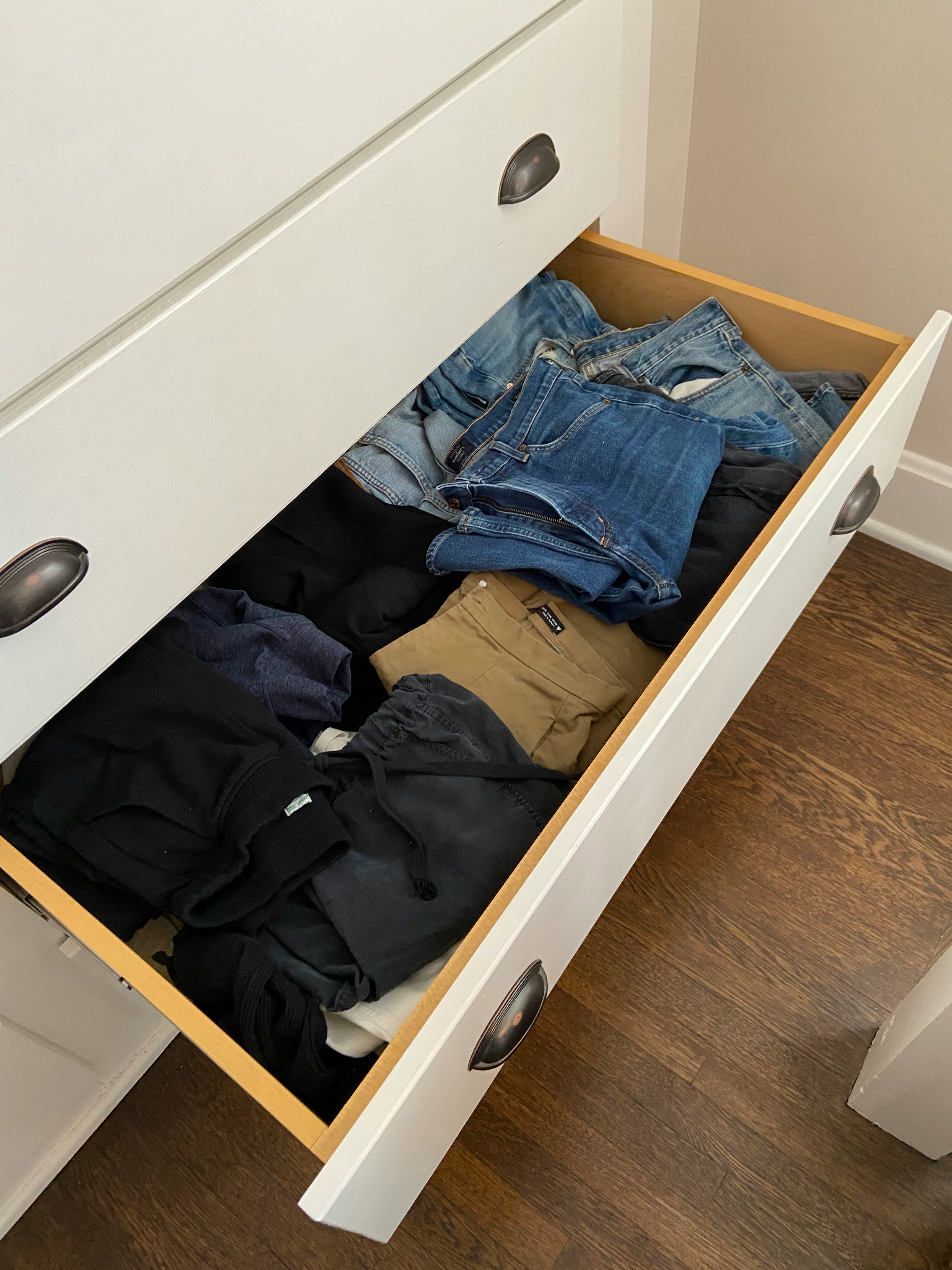
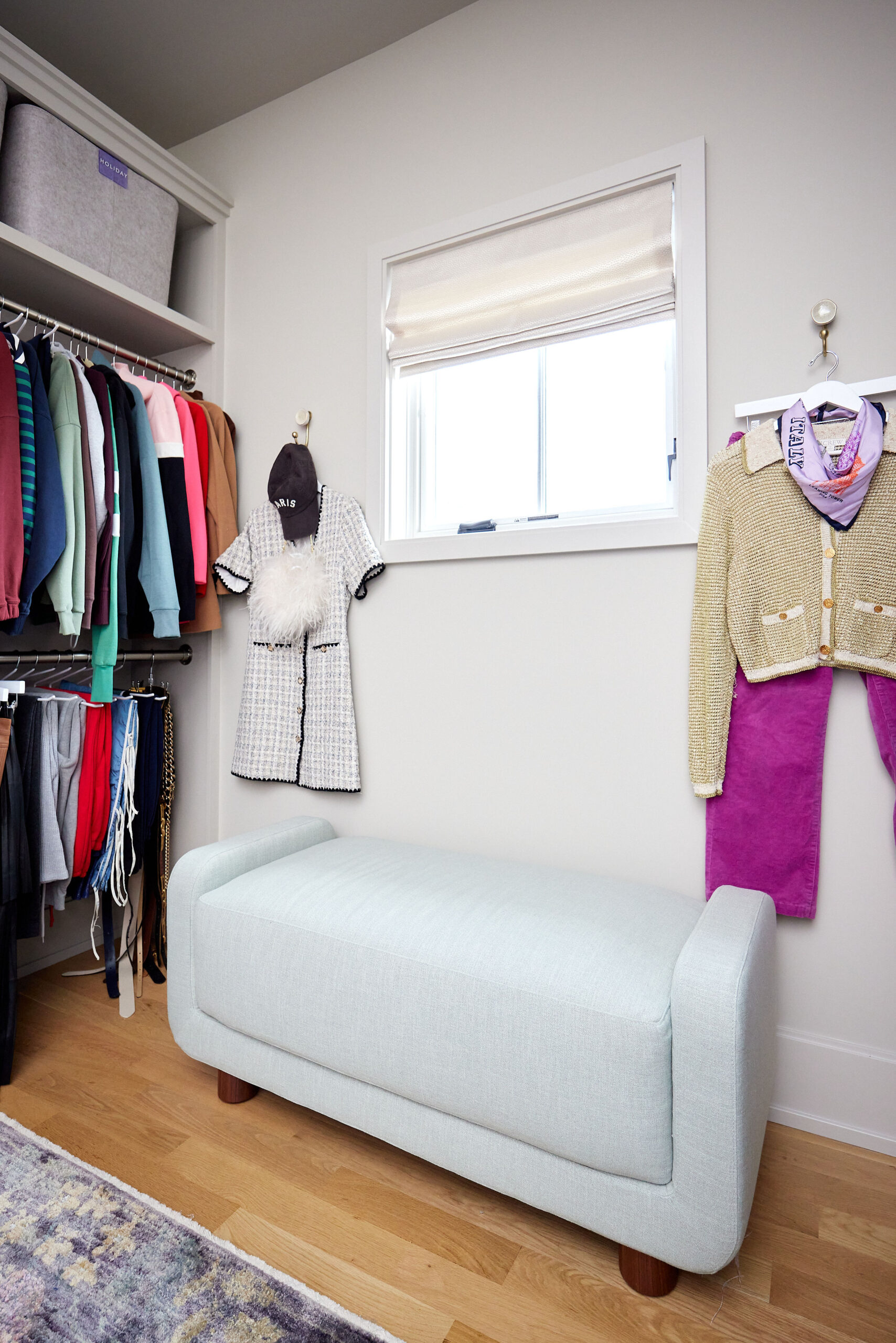
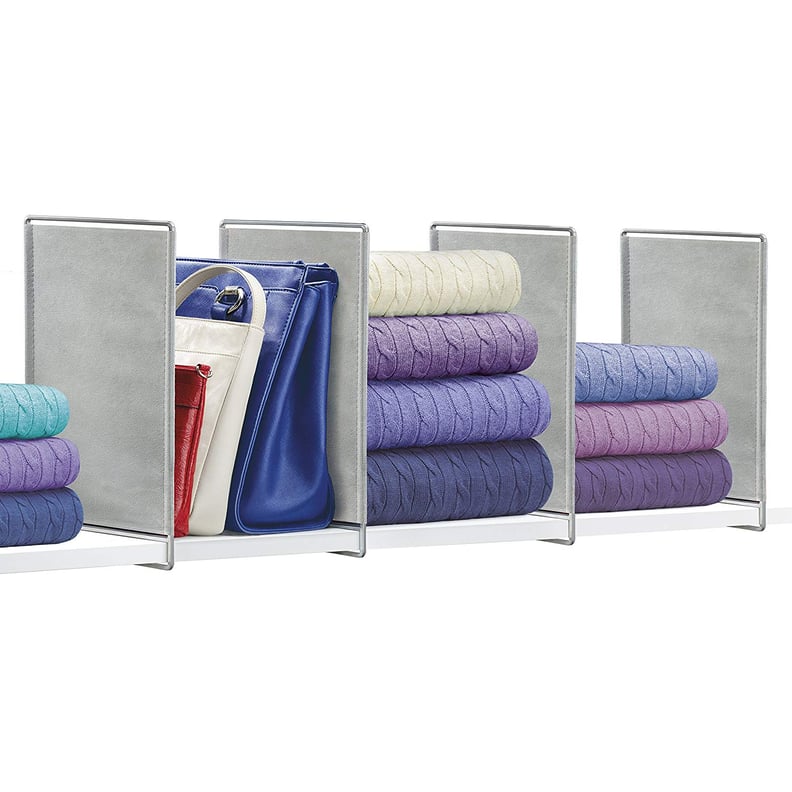
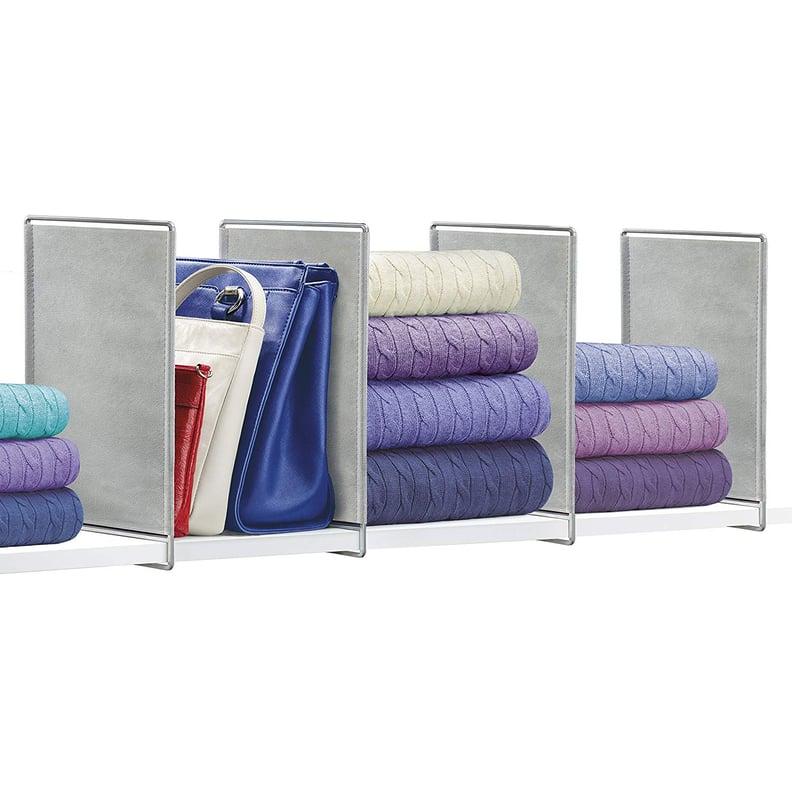
The final step, "Put Clothes Back with Purpose," underscores the importance of arranging clothes based on frequency of use and outfit assembly routines. The most frequently worn items should be the easiest to access. This involved hanging dresses, blouses, and jumpsuits centrally, while folding jeans and pants on shelves with dividers to prevent them from toppling. This simple reorganization created space for daily essentials like belts and zip-up jackets, significantly reducing the time and stress associated with getting ready. The author reports that her closet remains organized, acknowledging that while not every item unworn in the past year was discarded, sentimental pieces like her grandmother's coat are respectfully stored, demonstrating a balanced approach to organization that honors personal memories.
#ProfessionalOrganizer #ClosetOrganization #DeclutteringTips #HomeOrganization #StorageSolutions #EmotionalDecluttering #WardrobeManagement #RachelRosenthal #ProfessionalOrganizer #ClosetOrganization #DeclutteringTips #HomeOrganization #StorageSolutions #EmotionalDecluttering #WardrobeManagement #RachelRosenthal
0 comment in total
 No comments yet
You may also like

This $13 space-saving organizer totally transformed my closet

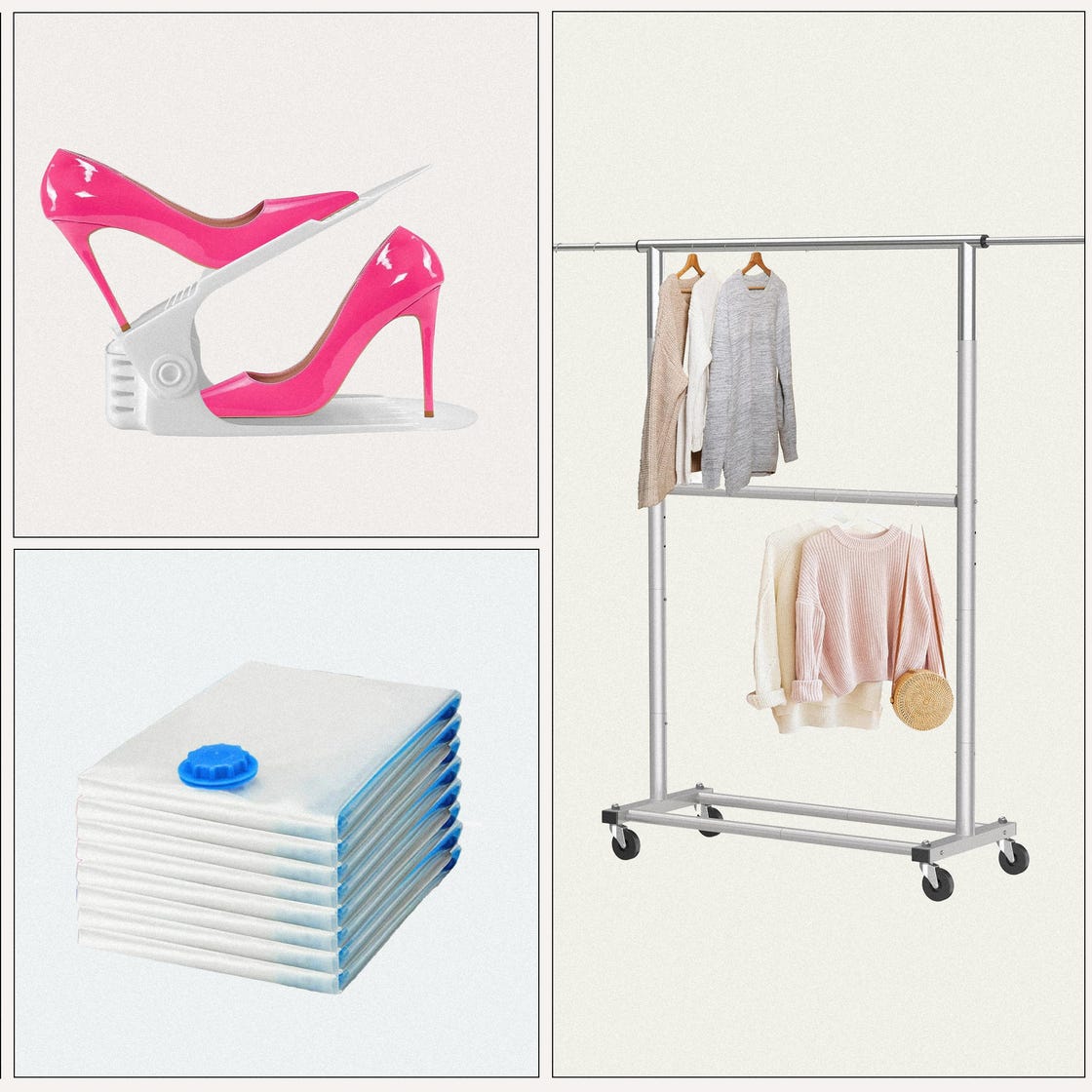
12 Closet Items Pro Organizers Are RUSHING to Buy from Amazon During Prime Day


Drawer organizers tidied my tiny kitchen drawers in 5 minutes


Experts Say Buying More Storage Bins Might Be The Worst Thing You Can Do For Closet Organization
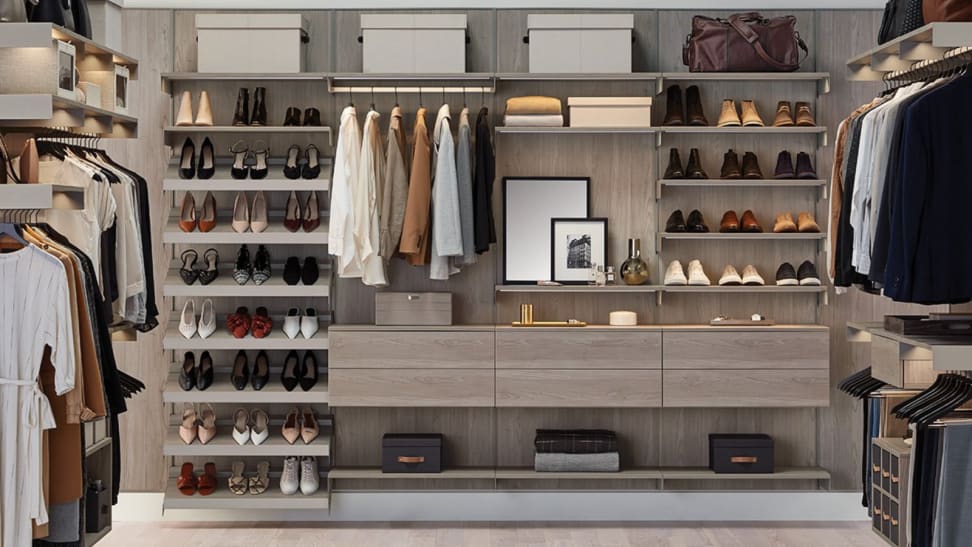
The Container Store transformed my closet—here's how

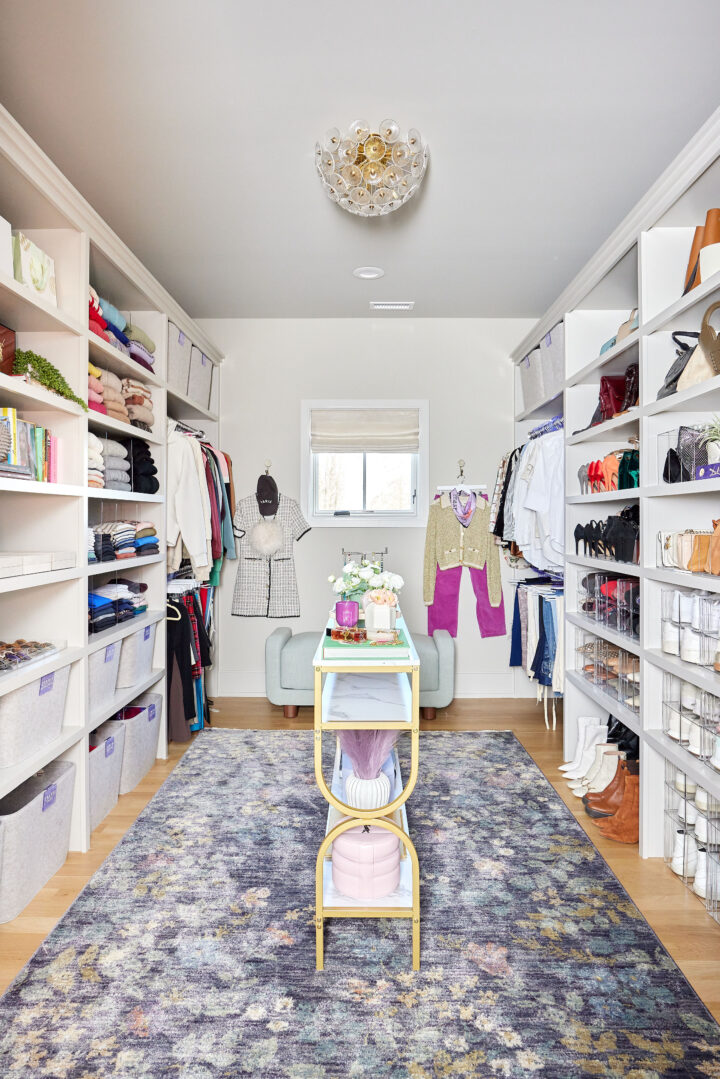
My Closet
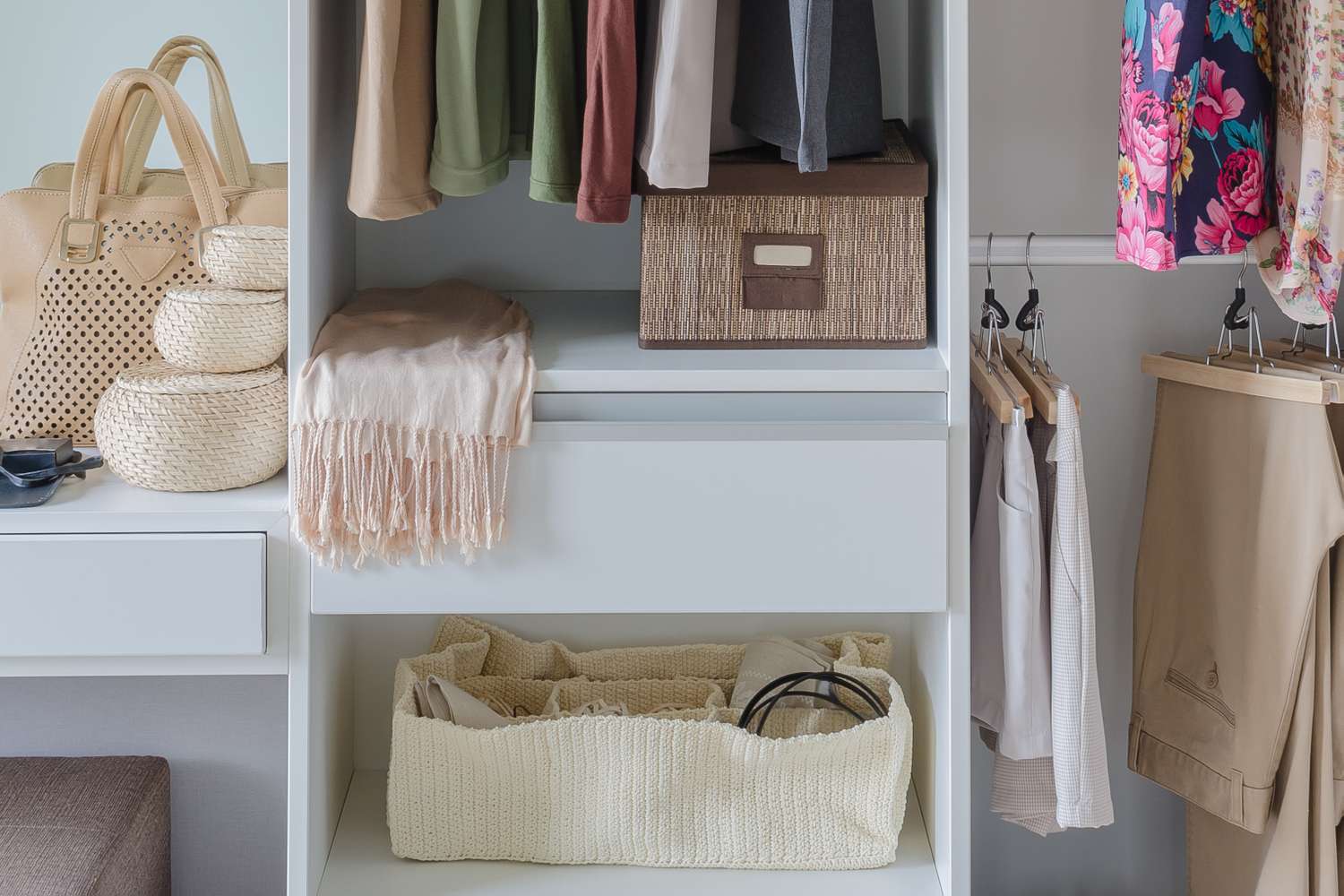
Want a Tidier Closet? Try This 15-Minute Reset Organizing Experts Swear By


13 Organization Pros on the Storage Items They Can't Live Without

I Turned My Chaotic Pantry Into an Oasis of Organization


The $18 Closet Organizer That Instantly Doubled My Storage Space
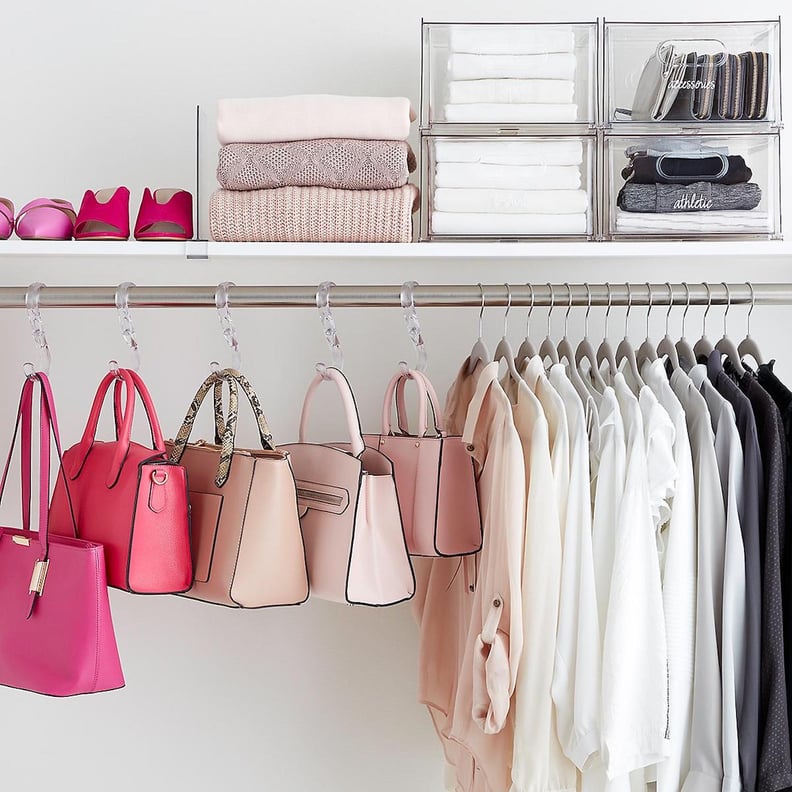
Say Goodbye to Your Messy Closet — These 29 Genius Organizers Will Change It Forever

This Pro Organizer Had the Best Solution for Her Tricky Corner Cabinets
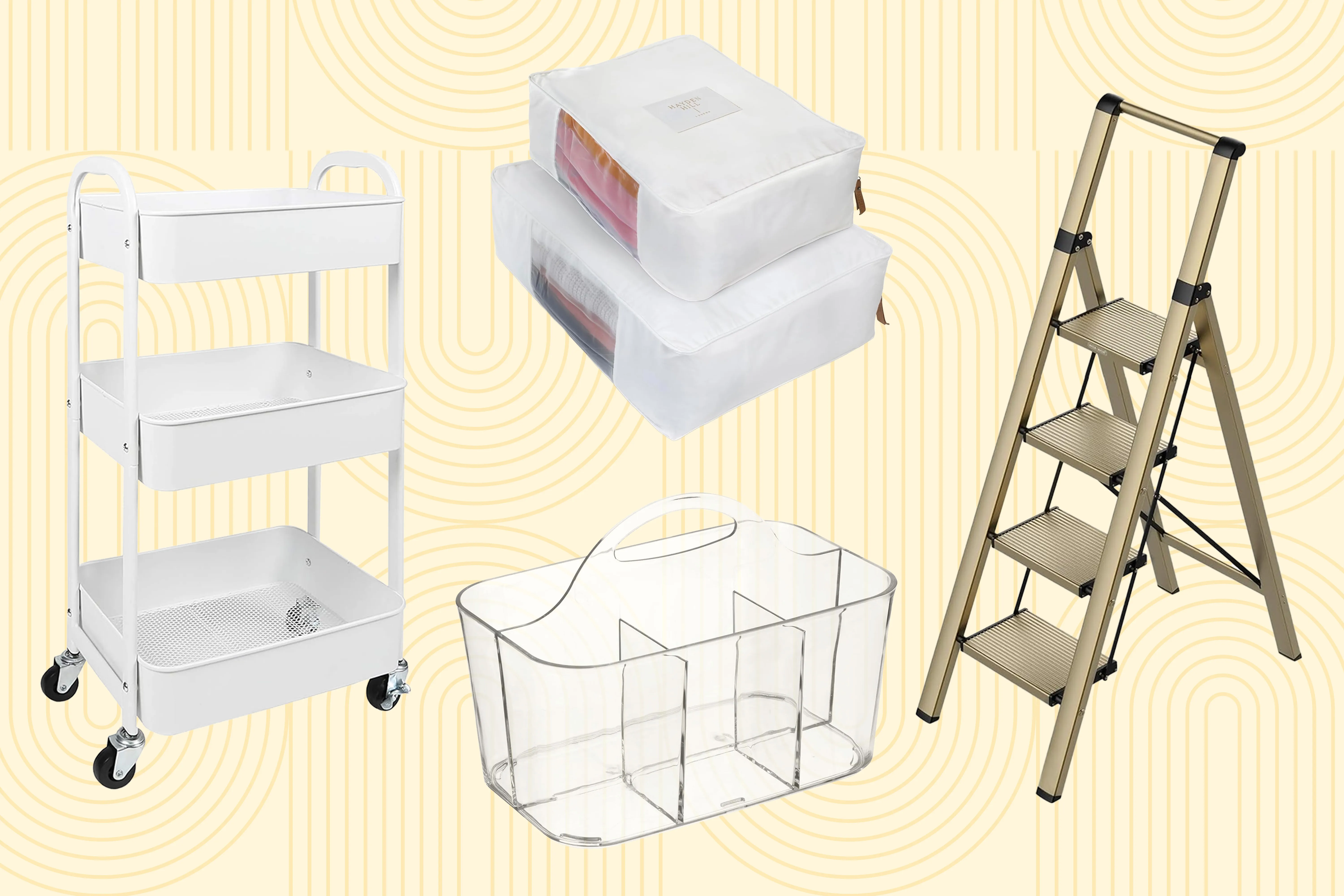
12 Professional Organizer-Approved Hacks for Managing Closet Clutter—and Keeping It Tidy 24/7
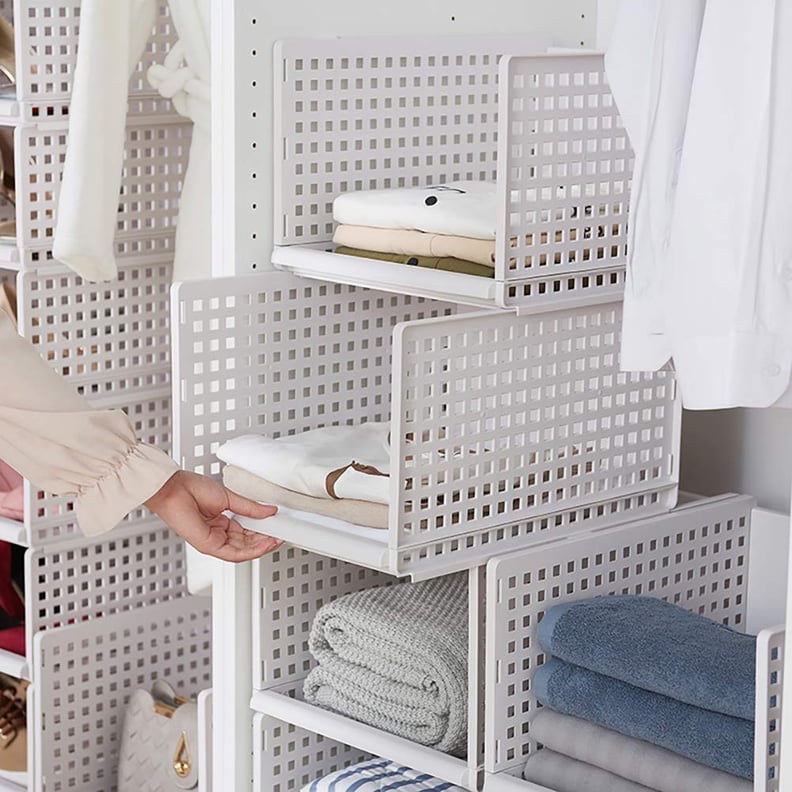
23 Organizers That Will Change Your Messy Closet Forever — All From Amazon
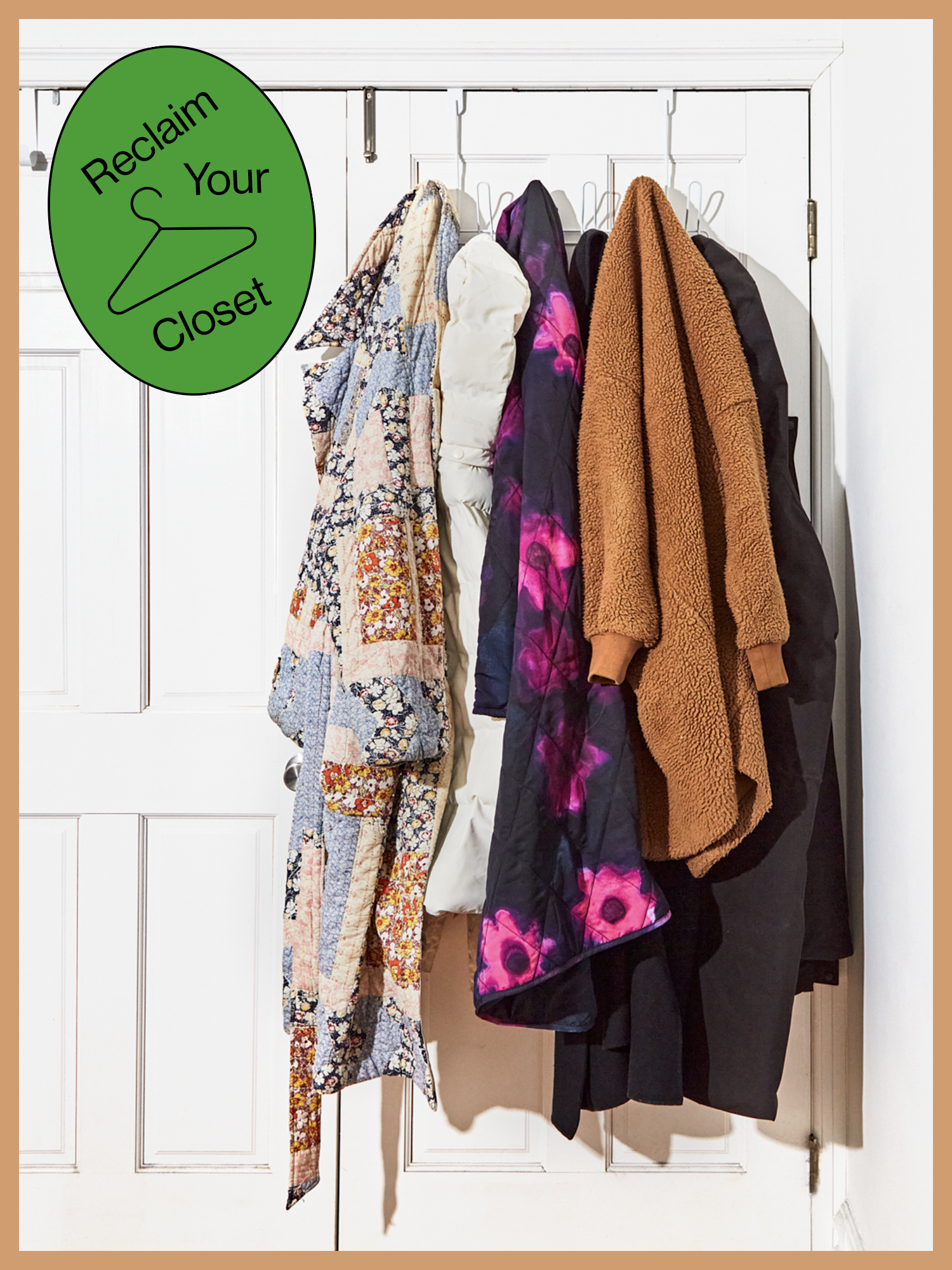
With No Entryway Closet to Speak Of, I Asked Pro Organizers to Fix My Coat Clutter

13 Professional Organizers on the One Item They Tell Every Client to Buy

I Hired A Yelp-Famous Closet Organizer — And Was Shocked By The Results

Spring cleaning time: How to organize (in 6 easy steps) and clean your closet like a pro

'I asked an expert to help me organise my pantry and the advice was game-changing.'
13 Professional Organizer-Approved Hacks for Managing Closet Clutter—and Keeping It Tidy 24/7