1/9
Accent Doors Are 2026's Answer to the Outdated Accent Wall – A Subtle and Sophisticated Way to Add Instant Color
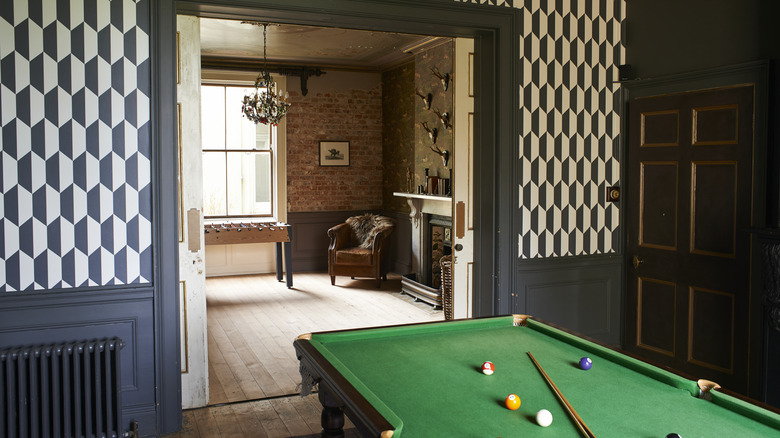
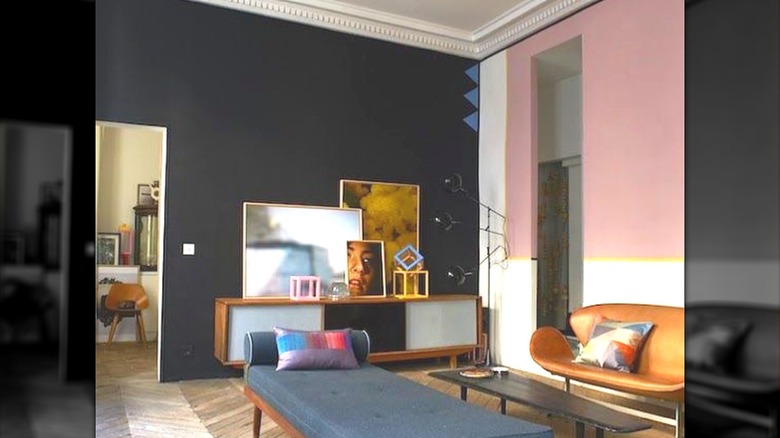
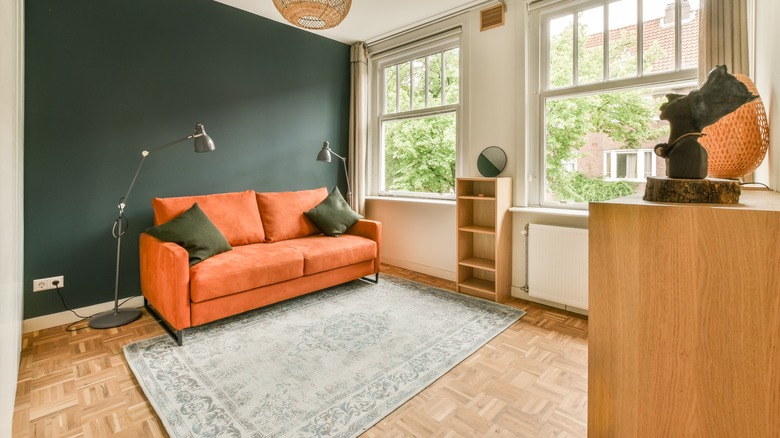
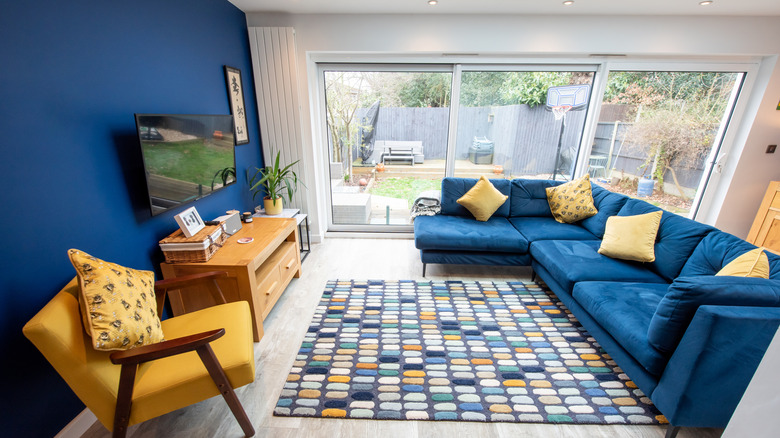
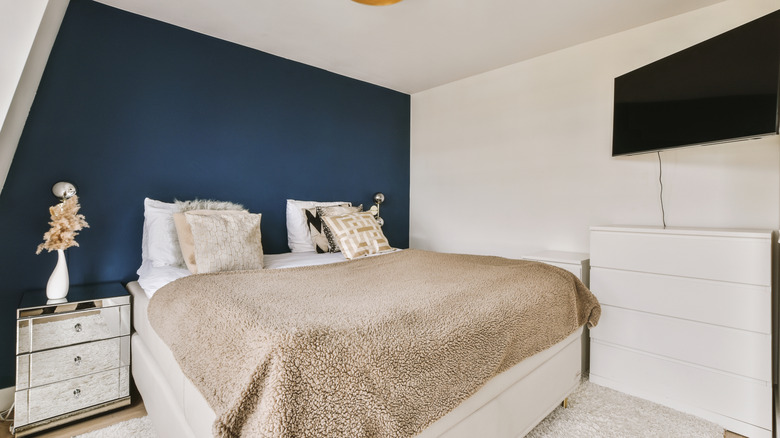
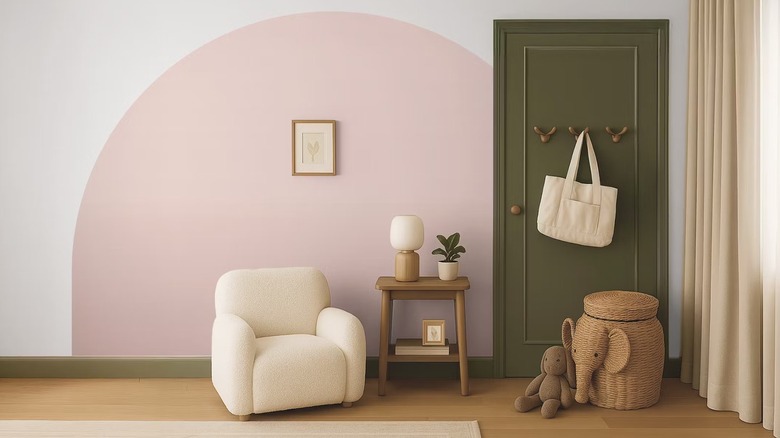
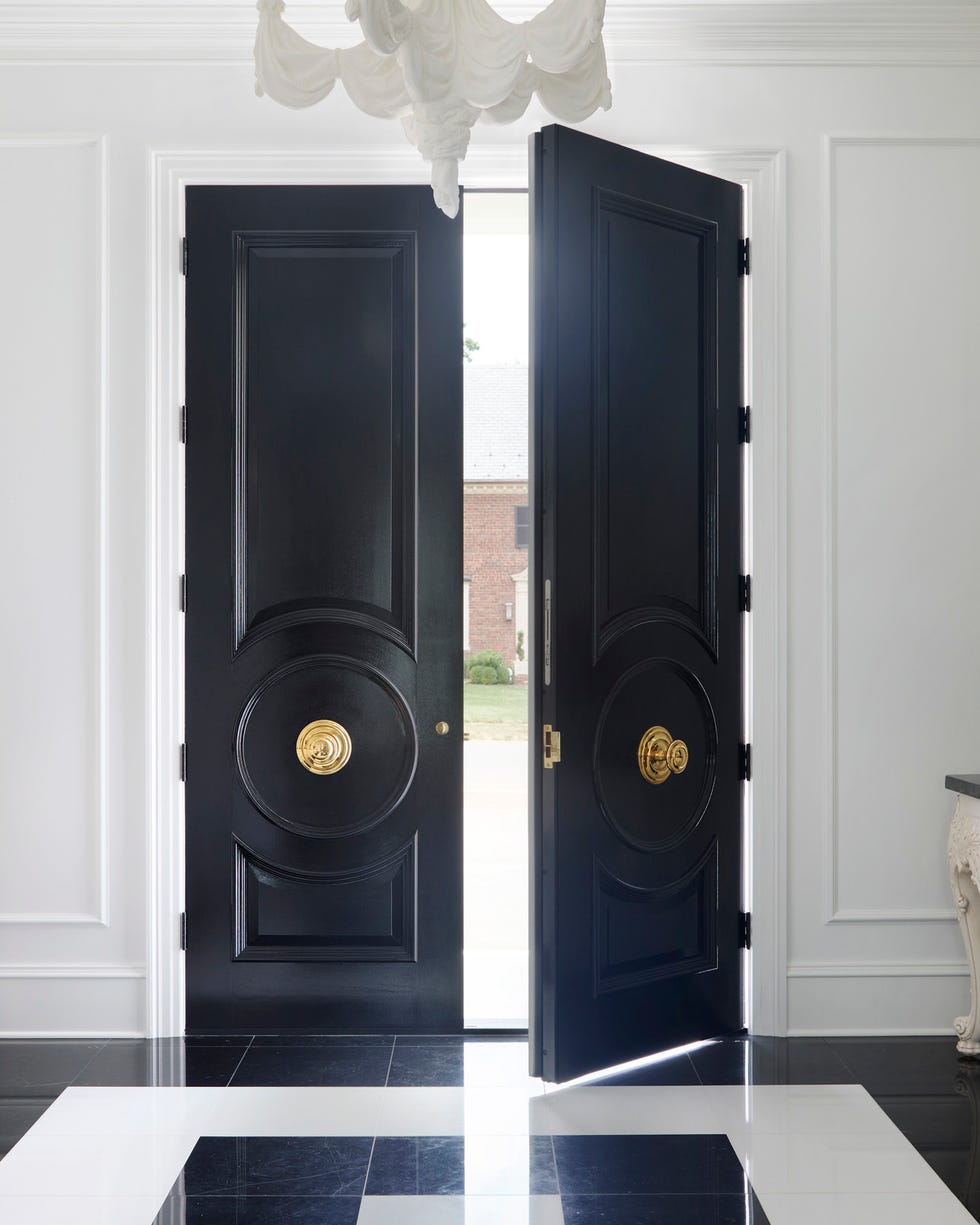
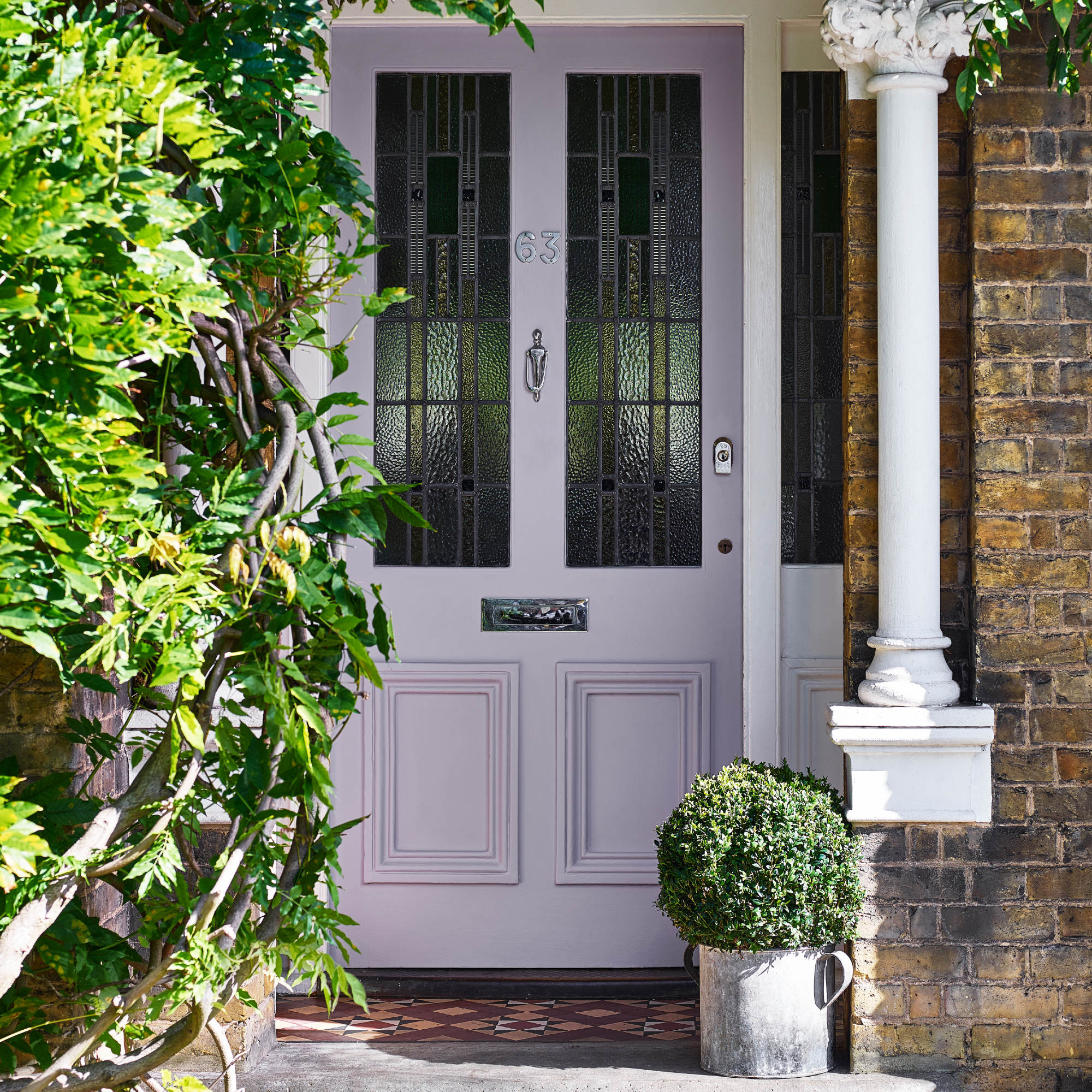
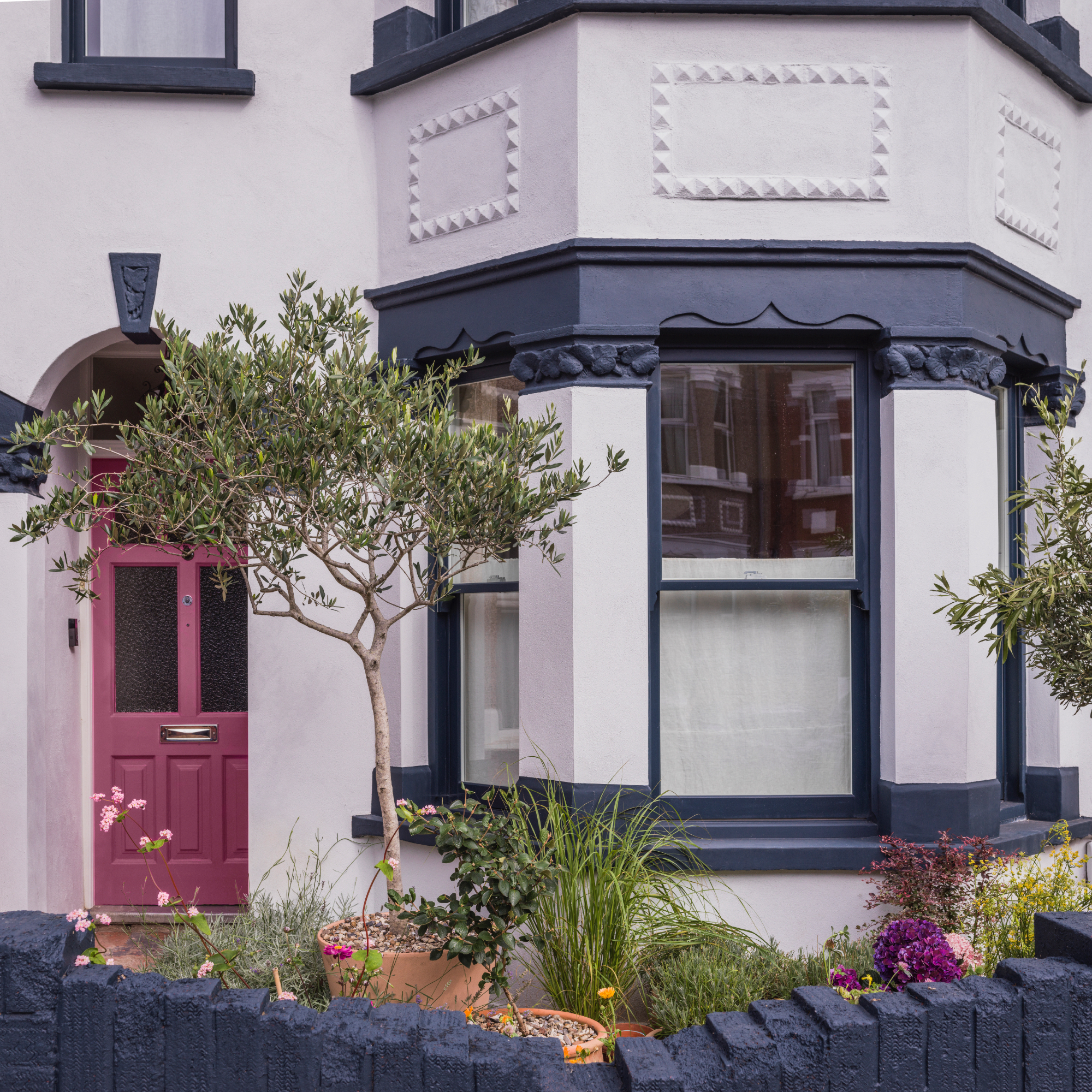
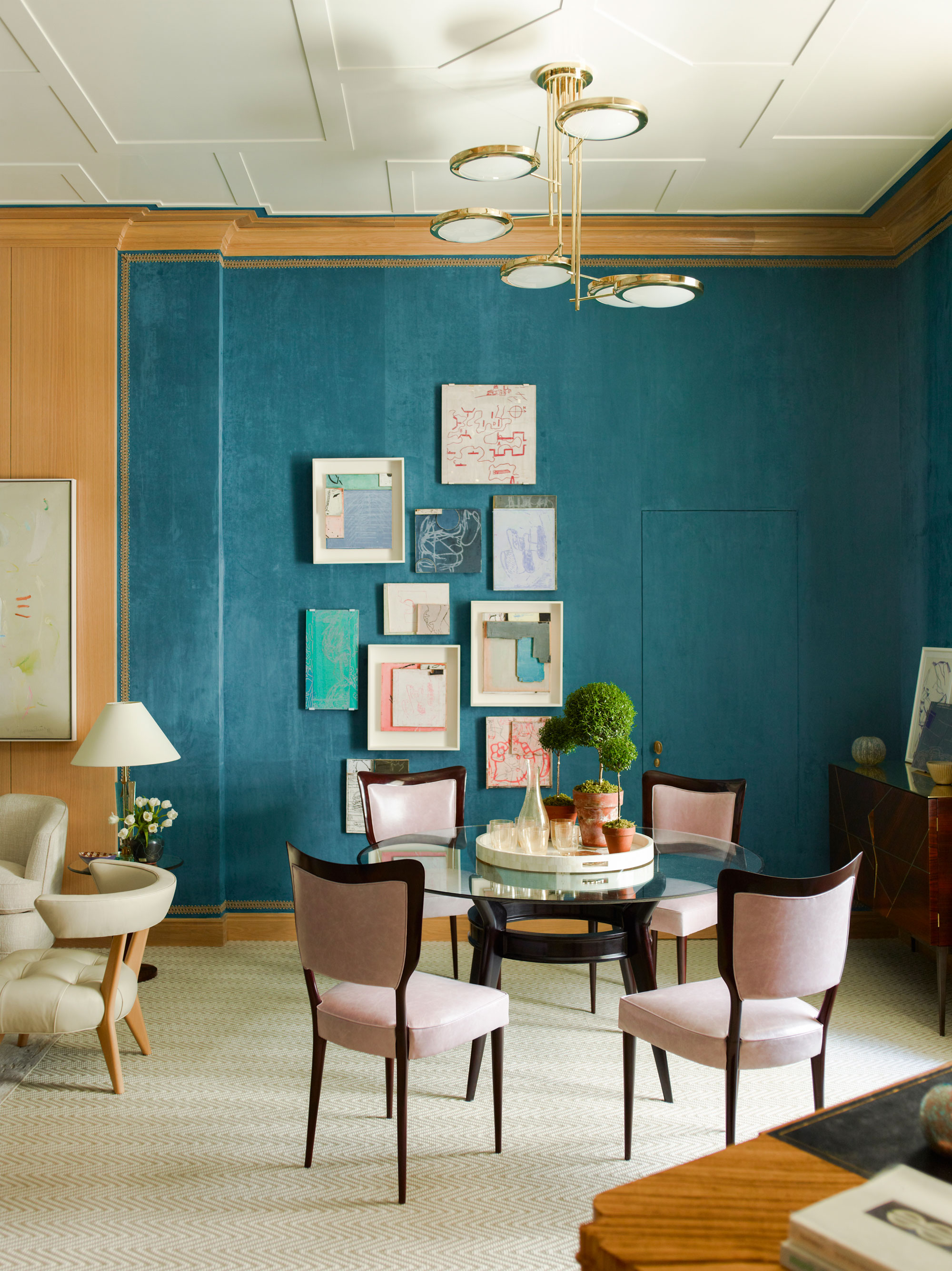
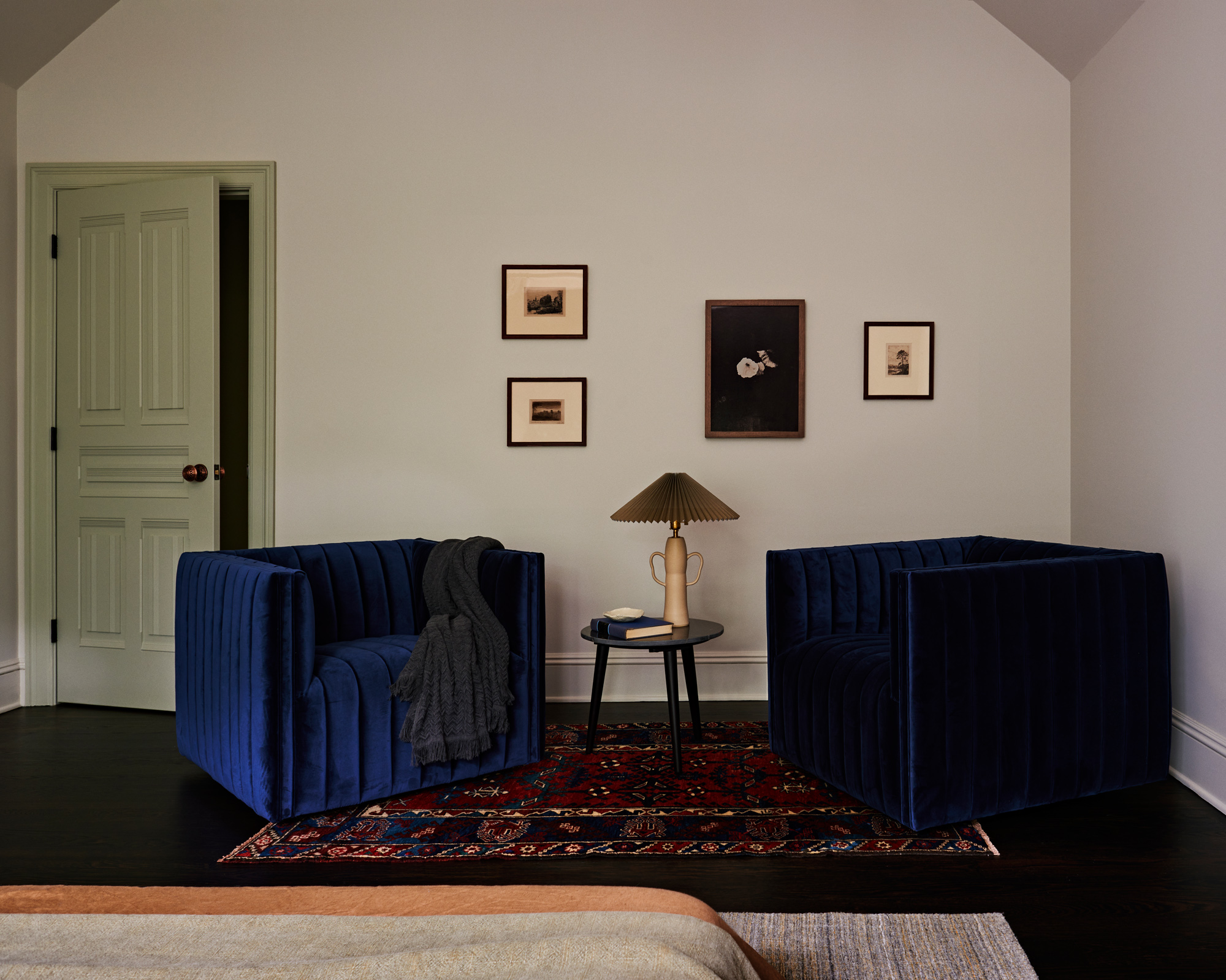
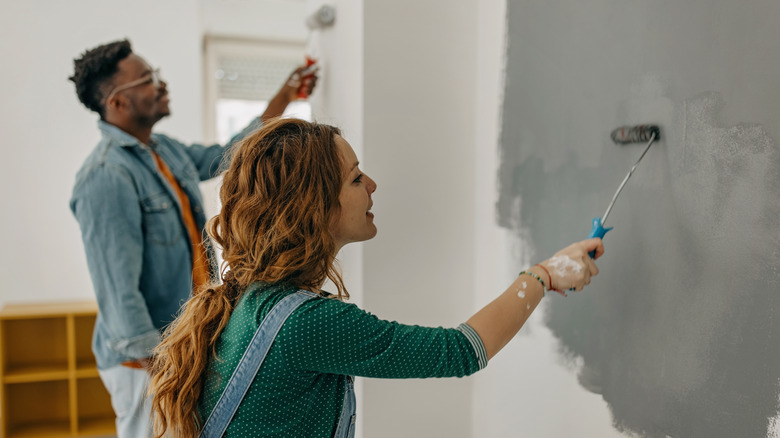
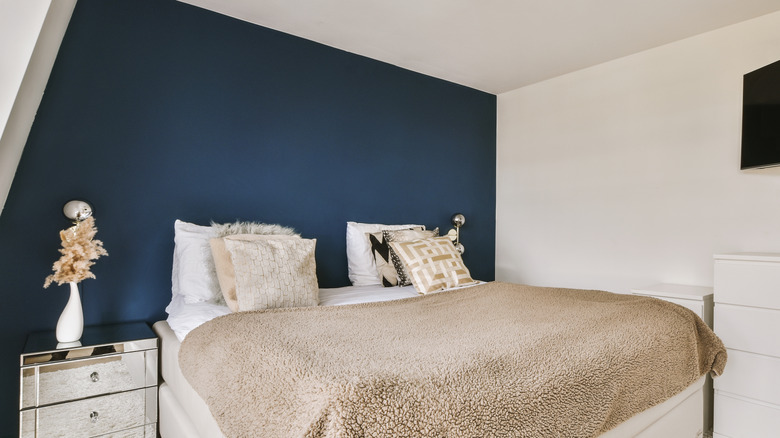
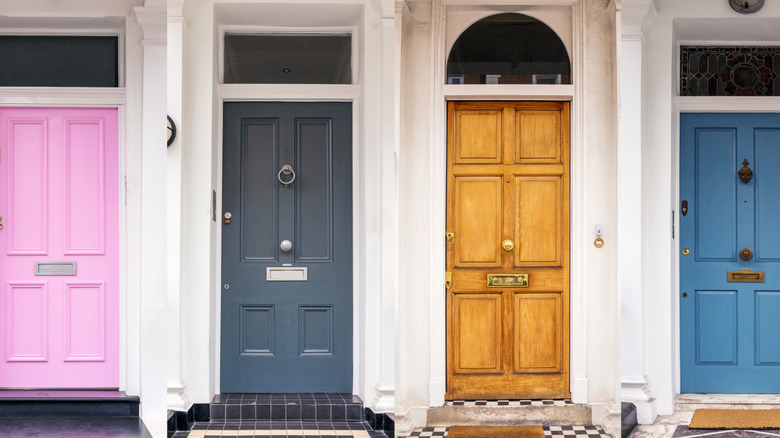
Accent doors are emerging as a refined alternative to the outdated accent wall, offering a subtle yet impactful way to introduce color and personality into a home's interior. While accent walls, once a popular design choice, are now largely considered passé and can quickly date a room, accent doors provide a more sophisticated approach to creating a focal point without overwhelming the space. This trend is gaining traction among interior designers who value its ability to add visual interest and express individuality in a more considered manner.
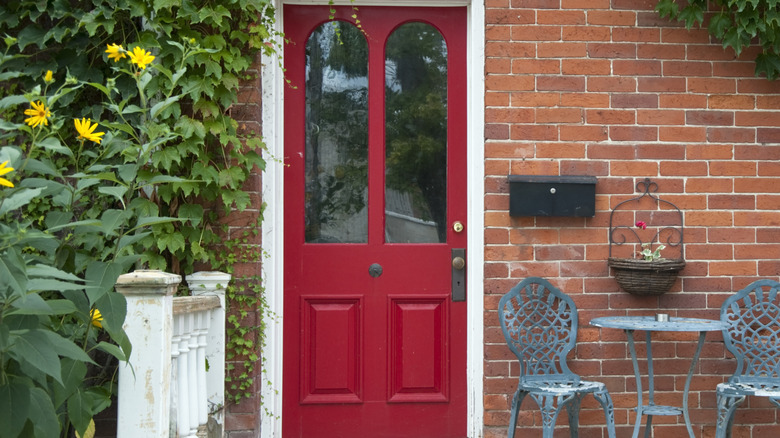
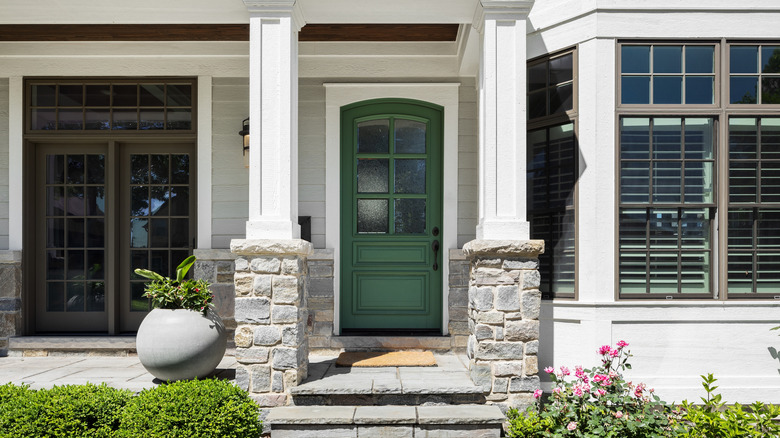
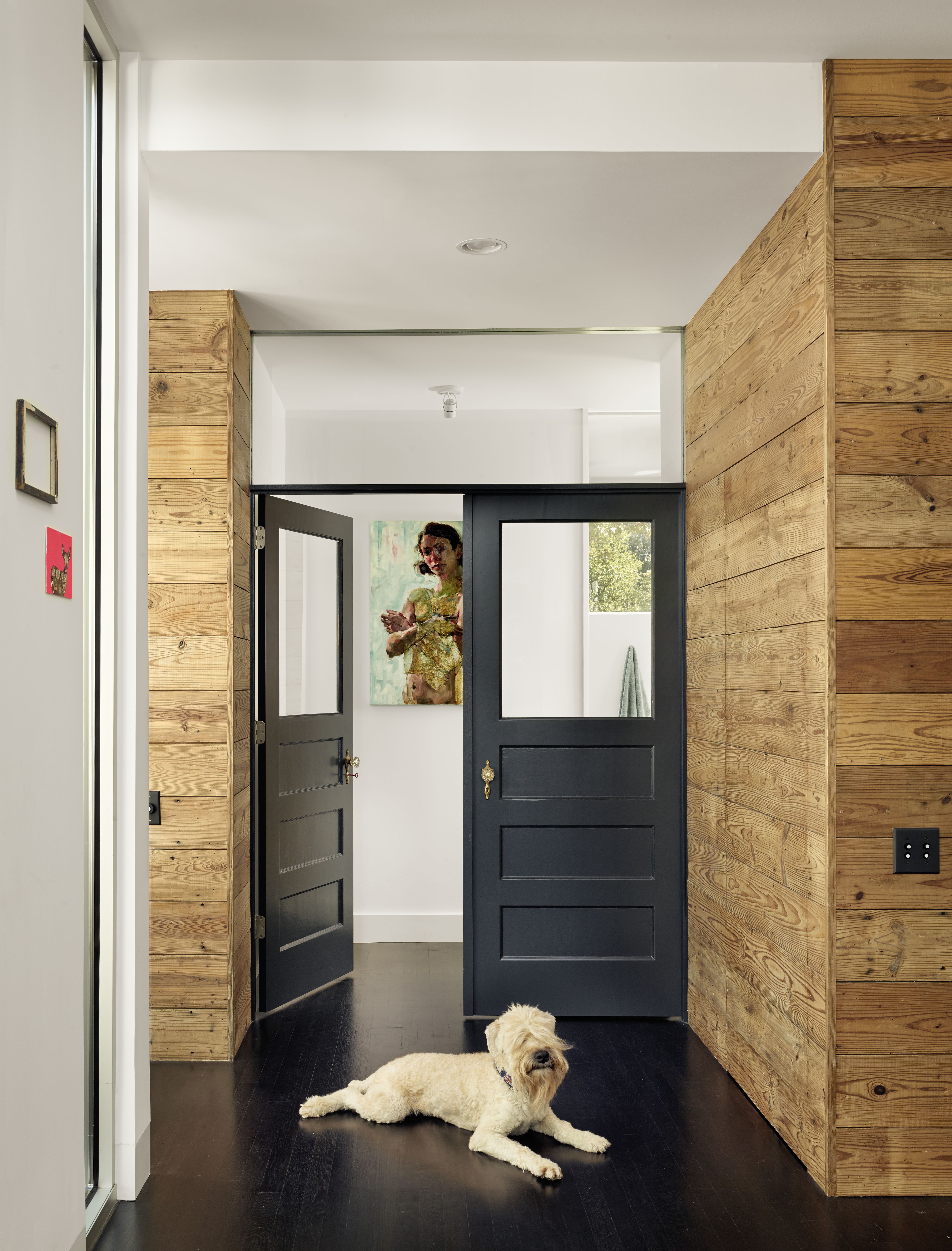
The concept of colored doors is not new, with historical roots in architecture and British design aesthetics. However, their resurgence in popularity is a direct response to the decline of accent walls. Designers note that a colorful door offers significant visual impact with minimal risk, allowing homeowners to inject vibrant hues or tranquil tones into their interiors without the commitment of painting an entire wall. This method enhances the room's aesthetic by drawing attention to architectural details or creating an unexpected design moment.
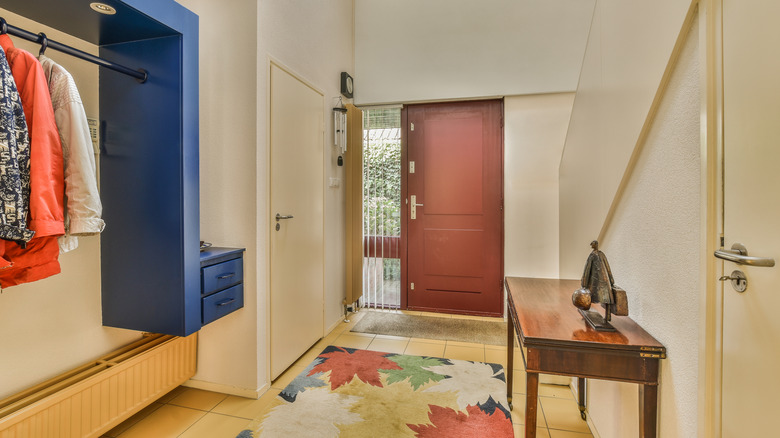
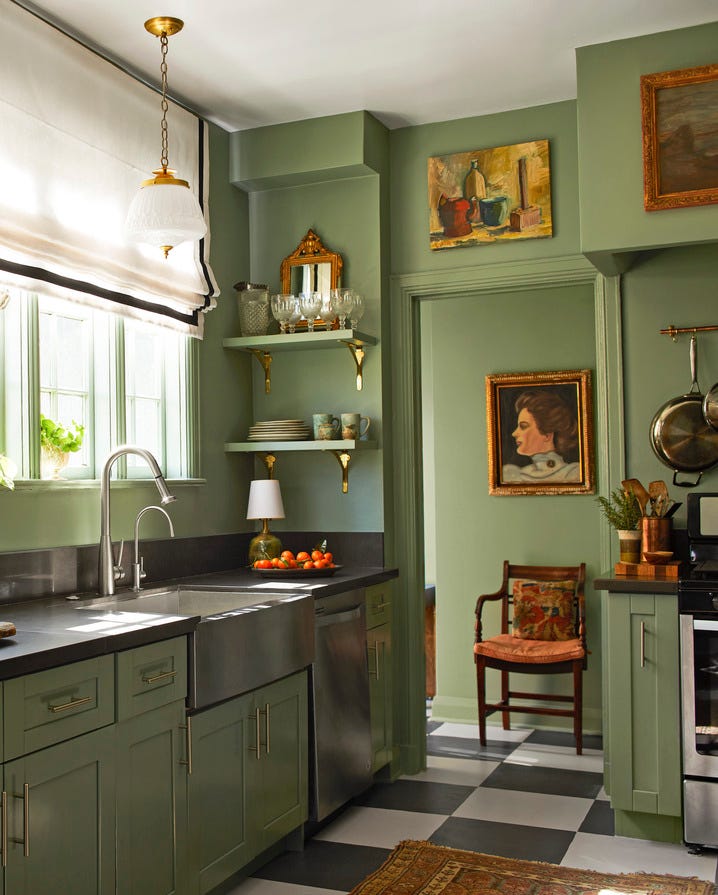
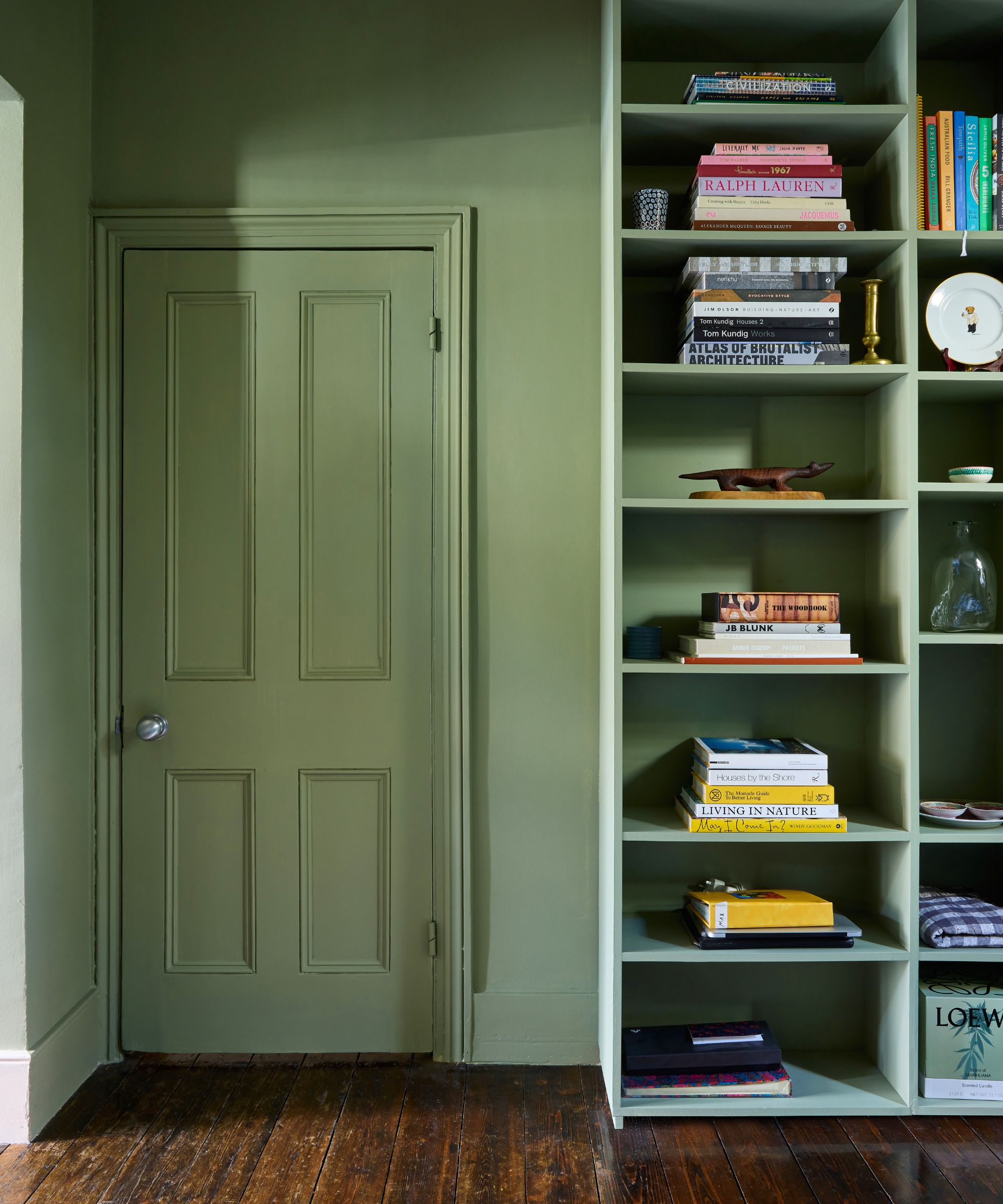
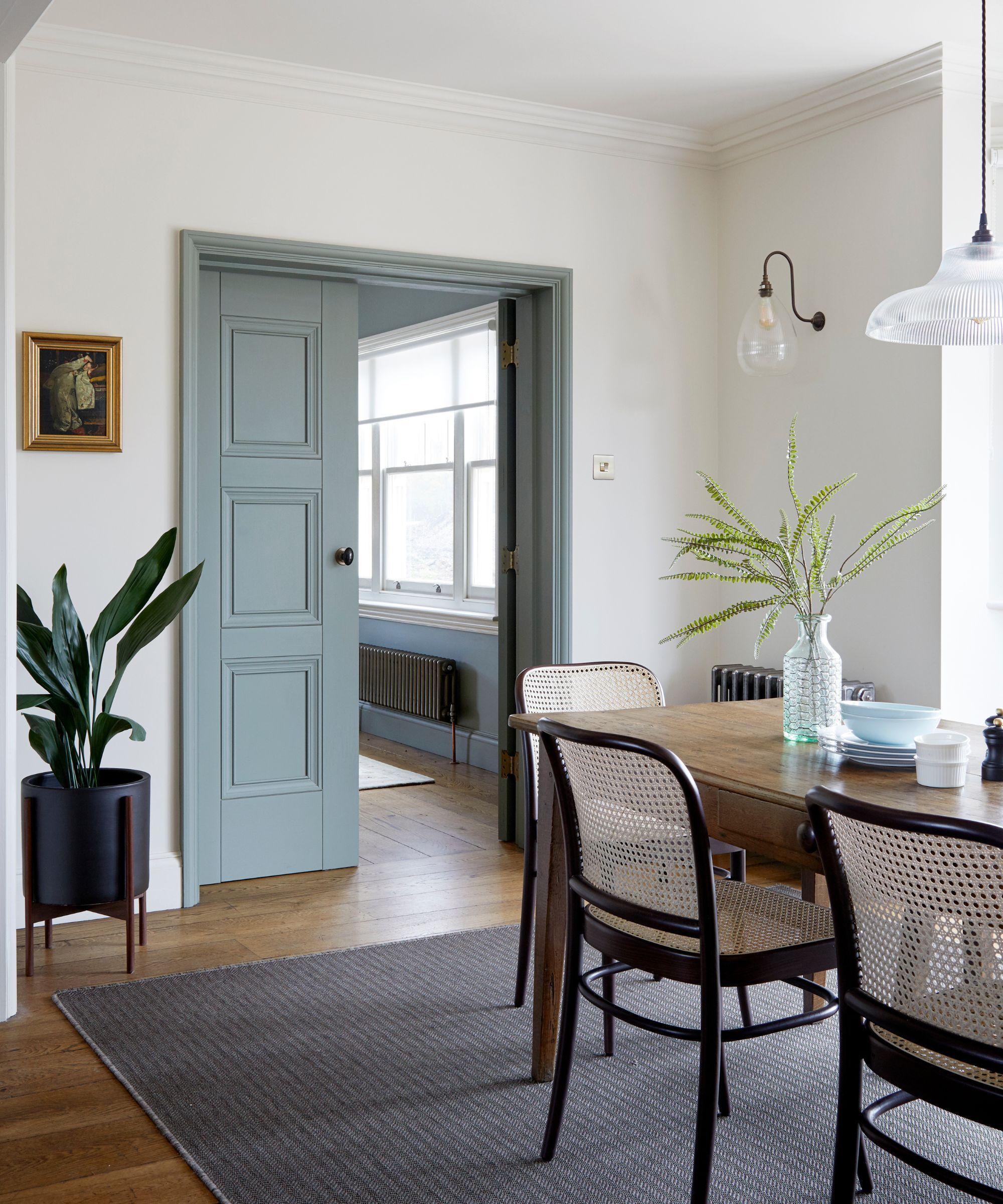
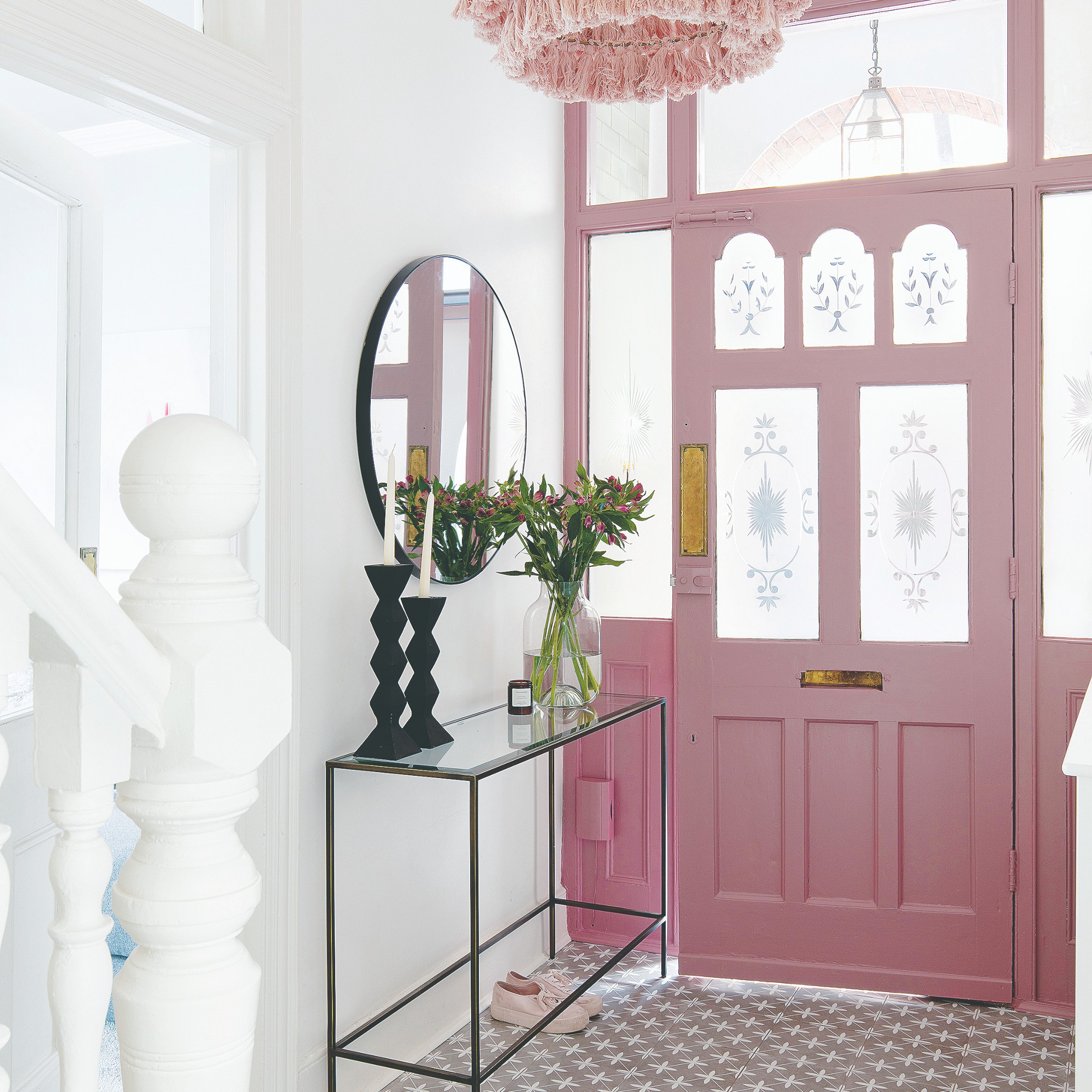
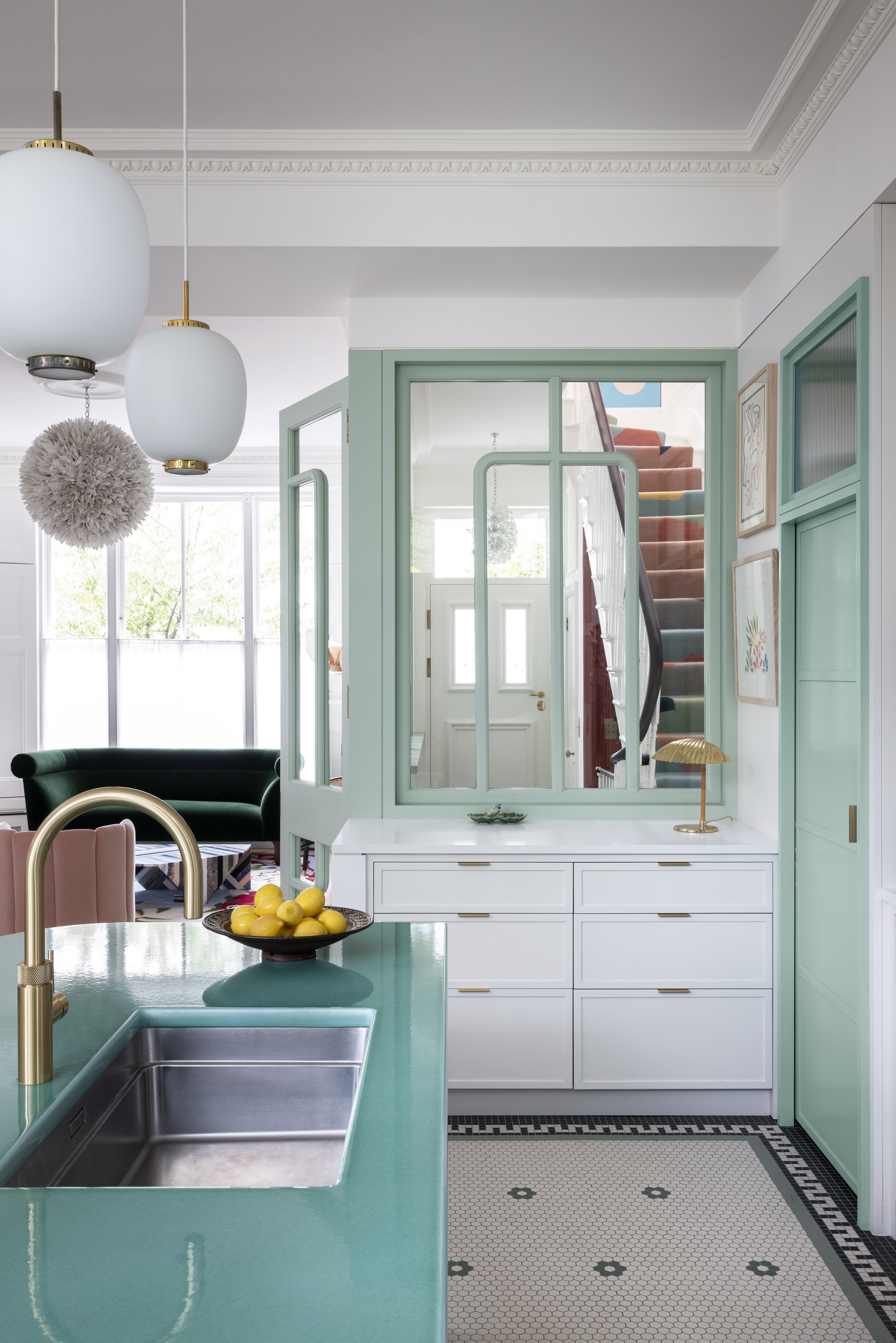
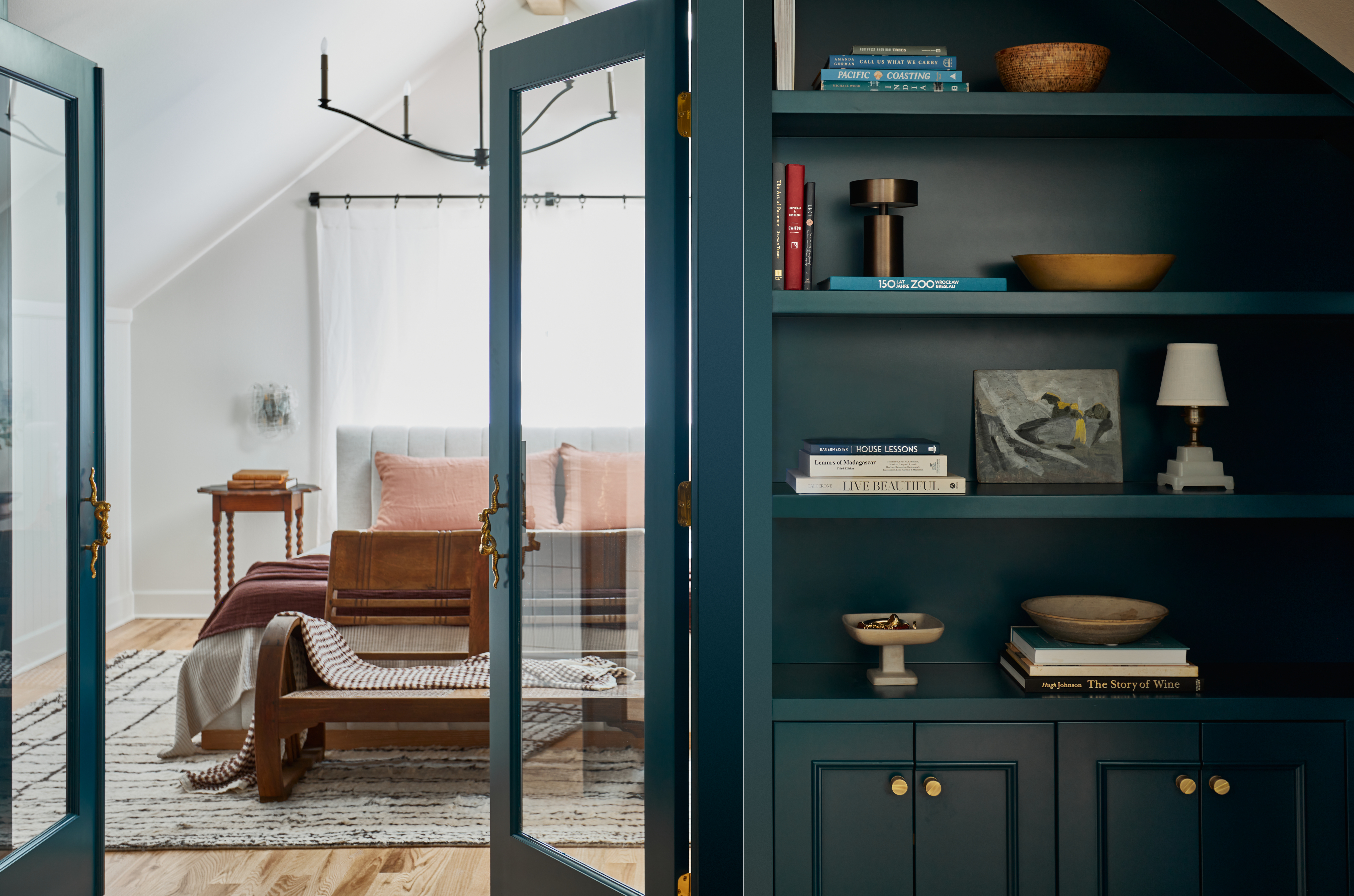
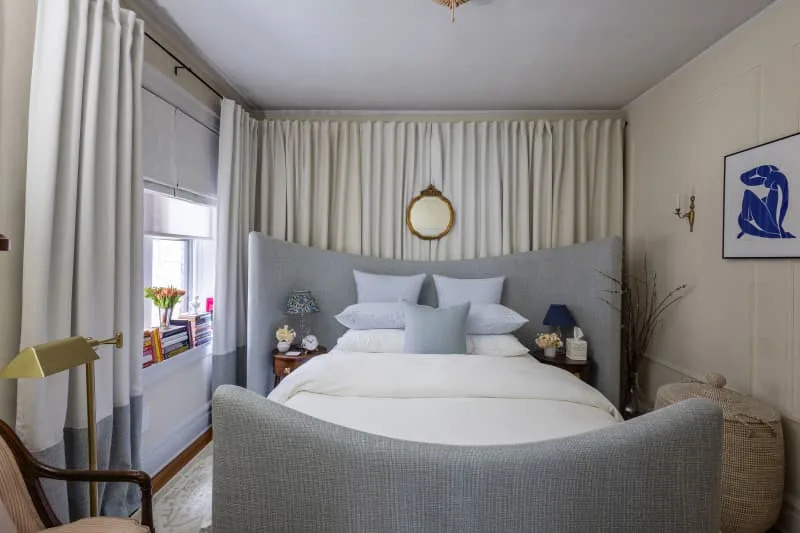
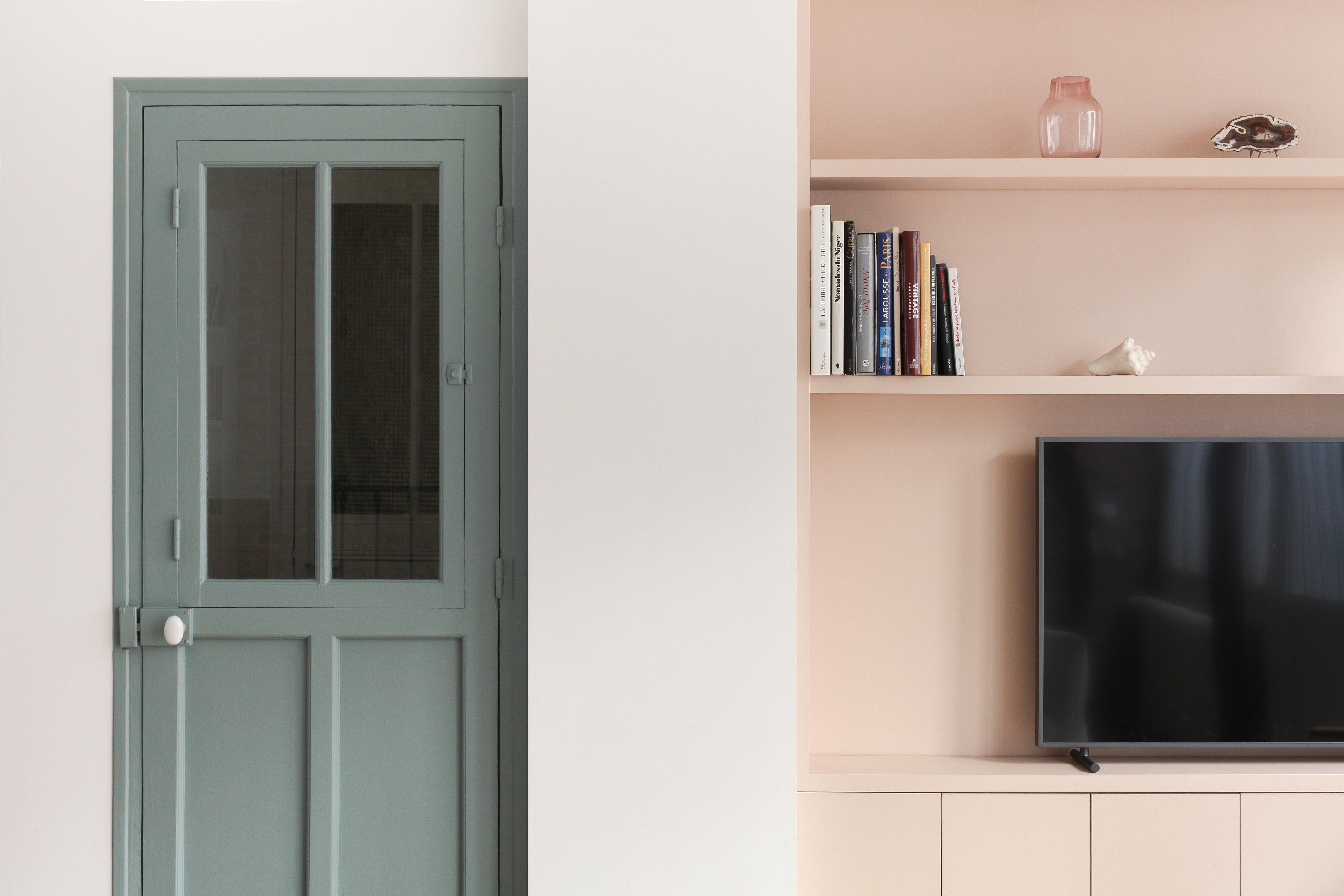
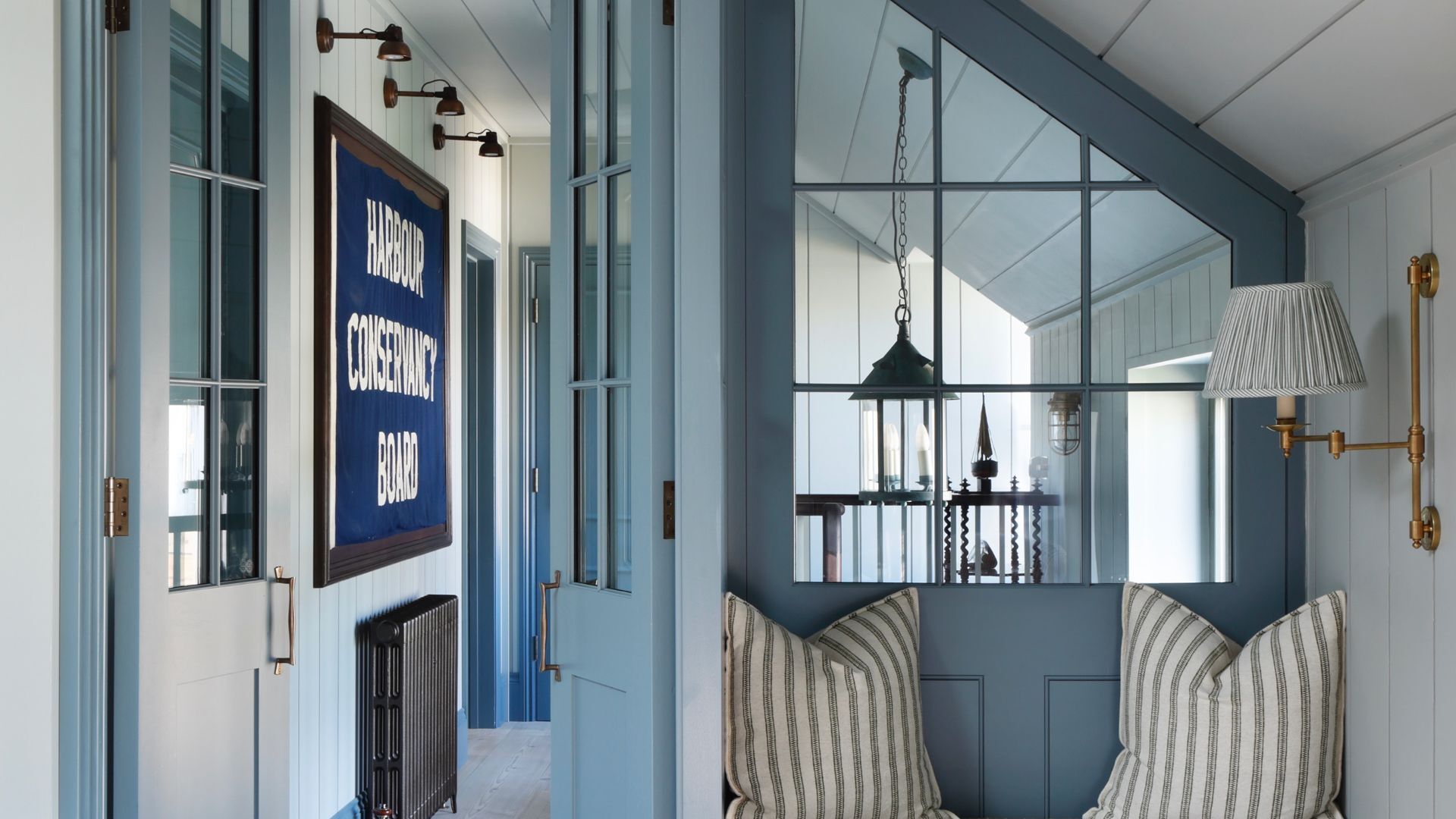
One effective strategy is to select soft, serene colors for accent doors. These subtle shades can quietly contrast with neutral surroundings, such as a white hallway, and complement the existing color scheme within an adjacent room. For instance, a light blue door can evoke a sense of calm and elegance, demonstrating that accent doors do not need to be bold to be impactful. The key is to choose colors that harmonize with the room's overall palette, ensuring the door enhances rather than overpowers the space.
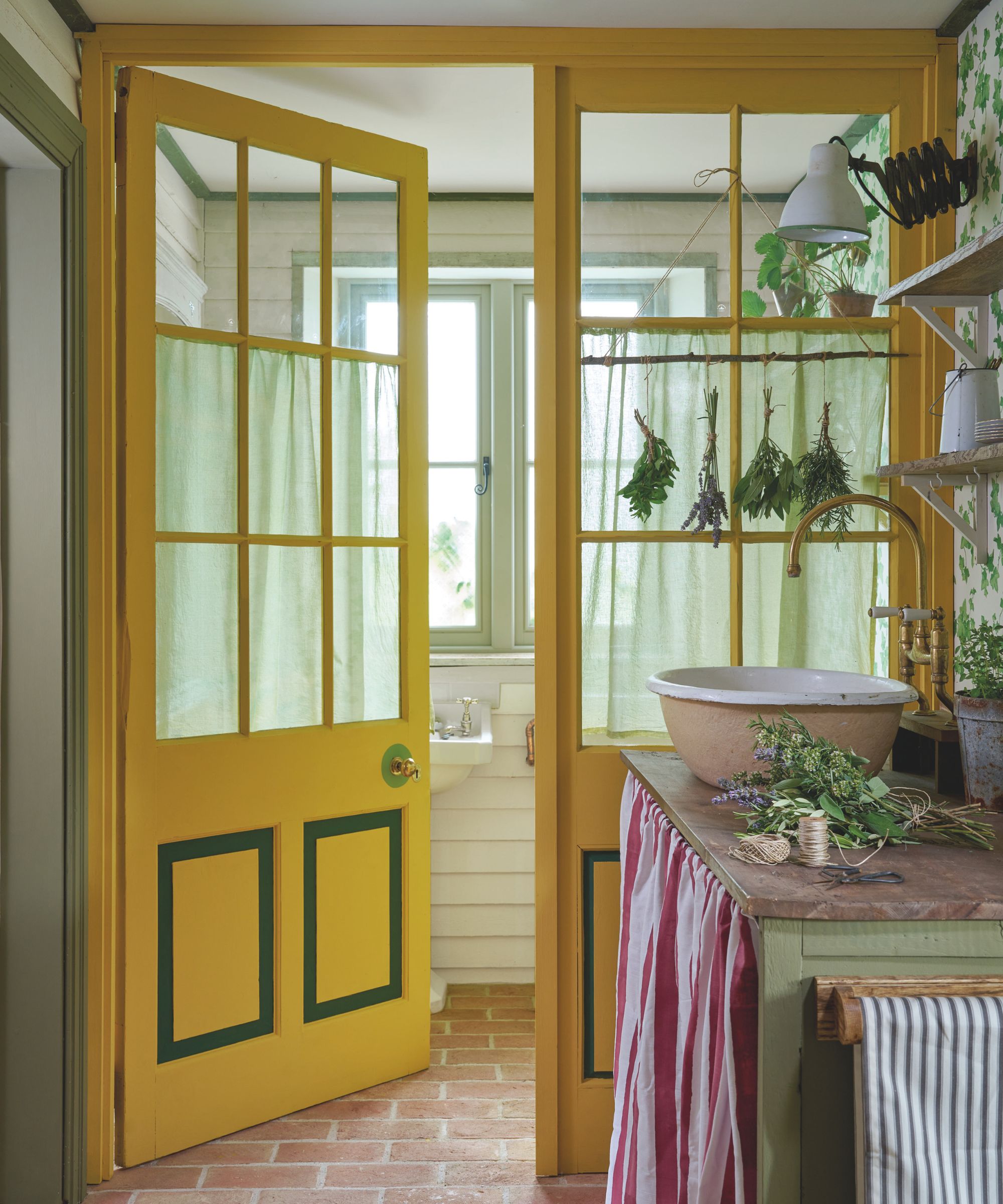
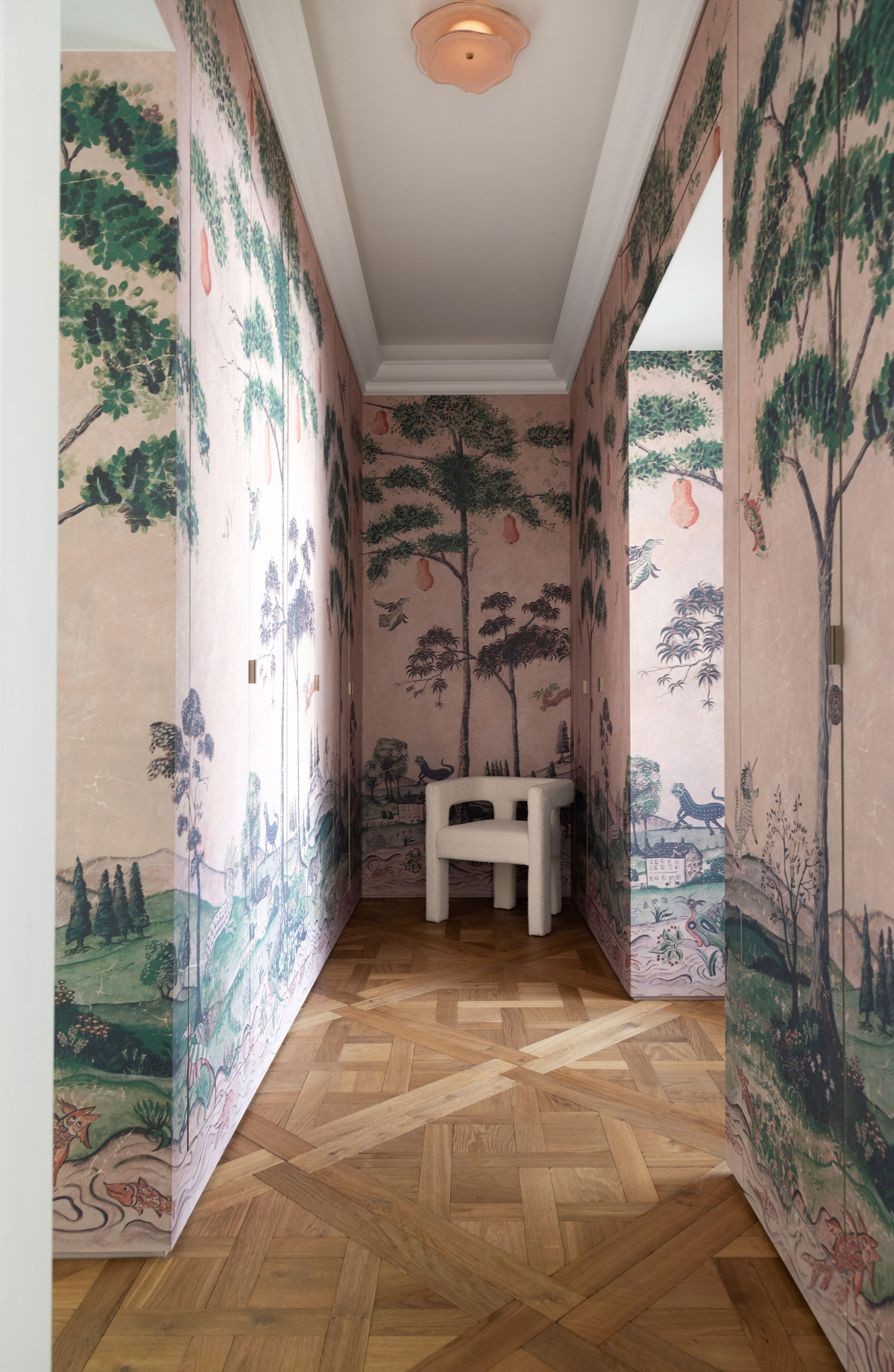
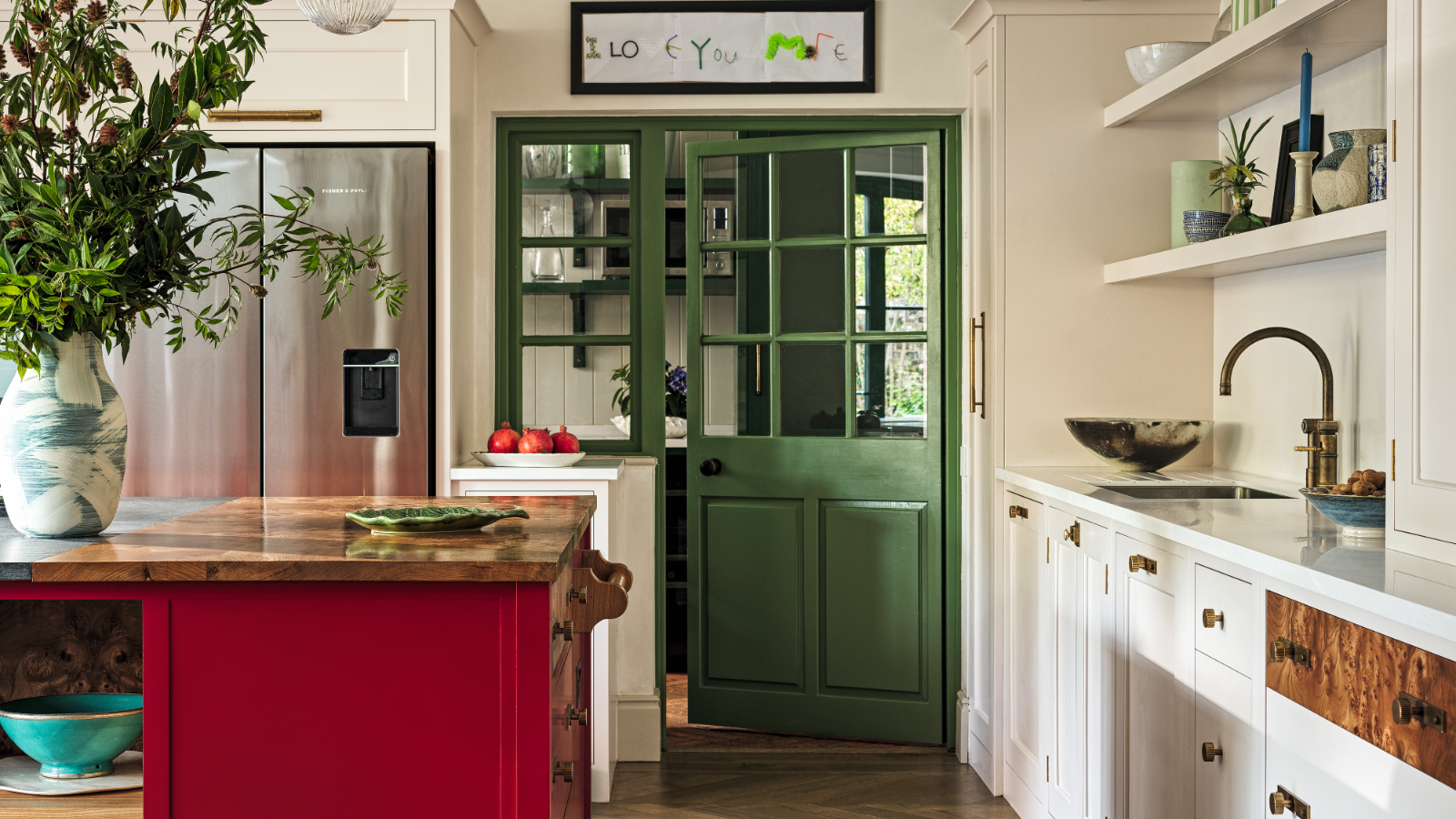
Accent doors can also transform utilitarian areas into stylish features. Spaces like pantries, laundry rooms, and coat closets, typically overlooked for their aesthetic potential, can become focal points with a coat of paint. A boldly colored pantry door in a neutral kitchen, for example, can break up monotony and add a fresh, unexpected element to the room's design. This application extends beyond traditional doors to cabinet doors, allowing for unique design schemes throughout the home.
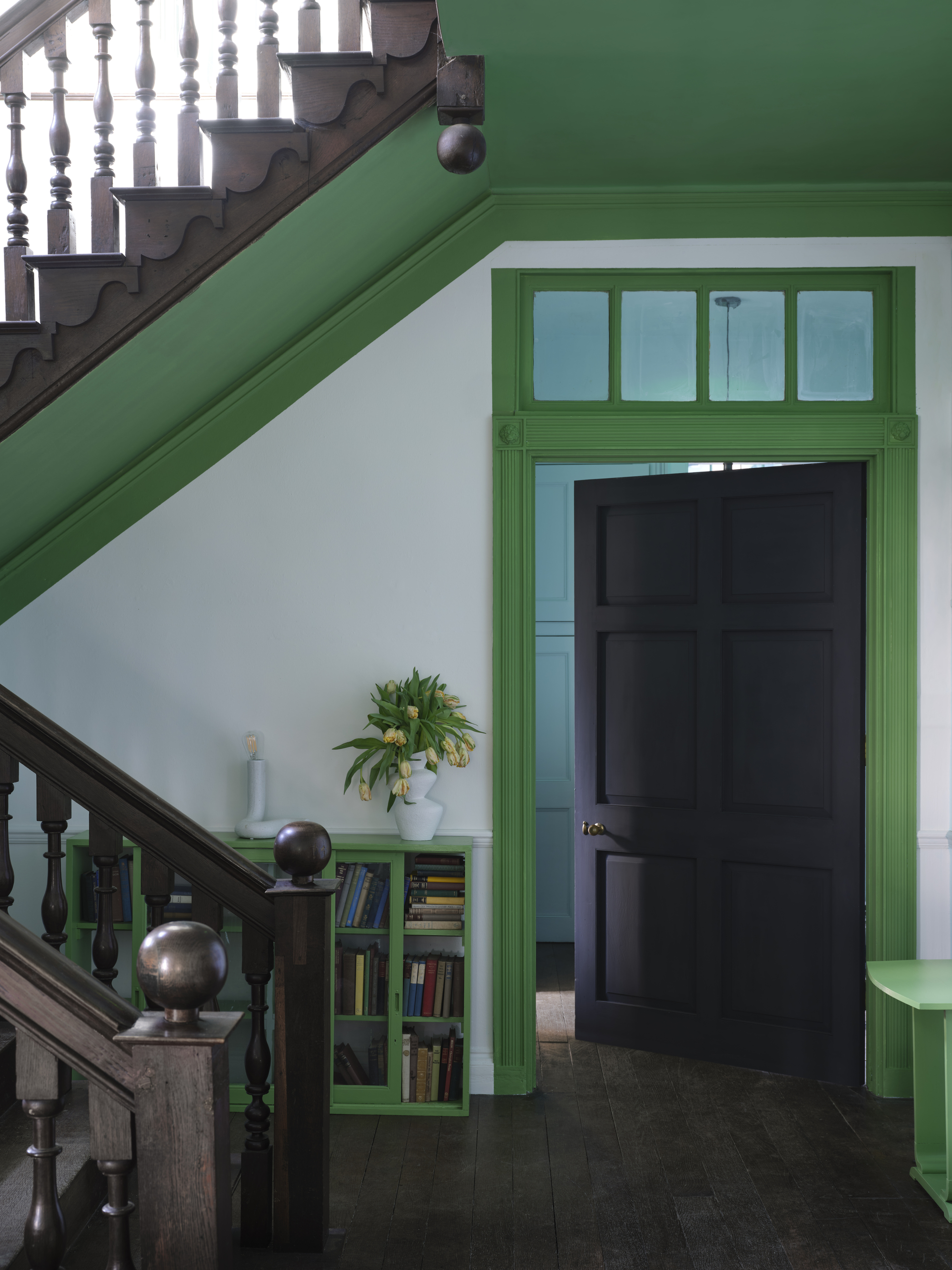
For those who embrace color, multiple accent doors in a transitional space, such as a hallway, can create a dynamic and vibrant visual rhythm. By balancing colorful doors against a neutral backdrop and complementing them with understated decor, a hallway can evolve into a lively and engaging part of the home. This approach highlights how color can impact even the most transient areas.
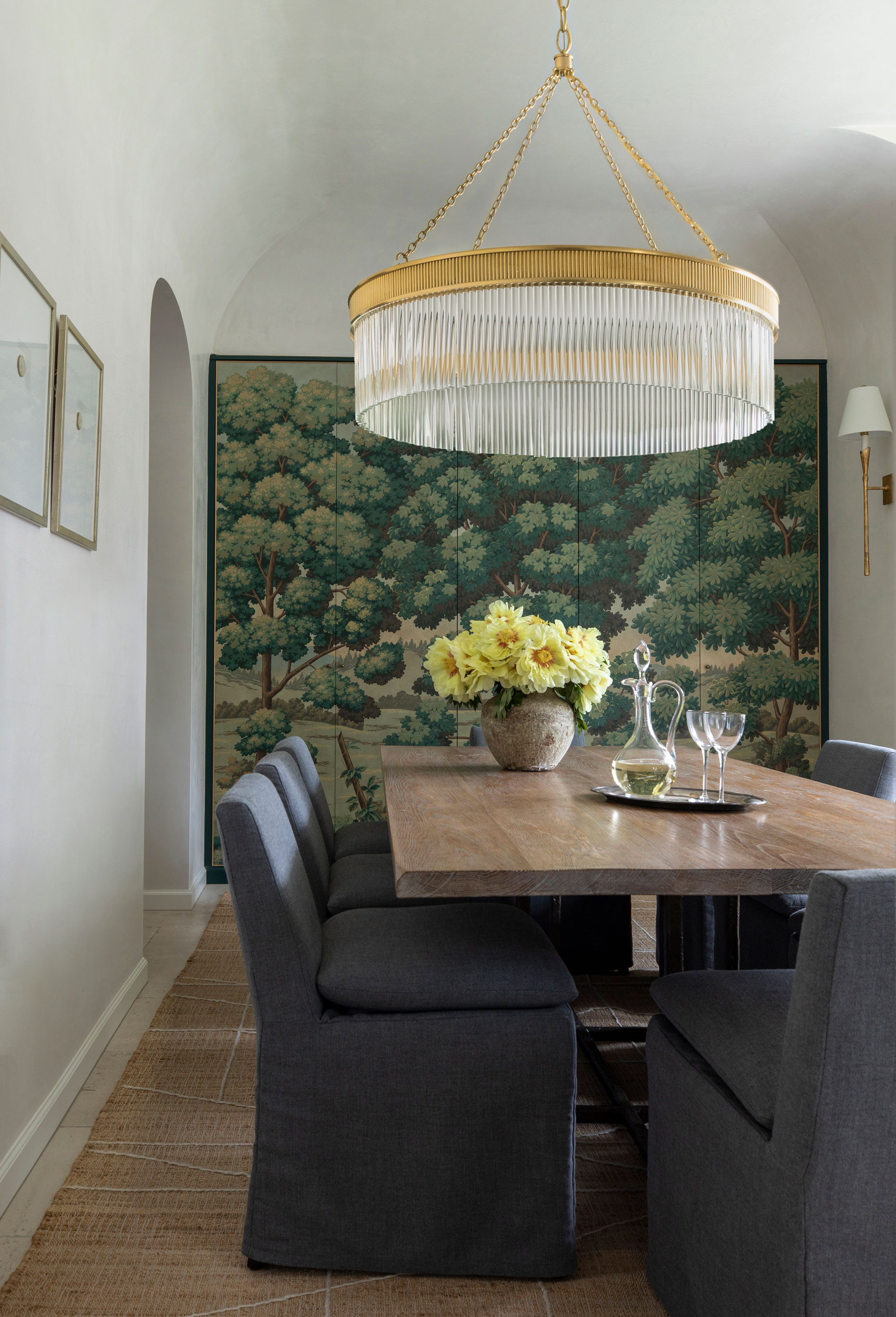
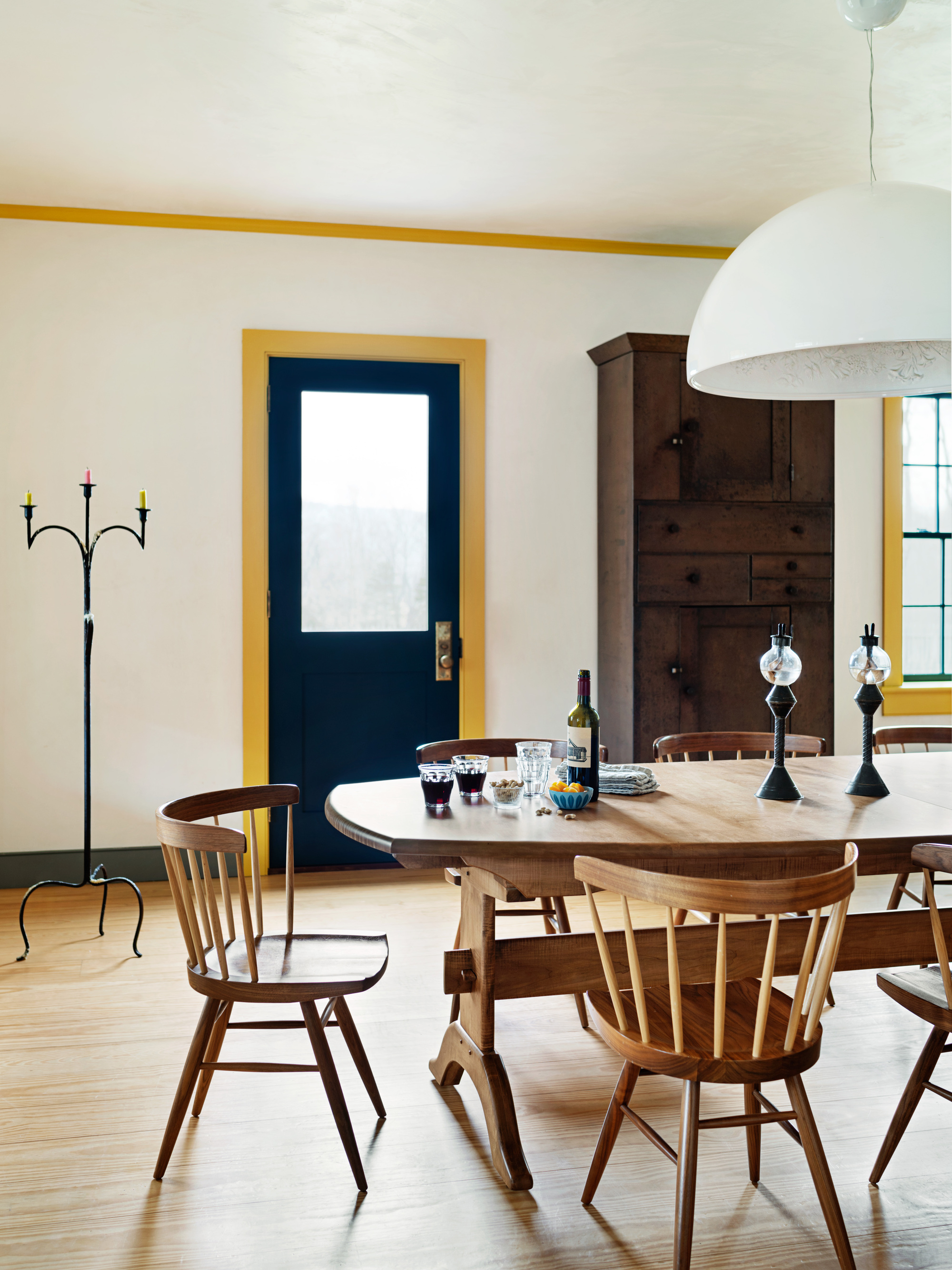
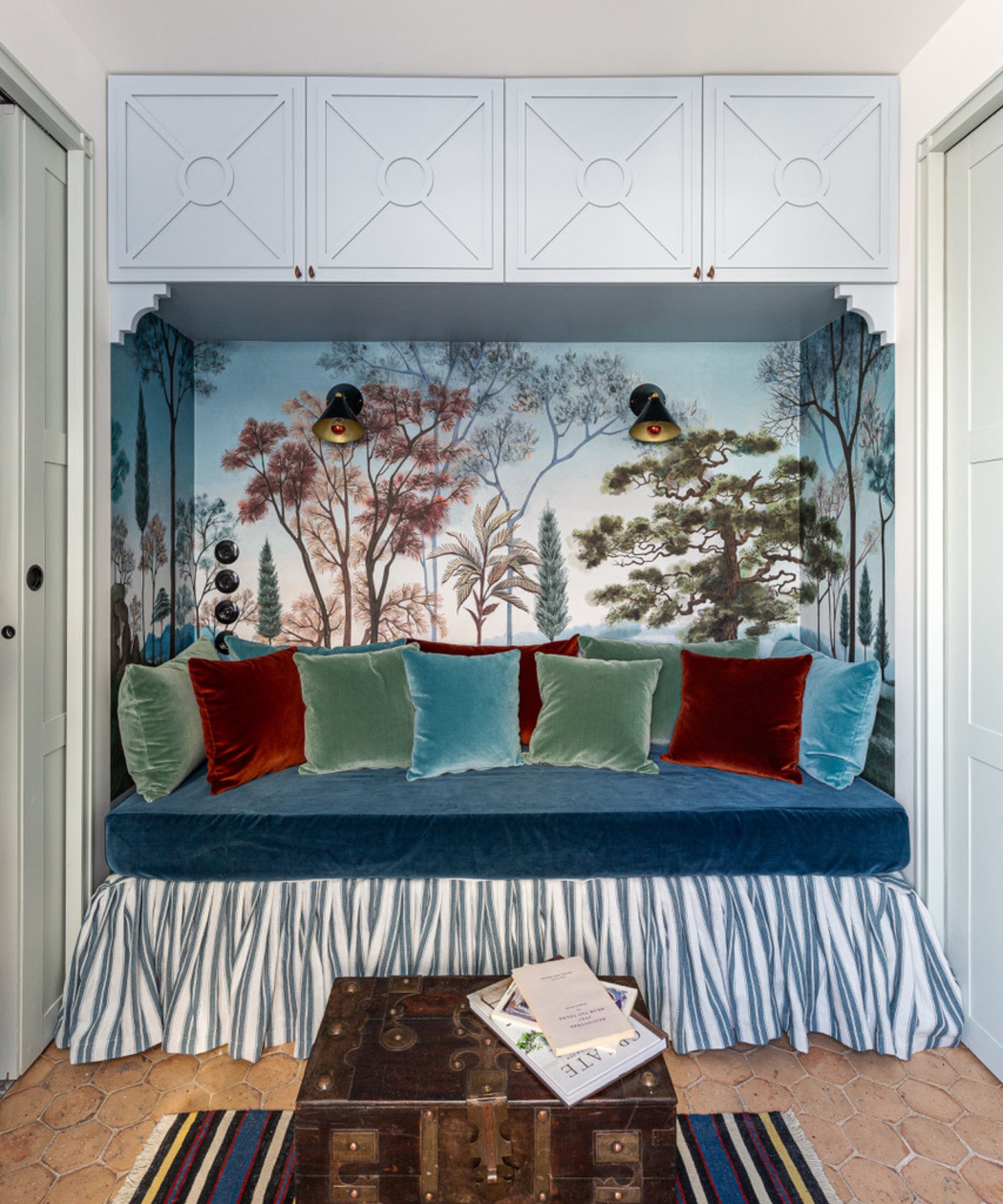
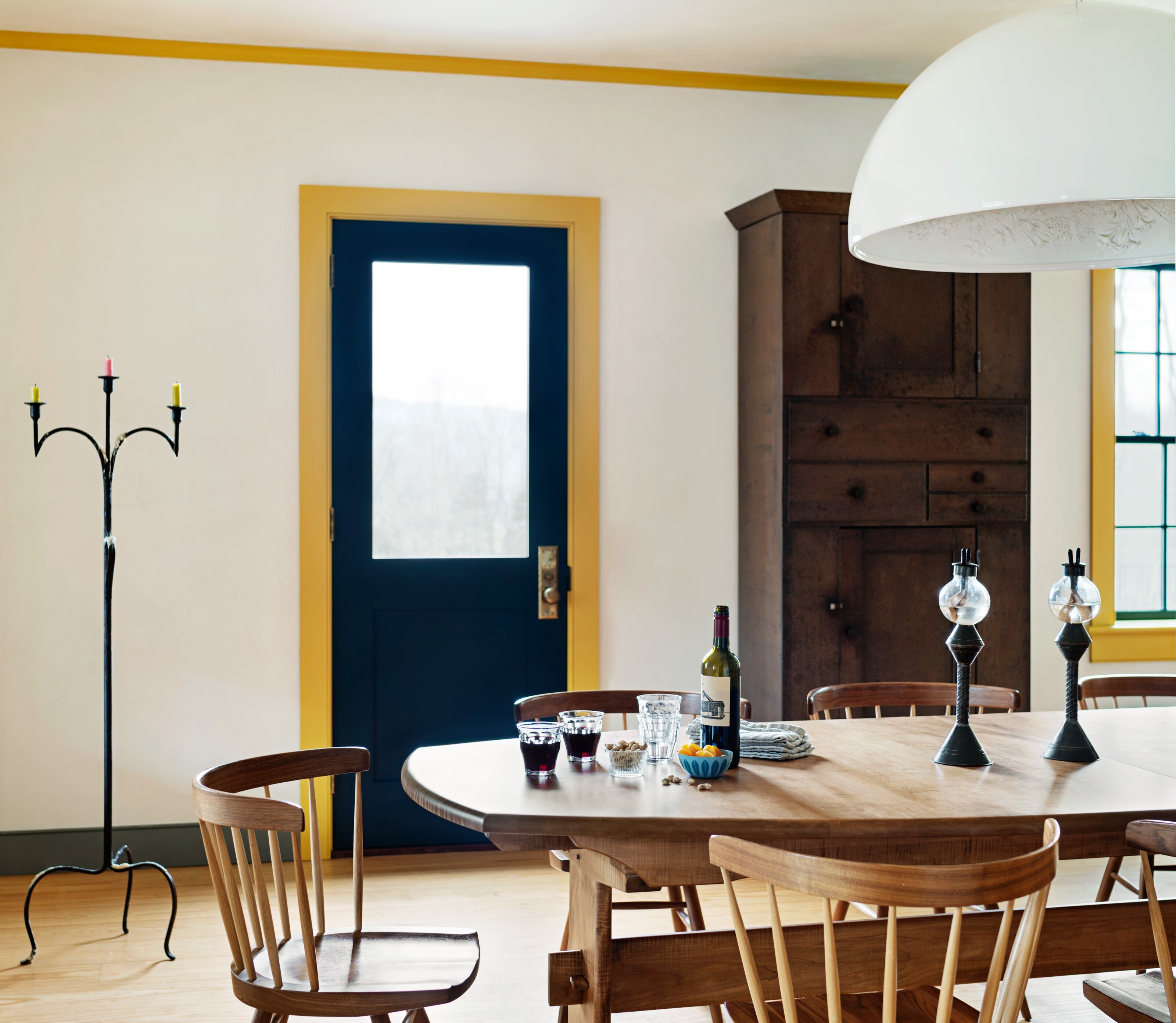
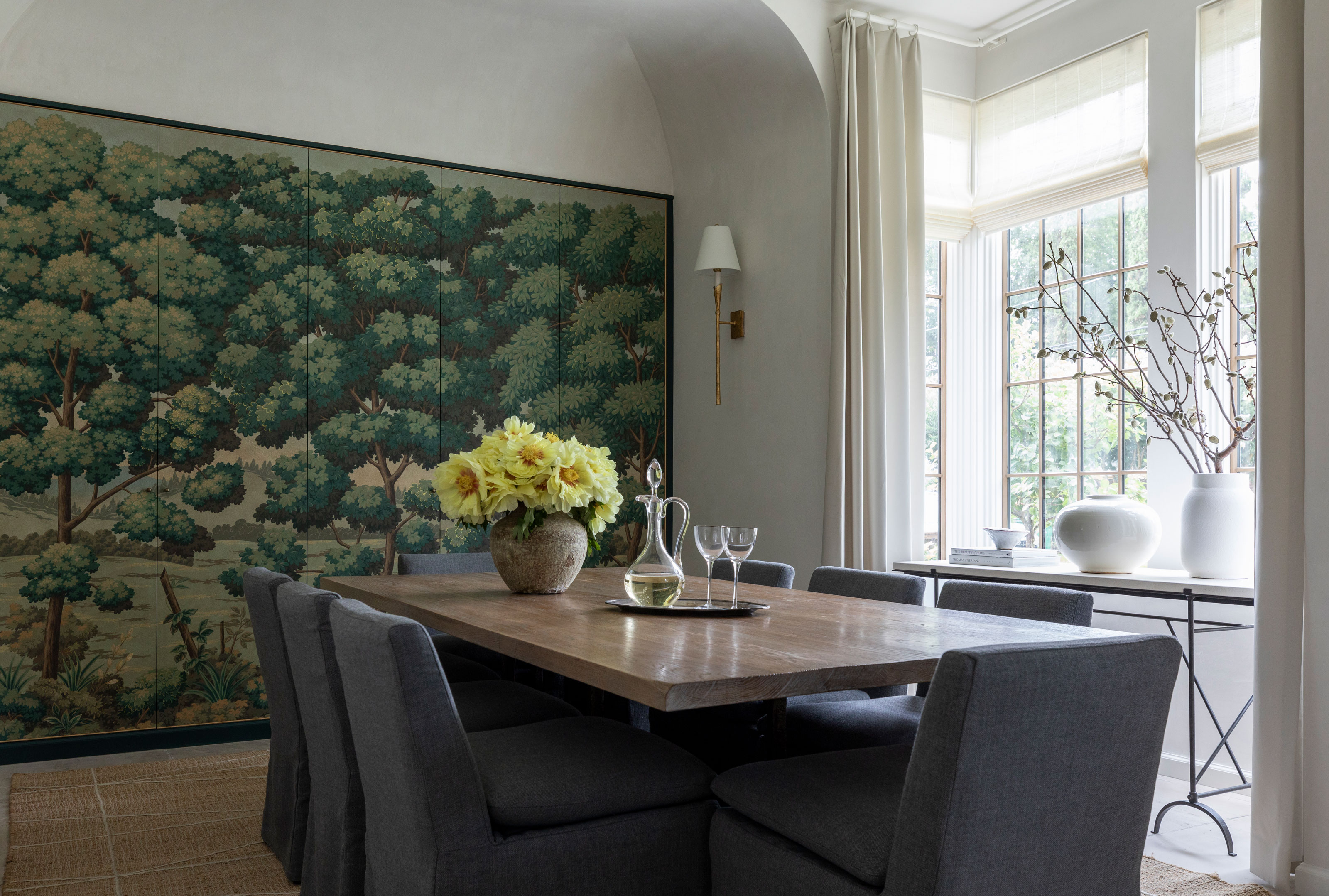
In neutral rooms, accent doors serve to add visual interest and guide decor choices, fostering a cohesive design. A subdued blue door in a white dining room can create a peaceful focal point, making the transition between rooms a design statement. If a room feels incomplete, incorporating a color from its existing scheme into the doors offers a low-commitment way to revitalize the space. Furthermore, pocket doors, when painted in an accent color, offer a versatile solution for decorators who enjoy color but prefer the option to conceal it. These doors can provide an unexpected pop of color when open, and blend seamlessly into the wall when closed, catering to those who appreciate flexibility in their interior design choices.
Ultimately, accent doors represent a thoughtful evolution from the accent wall. They fulfill the desire to introduce splashes of color into a room with greater intention and sophistication, making them a contemporary and elegant choice for modern interior design.
#AccentDoors #InteriorDesignTrends #HomeDecor #ColorPsychology #ArchitecturalDetails #FocalPoint #SpaceTransformation #HomeStyling #DesignInspiration #AccentDoors #InteriorDesignTrends #HomeDecor #ColorPsychology #ArchitecturalDetails #FocalPoint #SpaceTransformation #HomeStyling #DesignInspiration
0 comment in total
 No comments yet
You may also like
This Surprising NEW Trend Is Replacing Accent Walls

Bye-Bye, Accent Walls! Designers Say THIS Is Now the Hottest Decorating Feature

Accent wall ideas – 20 of the latest ways to create a statement feature
Interior doors can add light, personality
16 Accent Wall Ideas That You'll Start Seeing Everywhere In 2025
Are accent walls still on trend? Designers decide on what this love-hate style will look like in 2024
The Interior Design Trend That’s Replacing Outdated Accent Walls
'It's the best way to make a home joyful' - this paint trend is the perfect idea to introduce color thoughtfully

10 Painted Accent Wall Trends That Are On Their Way Out, And What To Do Instead
The Bold Color Trend That's Replacing Accent Walls In 2026
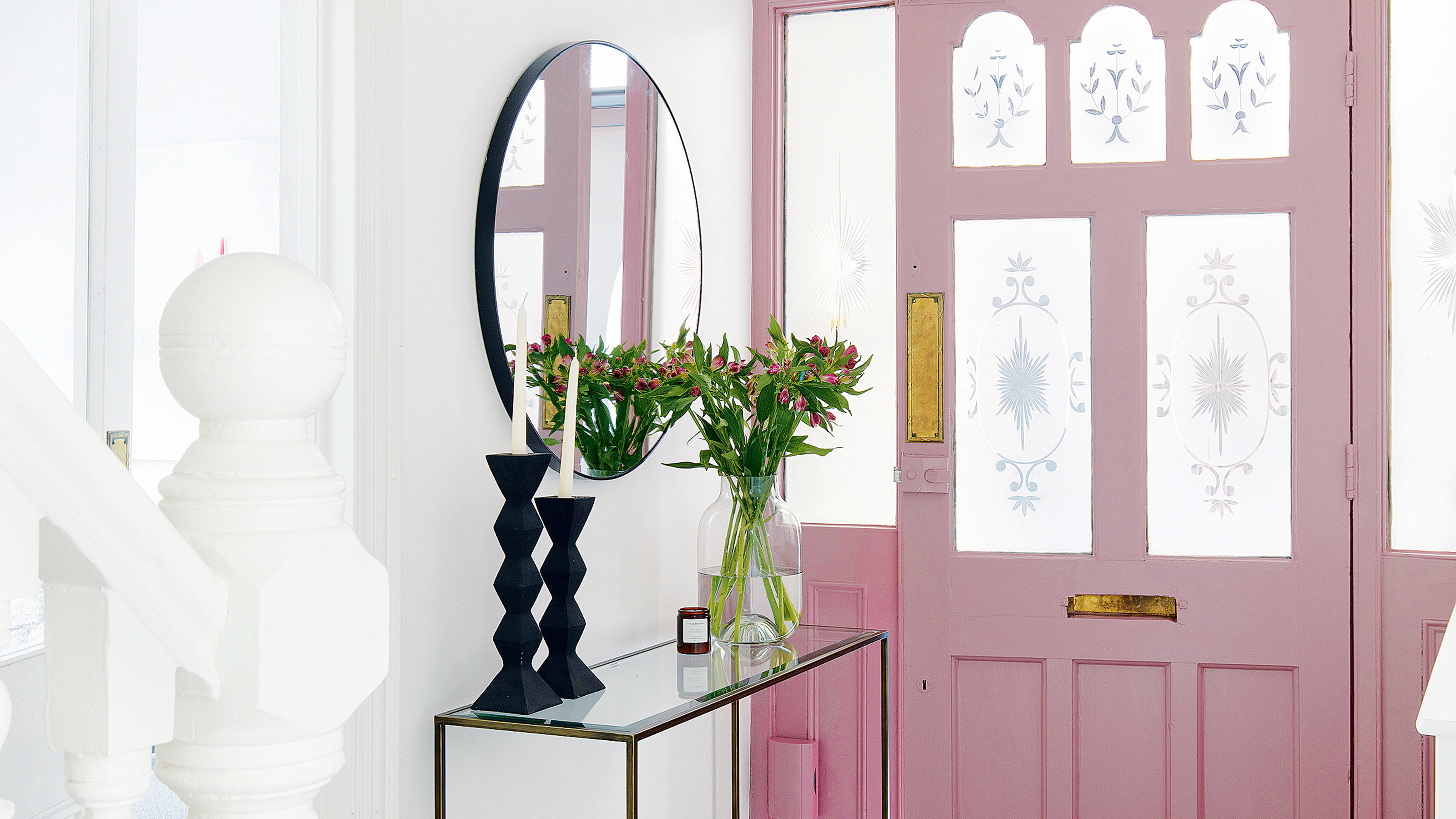
Designers and property experts have called it - this unique front door colour is set to be huge in 2024
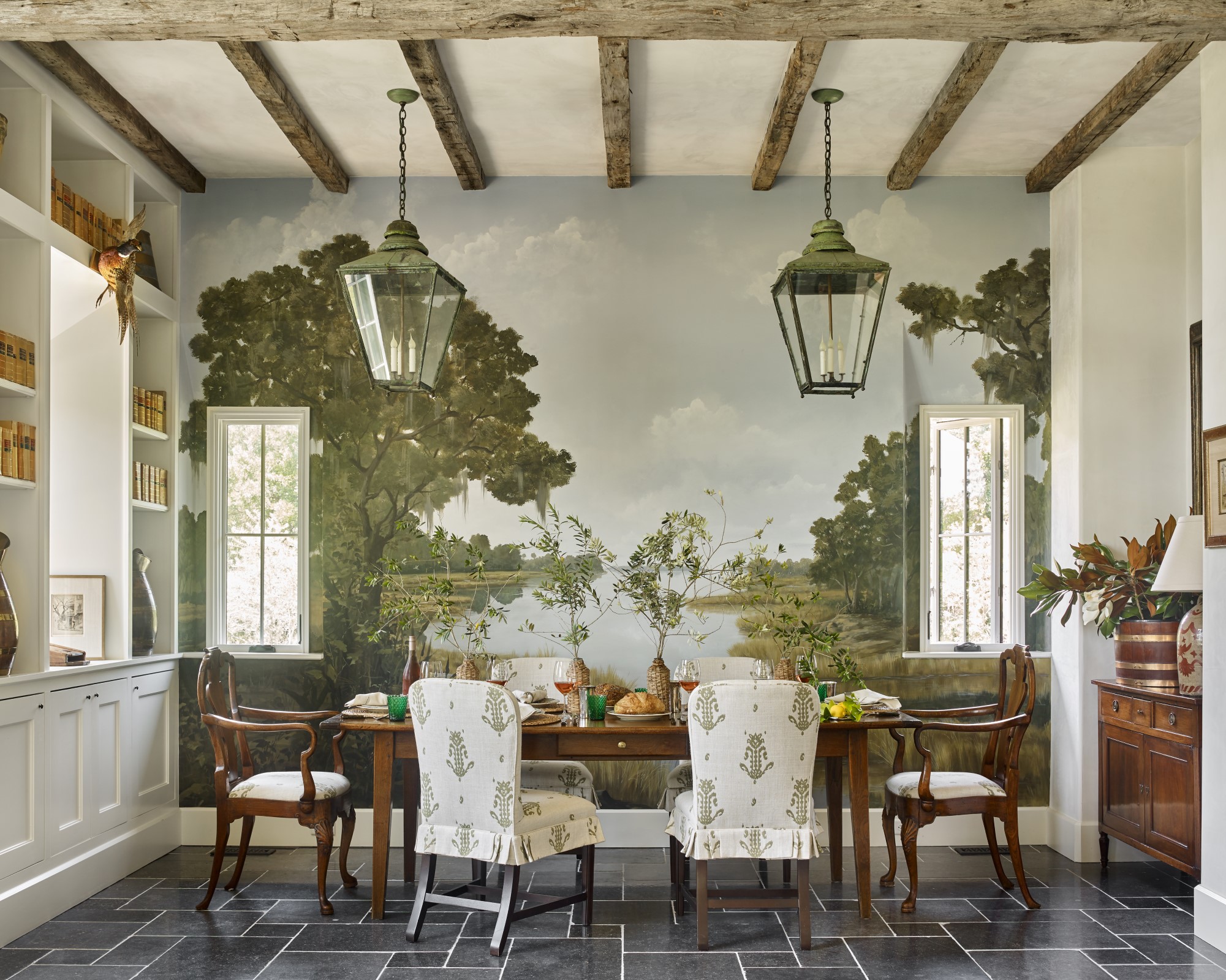
Designers say mural wallpaper is the only acceptable way to do an accent wall in 2025 – here are the best ones I've found
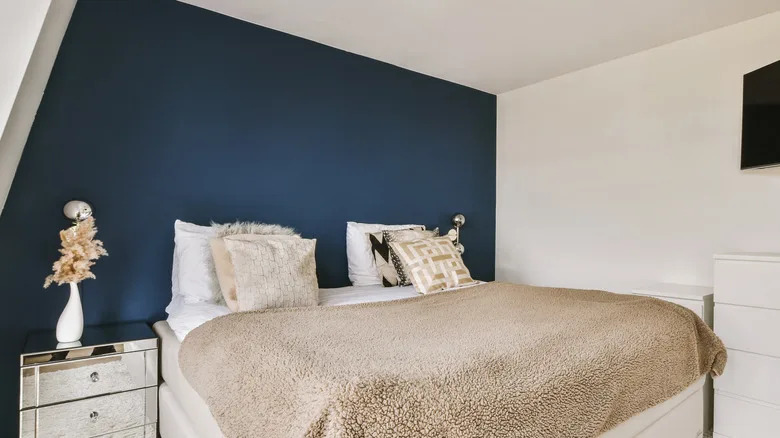
The Bold Color Trend That's Replacing Accent Walls In 2026

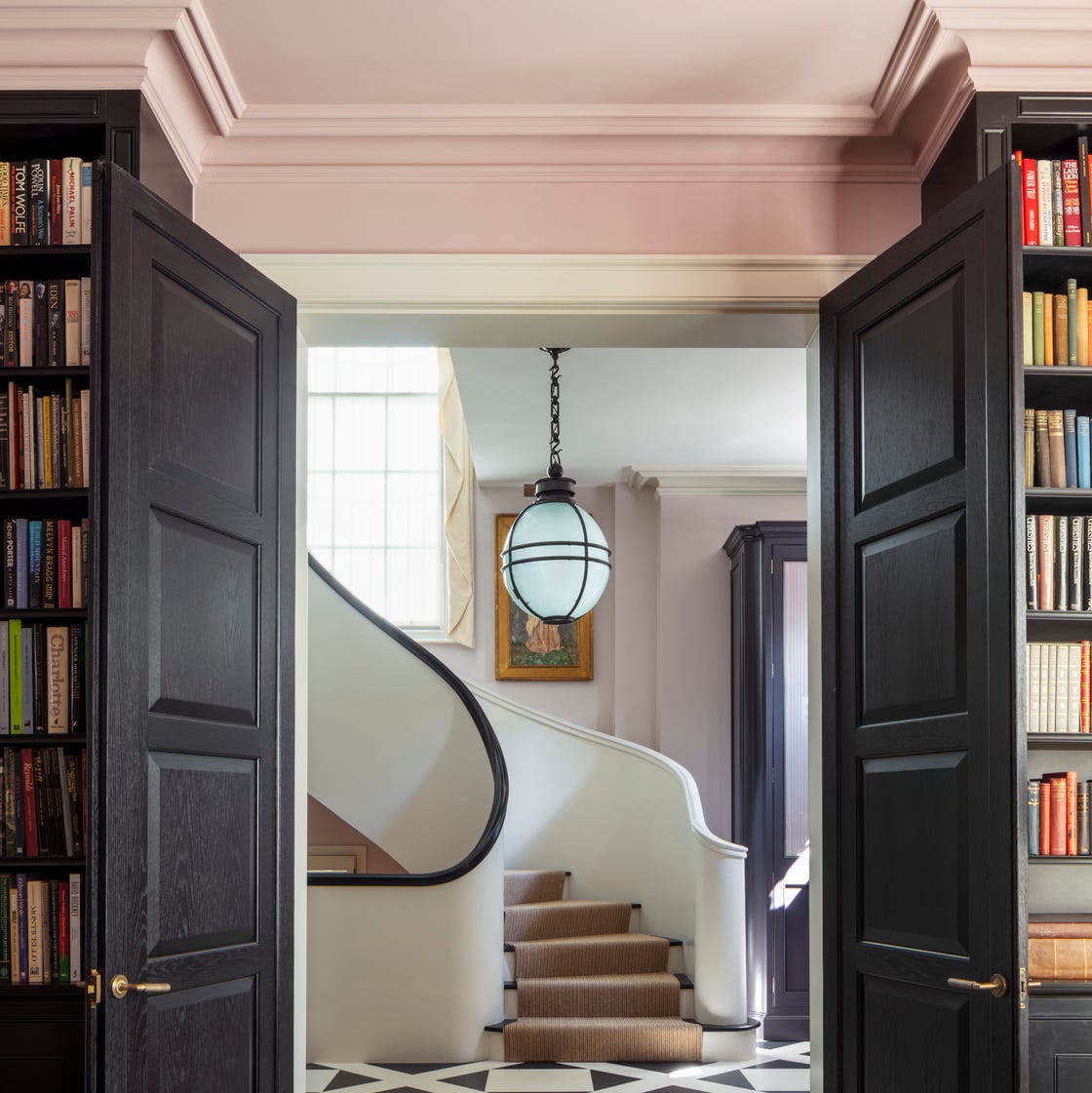
The 5 Best Interior Door Colors to Use in 2025, According to Designers

"Wallpapered Doors" Are Trending — And It's the Answer to Making Your Home's Storage Look Beautiful
What color should you paint interior doors? The ideas to try, and what they say about your design personality
Are accent walls out of style? This is how designers are using them now and beyond
The chicest interior door colors you’ll want in your home in 2025 – because white isn't the only option
6 Trendy Front Door Colors That Will Be Replacing Outdated Styles In 2025
21 Unexpectedly Chic Accent Wall Ideas for Living Rooms That Look Straight From a Magazine