1/3
First Fluting Took Over Furniture—Now It’s Coming for Your Backsplash
The article discusses the surging popularity of fluting, a design trend characterized by vertical grooves, initially observed in furniture items such as console tables, nightstands, dressers, and coffee tables. This trend has expanded to include decorative elements like wall sconces, table lamps, and candles, with DIY enthusiasts even incorporating fluted designs using wooden dowels for projects like IKEA shoe cabinet hacks. Designer Leah Alexander of Beauty Is Abundant in Atlanta attributes the trend's widespread adoption to increased accessibility and advancements in manufacturing technologies. She notes that fluting offers a distinct aesthetic compared to other popular trends like brass or stainless steel kitchen cabinetry and can now be more easily produced in various finishes and materials, including marble.
Alexander highlights that fluted materials are not a new phenomenon, referencing historical uses such as reeded glass for privacy and its application in commercial buildings during the 1970s and 1980s. She traces the origins of fluting back to ancient Greece, where it was employed to impart lightness and elegance to architectural columns. Alexander applied this historical design element in a recent project: a five-bedroom, three-bathroom home near Atlanta. In this project, she used fluted marble tile with deep purple veining in a guest bathroom, aiming for a bold and colorful design as requested by the homeowners. While acknowledging the cost of these tiles, Alexander emphasizes their significant visual impact, creating depth and dimension that surpasses traditional flat marble slab backsplashes, transforming walls into prominent design features.
For the guest bathroom, Alexander explains that she considered it an ideal location to experiment with a daring design, given its nature as a Jack and Jill bathroom serving two guest bedrooms, meaning it wouldn't be experienced daily. To balance the intensity of the fluted marble, she paired it with neutral elements like a white quartz countertop, white sinks, and a natural wood vanity. She further enhanced the space with a sculptural vase by Brooklyn ceramicist Julia Elsas, adding an artistic touch. The fluted marble tile was sourced from Ann Sacks, with Alexander recalling an immediate affinity for the material upon seeing it in the showroom.
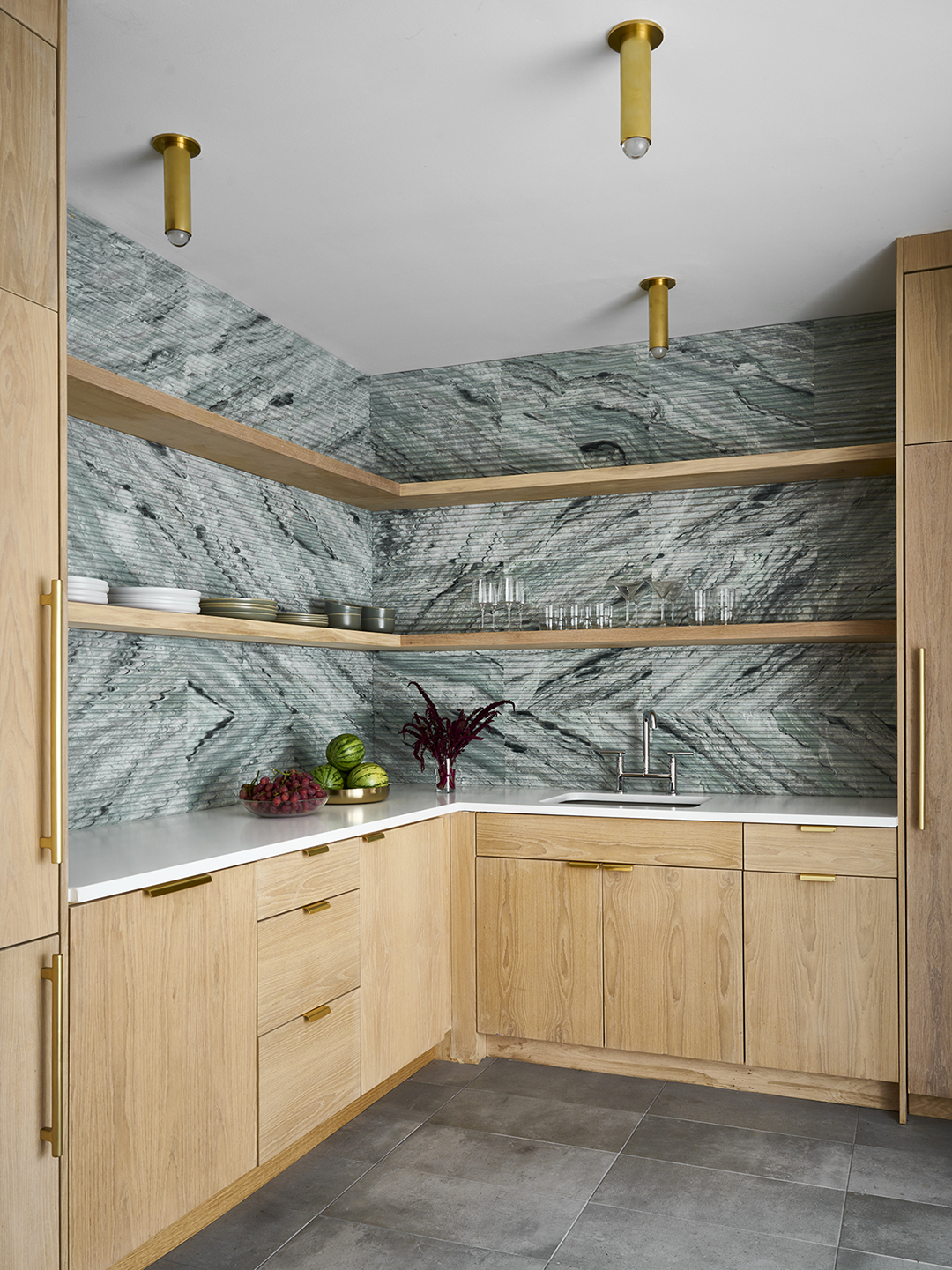
For a second bathroom in the home, specifically an everyday bathroom connected to the teenage son's bedroom, Alexander opted for a more subdued white fluted tile from the same collection, which comes in three colors. She introduced color through the vanity in this space and included another Julia Elsas vase in a different colorway. The third color option, a dark green, was utilized in a kitchenette off the son's bedroom, which Alexander describes as luxurious and jewel-like. In this kitchenette, neutral cabinetry was chosen to offset the intense veining of the marble. A concrete-looking porcelain tile was used for the floor for durability, ensuring the focus remained on the fluted tile walls. The article concludes by praising the fluted tile's ability to reflect light beautifully due to its unique nooks and crannies, making it a worthwhile design element.
#FlutingTrend #InteriorDesign #HomeRenovation #MarbleTile #TexturedDesign #BathroomDesign #KitchenetteDesign #LeahAlexander #FlutingTrend #InteriorDesign #HomeRenovation #MarbleTile #TexturedDesign #BathroomDesign #KitchenetteDesign #LeahAlexander
0 comment in total
 No comments yet
You may also like
Sofa piping is getting a micro update with a big impact

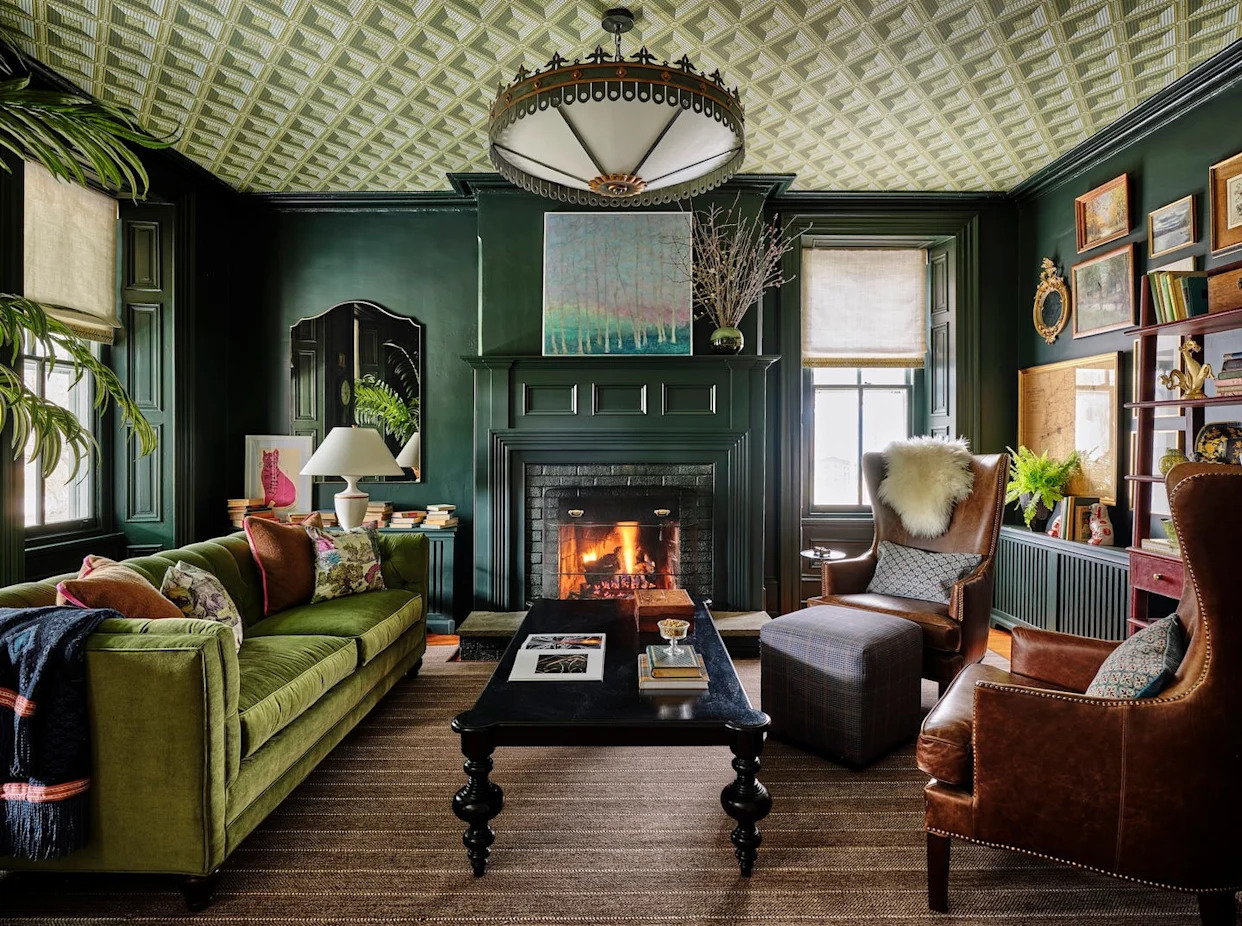
Bye-Bye, Accent Walls! Designers Say THIS Is Now the Hottest Decorating Feature

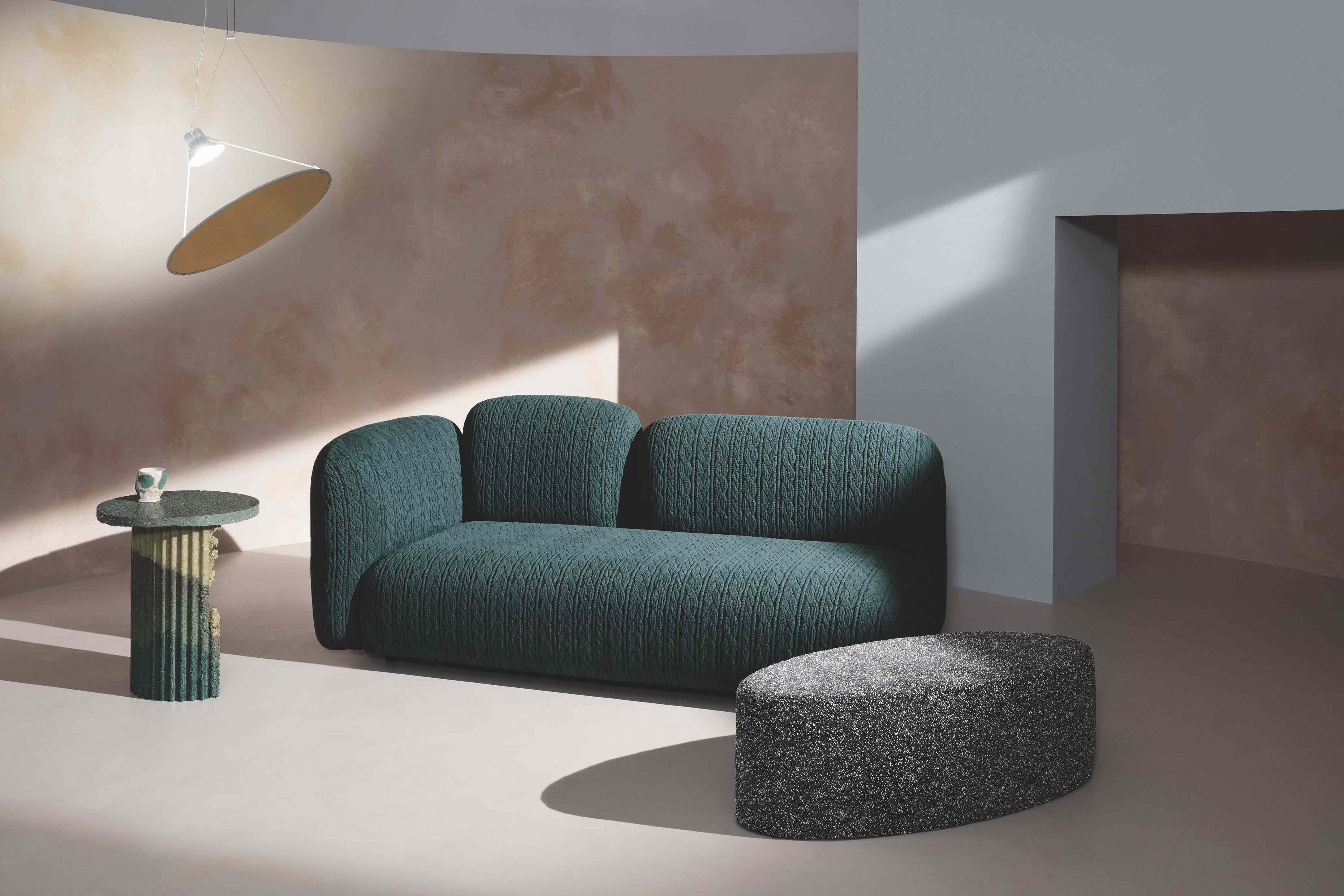
Update your furniture with extreme texture, the biggest trend in upholstery…

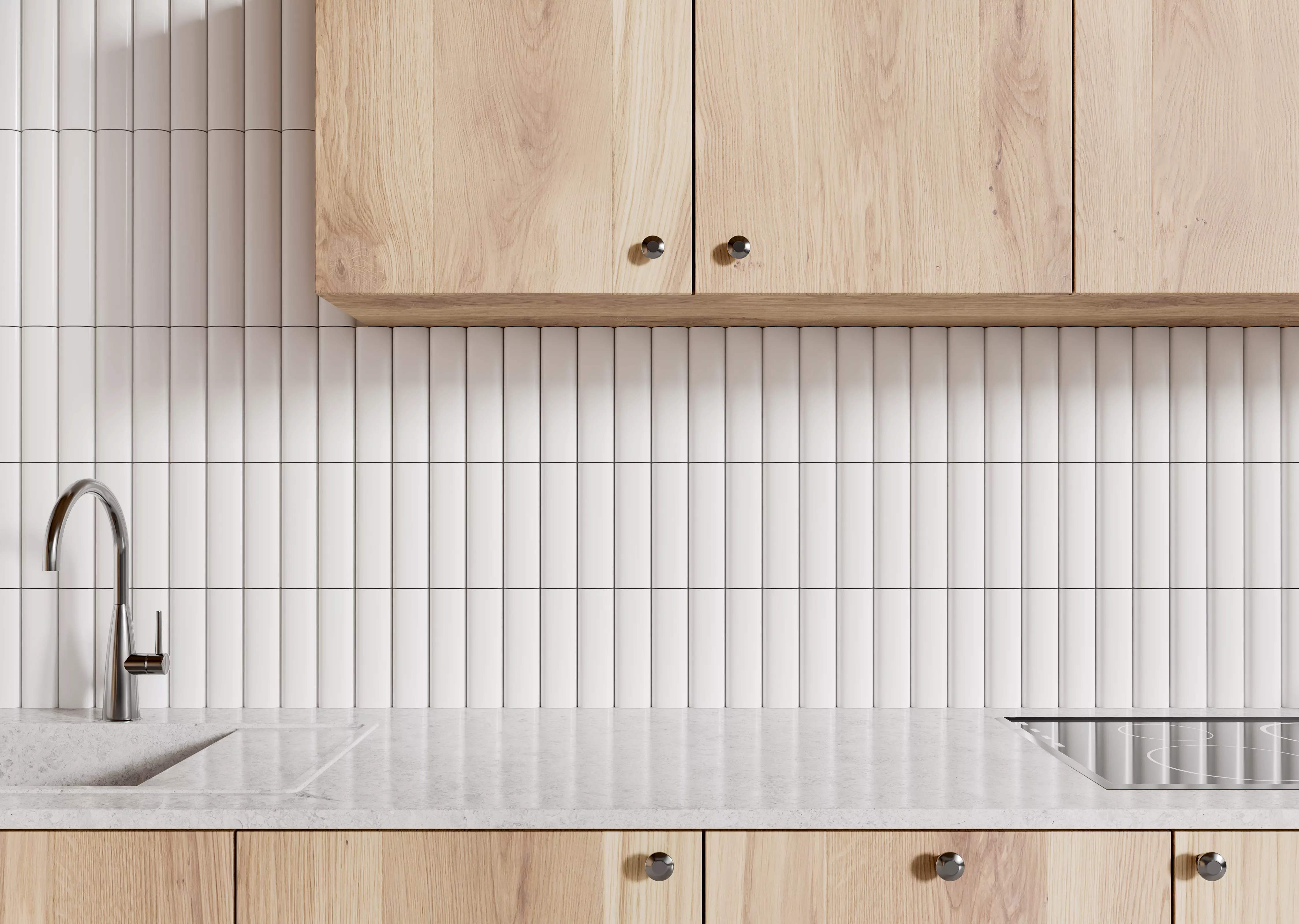
Fluted Tile Is the Eye-Catching Backsplash Upgrade for 2025

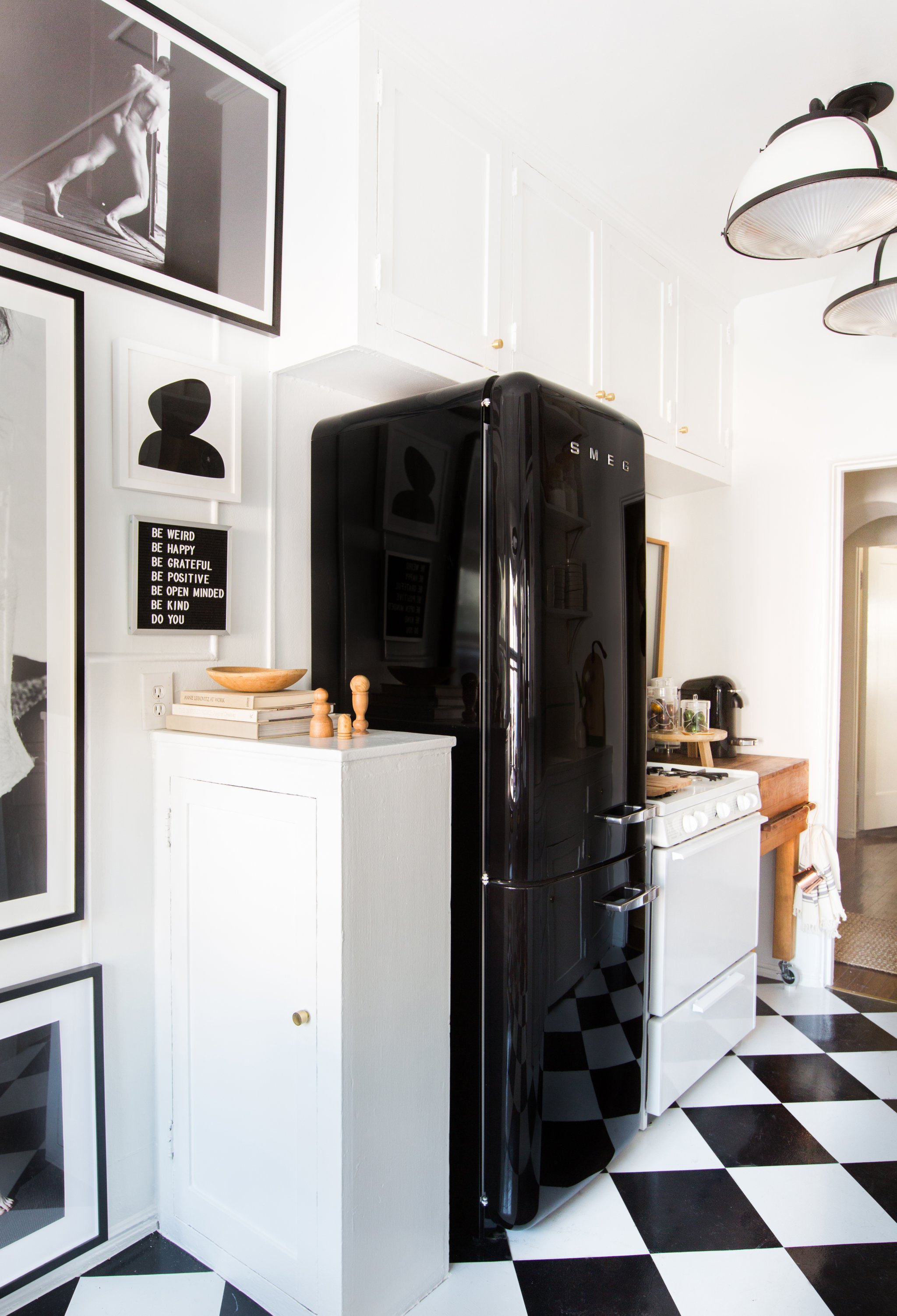
This Once-Taboo Kitchen Flooring Is Climbing the Ranks
This Surprising NEW Trend Is Replacing Accent Walls

At Home with Marni: A kitchen backsplash installation creates waves

The New Tile Trend Causing a Scene This Season
Trend Alert: Wood Walls Are BACK!
Wood Floors Make (Another) Comeback
Decorative Tiles Are Back, Bigger and Better Than Ever
Blended backsplashes are trending in kitchen design – this is what you should know

Forget Single Painted Accent Walls: This Stunning Trend Is Taking Over

Wall-to-Wall Carpet Is Back (and We’re Not Mad About It!)

4 Kitchen Countertop Materials About to Make a Comeback
I Found the Next Big Home Décor Trend–And I’m Already Buying Into It

Floors, Walls, Furniture—Cork Has Come a Long Way From Basic Office Pinboards

The Countertop Material That We Loved 25 Years Ago Is Coming Back
Wood Paneling Is Back—and Better Than Ever
Goodbye, Marble—This Moody Counter Trend Is Taking Over