1/6
Lucifer Lighting's fixtures are designed to ‘define and disappear’
Lucifer Lighting, a company that has grown from a family business to a global entity, is headquartered in San Antonio, Texas, on a 13-acre campus alongside Salado Creek. This facility serves as the hub for all creative processes, including design, assembly, prototyping, and management. The spaces are adorned with art, and the building offers access to 20 miles of walking and biking trails. In addition to its Texas headquarters, Lucifer Lighting expanded its presence by opening a showroom in San Francisco's Jackson Square in 2022, followed by its first New York City showroom in 2023. The company continues its expansion, with 2025 being particularly active, marked by the debut of its new decorative fixture, Stellaris, at Euroluce during Milan Design Week.
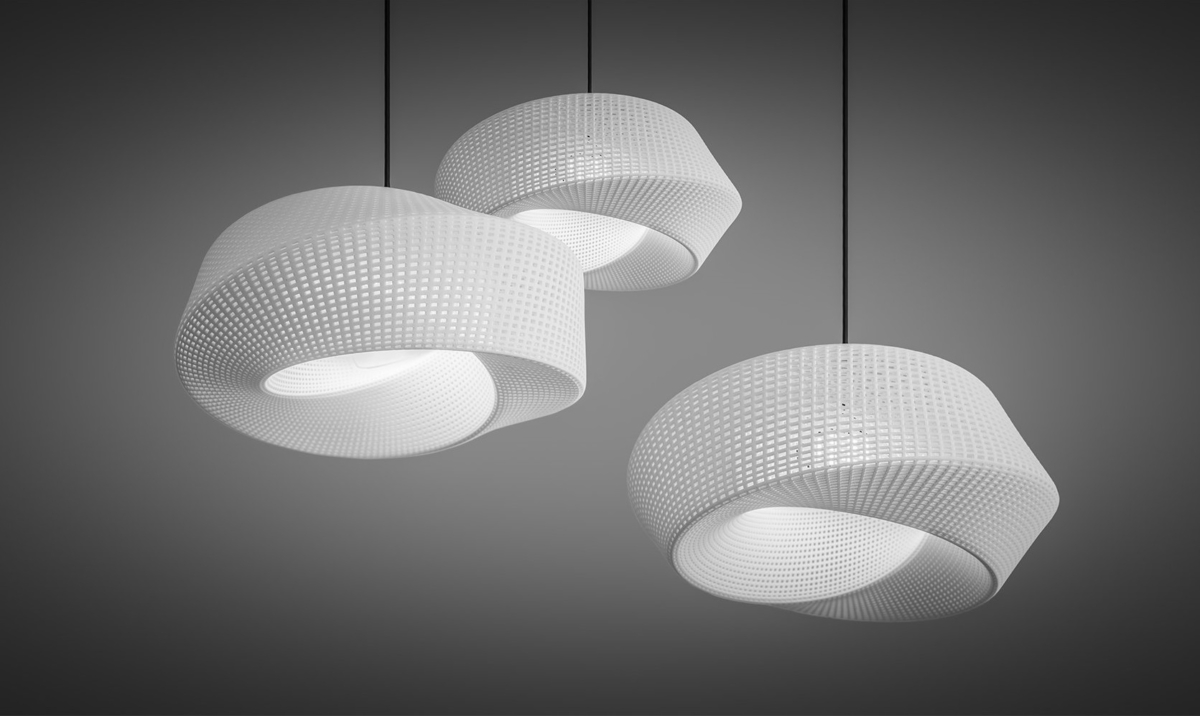
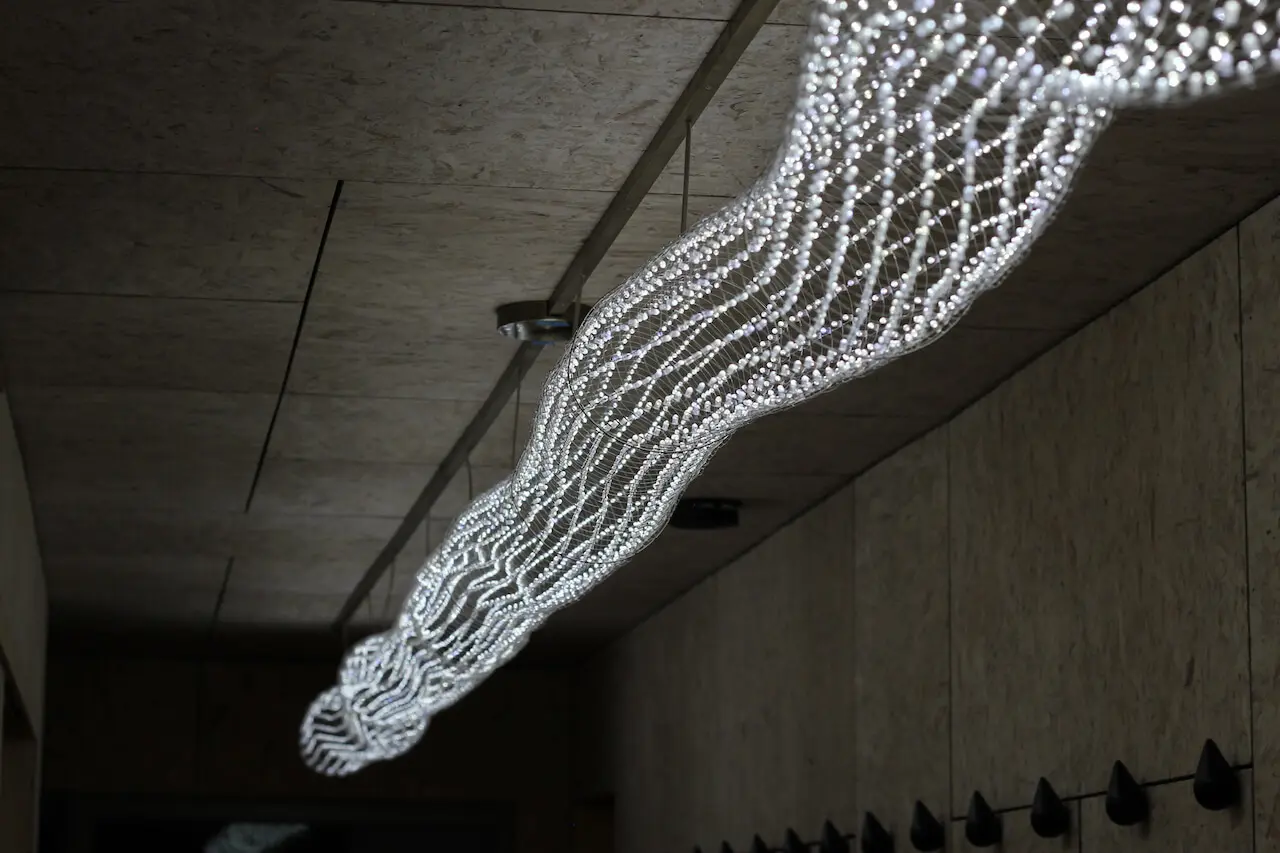
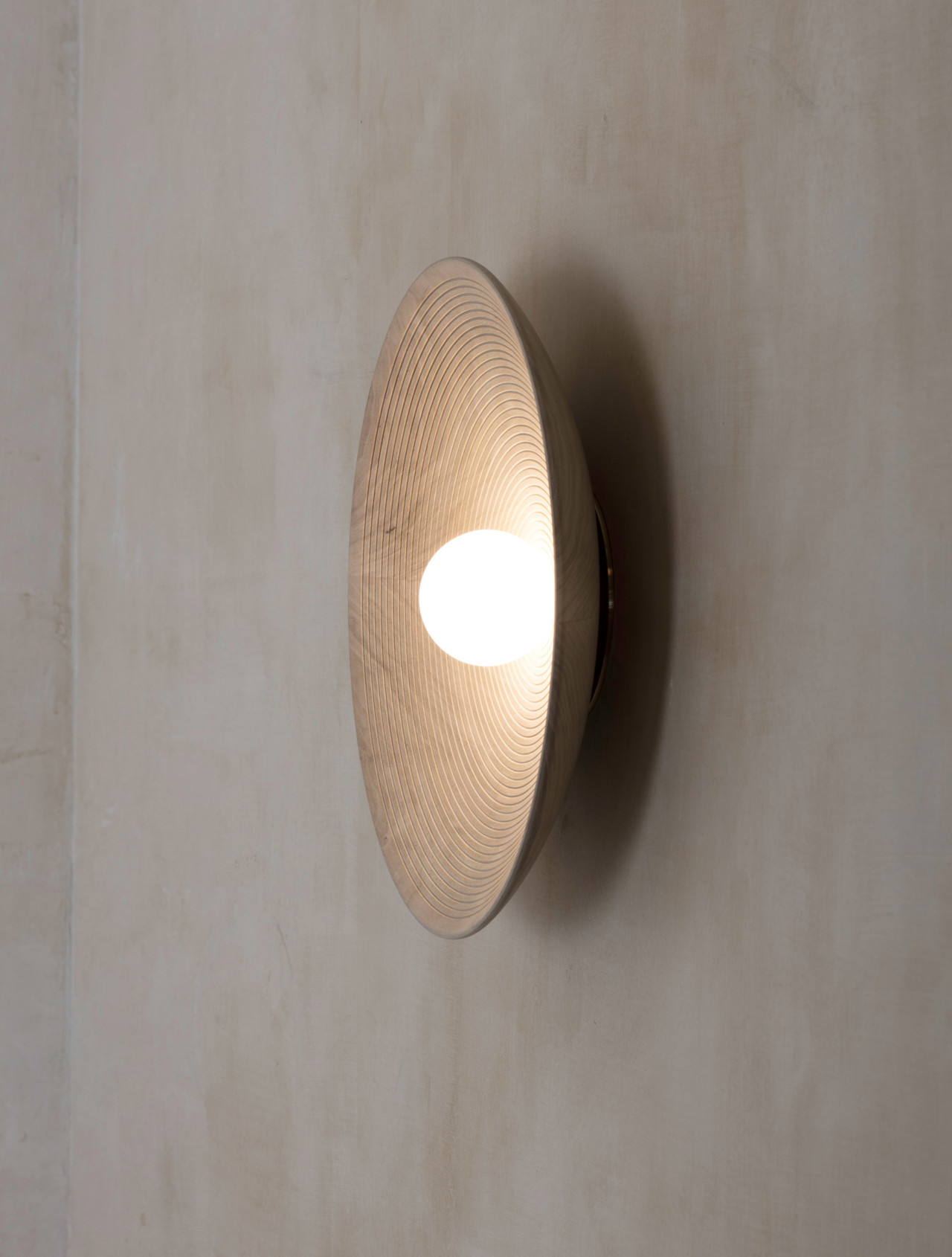
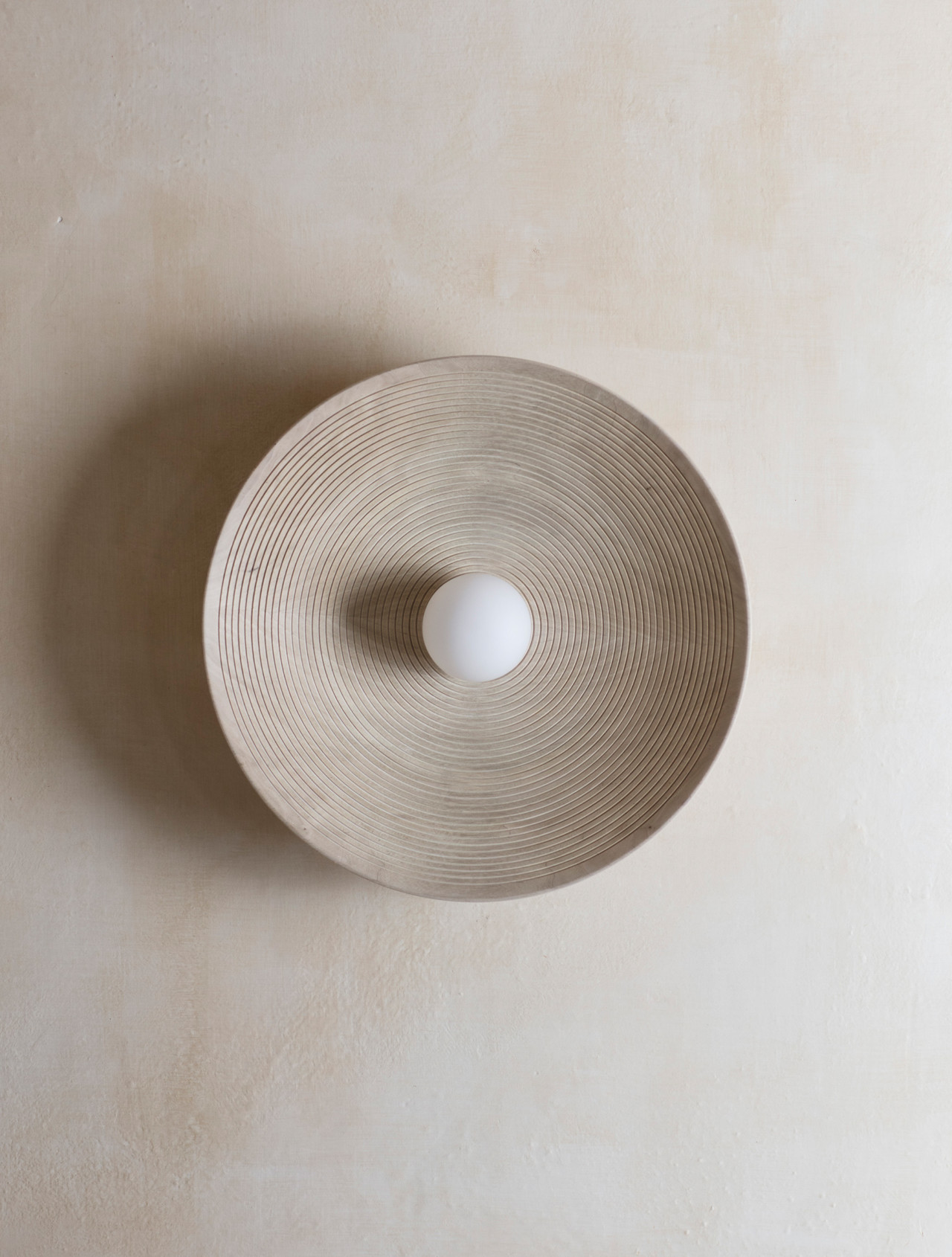
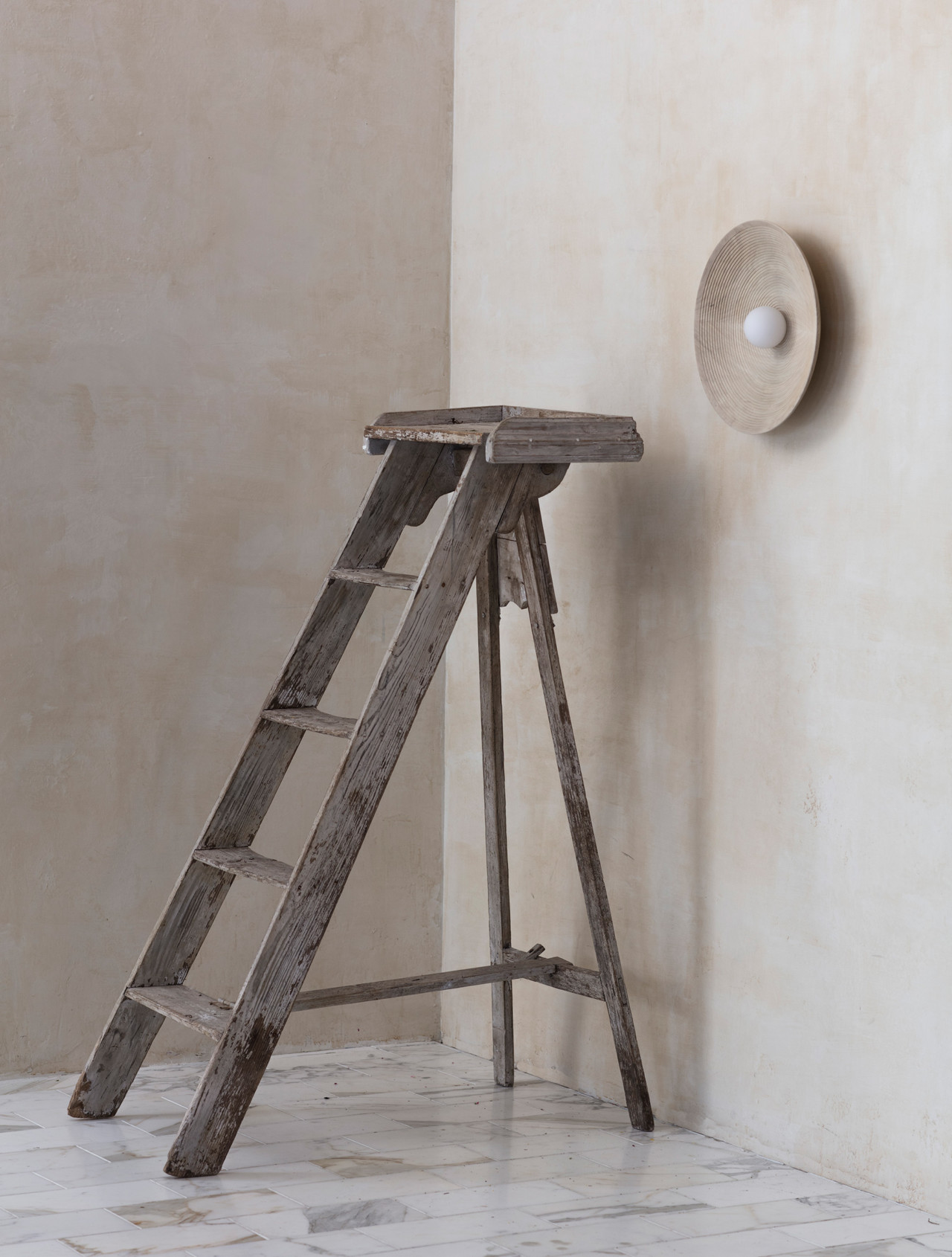
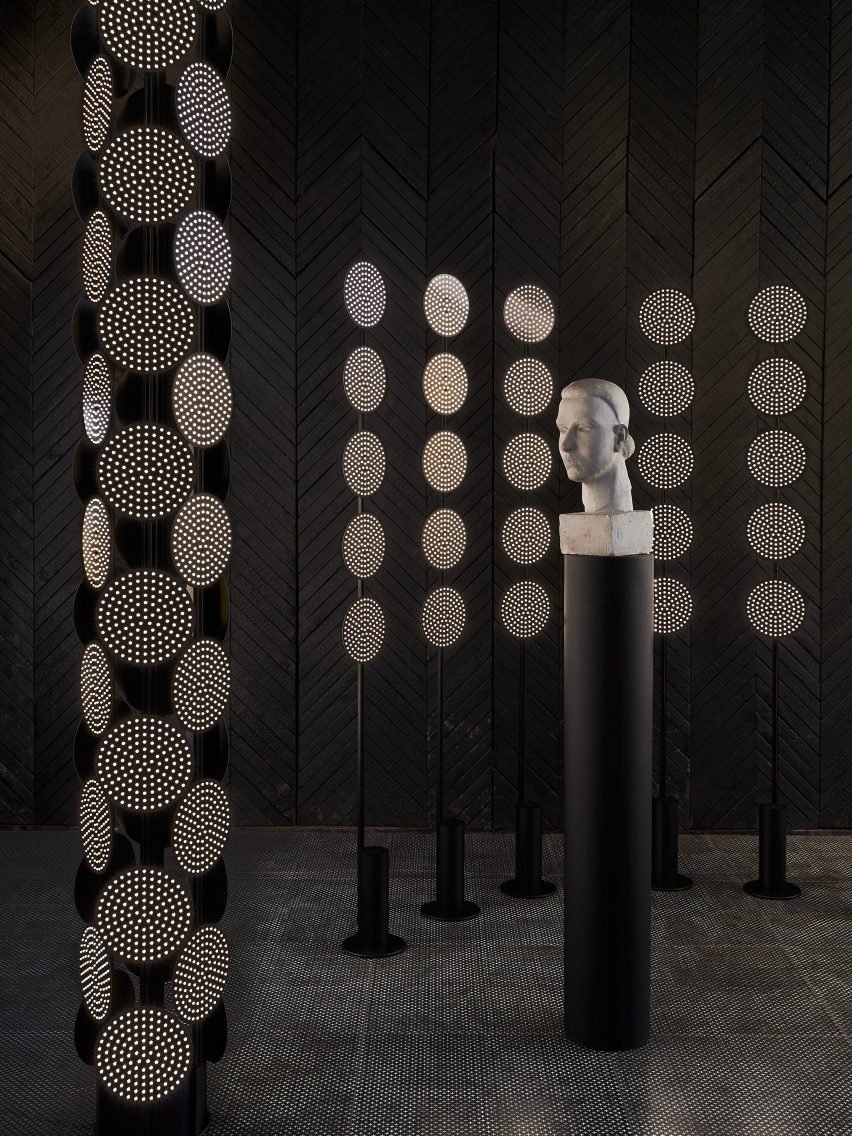
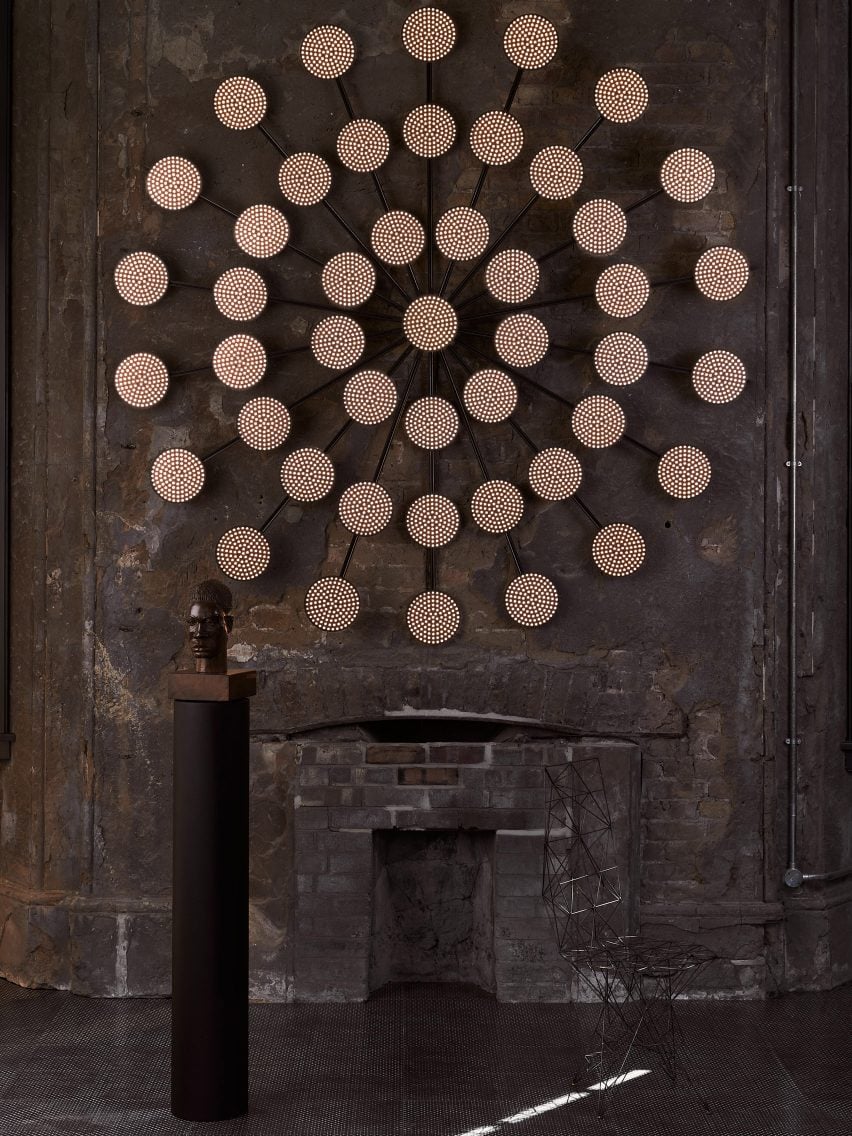
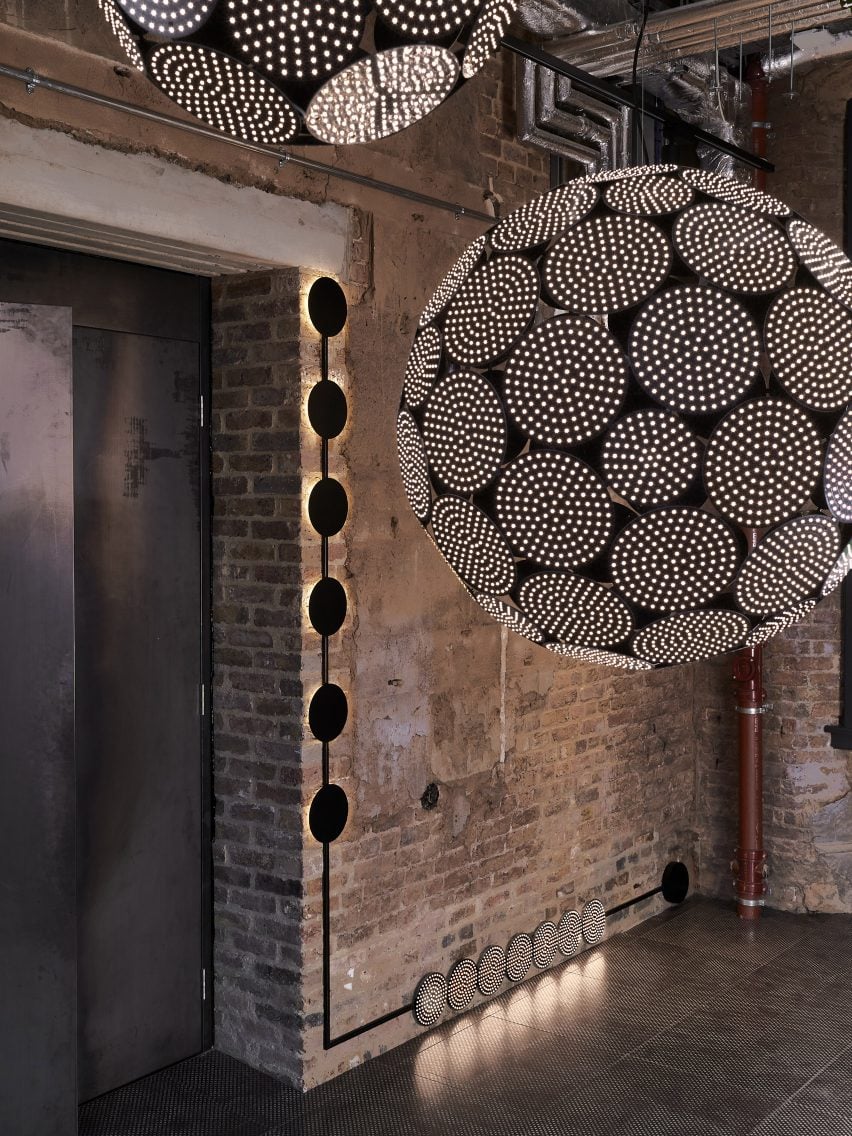
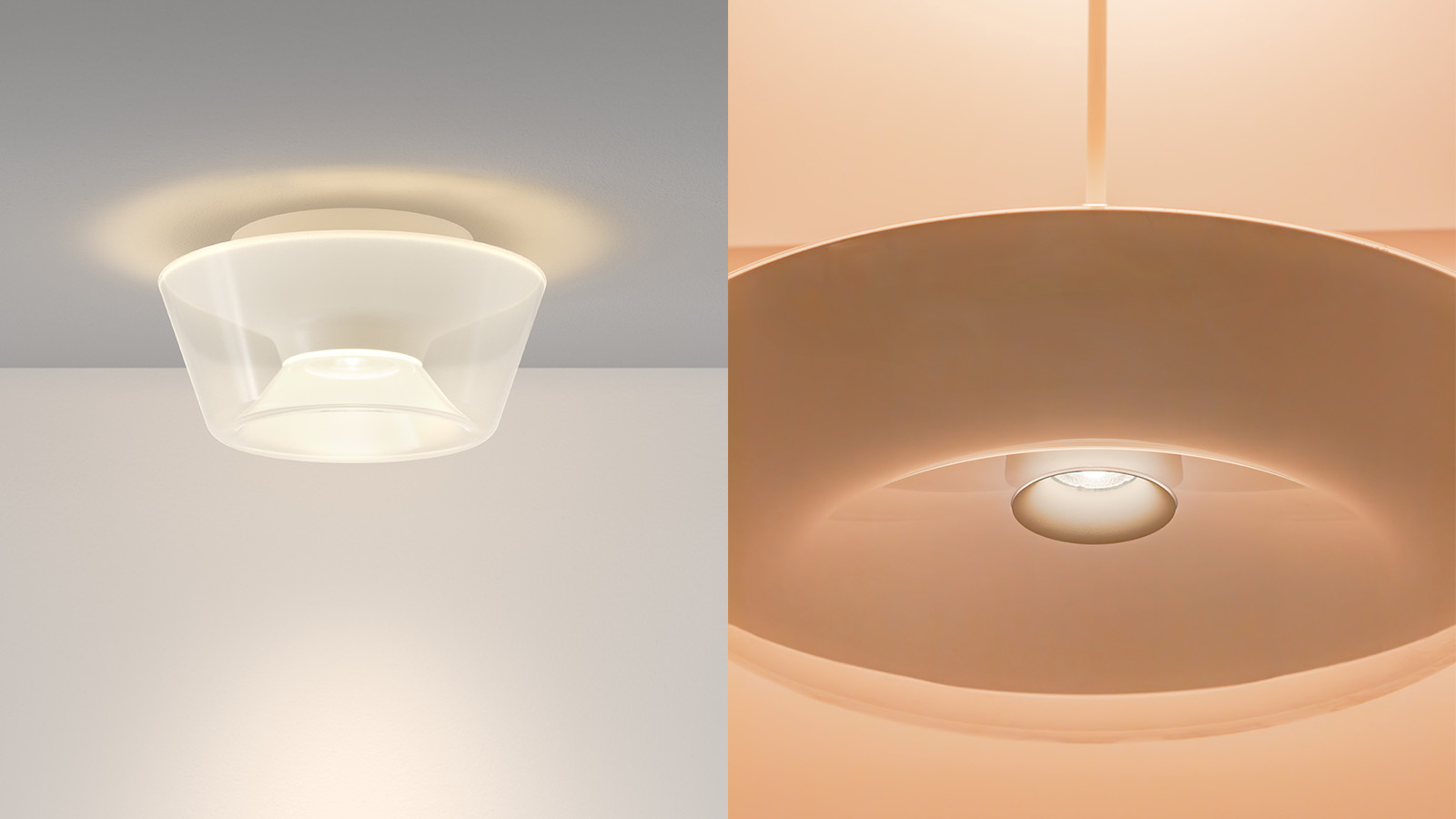
Gilbert Mathews, the founder of Lucifer Lighting, discussed the evolution of their decorative fixtures. He noted that Stellar, their first decorative fixture, was launched in 2020 to commemorate the company's 40th anniversary. While Stellar is characterized by its elegance and modest scale, Stellaris, their latest creation, measures approximately 30 inches in diameter and is designed to command a striking presence, capable of defining the ambiance of a space independently. A key innovation in Stellaris is its ability to integrate both downlight and volumetric light within a single form. Mathews expressed particular pride in the patented fold design, which incorporates discrete, concealed LEDs within the waveguide, creating a mesmerizing effect that prompts observers to question the light source. Stellaris is slated for an official launch in September 2025.
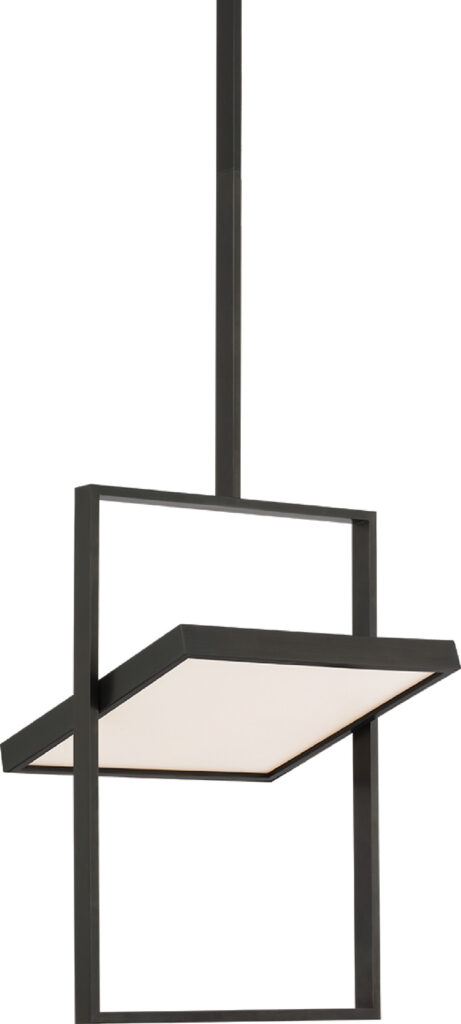
The Stellaris design comprises two primary components: a suspended enclosure featuring internally illuminated tubes and a translucent barrier that defines the fixture. This design was a collaborative effort with the architecture firm Gensler, which also designed Lucifer Lighting's showrooms. All of Lucifer Lighting's finished products are assembled in the United States, with 93% of the fixture components sourced from North America.
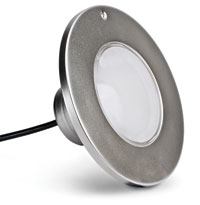
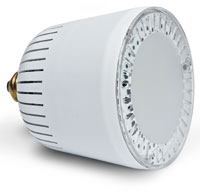
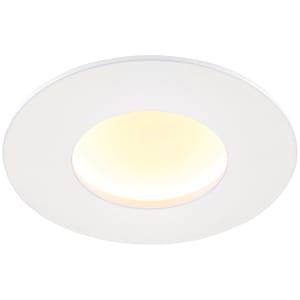
Mathews emphasized the company's philosophy regarding architectural lighting, stating that “the best lighting is the kind that no one notices.” He explained that their architectural lighting can be customized with special baffles, kick reflectors, and discrete aiming and adjustment mechanisms, allowing for precise illumination without drawing attention to the light source itself. Their motto, “Design, Define, Disappear,” highlights this paradoxical approach where beautifully crafted fixtures are designed not to be the focal point. Mathews noted that this philosophy represents a departure from traditional American lighting product design, which he found to be largely utilitarian and purely functional. He drew inspiration from European lighting fixture design, appreciating its sleek aesthetic, and sought to elevate this approach through Lucifer Lighting's engineering and fabrication capabilities. He finds inspiration in the seamlessly integrated surfaces of sculptural forms, comparing them to fine watches, cameras, and Italian sports cars. The company's work has graced prominent hotels and flagship stores globally, including The Peninsula, The Standard, Four Seasons, Mandarin, St. Regis, Rosewood, and The Ritz Carlton, as well as retail spaces for Apple, Chanel, Cartier, Gucci, Louis Vuitton, Ralph Lauren, and Tiffany & Co. The company's name, Lucifer Lighting, originated from its first strip light, the Lucifer Light, derived from the Latin root "luciferous," meaning "light-bringing," a name that proved memorable and distinctive.
#LuciferLighting #LightingDesign #MilanDesignWeek #Stellaris #ArchitecturalLighting #InteriorDesign #ProductInnovation #LuxuryLighting #LuciferLighting #LightingDesign #MilanDesignWeek #Stellaris #ArchitecturalLighting #InteriorDesign #ProductInnovation #LuxuryLighting
0 comment in total
 No comments yet
You may also like
10 Brutalist-Inspired Lighting Fixtures Making A Bright Statement

The Bold New Lighting Collection Everyone is Talking About
Lighting the way: Danielle Trofe’s fungus-fueled fixtures

These hanging light sculptures bloom like flowers

Banish the “Big Light” Completely With Some Snazzy Lamps

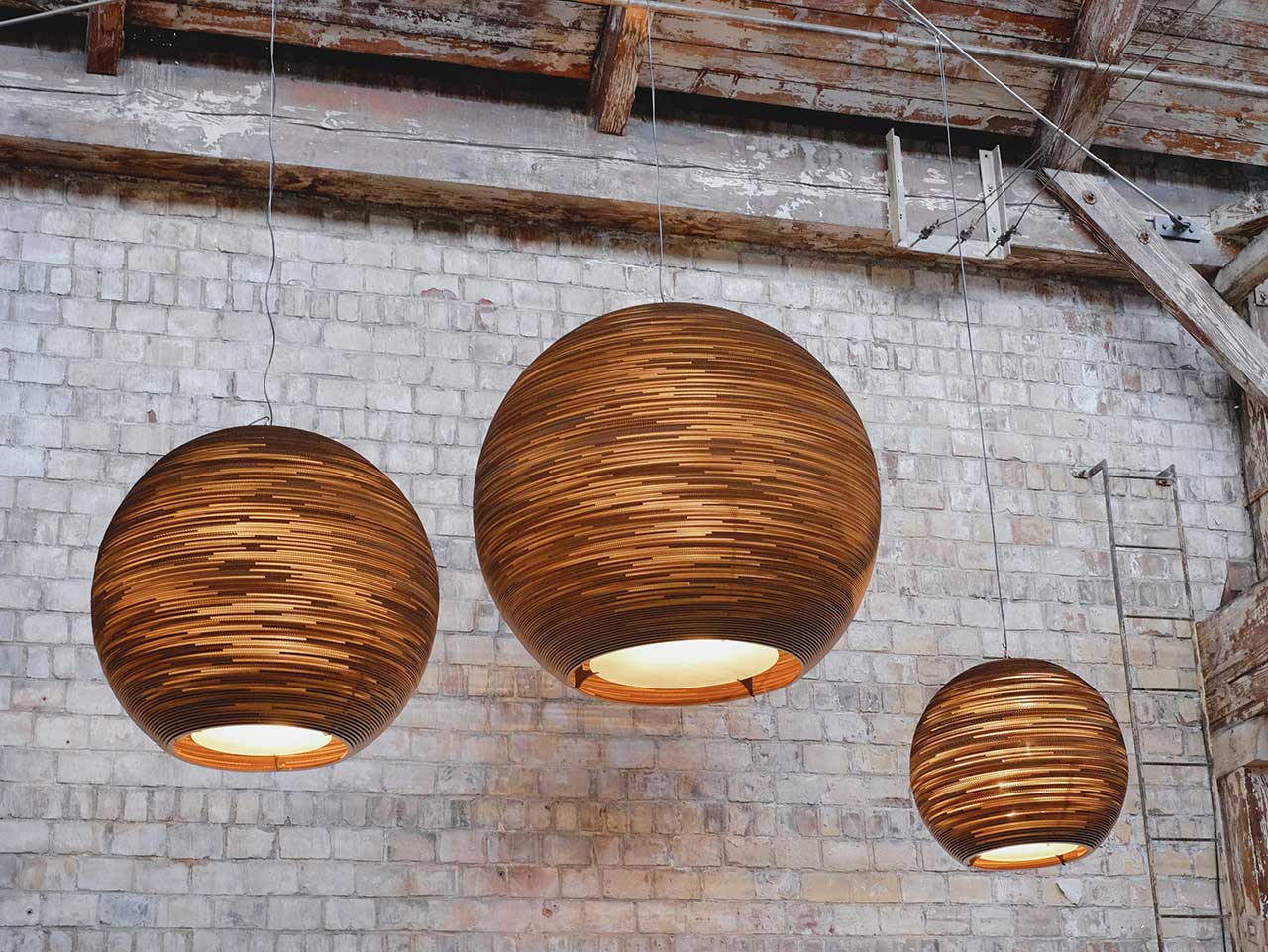
Graypants’ Scraplights Transforms Cardboard into Elegant Lighting
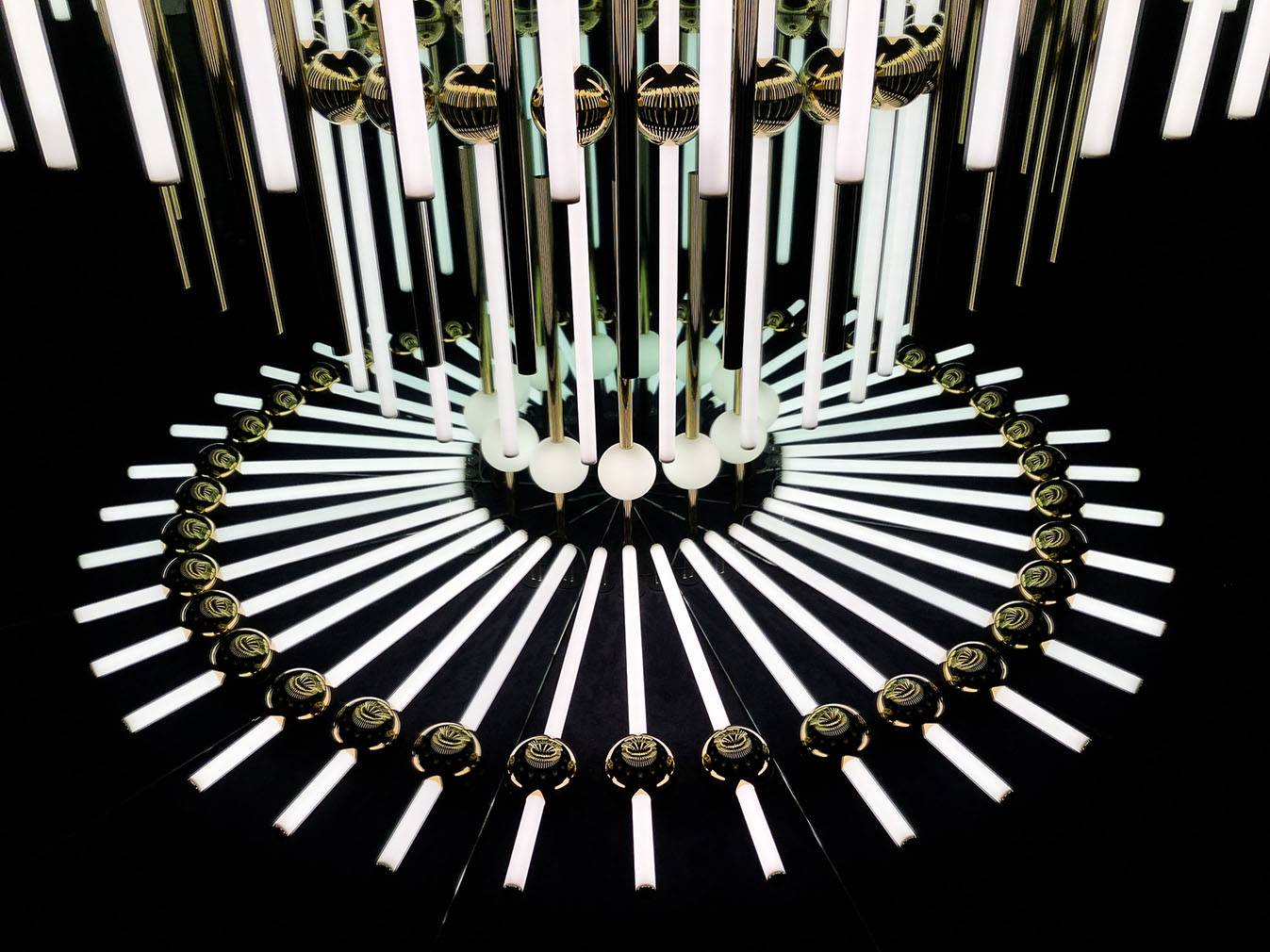
Lighting designer Lee Broom creates an optical illusion inside his Shoreditch showroom
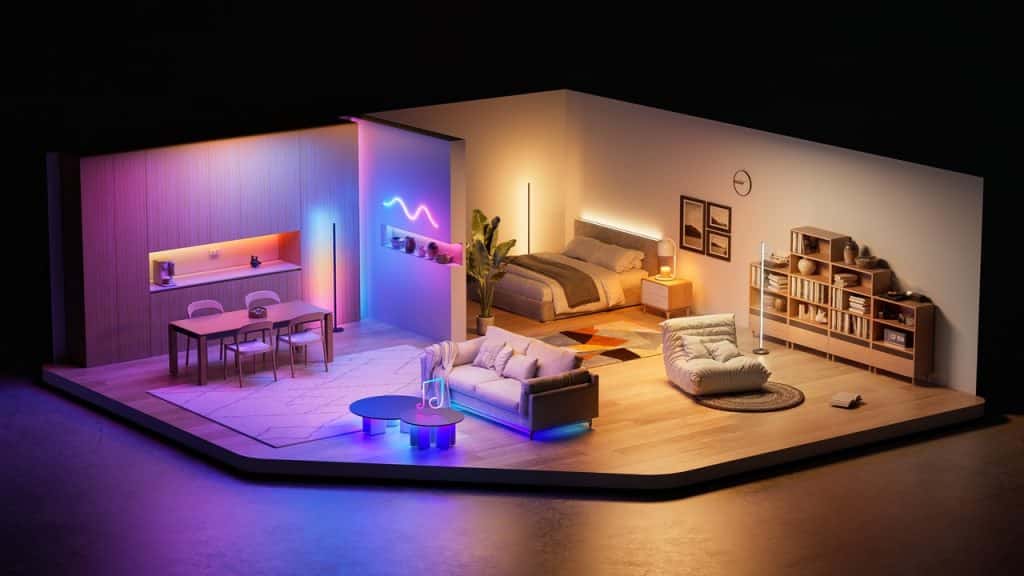
Matter-Compatible Lighting from SwitchBot | Products
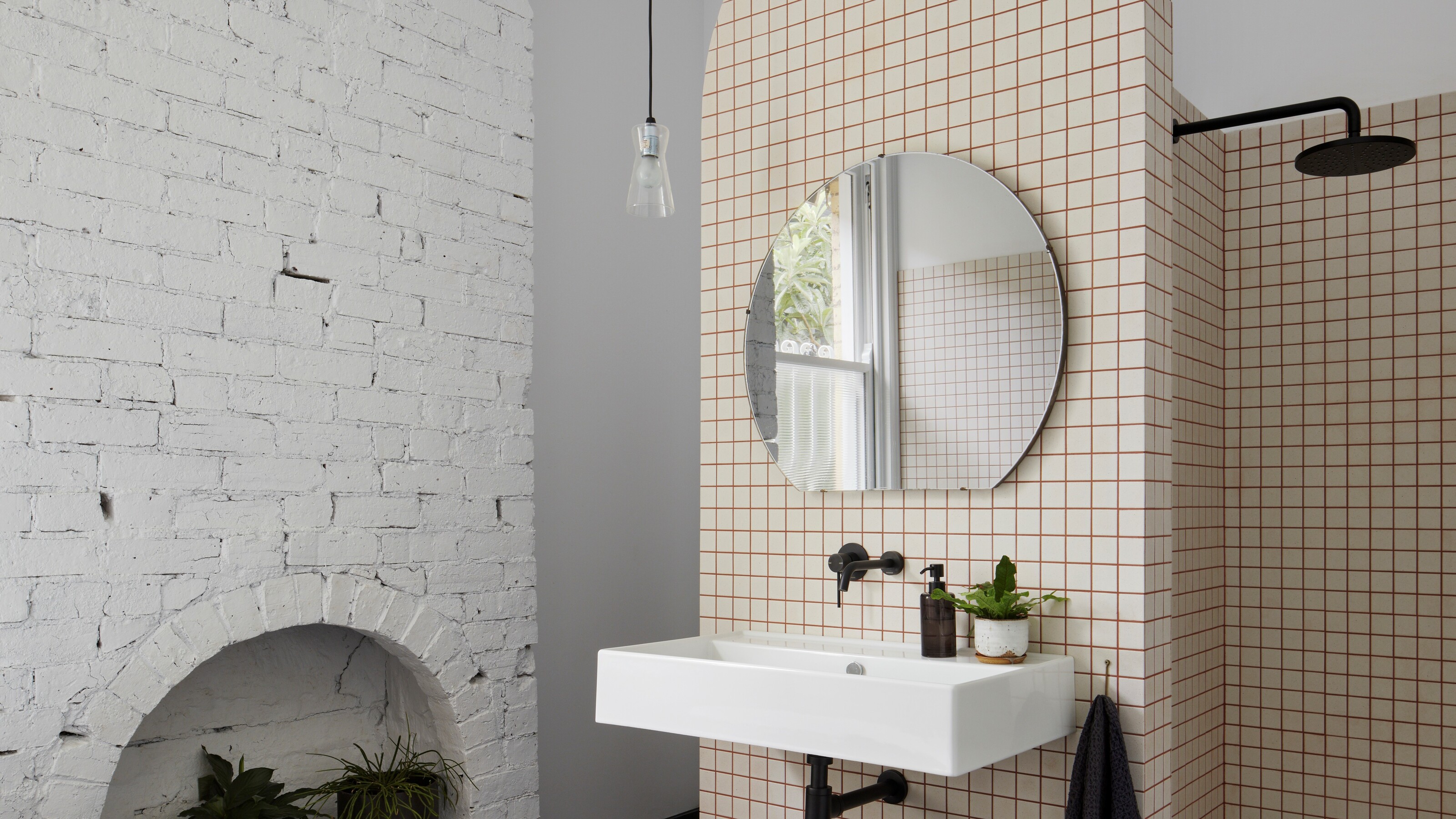
Designers are ditching overhead lighting in the bathroom – and using this flattering source to illuminate spaces instead

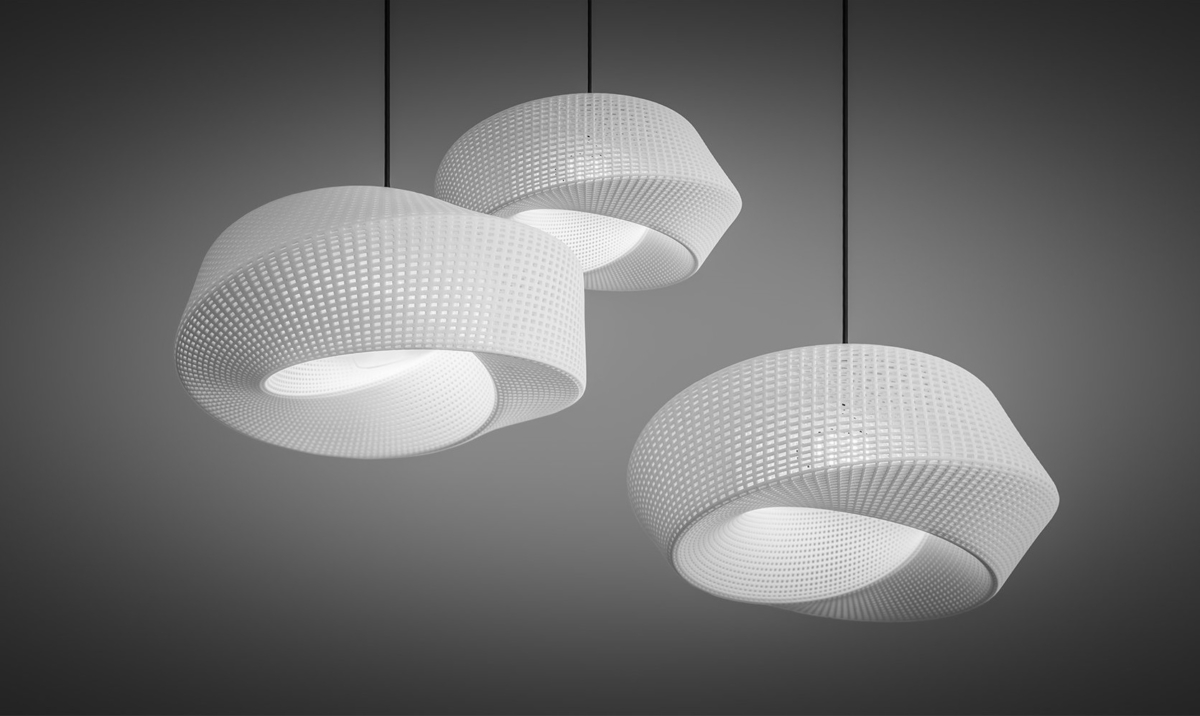
Decimal Is Manufacturing 3D Printed Light Fixtures

Wiggle lamps are the lighting trend we’re seeing everywhere
Tom Dixon and Prolicht launch Code track lighting at VDF
Designers Are Calling It: This Is The Next Mushroom Lamp
Downlights

How artist Jason Krugman turns power into striking light sculptures
Lighting Up

Designers showcase creative lighting solutions at recent exhibit

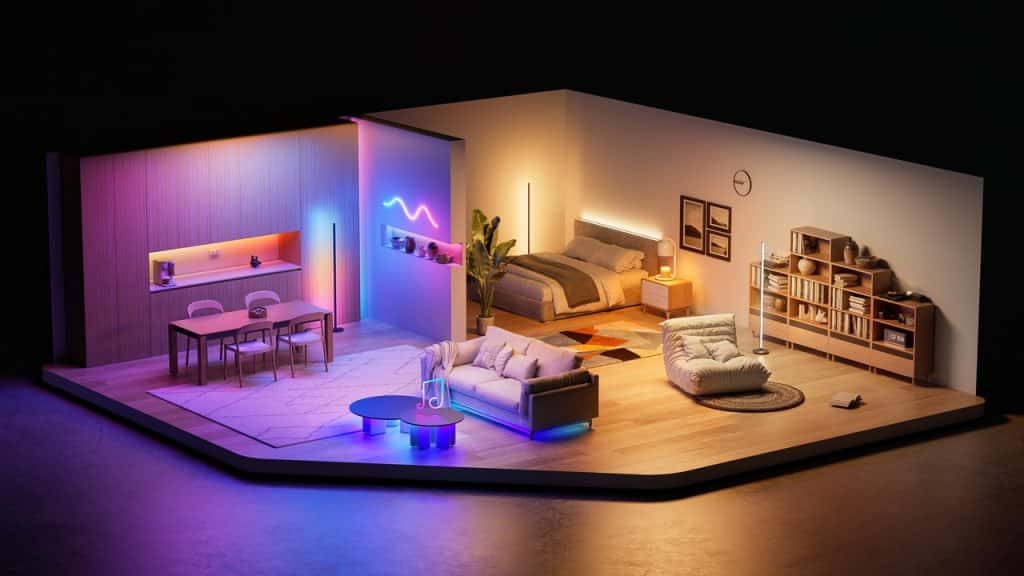
Matter-Compatible Lighting from SwitchBot
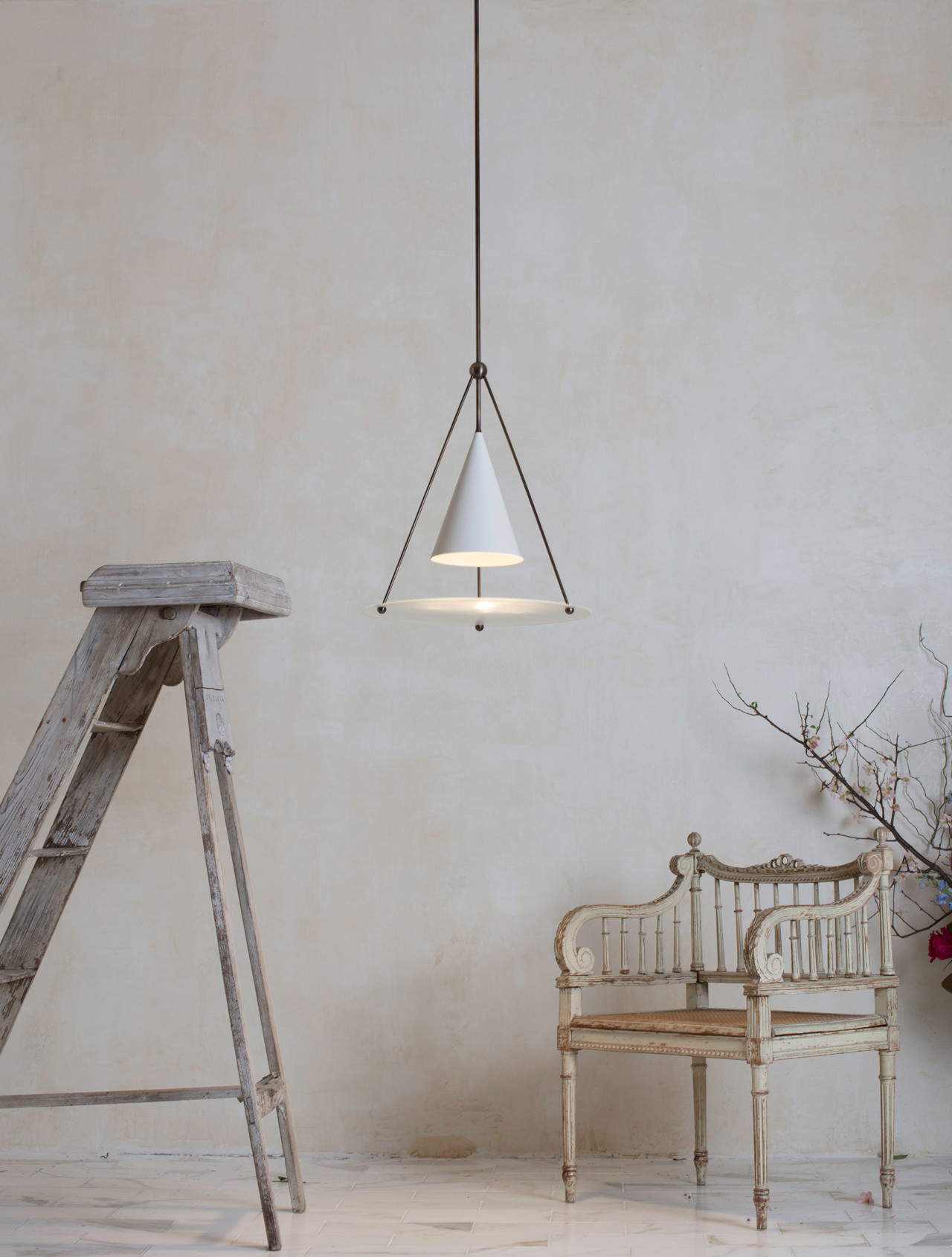
Allied Maker Unveils Four New Elegant Lighting Fixtures
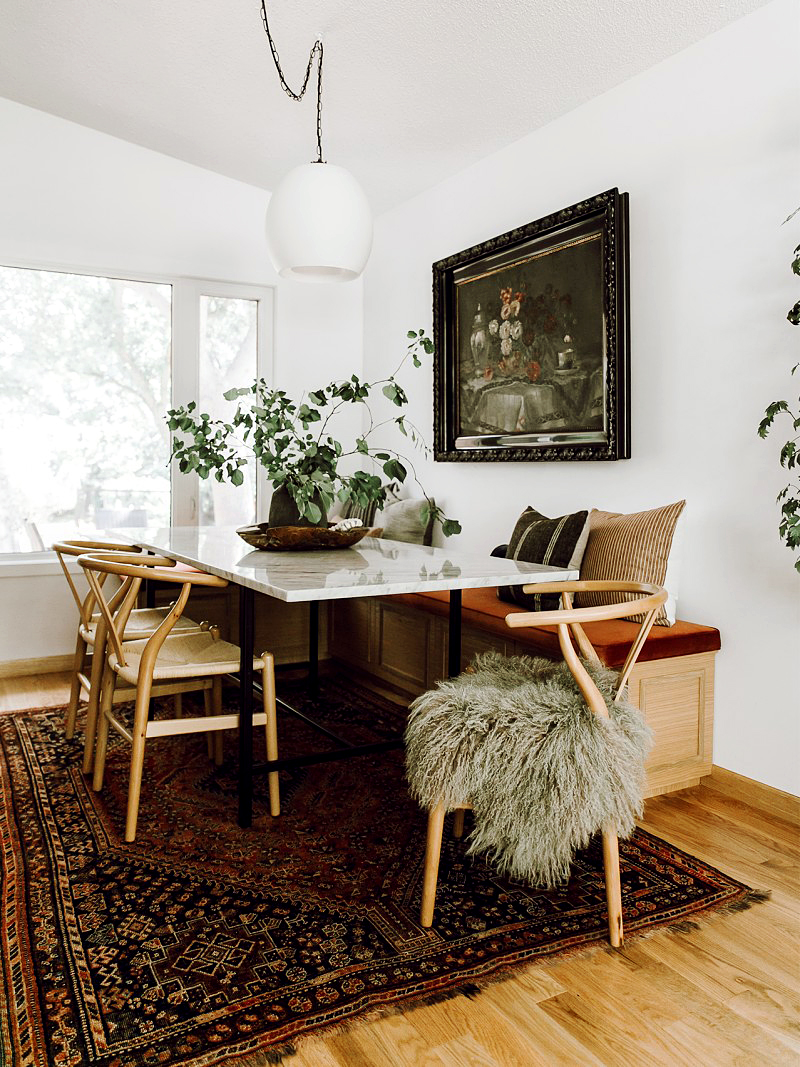
Renovators Swear by This Pendant Light Hack