1/9
25 tips for decorating on a shoestring budget
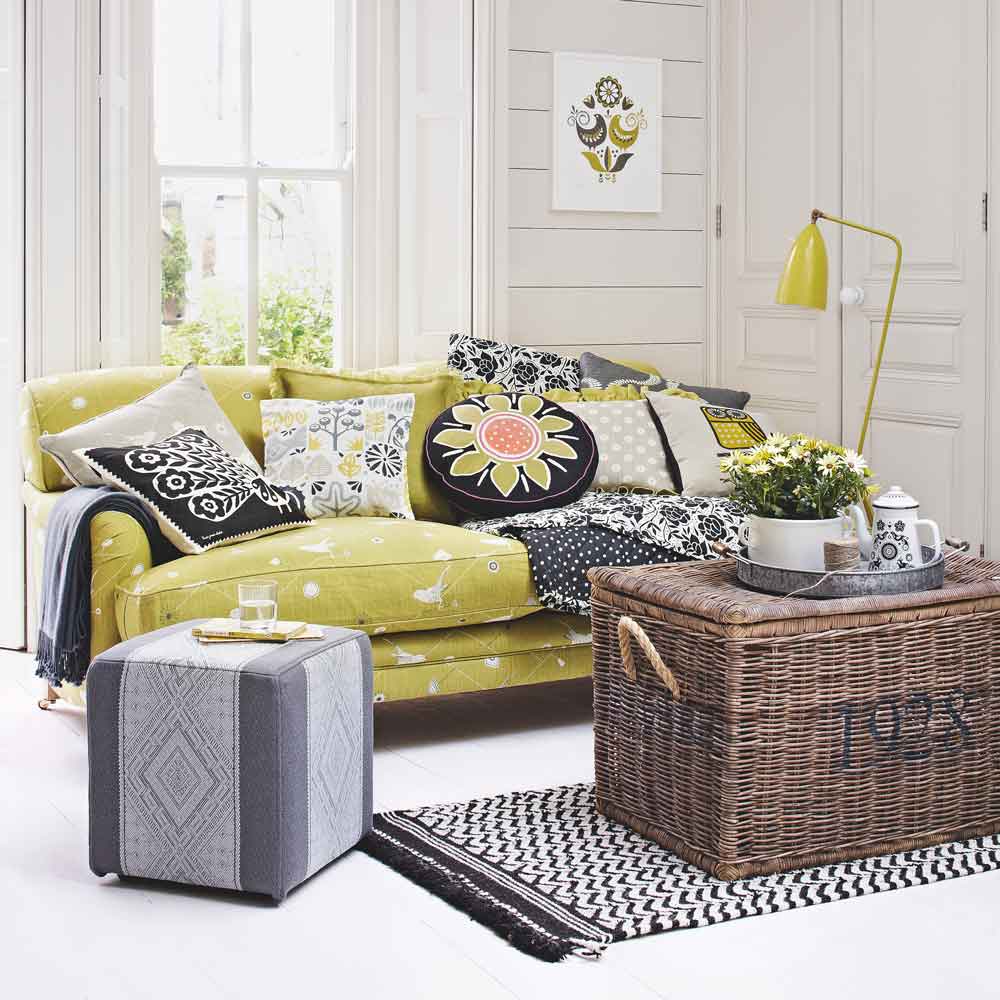
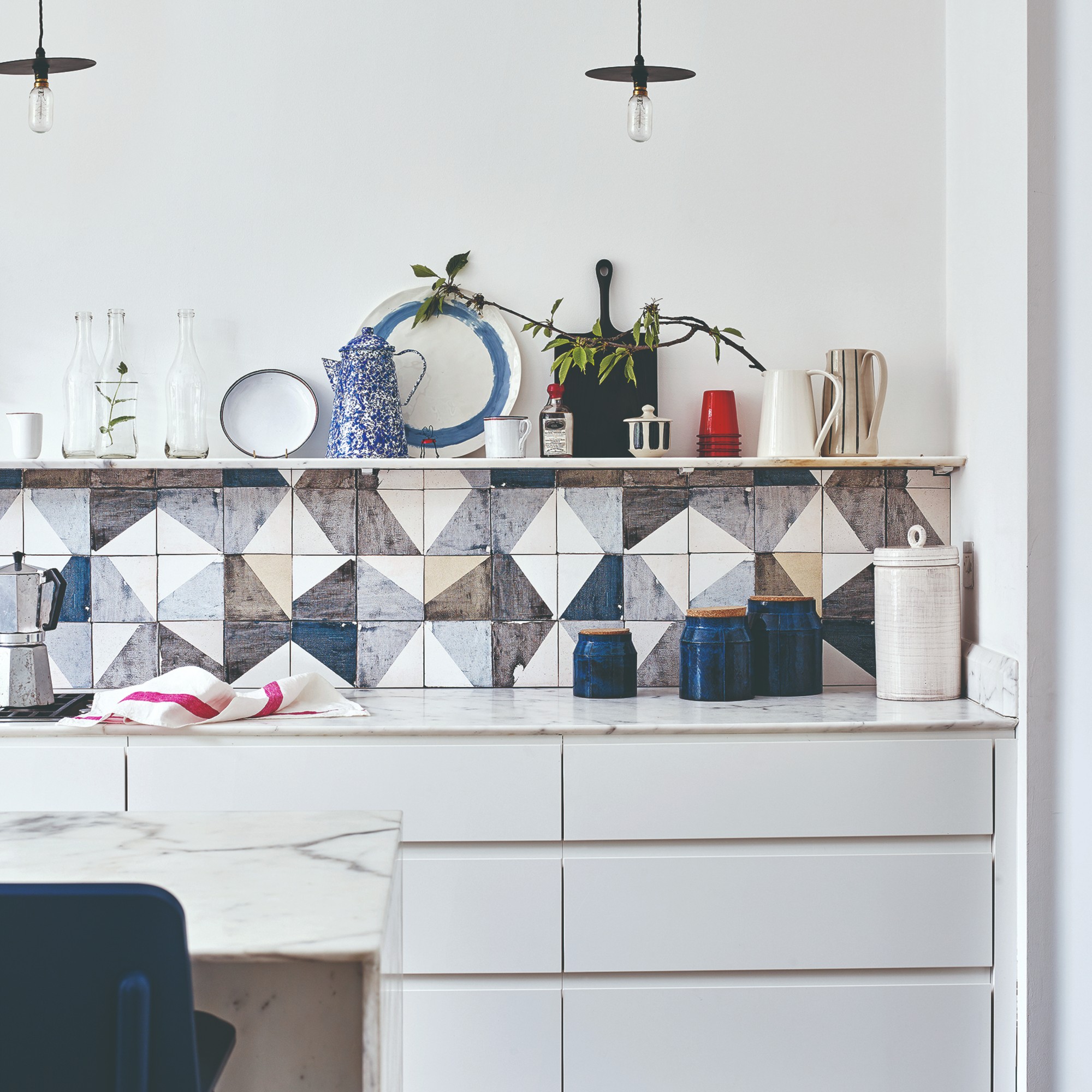
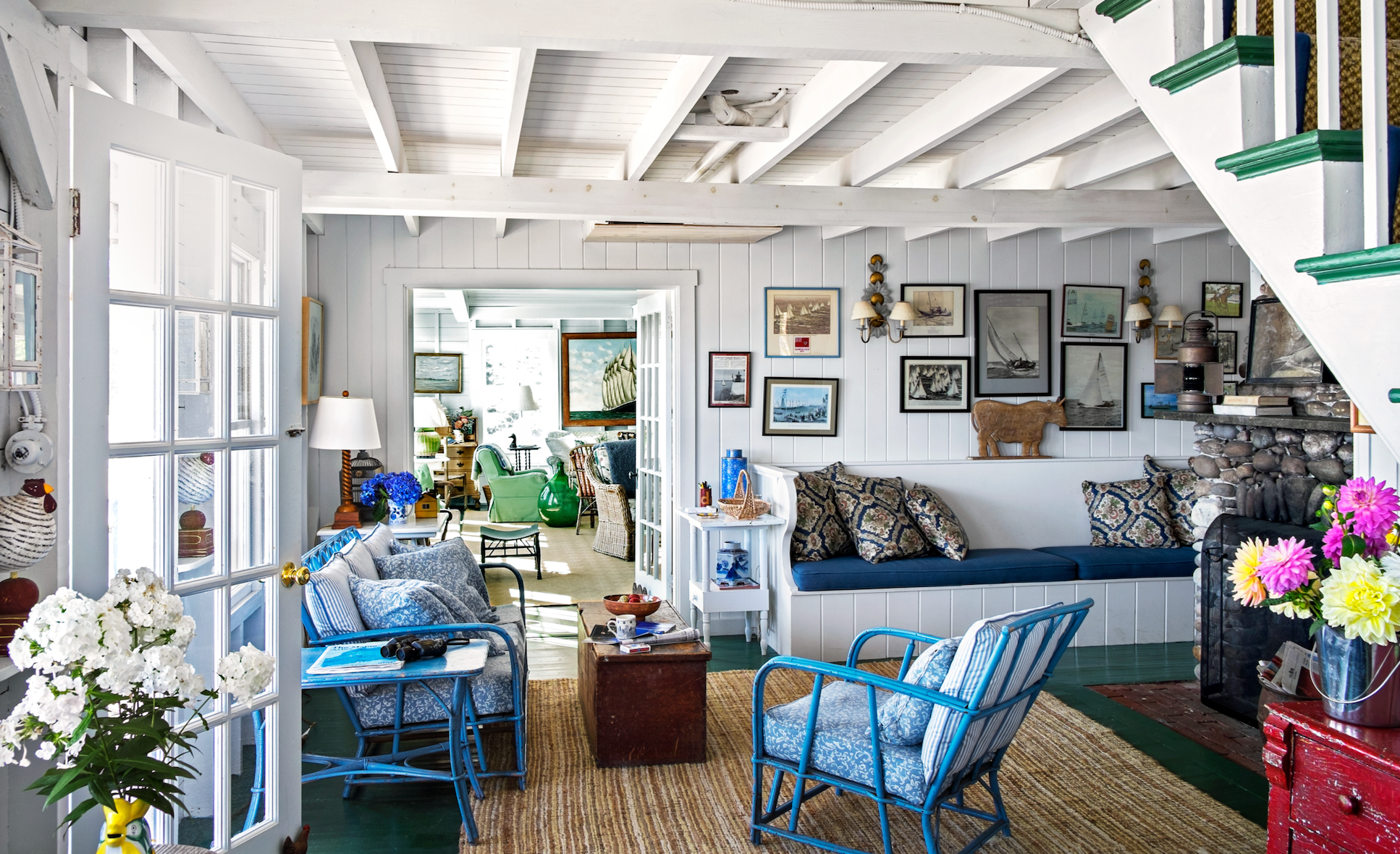
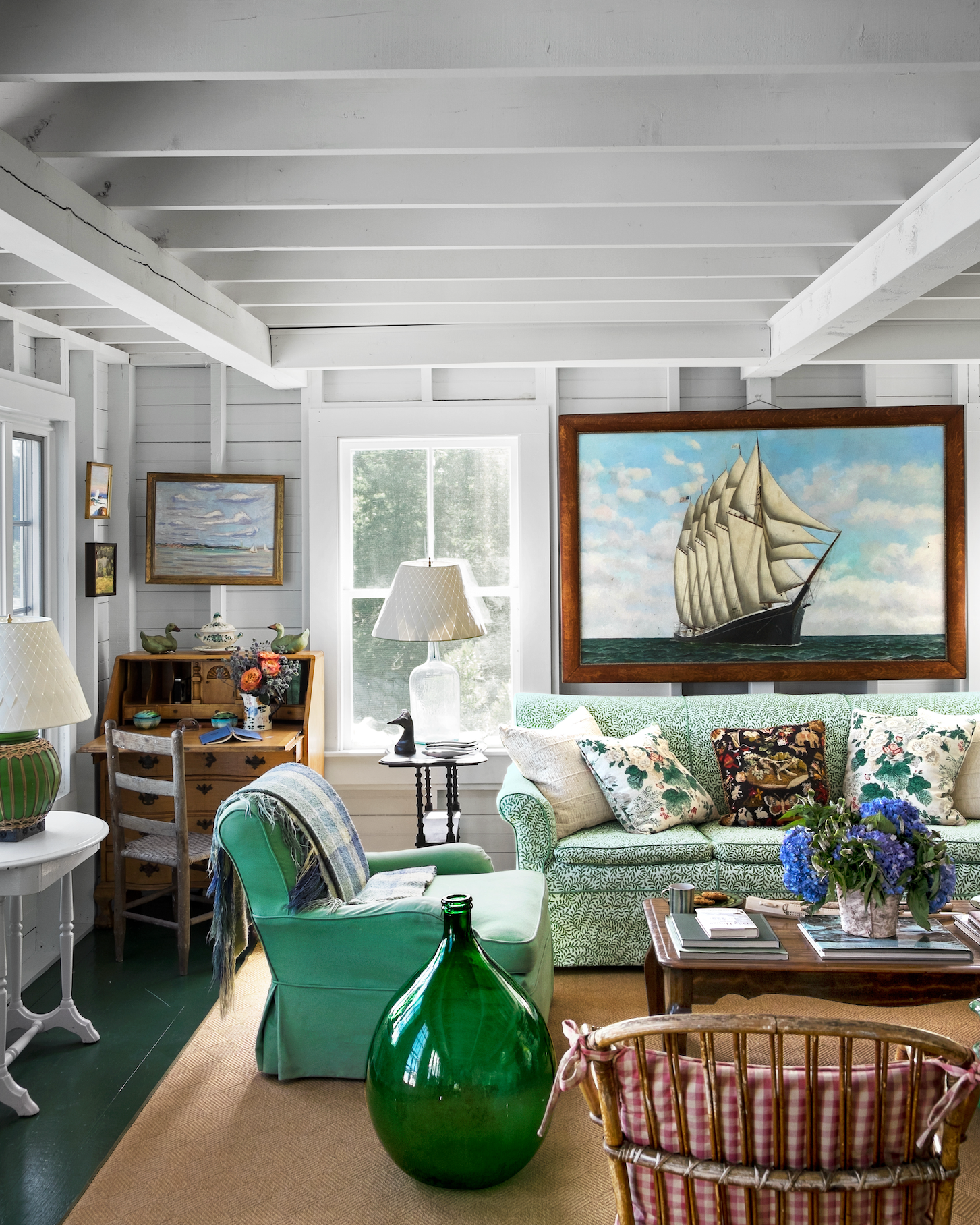
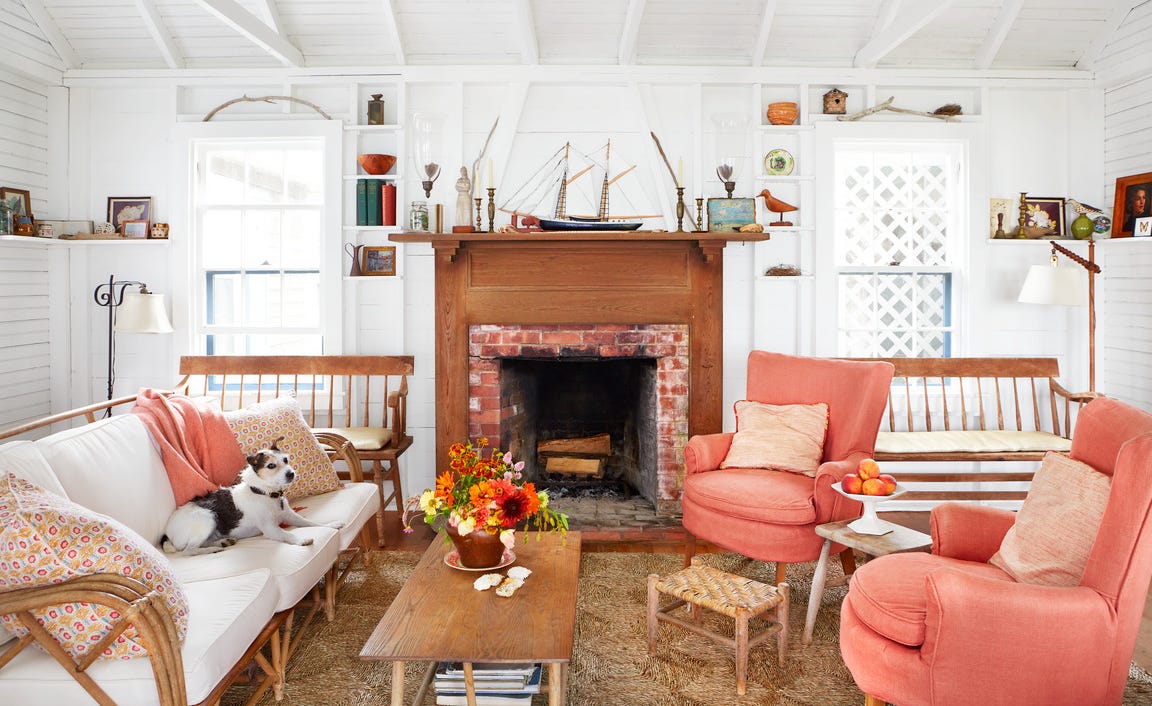
Decorating a home can be an expensive endeavor, but it is entirely possible to create a stylish living space without overspending. The author, Melissa Penfold, a well-known style and shopping expert, emphasizes that decorating on a budget is an opportunity for creativity and innovation. The core principle revolves around making small, impactful changes and undertaking DIY tasks whenever possible to reduce costs associated with hiring professionals or purchasing new items.
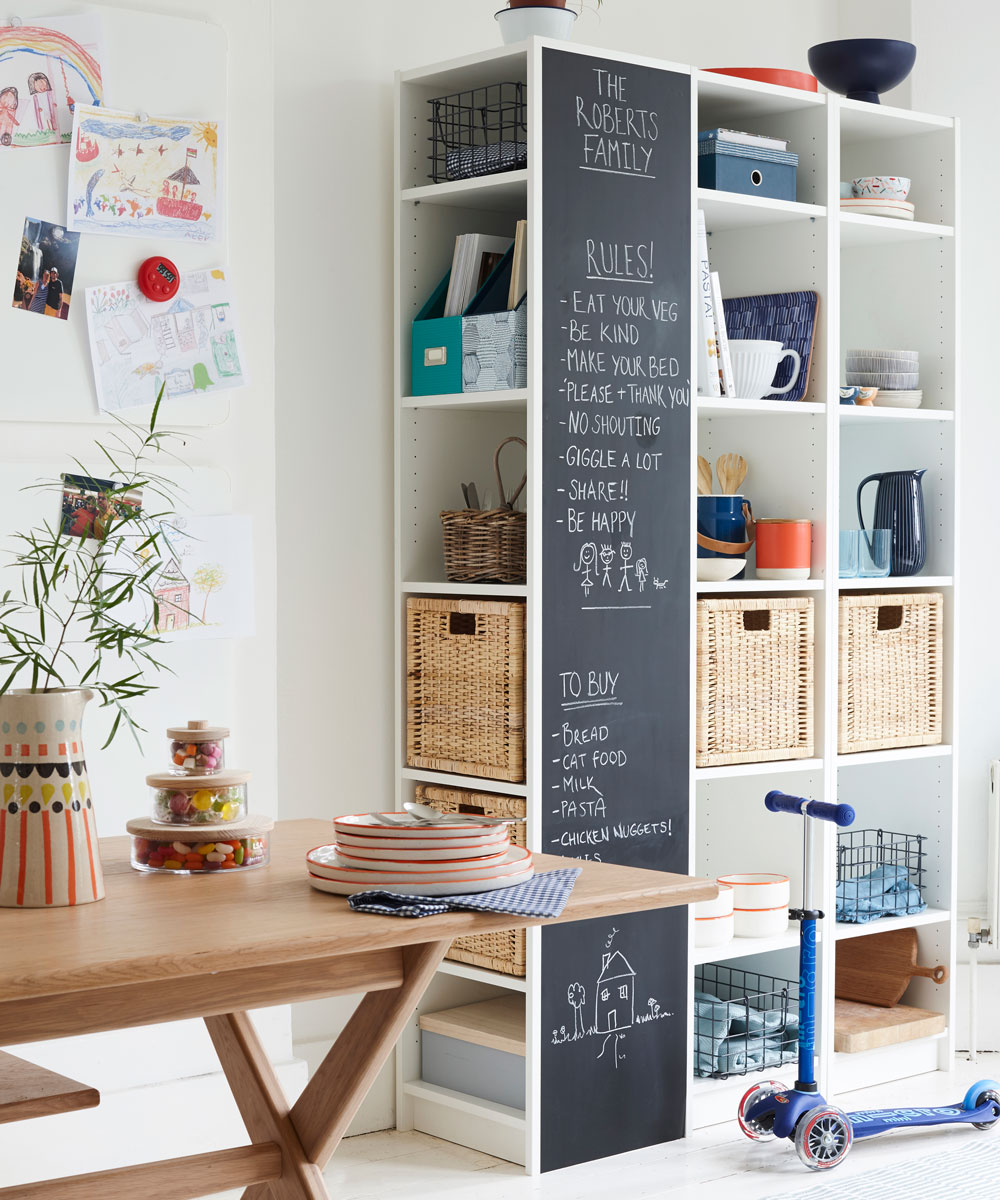
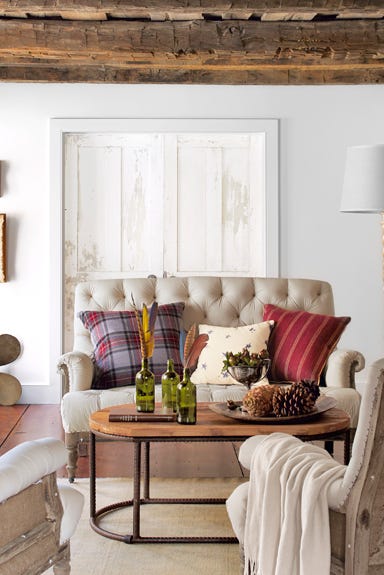
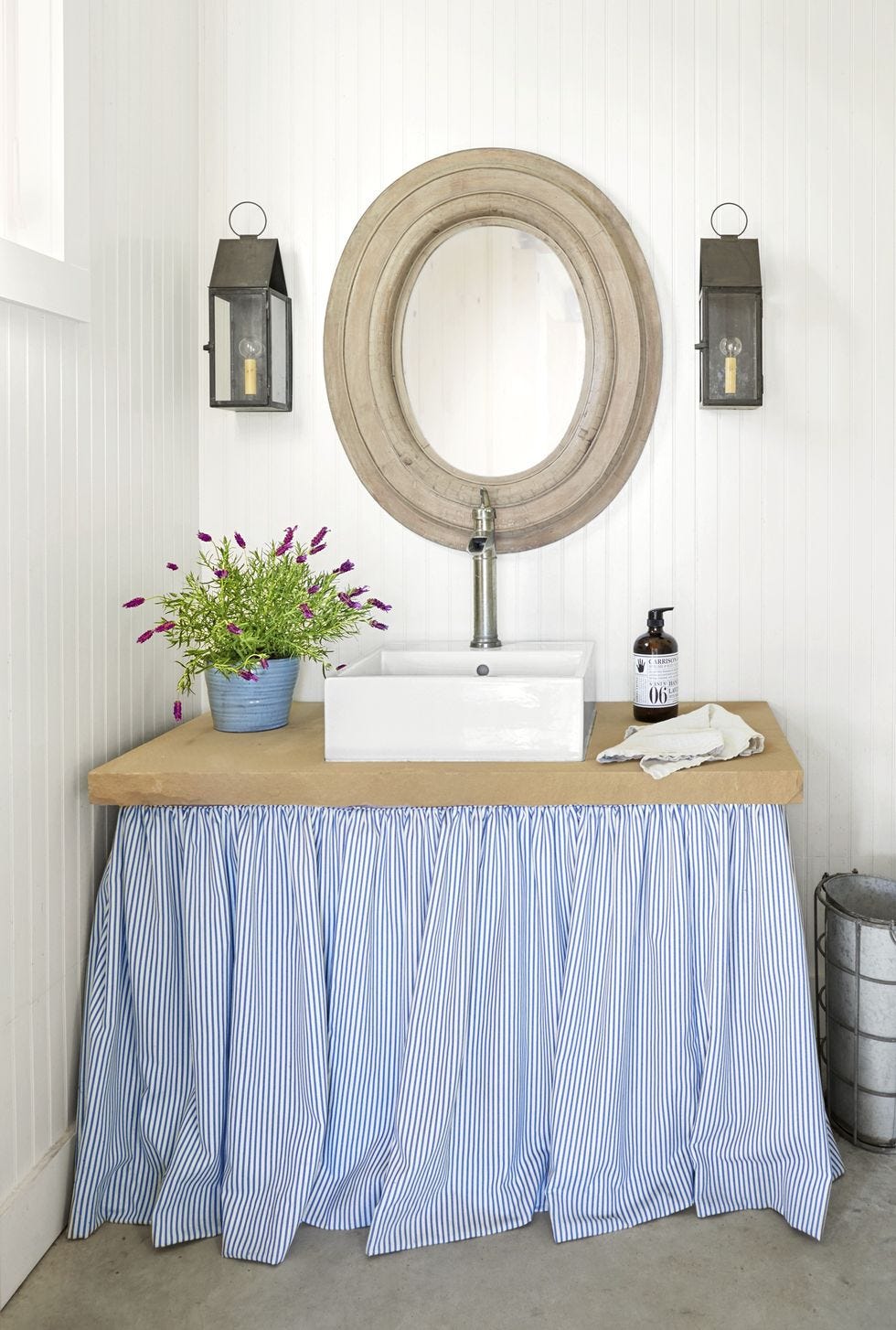
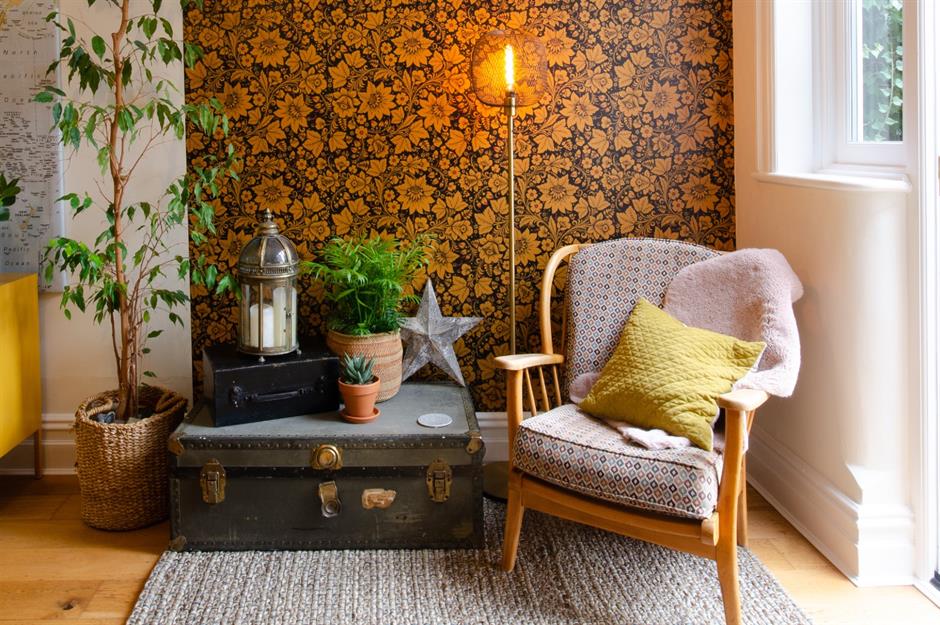
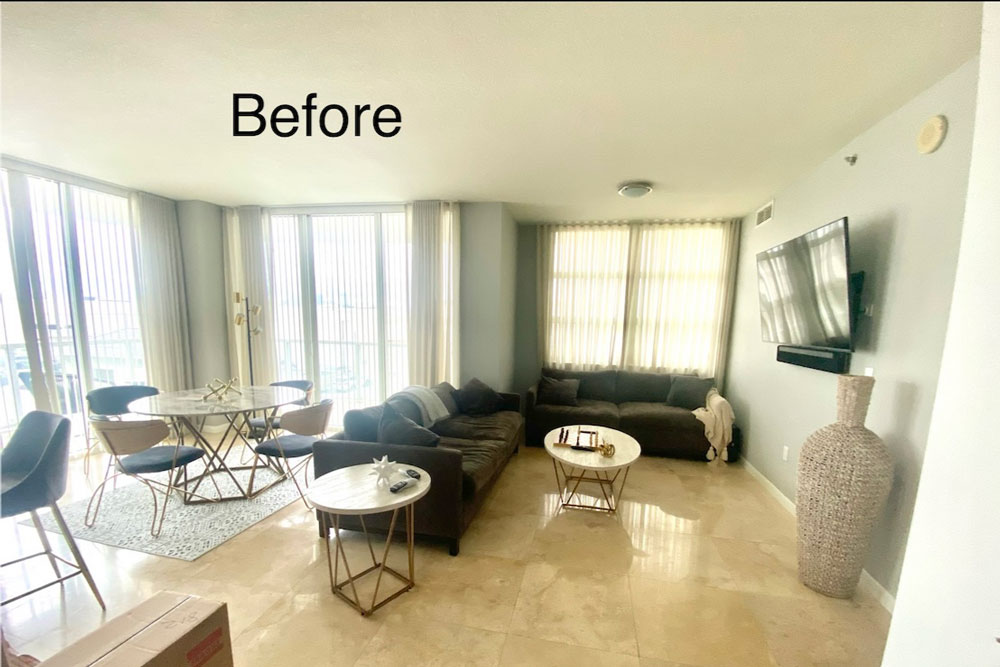
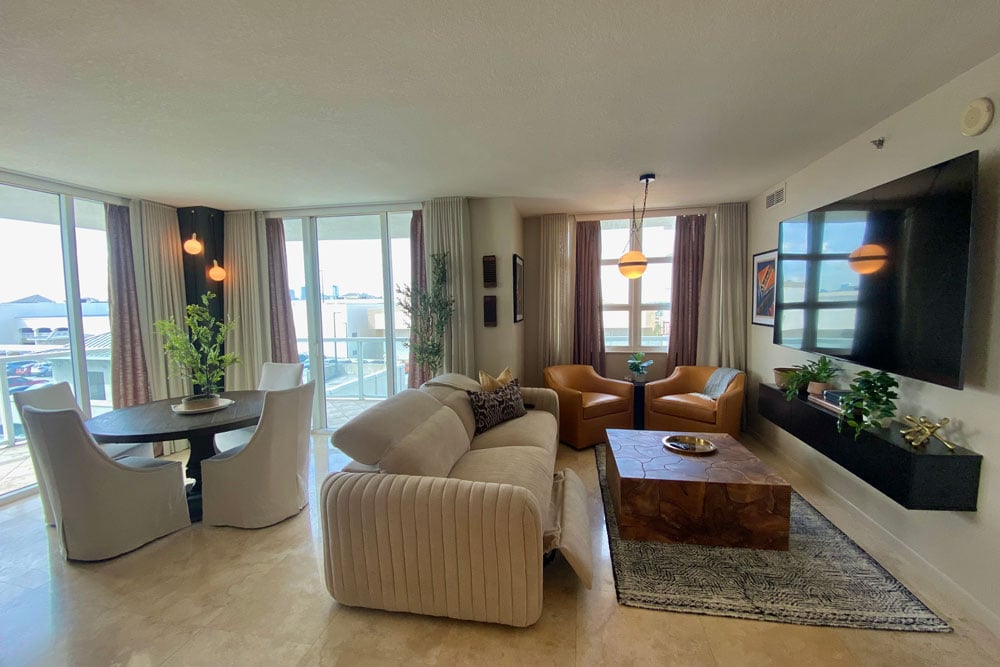
One of the primary strategies involves leveraging existing possessions. Rather than buying new, homeowners can rearrange furniture, artwork, and decor items between rooms to refresh their look. Older pieces can be revitalized through reupholstering, painting, or by replacing hardware like cabinet knobs. The concept of "shopping at home" is highlighted as the most cost-effective approach. Alongside utilizing existing items, decluttering plays a crucial role. Removing dated, worn, or damaged non-essential items can create a clean slate and improve the overall aesthetic of a home, discarding elements like vertical blinds or old posters.
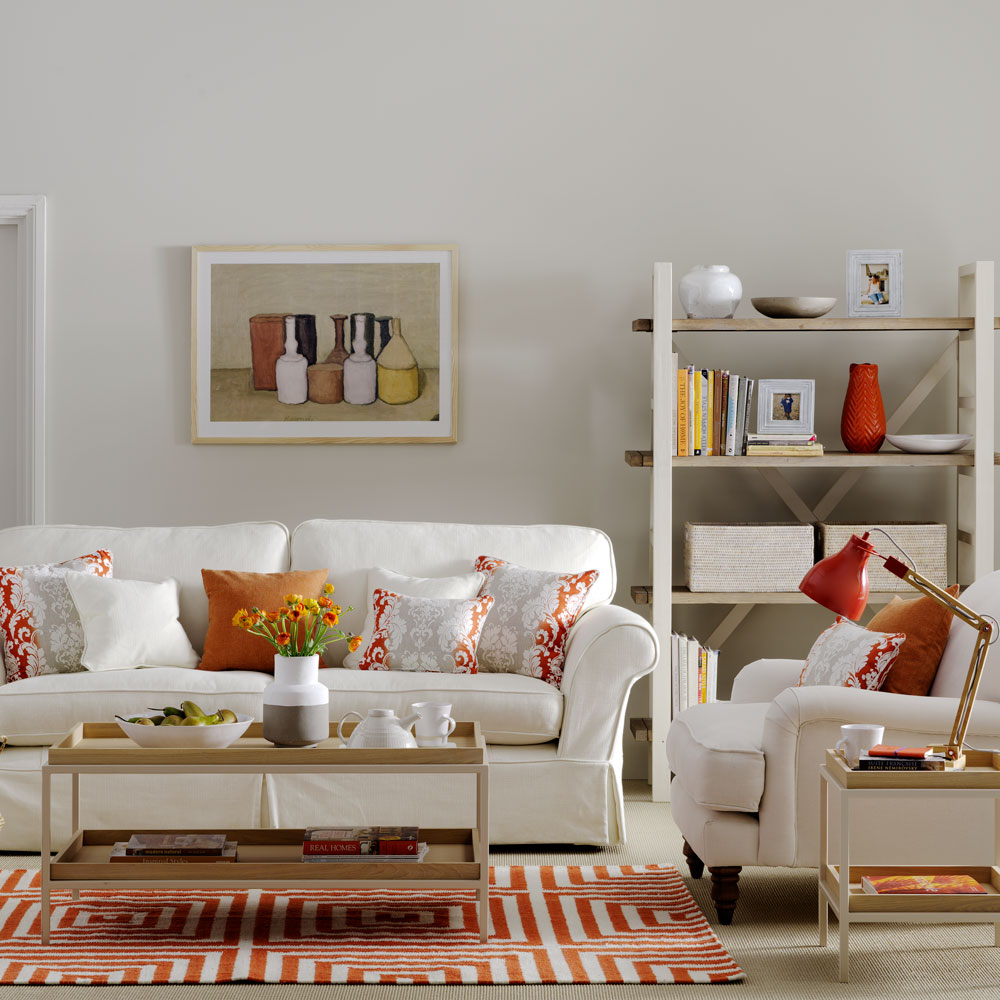
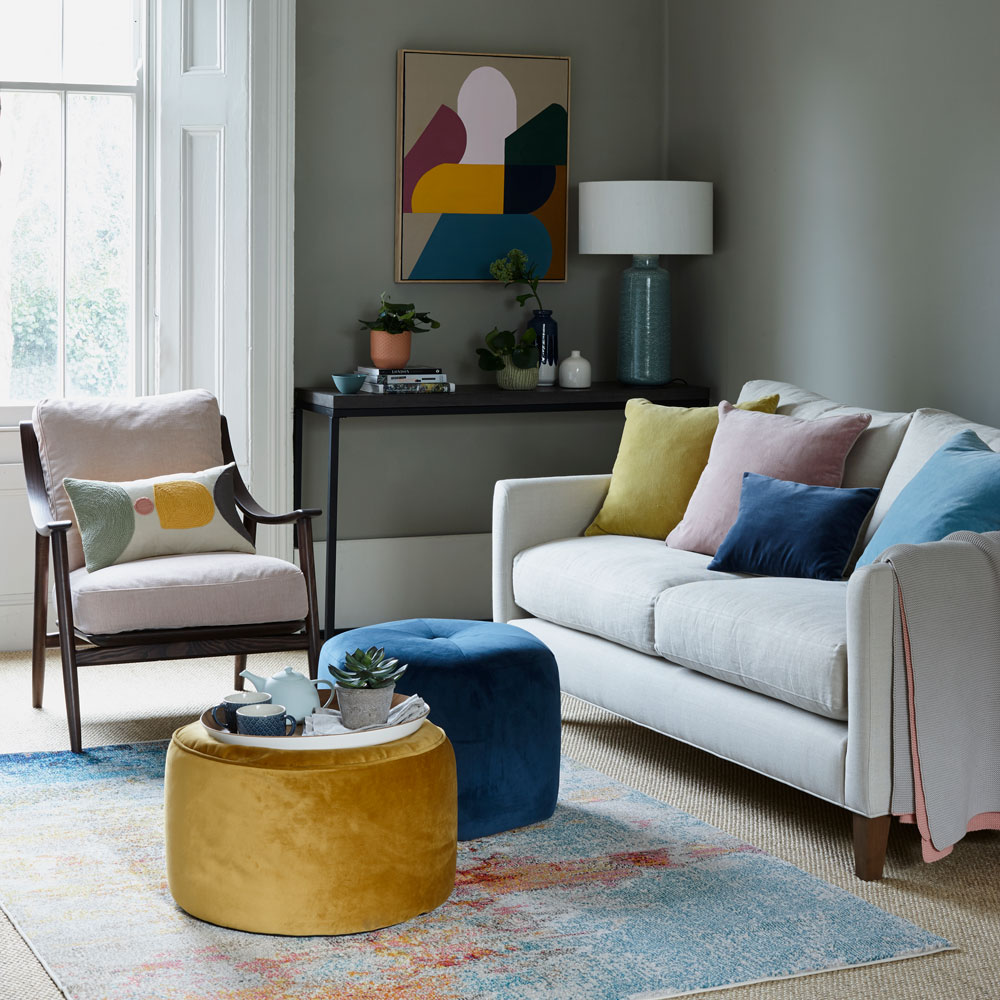
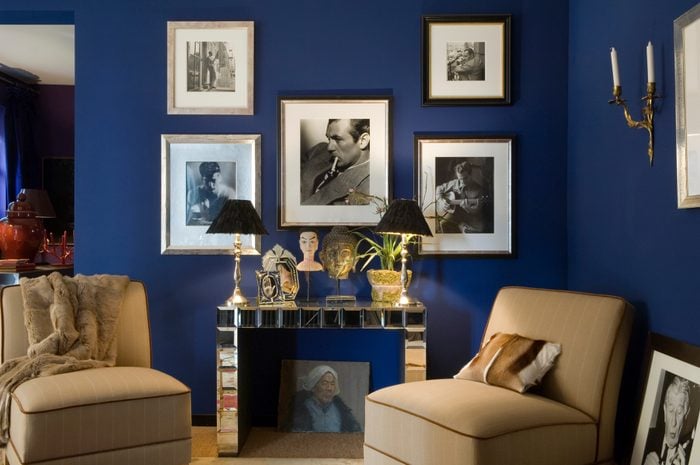
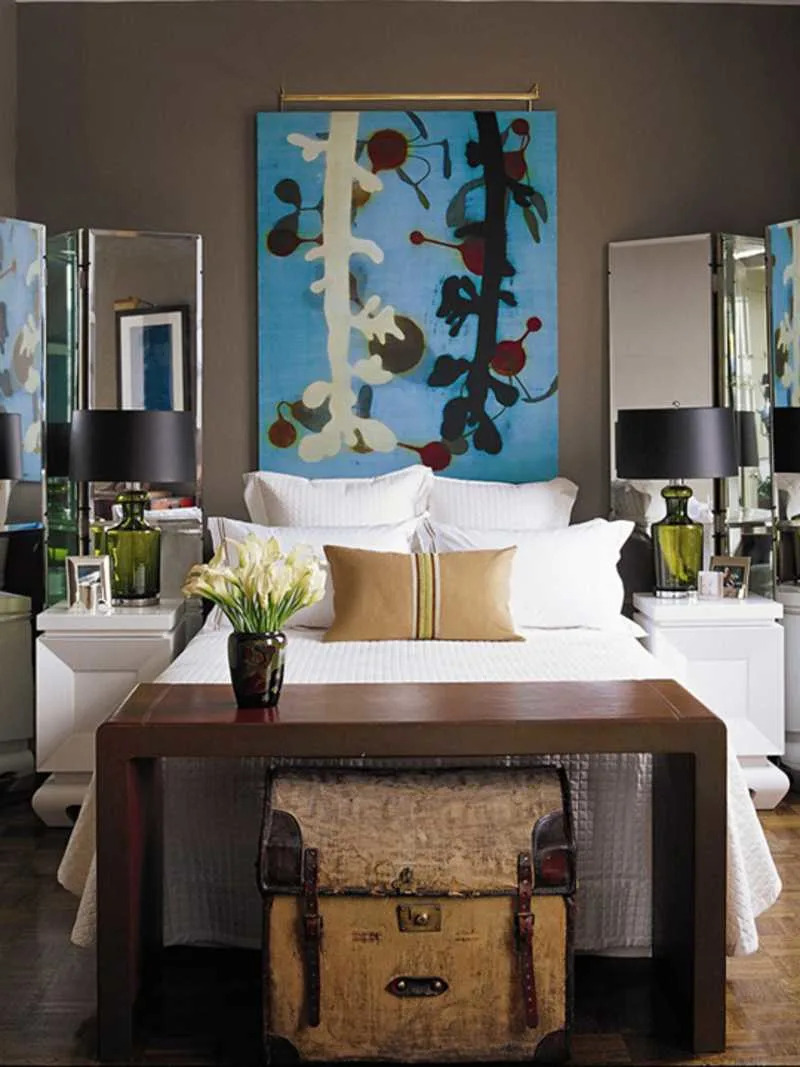
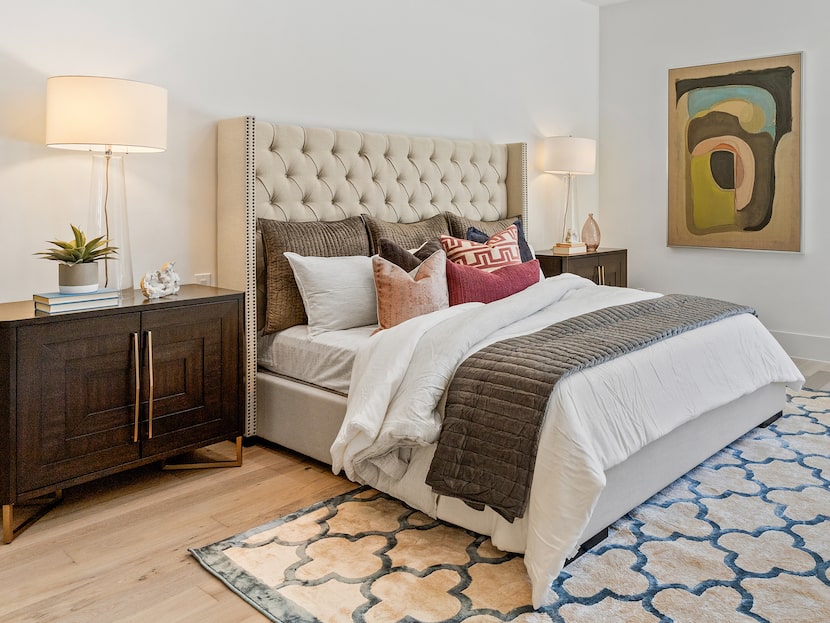
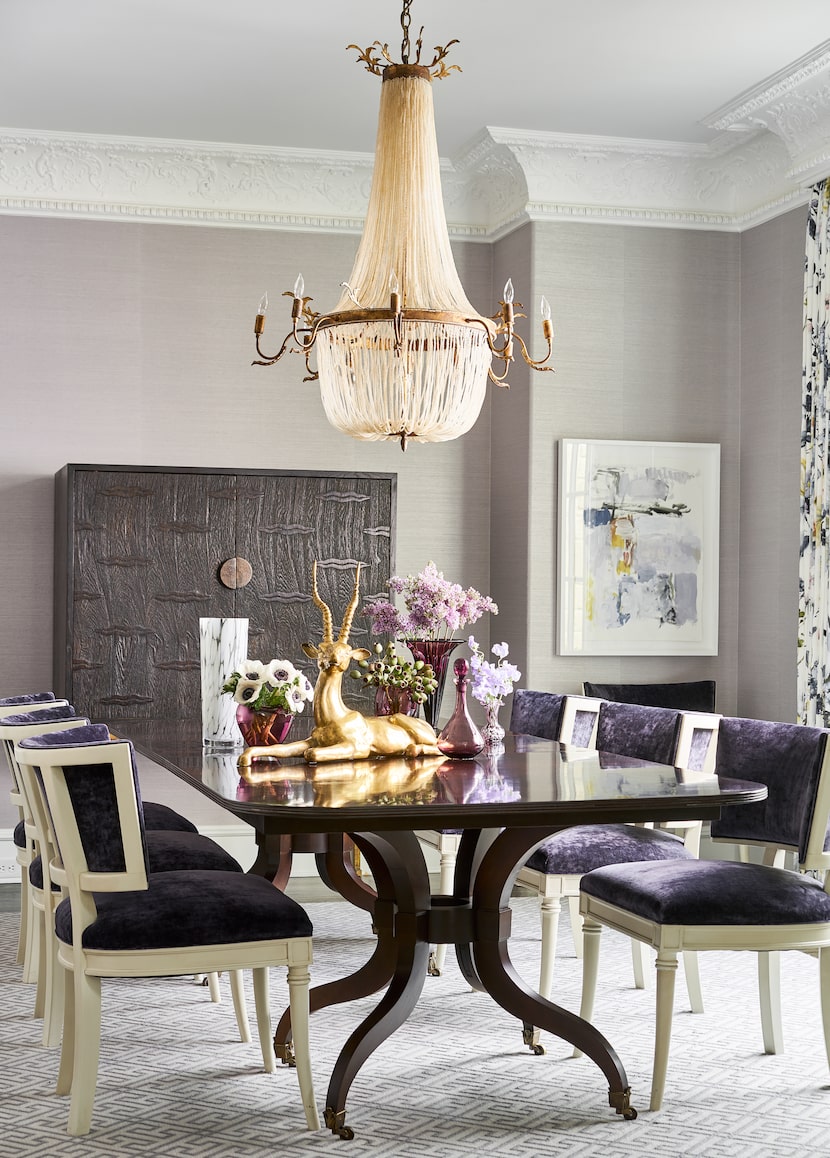
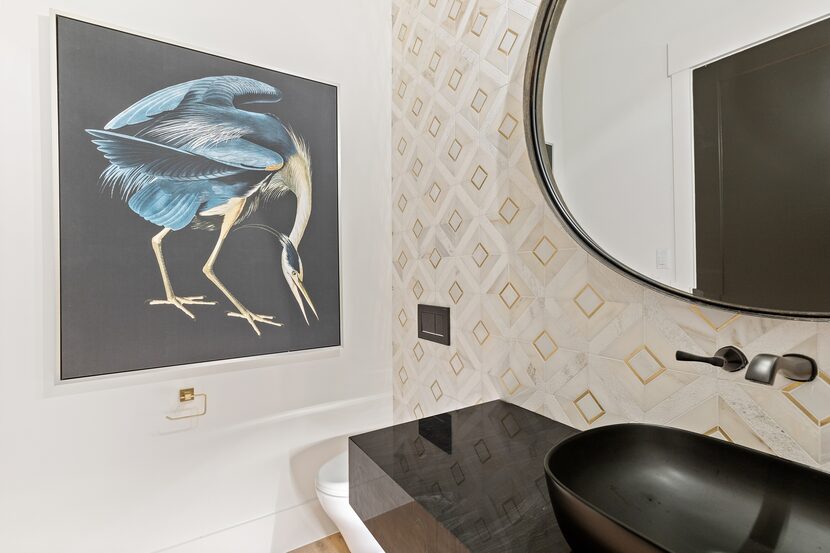
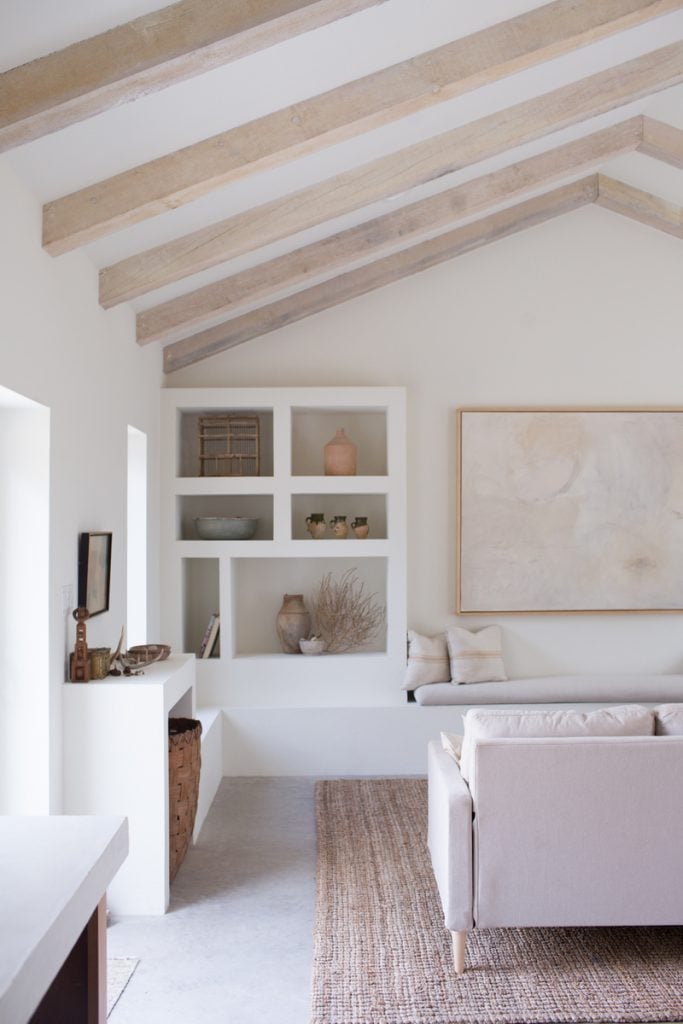
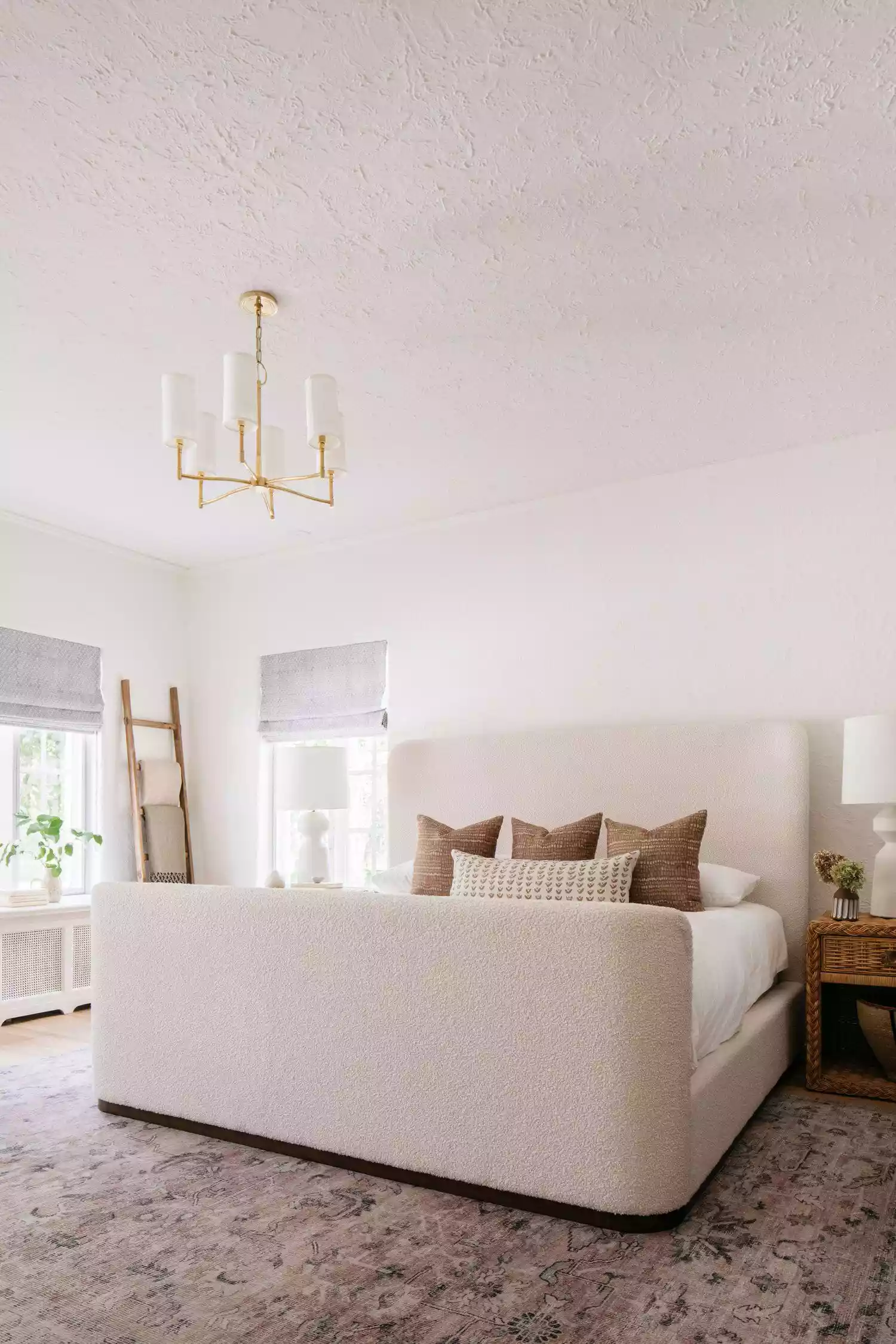
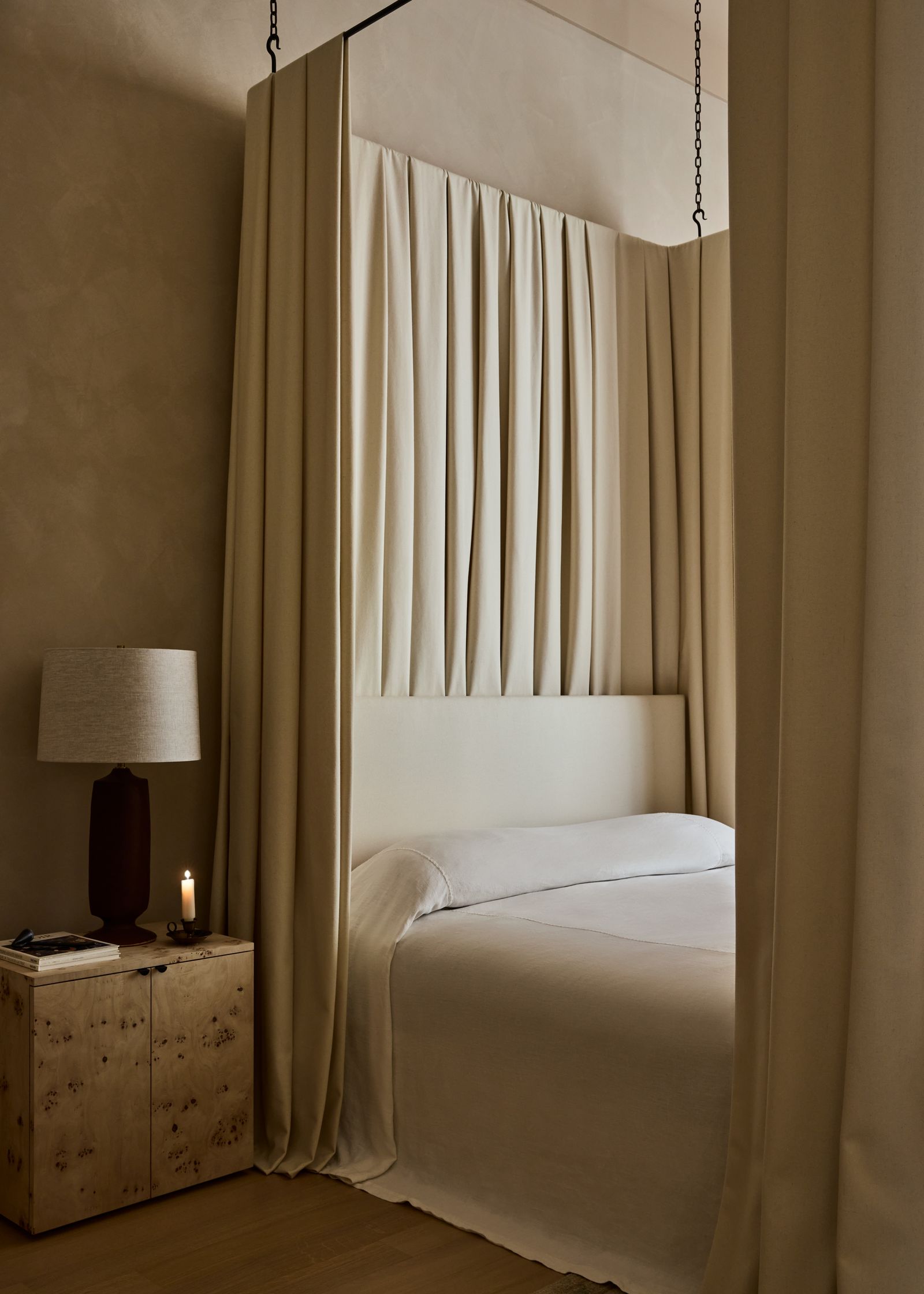
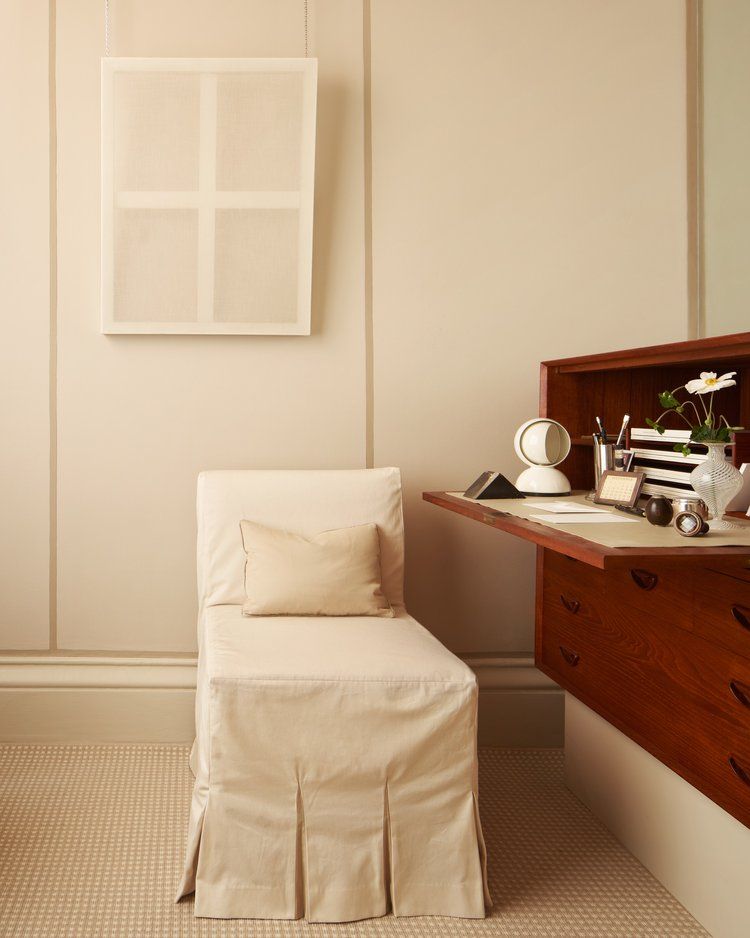
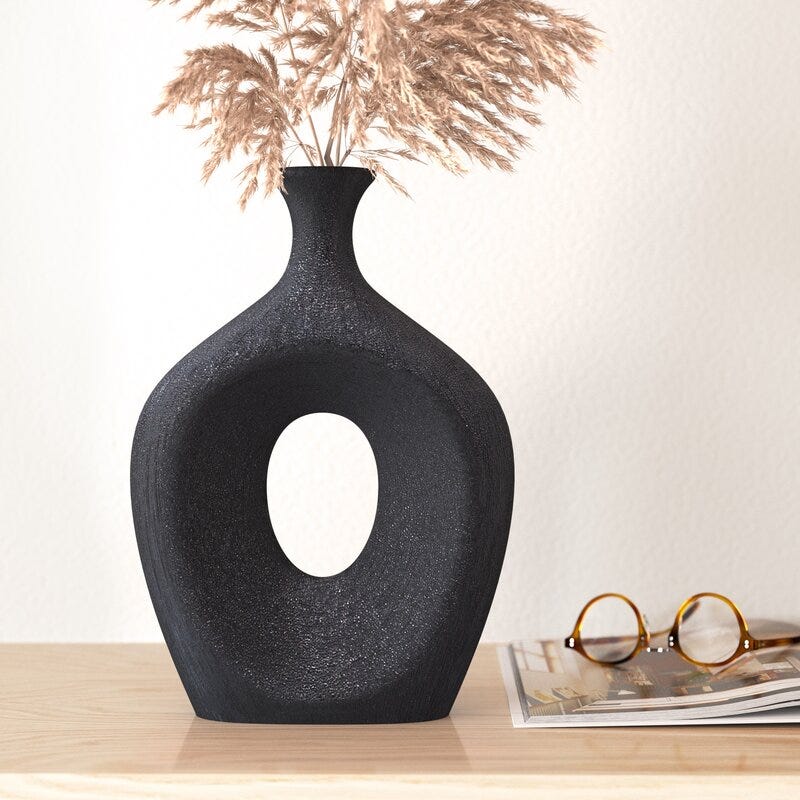
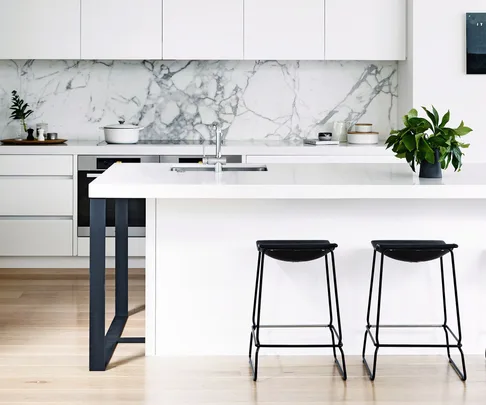
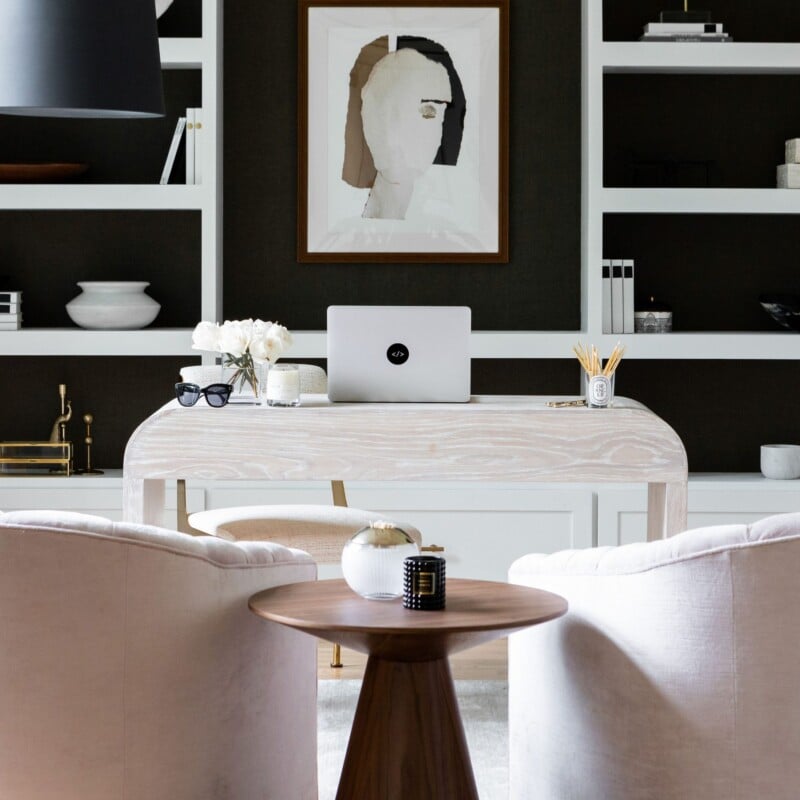
When considering new purchases, opting for neutral colors and classic designs is recommended. These versatile items can be easily moved between rooms and adapted to changing tastes by simply swapping out accessories like cushions, lamps, or art. This approach ensures a long and diverse life for furniture, reducing the need for frequent costly replacements. Incorporating a black element, such as a piece of furniture, painting, or accessory, can instantly add sophistication to any interior style, whether modern, traditional, or eclectic.
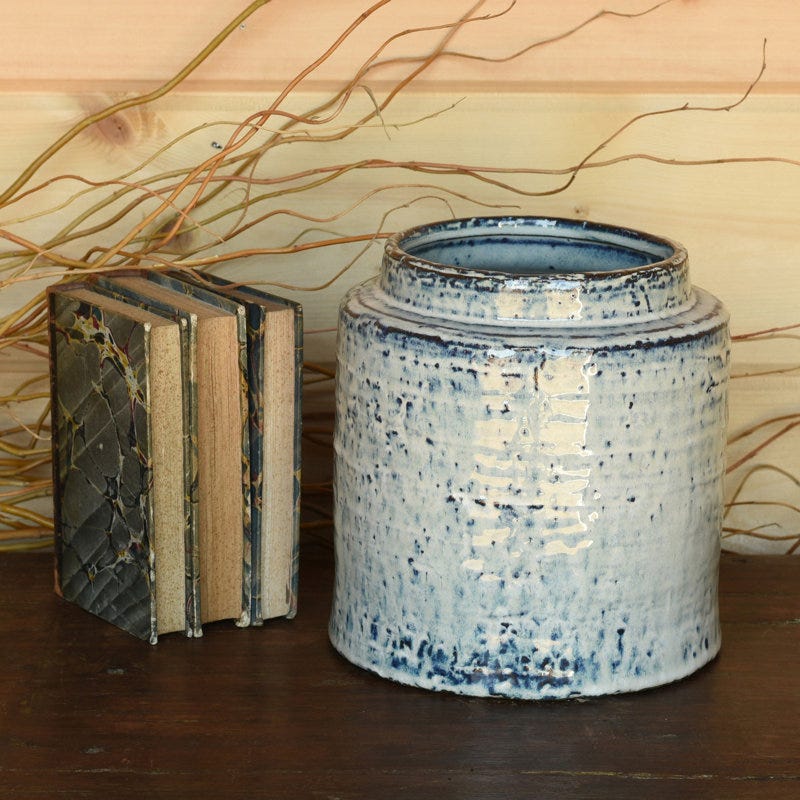
Exploring various shopping locations is another key tip. Visiting different geographical and cultural areas can reveal unique items at better prices. For those with a zero-dollar budget, imagination becomes the most valuable tool. This includes scouring charity shops, discount outlets, and even council clean-up weeks for hidden treasures. Op shops and school fetes are suggested for finding unique books and objects that can add personal character to a home. When purchasing, it is crucial to shop wisely, avoiding impulsive decisions driven solely by low prices. The goal is to acquire good-quality items that will last, rather than cheap alternatives that will soon need replacement.
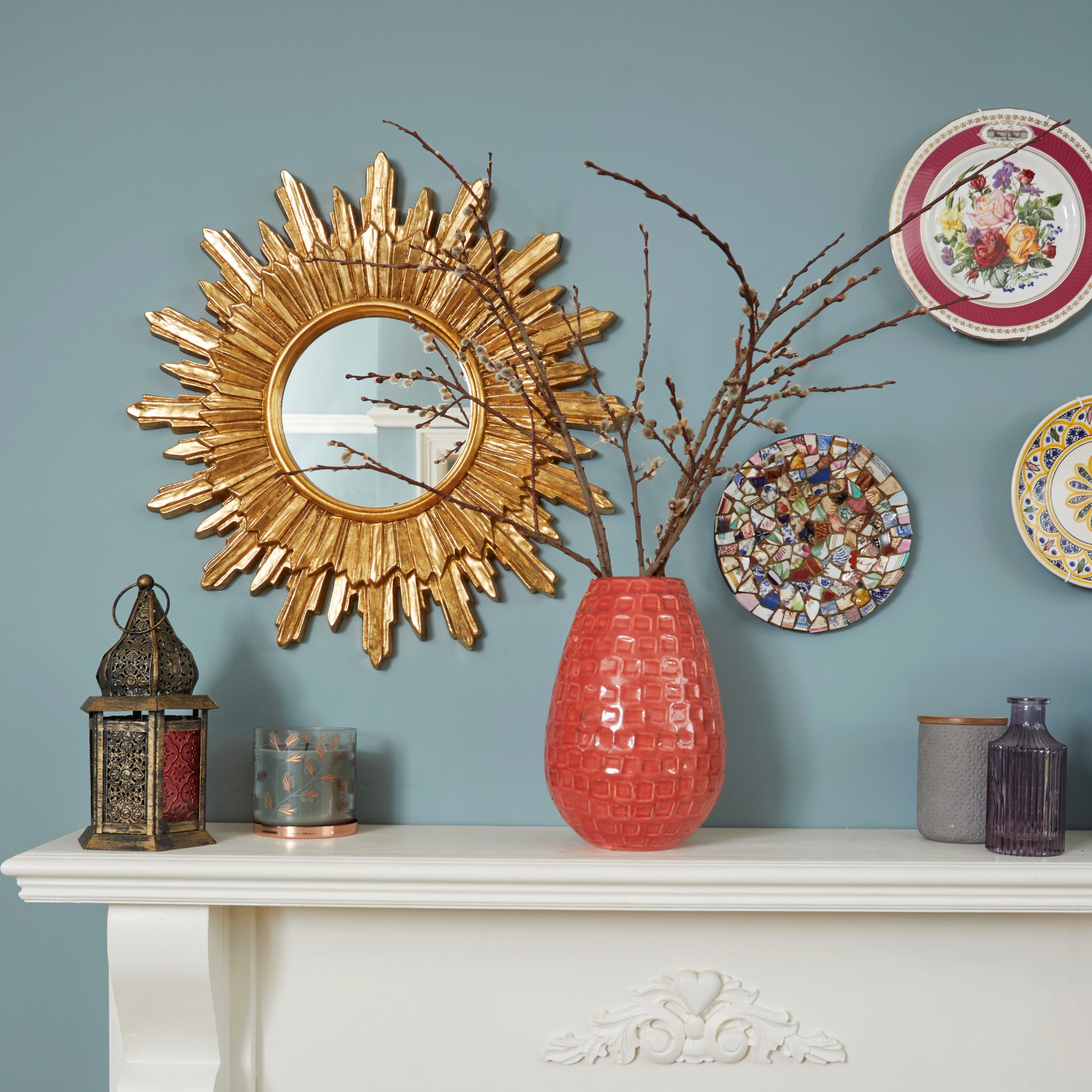
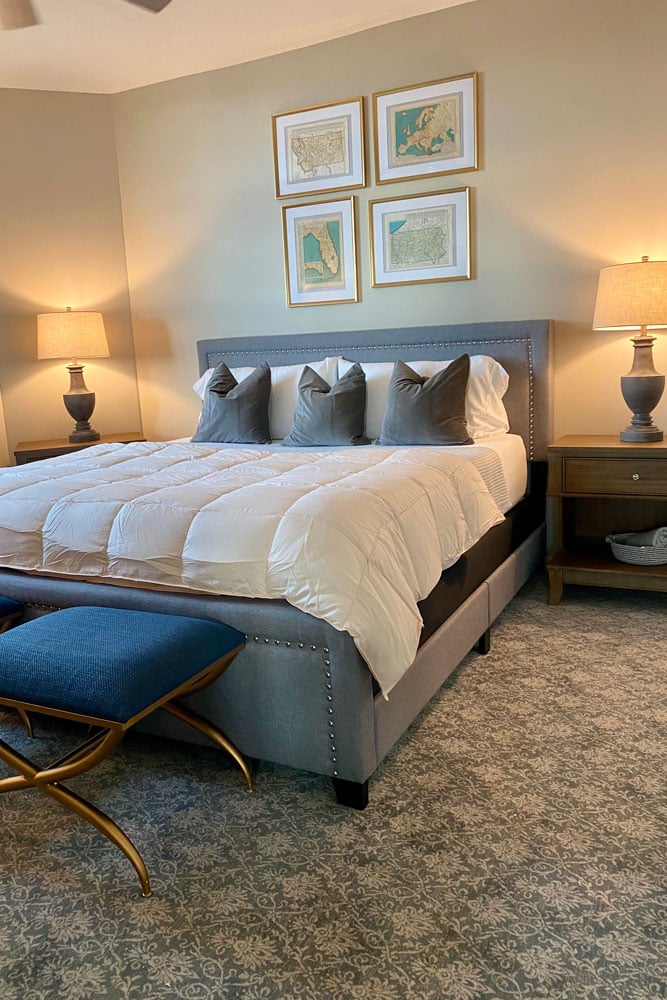
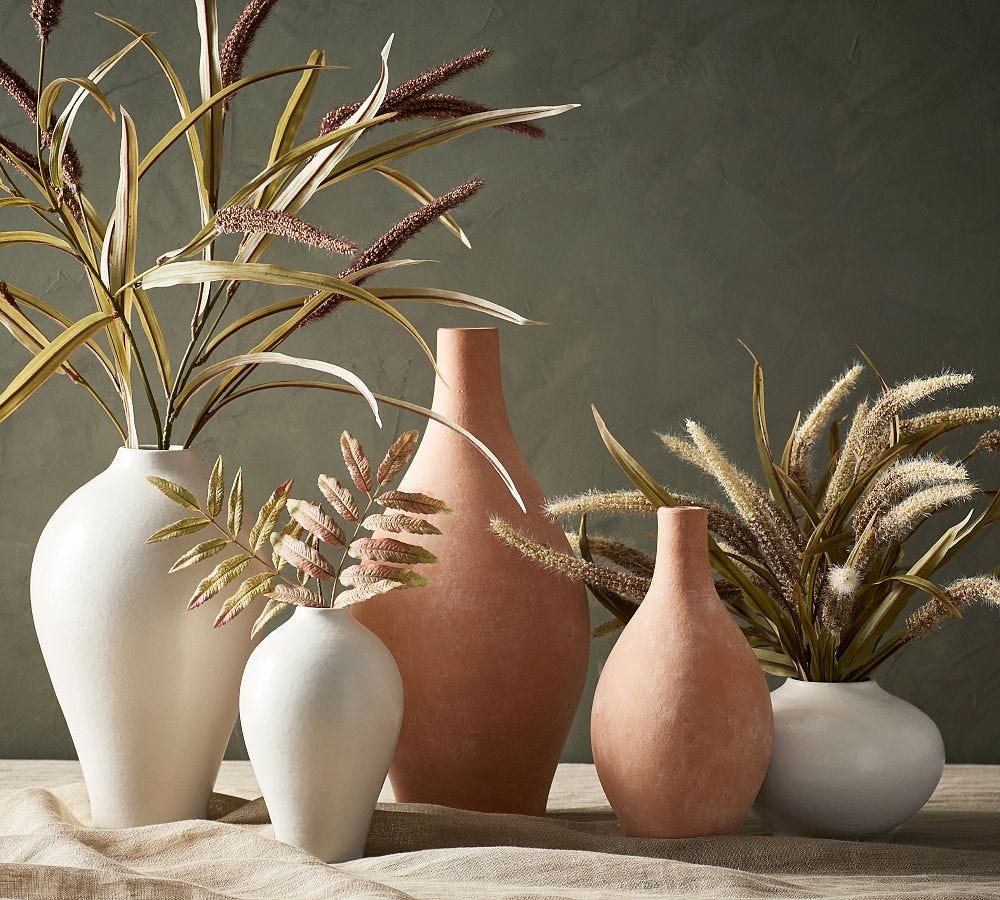
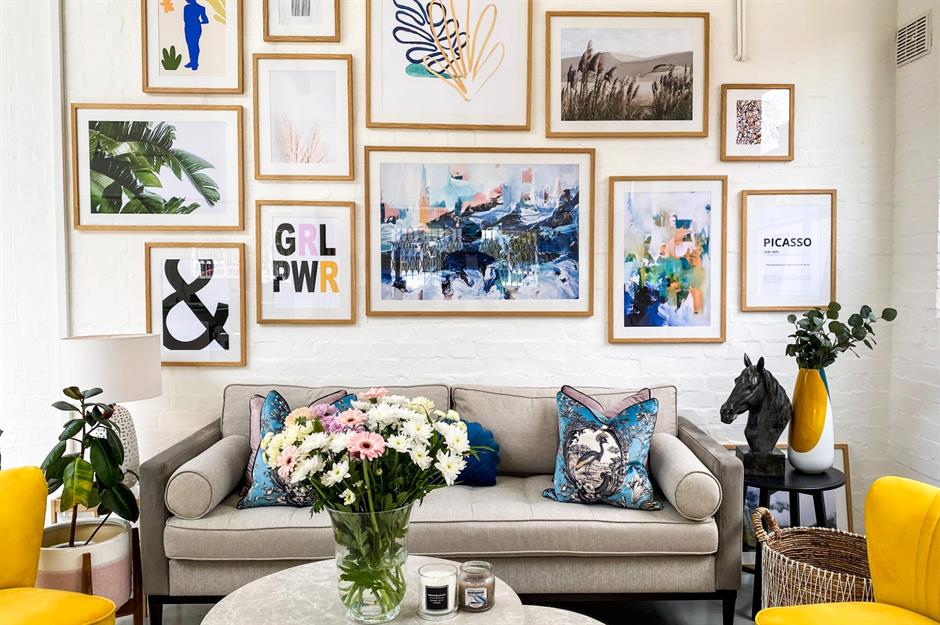
Auction houses are presented as excellent venues for finding bargains on antique furniture, paintings, mid-century designs, and porcelain. Examples of significant savings on quality pieces are provided. Affordable accessories like Chinese porcelain, woven trays, placemats, and basketware can effectively complete a room's look on a limited budget. For art, exploring online sites like Easy Art and supporting emerging local artists or student showings can provide affordable options. Artwork can achieve maximum impact when displayed together in a gallery wall arrangement rather than being scattered individually.
A crucial piece of advice for furniture shopping is to prioritize the shape of the piece over its current fabric, as reupholstering or refinishing can easily transform it. The article also cautions against excessive duplication of items, suggesting that buying a unique item should be a deliberate choice rather than acquiring matching pieces that diminish the originality of existing ones. When buying inexpensive items, simplicity is key, as "tricked up" cheap items often look wrong. Bargain shopping should be approached as a treasure hunt, applying the same quality standards as regular shopping and waiting for major sales events for household essentials.
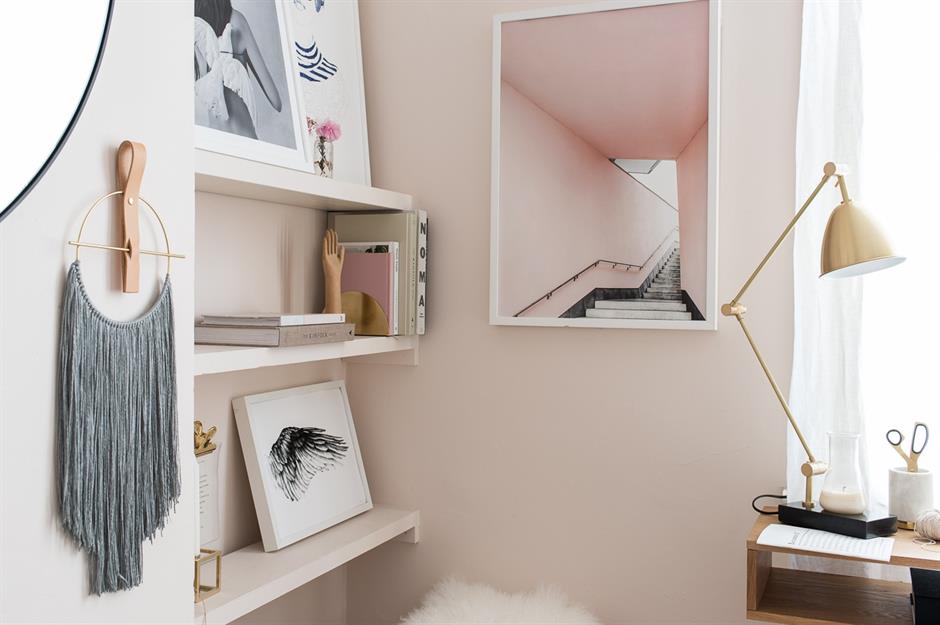
Discount shops are highlighted as valuable resources for finding unique artifacts that personalize a home for a minimal cost. The recommendation is to look for natural textures, muted colors, and minimal decoration in these stores. Mixing quality pieces with less expensive finds creates a collected, authentic look. Items that are currently out of fashion or not yet trendy offer excellent collecting opportunities. Elevating humble art pieces through oversized mounting and framing, or displaying objects on Perspex plinths, can give them a gallery-like appearance. Developing personal styling skills, such as arranging wall-mounted art collages and vignettes, is also encouraged.
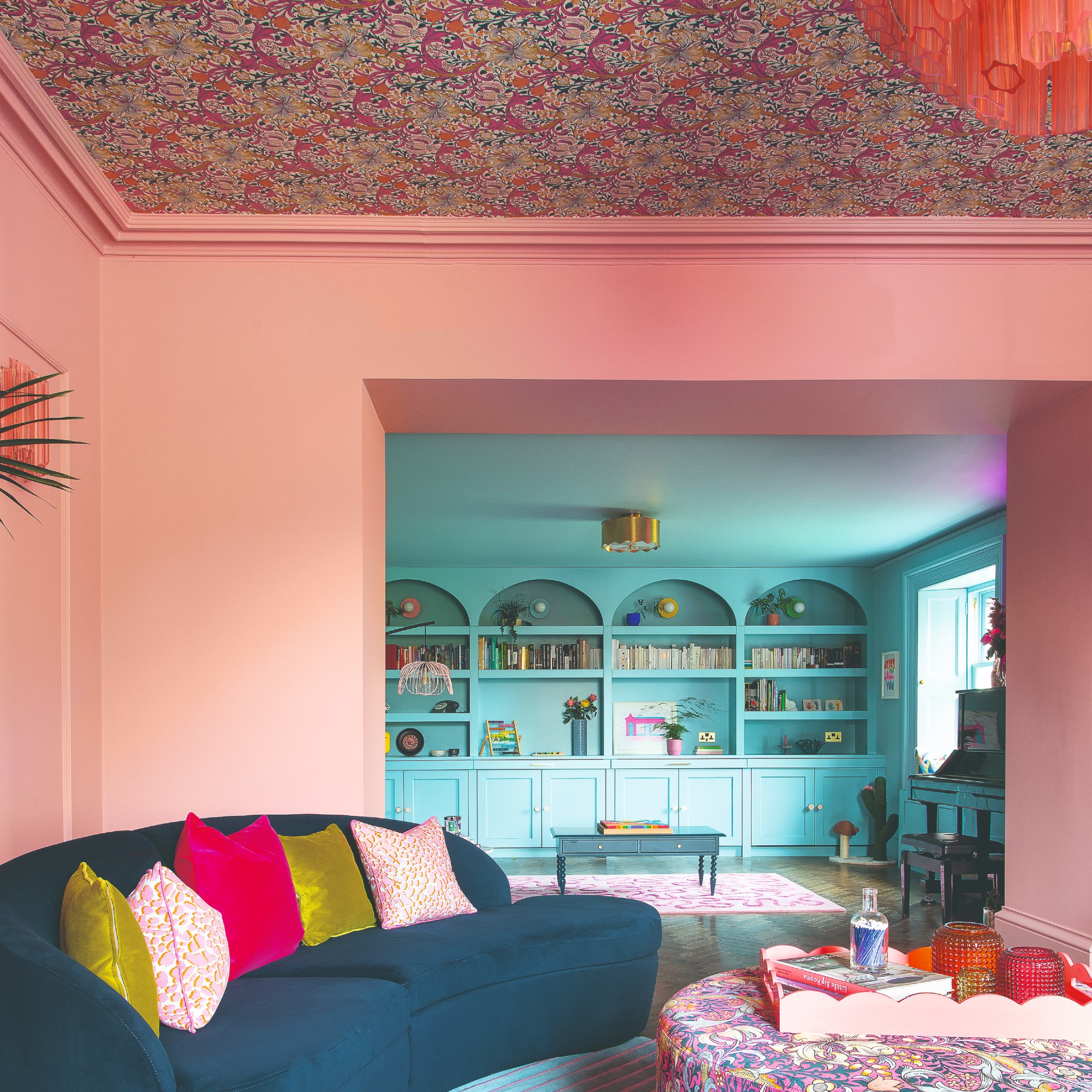
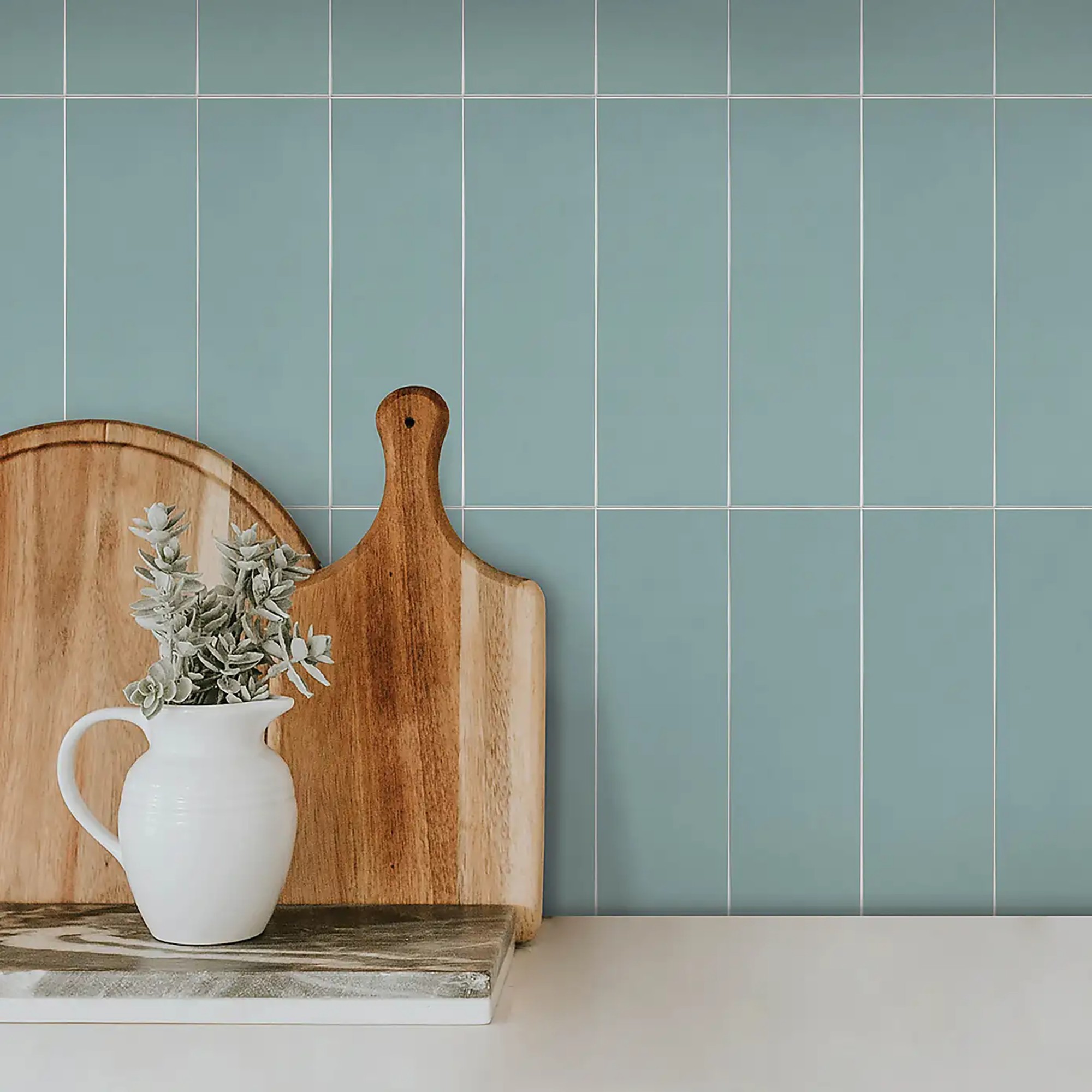
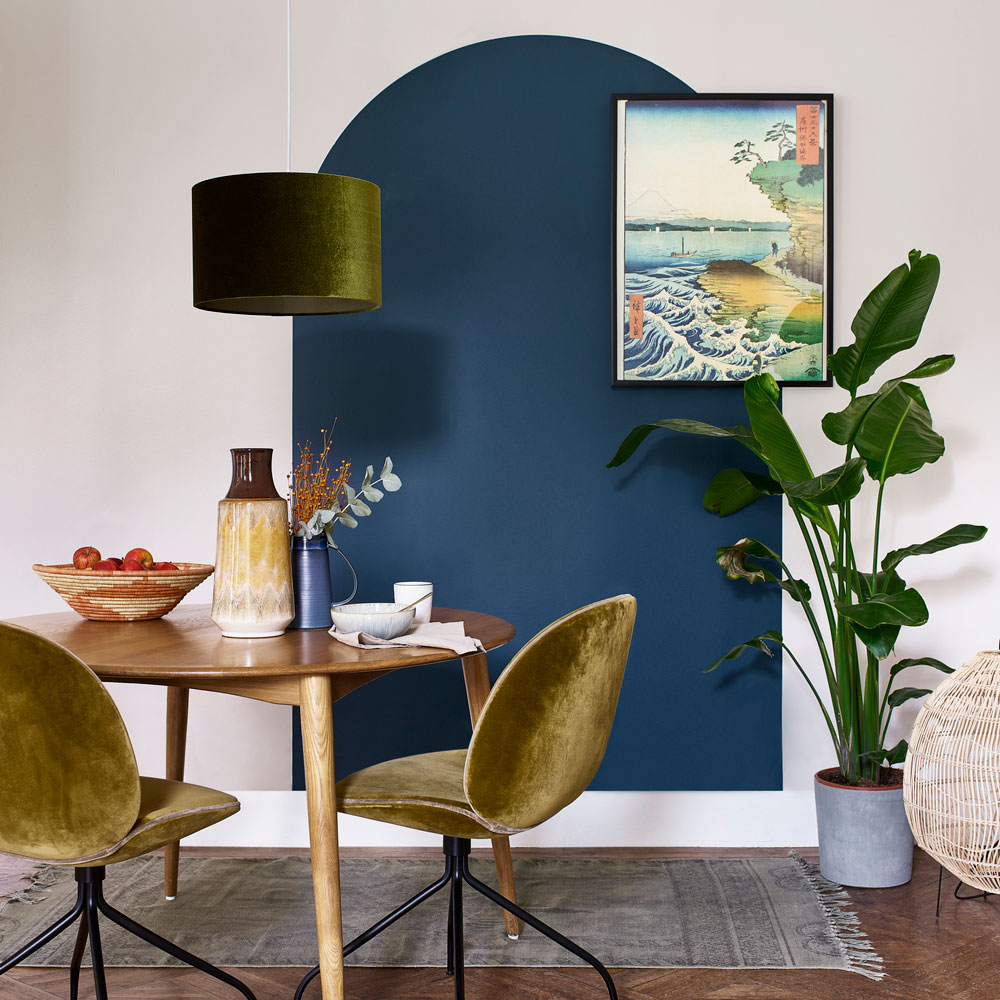
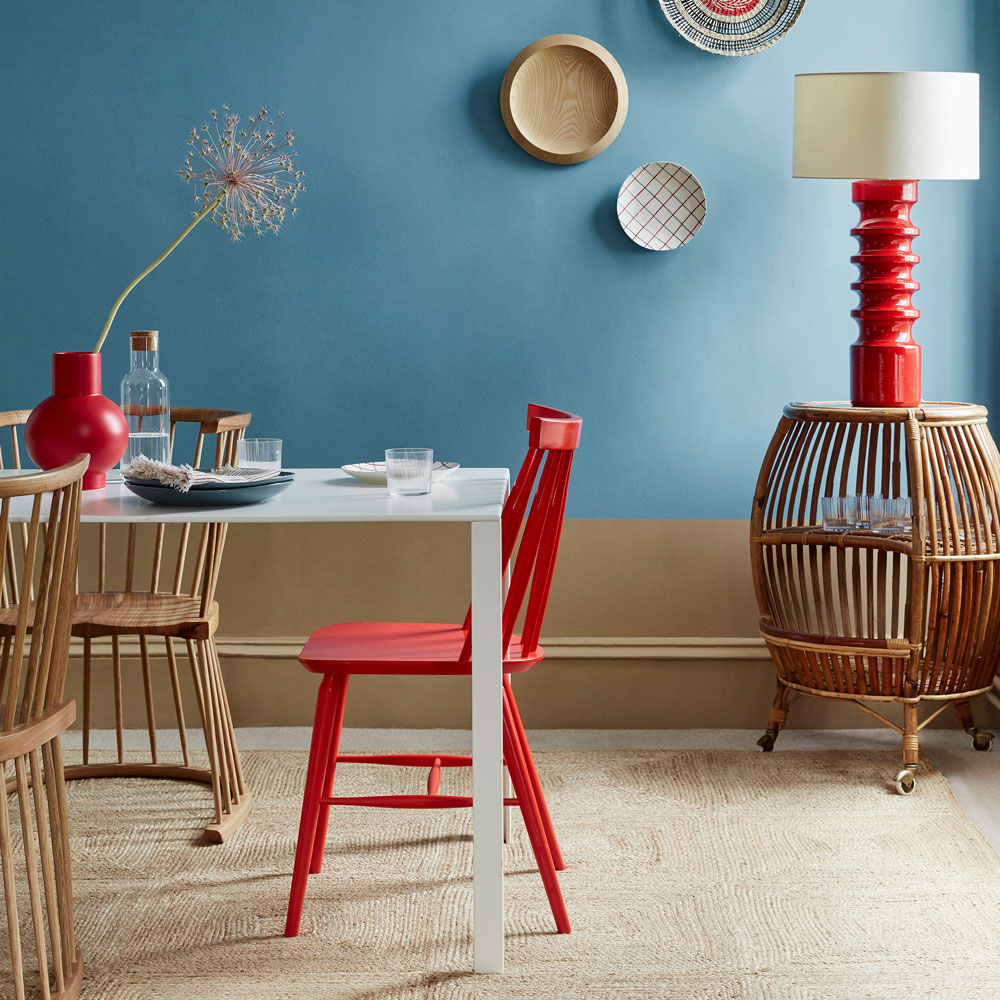
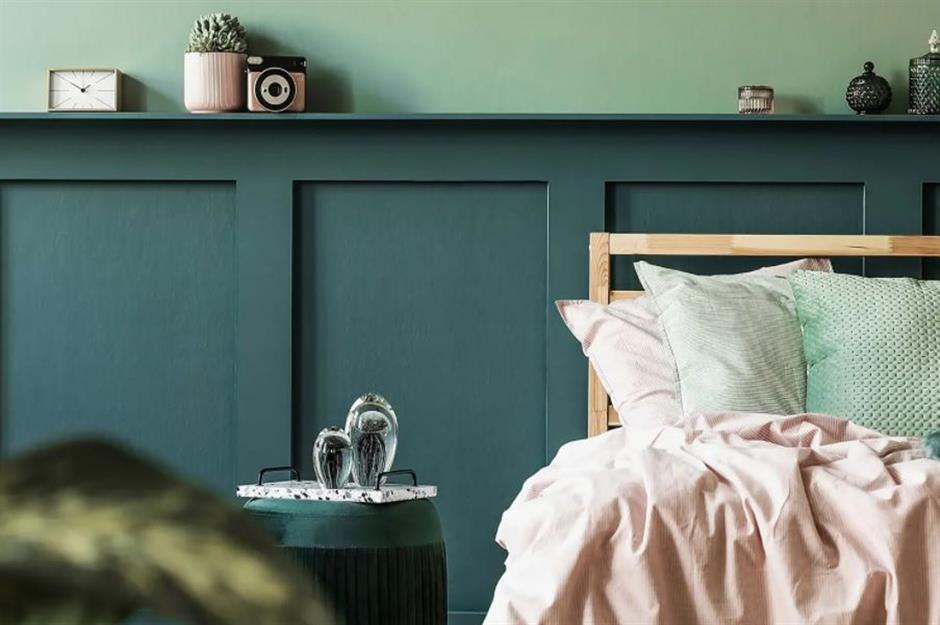
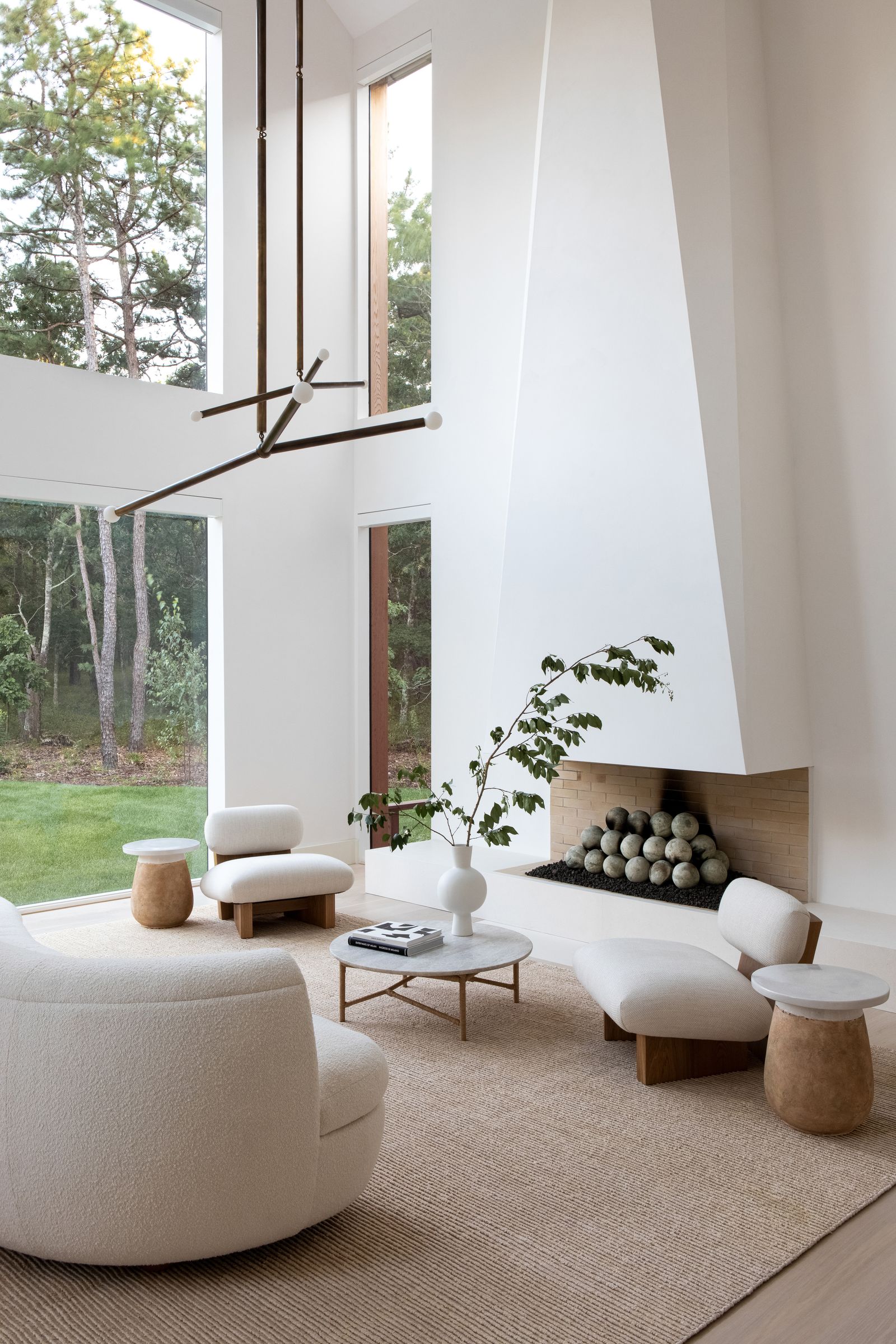
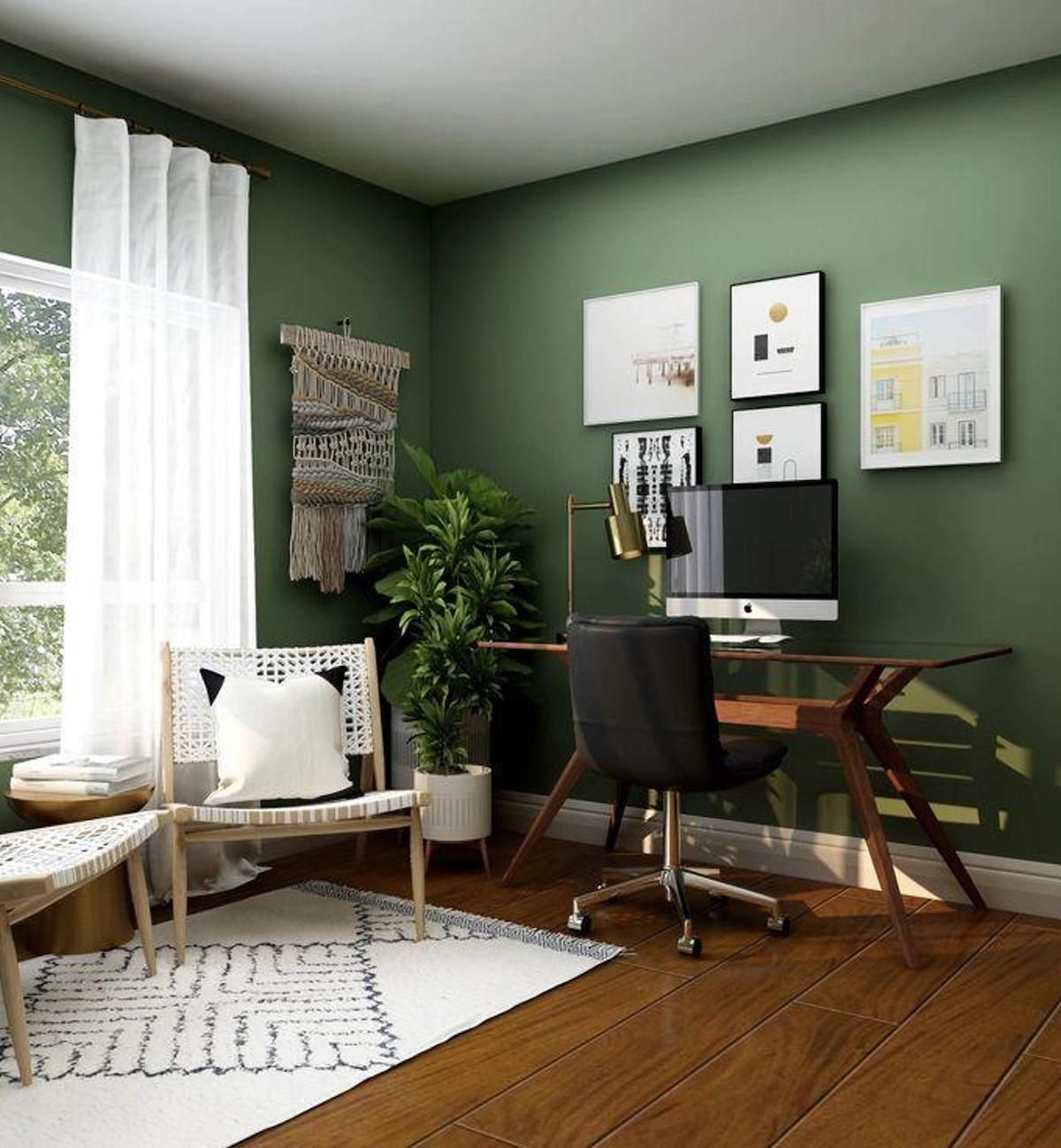
Effective space planning is essential for maximizing a home's potential, especially in smaller areas. This involves optimizing room flow, making small spaces feel larger, and utilizing every niche and alcove. Establishing a focal point in a room and arranging seating around it is a fundamental design principle. Creative plant solutions, such as growing from seeds, propagating cuttings, or displaying multiple small plants at varying heights, can add greenery without significant expense. Using wall hooks for functional clothing and accessories can serve as both storage and decor. Finally, purchasing appliances and outdoor materials (like stone plinths and pavers) on sale or for indoor use, respectively, can yield substantial savings while adding character. Applying stealth color through paint is deemed the cheapest and quickest way to transform a room, with the advice to maintain color harmony across all elements for a cohesive look.
#BudgetDecorating #HomeDecorTips #DIYHomeDecor #AffordableStyle #CreativeBudgeting #InteriorDesign #MelissaPenfold #SmartShopping #BudgetDecorating #HomeDecorTips #DIYHomeDecor #AffordableStyle #CreativeBudgeting #InteriorDesign #MelissaPenfold #SmartShopping
0 comment in total
 No comments yet
You may also like
10 easy decor hacks to rethink your interiors on a budget
How to Decorate Like Old Money Without Actually Spending Tons
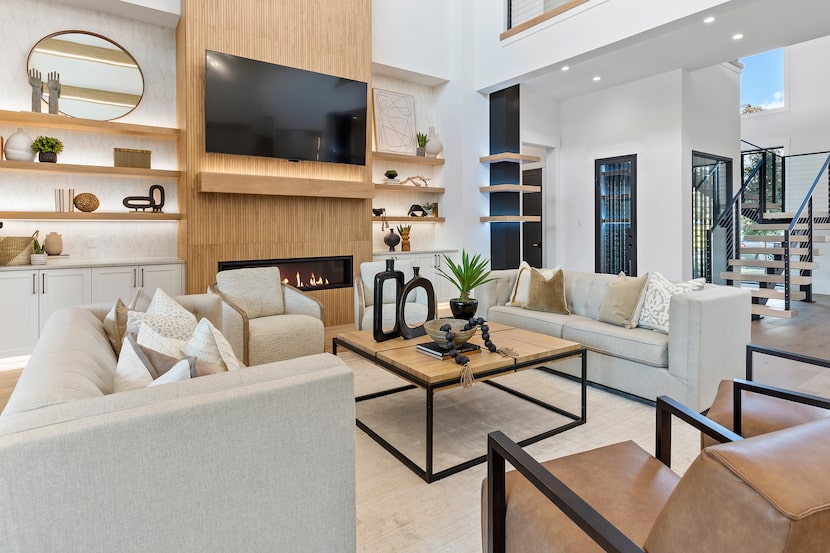
Maximize your home decor budget — here’s where Dallas designers splurge and save

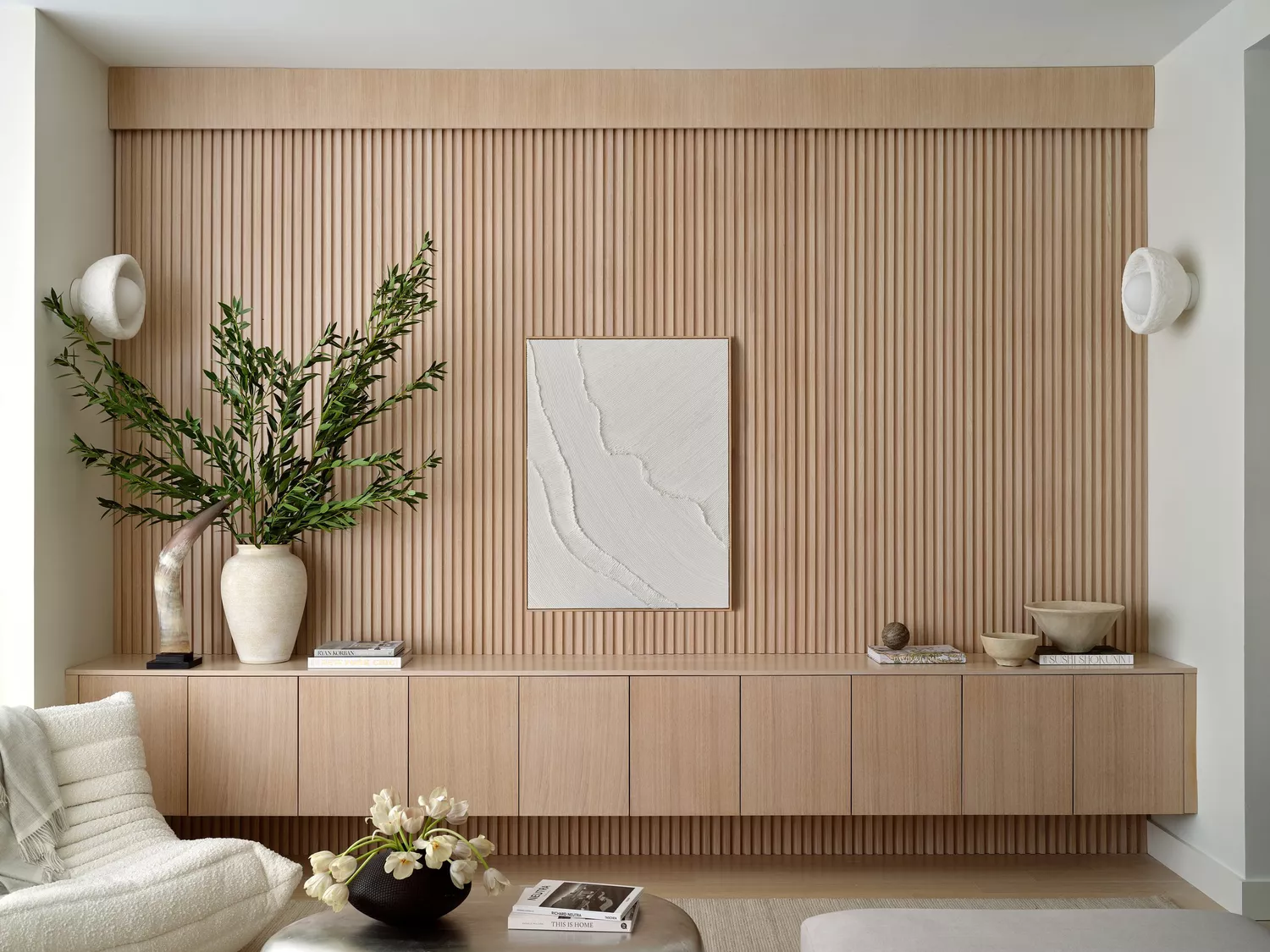
25 Minimalist Decor Ideas to Try At Home

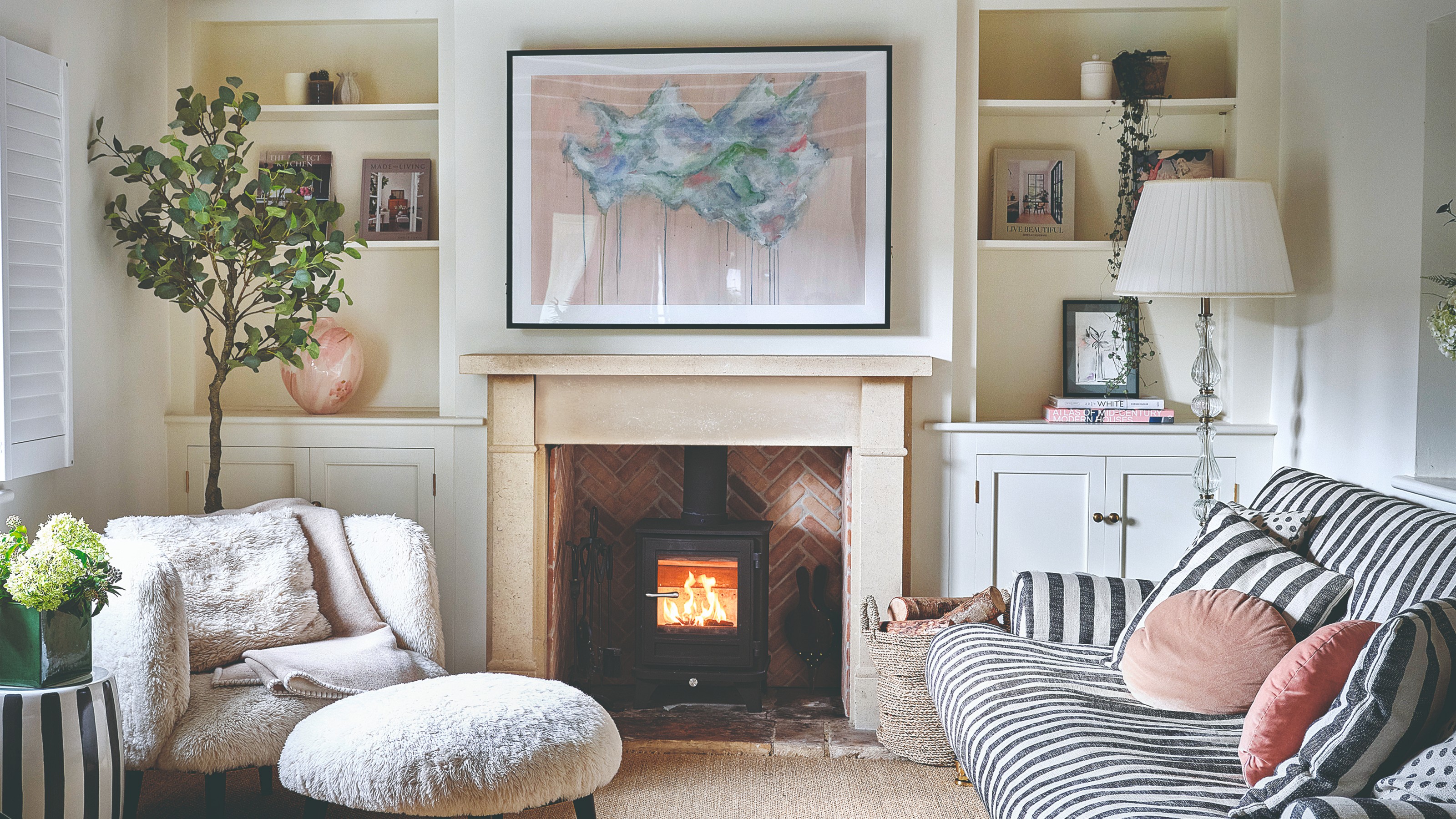
Budget decorating ideas – 32 ways to give your home a fresh new look without breaking the bank
Small-Space Decorating Ideas for Making the Most of What You've Got
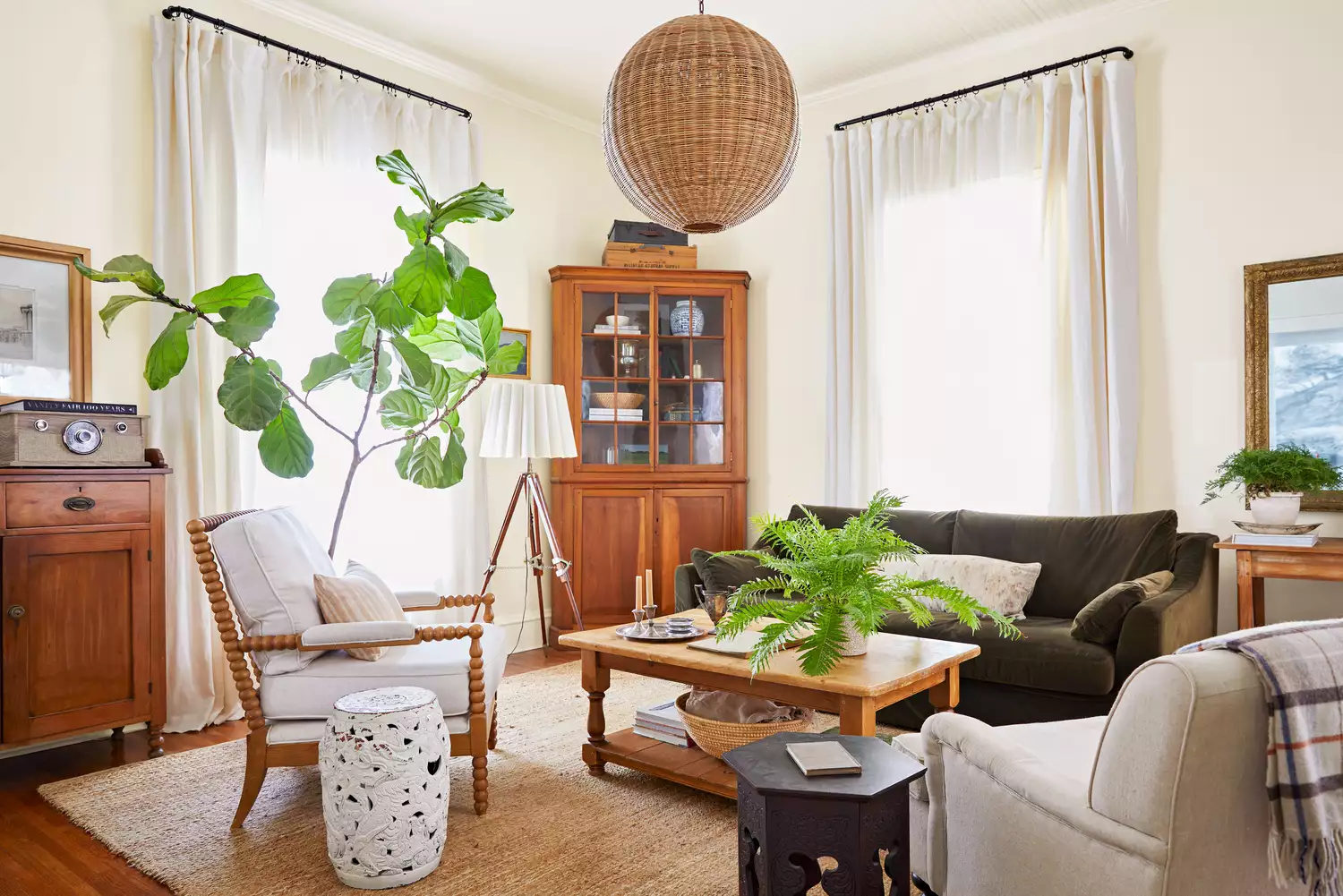
7 Living Room Items Not Worth Splurging On, According To Designers
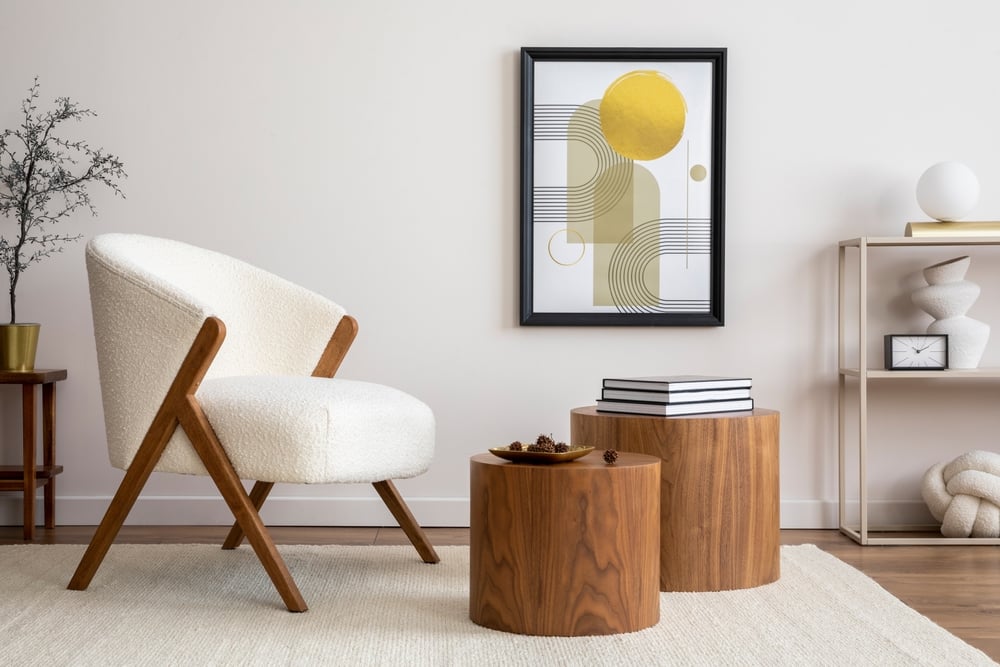
Everything You Need to Know About Staging Your Home on a Budget

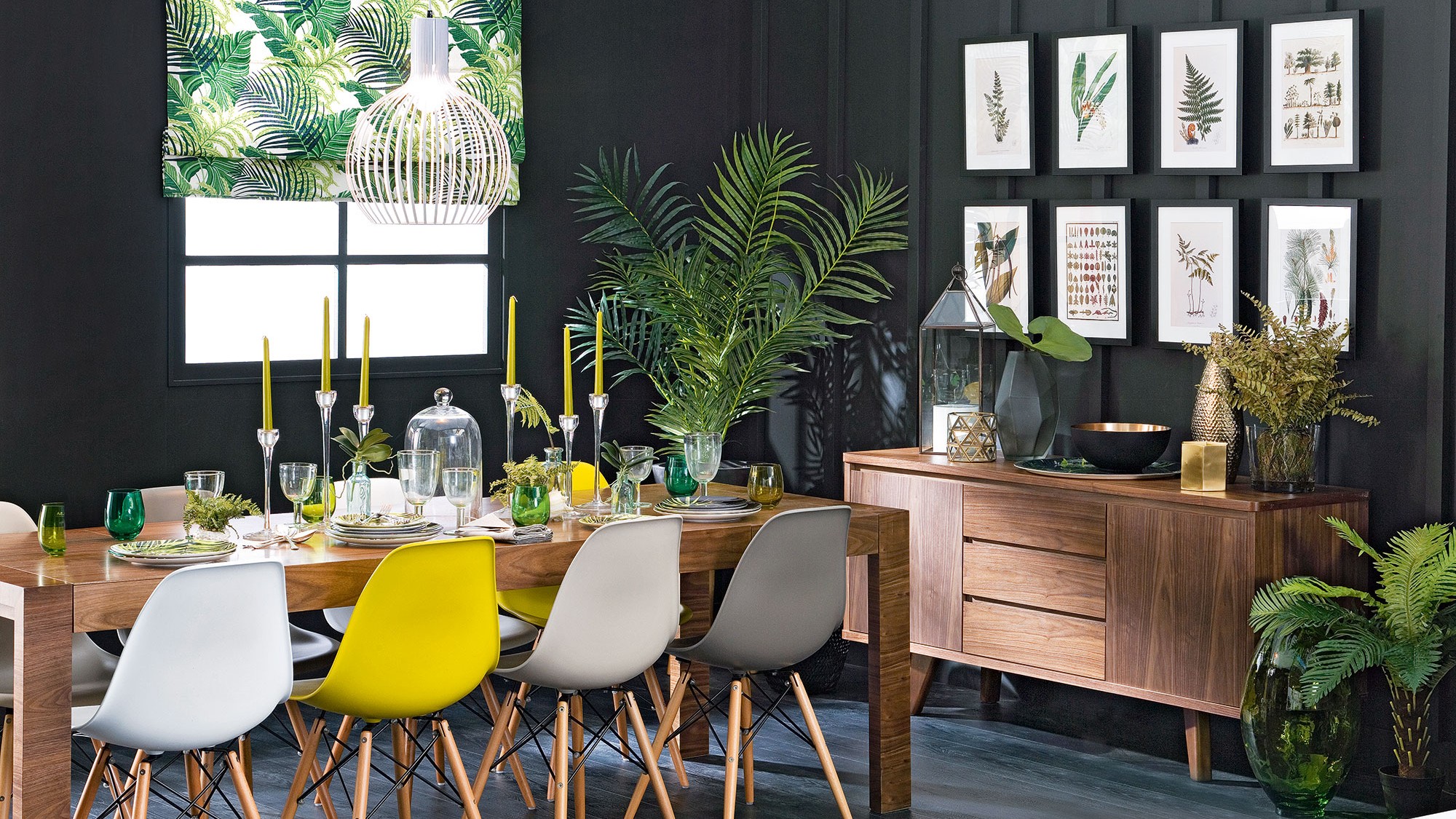
Budget dining room ideas – serve up fresh decor looks on a shoestring
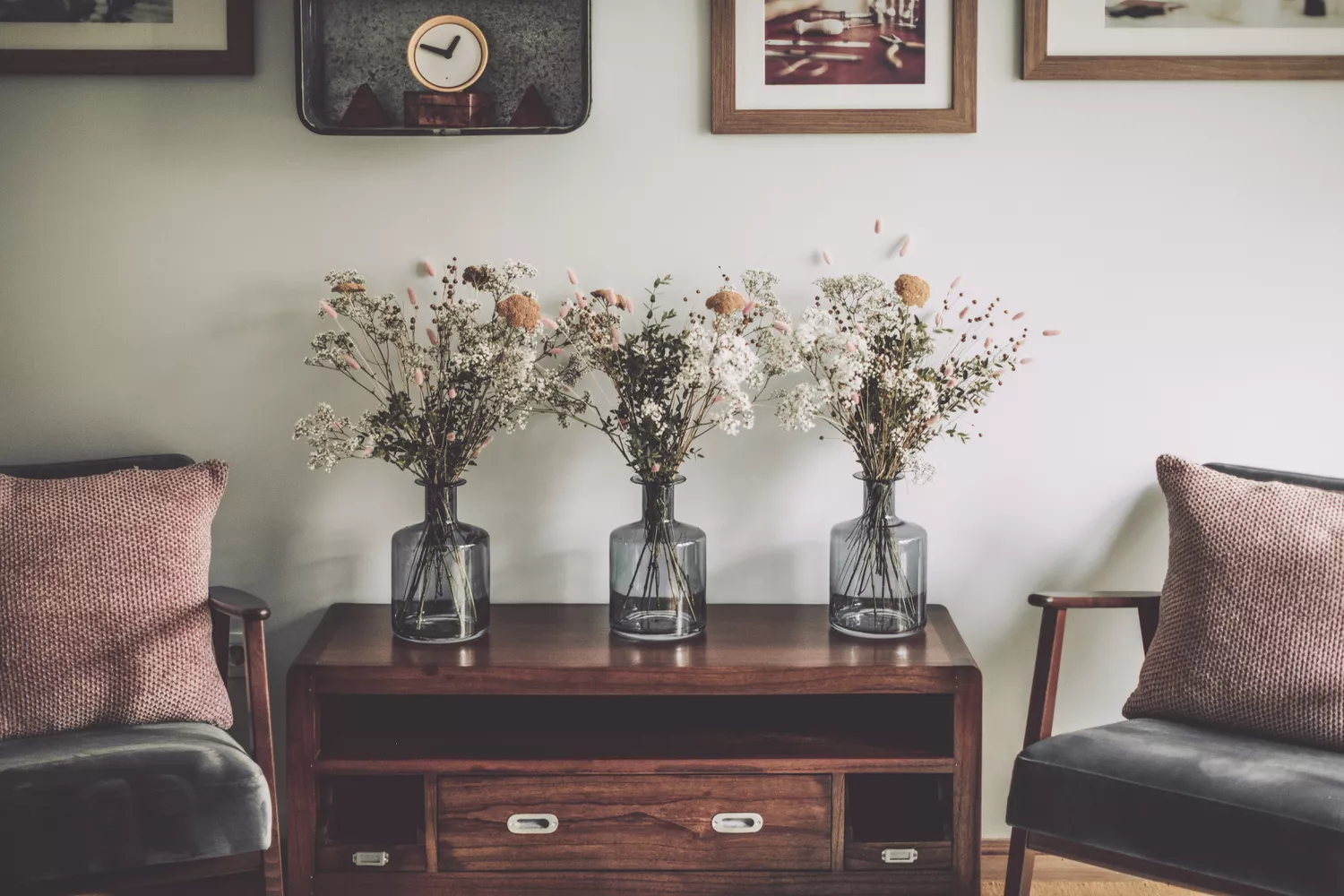
7 Affordable Decor Ideas That Make Your Home Look Expensive, According to Designers

Get a High-End Look on a Dime With These 50 Home Décor Items Under $100
The Best Minimal Decor Ideas for a Streamlined Home
9 Luxury Home Decor Hacks For Less

This Is My Hack for Creating One of 2025's Biggest Decor Trends on a Budget
Budget Christmas decorating ideas – 44 ways to create a festive atmosphere at home without breaking the bank
This One Budget-Friendly Decor Can Refresh Your Whole Living Room—for Under $25

18 Cheap Decor Ideas That Look Expensive

24 Cheap Decor Finds That’ll Make Your Home Look Expensive
30 budget décor ideas for less than £100 | loveproperty.com

Interior designers share 12 ways to make your home look better without buying anything