How to Get a Refund on Your Water Bill If You Have a Leak
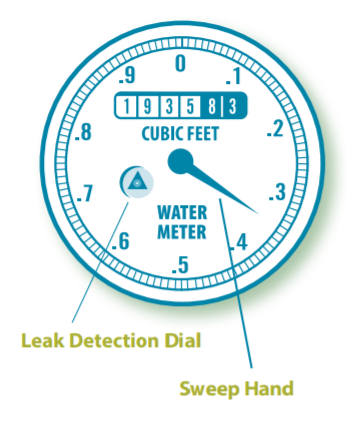
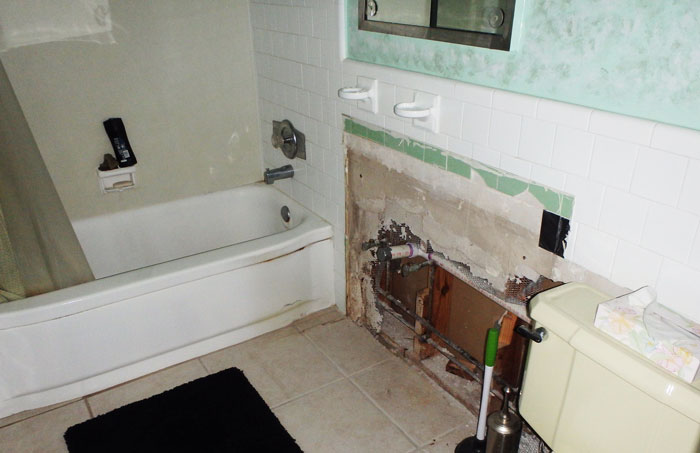
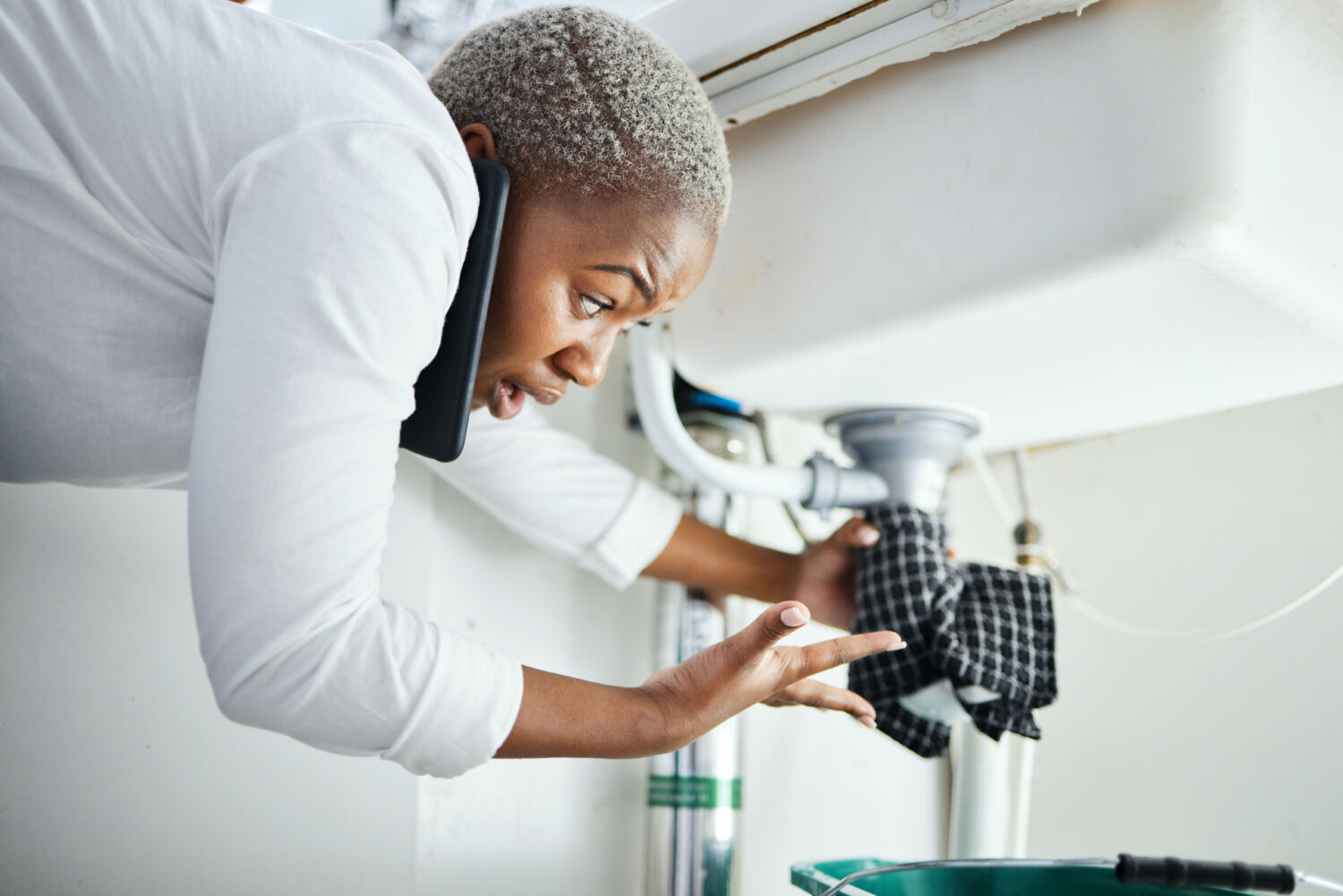
Water leaks in residential properties can lead to significant financial waste, with the Environmental Protection Agency (EPA) estimating that the average household loses over 10,000 gallons of water annually due to leaks. This wasted water often translates into unexpectedly high utility bills, prompting homeowners to seek recourse. Many cities and municipalities nationwide have established programs and policies, driven by goodwill or government regulations, to help customers recover costs associated with leaks. These programs acknowledge that leaks are an unavoidable part of homeownership and aim to maintain positive customer relations while encouraging timely repairs.
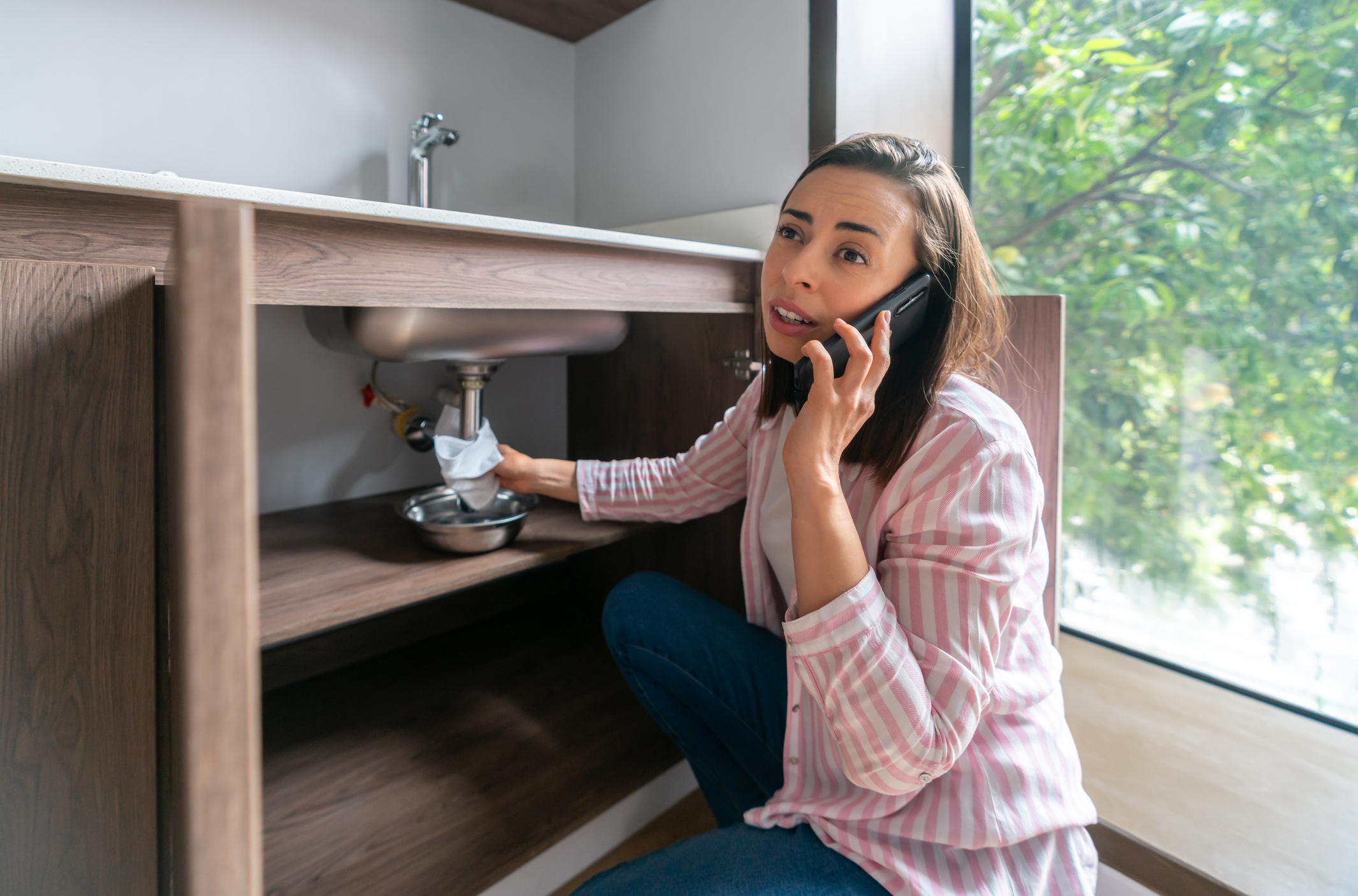
To qualify for a leak adjustment or refund, homeowners typically need to contact their water utility's customer service department or submit a specific form, often available on the agency's website. The process usually requires proof of repair, such as a plumber's invoice or receipts for parts purchased for DIY fixes. In some instances, particularly with properties equipped with automated meter readers (AMR), written proof may not be strictly necessary, as the utility can verify the repair through subsequent meter readings. Utilities often review several months of billing history to determine the extent of the overage caused by the leak and then reimburse a percentage of that excess amount.
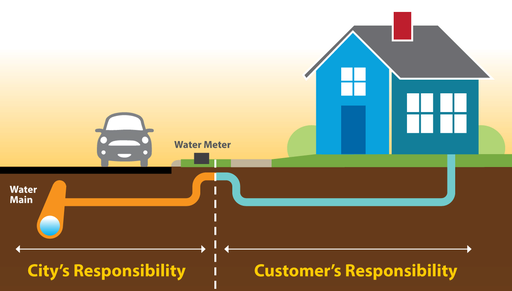
The eligibility and extent of refunds can vary based on the utility's specific policy and the nature of the leak. Some policies differentiate between underground leaks, outdoor leaks that don't affect the sewer system, and indoor leaks like running toilets that do. Many utilities implement limits on how frequently customers can claim refunds, such as once every 12 months or every two years. Larger metropolitan water providers are generally more likely to offer these adjustments due to their greater financial capacity and desire to foster good customer relationships, while smaller utilities may have tighter financial constraints.
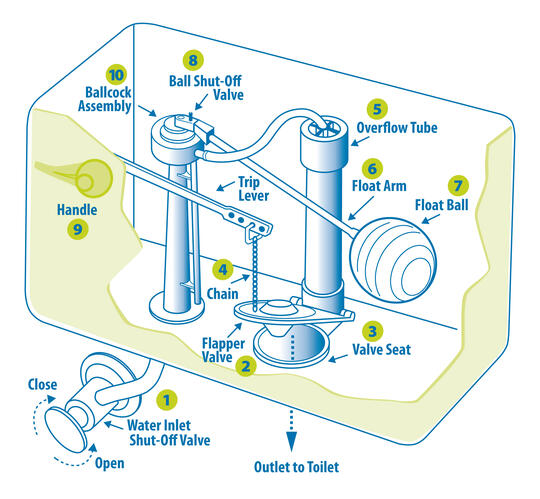
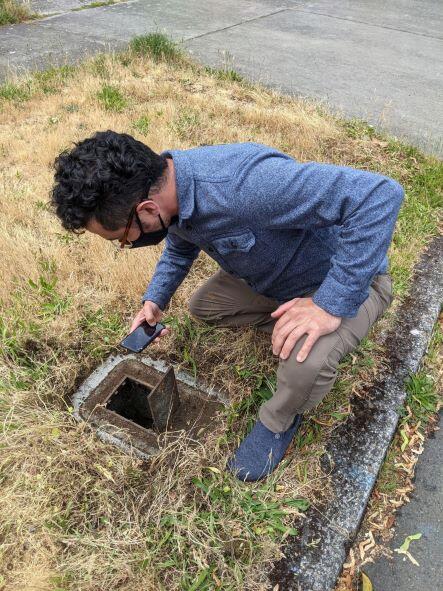
Proactive measures are also being adopted by some water authorities. For example, the City of Concord Water Resources in North Carolina offers a "Water Loss Protection Program" for a small monthly fee, providing a 100% leak adjustment once every 24 months. Customers can opt out, but doing so forfeits their eligibility for future adjustments. Technology also plays a role in leak detection and prevention. The Beaufort-Jasper Water & Sewer Authority, serving a large customer base in South Carolina, offers an app called EyeOnWater. This app allows customers to monitor their water usage in real-time and receive alerts about potential leaks, which is particularly beneficial for owners of vacation homes who may not be on-site to notice issues immediately. Common leak sources include faulty toilet flappers, broken hoses, aging pipes, and accidental damage during digging.
Regardless of the utility's specific policy, the overarching recommendation for homeowners is to promptly and properly repair any detected leaks. This not only conserves water but also positions them favorably for receiving a refund. Adjustments are typically processed once the water authority confirms the leak has been fixed and water consumption returns to normal levels. The EPA highlights that household leaks collectively waste over one trillion gallons nationwide annually, underscoring the environmental and financial importance of addressing these issues.
#WaterBill #LeakRefund #HomeMaintenance #WaterConservation #UtilityPolicies #HouseholdLeaks #PersonalFinance #HomeImprovement #WaterBill #LeakRefund #HomeMaintenance #WaterConservation #UtilityPolicies #HouseholdLeaks #PersonalFinance #HomeImprovement
0 comment in total
 No comments yet
You may also like
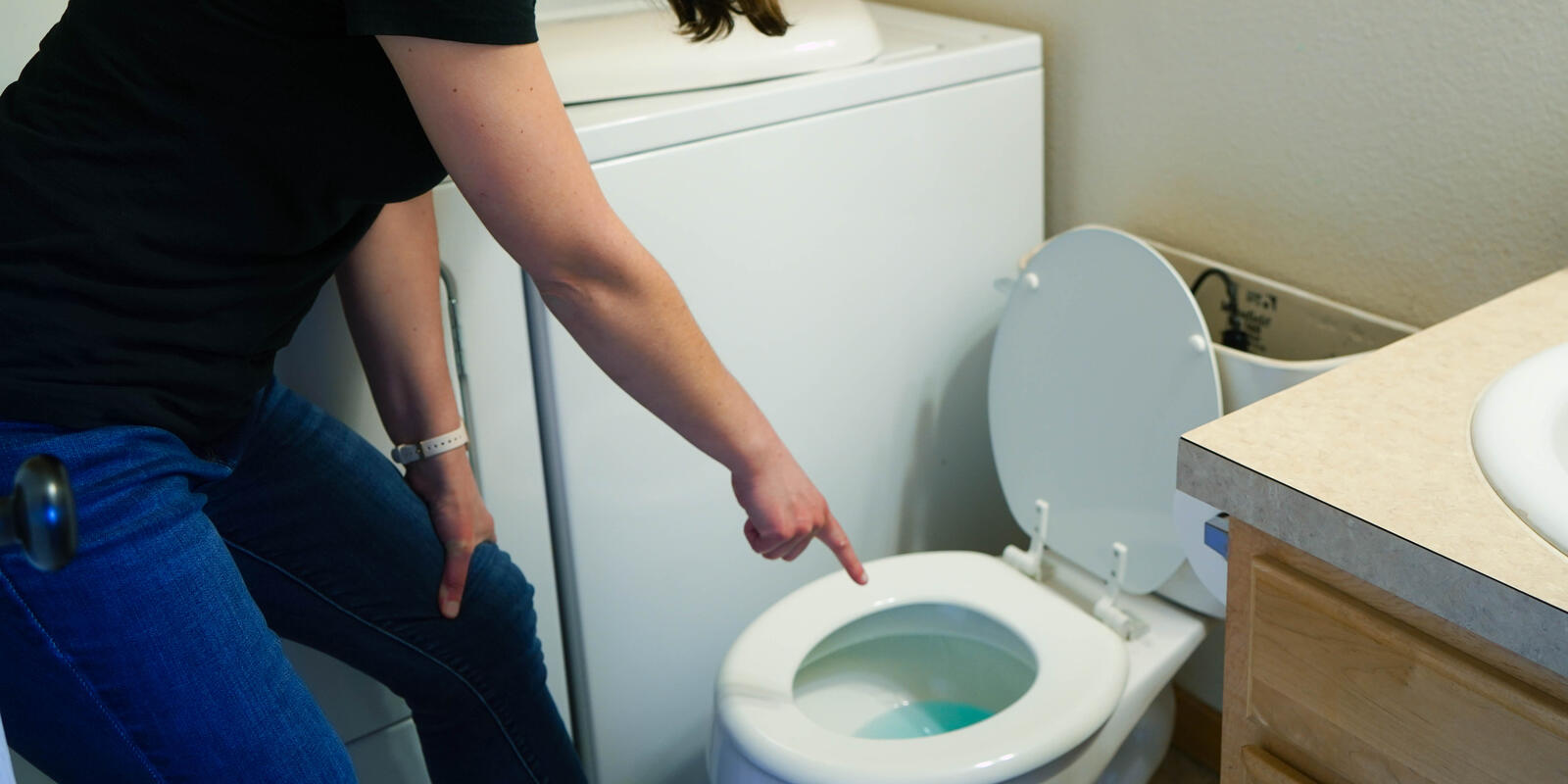
How to catch a running toilet

5 common types of water damage to your home – and how to fix them


Water leaking through your lights? An electrician tells you what to do
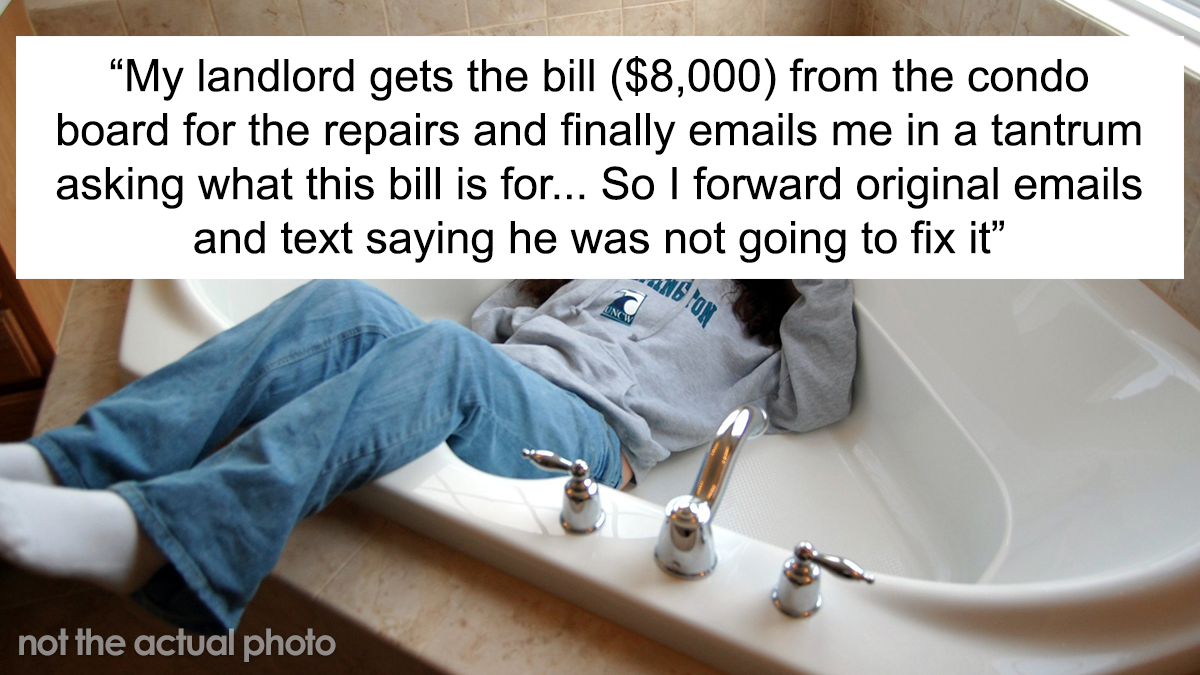
Landlord Refuses To Fix A Leak, Gets A $8,000 Bill To Repair The Damage That The Water Did To Other Apartments
Stories from the Home Water Leak Repair Program
Why Is Water Dripping from My Bathroom Fan?

Unusually high bill? You might have a leak.
Save Water & Money – Fix a Leak Week & FREE Water Conservation Kits
How to get block managers to fix a water leak fast?

How to spot home water leaks in time for repairs
Water Leak Repair Program Stories: Suzanne
Ask Sam: What can I do if my landlord refuses to fix a bathroom leak?