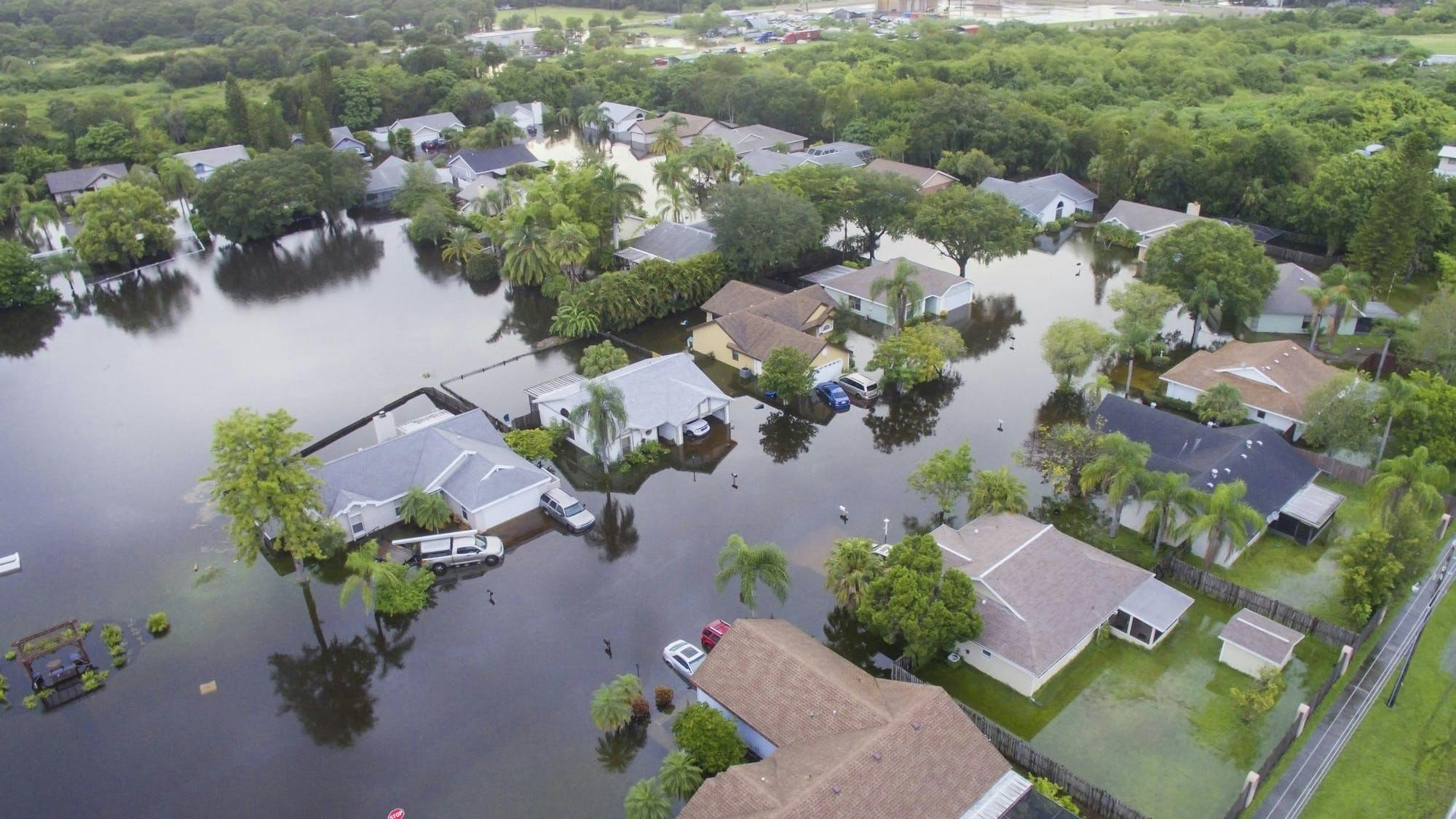
Durable Plumbing for a Climate-Resilient Future
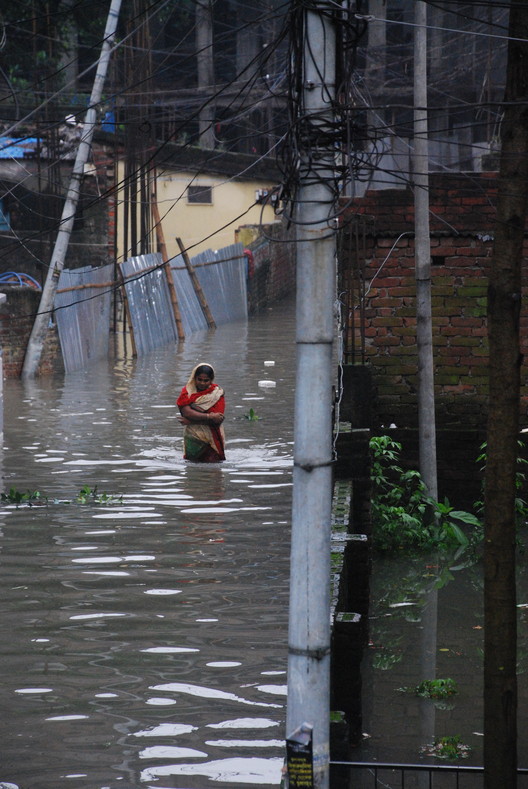
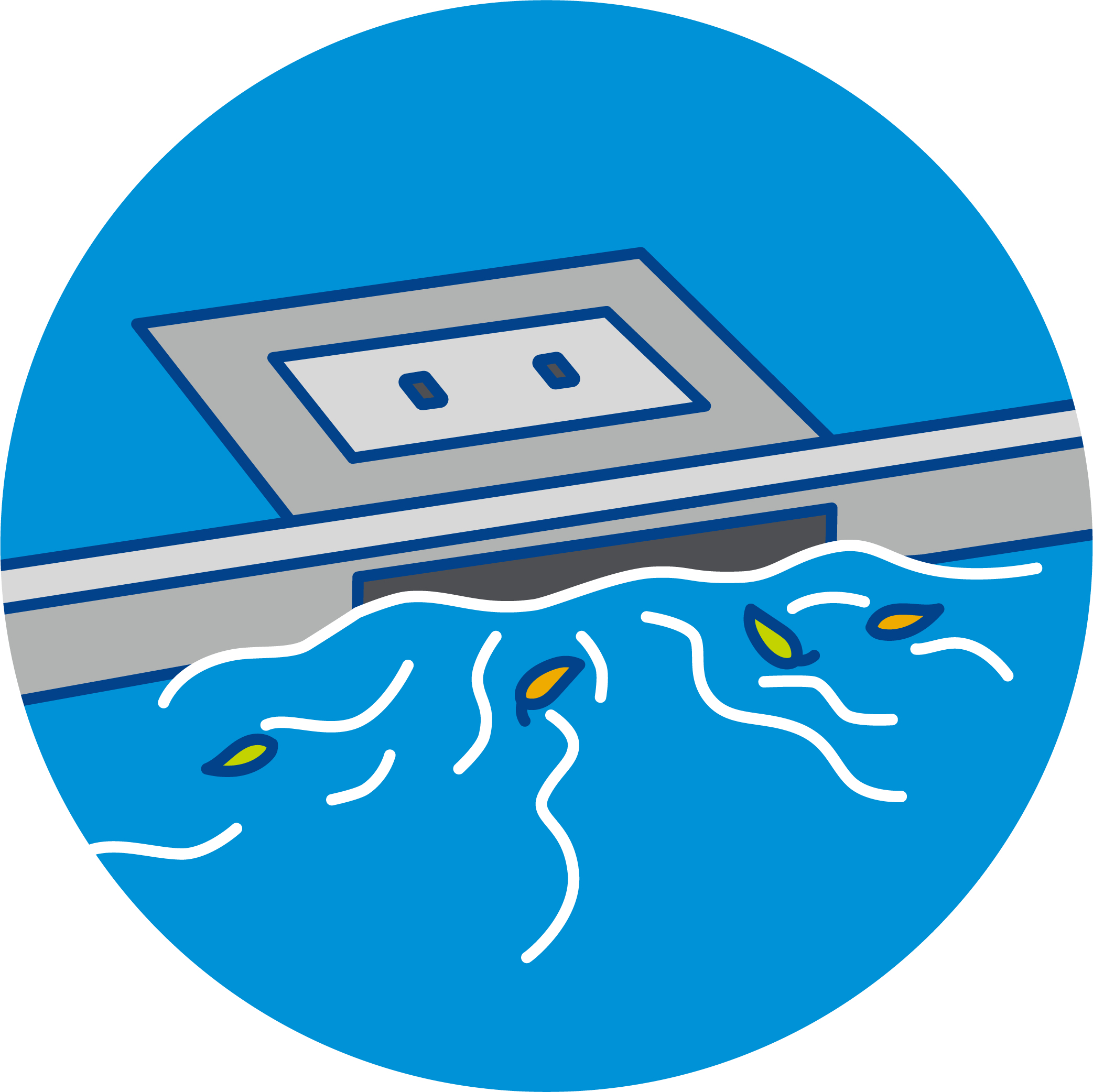
Climate change poses significant threats to the structural integrity and functionality of plumbing systems, necessitating adaptation and resilient design. This includes vulnerability to flooding, freezing temperatures, and saltwater intrusion. Flooding, intensified by heavy rainfall, can overwhelm municipal drainage systems, leading to property inundation, clogged drains, damaged electrical appliances, and sewer backups that expose occupants to pathogens. Urban areas are particularly susceptible due to reduced green spaces. Paradoxically, anthropogenic global warming also contributes to extreme cold snaps by altering Arctic ice patterns, making plumbing systems vulnerable to freezing and bursting pipes, especially in regions unaccustomed to subzero temperatures.
Rising sea levels along coastlines, projected to increase by 10-12 inches by 2050 in the U.S., exacerbate coastal flooding. This leads to the erosion of building materials, disruption of public services, and contamination of drinking water sources through saltwater intrusion. East Coast cities like Sewells Point, Boston, Galveston, Battery, Atlantic City, Lewes, and Bar Harbor, as well as West Coast cities like Los Angeles, San Diego, and Seattle, are experiencing more frequent coastal flooding events.
To address these challenges, plumbing professionals can adopt several strategies to make systems more climate-resilient. Firstly, following advanced building standards is crucial. While existing codes provide a baseline, many do not fully account for long-term climate change impacts. Professionals should study updates from organizations such as the American Society of Civil Engineers, ASTM International, the International Code Council, the International Association of Plumbing & Mechanical Officials (IAPMO), and the National Fire Protection Association. Florida's Senate Bill 4-D, passed in response to the Surfside condominium collapse, exemplifies a legislative effort to improve building resistance to severe storms, serving as a model for other regions.
Secondly, using corrosion-resistant pipes is essential, particularly in coastal areas. Plastic options like chlorinated polyvinyl chloride and cross-linked polyethylene are suitable for water supply lines, while polyvinyl chloride is effective for wastewater. Among metal options, cast iron is known for its resistance to saltwater corrosion, and galvanized steel offers durability, though its zinc coating can corrode faster in warmer seawater.
Thirdly, specializing in advanced grey water treatment systems offers both sustainability and climate resilience. While basic grey water recycling is eco-friendly for outdoor irrigation, treated systems with coarse-to-fine filters can eliminate fecal matter and use ultraviolet light to kill pathogens. This produces clean grey water suitable for both indoor and outdoor uses, significantly conserving potable water.
Finally, installing water-efficient fixtures is vital for regions experiencing prolonged dry spells and heat waves, such as the American West. The aridification of the Colorado River basin and the depletion of Lake Mead and Lake Powell highlight the urgent need for water conservation. Implementing green plumbing staples like low-flow faucets and showerheads, smart showers, dual-flush toilets, and front-loading clothes washers can dramatically reduce water consumption, contributing to overall water security and resilience against dwindling resources. For example, an efficient washing machine can save 27 gallons per load, demonstrating the cumulative impact of such measures. By integrating these strategies, construction professionals can build more durable and adaptable plumbing designs to mitigate the effects of climate change.
#ClimateChange #PlumbingSystems #ClimateResilience #WaterConservation #FloodPrevention #CorrosionResistance #GreyWaterTreatment #BuildingStandards #ClimateChange #PlumbingSystems #ClimateResilience #WaterConservation #FloodPrevention #CorrosionResistance #GreyWaterTreatment #BuildingStandards
0 comment in total
 No comments yet
You may also like
Living with water: four buildings that will withstand flooding

Enhancing Climate Sustainability through Biophilic Design
Strategic Hardscaping Can Make Your Outdoor Space More Sustainable—Here’s How

Navigating the Challenges of Retrofitting Plumbing Systems in Older Commercial Buildings
How Can Architecture Combat Flooding? 9 Practical Solutions

10 Start-ups Creating Innovative and Sustainable Building Materials, from Mycelium Bricks to Water Purifying Tiles
Plumbing Technology Trends for 2024
flood proof house by studio peek ancona
5 reasons why floating development is set to take the world by storm

70 Years of Plumbing Innovation
10 Innovative Materials Poised to Make Home Building More Sustainable

Geothermal heat pumps for sustainable living.
Choosing the Right Supplies for Commercial Plumbing Jobs: A Contractor’s Guide

Drainage system
How a Montrose Company Turns Reservoir Sediment into Gorgeous Tile

7 Sustainable Flooring Options Bathroom Designers Are Choosing to Make Their Projects More Eco-Friendly

Building with High Thermal Mass in a Hot, Humid Climate
Top trending #sustainableliving materials to use in your bathroom

The latest and greatest innovations in sustainable building materials
Tag: climate