1/7
Against the Pyramids of Giza, Vhils’ Etched Portraits Are Monuments of the Everyday
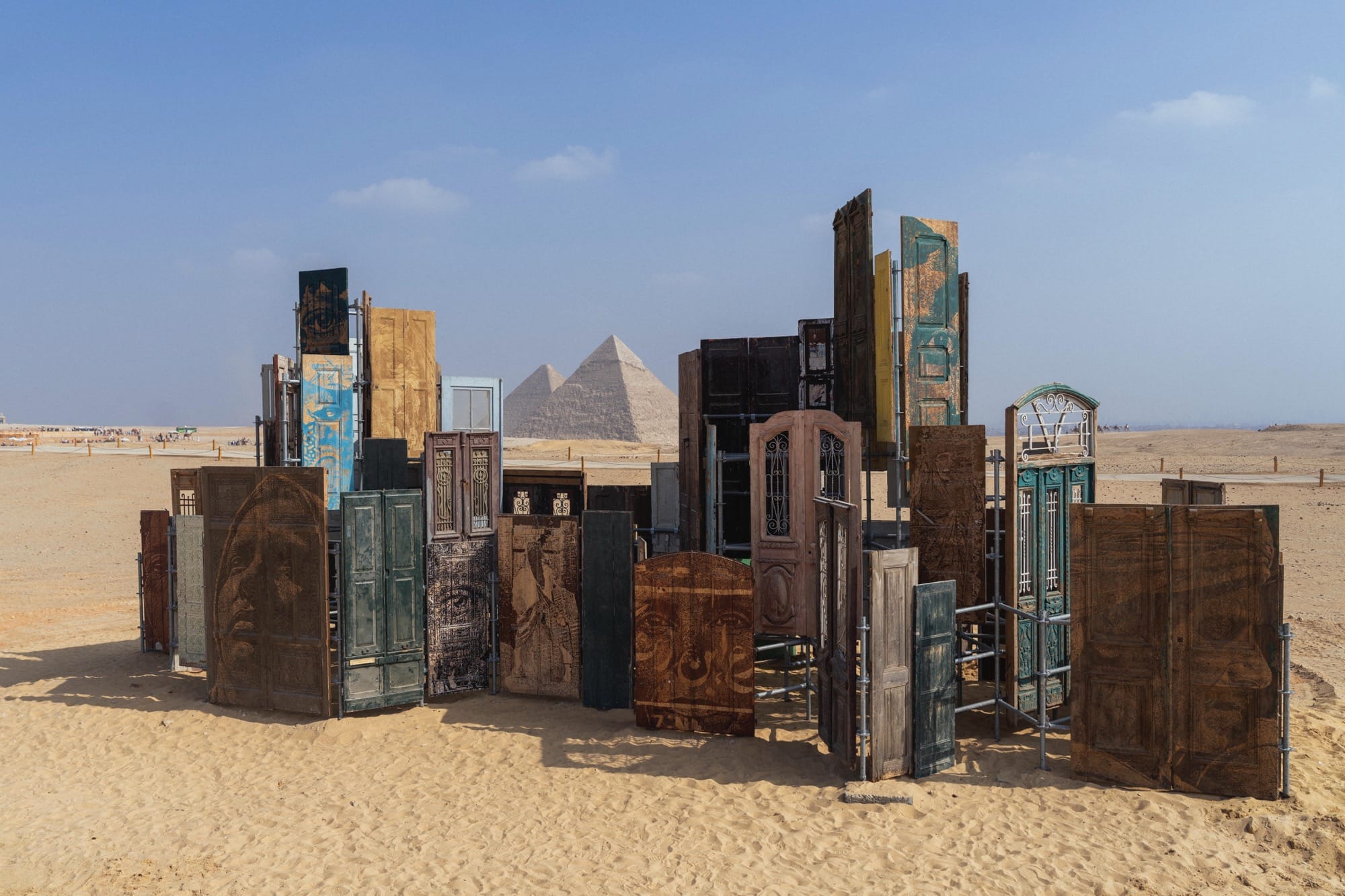
The Portuguese artist Alexandre Farto, known as Vhils, has unveiled a new site-specific installation titled "Doors of Cairo" set against the backdrop of the Pyramids of Giza. This work features a collection of his signature etched portraits on 65 repurposed doors, exploring themes of intimacy, memory, and the transient nature of human imprints on the world. The installation draws a poignant contrast between the eternal monuments of the ancient Egyptian kings and gods and the temporary nature of his artwork, made from salvaged wood and intended to disappear after its exhibition period. Vhils emphasizes that both endeavors stem from the same fundamental human impulse to build, remember, and leave a trace.
"Doors of Cairo" is part of the fifth *Forever Is Now* project, an ongoing exhibition curated by Art D’Égypte with the support of UNESCO. Vhils is the first Portuguese artist to be invited to participate in this prestigious initiative. The 65 doors used in the installation were sourced from demolition sites and renovation projects in both Portugal and Egypt, physically connecting the artist's homeland to the historic site. Each door carries visible traces of its former life, such as chipped paint, scuffed surfaces, and faint fingerprints, which contribute to the layered narrative of the artwork.
The etched portraits depicted on the doors are not of specific individuals but serve as symbolic representations of people across time and communities. Vhils explains that a single face can embody an individual, a community, a generation, or a shared emotional landscape, highlighting the inseparable connection between people and places. He further elaborates that memory becomes embedded in matter, and identity is constructed from numerous invisible layers, echoing the historical weight carried by the ancient pyramids.
The creation process involved six months of carving in Vhils' studio, including the development of a smaller, sculptural version that will outlast the outdoor installation. On-site, Vhils spent three days shaping and reshaping the composition of the doors, allowing the installation to evolve intuitively, guided by the scale, texture, and rhythm of the individual pieces. This organic approach underscores the dialogue between the everyday objects and the eternal monuments.
Vhils describes the project as a conversation between the ordinary wooden doors of everyday lives and the enduring stone pyramids that have witnessed countless civilizations. This juxtaposition serves as a reminder that even temporary creations can hold significant historical and emotional weight. "Doors of Cairo" is on display through December 7, offering visitors a unique perspective on human endeavor and legacy amidst one of the world's most ancient wonders. The installation encourages contemplation on how humanity marks its existence and the varying scales and durations of these imprints.
#Vhils #PublicArt #InstallationArt #EtchedPortraits #GizaPyramids #EgyptArt #SiteSpecificArt #ArtDÉgypte #CulturalHeritage #Vhils #PublicArt #InstallationArt #EtchedPortraits #GizaPyramids #EgyptArt #SiteSpecificArt #ArtDÉgypte #CulturalHeritage
 No comments yet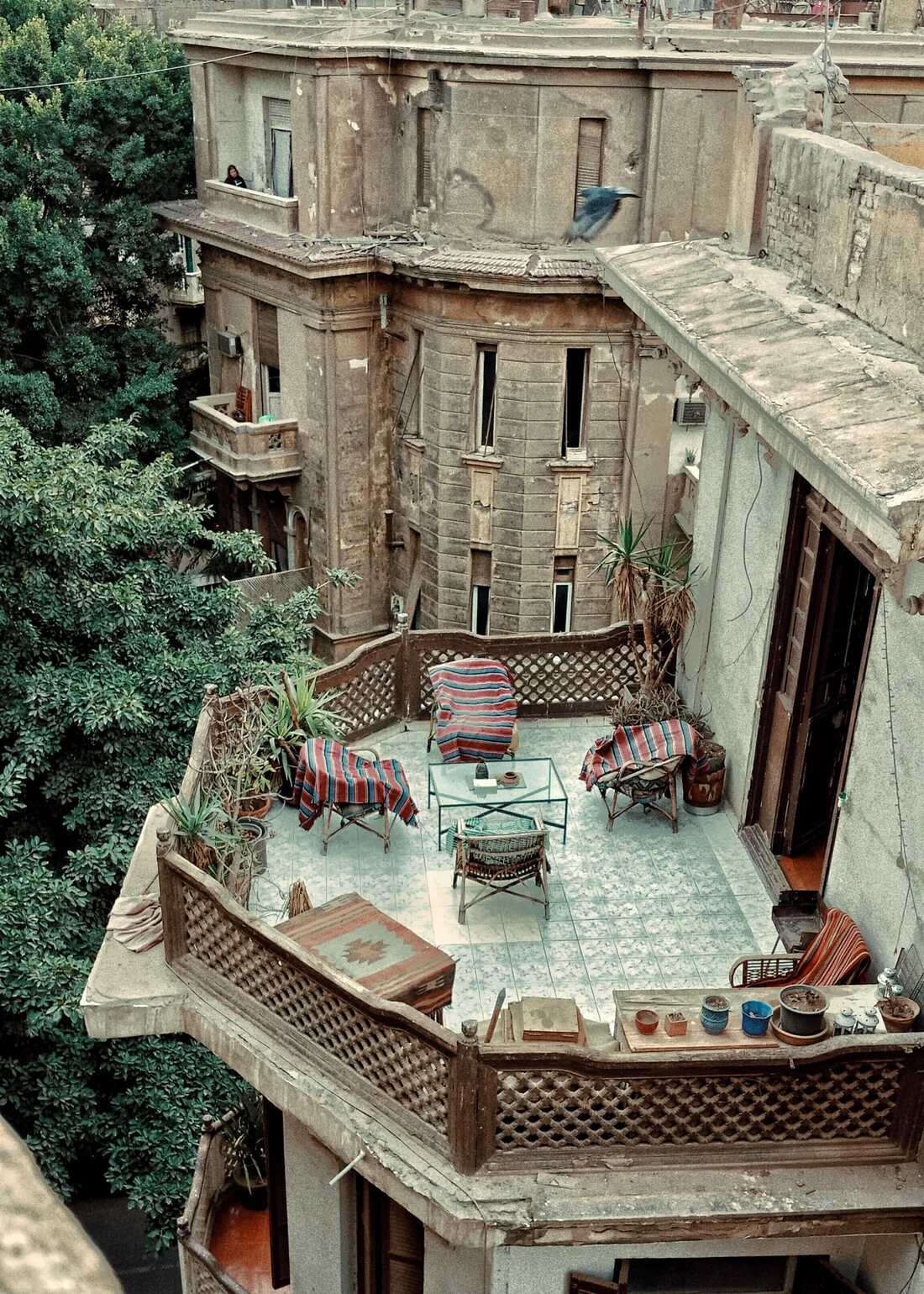
These dreamy photos of historical Cairo will transport you to another time
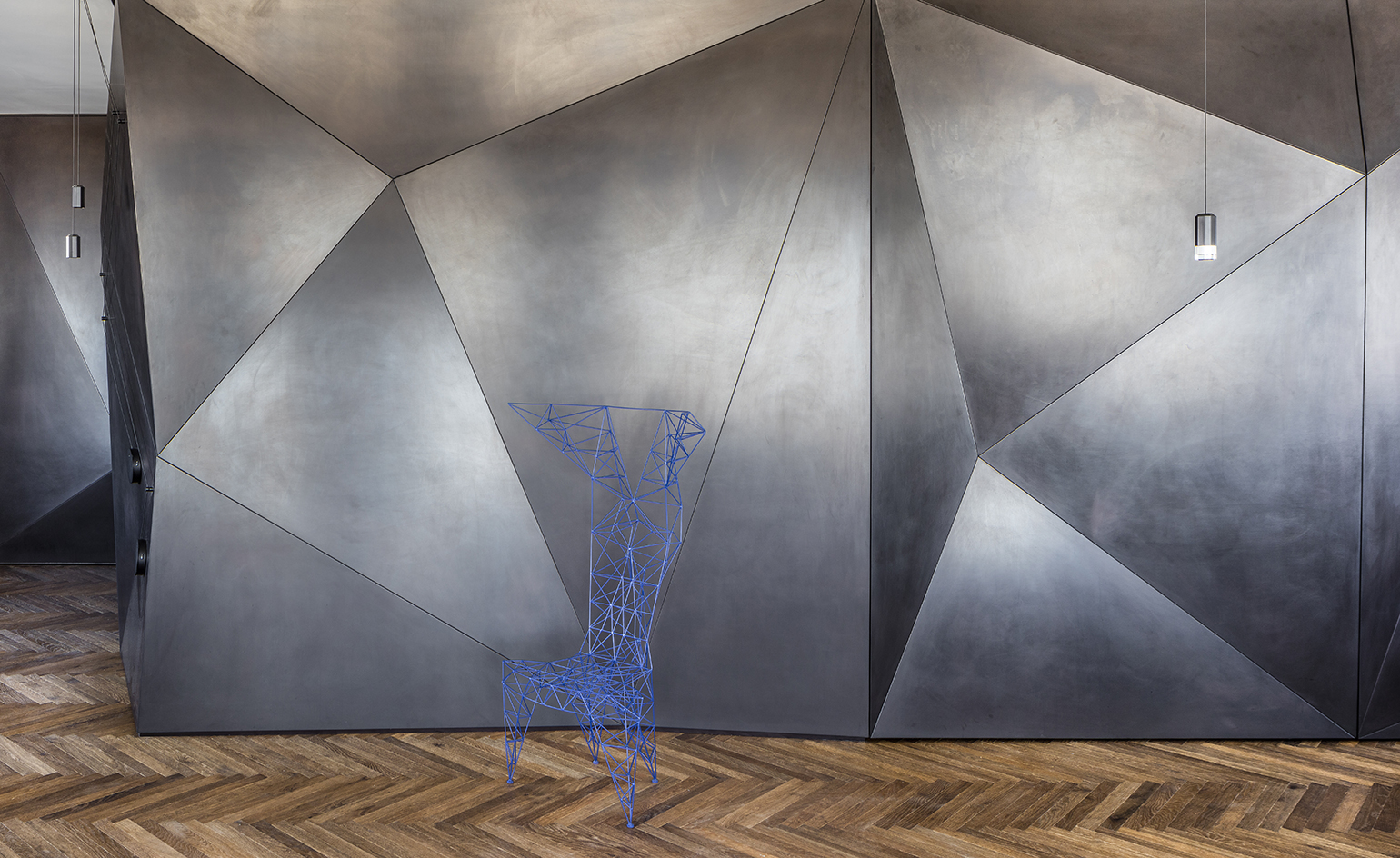
Origami art: Pitsou Kedem adds folded iron feature wall in Tel Aviv loft
Globally acclaimed artist and creator of new Parliament's iconic wall art on why sculptures are leading t

In an Eldridge Street mosaic, a reminder of a great Jewish artist


A Work of Art

The enduring art of Palestinian tiles