1/2
Freeholder forcing me to pay towards a new for roof?
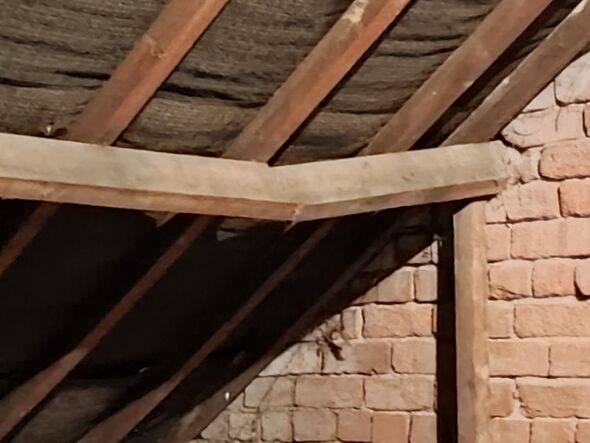
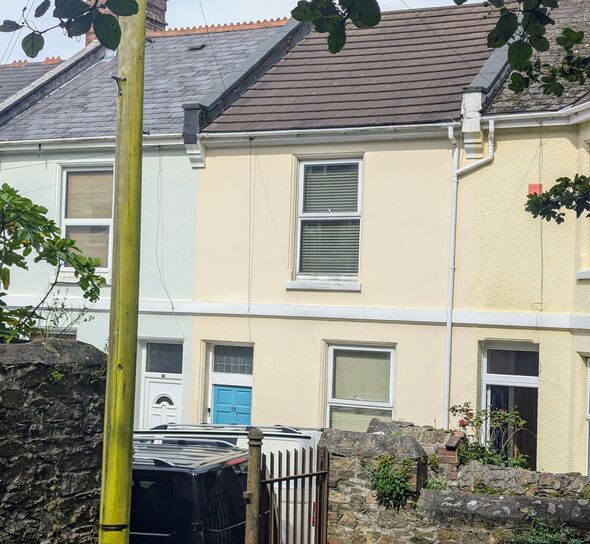
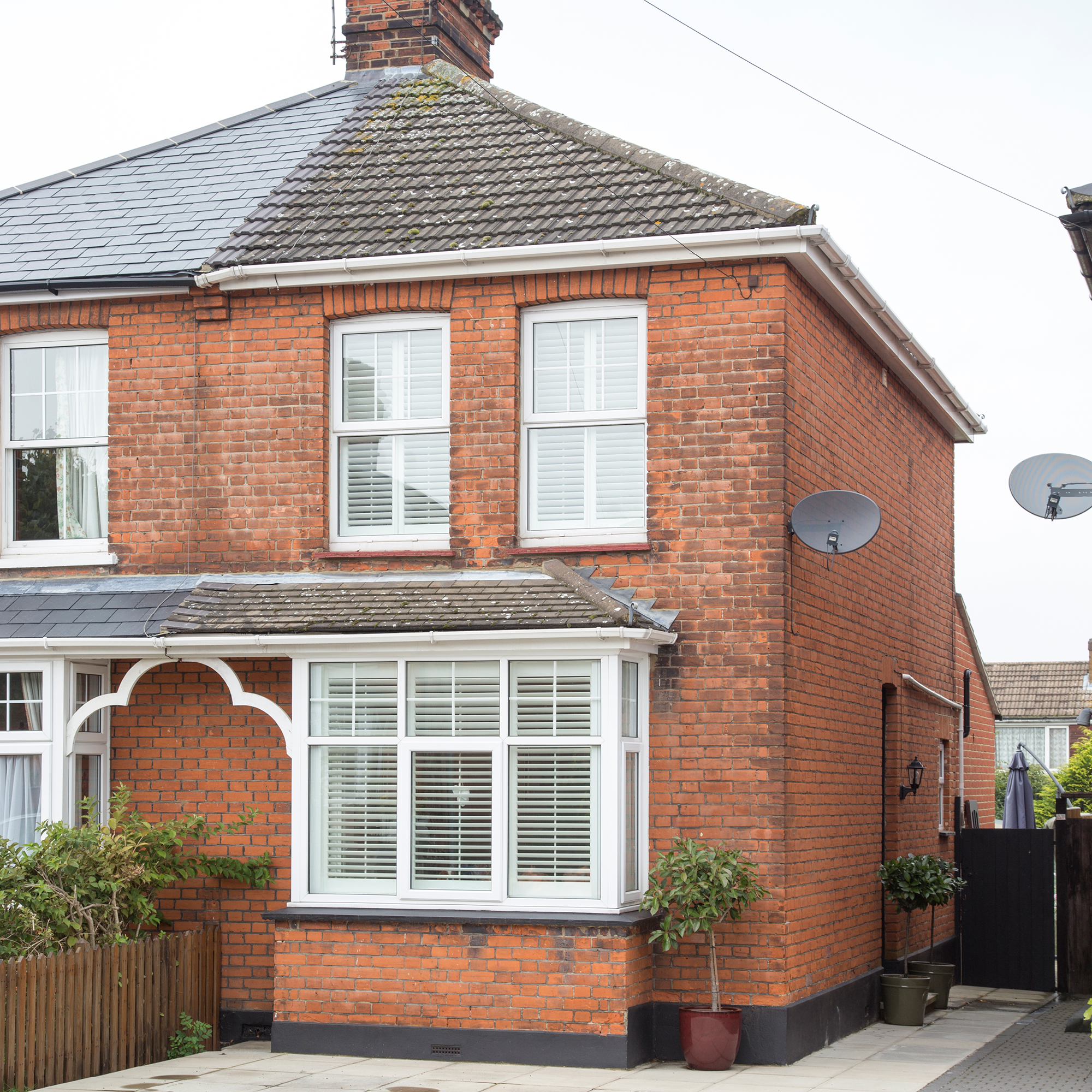
A landlord who owns a one-bedroom top-floor flat in a converted Victorian house for rent is facing a significant financial burden as the freeholder is demanding a payment of £6,500 for a full roof replacement. The roof has been a recurring problem for the past six years, causing numerous leaks, which the freeholders have only addressed with temporary 'patch-up' repairs. Now, the freeholder has obtained several quotes for a complete replacement of both the flat and tiled roof and has issued the necessary legal paperwork to all six landlords/flat owners in the building. The landlord is currently unable to afford the £6,500 share of the cost and anticipates not being able to secure a loan until at least September. The freeholder has stated that the work must be completed before the weather deteriorates and that it cannot commence until all payments are received upfront. The freeholder has warned that failure to pay would constitute a breach of the lease and has even suggested selling the flat.
Several commentators offered advice and insights into the situation. One commenter highlighted that the landlord had been aware of the roof issues for six years, questioning why they had not anticipated or prepared for such a major repair. This comment also inquired about the existence and adequacy of a repairs and maintenance fund, the fairness of the quotes obtained, the willingness of other leaseholders to contribute, and the specifics of the lease agreement regarding major repairs.
Another commenter emphasized the financial liabilities associated with owning a flat within a block, noting that roof repairs are a common shared responsibility. This person questioned the building's maintenance fund, annual fees paid by each flat, insurance arrangements, and administrative costs, suggesting that a well-managed building should have sufficient funds for such repairs. The same commenter noted that £6,500 for a roof replacement is a reasonable cost.
A different piece of advice centered on the Section 20 notice, a legal requirement for major works. It was noted that the freeholder must have issued a Section 20 notice, which provides leaseholders with the opportunity to obtain alternative estimates and make observations. If a Section 20 notice was not served, the freeholders may not have followed the correct legal process, potentially giving the landlord leverage. However, if the notice was properly served, the landlord is likely obligated to pay.
The consensus among several commenters was that the landlord is legally obliged to pay their share, provided the freeholder has followed the correct procedures, such as issuing a Section 20 notice. Suggestions for finding the funds included seeking a top-up on the mortgage, using a credit card, or borrowing from family. It was also stressed that freeholders are fulfilling their obligations by initiating necessary repairs and that property ownership, especially in a leasehold context, requires financial preparedness for such eventualities.
#BuildingMaintenance #FreeholderProblems #HousingRepairs #Leasehold #RoofRepair #VictorianHouse #LandlordAdvice #PropertyInvestment #BuildingMaintenance #FreeholderProblems #HousingRepairs #Leasehold #RoofRepair #VictorianHouse #LandlordAdvice #PropertyInvestment
0 comment in total
 No comments yet
You may also like
Rogue builders quoted over £15k for a repair job that cost £185 to fix - my lessons learnt
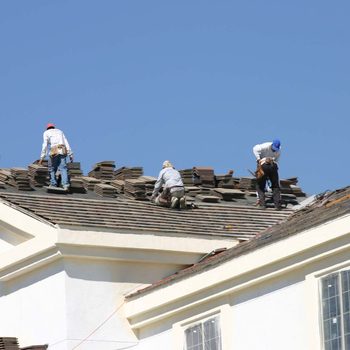
Roof Replacement Cost in 2025


A New Take on Insulating a Roof

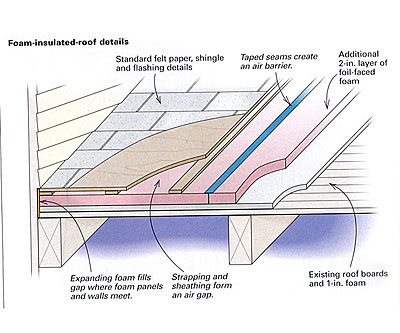
Upgrading a foam-insulated roof
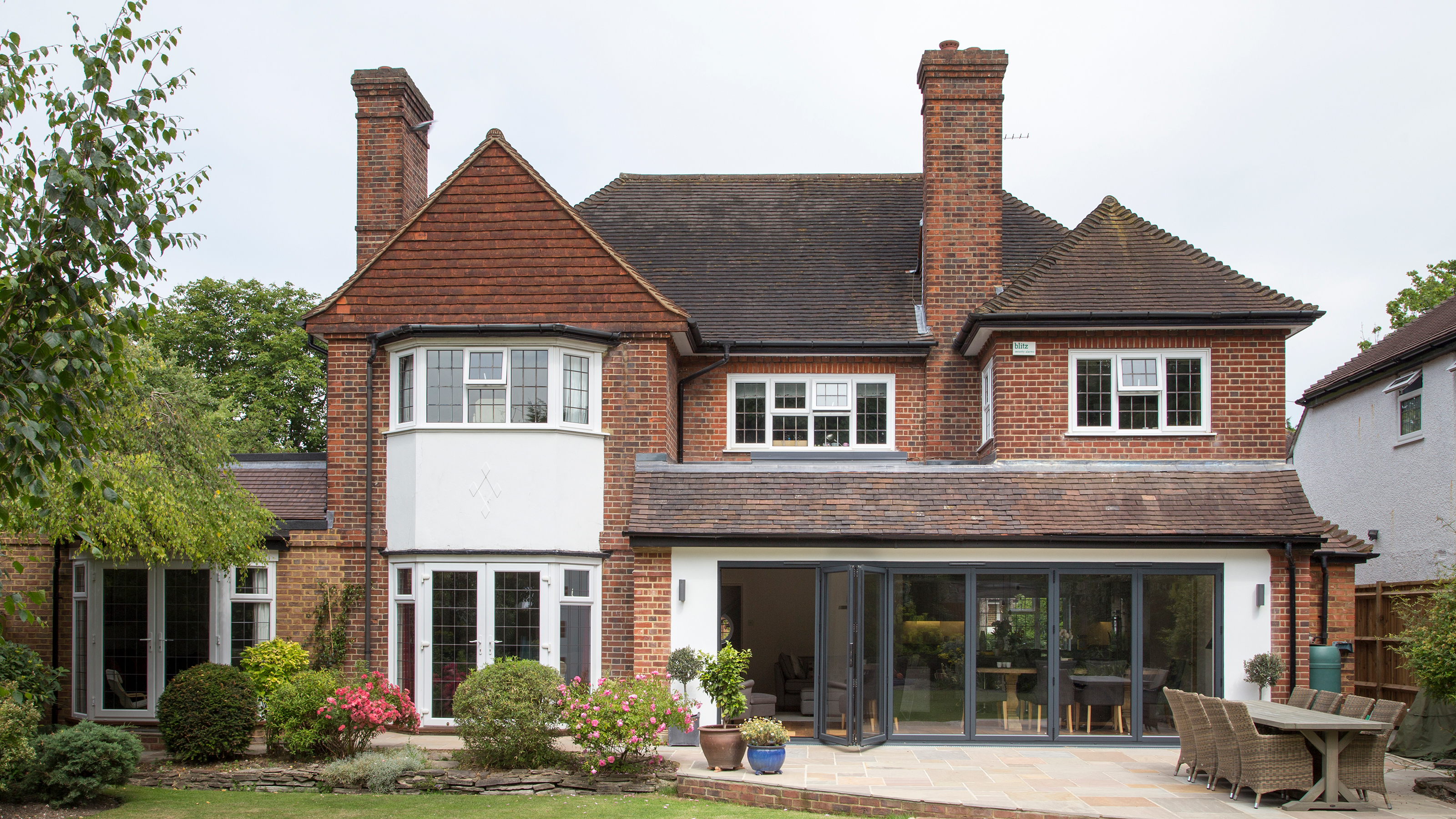
Replacing a roof – everything you need to know

Repair and replacement of HOA townhome roofs governed by declaration of covenants

Poliakoff: Townhome owner can compel neighbor to repair shared roof
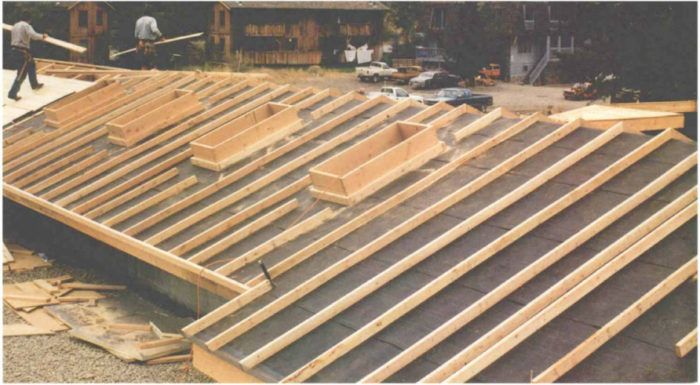
Framing a Cold Roof
What to do When You Have Roof Damage From Hail