Poliakoff: Townhome owner can compel neighbor to repair shared roof
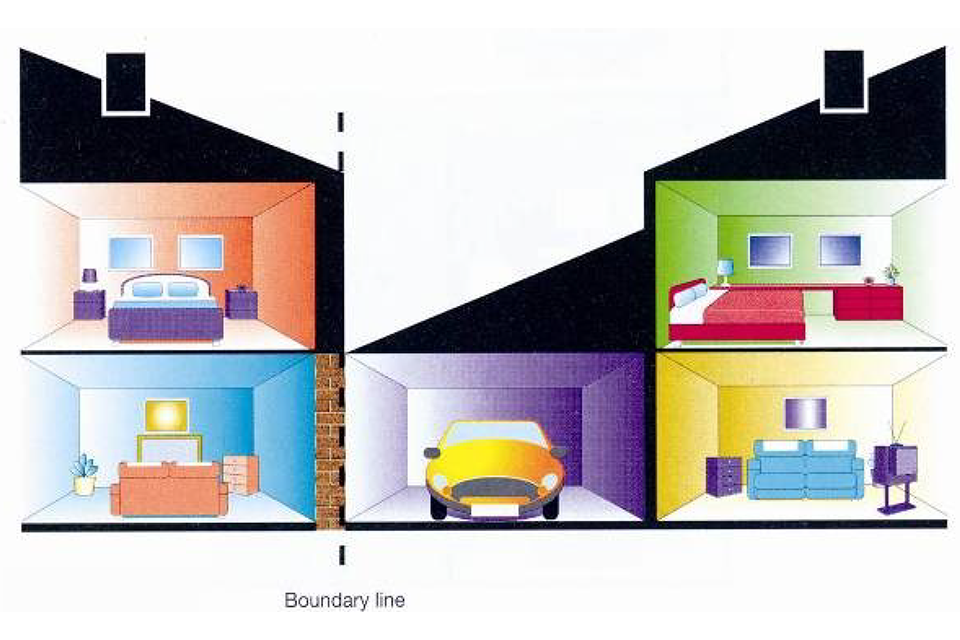
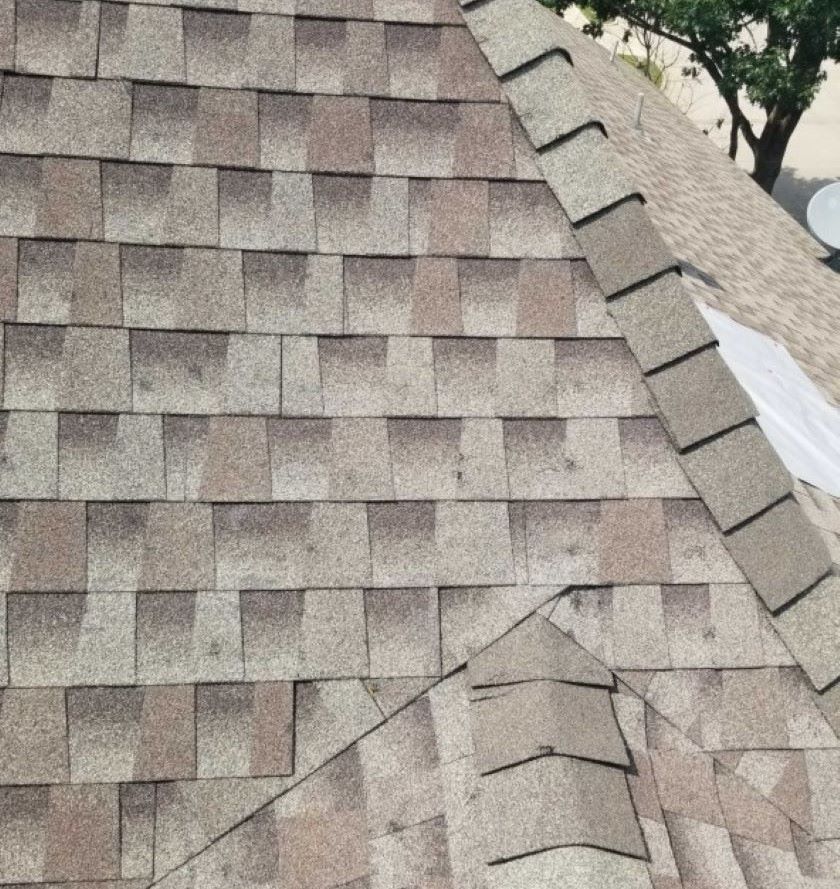
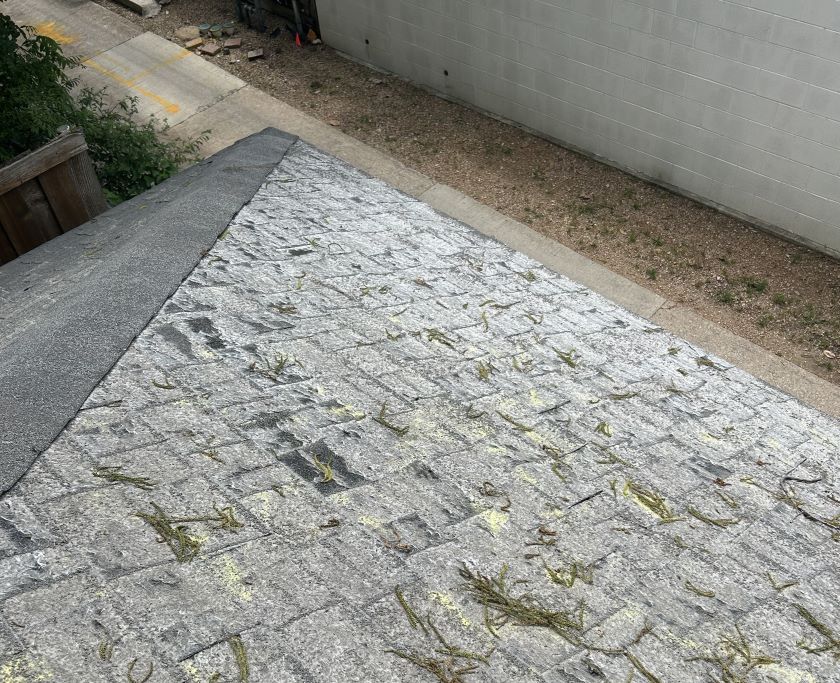
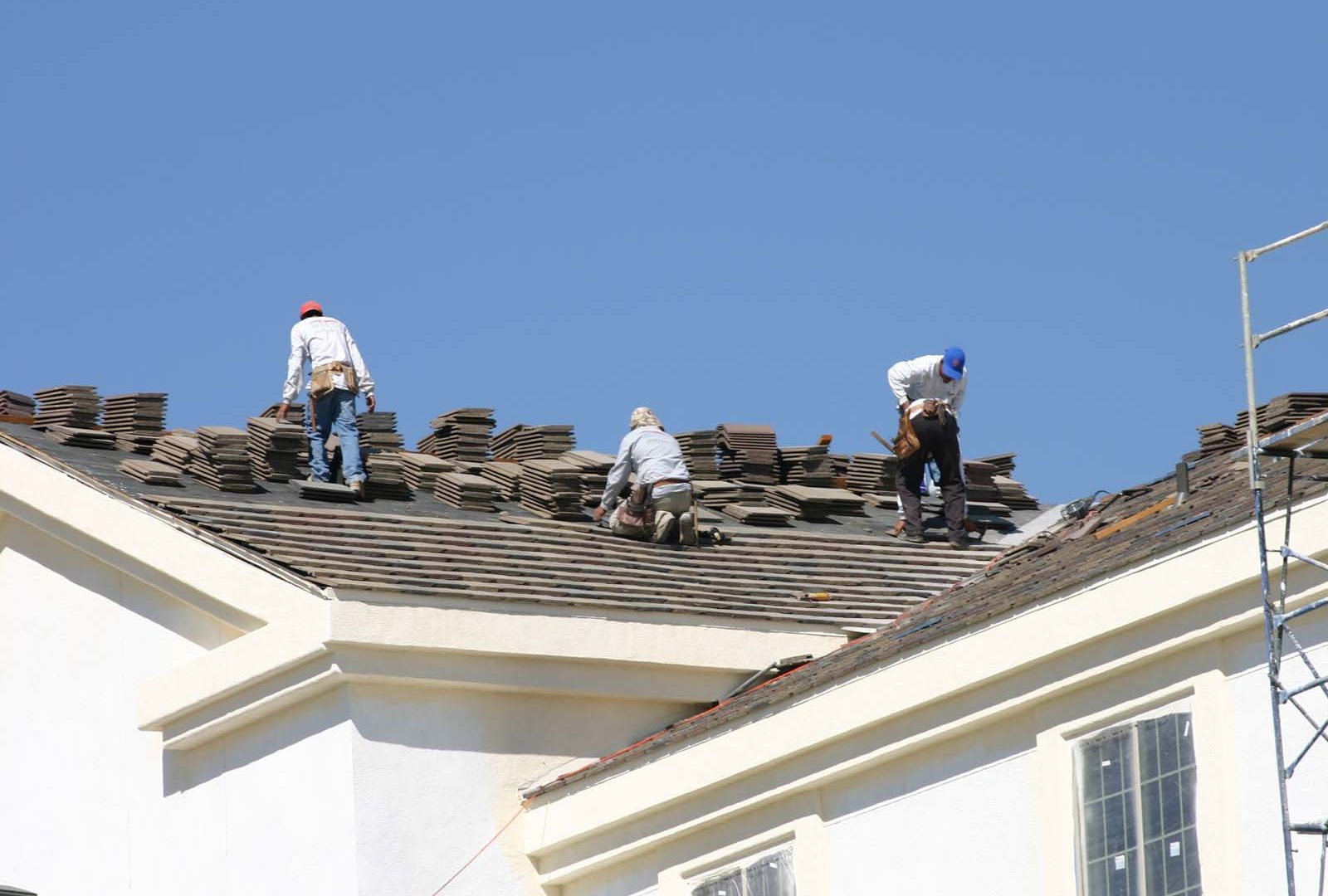
The article addresses two distinct homeowner association (HOA) related queries, providing insights into common challenges faced by residents in such communities. The first, and primary, query comes from a resident in an 82-unit townhouse community grappling with aging roofs. The roofs, 21-24 years old, are in compromised condition with curling shingles, mold, and numerous previous repairs, indicating a clear need for replacement. However, these are common roofs covering multiple units, making it difficult to achieve unanimous agreement among homeowners for replacement. The HOA board's proposed solution is for individual homeowners to undertake partial roof replacements for their units, a method that roofing companies are reluctant to perform. Many refuse to work on common roofs in this manner, and those that do offer no warranty and take no responsibility for the results. The homeowner indicates that the community's governing documents primarily obligate owners to complete roof repairs, but if owners fail, the responsibility shifts to the HOA. Despite this provision, the HOA refuses to take responsibility, leaving the homeowner in a difficult position. The author, Ryan Poliakoff, suggests that the declaration likely grants the HOA the option, rather than an obligation, to make repairs if owners refuse. This is a common arrangement, allowing associations to intervene when repairs affect the broader community or the association's insurance. If the association is responsible for insuring the roofs, as mentioned by the homeowner, it may be crucial for them to ensure repairs are made to avoid issues with coverage, especially in the event of windstorm damage. However, Poliakoff believes it's unlikely the documents obligate the association simply because individual owners are recalcitrant. He advises the homeowner that a valid legal claim against the neighbors to compel them to repair the roof is likely the only reasonable option to force the issue. This claim would be based on the neighbors' obligation to maintain the roof as per the declaration, the querying homeowner's right to enforce the declaration, and the necessity of their cooperation to protect the homeowner's property. Many declarations, he notes, include provisions for owners to compel neighbors in shared repair responsibilities.
The second query concerns a new owner in a community with a nine-member board of directors, seeking information about board members' backgrounds and community experience. The author clarifies that there is no official, standardized way to obtain personal bios or historical involvement for board members. However, several avenues are suggested. Deed records can be checked online to determine when a board member purchased their home. Reviewing past board meeting minutes may reveal the roles board members have held over time. Additionally, community association annual reports, accessible online via sunbiz.org, list officers and directors and can indicate when board members joined the board. For condominium communities, there's a possibility that board members submitted personal information sheets during the election process, which would have been circulated with the second notice of the annual meeting. These packages are typically retained for a year and could be requested for inspection, though submitting such sheets is not mandatory. The most straightforward approach, the author suggests, is direct communication: reaching out to board members via email or phone to introduce oneself and ask about their backgrounds and goals for the community. Most board members would likely welcome such a friendly interaction.
#Townhome #HOA #RoofRepair #CommunityLiving #LegalClaim #PropertyMaintenance #BoardOfDirectors #CondoLaw #HomeownerRights #Townhome #HOA #RoofRepair #CommunityLiving #LegalClaim #PropertyMaintenance #BoardOfDirectors #CondoLaw #HomeownerRights
0 comment in total
 No comments yet
You may also like
Rogue builders quoted over £15k for a repair job that cost £185 to fix - my lessons learnt
Find The Best Roofing Contractors In Miami


Cleaning experts are urging people to wipe down their windowsills every day this summer

Party wall agreements: What you need to know
The Party Wall etc Act 1996: explanatory booklet


Neighbor Builds A Kids Play Fort So Close To The Fence That His Kids Can See Into This Homeowner’s Yard, So The Homeowner Builds His Own Structure And Lets The Police Decide Who Needs To Take Theirs Down

Dear Abby: Successful home renovation hinges on neighbors removing a tree. ‘Can we just ask them?’
Insight - Cladding remediation: why is progress so slow?
Replacing a roof – everything you need to know
Freeholder forcing me to pay towards a new for roof?

What to do When You Have Roof Damage From Hail

A Primer on Florida's "25 Percent Rule" for Roof Repair/Replacement

Repair and replacement of HOA townhome roofs governed by declaration of covenants
Adjusters, Deductibles & Roofers: Help I Have Hail Damage!
Roof Replacement Cost in 2025

Insulation Projects Increase as Property Owners Seek Lower Bills

Party Wall Agreements explained – everything you need to know when planning your renovation

Say Yes to New Housing—Before Anyone Even Asks To Build It
Our Roof Repair Expert's Best Tips For Extending The Life Of Your Roof
Council flat front fire door installation?