
How To Start a Painting Business: 7-Step Guide (2026)
This comprehensive guide outlines a seven-step process for launching a successful painting business, catering to individuals with painting skills who aspire to entrepreneurship. The painting services market is projected to grow significantly, from $63 billion in 2023 to $93 billion in 2031, indicating a robust demand for such services. The initial step involves defining the types of painting services to offer. This includes interior painting (walls, doors, ceilings, baseboards, and specialized add-ons like cabinet painting), exterior painting (stucco, siding, trim, doors, shutters, and add-ons like waterproofing or power washing), wood staining (deck and fence restoration requiring specific techniques for outdoor durability), color consulting (advice on color selection and application), and drywall repair and removal.
The second step is to create a detailed business plan. This plan should encompass an executive summary, a company overview explaining the business's purpose and the founder's relevant experience, a clear definition of products or services offered (including specialized options), a thorough market analysis (competitive analysis, target customers, pricing, market size, and saturation), a marketing plan outlining strategies to attract clients, a logistics and operations plan for sourcing and transportation, and a financial plan detailing startup costs, operating expenses, financial projections, and funding sources. Competitive analysis is crucial to identify market gaps and develop a unique value proposition, such as specializing in wood staining if the interior painting market is saturated.
Setting up the painting business legally constitutes the third step. This involves choosing an appropriate business structure, such as a sole proprietorship for small operations or a Limited Liability Company (LLC) for asset protection. Obtaining a general business license from local authorities is necessary, and some states, like California, require a specific contractor's license (e.g., C-33 Painting and Decorating Contractor license for projects over $1,000) that may demand a two-part exam and proof of experience. Additionally, opening a business bank account and securing general liability insurance are essential for protection against property damage or injury. Commercial auto insurance and workers’ compensation insurance are also recommended if applicable.
The fourth step emphasizes researching and adhering to safety requirements. In the US, the Occupational Safety and Health Administration (OSHA) sets regulations for painting contractors. Key rules include non-sparking footwear (rubber boots/shoes, rubber gloves), airline respirators for employees spraying toxic oil-based paints, cotton coverall clothing, and non-flammable equipment for handling flammable paints. The fifth step covers purchasing necessary painting equipment. High-quality tools are an investment that pays off in efficiency and results. Essential tools include painter’s tape, brushes, sprayers, rollers, drop cloths, tape measures, and can openers. Surface preparation tools consist of putty knives, sandpaper, caulk and caulking guns, wall cleaning products, pressure washers for exterior jobs, and priming paint. Safety and access equipment include ladders, extension poles, and personal protective equipment (PPE) such as glasses, gloves, and respirators.
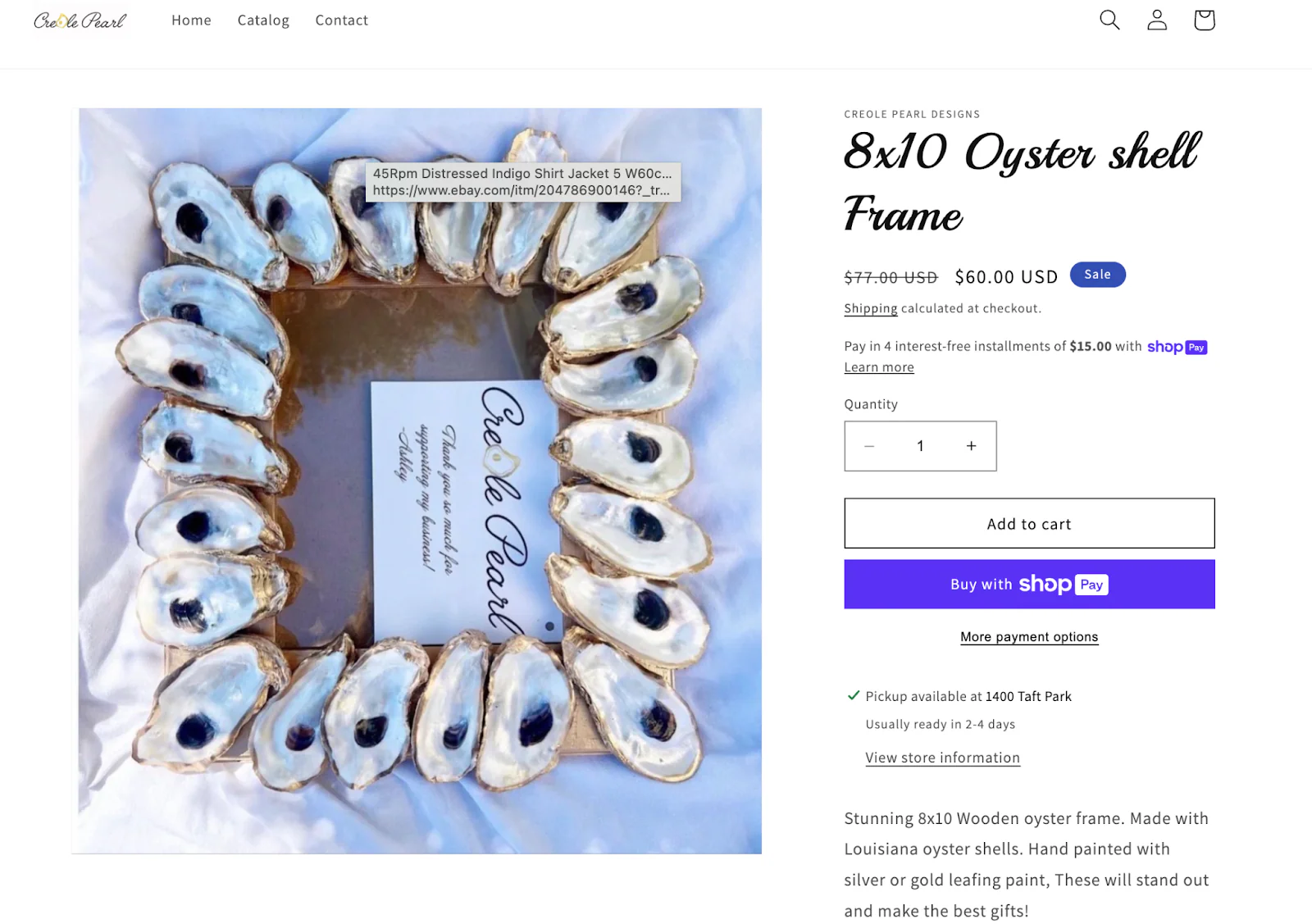
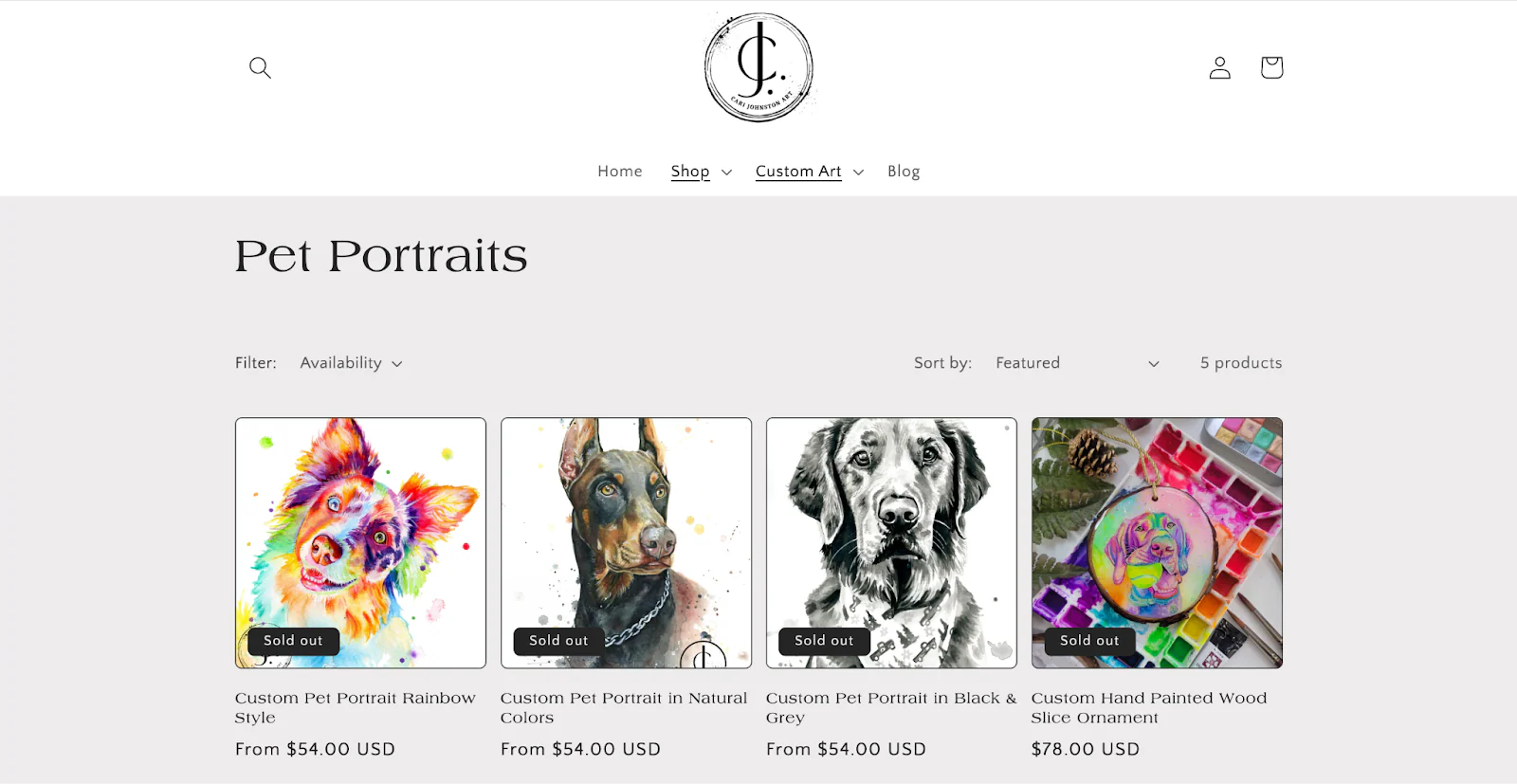
The sixth step focuses on establishing an online presence by creating a professional website, ideally on a platform like Shopify. The website should allow clients to book appointments, potentially through integrated booking apps, and feature high-quality photos of past work. The final step is to develop and implement marketing efforts to attract clients. Effective strategies include listing the business on local directories (Angi, Nextdoor, Yelp, Fiverr, Thumbtack), utilizing direct mail and printed materials (flyers, brochures, business cards) in high-traffic areas, optimizing for local SEO (Google Business Profile, local keywords), engaging in social media marketing (how-to videos on Instagram, TikTok), encouraging word-of-mouth marketing through referral and loyalty programs, and forming partnerships with related businesses like property management companies, real estate agents, and general contractors.
#PaintingBusiness #StartupGuide #SmallBusiness #Entrepreneurship #BusinessPlan #MarketingStrategy #PaintingServices #OSHASafety #PaintingBusiness #StartupGuide #SmallBusiness #Entrepreneurship #BusinessPlan #MarketingStrategy #PaintingServices #OSHASafety
0 comment in total
 No comments yet
You may also like

How to Start a Painting Business

30+ Art Business Ideas That Actually Make Money (2026)

The 15 Best Paint Brands


How to paint a room and give it a refresh

Notes: how to transform the paint industry with a brilliant idea

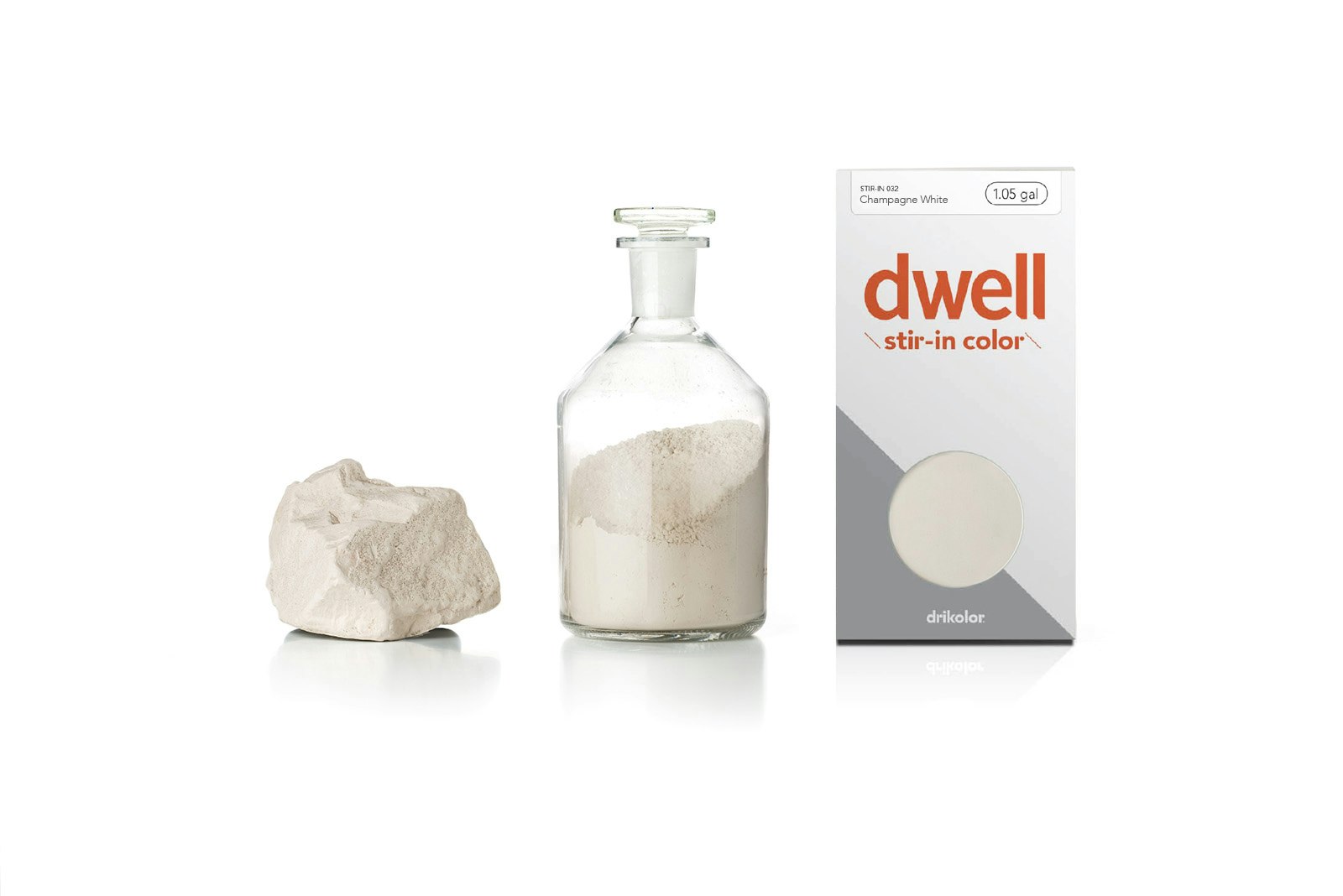
Learn About a Color Company That Creates Modern Interior Paint


Story from Arizona Painting Company: 6 tips to prepare a home for a professional paint crew

Everything You Need To Know About Painting A Room

Where to buy paint online

Paint tips from a pro!


Paintzen Launches ‘Members-Only’ Program for Designers

Where and How to Order Paint Online for Delivery
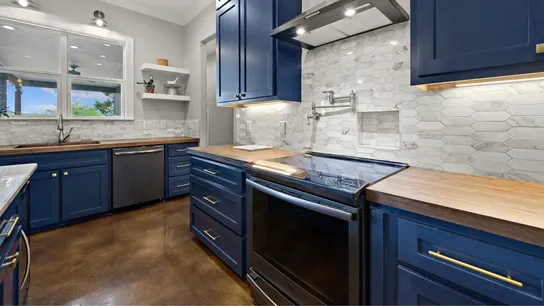
Cabinet Painting Drives Franchise Growth | Fresh Coat
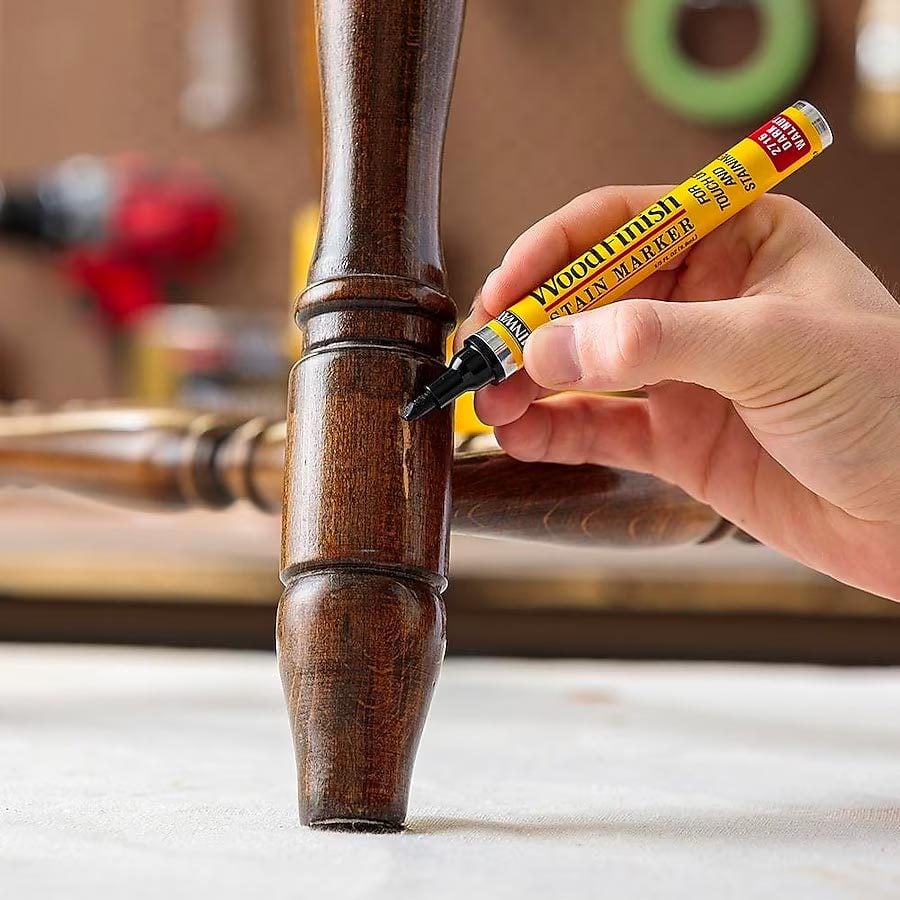
20 Essential Painting Tools for Your Next Project, According to Painting Pros


Interior Paint: A Guide to Buying the Best Paints for Your Home


Let’s Learn How to Paint Furniture
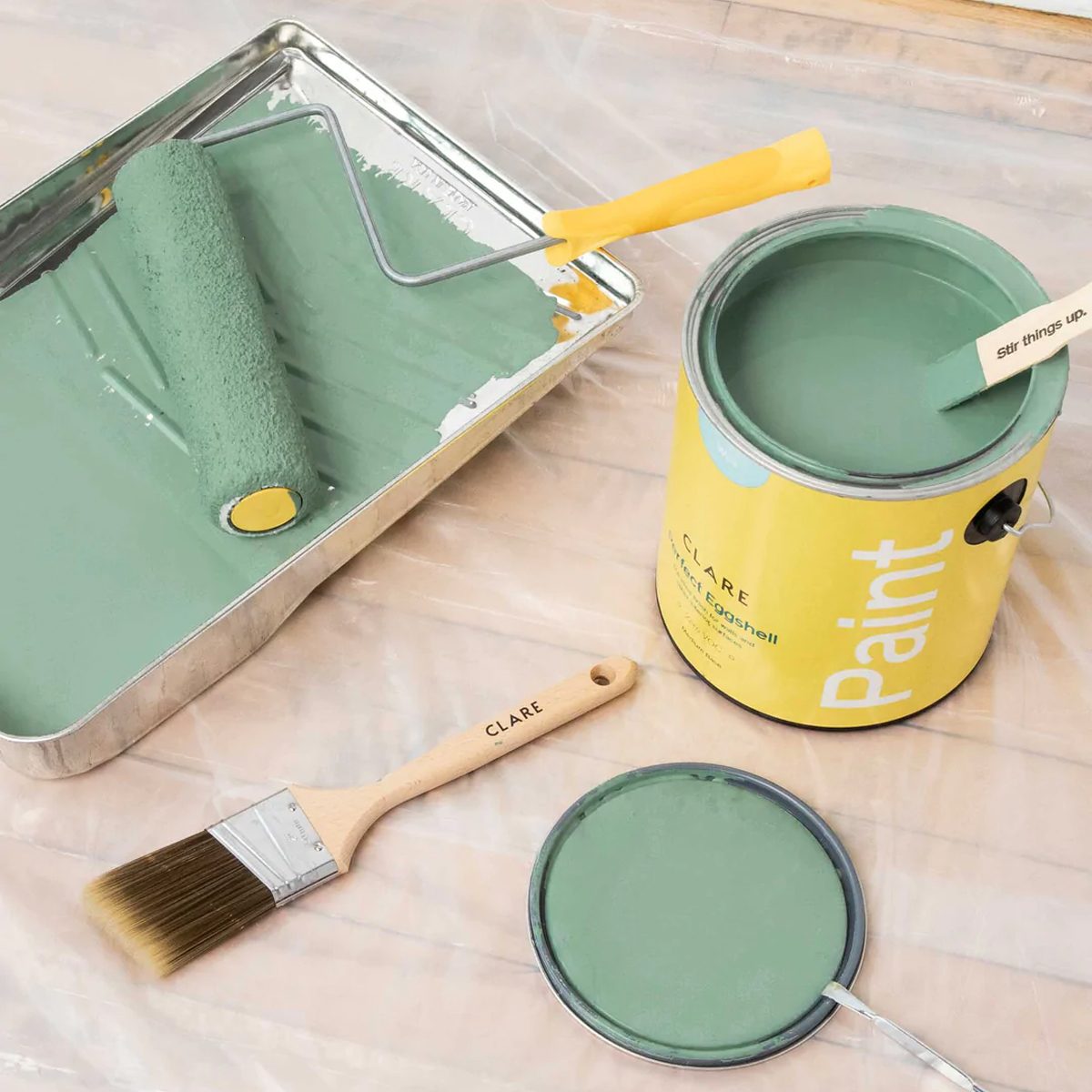
5 Best Places to Buy Paint Online for Your Next DIY Project

Where are the best places to buy paint? 6 go-to paint brands used and loved by interior designers

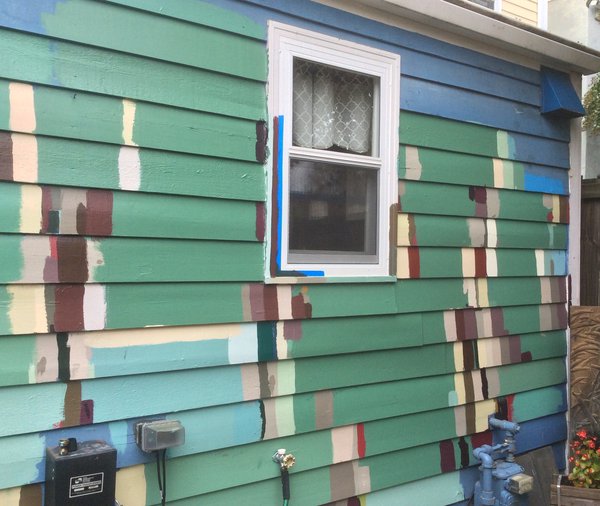
Need Help with Paint Color — America’s Color Consultants To The Rescue

Buying the Best Paint for Wood Means Nothing Without This Important First Step