1/3
Customization is the movement for hot tub aesthetics | Home and Garden | Life
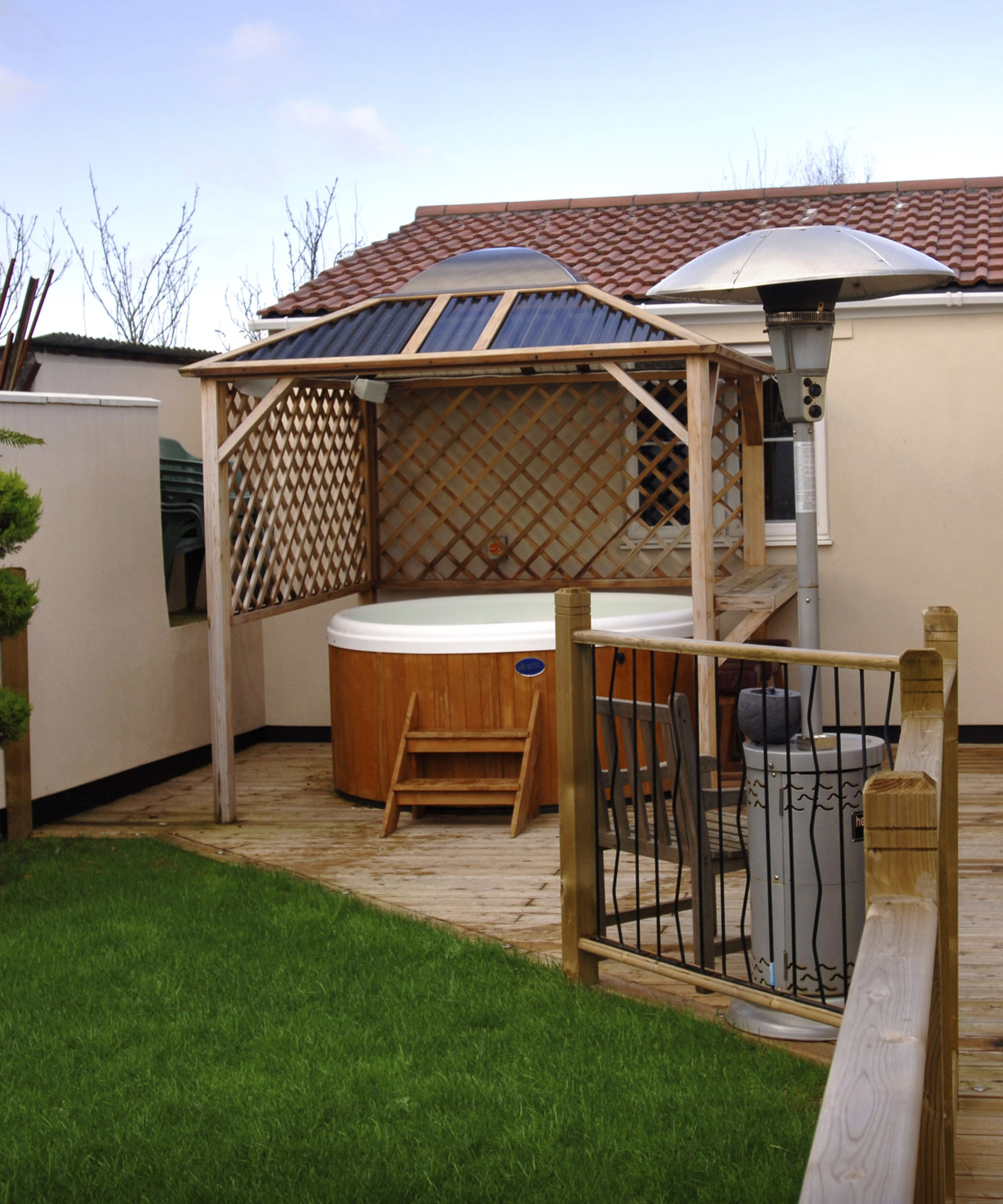
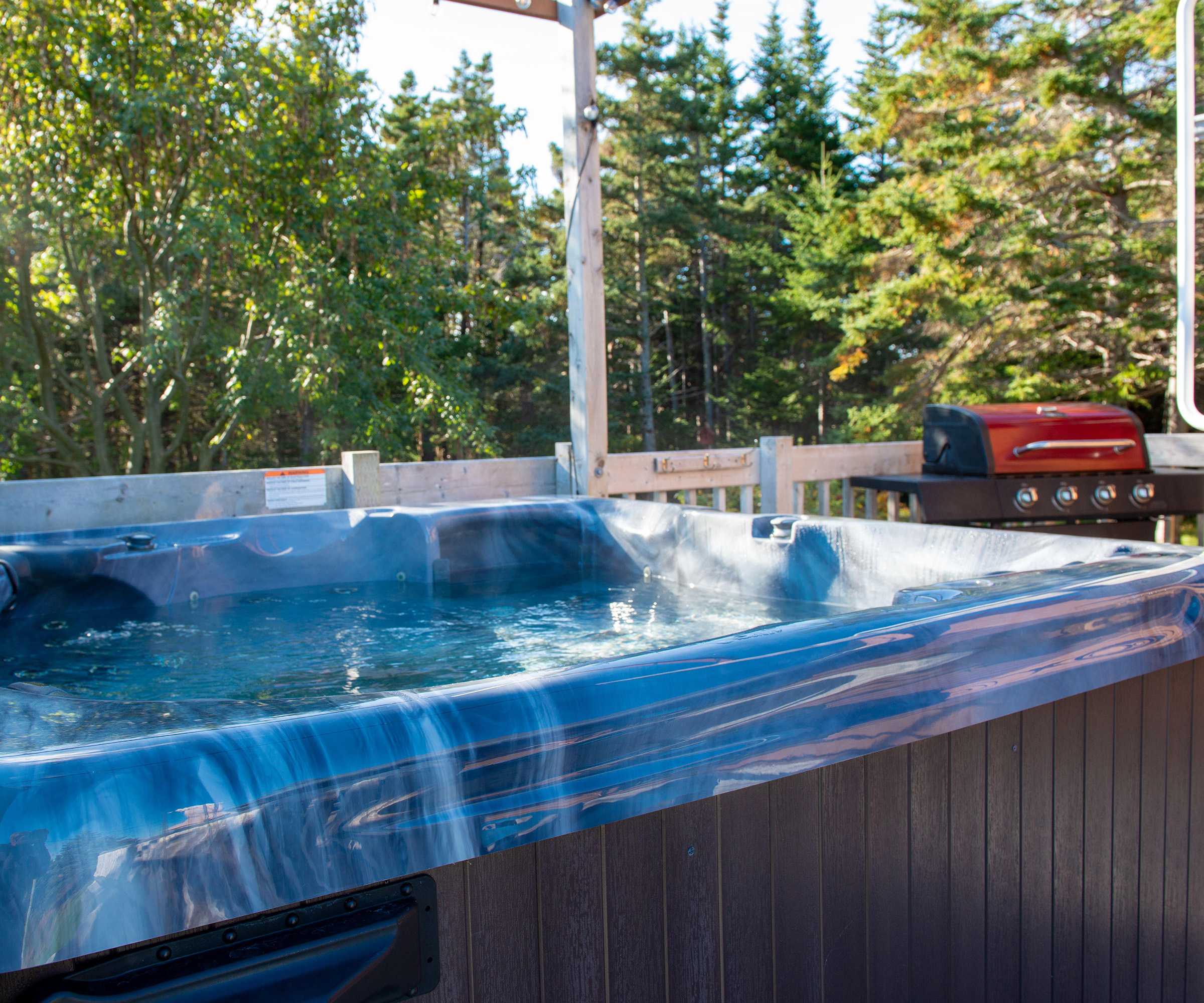
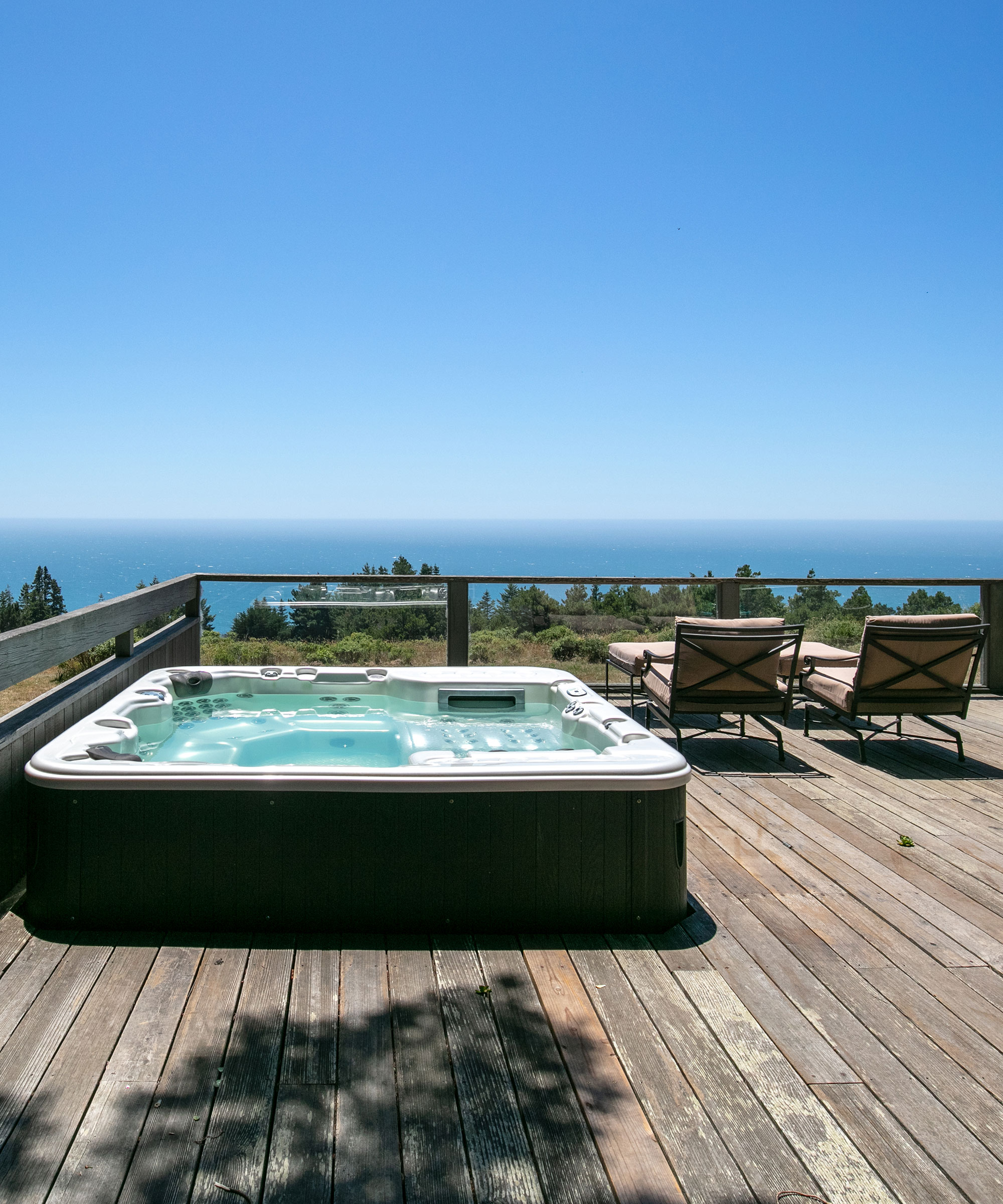
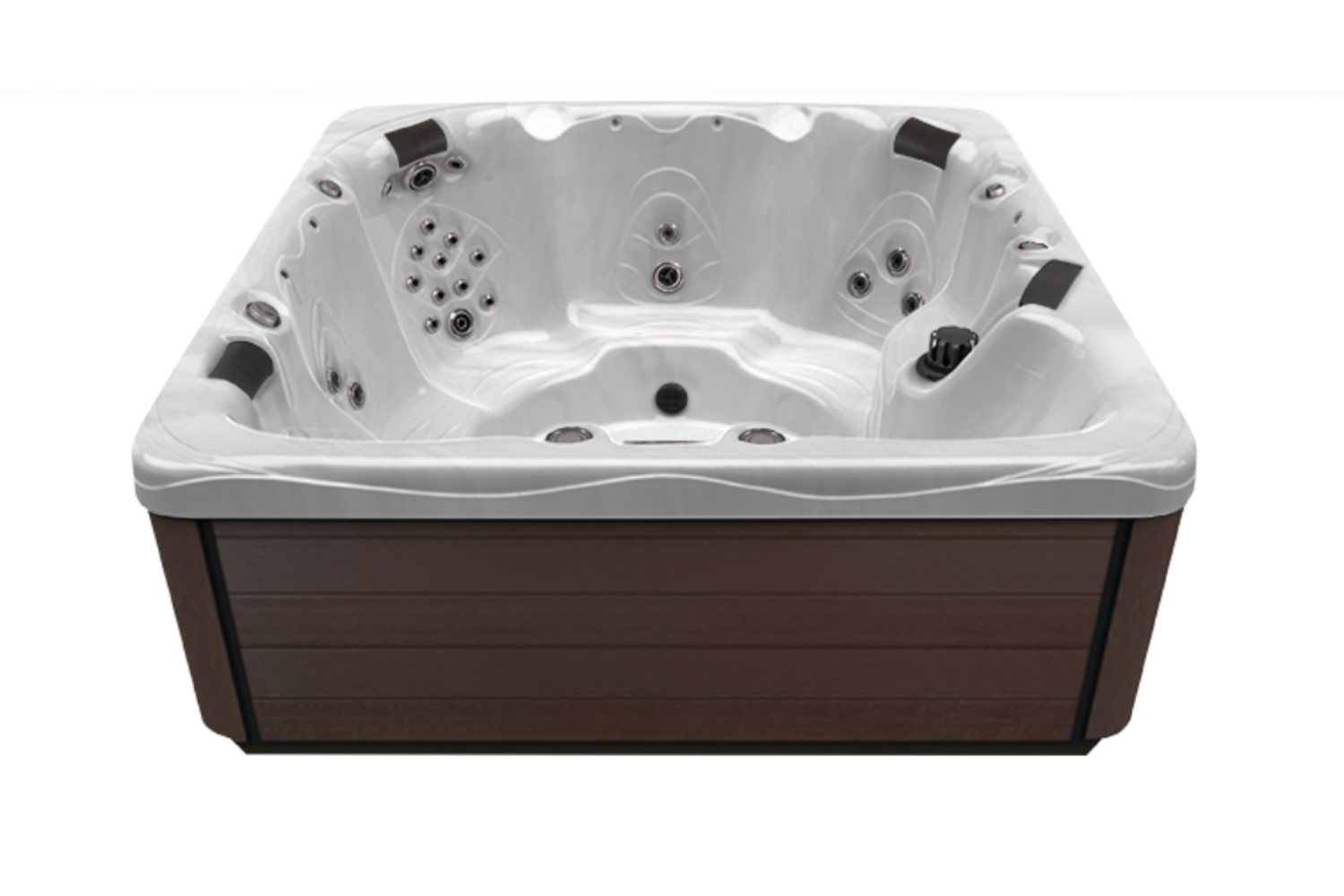
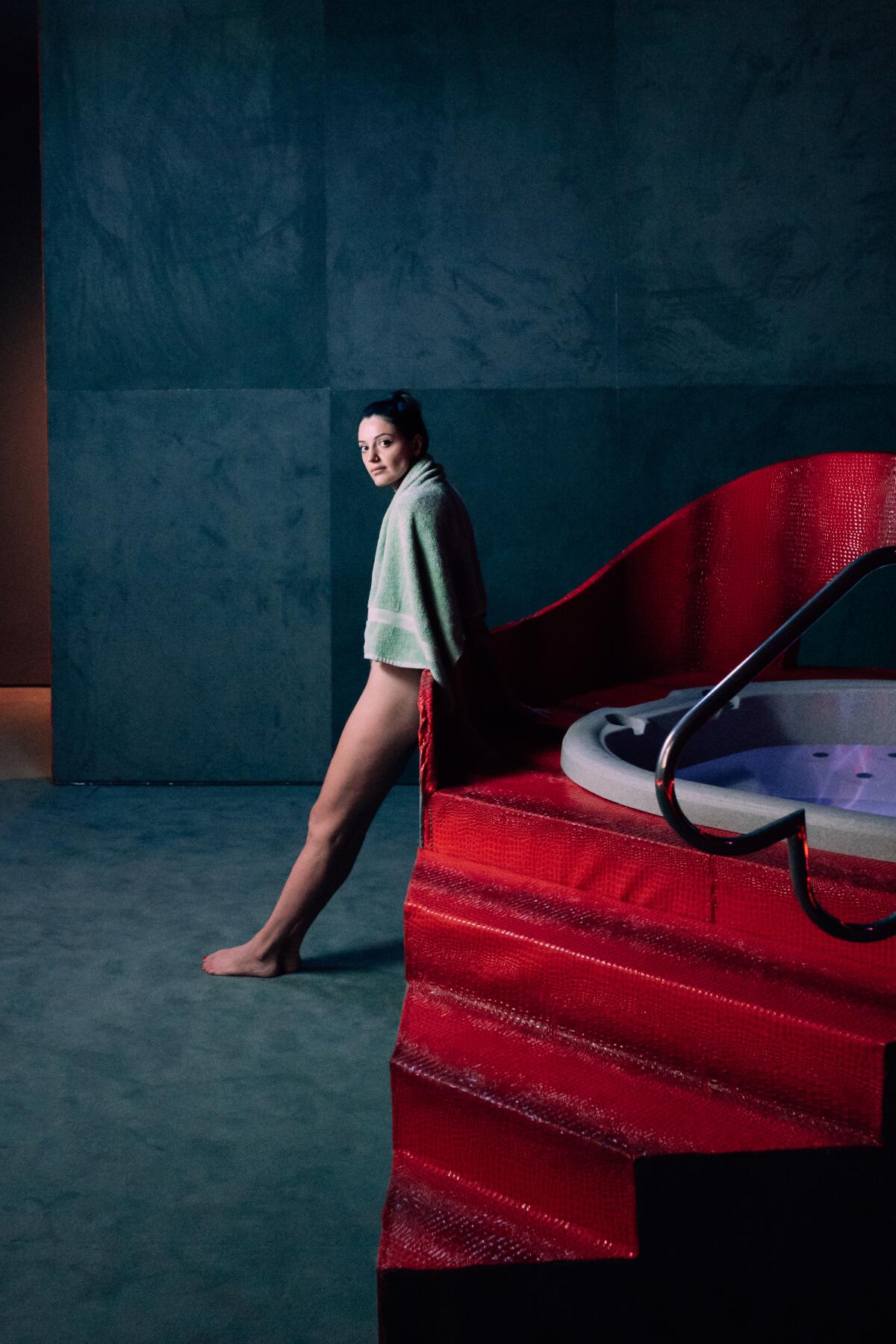
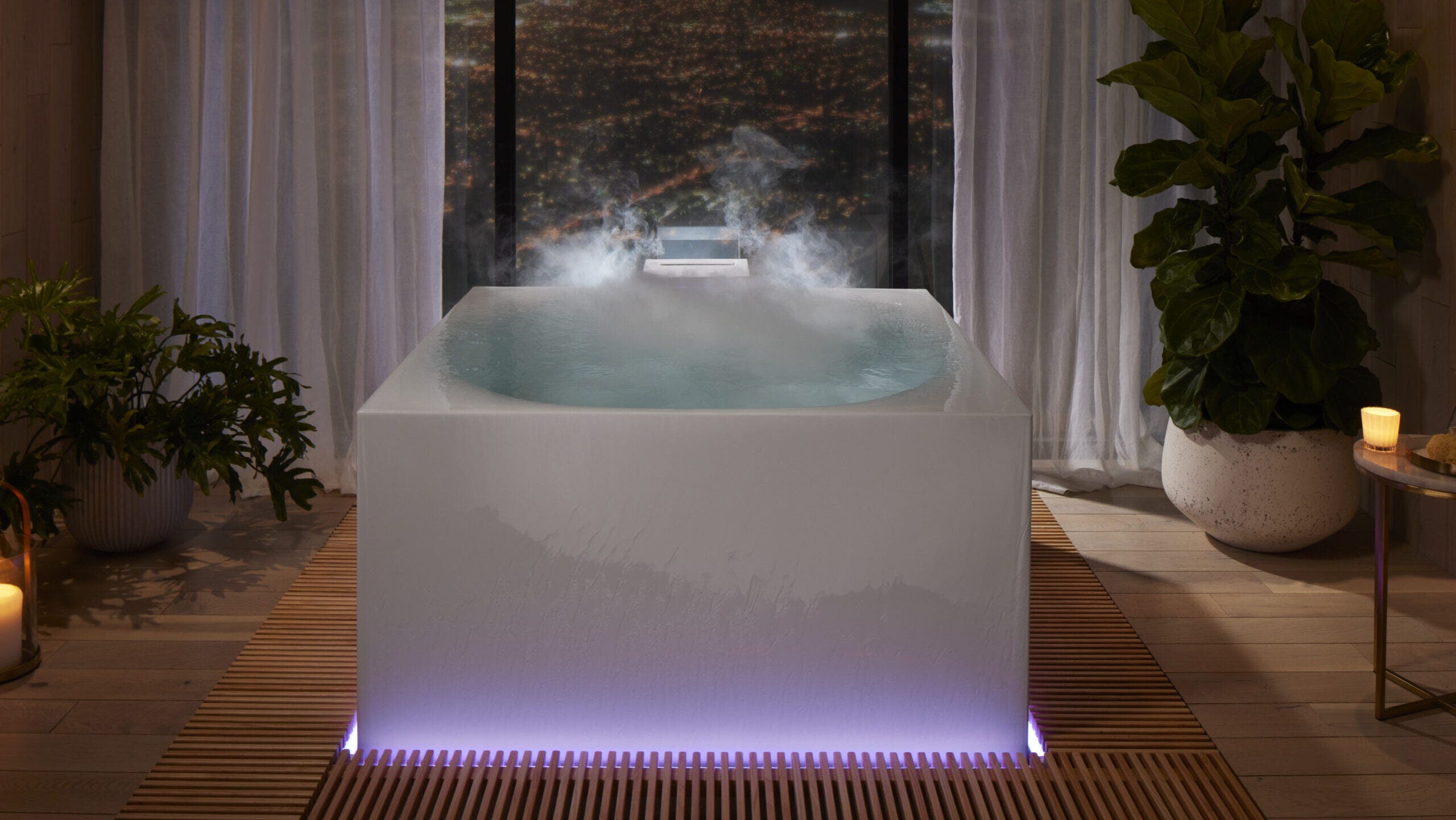
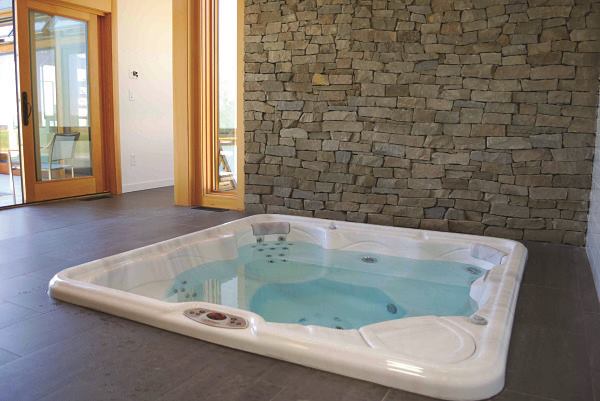
The hot tub industry has undergone a significant transformation since the mid-1900s, evolving from simple wooden barrels to sophisticated, customizable units. This evolution is driven by a strong consumer demand for aesthetics and functionality that integrate seamlessly with personal spaces and backyard designs. Manufacturers have replaced traditional wood with fiberglass and acrylic shells, incorporating advanced features such as pulsating massage jets, water features, intricate lighting, and integrated audio systems, moving beyond mere functionality to offer a more luxurious and therapeutic experience. This shift reflects a broader trend towards personalization in home and garden products, with hot tubs now serving as both relaxation havens and entertainment venues.
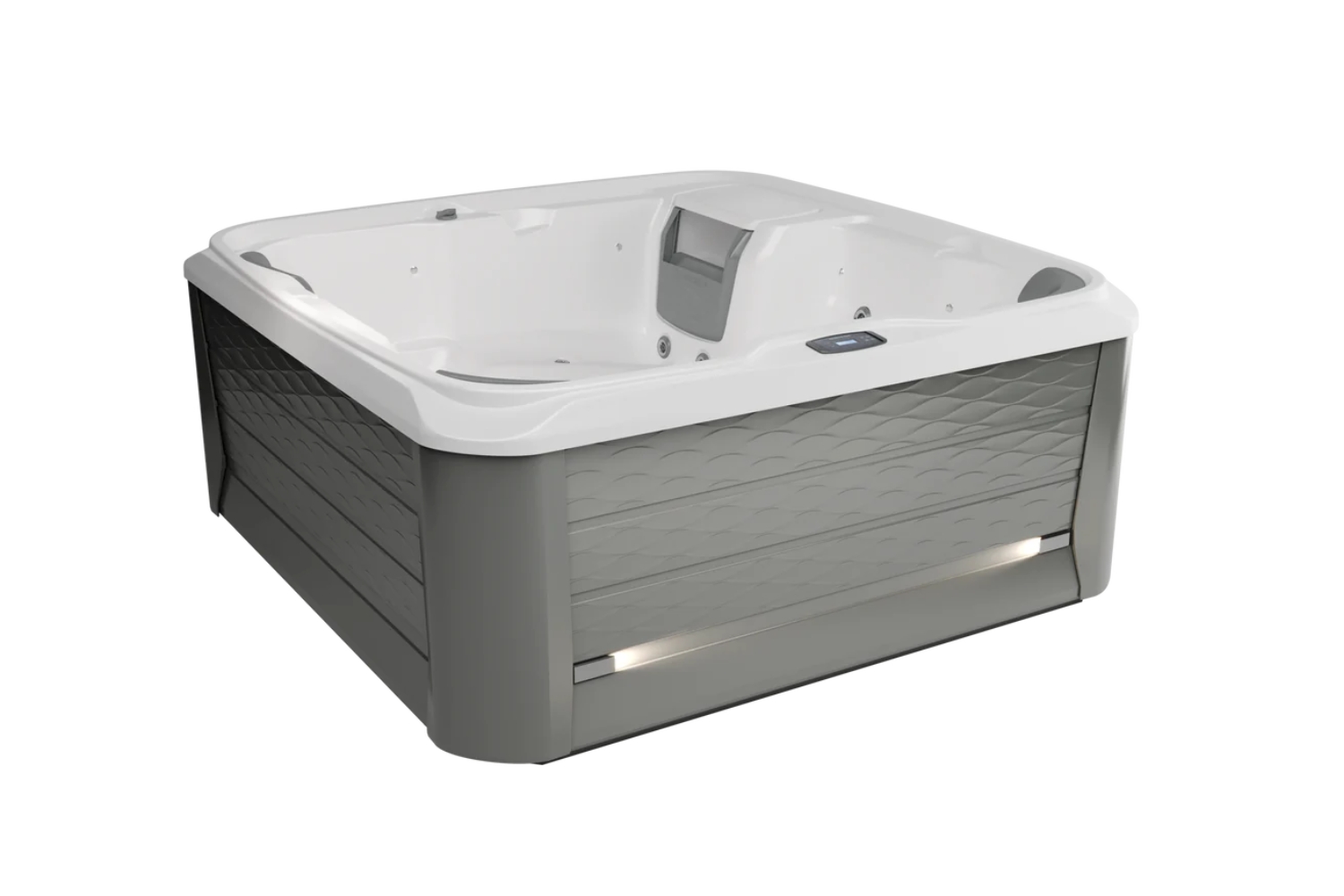
Key industry leaders, such as Jerry Pasley, president and CEO of Bullfrog Spas, highlight customization as the primary driver in the modern hot tub market. Consumers are no longer satisfied with generic designs; they seek products that complement their outdoor furnishings and blend with the overall backyard aesthetic. Bullfrog Spas, for instance, drew inspiration from the in-ground gunite pool and spa industry to develop hot tubs that prioritize both aesthetic appeal and practical features. This approach led to the creation of customizable interior and exterior components, allowing consumers to choose everything from seating types and hydrotherapy options to shell shape, color, texture, and various audio and lighting elements. Bullfrog's 'Design My Spa' online platform exemplifies this commitment to interactive customization, enabling customers to visualize and tailor their ideal hot tub.
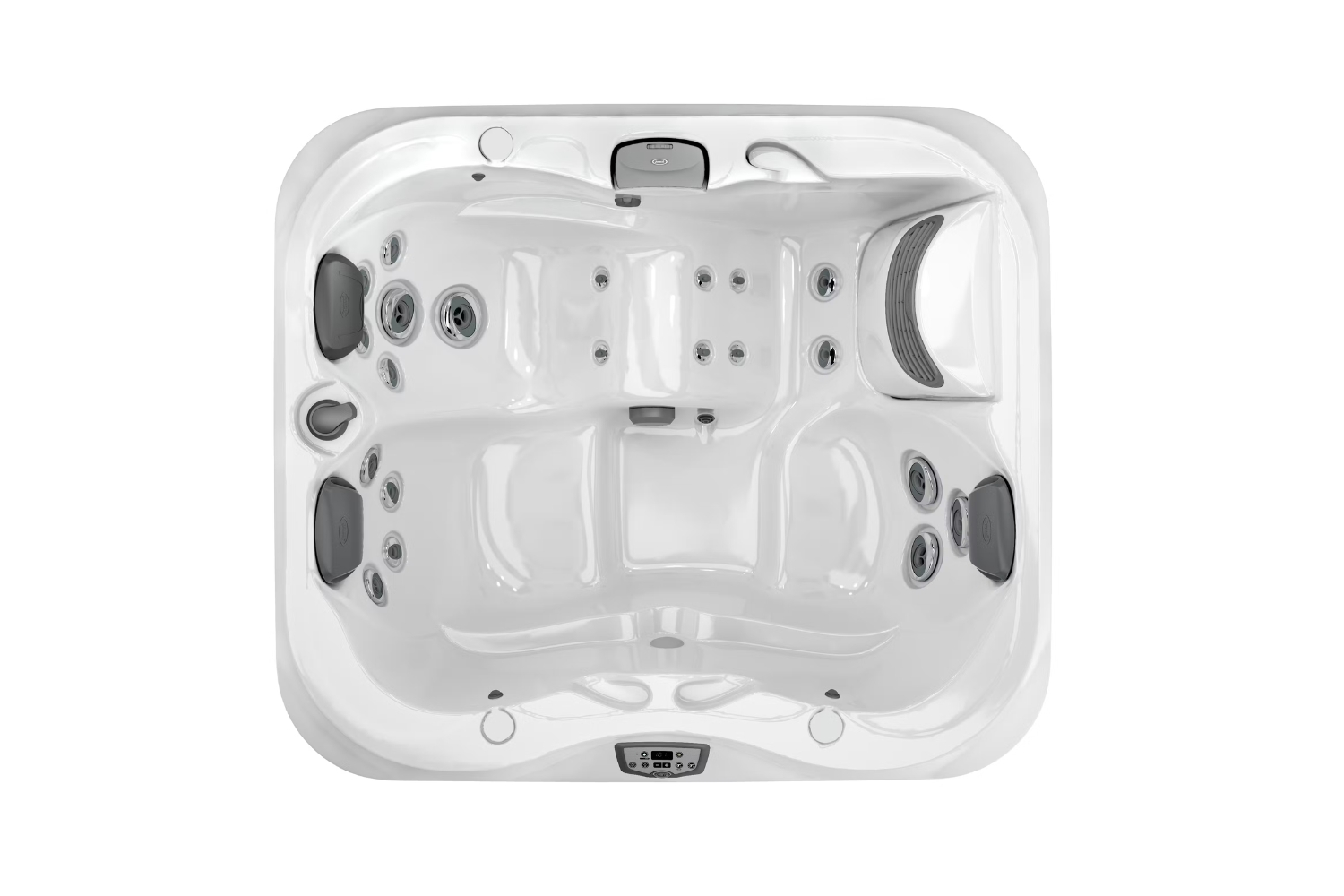
Technological advancements have also played a crucial role in enhancing the hot tub experience. The industry has seen a convergence of design and technology between portable hot tubs and in-ground gunite spas, resulting in crossover products. Bullfrog's patented JetPak Therapy System is a notable innovation, offering 16 interchangeable jetted seat backs for a personalized therapeutic massage. This technology also improves energy efficiency by significantly reducing plumbing requirements. The JetPak system has been adapted for gunite applications, allowing for integration into new construction or major remodeling projects, bridging the gap between portable and in-ground spa experiences.
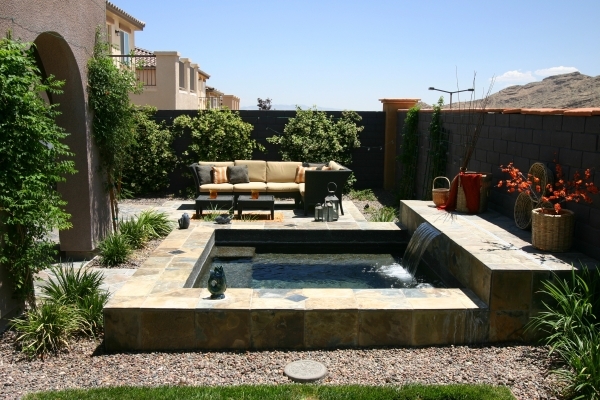
While portable hot tubs offer convenience and advanced features, their pricing typically ranges from $6,000 to $14,000, which includes the cover, delivery, and standard crane lift, but not electrical connections or foundation preparation. In contrast, standalone gunite spas start at approximately $25,000, though this cost can decrease to around $10,000 when built in conjunction with a pool. Operational costs for both types of spas are comparable. Portable spas, designed to run 24/7 at a constant temperature, cost about $20 per month in energy. Gunite spas, typically heated by natural gas (a more efficient option than electricity), are used on-demand, requiring about 30 minutes to heat up. The use of energy-efficient, variable-speed pumps for circulation further minimizes their running costs, leading to similar overall expense profiles despite differing initial investments.
Consumer advice for purchasing a hot tub includes researching styles, sizes, and desired features online, checking manufacturer and product reviews for functionality and service, and visiting local showrooms of authorized dealers. Resources such as the Association of Pool and Spa Professionals' website, Escape, are recommended for assisting consumers in finding the perfect hot tub, gunite spa, or pool. Experts like Rich Simpson of Custom Molded Products emphasize the continued expansion of hydrotherapy jet components, driven by both consumer demand and gunite pool builders. Renee Gibbs, owner of Spas by Renee, further underscores the importance of integrating portable hot tubs into the landscape through custom exterior designs, stonework, decking, and landscaping to create a cohesive and aesthetically pleasing environment. Ultimately, the modern hot tub transcends its historical purpose, becoming a versatile space for personal relaxation, therapeutic benefits, and social entertainment for individuals, families, and friends.
#HotTub #SpaDesign #Customization #HomeAndGarden #TherapeuticBenefits #OutdoorLiving #LuxuryAmenities #EnergyEfficiency #JetPakTherapy #HotTub #SpaDesign #Customization #HomeAndGarden #TherapeuticBenefits #OutdoorLiving #LuxuryAmenities #EnergyEfficiency #JetPakTherapy
0 comment in total
 No comments yet
You may also like
Rules for buying a hot tub – pro tips on selecting the best

Creating Spa Bathrooms With The Latest Wellness Design And Technology Trends

Forget Bathtubs — Designers Say This Feature is the New Focal Point You Should Invest in for a Bathroom

Your Hot Tub Is Ready for an Upgrade, so Snag These Accessories for Fun and Function

11 of Today’s Best Hot Tub Brands

Baths | Why curves are making a comeback in bath design
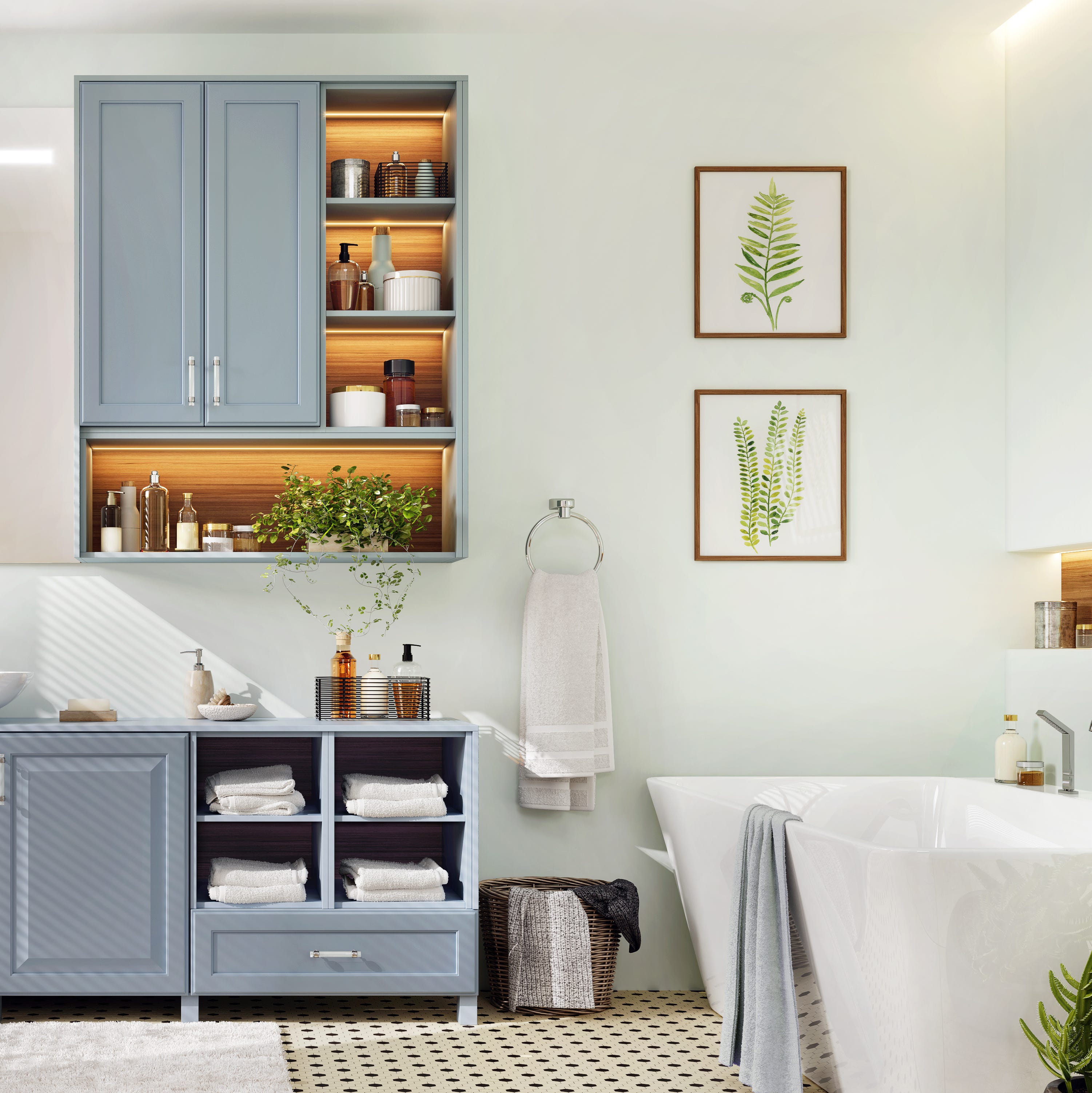
Designers Swear This Bathroom Feature Is so Overrated

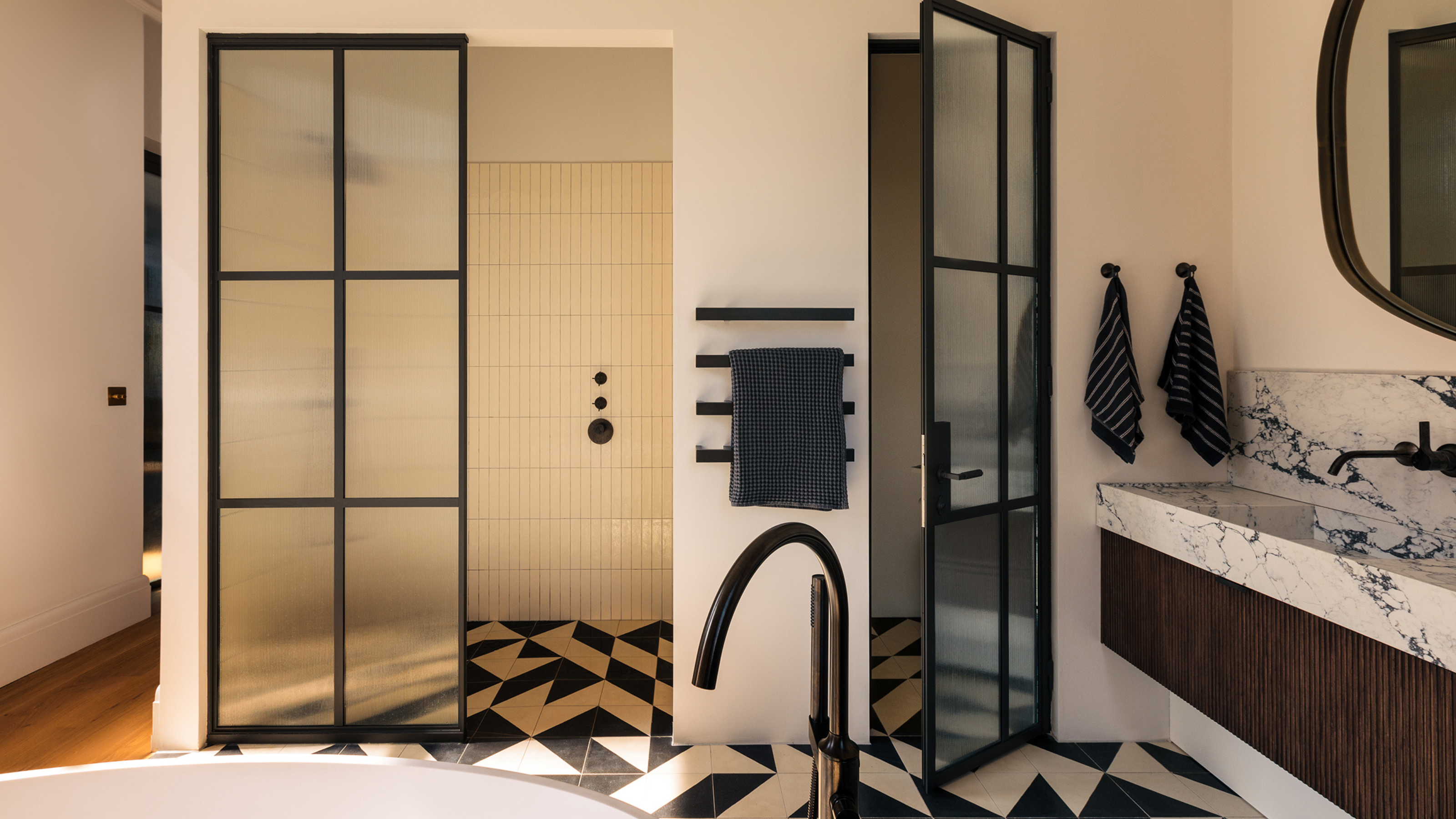
9 Shower Trends to Know for a 2025 Bathroom Reno
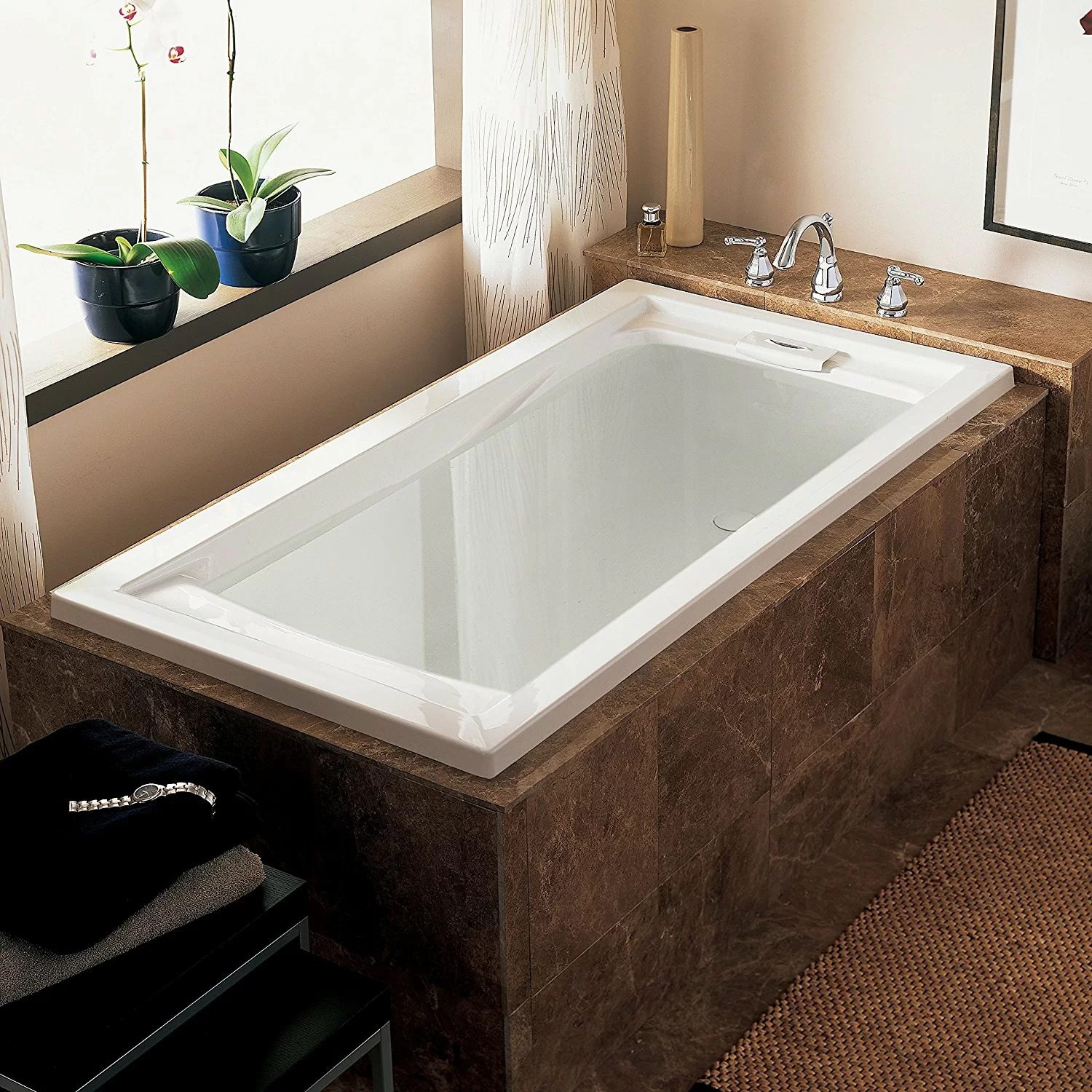
Best Spa and Jacuzzi Tubs For Your Bathroom

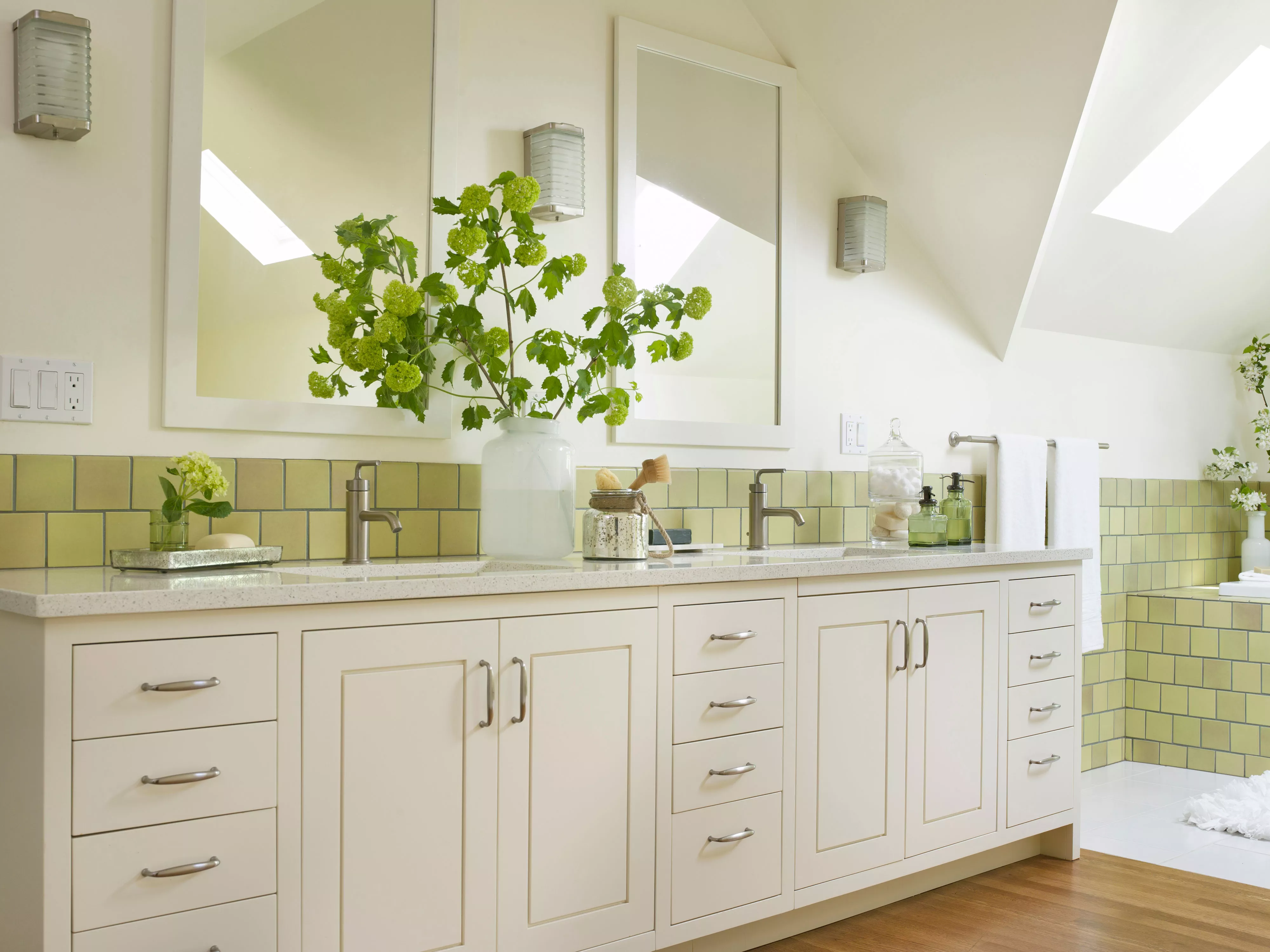
These 2026 Bathroom Trends Are Making Personal Style a Priority
Level Up Your Soaking Sanctuary With These Gorgeous Bathtubs

Here Are The Biggest Bathroom Design Trends, According To Experts

The Luxurious Bathroom Trend You Can Say Goodbye To In 2025

I’m at the hot tub. I’m at the art installation. I’m at the combination hot tub-art installation

Enter Your "Bath Person" Era With These Gorgeous Bathtub Designs

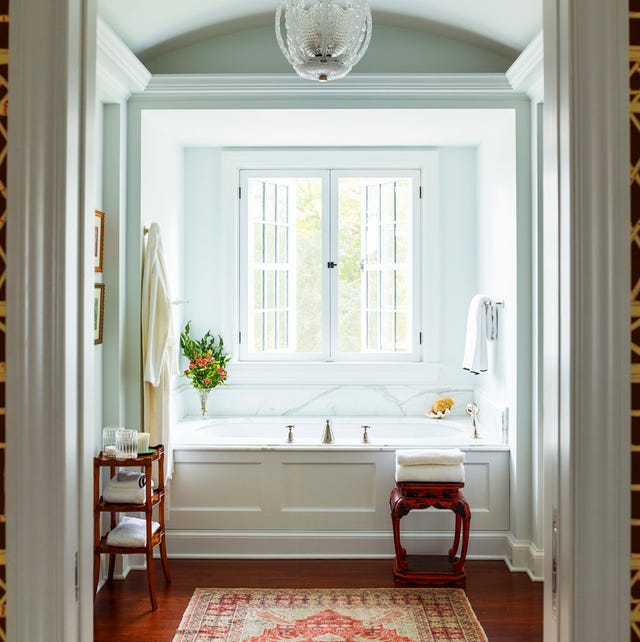
This Cozy Bathroom Feature Is the Latest Design "Status Symbol"
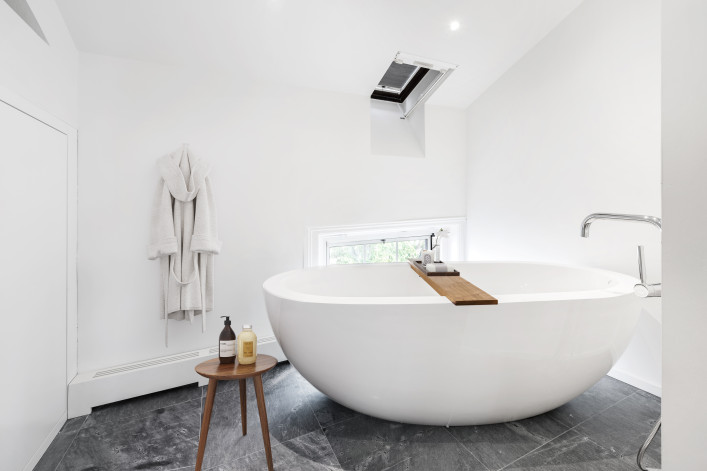
Craving some Zen? Here's how to create a spa-like bath in your NYC townhouse or apartment
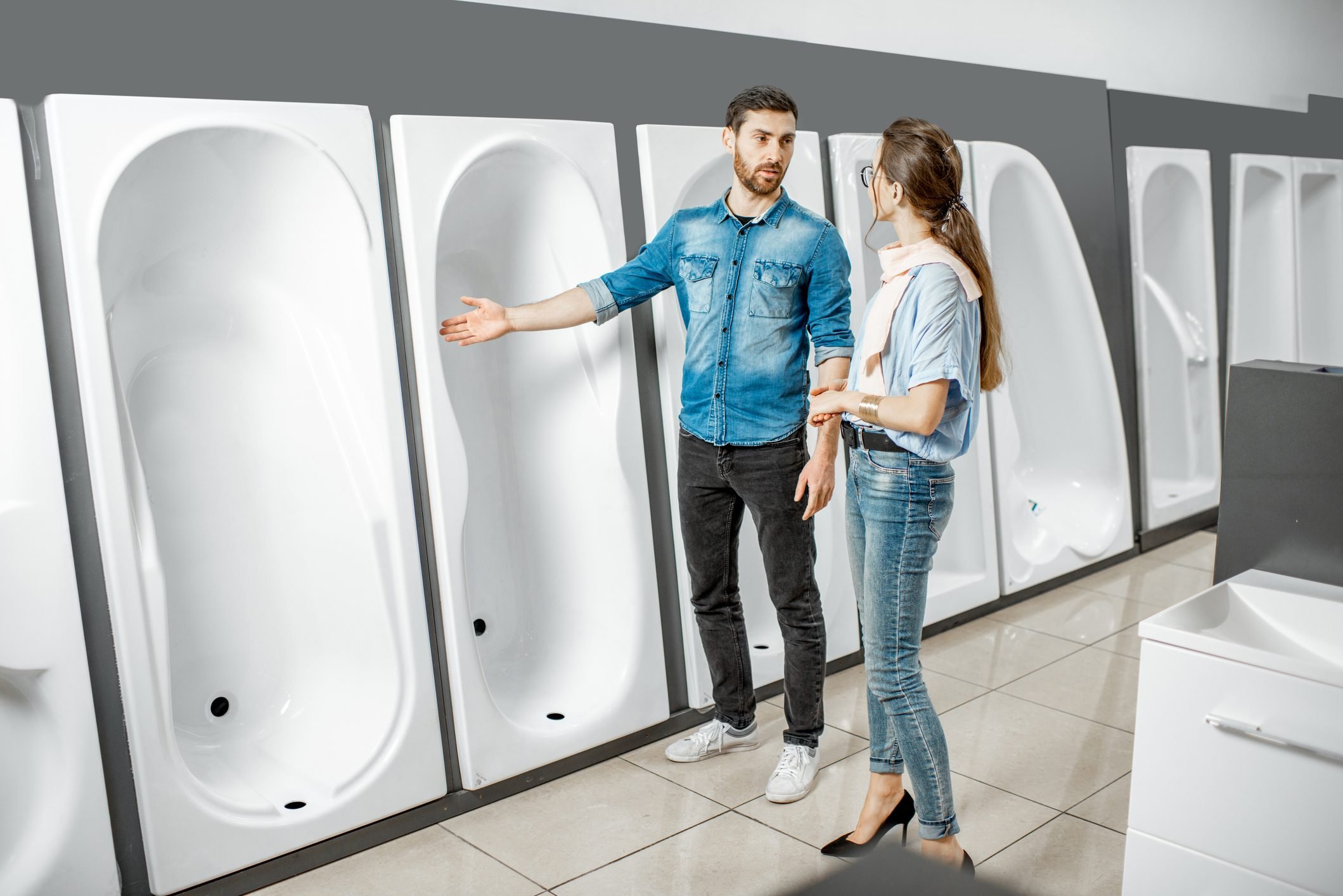
Bathtub Styles, Fixes and Cleaning
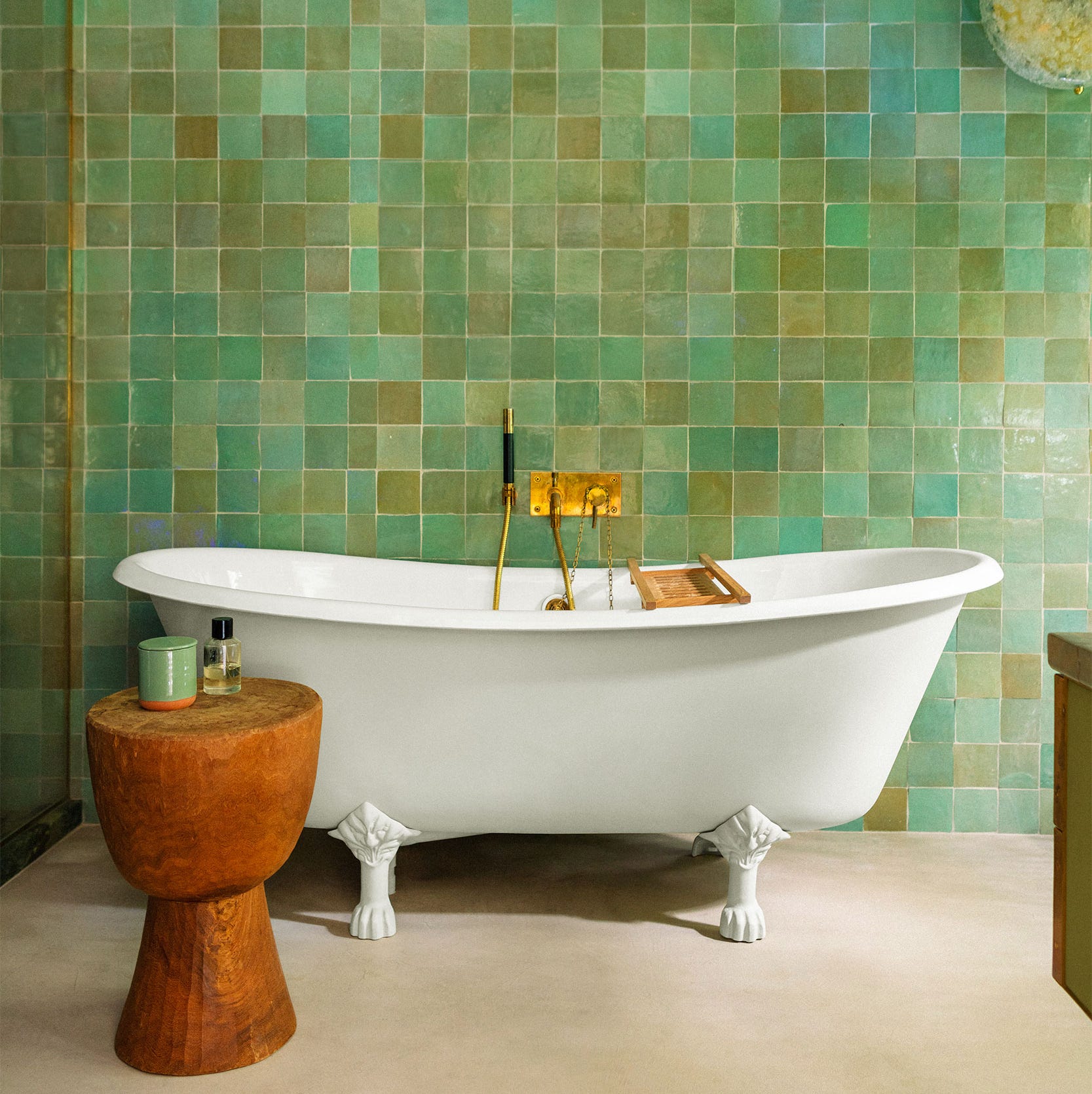
20 Beautiful Bathtub Ideas to Inspire Your Dream Remodel

Indoor Hot Tub Installations, In Detail