
1/5
Getting Pools up to date in 2025
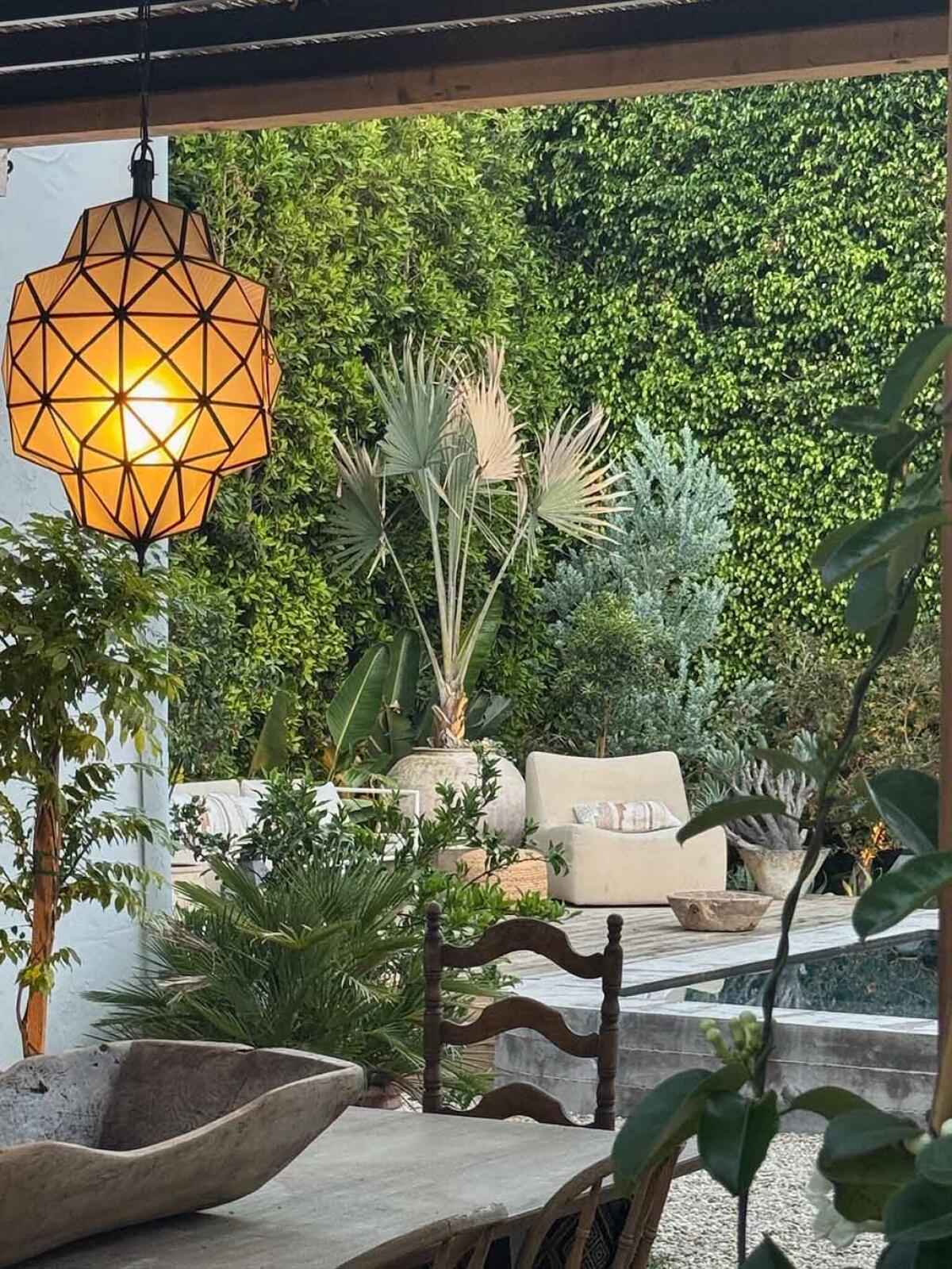
The year 2025 is expected to see a significant focus on pool and backyard renovations, with pool professionals anticipating a decrease in new pool construction. This shift presents a substantial opportunity for outdoor living designers and pool professionals to modernize existing pools, many of which are outdated in both style and equipment. Integrating automation systems is identified as a key method to bring the latest technology to swimming pools and outdoor living spaces, alongside aesthetic updates like new liners, decking, and lighting.
Backyard automation is a rapidly expanding market, mirroring the growth observed in other home automation sectors such as HVAC, home security, entertainment, and lighting. This integration of technology into outdoor living is met with little resistance from homeowners who are already accustomed to smart home devices. The article notes that interest in connected automation features spans various age groups, including younger Gen Xers, millennials, and even gadget-savvy baby boomers. The widespread availability and marketing of smart thermostats, security systems, and lighting have raised consumer awareness and demand for similar functionalities in their pools. Customers frequently inquire about remote control for pool water temperature and app-based management for other pool features. Beyond temperature, common requests include controlling pool lights, water chemistry, multi-port valves for water features, and monitoring energy and water consumption.
The convenience offered by smartphone integration allows homeowners to manage various outdoor elements—landscape lights, pool lights, hot tubs, pool temperatures, and water chemistry—from anywhere. Simple automation solutions are highlighted as crucial for ensuring client satisfaction, providing trouble-free and easy-to-maintain pools. These systems simplify backyard maintenance, enabling pool owners to manage their pools effectively without constant physical checks. However, challenges can arise, such as understanding which components of the equipment pad are automated, ensuring user comfort with the technology and associated smartphone apps, and identifying potential conflicts with older, non-automated devices like traditional time clocks. While automation greatly enhances efficiency, it does not eliminate the need for equipment monitoring and occasional performance checks.
Automated systems offer several benefits, including remote control, alerts for malfunctions, and detailed system analysis. Simpler, intuitive systems are generally preferred by customers, providing sufficient features without overwhelming them with complexity, thus minimizing the need for ongoing technical support. Pool professionals can effectively guide clients in adopting these technologies by understanding their routines and preferences, thereby offering tailored solutions. Staying current with automation advancements can be achieved through trade shows, industry magazines, collaboration with local sales representatives, equipment manufacturers, and direct customer feedback. The increasing demand for smart homes, driven by more time spent at home, has further propelled the growth of outdoor living spaces and the integration of automation.
Beyond convenience, modernizing pools with automation offers significant cost-saving benefits. Automated timers for outdoor and pool lights, along with regulated pool and spa water temperatures, help reduce electricity consumption. Precise chemical dosing and control prevent overdosing or imbalances, cutting down on chemical expenses. Maintaining balanced water chemistry is particularly vital for plaster pools, as imbalances can lead to costly repairs. Automation systems capable of reading pH and oxidation-reduction potential (ORP) levels are ideal, as they can accurately gauge and adjust chemical levels remotely. This capability is especially beneficial for salt chlorine generators, which can shut down due to pH imbalances causing scale build-up on the salt cell. A compact, app-enabled pH controller can alert users to out-of-range water conditions, facilitating prompt adjustments.
Automation systems do not replace regular service but complement it by ensuring consistent operation between service calls. Service professionals benefit from real-time equipment status and remote access, allowing for more efficient and impactful service visits. Monitoring services enable a higher level of personalized, premium service, fostering customer loyalty and providing opportunities for upselling. While physical maintenance checks and chemical refills remain necessary, automation streamlines operations, allowing professionals to service more pools. The data provided by these systems helps identify and address issues proactively, leading to more specific and effective discussions with clients. By offering and installing simple automation systems, independent pool and spa professionals can modernize pools, differentiate their businesses, and enhance customer satisfaction and engagement with their backyard investments. The off-season is presented as an opportune time for professionals to explore new automation systems to prepare for client modernizations in the upcoming year.
#backyardRenovation #poolAutomation #poolProfessionals #poolRenovations #swimmingPools #smartHome #waterChemistry #costSavings #customerSatisfaction #backyardRenovation #poolAutomation #poolProfessionals #poolRenovations #swimmingPools #smartHome #waterChemistry #costSavings #customerSatisfaction
0 comment in total
 No comments yet
You may also like
The Best Pool Floats of 2025

Backyard Water Feature Trends for 2025: Pools, Ponds, and Tech


Abode's Paul Illingworth reveals 2025's hottest sink and tap trends
Sorry, but These Design Trends Will Be Outdated in 2025

New Year, New Look: Exploring Pool Tile Trends for 2025

The Best Luxury Pool Floats for 2025: Elevate Your Poolside Experience

Cutting-Edge Innovations in Pool Construction

Hottest Pool Tile Trends of 2024
2025 Is the Year of Splashy Bathroom Floors


Looking Up: Top Ceiling Trends for 2025
The Tile Designers Can’t Wait to Use in 2025
Experts Predict That Every Renovation in 2026 Is Going to Include One of These Upgrades

Reflecting on Remodeling Choices in 2025


2025 is the Year of This Genius Small Space Solution | domino

Bathroom Hardware Trends Set To Dominate In 2025

Organizing trends 2025: plus the ones we're leaving behind


2025 Is Going to Be the Year of Castlecore, According to Pinterest

Sorry Freestanding Tubs, but the 'Step-Up' Bath Trend Is the Best Choice to Make for 2025 Remodels


This is the Tile of the Year for 2024
January/February 2024 Resources