1/4
We found the best storage sheds thanks to advice from the experts
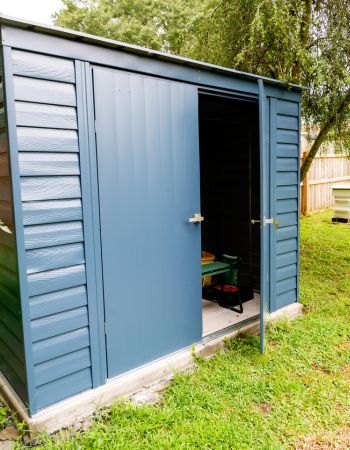
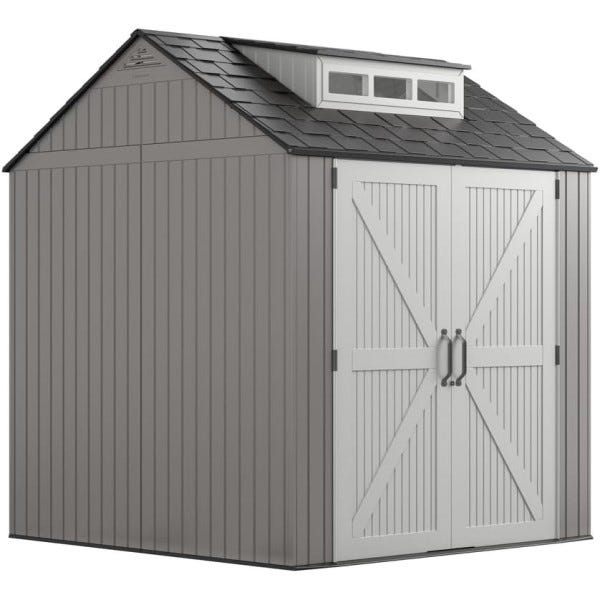
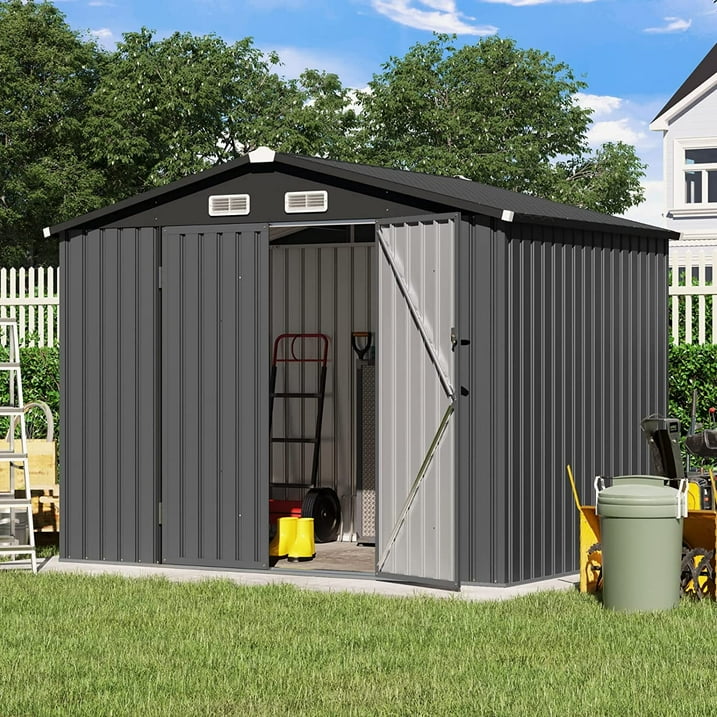
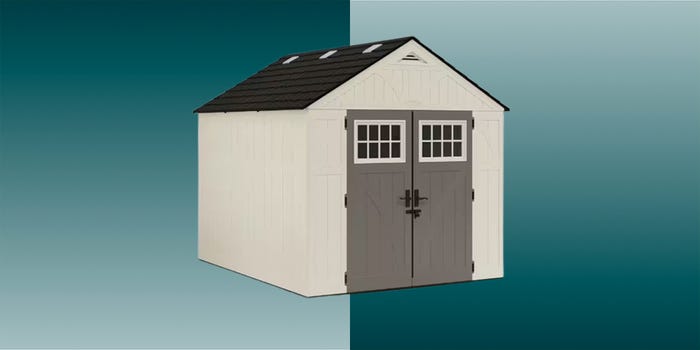
An outdoor storage shed serves the dual purpose of enhancing yard aesthetics and protecting equipment. Sheds are versatile, ranging from storing lawnmowers and gardening tools to providing spaces for relaxation or hobbies. Given that a shed is a significant investment, selecting the right one necessitates careful consideration of various factors. Experts advise evaluating size, material, intended purpose, color, and assembly requirements to make an informed decision.
Determining the appropriate shed size involves assessing available space, current storage needs, and potential future uses. Cody Wilson from Lawn Studios Landscaping emphasizes the importance of factoring in walkways and access, recommending the largest size that aligns with space and budget constraints. Joy Aumann, a licensed realtor, cautions against splurging on an oversized shed without considering the total project cost, advising that larger sheds incur more site preparation and higher expenses. Therefore, balancing desired space with budget is crucial.
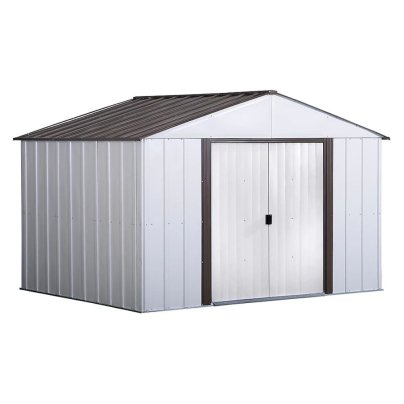
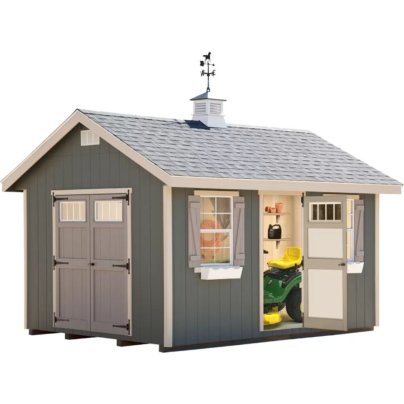
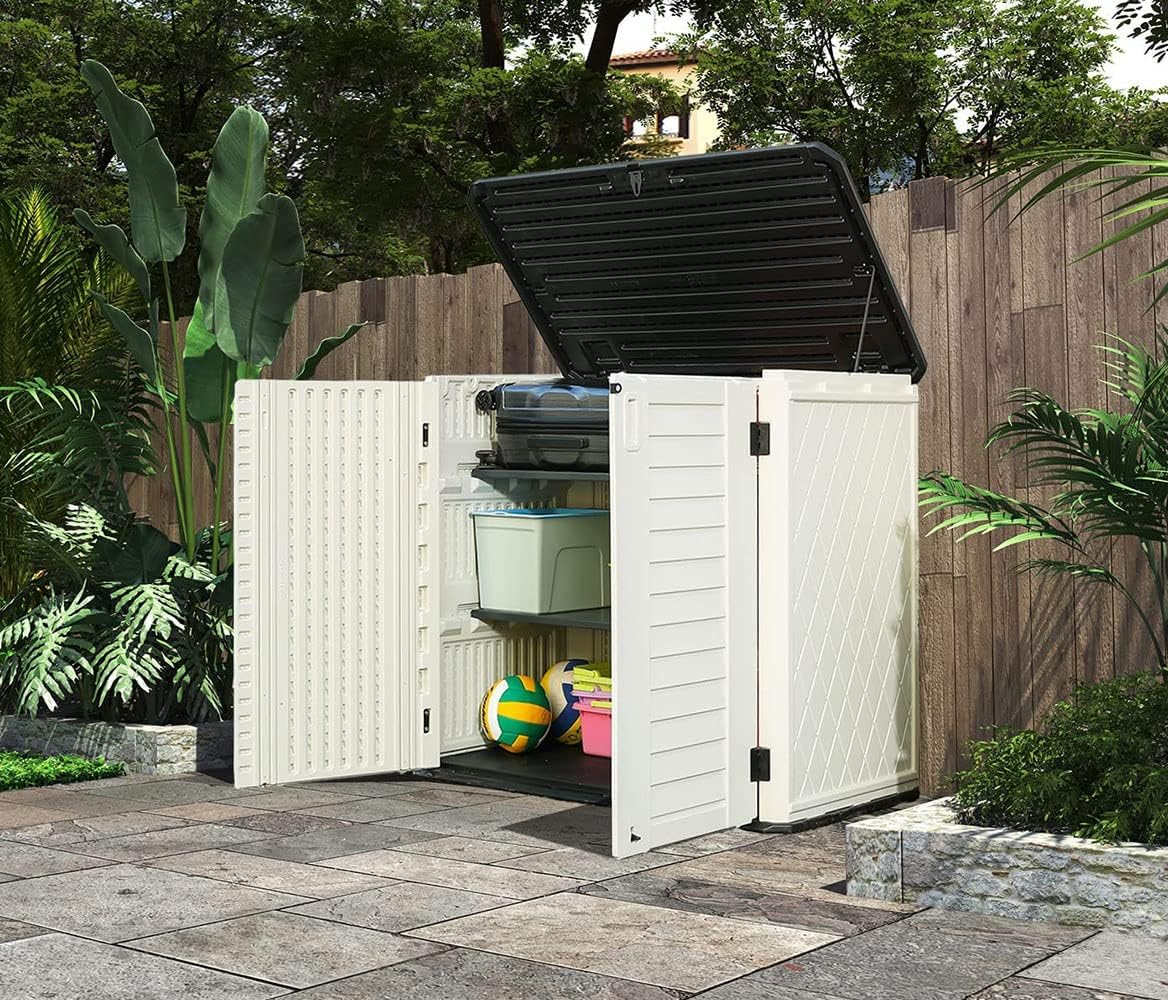
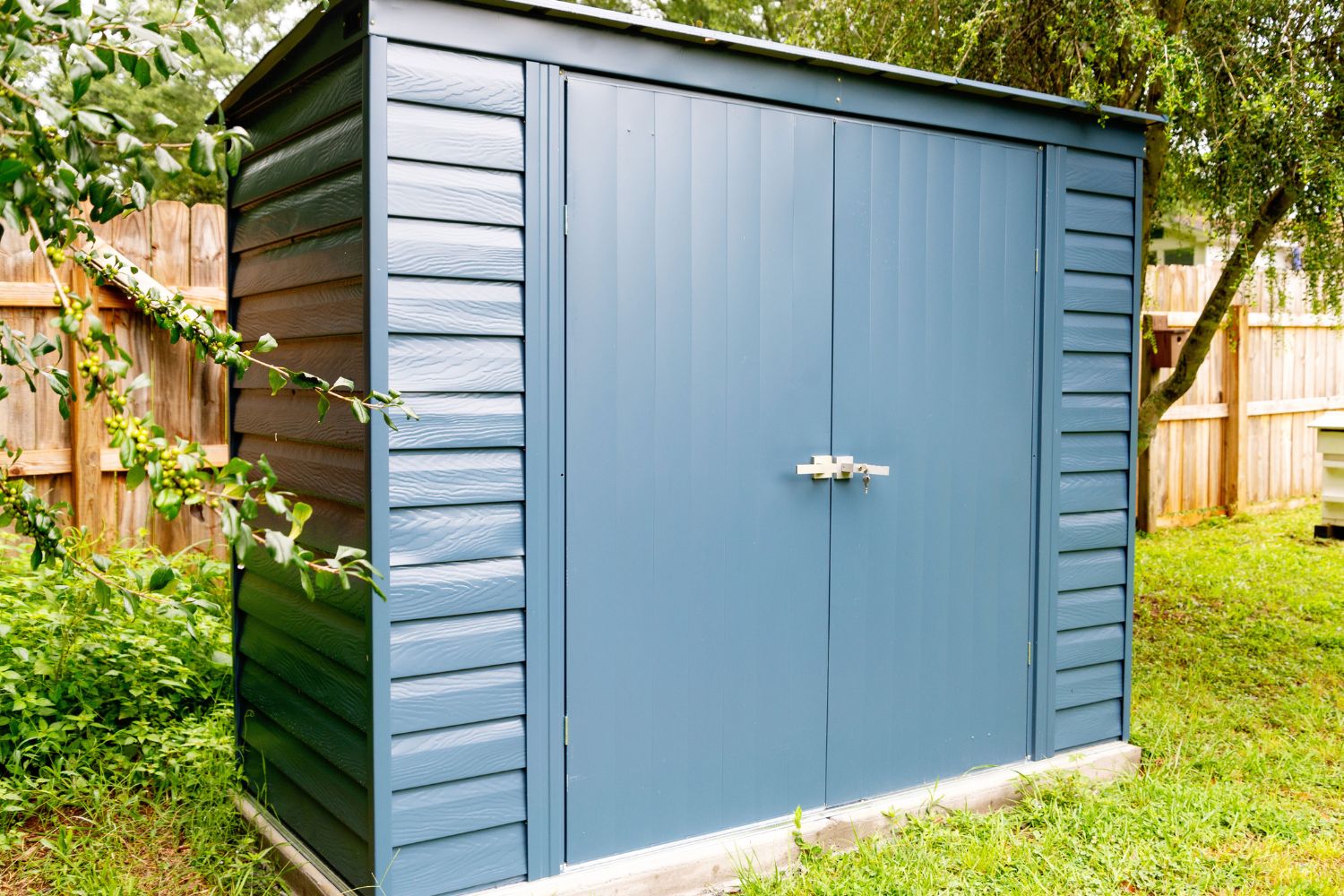
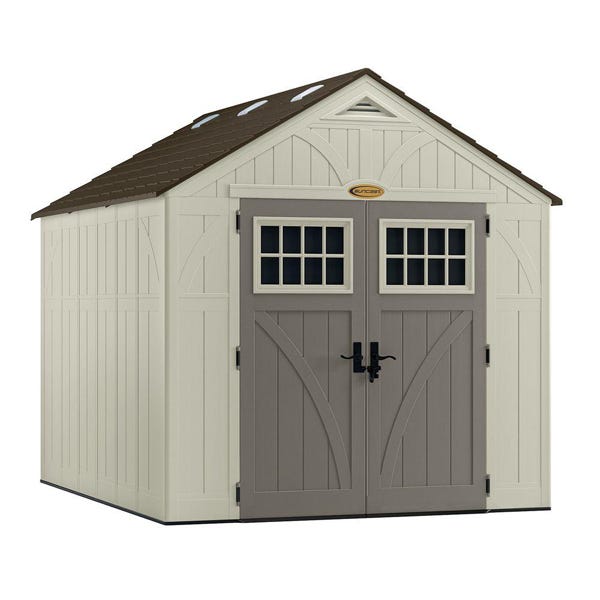
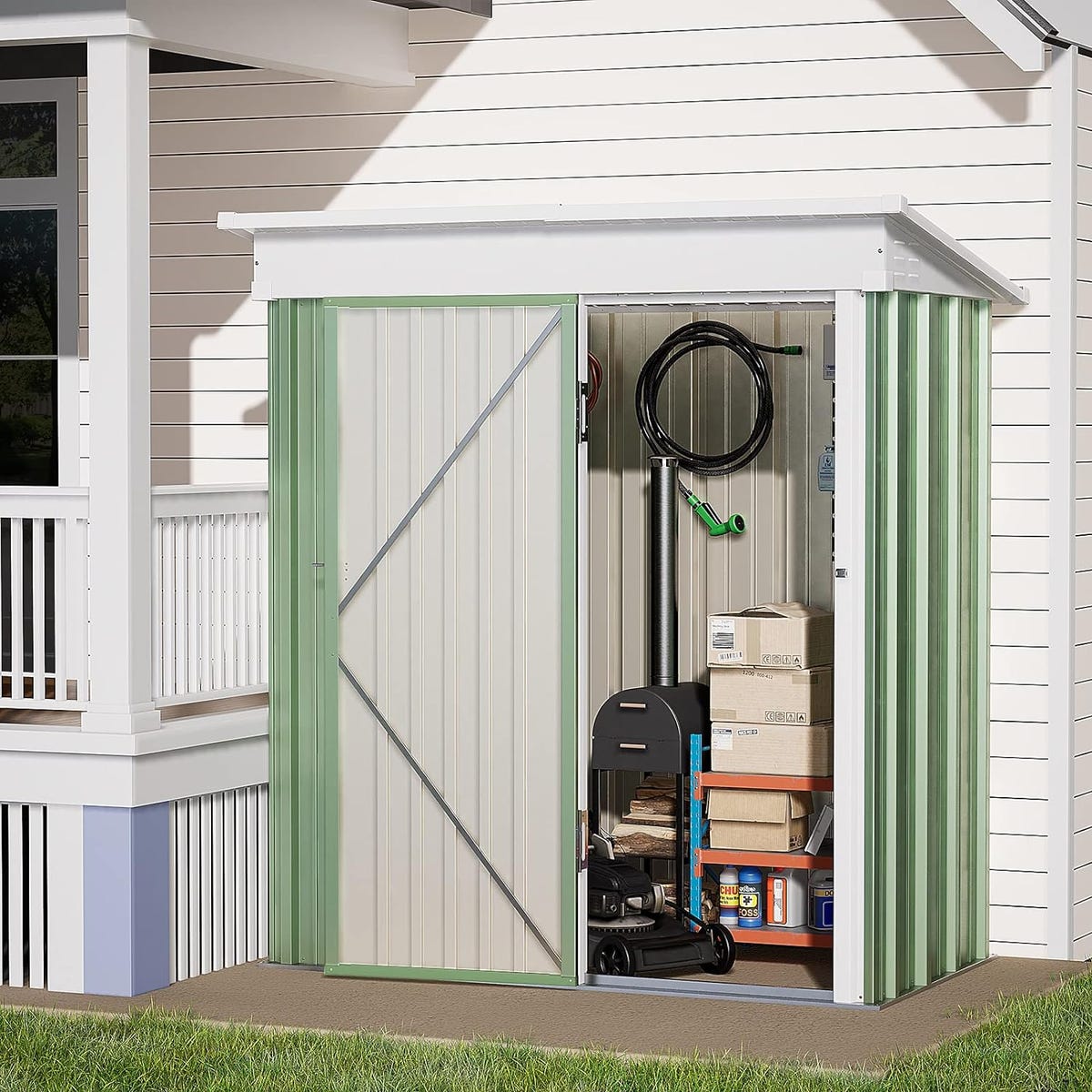
Sheds are commonly constructed from wood, metal, or plastic, each with distinct advantages and disadvantages. Ana Coddington, Lead Interior Designer for Archival Designs, explains that wood offers a natural, rustic appearance but demands regular maintenance like painting or staining to prevent rot and insect infestations. Metal sheds, typically made of steel or aluminum, are strong, durable, and resistant to rot, fire, and insects, making them low-maintenance and generally more affordable. However, they may lack the aesthetic appeal of wood or plastic and can rust if untreated. Plastic sheds, made from PVC or vinyl, are lightweight, easy to assemble, and resistant to rot, rust, and insects, making them suitable for harsh weather. Nonetheless, they may not possess the same strength and stability as wood or metal, potentially limiting their suitability for heavy equipment.
The shed's intended purpose significantly influences the features to prioritize. For instance, storing a lawnmower requires sturdy flooring and wide doors. Garden tools benefit from ample ventilation and easy access, while a "she-shed" would necessitate cubbies, shelves, and a window seat. Designing the shed with its specific use in mind ensures optimal functionality.
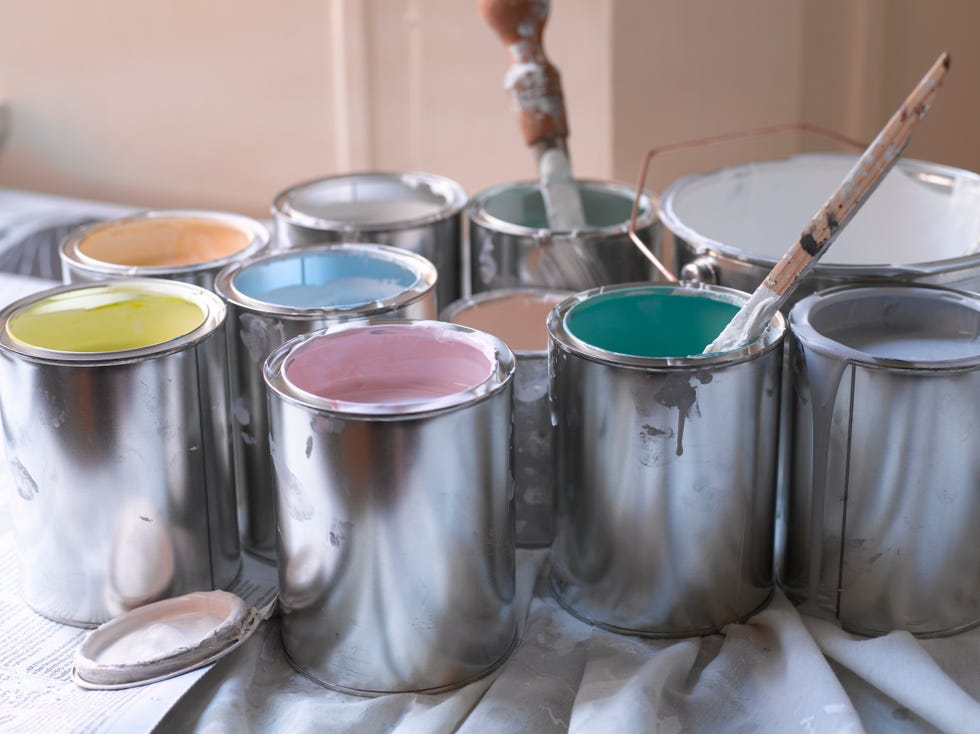
Color choice is another important consideration. Coddington suggests neutral palettes like white, beige, or gray for a timeless look that appeals to a broad range of potential home buyers. Alternatively, earthy tones such as green or brown can help the shed blend into the natural surroundings, while bold colors like red or blue can make a statement.
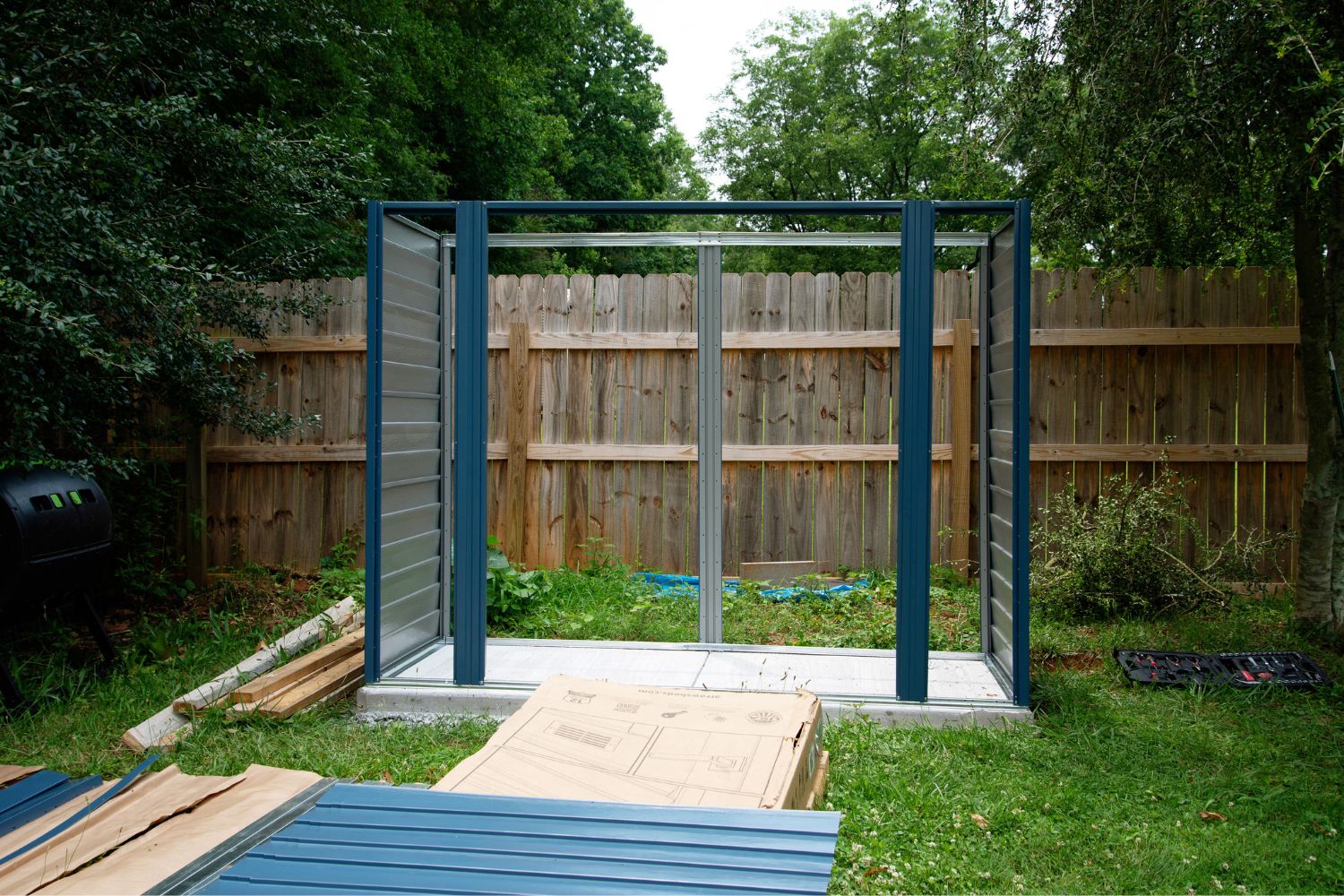
Finally, the assembly process and manufacturer's instructions should be reviewed before purchase. Aumann highlights the necessity of a flat and level site to prevent structural issues, while Wilson recommends ensuring proper drainage. For complex builds, professional installation may be advisable. Based on these expert insights, several shed options are available, including galvanized metal, resin plastic with reinforced floors, heavy-duty resin, vertical resin, and DIY wood sheds, each offering different features and price points to suit various needs and preferences.
#StorageShed #HomeImprovement #OutdoorStorage #GardenShed #DIY #MaterialComparison #ExpertAdvice #PropertyValue #HomeOrganization #StorageShed #HomeImprovement #OutdoorStorage #GardenShed #DIY #MaterialComparison #ExpertAdvice #PropertyValue #HomeOrganization
0 comment in total
 No comments yet
You may also like
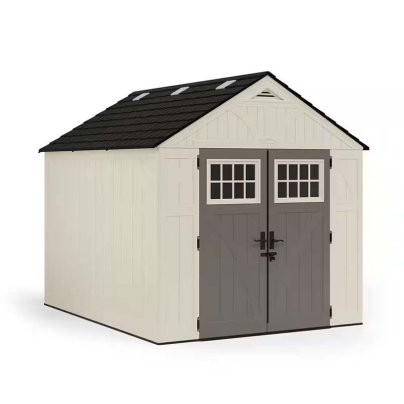
We’ve Rounded Up the Best Sheds to Increase Storage or Workshop Spaces

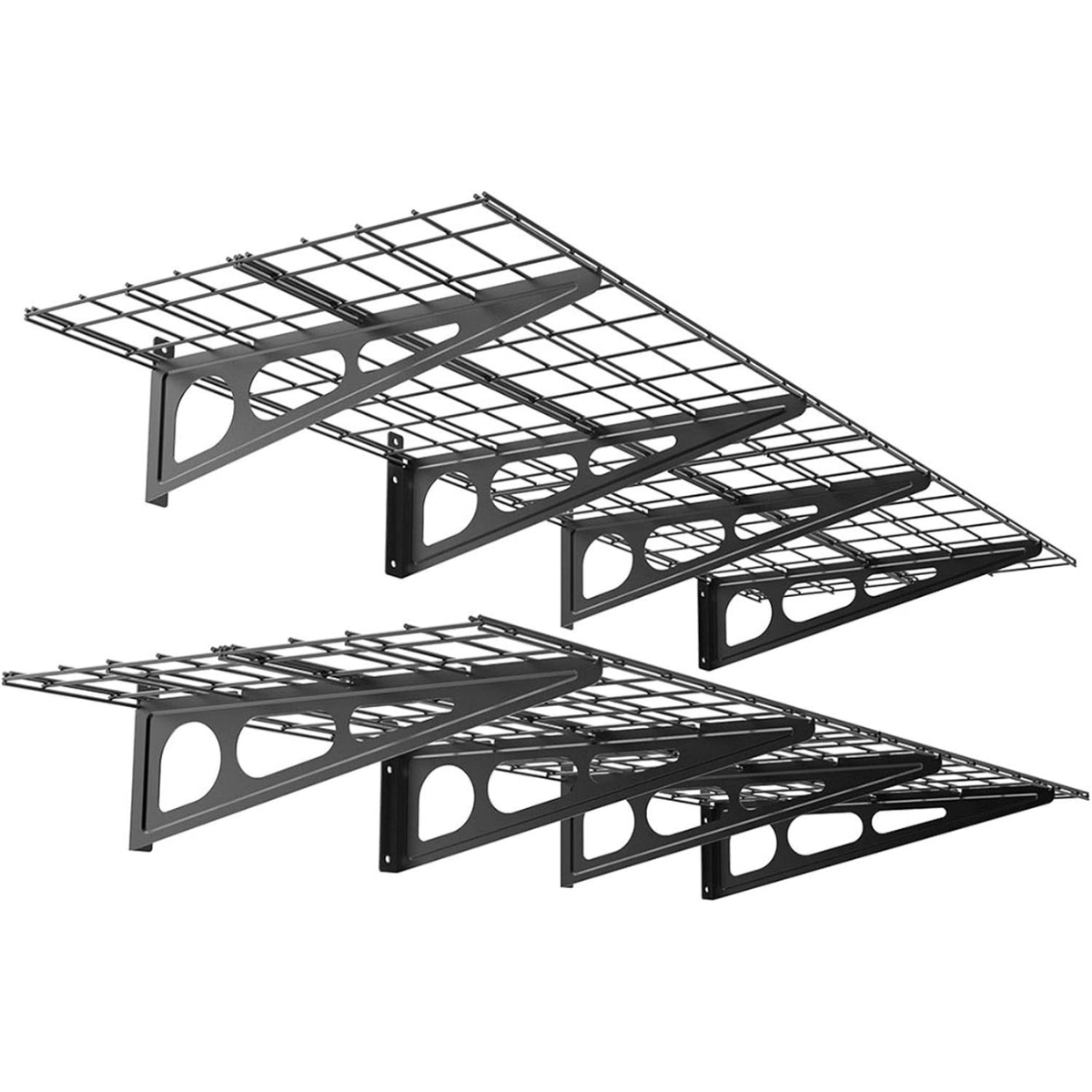
We Tested The Best Garage Shelving for 22 Hours. Here Are the Most Sturdy Storage Units You Can Buy

Storage Boxes - Our Pick of the Best
48 Garage Storage Ideas to Help You Stay Organized

The Best Closet Storage, According to Professional Organizers
9 expert tips from a top kitchen designer on getting storage spot on

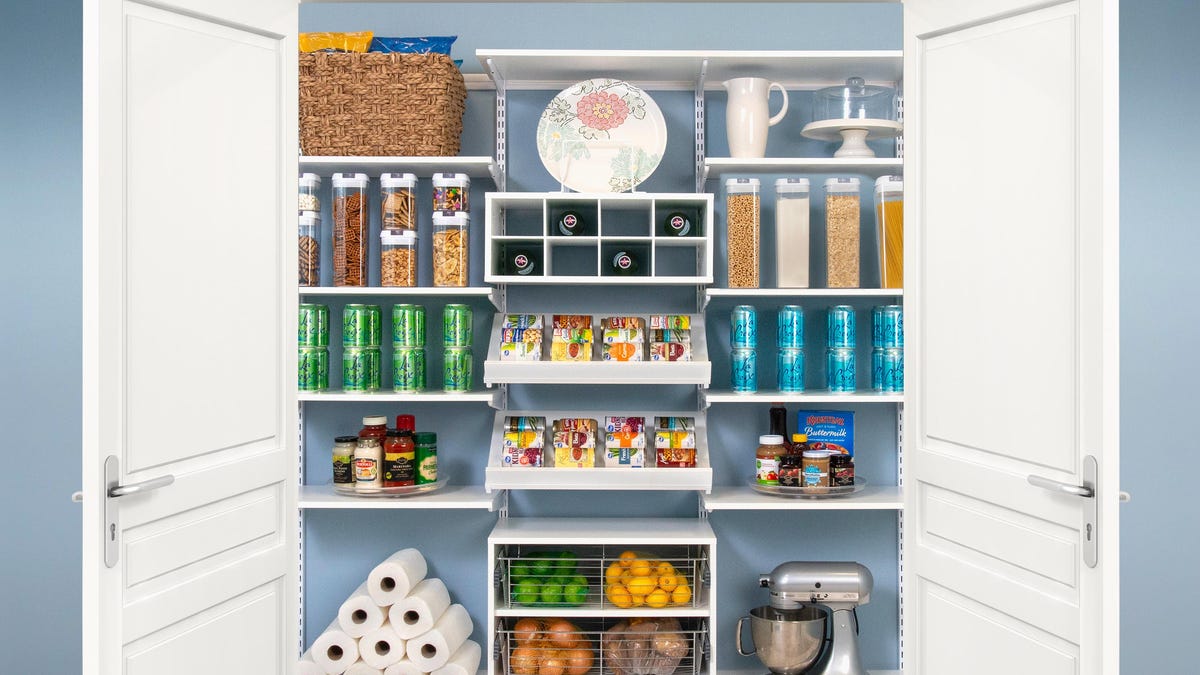
Homestyle: Storage solutions
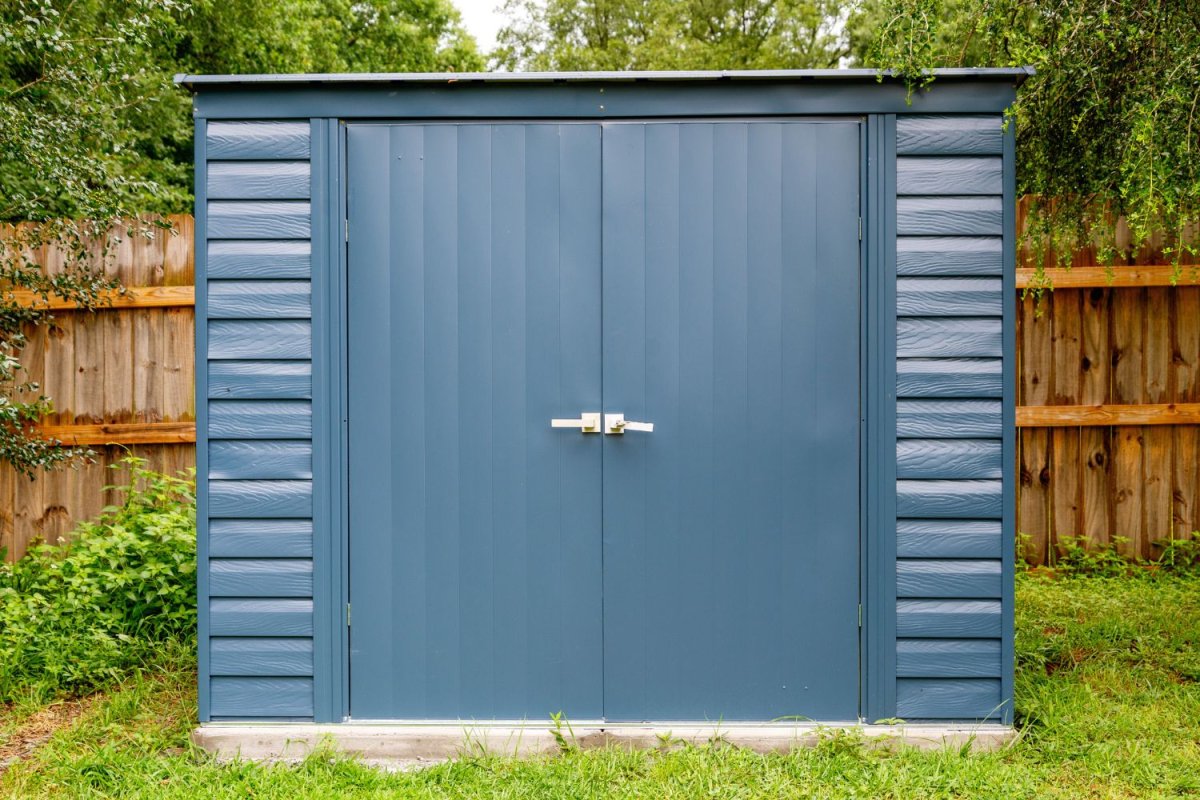
Building a Shed Looks Easy—Here’s What We Learned When Building a ShelterLogic Shed
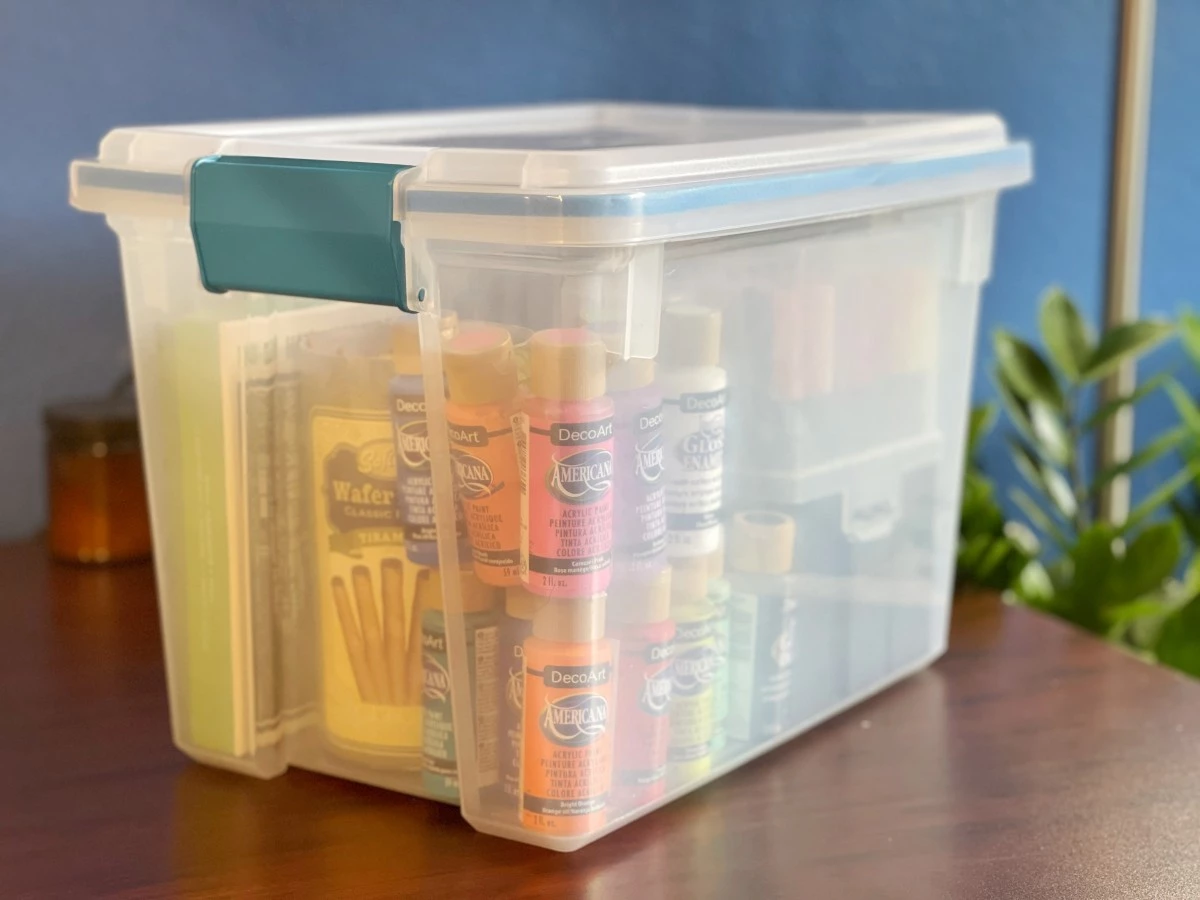
The Best Storage Bins


The Best Sales At The Container Store And When To Shop Them
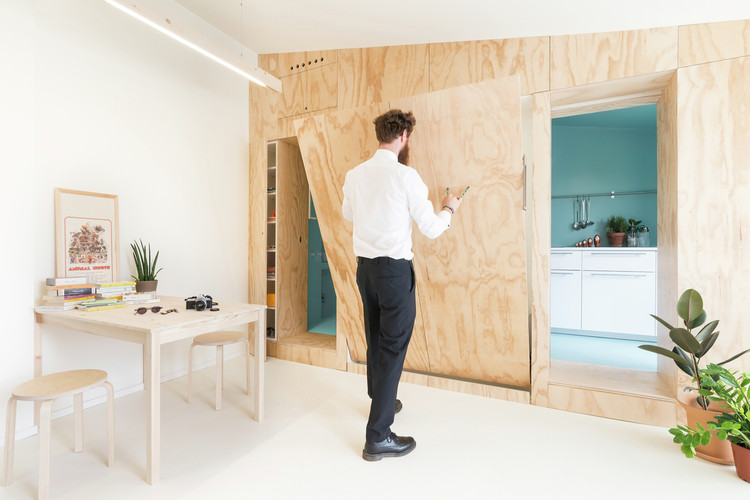
Space-Saving Solutions: 33 Creative Storage Ideas

Renters! No more skimping on storage as I've found a bunch of cute renter-friendly shelves

We Tested Storage Cubes and Found the Best Options for Every Room in Your Home
The best garage storage solutions to organize your space, per an expert
5 Things You Should NEVER Leave in Your Shed, According to an Expert

The 11 best outdoors sheds for extra backyard storage
Savvy Storage

Pro Organizers Share 10 Storage Hacks for Basements, Including a Product That Turns Any Surface Into a Countertop

We Tossed Storage Bins Down Flights of Stairs to Find the Best Ones
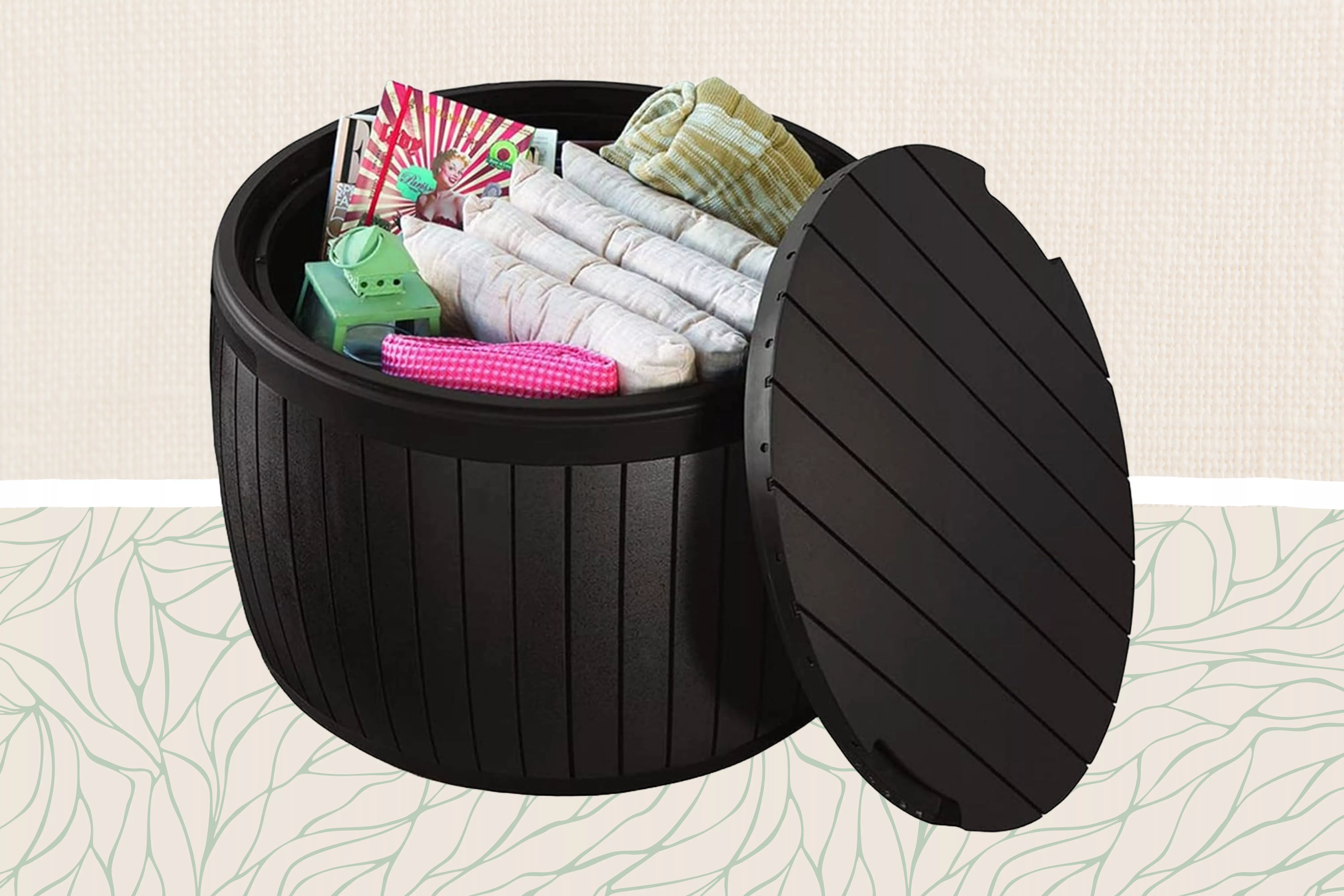
Organize Pillows, Tools, and Supplies with Our Favorite Outdoor Storage Pieces