How to add light in a loft conversion
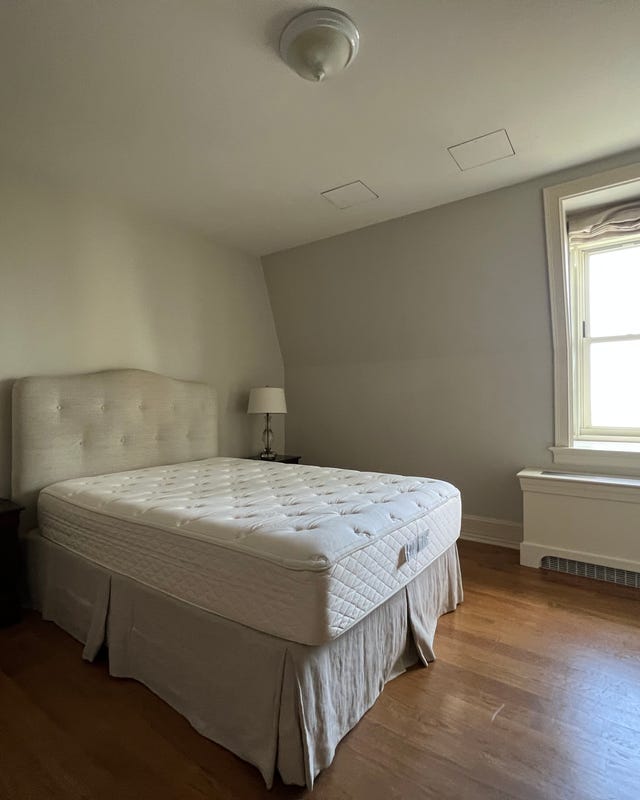
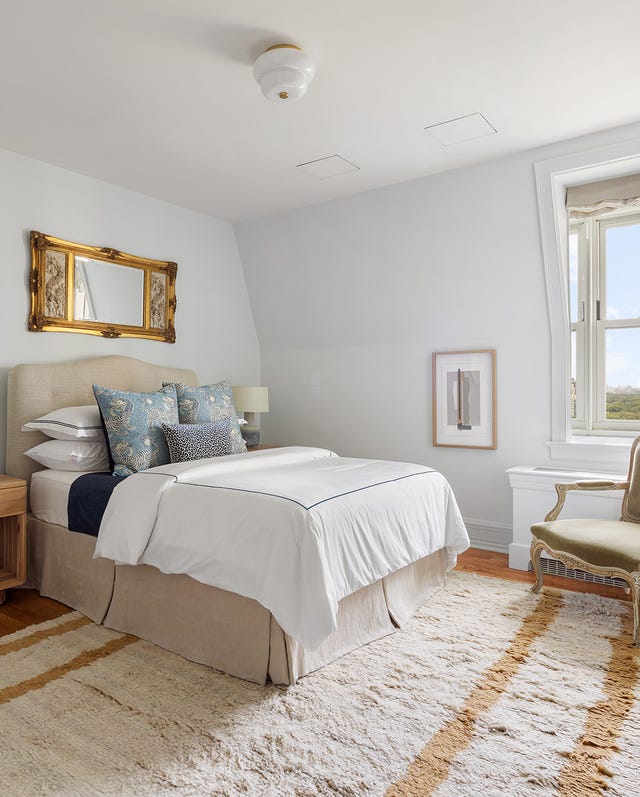
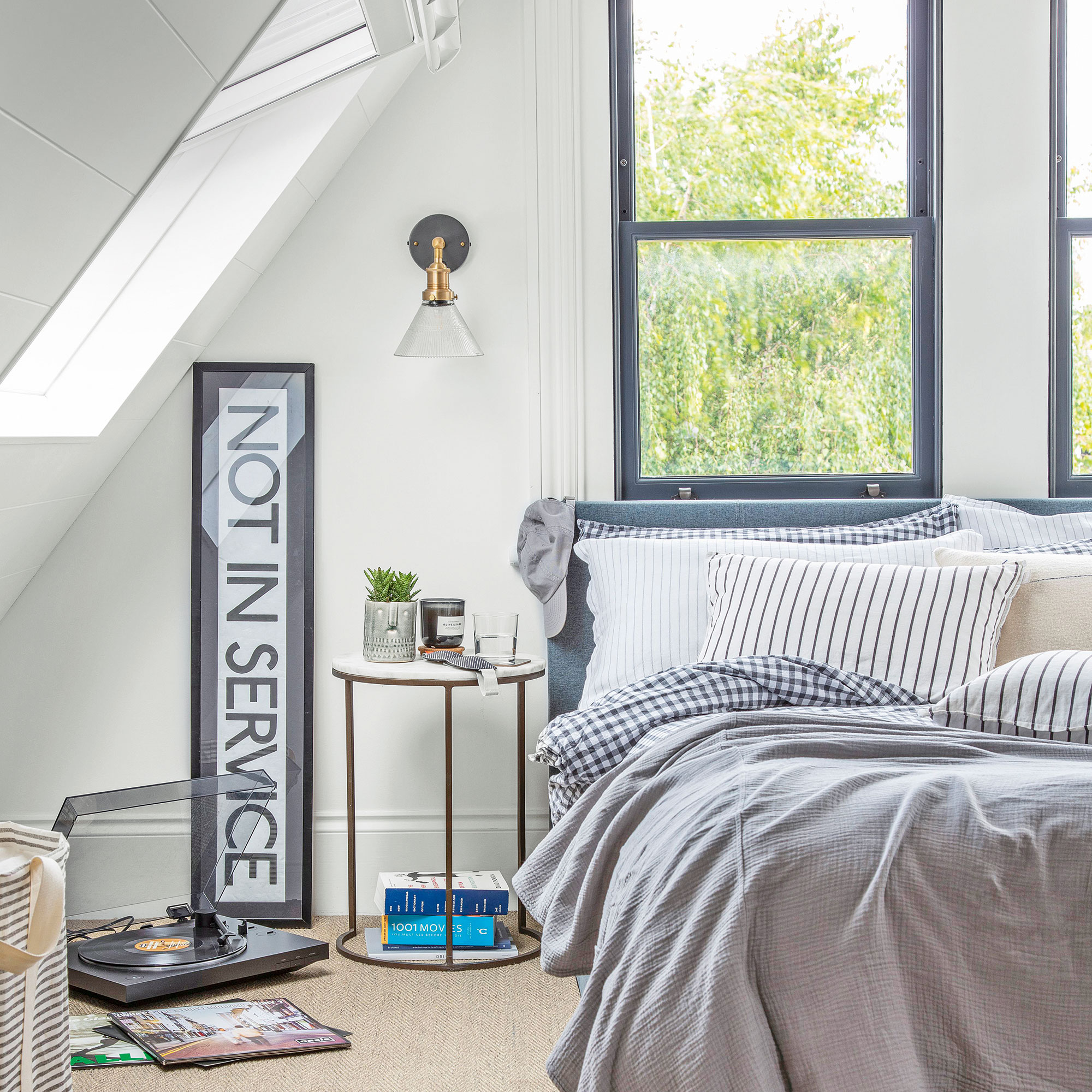
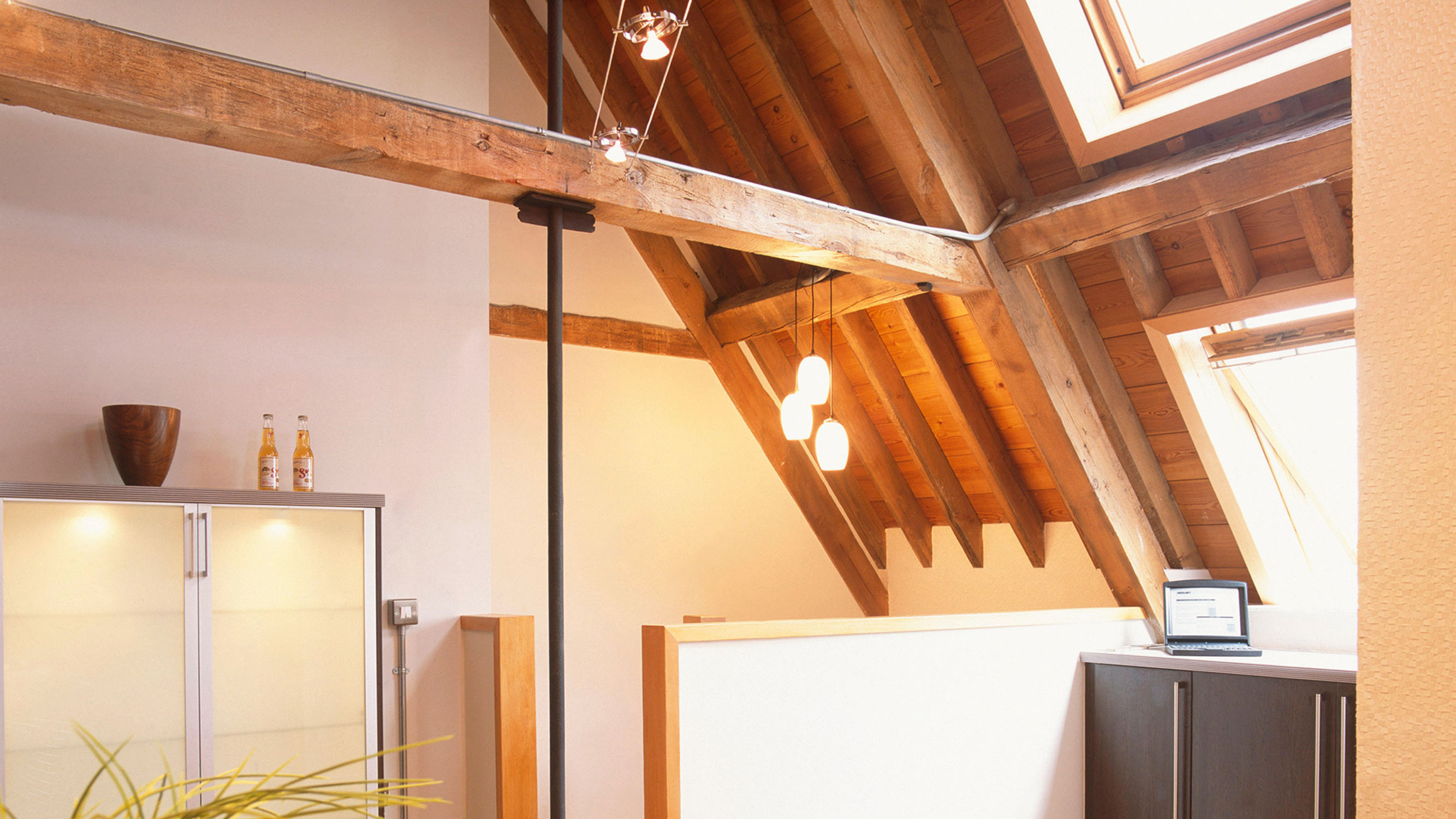
Optimizing lighting in a loft conversion presents distinct challenges due to architectural characteristics such as sloping ceilings, height restrictions, horizontal beams, and naturally darker corners. Proper illumination is crucial for enhancing the ambiance of any room, making thoughtful lighting design a priority from the outset of the project rather than an afterthought. Daniel Blaker, creative director at Nulty Lighting, emphasizes the importance of integrating lighting plans early into the design process to ensure they are cohesive and effective.
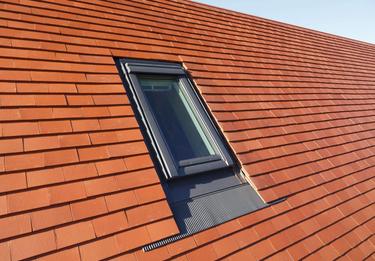
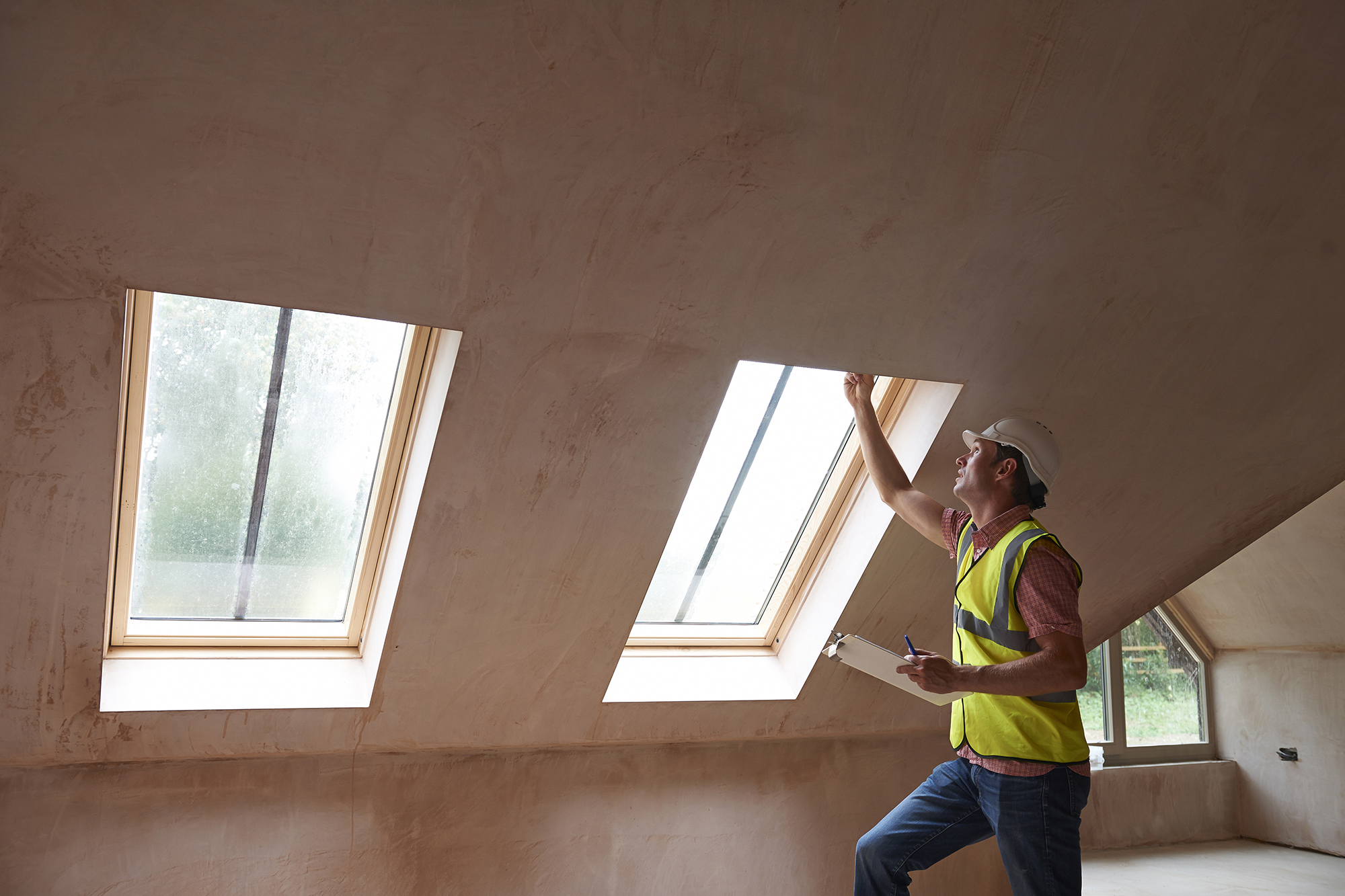
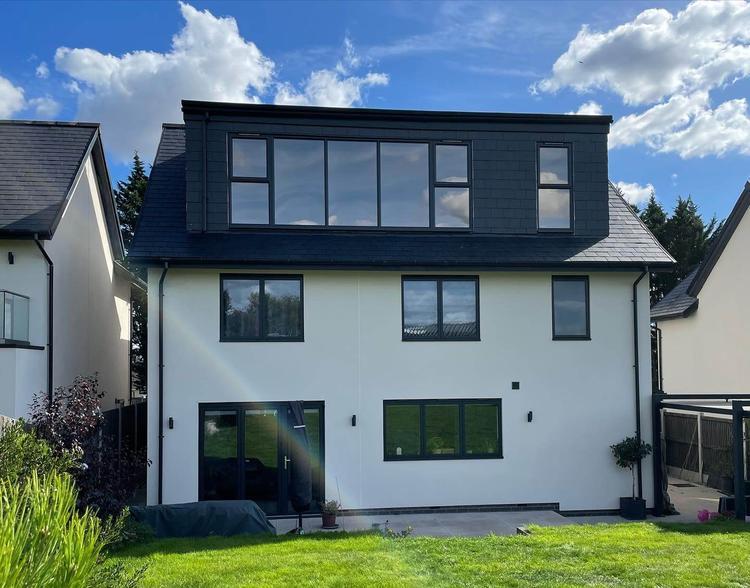
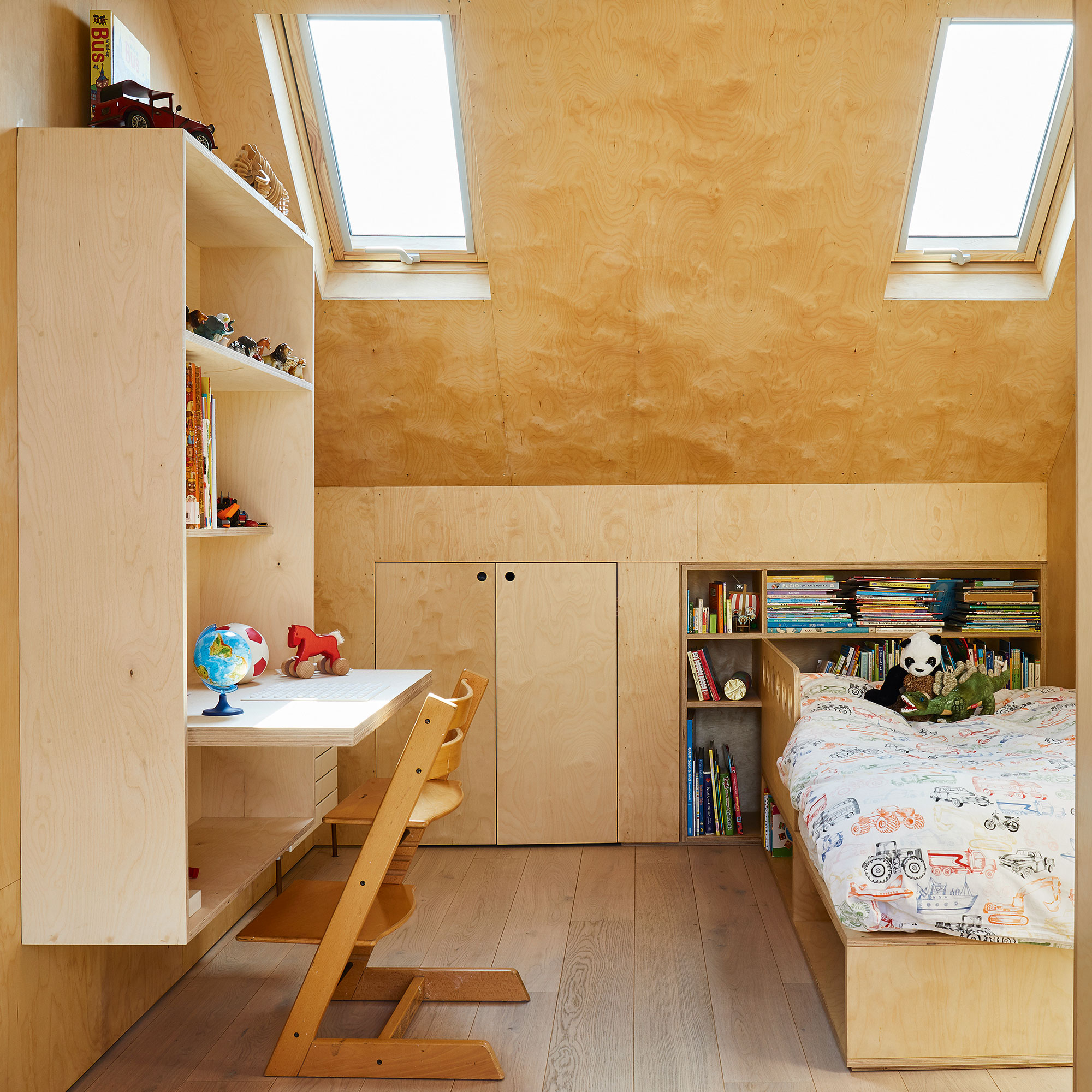
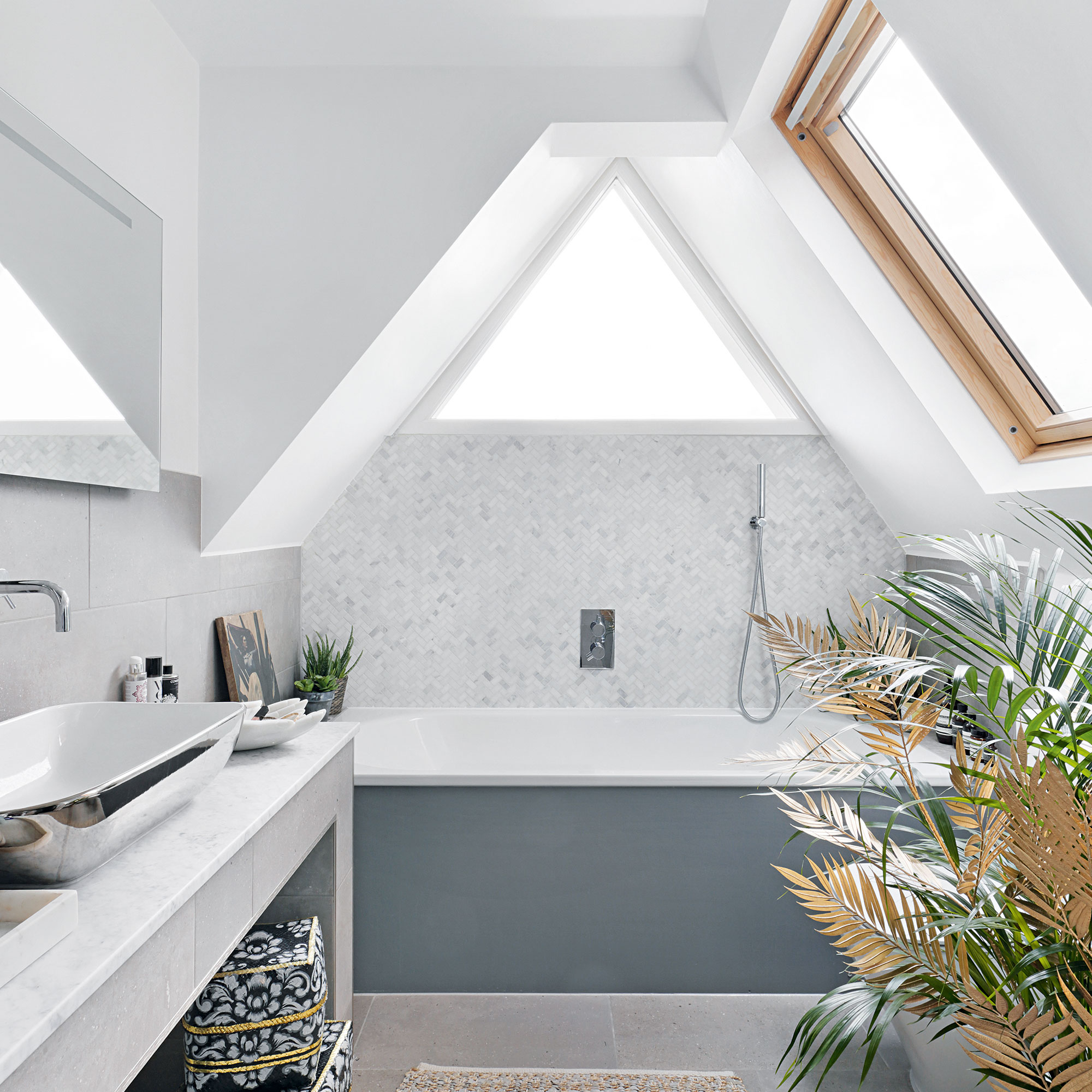
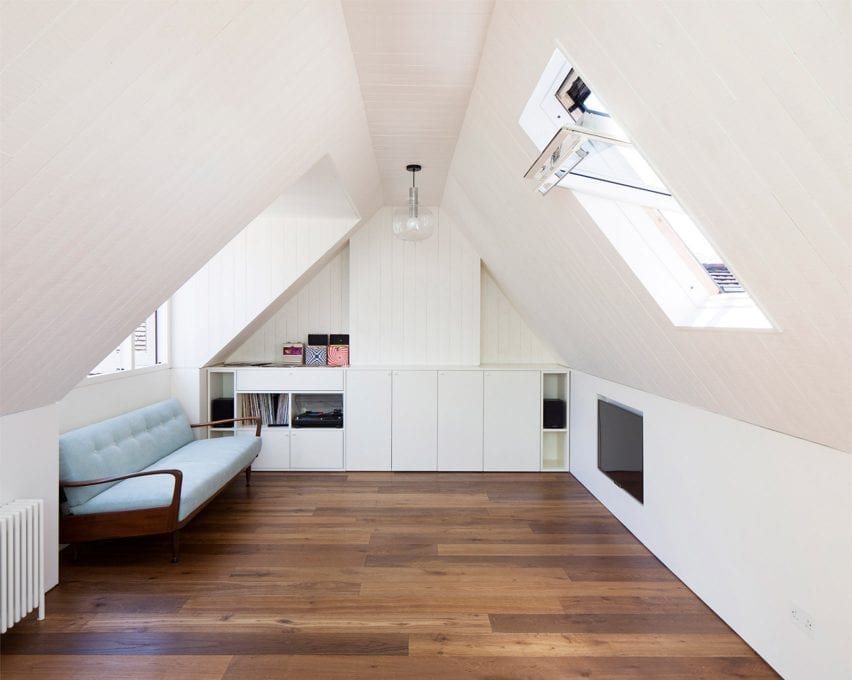
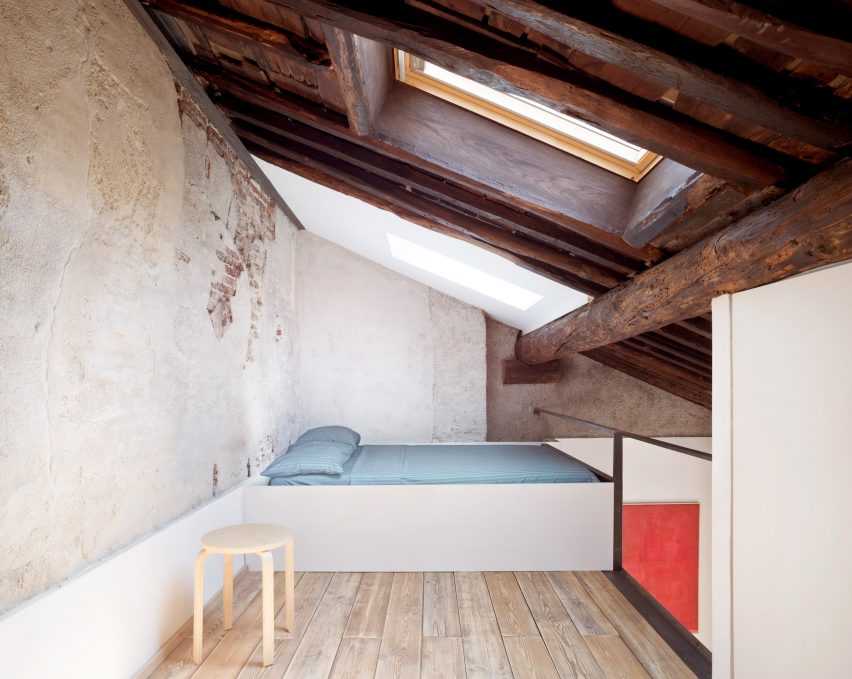
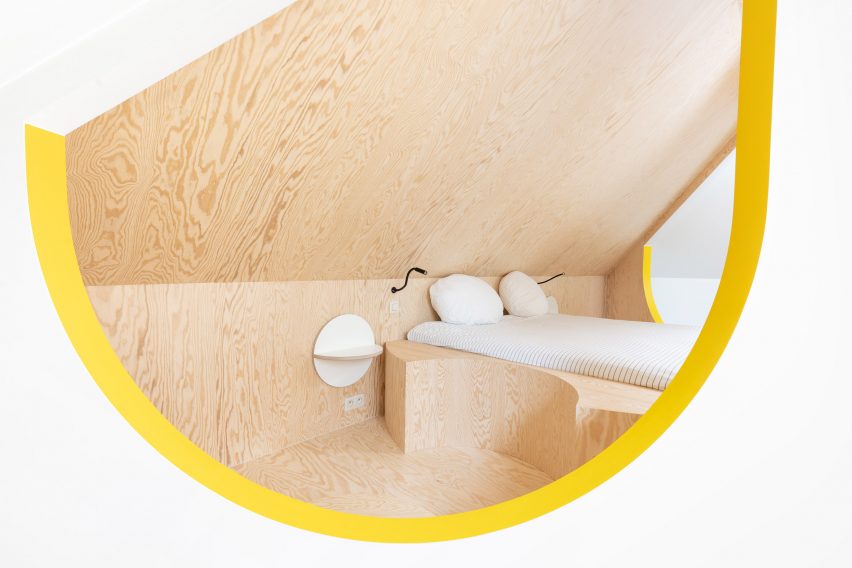
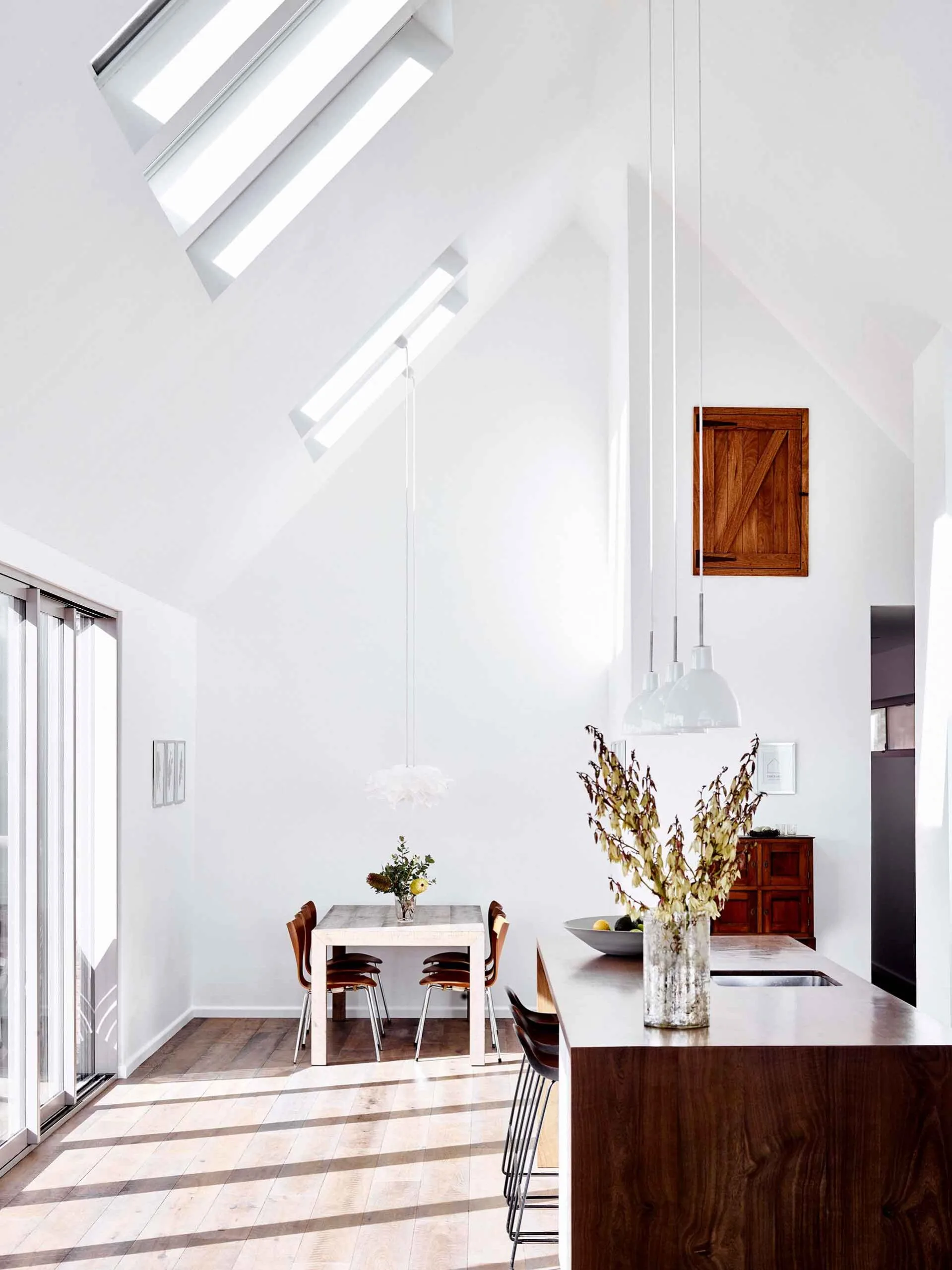
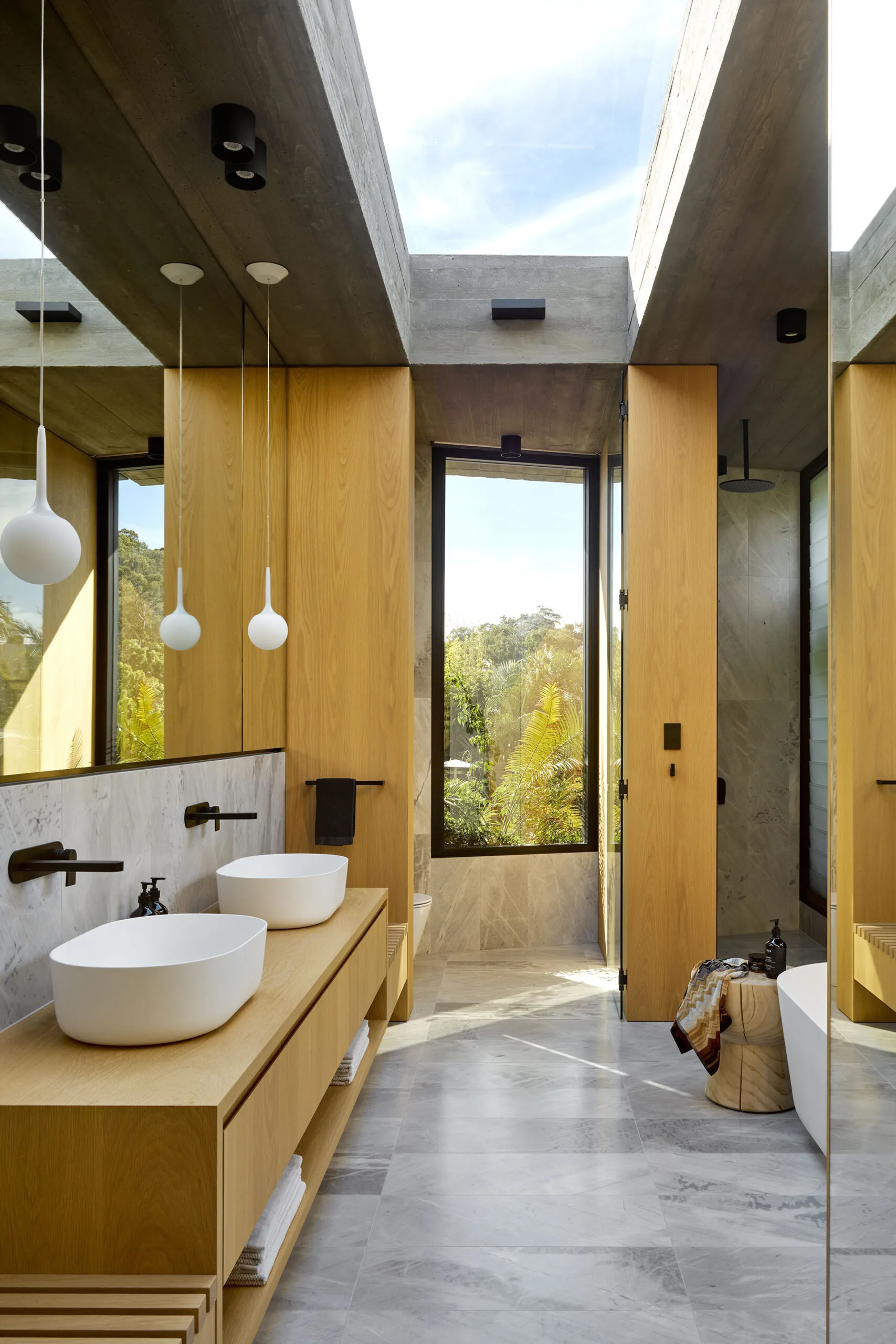
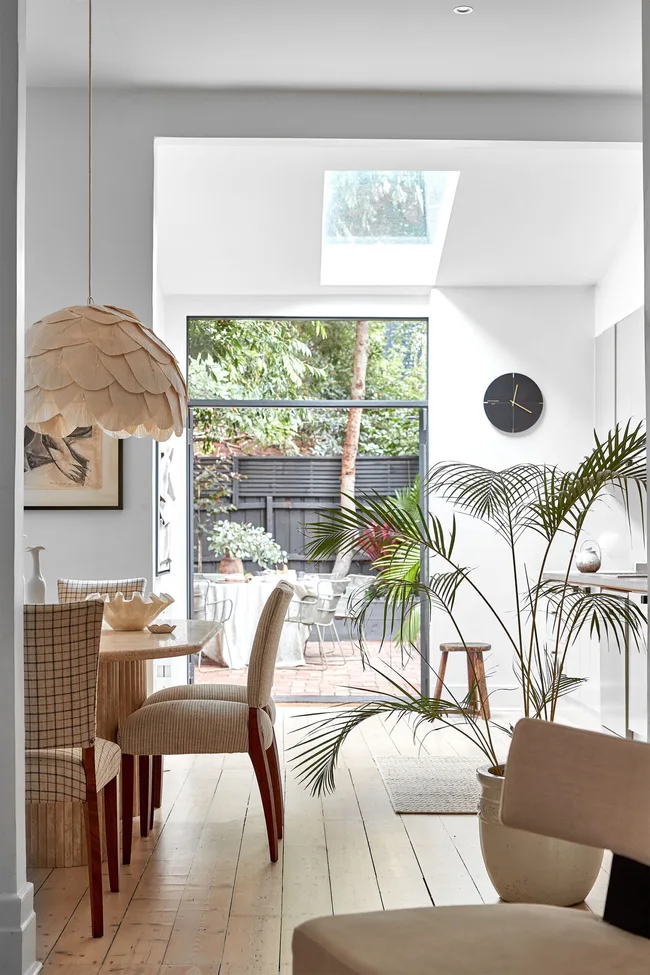
Natural light plays a significant role in loft spaces. The more roof lights and dormer windows that can be incorporated, the better the natural daylighting. However, many loft conversions inherently have limited natural light and will require supplementary artificial lighting, especially on overcast days, to maintain a bright and inviting atmosphere.
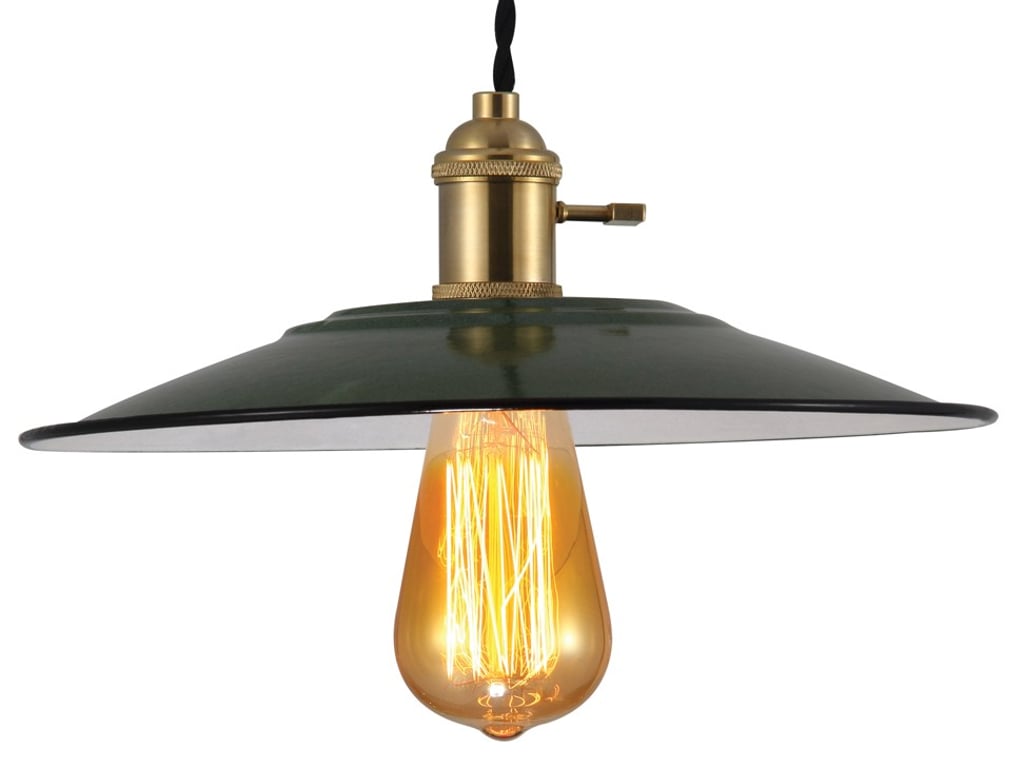
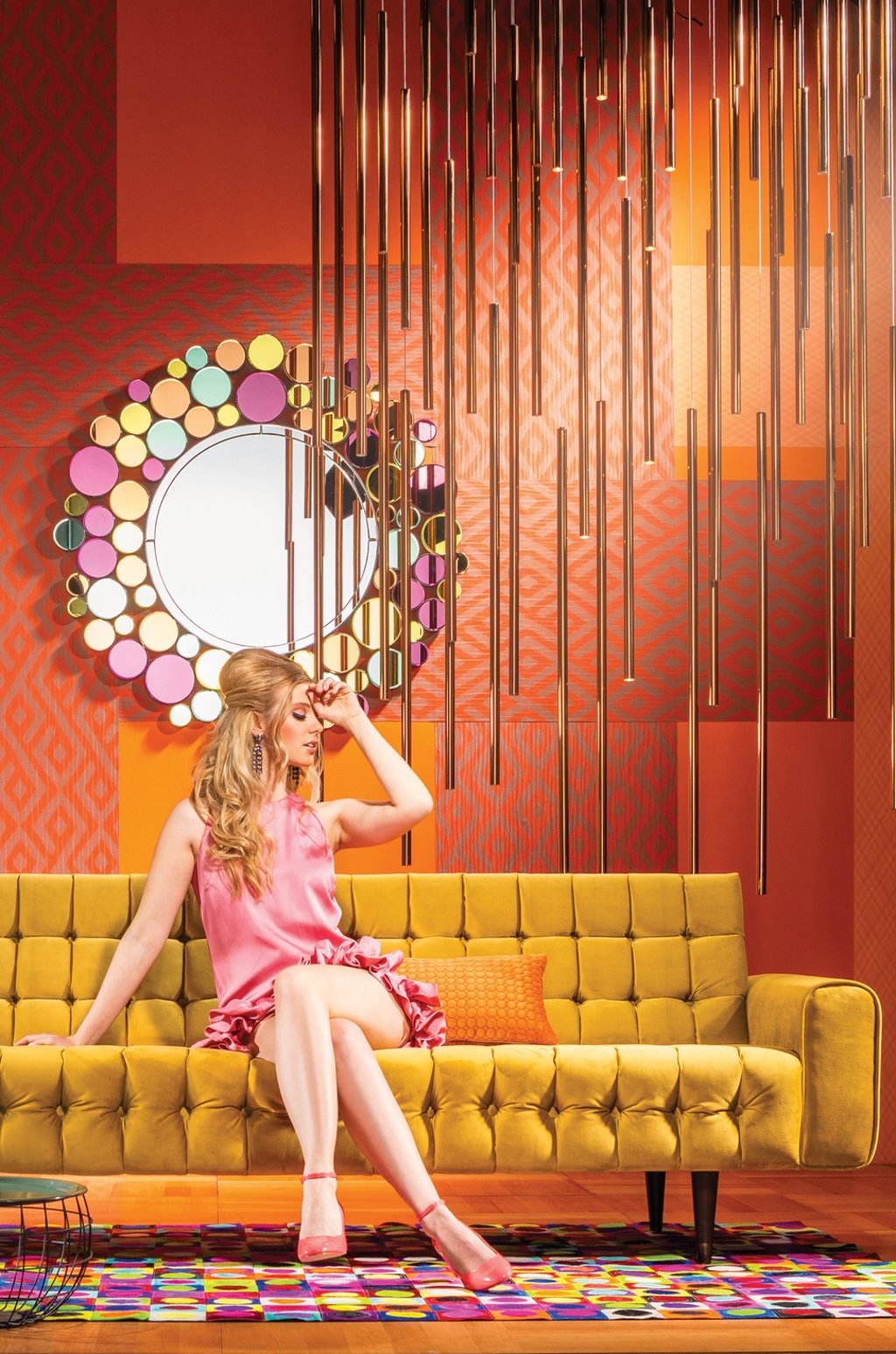
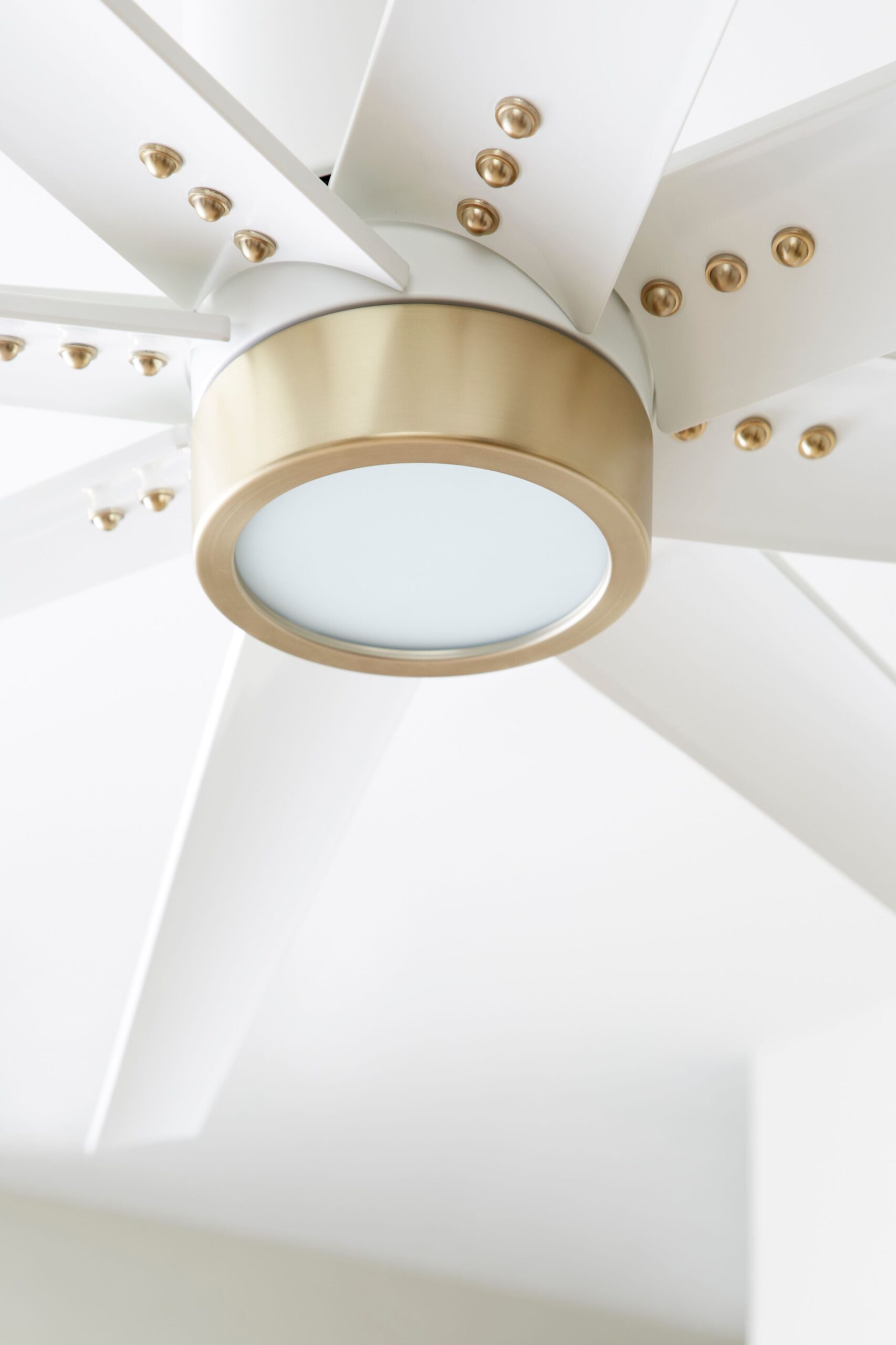
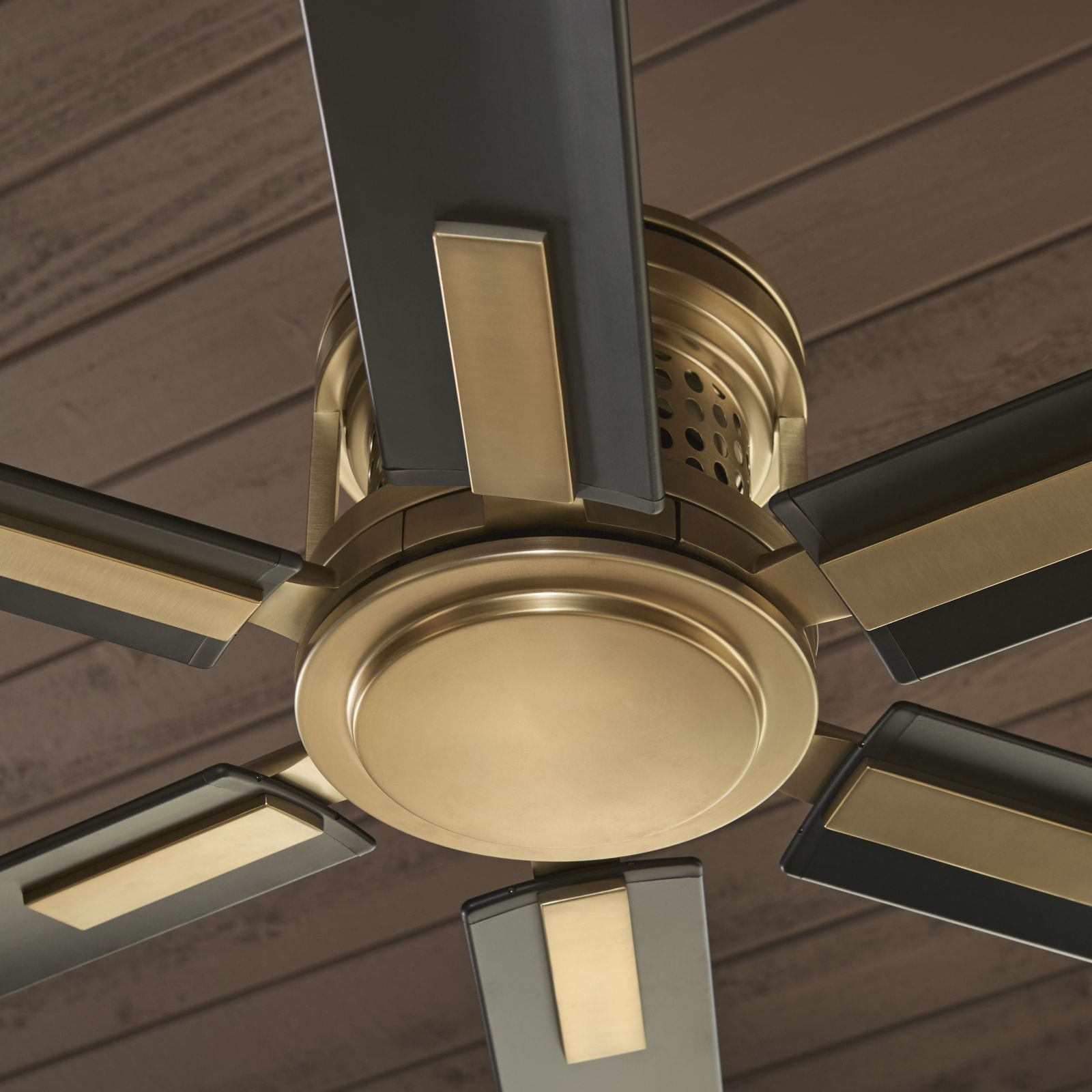
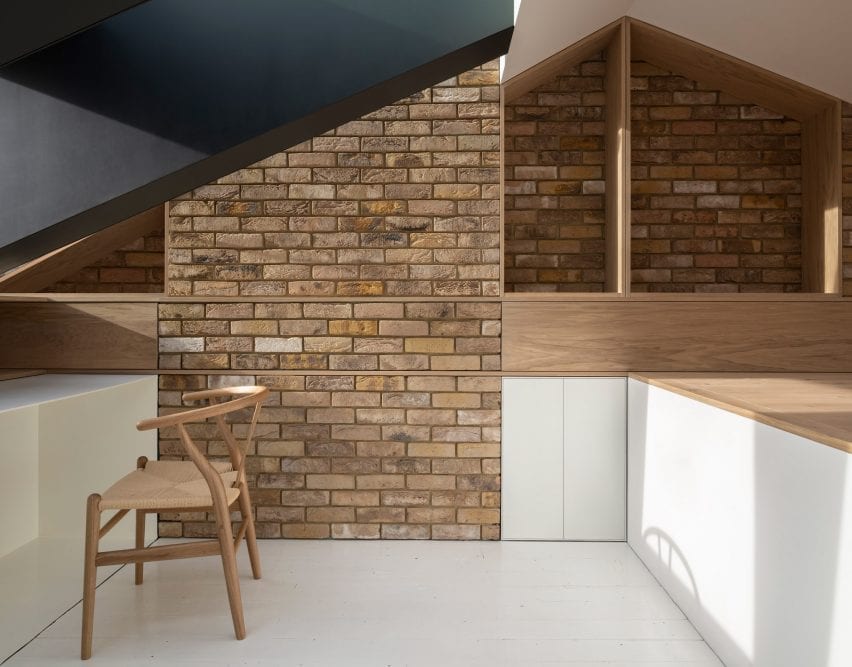
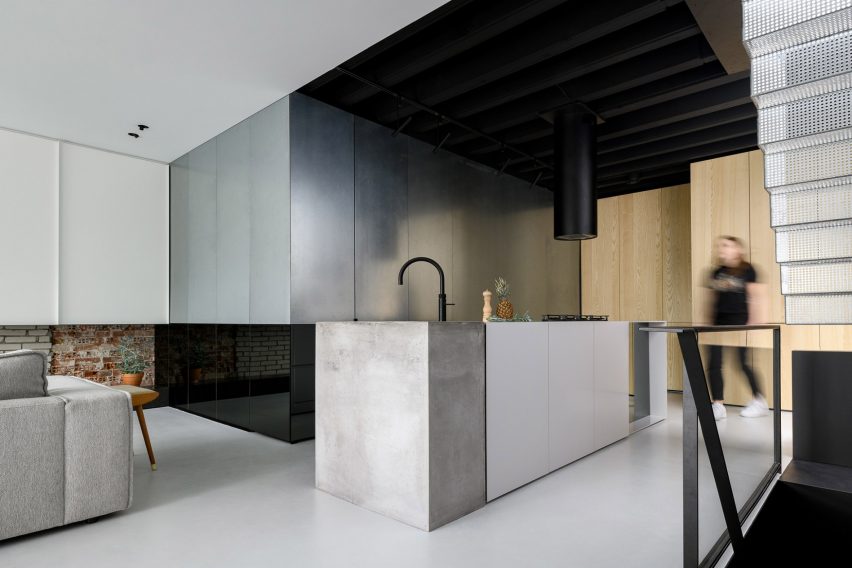
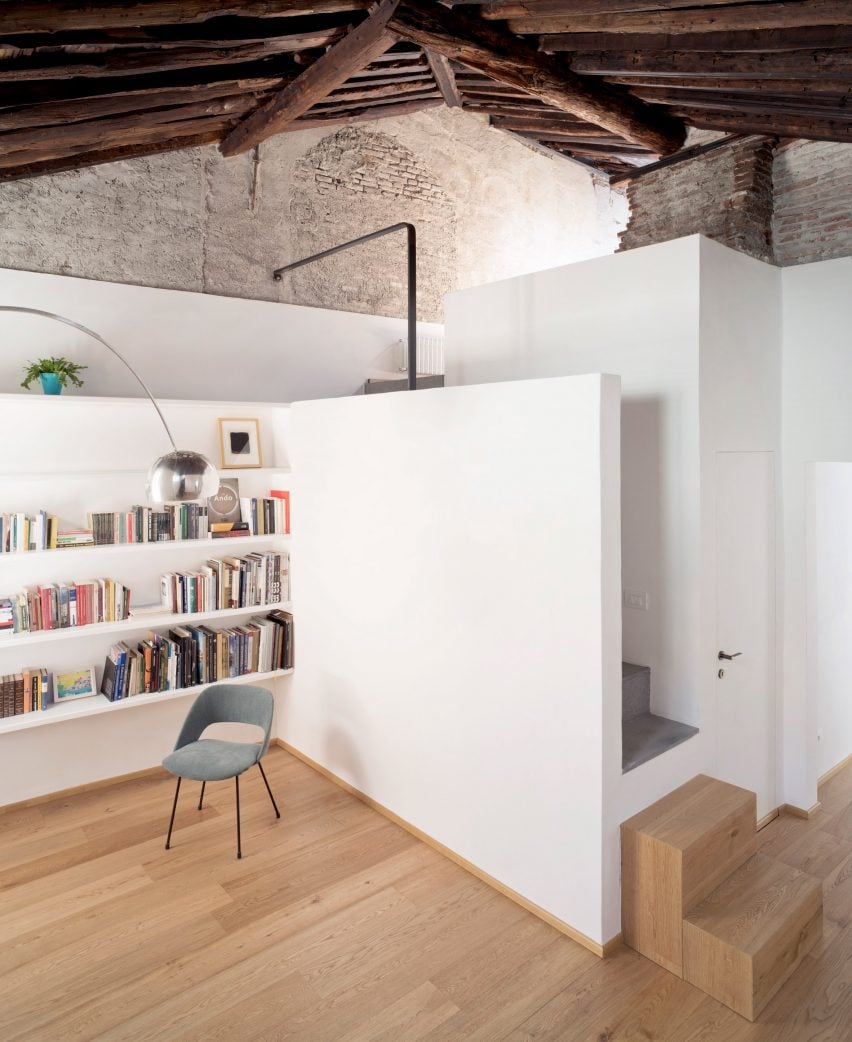
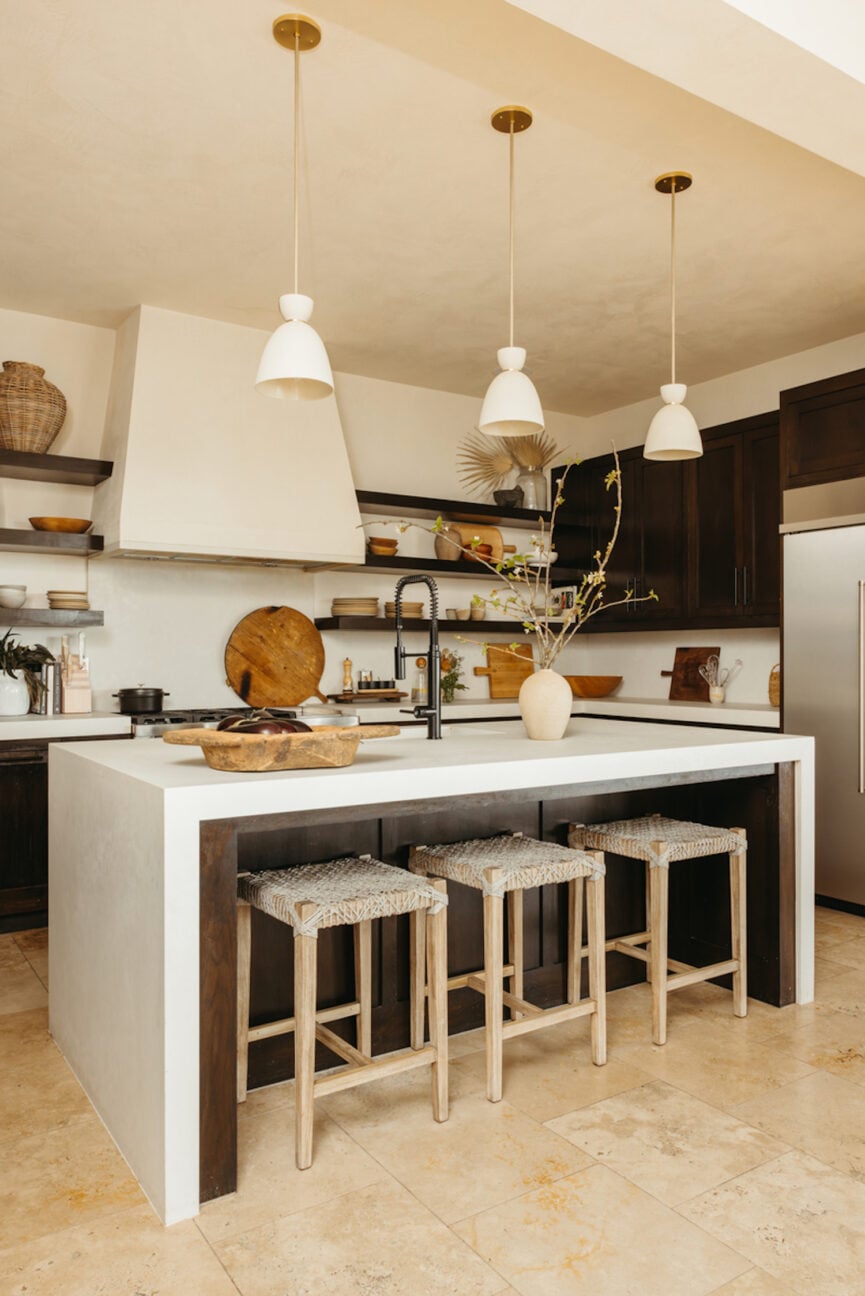
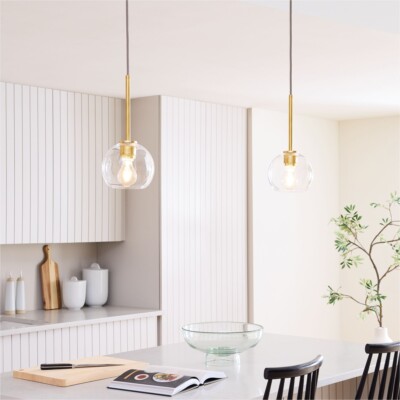
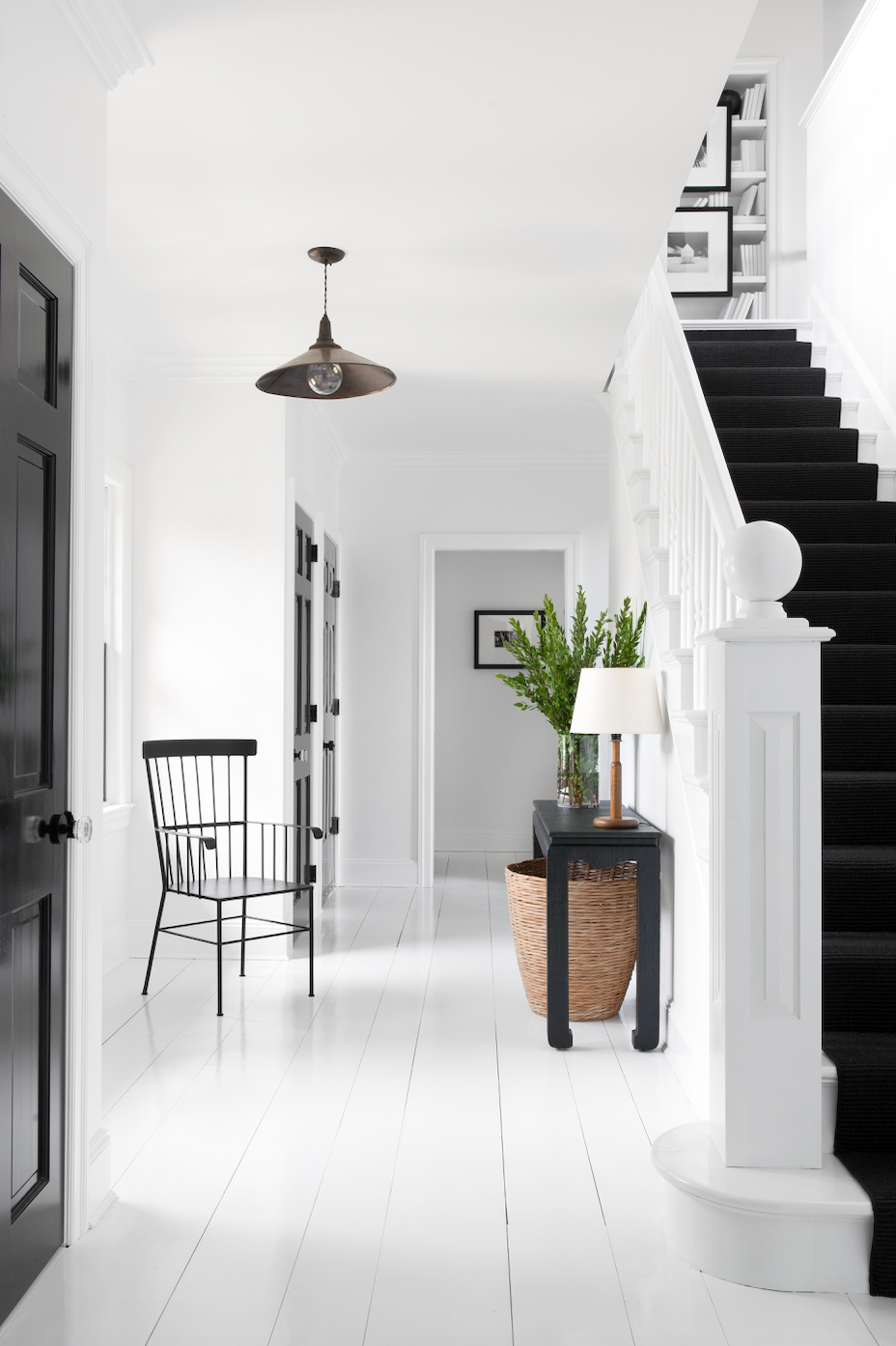
Addressing the unique features of a loft, such as the sloping ceilings, requires specific lighting solutions. Traditional ceiling fixtures might not be suitable, necessitating alternative approaches like pendant lights that can descend from higher points or track lighting systems that can adapt to varying ceiling heights and angles. Horizontal beams can also obstruct light distribution, suggesting the use of upward-facing lights to bounce illumination off lighter surfaces or strategically placed fixtures that highlight architectural features without casting deep shadows. Dark corners can be brightened with accent lighting, such as recessed spotlights or floor lamps, to eliminate gloomy areas and make the space feel more expansive and welcoming. The strategic placement of mirrors can also amplify both natural and artificial light by reflecting it into darker zones.
Effective lighting in a loft conversion extends beyond mere illumination; it contributes to the perception of space and comfort. A well-lit loft can feel larger, more open, and more functional, whether it serves as a bedroom, office, or living area. Considering the interplay between different types of lighting—ambient, task, and accent—is essential to create a versatile and pleasant environment that can be adapted to various activities and times of day. Early and comprehensive planning with a lighting designer can help overcome the inherent limitations of loft spaces and transform them into beautifully lit, highly usable rooms.
#LoftConversion #LightingDesign #InteriorLighting #HomeImprovement #ArchitecturalLighting #NaturalLight #CeilingSolutions #HomeDesign #LoftConversion #LightingDesign #InteriorLighting #HomeImprovement #ArchitecturalLighting #NaturalLight #CeilingSolutions #HomeDesign
0 comment in total
 No comments yet
You may also like
Loft conversions: The ultimate guide
New lighting? Designers offer tips for upgrades that shine.

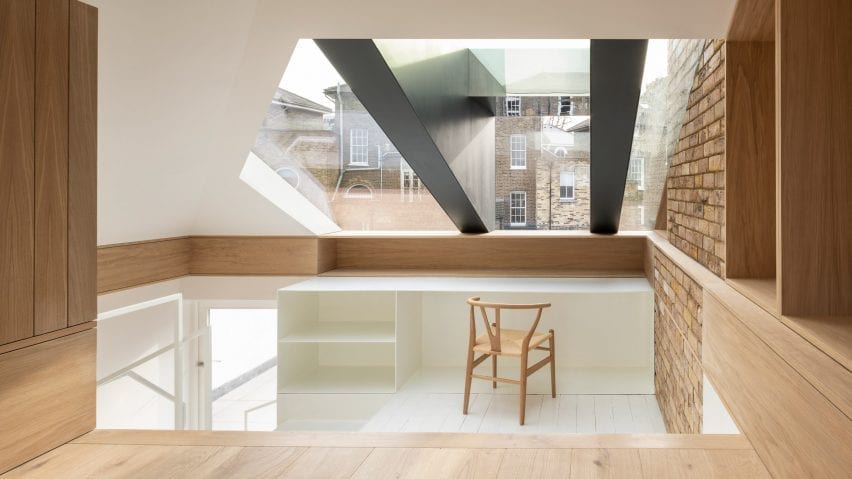
Ten loft conversions by architects that maximise usable space
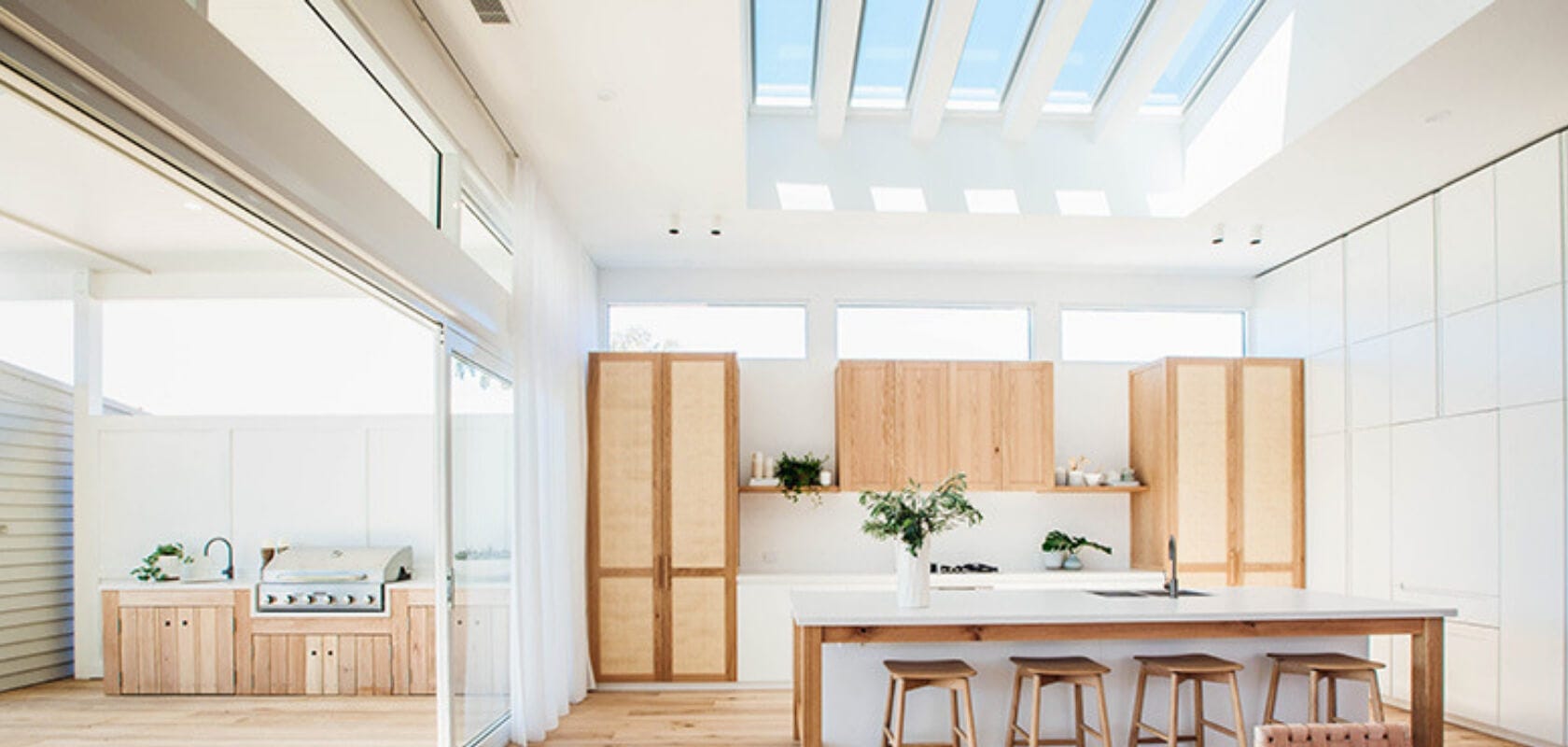
Raising the roof!
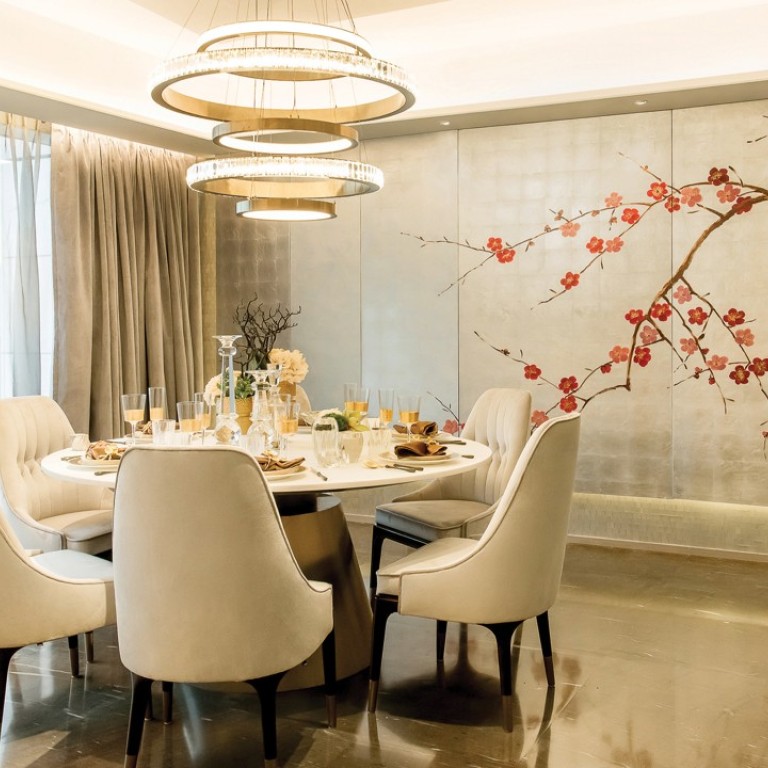
How to make your ceiling light up the room

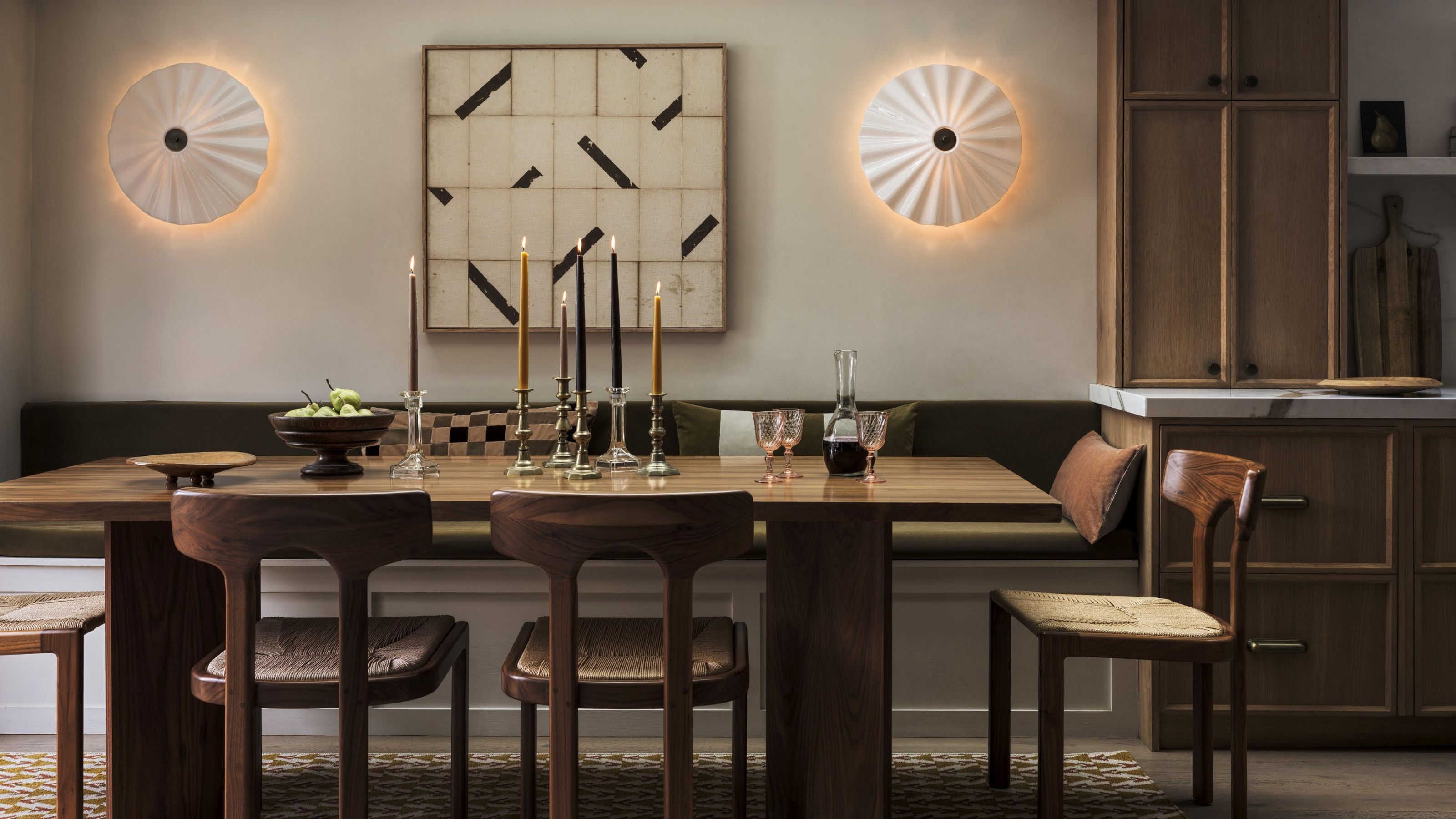
Let There Be Light — 10 Lighting Tricks That Will Transform Any Dark Room Into A Warm and Inviting Space

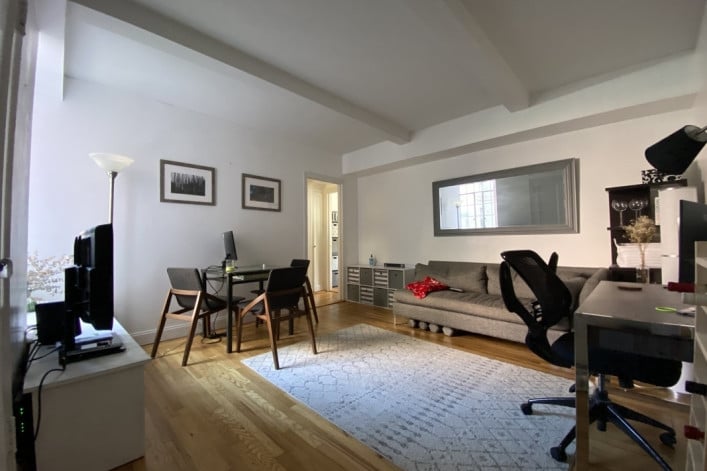
My NYC apartment has a concrete ceiling. How do I install overhead lighting?

Fall into smarter lighting
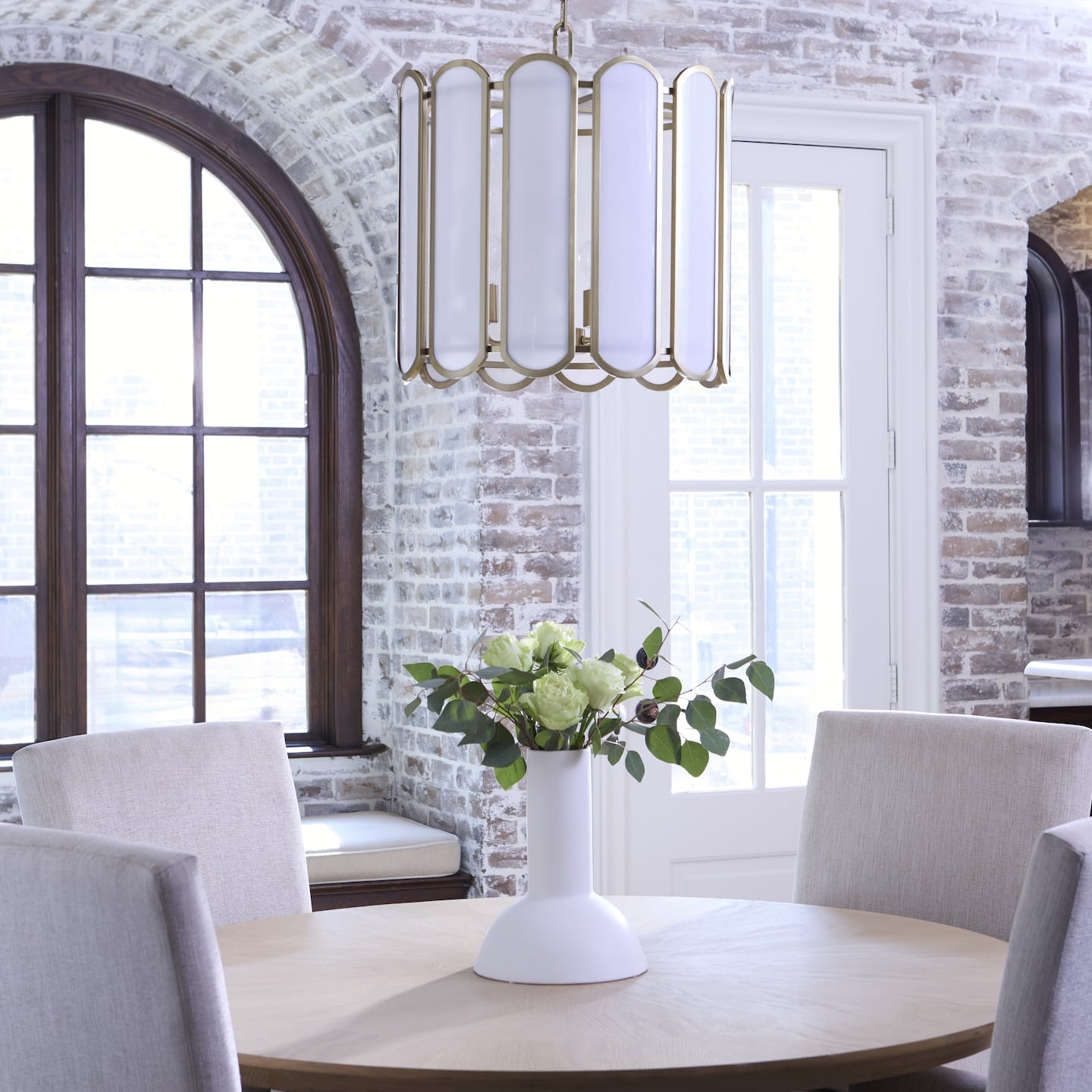
Design experts offer lighting tips for upgrades that shine

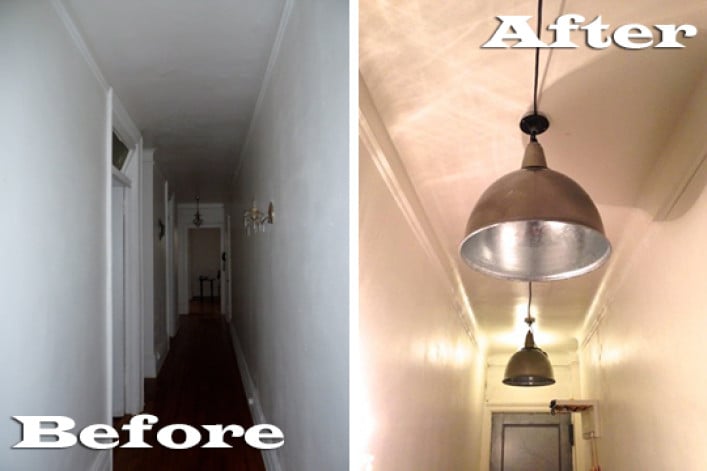
Brighten up a long, dark hallway with a DIY facelift
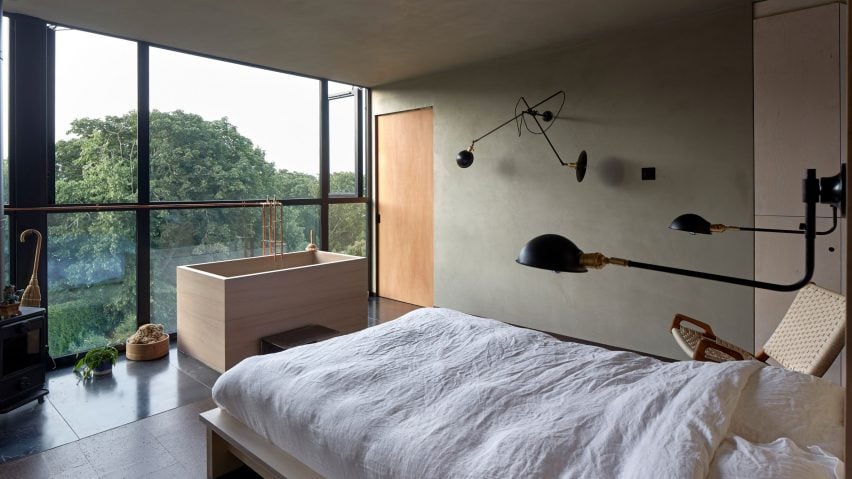
Eight airy and pared-back loft conversions
So You Live in a Lightless Cave. Here’s How to Create the Illusion of Sunshine

Skylights Are Back and More Popular Than Ever—Here’s Why

How to install a skylight

12 skylight designs to brighten up any style of home

The 10 Best Plug-In Wall Sconces to Master Soft Lighting
Your "Boob Lights" Are Cheapening the Look of Your Home—Here's How Designers Fix Them

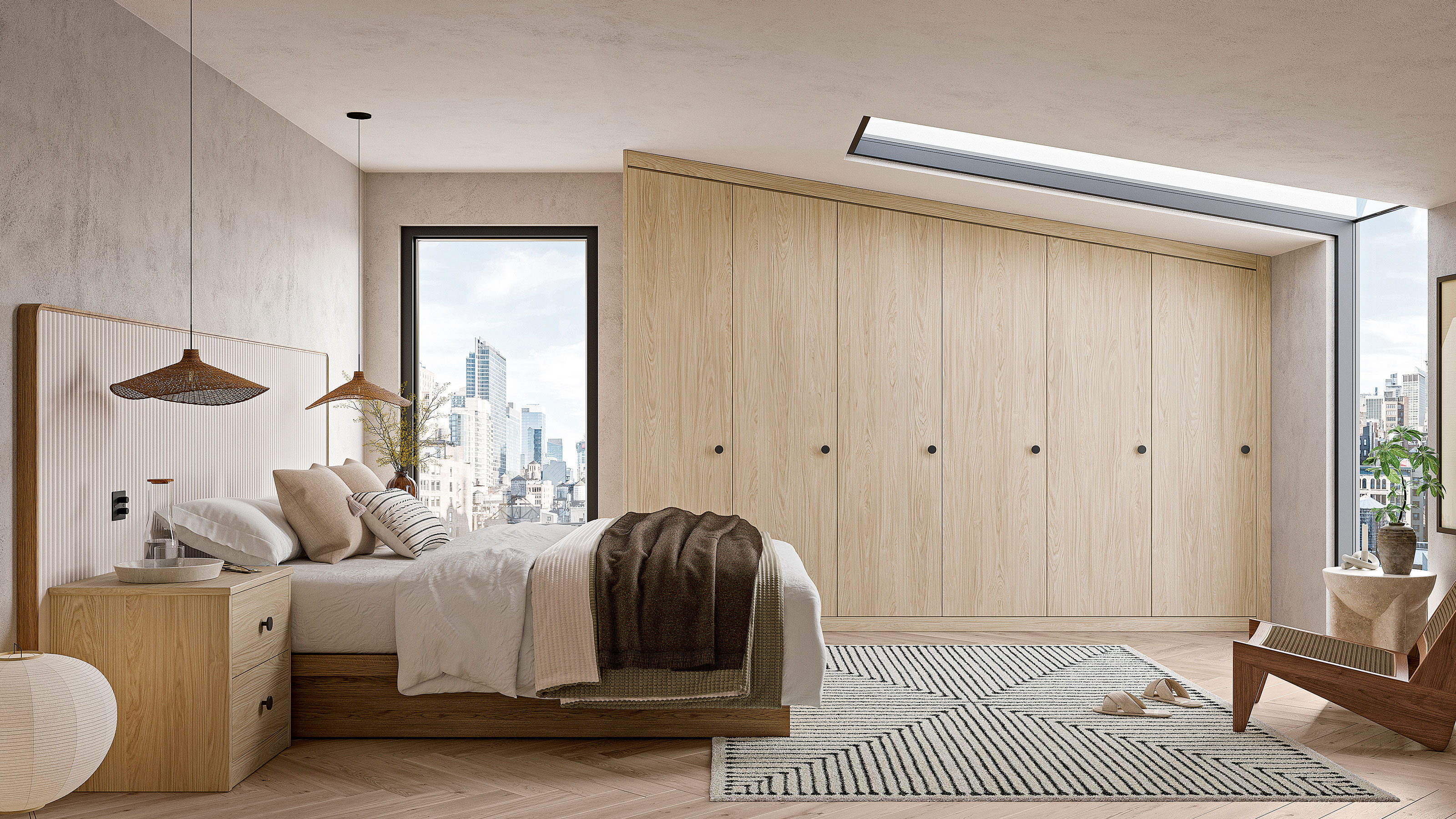
3 design experts reveal how to plan the perfect loft space - from a cohesive scheme to the finishing touches
Lighting Is the Easiest Way to Transform A Room—15 Ideas to Inspire

We Asked Designers How to Brighten a Dark Room and We’re Using These All Winter