1/14
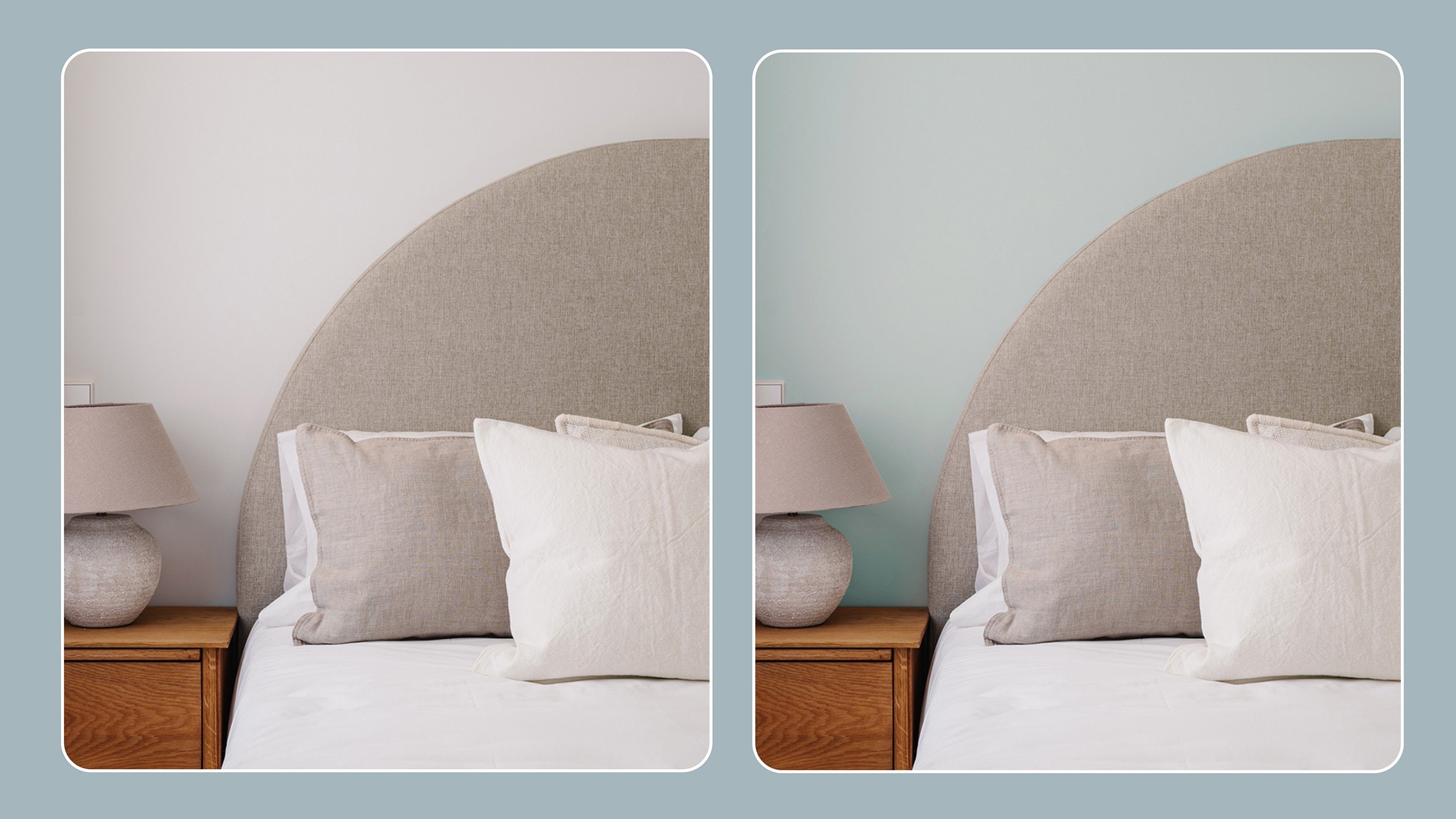
What color is replacing gray? This is the shade designers say is becoming the perennial favorite
The article discusses a significant shift in interior design color trends, moving away from gray, which has been a dominant neutral for decades, towards warmer beige tones. Designers and color experts highlight that gray, while once considered modern and crisp, is now being replaced due to a desire for softer, more welcoming spaces that evoke warmth and character. This transition reflects a broader preference for natural materials and a cozier aesthetic in homes.
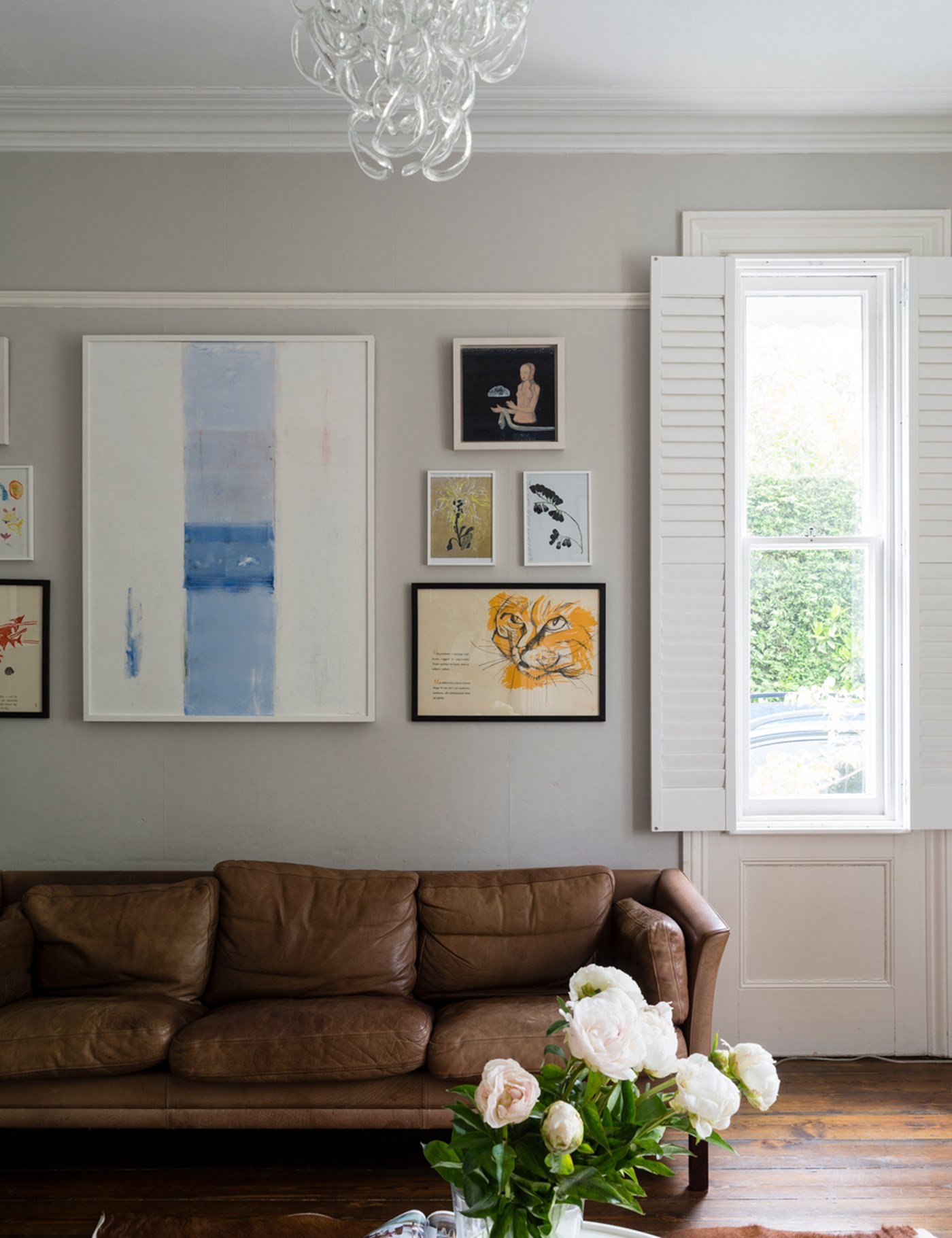
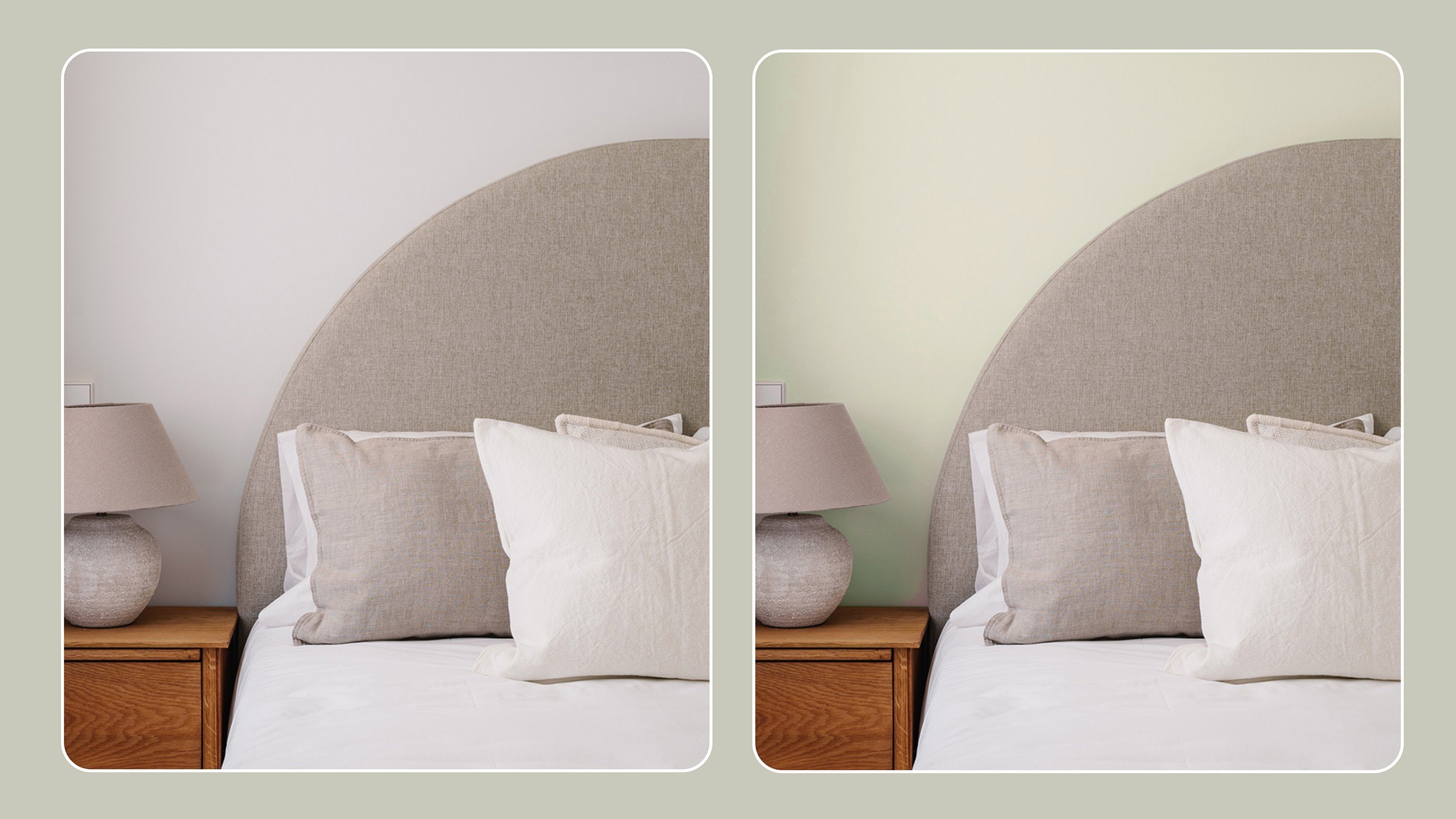
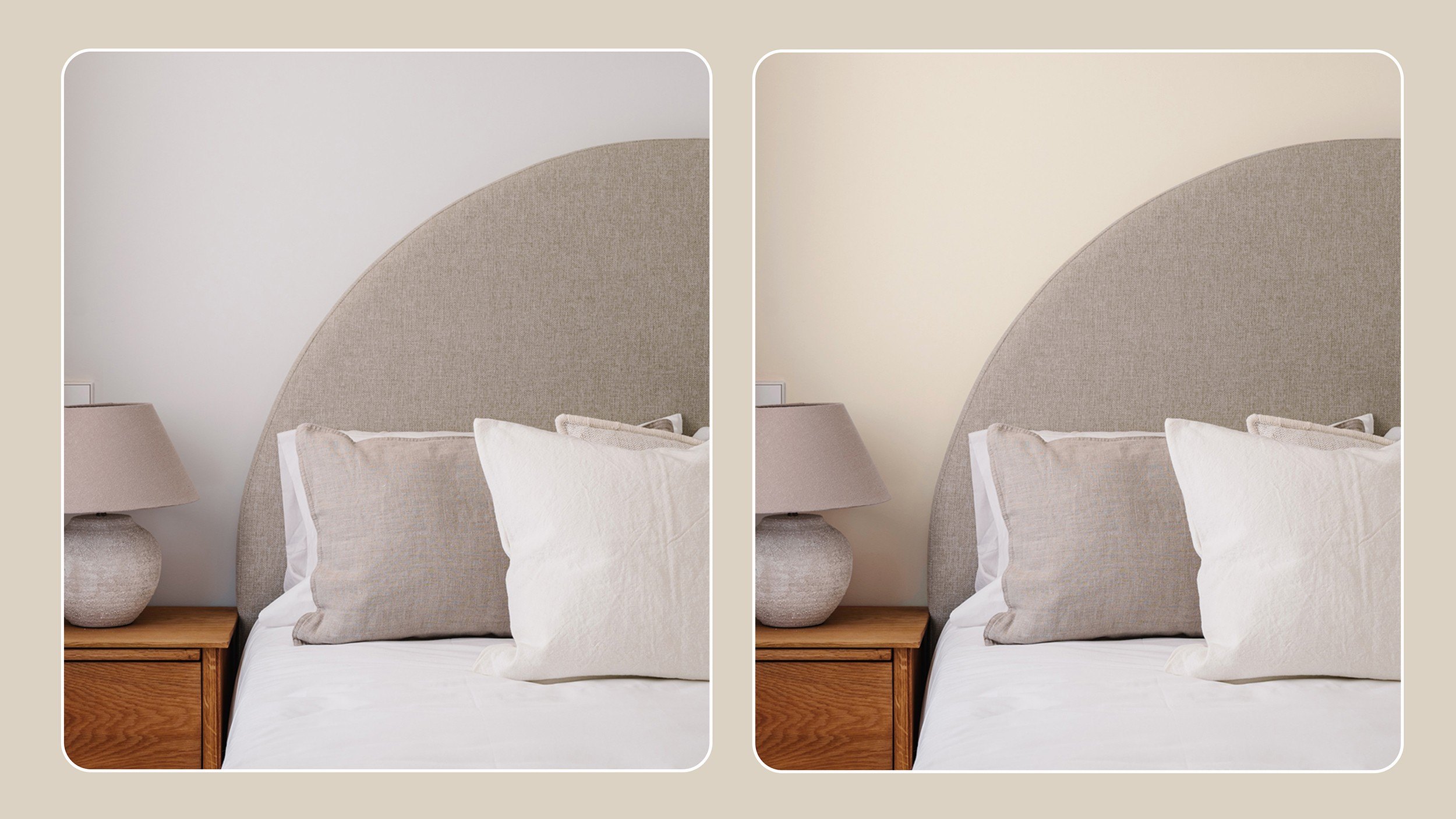
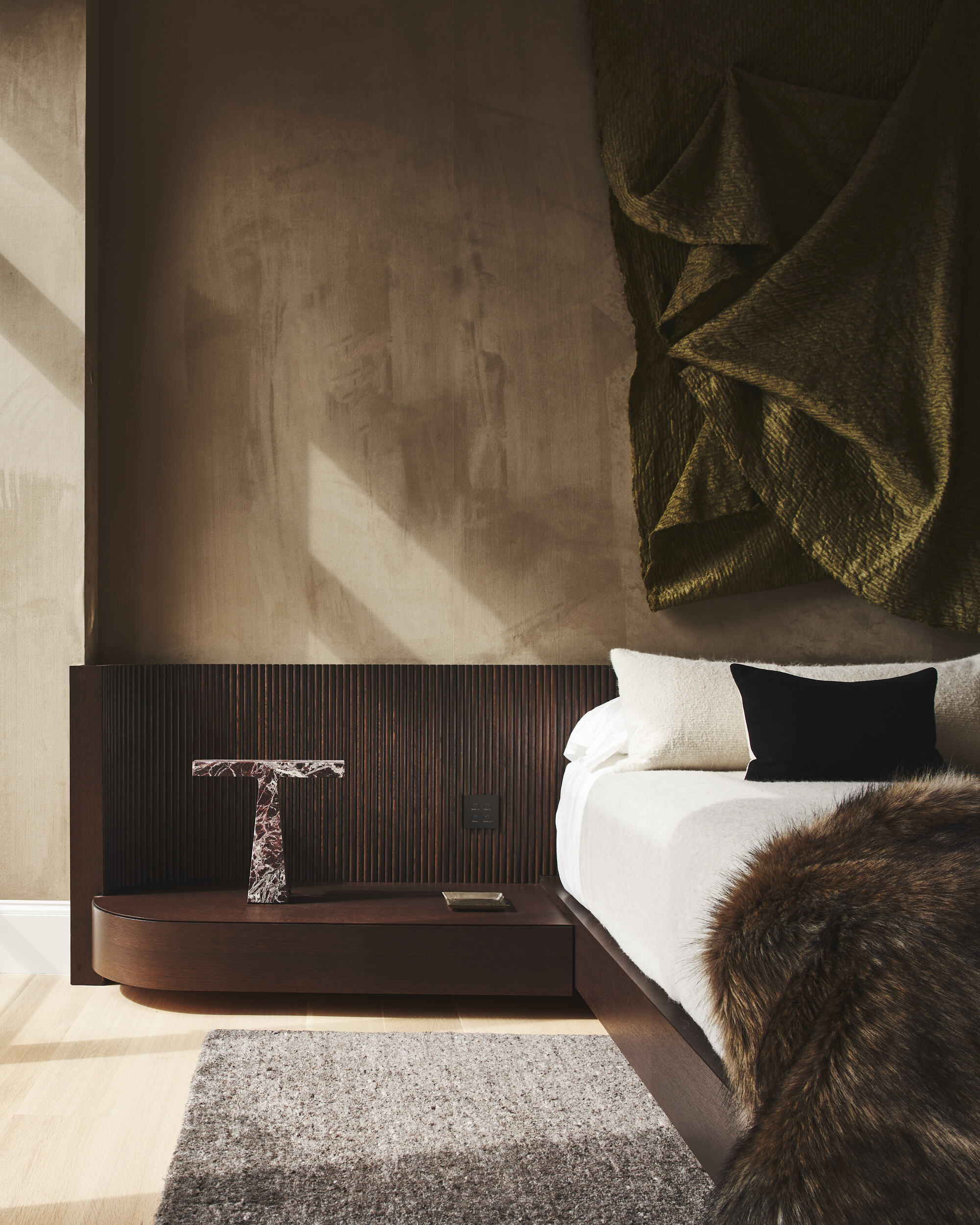
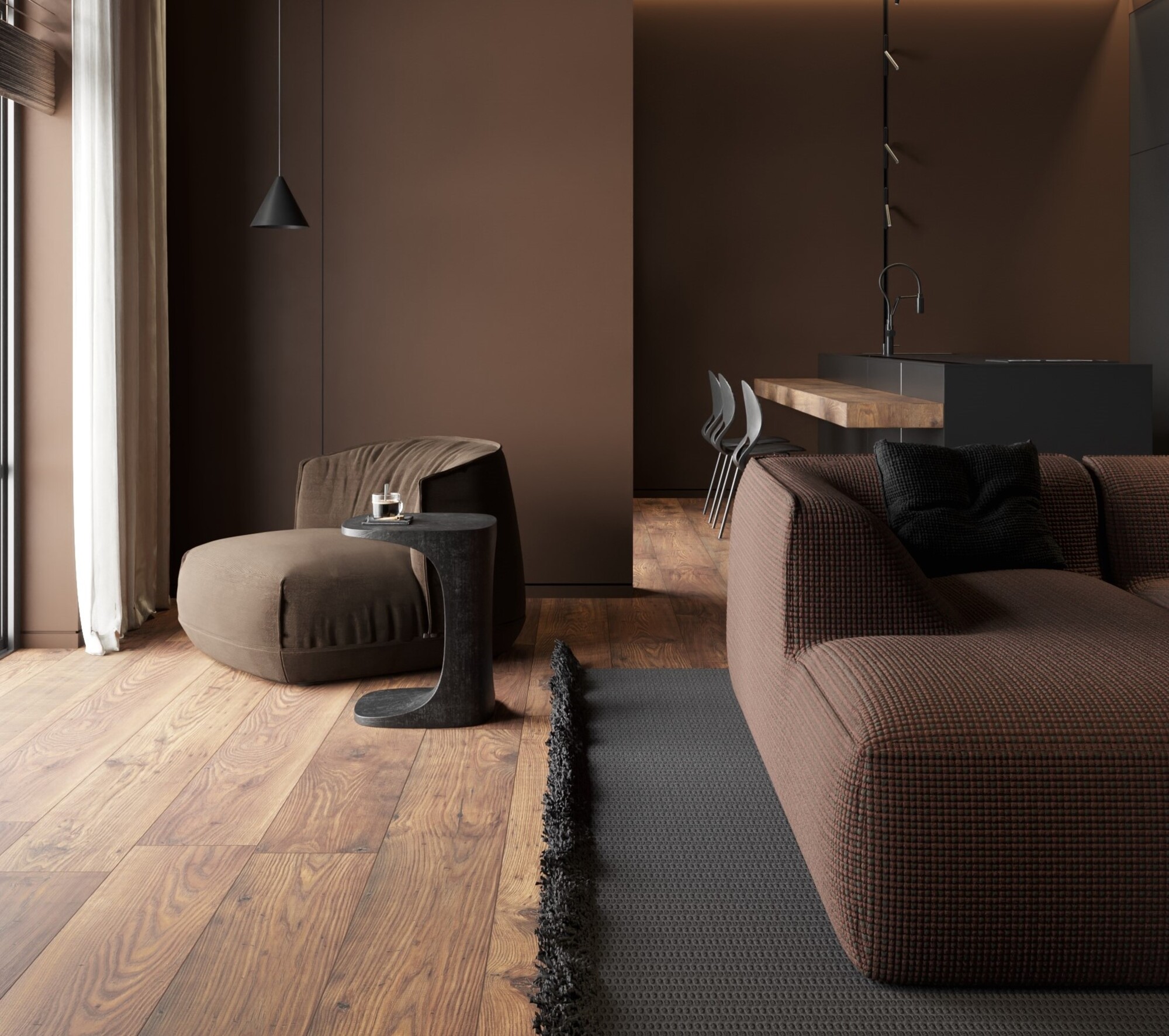
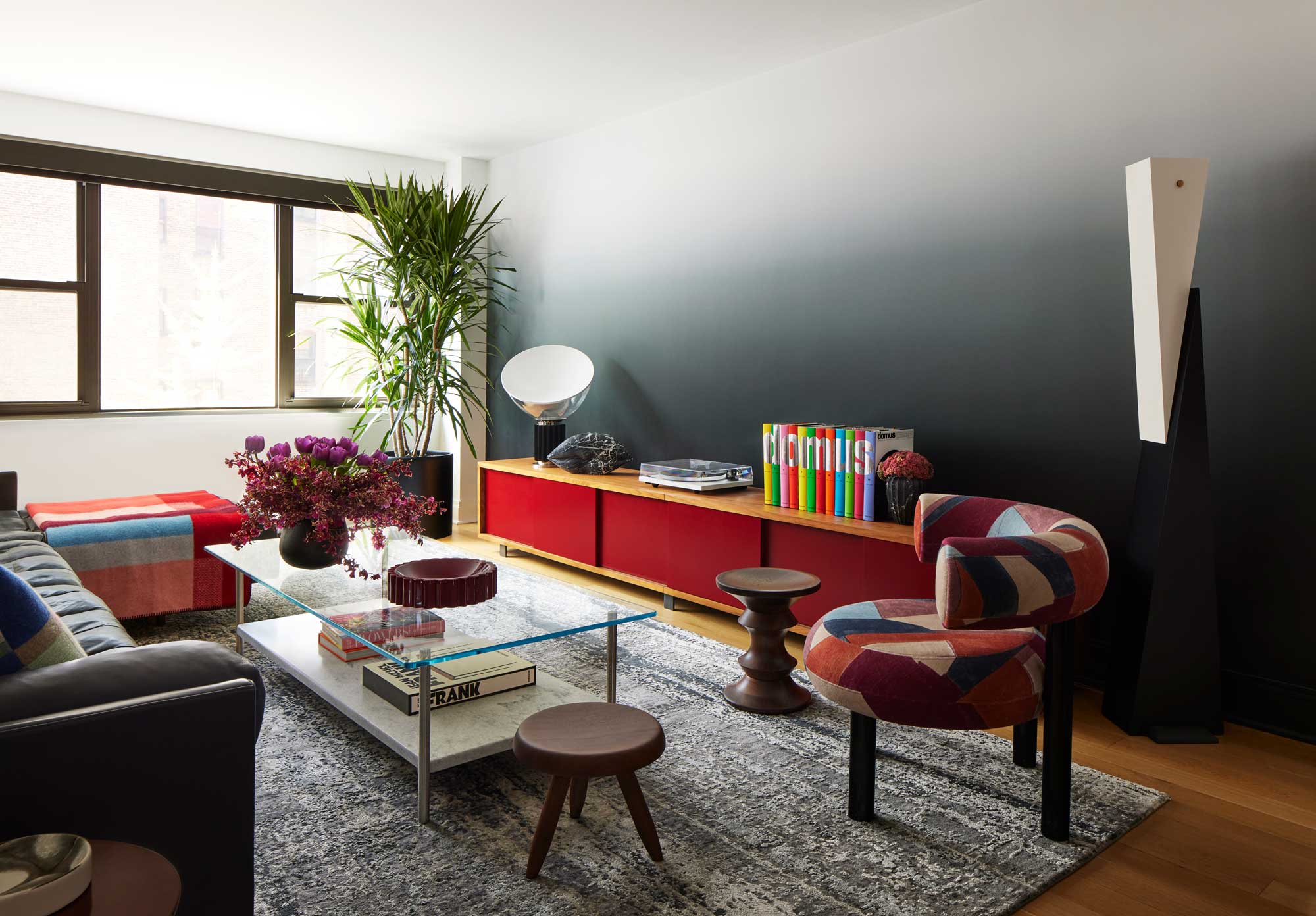
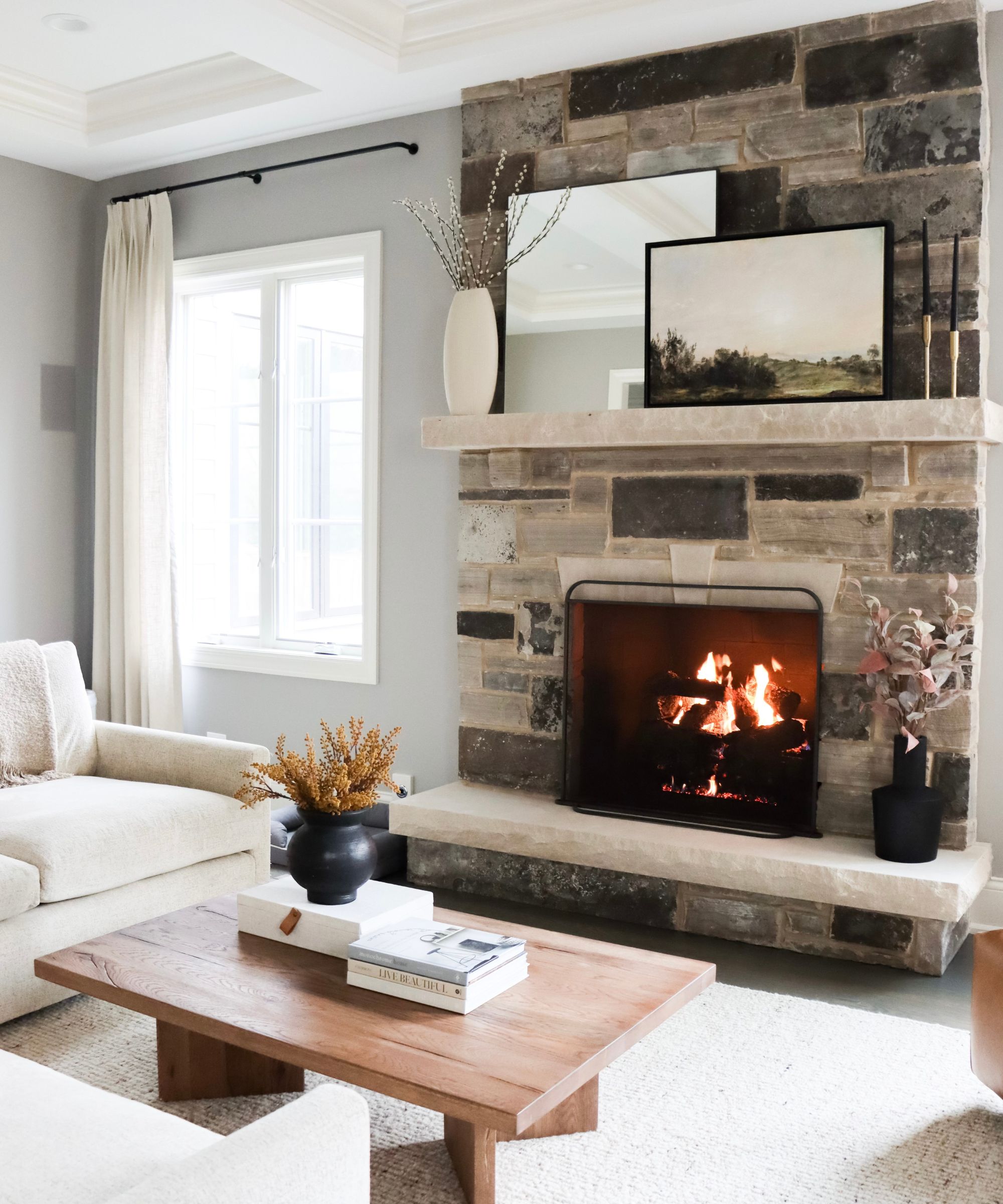
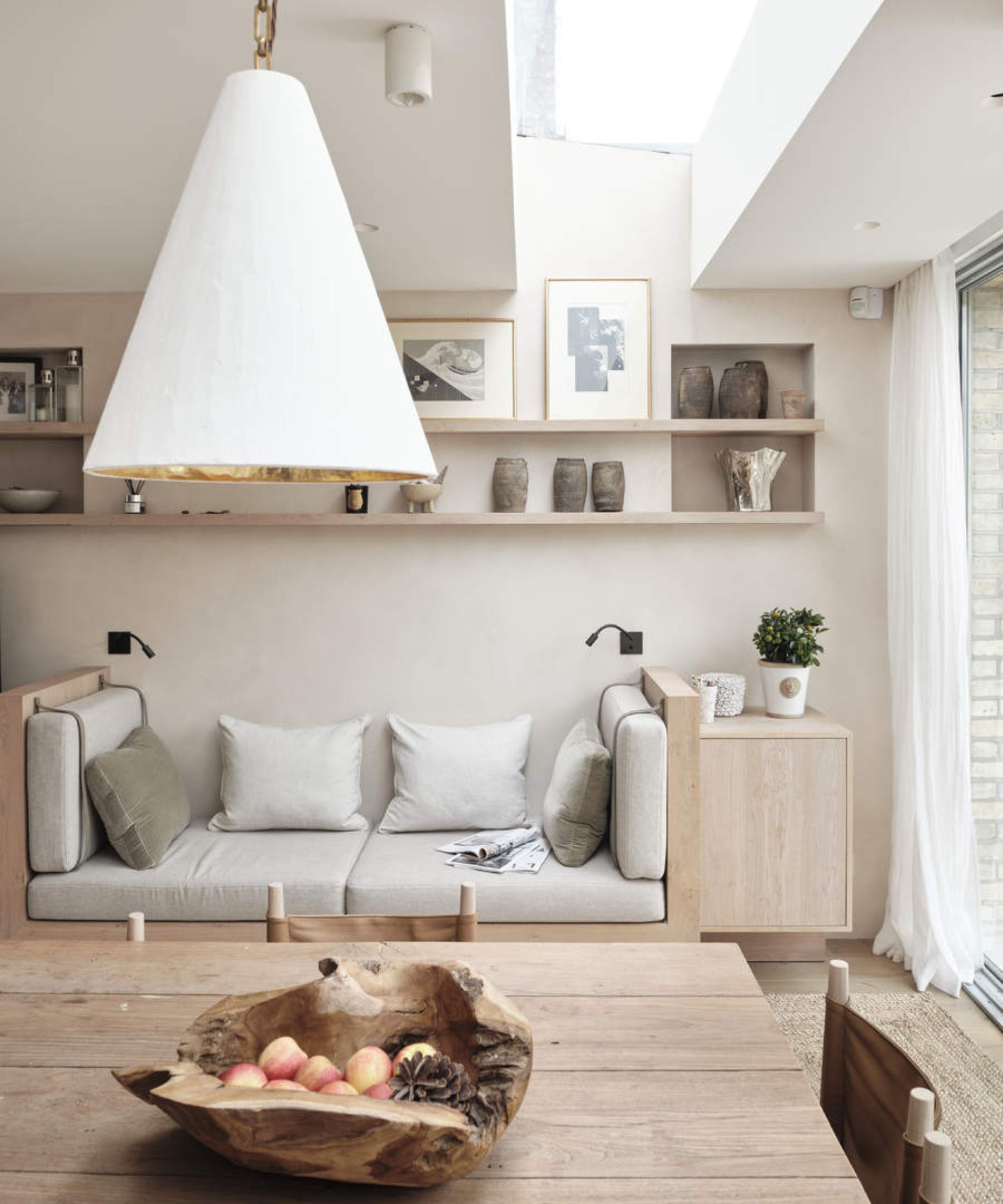
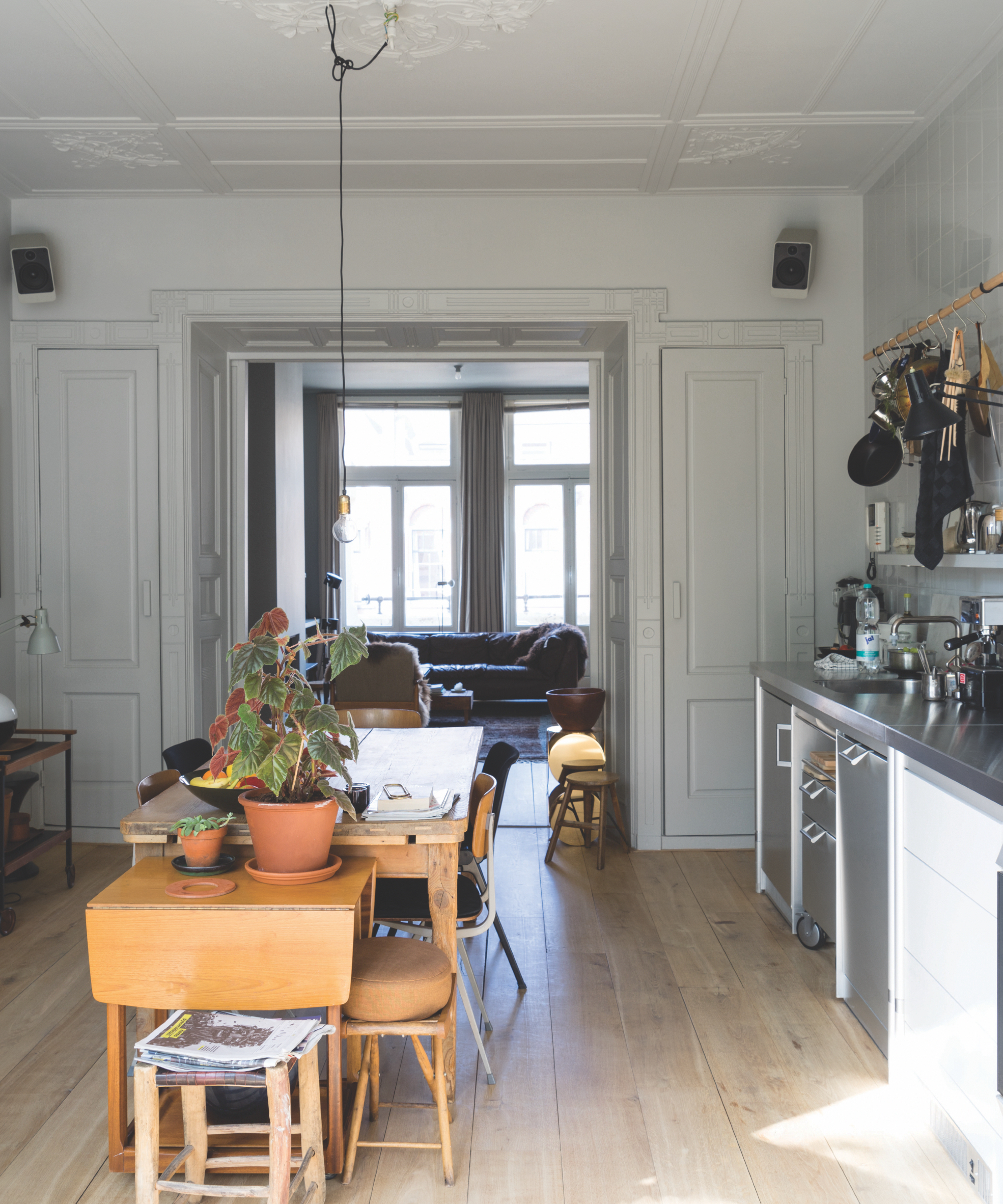
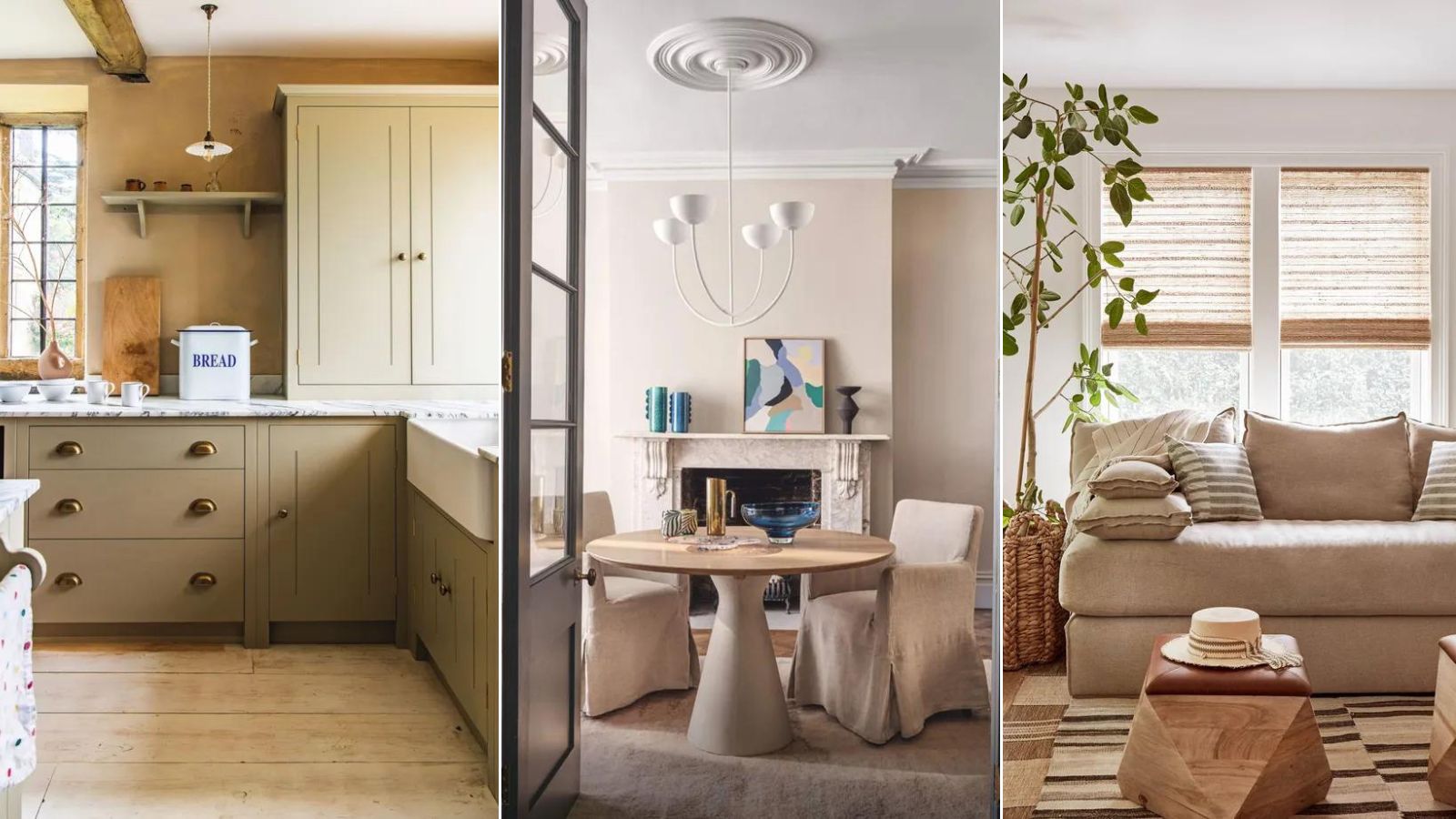
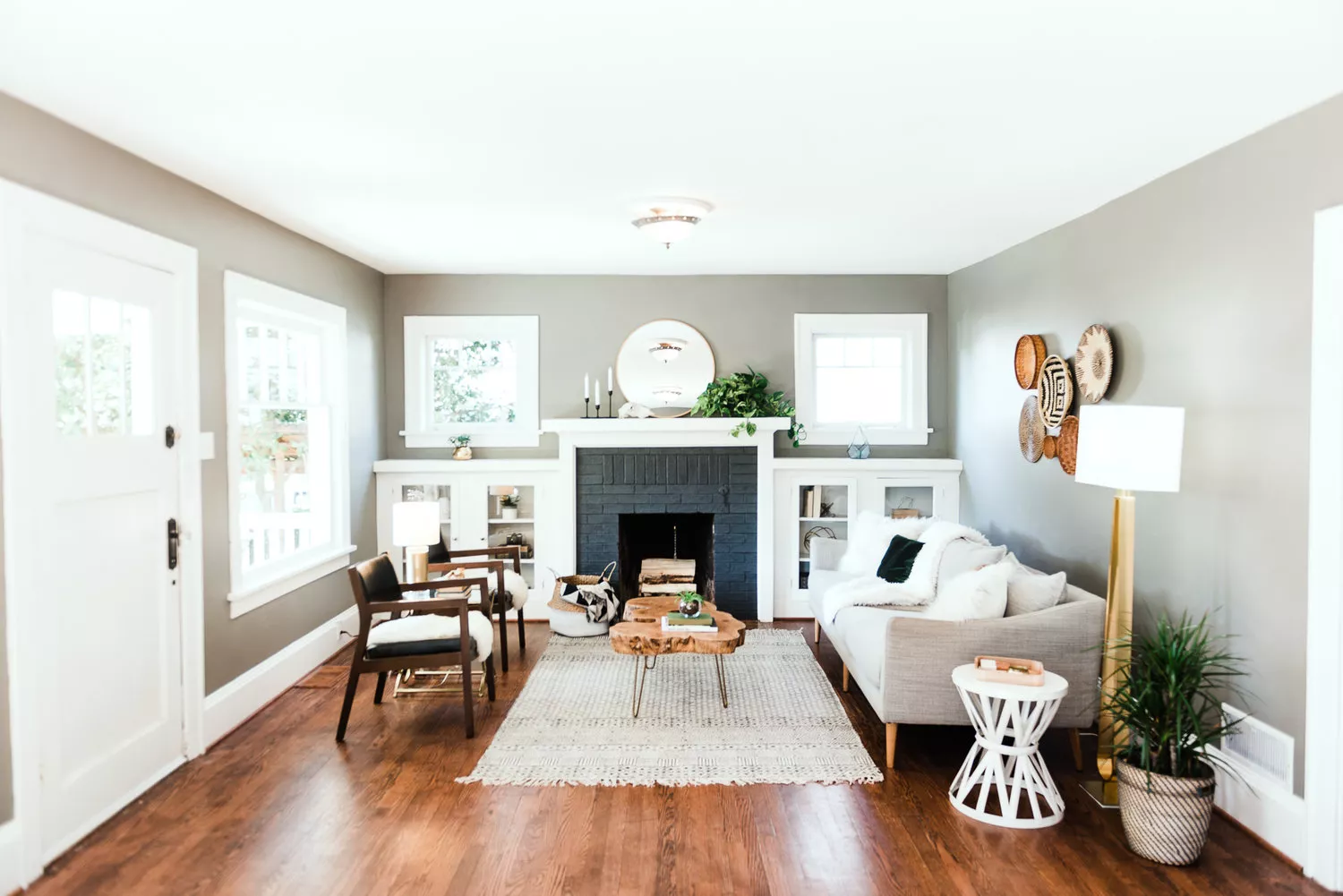
Mollie Ranize, a designer, notes that beige is becoming the new soothing base color, effectively creating natural warmth and pairing well with natural materials like wood and stone. This shift suggests a conscious move by homeowners to create more emotionally reassuring environments, especially given the increased time spent at home. Despite the overall decline of cool-toned grays, certain shades can still be utilized to create fresh and contemporary looks, particularly when paired with pops of color and texture to prevent the space from feeling somber or cold.
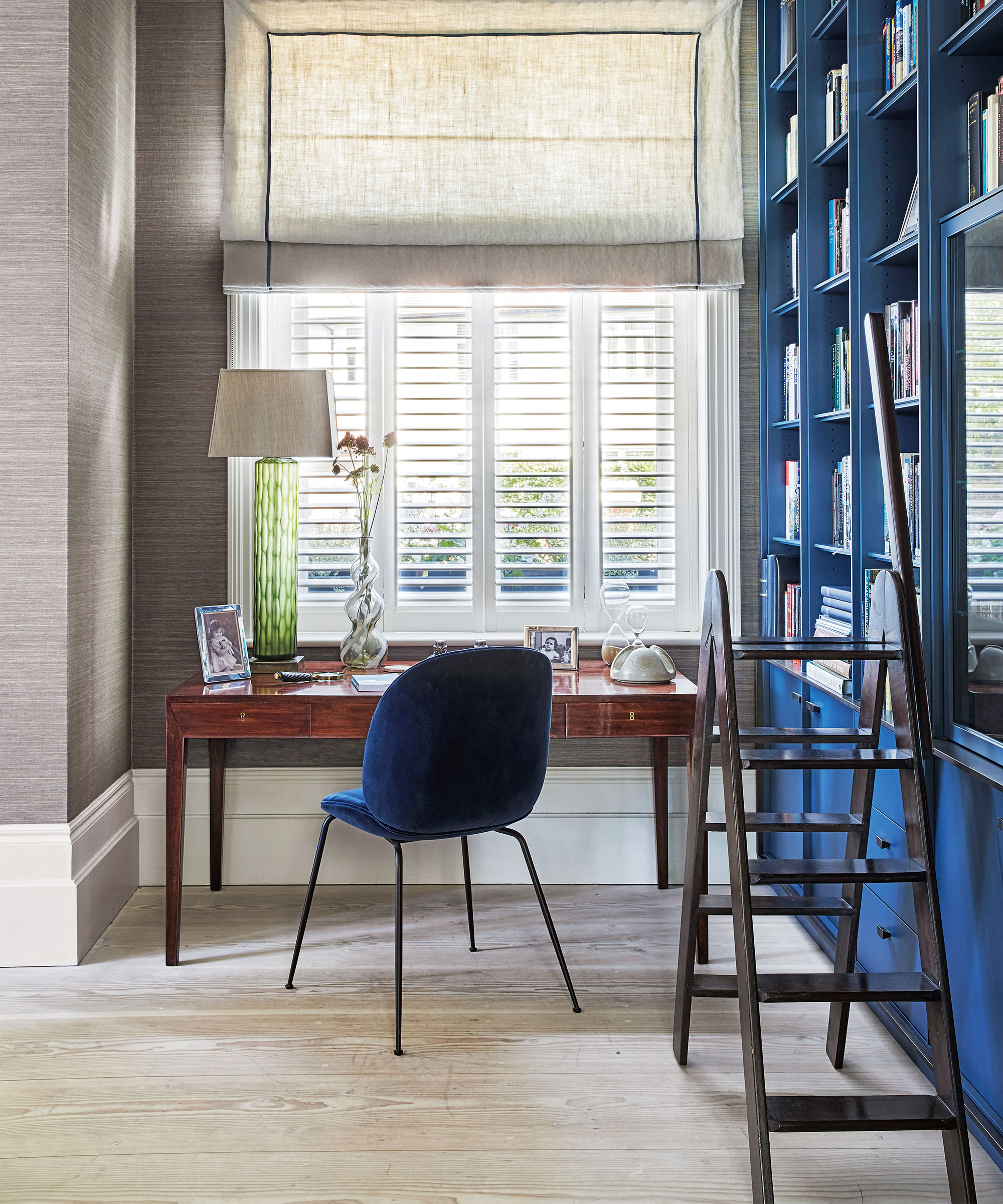
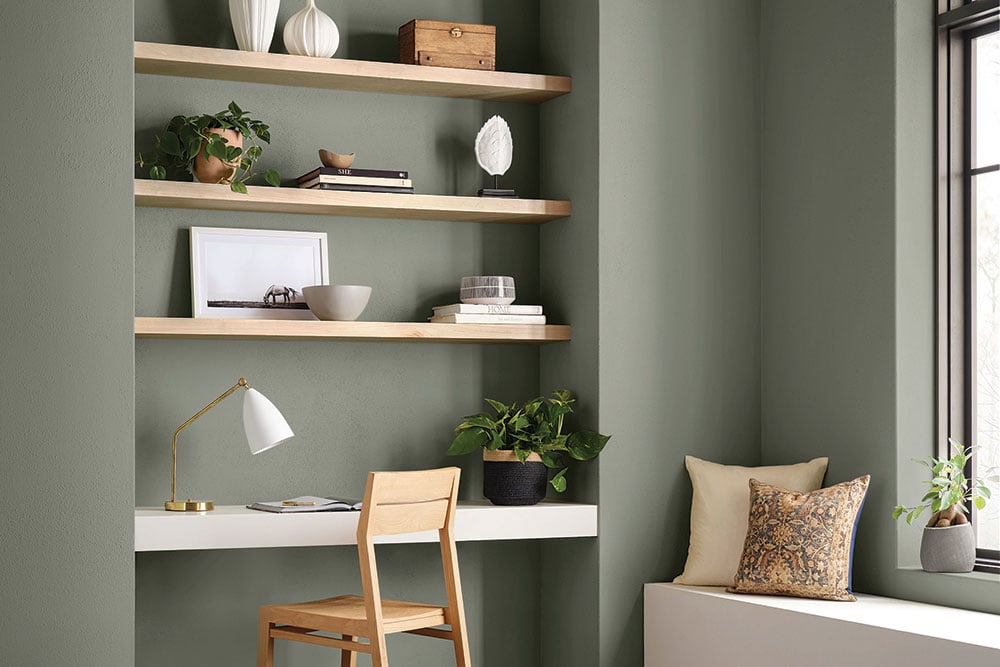
Deborah Bass, founder of Base Interior, emphasizes that neutral schemes provide an excellent foundation for incorporating accent colors and interesting textures. She points out that beige, along with its darker variations, is also displacing white as a preferred neutral. This approach allows for versatility in spaces like home offices, which are often used by various family members for different functions throughout the day. Grounding these subtle shades with richer natural timbers helps to maintain balance and elegance.
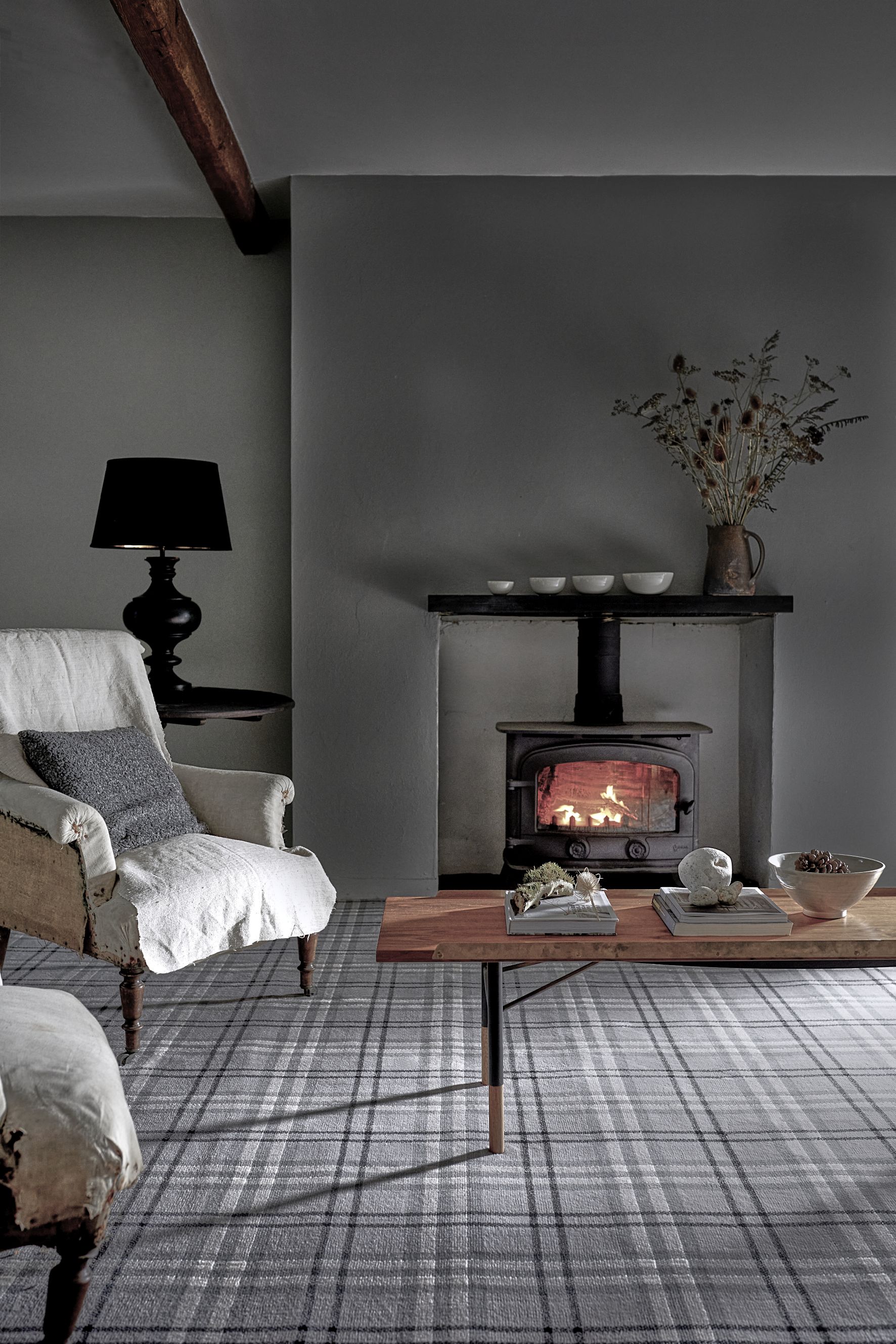
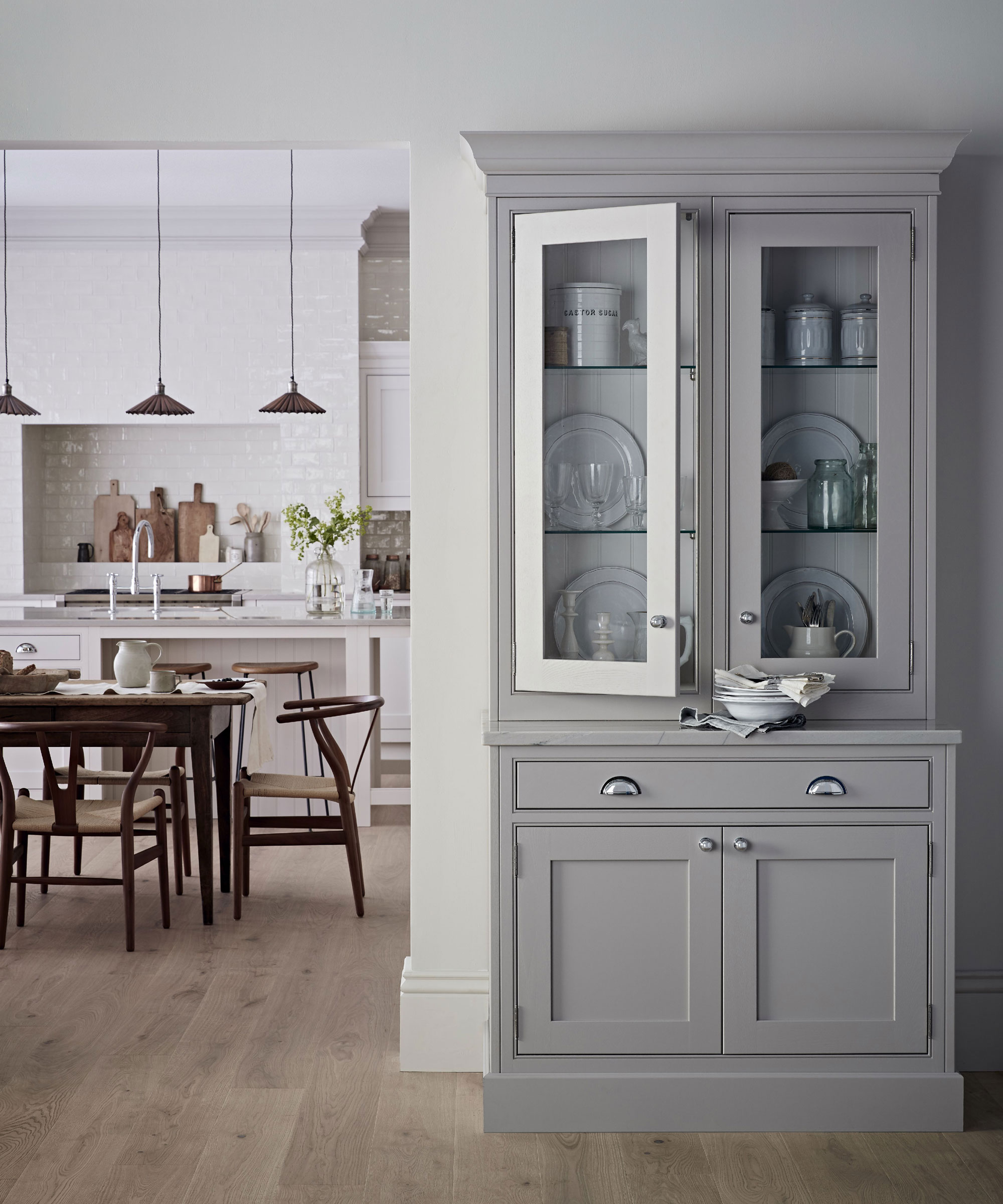
The article clarifies that gray is indeed falling out of style, especially the cool-toned grays prevalent in the early 2000s. The current preference leans towards warmer colors such as beige, amber, ivory, rust, and sepia. This change is partly attributed to the feeling that too much gray can lead to a dull and draining environment. Anthony Barzilay Freund, editorial director at 1stDibs, explains that the move away from all-gray schemes is driven by a desire to make homes feel special and layered, with comforting colors that suggest nature and warmth.
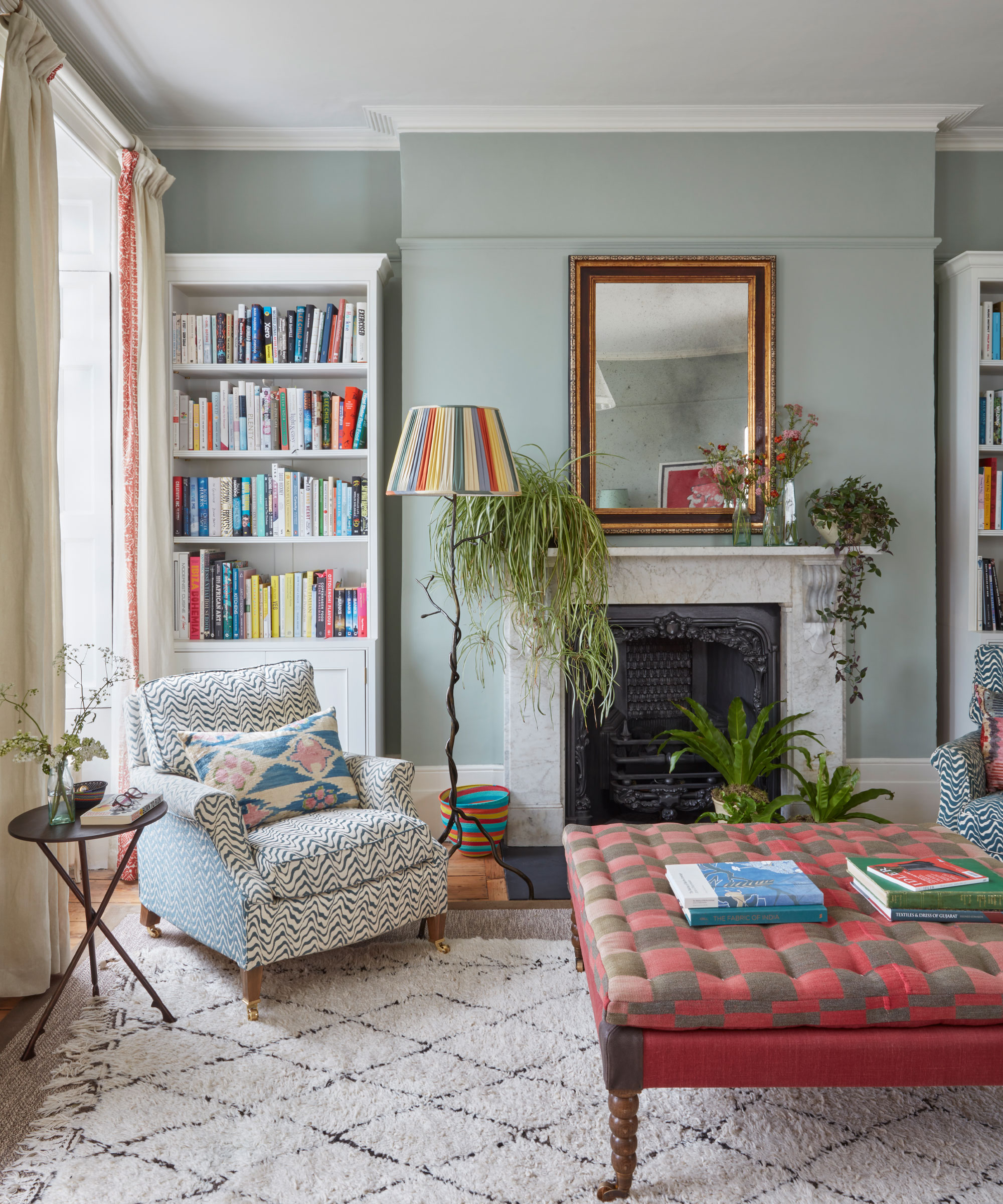
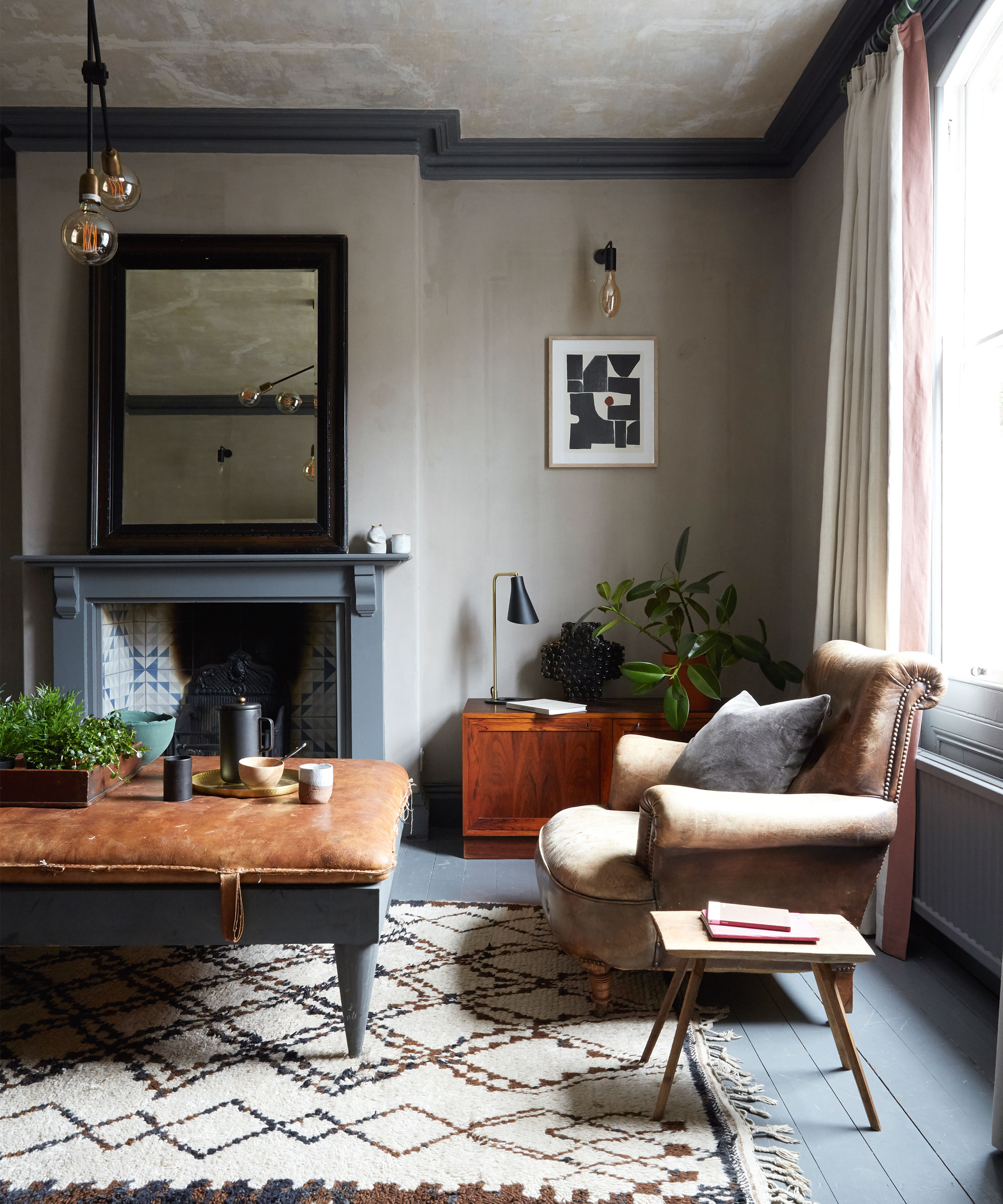
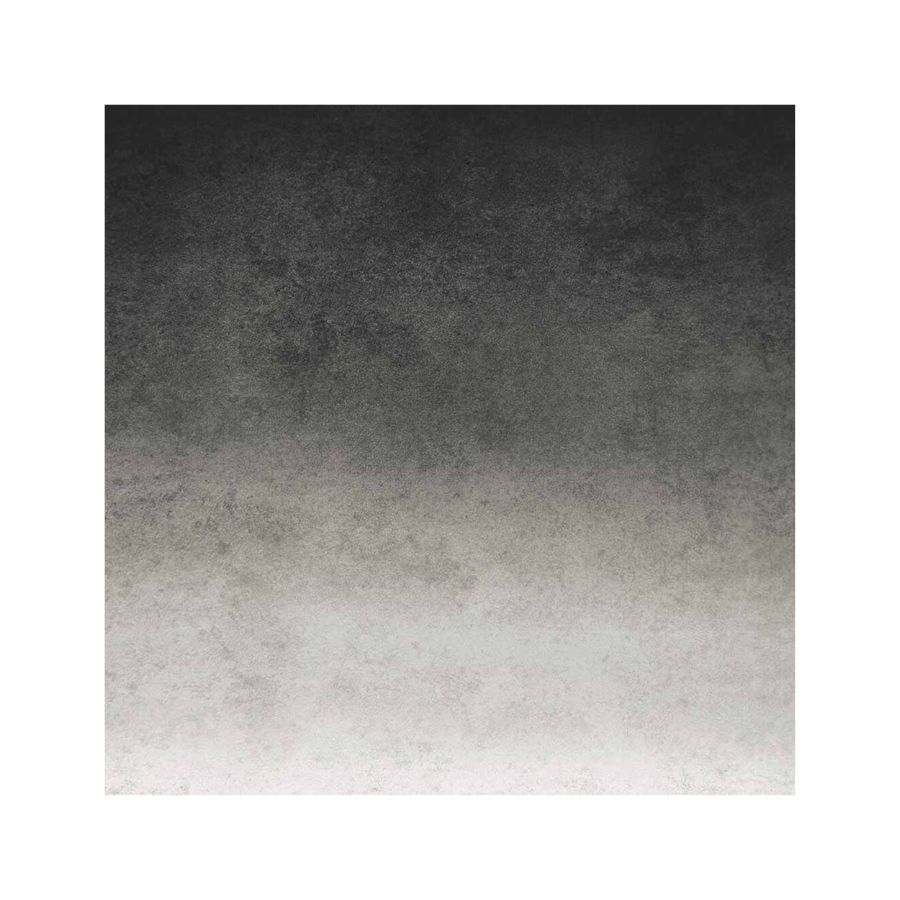
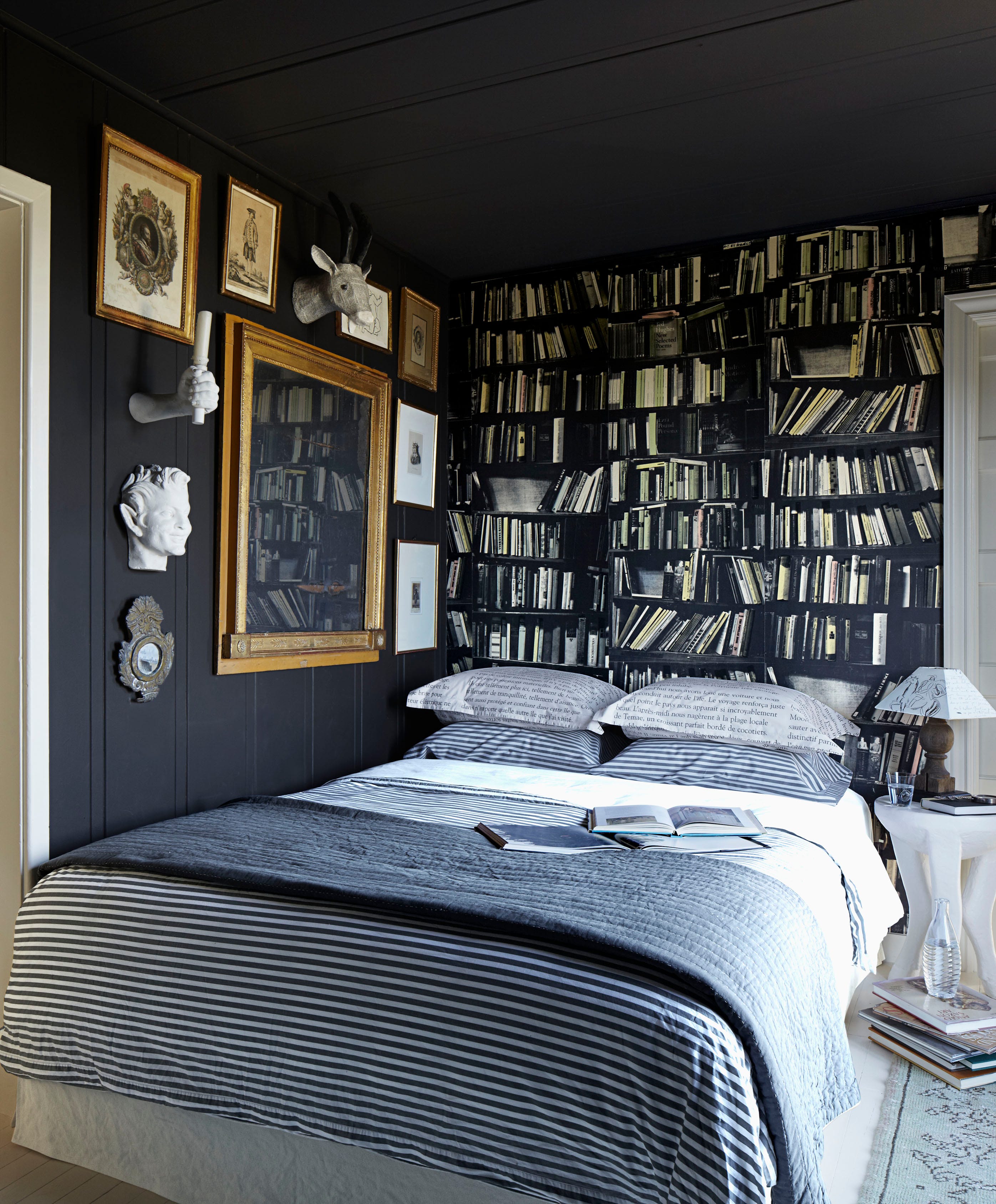
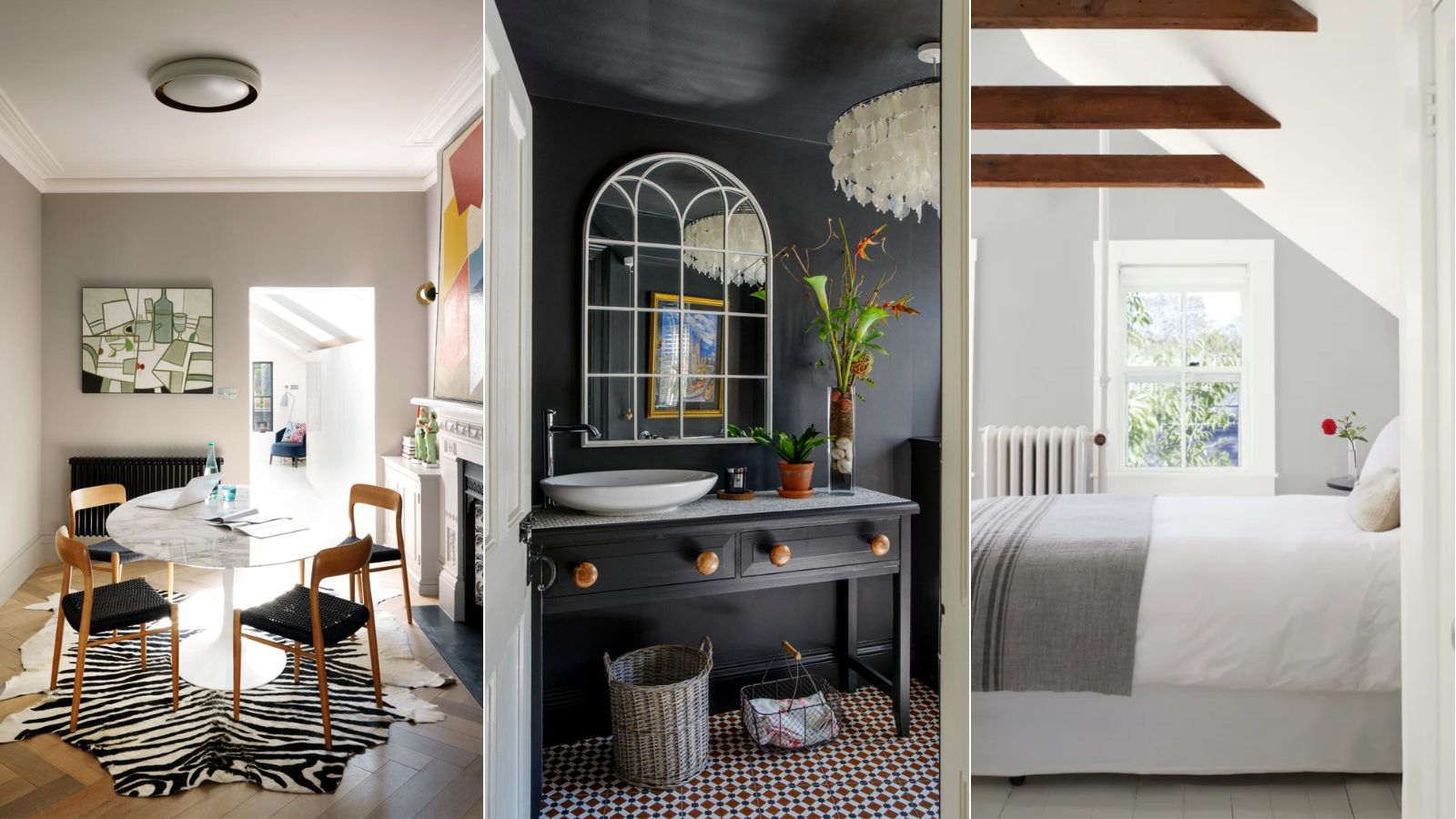
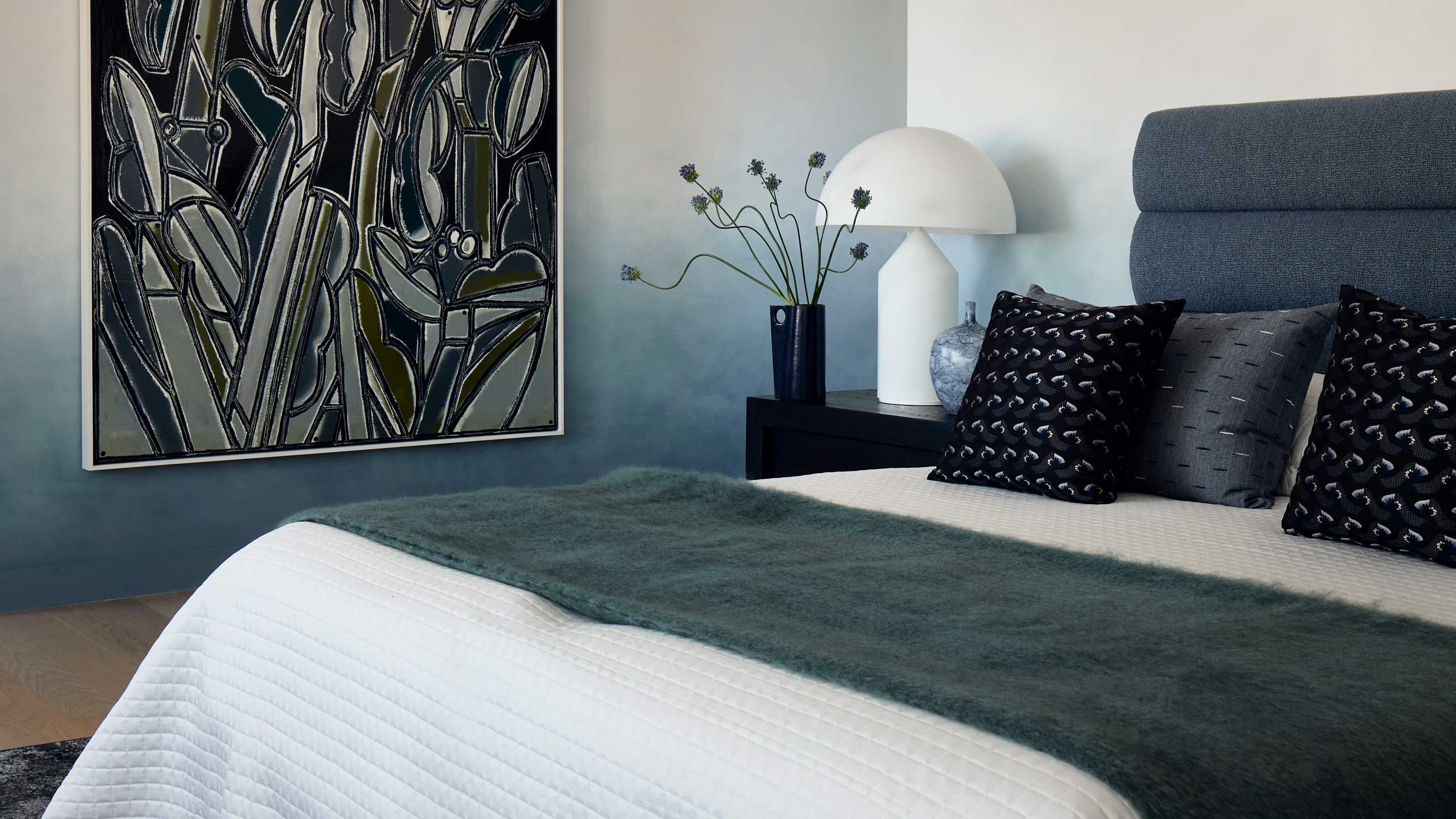
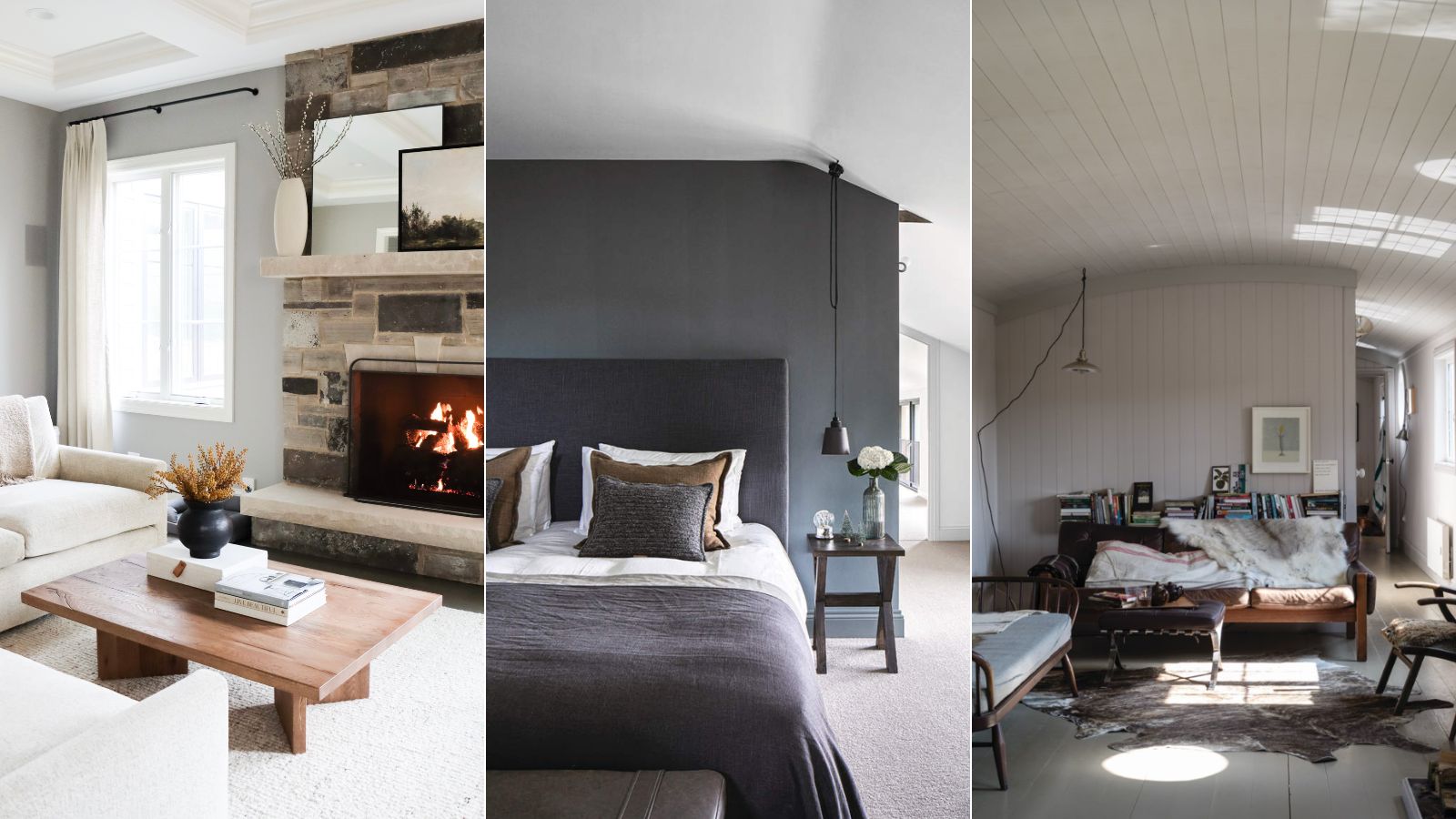
For those still fond of gray, Charu Gandhi, founder of Elicyon, suggests using deeper, darker grays to create cozy and enveloping rooms, recommending pairing them with vibrant accessories to avoid somberness. Bethany Adams, another designer, agrees that beige is currently a 'design darling' but advises a cautious approach, starting with small doses to prevent the trend from quickly becoming dated.
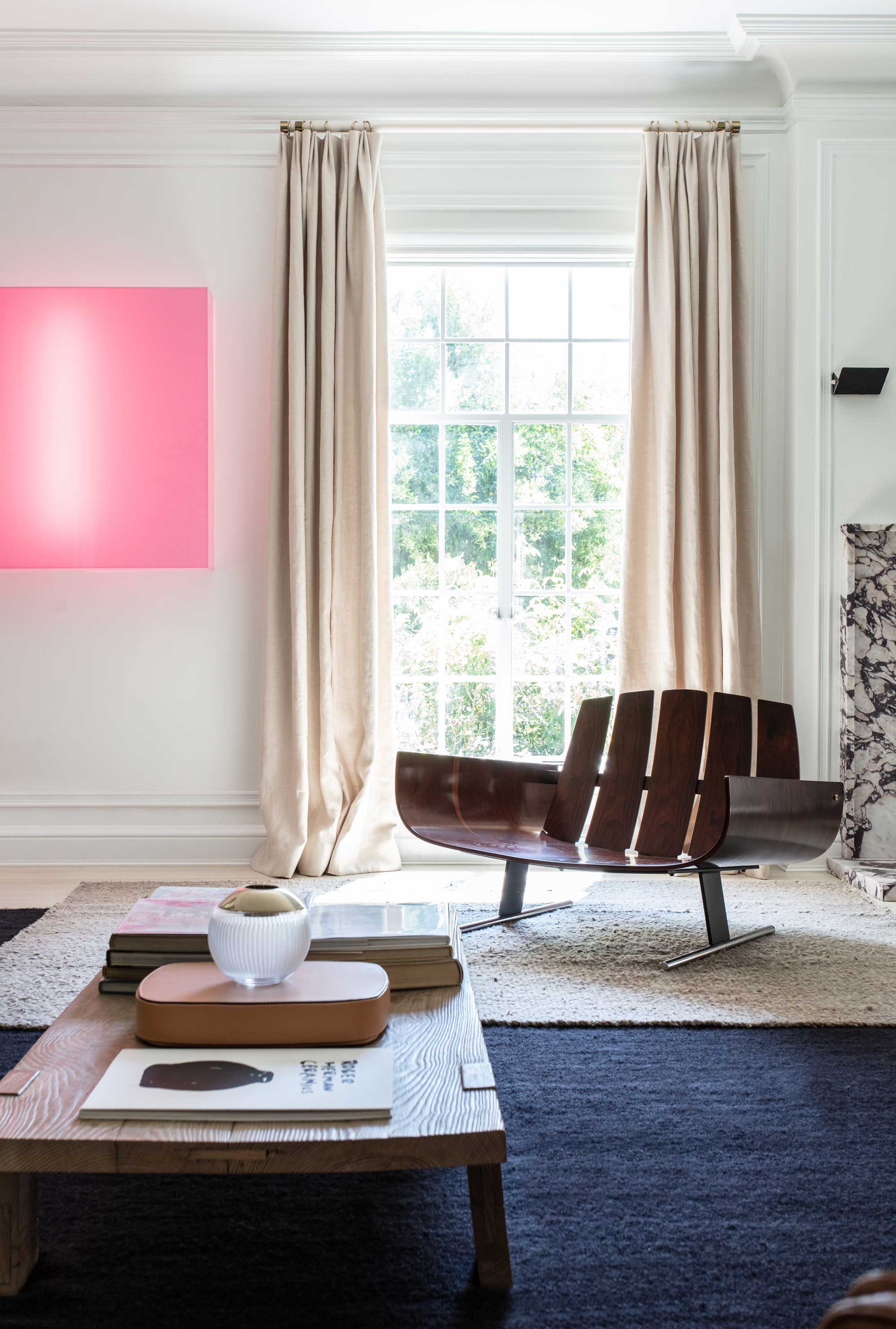
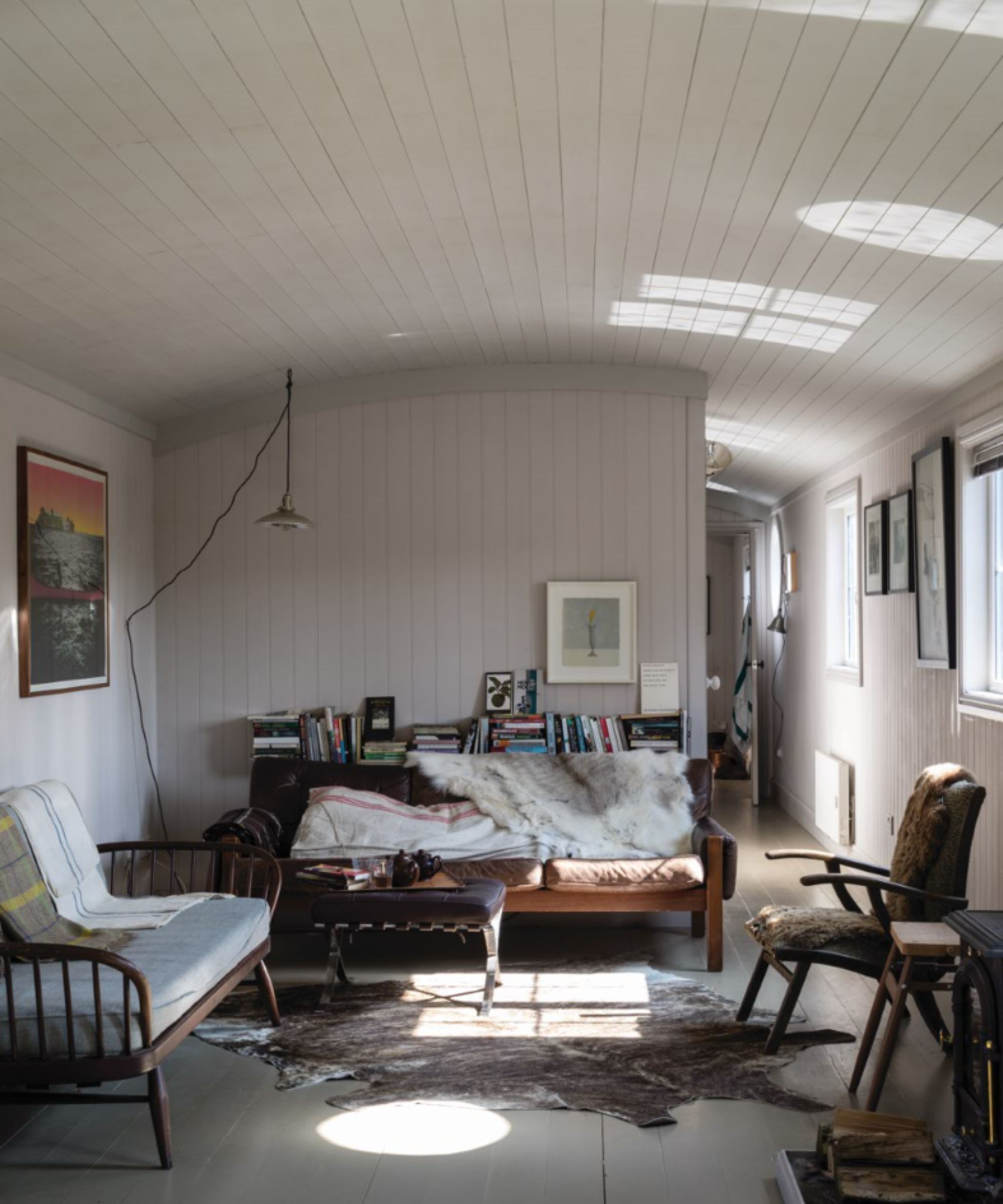
Alternatives to gray for wall paint include off-white and natural palettes, which can be enriched by layering different textures and patterns. Jane Landino, creative head of studio at Taylor Howes, stresses the importance of mixing and matching neutral patterns and introducing occasional pops of color to make a neutral palette feel deliberate rather than plain. She also suggests red-based neutral shades like Farrow & Ball's Wimborne White or Dimity for a warmer aesthetic.
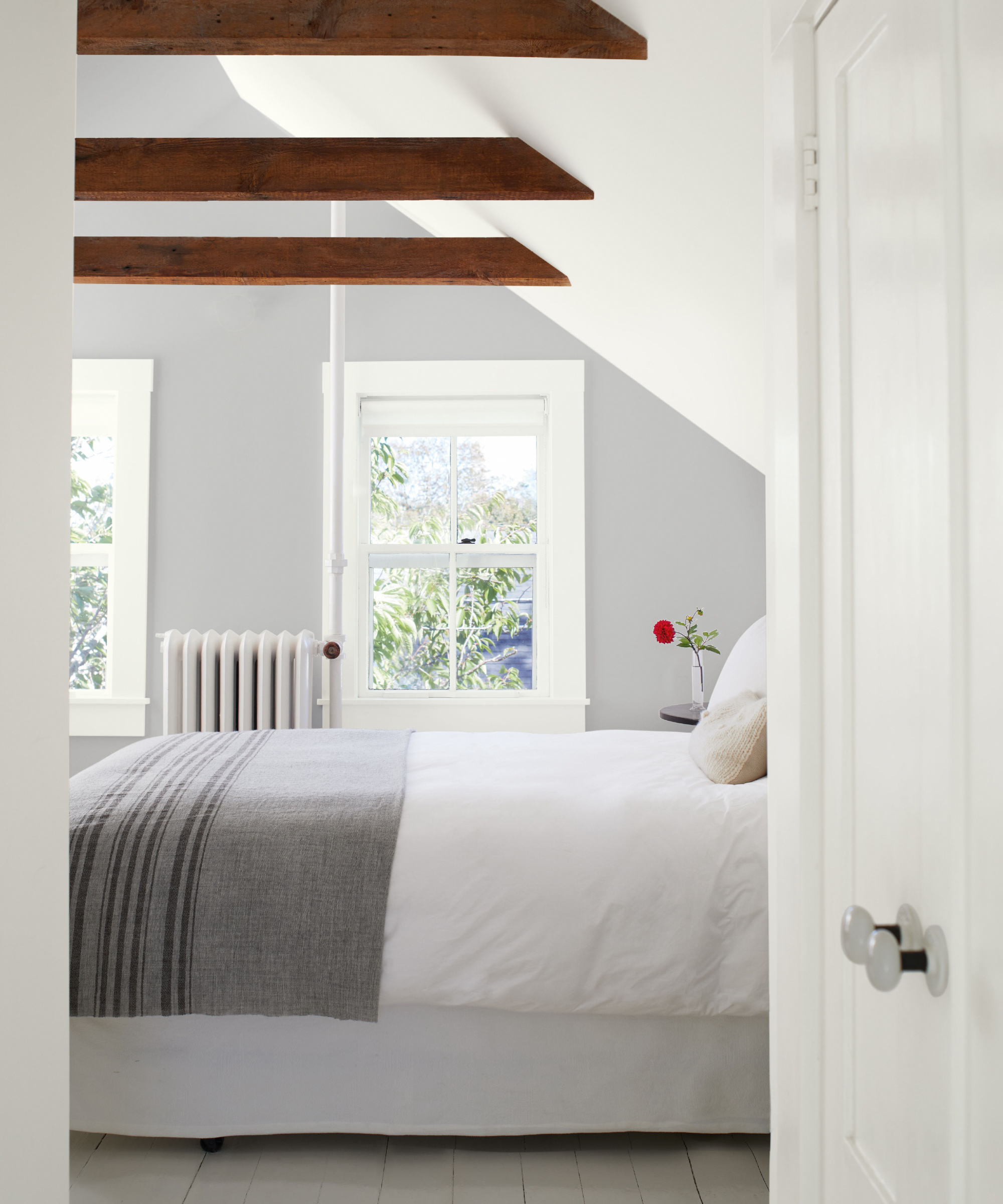
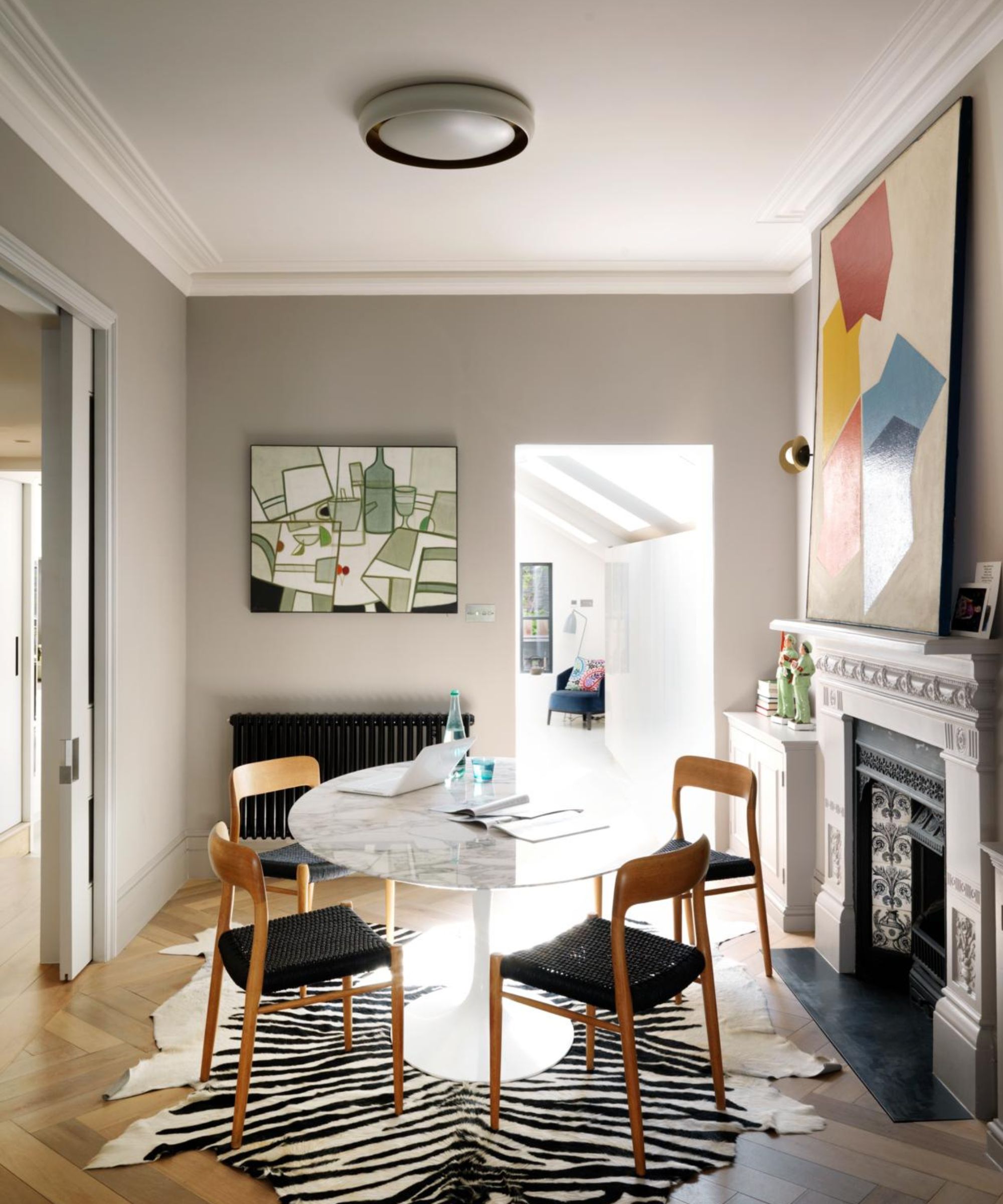
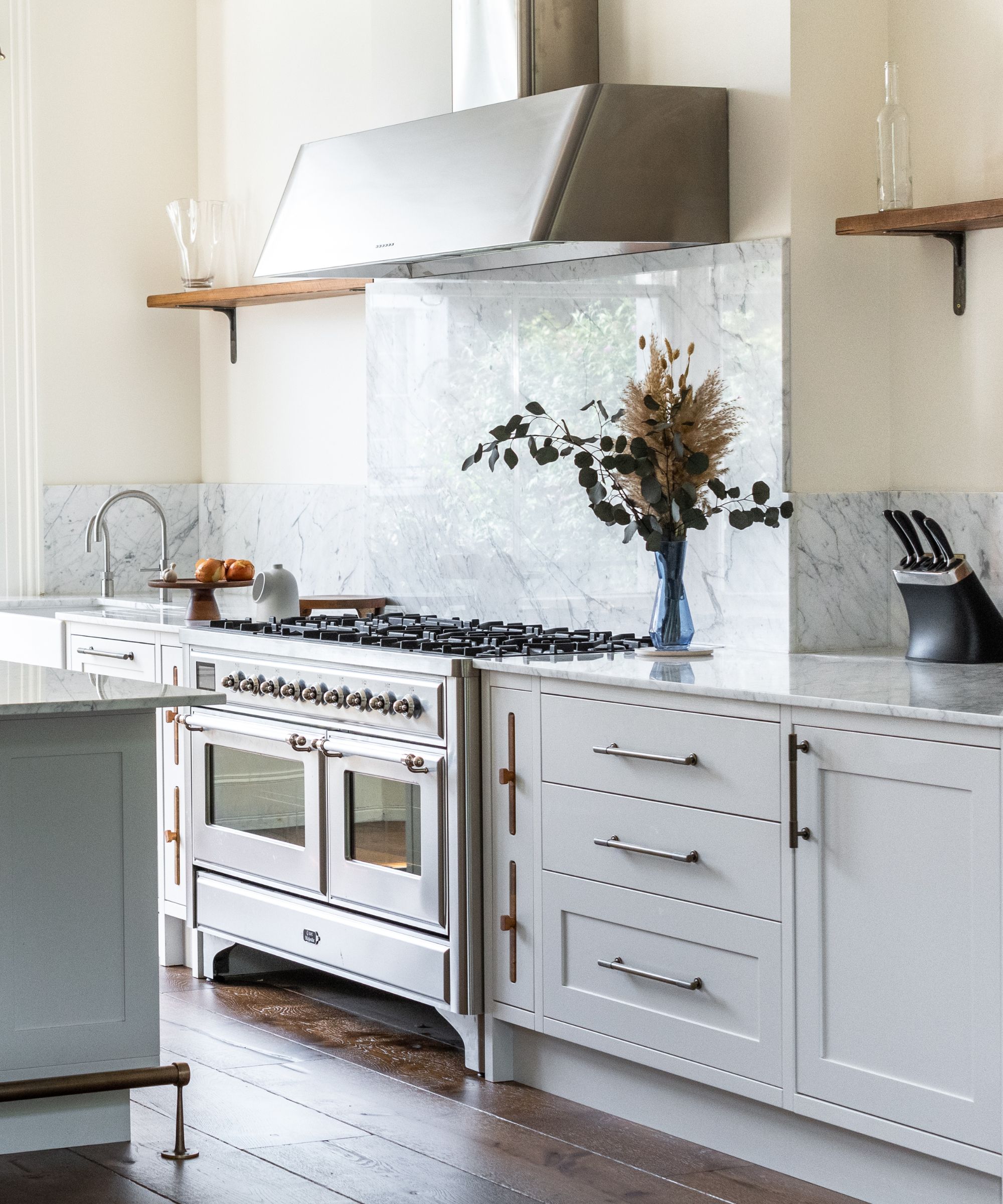
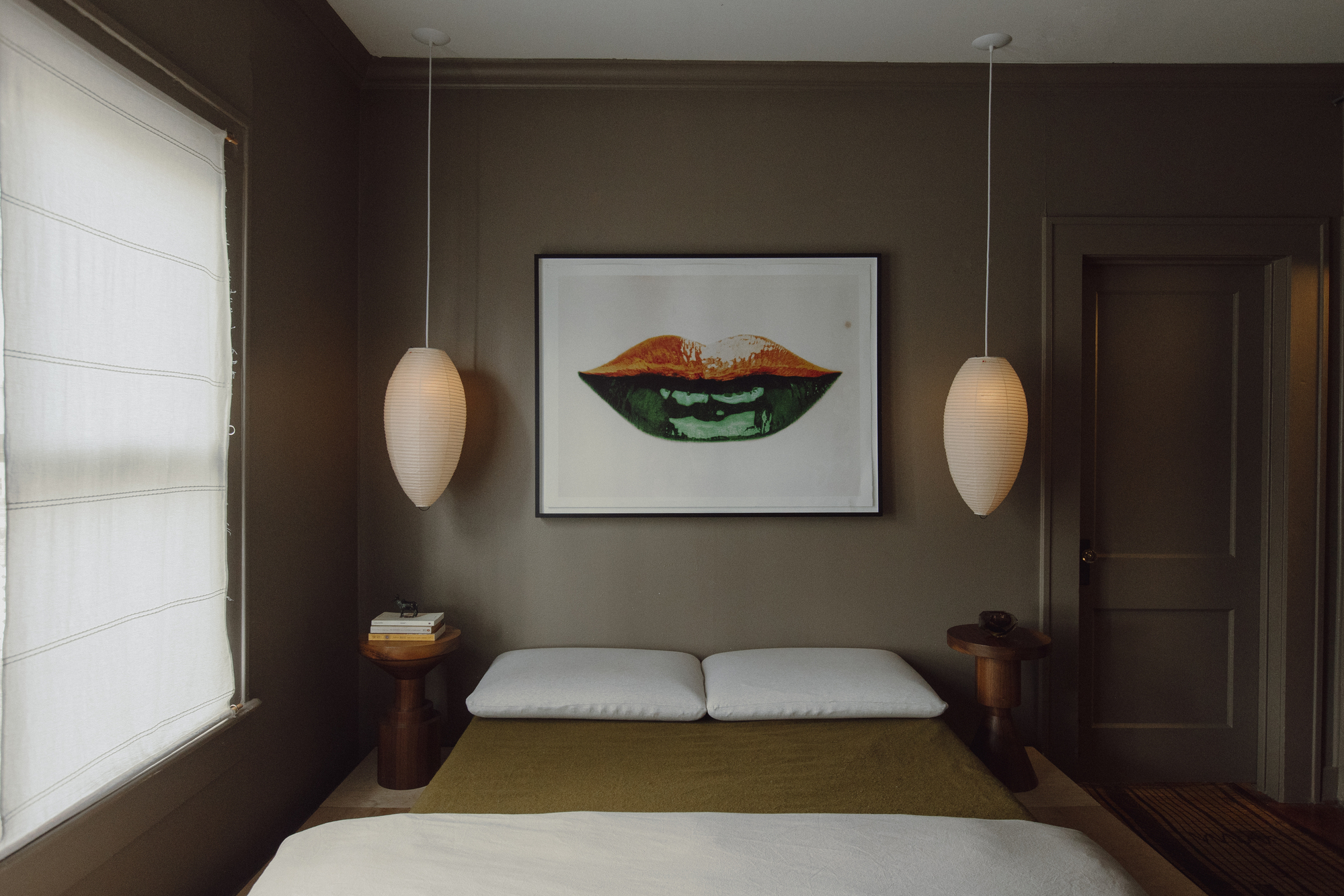
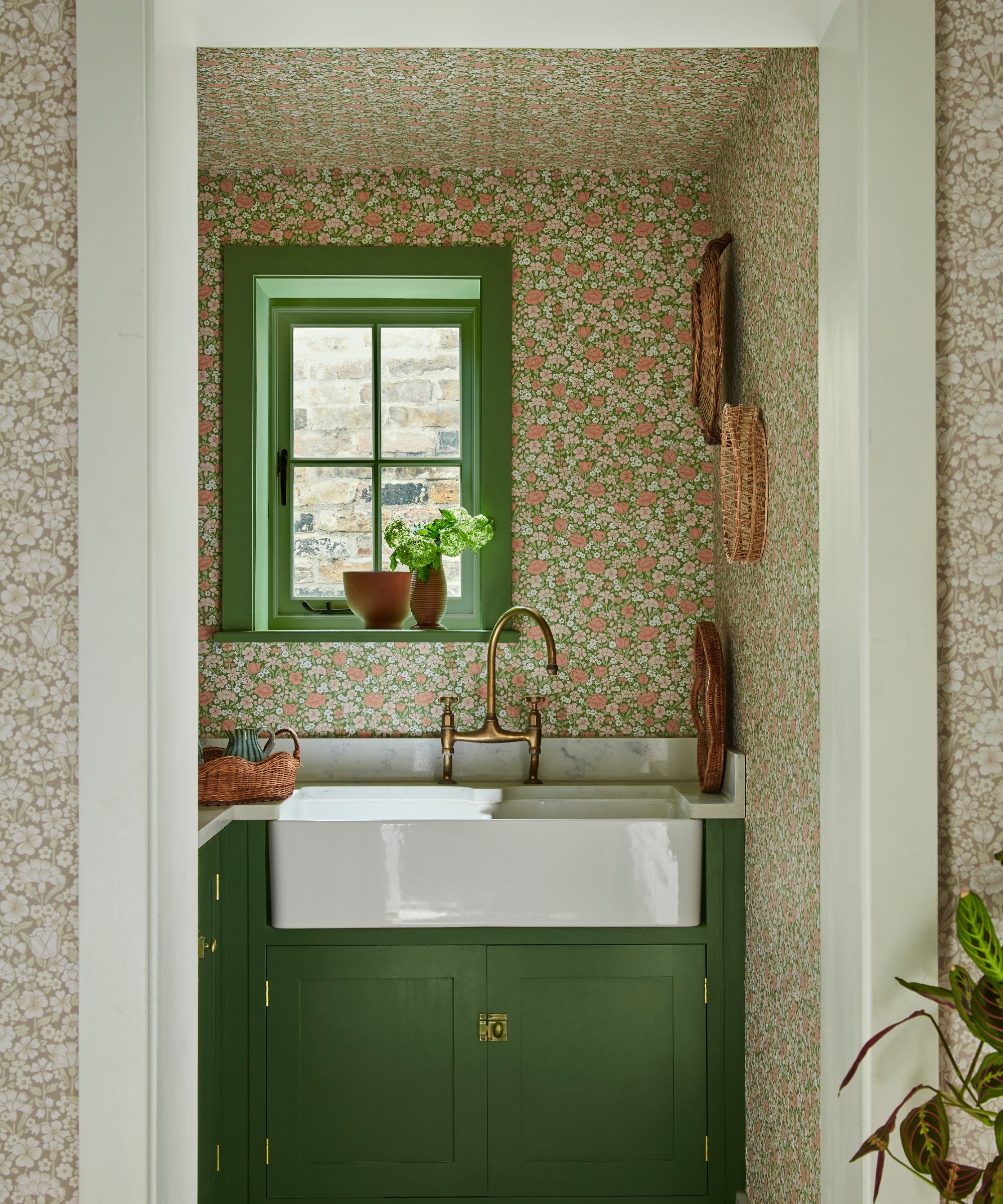
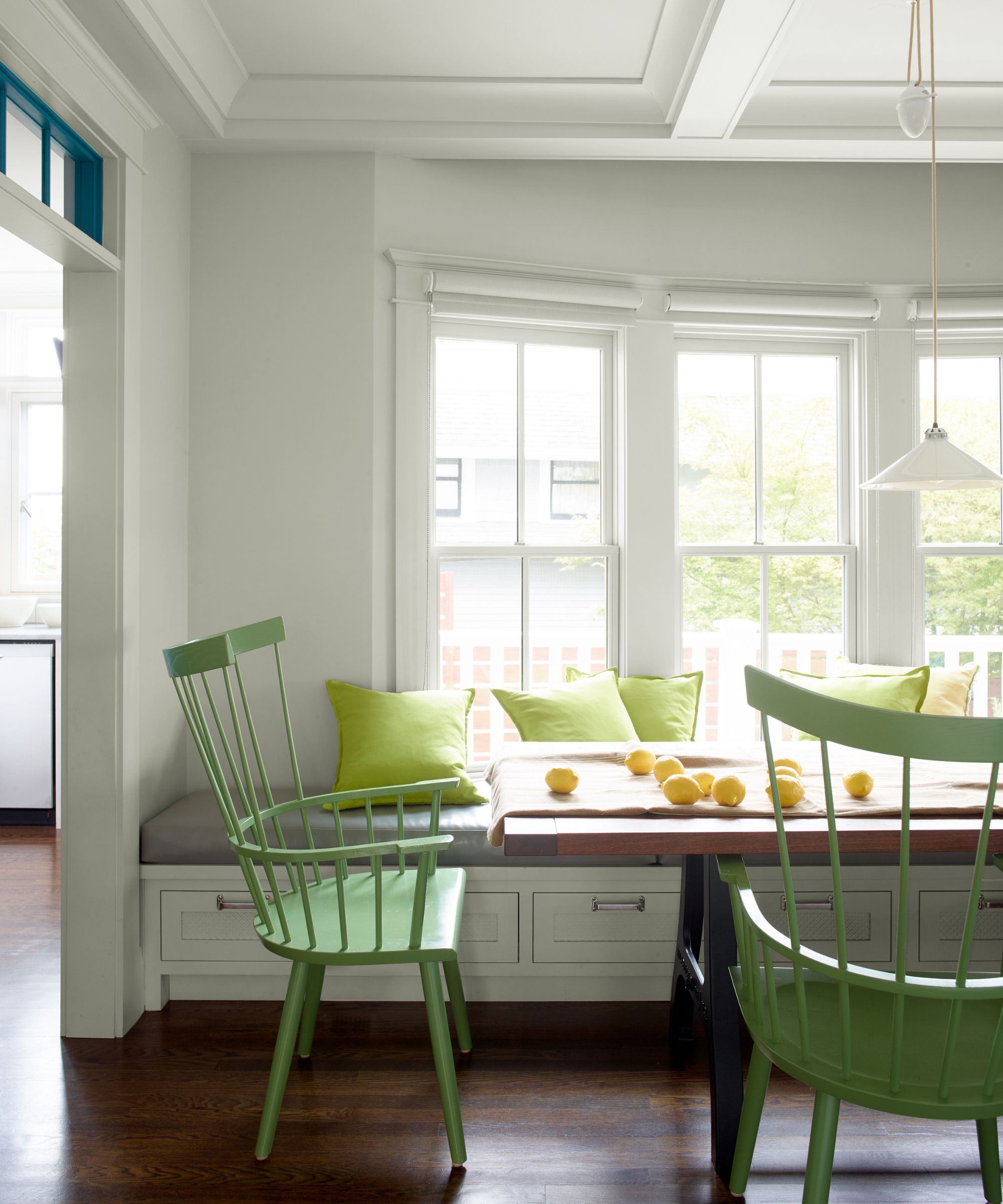
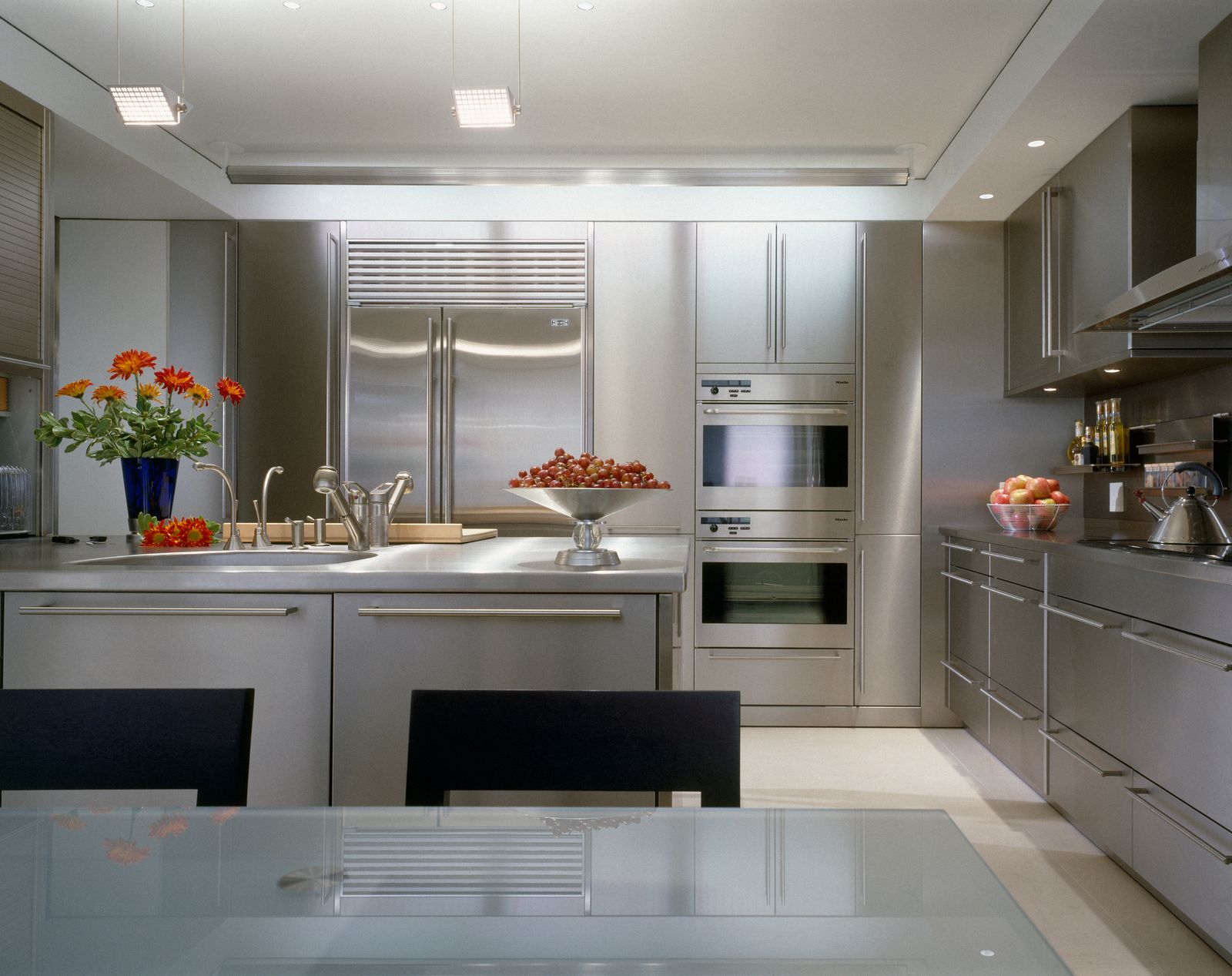
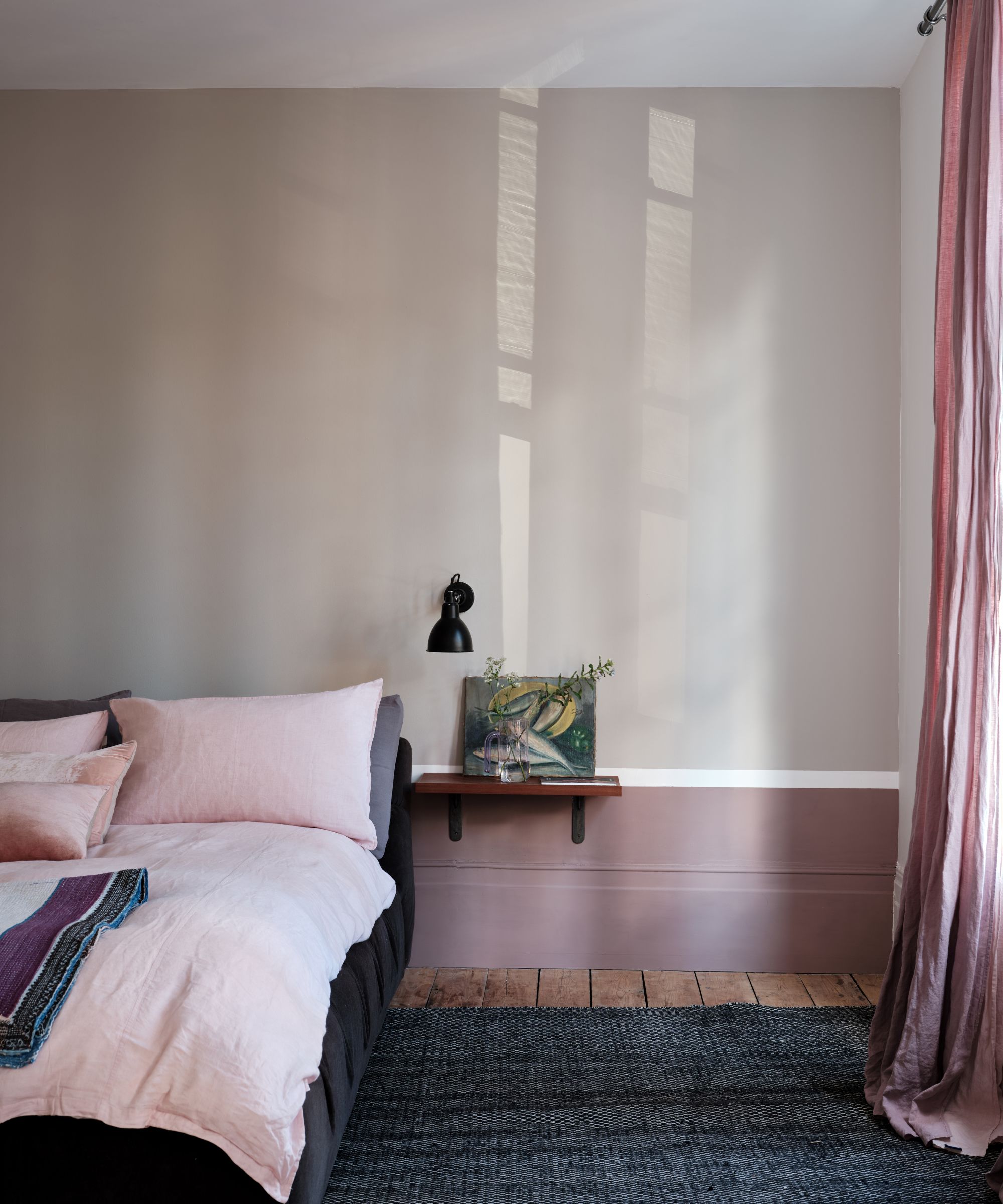
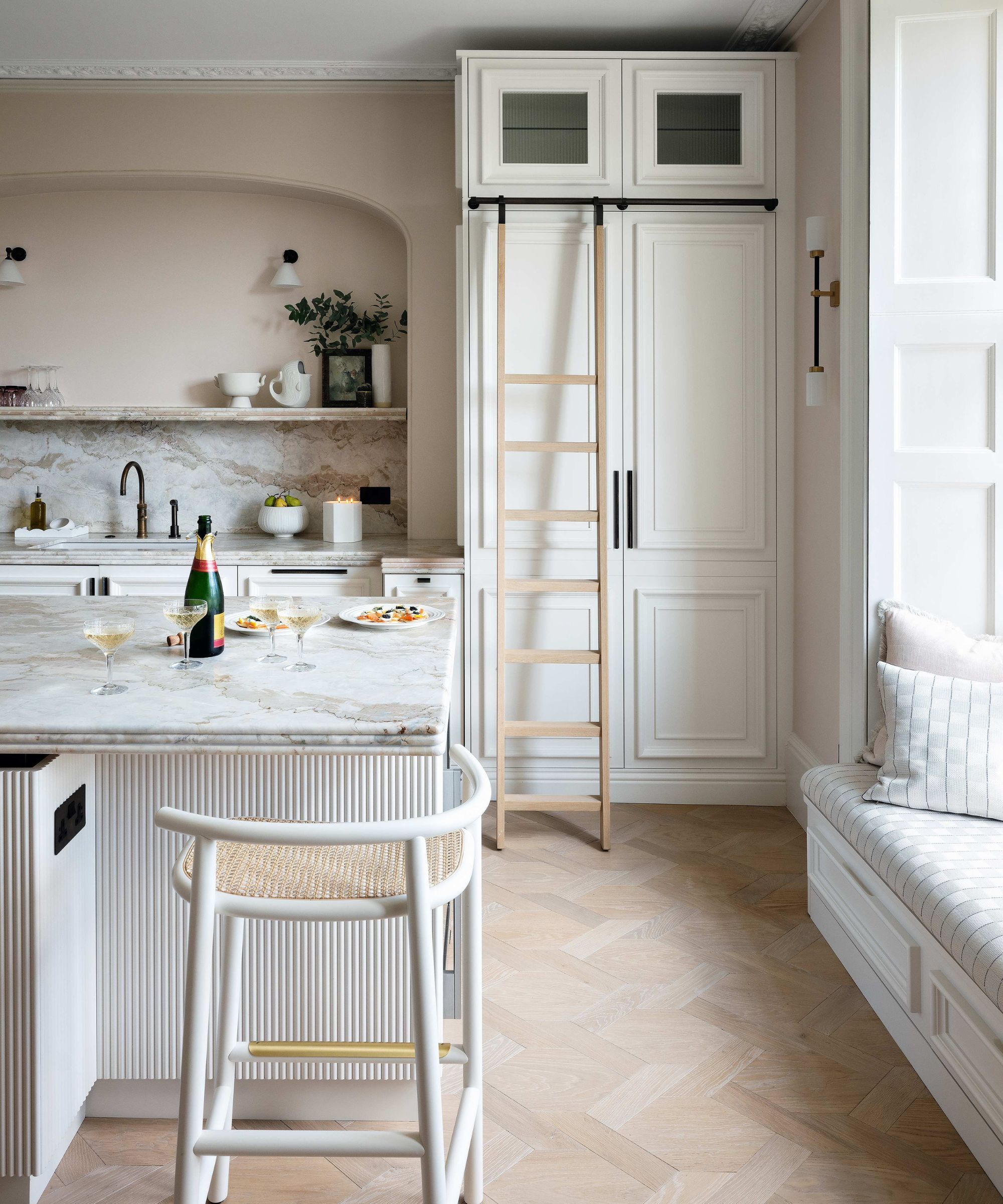
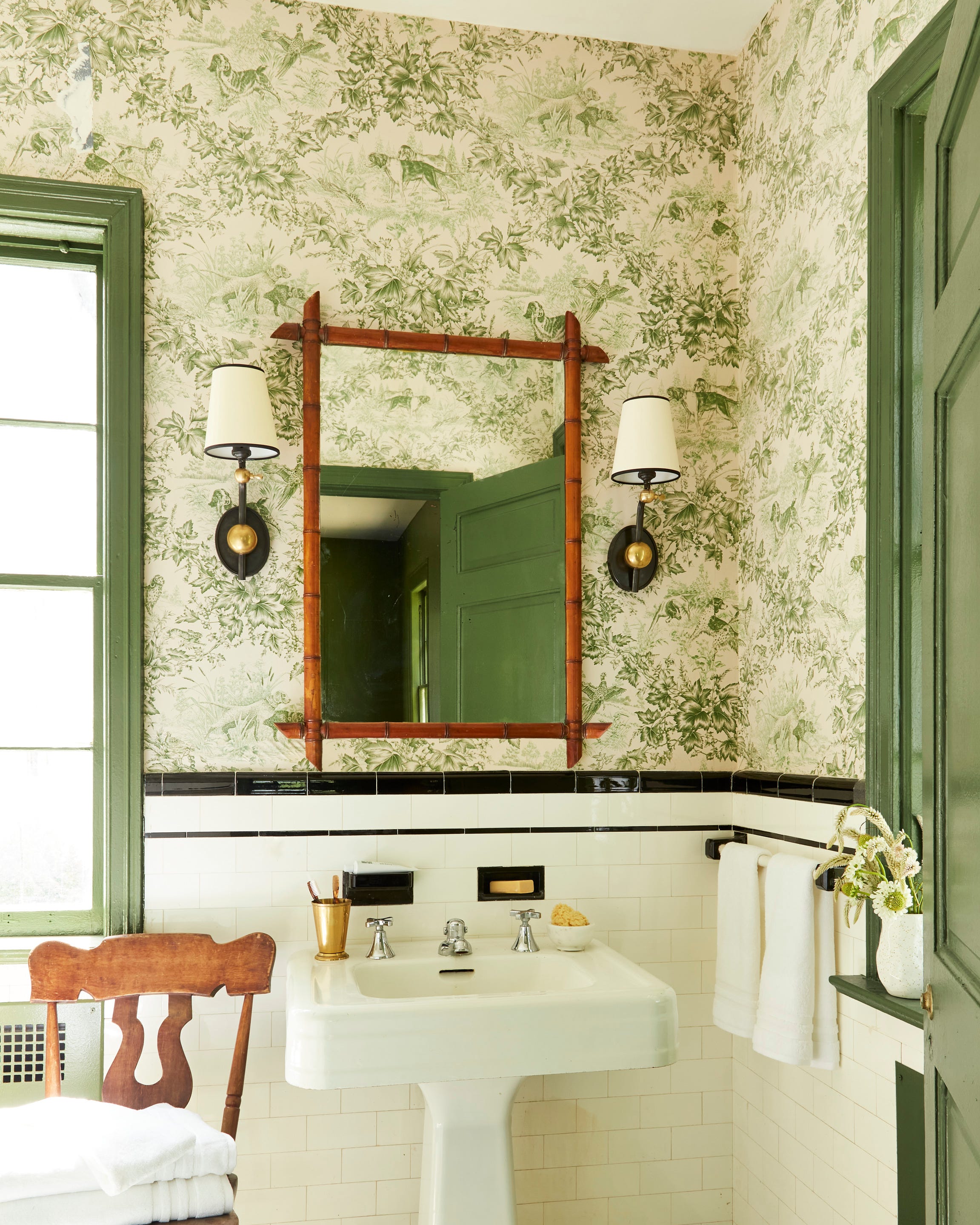
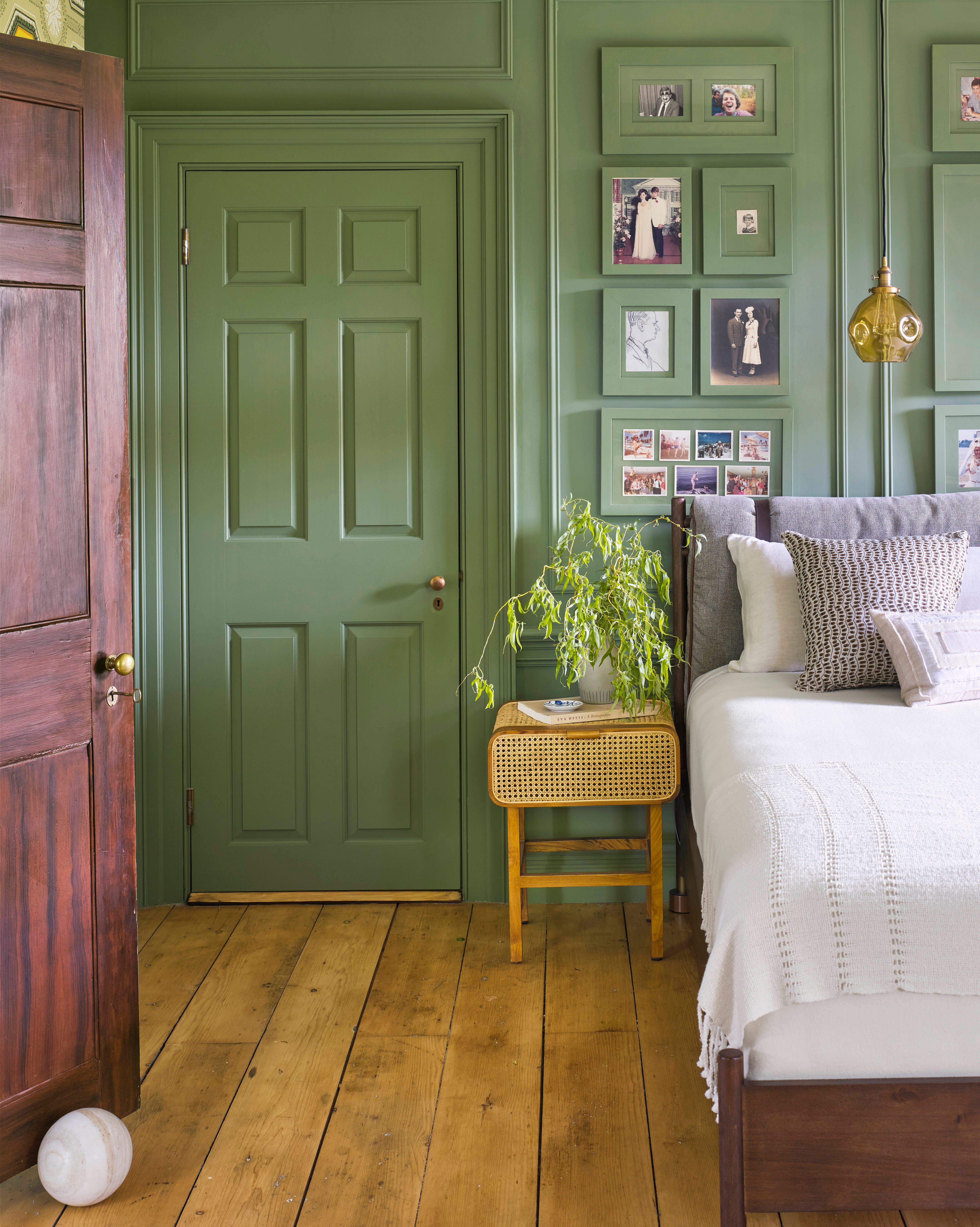
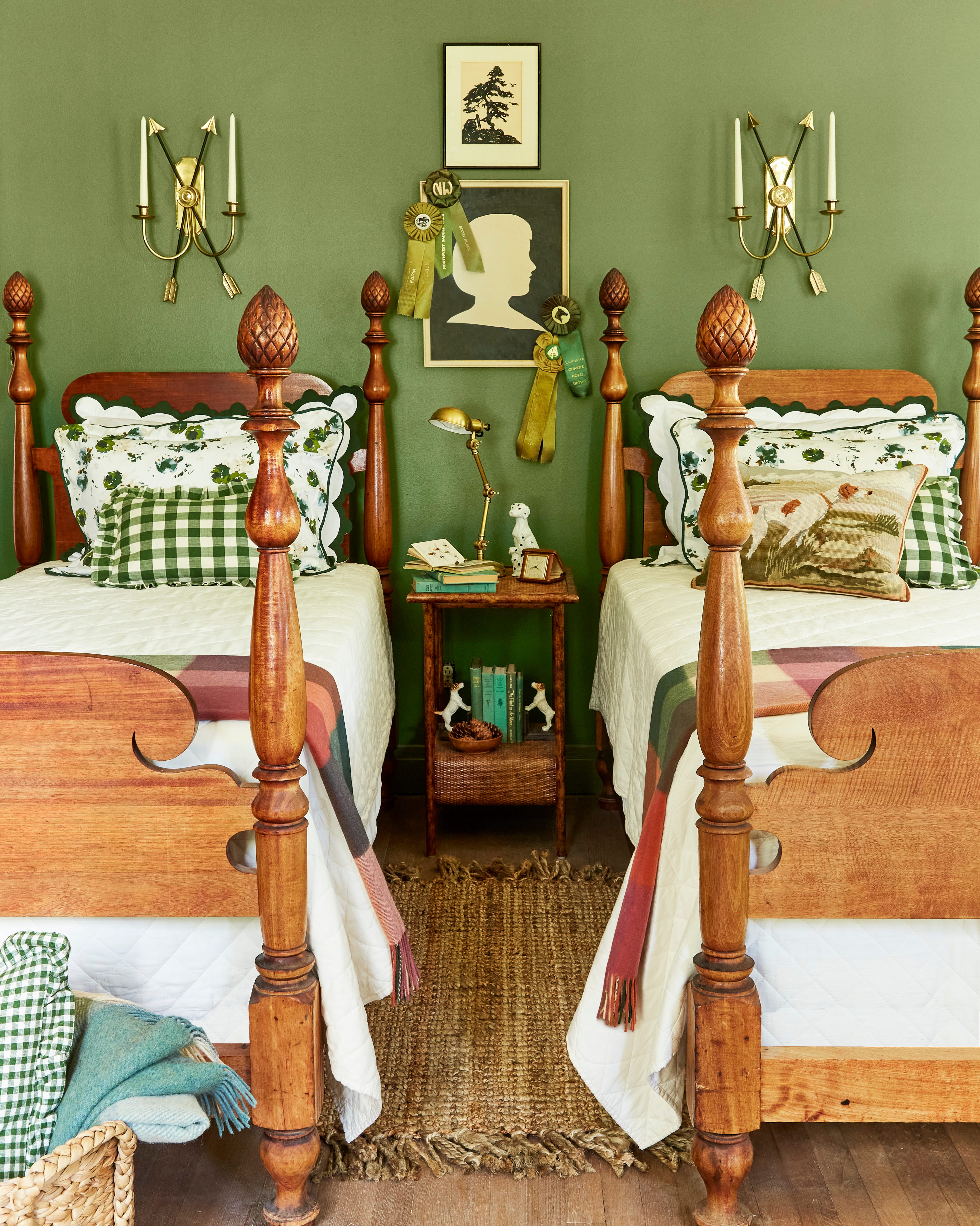
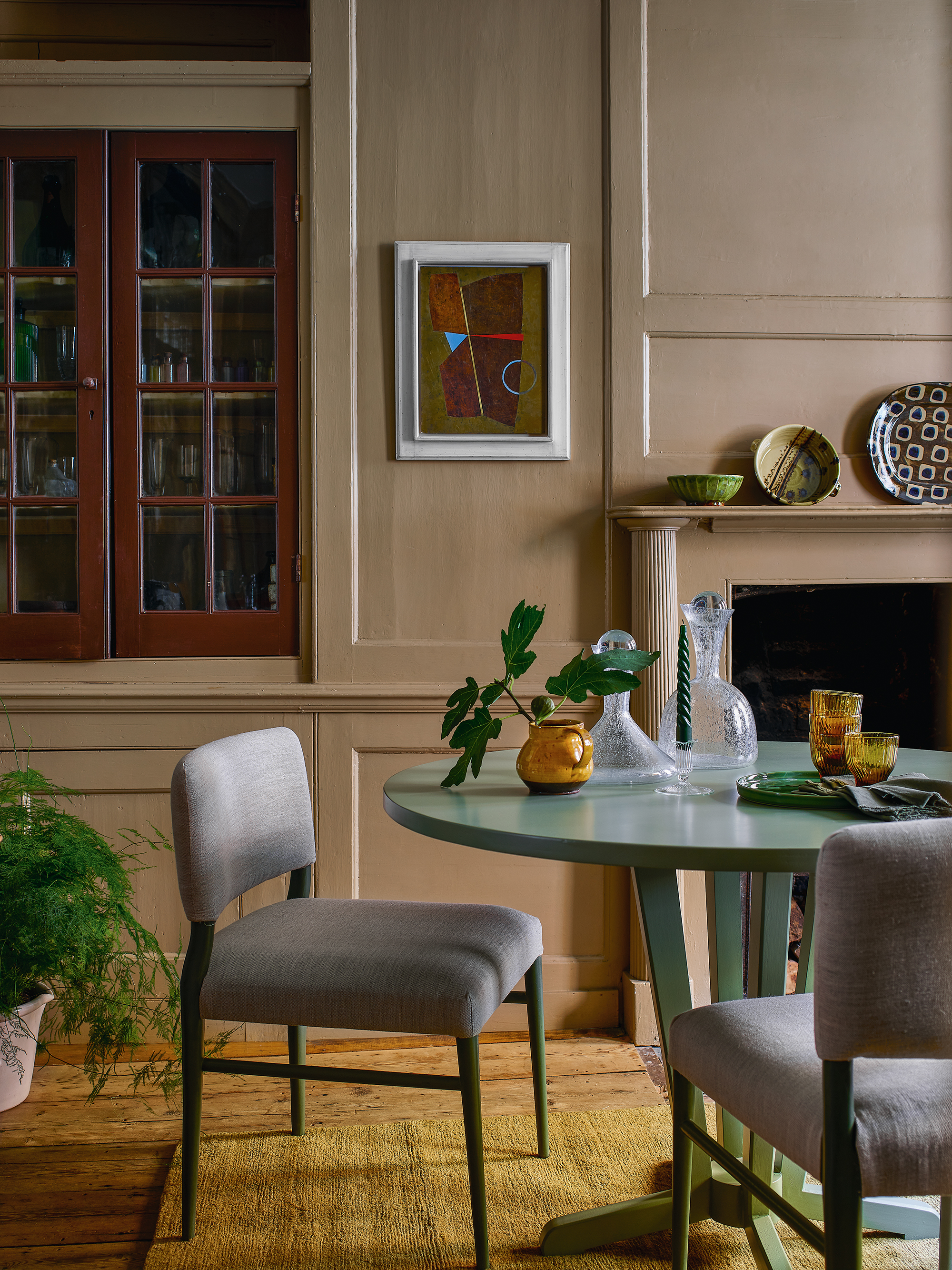
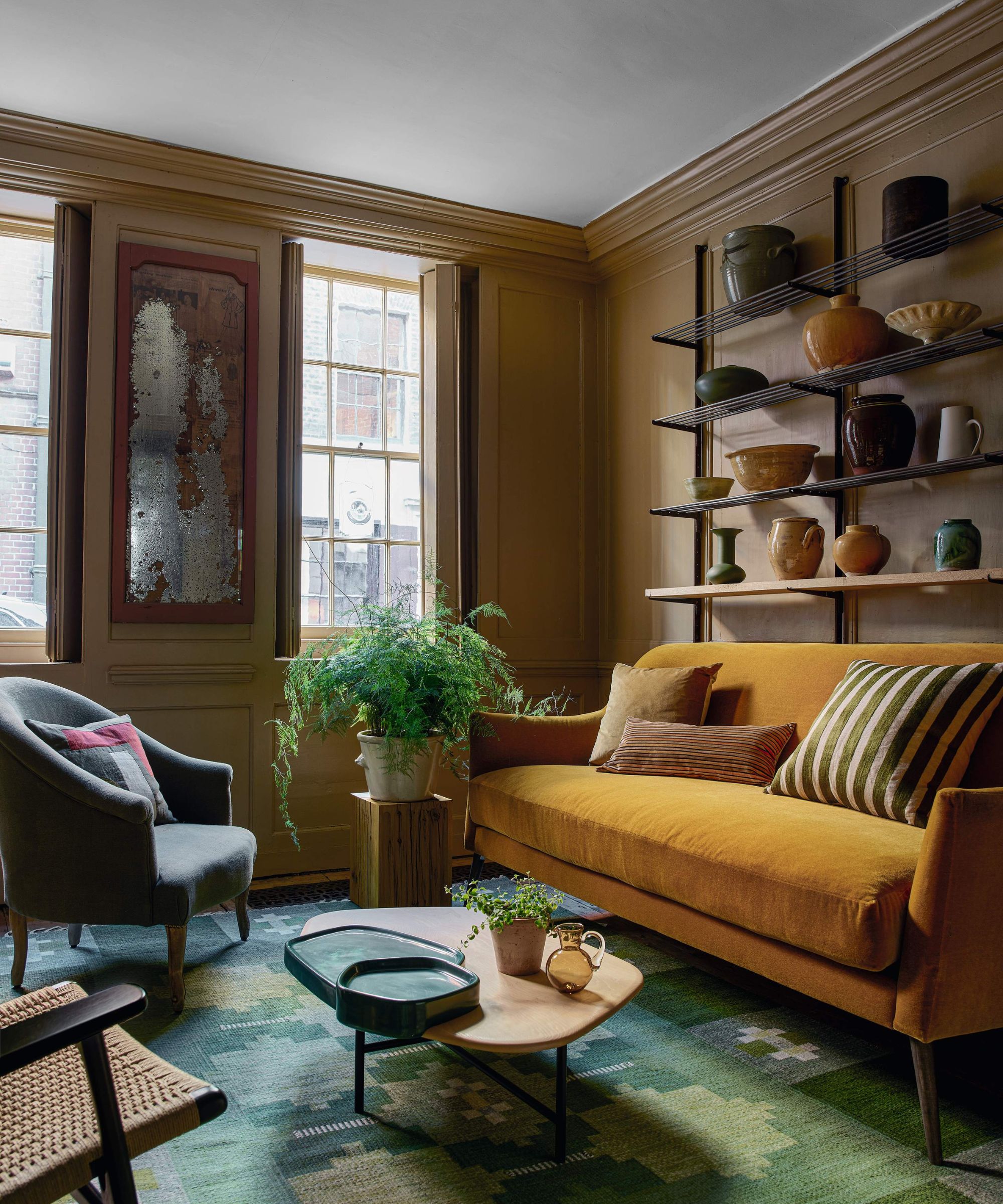
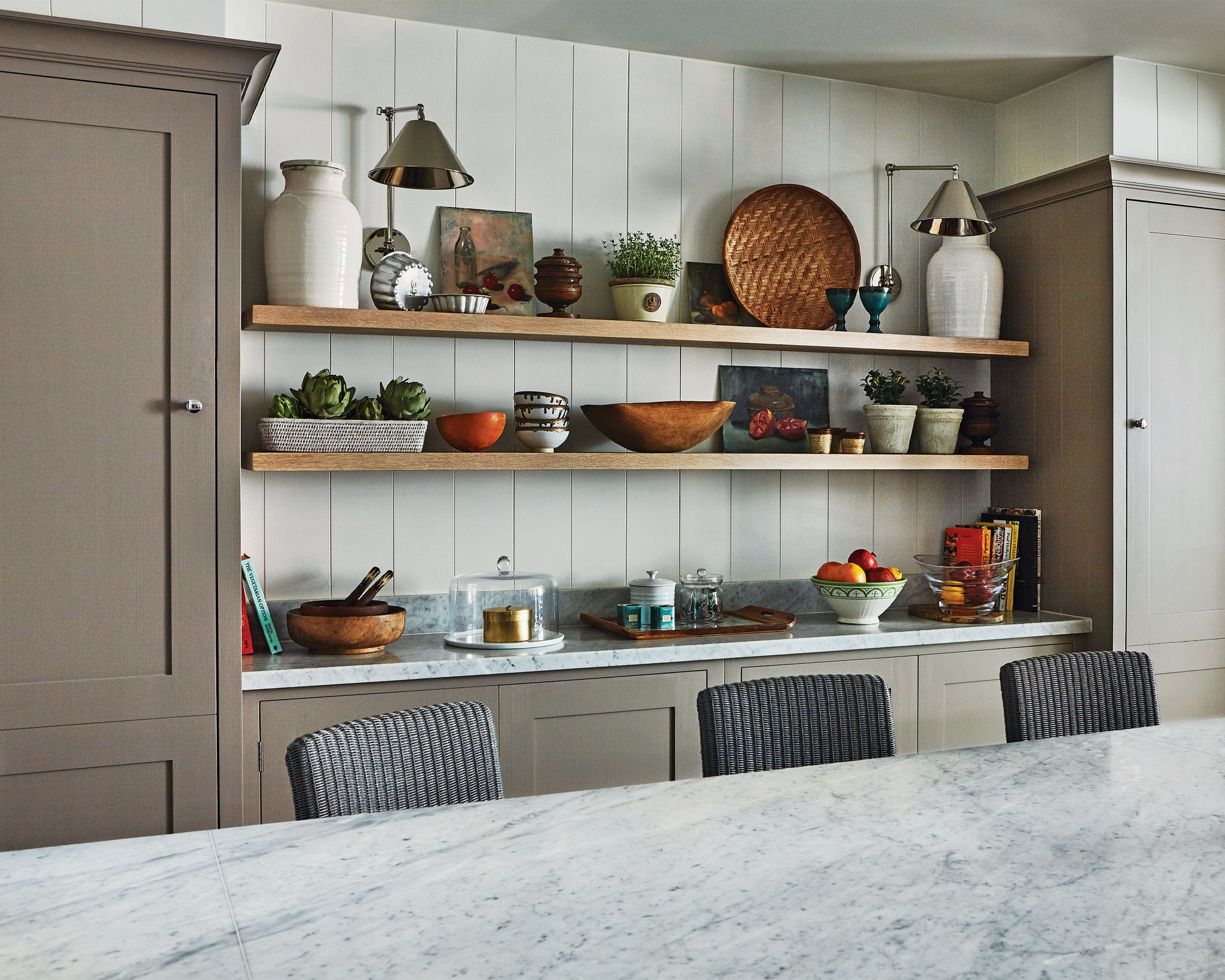
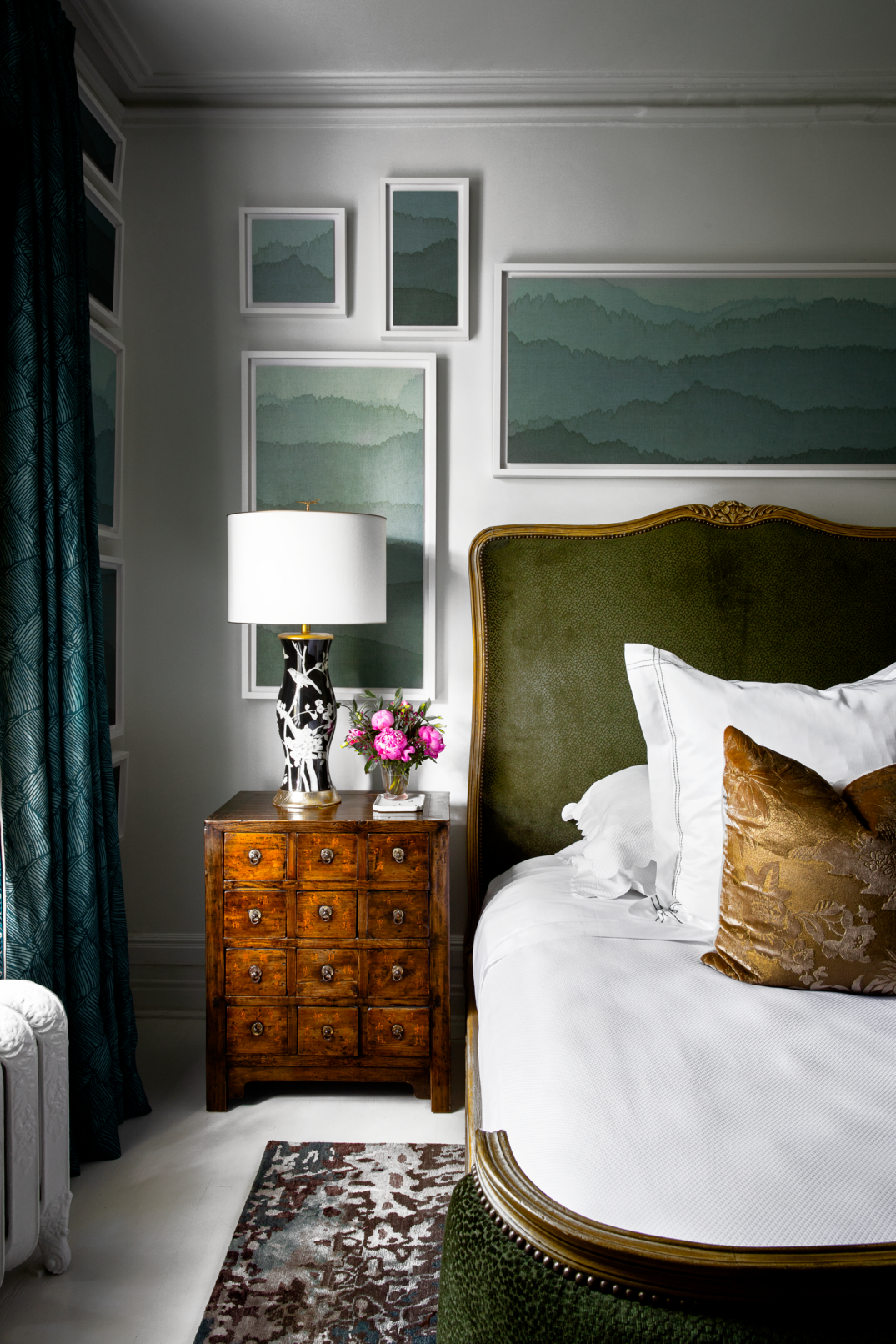
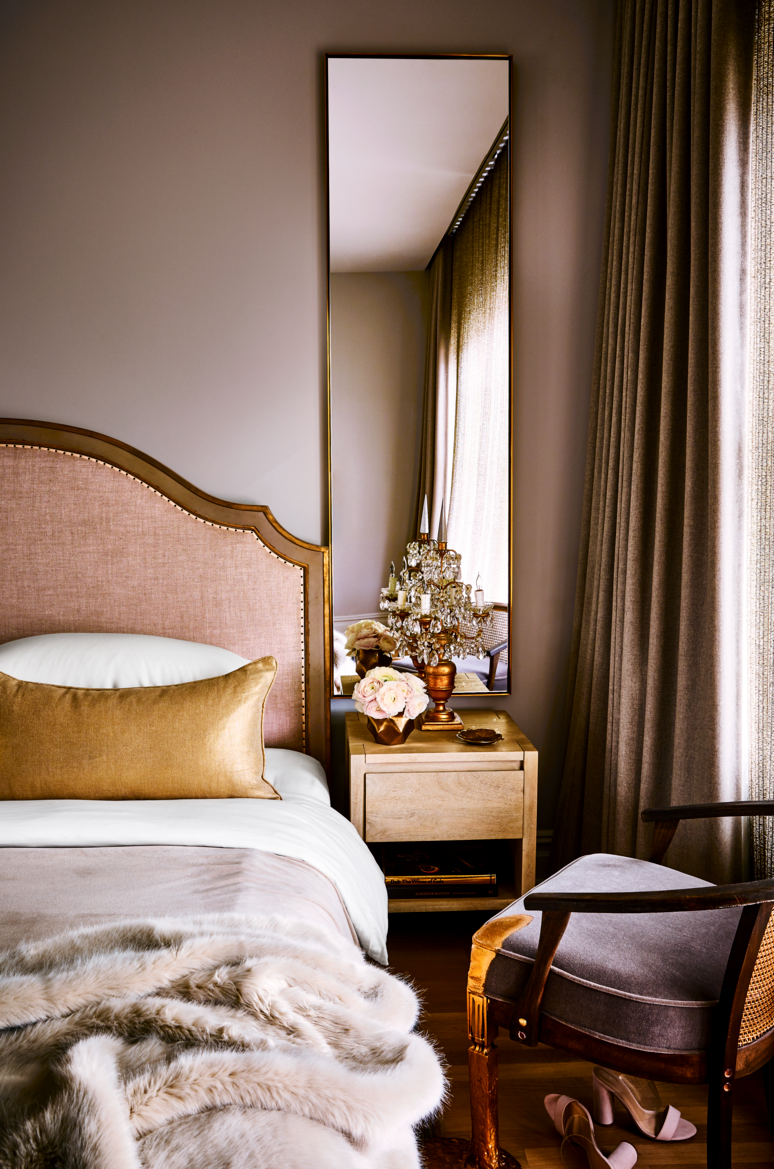
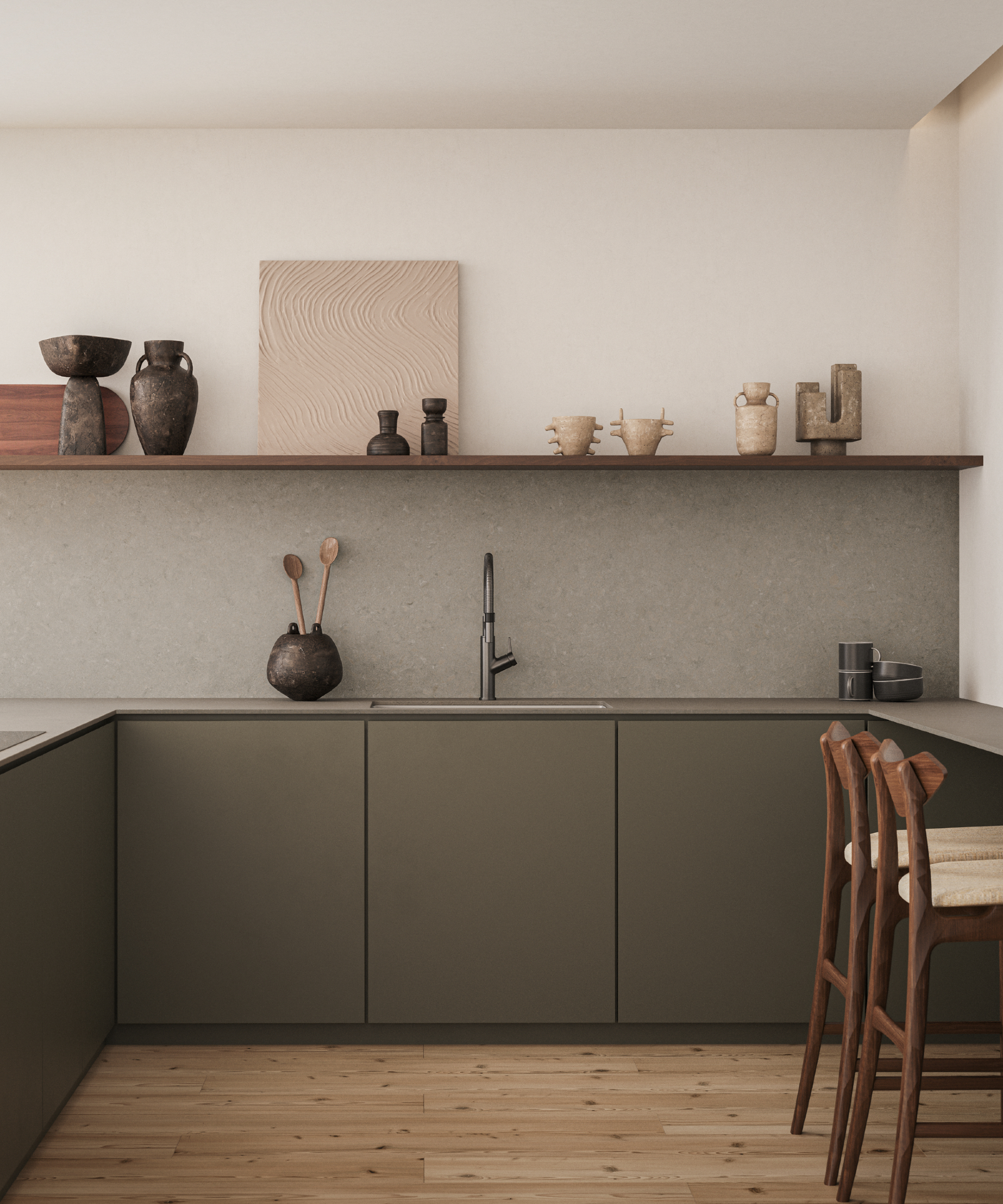
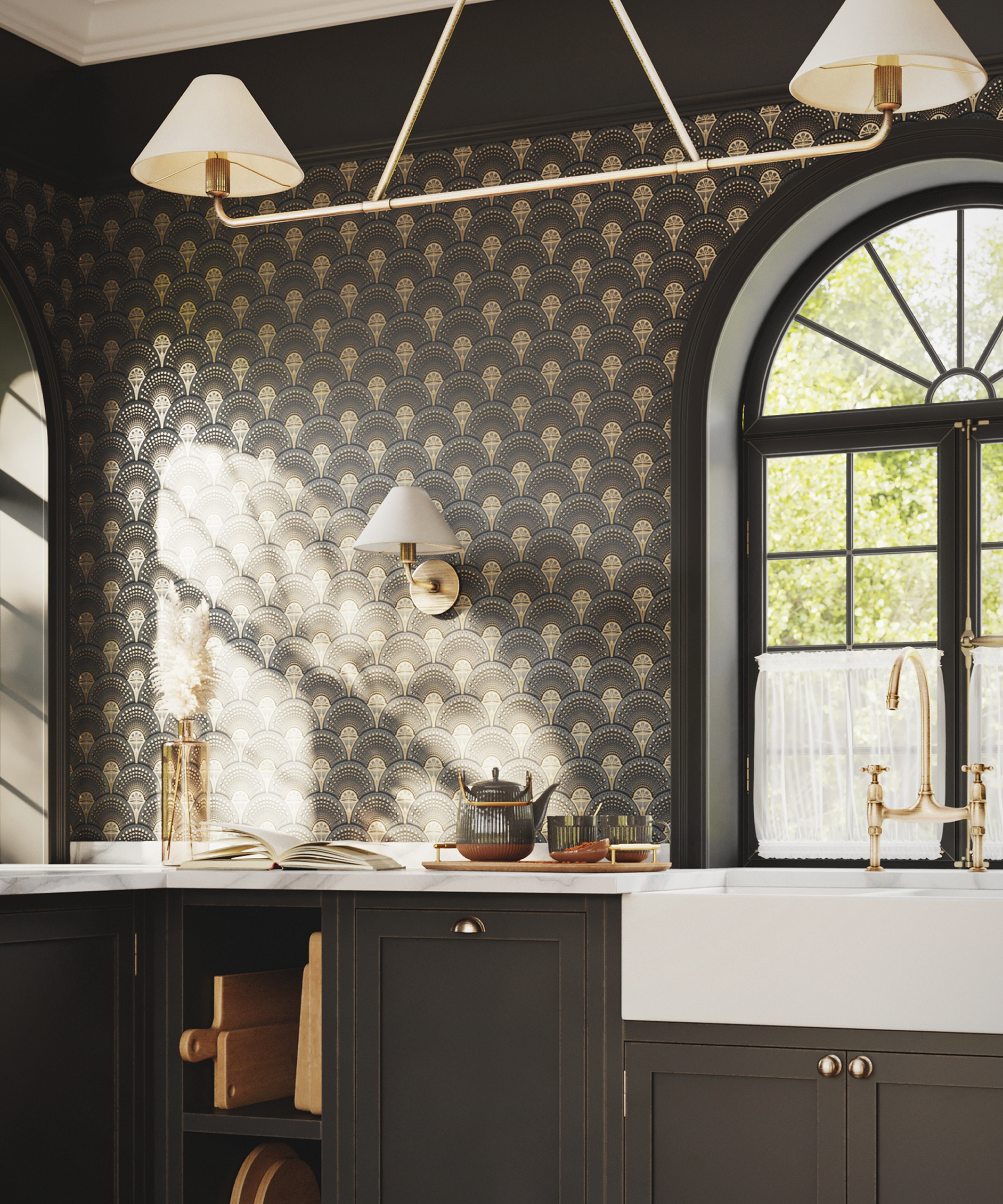
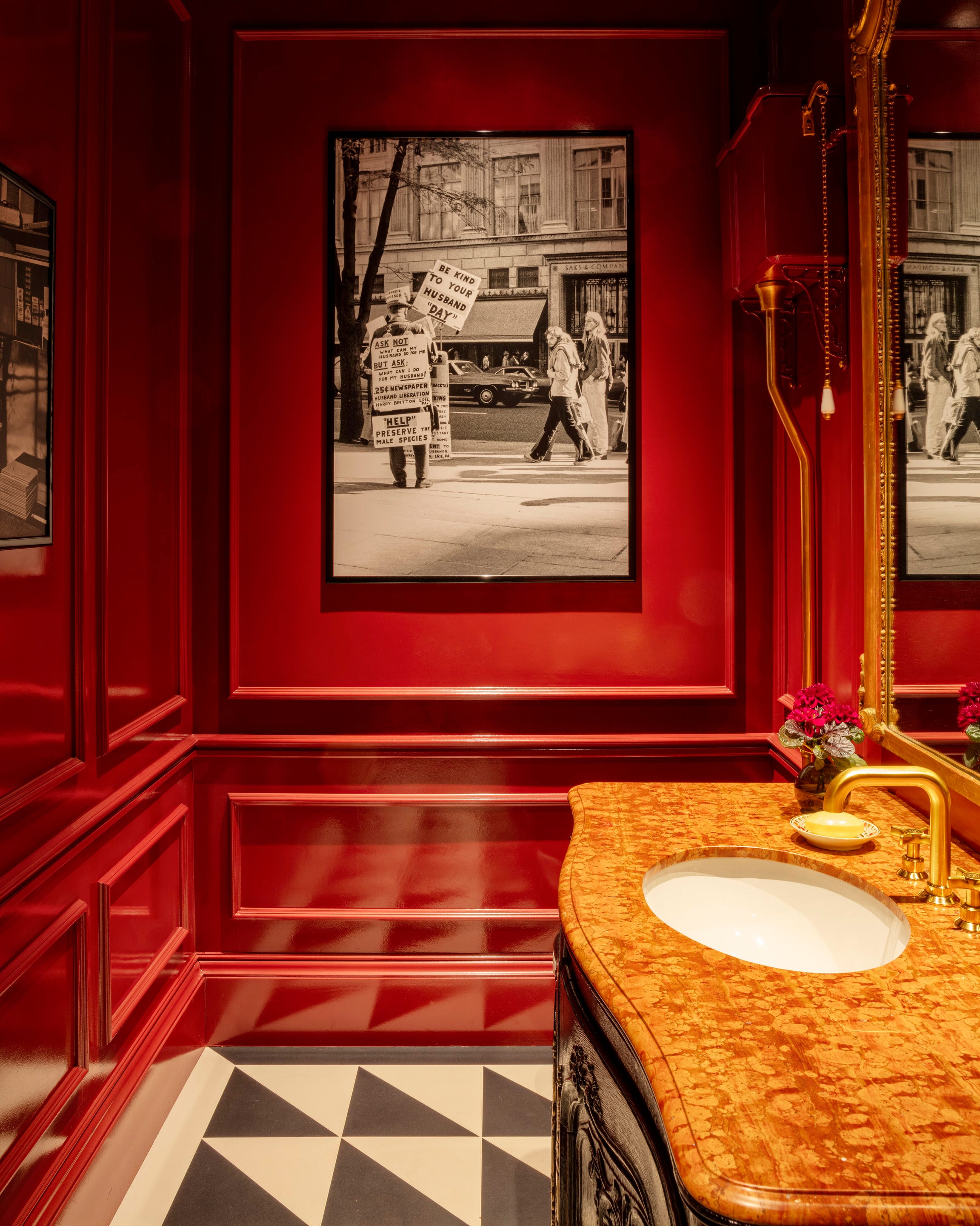
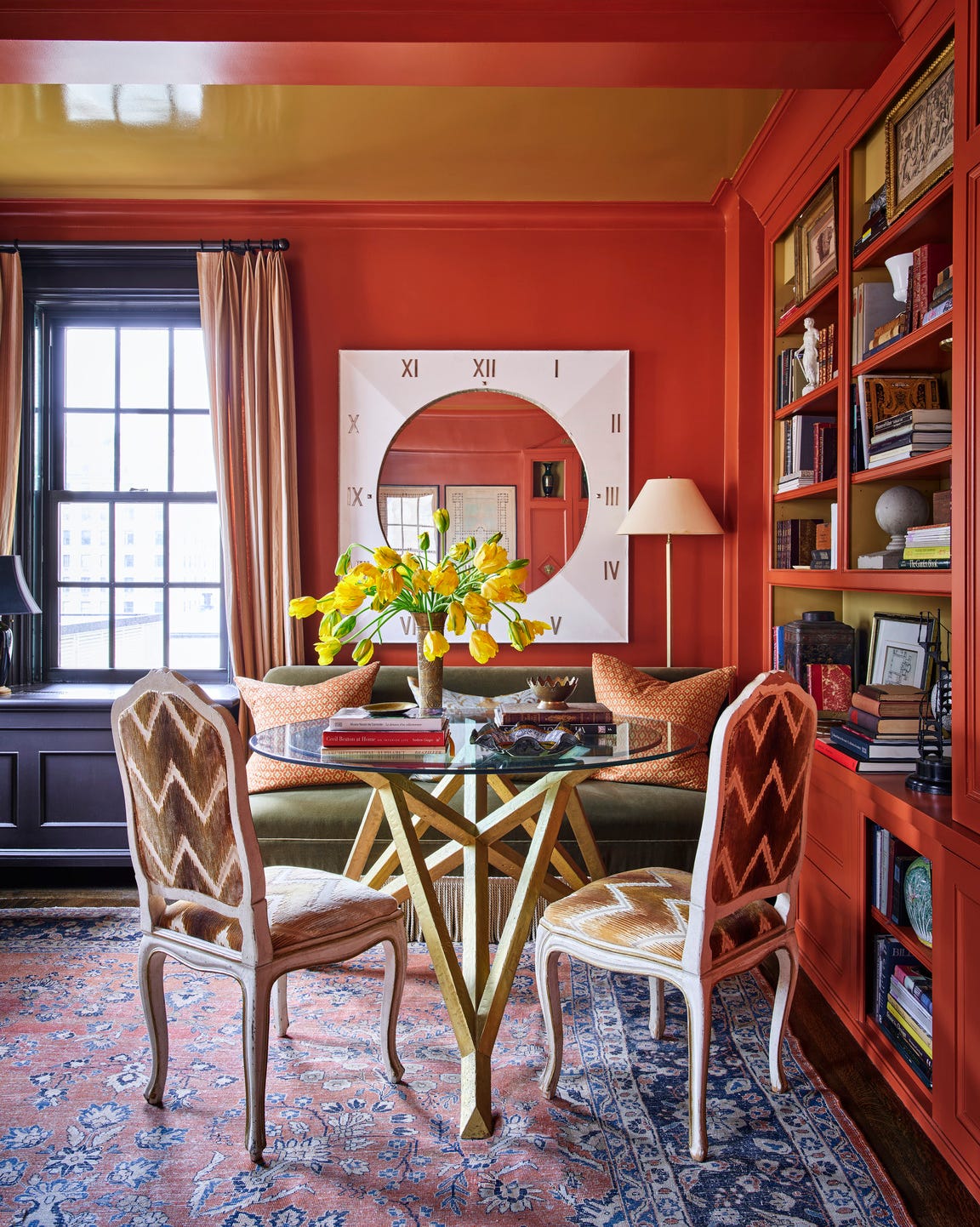
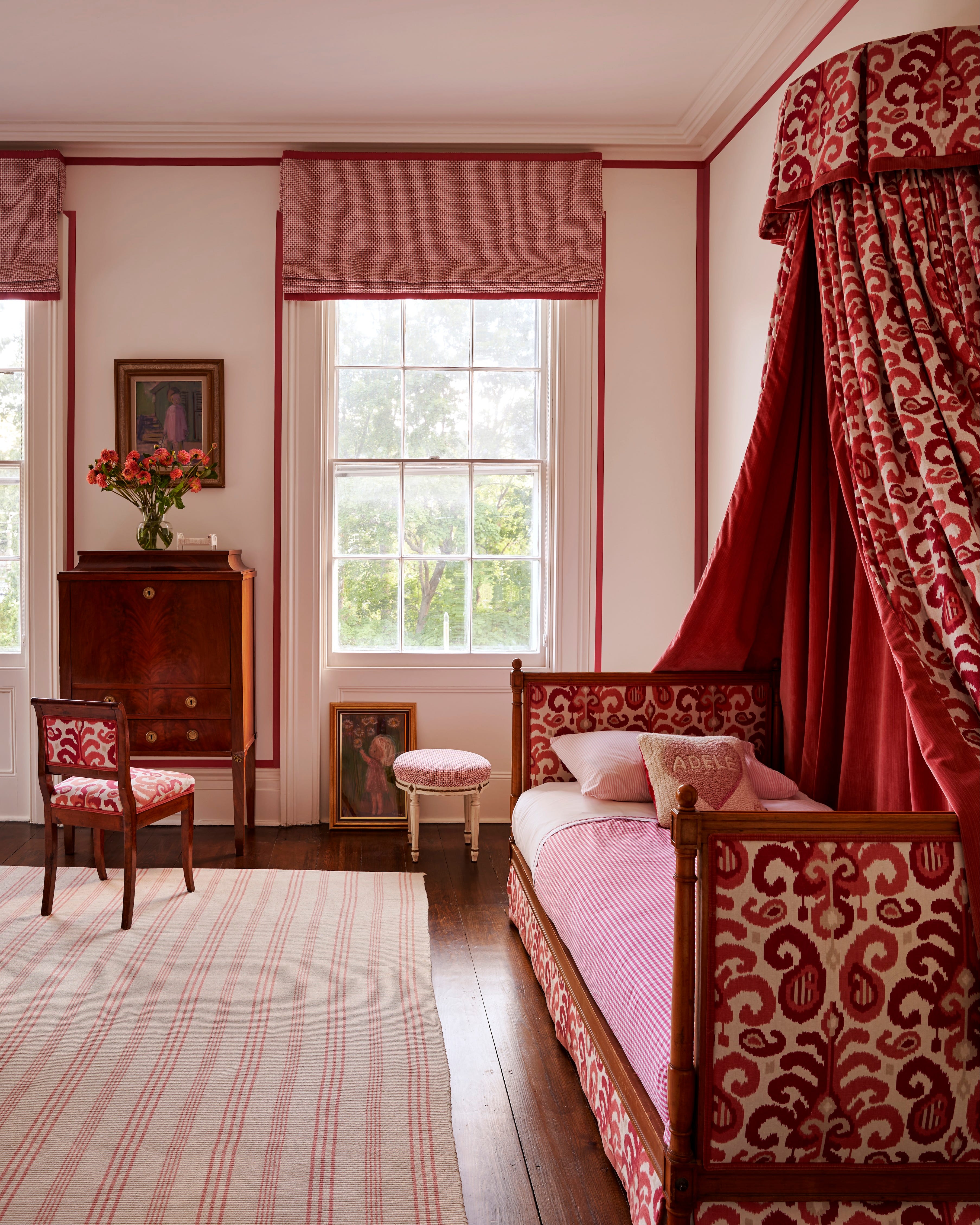
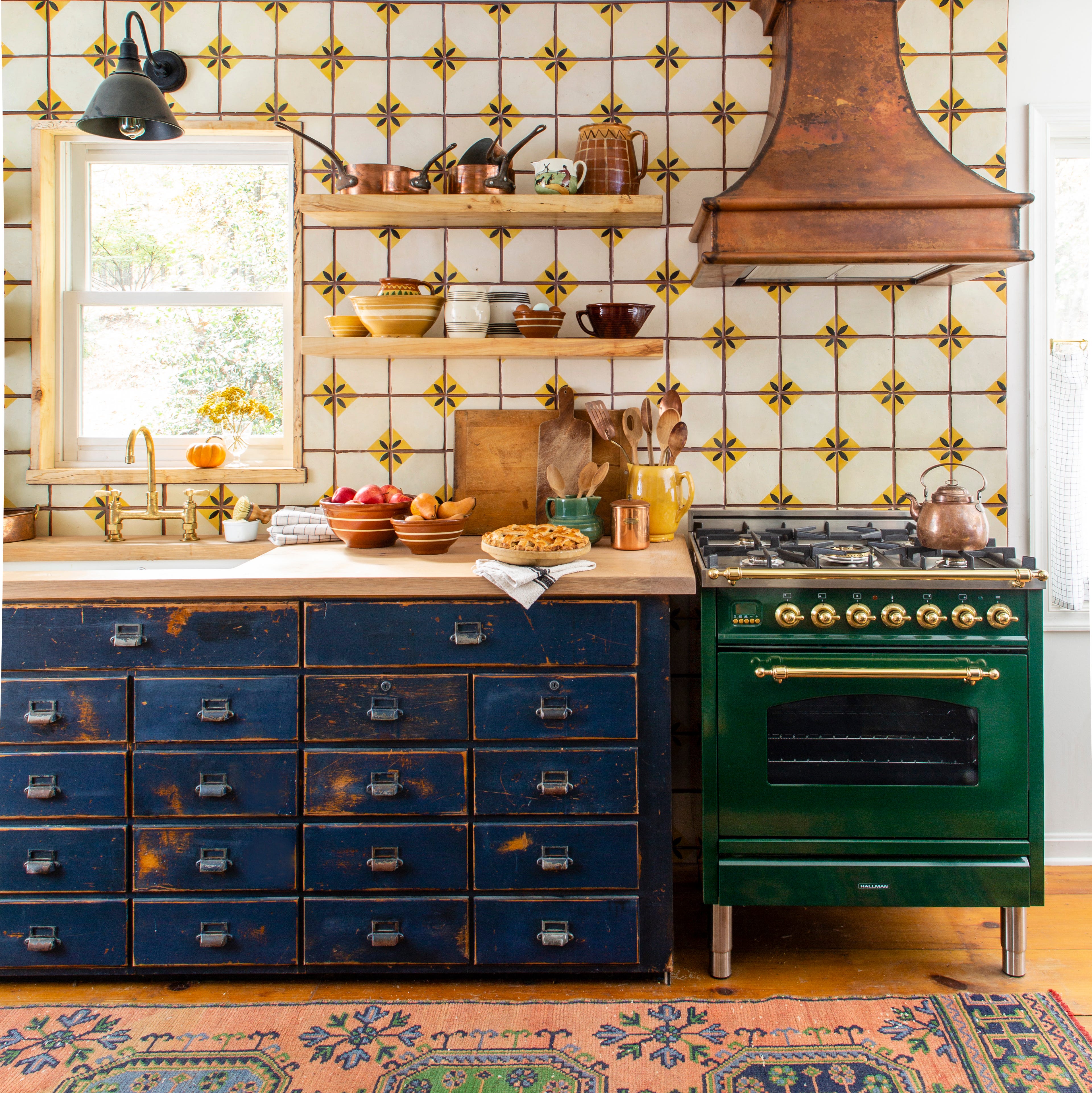
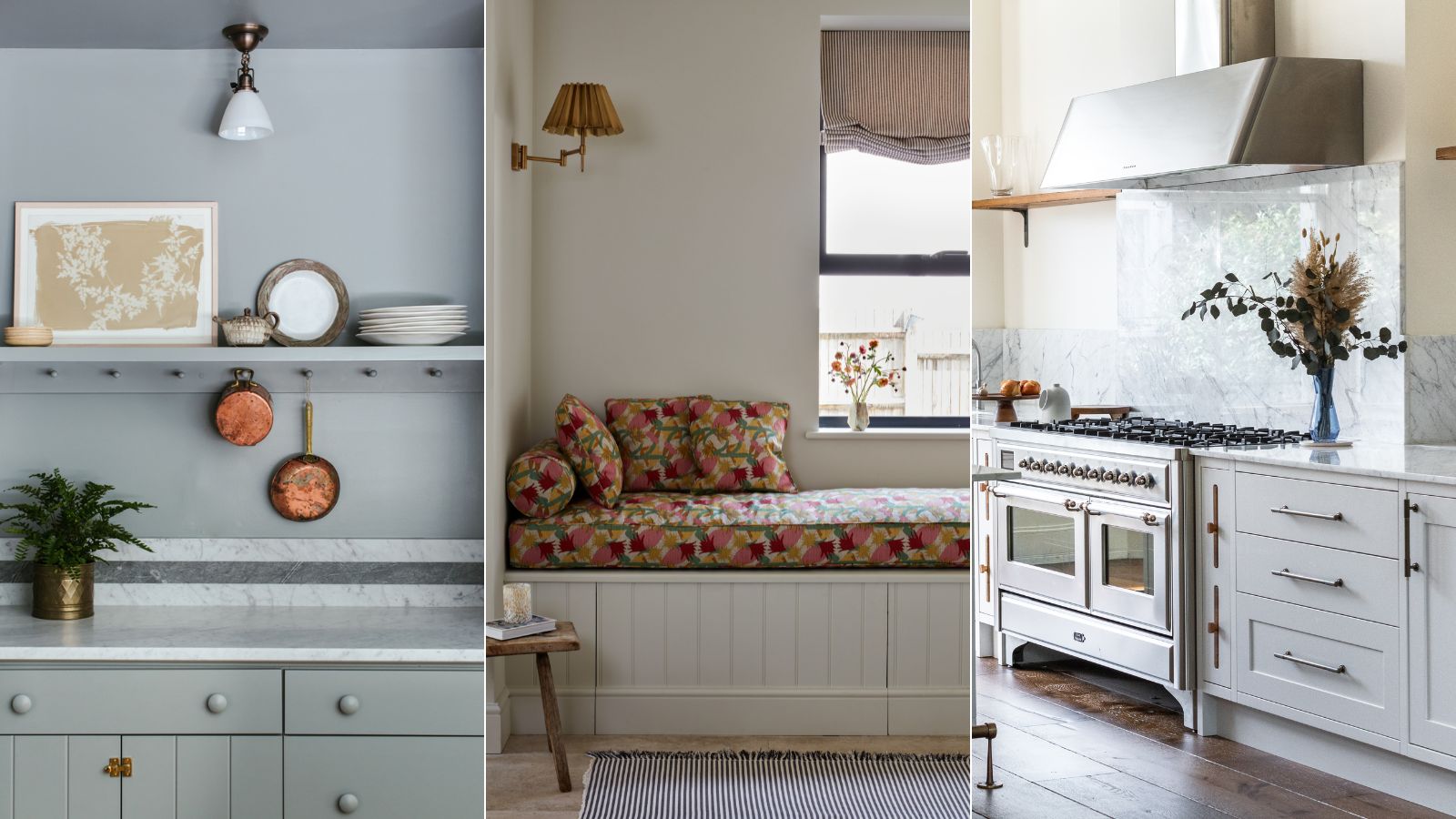
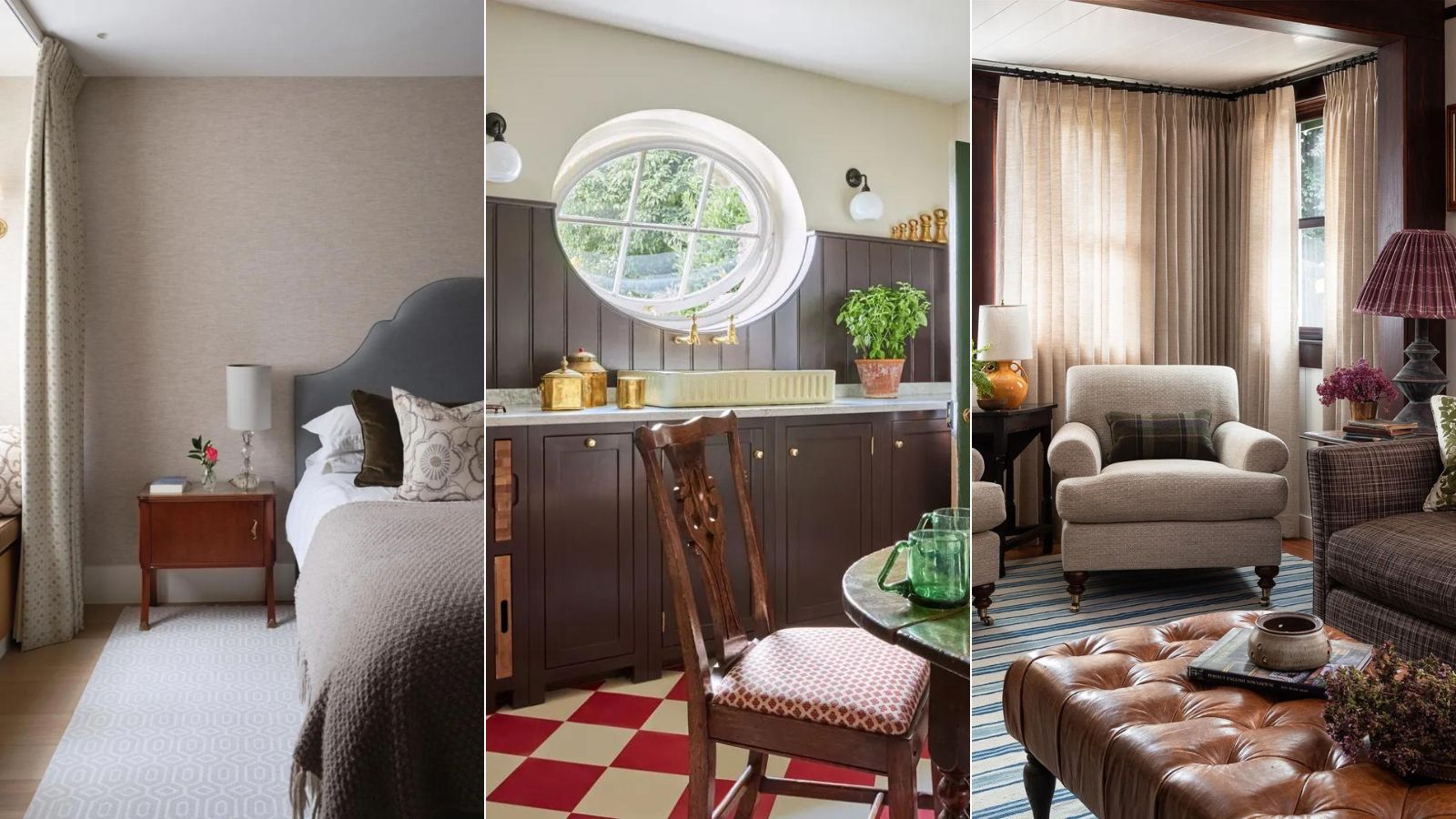
The article provides practical advice on decorating with beige in various rooms. In kitchens, beige offers timelessness and longevity, allowing other fixtures to stand out. In living rooms, beige can create airy and relaxing spaces, but it needs to be combined with natural textures like stone, wood, or linen to avoid blandness. For bedrooms, subtle beige nuances create a soft backdrop for antiques, art, and personalized embellishments. In bathrooms, beige can maintain a soothing environment when accented with colored glass accessories, floral fixtures, or reclaimed furniture. Entryways can benefit from a mix of warm neutrals with accents of black and hints of gray, relying on varied textures to add interest. Laundry rooms, perceived as stressful spaces, can become more inviting with beige and brown, which evoke nature and relaxation. Dining rooms can feature beige for a calm and formal setting, potentially incorporating a bold statement piece in black metal or ebonized wood. Pantries can use a plain beige backdrop to highlight interesting materials like natural wood. Powder rooms can utilize beige paneling paired with textured wallpaper for a smart and soothing scheme. Finally, sunrooms can be transformed into showpieces with a peaceful, pale beige palette and statement light fixtures.
Ultimately, the choice between gray and beige often depends on the desired ambiance. Kathy Kuo, a designer, states that both are timeless neutrals, with beige leaning towards warmer schemes and gray towards cooler ones. The decision rests on the overall color story one wishes to tell in their home.
#InteriorDesign #ColorTrends #HomeDecor #NeutralPalette #BeigeInteriors #GrayAlternatives #DecoratingTips #WarmNeutrals #InteriorDesign #ColorTrends #HomeDecor #NeutralPalette #BeigeInteriors #GrayAlternatives #DecoratingTips #WarmNeutrals
0 comment in total
 No comments yet
You may also like
Is gray still on trend? Designers explain how to use this cool-toned hue in a world of warm color schemes
What color is replacing dark blue? This moody shade is the new go-to for atmospheric decorating schemes

How To Incorporate The Latest Color Trends in Your Home

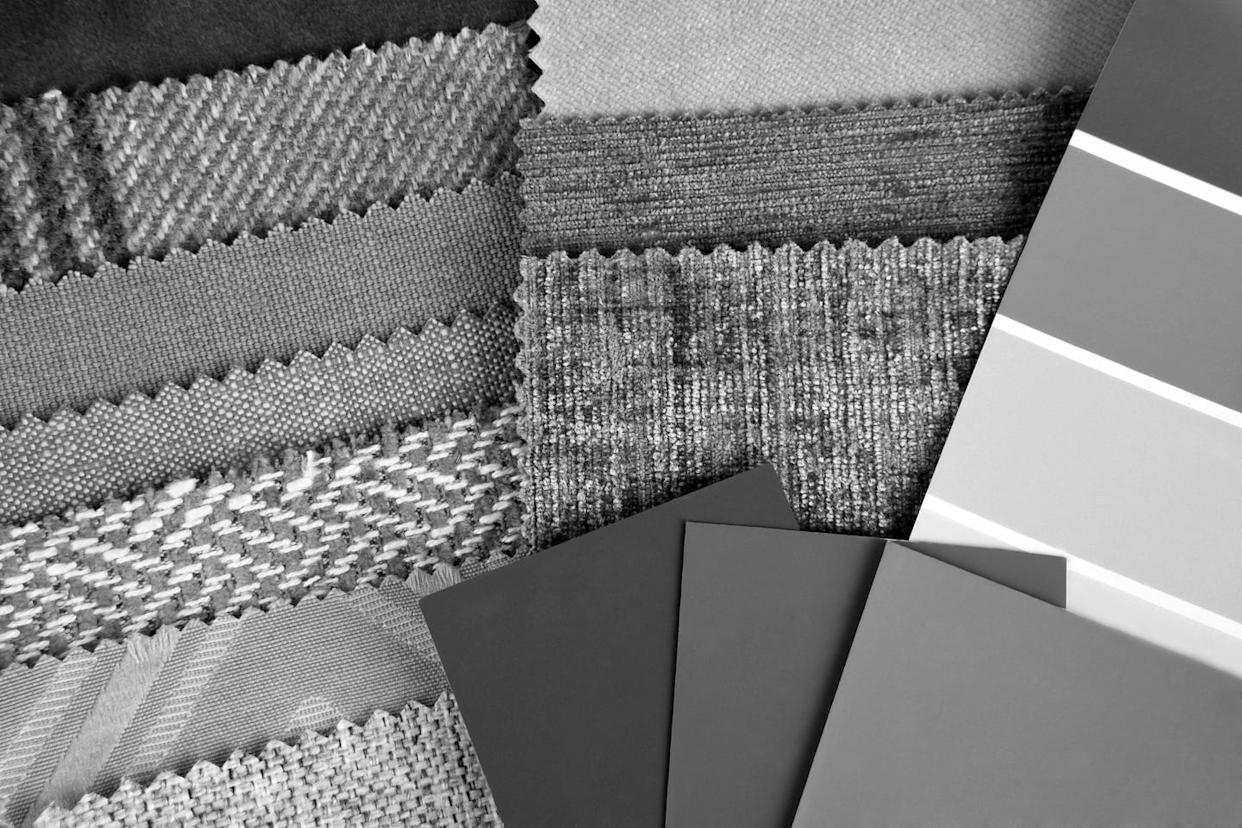
Every Designer I Talked to Said This Popular Paint Color Is on Its Way Out

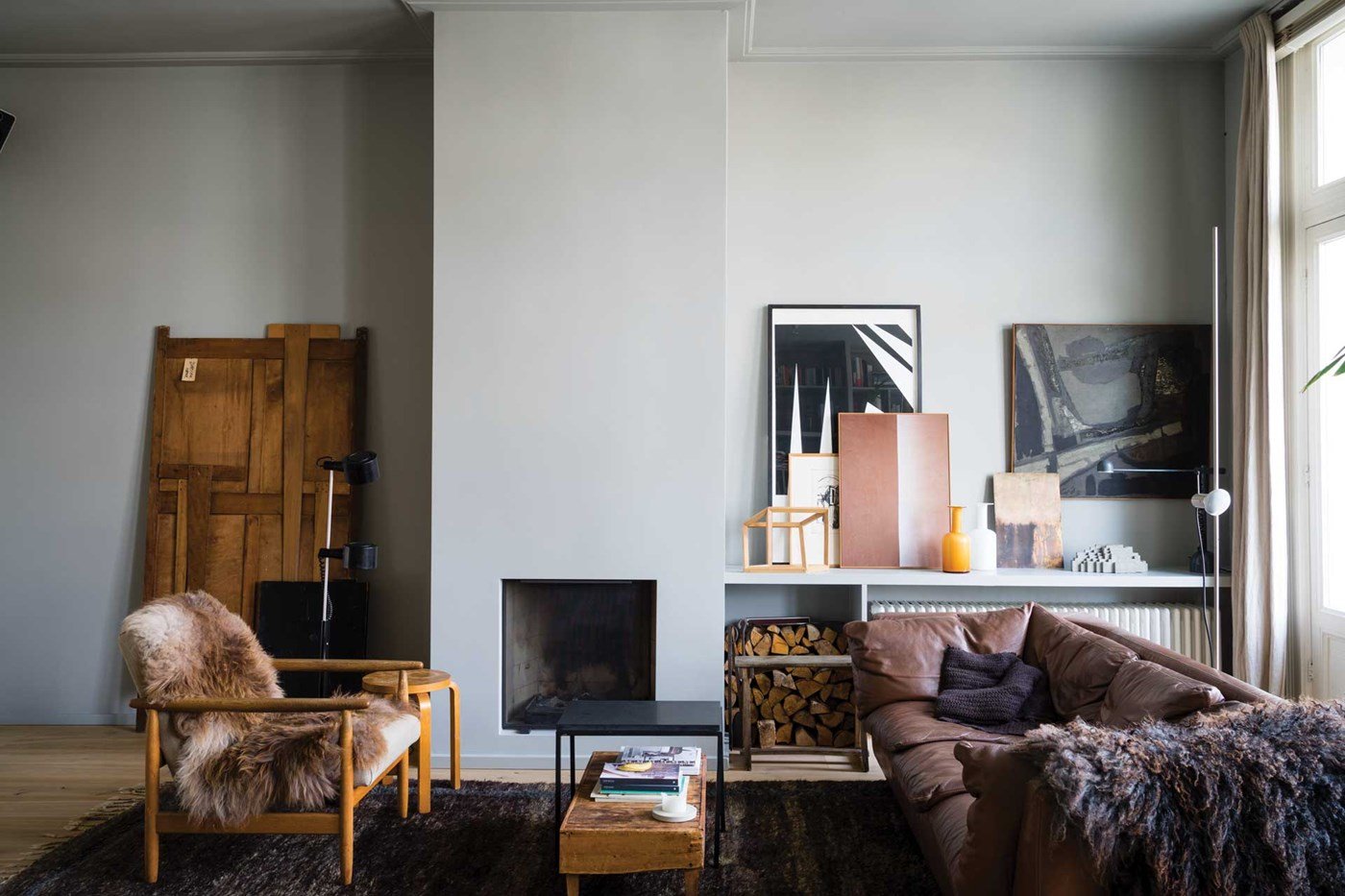
REVEALED: Is grey paint going out of style?

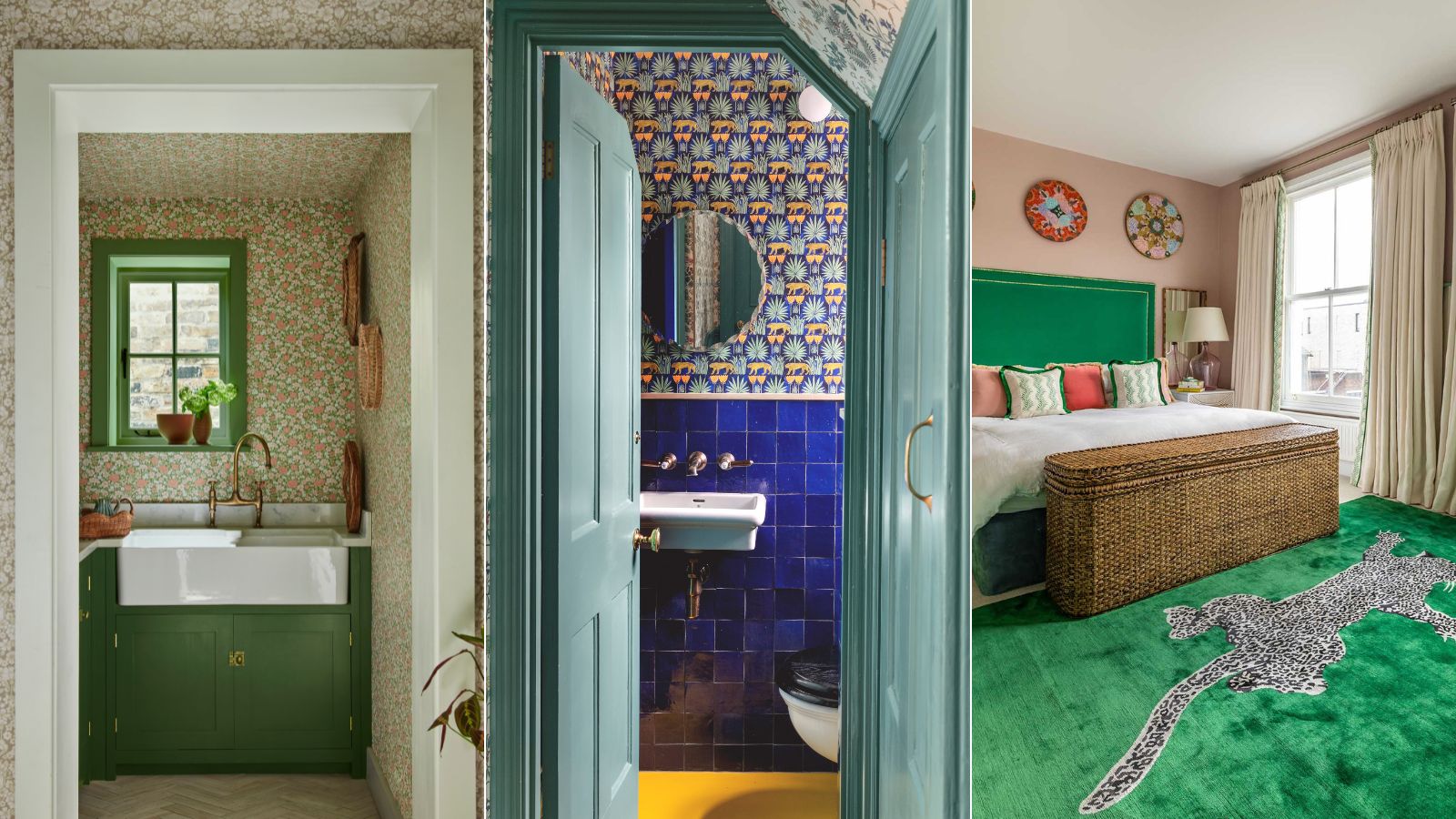
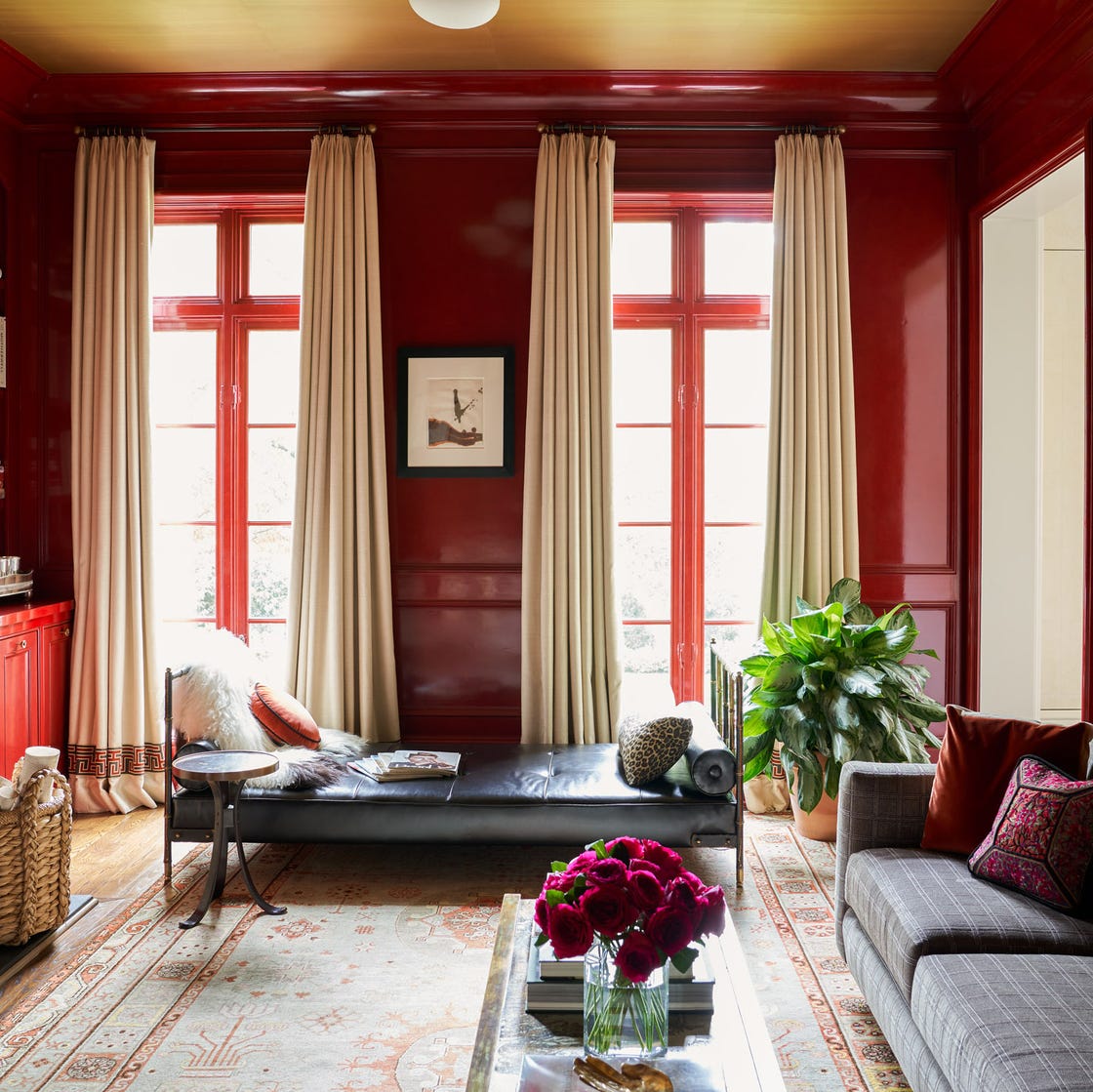
What color is replacing red? Discover the new trending accent colors designers are favoring for 2024 and beyond
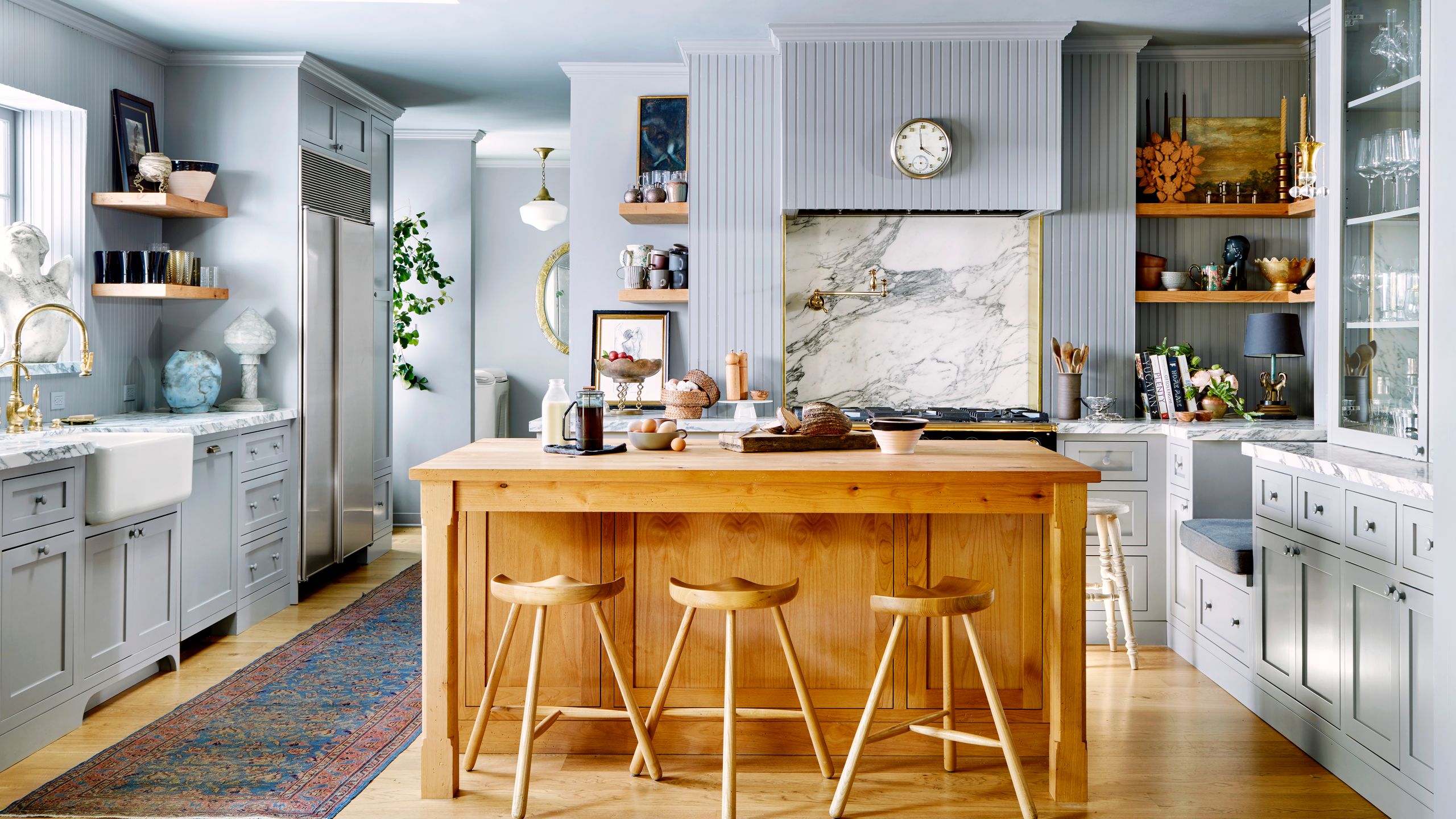
Is the Color Gray Taking Over the World?

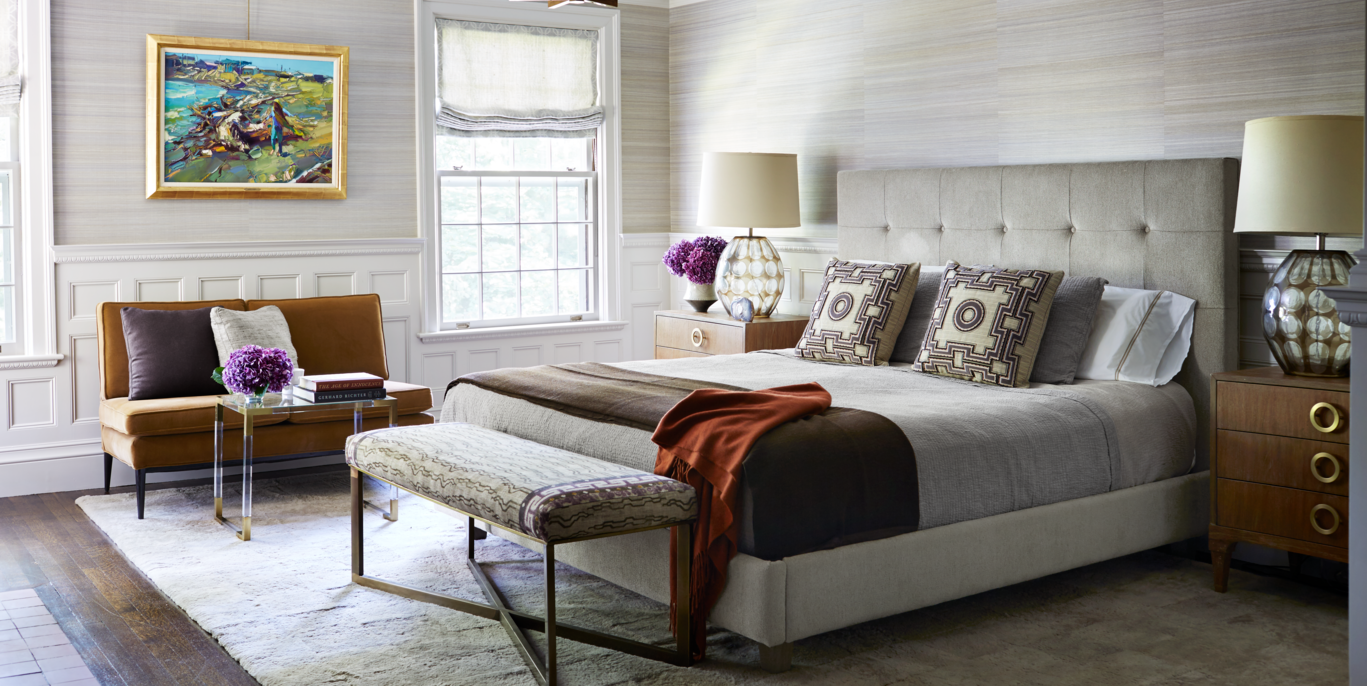
Why Gray Is the Most Versatile Bedroom Color

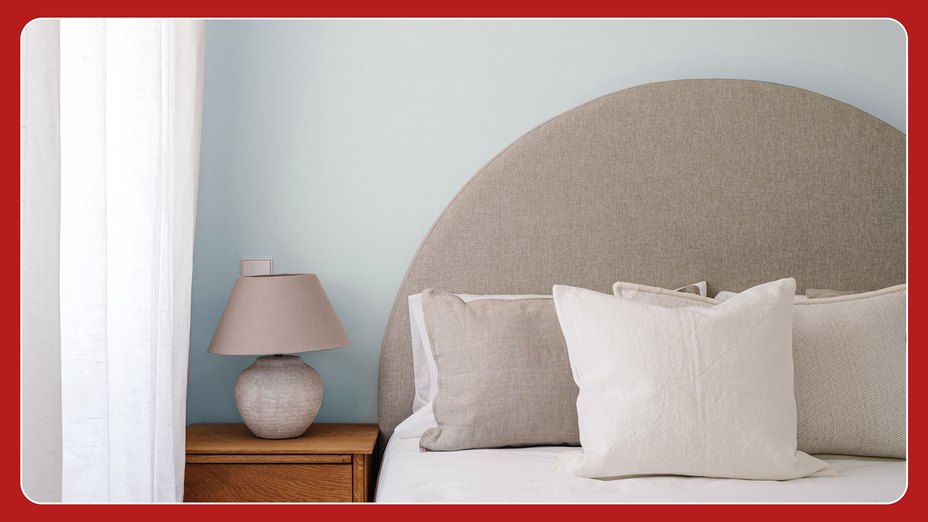
Millennial Gray Is So Over—Here Are 5 Paint Colors to Try Right Now

The interior-design world has turned on gray. What finally killed the color?

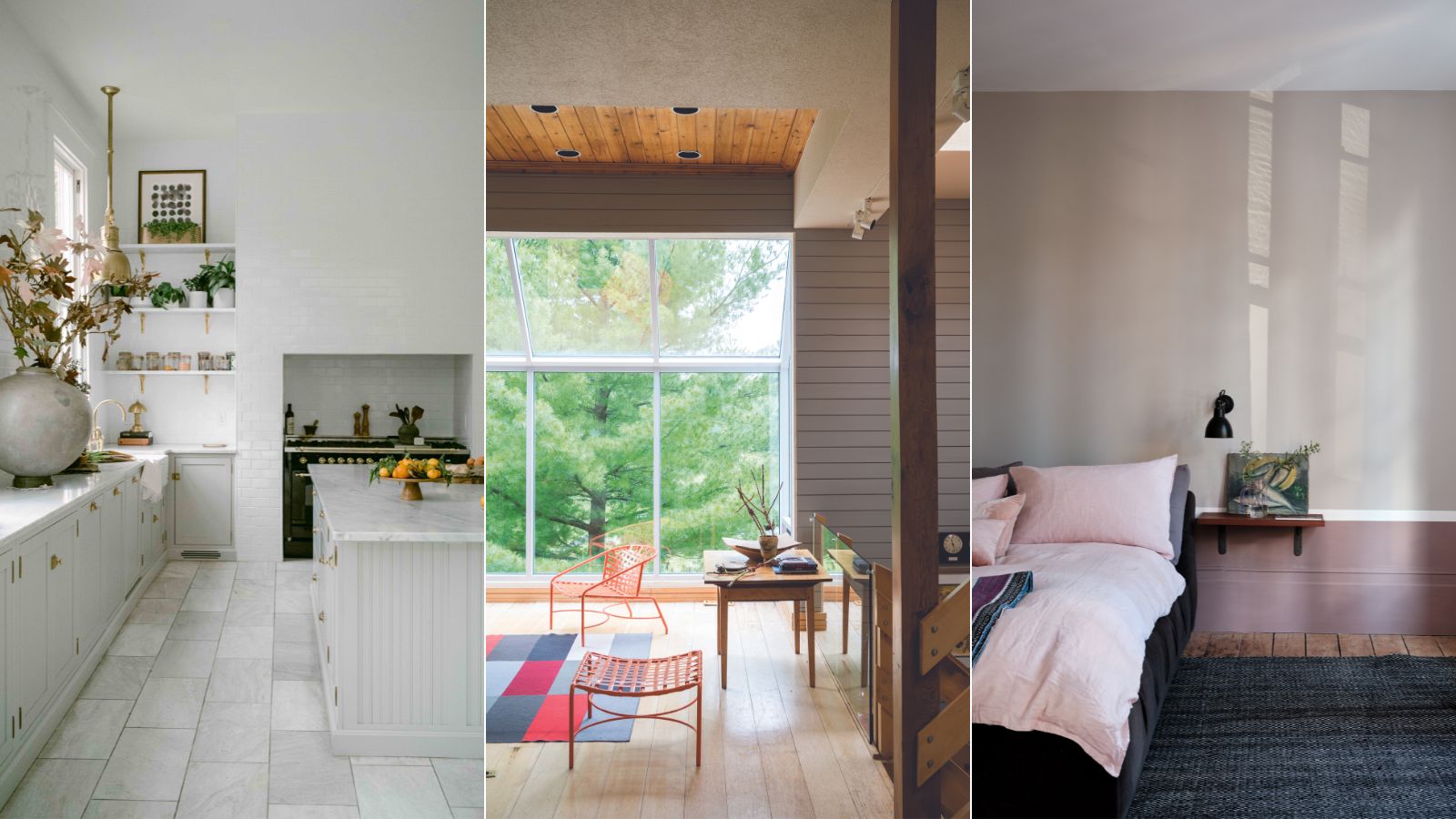
This is the most versatile shade you can bring into your home – designers share the 5 best greige paints
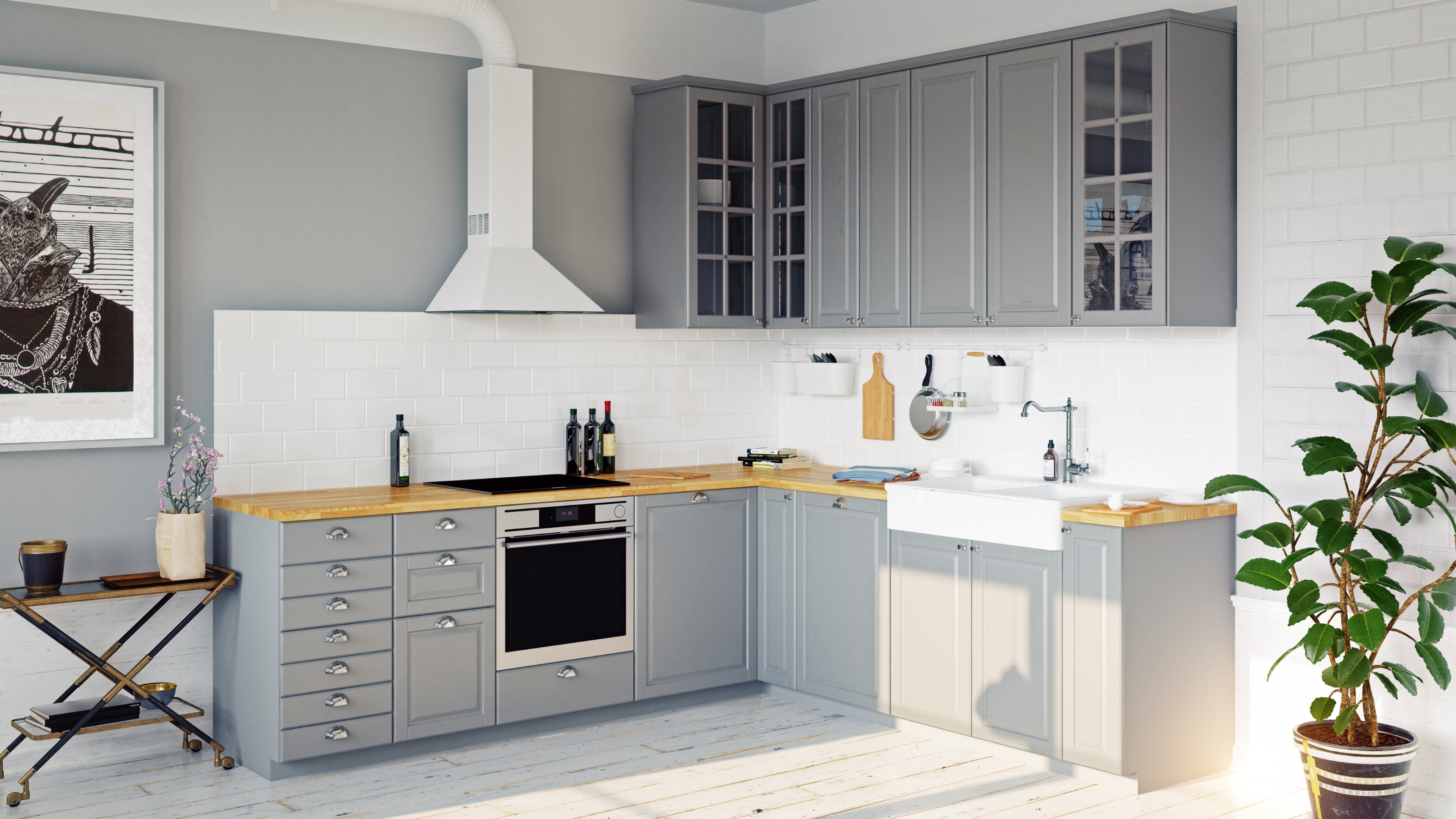
Are gray kitchens out of date? We get the low-down from design experts
Is Gray On Its Way Out? Designers Tell Us Their Opinions

This surprising color trend is having a comeback
Gen Z Just Declared This “Boring“ Color the New Millennial Gray and I Am So Upset
Why This Hue Is Suddenly Dominating Every Designer's Wishlist—Plus, How to Style It

Are gray interiors really out of style? Interior designers weigh in on how to use this cool shade
5 of the best gray paints that interior designers love using
What color is replacing beige? This is the one color we prefer to use instead of beige in 2024, say designers
Goodbye Gray—This Soothing Paint Color Will Dominate Interiors in 2026, Designers Say