1/2
Is the Color Gray Taking Over the World?
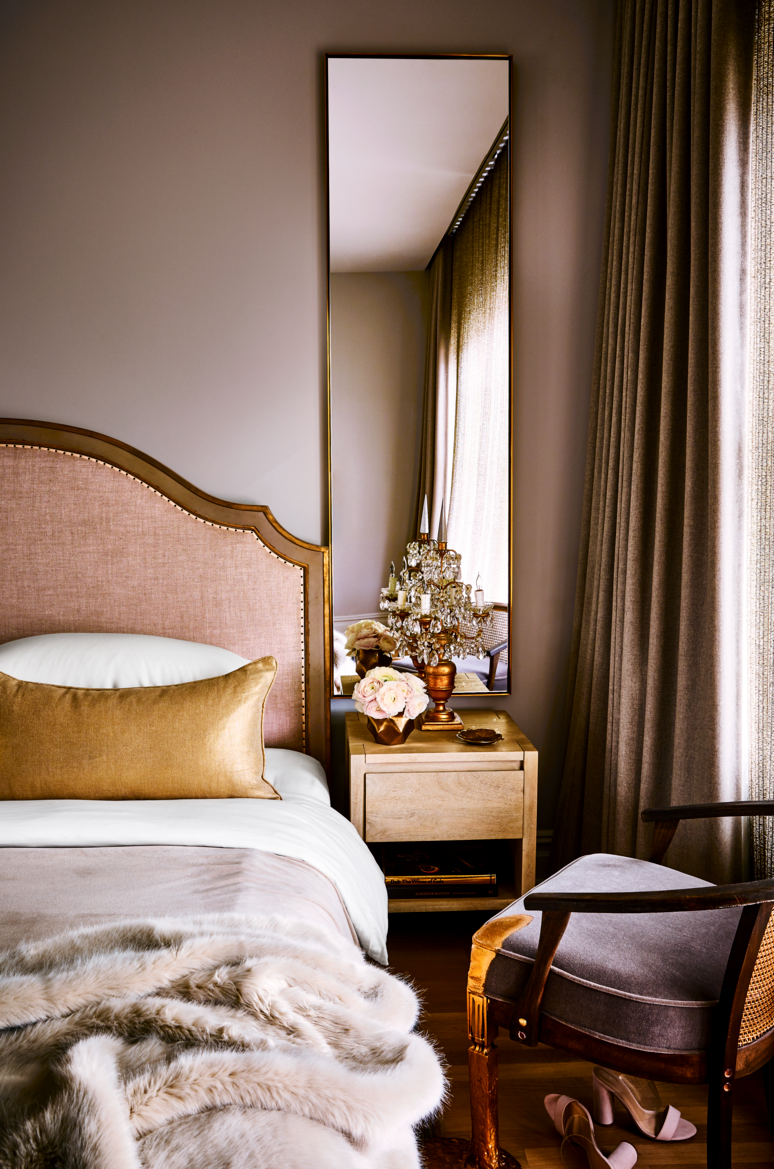
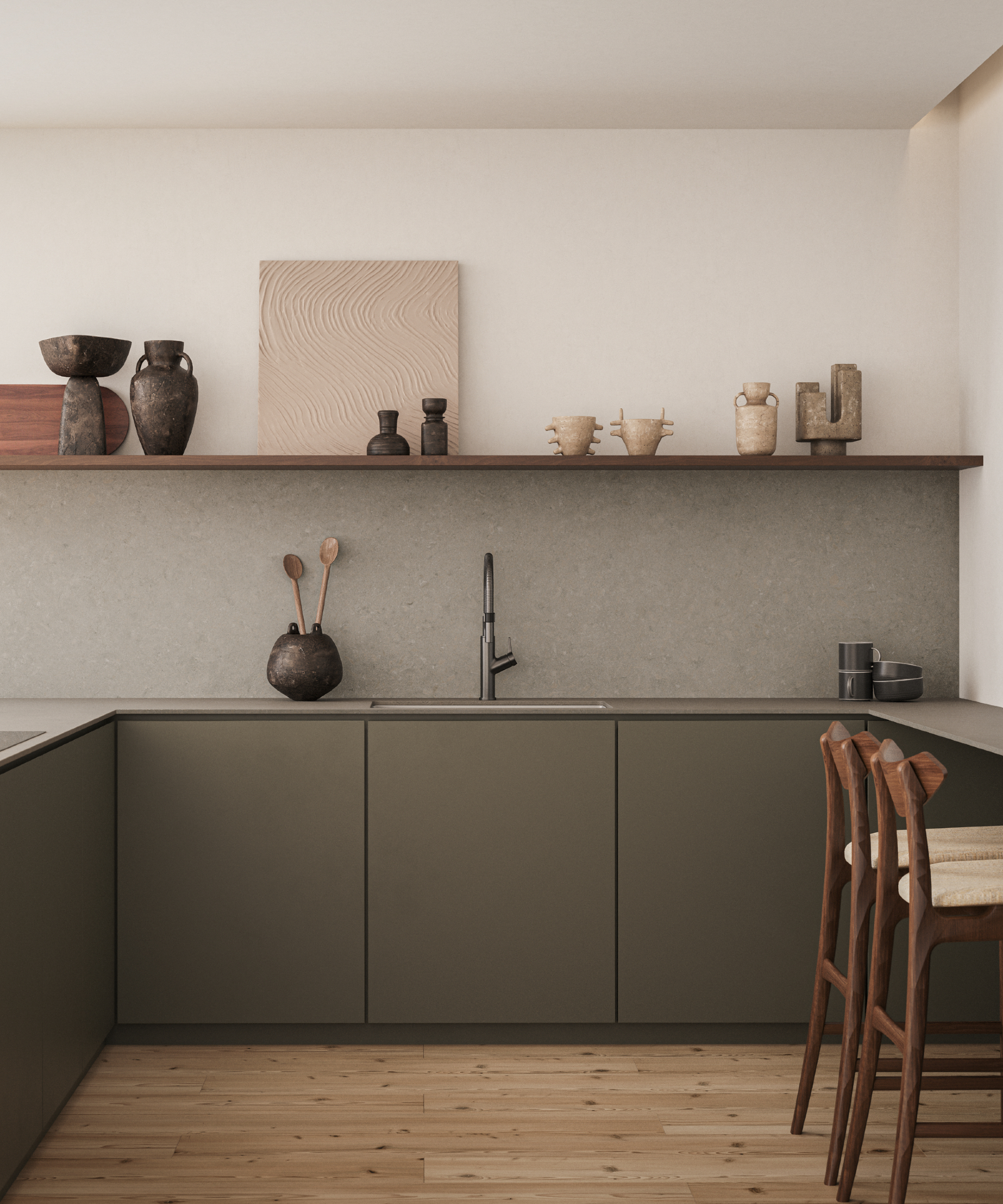
The increasing prevalence of the color gray in various aspects of design has sparked a debate on social media platforms, particularly TikTok, regarding the potential loss of individuality and culture. A graph circulating on TikTok, stemming from a non-peer-reviewed study conducted by the Science Museum Group in October 2020, suggests that gray has become a dominant shade. This study analyzed over 7,000 photographs of objects from an archive of UK museums, spanning categories from photographic technology to domestic appliances, with objects dating back to 1800. The graph indicates that black and gray constituted approximately 40% of colors in objects from 2020, a significant rise from about 8% in 1800. This shift is largely attributed to a decrease in wood usage and the introduction of modern materials like plastic, as well as technology such as phones and computers.
However, the study's authors clearly state its limitations, emphasizing that the analyzed photographs represent only a sample of the museum's collection, which itself is a non-random selection. Additionally, the sheer volume of objects in existence today far surpasses that of 1800, implying that while the percentage of gray objects might have increased, the absolute number of colorful objects has also grown exponentially. It is also crucial to note that the study focuses on consumer objects, not the world as a whole.
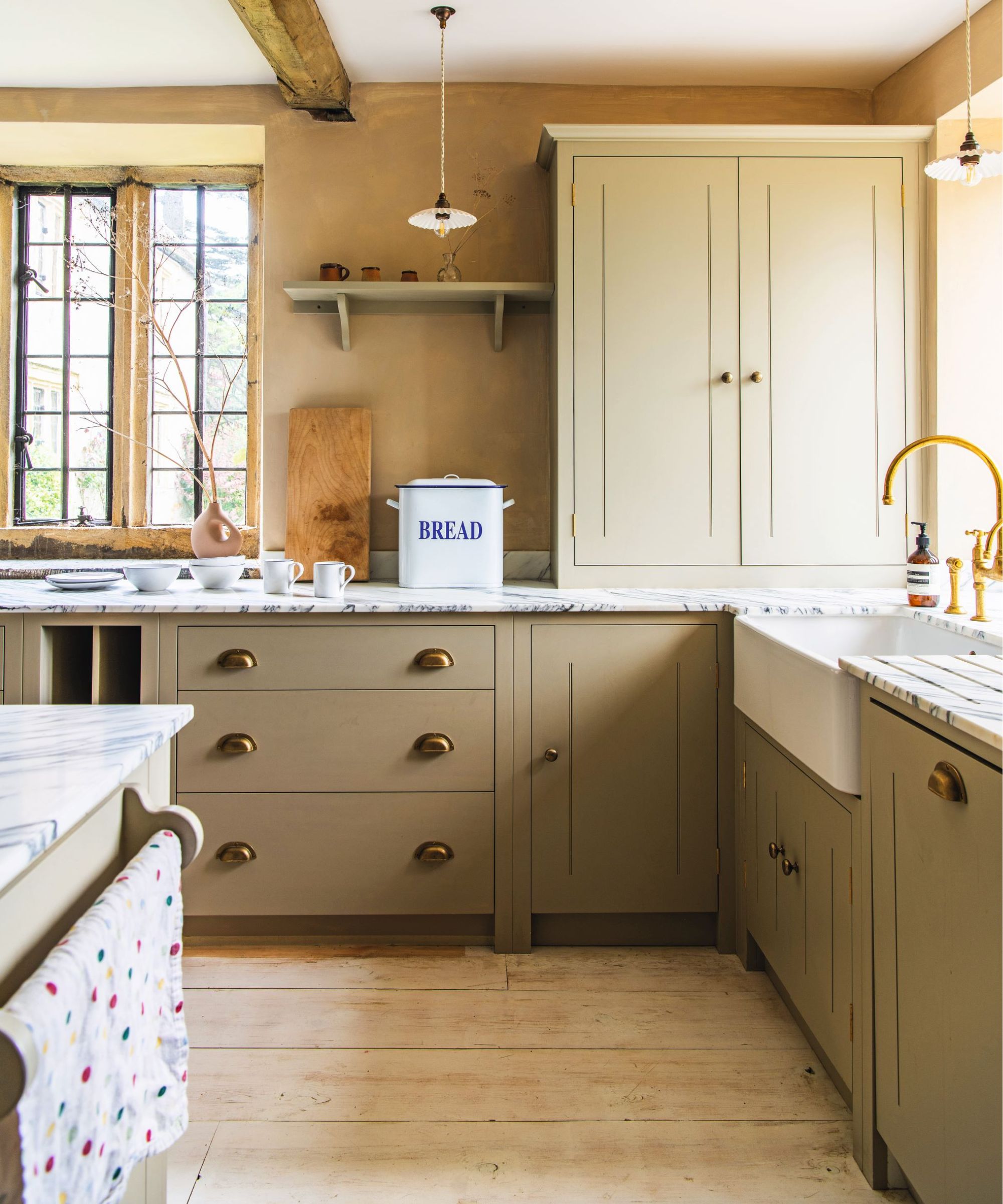
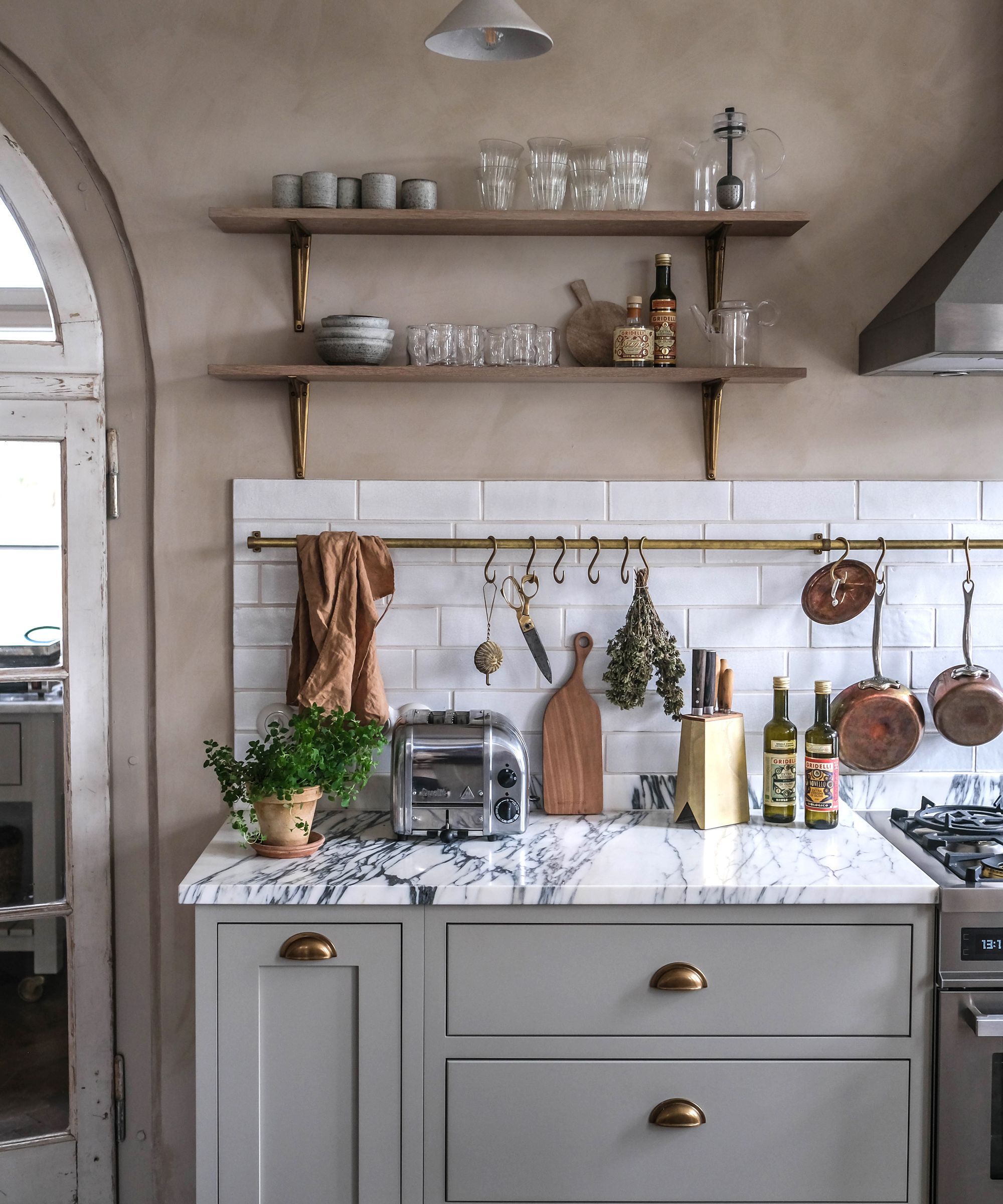
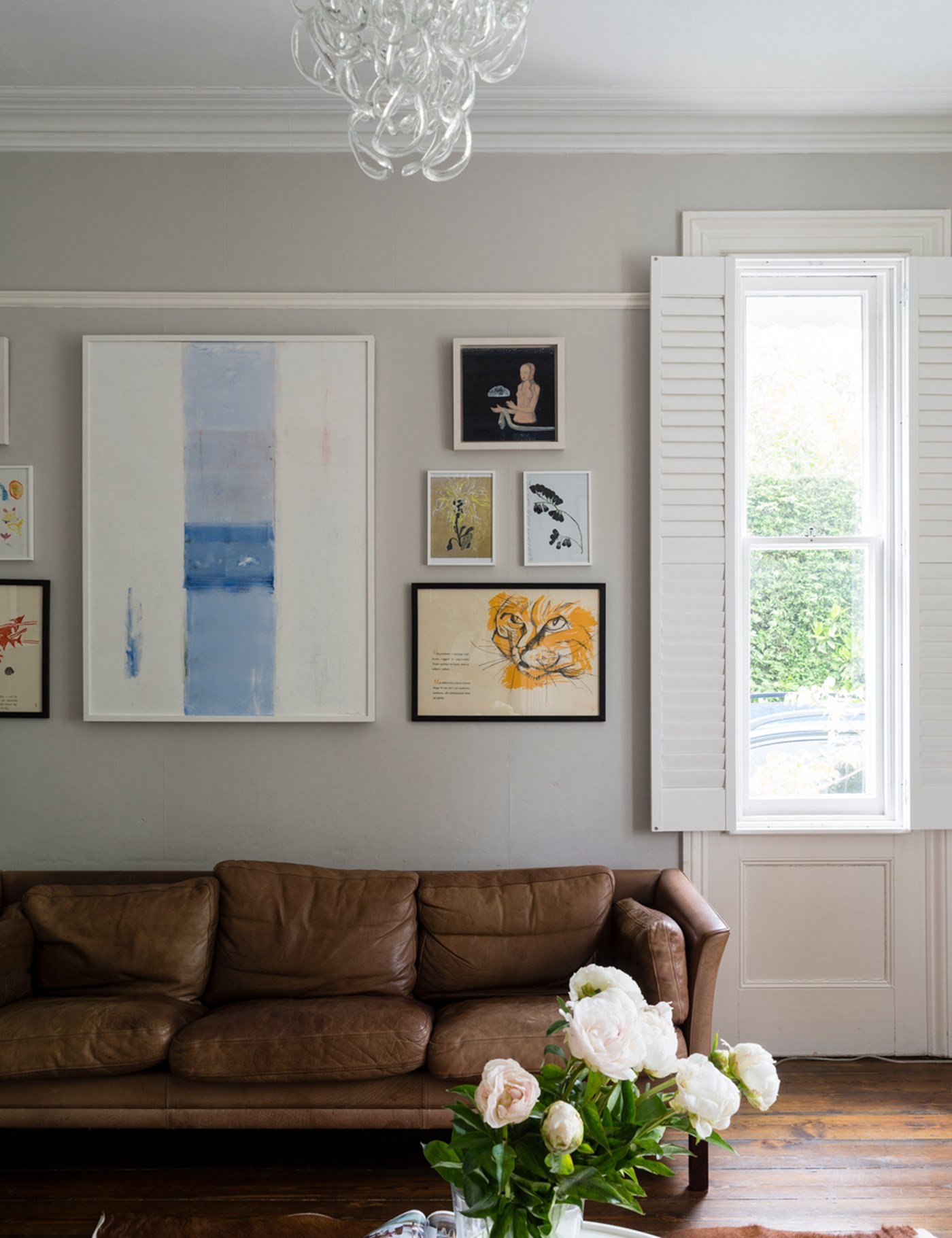
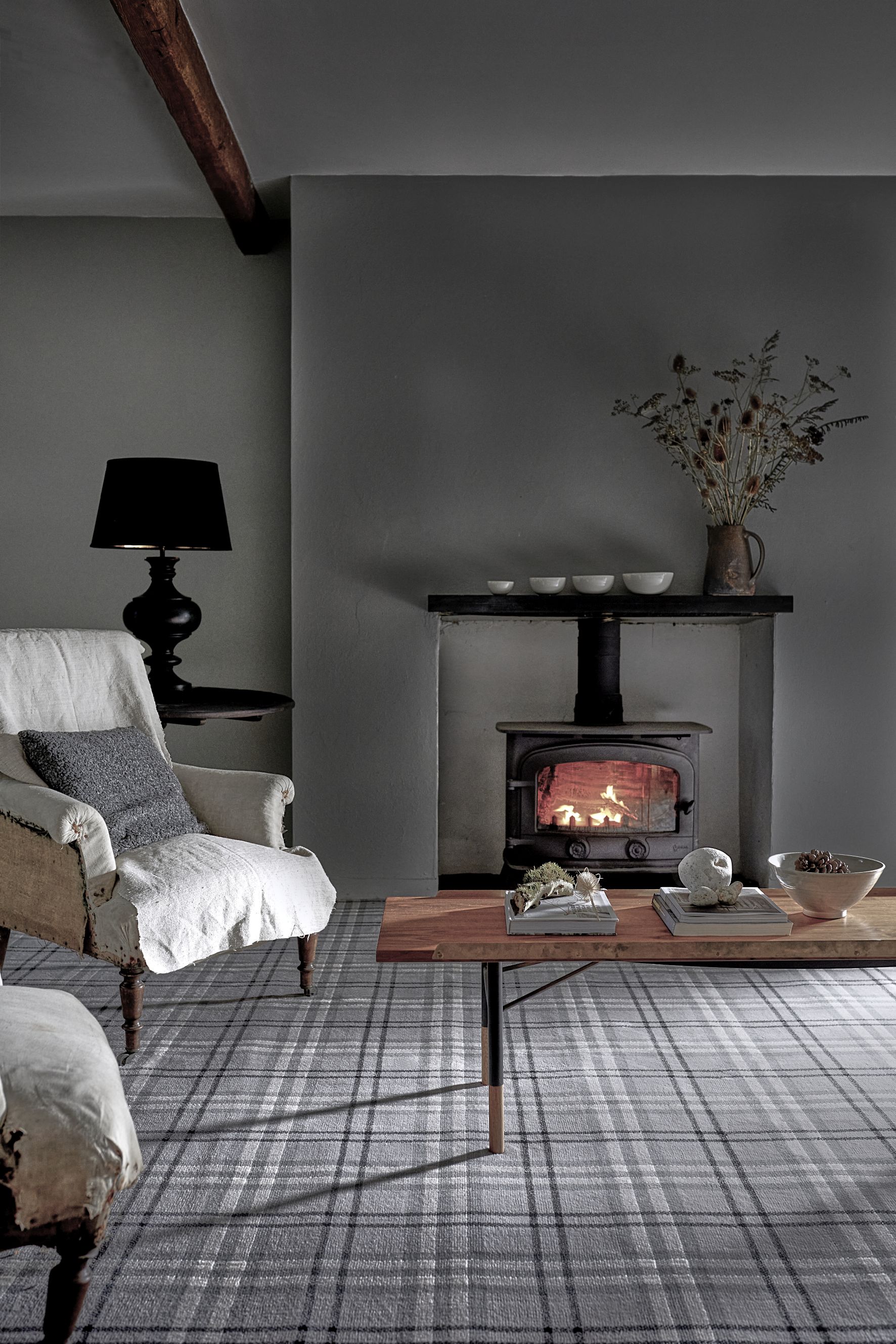
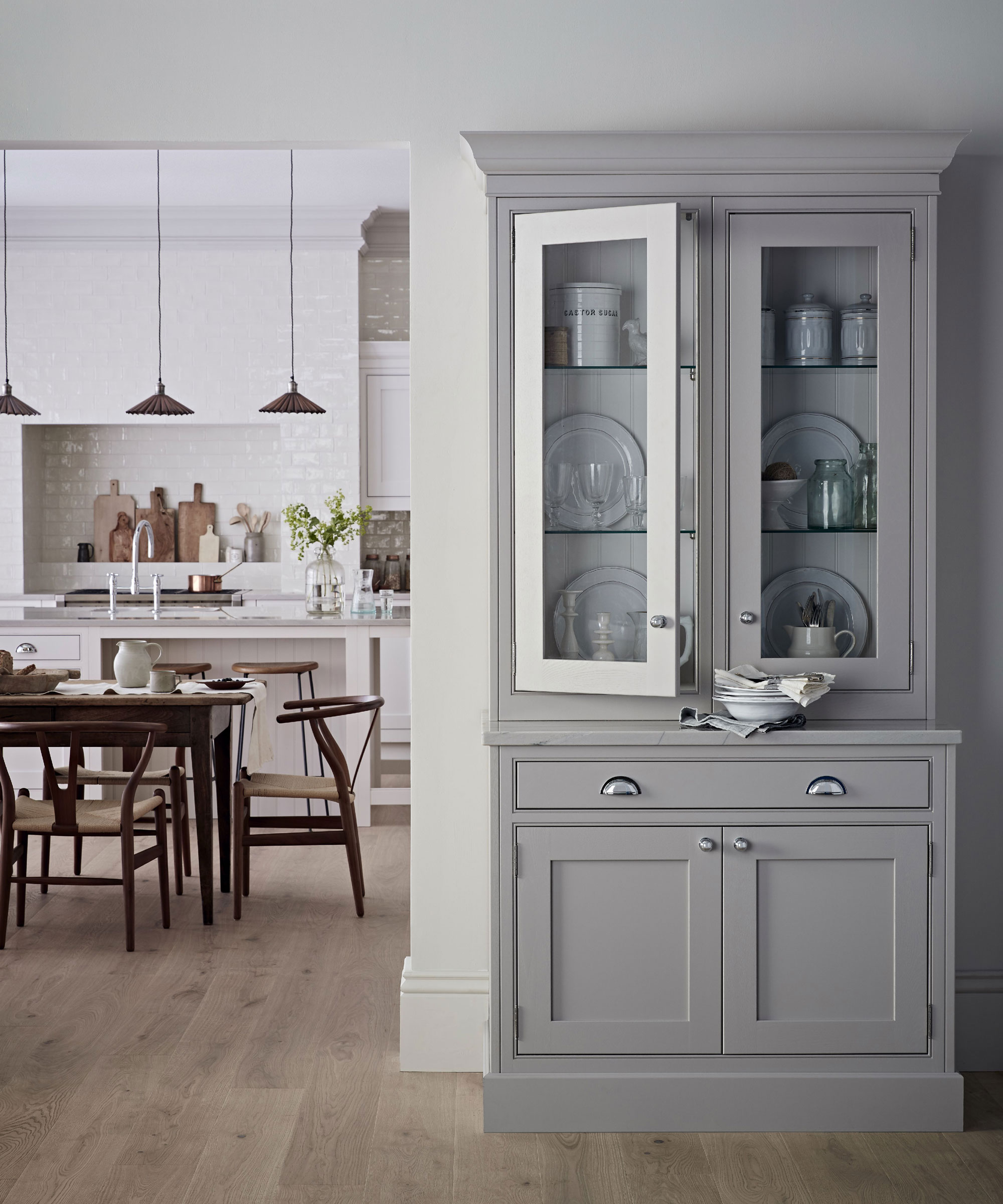
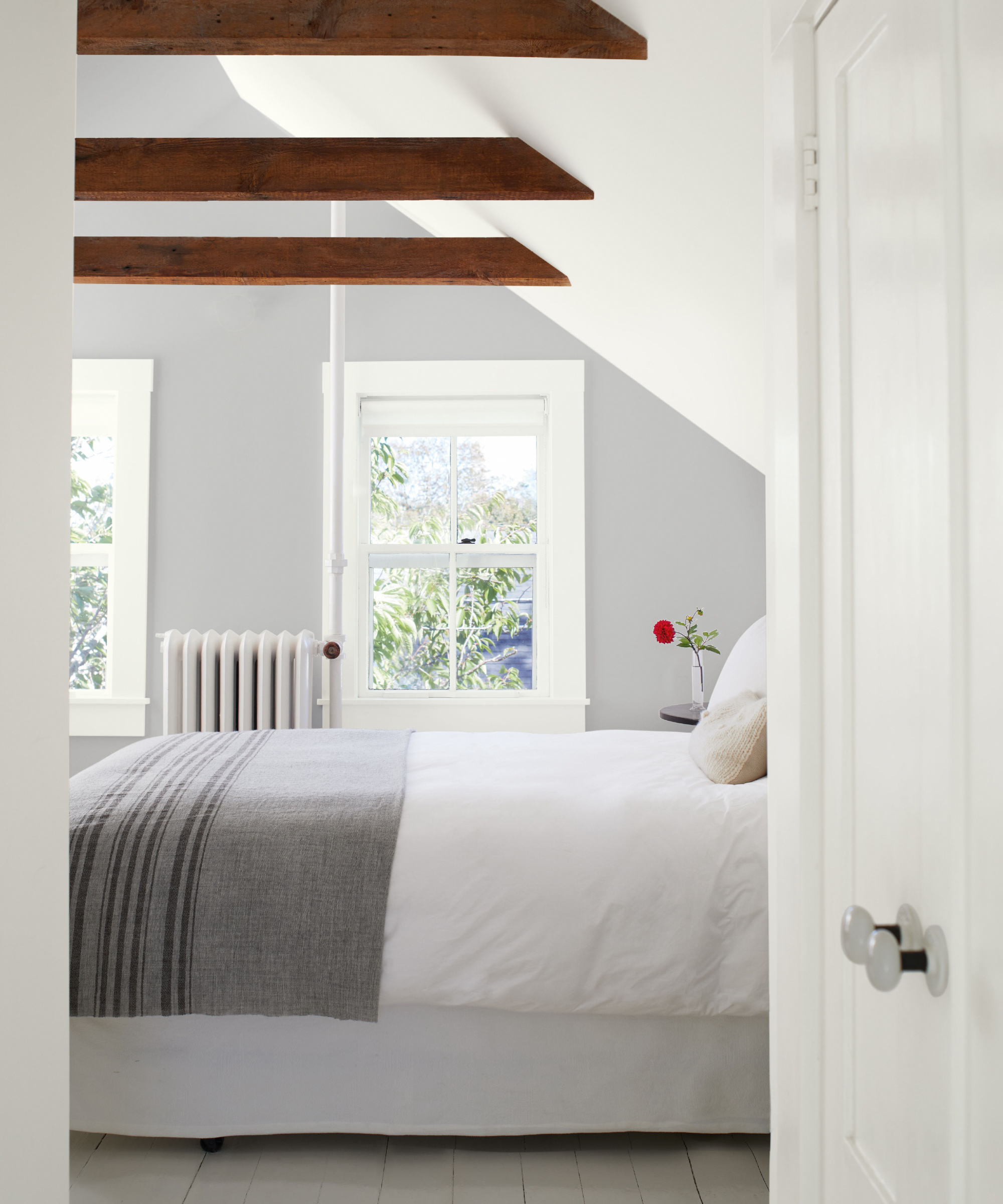
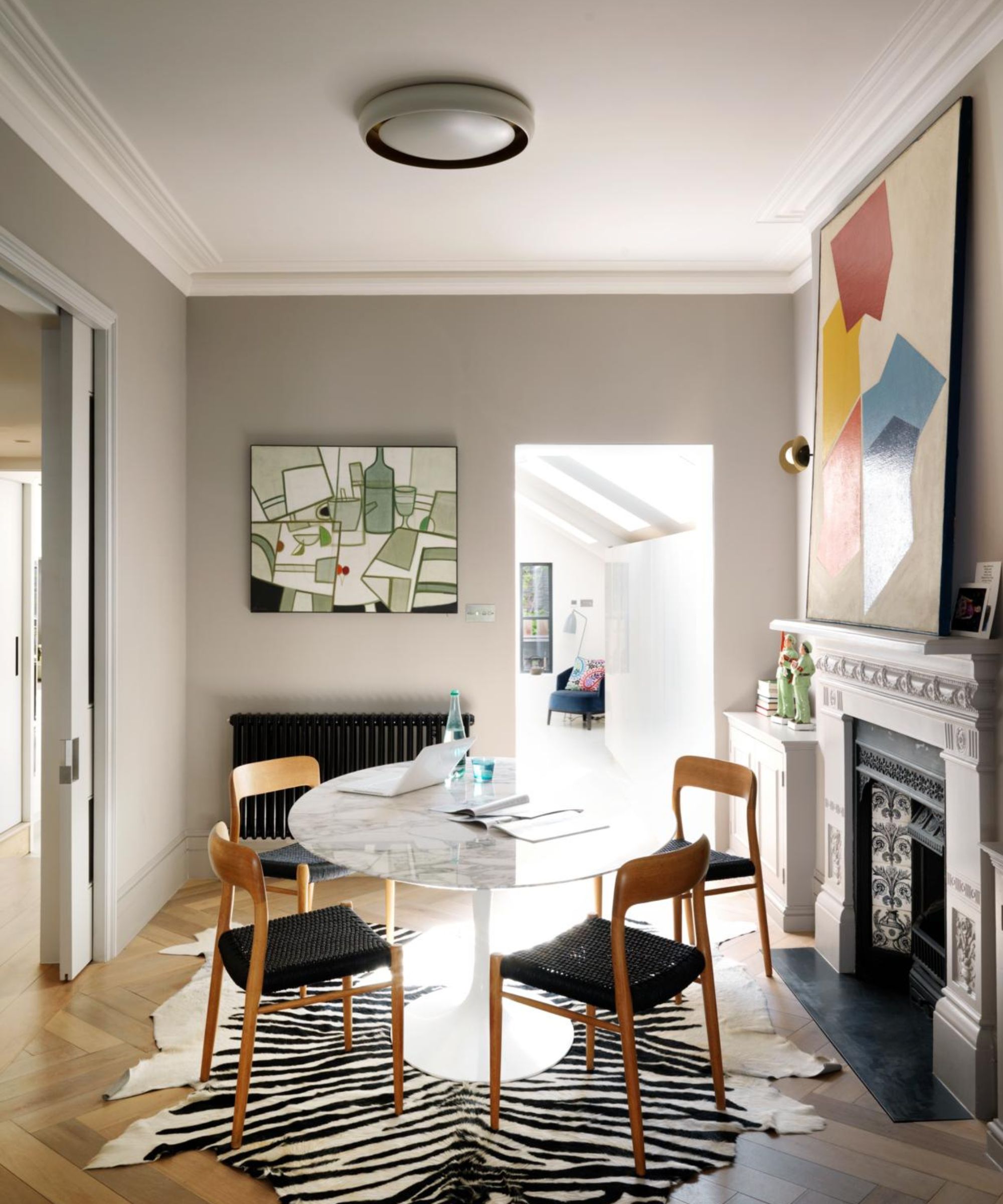
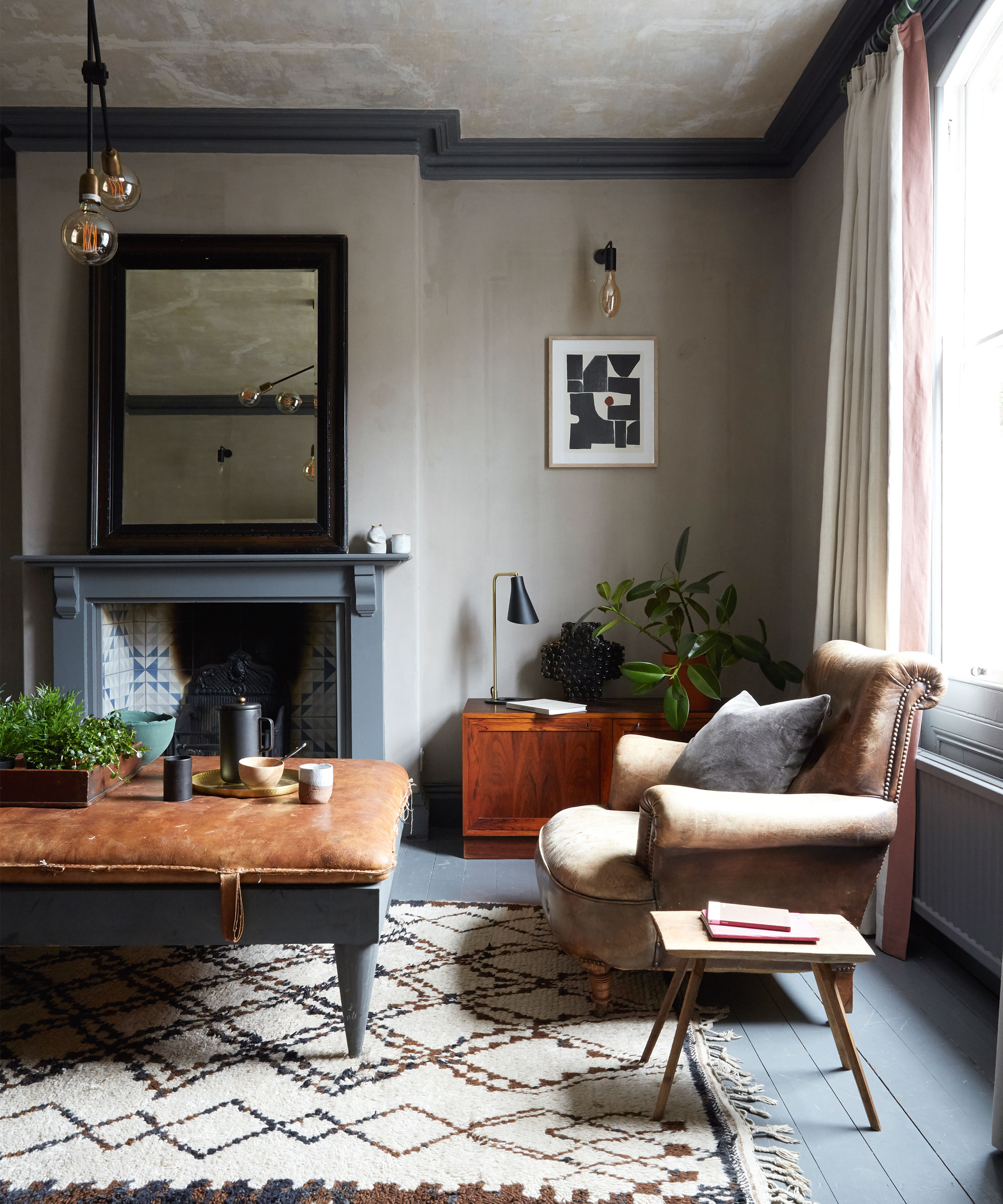
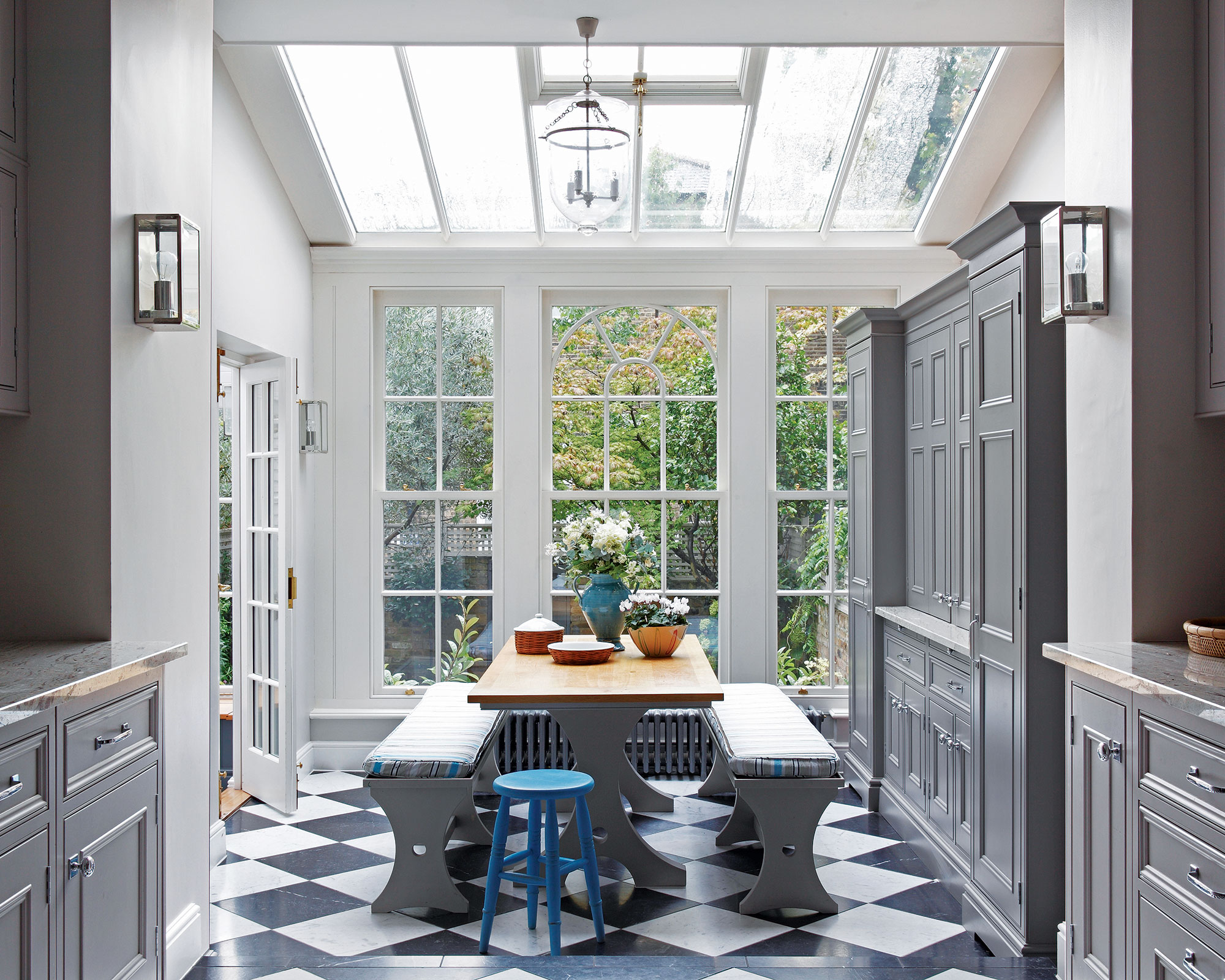
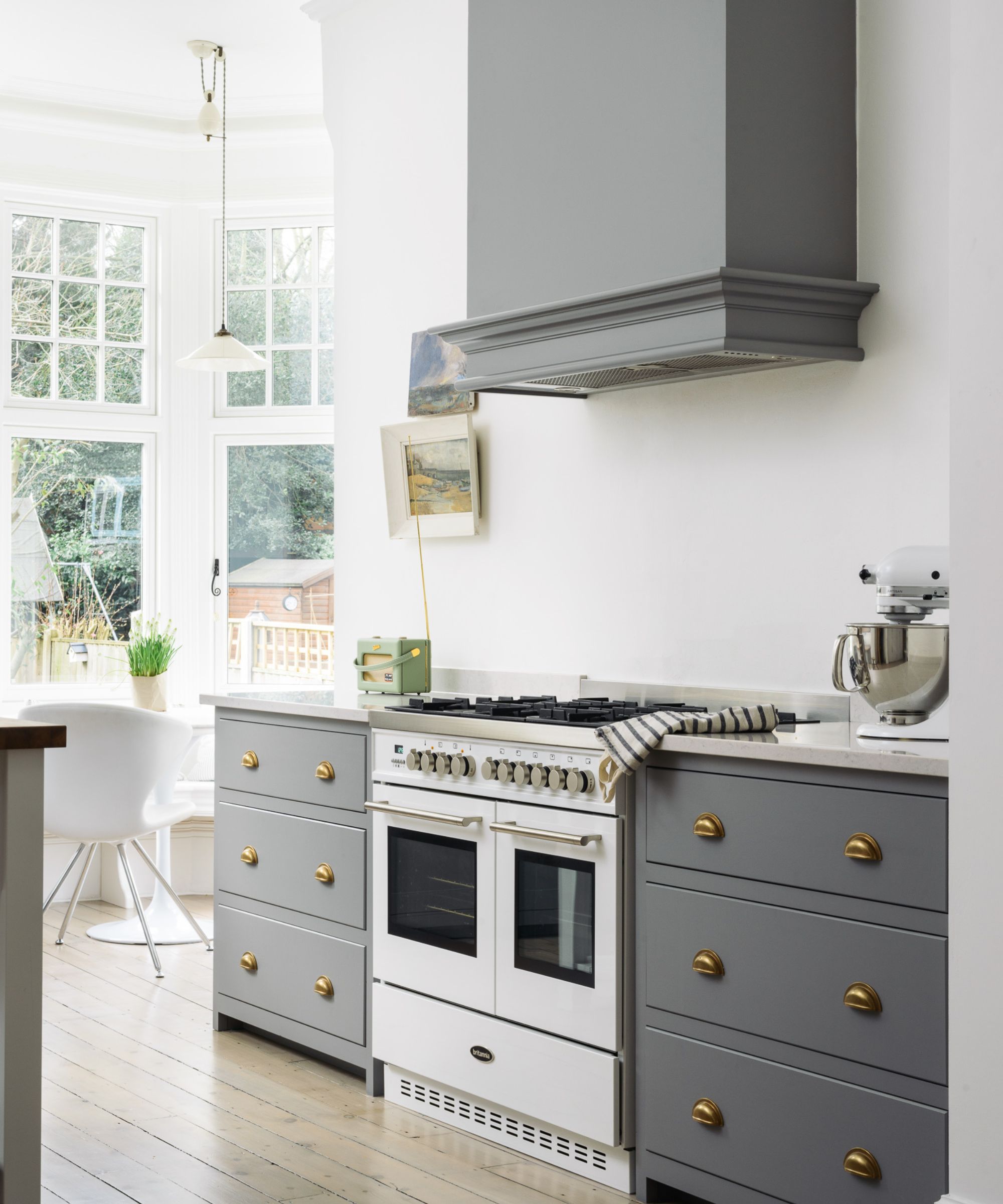
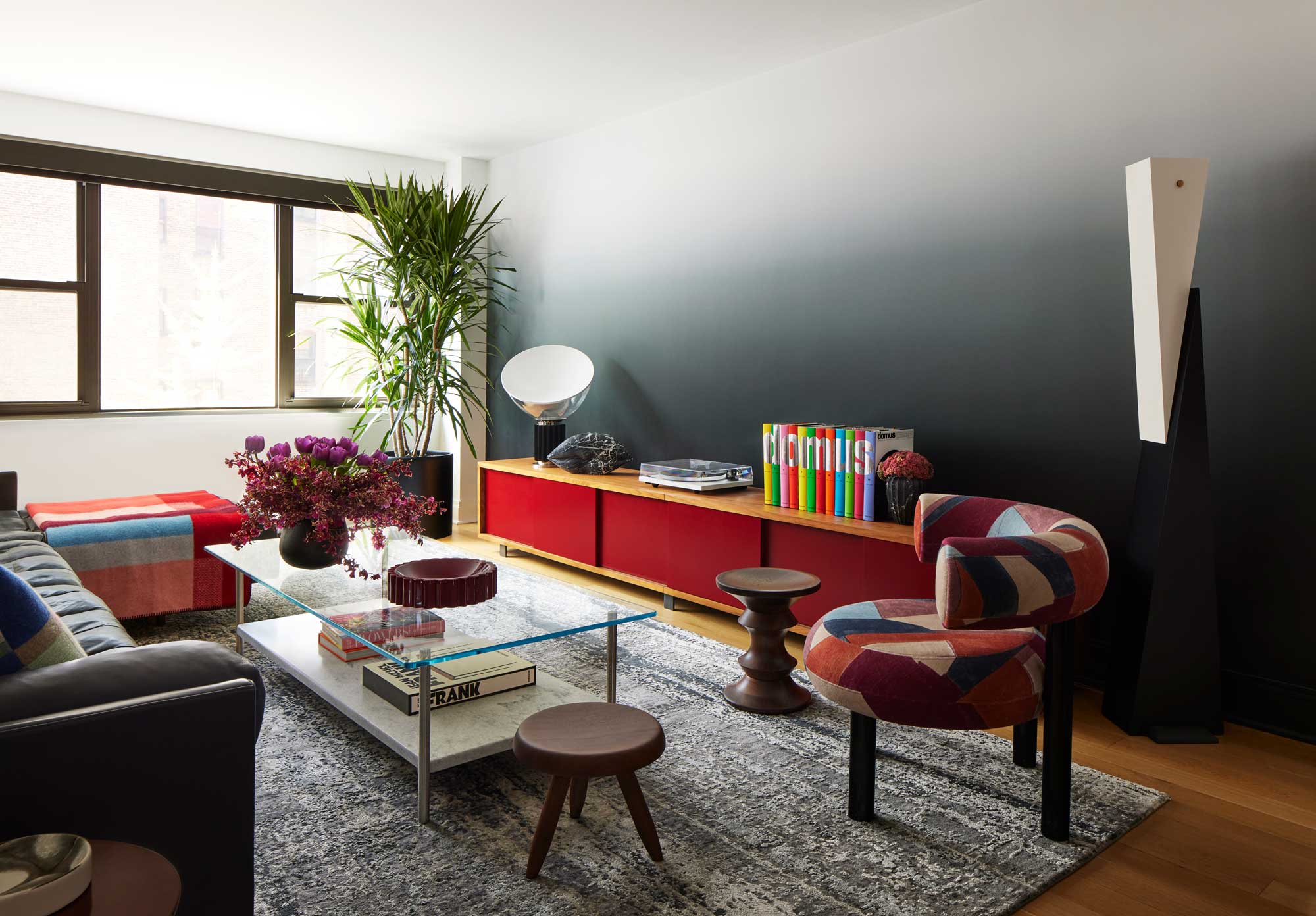
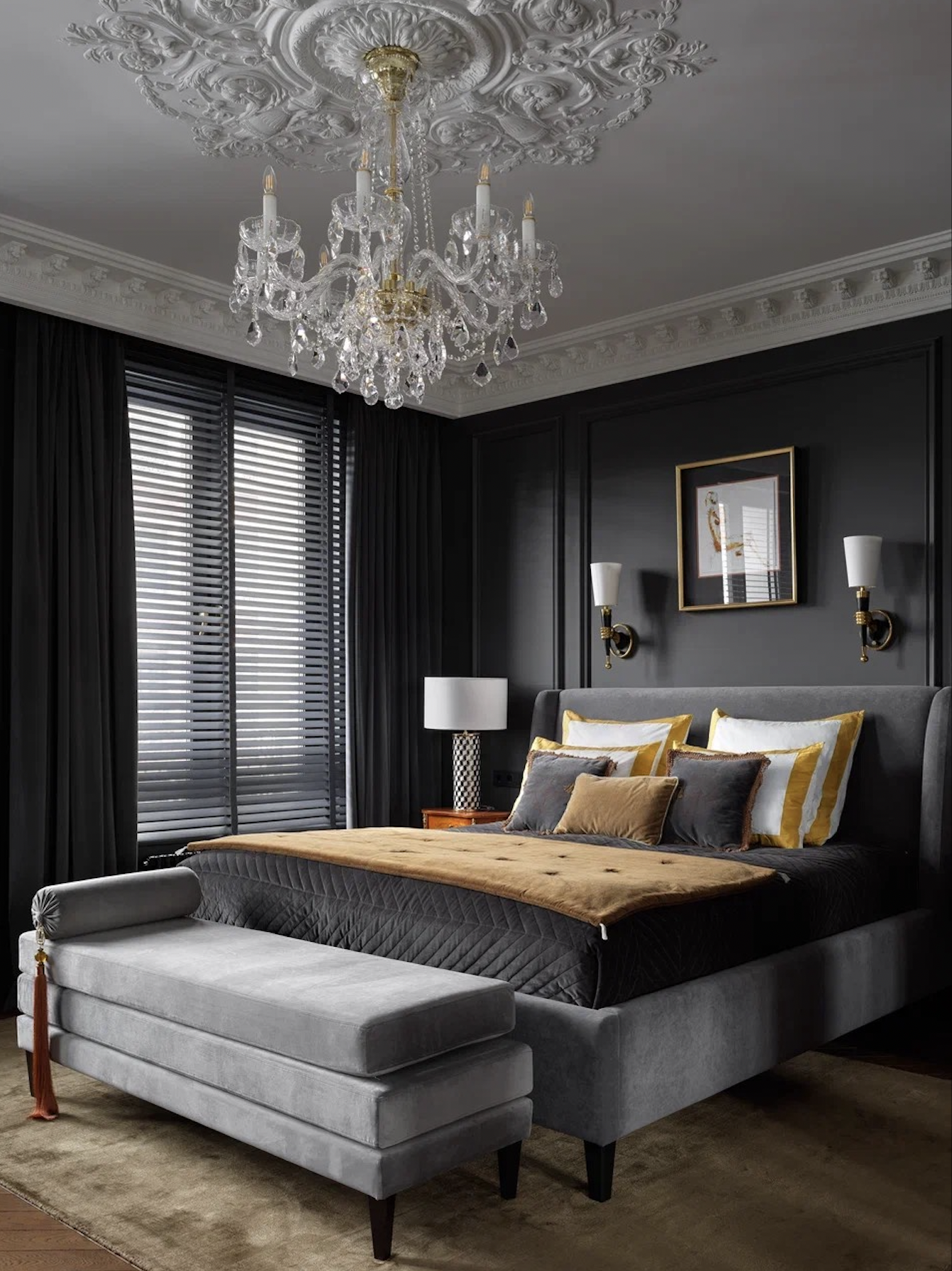
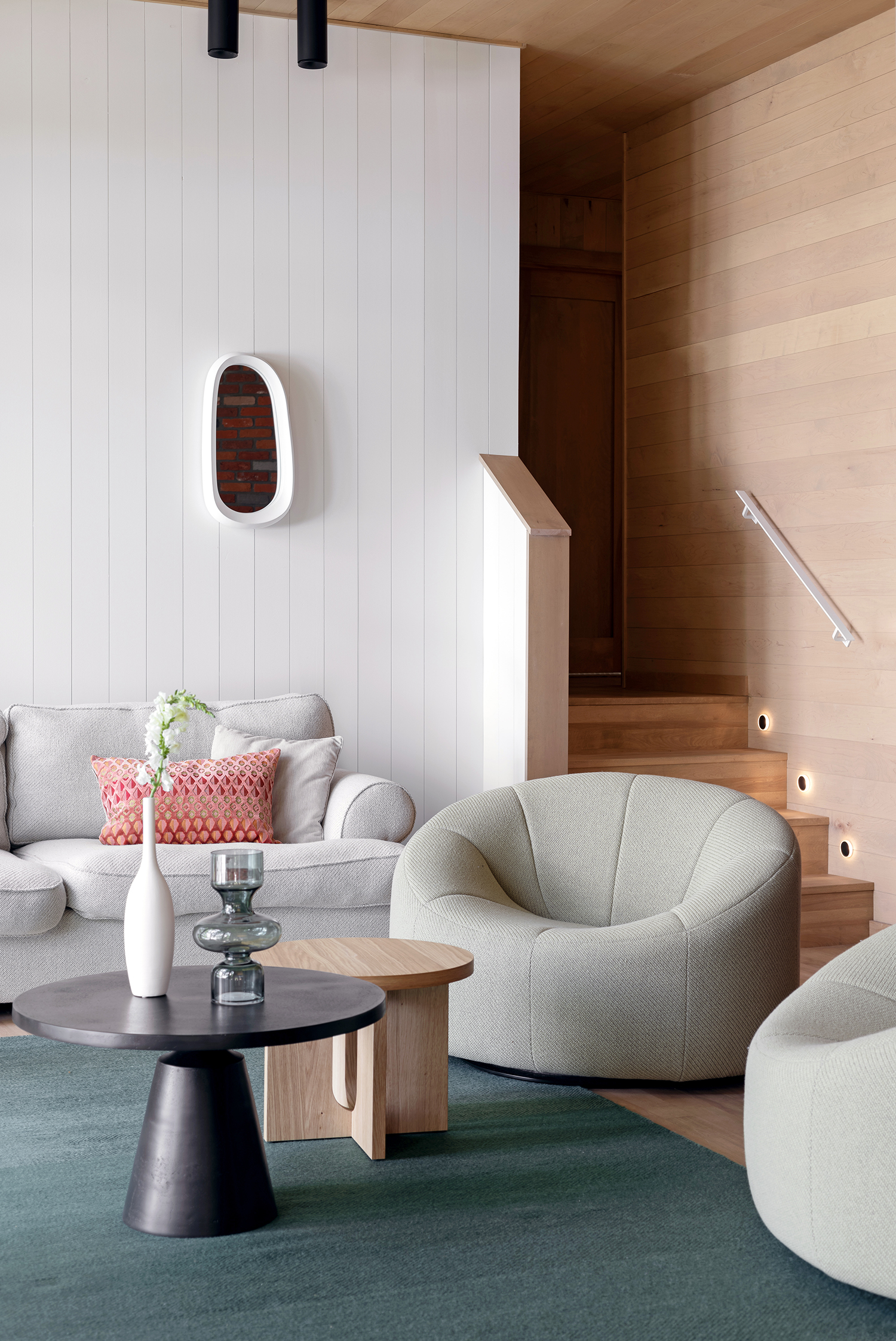
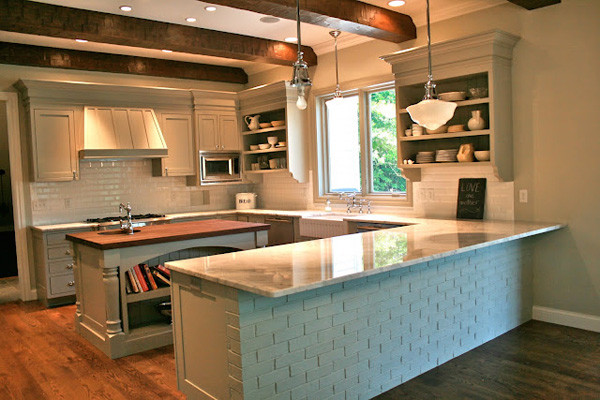
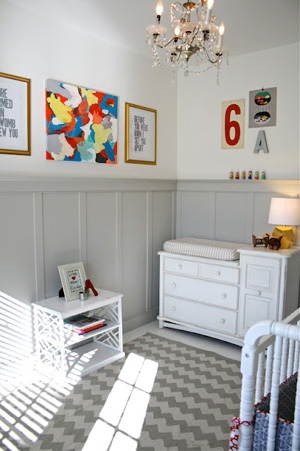
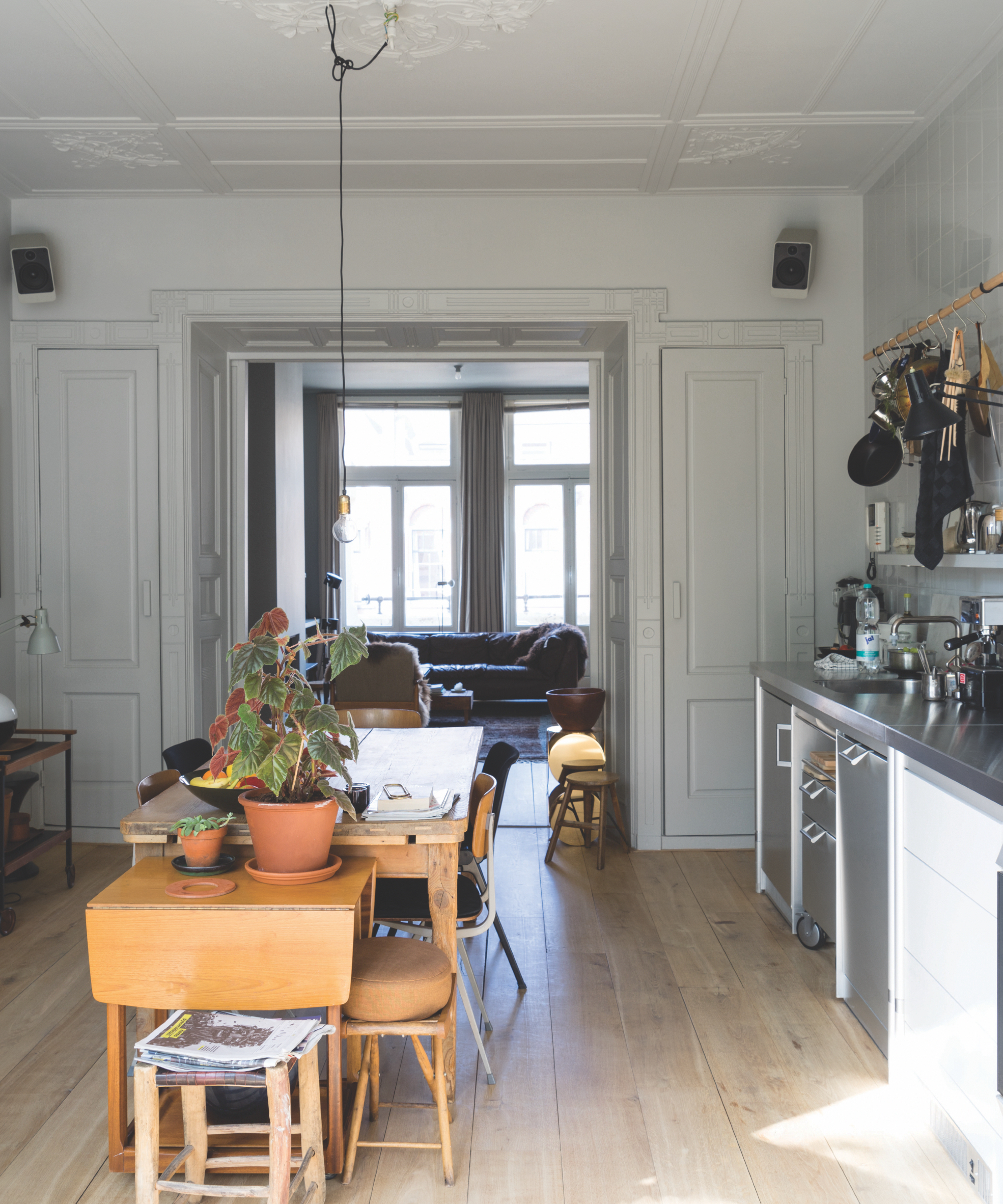
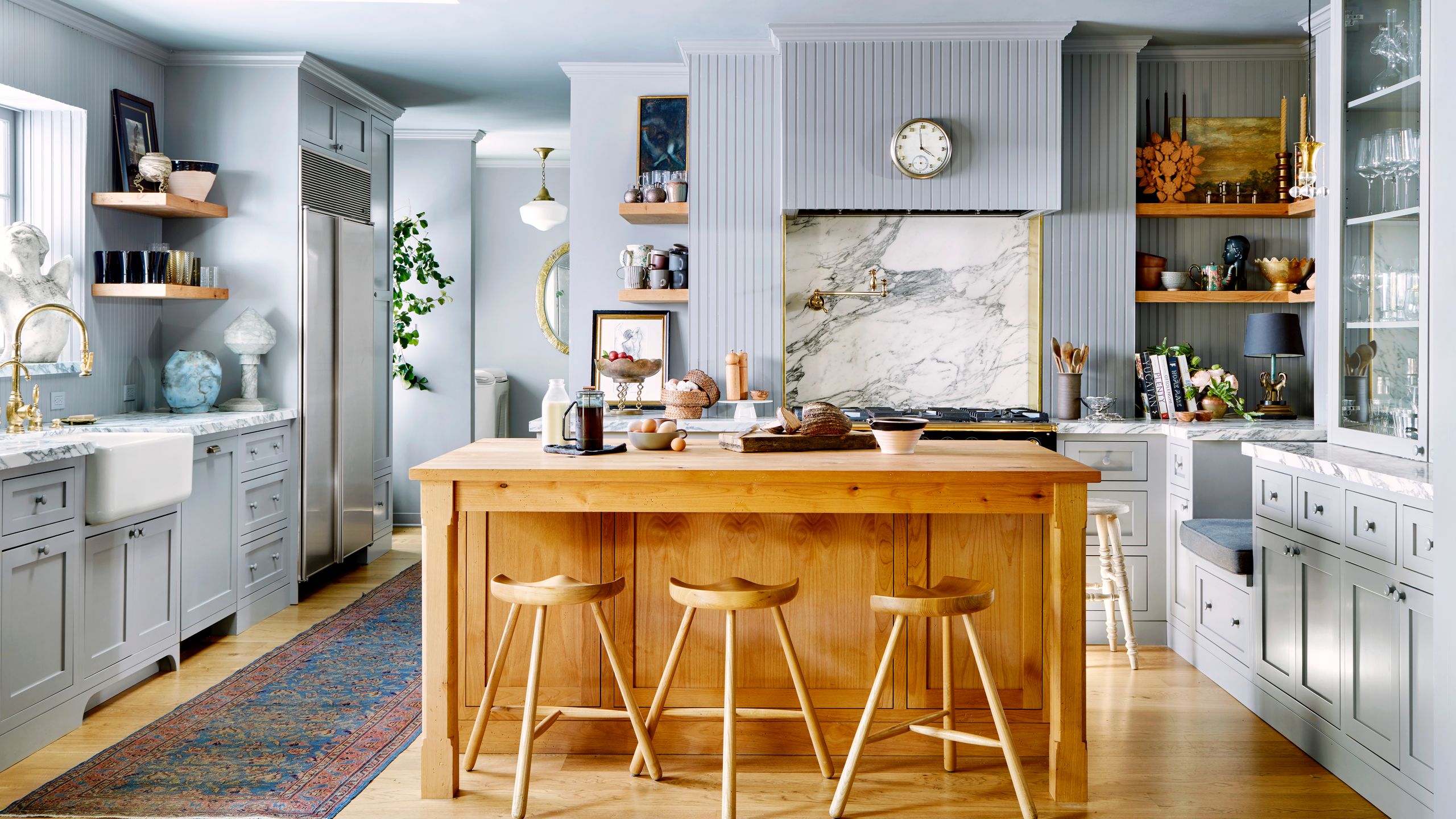
Beyond museum artifacts, the trend of diminishing color extends to other areas of life. Fast food restaurants, once brightly colored, have adopted more minimalist, neutral aesthetics, resembling other chain establishments. A separate graph indicates that over 70% of cars are now gray, black, or white, a substantial increase from under 40% just 25 years ago. In interior design, influenced by shows like HGTV, a 'gray on gray on gray' aesthetic has become widespread, with solid gray or beige dominating carpet choices.
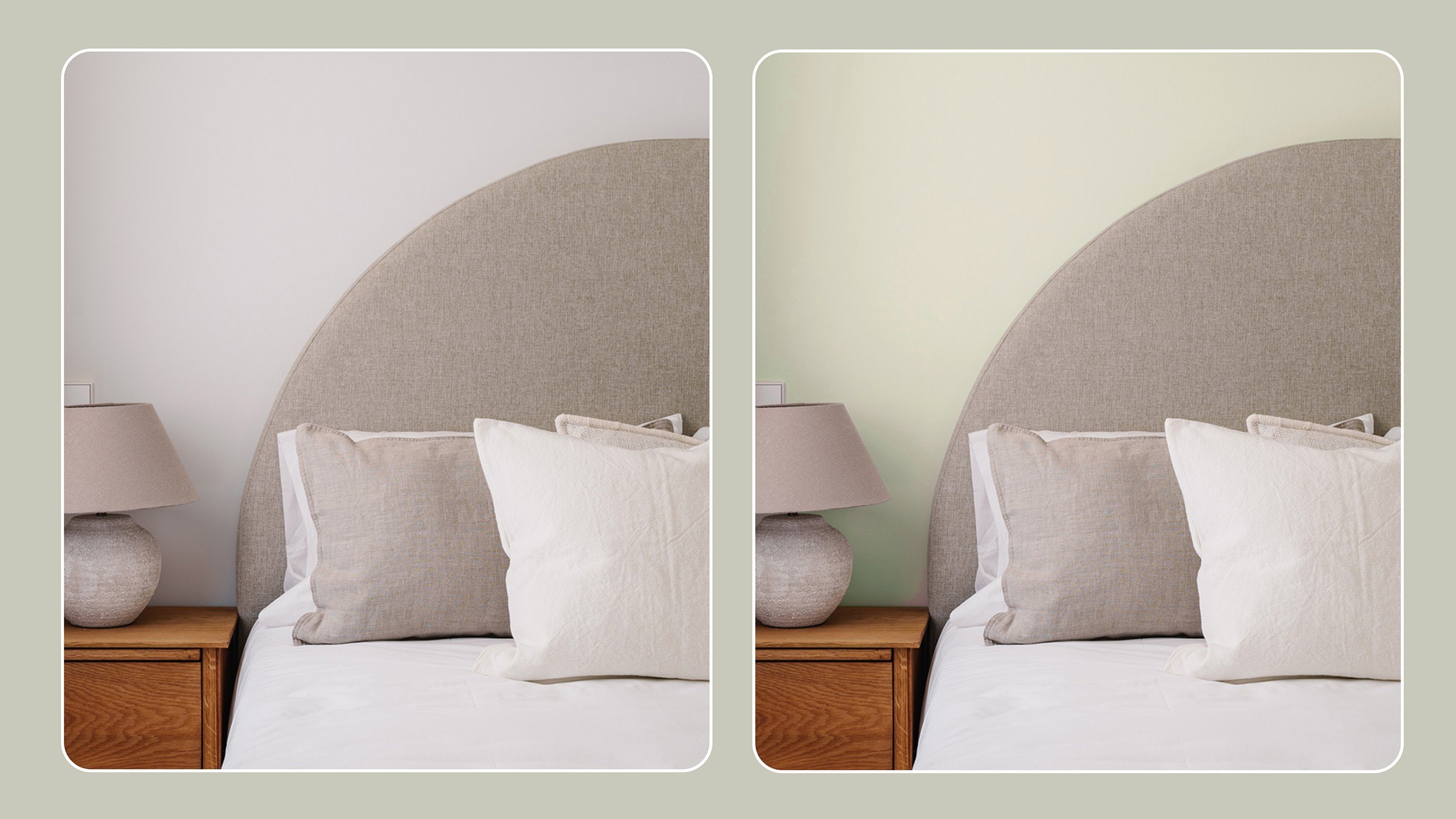
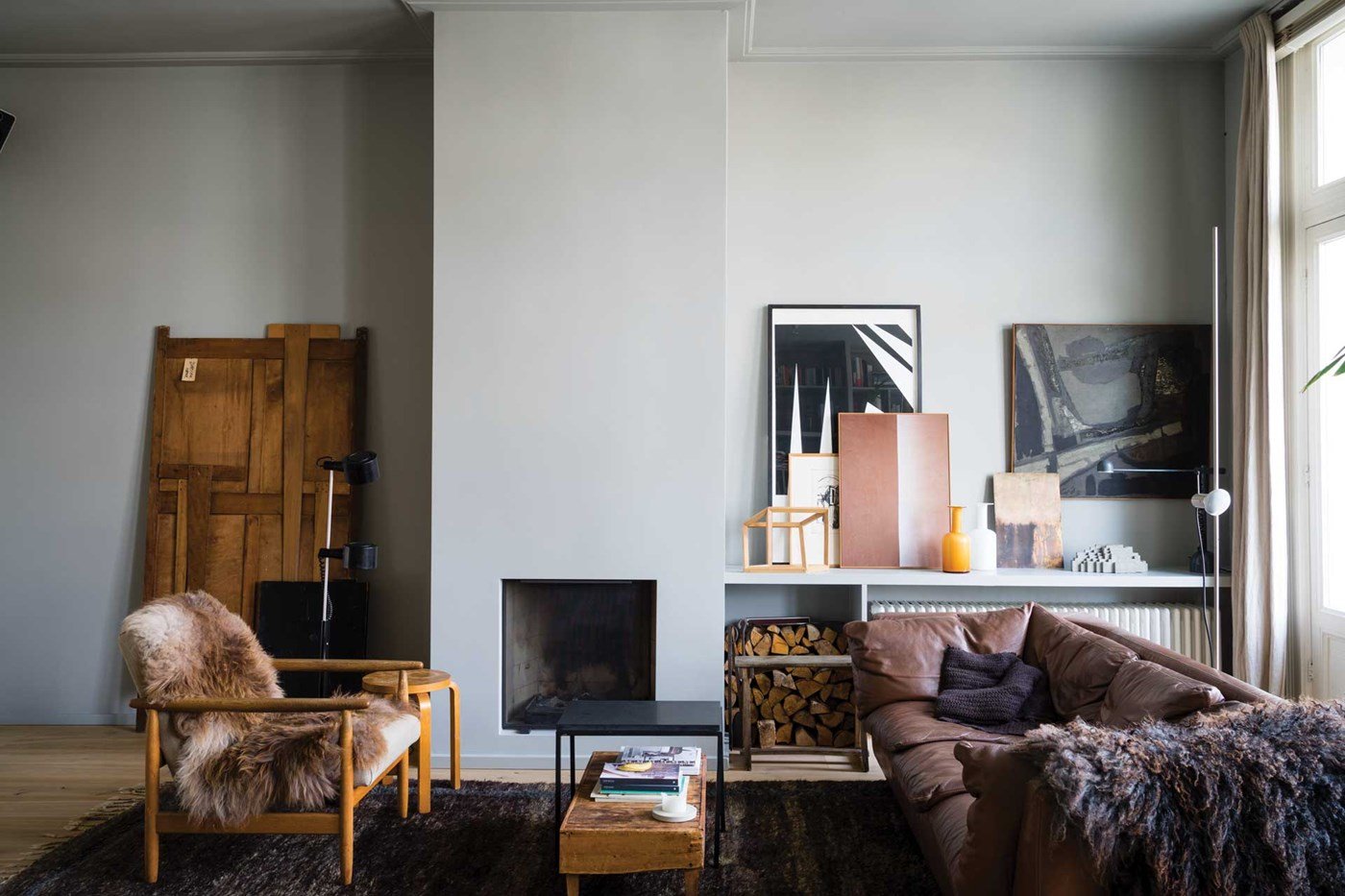
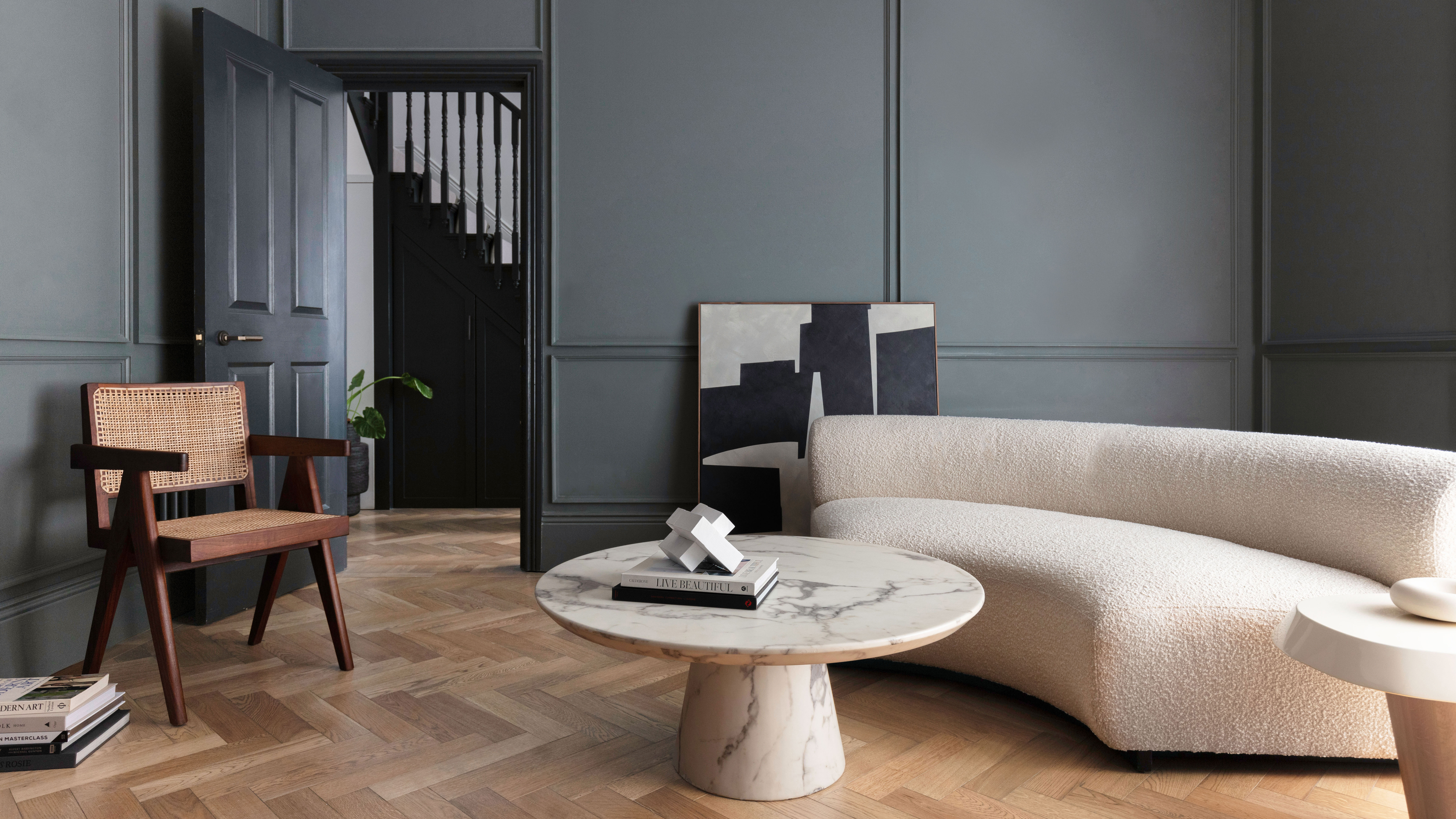
Tash Bradley, director of interior design at Lick, a UK-based paint and wallpaper brand, suggests that the pre-pandemic era's overstimulation led people to seek peace and calmness in neutral home environments. Furthermore, a competitive real estate market and house-flipping shows have encouraged homeowners to decorate with resale value in mind, often favoring neutral palettes at the expense of personal expression and vibrant colors. Bradley, a trained color psychologist, highlights the negative psychological impact of excessive gray, describing it as 'soulless' and draining, contrasting it with the emotional benefits of other colors.
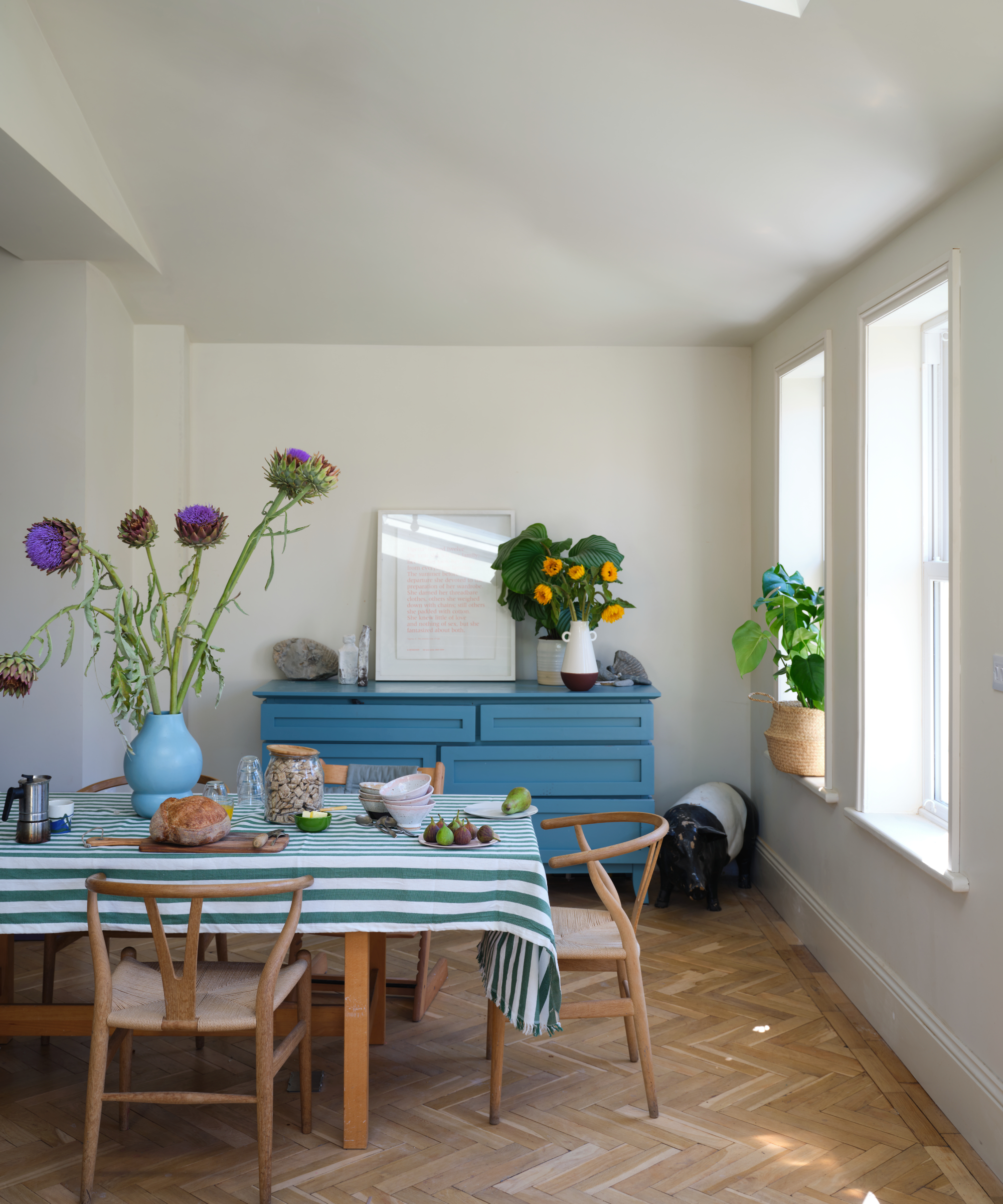
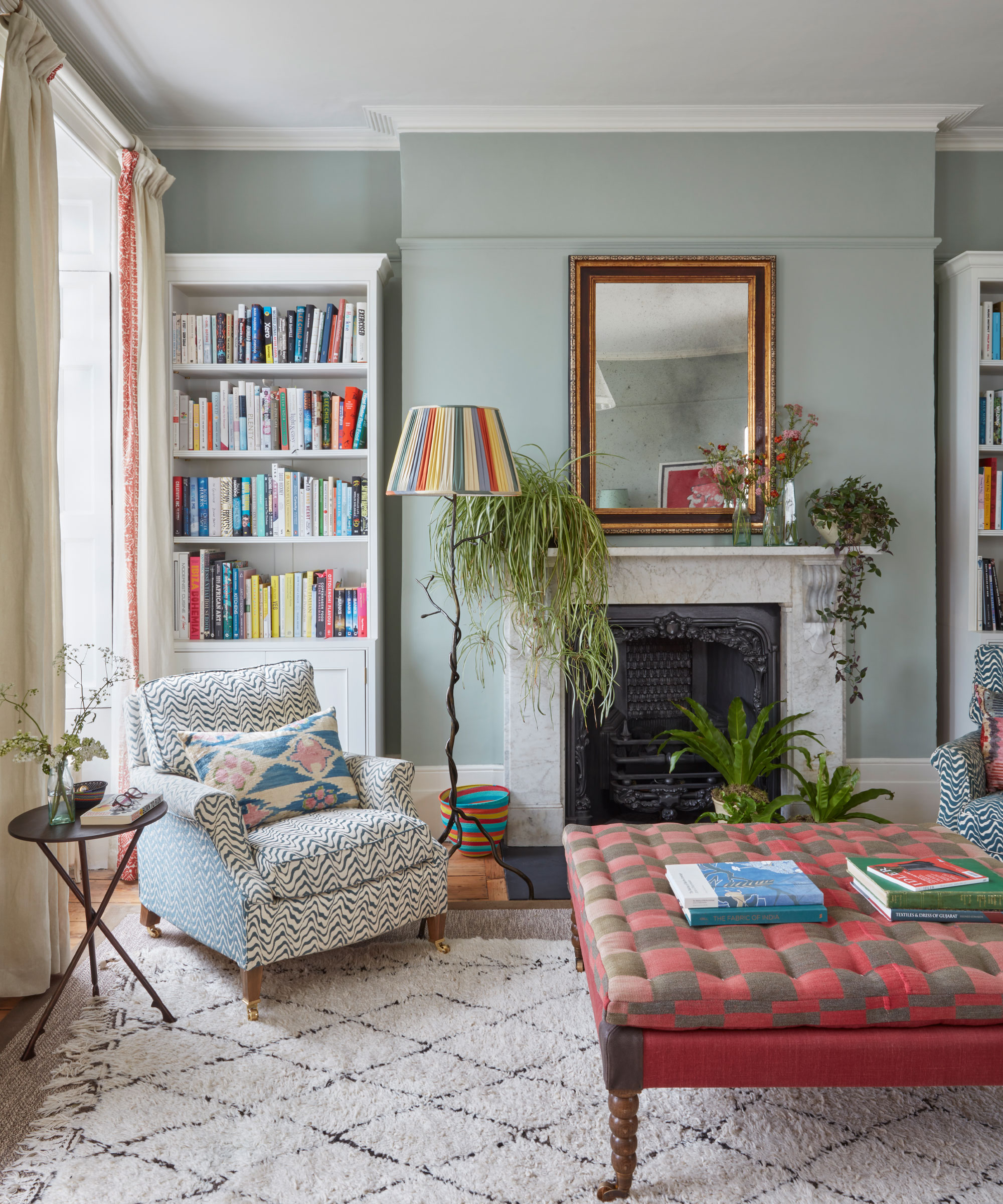
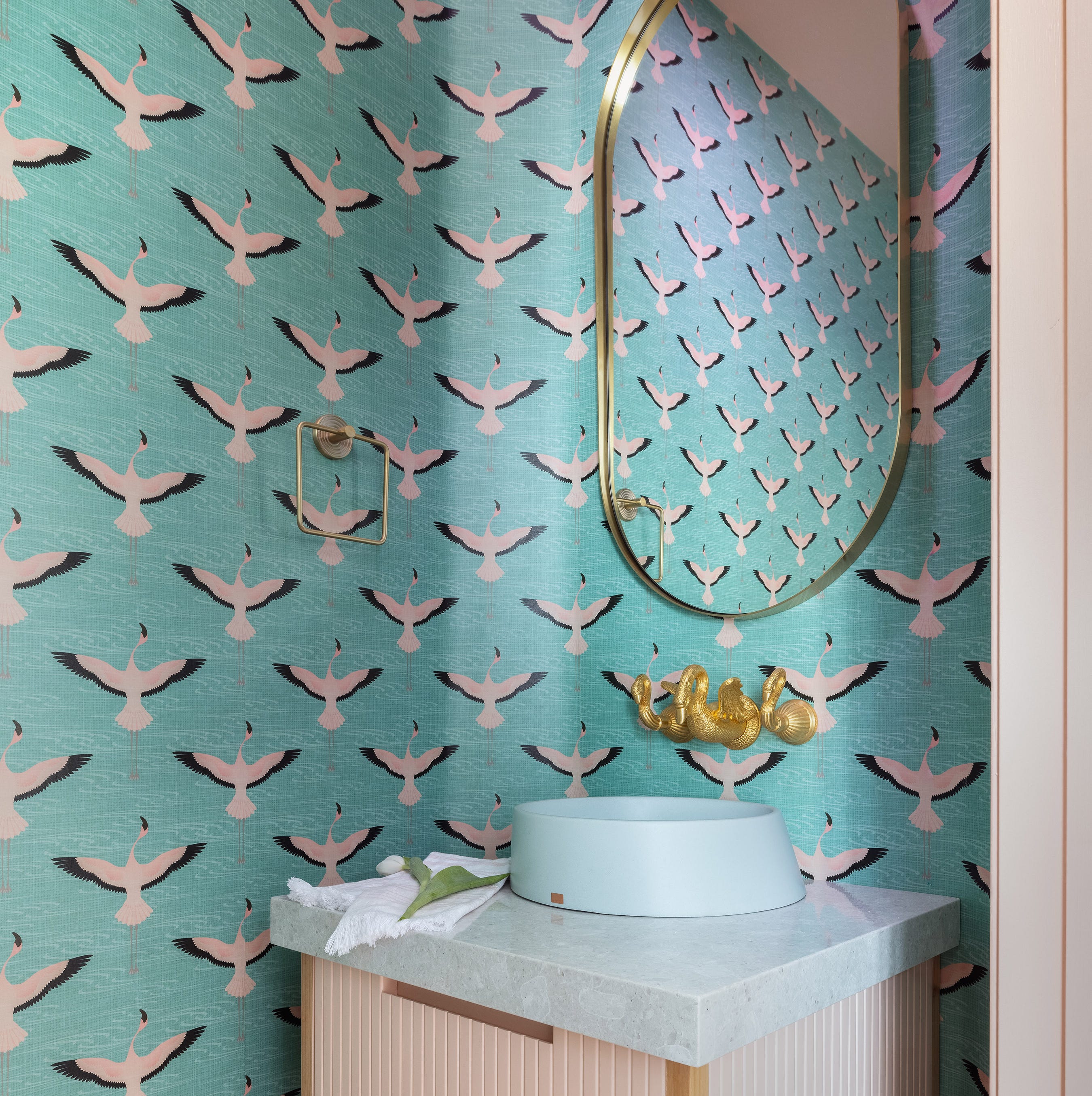
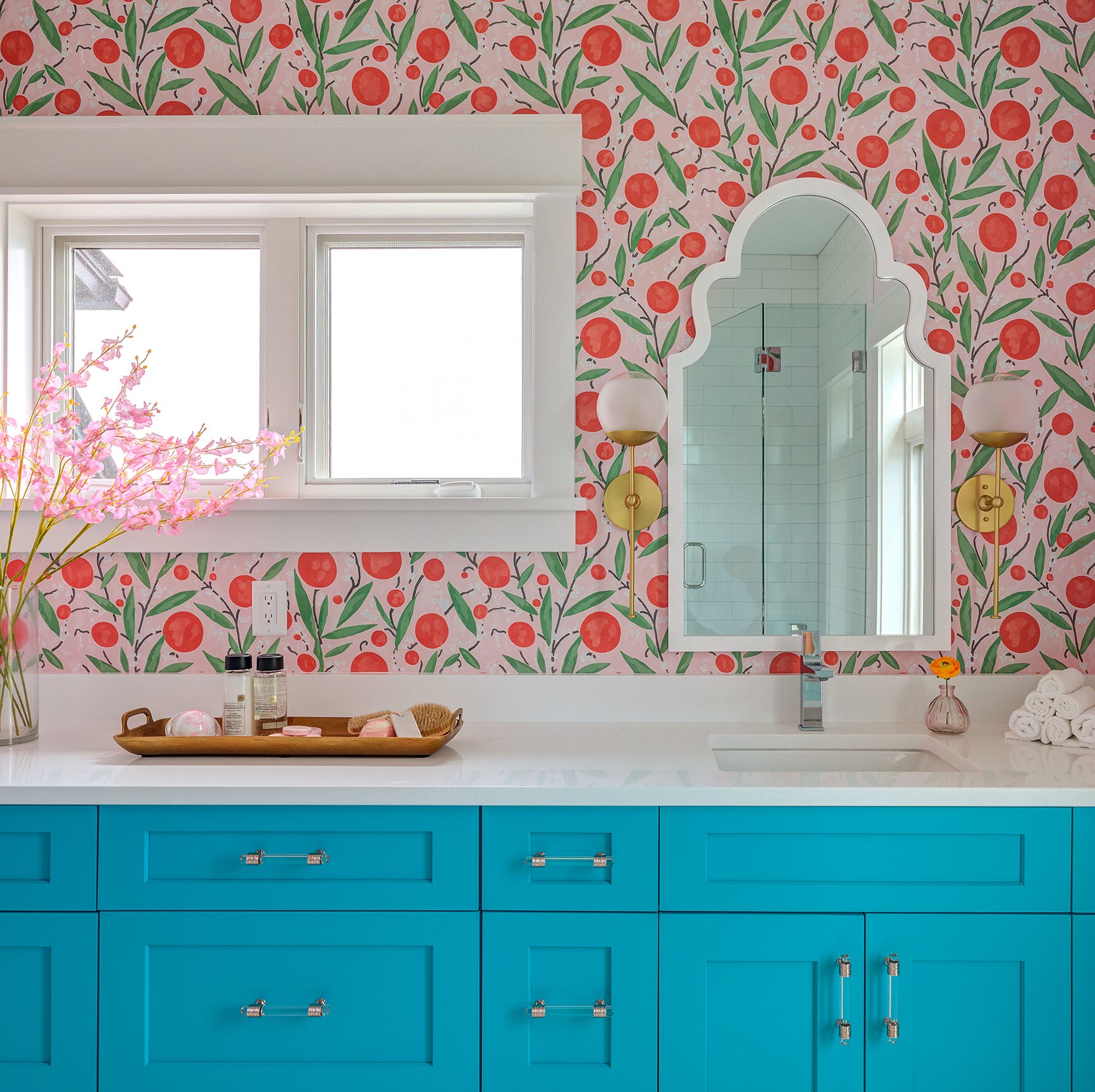
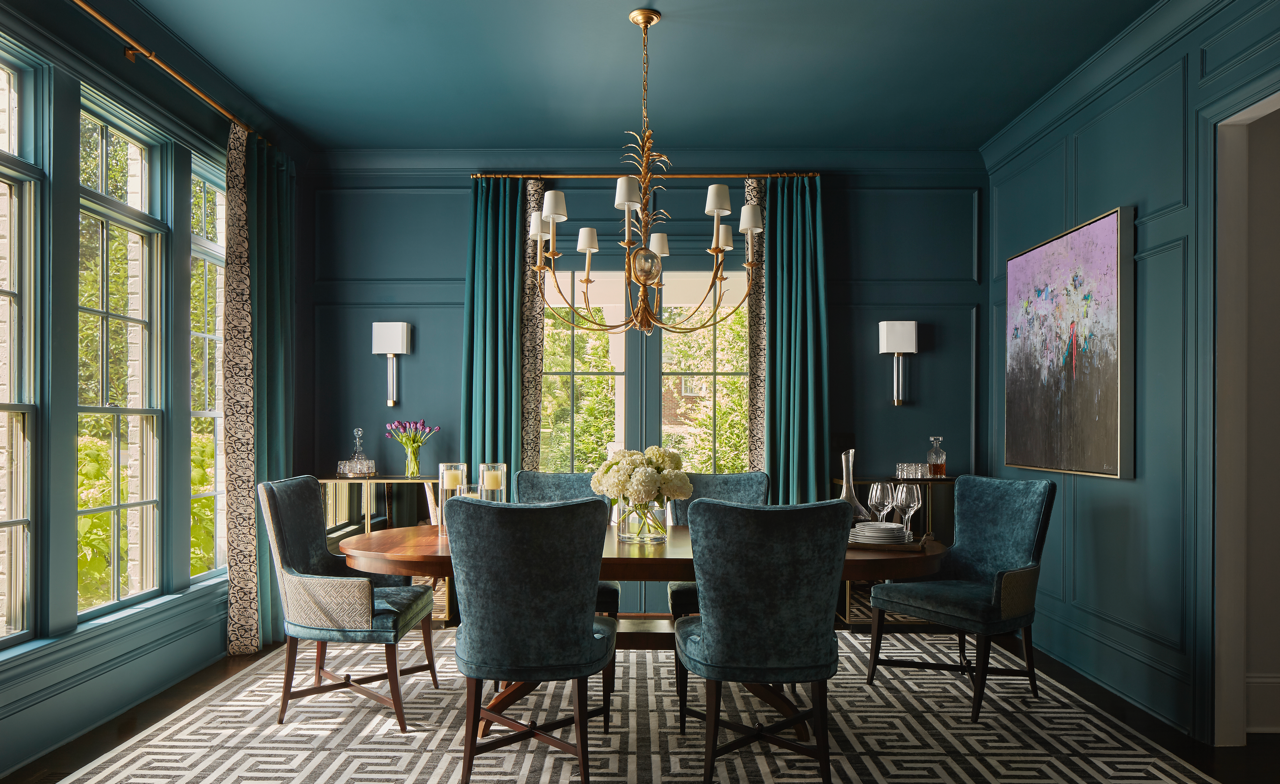
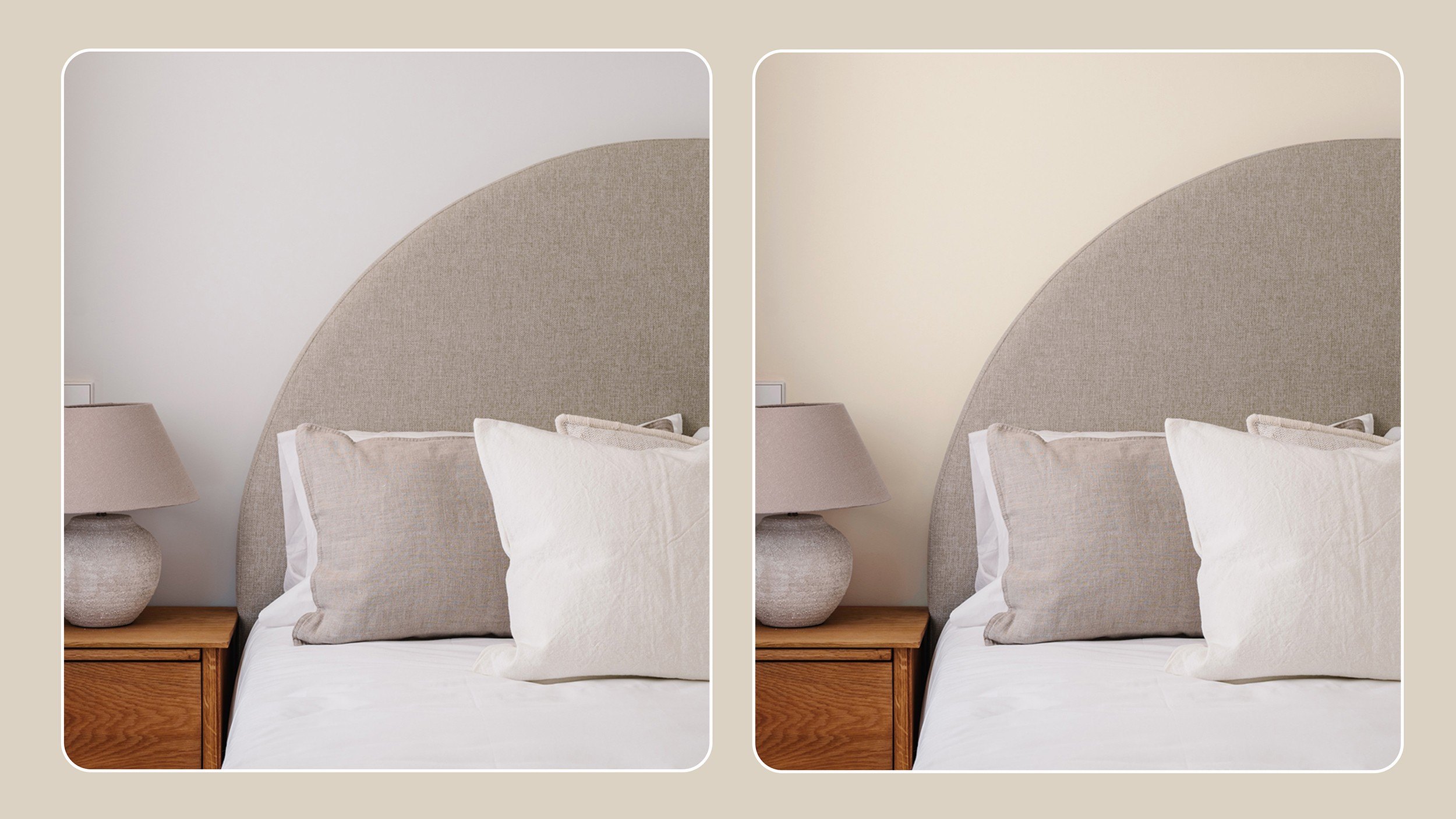
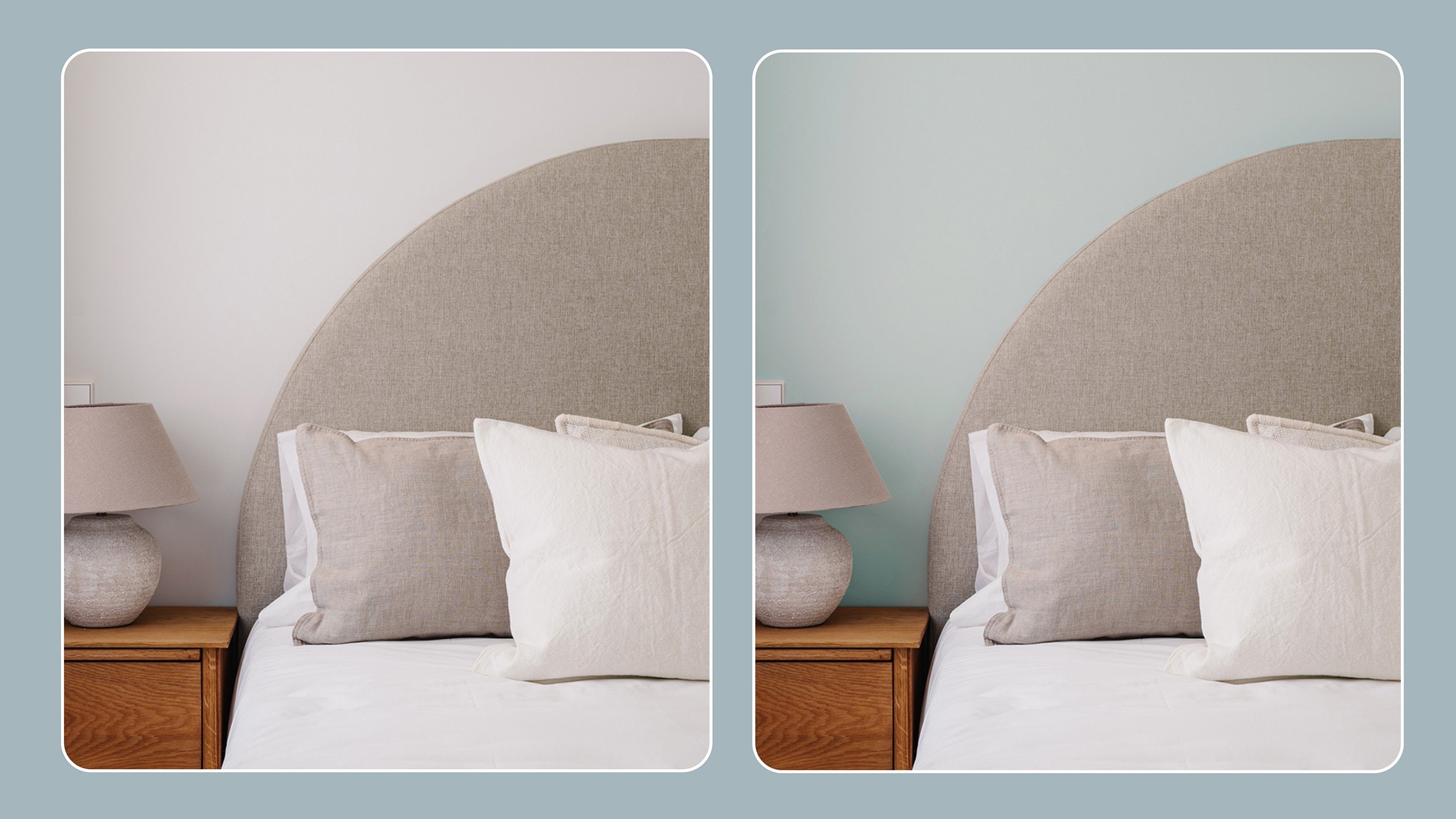
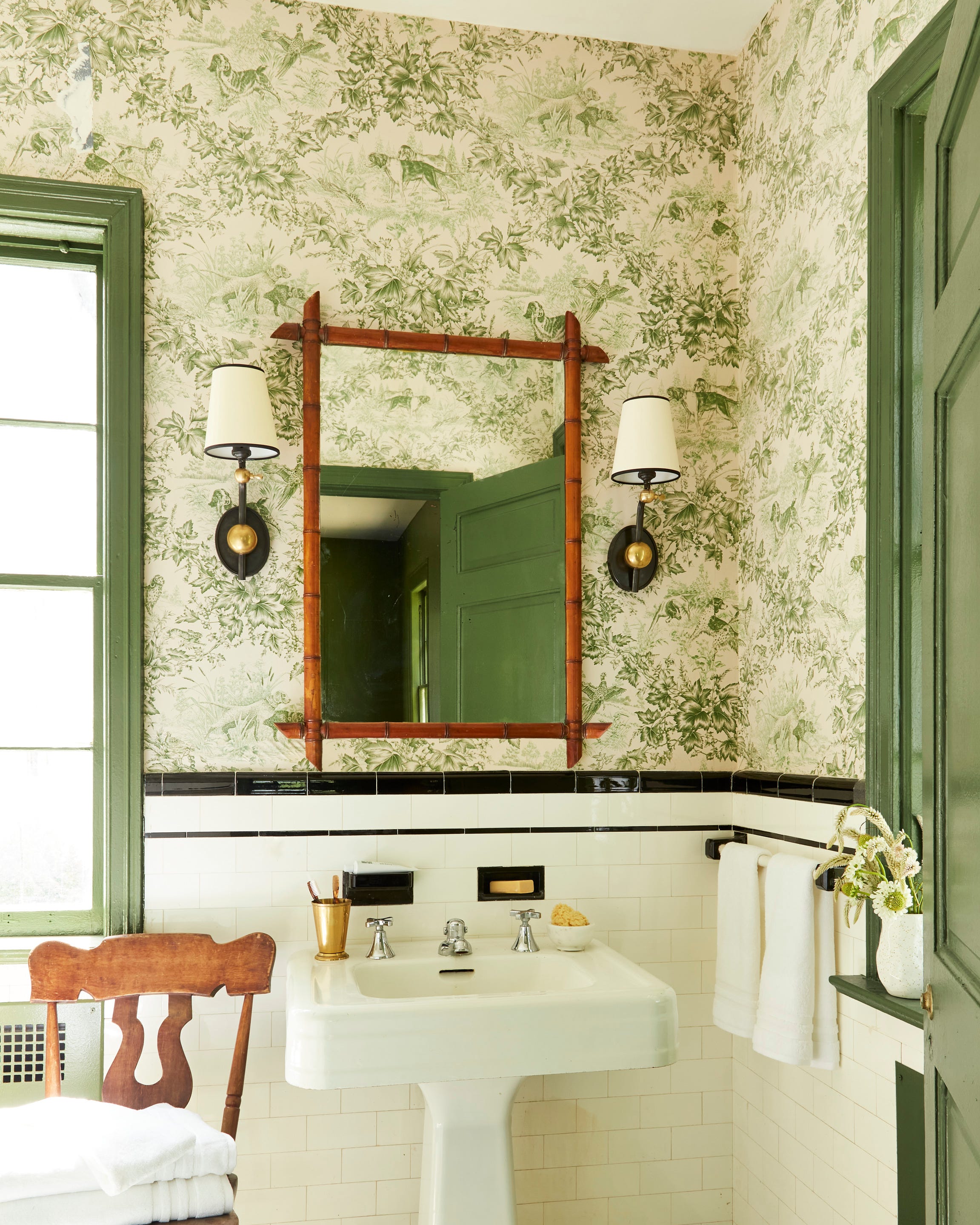
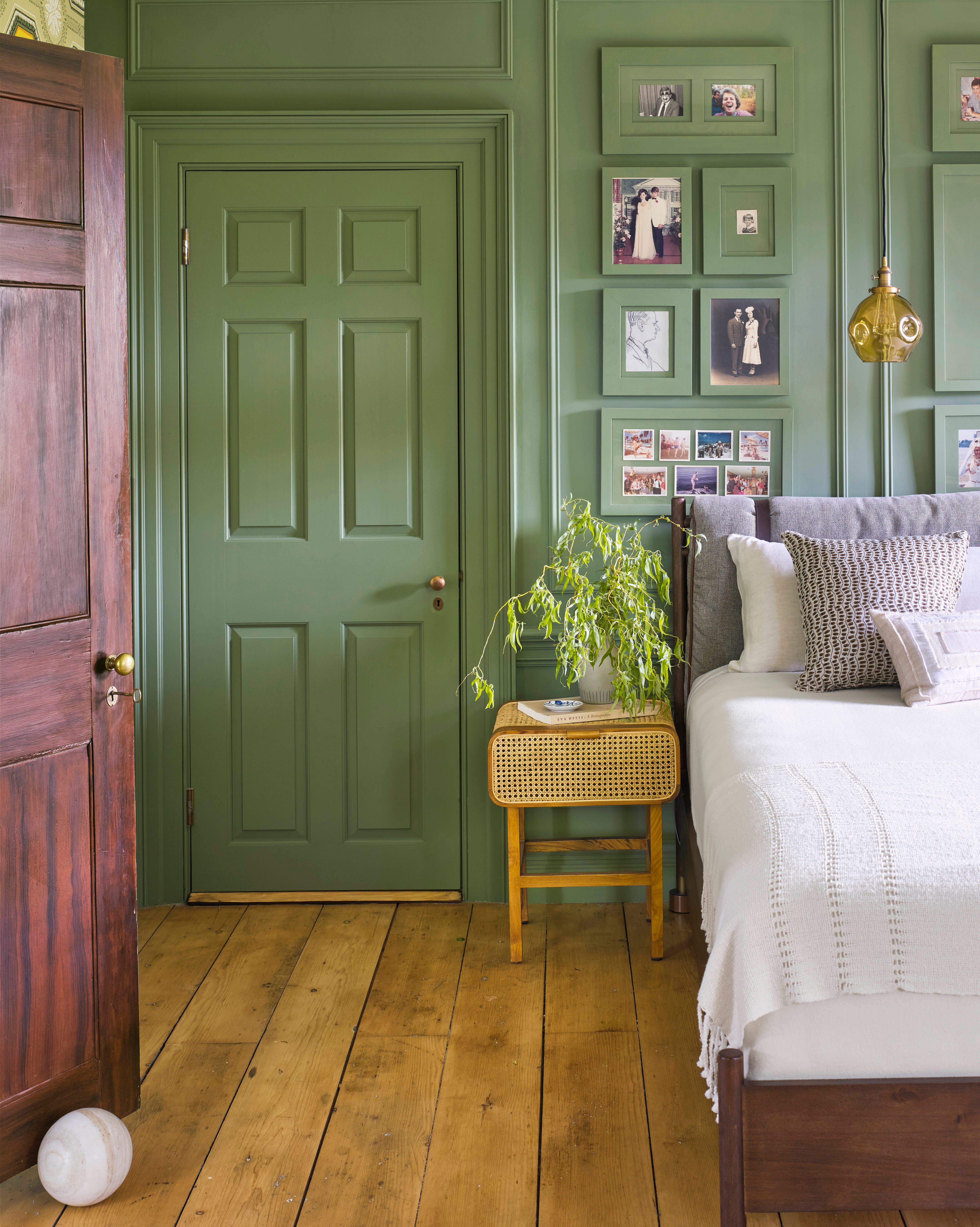
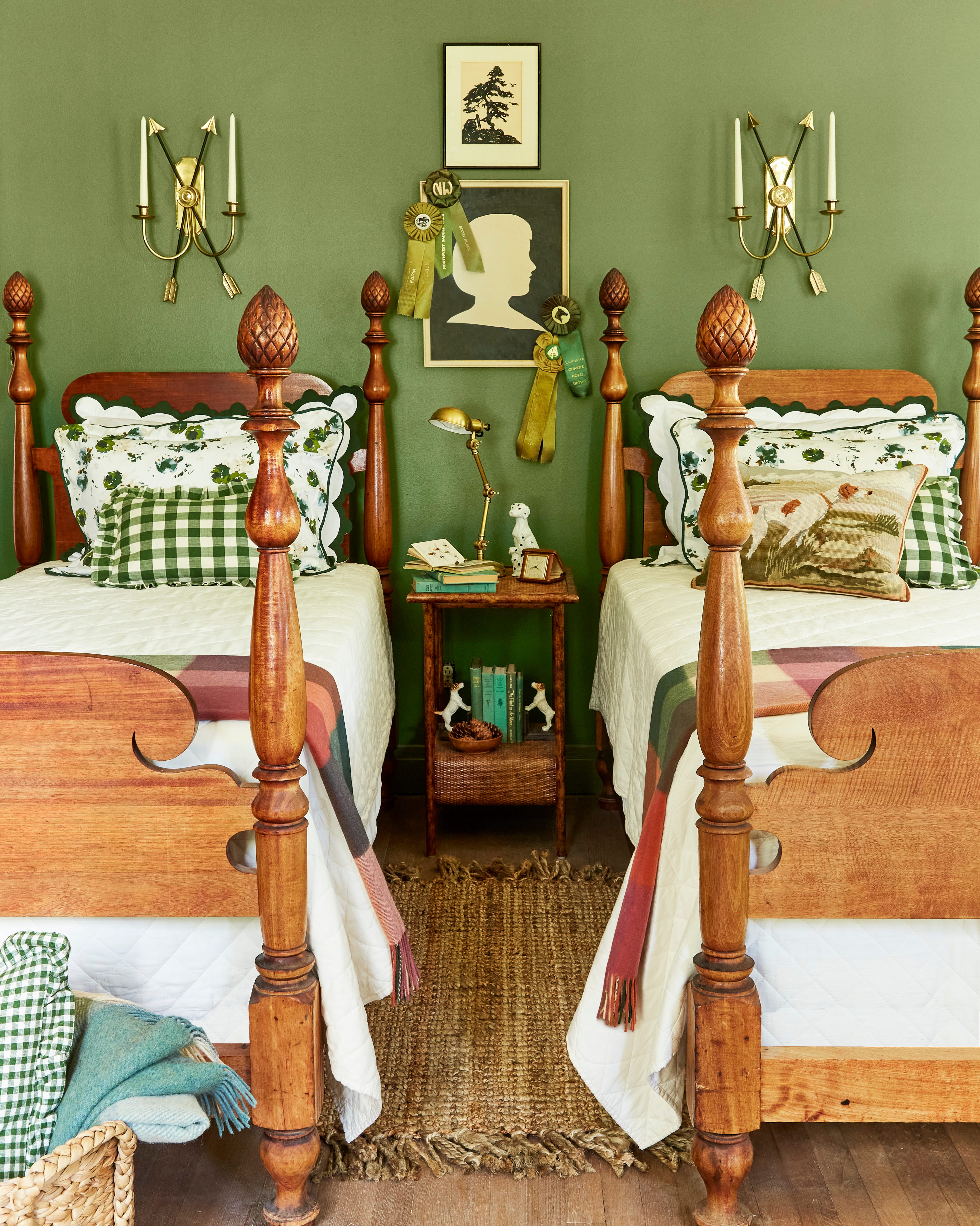
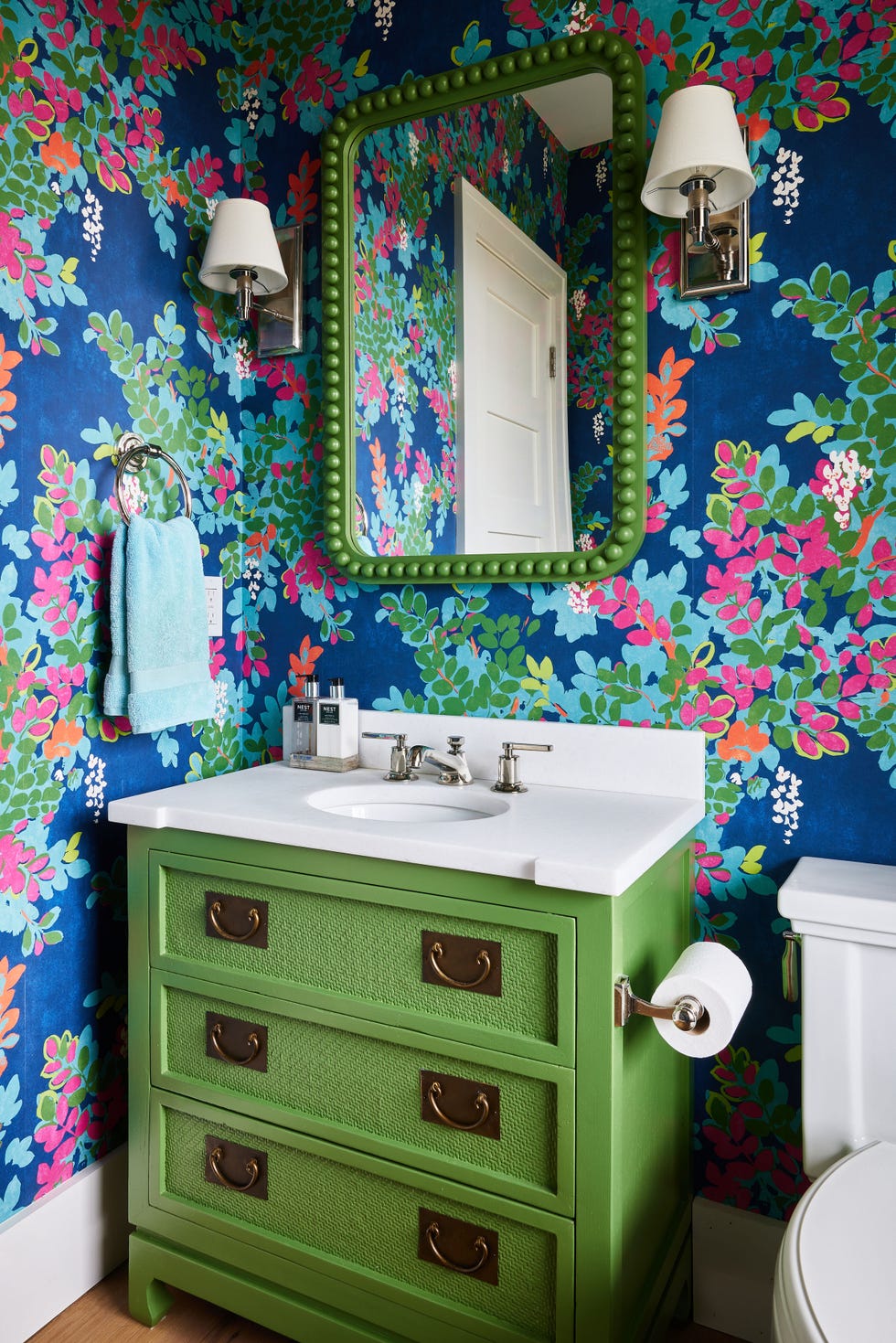
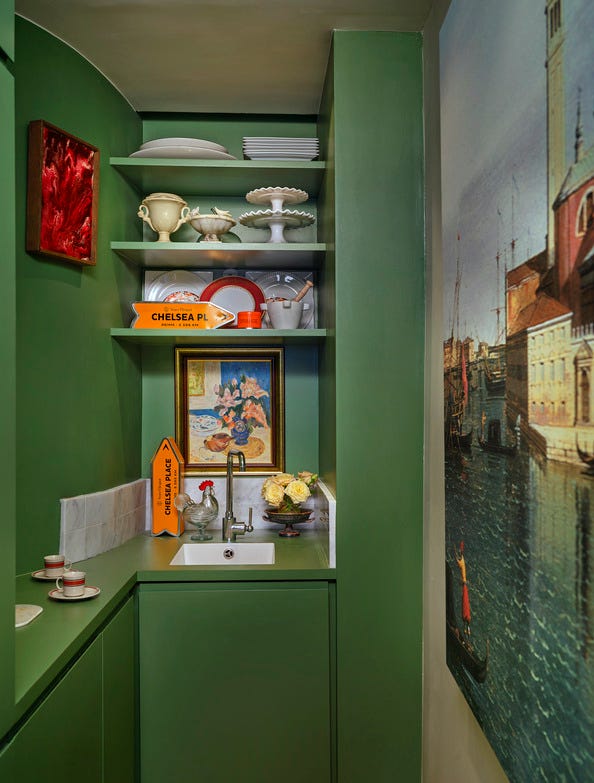
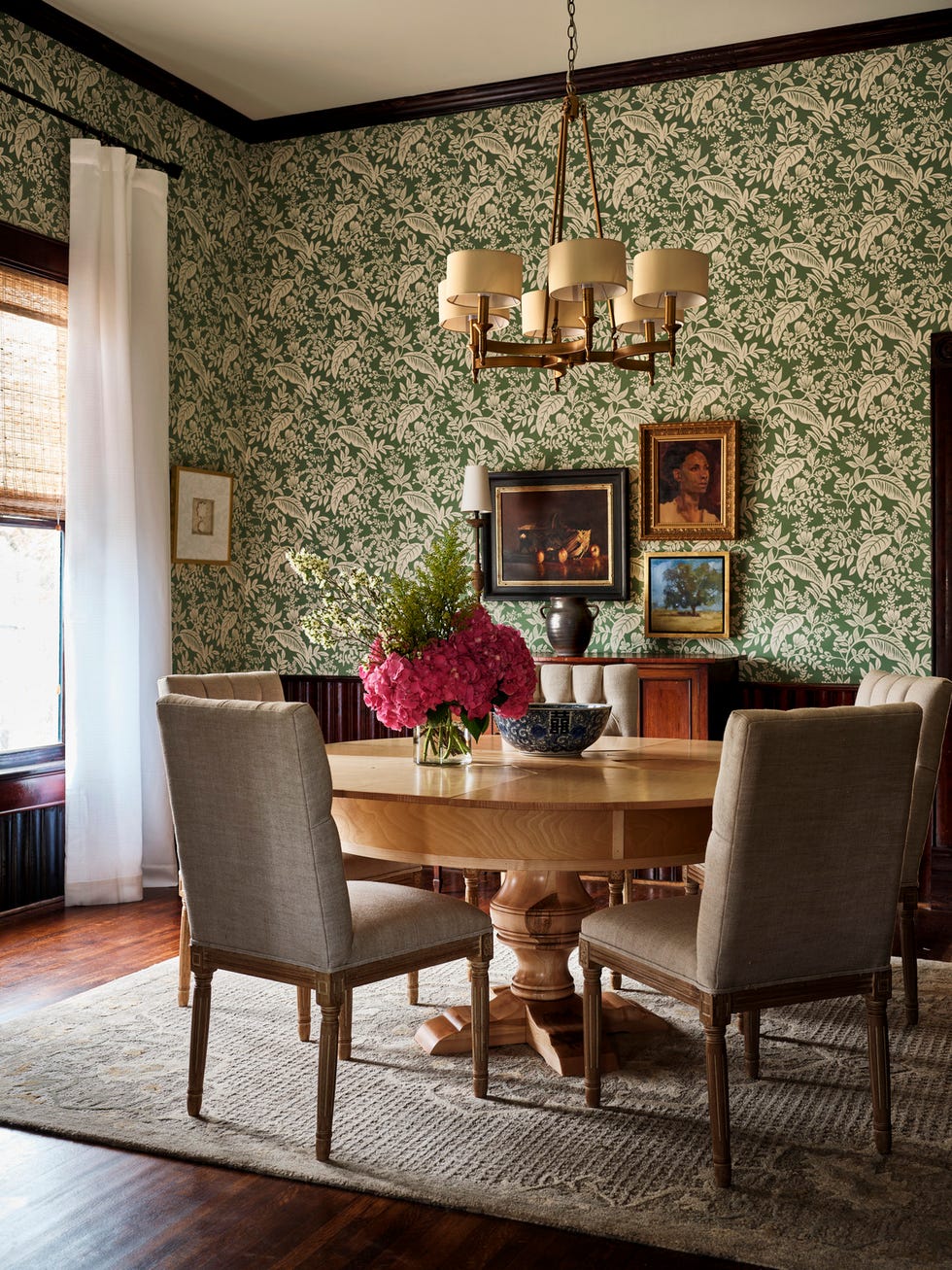
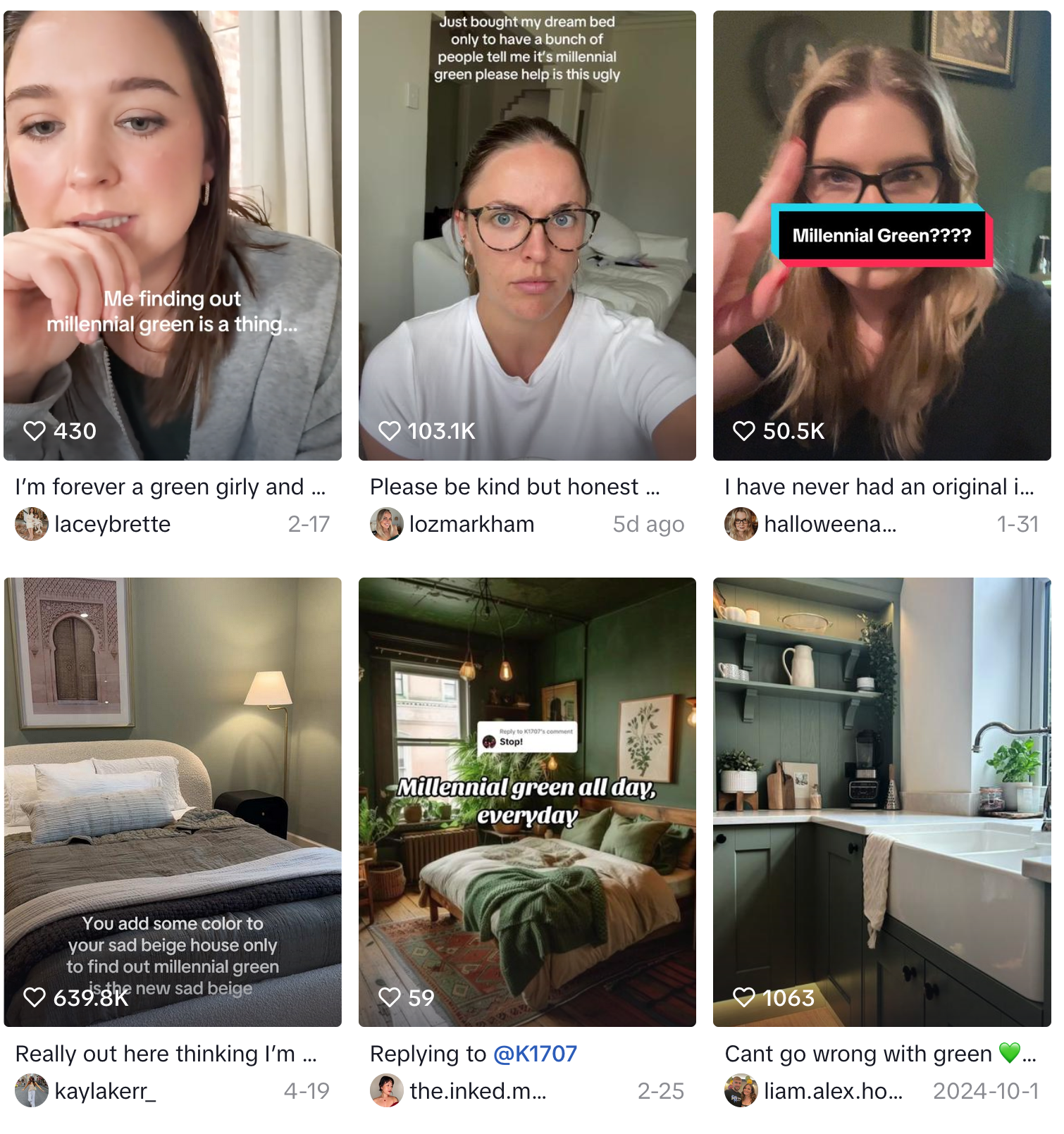
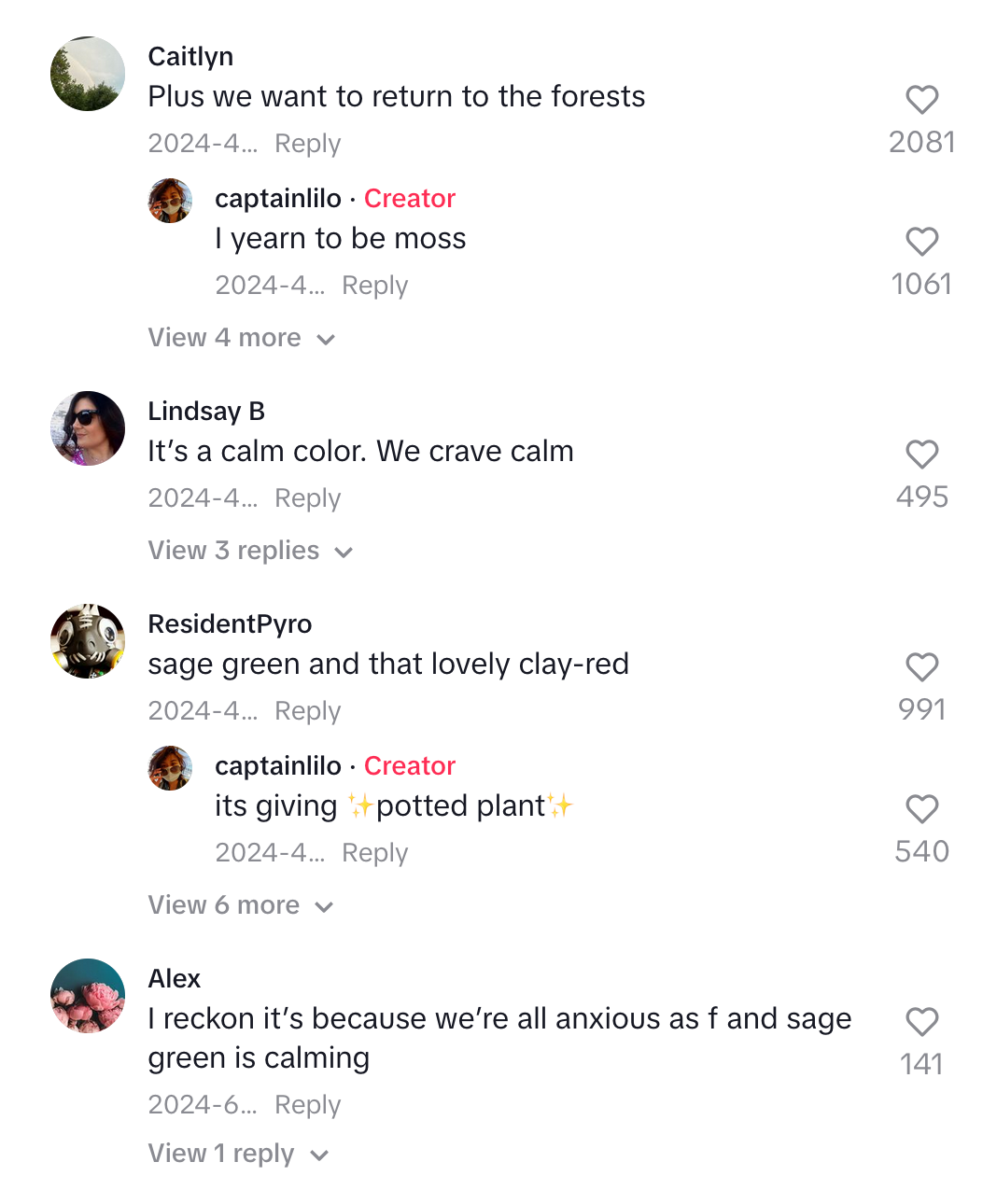
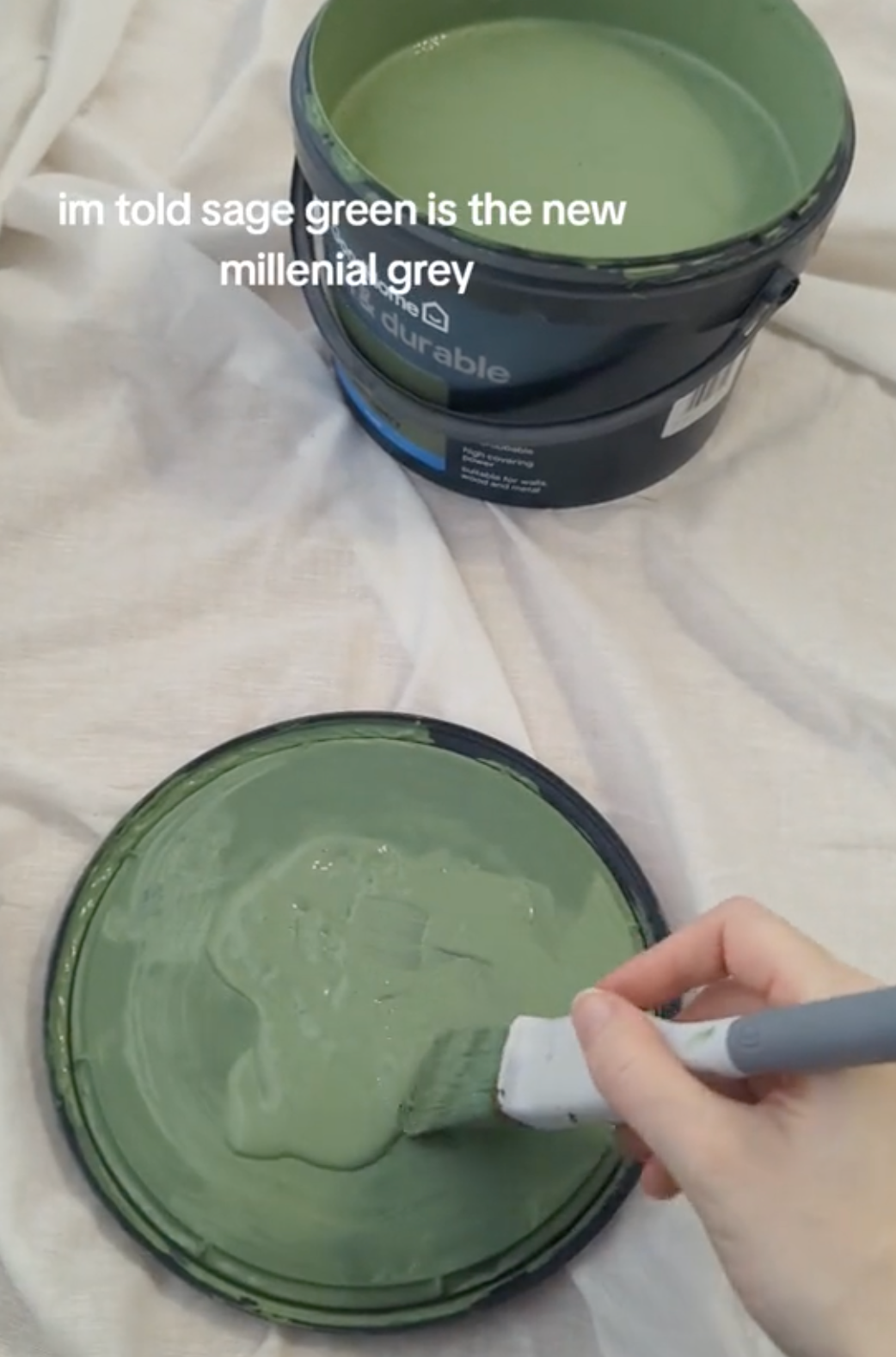
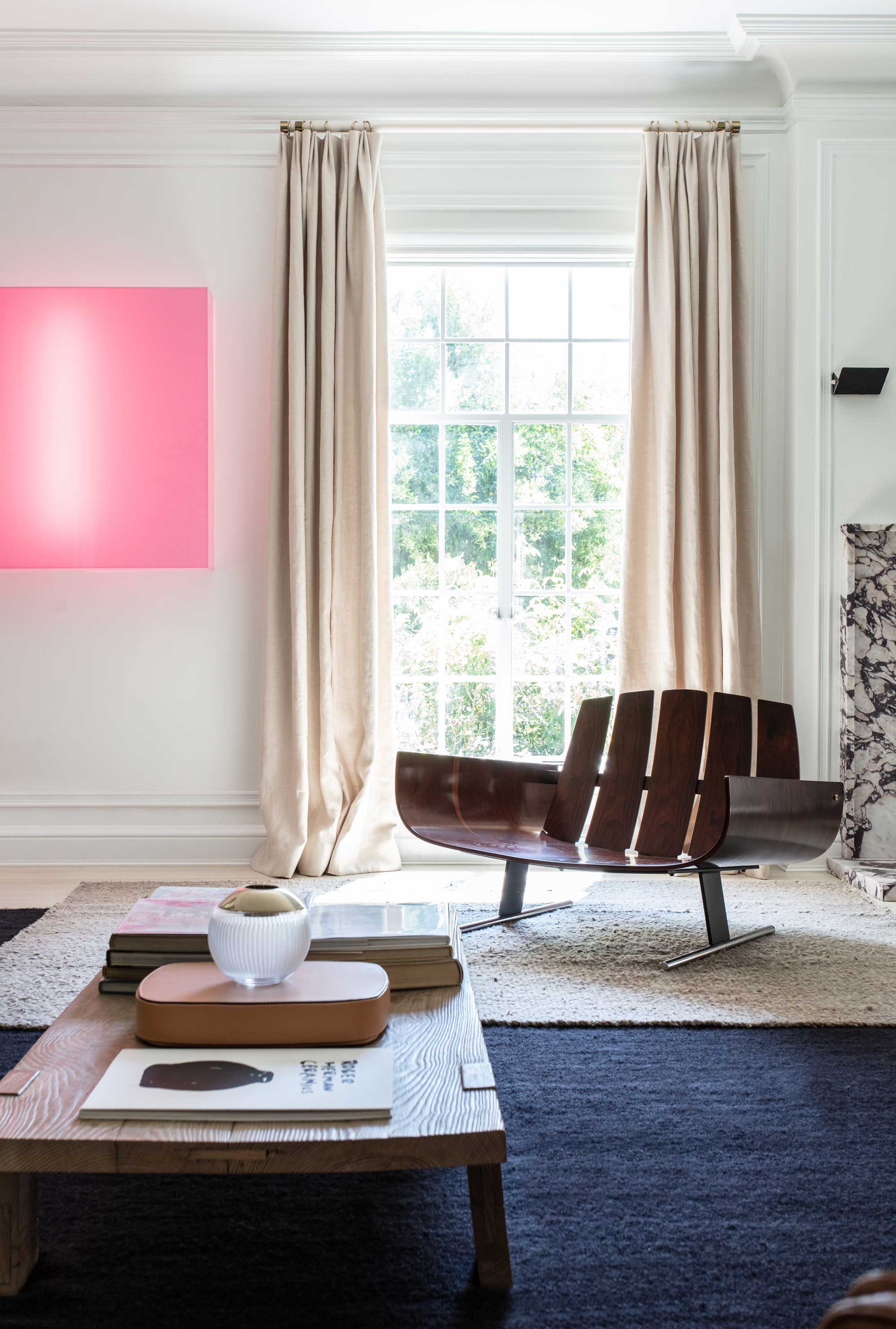
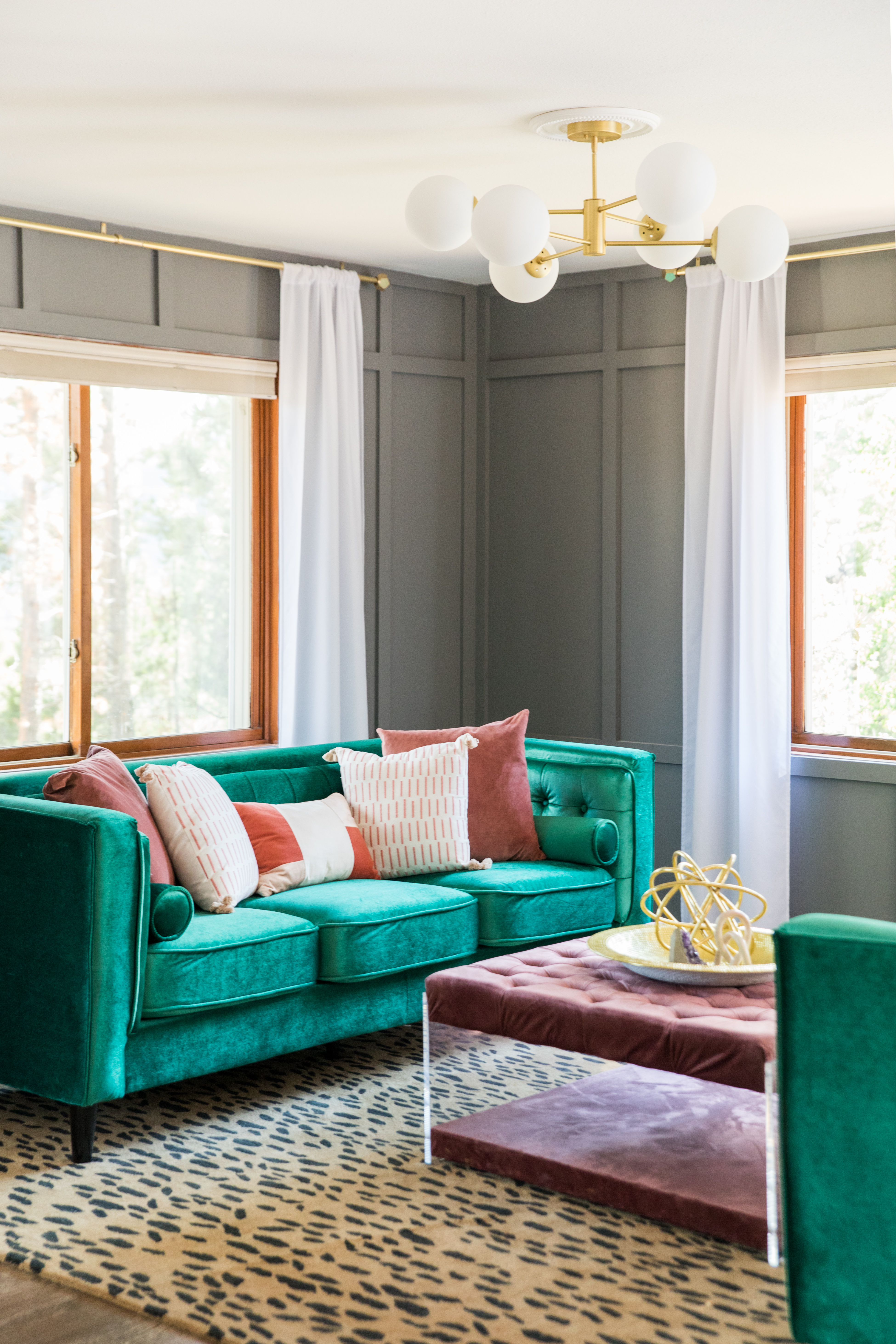
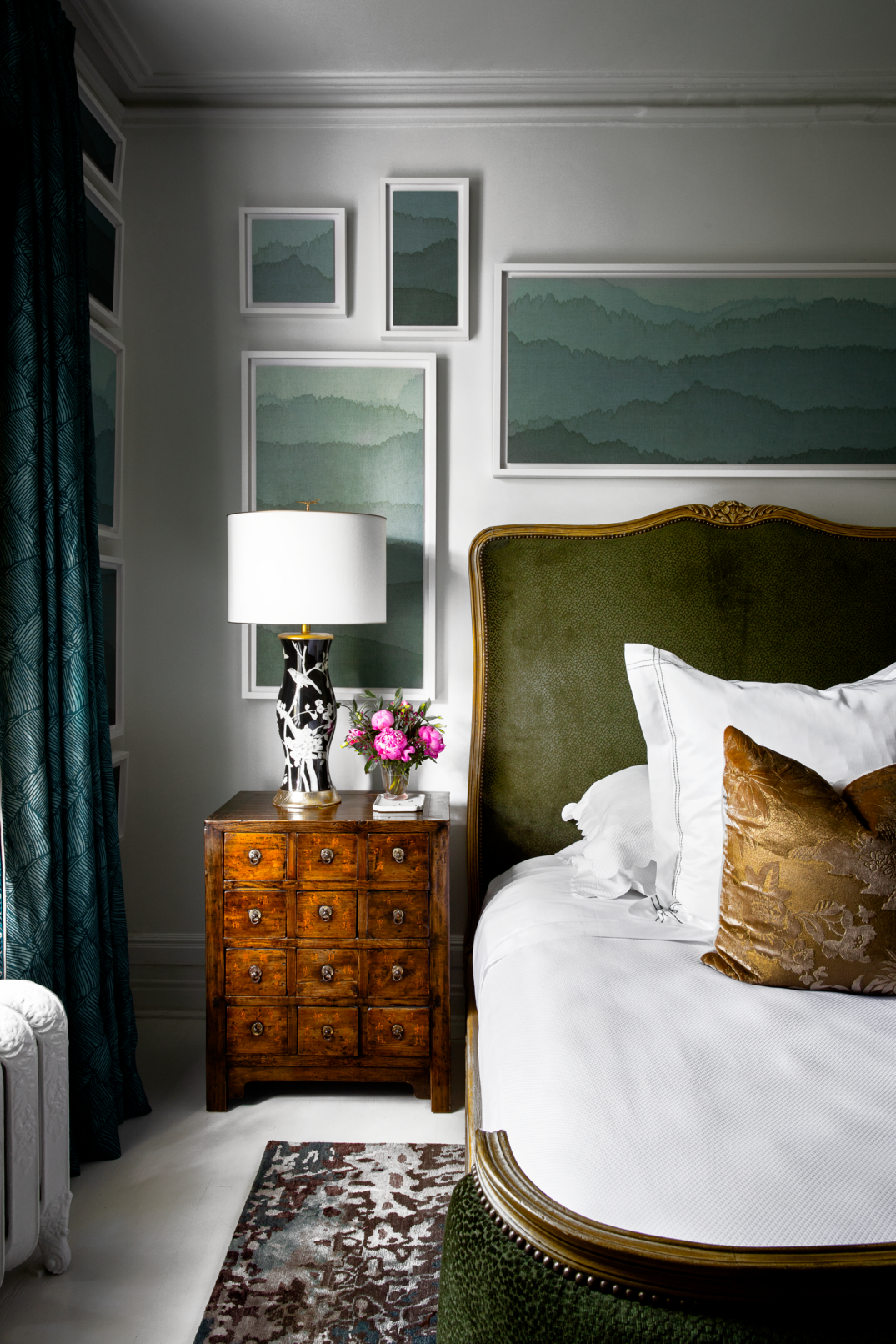
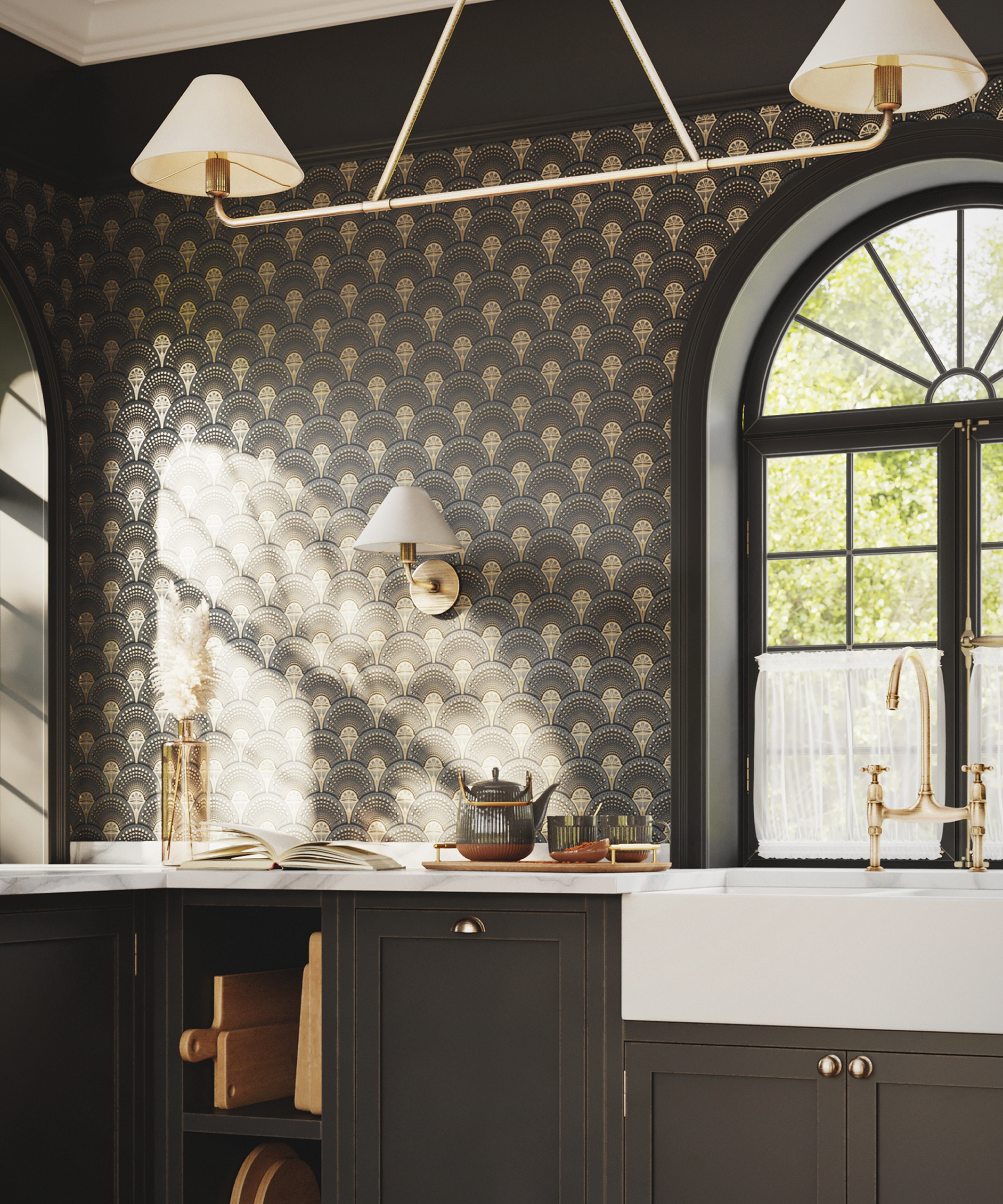
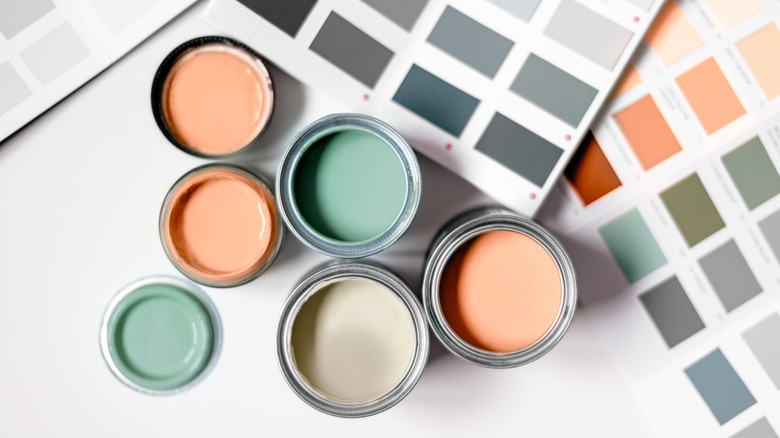
Katy Kelleher, a writer and historian specializing in color, posits that the perceived loss of color might be a surrogate for deeper societal losses, such as increasing loneliness or the erosion of fundamental rights. She argues that the actual world is not losing color, as evidenced by floral artists and landscape photographers. However, there is a growing sentiment that a re-embrace of color is underway. Tash Bradley observes a post-pandemic shift, with clients expressing a desire for color after years of neutral surroundings. Gemma Riberti, head of interiors at WGSN, a trend-forecasting company, confirms this, noting a strong presence of bold brights and near-neon intensities like fiery orange, cobalt blue, and acidic yellow at recent trade shows. Riberti also points out that while neutrals are evolving, colors such as green and clay-like pink are being increasingly treated as new neutrals, suggesting a future where both bold colors and expanded neutral palettes coexist.
#ColorTrends #GrayInteriors #DesignHistory #TikTokTrend #InteriorDesign #ColorPsychology #ArchitecturalDesign #HomeDecoration #ConsumerCulture #ColorTrends #GrayInteriors #DesignHistory #TikTokTrend #InteriorDesign #ColorPsychology #ArchitecturalDesign #HomeDecoration #ConsumerCulture
0 comment in total
 No comments yet
You may also like
What color is replacing gray? This is the shade designers say is becoming the perennial favorite

This Very "Controversial" Color Is About To Be Everywhere Again

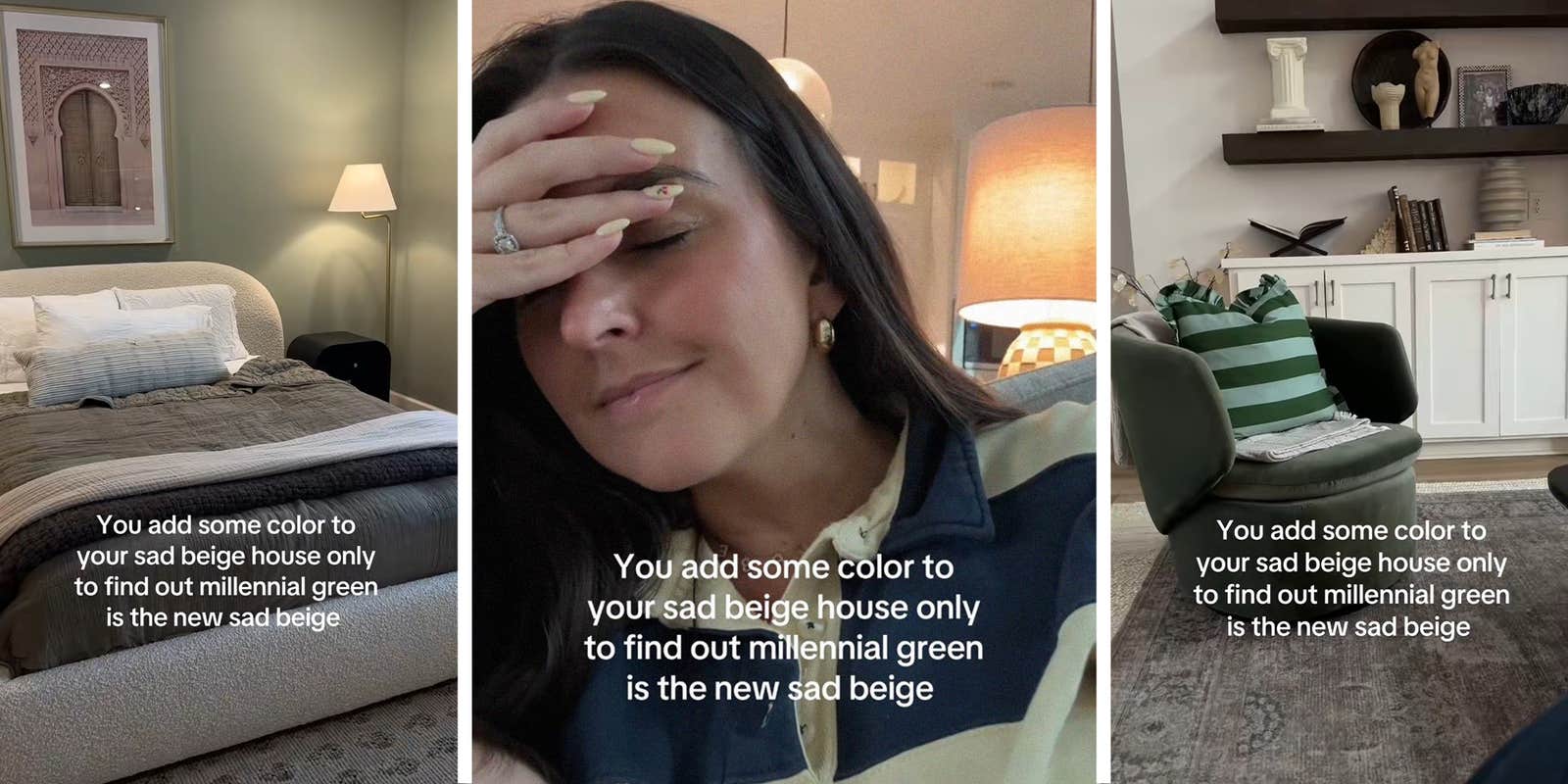
Is millennial green the new ‘sad beige’?
Every Designer I Talked to Said This Popular Paint Color Is on Its Way Out

REVEALED: Is grey paint going out of style?

Millennial Gray Is So Over—Here Are 5 Paint Colors to Try Right Now
Say Goodbye to Gray? Saturated Hues Dominate 2025 Paint Color Trends
Decorating with this year’s neutral
Is gray still on trend? Designers explain how to use this cool-toned hue in a world of warm color schemes
Is Gray On Its Way Out? Designers Tell Us Their Opinions

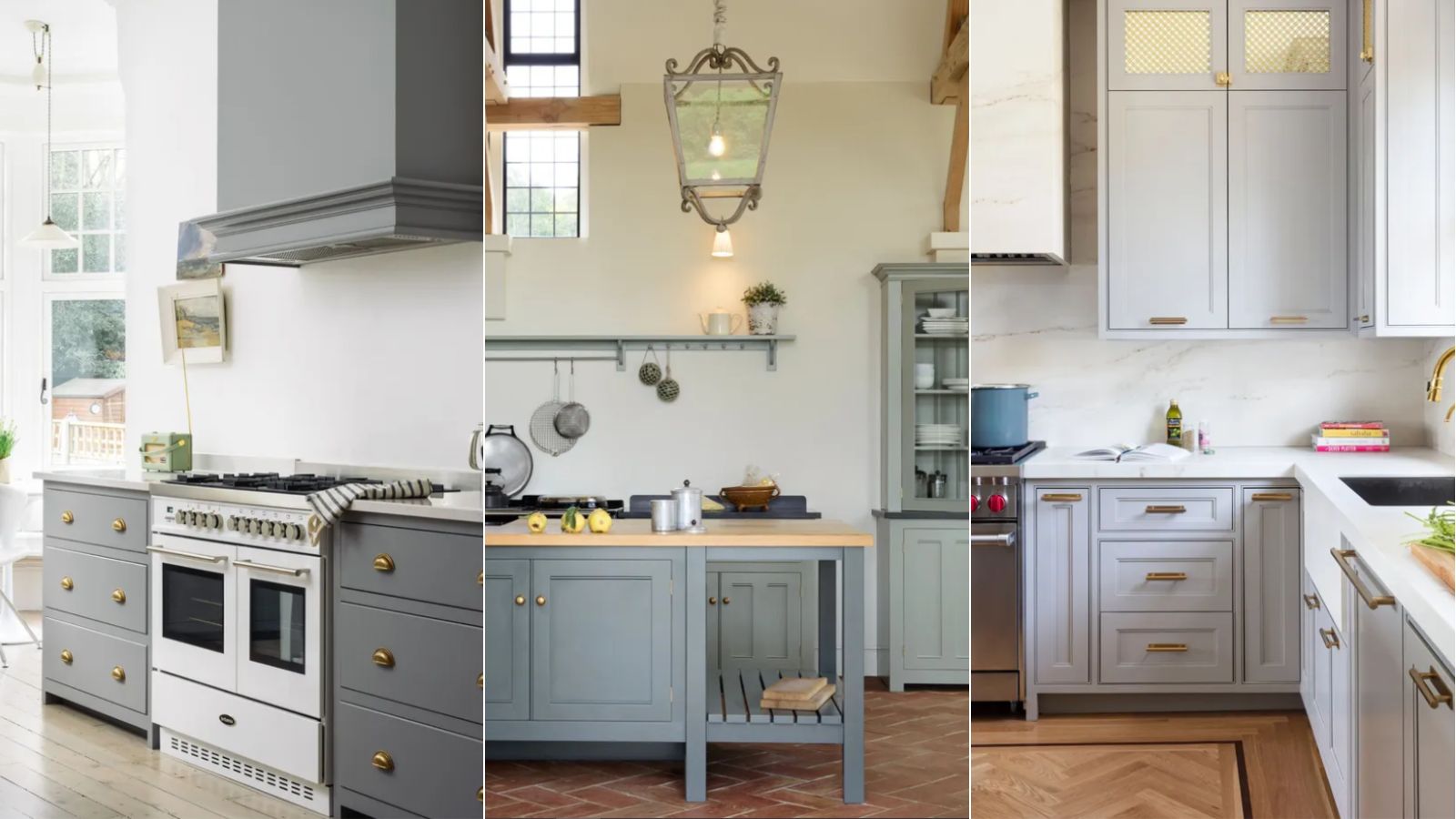
Are gray kitchens still in style? Designers weigh in on this cool-toned and divisive color scheme
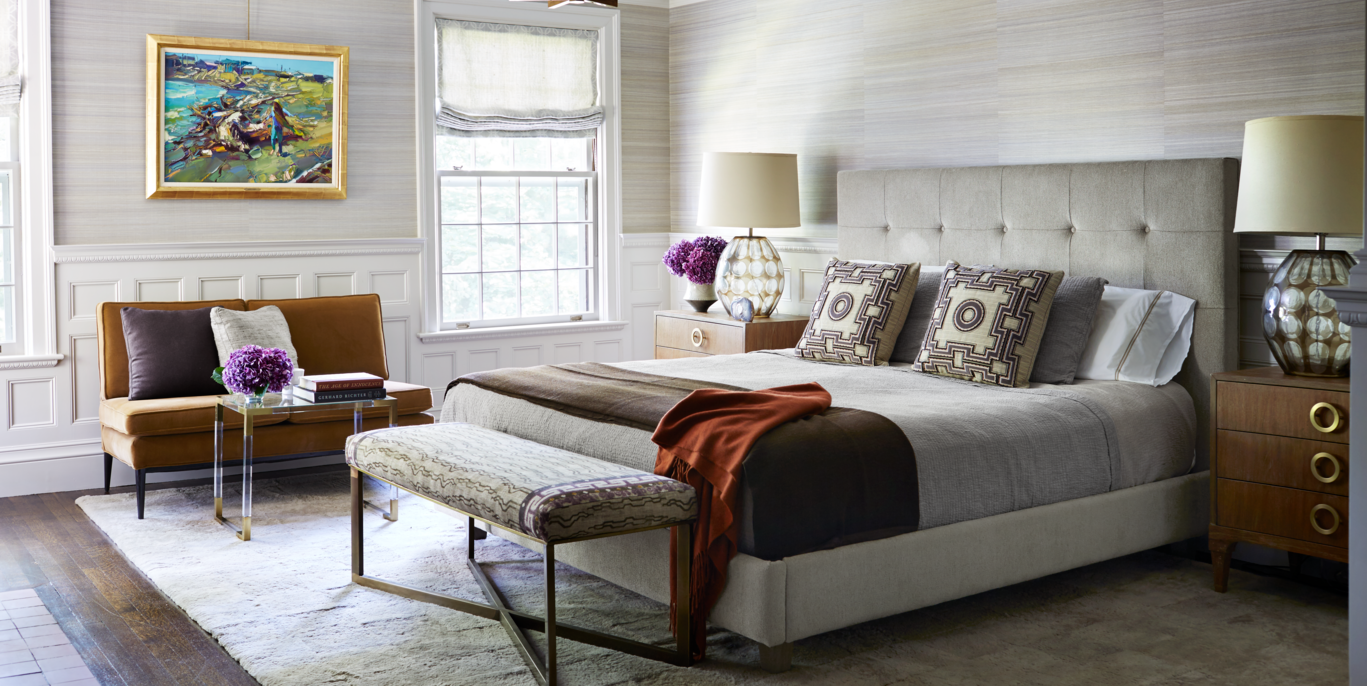
Why Gray Is the Most Versatile Bedroom Color
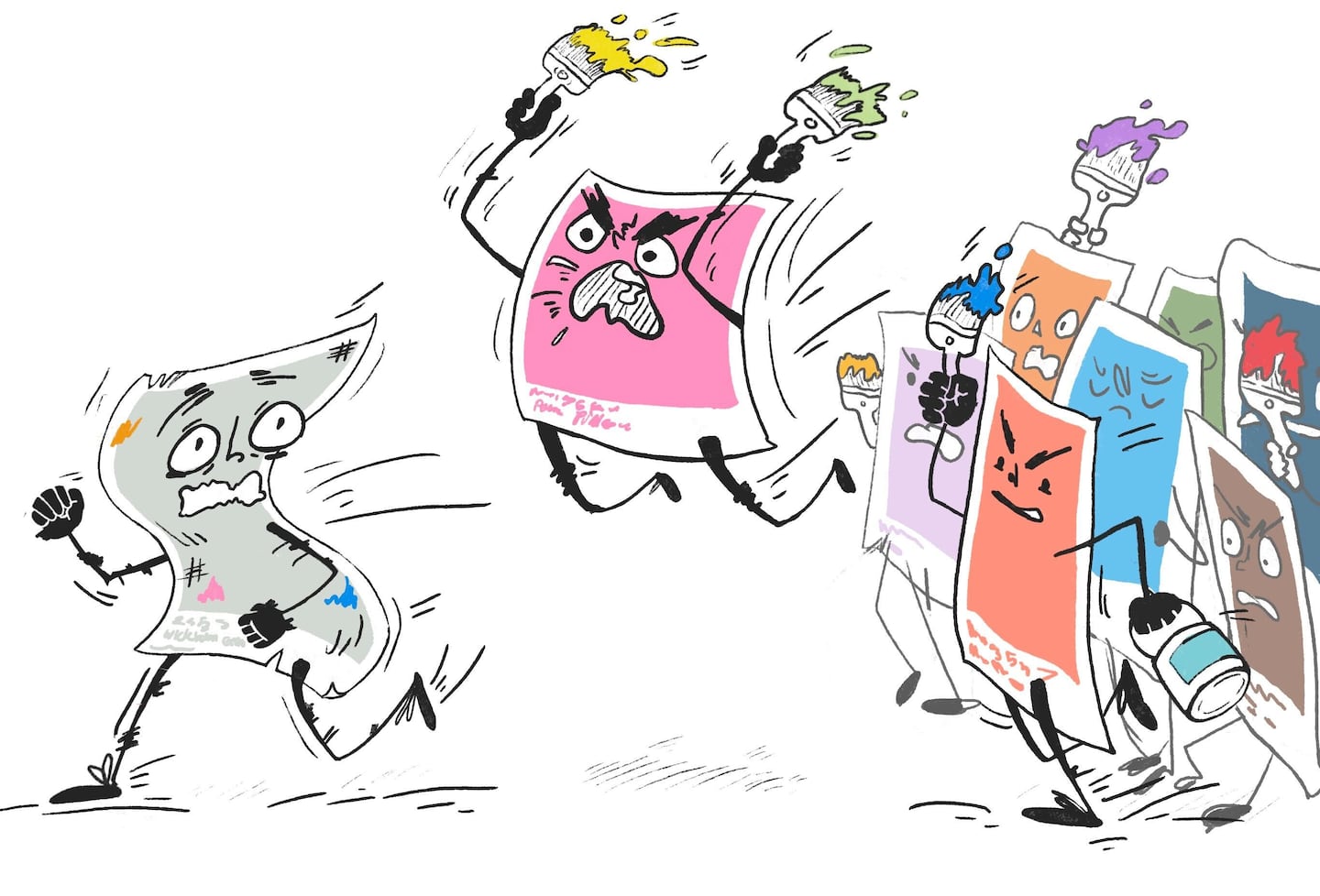
The interior-design world has turned on gray. What finally killed the color?

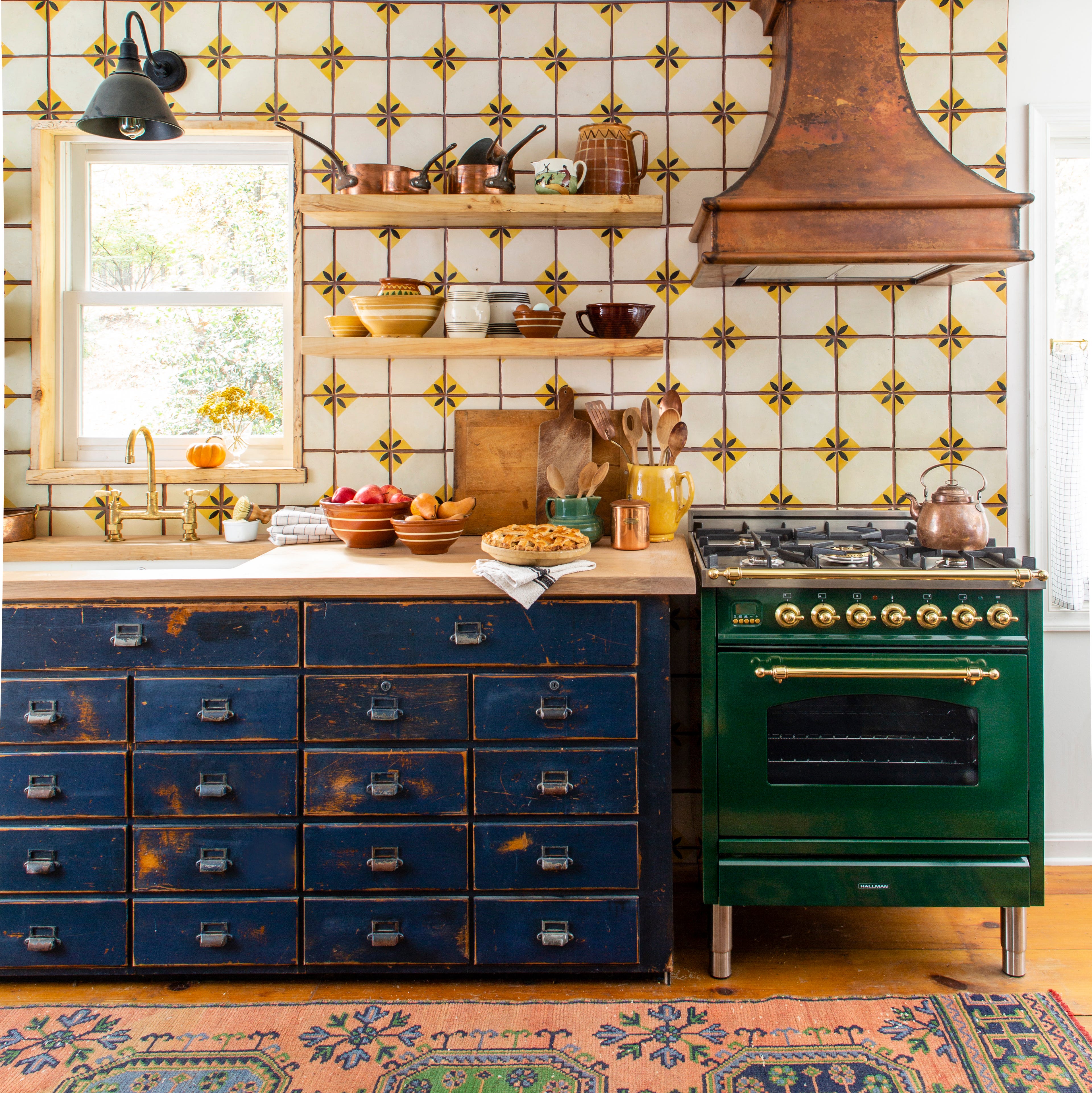
Gen Z Just Declared This “Boring“ Color the New Millennial Gray and I Am So Upset
This surprising color trend is having a comeback

Are gray kitchens out of date? We get the low-down from design experts
Are gray interiors really out of style? Interior designers weigh in on how to use this cool shade
This SURPRISING Color Is About to Be Everywhere, According to Designers

What Colors Go With Gray? 19 Arresting Combinations With This Time-Tested Neutral
The Exterior Paint Color That Looks Severely Outdated Going Into 2025