1/2
Rachel de Thame’s guide to plants with purple flowers
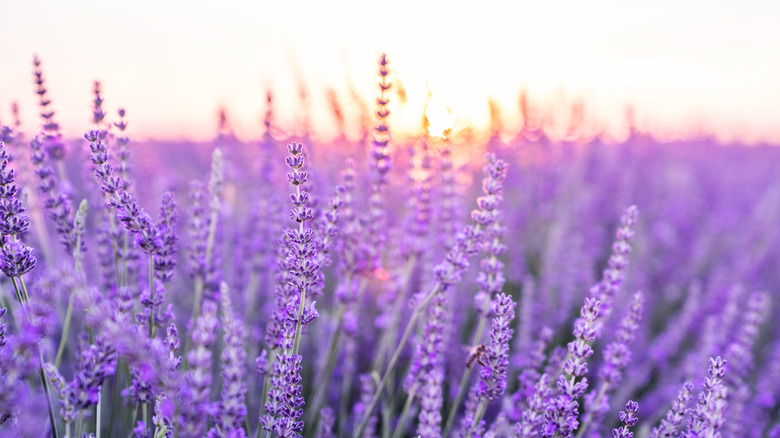
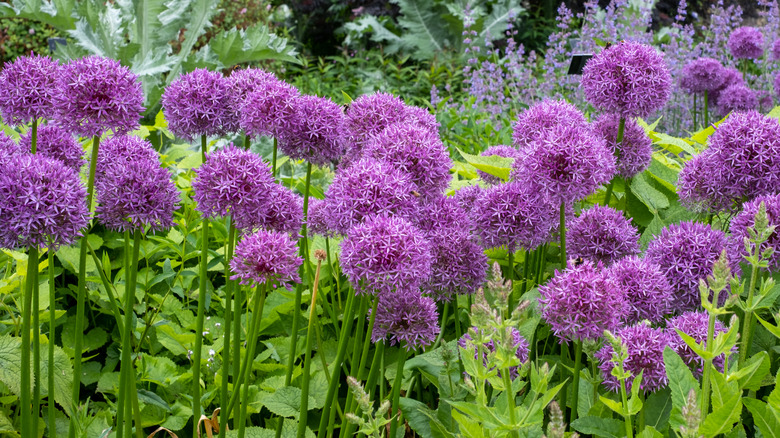
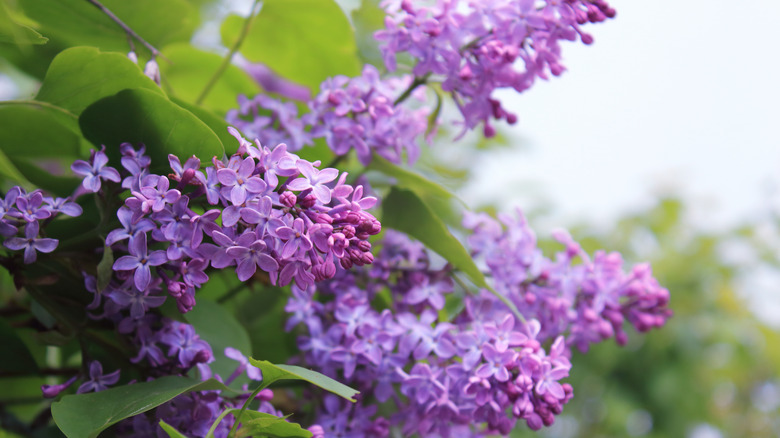
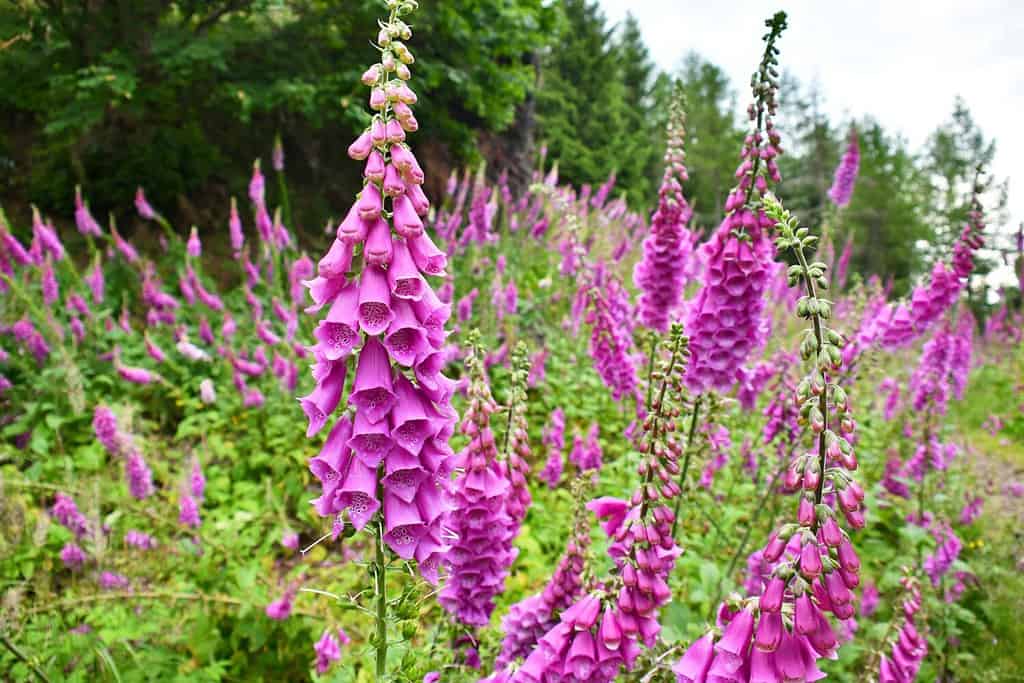
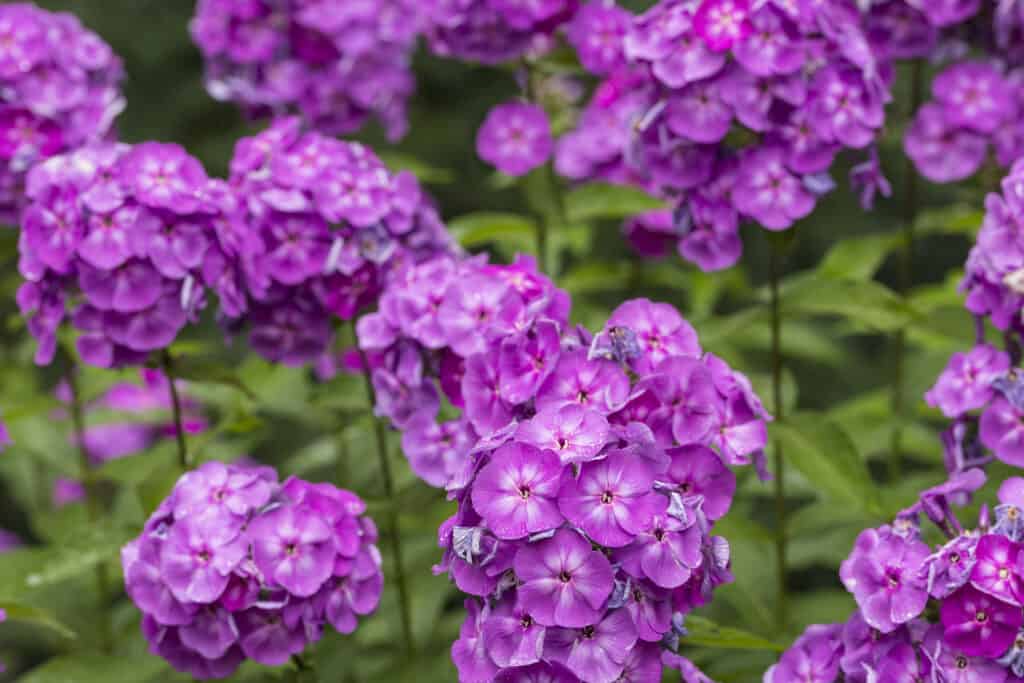
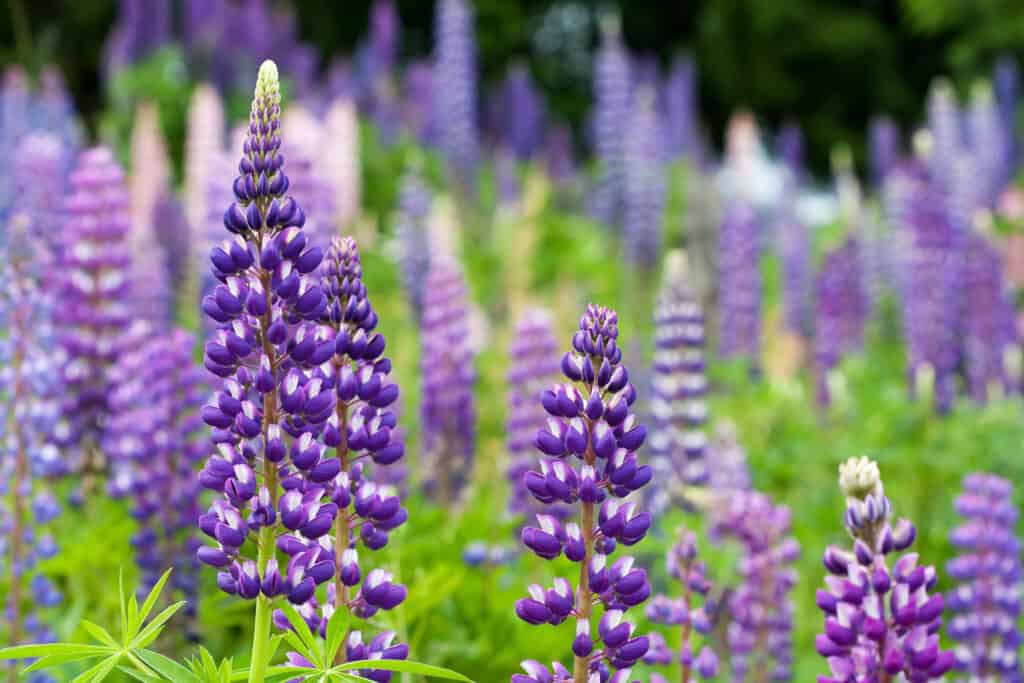
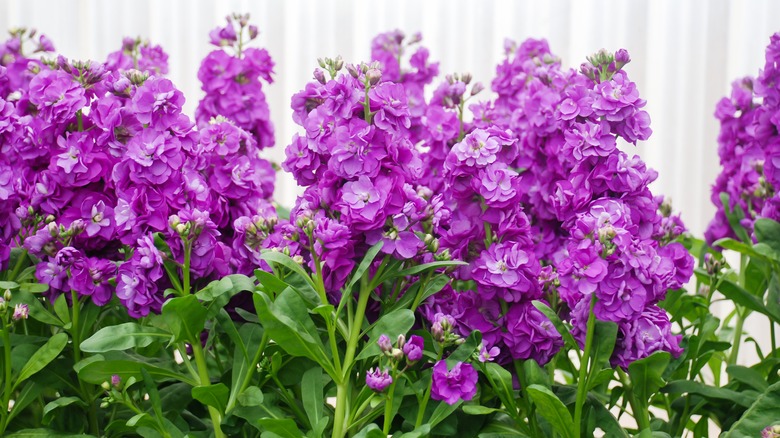
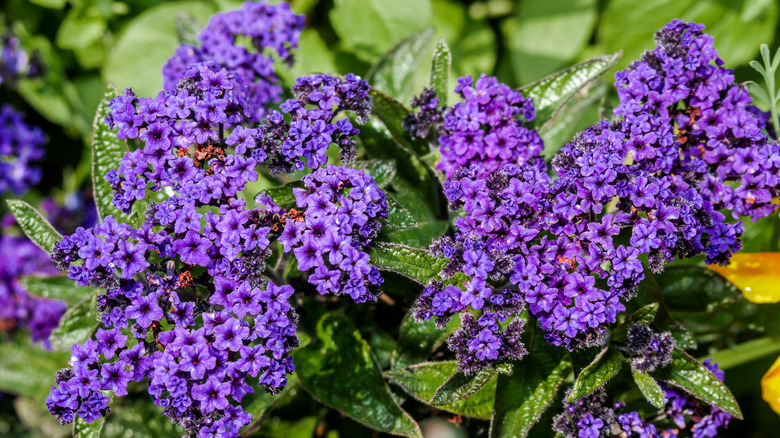
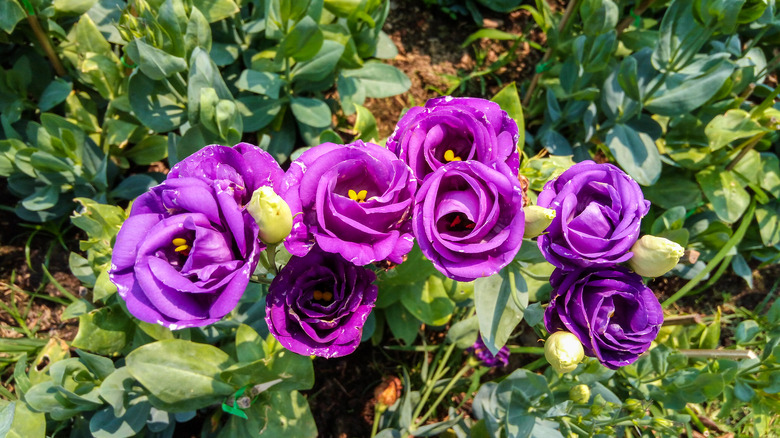
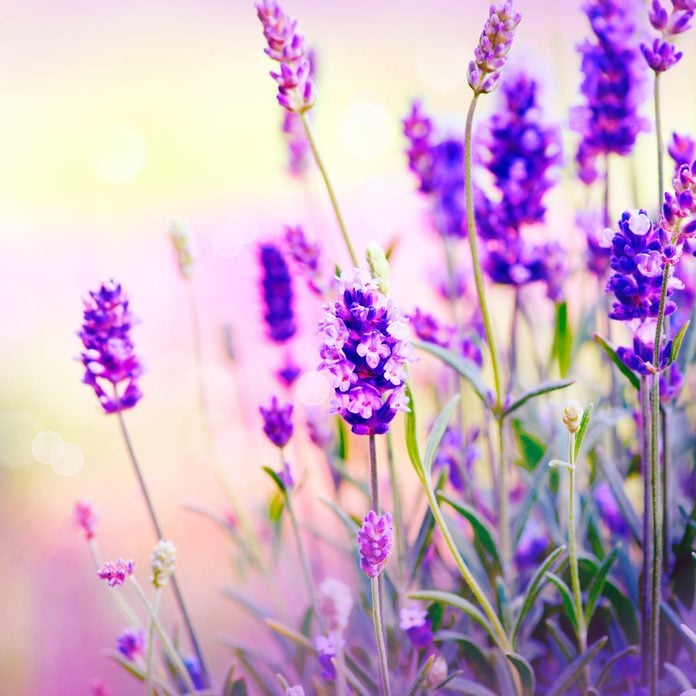
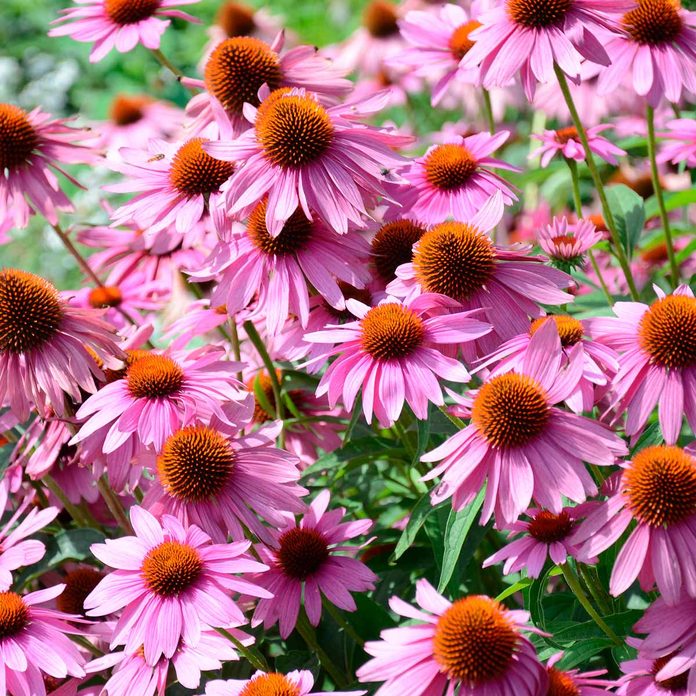
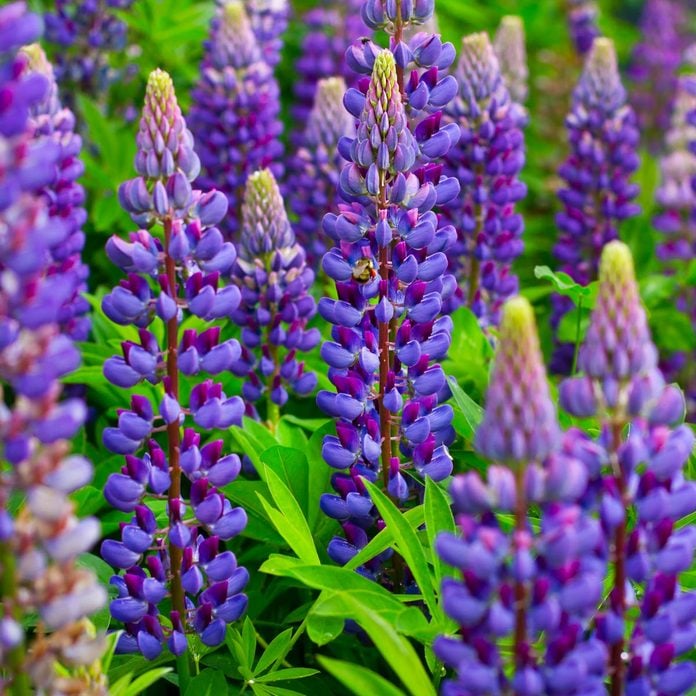
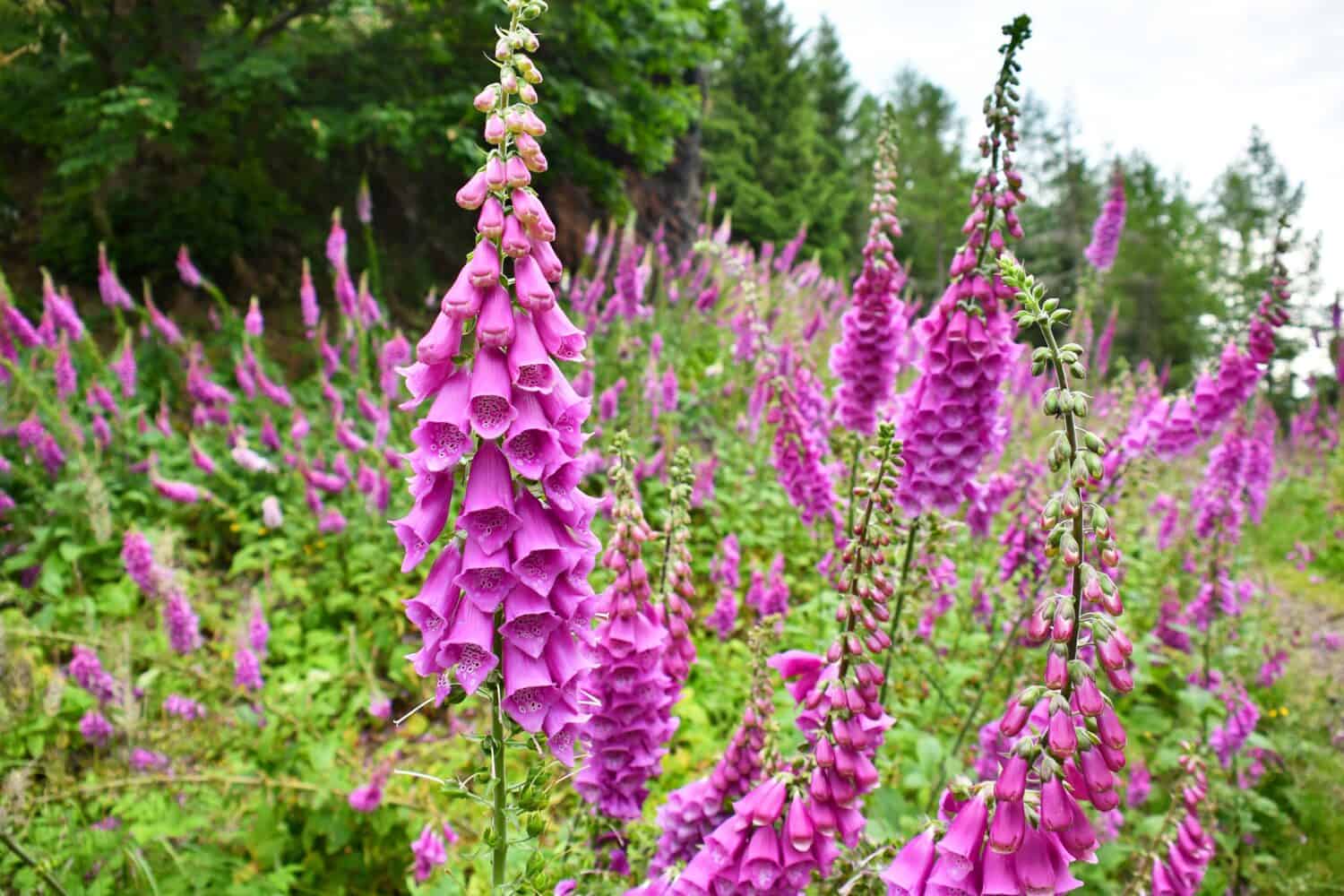
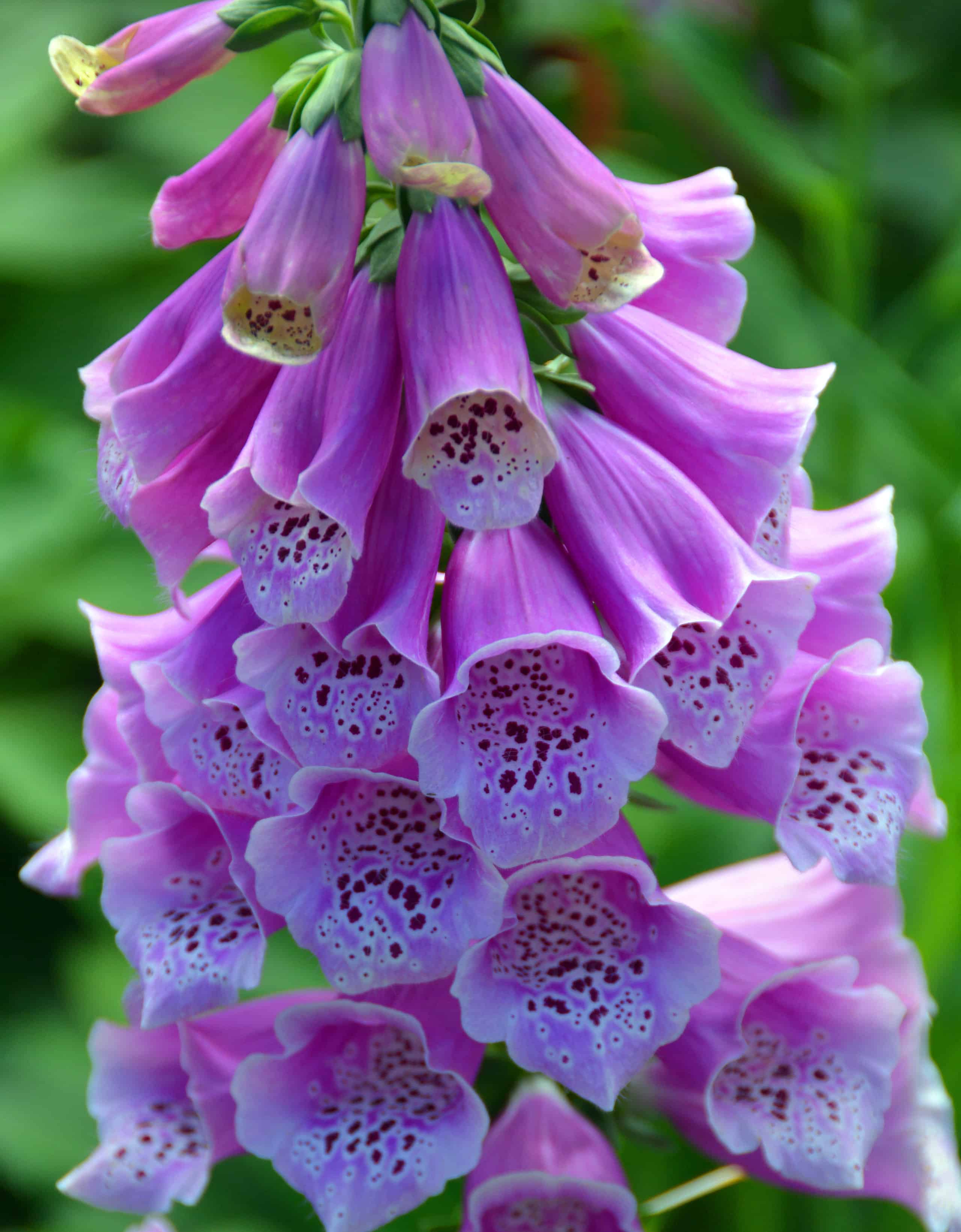
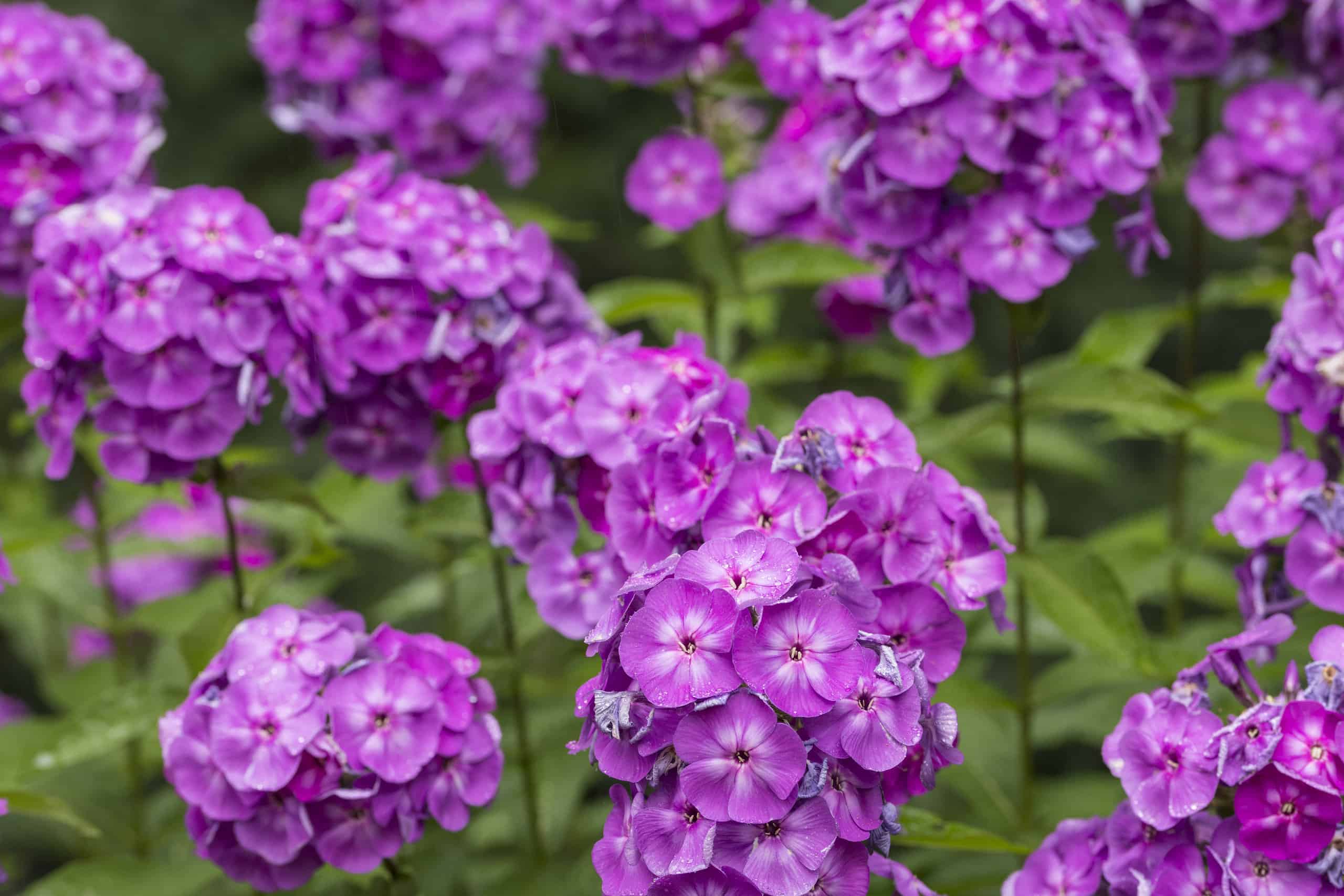
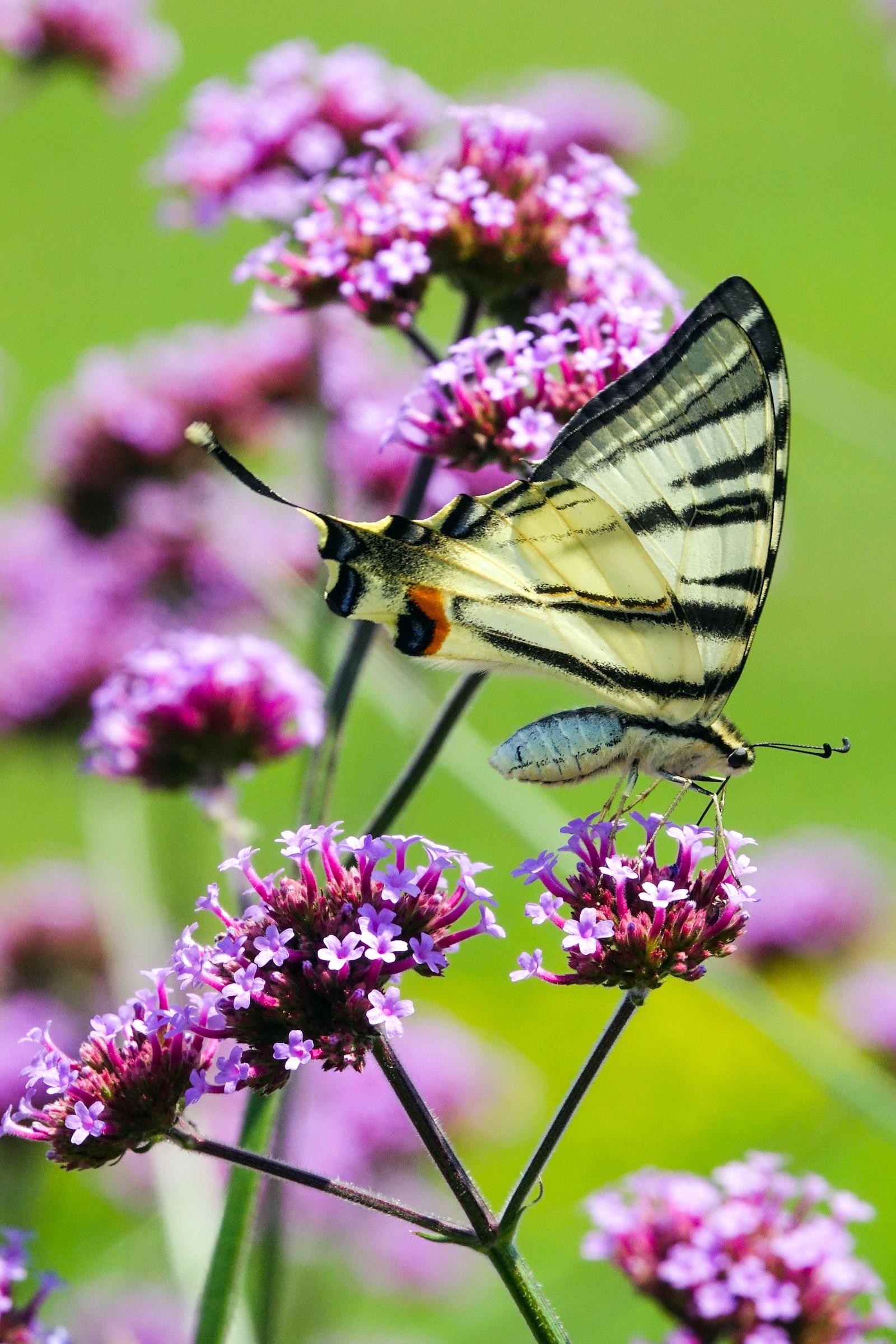
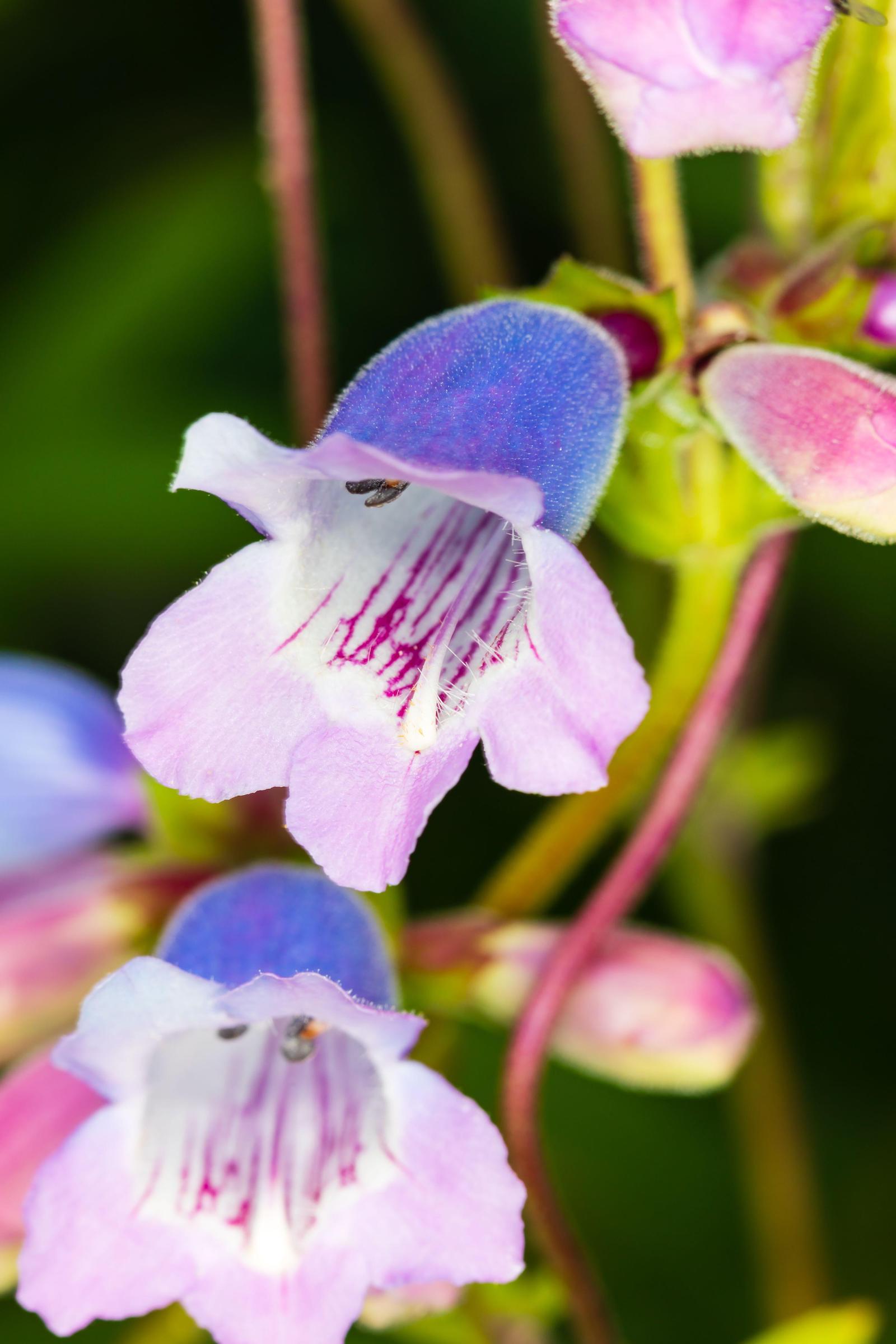
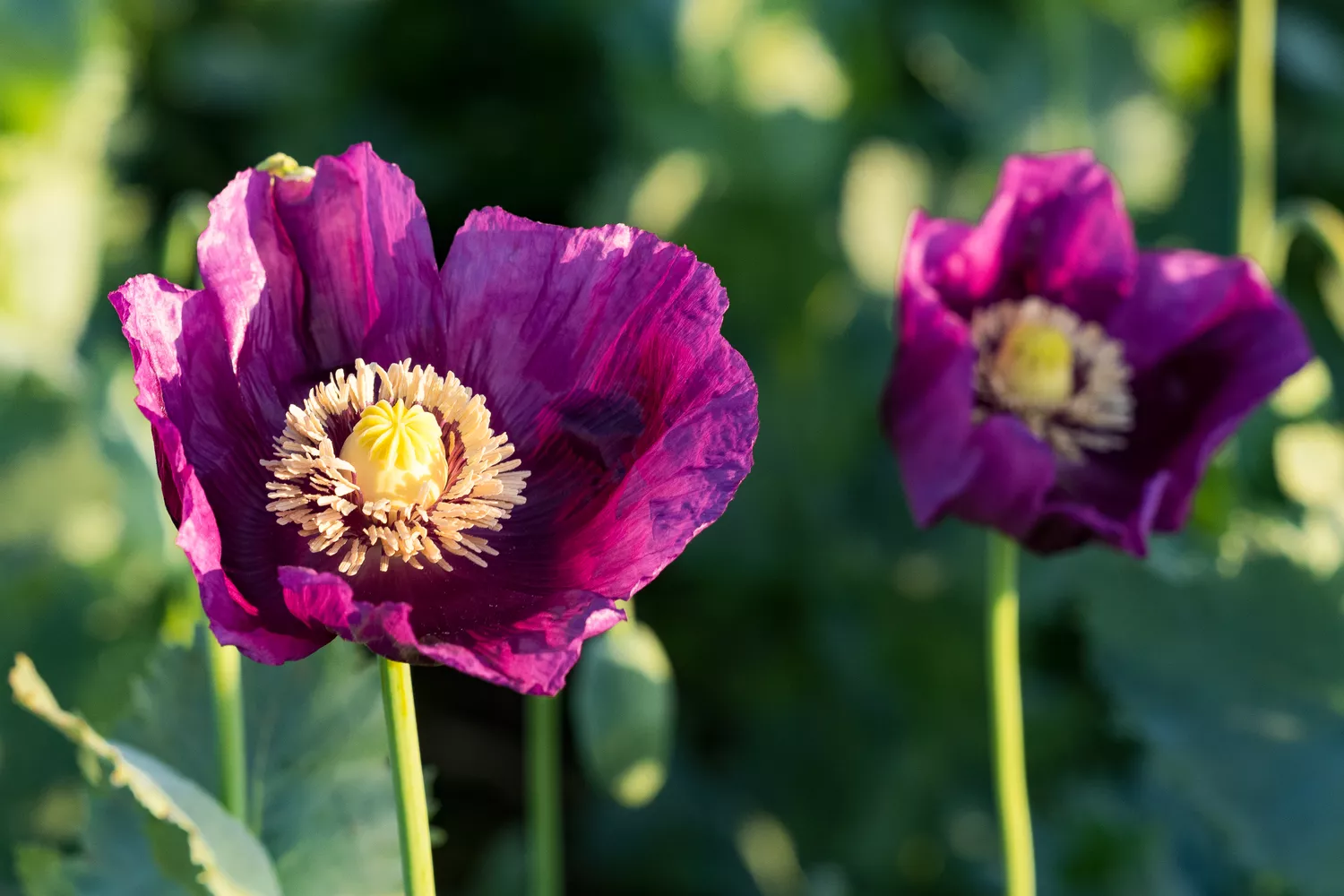
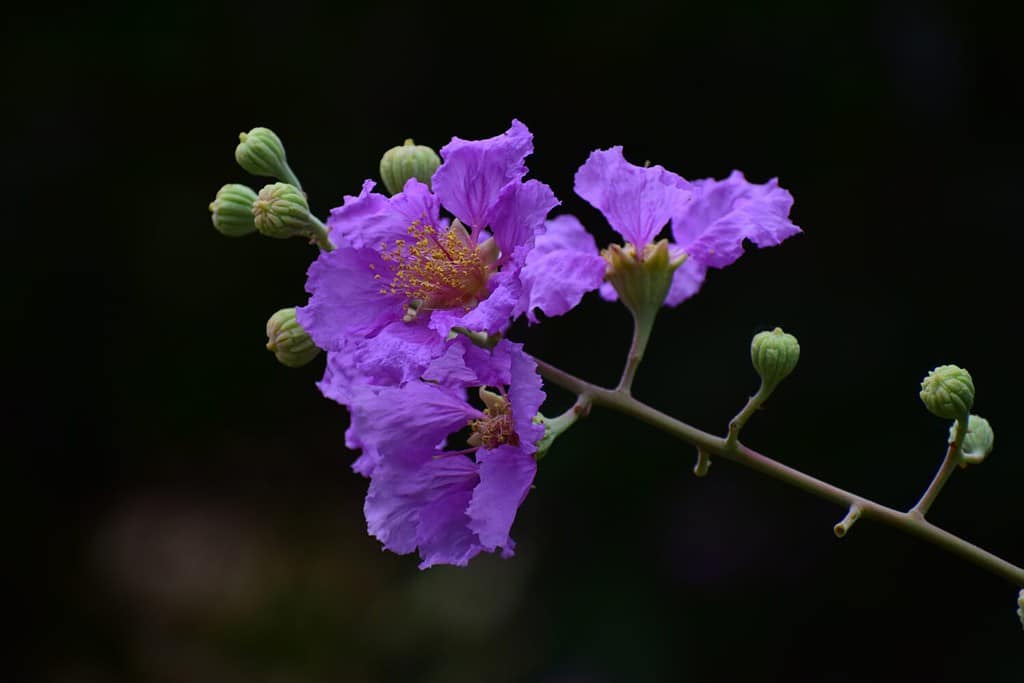
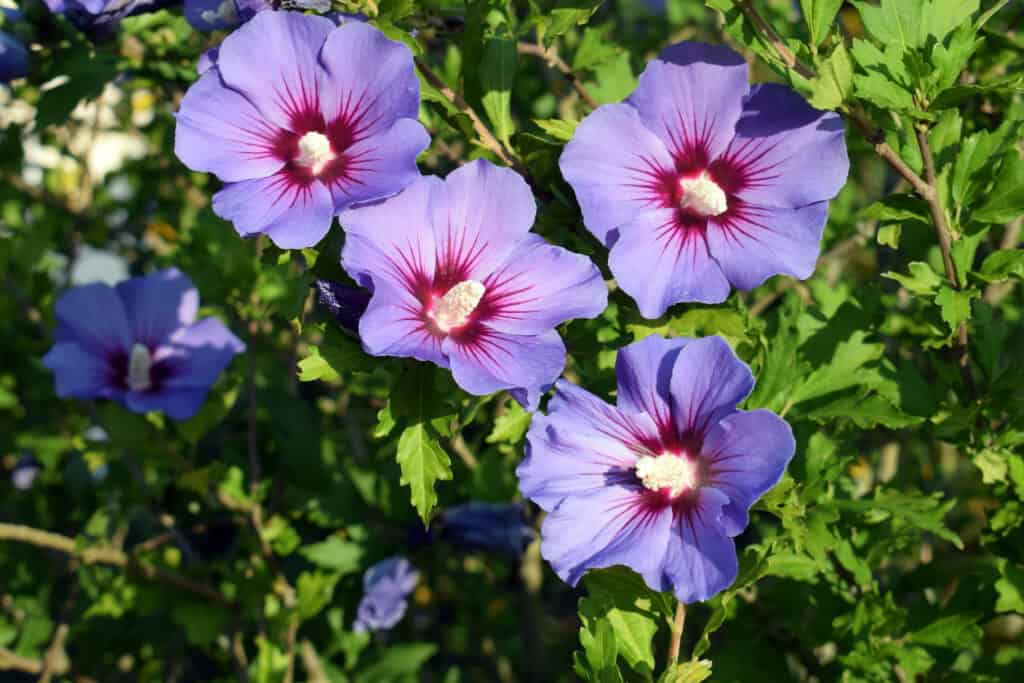
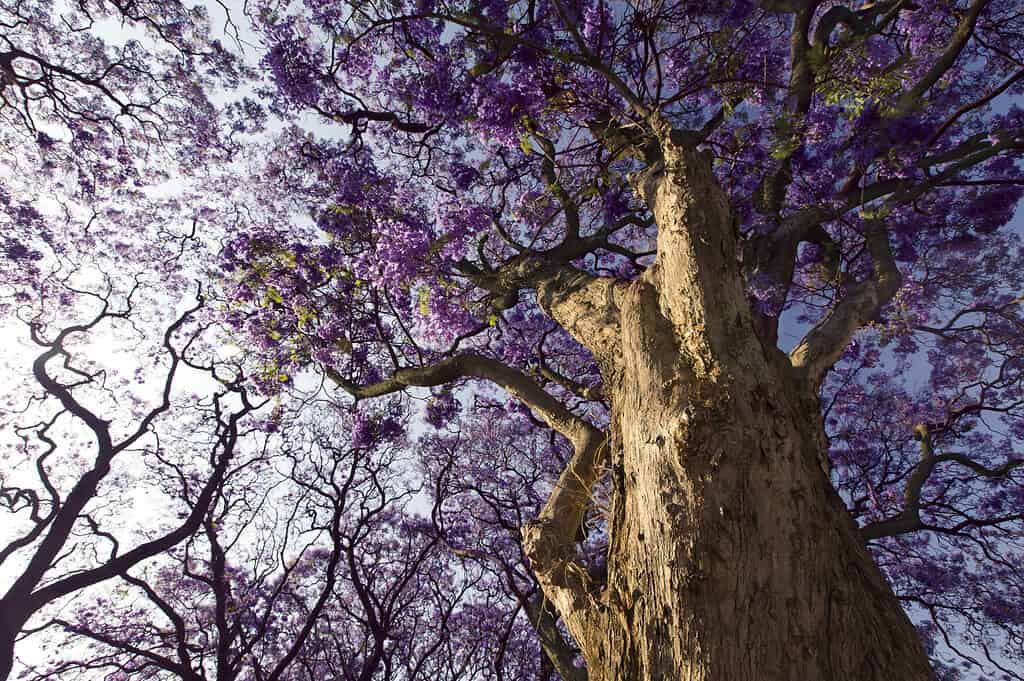
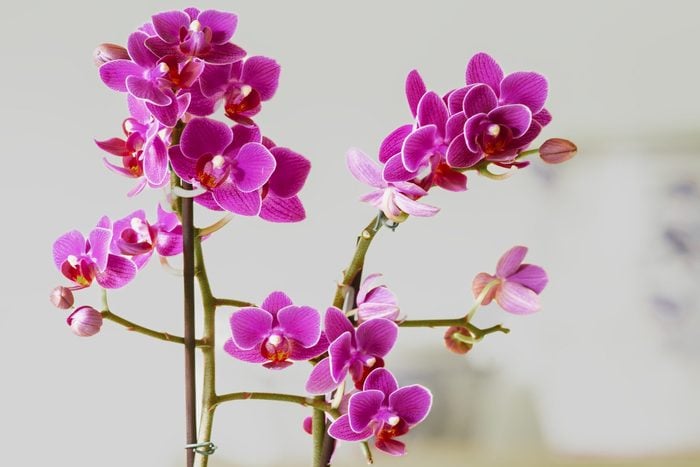
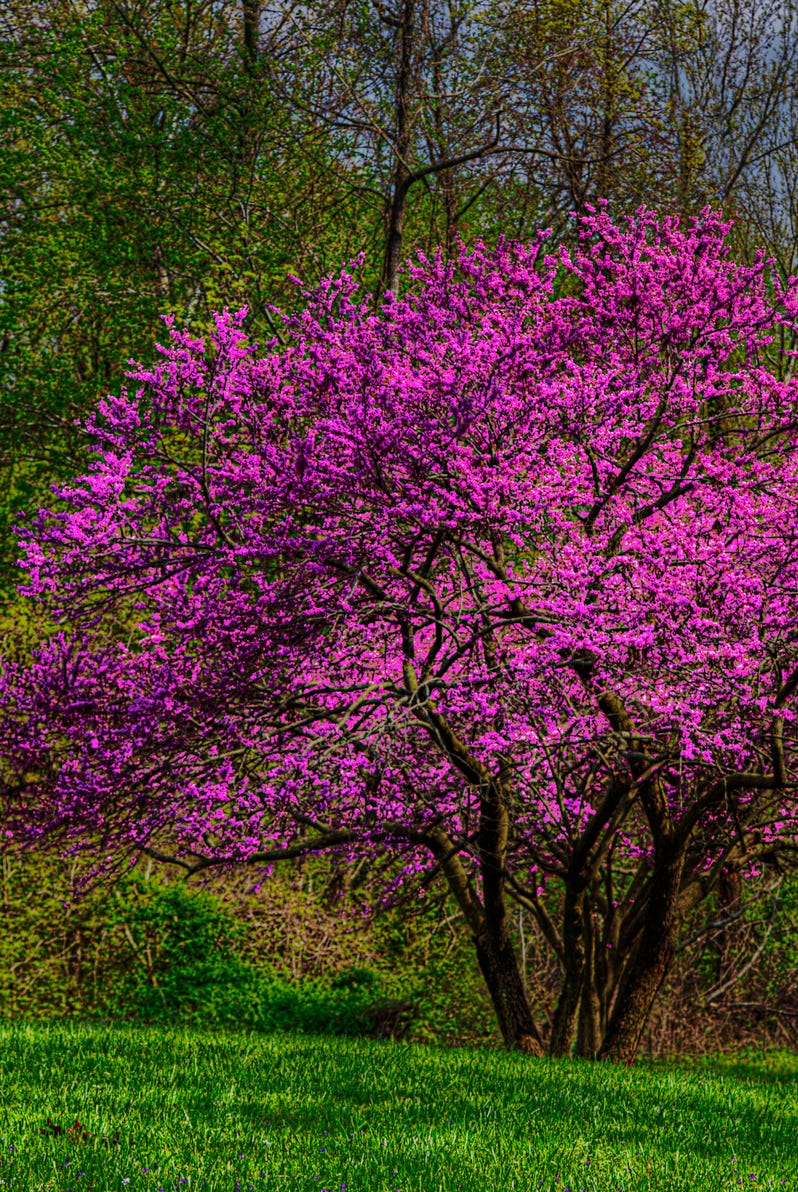
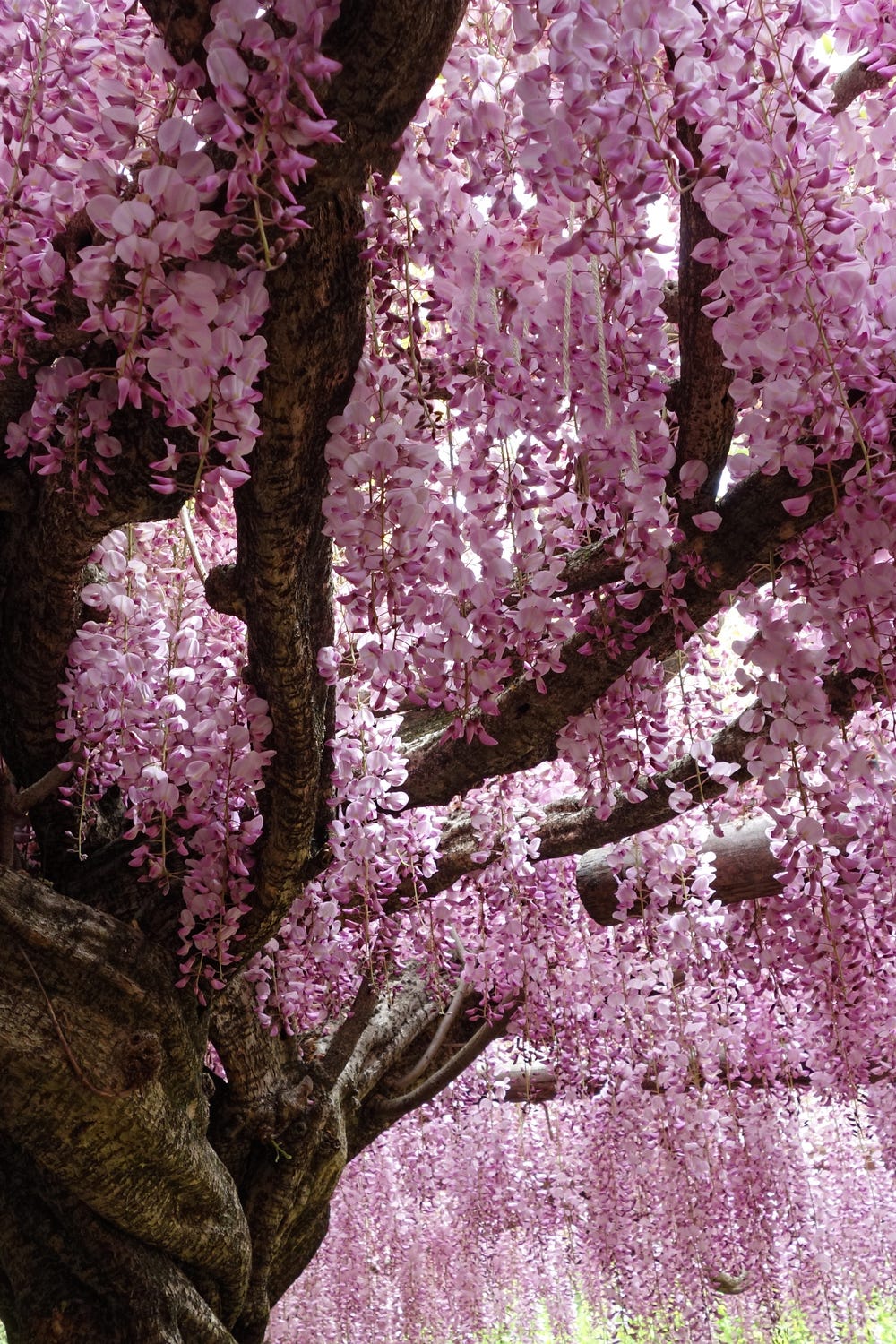
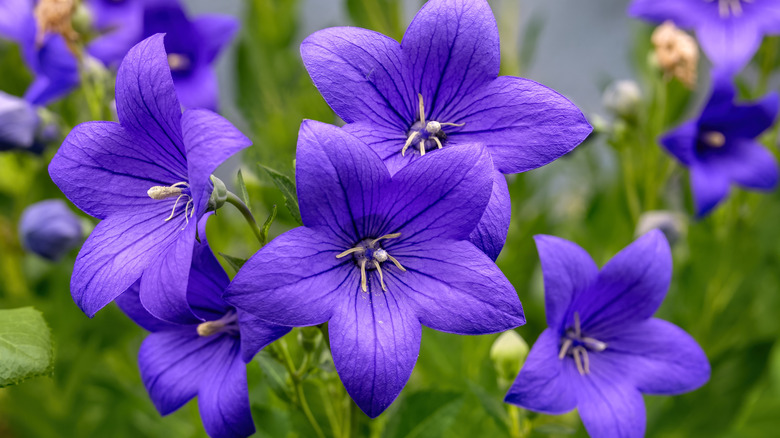
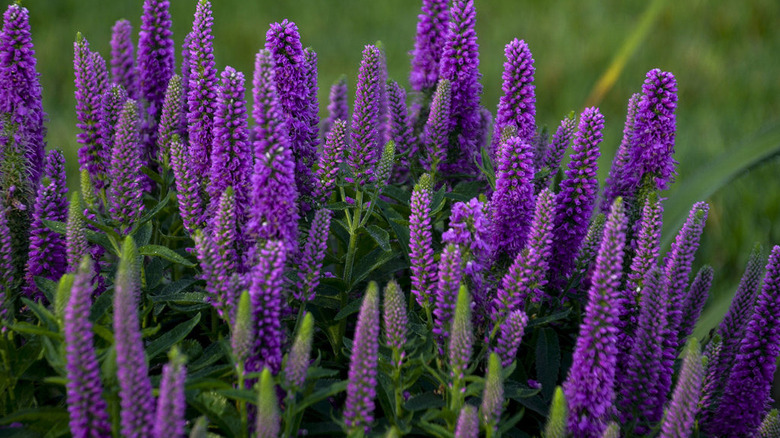
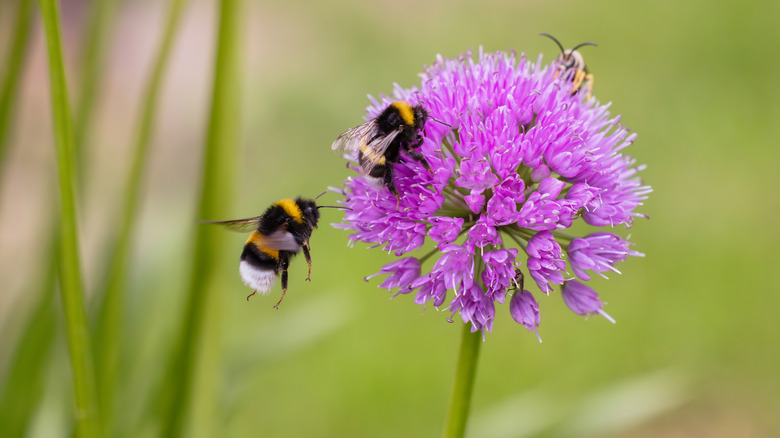
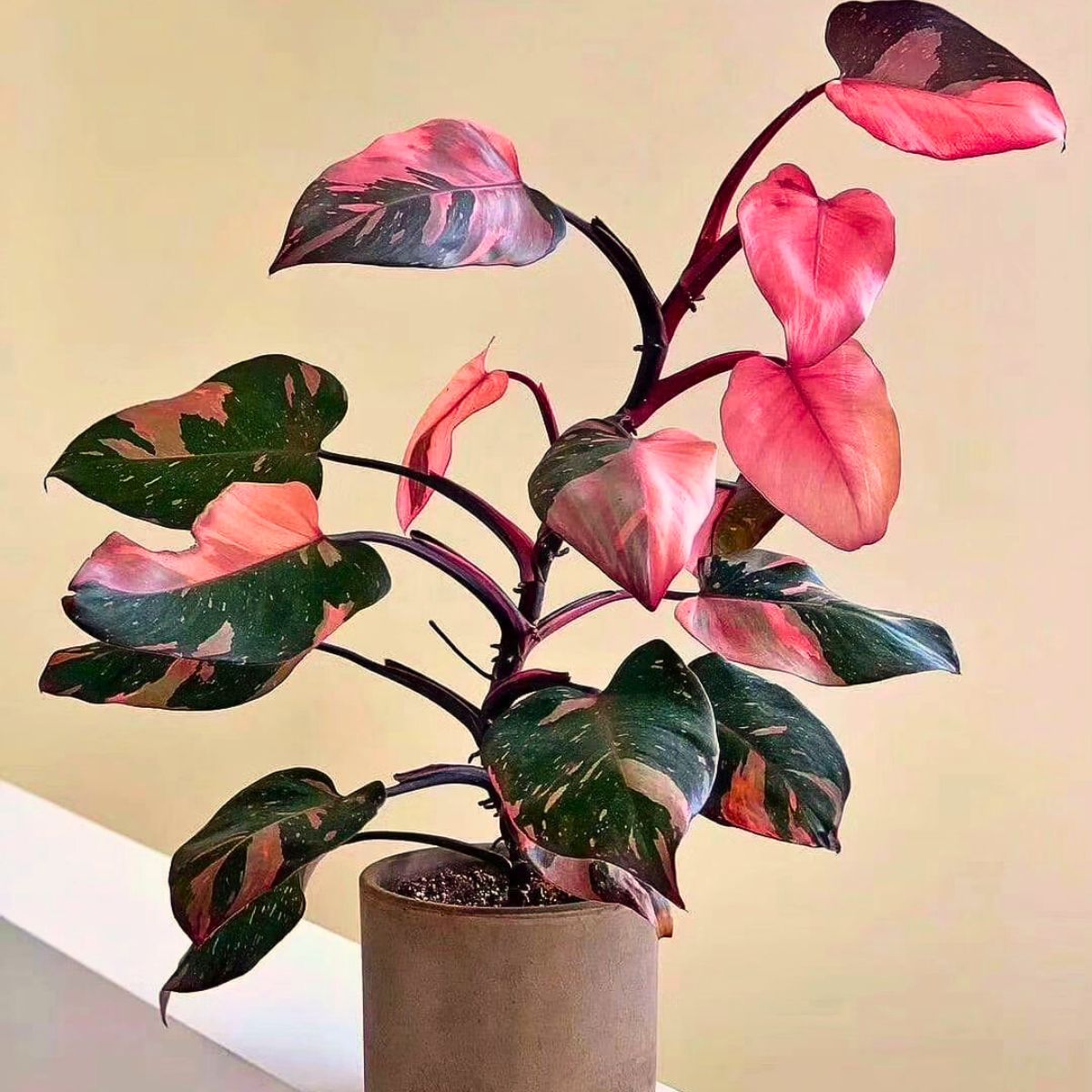
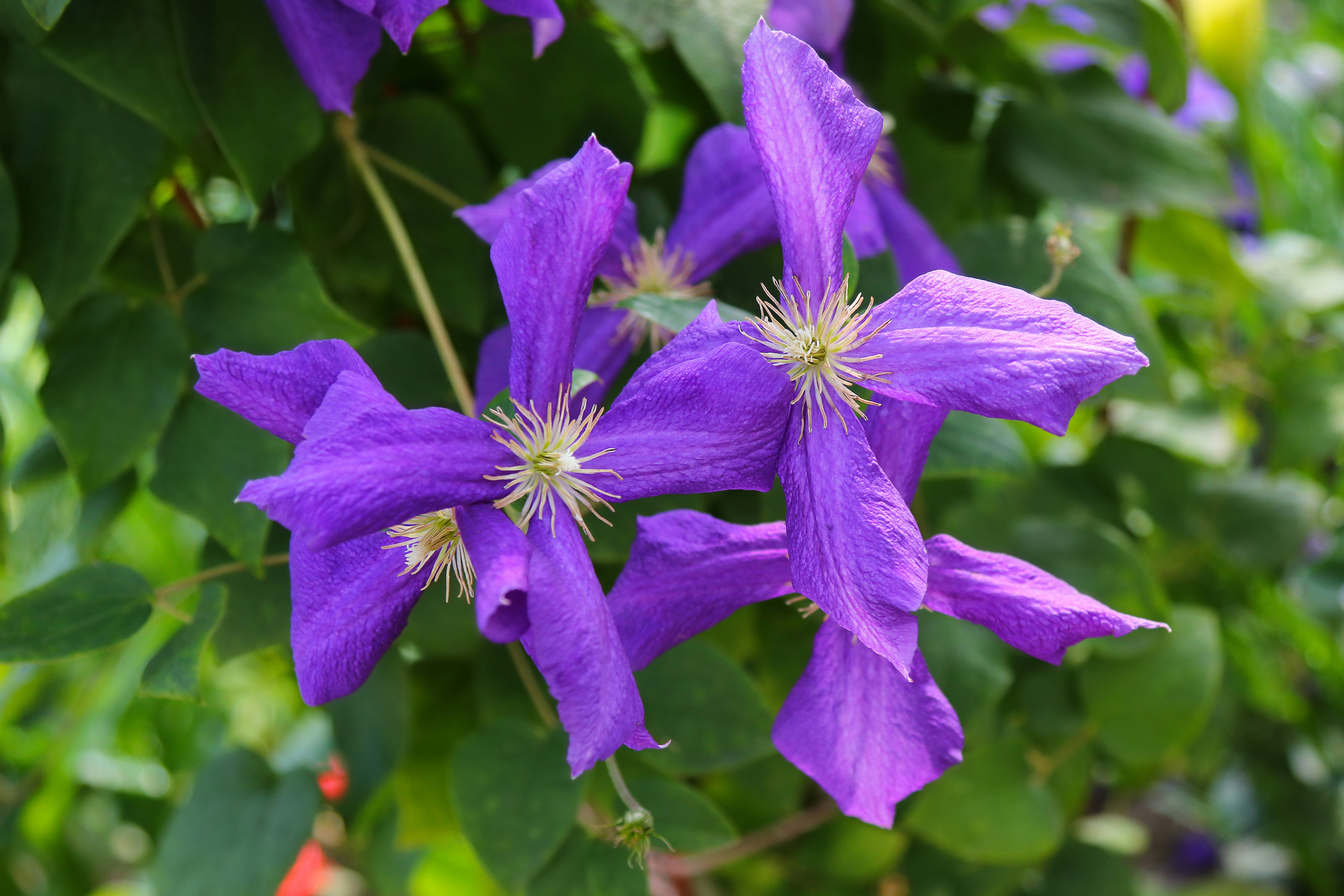
This article explores the use of purple-hued plants in garden design, highlighting their aesthetic appeal and versatility. Purple, a color often associated with royalty and intensity, can significantly impact a garden's overall scheme. The author, Rachel de Thame, notes that while purple is not a personal favorite for clothing or home decor, it is highly welcomed in her garden. The piece emphasizes that purple encompasses a broad spectrum of shades, including mauves, violets, lavenders, and lilacs, each offering a unique contribution to a planting arrangement. These varied tones allow for nuanced and sophisticated designs, suggesting that a balanced mix of these shades, rather than relying solely on saturated purples, can create a more harmonious effect.
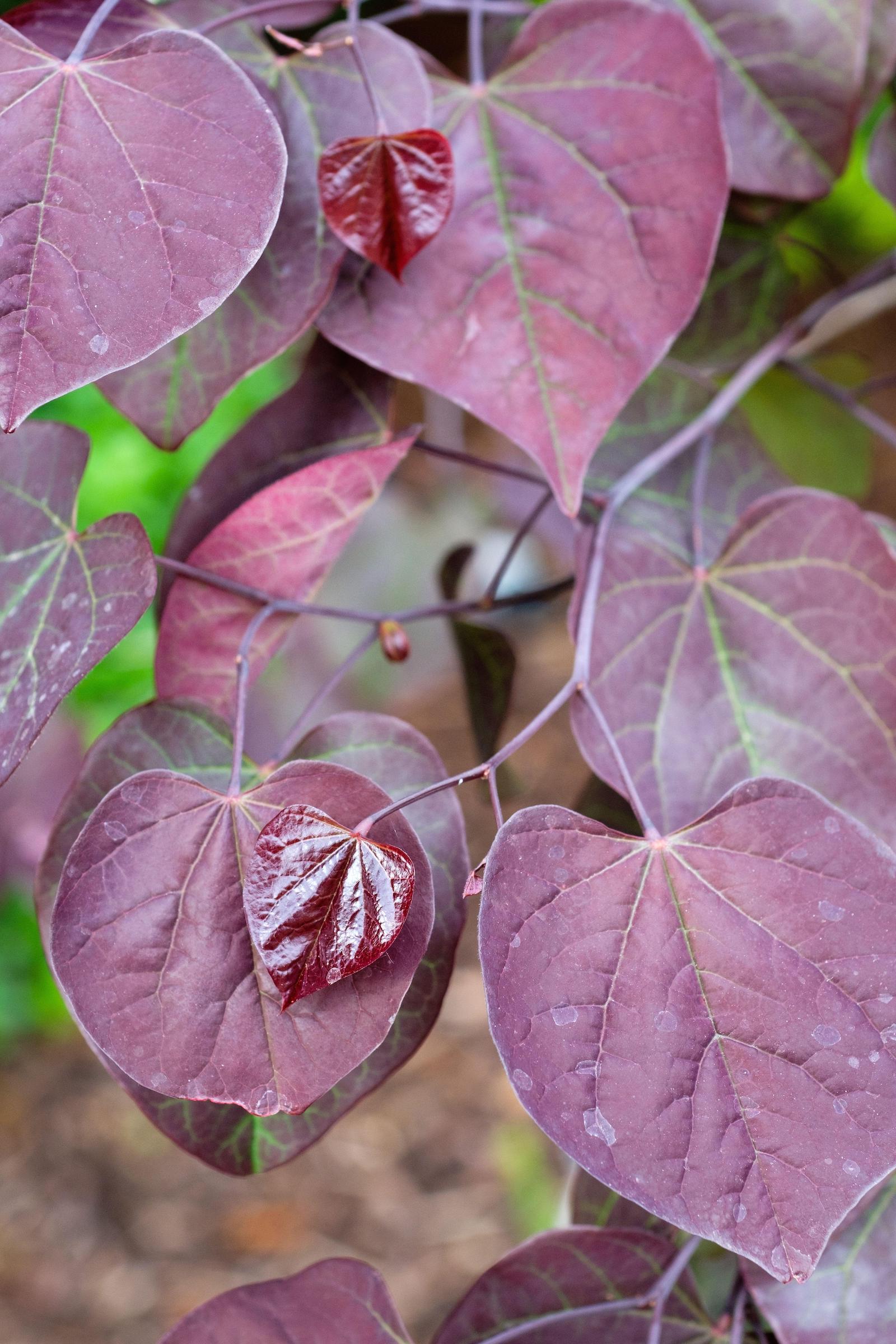
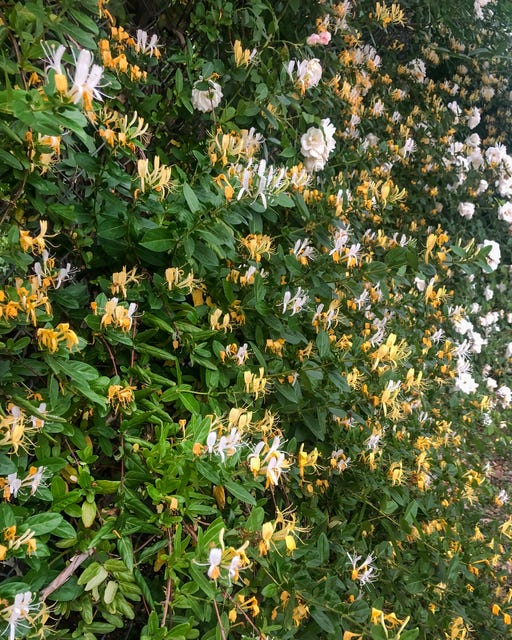
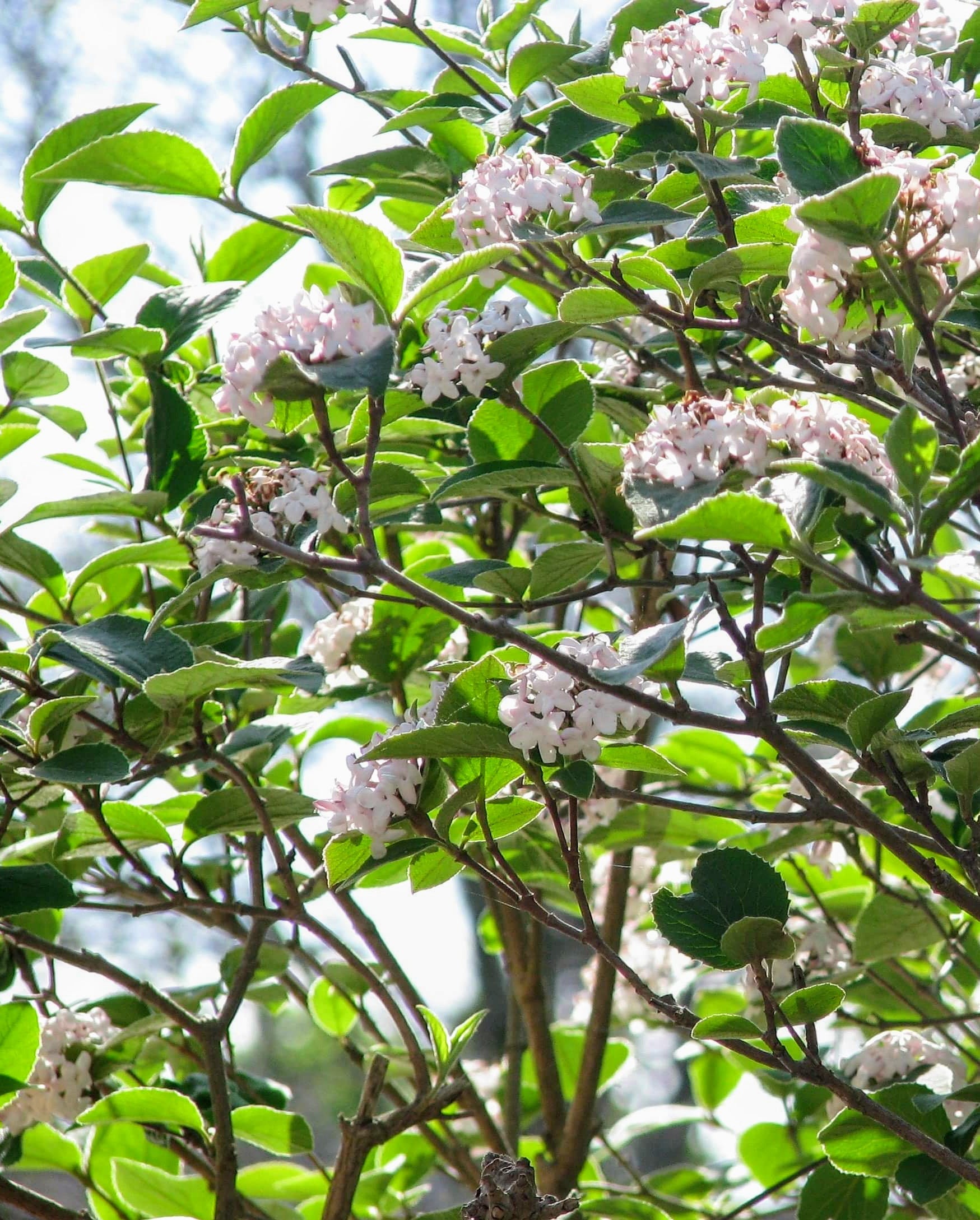
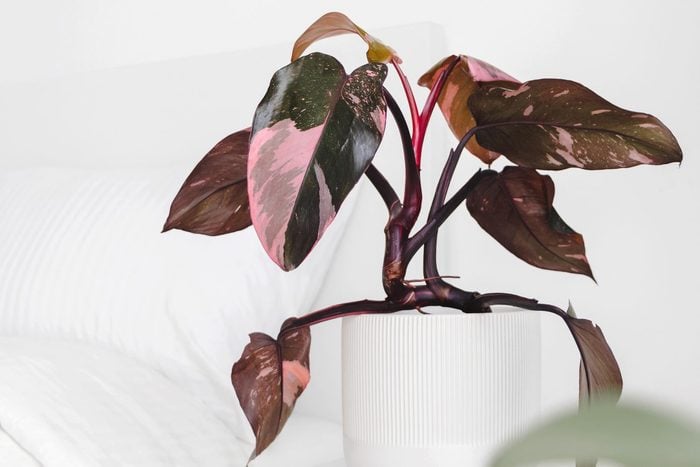
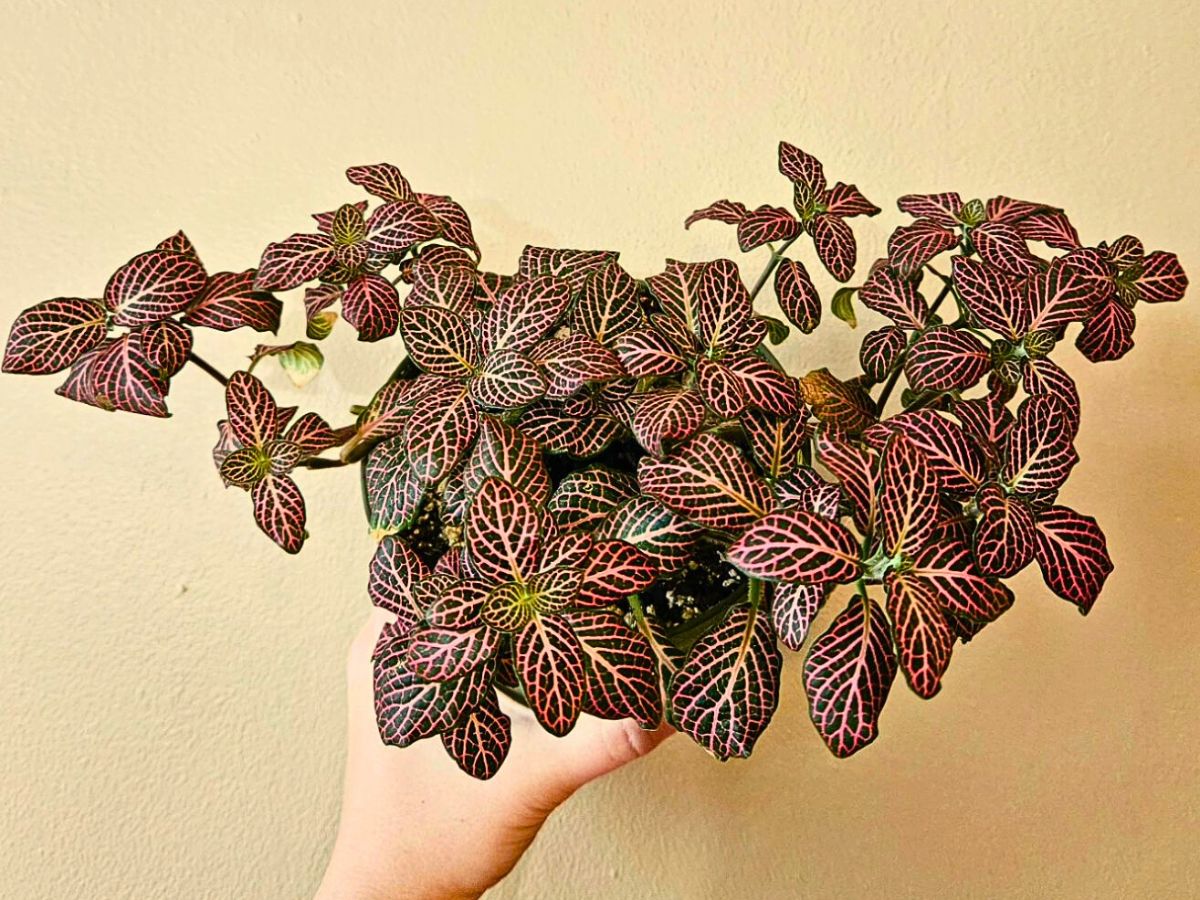
The article points out that purple flowers are prevalent across all seasons, although they appear most abundantly in the first half of the year. It implies a seasonal guide to purple blooms, detailing specific plant recommendations that showcase the versatility of this color throughout the gardening calendar. The discussion extends beyond just flowers to include foliage, indicating that purple leaves also play a crucial role in providing depth and contrast to garden beds. This holistic approach to incorporating purple suggests that both floral and vegetative elements contribute to a rich and varied display.
Rachel de Thame’s perspective encourages gardeners to reconsider their perceptions of purple, especially for those who might not typically gravitate towards it. The article's focus on creating regal and intense planting schemes with purple suggests that the color can evoke strong emotions and visual impact. It positions purple as a powerful tool in a gardener's palette, capable of adding drama, sophistication, and a touch of the extraordinary to any outdoor space. The emphasis on mixing various purple shades underscores the importance of thoughtful color theory in successful garden design, allowing for dynamic compositions that avoid monotony.
The piece serves as a practical guide, providing insights into how to effectively use purple in different contexts and seasons. It suggests that even a small amount of true purple can make a significant statement, and combining it with softer hues can create an inviting and layered look. The article aims to inspire readers to experiment with purple in their gardens, dispelling any preconceived notions about the color and revealing its potential to transform garden aesthetics. By offering a detailed exploration of purple's nuances and practical application, it encourages gardeners to embrace this often-underestimated color.
#Gardening #PurpleFlowers #GardenDesign #PlantingSchemes #FloralDiversity #RachelDeThame #SeasonalGardening #Horticulture #Gardening #PurpleFlowers #GardenDesign #PlantingSchemes #FloralDiversity #RachelDeThame #SeasonalGardening #Horticulture
0 comment in total
 No comments yet
You may also like
15 Best Purple Plants For Your Flower Garden
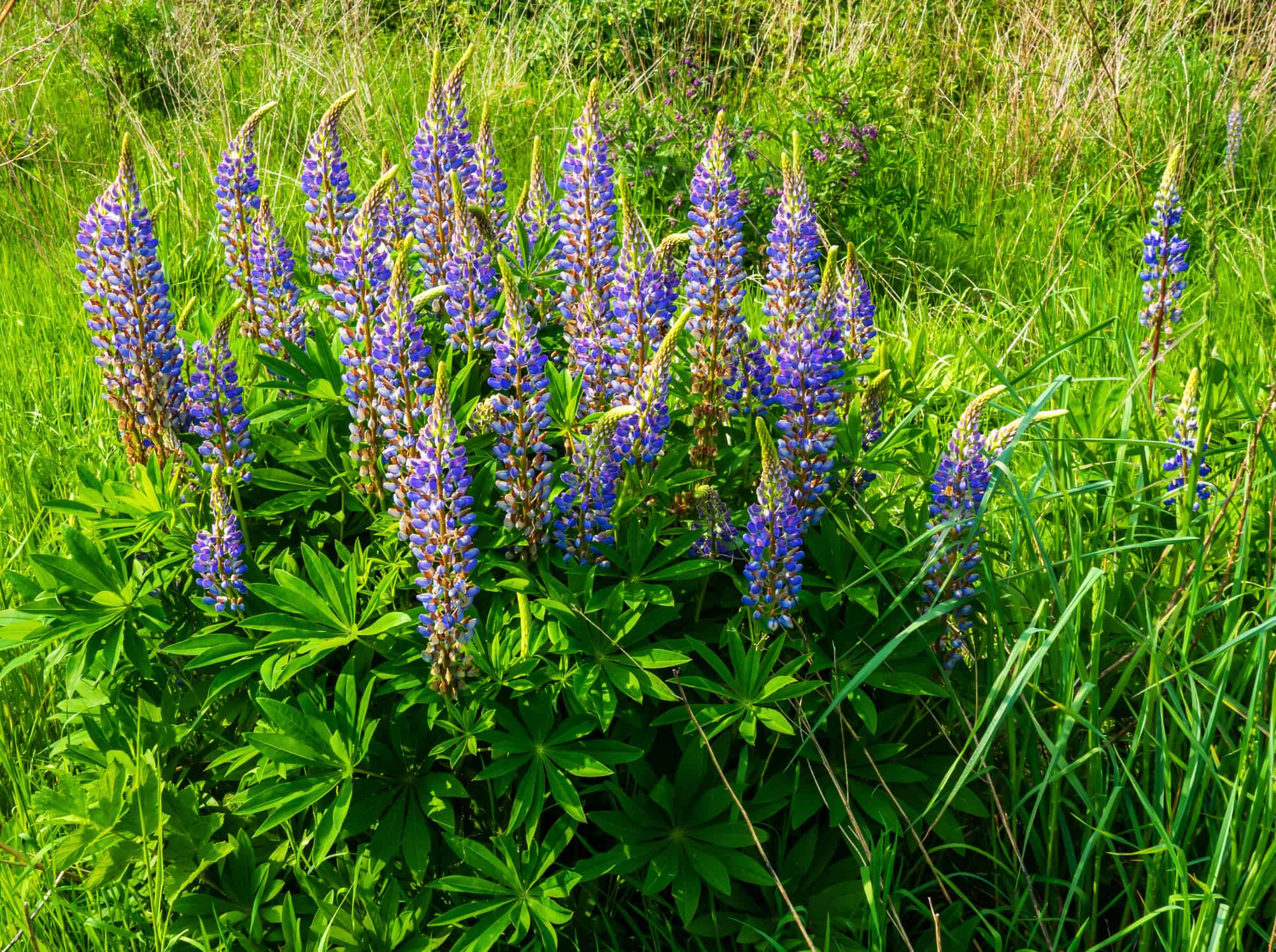
Purple Flowers That Hummingbirds Find Irresistible
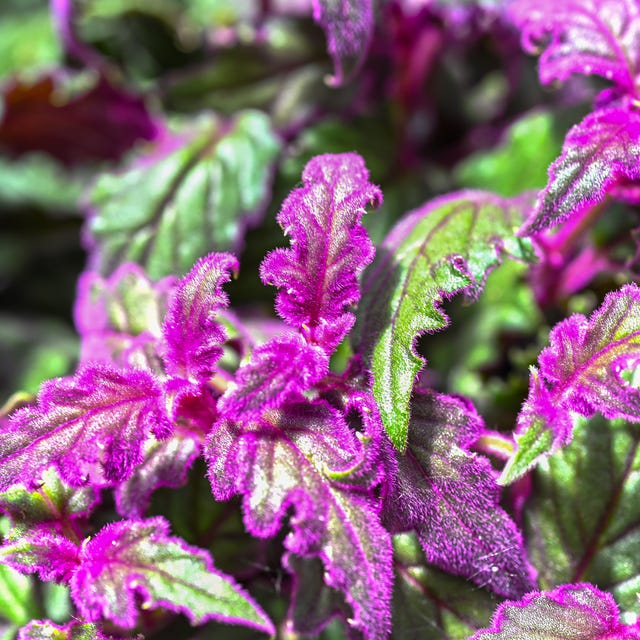
Not Only Is Purple Passion Plant Gorgeous, It's Easy to Grow
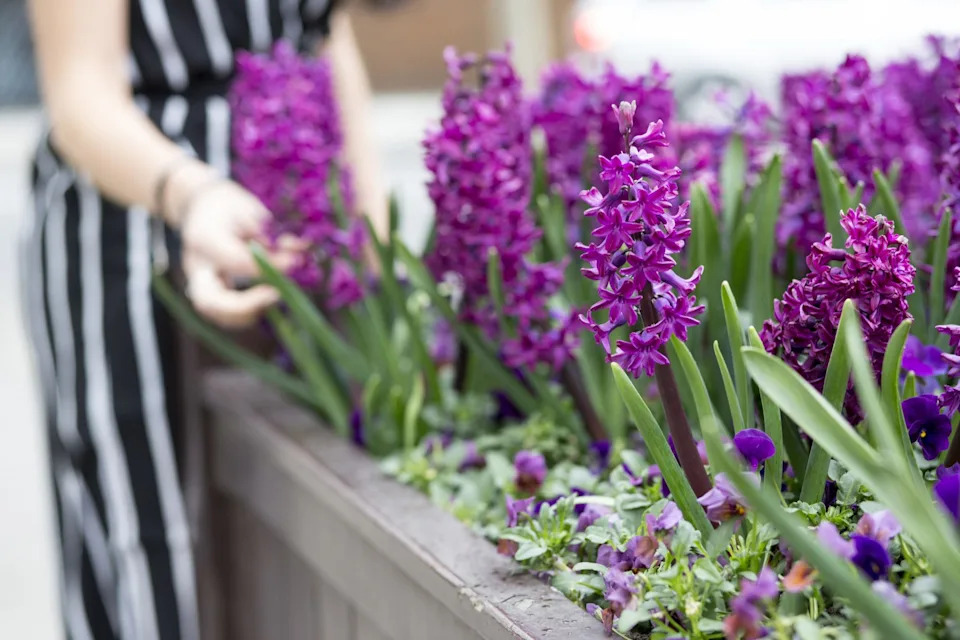
11 Pretty Purple Flowers to Plant in Your Garden
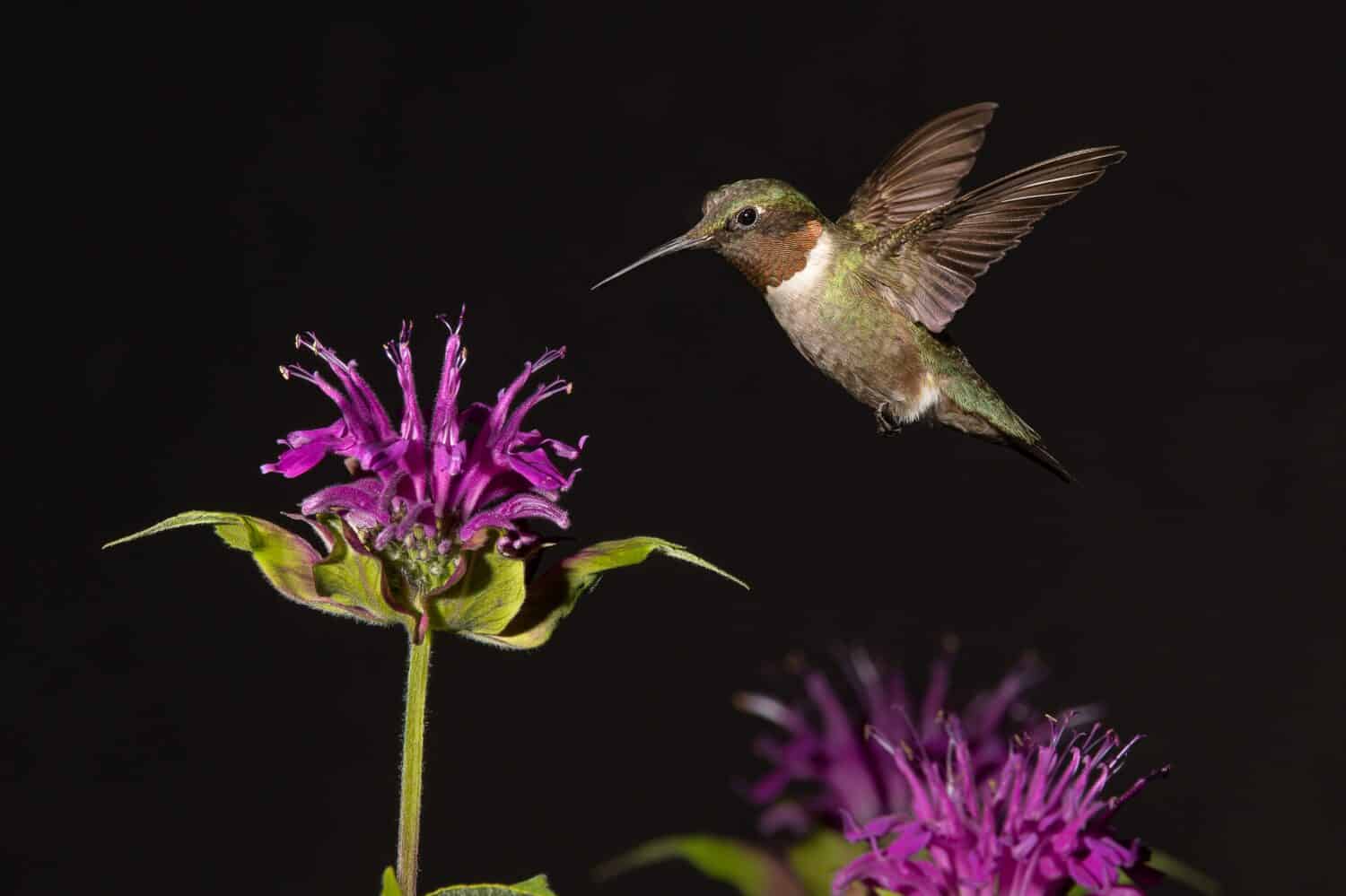
11 Beautiful Purple Flowers and Plants That Attract Hummingbirds
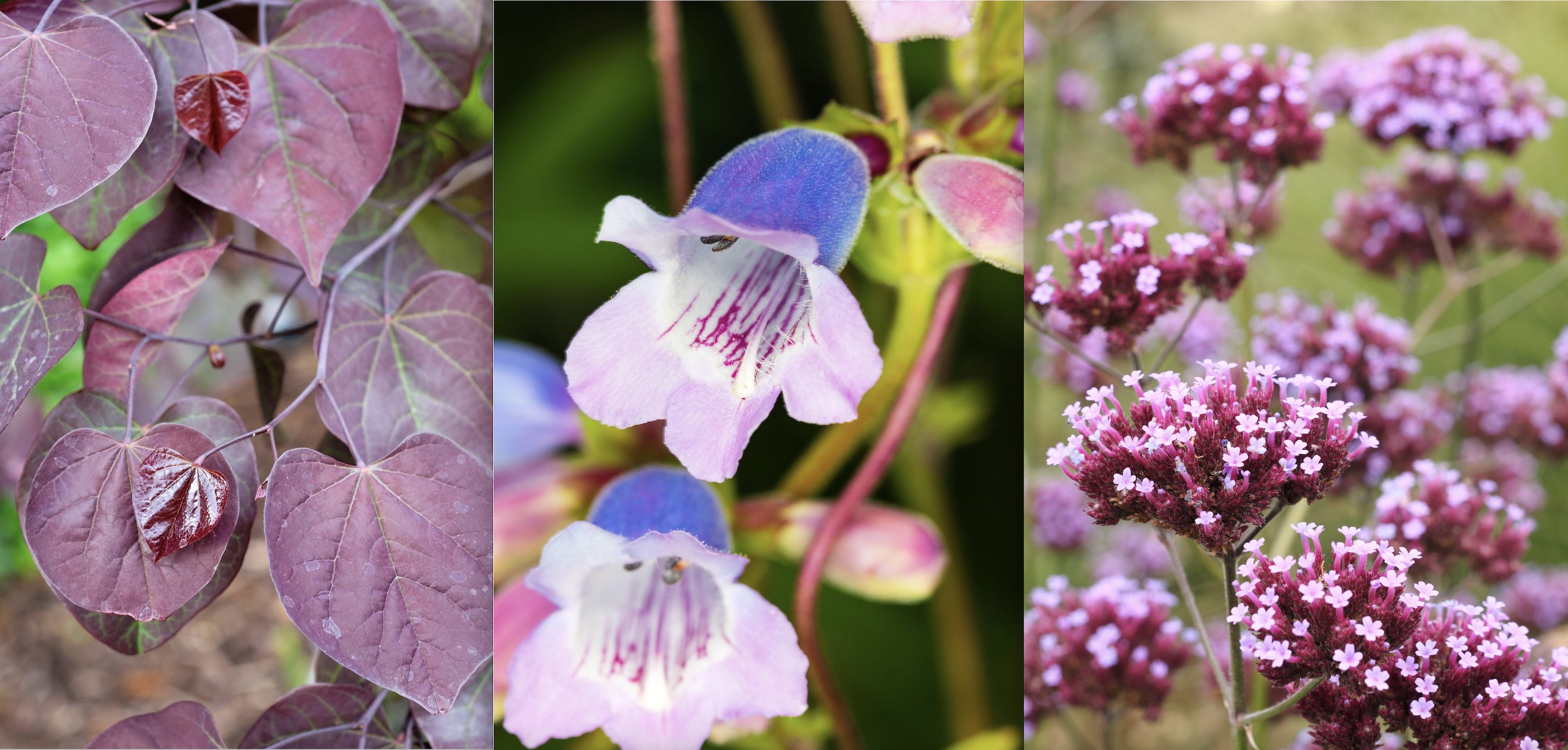
Purple plants – 5 best to choose for the perfect purple border
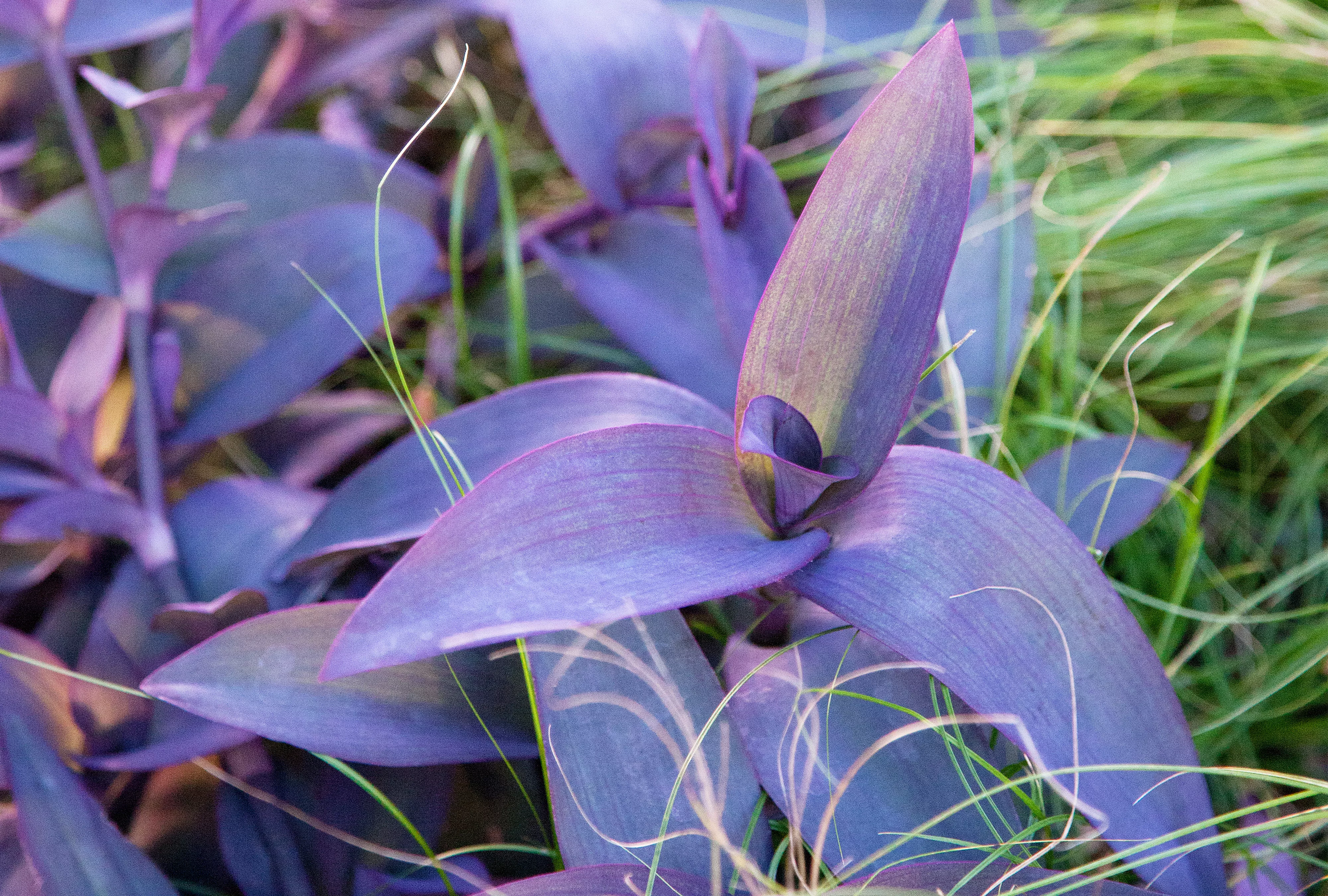
15 Purple Plants with Leaves that Stay Perpetually Purple

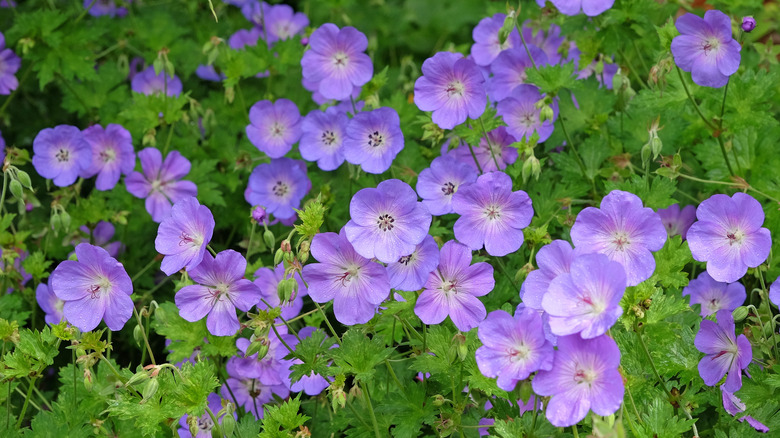
15 Purple Perennials To Plant In Fall To Enjoy Year After Year
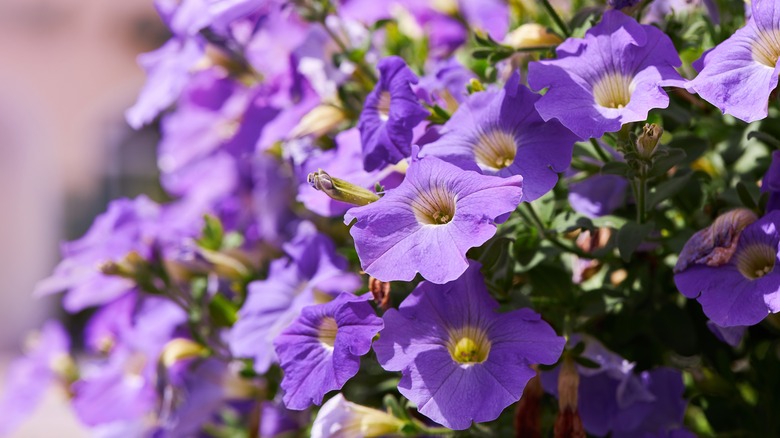
15 Annuals That Bloom With Bold Purple Flowers
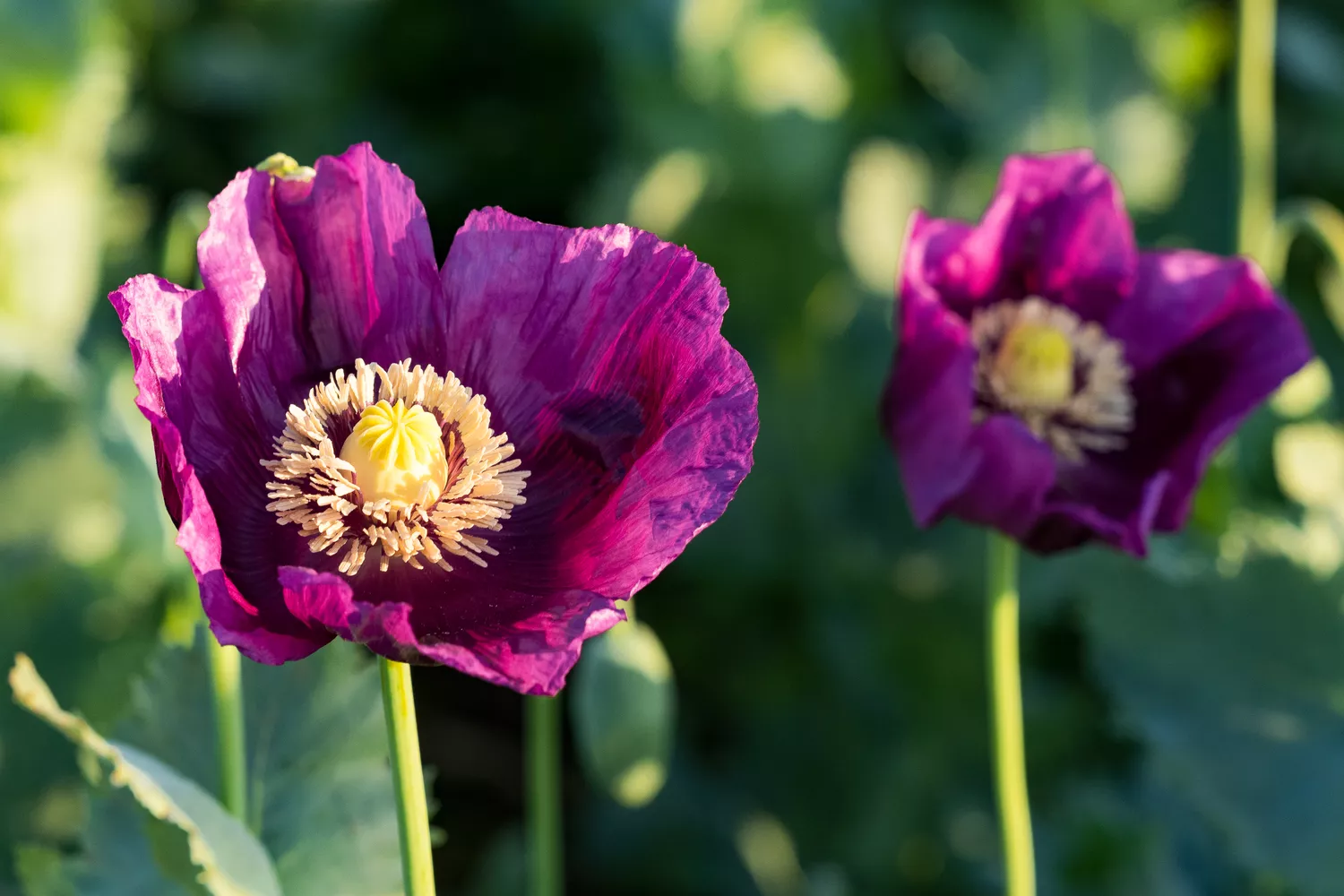
13 Purple Plants to Grow for Bold Color

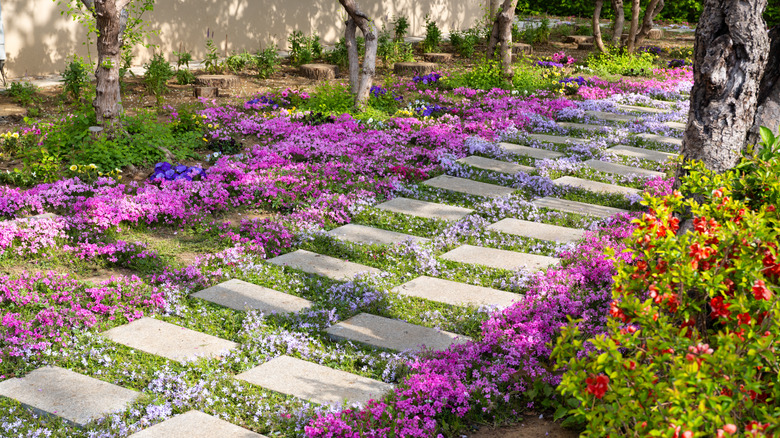
16 Best Fast-Growing Purple Plants For A Beautiful Shade Garden In No Time
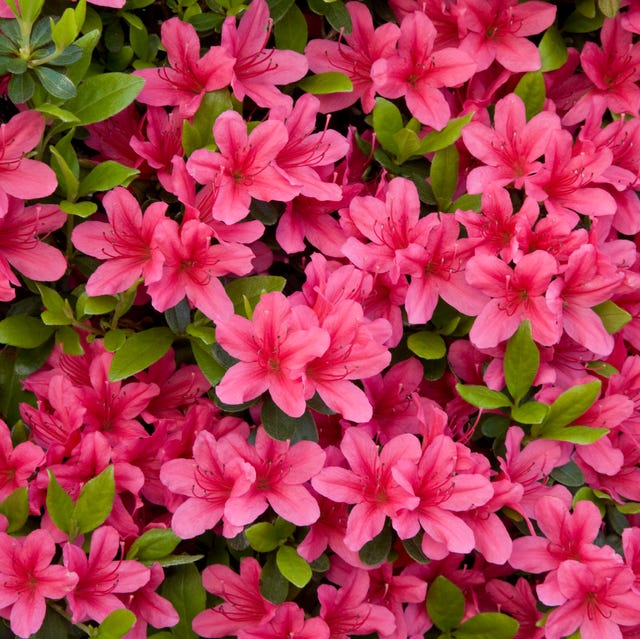
Plant These Flowering Shrubs Today If You Want a Vibrant Summer Yard

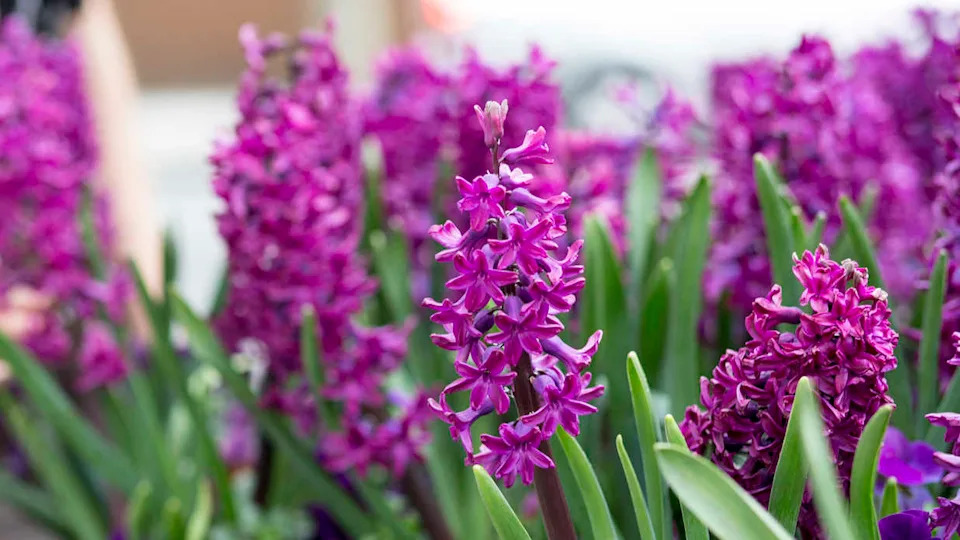
11 Pretty Purple Flowers to Plant in Your Garden

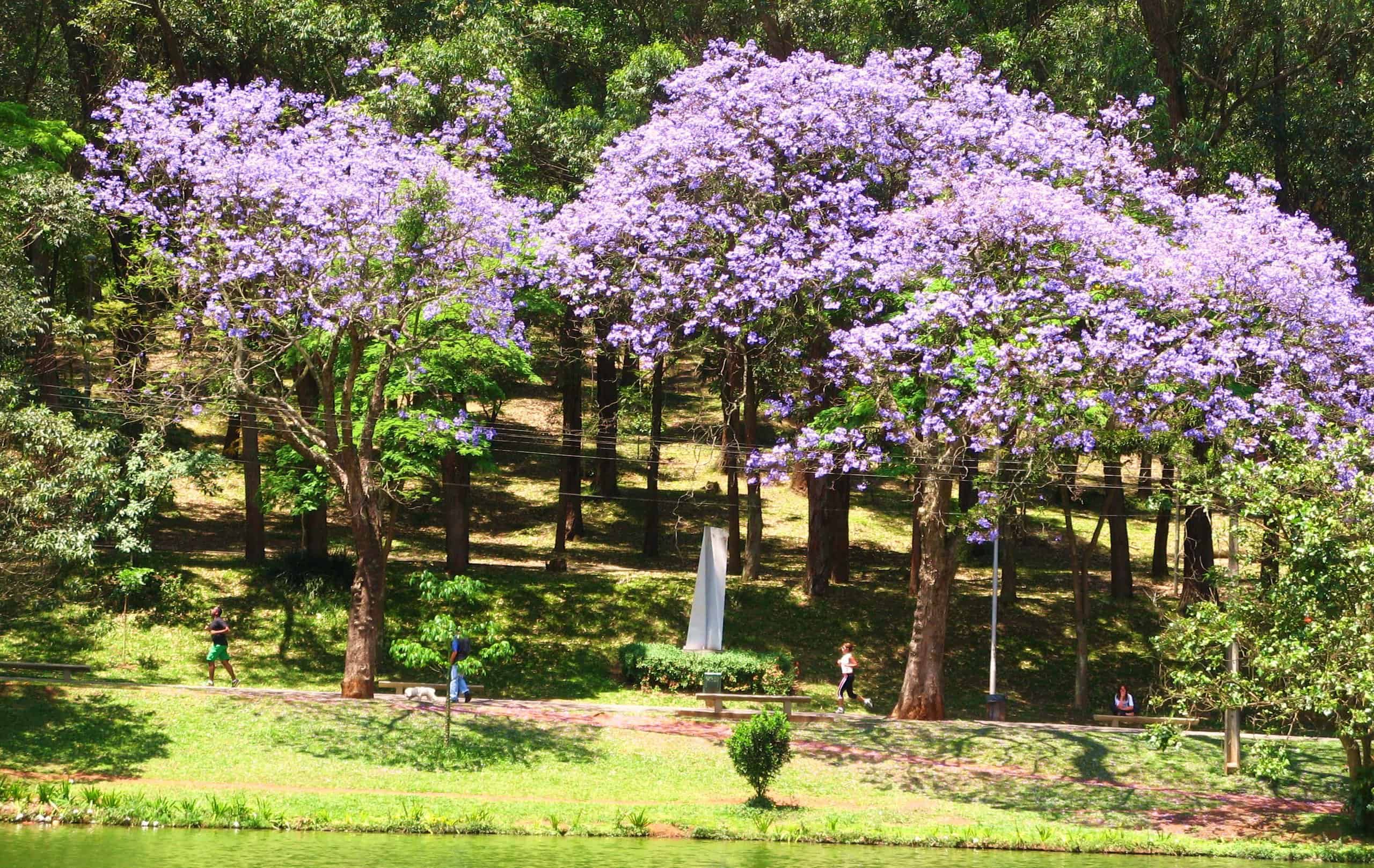
The 11 Best Purple Flowering Trees in Florida
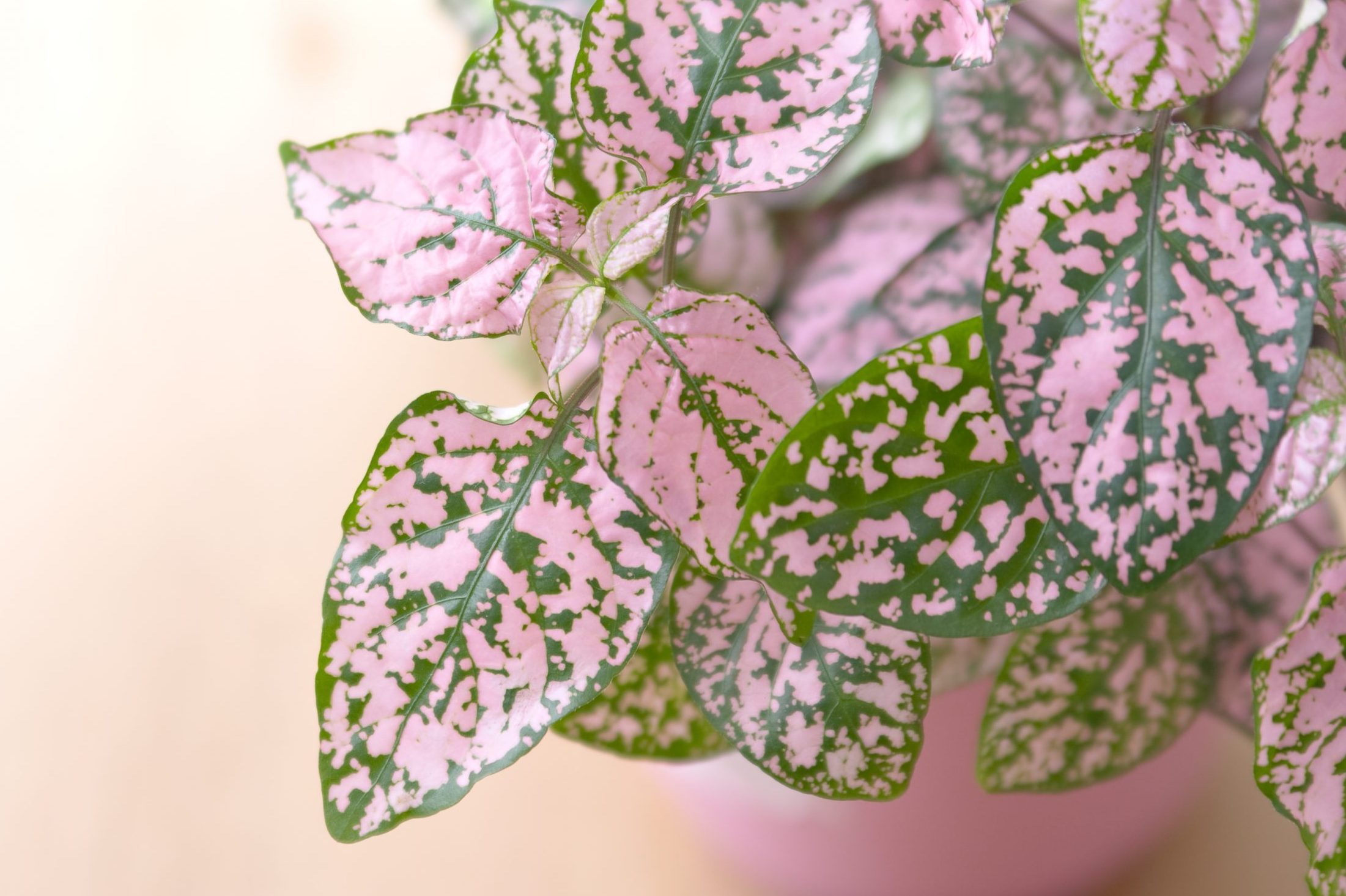
8 Pink Plants for Your Houseplant Collection

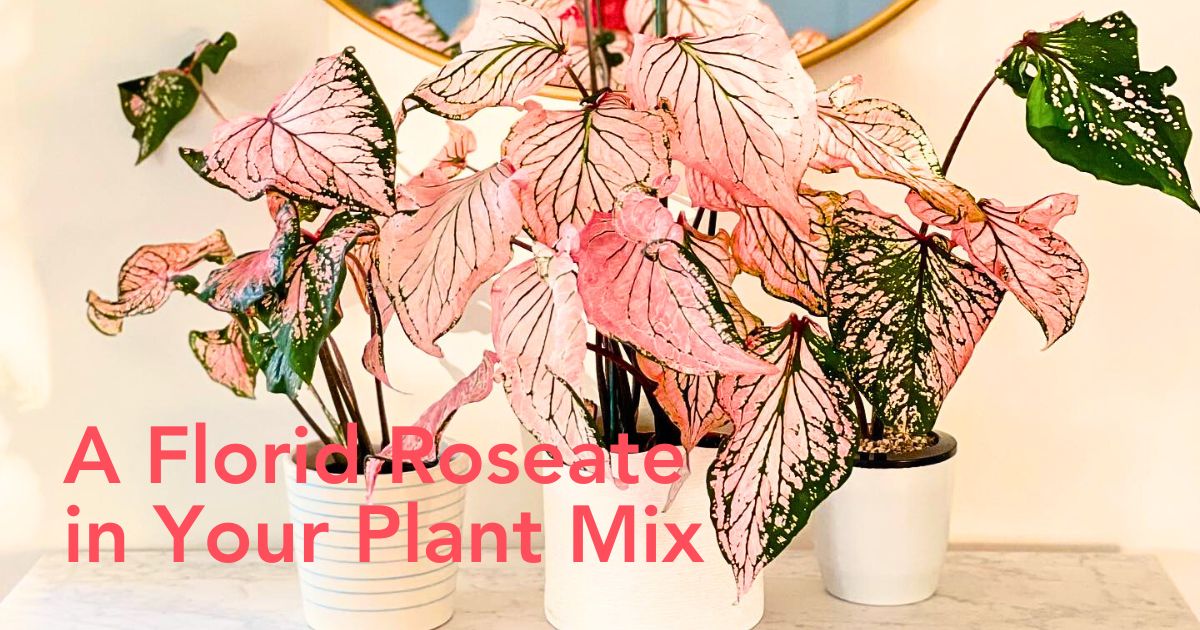
Pretty in Pink - 15 Pink Houseplants That Add a Pop of Color

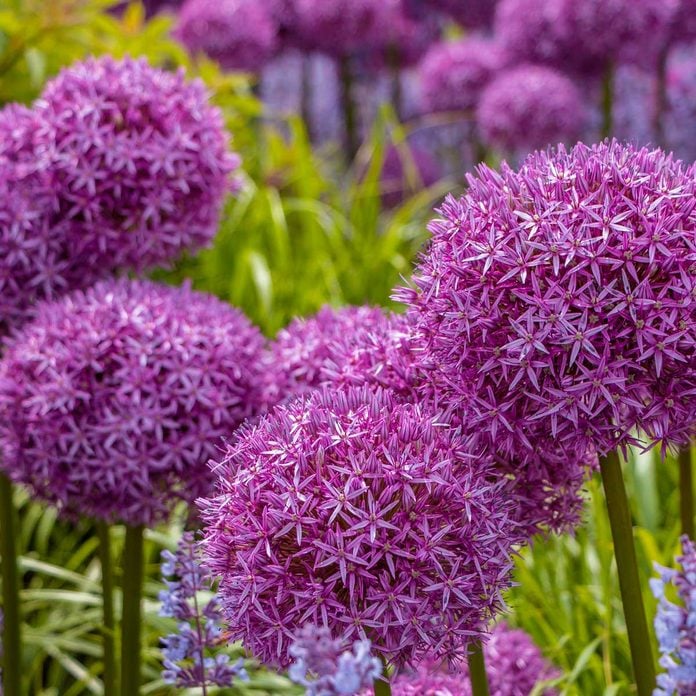
10 Pretty Purple Flowers That’ll Make Your Garden Pop

These Beautiful Flowering Shrubs Will Add Major Color to Your Garden

We Found the BEST Pink Flowering Trees to Boost Your Curb Appeal
11 Pretty Purple Flowers to Plant in Your Garden