1/4
Ask Veronica: Should the rooms in my house match?
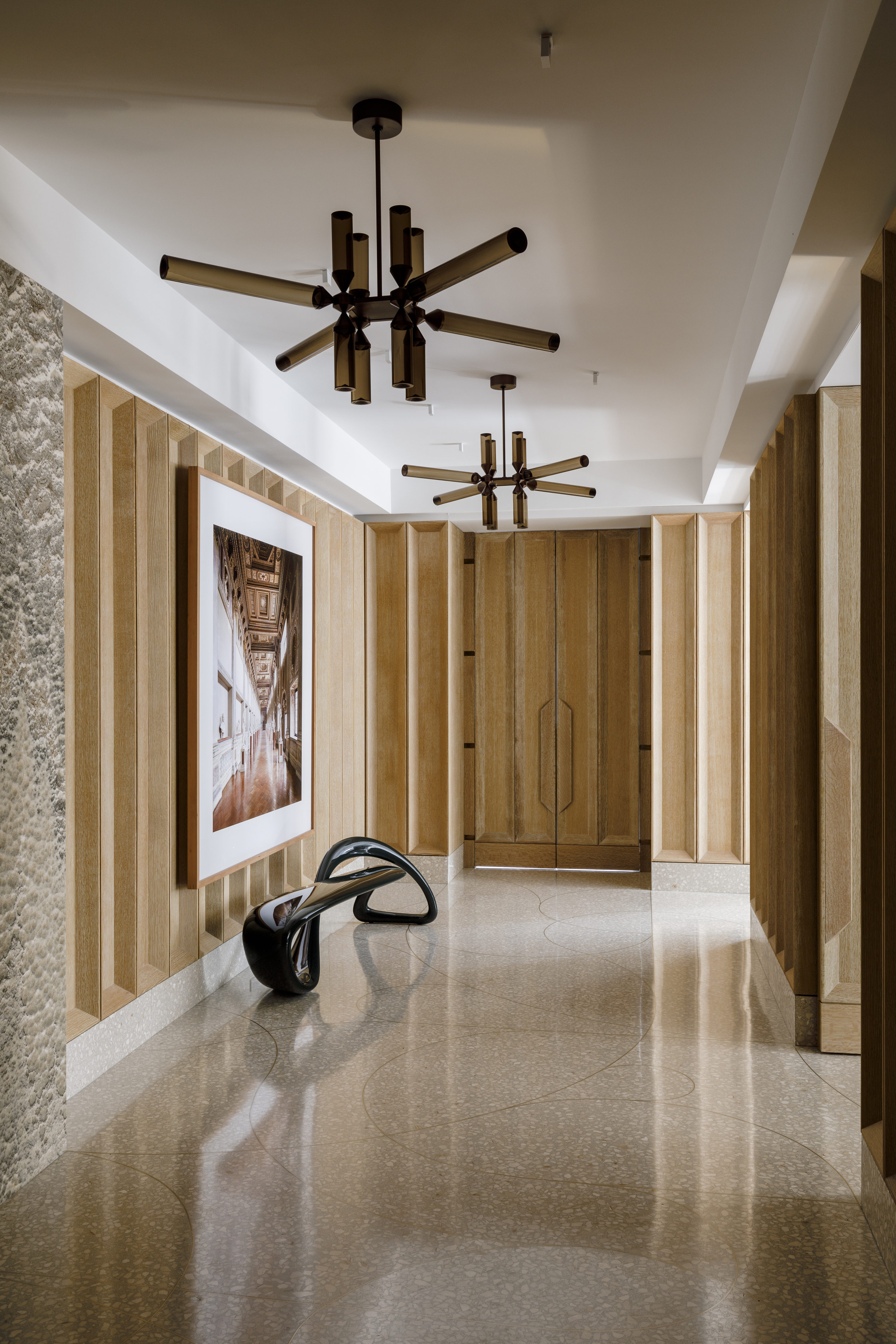
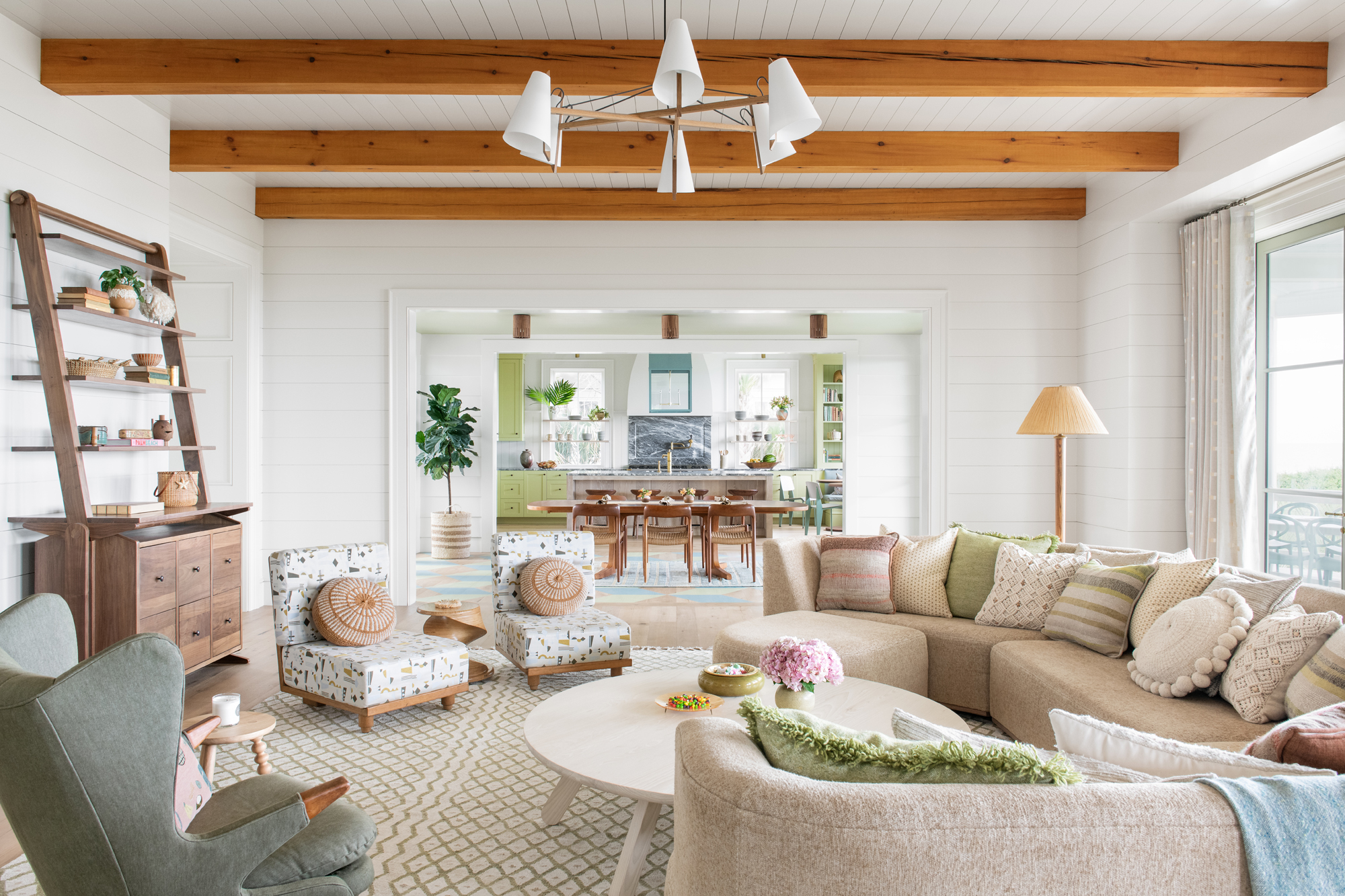
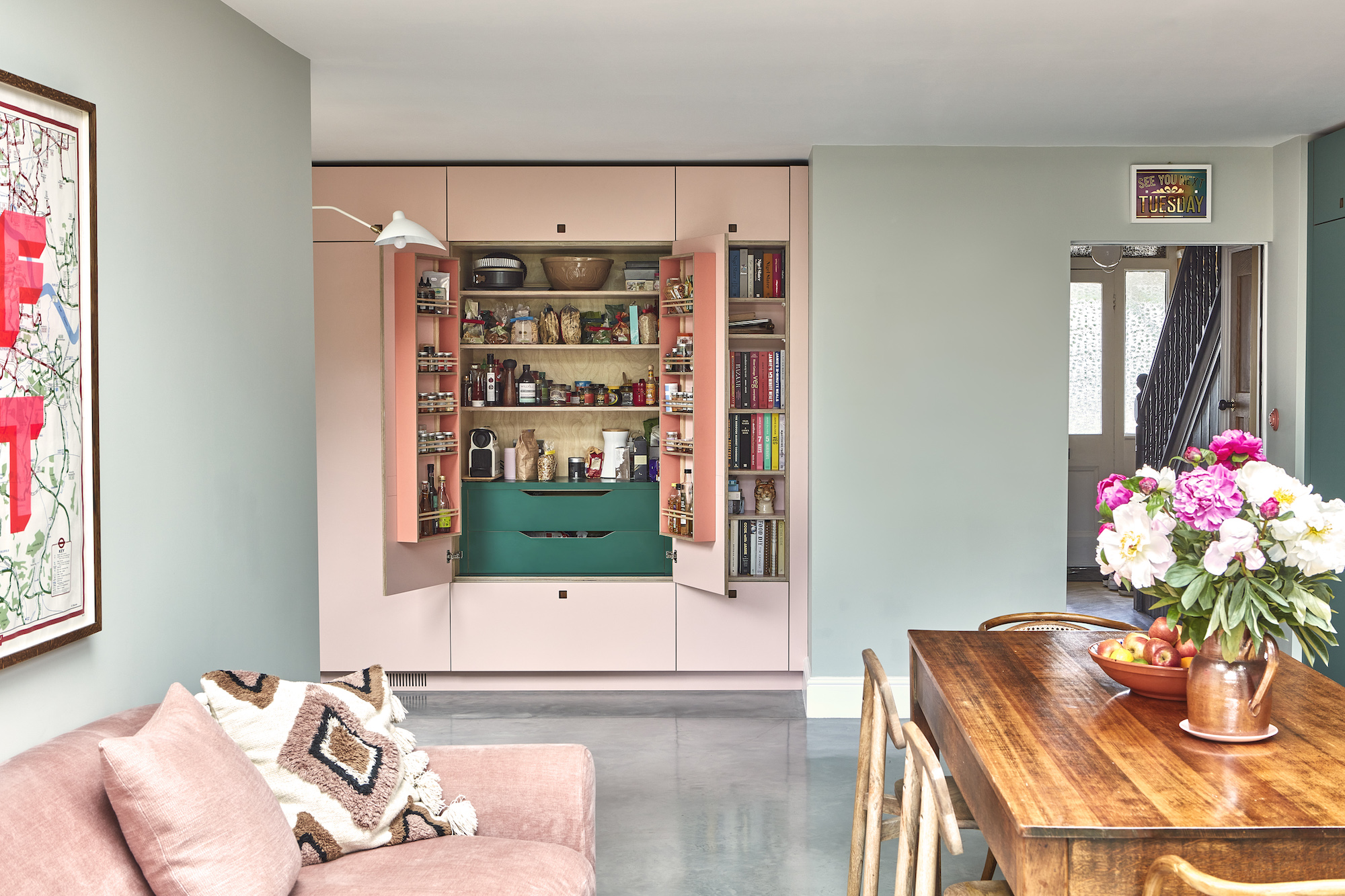
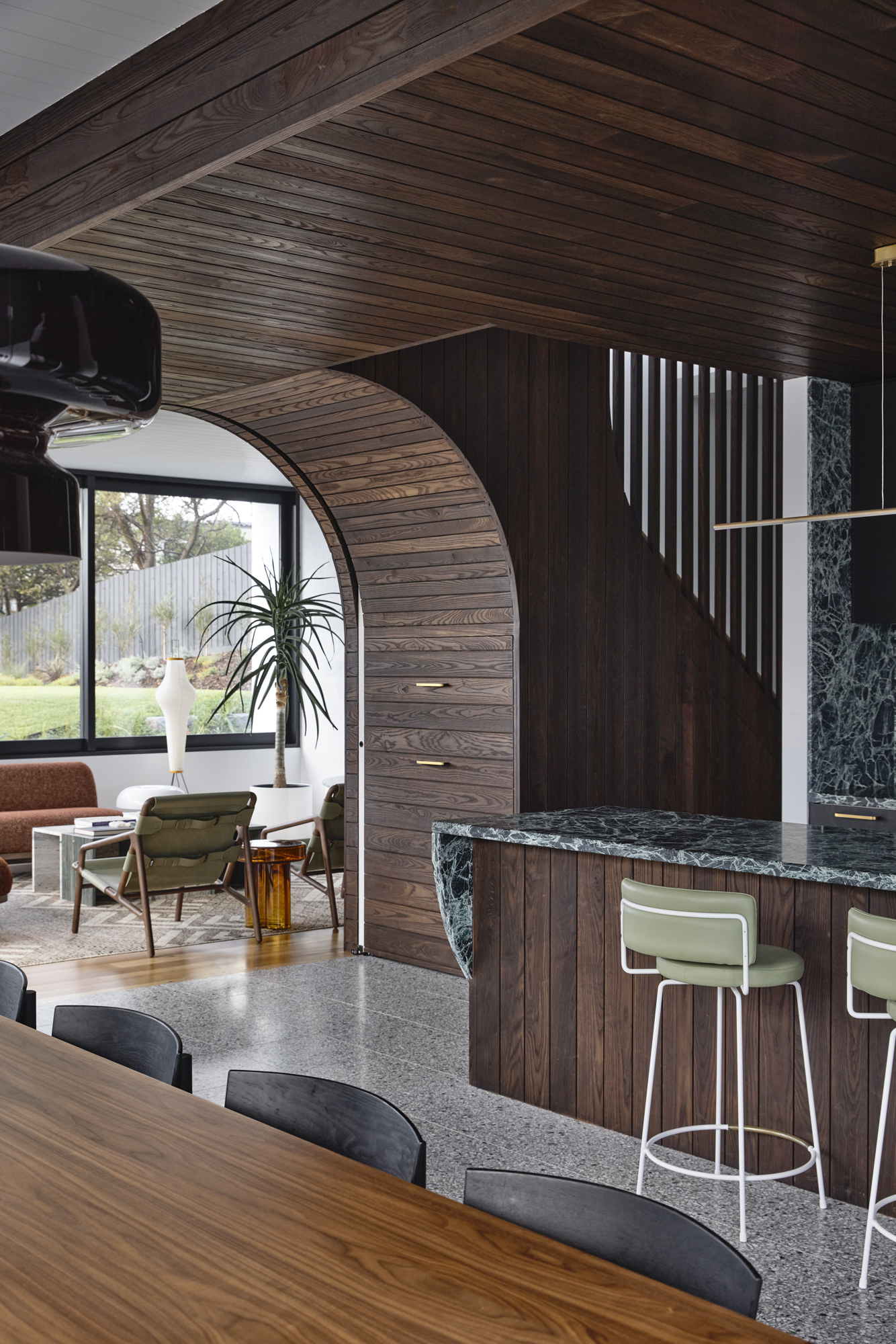
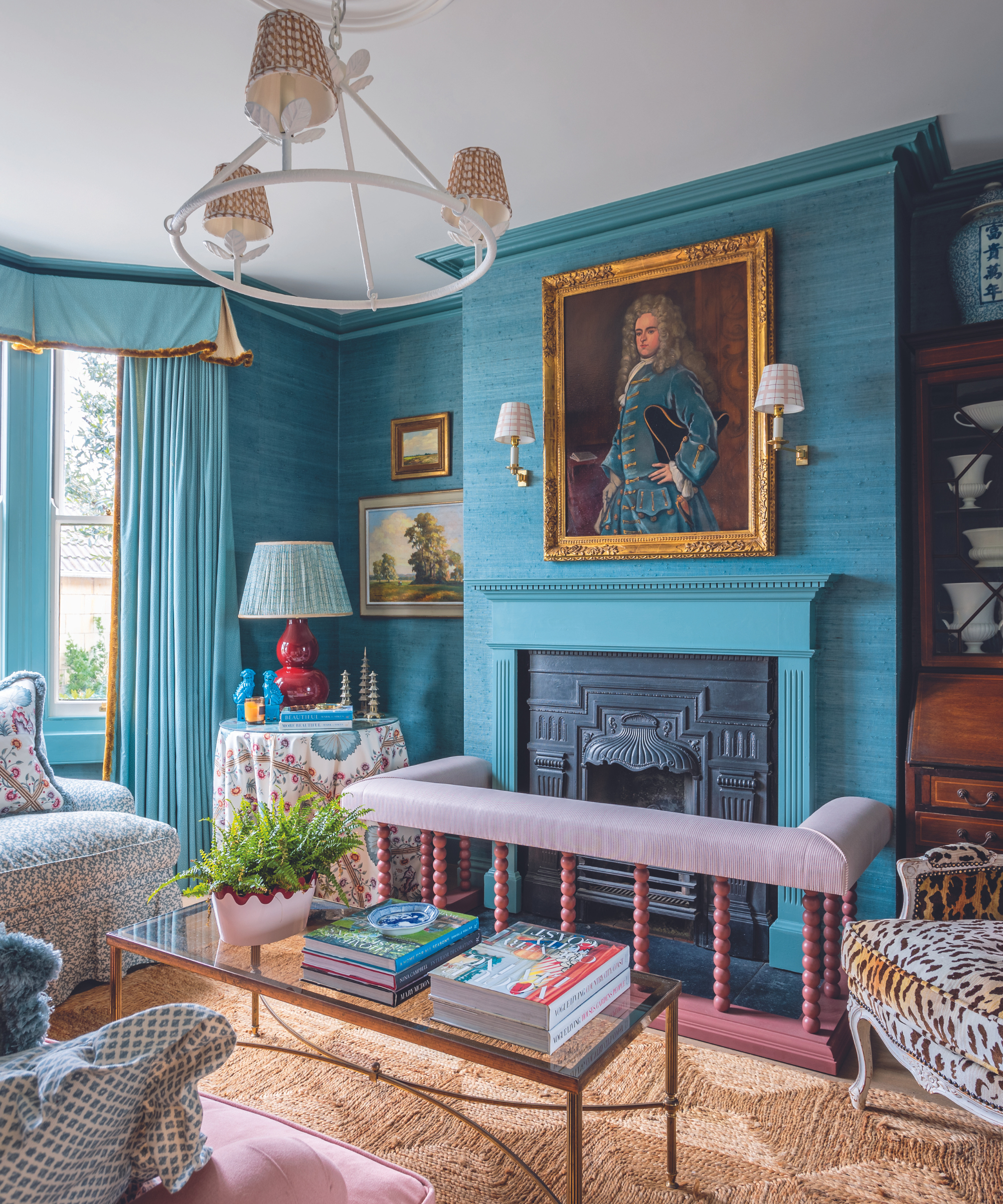
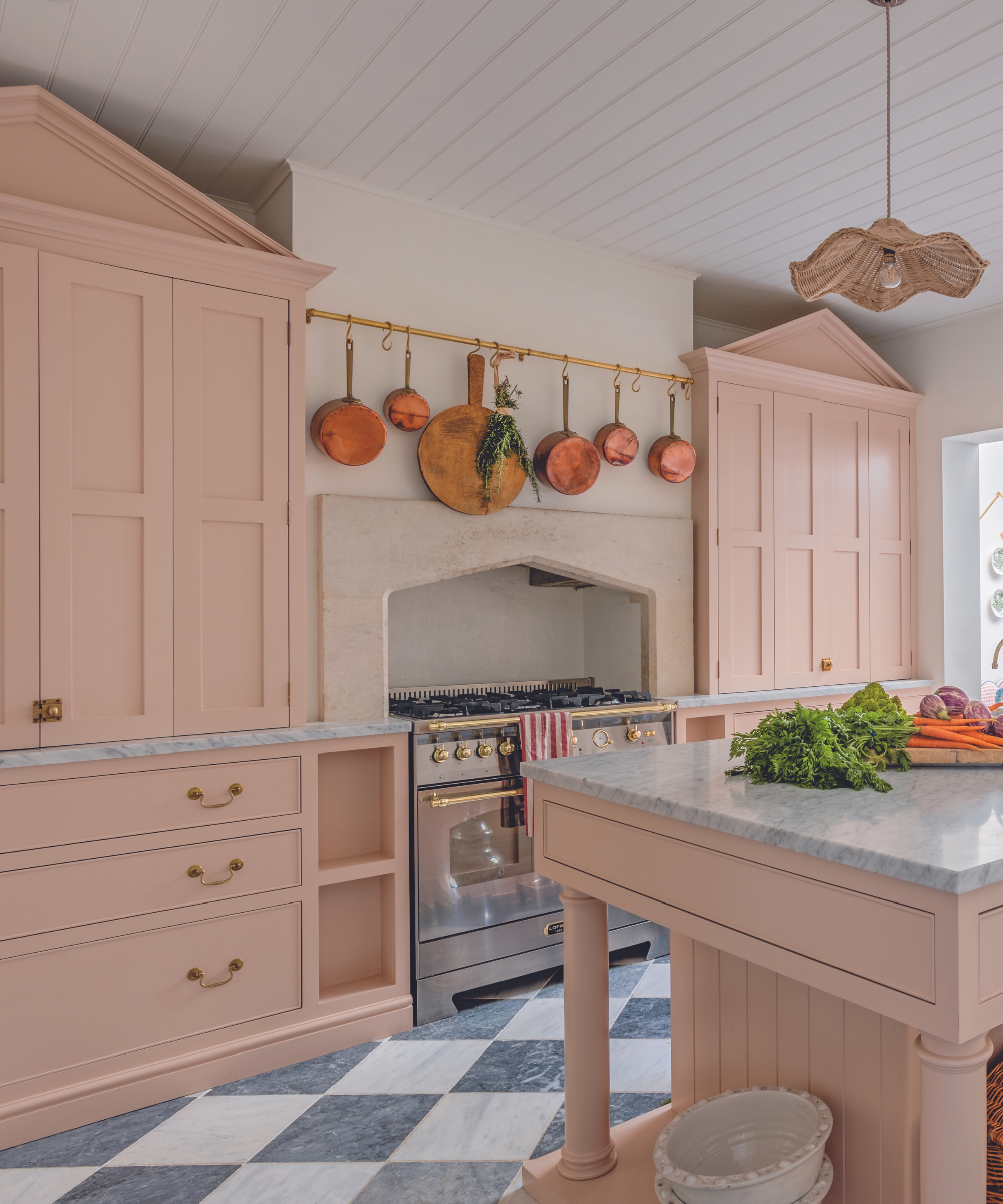
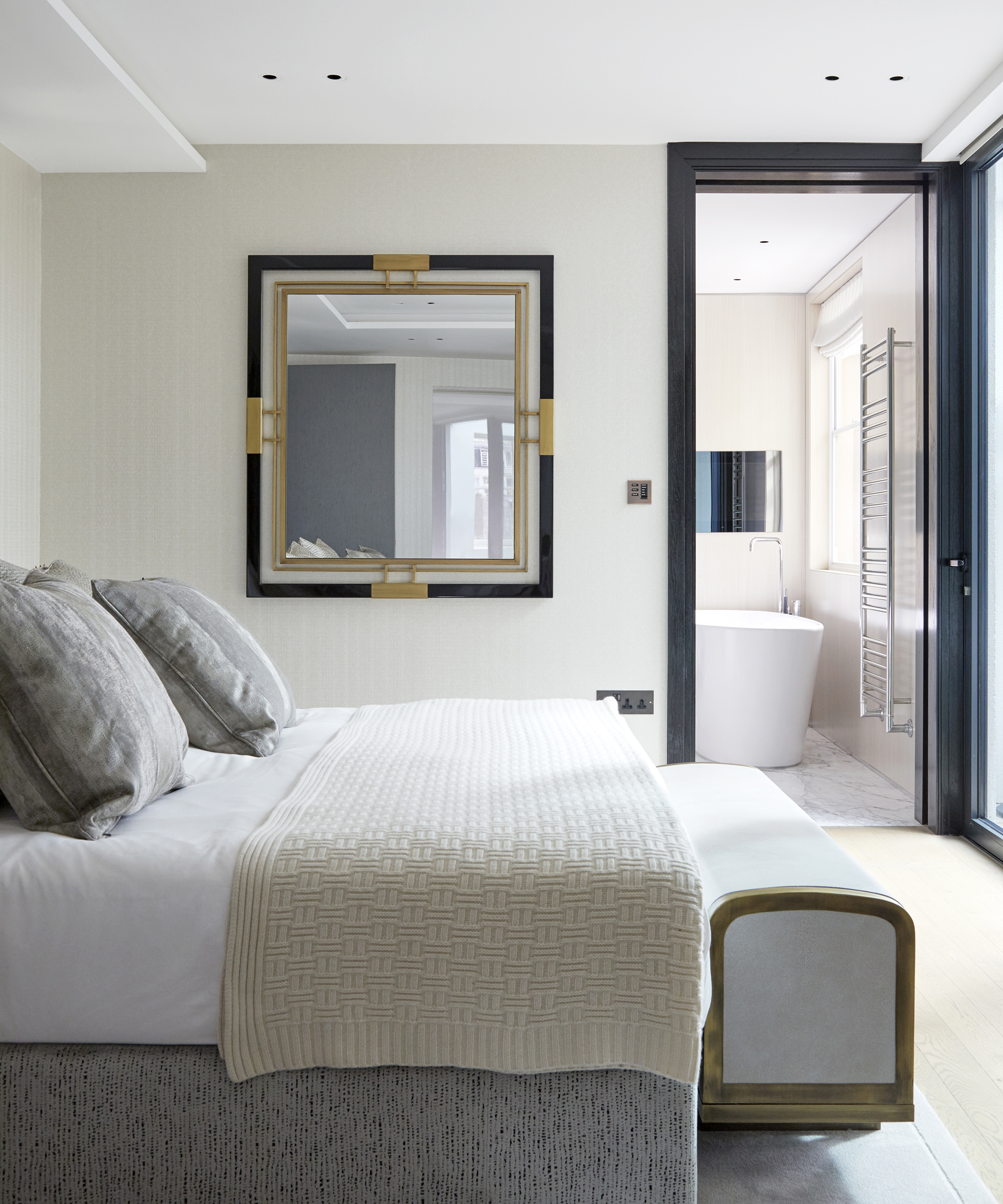
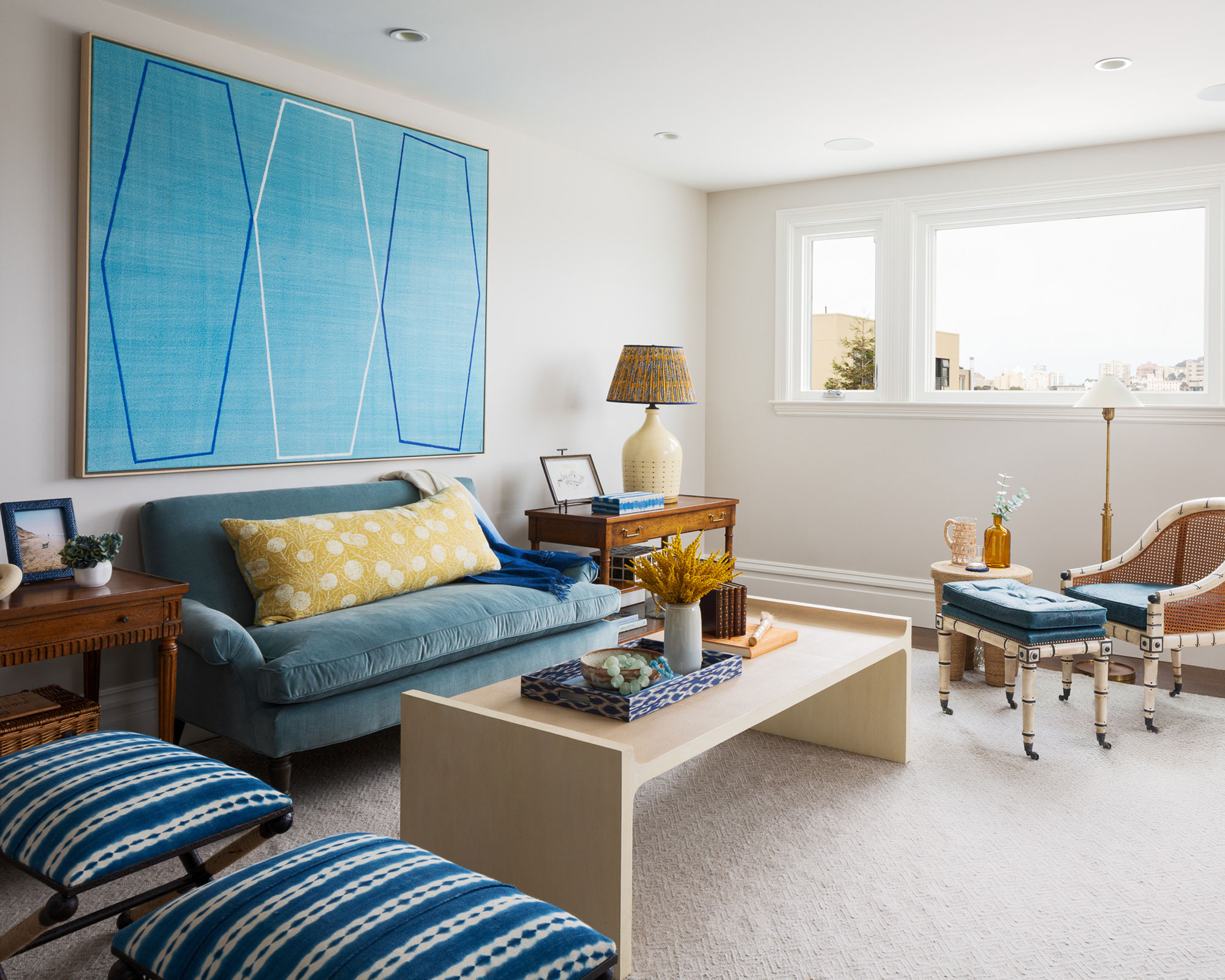
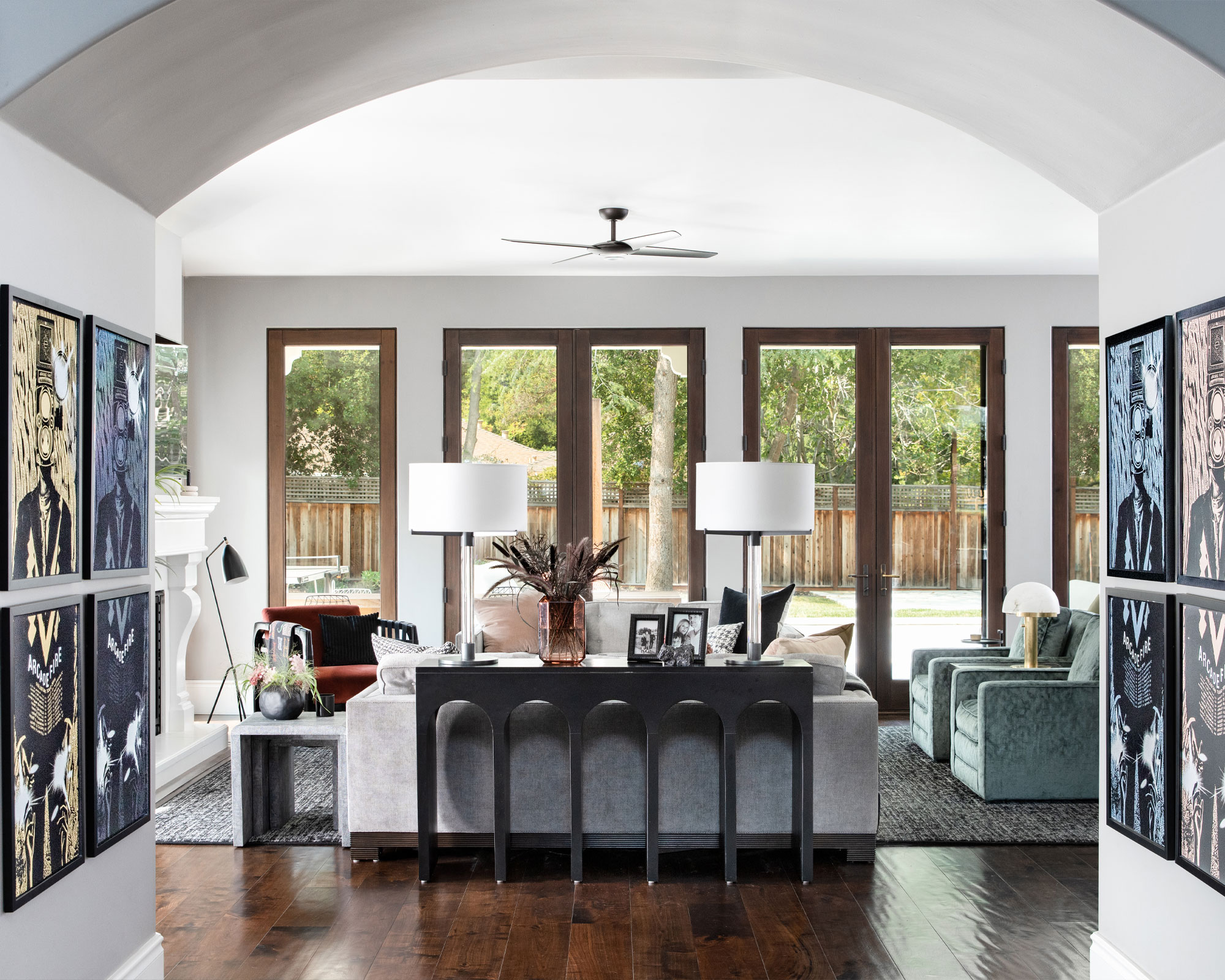
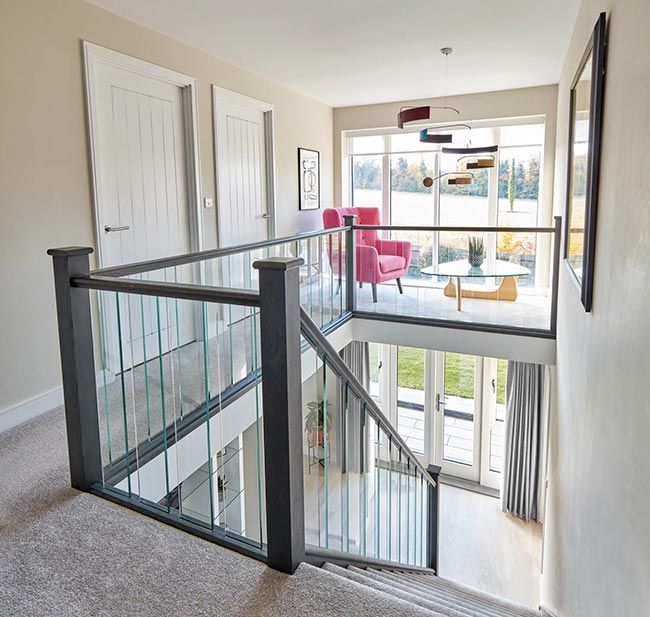
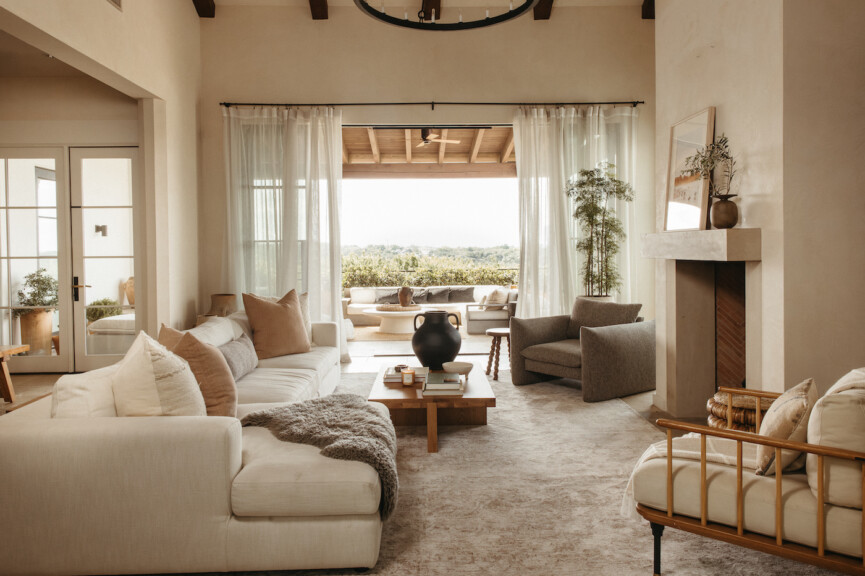
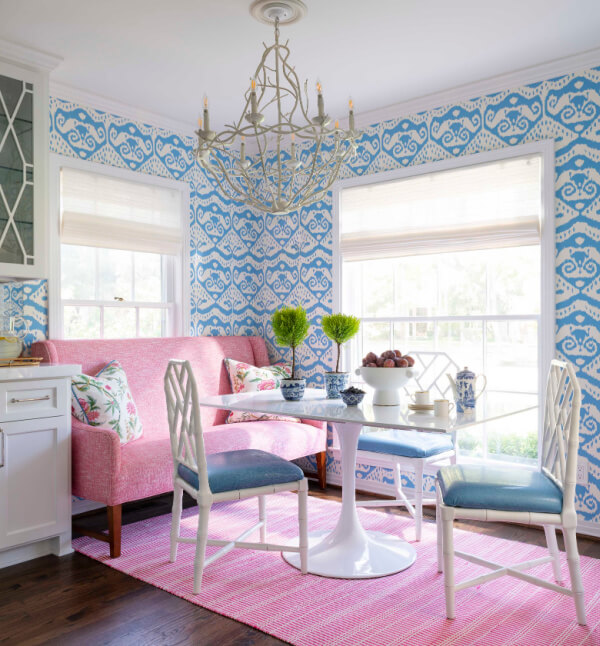
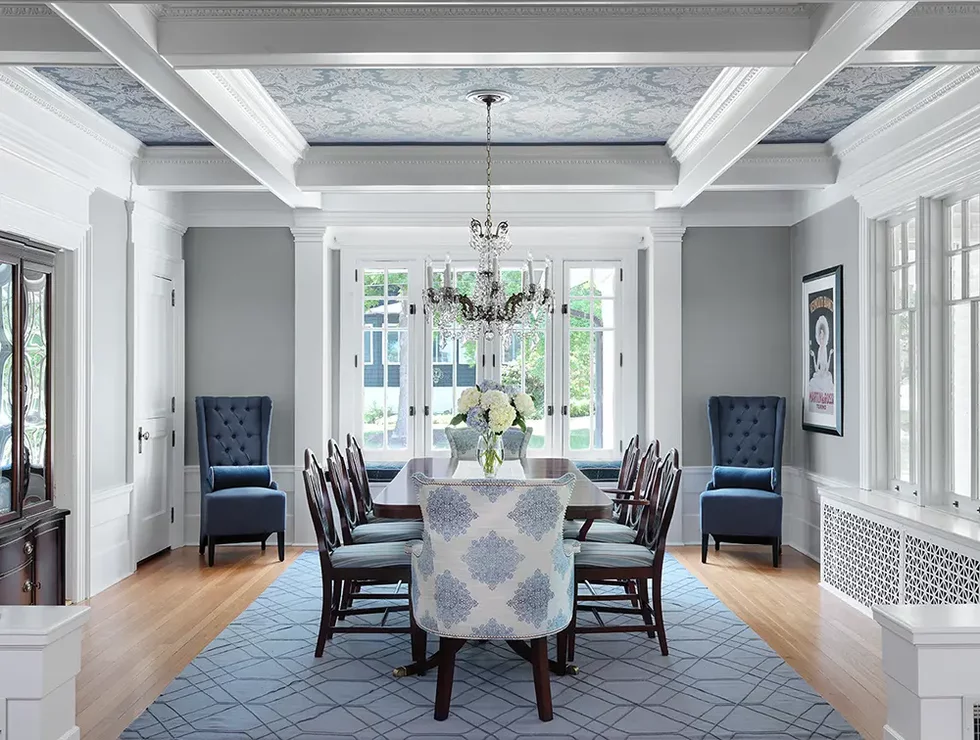
The article addresses a common interior design question: whether the rooms on a house's first floor, specifically the living room, dining room, and hearth room, should have a cohesive or matching aesthetic. The author consults with two award-winning designers, Joni Spear of Joni Spear Interior Design and Ashley Obradovits of Karr Bick Kitchen and Bath, to provide expert advice on achieving continuity while allowing individual room character.
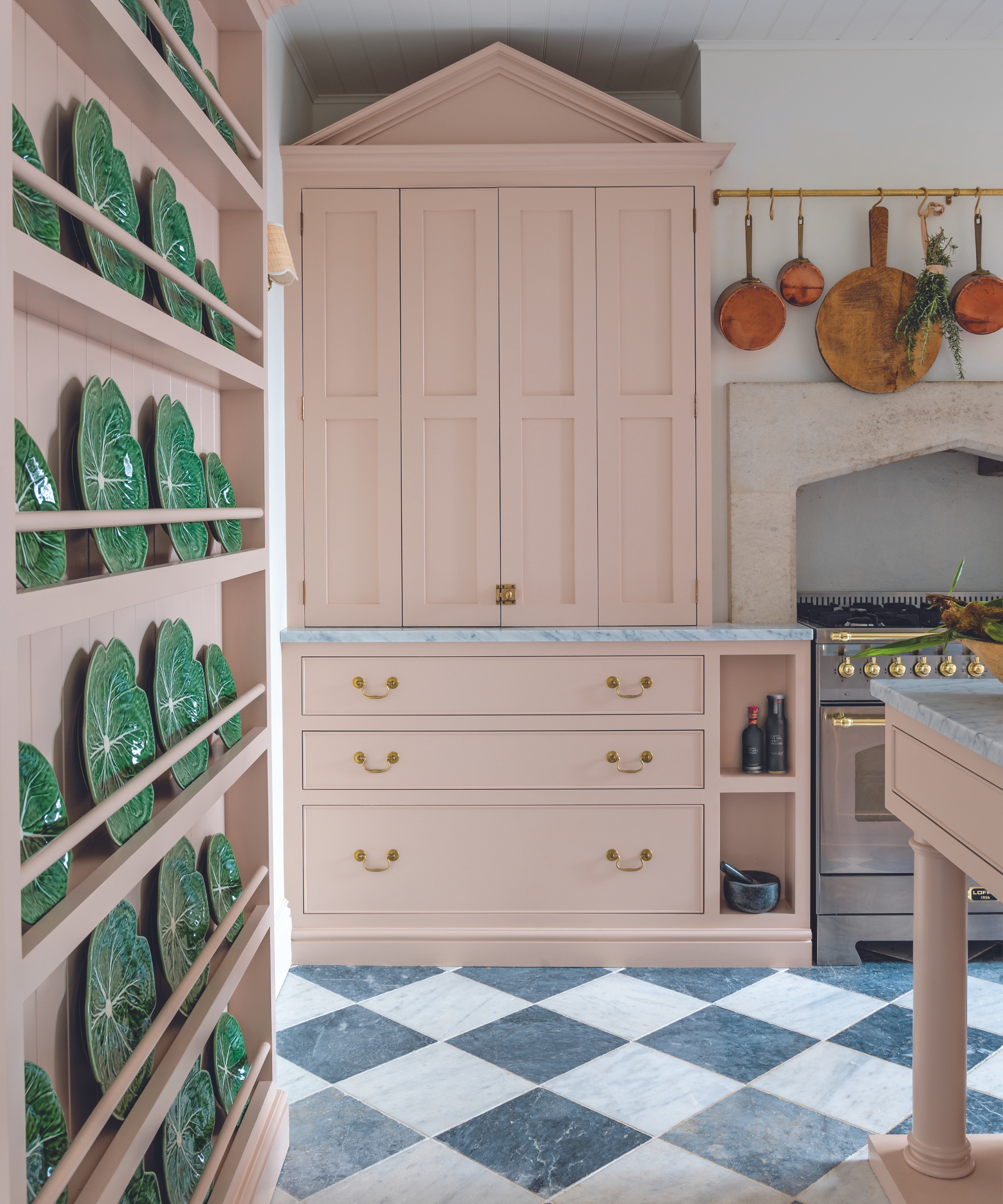
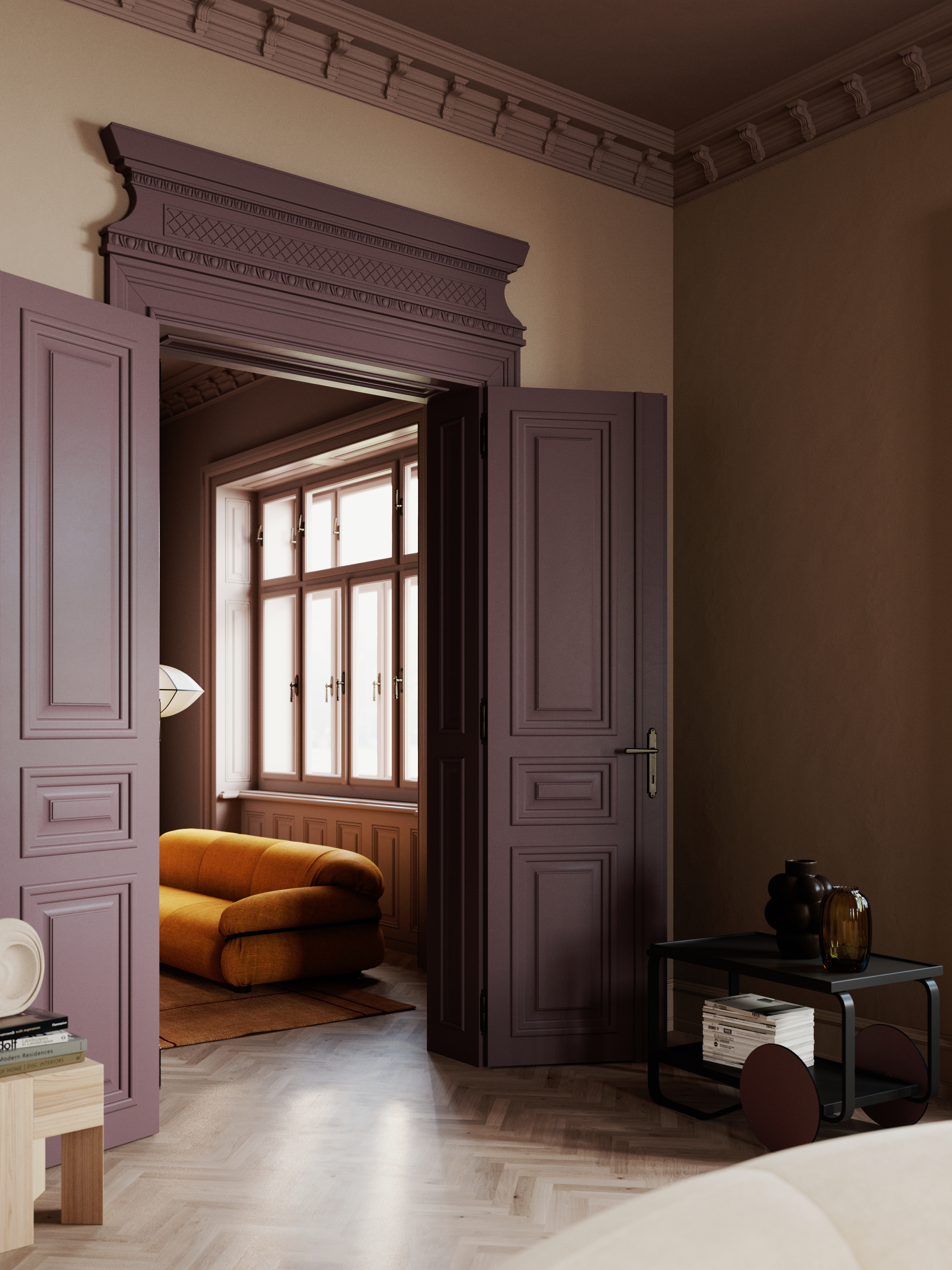
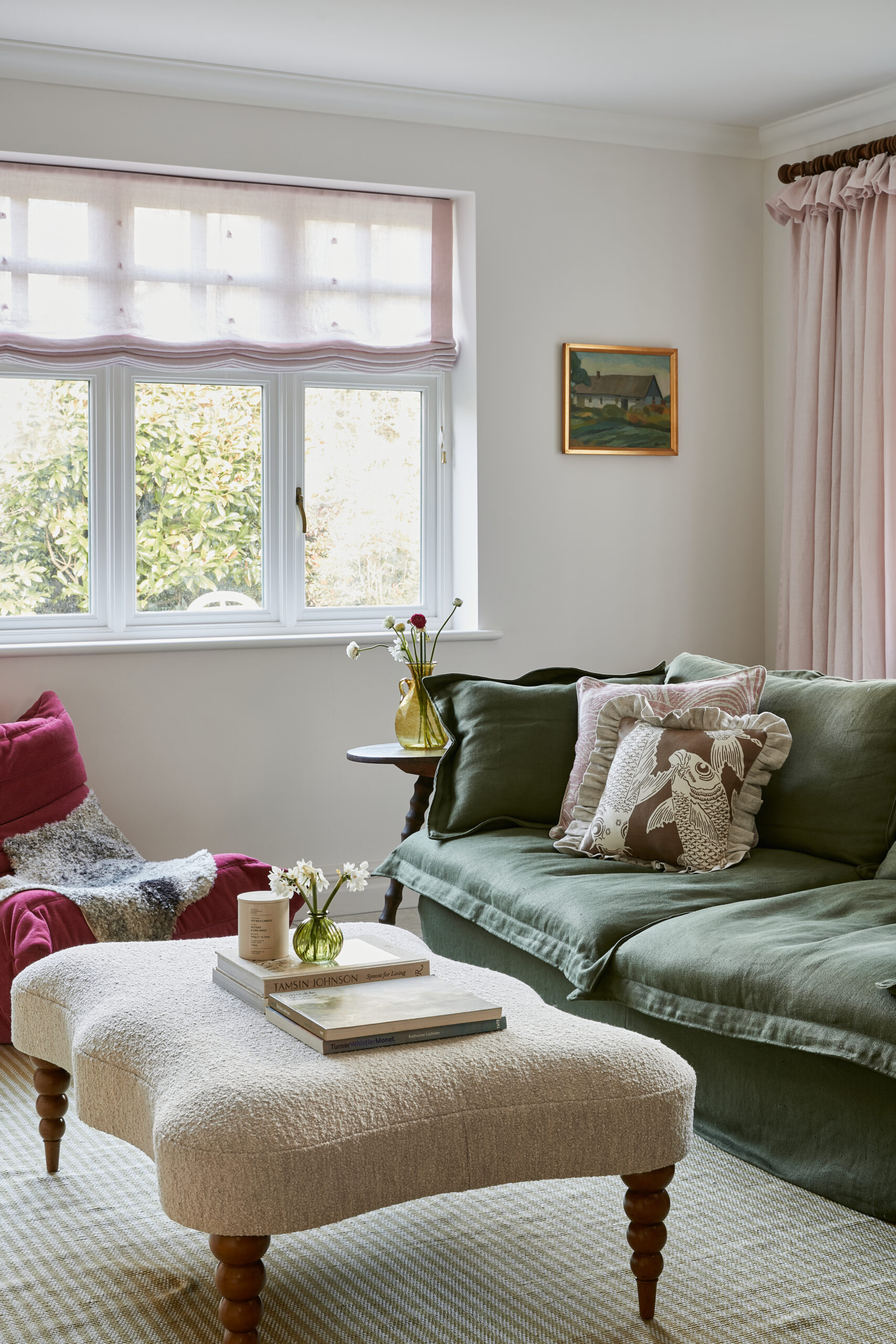
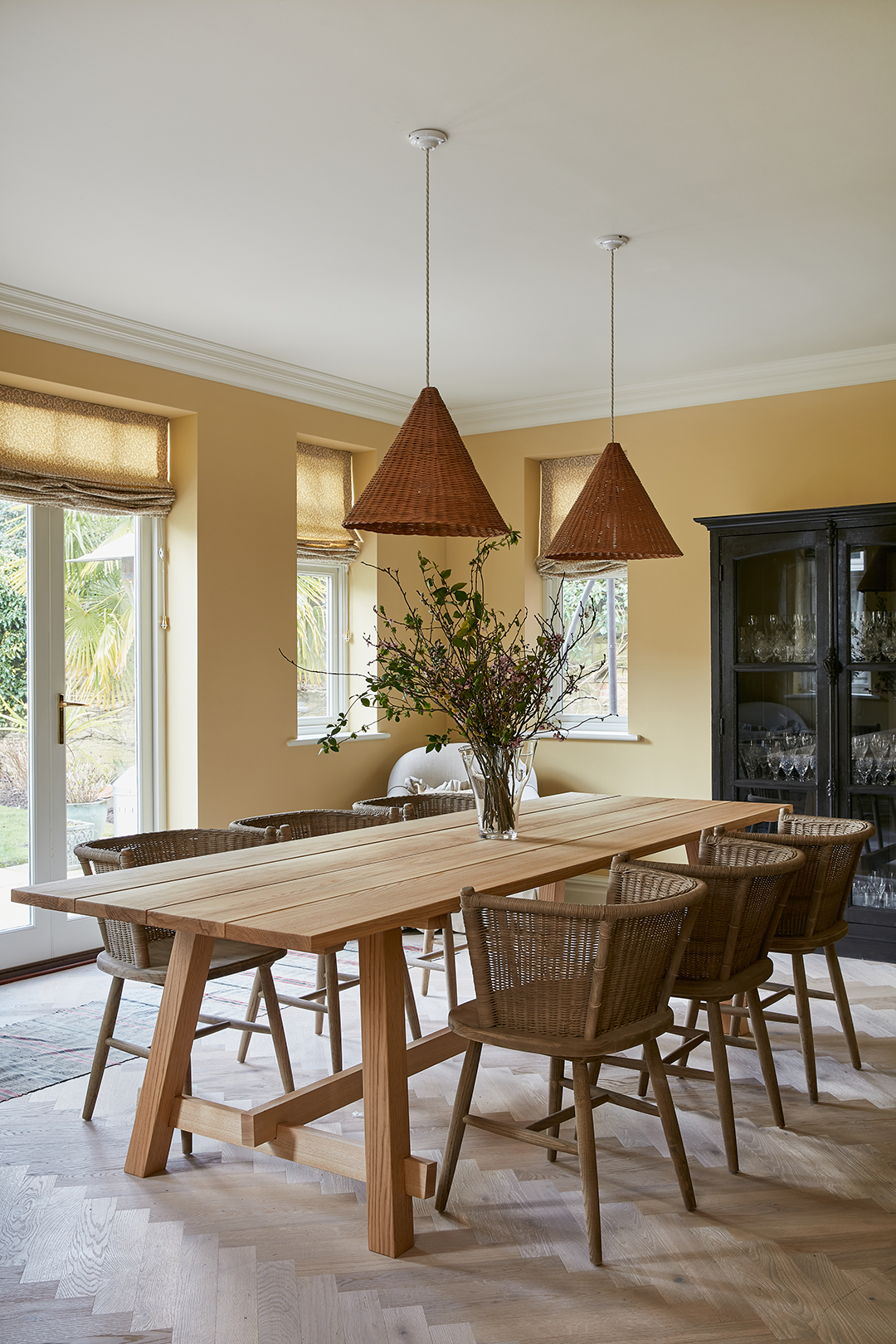
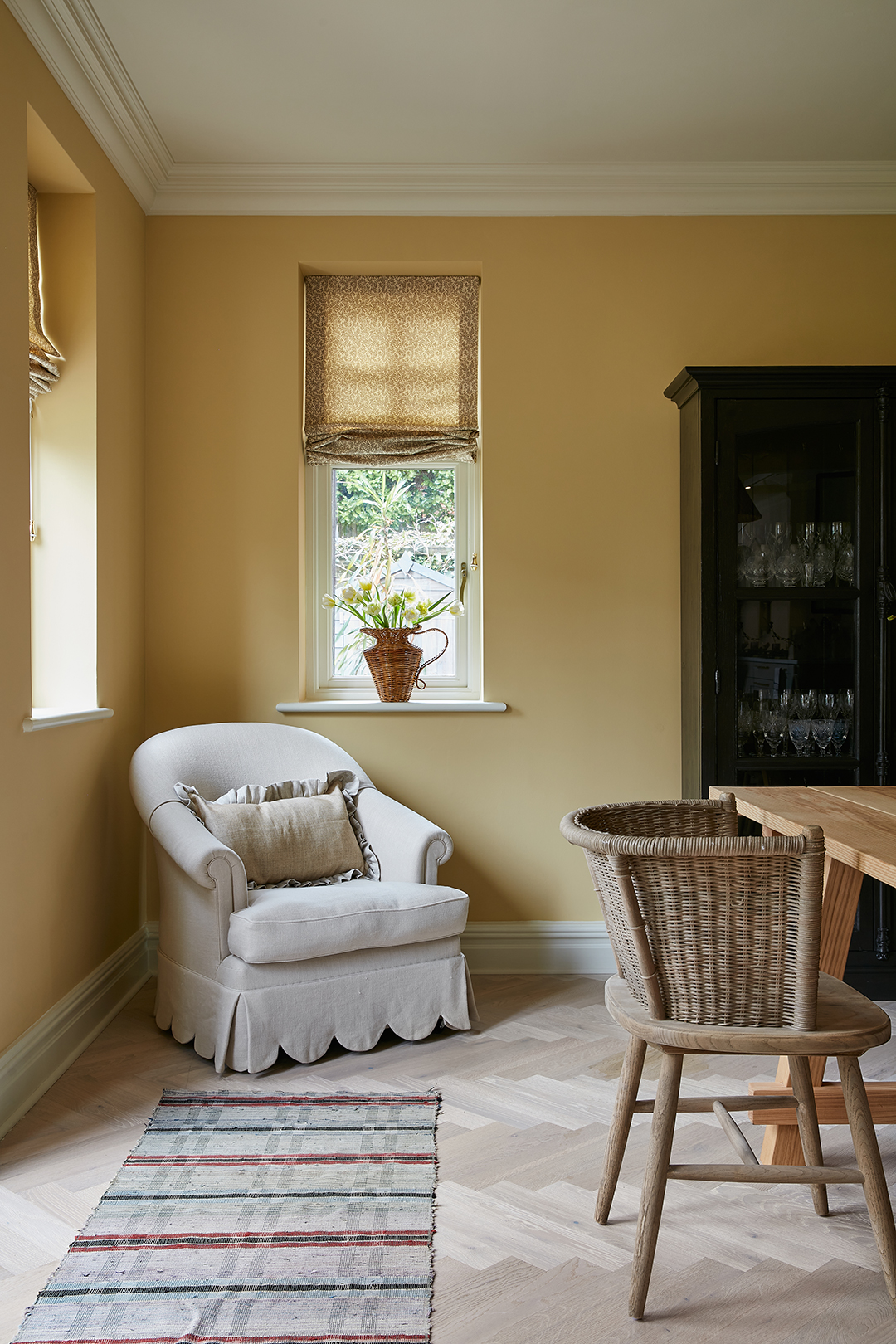
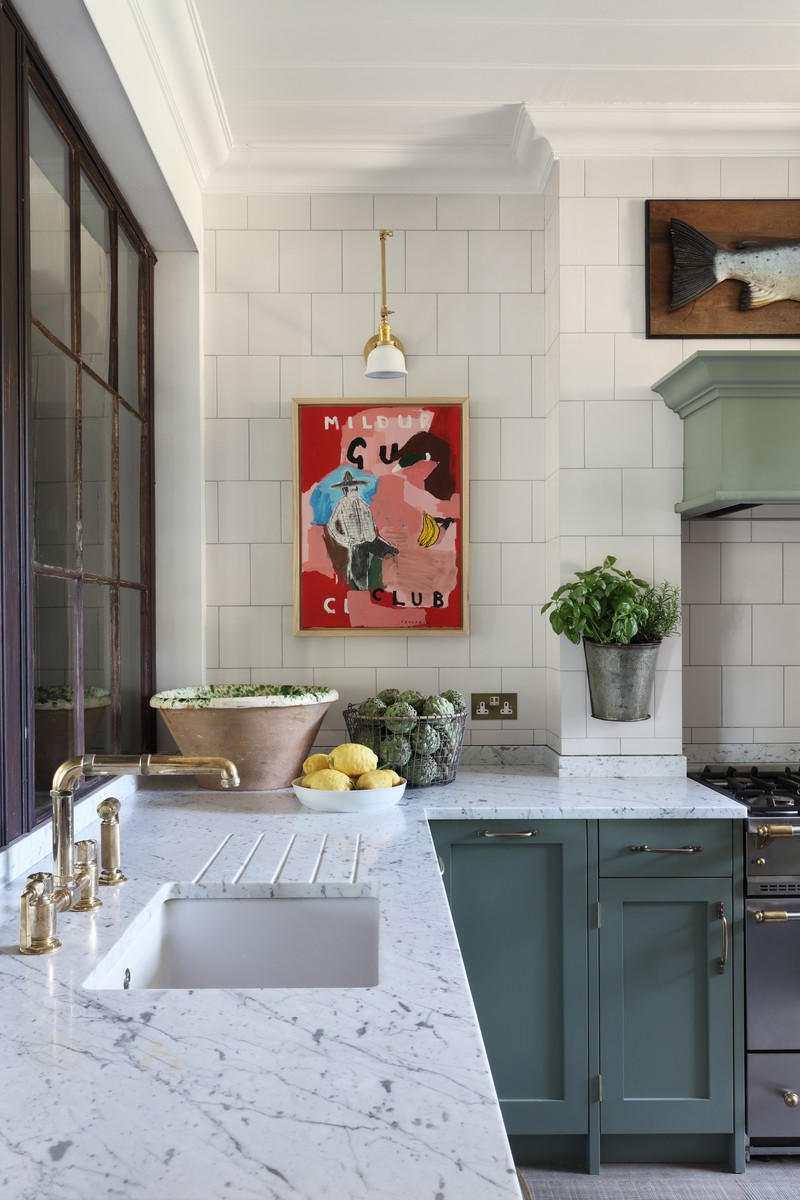
Joni Spear emphasizes the importance of continuity, especially for adjacent rooms. She suggests that instead of starting with paint colors, which she typically reserves for the final stages of her design process, homeowners should identify a dominant feature within one of the rooms as a starting point. For instance, the natural stone of a fireplace in a hearth room can serve as an anchor. The designer recommends extracting the appealing undertones from this feature, such as brown hues from the stone, to establish a broader color palette. This initial selection can then guide the design choices for all three rooms, either by extending the same colors in varying saturations or by introducing complementary colors. Following the establishment of a core color scheme, investing in a rug that reinforces this palette can further solidify the design concept across the connected spaces.
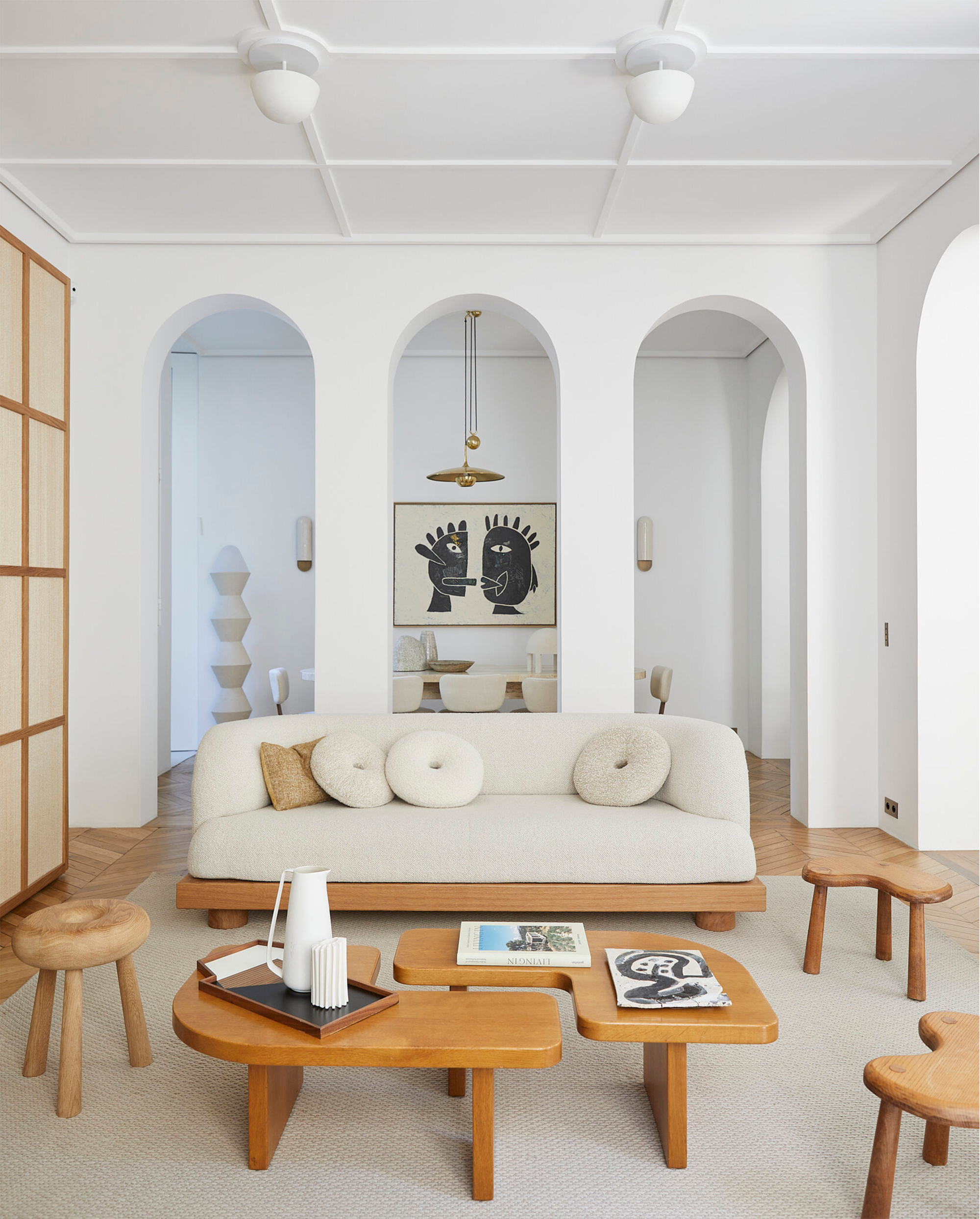
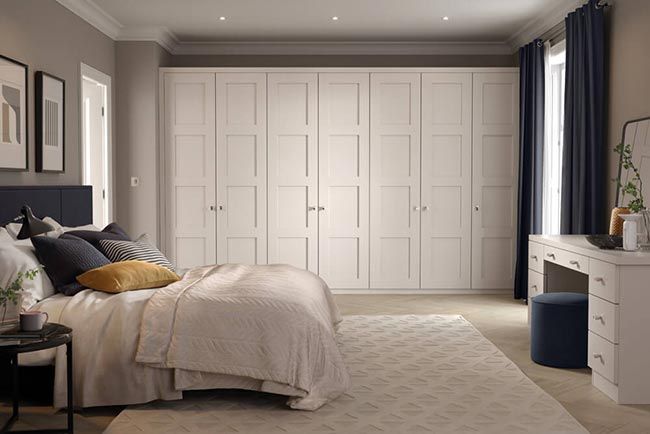
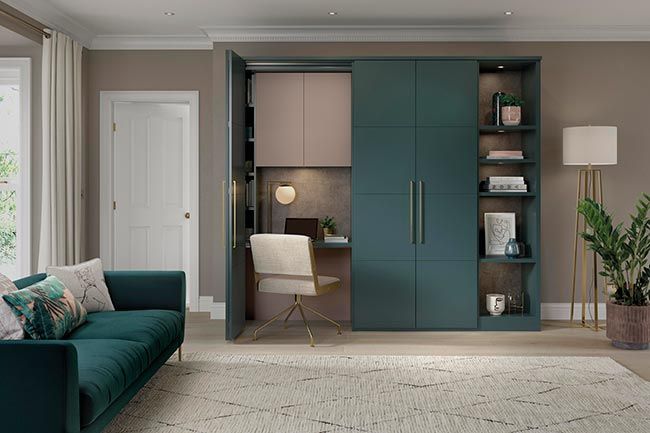
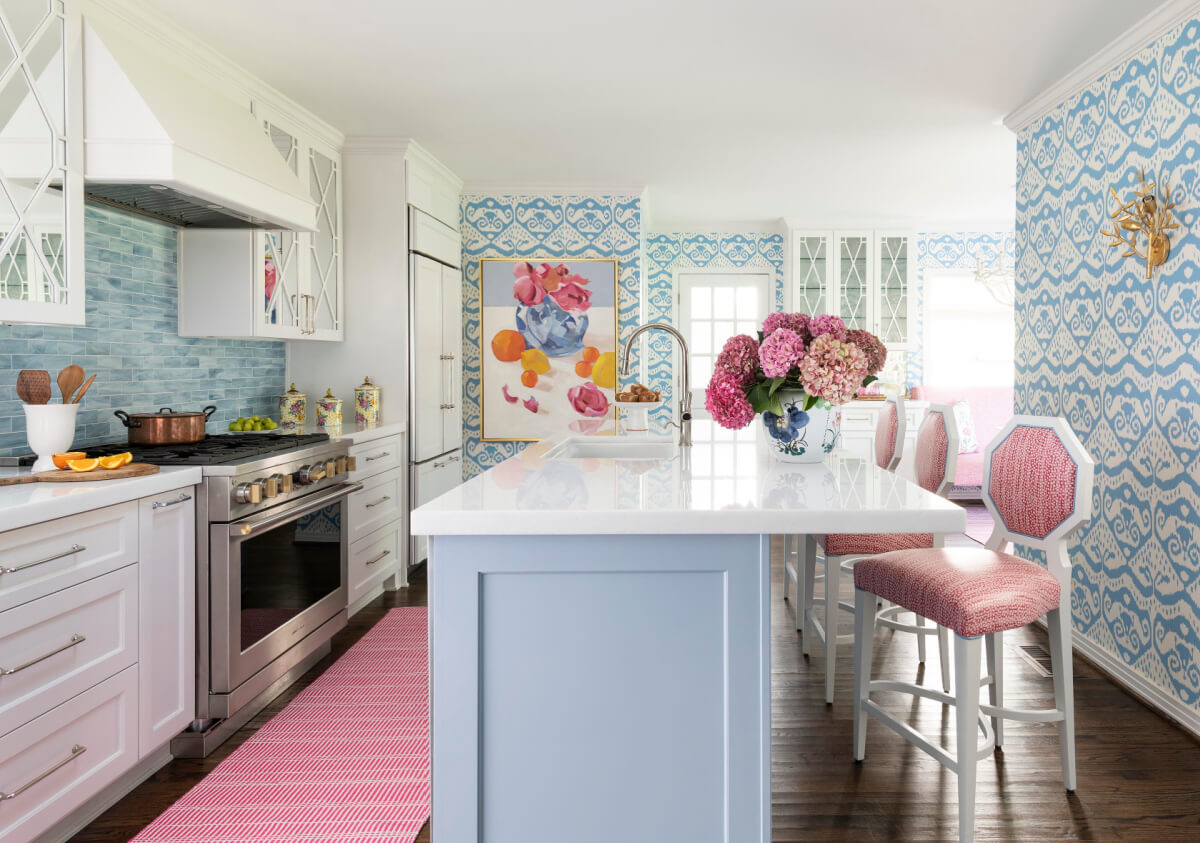
Ashley Obradovits uses an analogy, comparing rooms to relatives, suggesting they should share some "DNA" but also possess their unique charm and character. She advocates for designing with complementary elements to create cohesiveness across rooms, whether through a consistent color scheme, a shared aesthetic, or a unified vibe. Obradovits also stresses the importance of ensuring that the first floor does not feel like one undifferentiated large space, implying that each room should have its distinct "moment to shine." However, she makes an exception for certain rooms like powder rooms, mudrooms, offices, and bedrooms, which she believes can diverge more significantly in style from the main living areas, offering opportunities for surprising and delightful design choices. This allows for creative expression in less public or more functional spaces without disrupting the overall flow of the home's primary living areas.
Ultimately, both designers agree that while a sense of continuity is beneficial for interconnected spaces, it does not necessitate identical matching. Instead, the goal is to create a harmonious flow by leveraging shared design elements and a thoughtful color palette, allowing each room to maintain its individual personality. The advice collectively highlights a balanced approach to interior design where cohesiveness is achieved through underlying principles rather than strict uniformity.
#InteriorDesign #HomeDecor #DesignTips #RoomContinuity #ColorPalette #HomeStyling #JoniSpear #AshleyObradovits #InteriorDesign #HomeDecor #DesignTips #RoomContinuity #ColorPalette #HomeStyling #JoniSpear #AshleyObradovits
0 comment in total
 No comments yet
You may also like
Should light fixtures match throughout a house? The answer is more nuanced than you'd expect

How To Measure Your Room

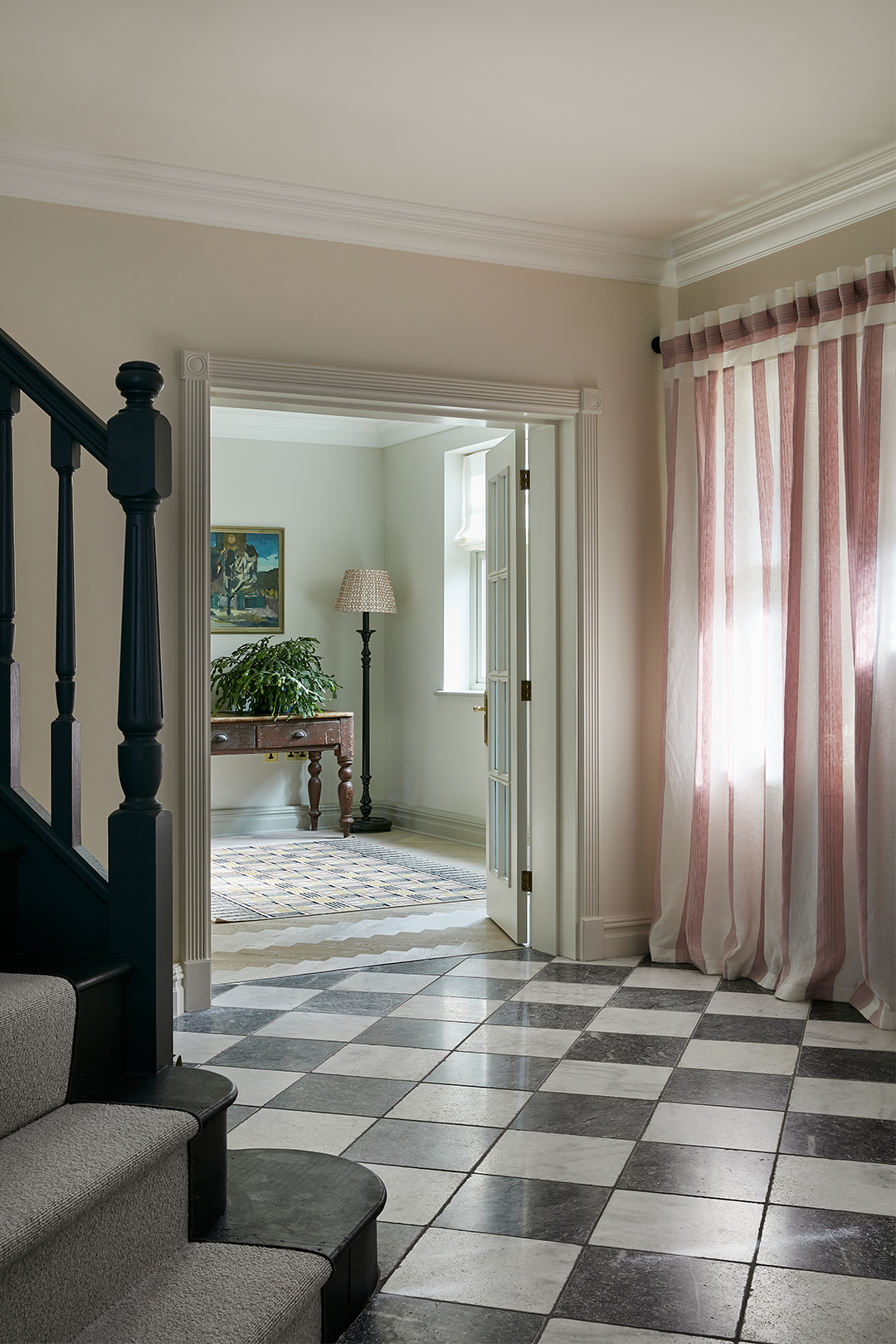
How a Designer Figured Out Different Purposes for the Redundant Rooms in This '90s Home

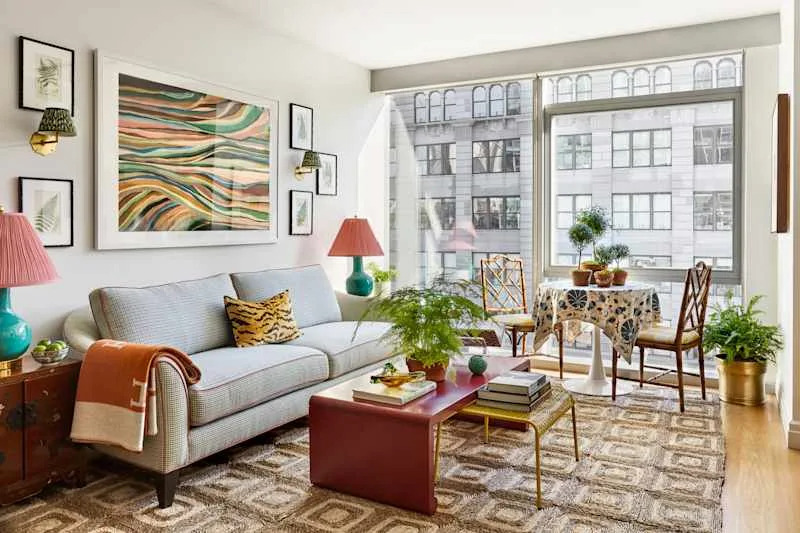
My Designer Friends Swear By the "Two-Thirds Rule" for Living Room Sofas and More

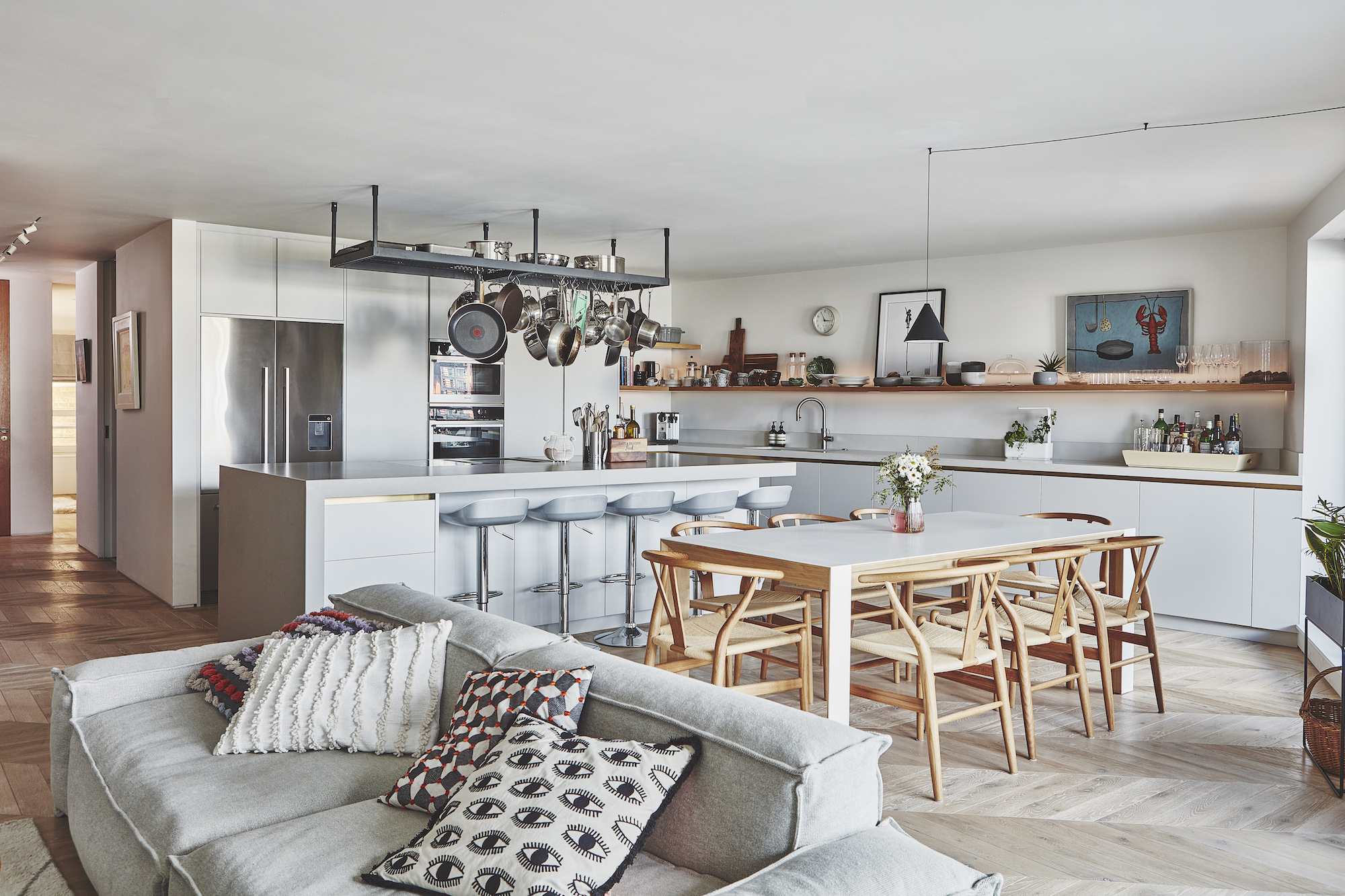
Should your kitchen and living room match? Designers agree on the best way to decorate an open plan space
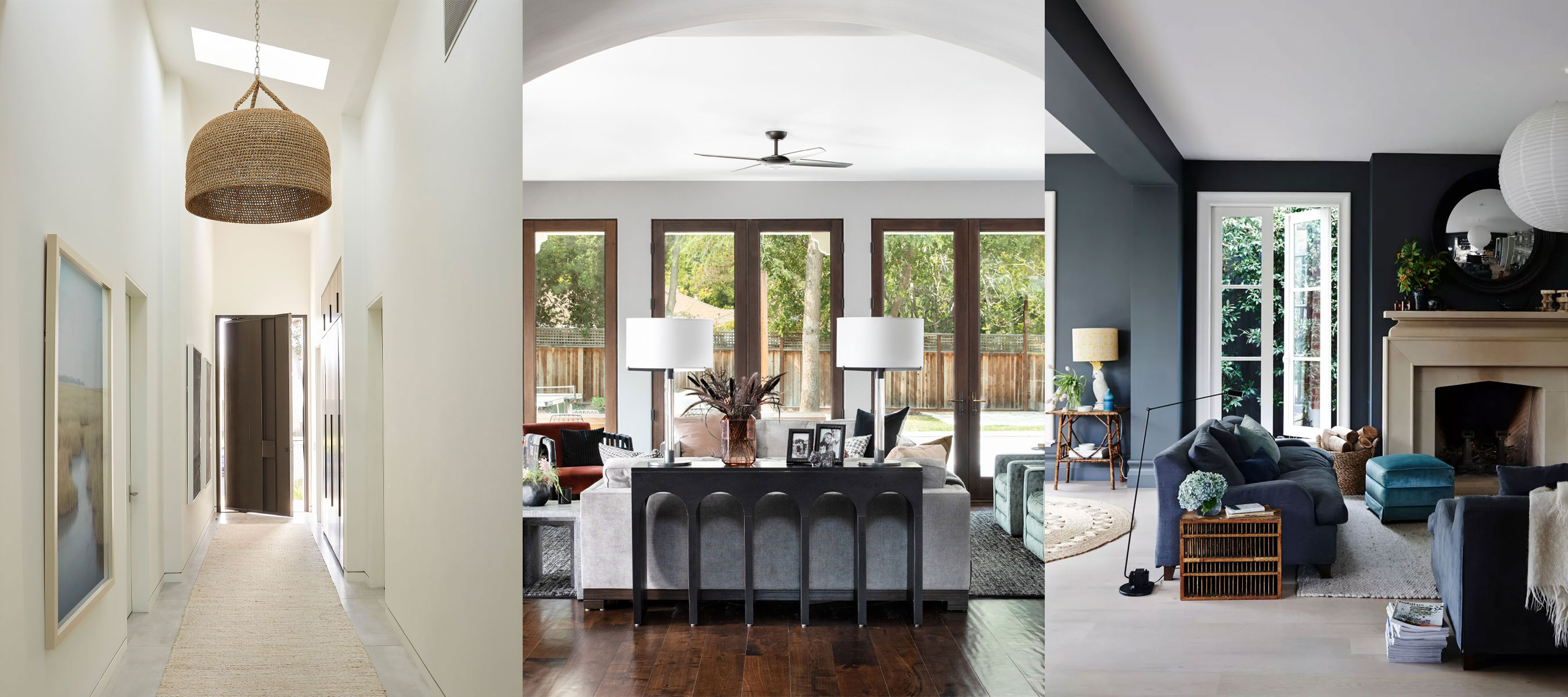
9 whole house layout mistakes – avoid these common floor plan flaws

Why Your Room Feels 'Off'—6 Designer Rules for Perfecting Furniture Scale and Proportion
Your Living Room Needs a Vibe Check—These Are the Coziest Fixes

A Victorian house is transformed by a designer who really shows how to embrace the unexpected
We Asked Interior Designers to Show Us Their Favorite Room at Home—and We're Ready to Move in Immediately

5 home updates to increase your property's value by 20%


Feng Shui Tips Just For The Real Housewives To Make Their Homes Drama-Free!
Do You Have a 'Living Room Family' or a 'Bedroom Family'?

See The Floor Plans From Your Favorite TV Homes
An Interior Designer Shows Us Around His Home

Love Colorful Interior Design? Check Out This Dallas Home!

Should an entire house be painted the same color? Interior designers give their verdict

Parts of the House

Effects of gender and personality on experience of small living spaces: Ceiling height and floor plan shape in virtual environment
Interior Designer Shares How to Make Childhood Bedroom Look Better