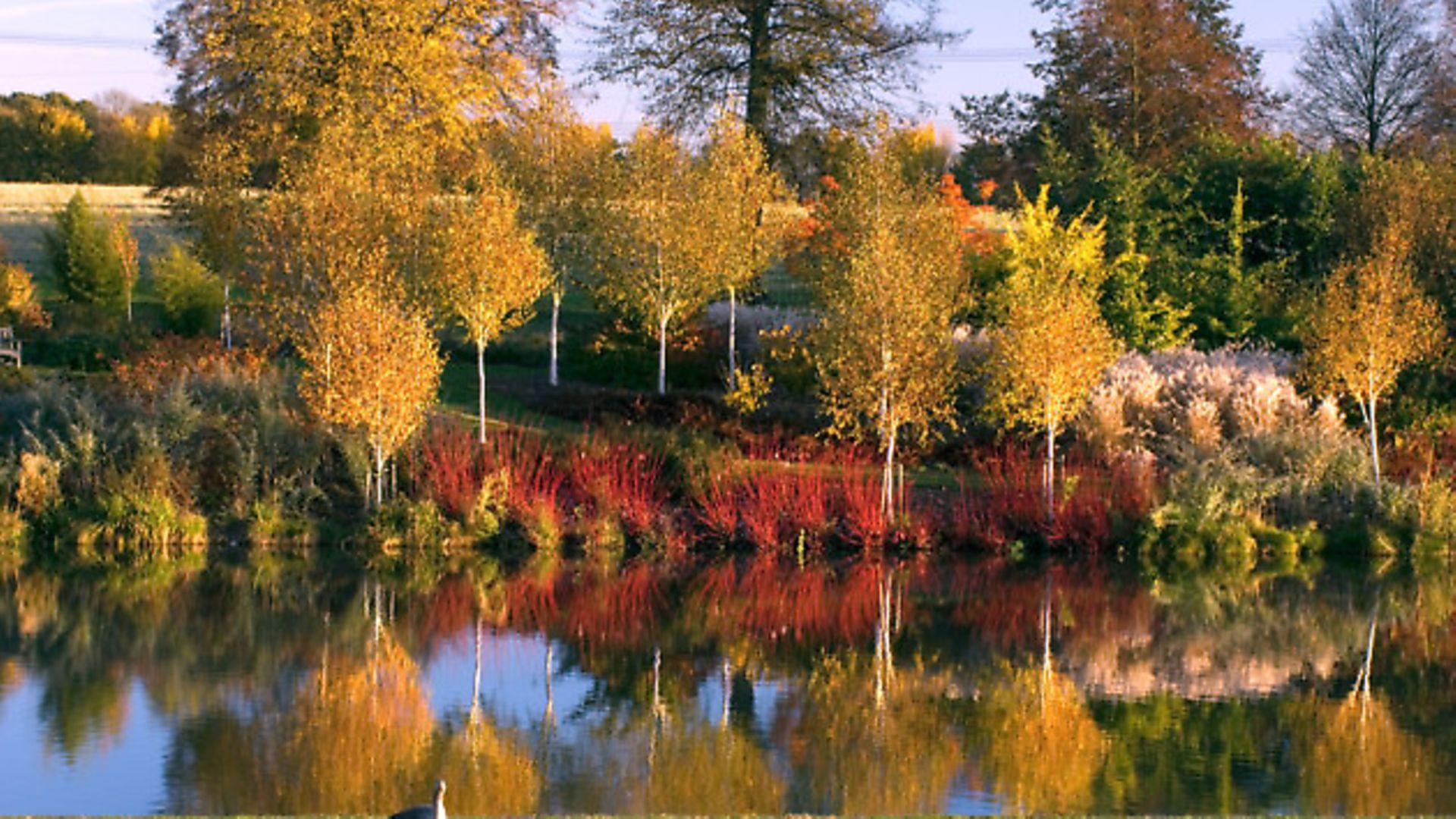
The best autumn gardens in Essex
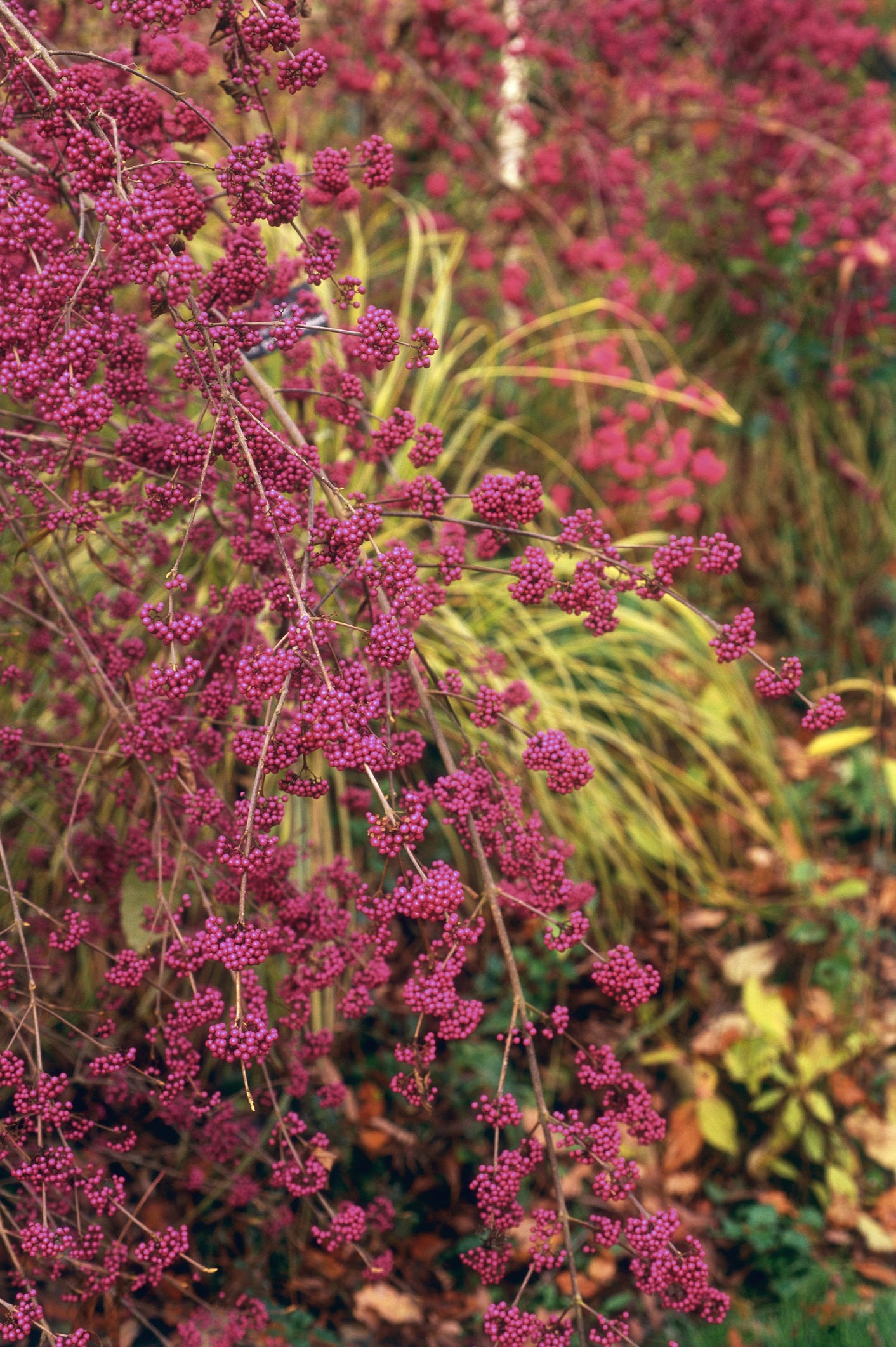
This article highlights the best places in Essex to experience the vibrant colors of autumn gardens and offers advice on selecting trees for personal gardens that provide year-round interest, with a particular focus on dramatic autumn foliage. Philippa Pearson, the article's author, suggests several trees known for their striking autumn hues and other unique features.
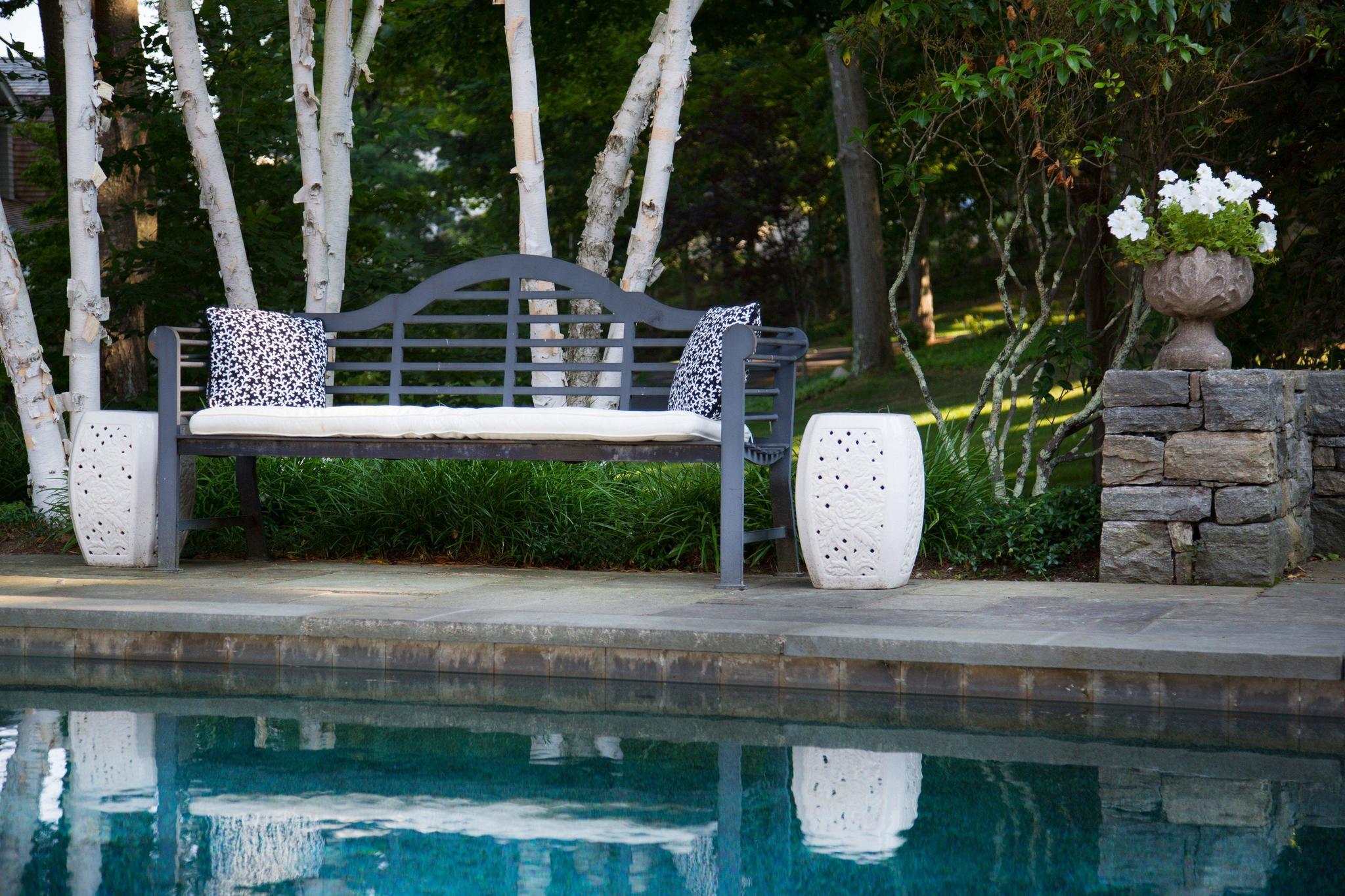
Maple varieties are recommended for their fiery crimson and red autumn leaves. Specifically, for smaller gardens, Acer griseum, or Paper Bark Maple, is noted for its peeling cinnamon-colored bark, while Acer davidii, the Snake Bark Maple, is admired for its distinctive green and white striped bark. Another tree providing visual appeal is the Himalayan Birch (Betula utilis var. jacquemonti), which boasts pure white bark and deep buttery yellow foliage in autumn.
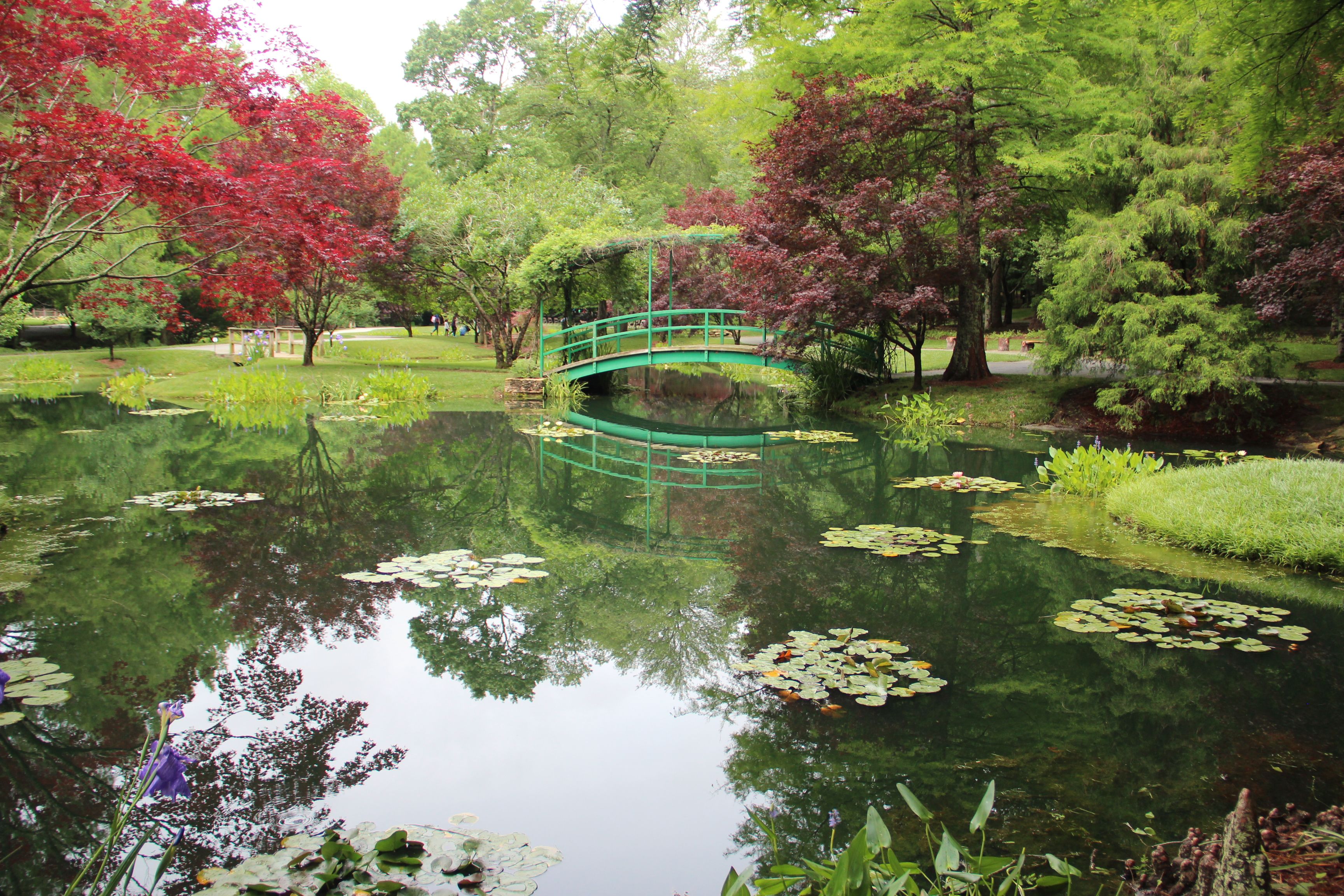
The article showcases Marks Hall at Coggeshall, where the Birkett Long Millennium Walk features groups of Himalayan Birches alongside bright red dogwood (Cornus alba ‘Sibirica’) and other shrubs. This area is specifically designed for autumn and winter interest, with colored stems, bark, plant silhouettes, and seed heads creating a seasonal tapestry that reflects beautifully in the adjacent lake. Cercis canadensis ‘Forest Pansy’ is also mentioned as a favorite autumn tree, recognized for its heart-shaped reddish leaves, spring flowers, and overall attractive shape, which can be seen at Green Island Garden near Ardleigh.
Green Island Garden also displays an array of other trees and shrubs known for their autumn foliage, including Maples, Cotinus, Nyssa, Taxodium distichum (Swamp Cypress), and Euonymous, all of which turn vivid shades of red, orange, and yellow before shedding their leaves. Daws Hall, located on the Essex/Suffolk border near Bures, is another significant location, developed by Iain Grahame since the 1960s with a focus on autumn colors. Here, rare and unusual species, including numerous Acers like Acer palmatum ‘Osakazuki’ and A. p ‘Sango-kaku’, contribute to the autumn display. The ‘Sango-kaku’ is particularly unique for its red winter stems and pale green foliage that transitions to buttery yellow in autumn. Other notable trees at Daws Hall include a Liquidambar styraciflua ‘Worplesdon’ and Nyssa sylvatica and N. sinensis.
RHS Hyde Hall Garden is also featured for its dramatic changing foliage, especially in the Robinson Garden. This area contains trees such as Fraxinus angustifolia ‘Raywood’ with claret foliage, Liquidambar styraciflua with leaves that change color from top to bottom, and yellow/orange tinted Parrotia persica. The garden also has a good collection of Malus (crab apples) and trees surrounding Clover Hill, which provide a colorful backdrop to perennials and grasses.
For those looking to enhance their own gardens, five top trees for autumn color and year-round interest are suggested: Betula utilis var. jacquemontii (Himalayan Birch), Cornus kousa var. chinensis, Crataegus persimilis ‘Prunifolia Splendens’, Liquidambar styraciflua ‘Worplesdon’, and Malus ‘Evereste’ (Crab Apple). The article concludes by providing contact information and visitor details for Marks Hall, Green Island Gardens, Daws Hall Gardens, and RHS Garden Hyde Hall, including their operating hours and special events related to autumn foliage viewing.
#AutumnGardens #Essex #TreeSelection #FoliageColor #GardenDesign #MapleTrees #HimalayanBirch #MarksHall #DawsHall #RHSHydeHall #AutumnGardens #Essex #TreeSelection #FoliageColor #GardenDesign #MapleTrees #HimalayanBirch #MarksHall #DawsHall #RHSHydeHall
0 comment in total
 No comments yet
You may also like
10 Typical Autumn Flowers That You Can Try Out

Design Tastemakers Reveal Their Favorite Fall Flower Arrangements
Fast-Growing Flowers You Can Still Plant In October

36 Fall Planter Ideas That Bring Seasonal Beauty to Your Doorstep
34 Fall Flowers and Plants for a Beautiful Autumn Garden
18 fall flower and foliage decorating ideas that embrace the natural beauty of the season

10 outdoor fall decor ideas you’ll love to welcome the season

22 English Cottage Garden Ideas That Bring Whimsy and Charm to Your Outdoors

Serene Oasis In Essex: A Tranquil, Toned-Down Garden
Fall Décor Season: These Markets and Garden Centers Have What You Need
Rustic Vases Perfect For Displaying Fall Flowers
11 fall interior design trends that will help you to create elegant, warm looks for your home this autumn
12 Fall Garden Ideas That Will Fill Your Landscape With Autumnal Charm

25 Outdoor Fall Decor Ideas to Make Your Porch Feel Cozy Through Thanksgiving
Seven of the loveliest Japanese gardens in the UK

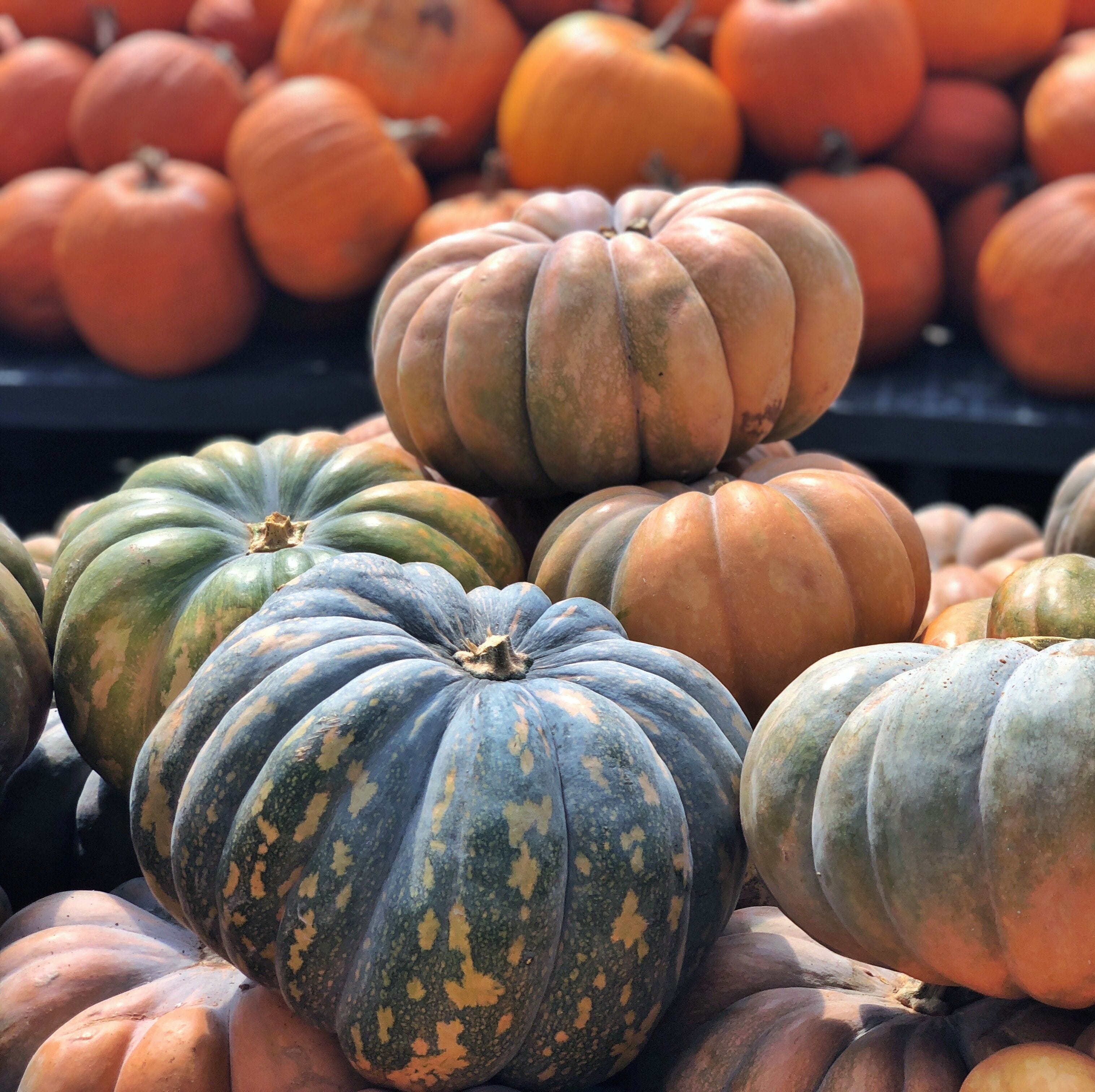
20 Different Types of Pumpkins That Are the Pick of the Patch

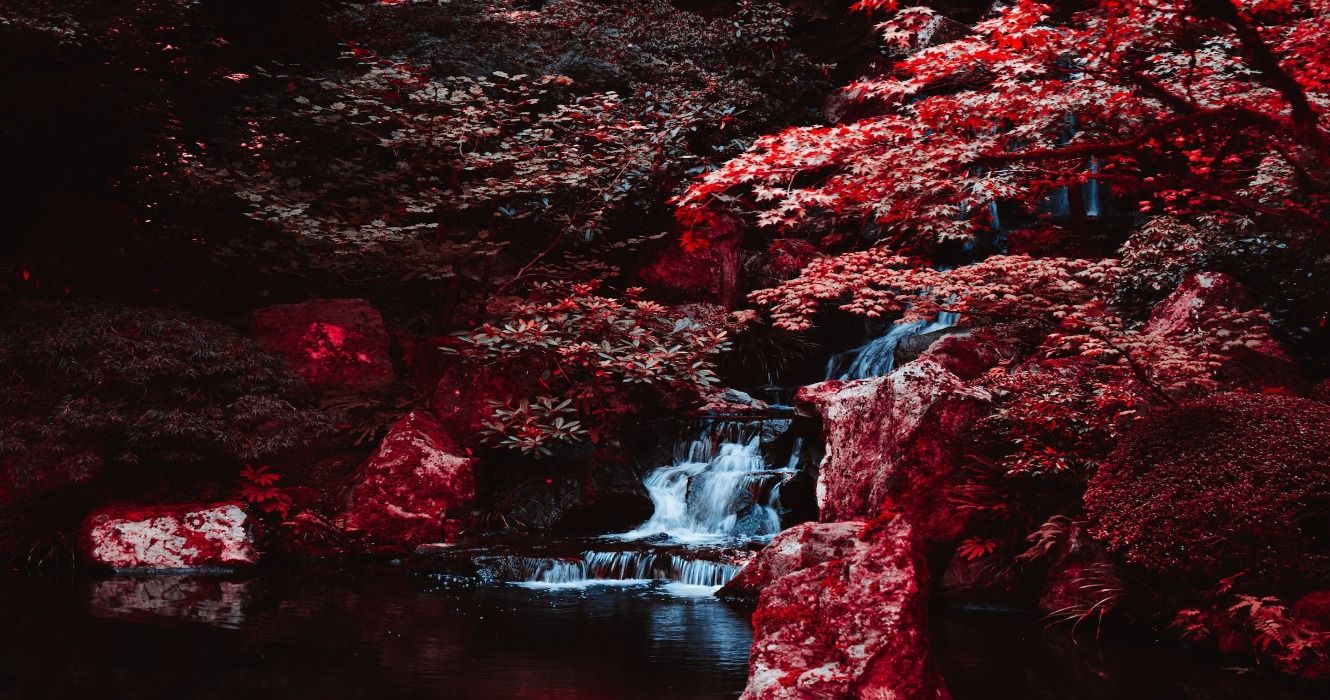
10 Beautiful Japanese Gardens In The U.S. To Visit This Fall

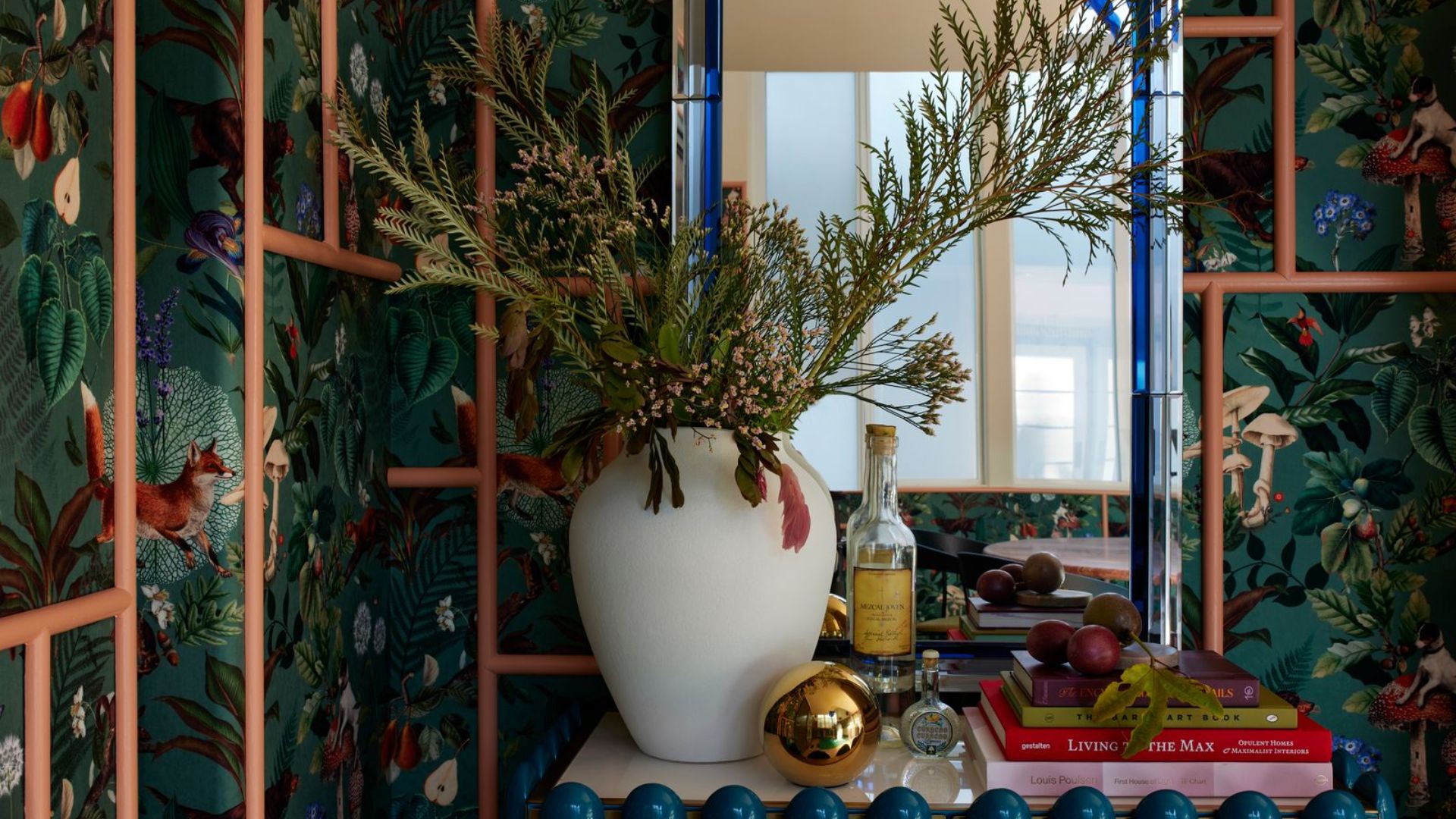
7 Fragrant Cut Flowers for Autumn to Make Your Home Smell Great

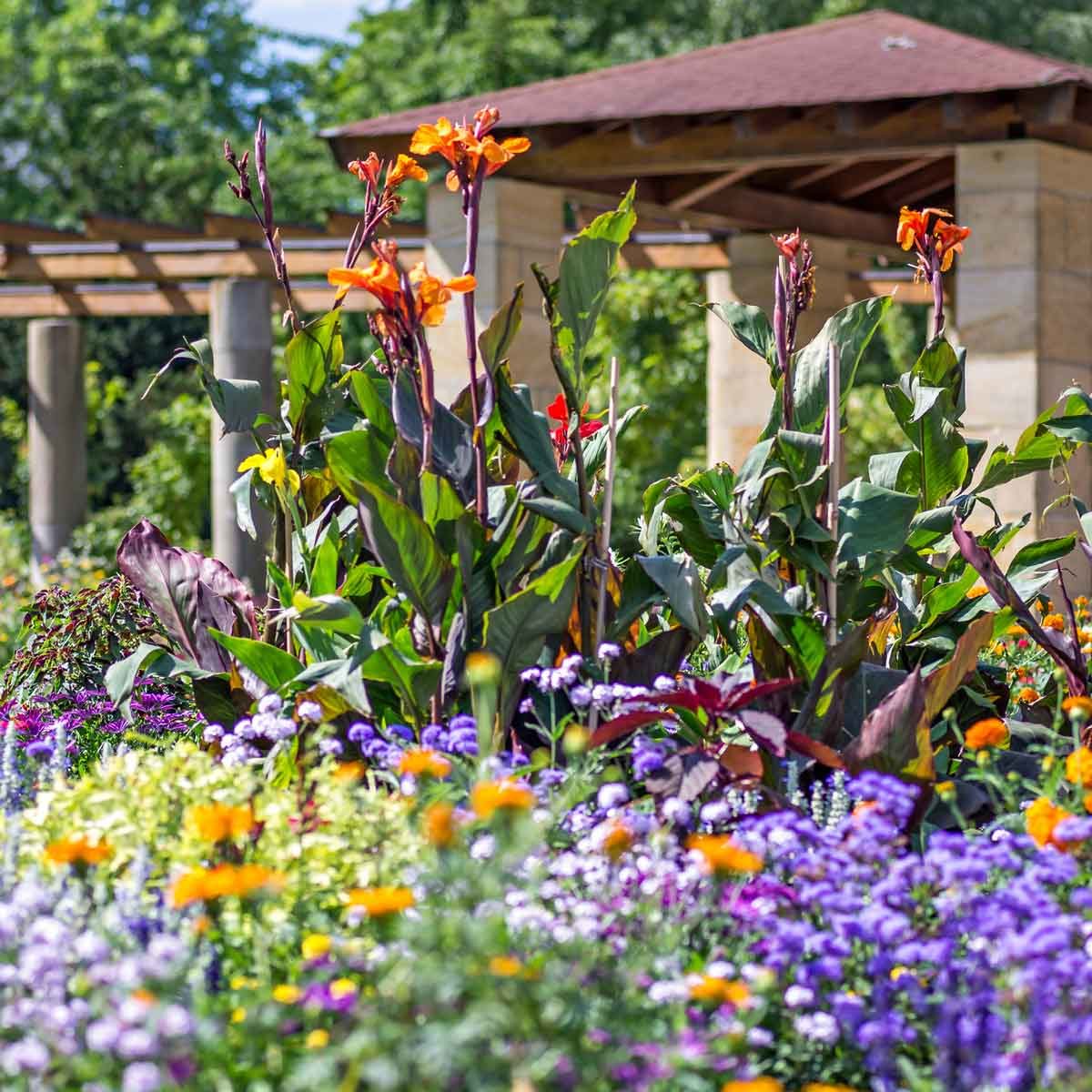
10 Tall Outdoor Plants for Landscaping

65 Fall Decor Ideas for an Autumn-Inspired Home