1/3
Please Convince Me I Don't Need a Home Arcade Cabinet
The author reflects on a desire to purchase a home arcade cabinet, stemming from childhood experiences at their father's arcade. This desire is contrasted with practical considerations and personal reservations. The article explores various aspects of owning a home arcade cabinet, including size, the availability and legality of games, the complexity of DIY builds, and cost.
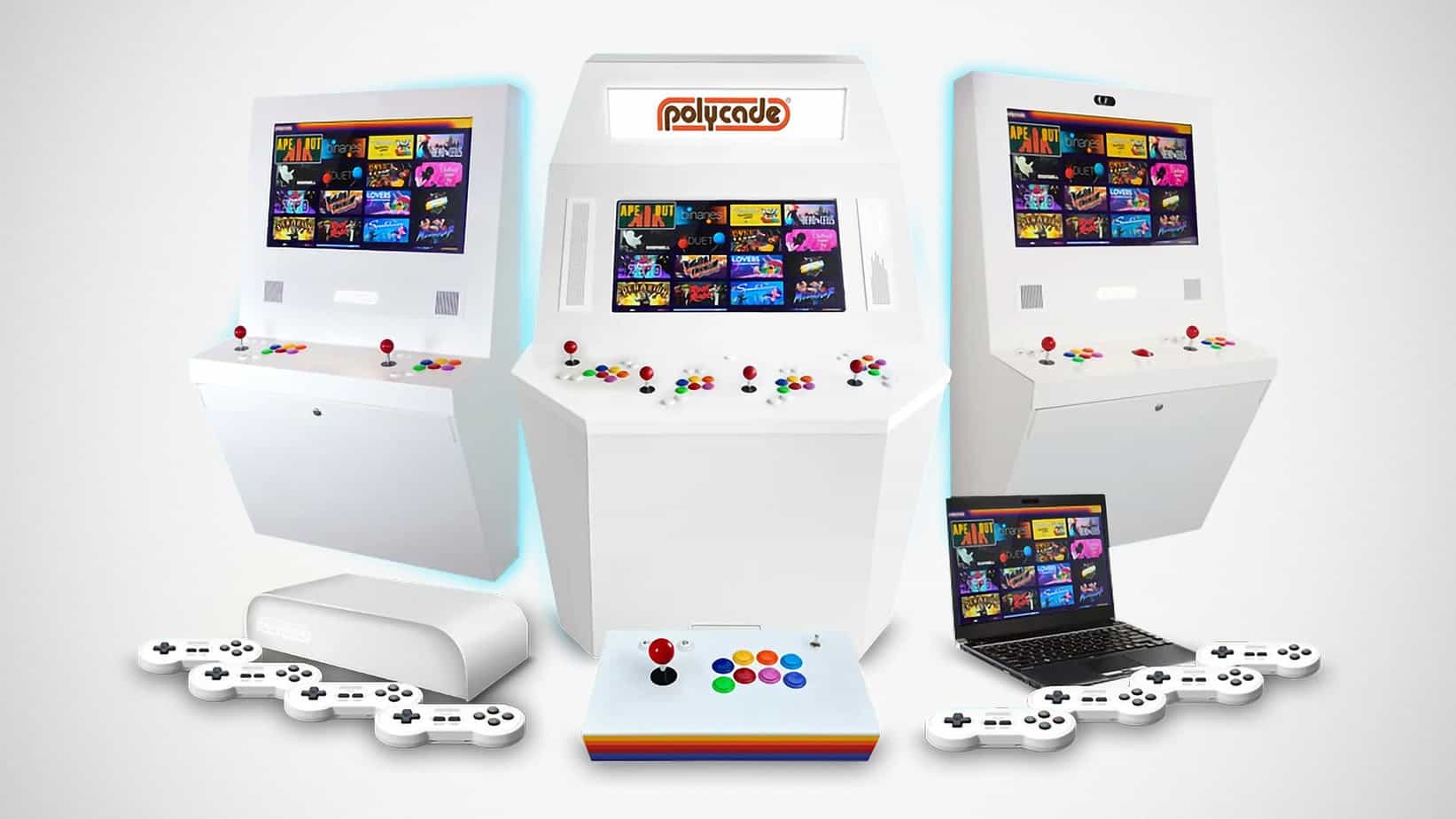
Initially, the size of traditional arcade cabinets is presented as a major deterrent, especially given a personal preference for smaller, more portable gaming systems like gaming laptops and OLED Nintendo Switches. However, the author acknowledges that modern alternatives exist, such as three-quarter, half, and quarter-scale replicas, as well as countertop cabinets. These smaller options mitigate the space issue, and the absence of heavy CRT monitors in modern builds makes them more movable. The article also clarifies the term "JAMMA" as a wiring standard for arcade cabinets, indicating its relevance for both classic and contemporary systems.
The challenge of finding good game boards is discussed next. While authentic original hardware is available for those with significant financial resources, it is expensive and offers limited game variety. The author prefers the flexibility of playing different games. Emulation and virtualization are presented as alternatives, but these come with their own set of problems. Many affordable arcade cabinets use inaccurate emulation, with popular systems like Pandora's Box receiving mixed reviews. The legality of game acquisition is also a key point; while emulators are legal, pre-loaded systems with game ROMs often constitute piracy, emphasizing the importance of legally obtaining ROMs. Higher-end options like MisterCade kits, which use FPGA technology for hardware-level emulation, offer greater accuracy but at a higher cost. Raspberry Pi-based MAME setups are noted as a casual option, though they may not satisfy purists.
The article addresses the perceived difficulty of building a DIY arcade cabinet. Despite personal involvement in 3D printing and PC building, the author expresses reluctance towards scratch builds or even assembling kits, likening the latter to constructing IKEA furniture. It is suggested that local companies often offer assembly services or custom builds, providing a convenient solution for those unwilling to undertake DIY projects. The author then considers purchasing an arcade stick as a compromise, recognizing that it offers a practical way to play arcade games without the space commitment. However, this option is ultimately dismissed as it lacks the immersive, dedicated experience of a full arcade cabinet, which allows for spontaneous play and serves as a decorative element.
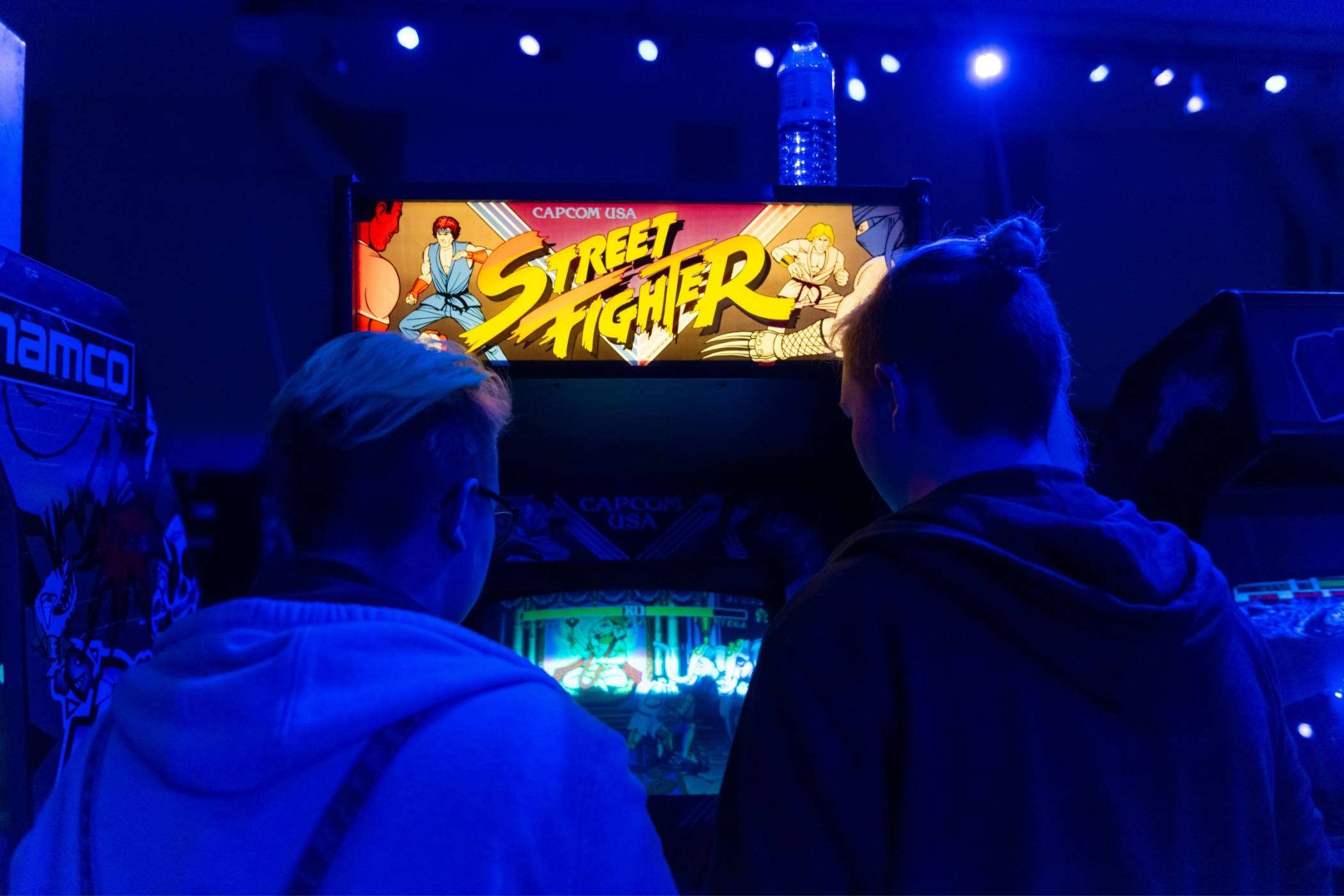
Finally, the financial aspect is examined. Home arcade cabinets can range from $500 to over $1000, which is comparable to the cost of a current-generation console or a mid-range gaming PC. Despite the expense and the author's existing collection of gaming devices, the appeal of an arcade cabinet as a unique and decorative item with "geek cred" is highlighted. The article concludes by acknowledging that while the purchase would be significant financially, the aesthetic and nostalgic value of a home arcade cabinet, particularly one featuring iconic games like Street Fighter II, might justify the investment, framing it as a worthwhile acquisition for its coolness factor and unique appeal among friends.
#VideoGames #Gaming #GameEmulation #HomeArcade #RetroGaming #ArcadeCabinet #MAME #FPGA #VideoGames #Gaming #GameEmulation #HomeArcade #RetroGaming #ArcadeCabinet #MAME #FPGA
0 comment in total
 No comments yet
You may also like
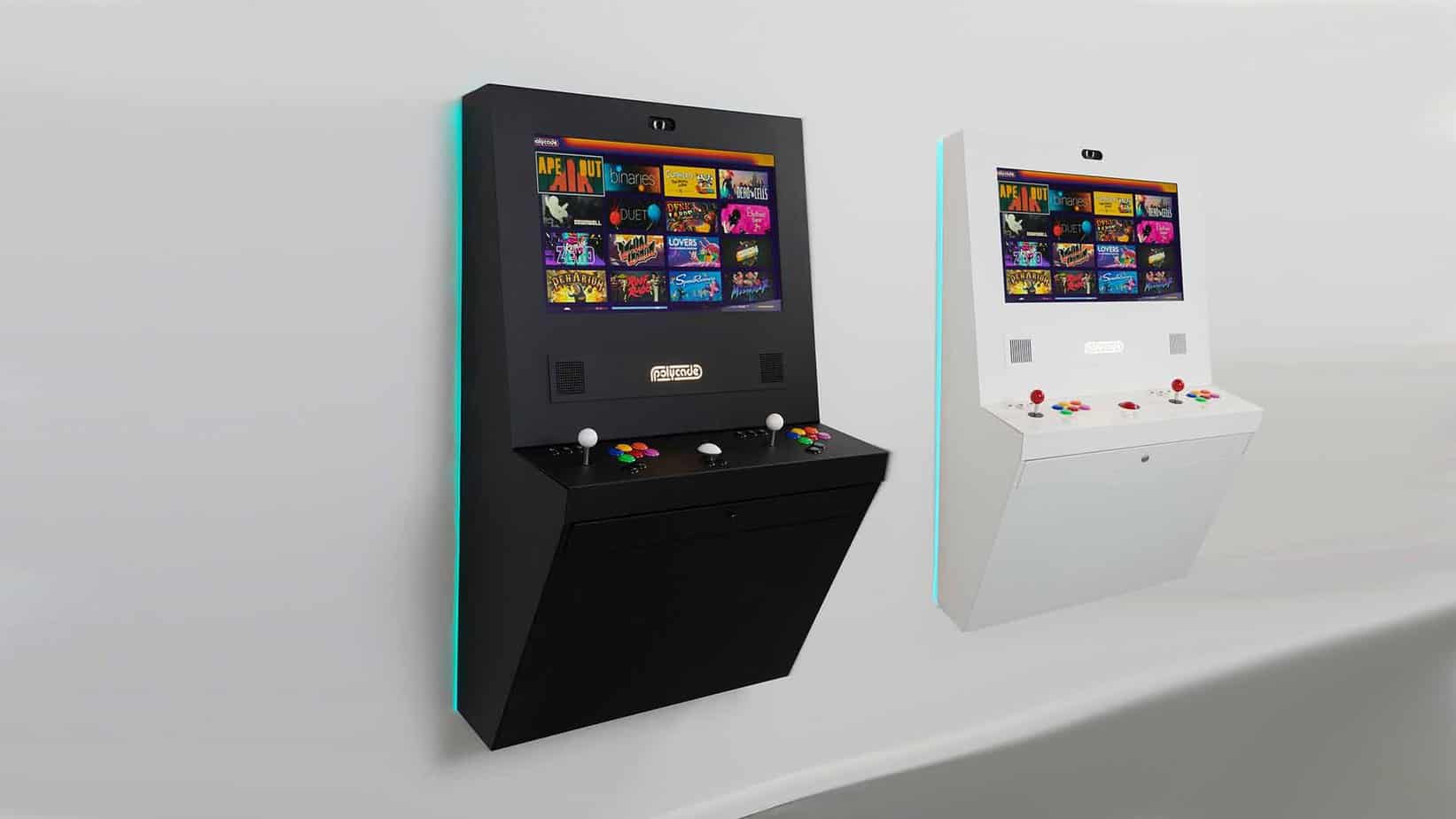
Polycade Is A Wall Mounted Arcade Cabinet For Retro Gamers
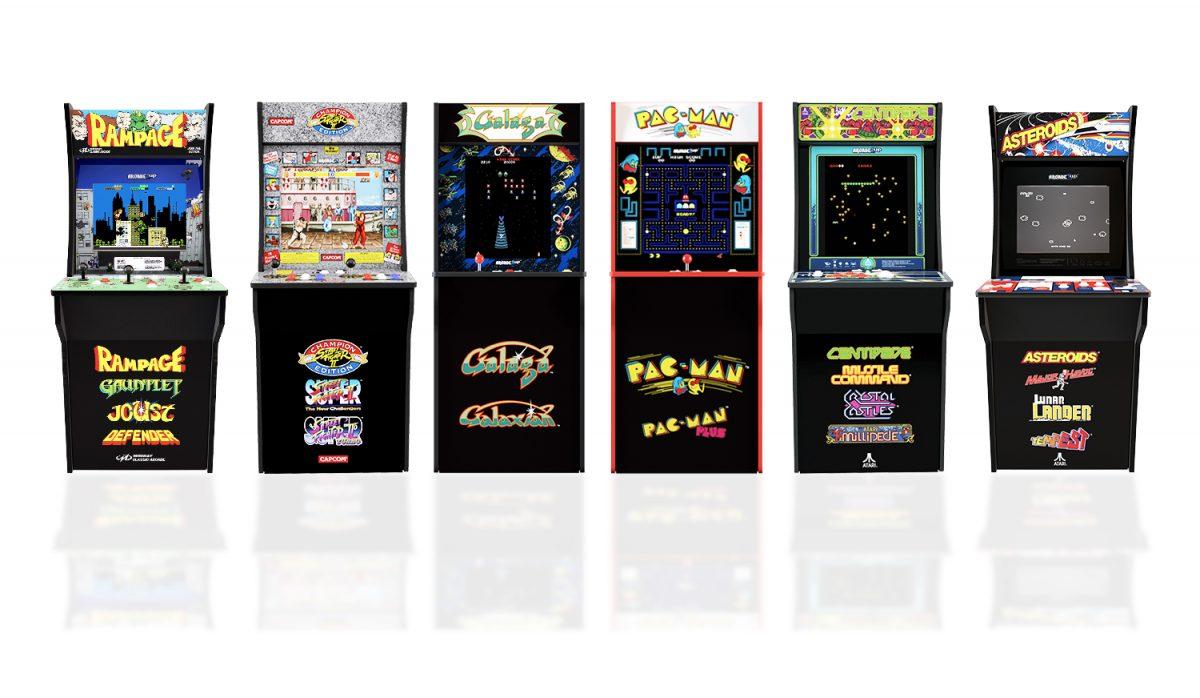
Hands-On With Arcade1Up's Awesome Retro-Inspired Cabinets

Does a kitchen really need a microwave? Why I got rid of this eyesore from my minimalist space and never looked back

In Case You Were Wondering: Yes, You Need a Console Table!

When You Don’t Have the Time to Construct a Banquette, Go for a Kitchen Sofa

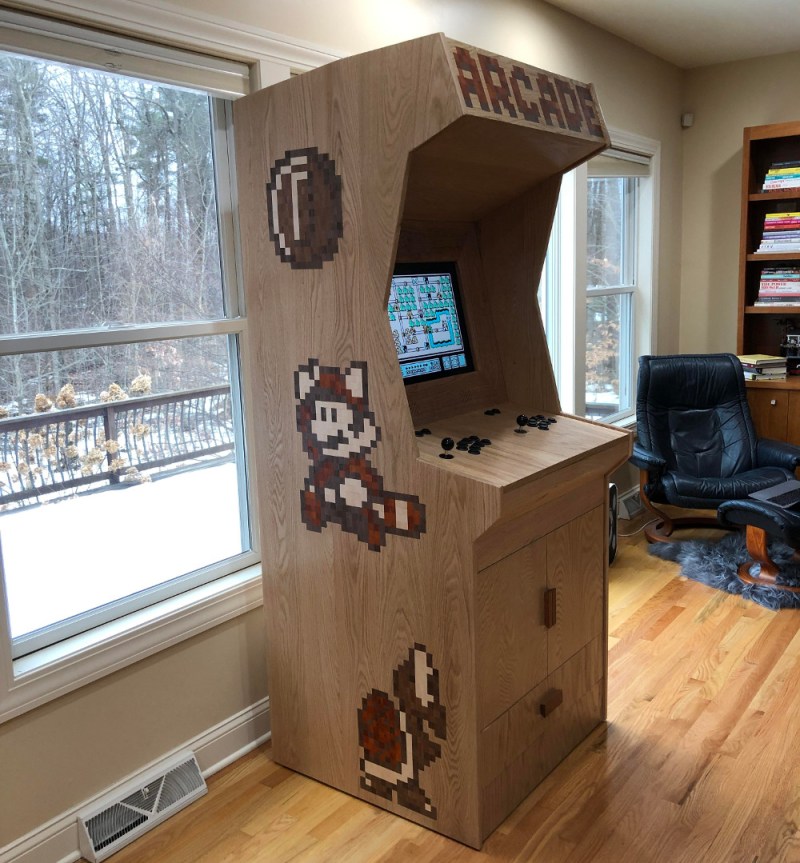
Solid Oak Arcade Cabinet: When Particle Board Won’t Do

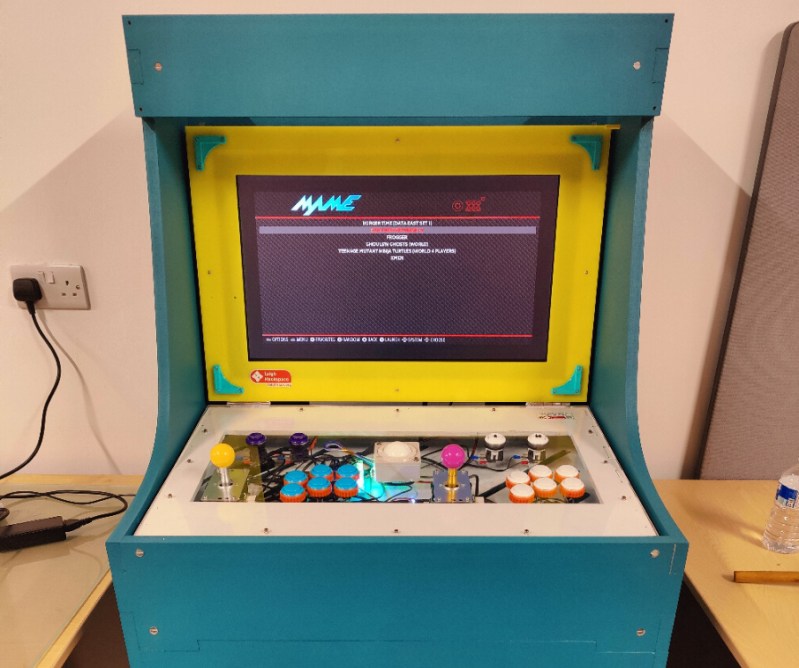
Portable, Full-Size Arcade Cabinets
This Easy IKEA Hack Creates a Luxe-Looking Media Console

You wish you had this home theater in your basement