Sip and savor traditions of Japanese tea ceremonies at Art Complex Museum in Duxbury
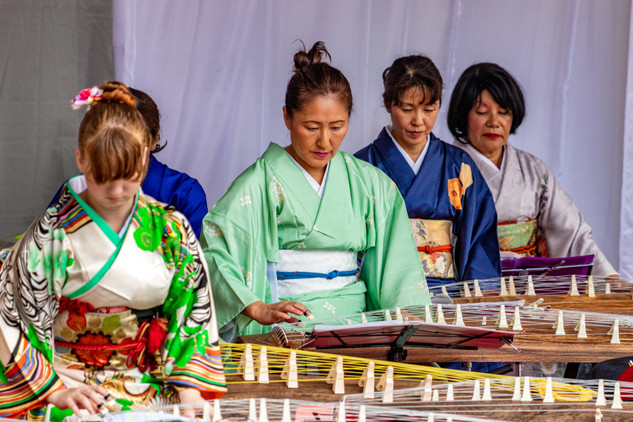
The Japanese Tea Ceremony, known as Chado or 'The Way of Tea,' is a profound cultural practice rooted in Japanese history and art. This ritual goes beyond simply preparing and serving tea; it is a meticulous performance designed to foster an appreciation for the present moment, emphasizing that each experience is unique and unrepeatable. The practice, which originated approximately 450 years ago, initially spread from Buddhist monks to the nobility, then to the Samurai class, followed by merchants, and eventually to the general populace, indicating its widespread cultural significance.
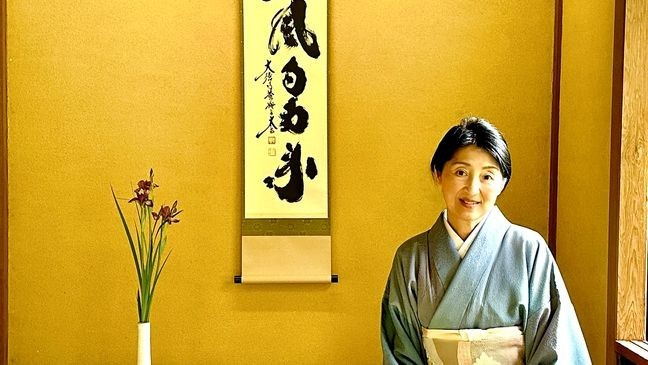
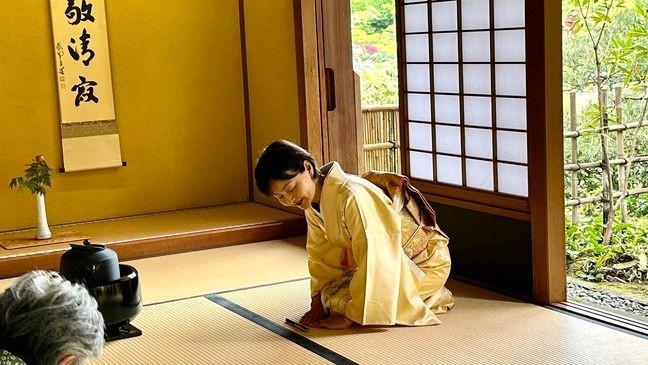
The Art Complex Museum in Duxbury plays a crucial role in preserving and promoting this ancient art form by hosting free tea ceremonies. These events provide an opportunity for the public to engage with this rich tradition. Miho Soho Machida of Urasenke Boston, a Japanese tea ceremony group, organized a recent event at the museum in July, highlighting the commitment of organizations to maintain and share this heritage.
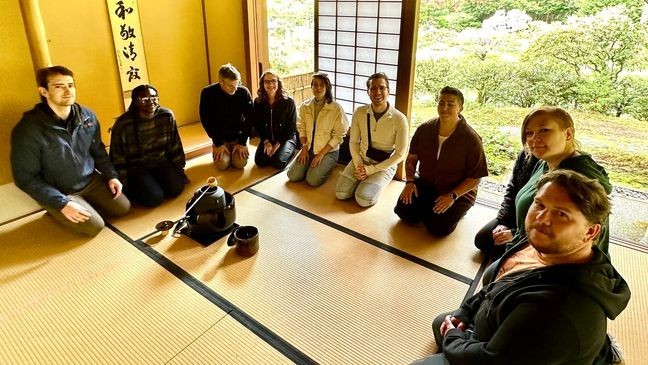
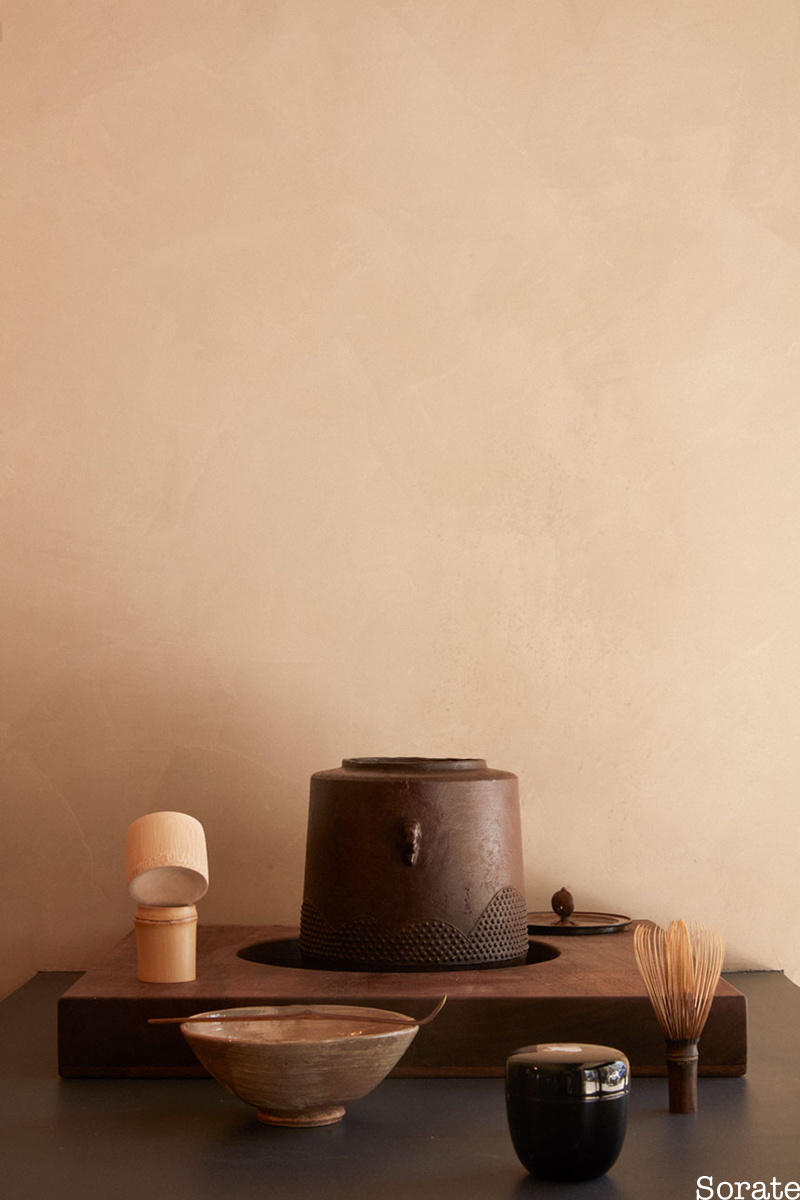
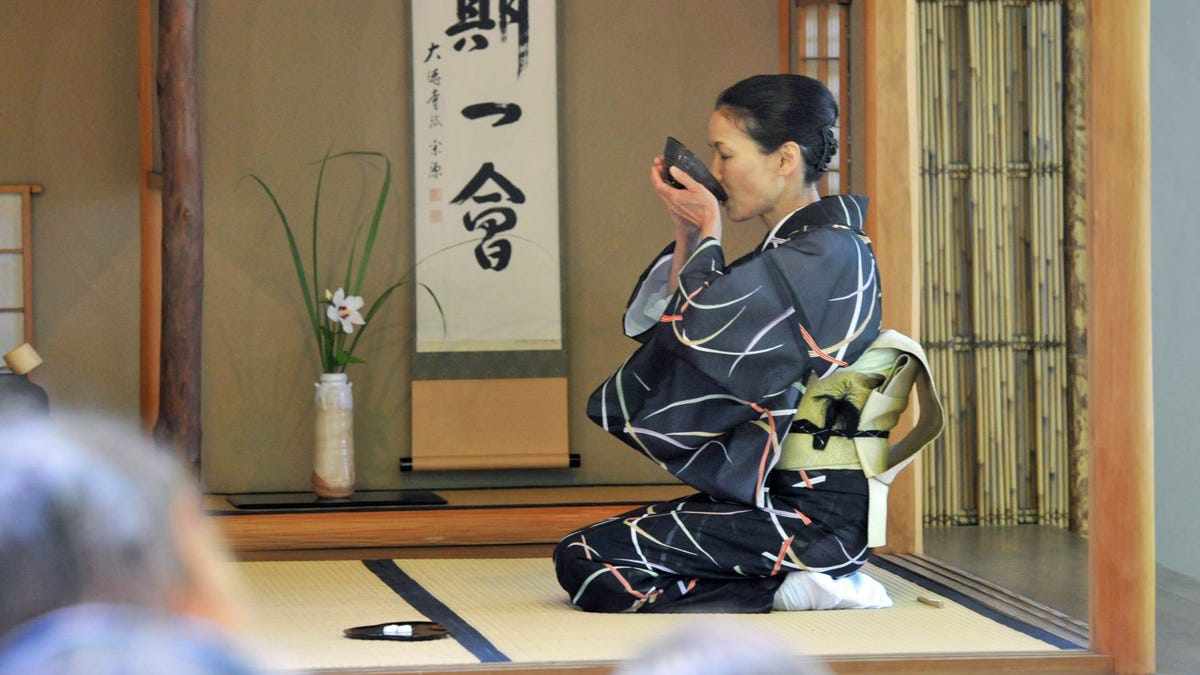
Traditionally, a full Japanese Tea Ceremony serves as an elaborate display of hospitality between the host and guests. It integrates various Japanese art forms, including architecture, metalwork, calligraphy, and ikebana (floral arranging), in addition to the preparation and consumption of food and tea. While a formal ceremony can extend up to four hours, the museum's events are often condensed to about 60 minutes, offering an accessible introduction to the symbolism and philosophical underpinnings of the tradition.
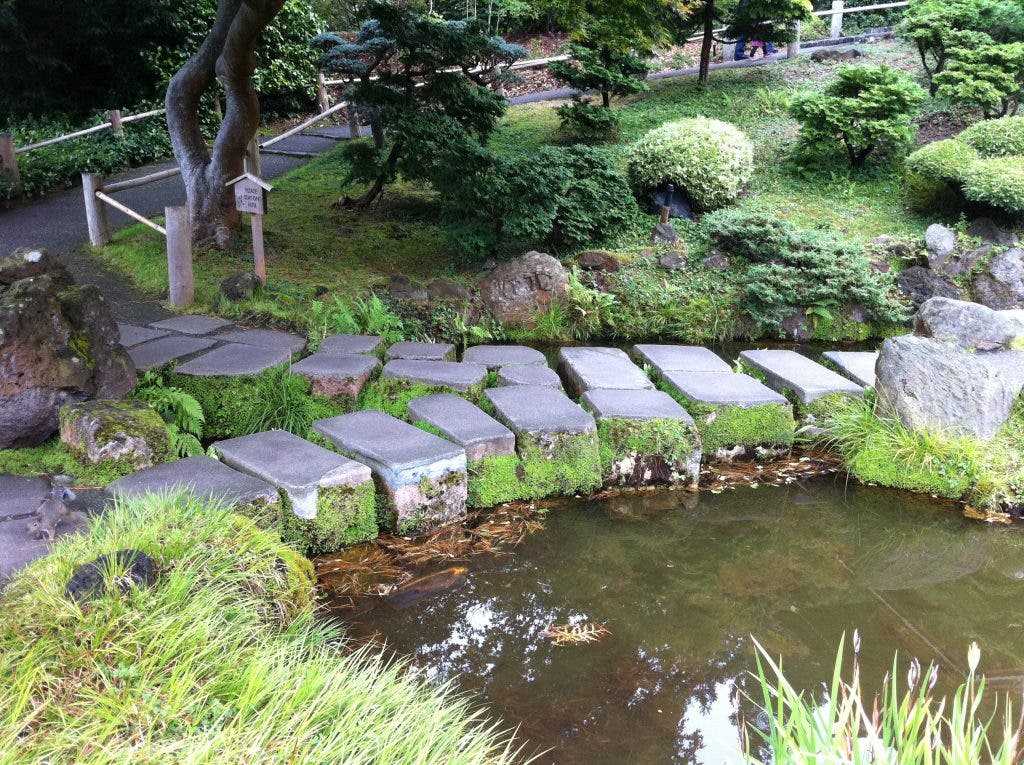
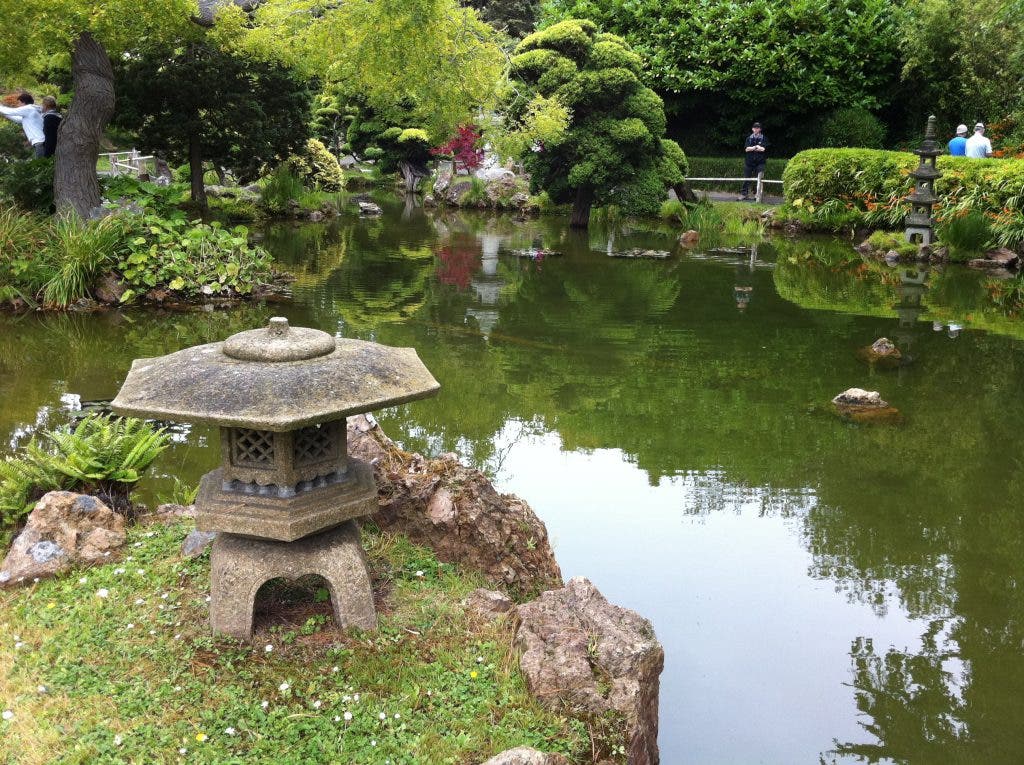
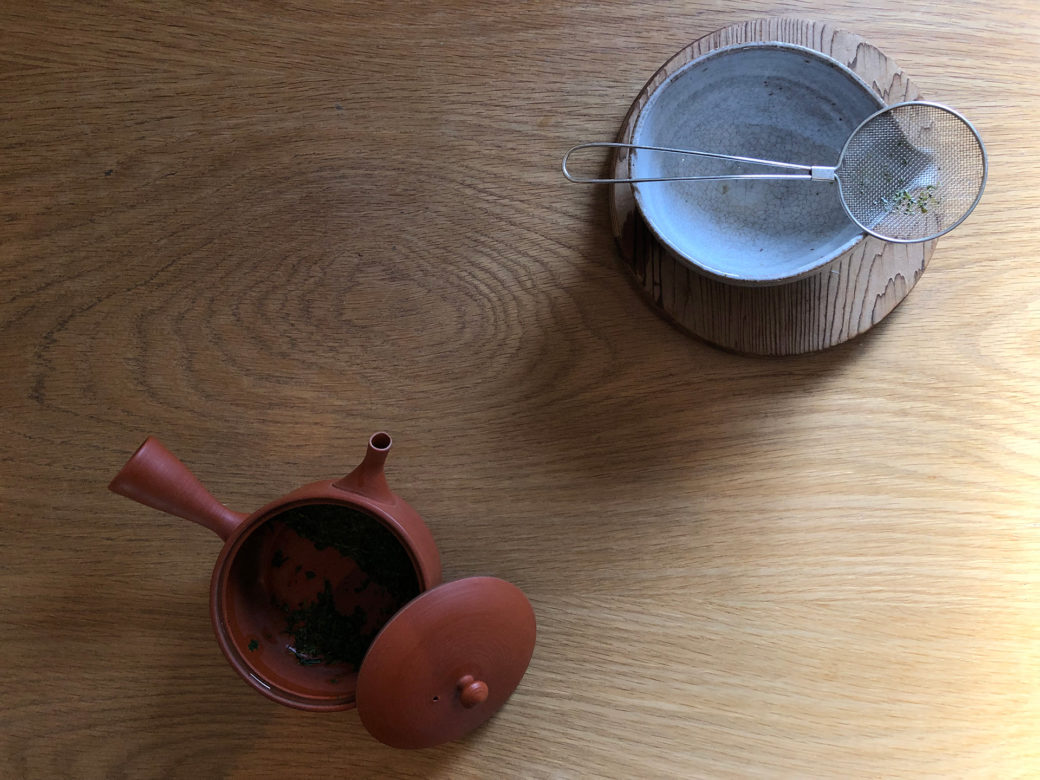
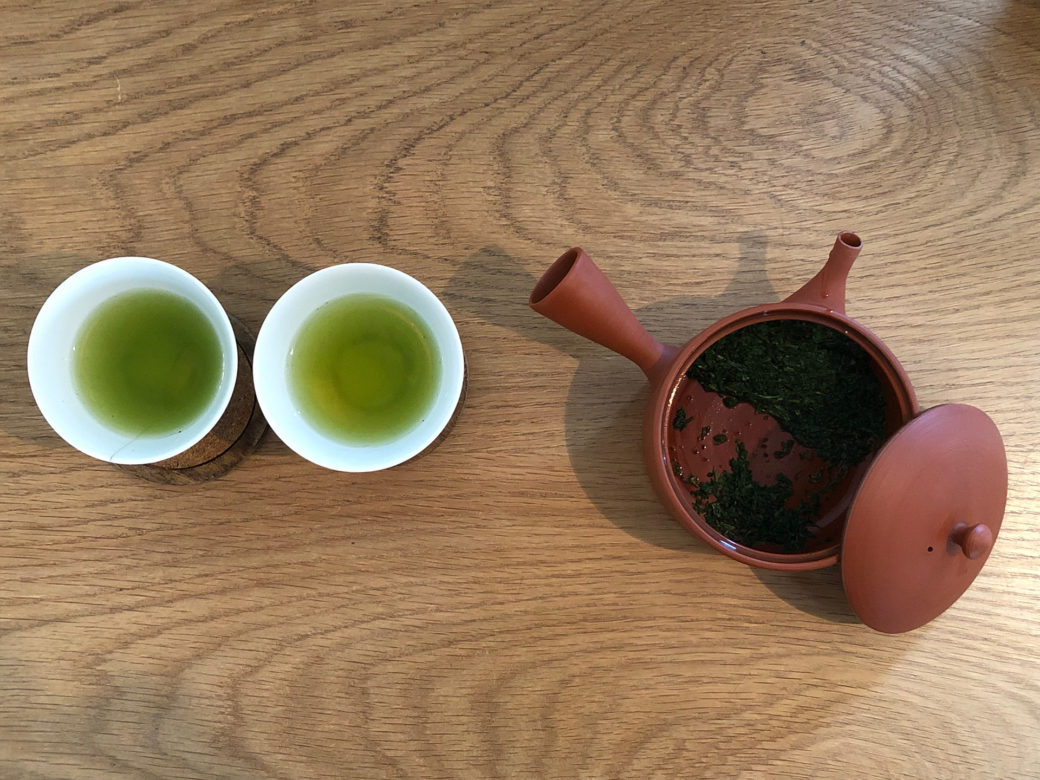
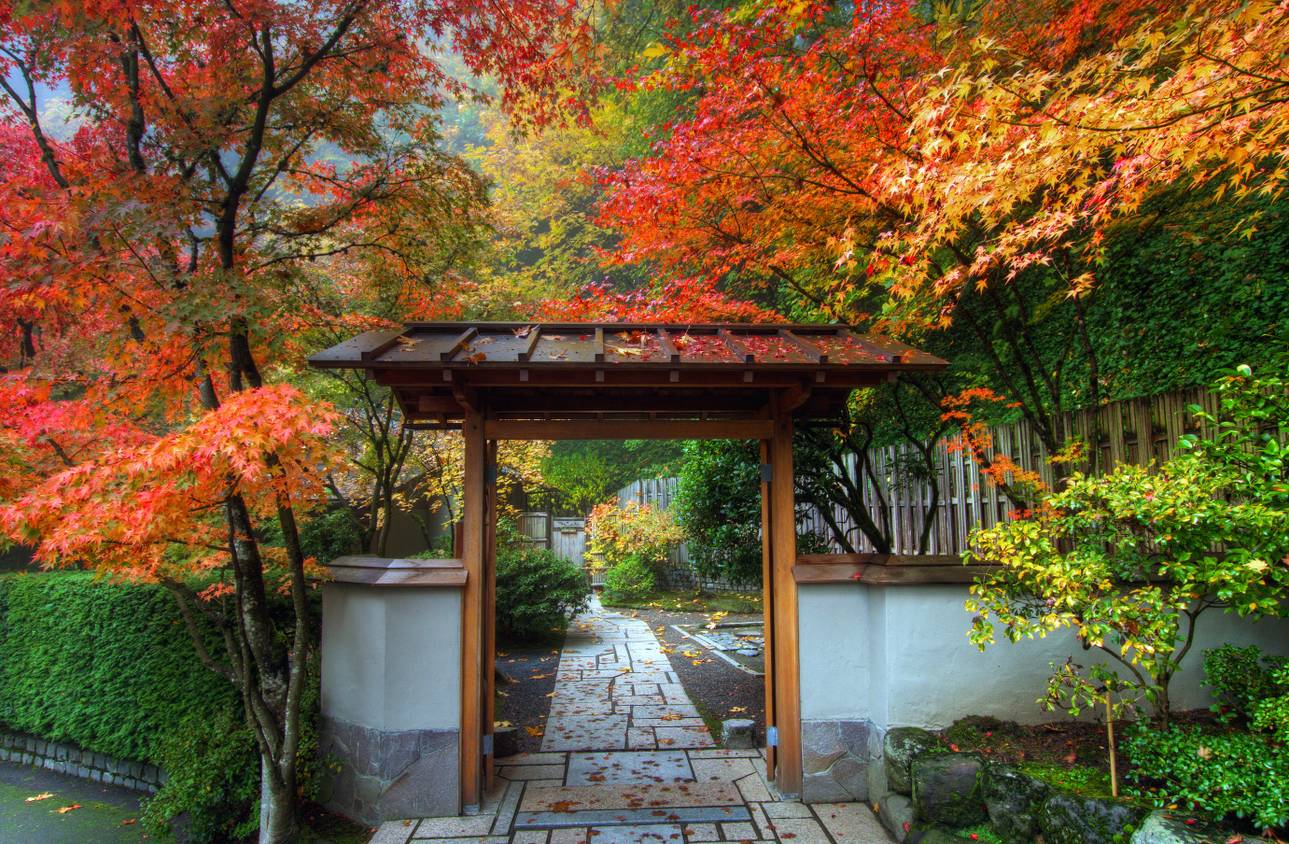
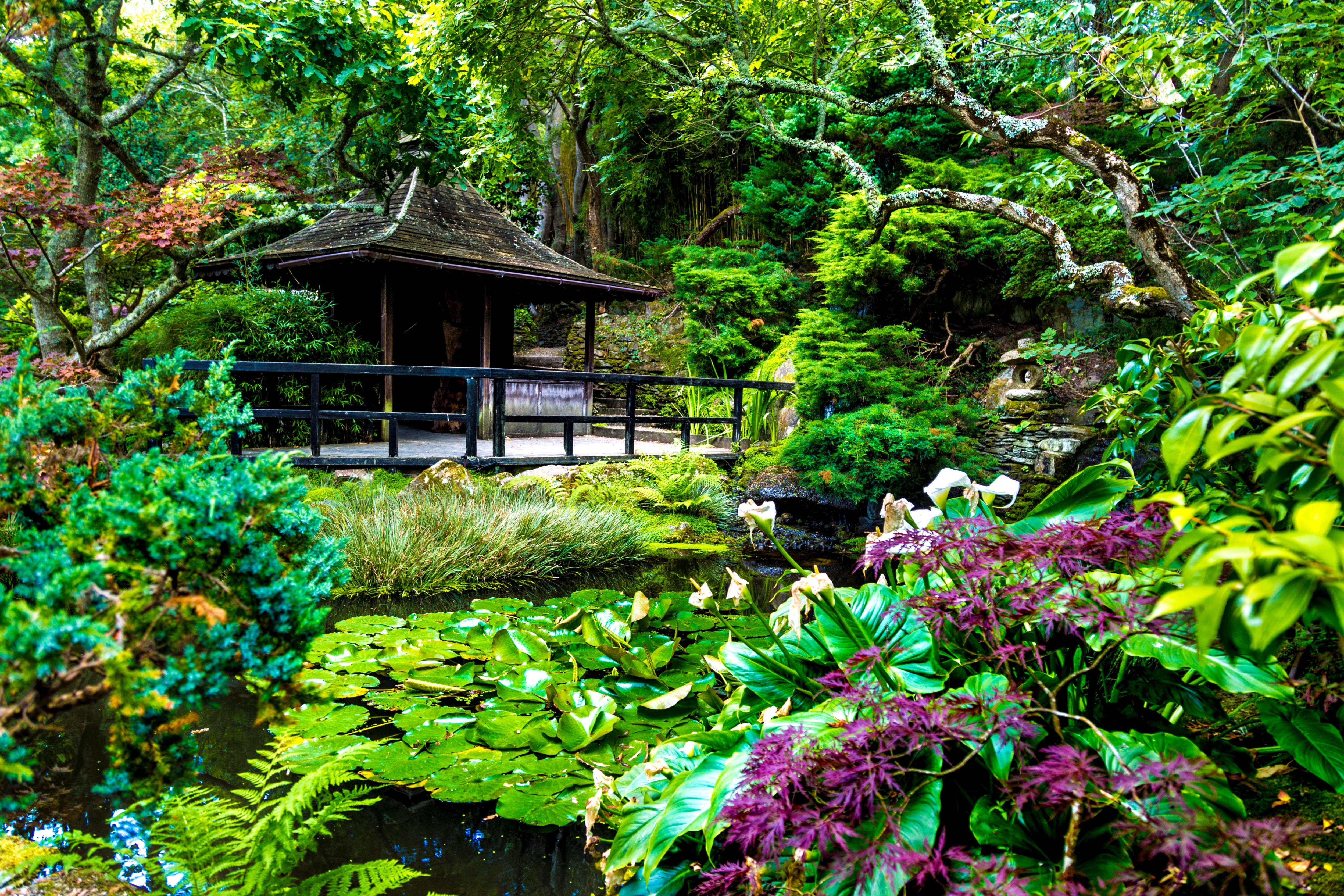
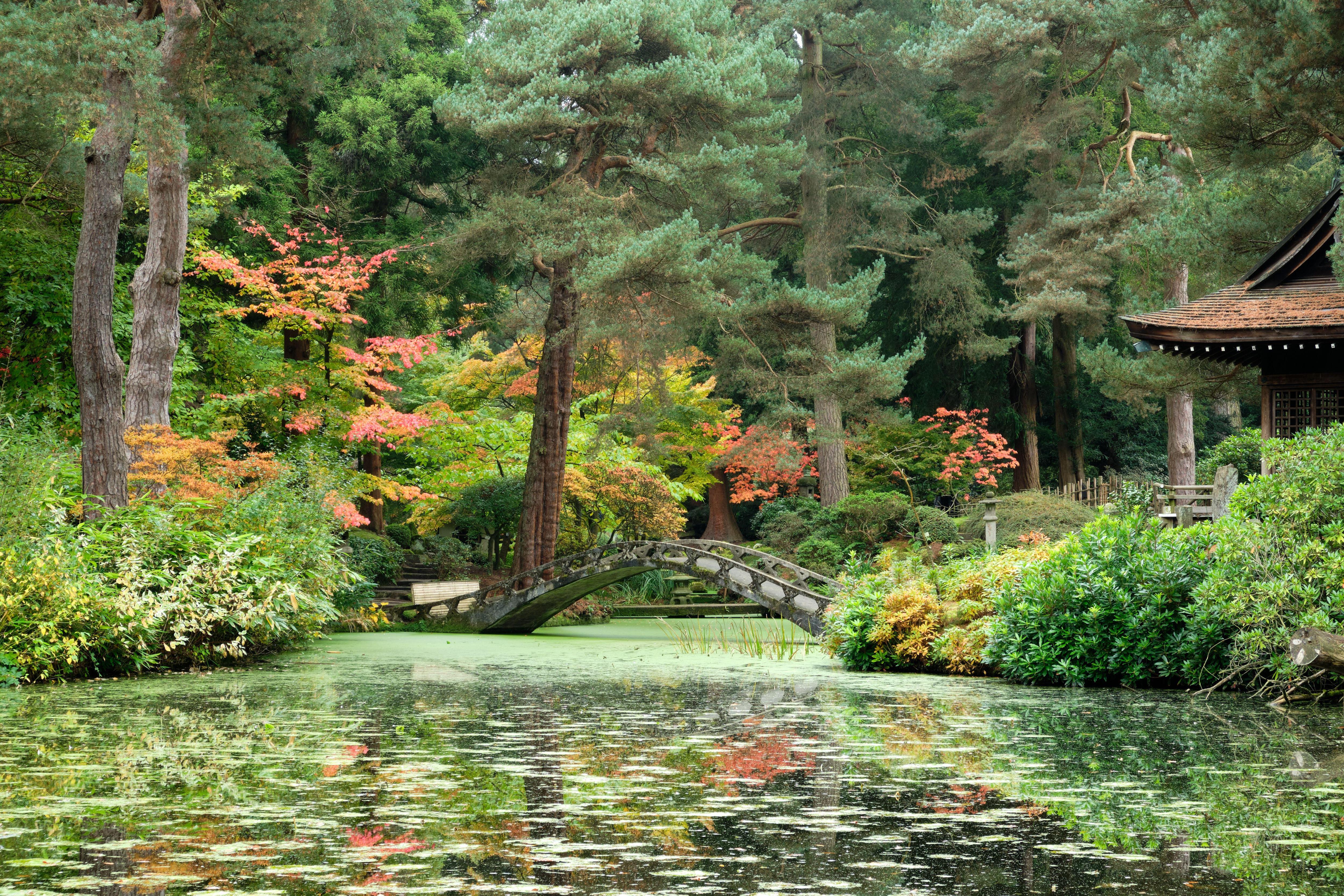
During these demonstrations, attendees are typically offered a Japanese sweet and a taste of Japanese green tea, specifically matcha. The ceremonies at the Art Complex Museum are held at the 'Wind in the Pines' tea house, a structure originally built in Kyoto in 1967 and subsequently reassembled in the museum's Japanese tea garden in 1975. This authentic setting enhances the experience, transporting guests to a traditional Japanese environment.
Participants at the ceremony learn about core Japanese cultural values, specifically the principles of harmony, respect, purity, and tranquility. Harmony encompasses an awareness of oneself, one's surroundings, and the inherent beauty of nature. Respect is demonstrated through the disciplined actions and interactions within the ceremony, acknowledging the roles and boundaries of both host and guests. Purity is reflected in the meticulous attention to cleanliness, including the ceremonial washing of utensils, and the precise handling and placement of items, symbolizing pure intentions. Tranquility is the ultimate shared outcome, leaving both the host and guests feeling calm and centered.
This emphasis on the uniqueness of each moment, suggesting that no experience can be exactly replicated, is a concept deeply influenced by Buddhist philosophy. Engaging with the Japanese Tea Ceremony offers a pathway to practicing mindfulness and being fully present, which is considered beneficial for emotional well-being. The museum's continuous efforts to host these ceremonies make this ancient, profound, and culturally rich experience accessible to a broader audience, fostering an understanding and appreciation of Japanese culture and its philosophical depth.
#JapaneseTeaCeremony #Chado #ArtComplexMuseum #Duxbury #UrasenkeBoston #Matcha #JapaneseCulture #Mindfulness #CulturalHeritage #JapaneseTeaCeremony #Chado #ArtComplexMuseum #Duxbury #UrasenkeBoston #Matcha #JapaneseCulture #Mindfulness #CulturalHeritage
0 comment in total
 No comments yet
You may also like
Give Us the Tea! Where to Have a Sip in the South
6 Remarkable Destinations For Tea In New York City
This Tranquil Garden Is A Slice Of Japan In An Unexpected Place

Find Your Zen at This $5M Estate with Authentic Japanese Teahouse and Gardens
Experience an authentic tea ceremony at Seattle Japanese Garden
Find Your Zen at the Japanese Tea Garden in San Antonio!

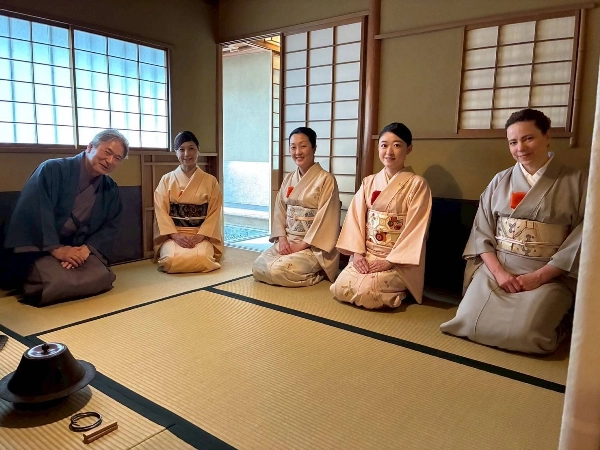
A moving meditation: Finding serenity in tea ceremony across space and time

Bonsai: Seating Inspired by Japanese Culture

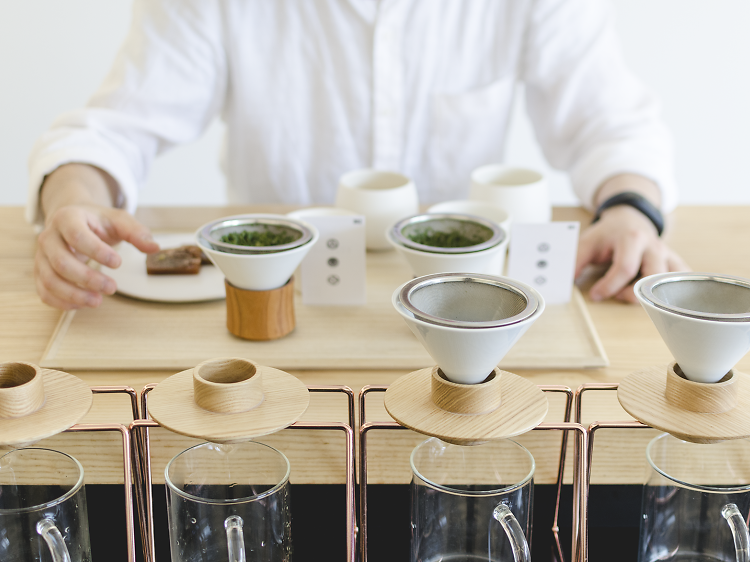
12 best Japanese tea rooms and green tea cafés in Tokyo
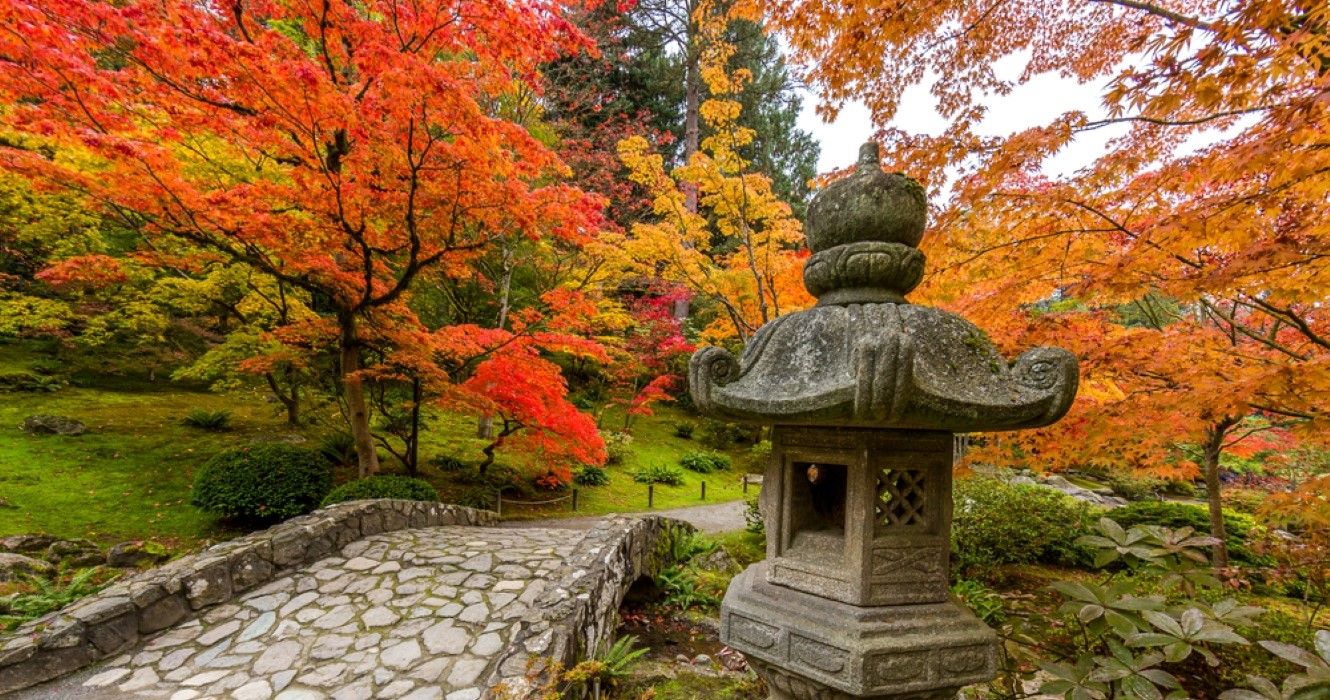
10 Japanese-Inspired Destinations In The United States
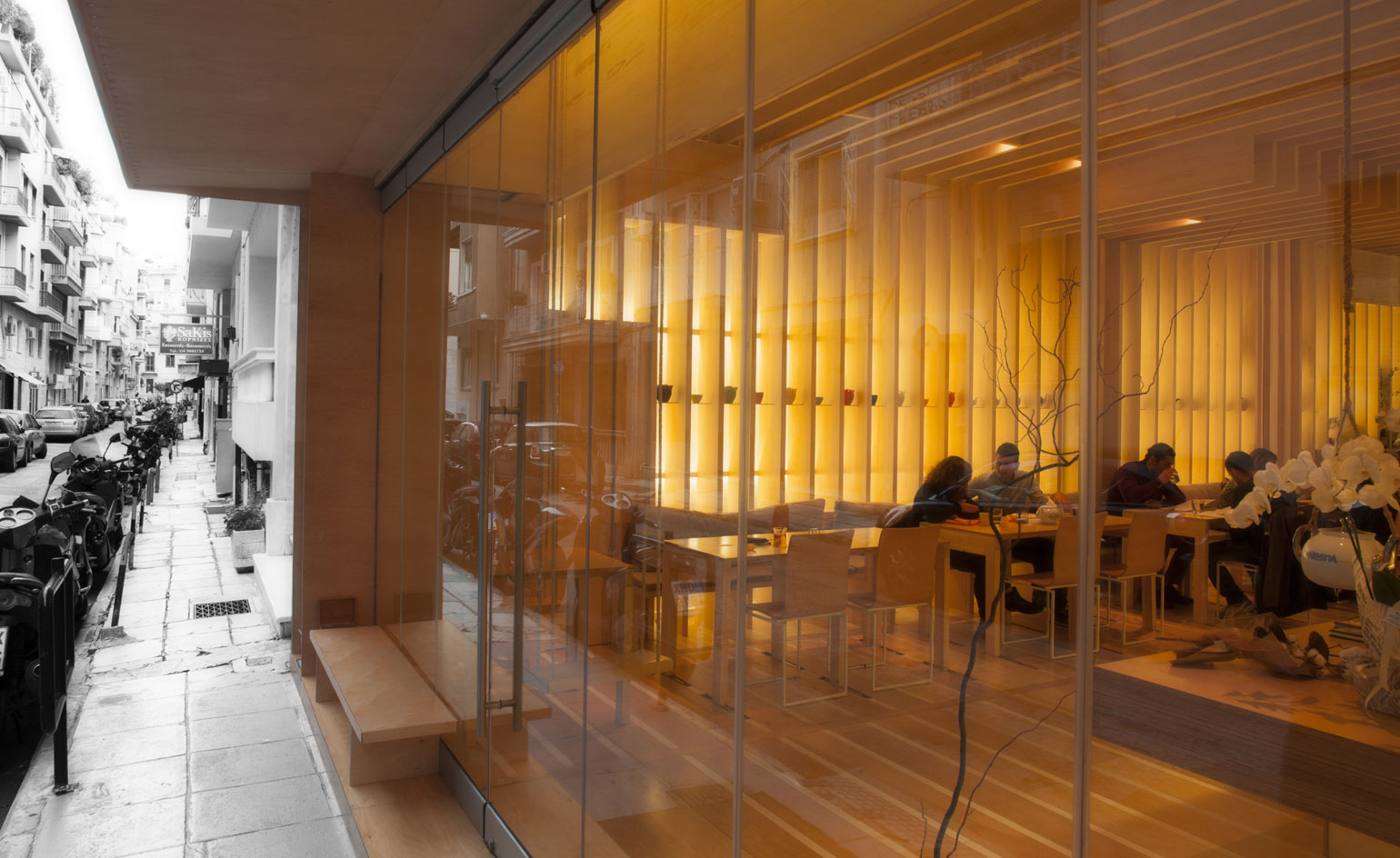
Tea and symmetry: traditional Japanese architecture inspires Greek teahouse

Seven of the loveliest Japanese gardens in the UK

Inside a Japanese tea ceremony, N.J.’s most tranquil hideaway
Inside a Japanese Tea House in SoHo
These 7 Places In America Look Like They've Been Airlifted Over From Japan
From ordinary to extraordinary: Takahiro Iwasaki’s push on perspective


Japanese Tea Garden is a Magical Place for Children

Michigan’s Slice of Japan: Where Design Connects Humanity with Nature

15 most beautiful cafés and coffee shops in Tokyo
Where to Stay, and Where to Eat Tempura, in Kyoto (Published 2019)