
1/2
Latvia: How Restaurant MO Helped Revive the Historic Julianna’s Courtyard in Liepāja
Restaurant MO, located in coastal Liepāja, Latvia, played a pivotal role in the revitalization of the historic Julianna’s Courtyard, a former industrial area. Chef Jolanta Bula, with nearly two decades of culinary experience, launched MO in 2016 within a complex of abandoned red-brick factories that once served as a printing house, sandal factory, sewing workshop, and ship service warehouses. The area, located just outside central Liepāja, had fallen into disuse and was overshadowed by the nearby Liepāja Beach.
MO's establishment brought a new sense of purpose to the derelict buildings, transforming the space into a vibrant meeting place. The restaurant features a sleek, dark interior that subtly references its industrial past, incorporating rustic wooden columns, black-metal chairs, and industrial-style chandeliers crafted from bronzed plumbing piping. Original industrial pipes are painted black, integrating them as design elements. Floor-to-ceiling windows offer diners views of the renovated courtyard, which now hosts concerts and street performances during summer evenings.
The culinary approach at MO is described as fluid and “traditionally Latvian” with an international touch. The menu rotates seasonally, emphasizing locally sourced ingredients through strong relationships with producers, including beef farmers from nearby Kuldiga. A notable cultural item on the menu is the homemade Napoleon cake with condensed milk fondant, a dish whose popularity in Liepāja is attributed to its history under Soviet occupation until 1990, reflecting enduring culinary influences. While featuring local elements, the menu also incorporates international dishes, such as foie gras paired with Latvian-raised beef. The beverage selection mirrors this local focus, offering Latvian vodka, gin, draught beer, balsam, kombuchas, and seasonal concoctions made from local produce like rhubarb, quince, and blackcurrant.
The initial vision for MO was to create a hub for friendship, diversity, and togetherness, and this has been realized over the past decade. Julianna’s Courtyard has undergone extensive renovation, now hosting a variety of businesses including barbers, co-working spaces, and bars, fostering a constant buzz of activity. MO adapts its operating hours to meet demand, offering breakfasts, lunch deals, and dinner services. The restaurant's success symbolizes Liepāja's broader development, as the city has gained international recognition. In 2027, Liepāja will be a designated European Capital of Culture, a testament to its compelling case for creativity and resilience following periods of historical unrest.
Liepāja's history includes periods of German and Soviet occupation, with the city experiencing significant economic decline post-independence in 1990, leading to the abandonment of industrial sites like Julianna’s Courtyard. Today, the city has undergone a rebirth, embracing its complex past and offering a unique blend of historical exploration, cultural depth, and seaside appeal. A recommended itinerary for visitors includes exploring the Liepāja Fortress and Karosta naval port, including a tour of the 19th-century Karosta Prison, in the morning. The afternoon can be spent at Karosta Beaches, visiting the Northern Fort remains. Evenings are best concluded at Julianna’s Courtyard, with dinner at MO, followed by drinks at nearby establishments, and potentially enjoying a sunset by the sea. MO contributes to Liepāja’s renewed identity, inviting travelers to engage with the city’s rich history and vibrant present before its anticipated surge in tourism for 2027.
#RestaurantMO #Liepaja #JuliannasCourtyard #LatvianCuisine #CulturalRevitalization #EuropeanCapitalOfCulture #JolantaBula #TravelLatvia #MichelinGuide #RestaurantMO #Liepaja #JuliannasCourtyard #LatvianCuisine #CulturalRevitalization #EuropeanCapitalOfCulture #JolantaBula #TravelLatvia #MichelinGuide
 No comments yet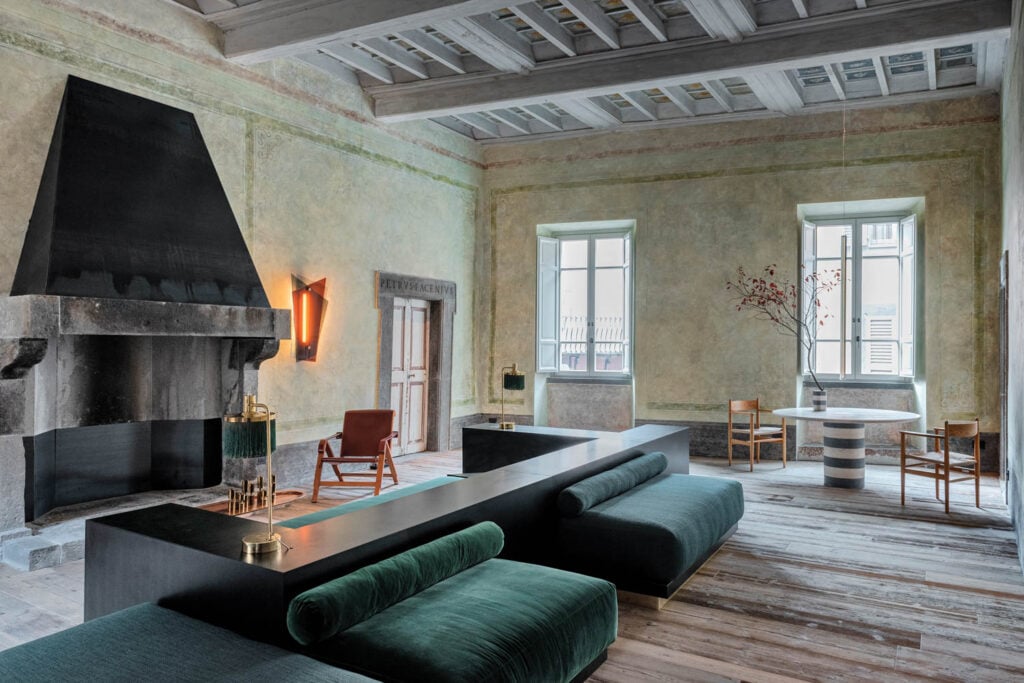
Inside a Historic Palace Turned Boutique Hotel in Italy

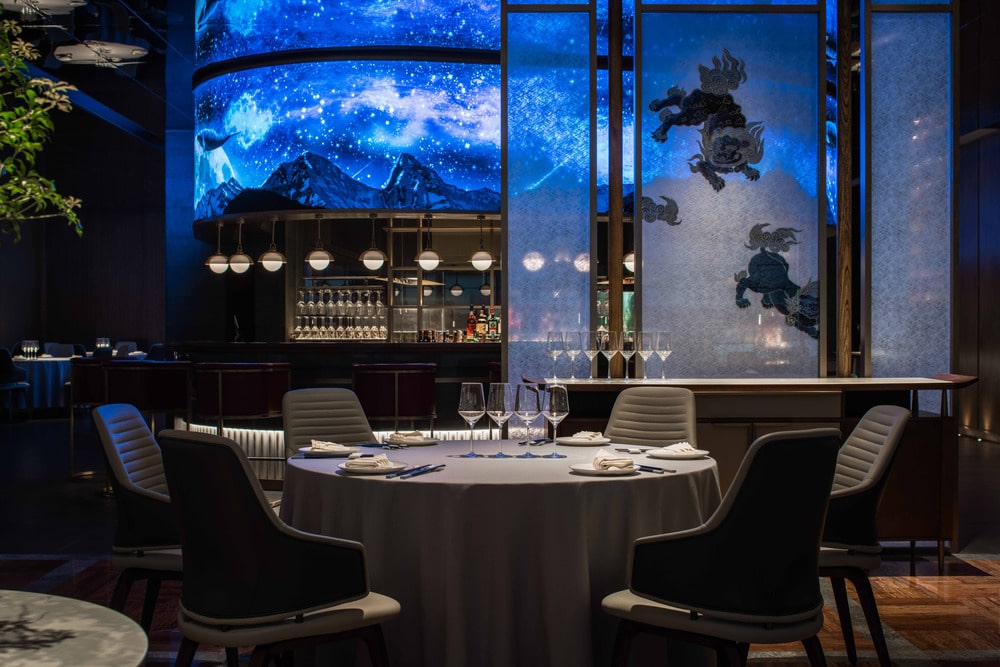
How optical illusion has transformed this restaurant!

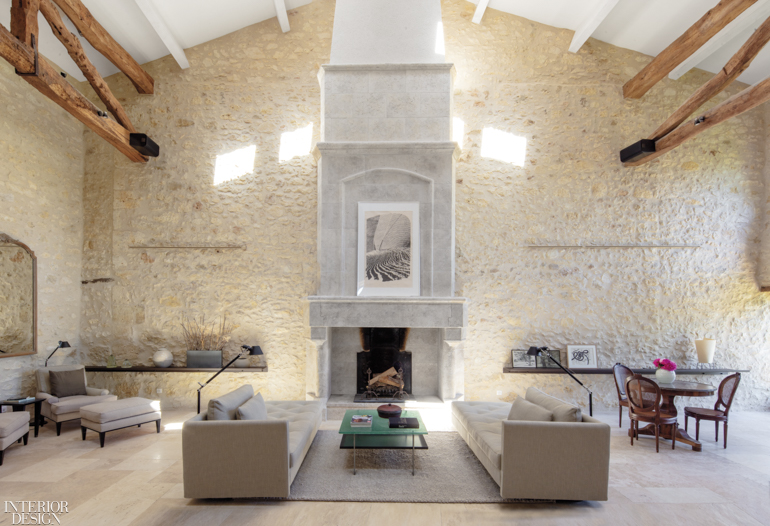
NBBJ’s Rysia Suchecka Talks About How She Reinvented a French Farmhouse
Discover the Kaleido™ Color Lab by Armstrong Flooring