1/25
Creating a Living Room Scene in Unreal Engine 5.1
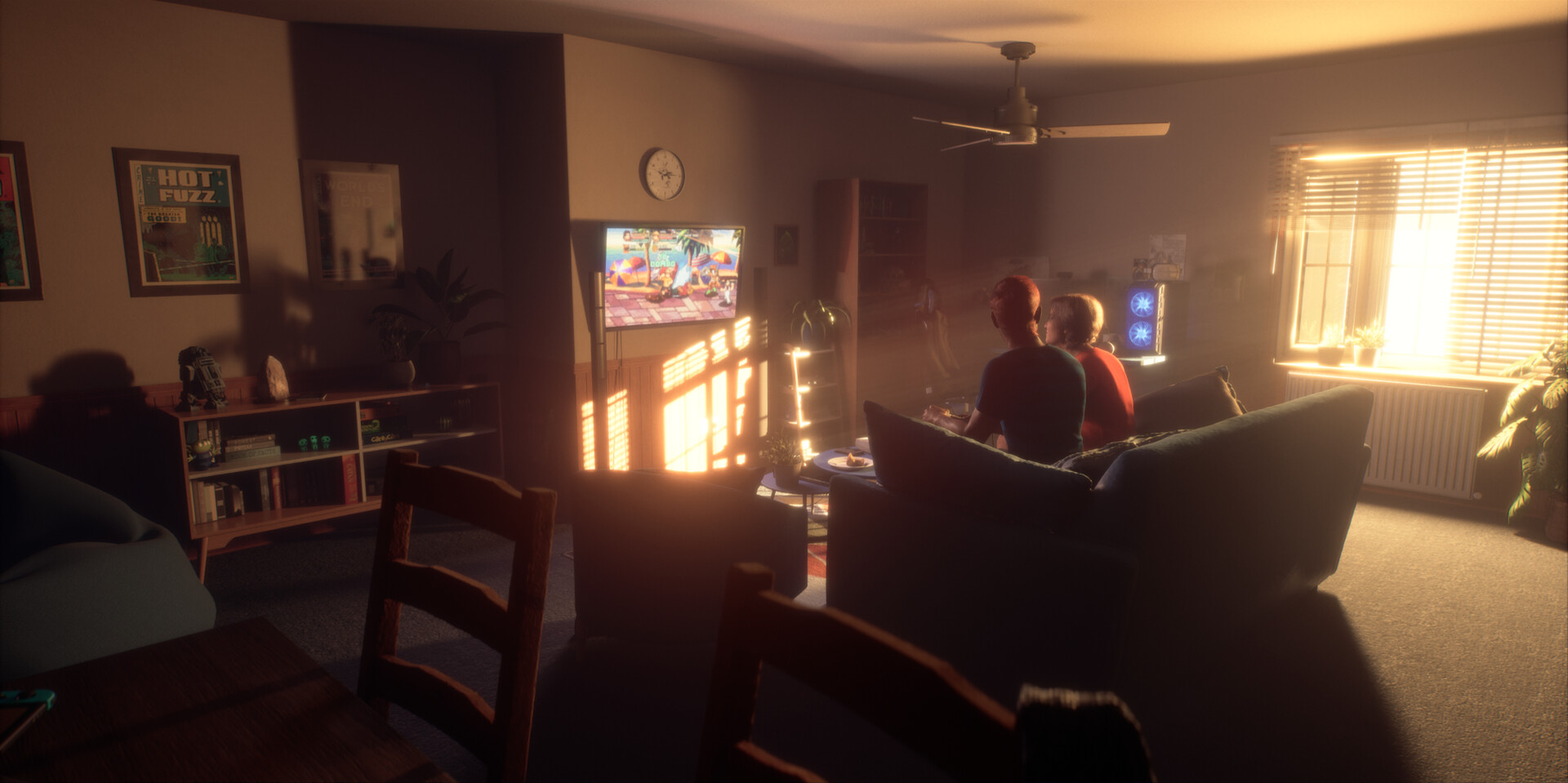
Marcos Silva, a Lead Unreal Generalist with extensive experience in 3D art and VFX, details the development of his 'Living Room' project using Unreal Engine 5.1. This project originated as a digital environment for a live-action short film titled 'Sim', a narrative about two characters living within a simulation game, drawing inspiration from titles like 'The Sims' and 'Scott Pilgrim vs. the World'. Silva's initial intent was to utilize Maya and Arnold, but his recent work with Unreal Engine prompted him to use the living room scene as a testbed for the real-time engine's realism capabilities. The core objective was to craft a cozy, character-rich environment reflecting the personalities of the short film's protagonists.
The project commenced with an initial blockout in Maya, aligning with the physical set layout for filming the short. A subsequent, more precise blockout was created to match specific on-set elements such as the couch, armchair, and coffee table. For asset creation, Silva modeled some items himself, like an easel inspired by 'The Sims' and an SNES controller, often doing so for personal enjoyment or when suitable assets were unavailable commercially. He heavily leveraged free assets from Sketchfab and the Epic Marketplace, particularly Twinmotion packs, to populate the scene efficiently, noting that Megascans had limited options for interior settings. Human characters were integrated using MetaHuman, with custom tattoos added via Photoshop to enhance their uniqueness.
Regarding texturing and look development, Silva established three primary master materials: one for virtual-textured props, another for non-virtual-textured props, and a third incorporating subsurface scattering. Additionally, USD master materials were used for Sketchfab imports and Twinmotion assets. Substance 3D Painter and Photoshop were the primary tools for creating textures, with ZBrush occasionally used for UVs, though Substance 3D Painter's auto-unwrap feature was frequently employed. A notable technique involved faking translucency for wall lamps in the 'Night' setup by Photoshopping a lit lamp image. Wall textures, sourced from Megascans (Stucco Wall) and procedural Substance materials, were exceptionally high-resolution, using 16 UDIMs, despite not prioritizing performance. Third-party assets, such as a Monstera plant, underwent UV re-organization and color variation for improved realism. Wall art included fanart posters and concept art, supplemented by AI-generated background art from Midjourney to add visual depth.
The final scene assembly involved positioning core furniture and then integrating free props from Sketchfab using a convenient USD workflow, which streamlined the texturing process compared to traditional FBX imports. Twinmotion assets required a multi-step import process involving Unreal Engine 5.0 and 5.1. The set dressing phase was expedited by a clear vision of the required elements. Lighting setups included 'Night', 'Sunset', and 'Sunny' configurations. The 'Night' setup was the most intricate, utilizing a Rect light for the TV screen, and Point lights with IES Light Profiles for lamps. Shot-based lighting added rim and backlights for characters. The 'Sunset' and 'Sunny' setups employed a Rect light for the TV, a directional light for the sun, and three external Rect lights for ambient sunlight, with Ray Tracing Shadows enabled for enhanced quality. Exponential Height Fog was used across all setups to add depth and atmospheric effects. Post-processing involved increasing Bloom for a dreamier feel and changing the Lens Flare Bokeh Shape to a heart. Global Illumination settings were tweaked for better reflections.
Silva also addressed the main challenges encountered. He noted that Unreal Engine, despite its advancements, still has limitations for VFX workflows, particularly with multi-UDIM assets requiring 'Use Full Precision UVs' to prevent texture distortion. Lumen, while groundbreaking, is in its early stages, necessitating specific command-line fixes for issues like flickering. Textures occasionally broke during rendering, resolved only by restarting Unreal. The most significant challenge was importing cat fur from Maya's XGen, which lacked UV data and thus limited the fur to a flat color. Silva plans to explore Houdini's hair system in the future. Despite these hurdles, he emphasized Unreal Engine's immense potential and its increasing importance in the VFX industry.
#UnrealEngine5 #3DArt #VFXWorkflow #VirtualProduction #Maya #Substance3DPainter #Photoshop #MetaHuman #LightingSetup #Texturing #UnrealEngine5 #3DArt #VFXWorkflow #VirtualProduction #Maya #Substance3DPainter #Photoshop #MetaHuman #LightingSetup #Texturing
0 comment in total
 No comments yet
You may also like

Formal Living Room Reveal
17 Cozy Home Theater Ideas for Your Next Netflix Marathon

15 Open Living Rooms that Connect Inside and Outside

A living room design for grown-ups

How to design the perfect living room

Room Design App: 7 Best Apps to Design Your Own Room
5 apps that can help you create a room you will love


5 Living Room Design Mistakes You Didn't Know You Were Making

This Living Room Makeover Has the Dreamiest Green Paint Color


These 15 Room Design Apps Will Make Your Dream Home a Reality

From Friends to Frasier: 13 Famous TV Shows Rendered in Plan
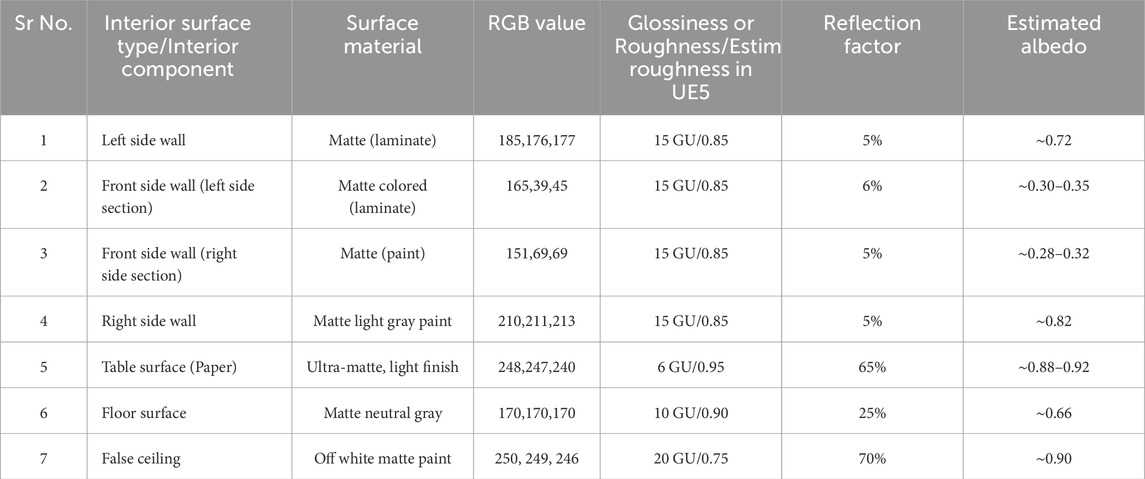
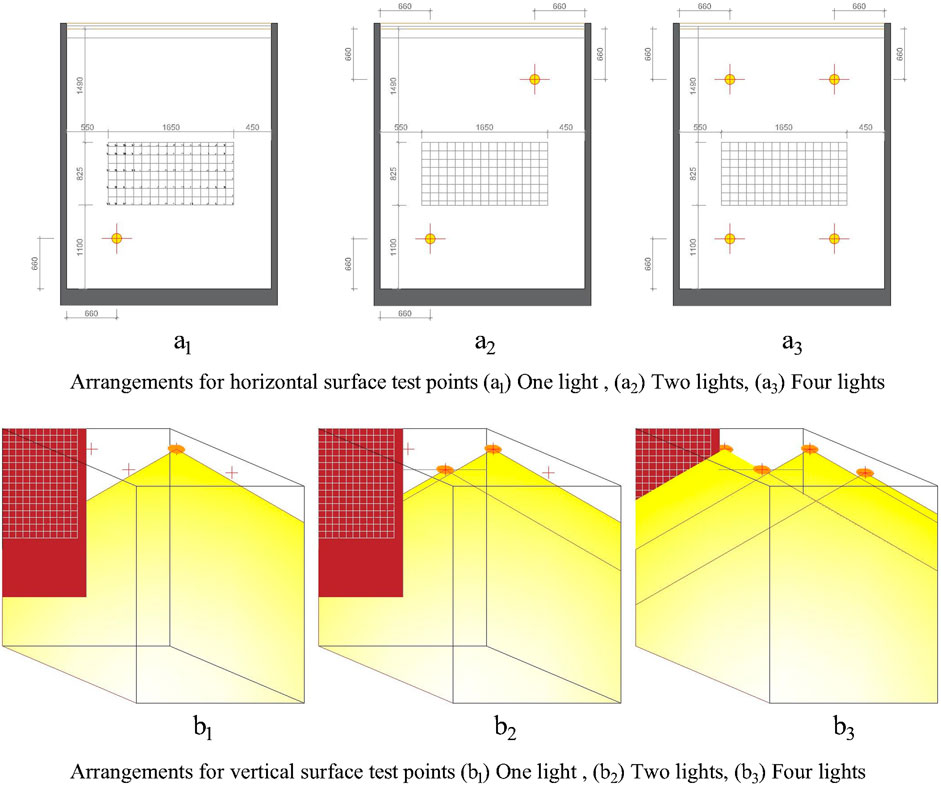
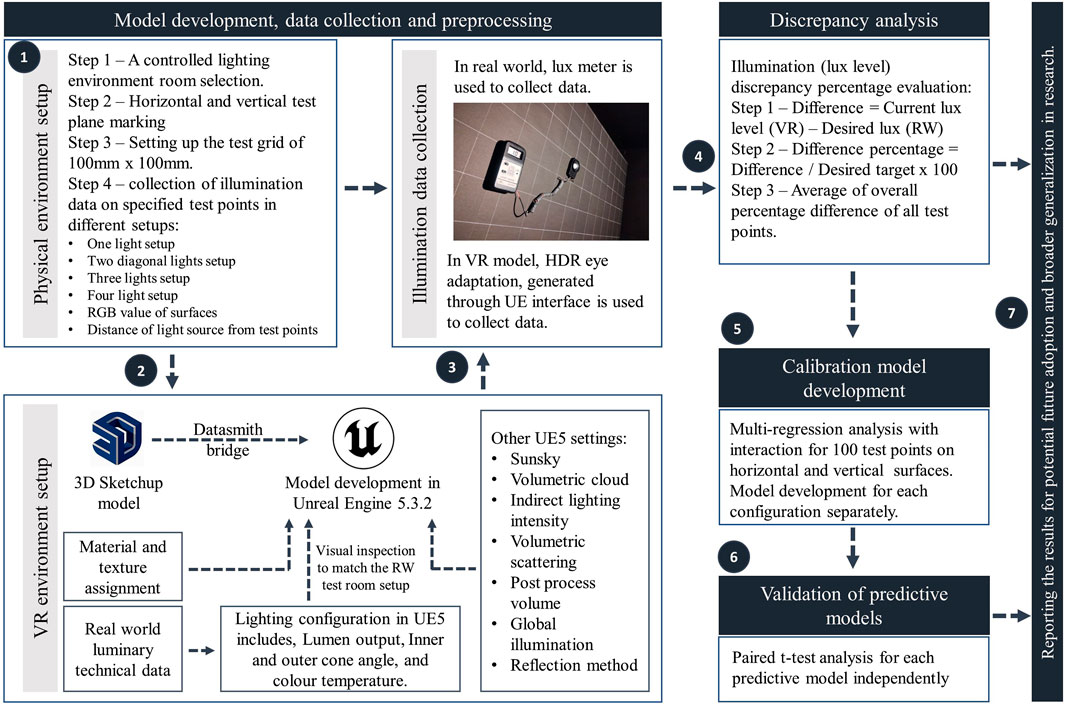
Investigating lighting calibration opportunities in virtual reality for real-world illumination fidelity: an empirical study of variable lighting arrangements

Living Room Sessions


Nine creatives designing dreamy renderings
An Interior Designer’s Home Renovation: The Living Room

22 Game Room Ideas for the Ultimate Entertainment Hub

5 easy ways to turn a plain living room into a luxe cinema room

The Very Best Living Rooms of 2021


The Best Interior Design Apps, Tools, and Software


These 15 Room Design Apps Will Make Your Dream Home a Reality