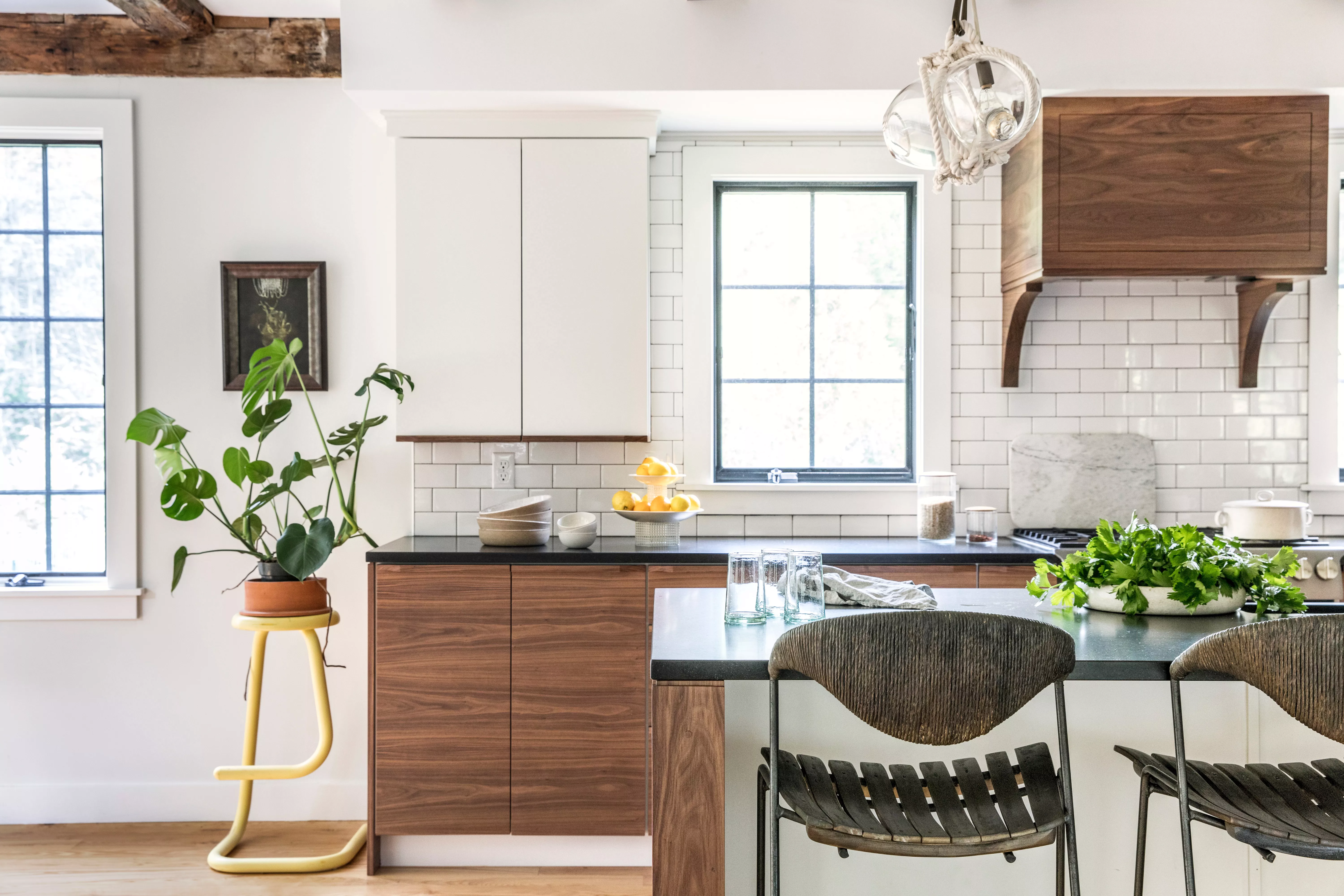
Black Countertops: A Stylish Way to Elevate Your Kitchen
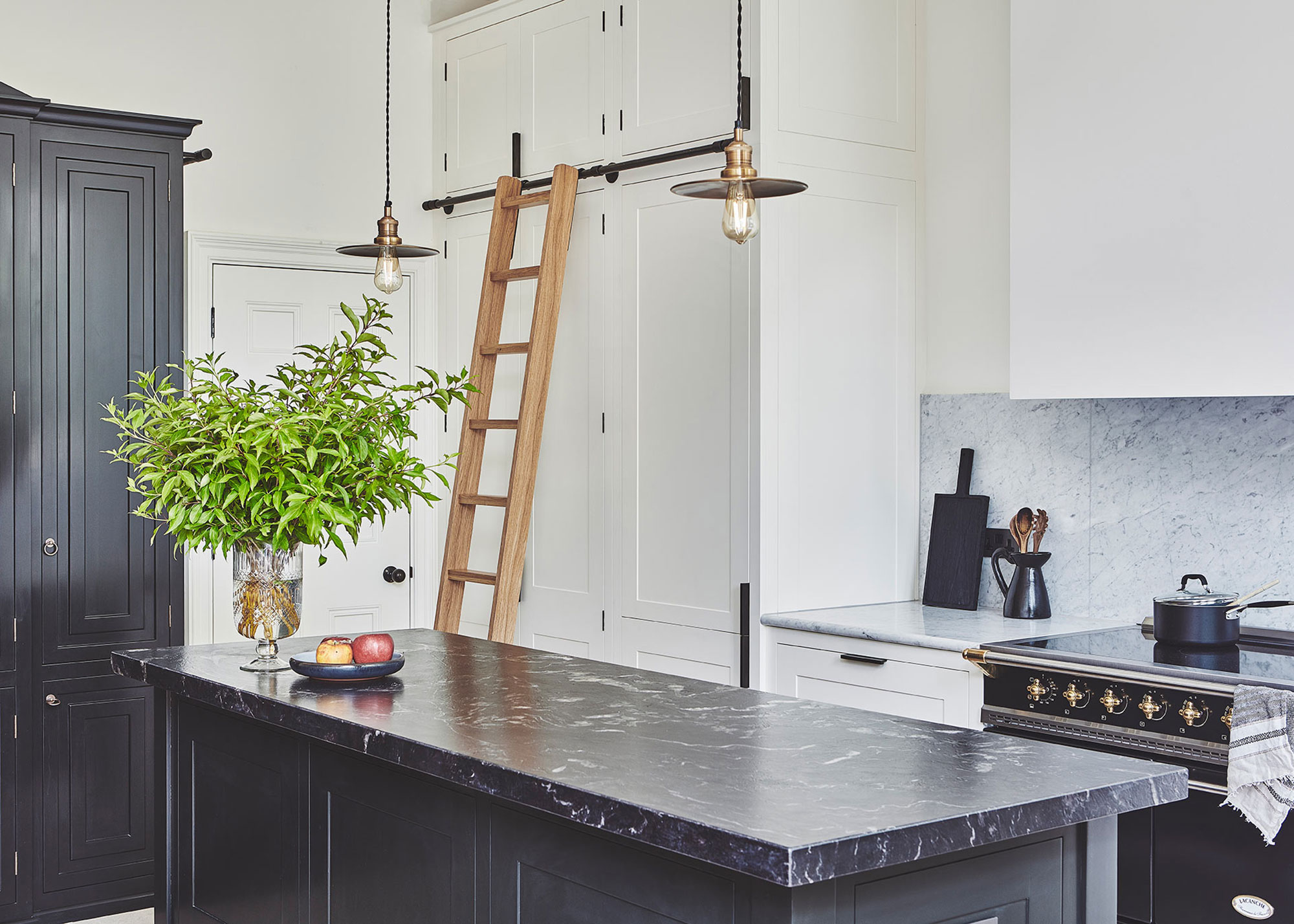
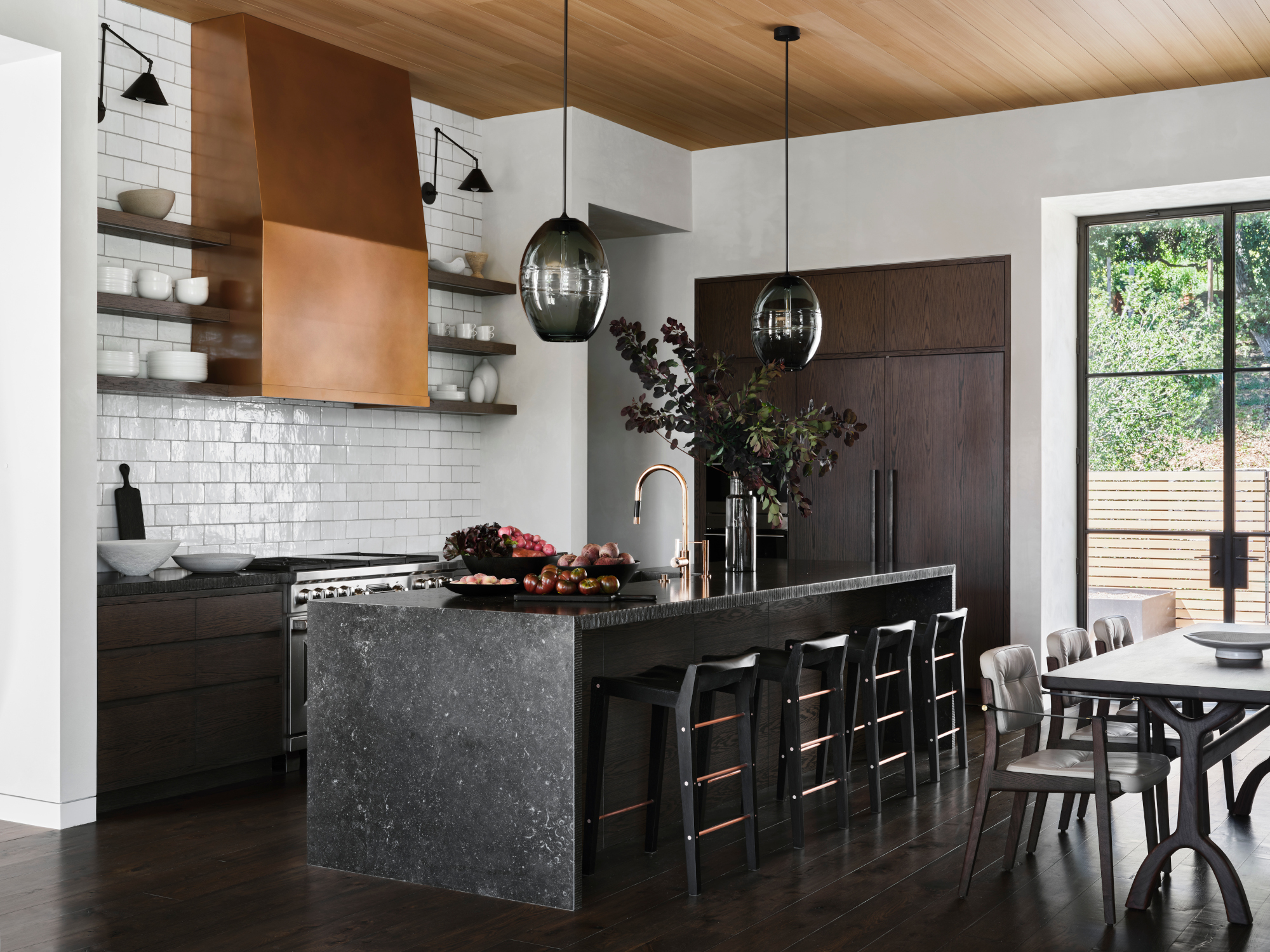
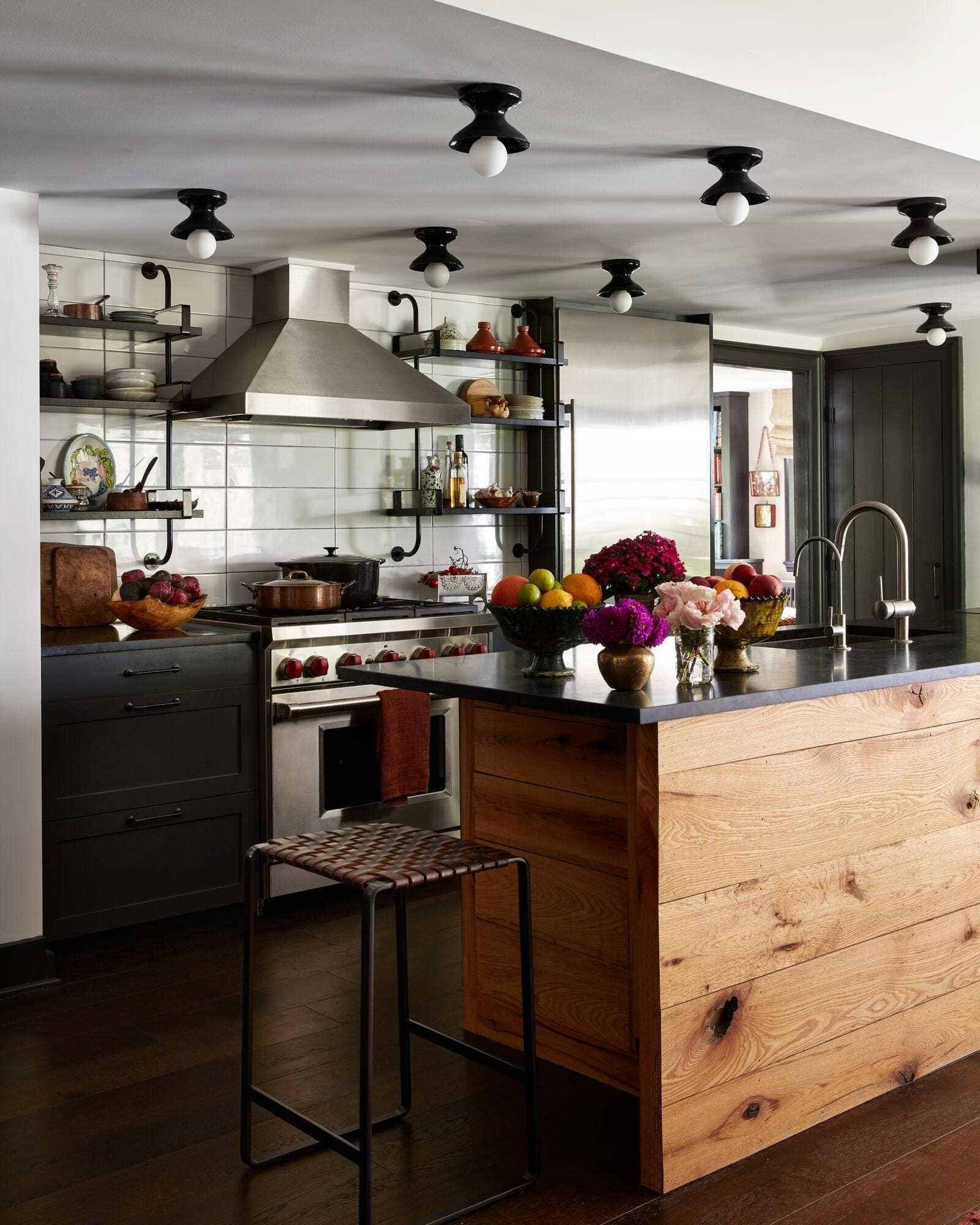
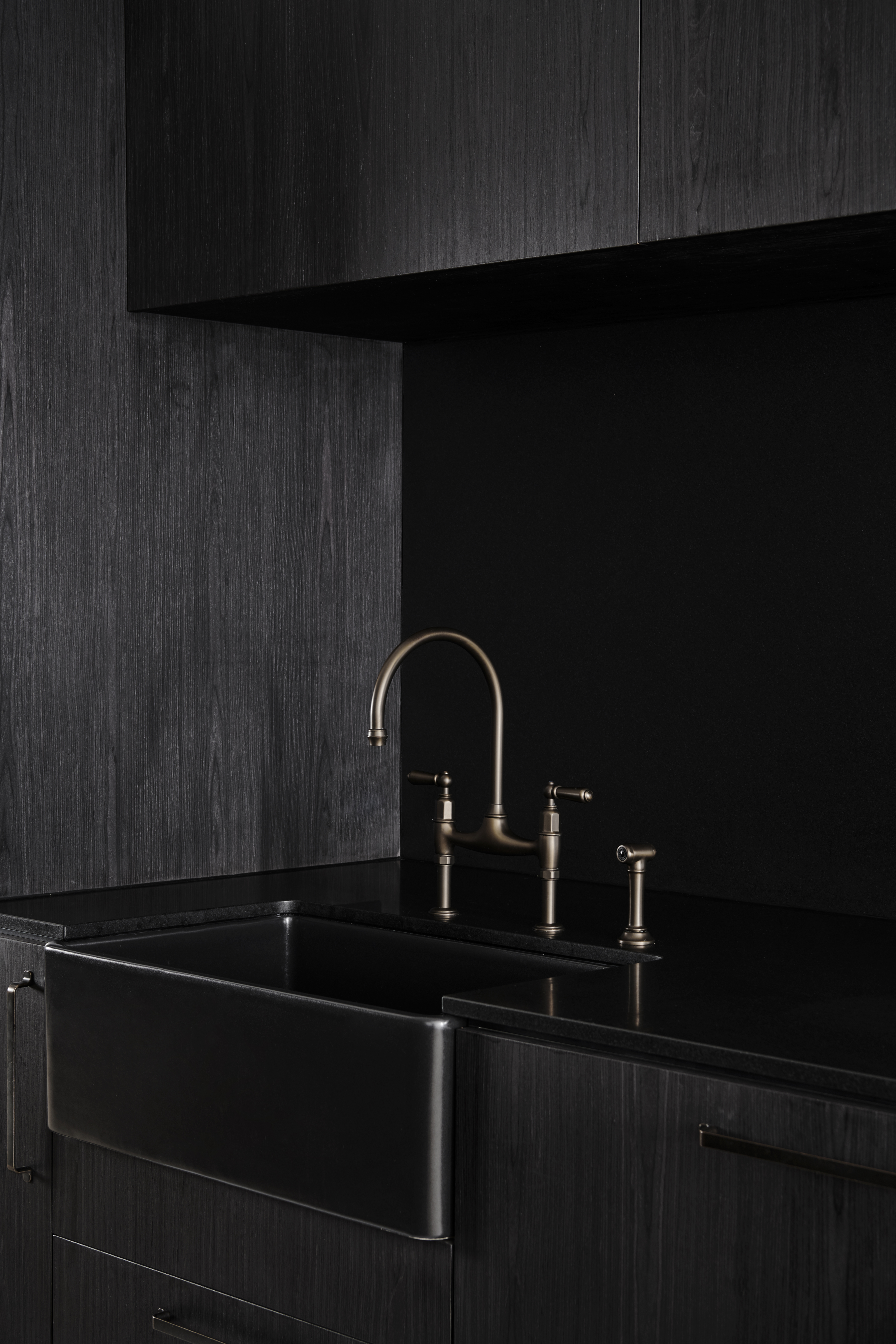
Black countertops have maintained their popularity in interior design for two decades, offering a blend of durability, elegance, and versatility. First brought into mainstream attention by filmmaker Nancy Meyers' use of honed black granite in 'Something's Gotta Give,' these countertops continue to be a favored choice among design professionals. Experts, including Joe Carline of Kligerman Architecture & Design, commend their ability to exude drama and provide a sophisticated canvas for various design ideas.
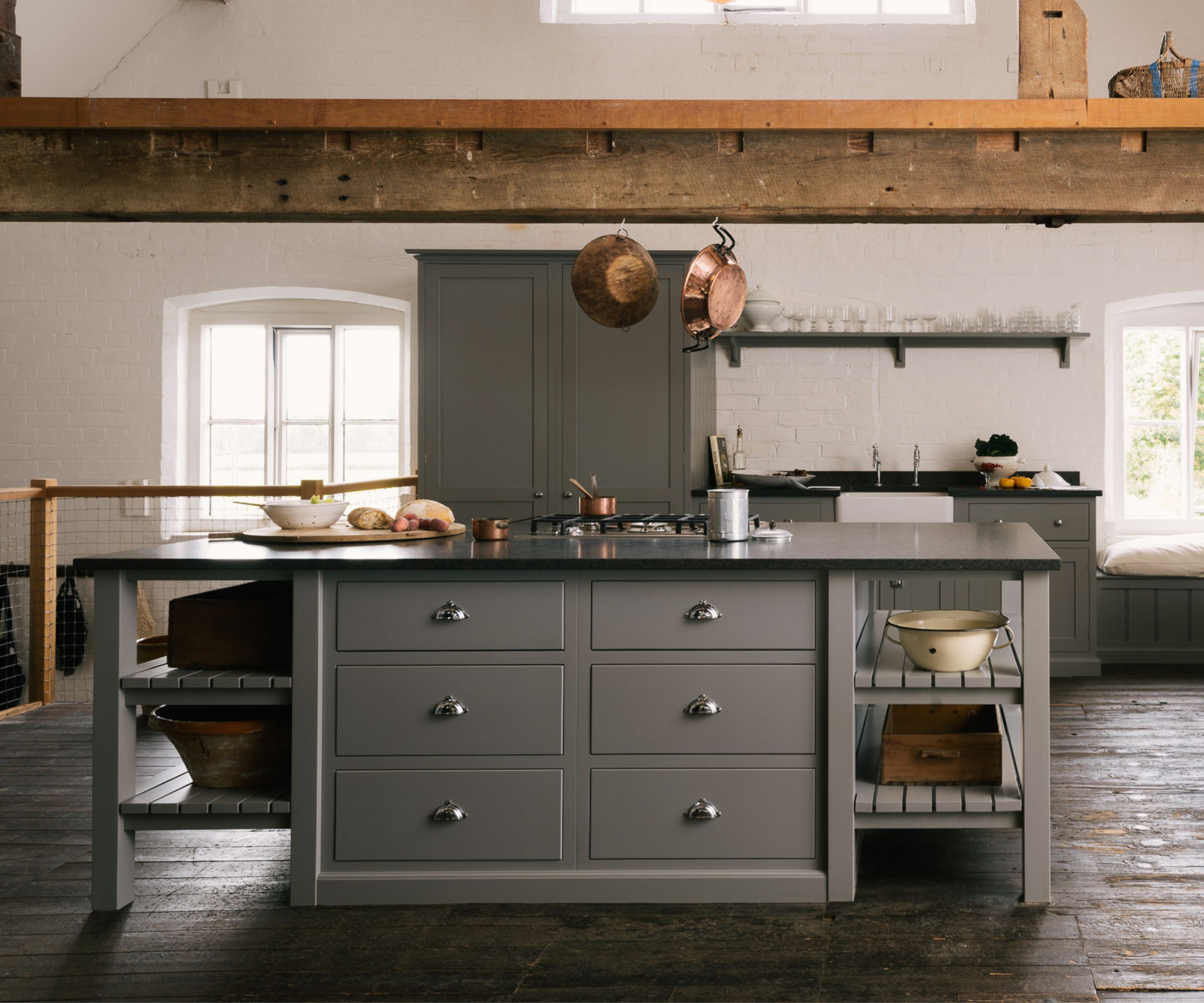
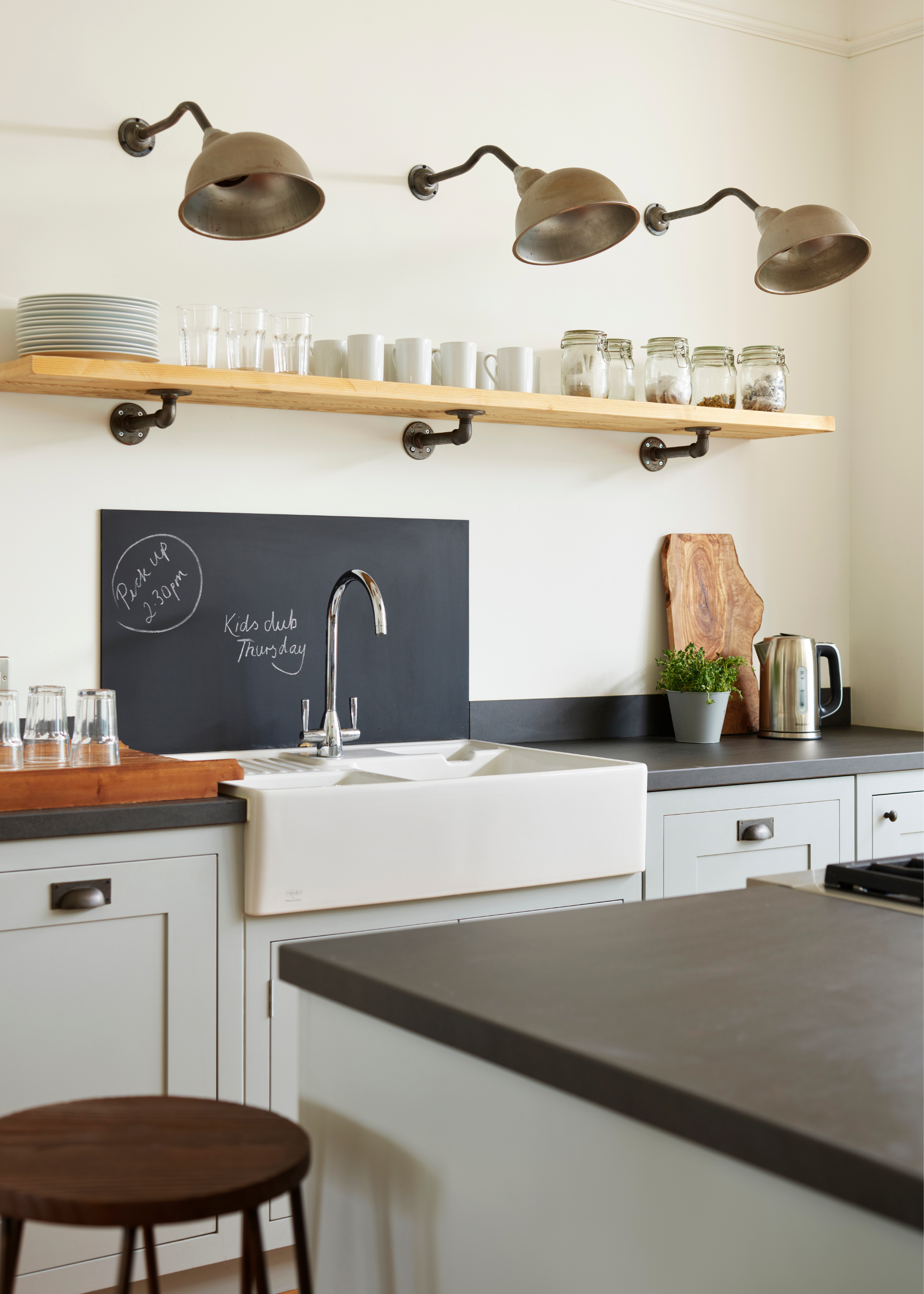
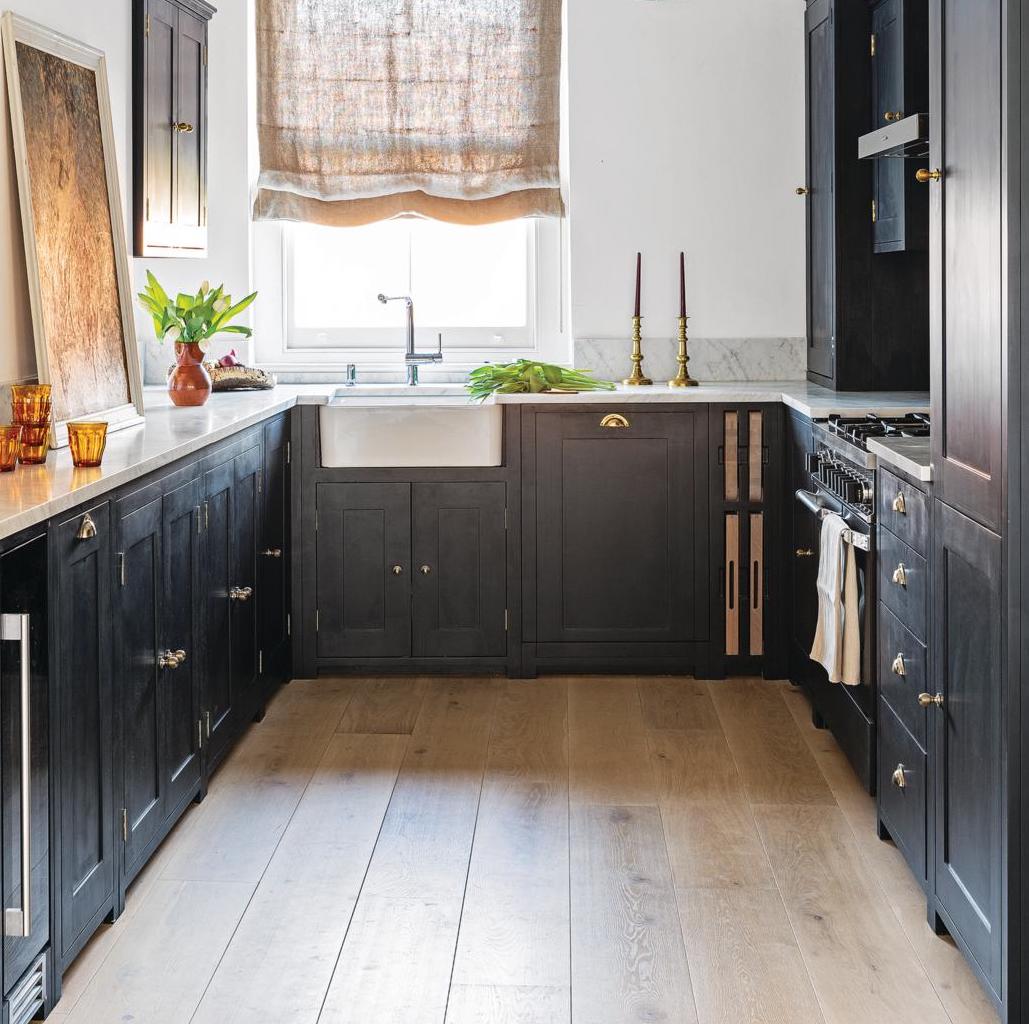
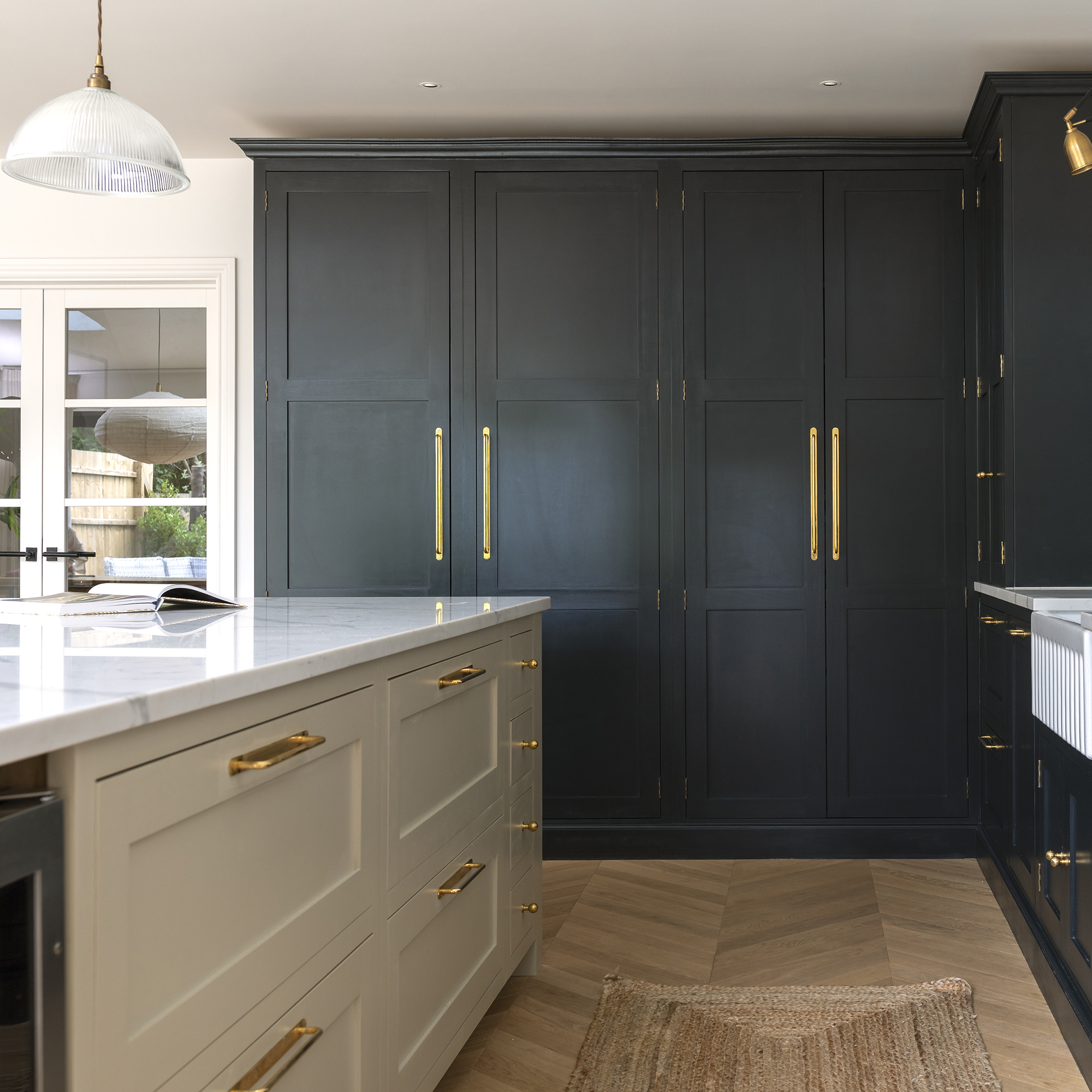
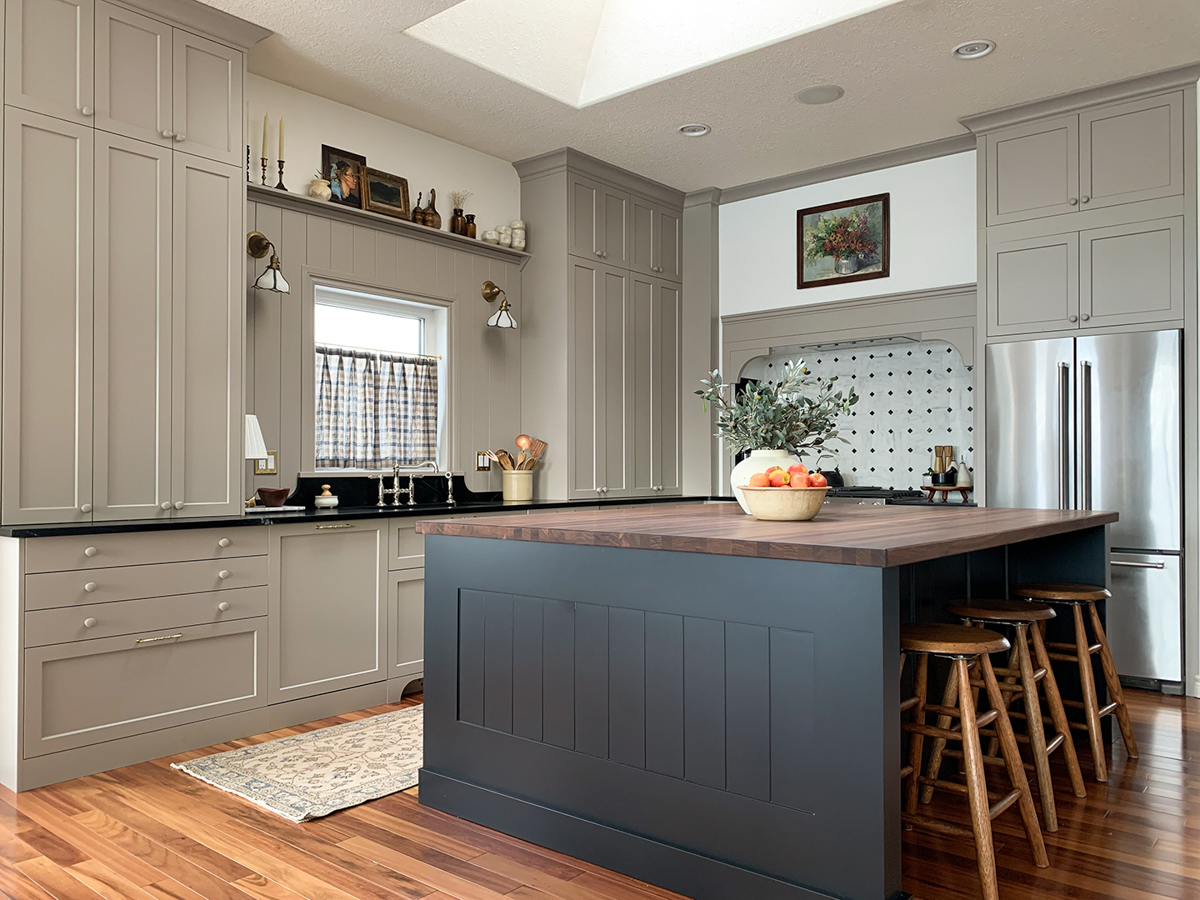
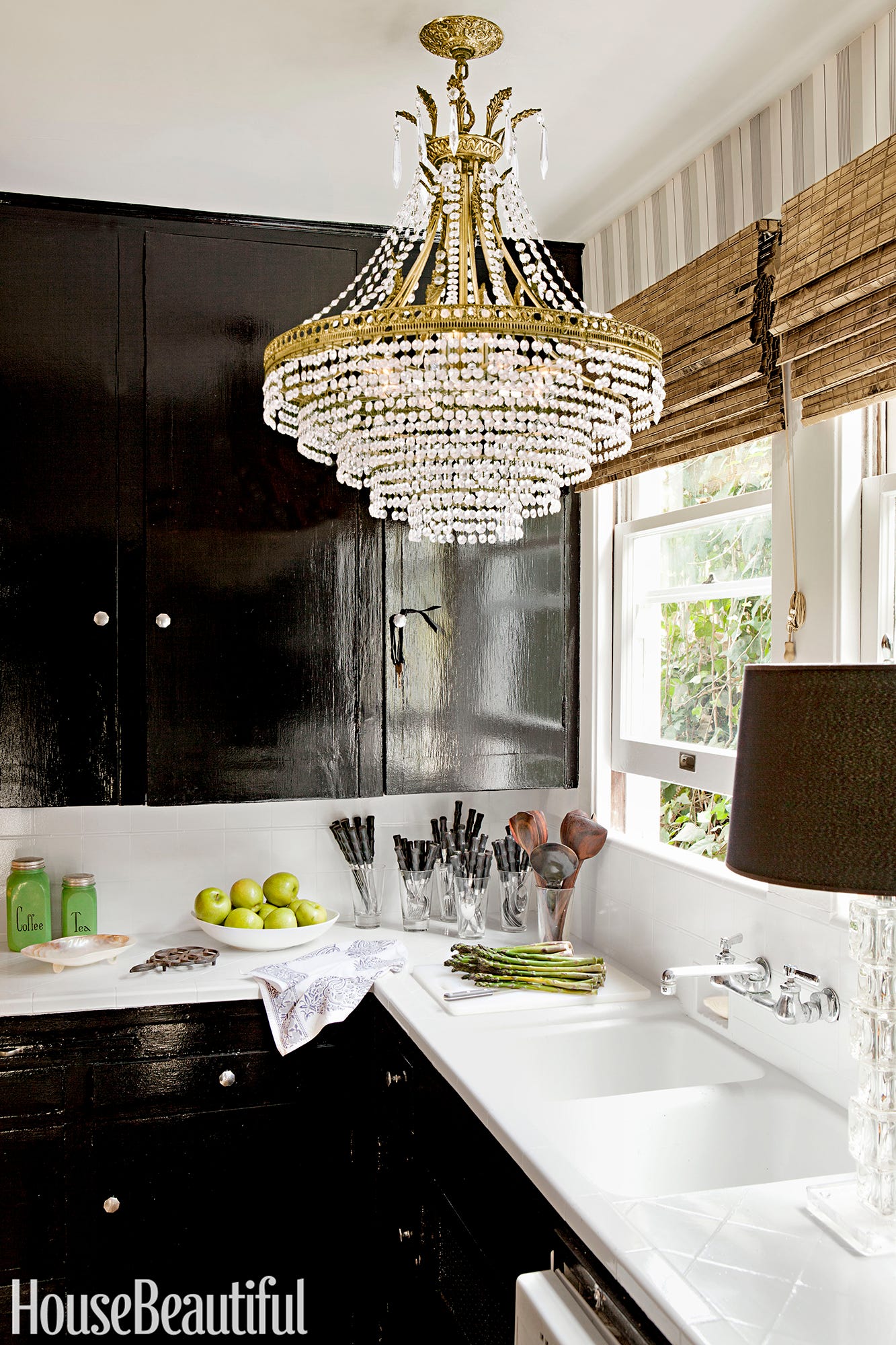
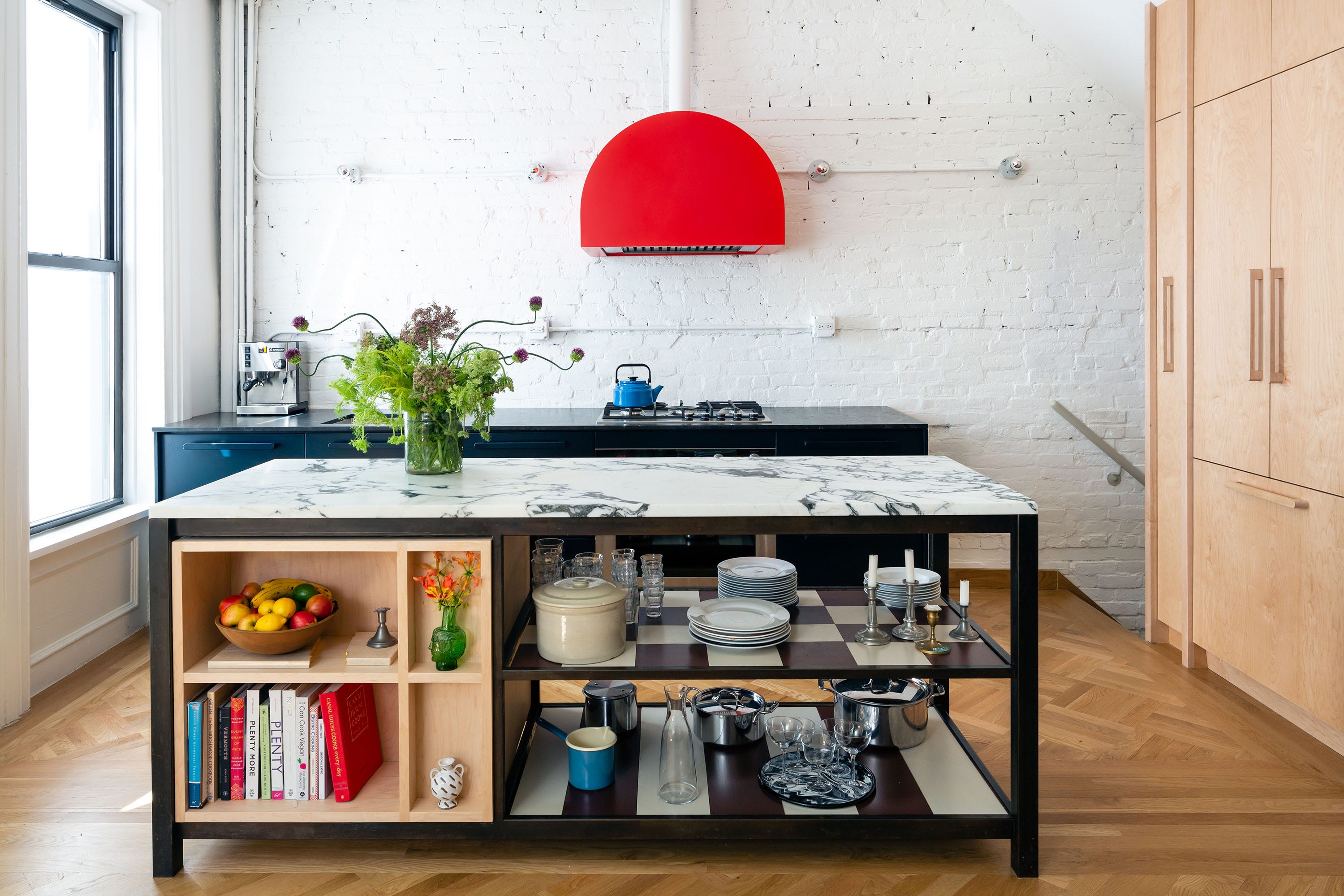
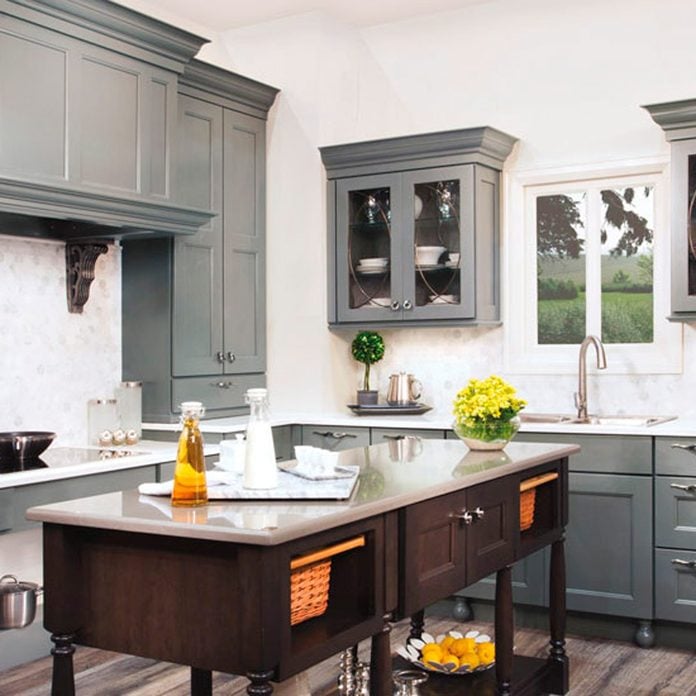
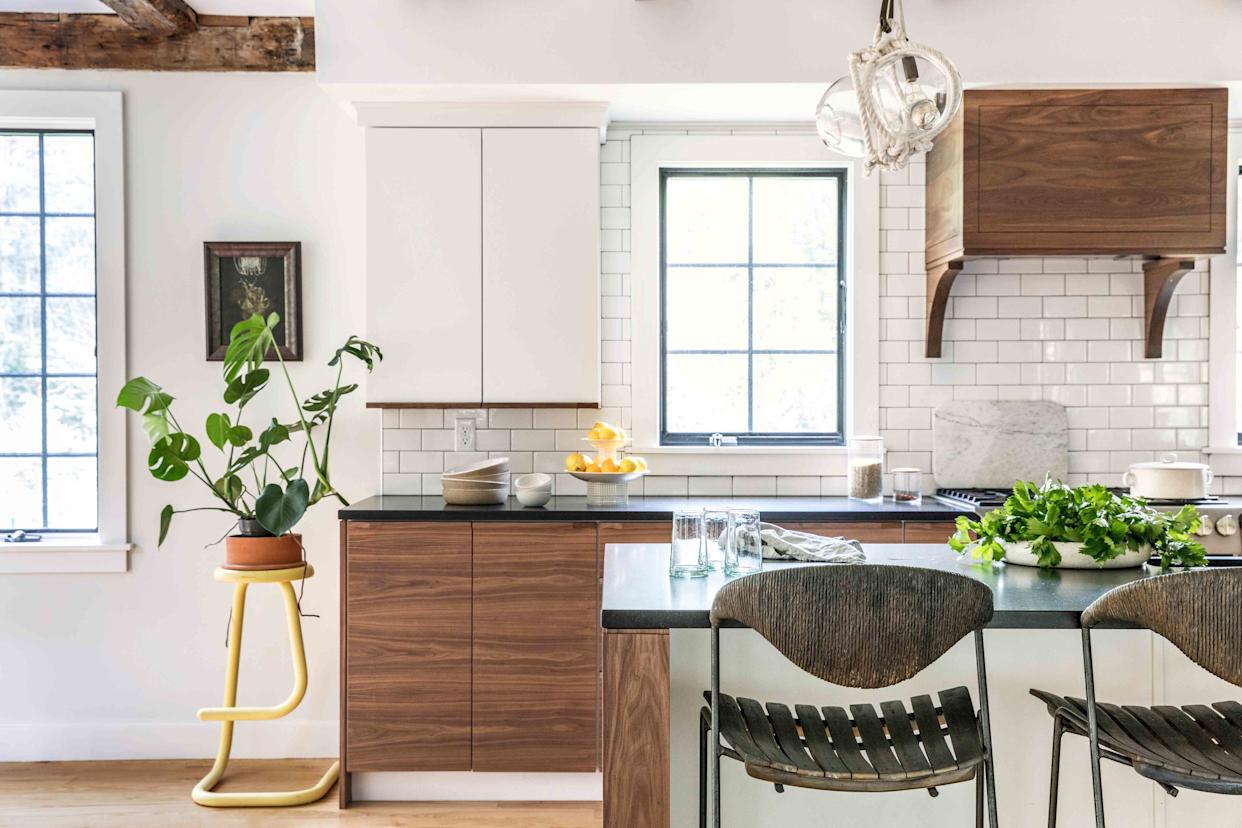
One of the primary advantages of black countertops is their adaptability to almost any kitchen style. They can seamlessly integrate into ultra-modern, farmhouse, coastal chic, or cozy cottage aesthetics. Becky Shea, creative director at BS/D, highlights their ability to create a cohesive feel, especially when paired with natural woods, softer color palettes, and casual decor. Marie Cloud of Indigo Pruitt Design Studio emphasizes the importance of complementary accessories to enhance specific styles, noting that black countertops provide depth and contrast against lighter elements. Ashley Maddox, a kitchen and bath designer, suggests accessorizing black countertops in French country kitchens with elements like pewter-colored cabinets and vintage art.
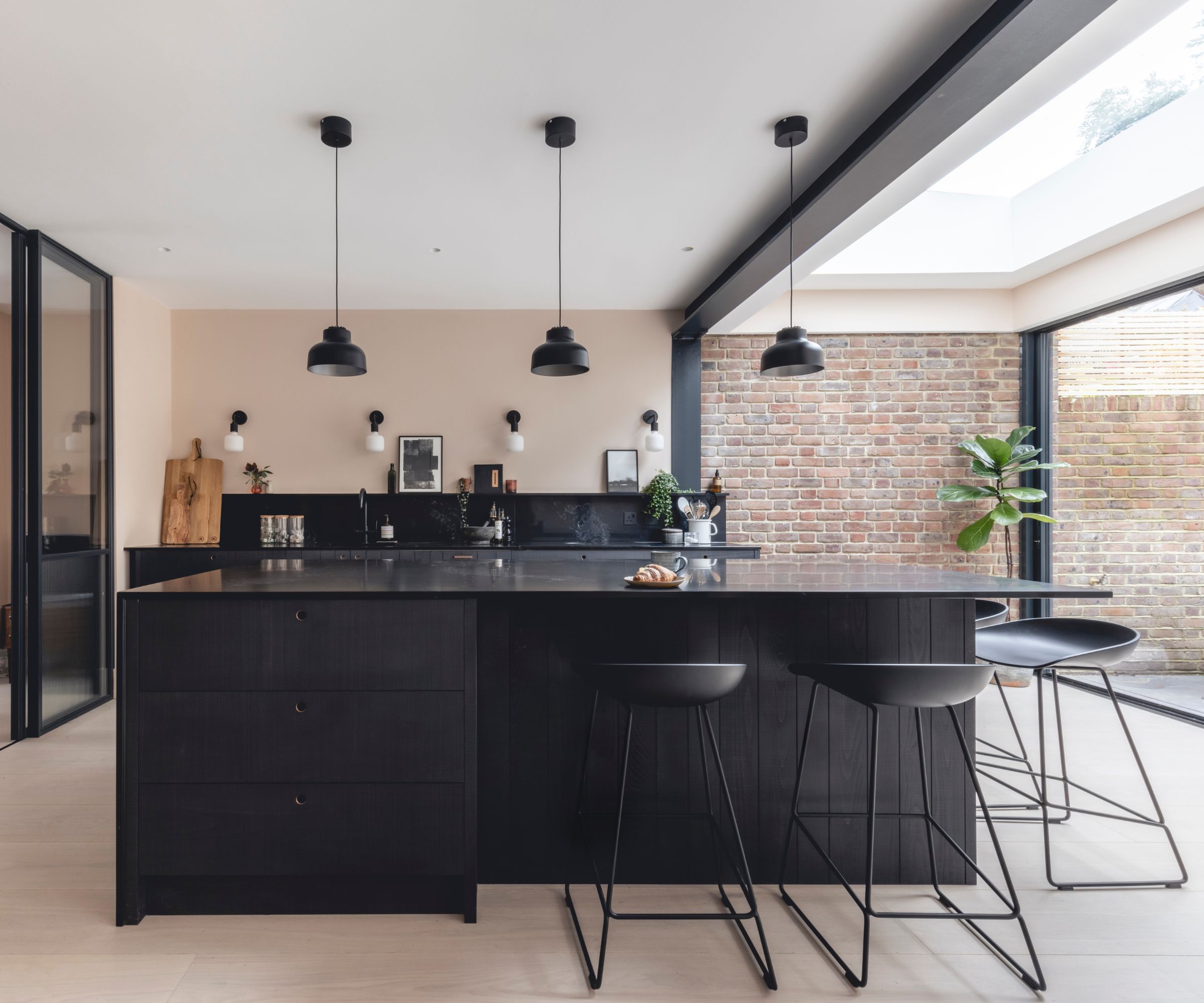
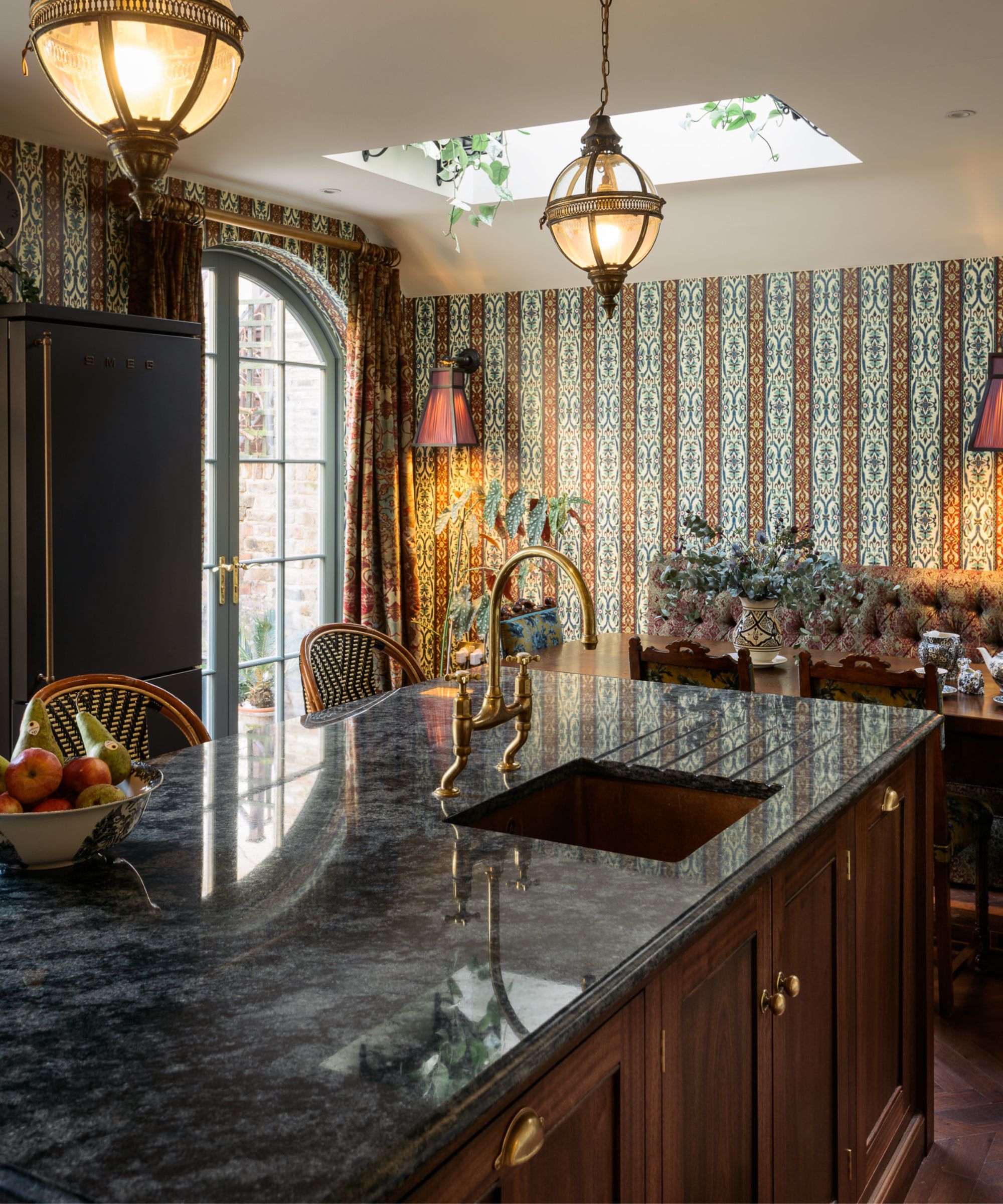
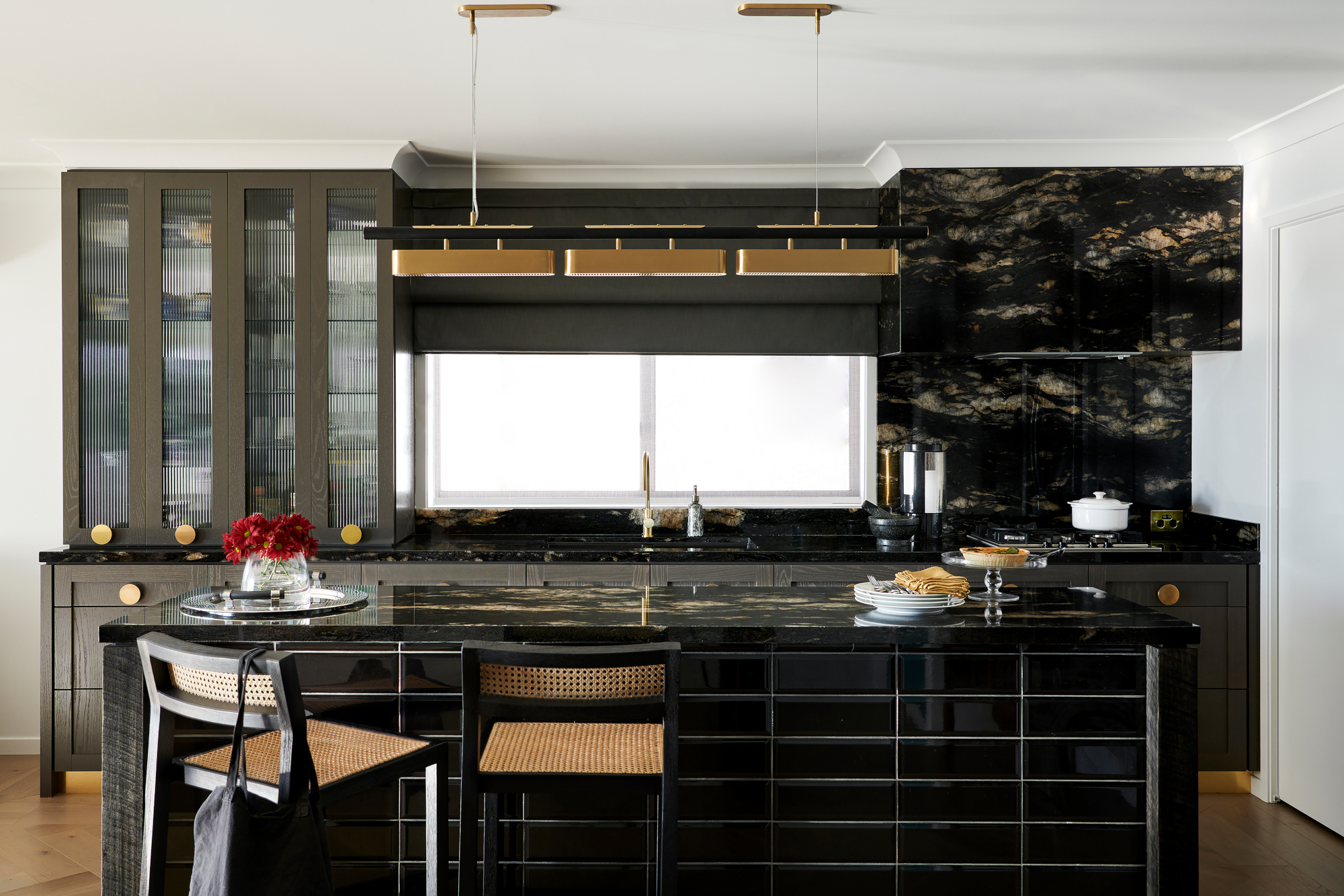
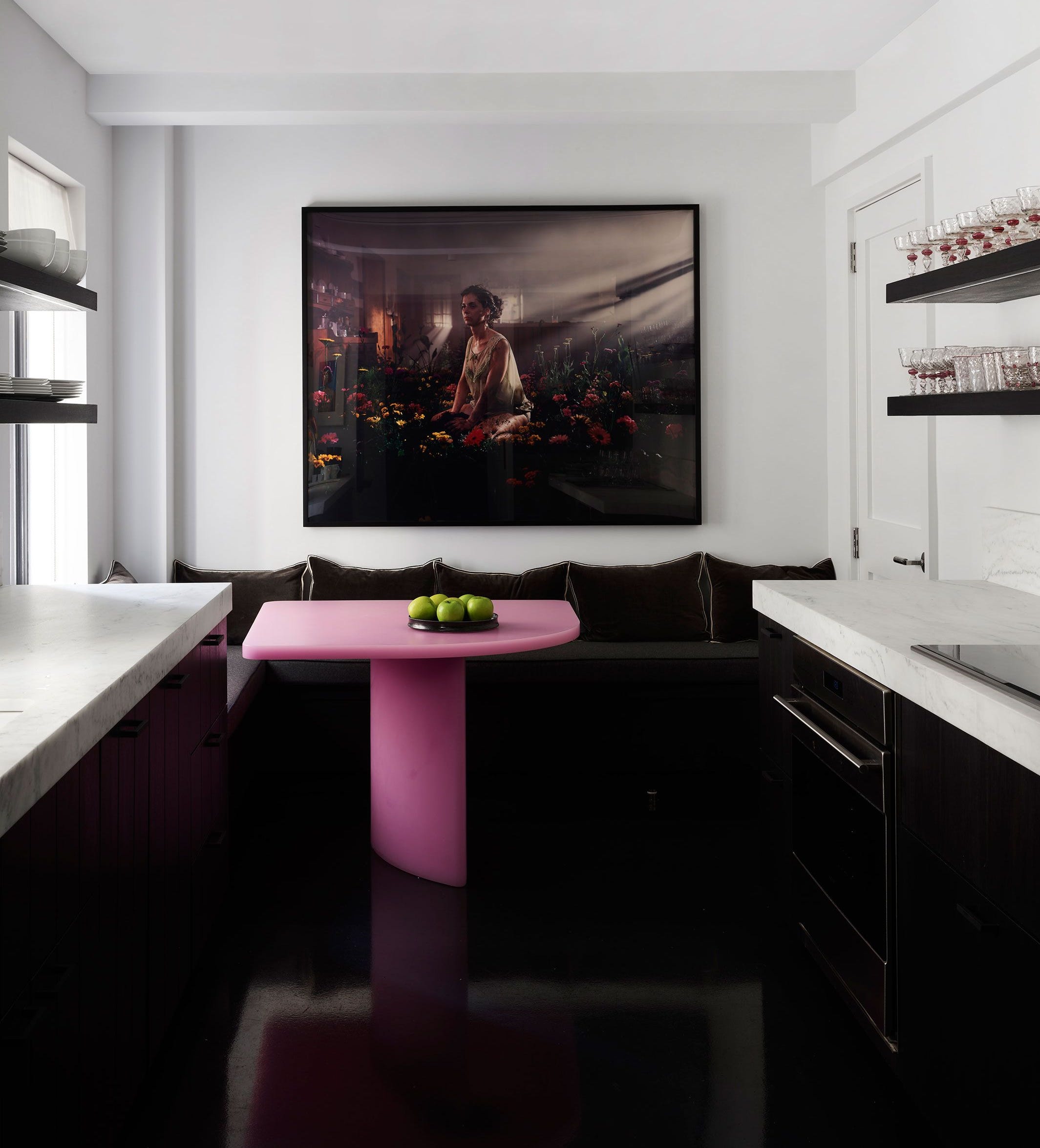
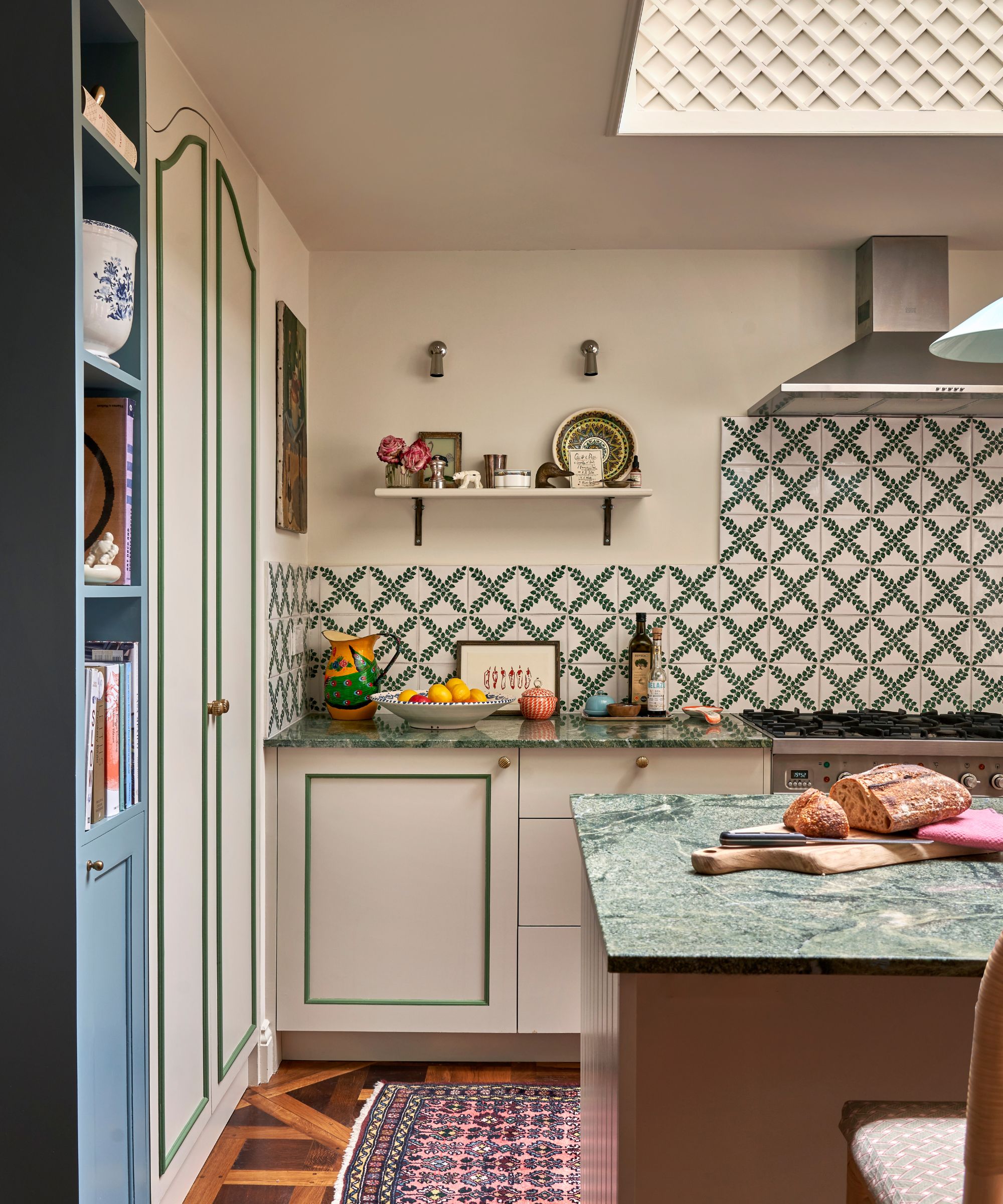
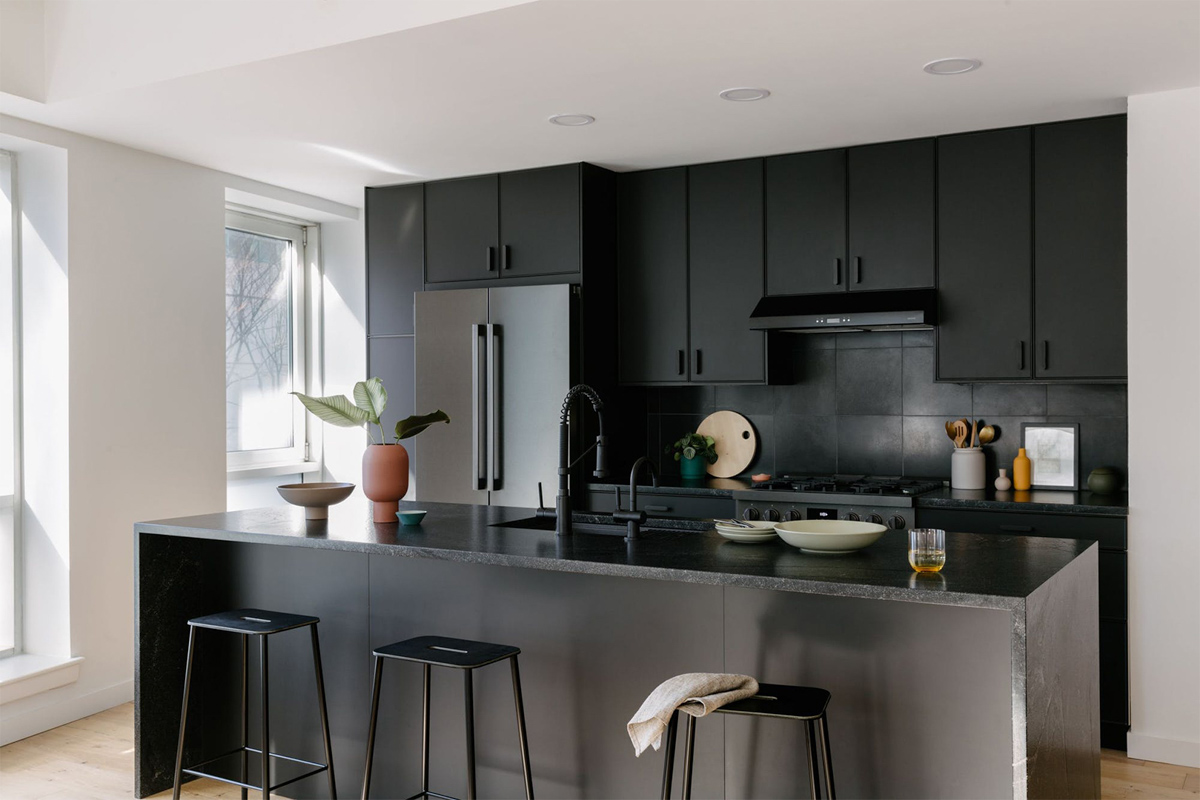
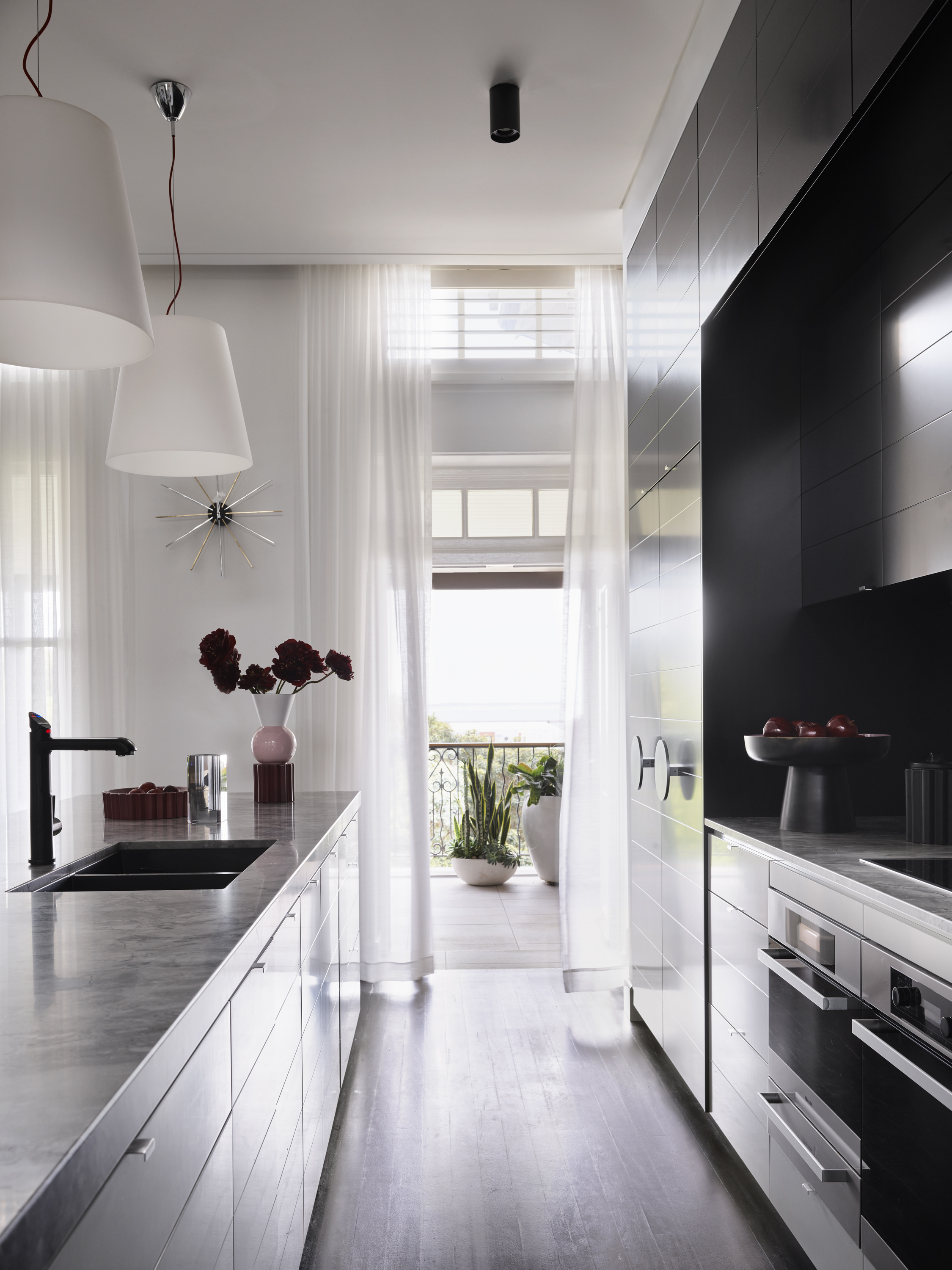

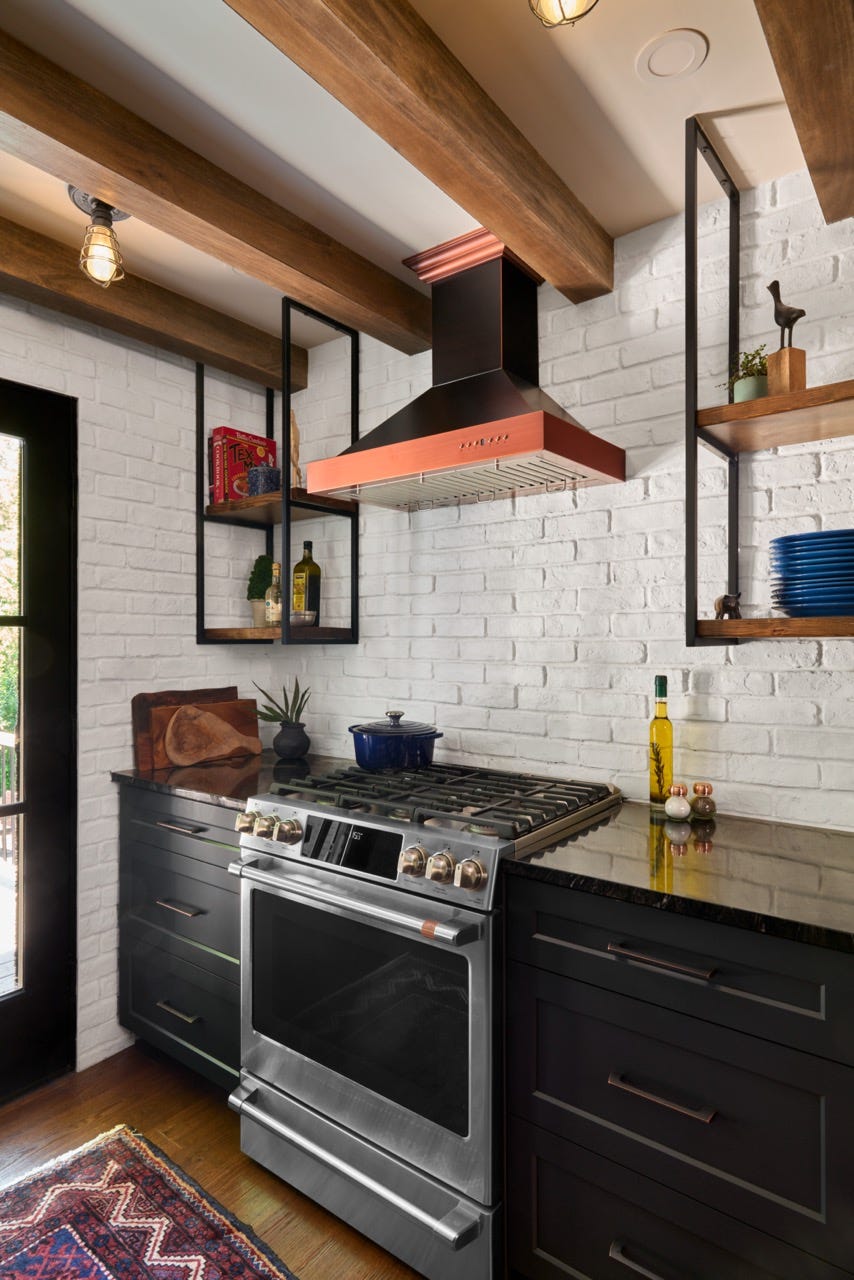
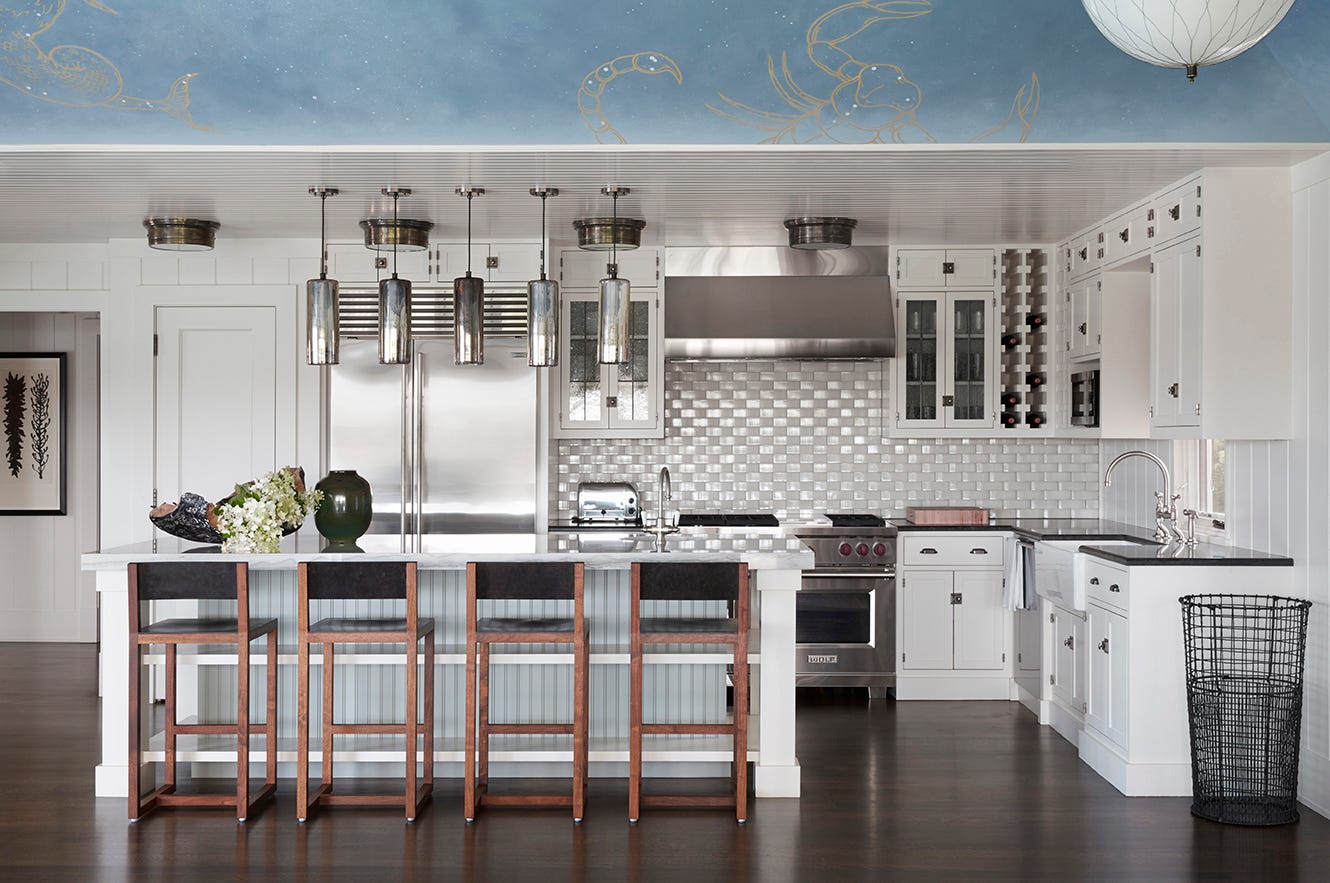
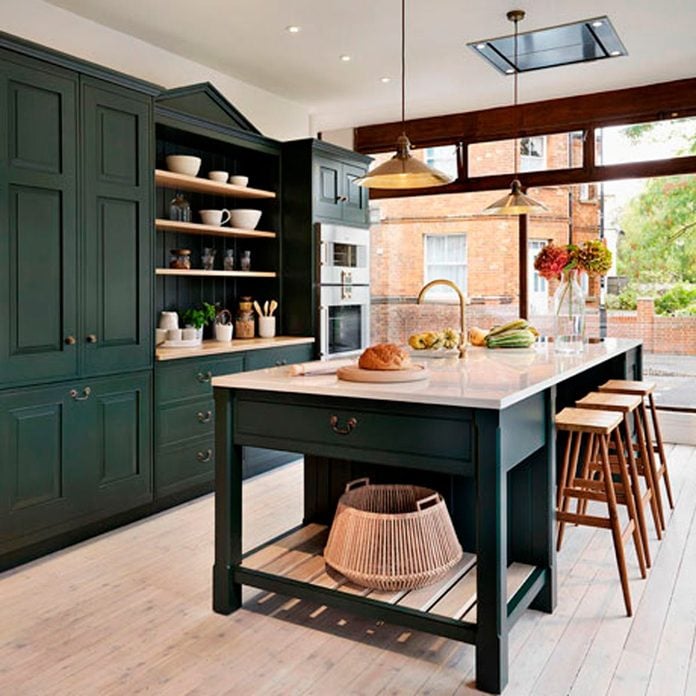
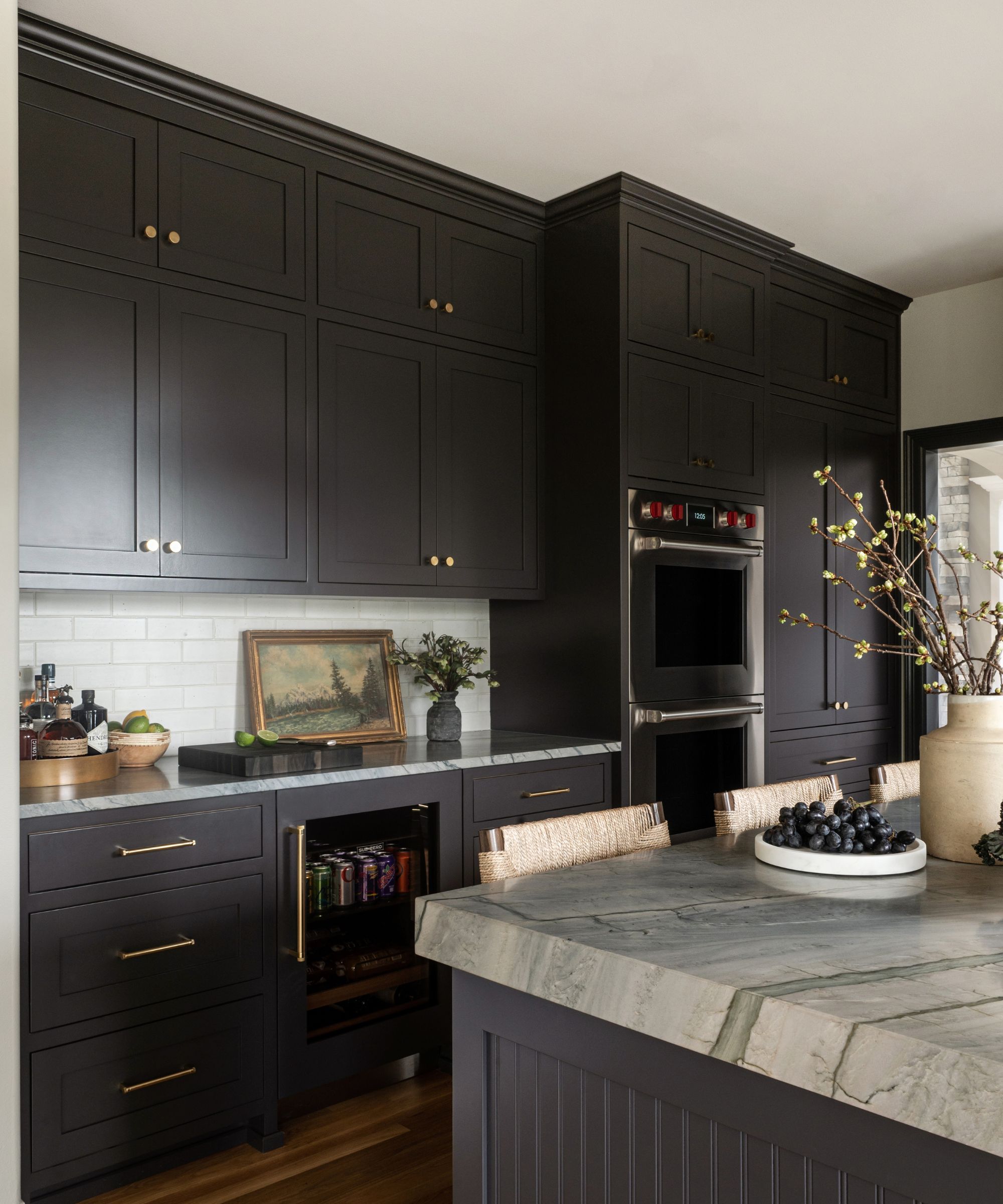
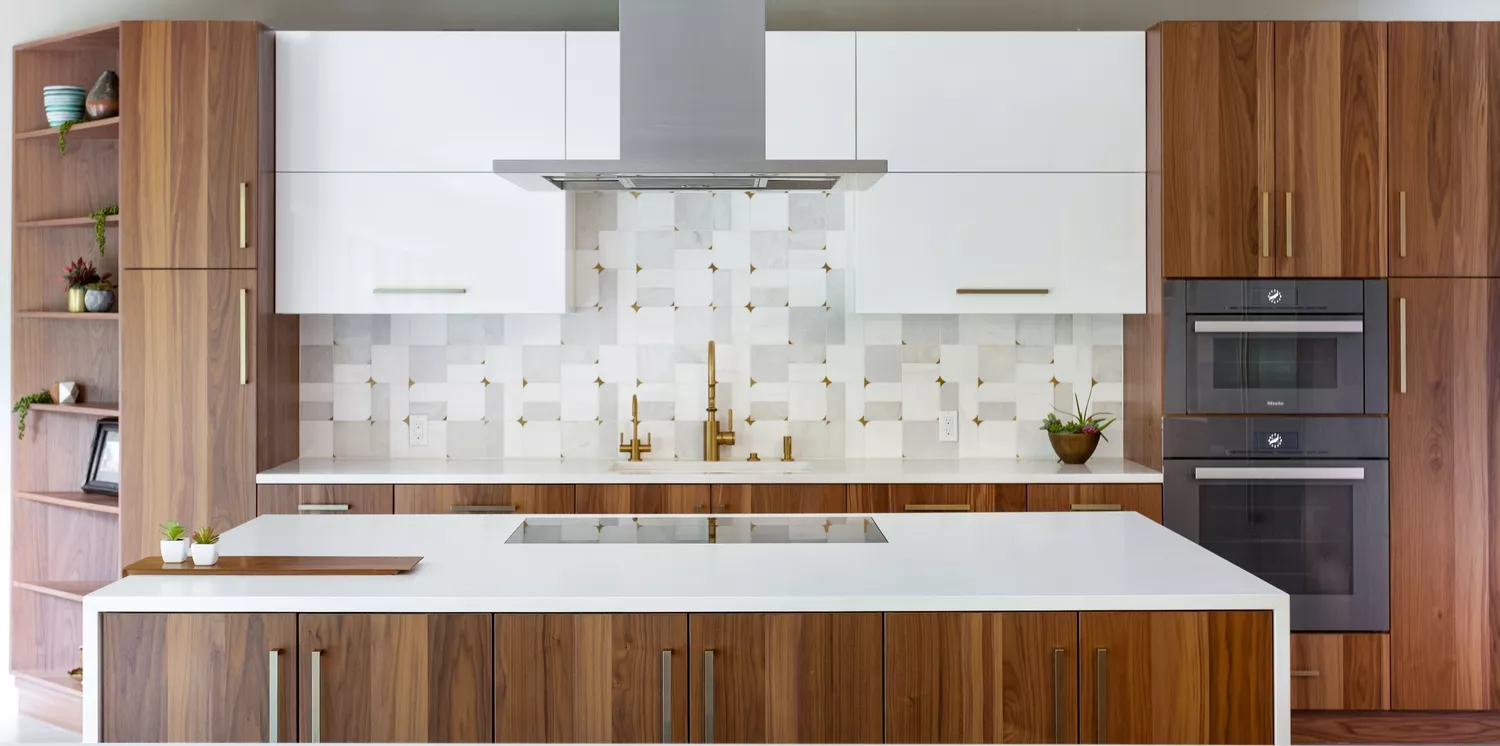
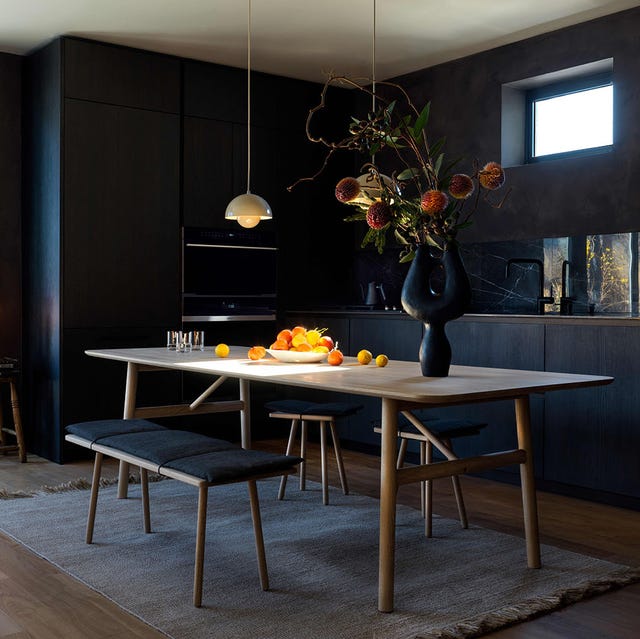
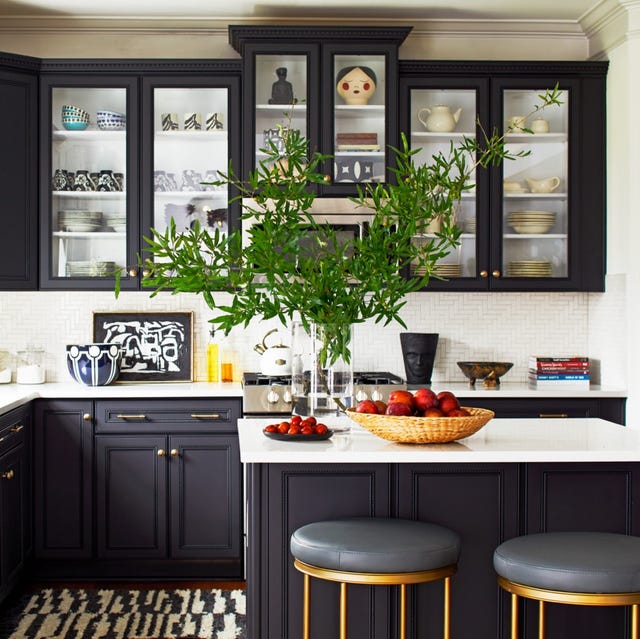
Black countertops also function as a neutral tone, allowing for striking contrasts with white or light-colored cabinets, or a daringly chic all-black look in modern settings. They can also complement natural or ebonized wood for an earthy and warm ambiance. Designers like Laura Bischofberger propose mixing materials, such as a durable quartz perimeter with a butcher block or marble island, to add visual interest. For a moody yet luxurious effect, Lucy Penfield of Lucy Interiors suggests combining black countertops with deep green or Bordeaux cabinetry.
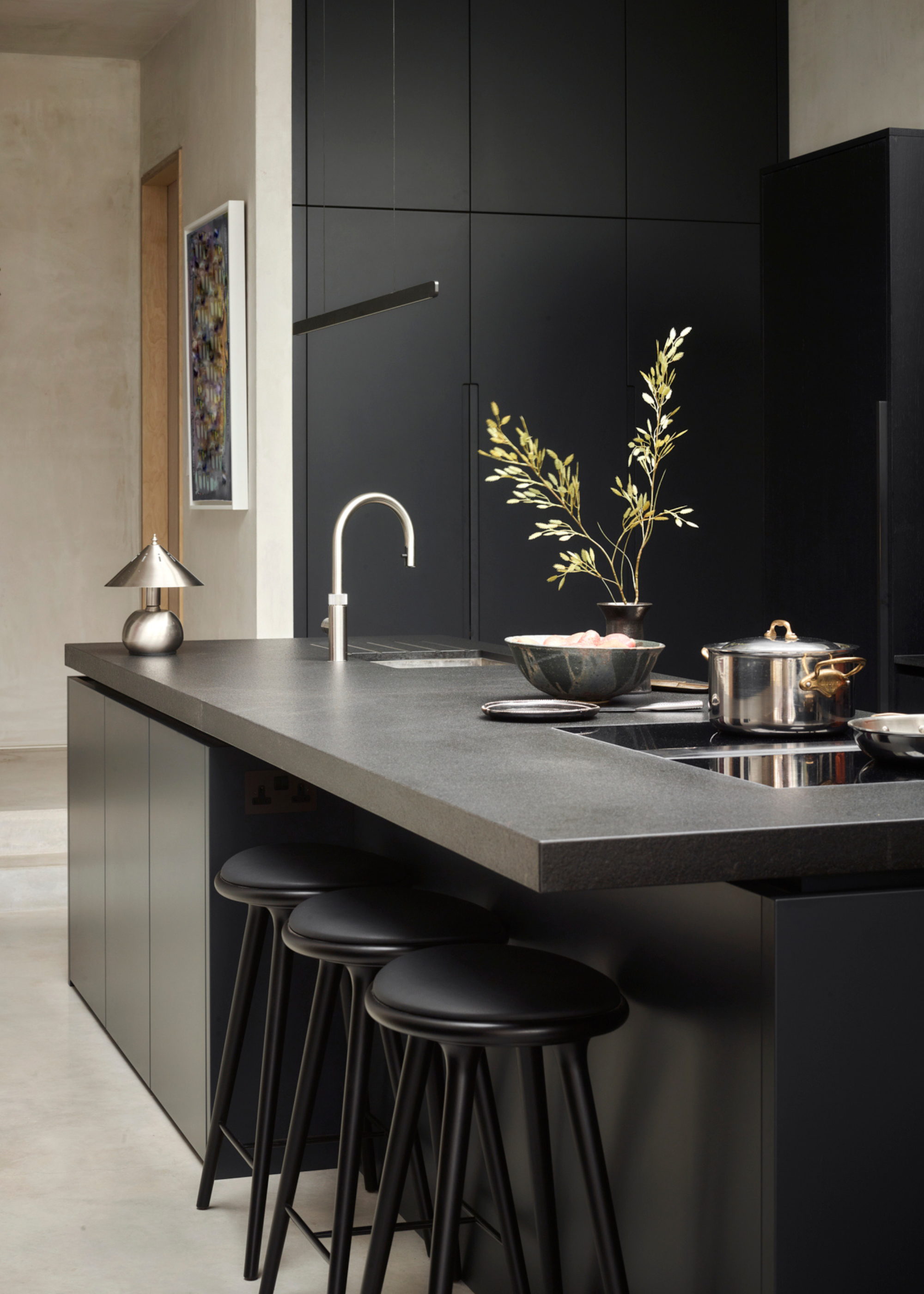
Black countertops are available in matte and glossy finishes, each offering a distinct aesthetic. A matte finish provides understated elegance with minimal reflection and is often preferred for traditional settings due to its ease of maintenance and ability to hide imperfections. In contrast, a glossy finish offers a polished, high-end, and modern look. While some might worry that black countertops make a room appear smaller, Maddox argues the opposite, stating they add depth and dimension, visually expanding the space. However, Seth Ballard of Ballard + Mensua Architecture advises against them in rooms lacking sufficient natural or artificial light to prevent a claustrophobic feel.
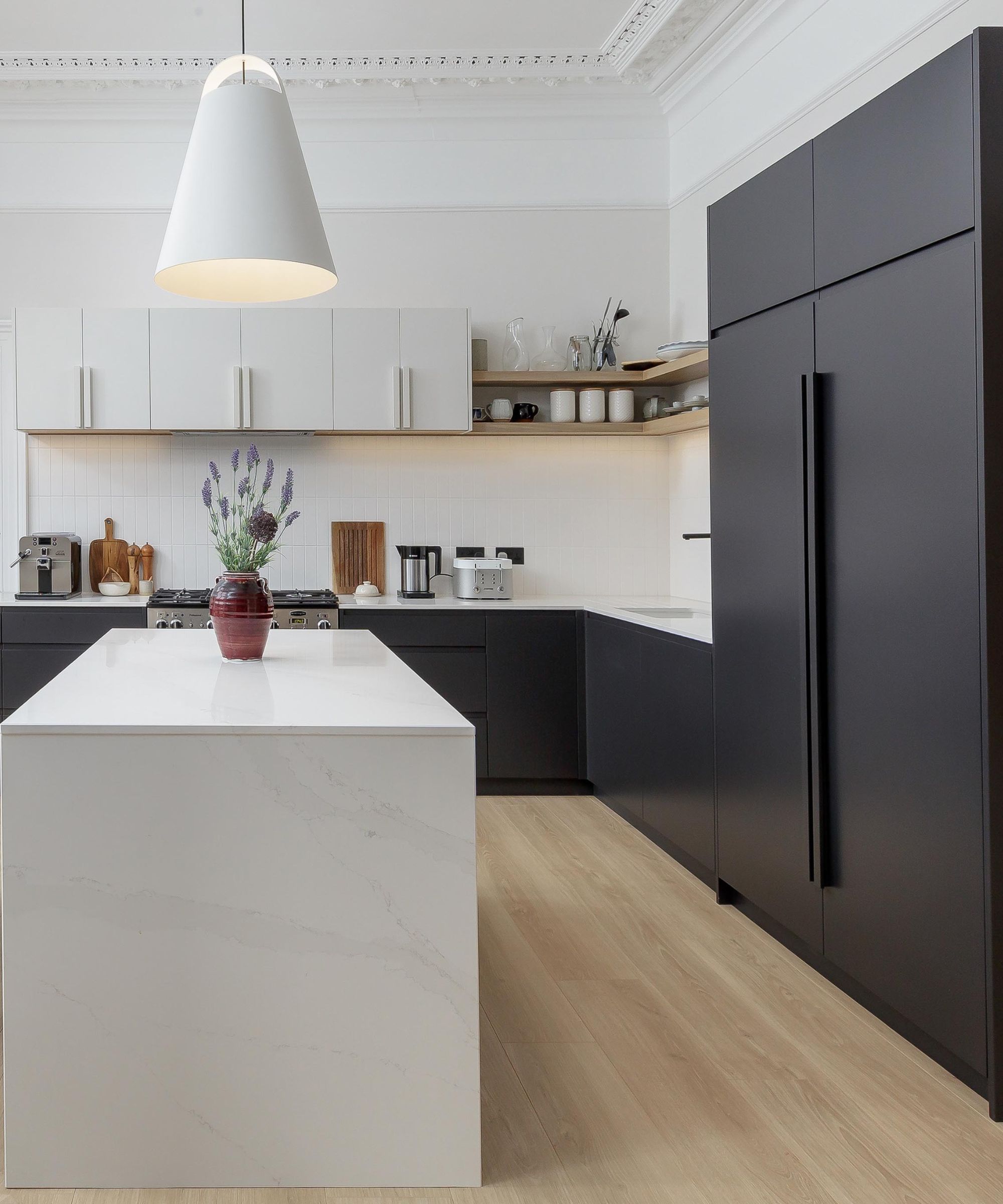
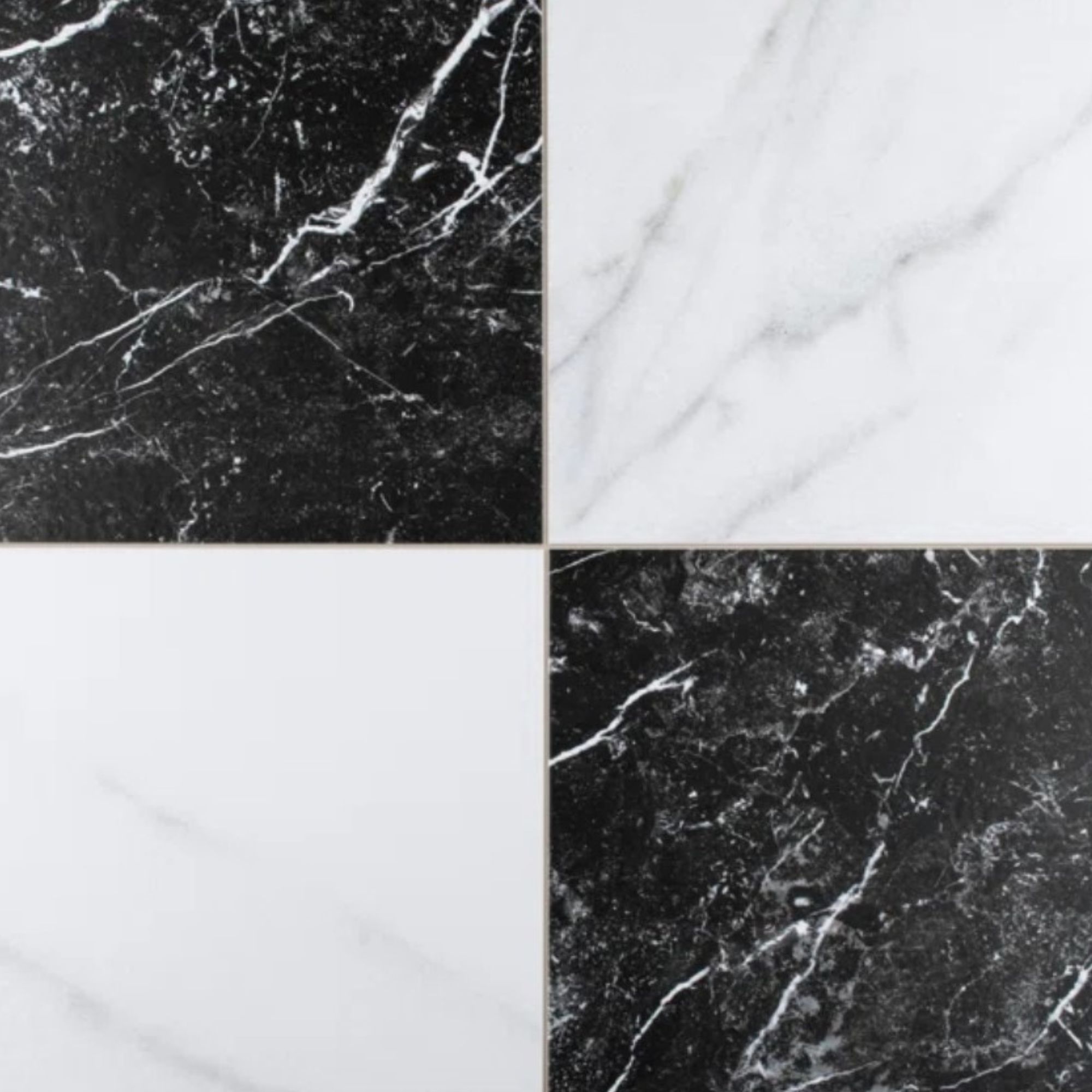
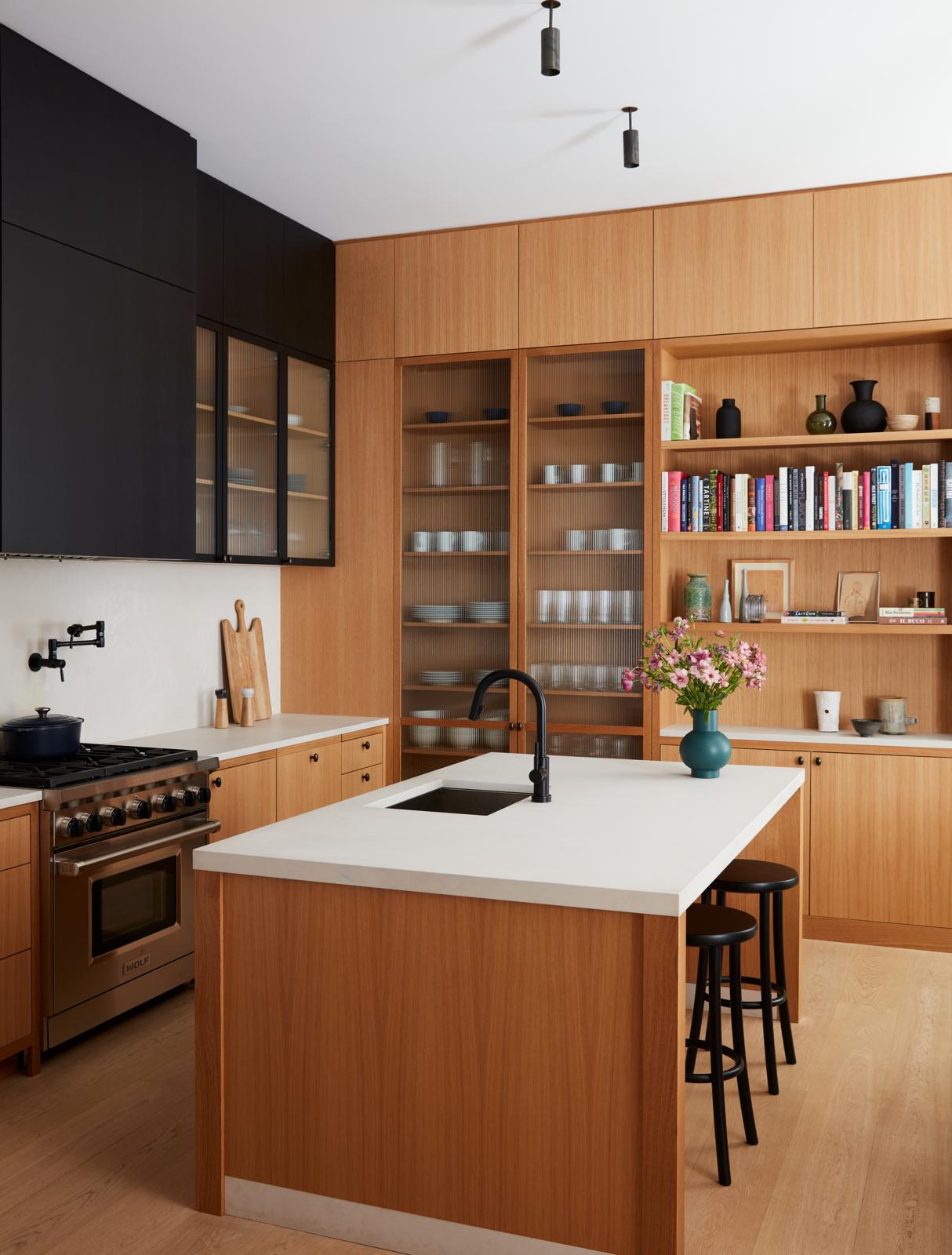
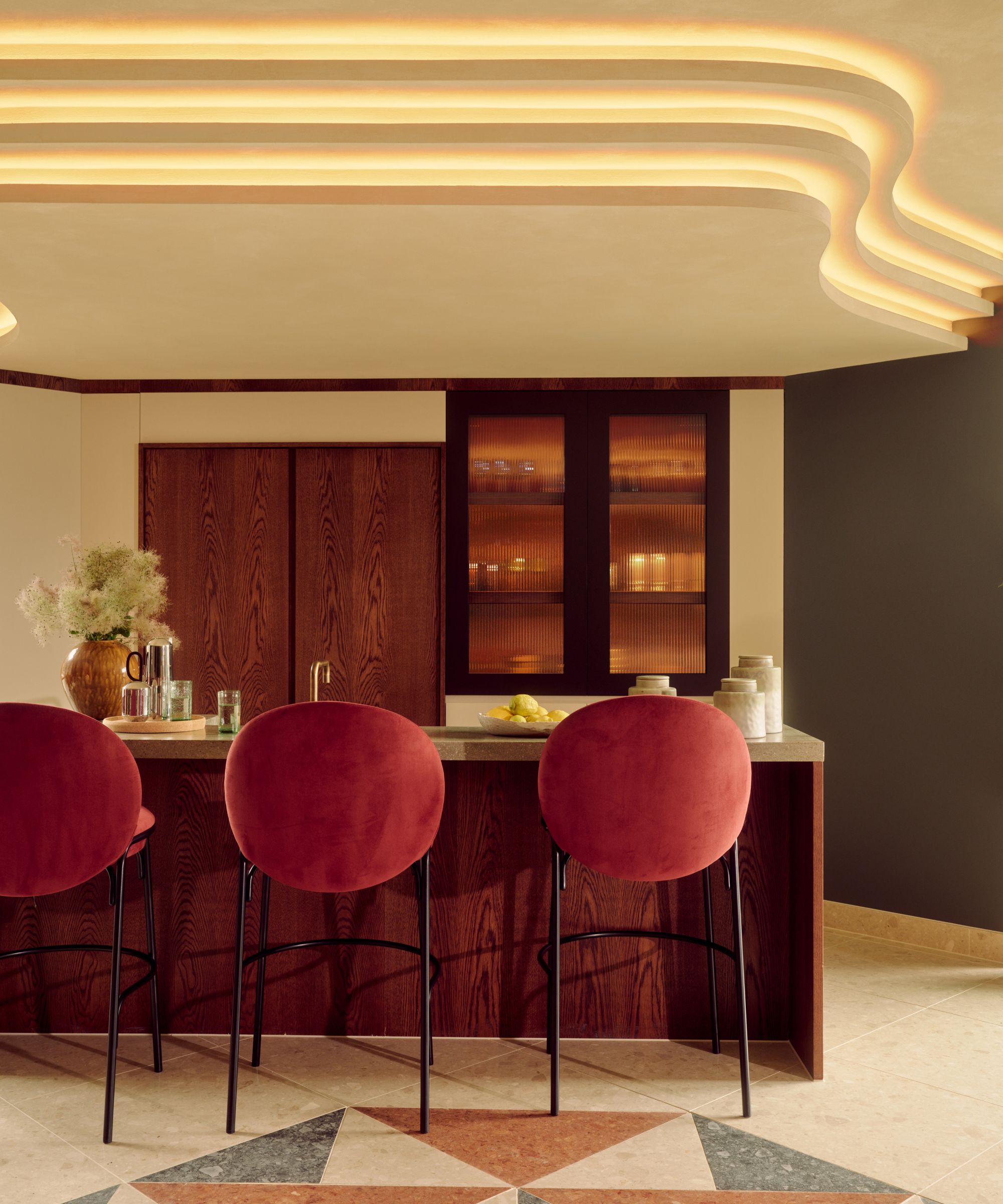
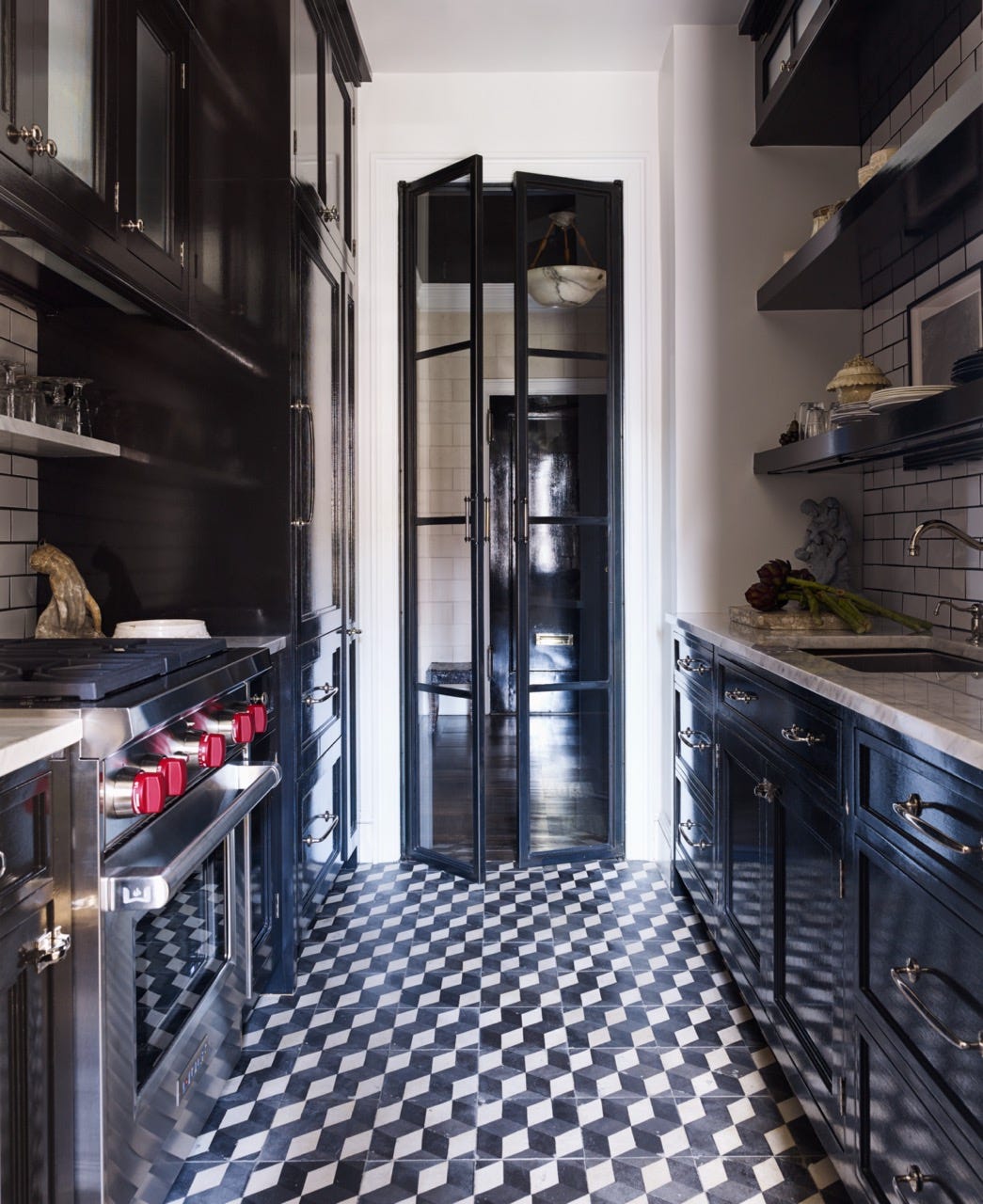
Proper lighting is crucial for black countertops. Strategic illumination, including pendant lights and under-cabinet lighting, is recommended to enhance visibility and prevent the kitchen from feeling too dark. Experts suggest using warm, white 2700K LED bulbs to create a welcoming atmosphere. Black countertops pair well with neutral color schemes, such as whites, grays, and muted tones, allowing the countertop to be a focal point without overwhelming the space. Various flooring options, including ebony wood or black and white patterns, can complement them, with white oak floors and bone-white walls offering a classic combination.
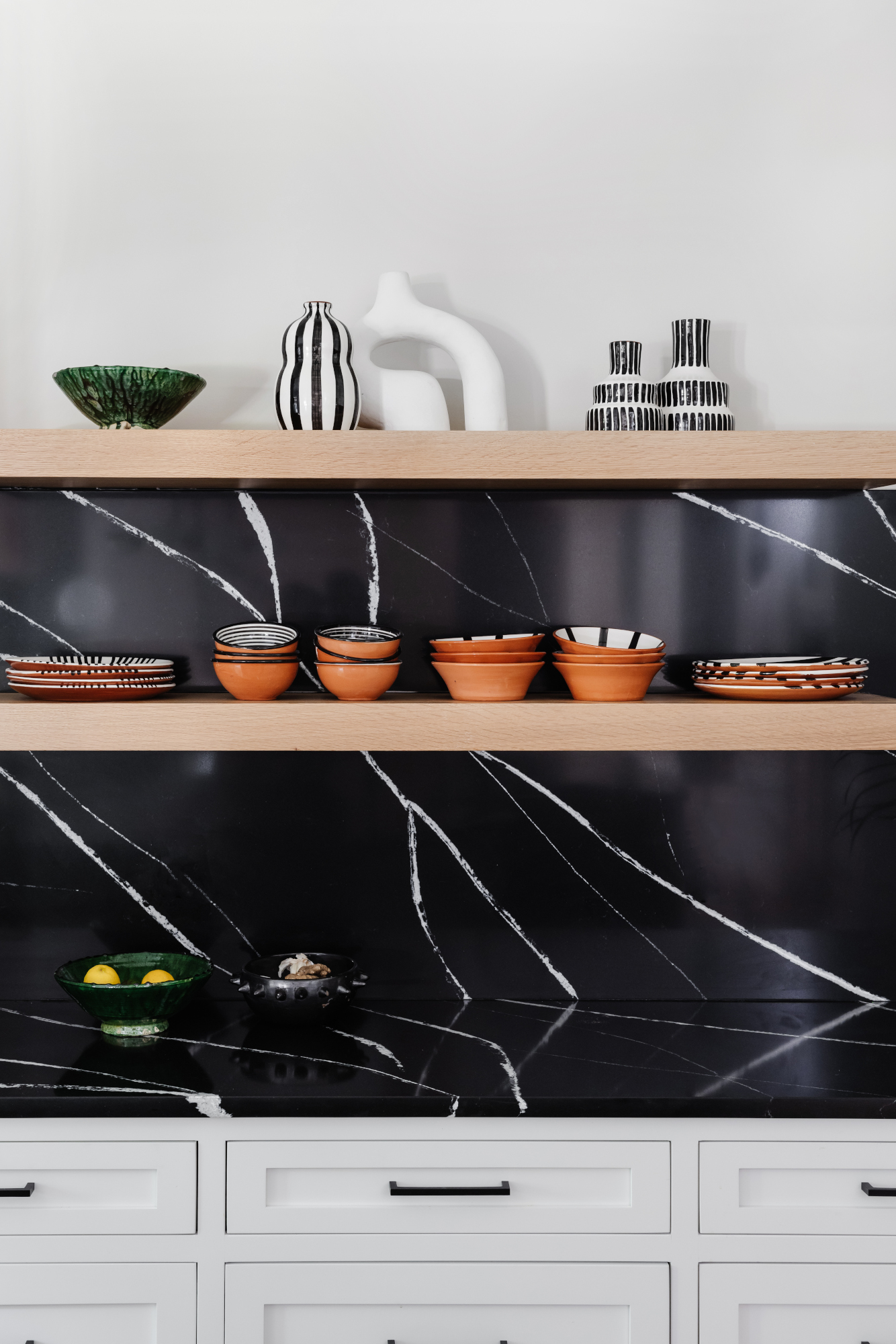
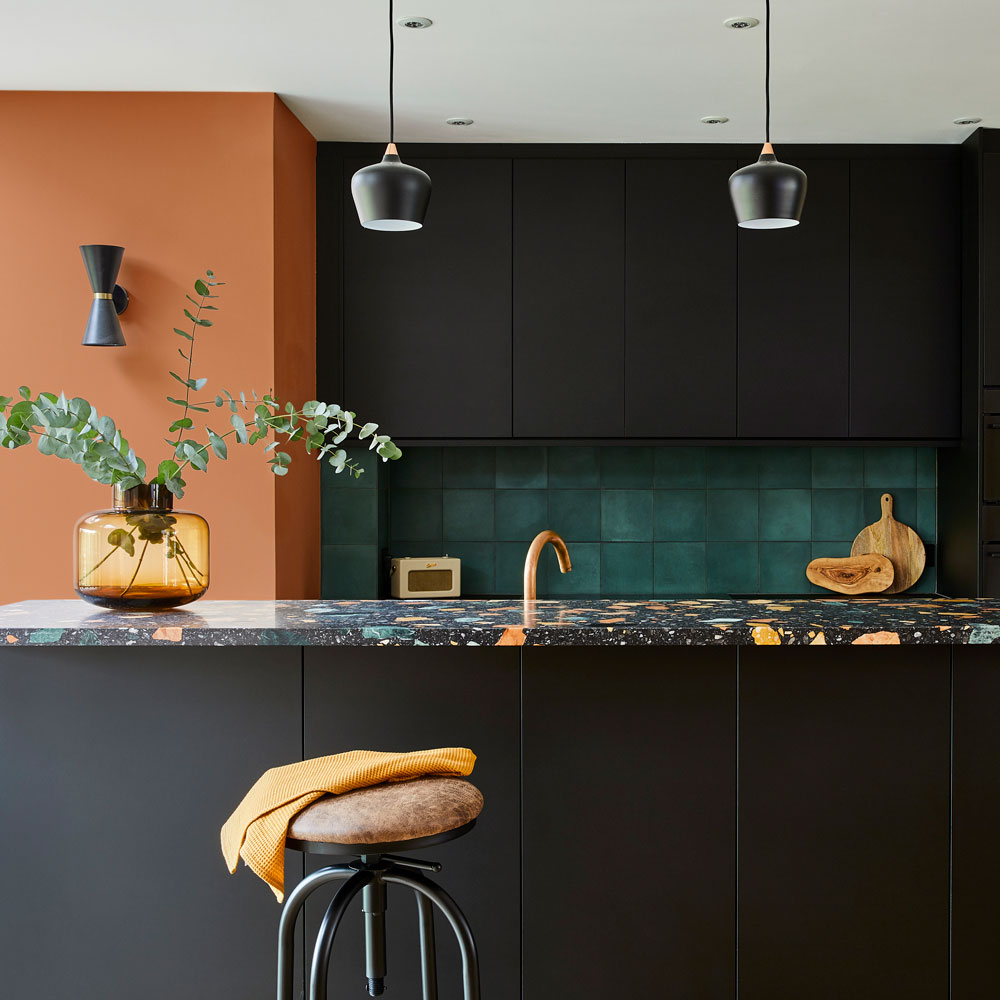
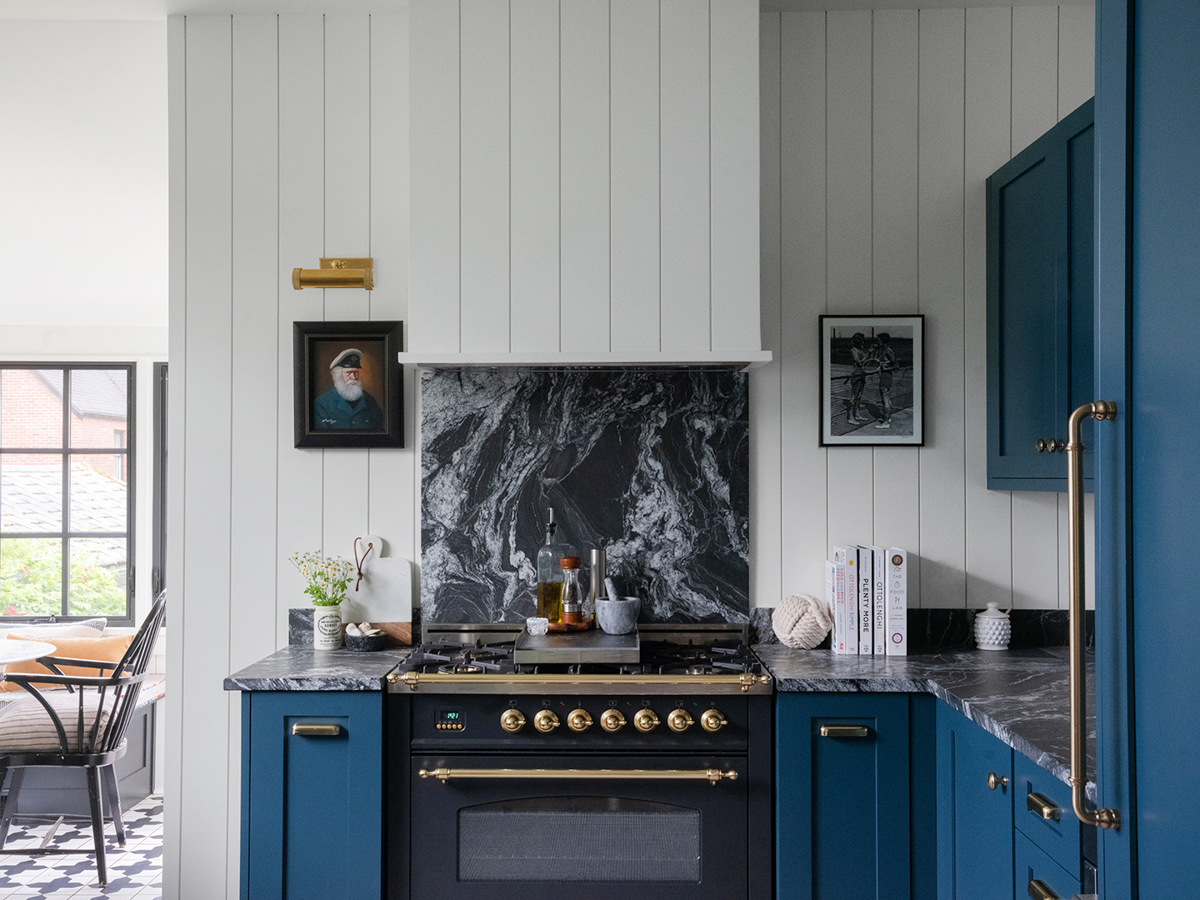
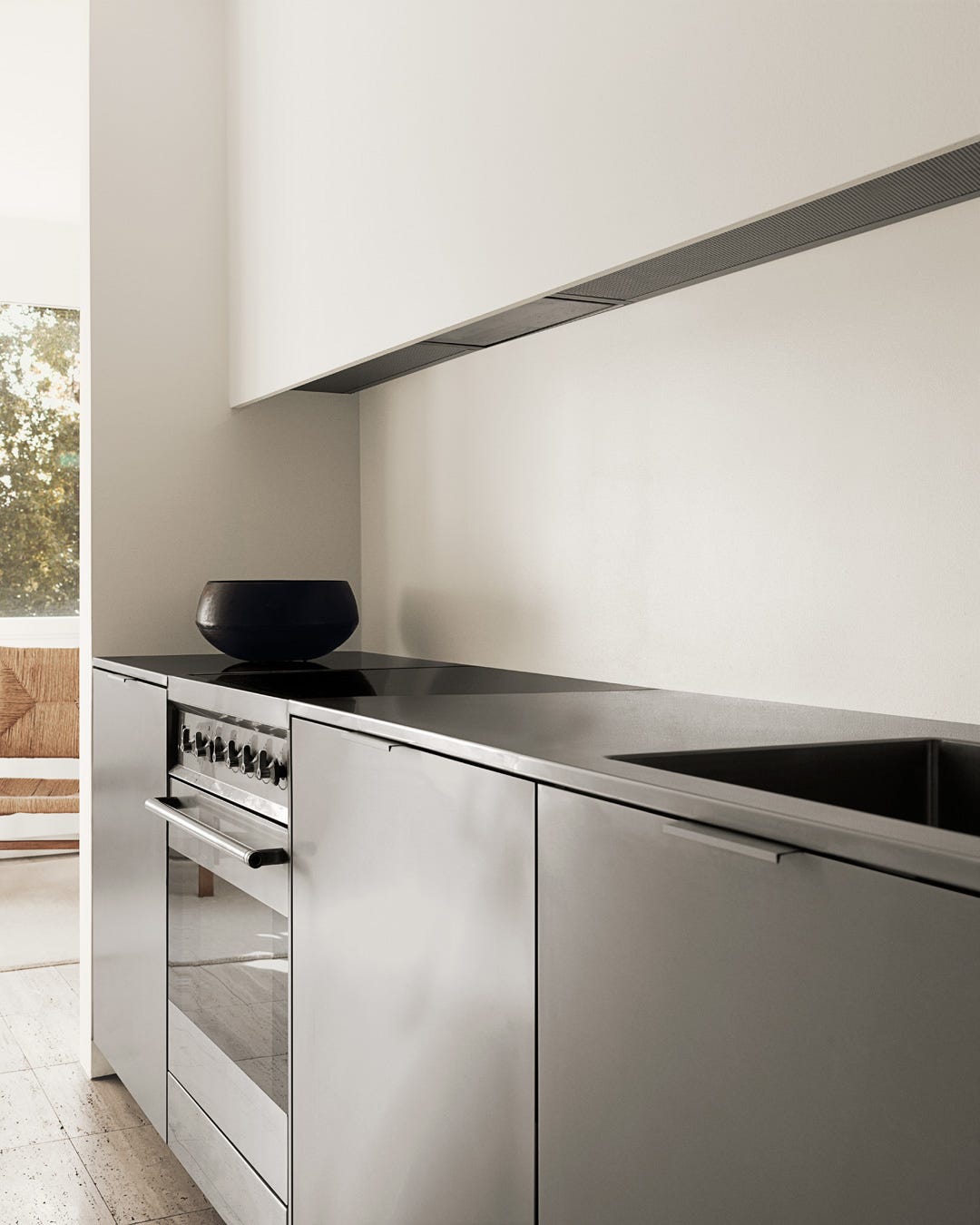
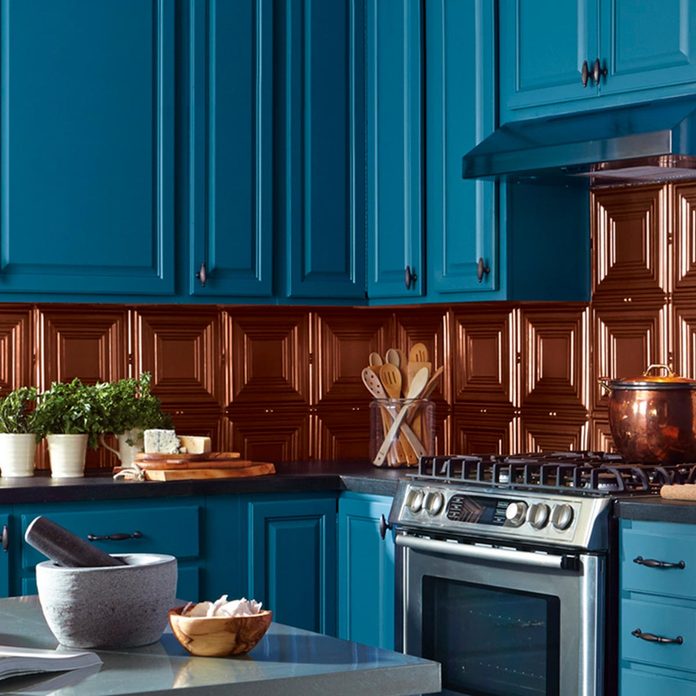
In terms of maintenance, black countertops are generally low-maintenance, although glossier finishes may show fingerprints and smudges more readily. Textured materials can help conceal smears, and polished granite is particularly low-maintenance. Dirt and crumbs tend to be less visible on black surfaces. The thickness of the countertop slab also influences the overall aesthetic; thinner slabs contribute to a minimalist look, while thicker ones add substance and a high-end feel. Black countertops can extend beyond the kitchen to home offices, libraries, and bars, creating luxurious and dramatic environments. However, Maddox advises against them in bathrooms due to potential toothpaste and soap stains. To avoid a overly moody atmosphere, designers recommend balancing black countertops with lighter or colorful backsplashes, ample lighting, and natural elements. Incorporating open shelving or glass cabinets can stabilize the visual drama, while vibrant or soft colored accessories can infuse energy into the space. Black countertops have proven to be timeless, with their enduring appeal maintained by updating surrounding finishes like cabinet hardware and incorporating trending materials.
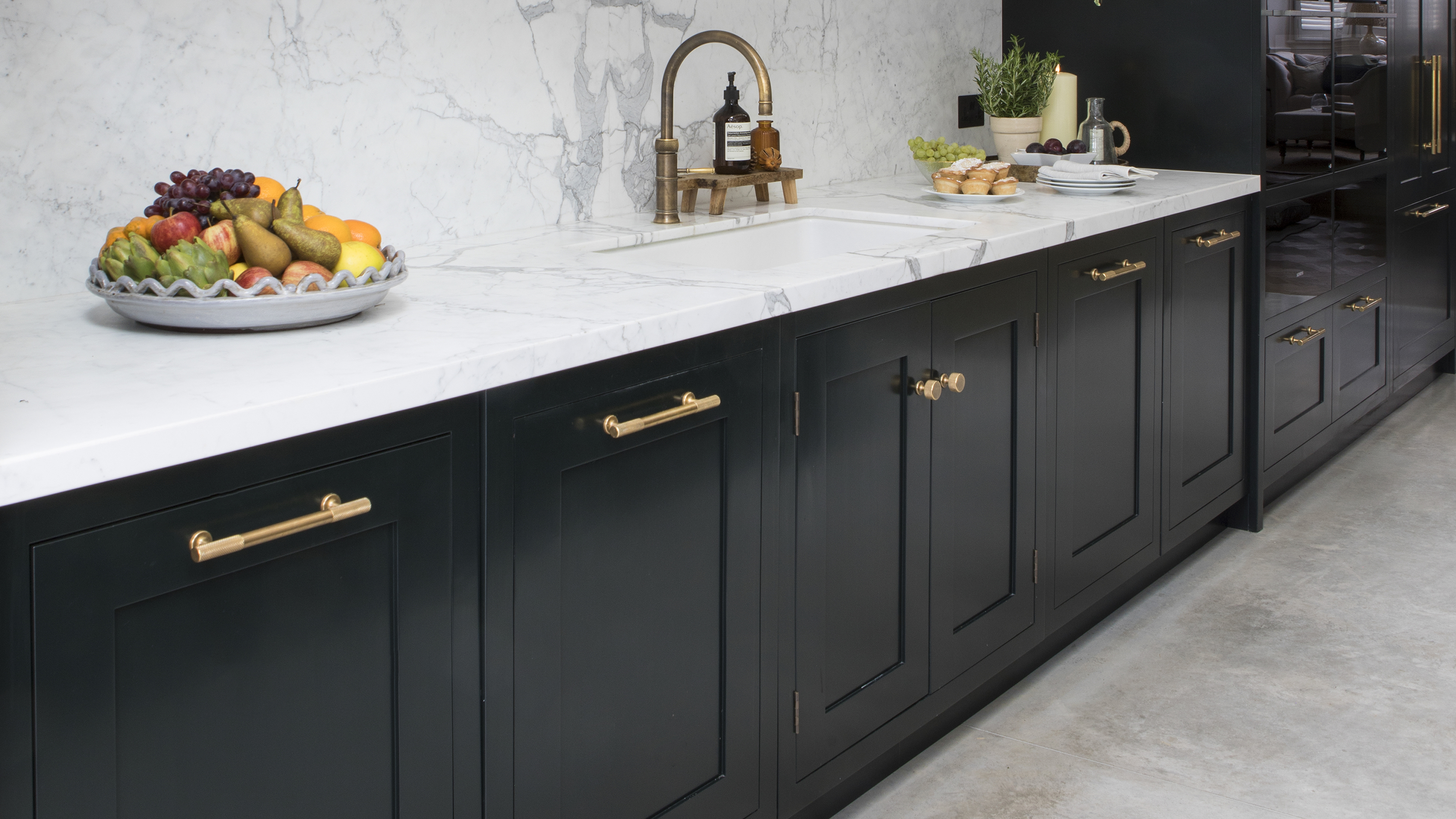
The article also provides an overview of popular black countertop materials: porcelain, granite, soapstone, quartz, and marble. Porcelain is highlighted for its high durability and resistance to scratches, stains, and heat, though it can chip. Granite offers heat resistance, variety in colors and textures, and good value, but requires annual sealing. Soapstone is noted for its heat and stain resistance and chip resistance, but demands maintenance through oiling and fine-grade sandpaper. Quartz is durable and comes in solid colors but is not heat tolerant. Marble provides a luxurious look with natural veining but is expensive, susceptible to chips, stains, and etching, and requires regular sealing.
#BlackCountertops #KitchenDesign #InteriorDesignTrends #CountertopMaterials #HomeDecor #KitchenRemodeling #MatteFinish #GlossyFinish #HomeImprovement #BlackCountertops #KitchenDesign #InteriorDesignTrends #CountertopMaterials #HomeDecor #KitchenRemodeling #MatteFinish #GlossyFinish #HomeImprovement
0 comment in total
 No comments yet
You may also like
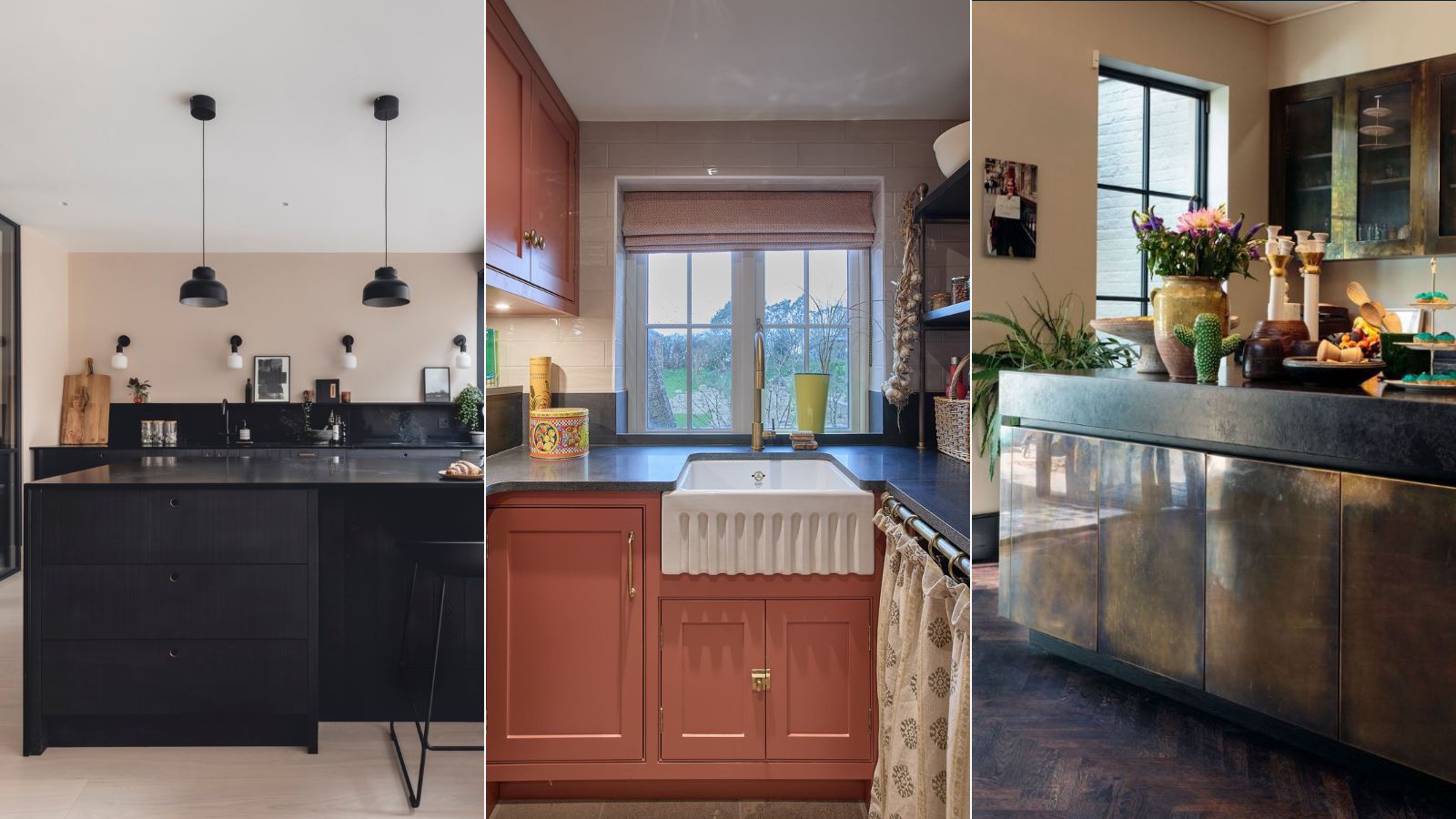
Are black kitchen countertops back in style? Interior designers share their thoughts on this once-dated look
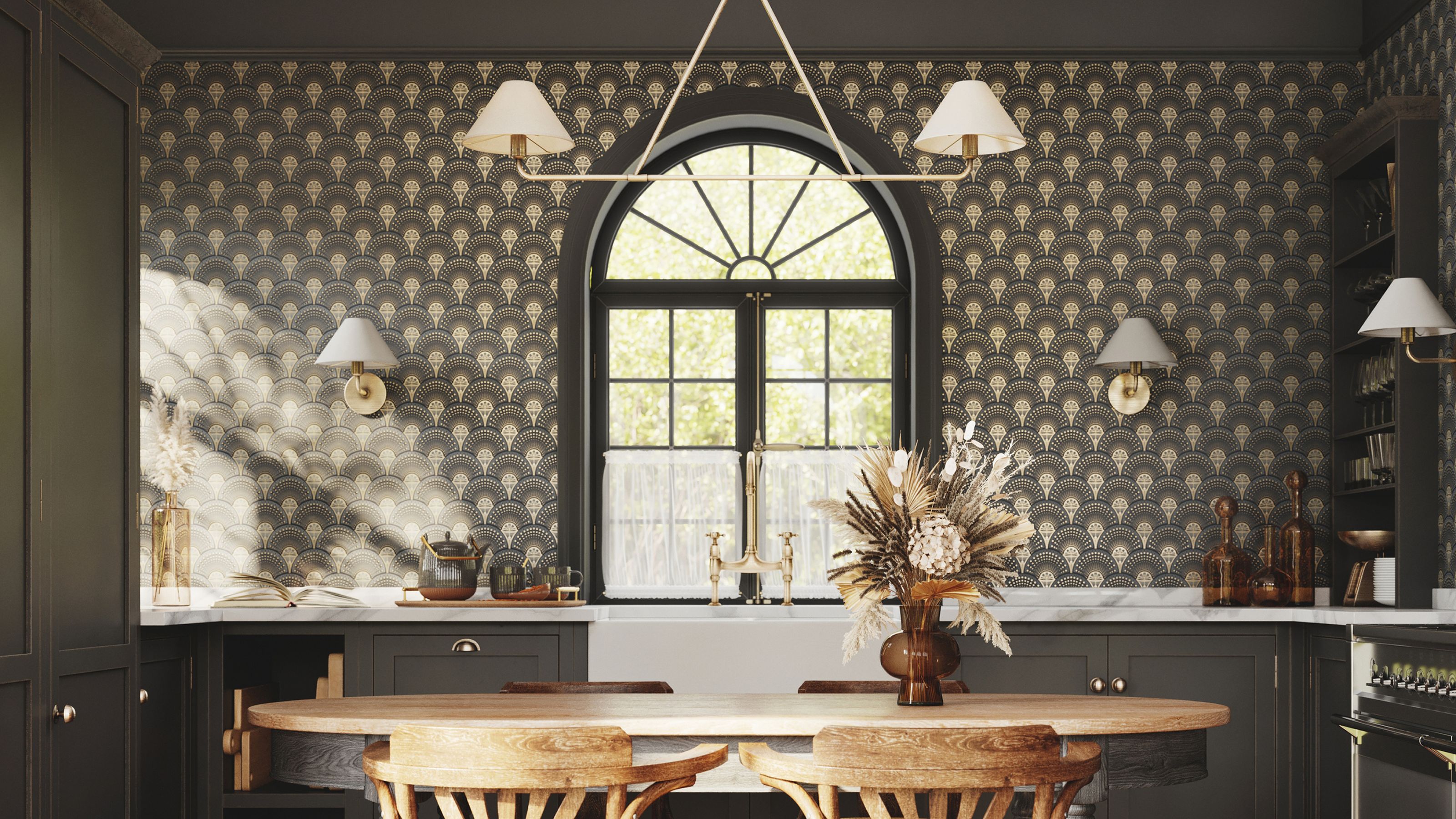
12 black kitchen ideas that will make you want to go over to the dark side

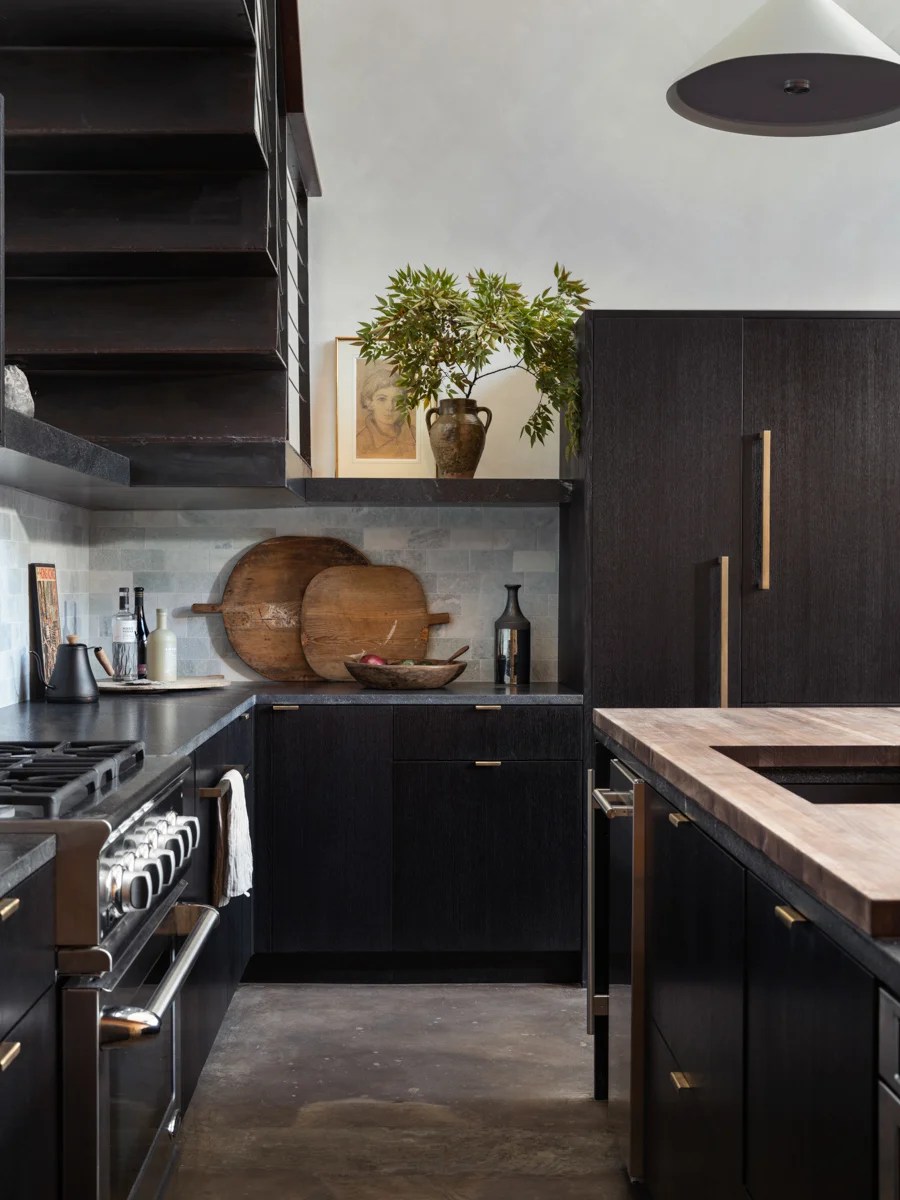
The Countertop Material That We Loved 25 Years Ago Is Coming Back

The Bold Kitchen Cabinet Color That's Replacing Black
Are Black Countertops Still in Style? Here's How Designers Are Using Them That Feel Right for 2026-Ready Kitchens


4 Black Kitchens That Show Off the Moody Hue’s Versatility
Black Kitchen Cabinets are Everywhere—Here are Some Favorites
13 Stunning Dark Kitchen Cabinet Ideas

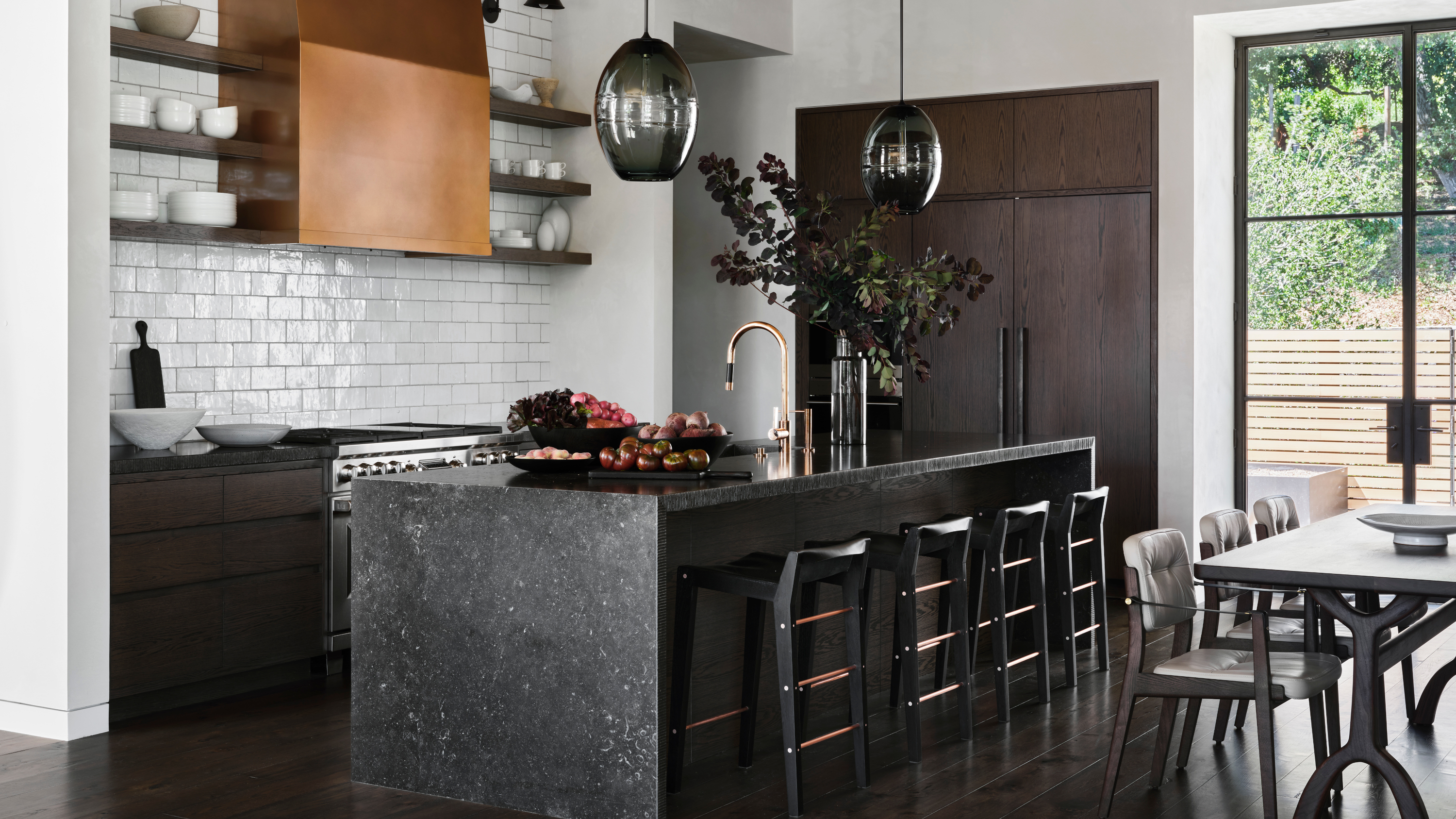
Black kitchen countertop ideas – 10 designer-approved looks that make the case for going dark
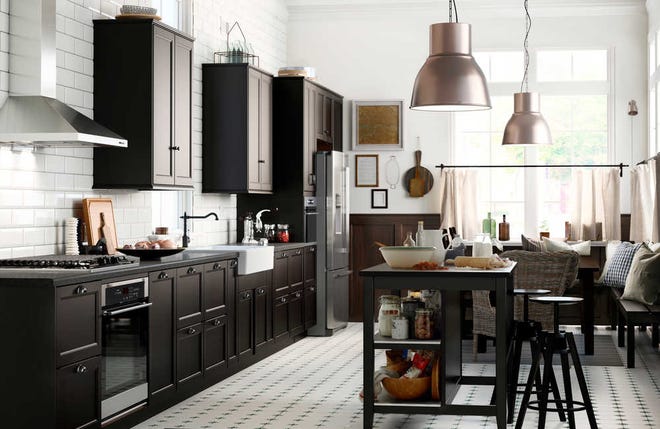
Right at Home: Bold, black kitchens serve up style
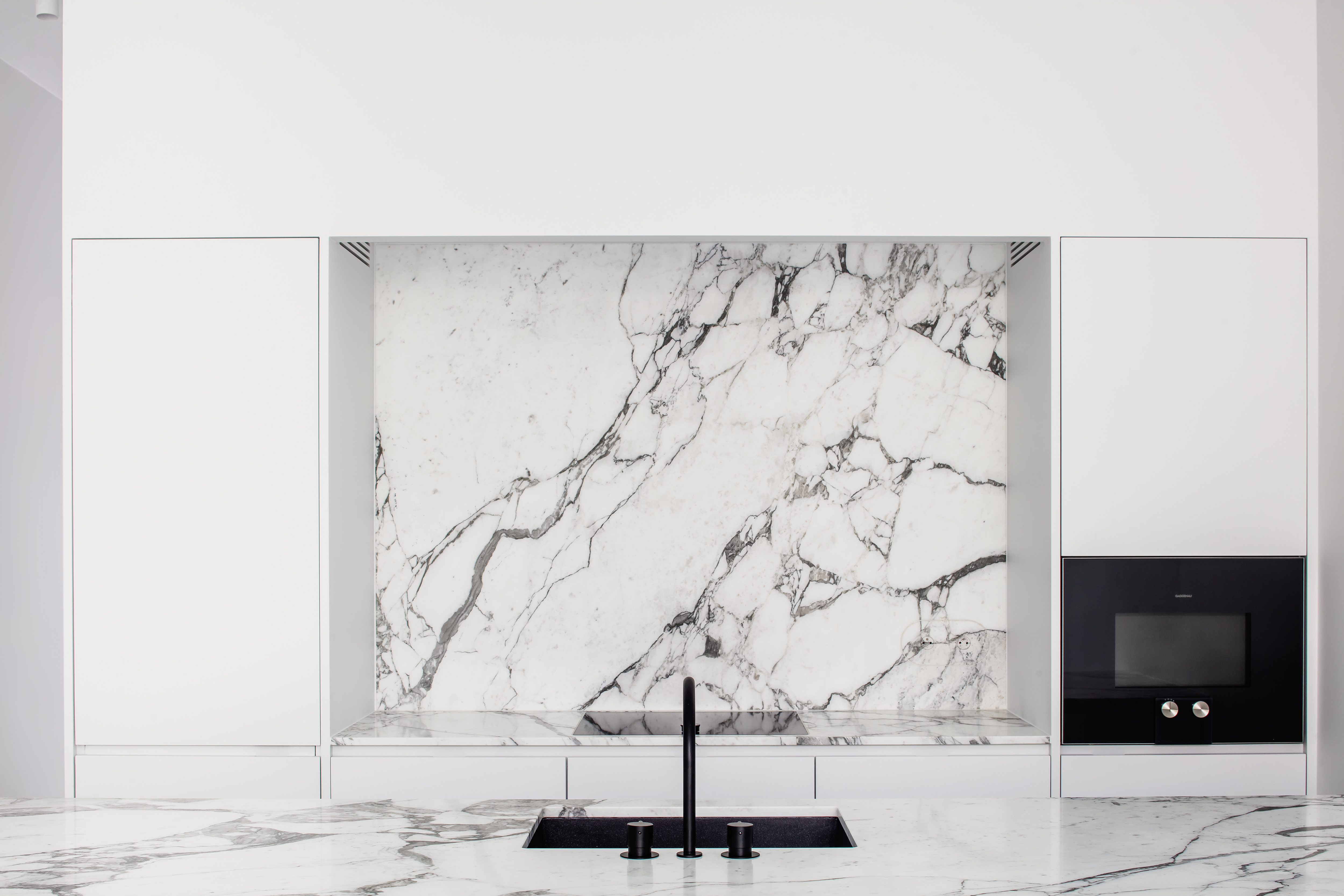
"Go for this over white!" 6 beautiful kitchens with black sinks that will convince you to switch up your design
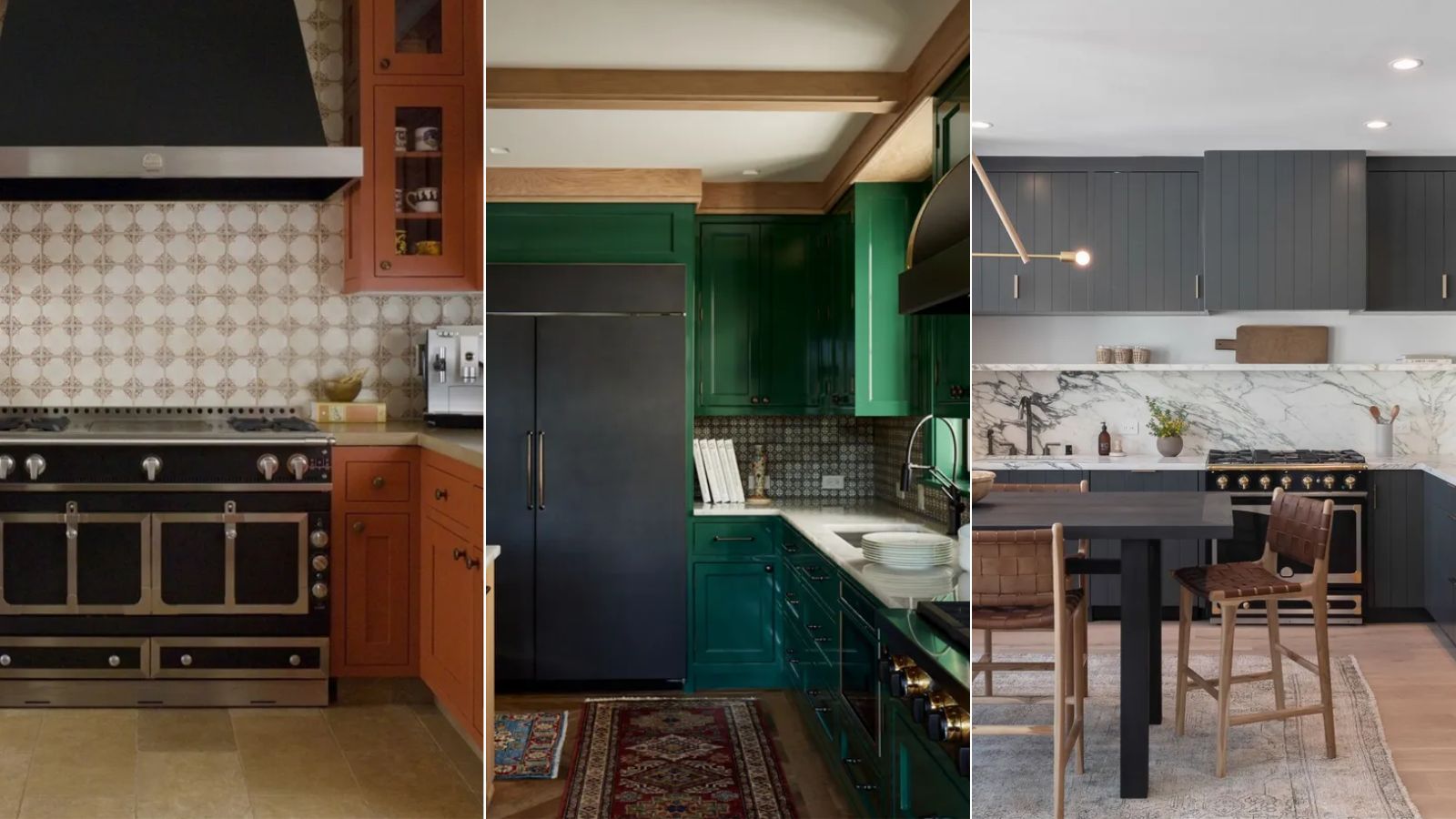
What colors go best in kitchens with black appliances? 6 schemes to suit all styles

Top Reasons to Choose Black Countertops, According to Experts
Turn Up the Drama With Black Kitchen Cabinets

Our Favorite Black and White Kitchens


Sarah Michelle Gellar's kitchen cabinets are moody yet elevated – I've always used dark paint with caution, but they make bolder tones accessible
Black kitchen ideas for decadently dark cabinets, worktops and walls
Designers say to ditch black kitchen countertops and try these 5 alternatives instead
These Crisp Kitchens Prove the Enduring Appeal of a Black and White Palette
16 Kitchen Cabinet Colors That Look Really Good With Black Stainless Steel Appliances