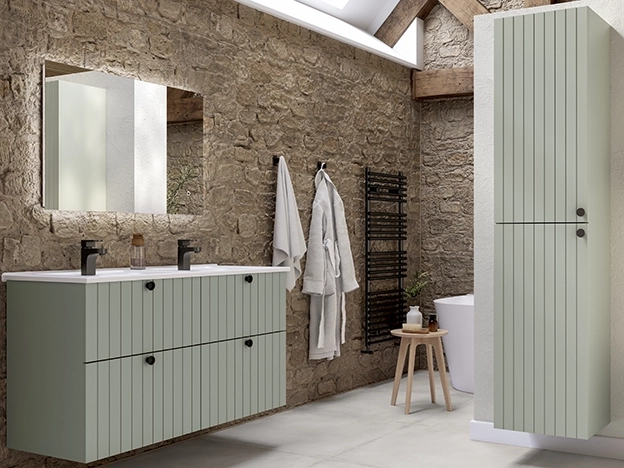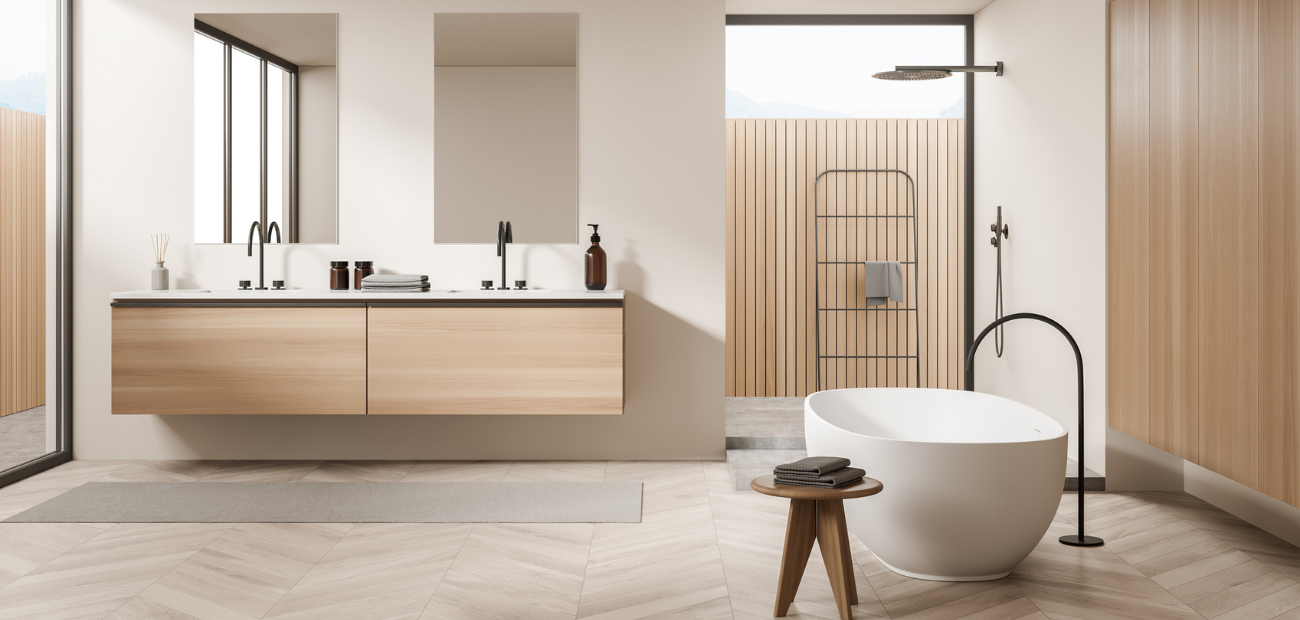
Sustainable Spaces: The Bathroom
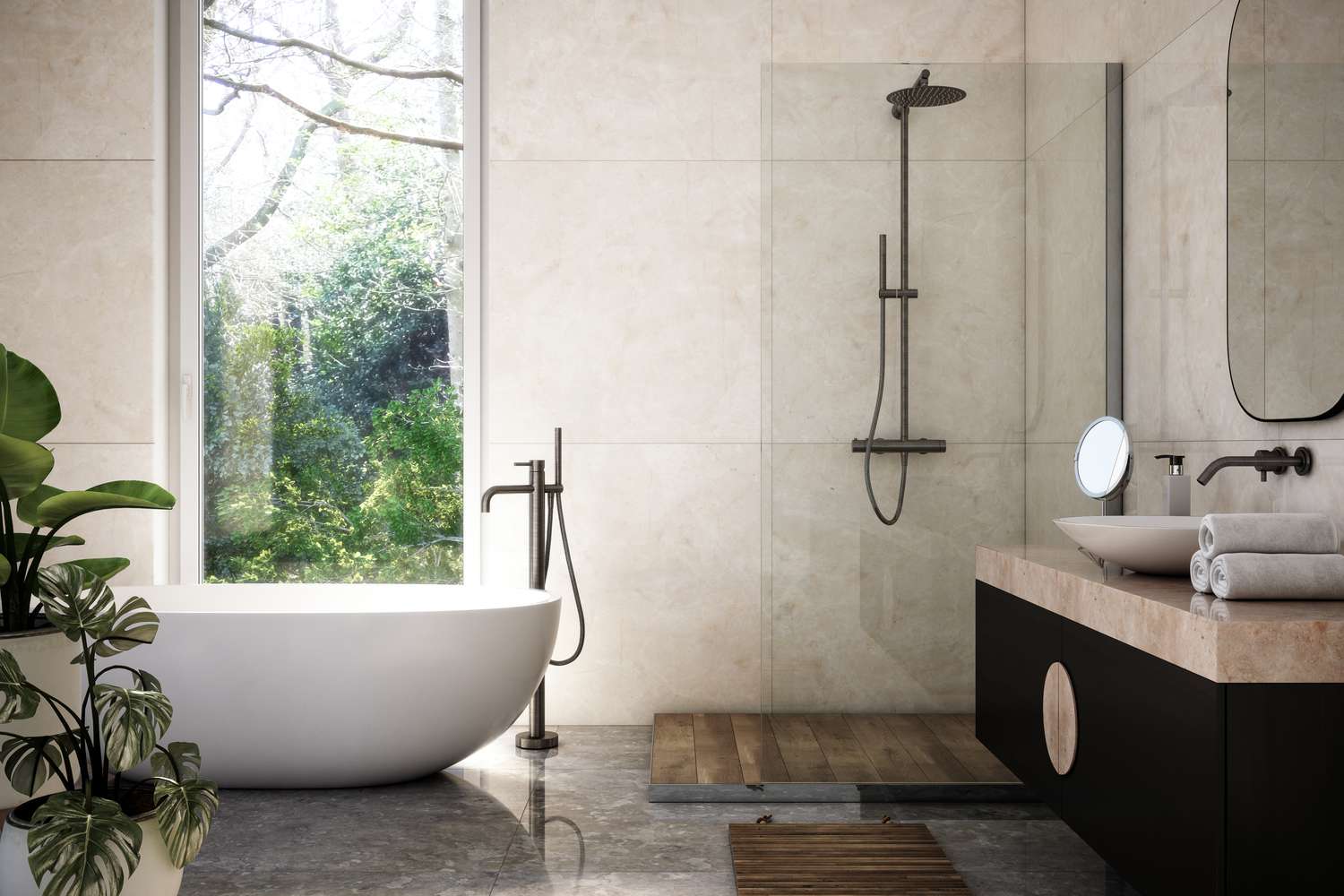
The bathroom is identified as a primary area for water and energy consumption within a household, with toilets accounting for approximately 24% of water usage and showers for another 20%. This makes it an ideal starting point for homeowners interested in adopting sustainable practices to reduce resource consumption and enhance living spaces. Sheryl McLean, president and creative director of McLean and Tircuit, emphasizes the bathroom's potential for sustainable upgrades, citing advancements in energy-saving technology that make these changes both achievable and economical.
Sustainable bathroom design offers several key benefits. Firstly, it leads to reduced water and energy costs for homeowners. Secondly, it appeals to the growing segment of sustainability-minded buyers, increasing a home's market value. Lastly, green bathrooms contribute to a healthier living environment for residents. This article outlines five features that can transform a conventional bathroom into a sustainable one, offering practical advice for real estate professionals and homeowners alike.
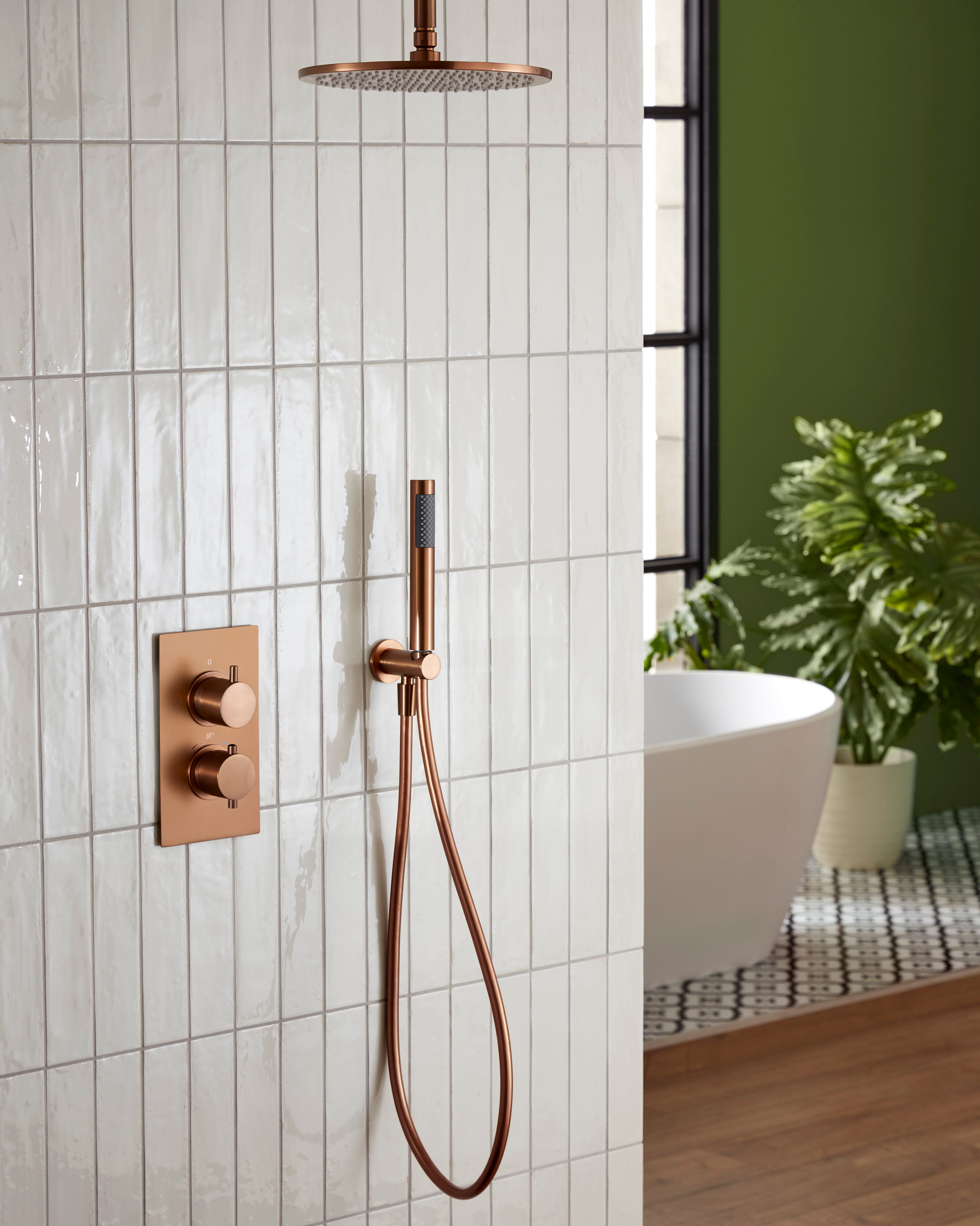
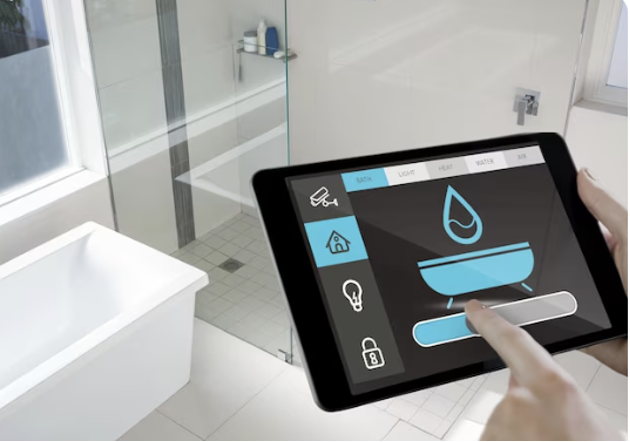
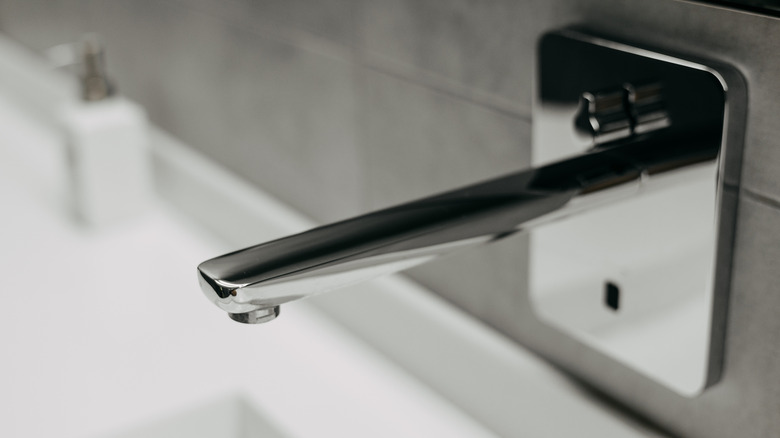
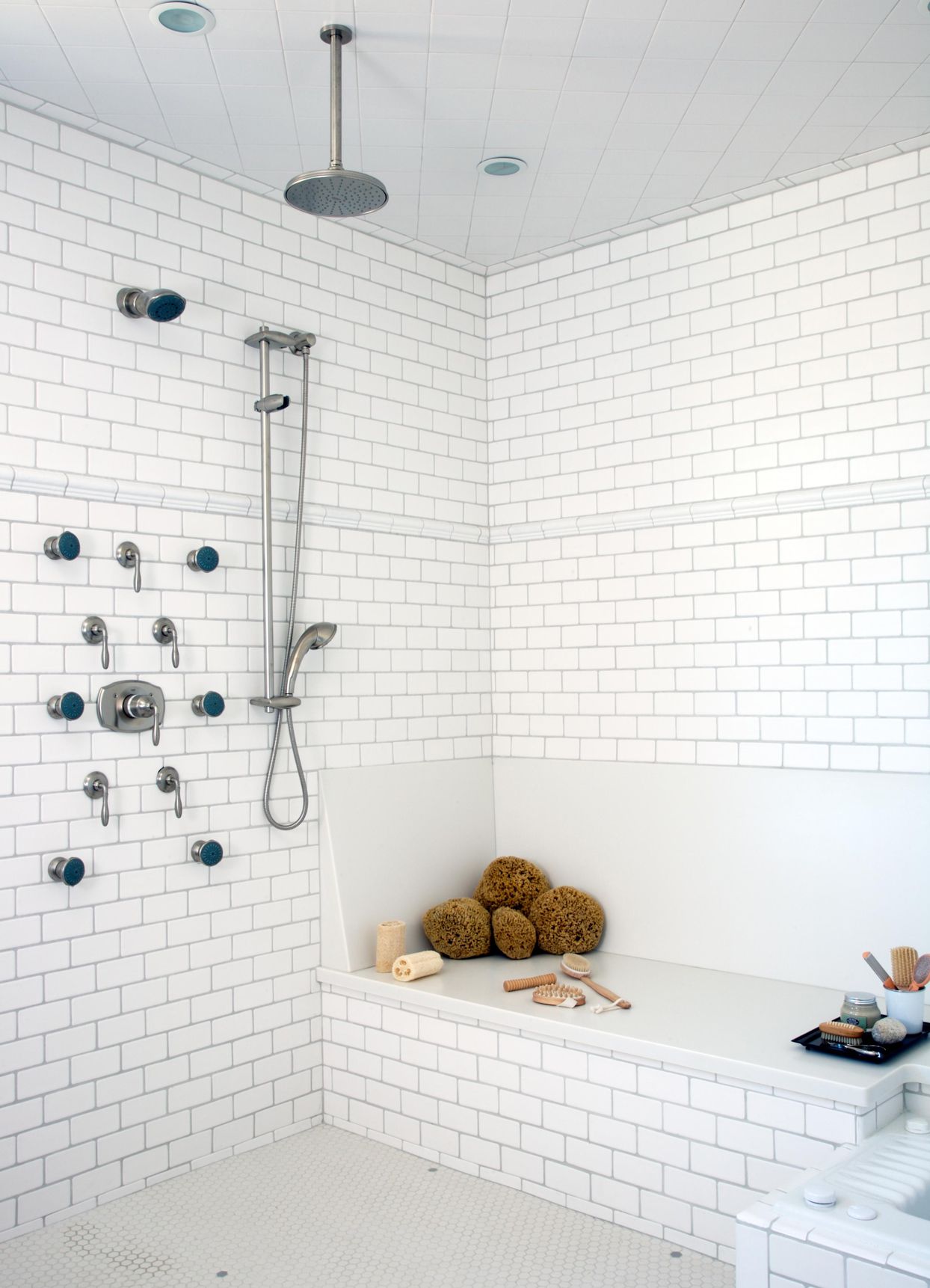
The first feature discussed is smart showerheads and faucets. Switching to low-flow fixtures is highlighted as an easy, quick, and cost-effective upgrade that provides immediate energy savings. Brooke Moore, an interior designer with Freemodel, explains that these fixtures conserve not only water but also the gas and electricity used to heat it. For identification, WaterSense-labeled products, which meet U.S. Environmental Protection Agency criteria for water efficiency, are recommended.
Radiant heated floors are presented as a method to significantly reduce energy costs. Although installing them involves a major renovation, it is a valuable consideration for projects already undergoing bathroom overhauls. Radiant heating is more efficient than baseboard heating and often more efficient than forced-air systems, according to the Department of Energy. An additional advantage is its benefit for allergy sufferers, as it does not circulate allergens like forced-air heating.
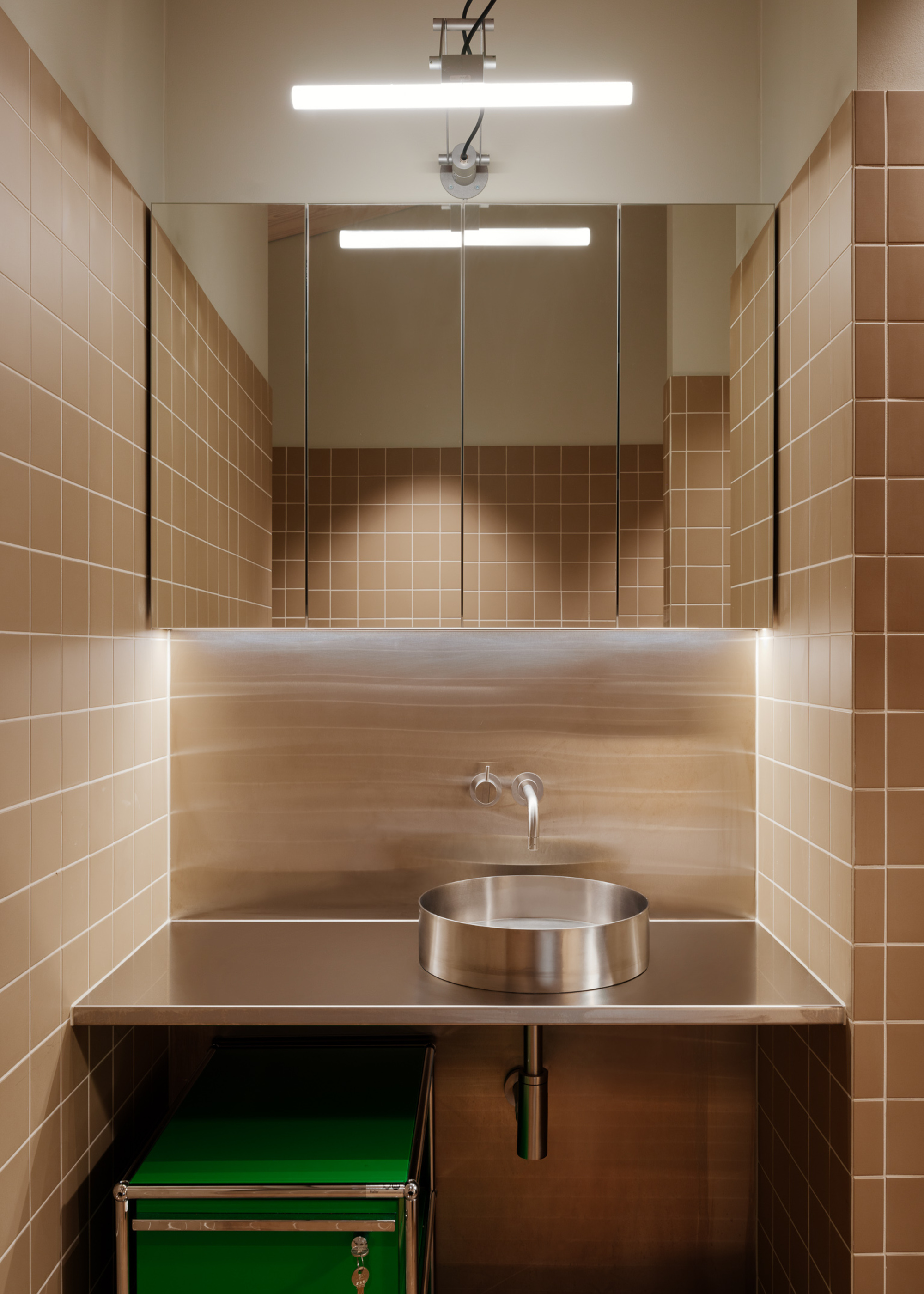
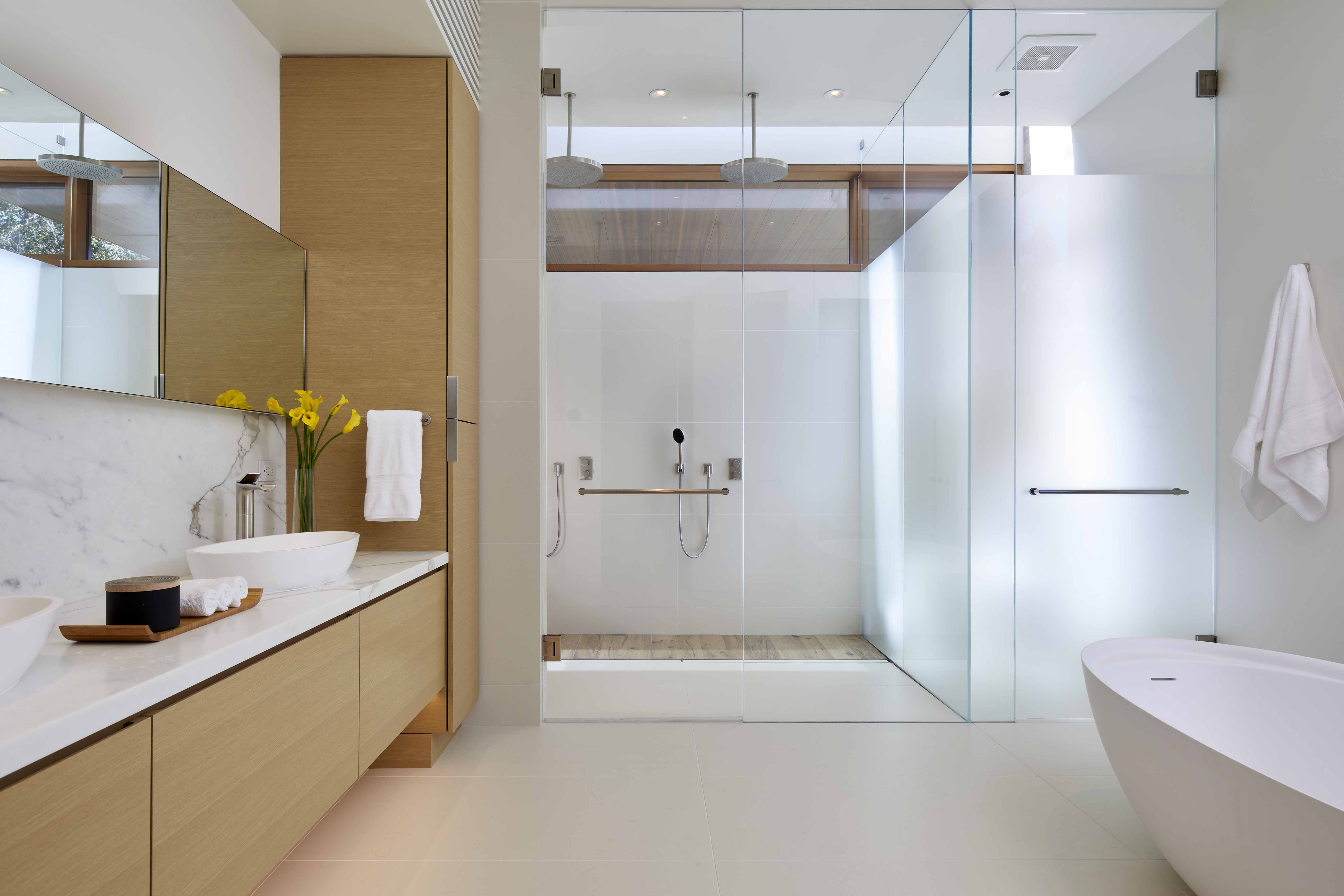
Lighting upgrades form the third category of sustainable features. Since bathrooms are frequently used, a combination of whole-room and task lighting is important. The article suggests three eco-friendly lighting improvements: replacing traditional bulbs with LED bulbs or fixtures for energy efficiency and longer lifespan, installing vacancy sensors to automatically turn off lights when a room is unoccupied, and incorporating natural light sources such as clerestory windows in new builds or major renovations to reduce reliance on artificial lighting while maintaining privacy.
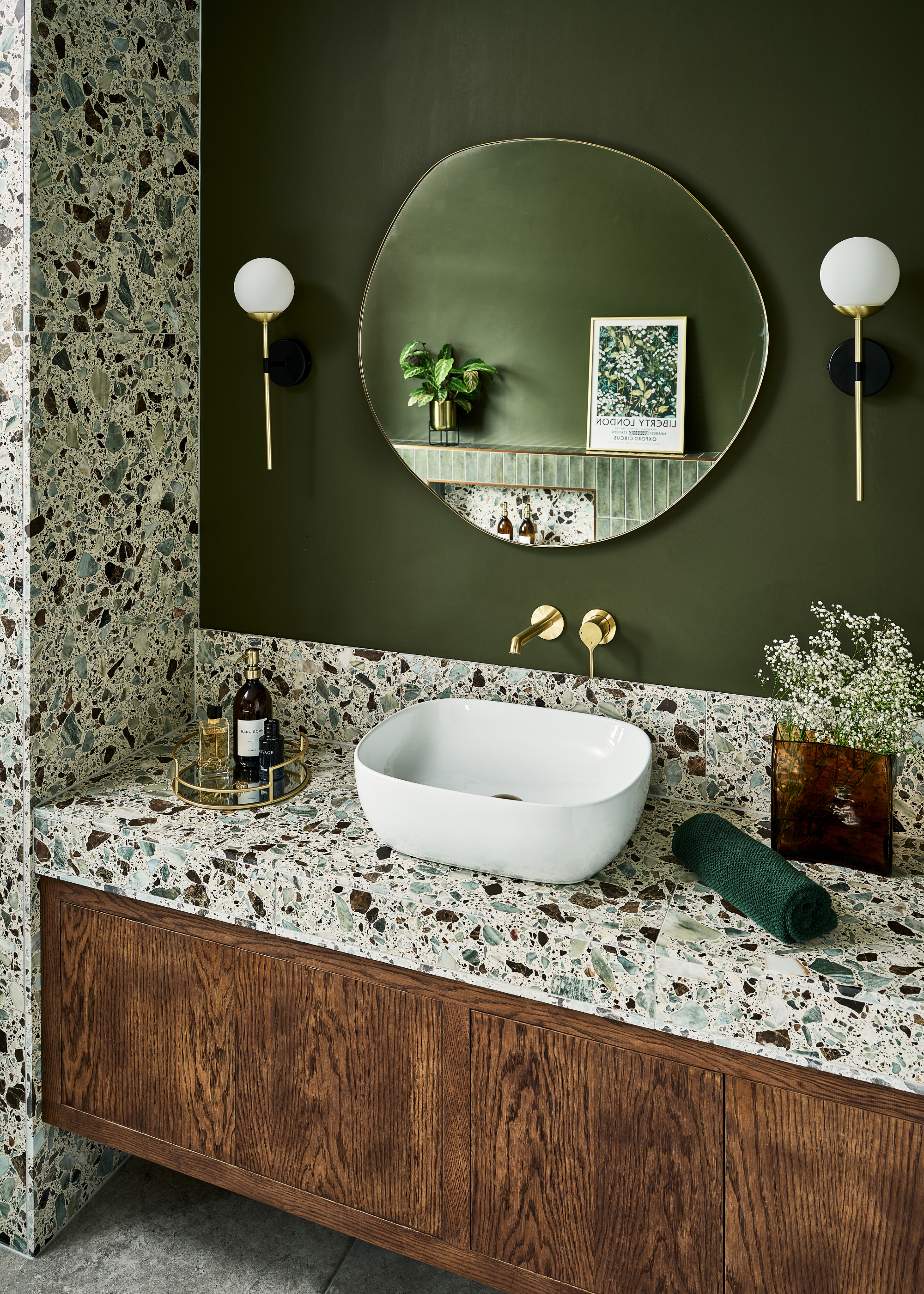
Low-VOC paints and finishes are recommended to improve indoor air quality and reduce environmental pollution. McLean specifically endorses Benjamin Moore's low-VOC paints, and Glidden Premium is also cited as a suitable no-VOC option for high-humidity bathroom environments. Lastly, sustainable bathroom countertops and greener flooring options are discussed. For countertops, natural and locally sourced materials like natural stone, concrete, certified porcelain tiles, and recycled glass are preferred. Homeowners are cautioned to ensure materials are genuinely sustainable rather than merely appearing so. For flooring, durable, water-resistant options made from natural materials with sustainable company practices are advised, with concrete, cork, or bamboo tiles suggested as excellent choices.
#SustainableDesign #EcoFriendlyHome #BathroomRenovation #WaterEfficiency #EnergySavings #GreenBuilding #HomeImprovement #RealEstateTrends #SustainableDesign #EcoFriendlyHome #BathroomRenovation #WaterEfficiency #EnergySavings #GreenBuilding #HomeImprovement #RealEstateTrends
0 comment in total
 No comments yet
You may also like
These 7 Sustainable Bathroom Trends Are the Way to Make Green Living Actually Look Chic

The Art of Elegance in Bathroom Design: Embracing the 6 Trends of the 2024 Aesthetic

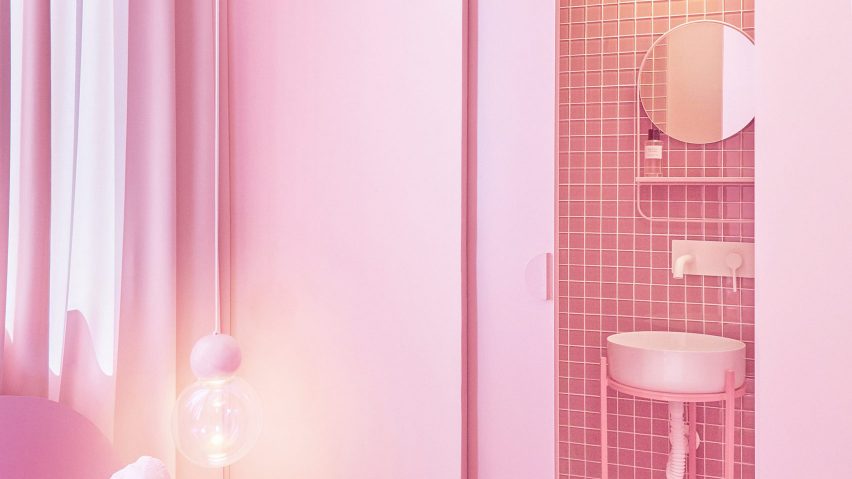
Thirty domestic bathrooms by architects including concrete, travertine and tiled designs

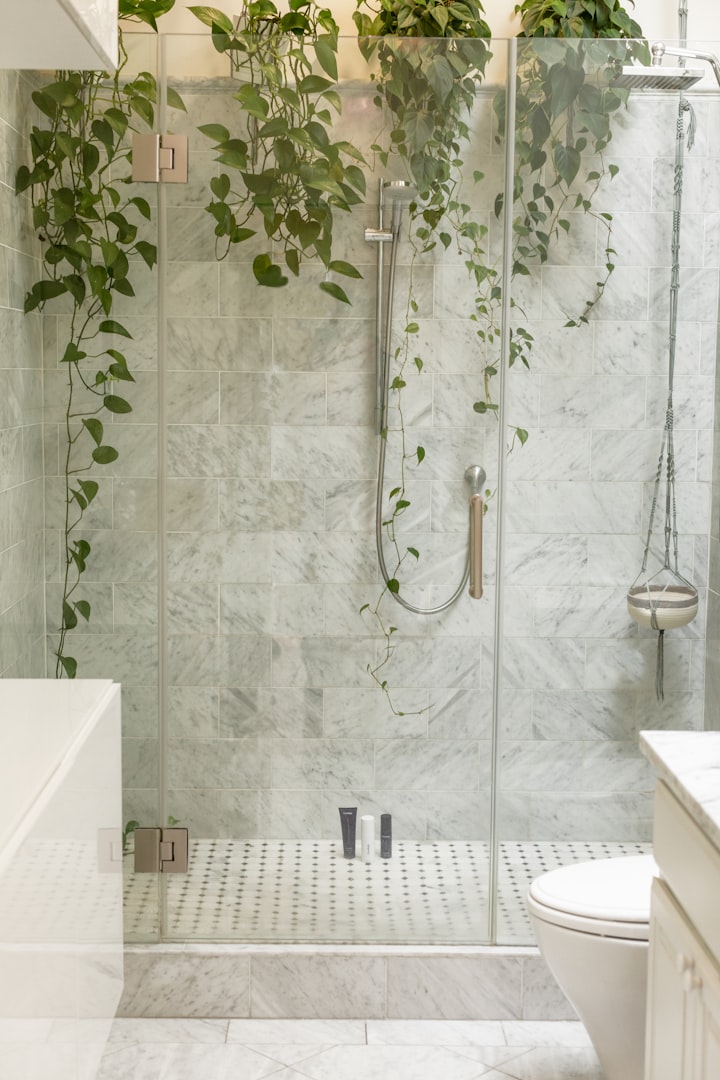
Bathroom Design Ideas
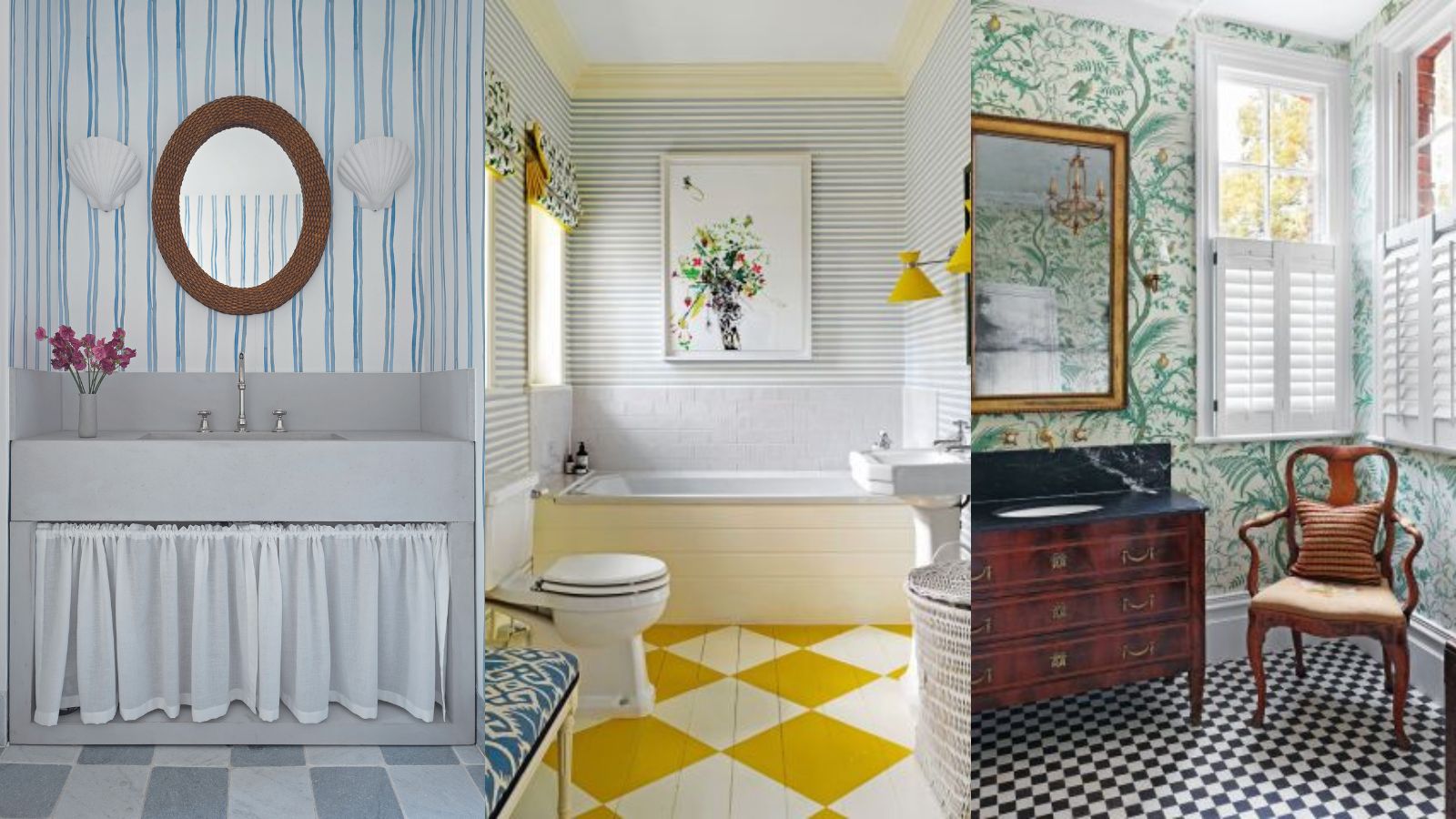
Sustainable bathroom ideas – 10 ways to an eco-friendly wash space
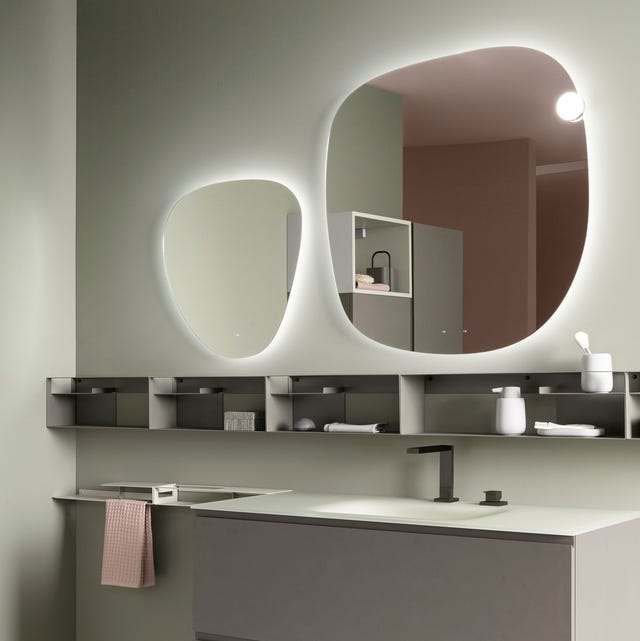
The modern bathroom, increasingly personalized between technology and sustainability

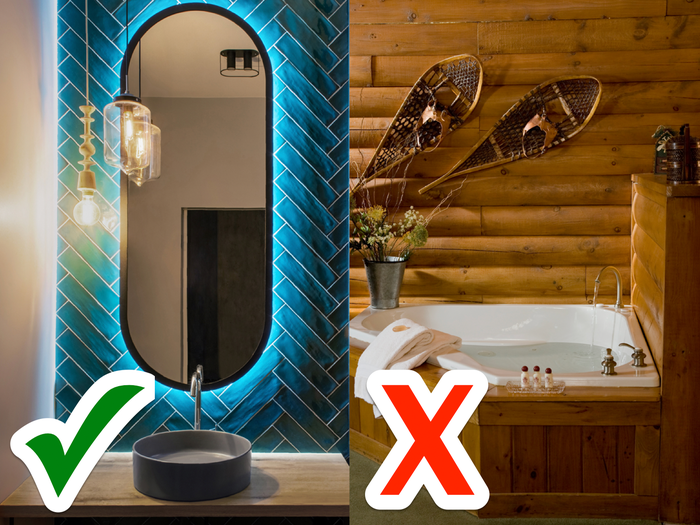
Interior designers share 5 bathroom trends that'll be huge next year and 5 that will be out
This 'Invisible' Toilet Is the Future of Bathroom Design
Exploring the Interplay of Body, Data, and Space in Contemporary Bathroom Design

9 Beautiful Bathroom Ideas to Inspire Your Next Remodel, According to Designers
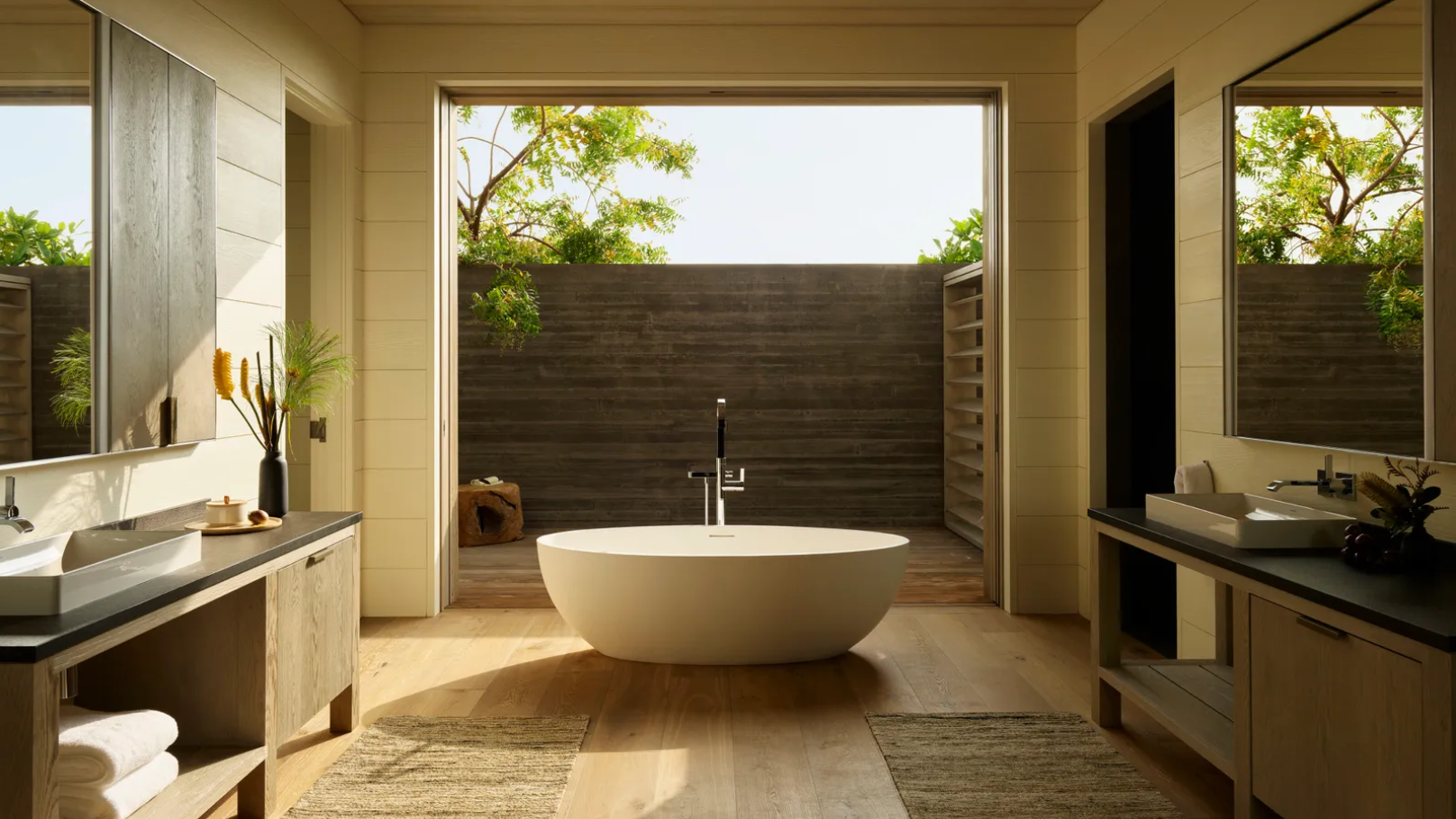
7 biophilic bathroom designs that inspire us to go green

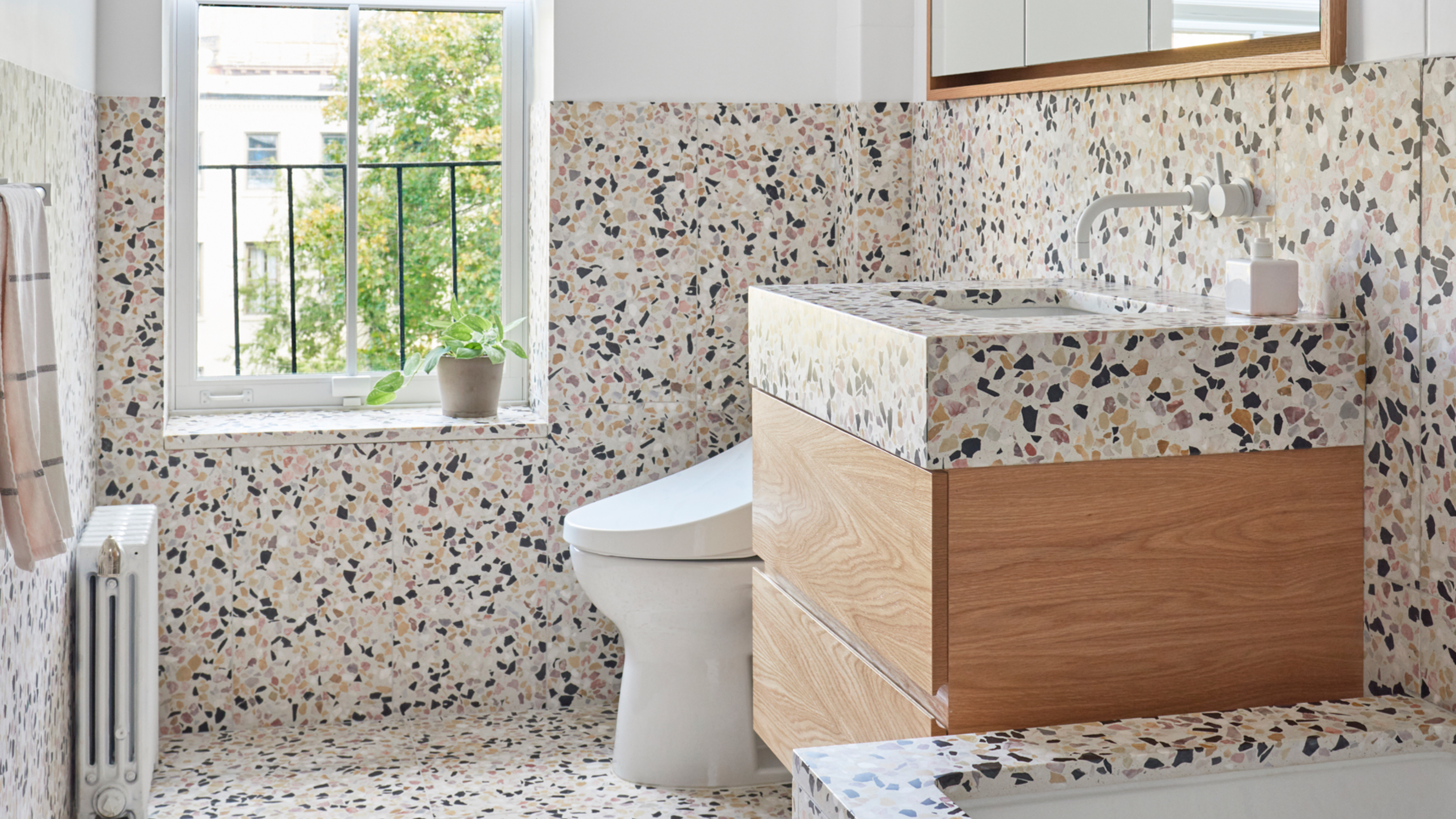
7 Sustainable Flooring Options Bathroom Designers Are Choosing to Make Their Projects More Eco-Friendly
Secrets to marrying style, eco-sense and luxury in any bathroom
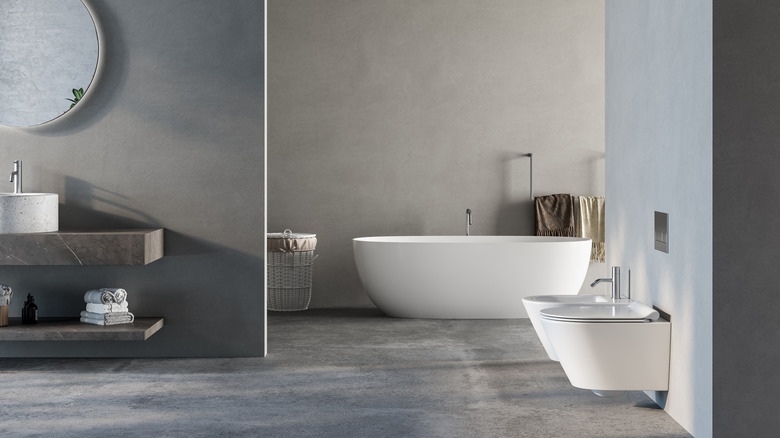
Say Goodbye To Traditional, Builder-Grade Bathrooms — These 12 Unique Features Are In

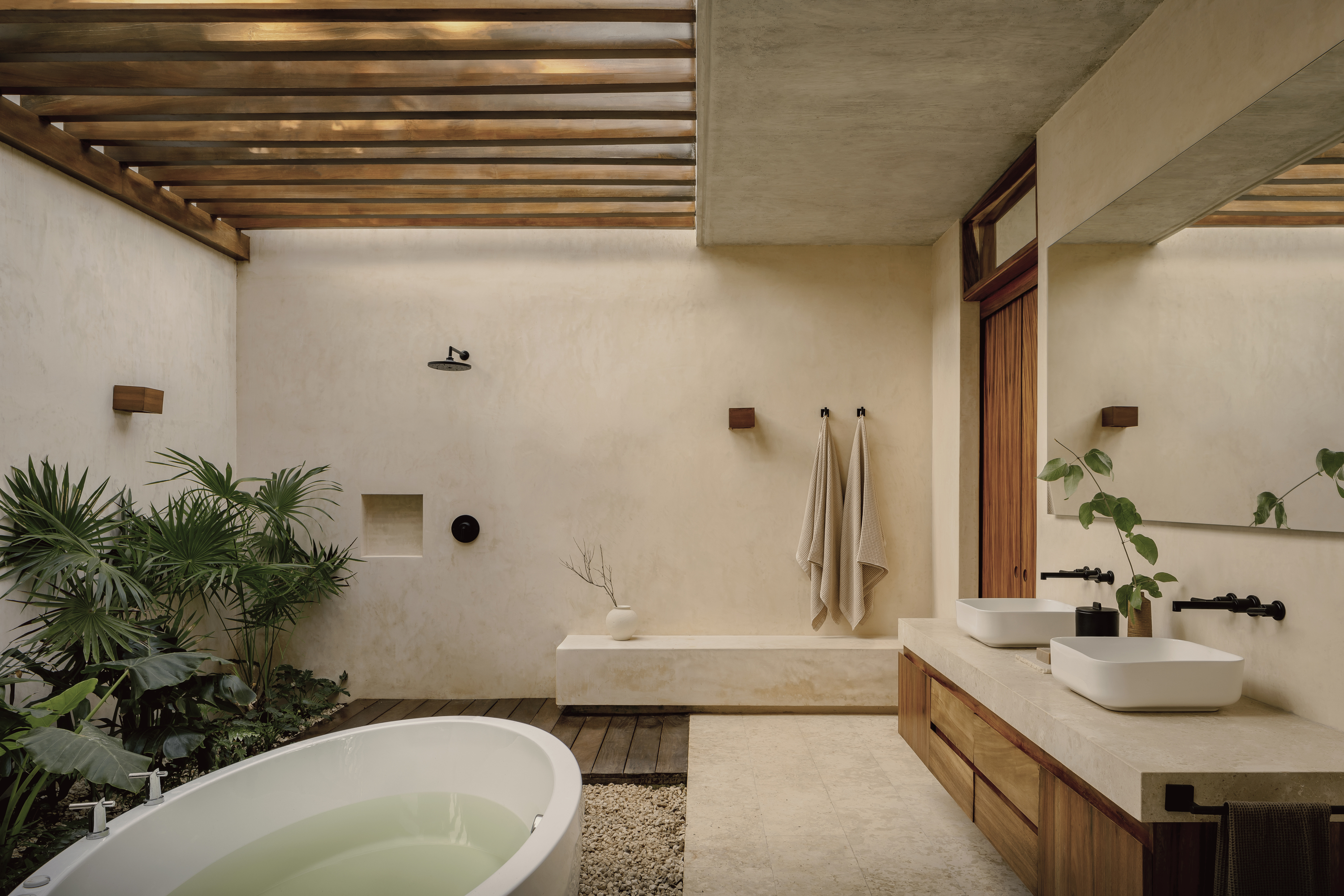
The 10 golden rules for bathrooms interior designers swear by – 'they're the principles to a timeless space'

Bathrooms

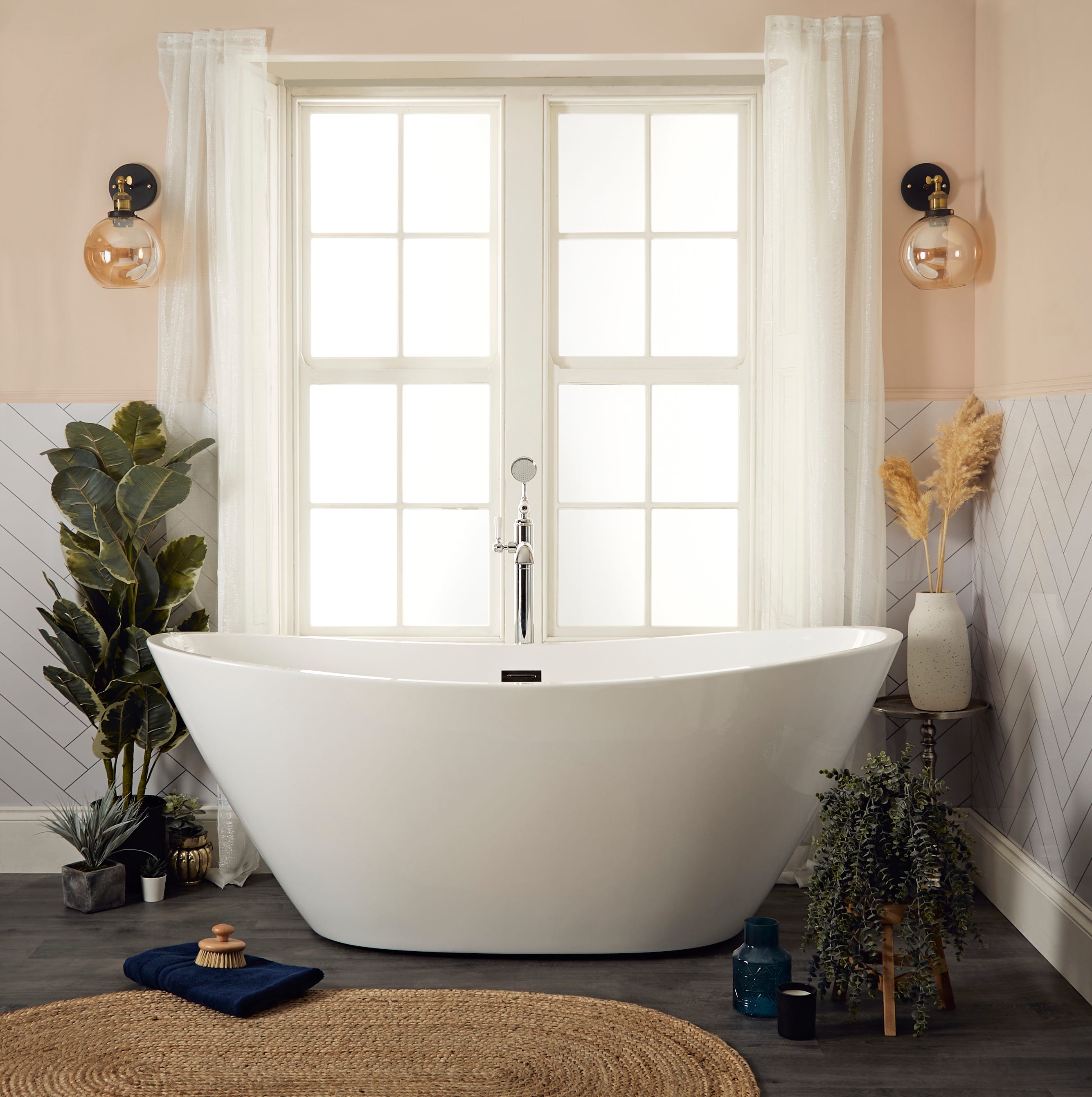
Top trending #sustainableliving materials to use in your bathroom
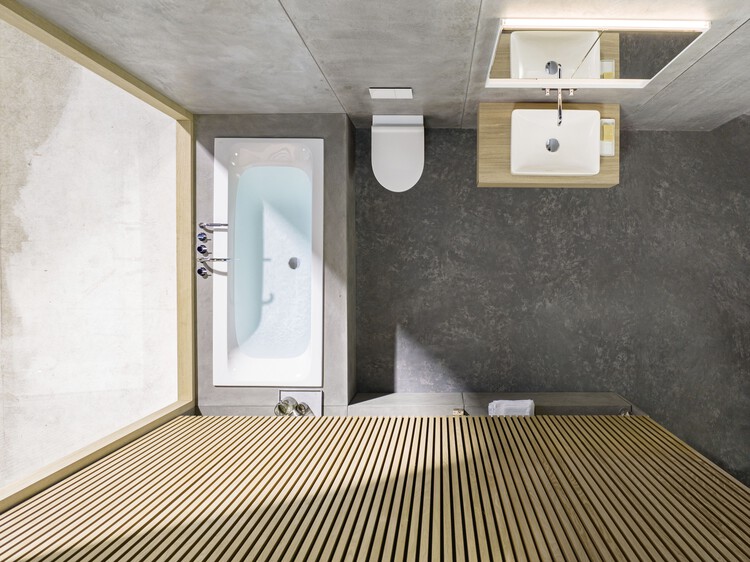
How to Design a 6m2 Bathroom?
Our Favorite Bathrooms
The Top 2023 Bathroom Trends, According to Designers