1/3
Create an outdoor room with a pergola
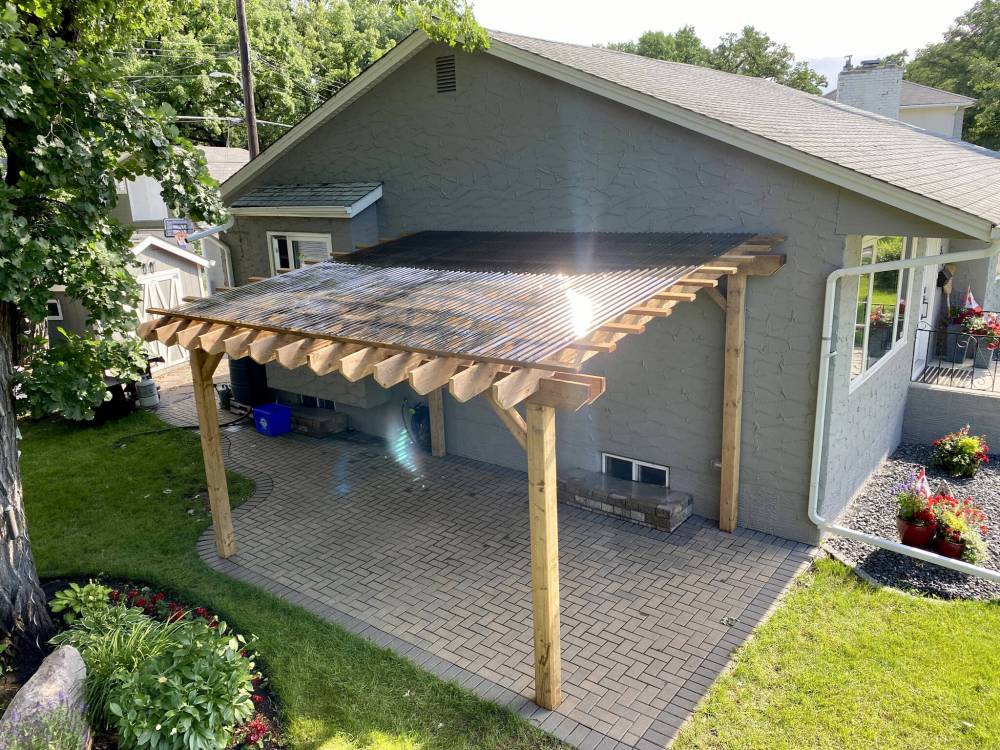
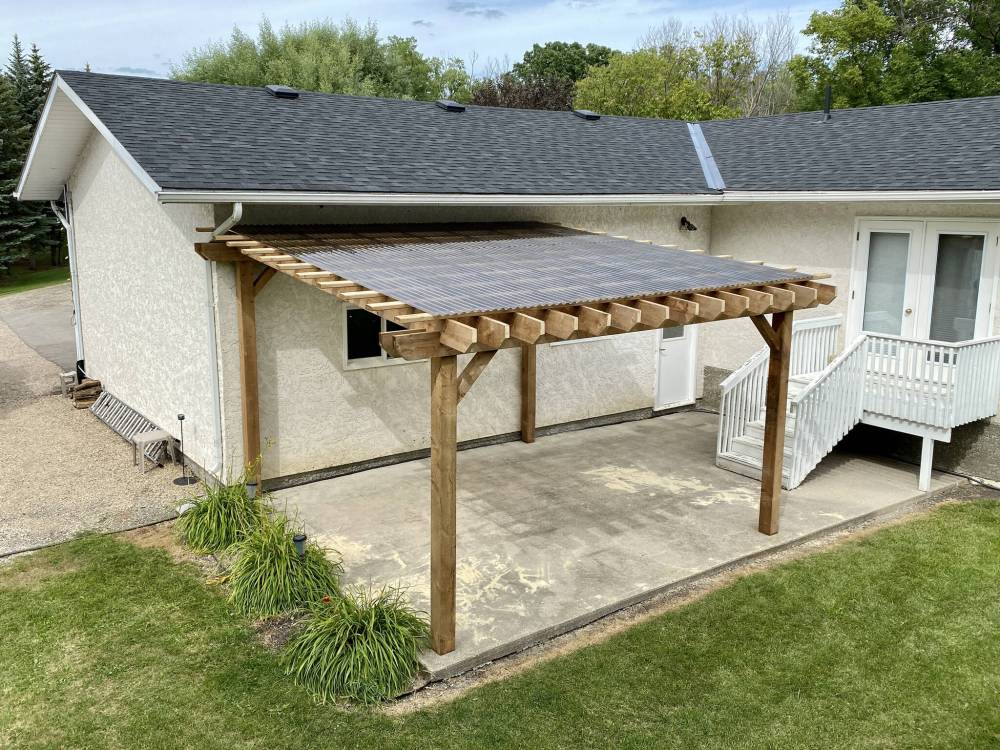
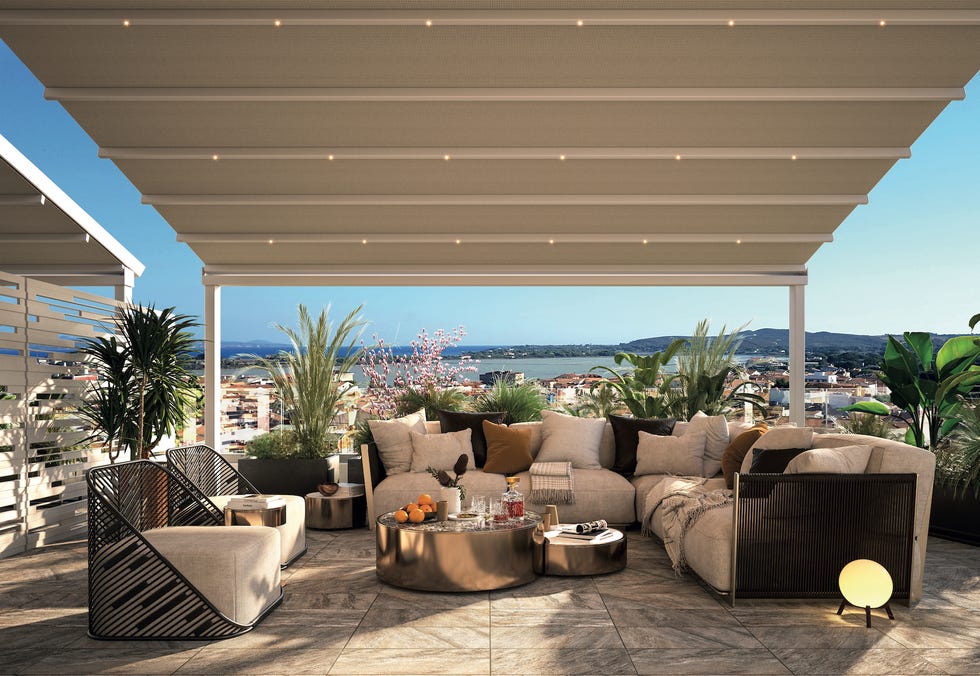
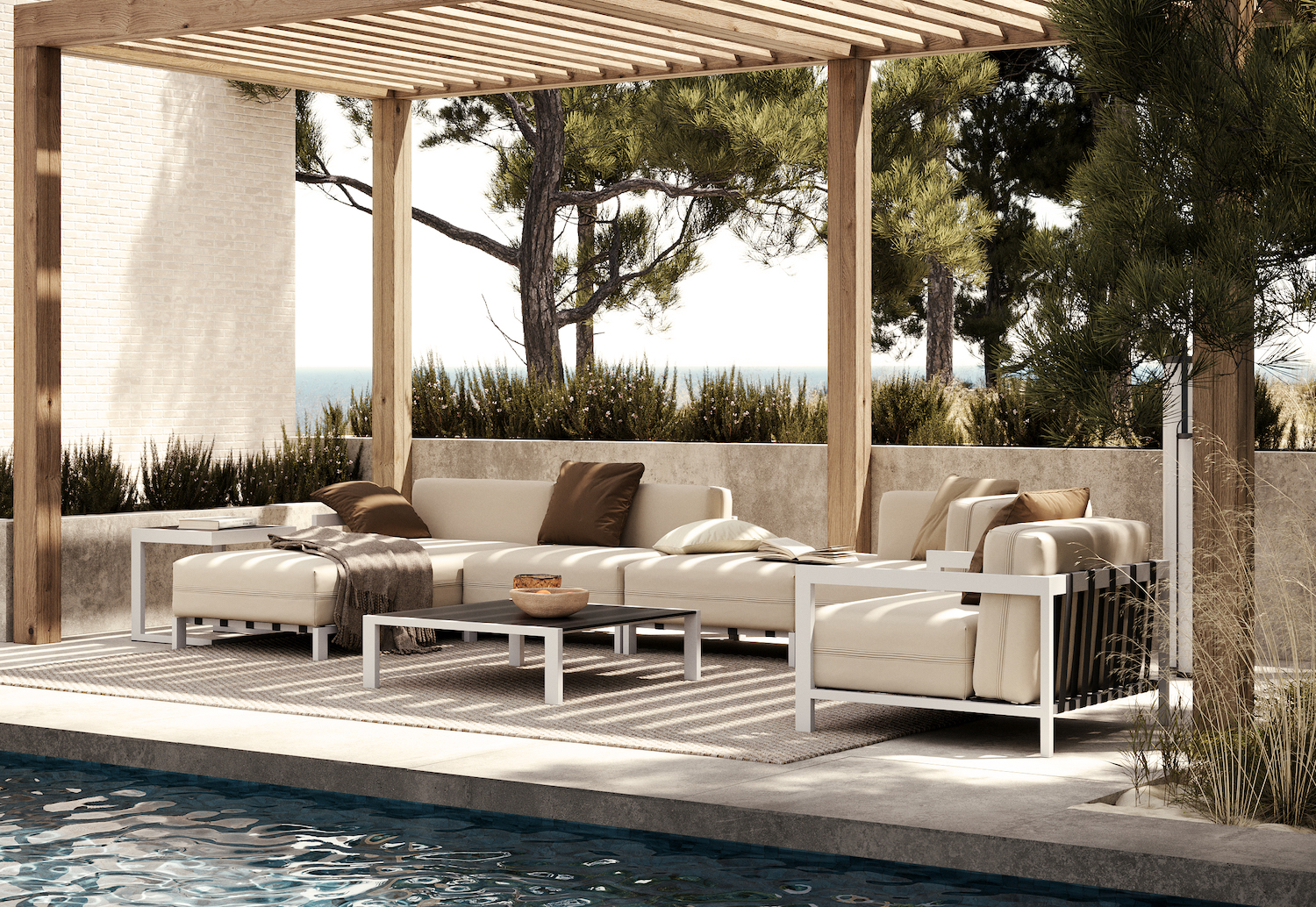
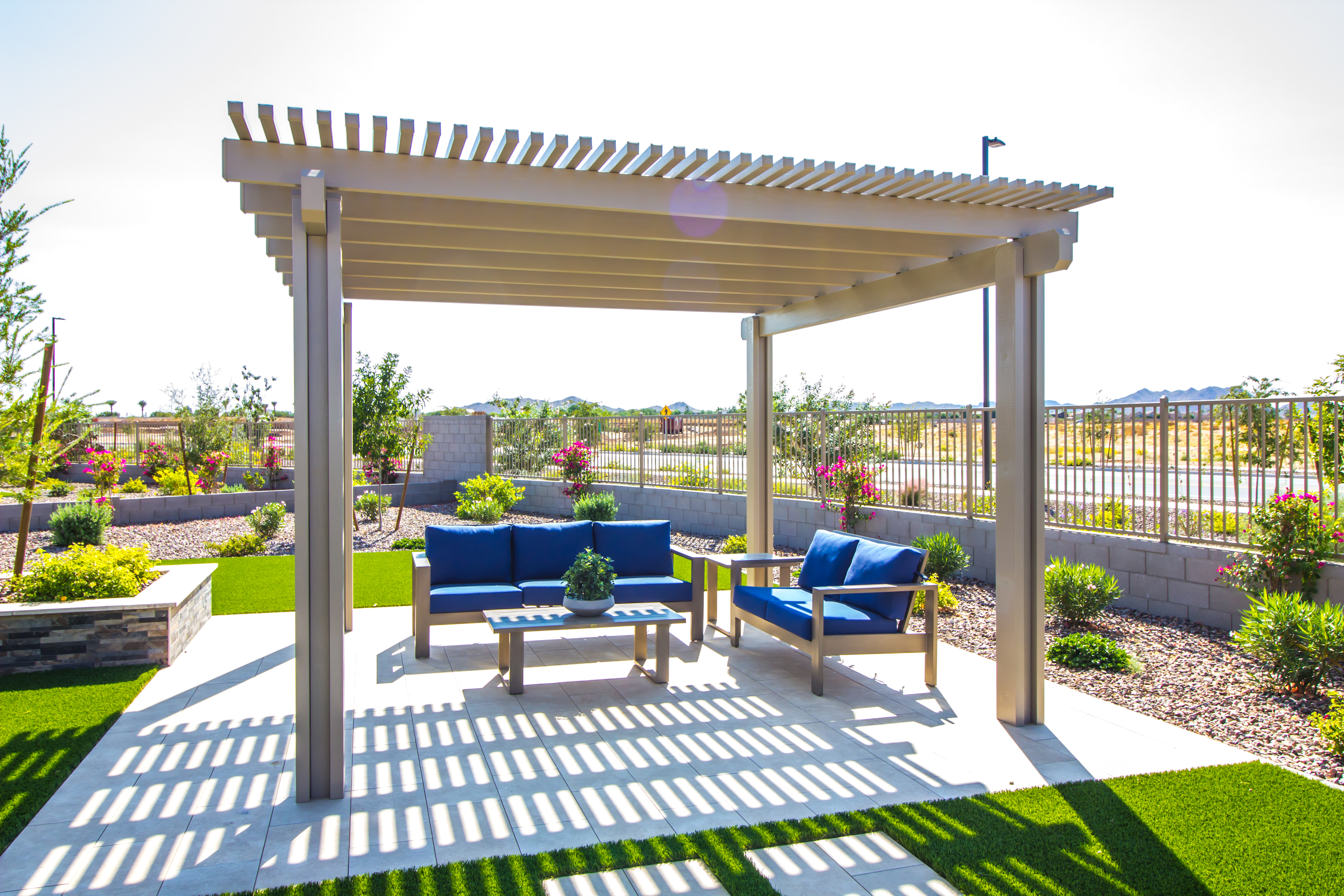
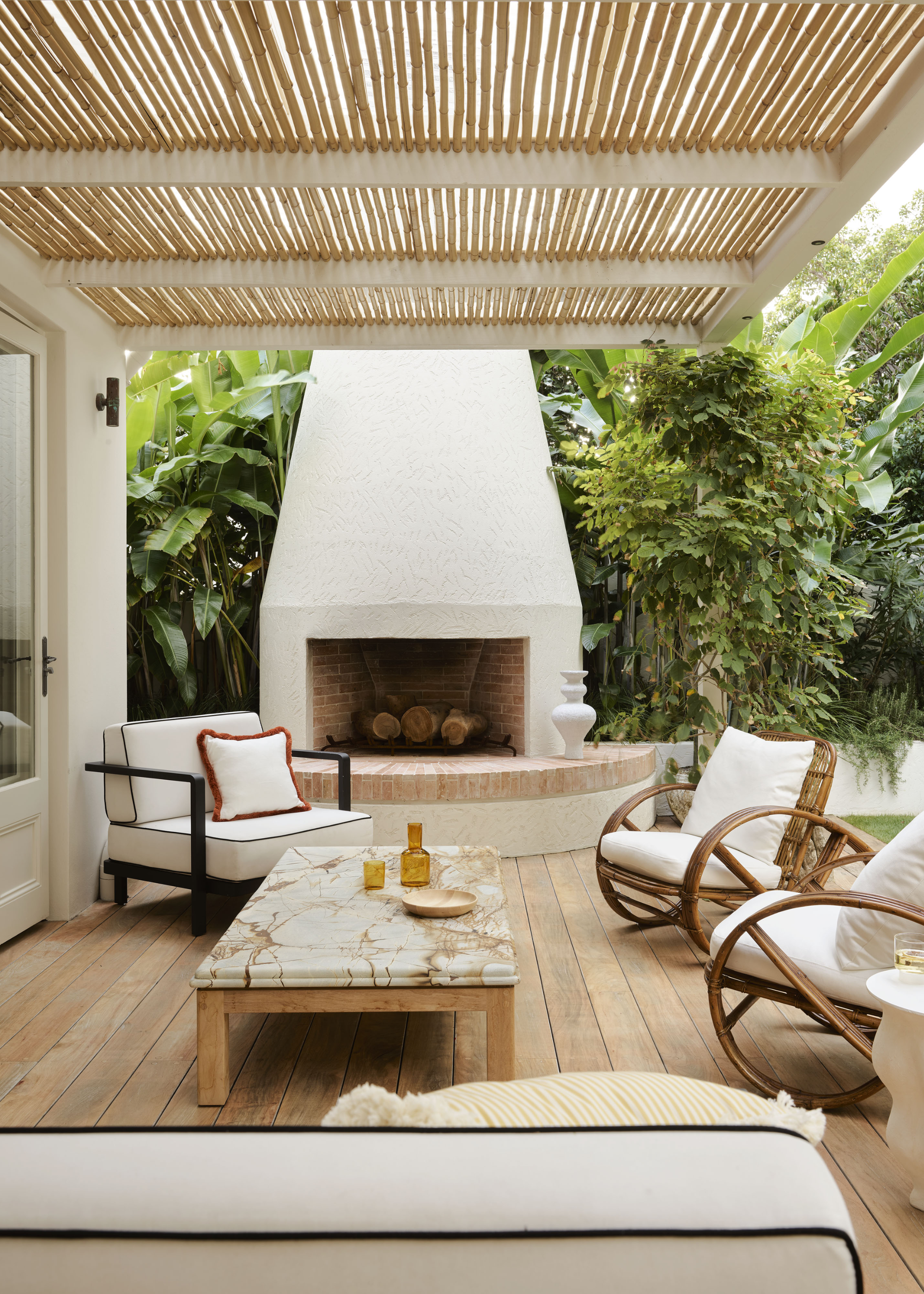
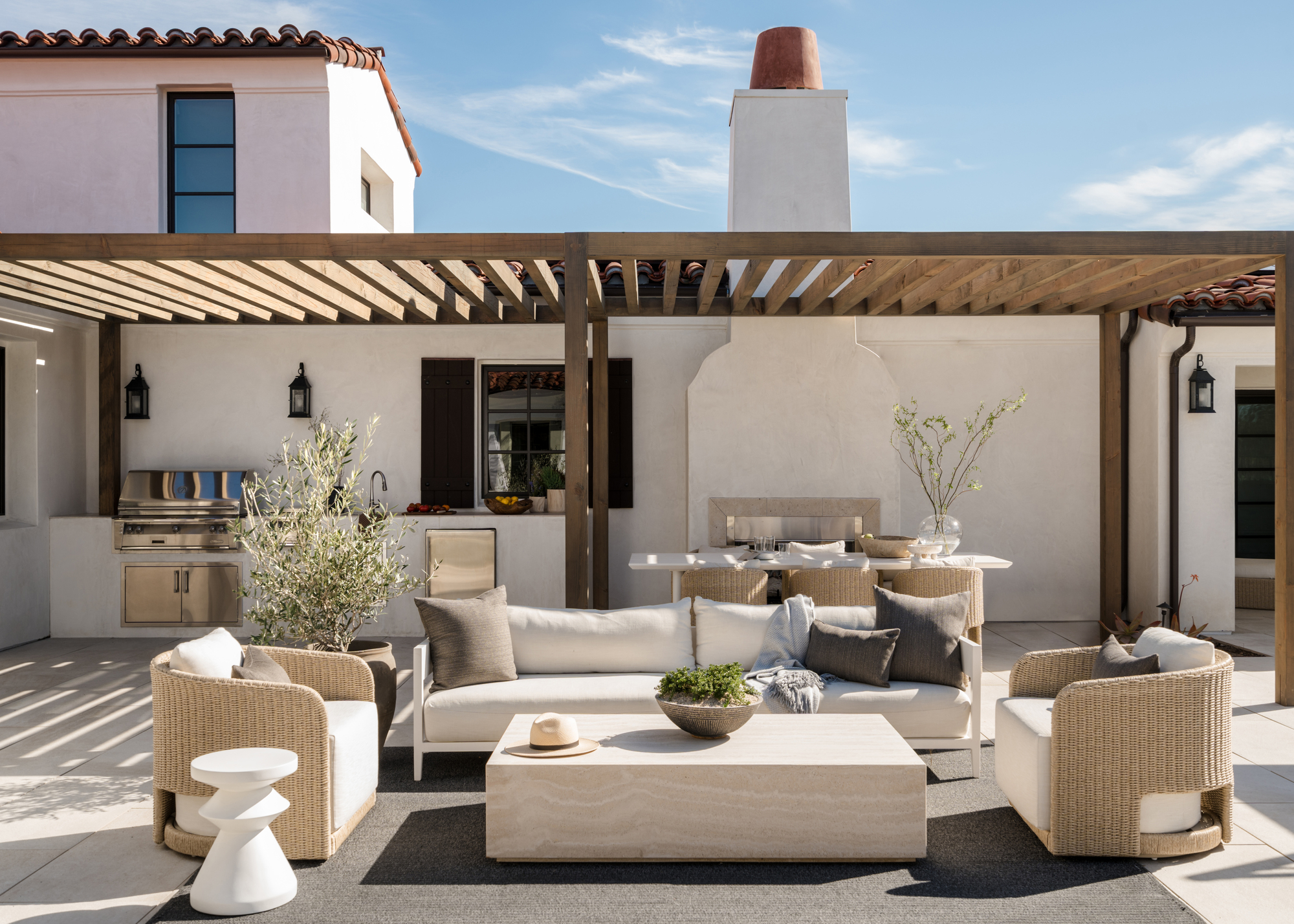
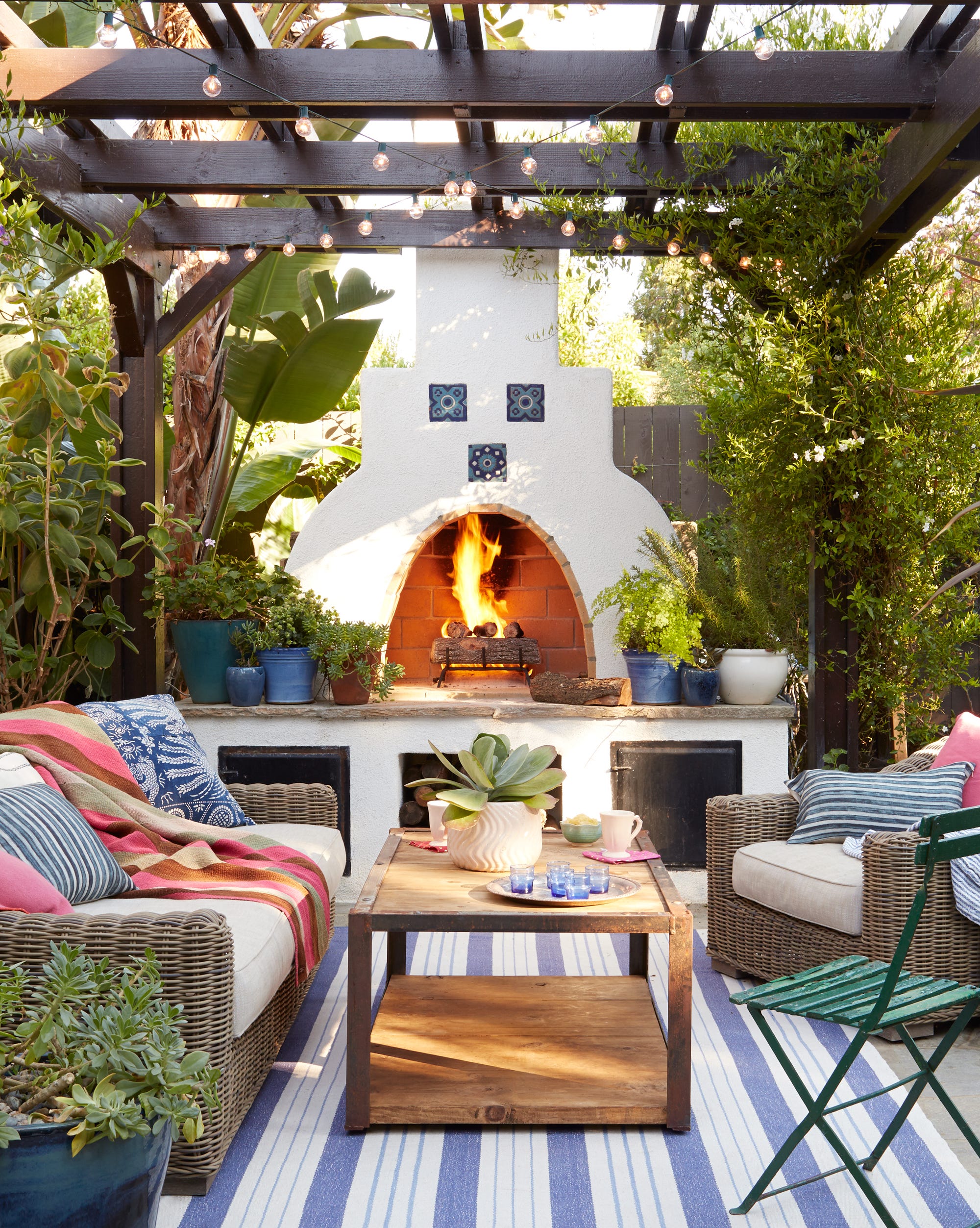
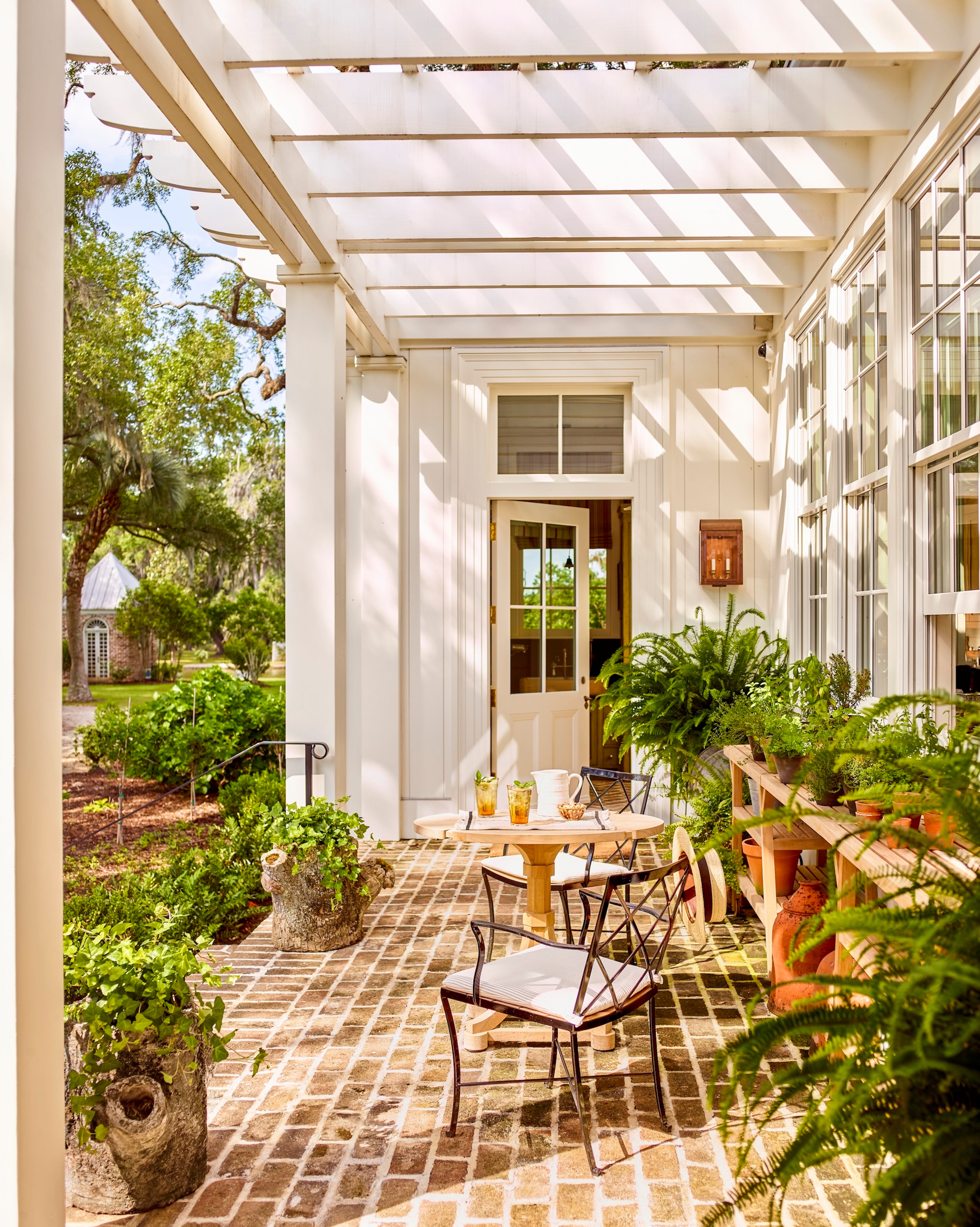
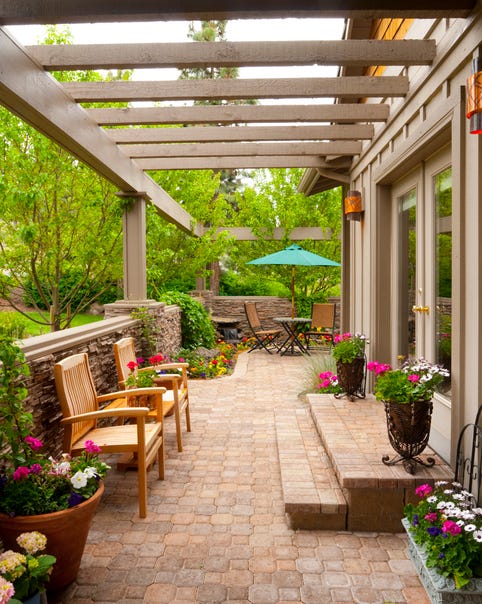
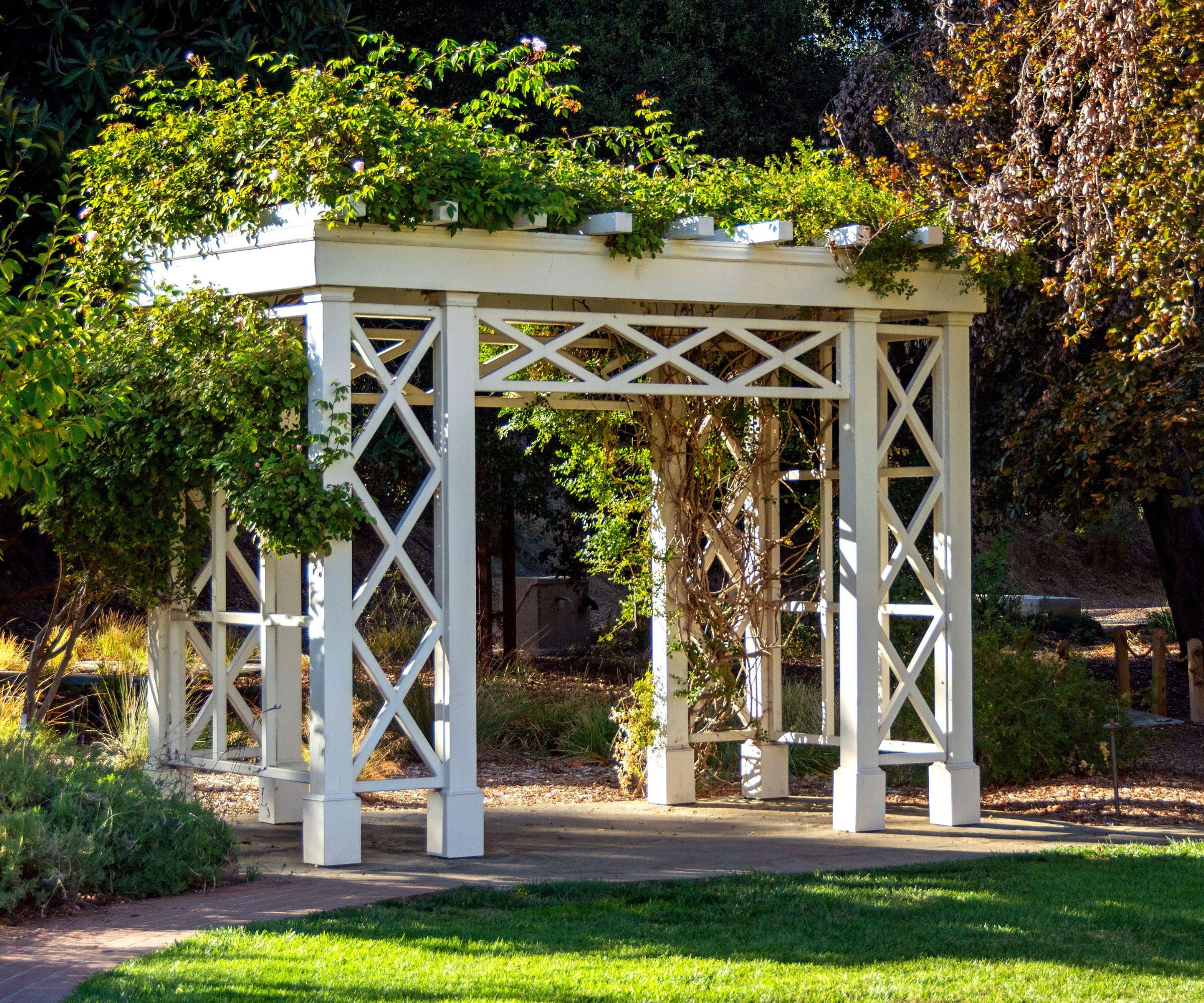
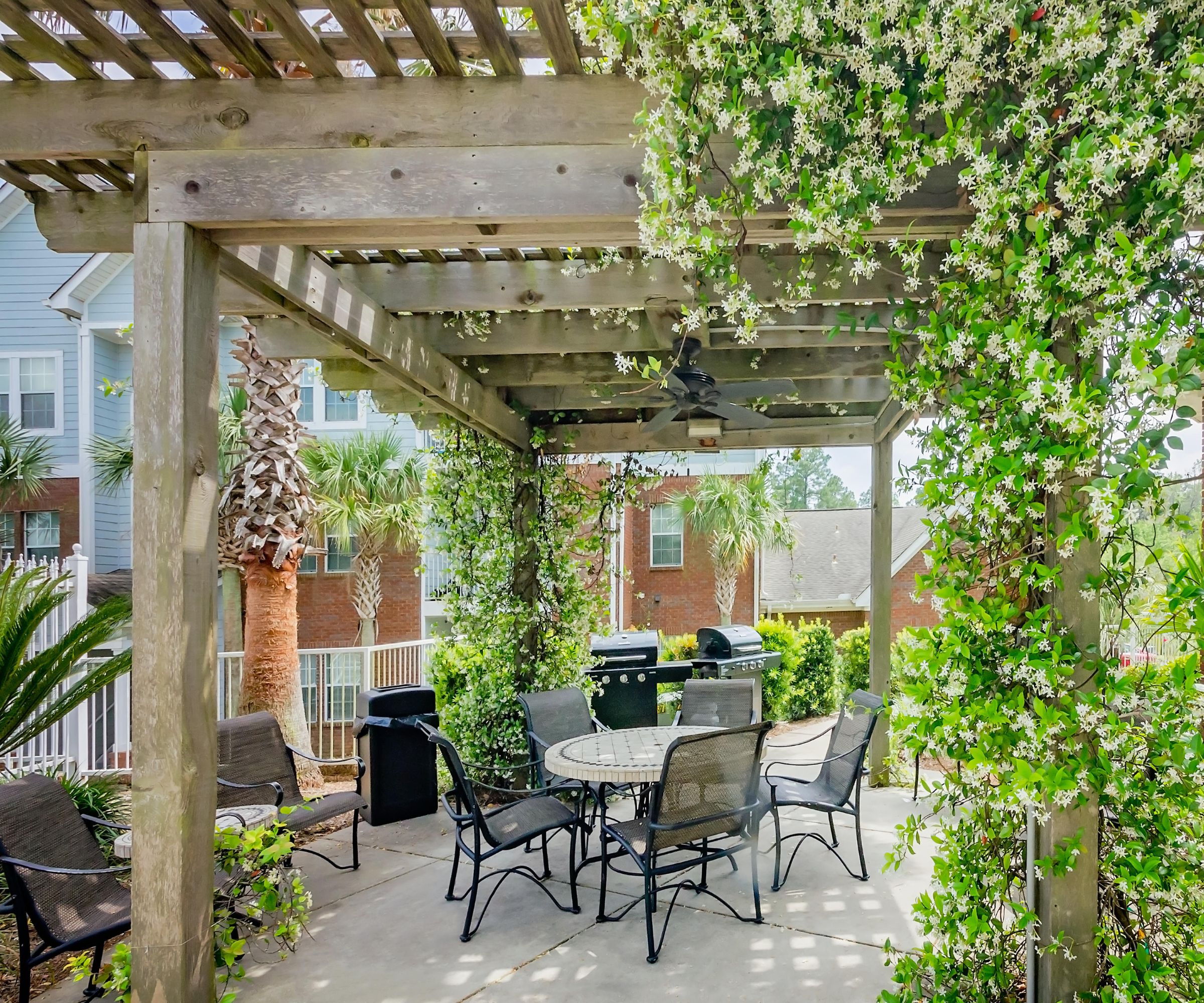
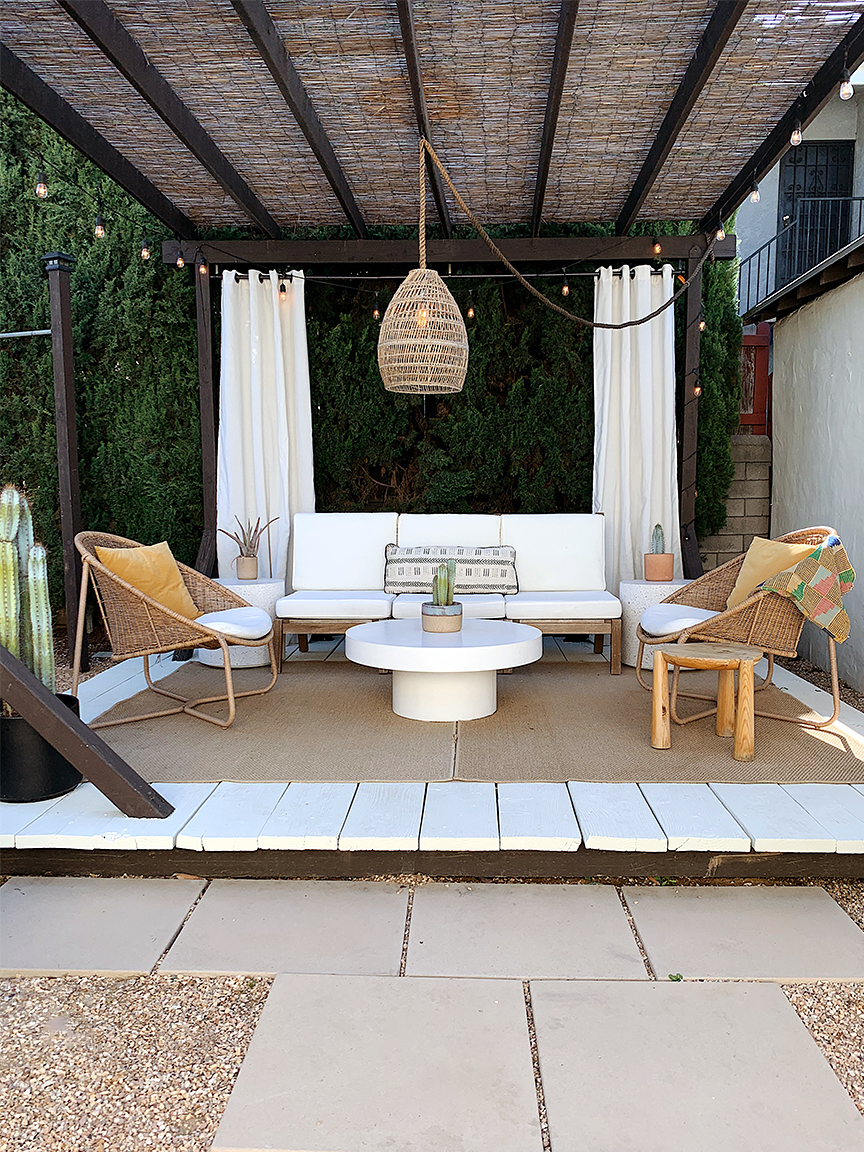
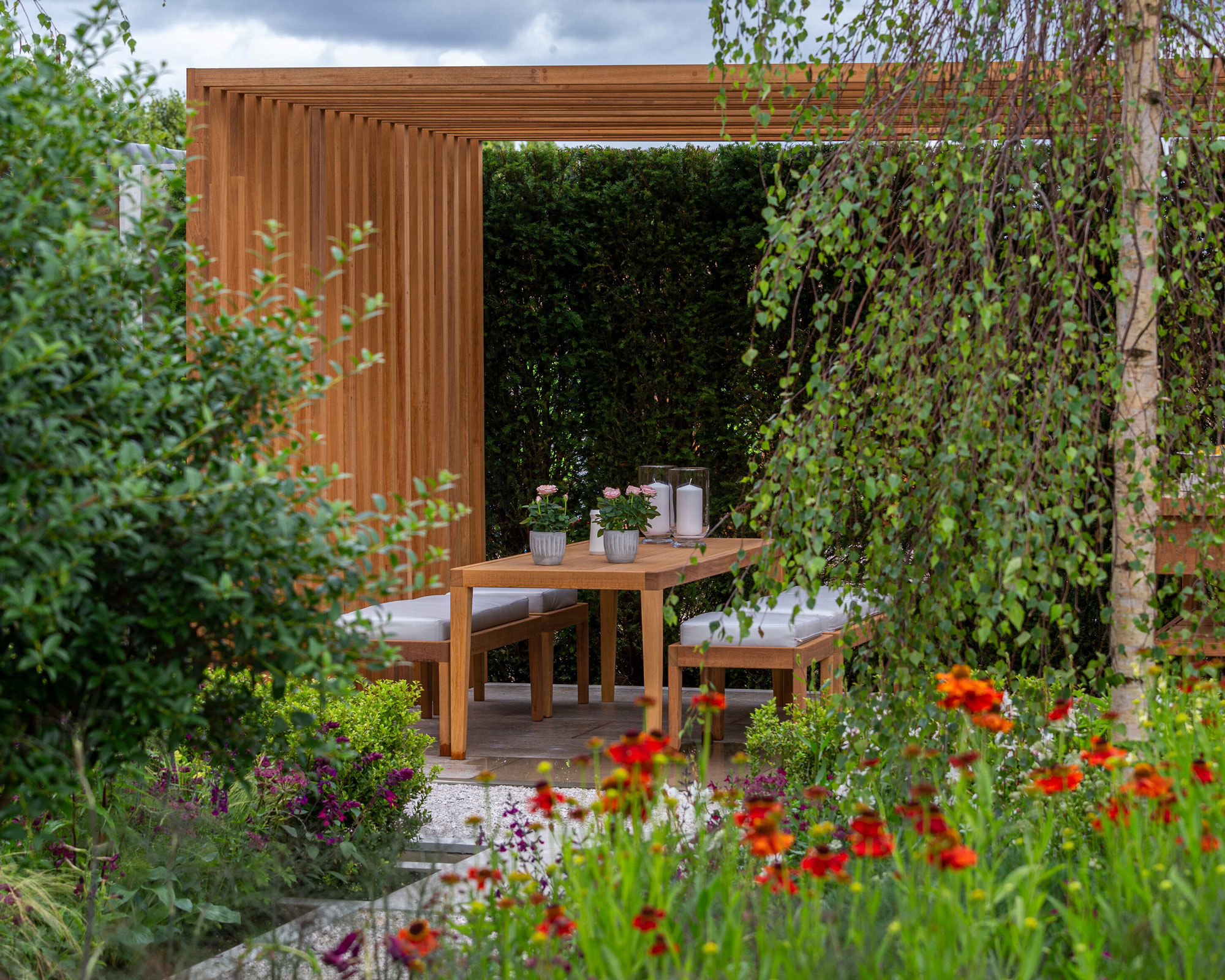
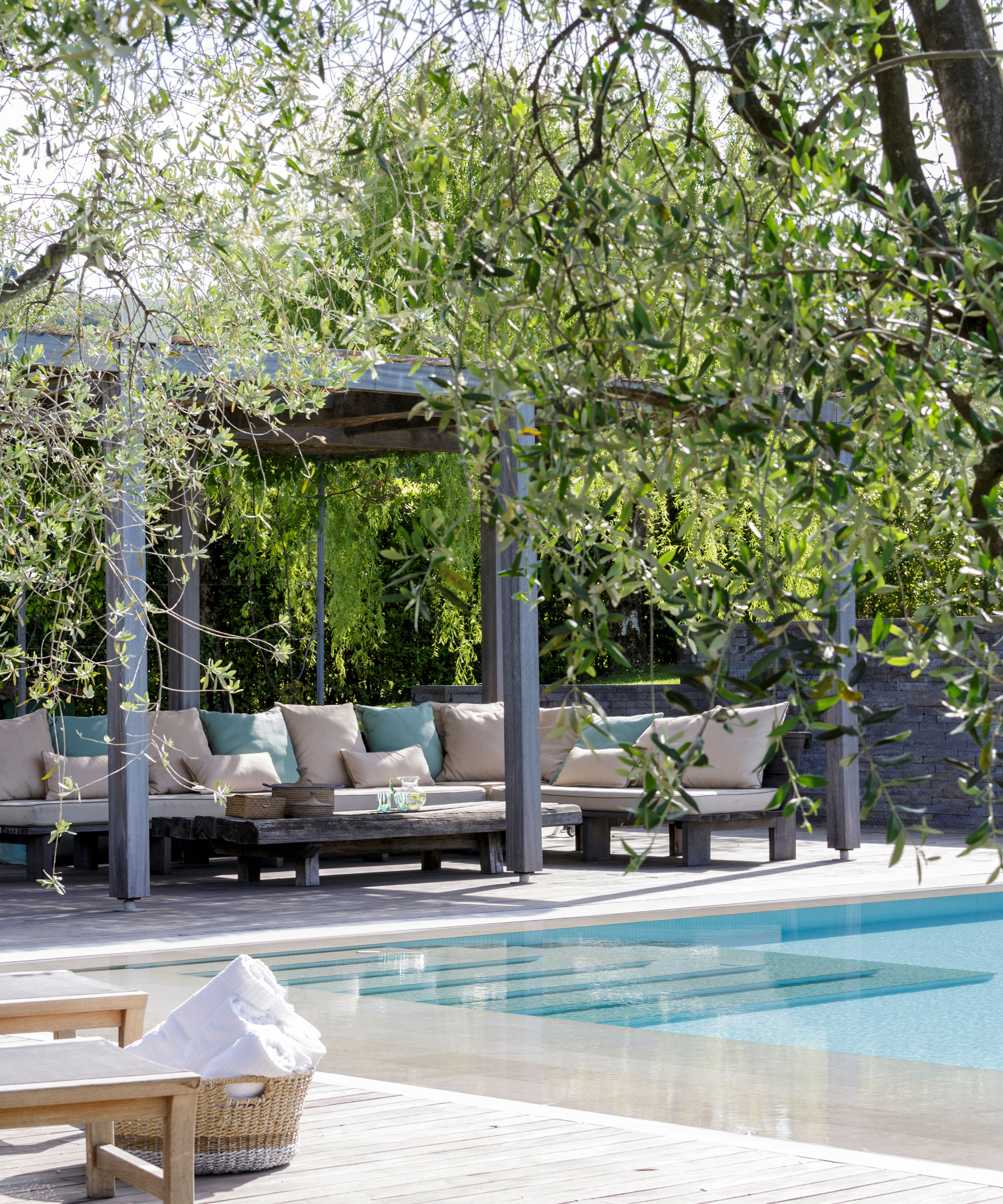
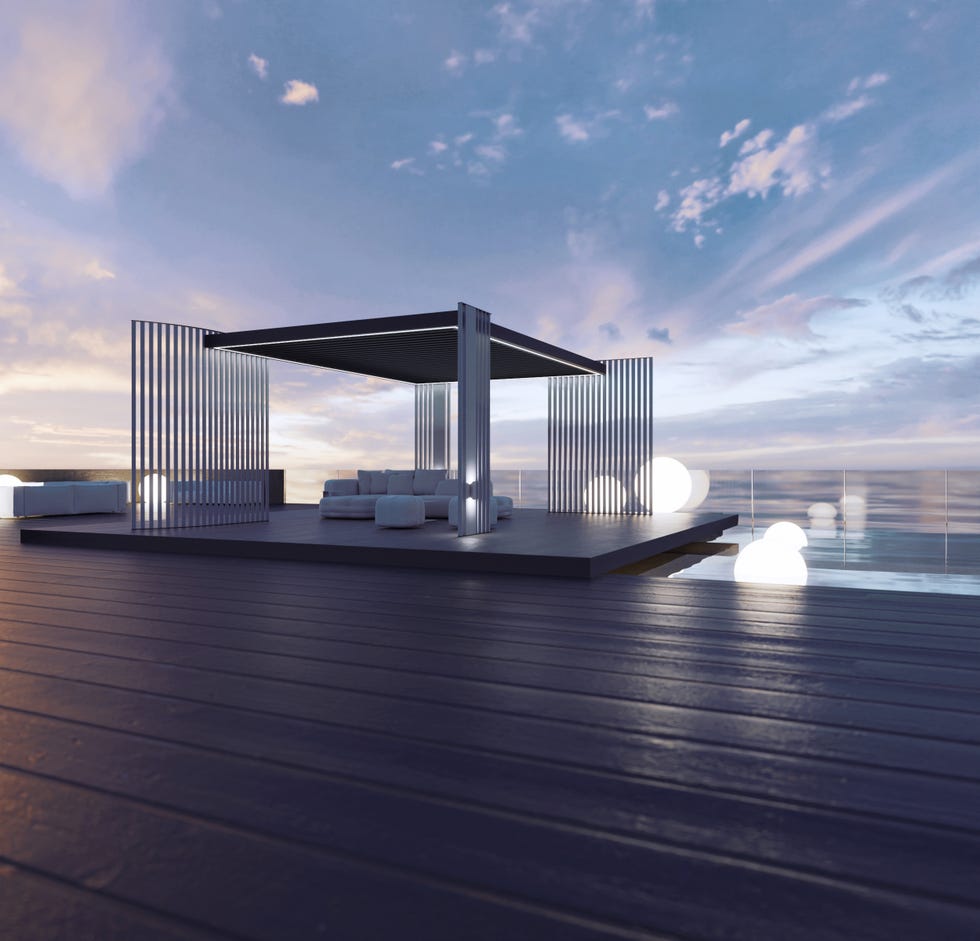
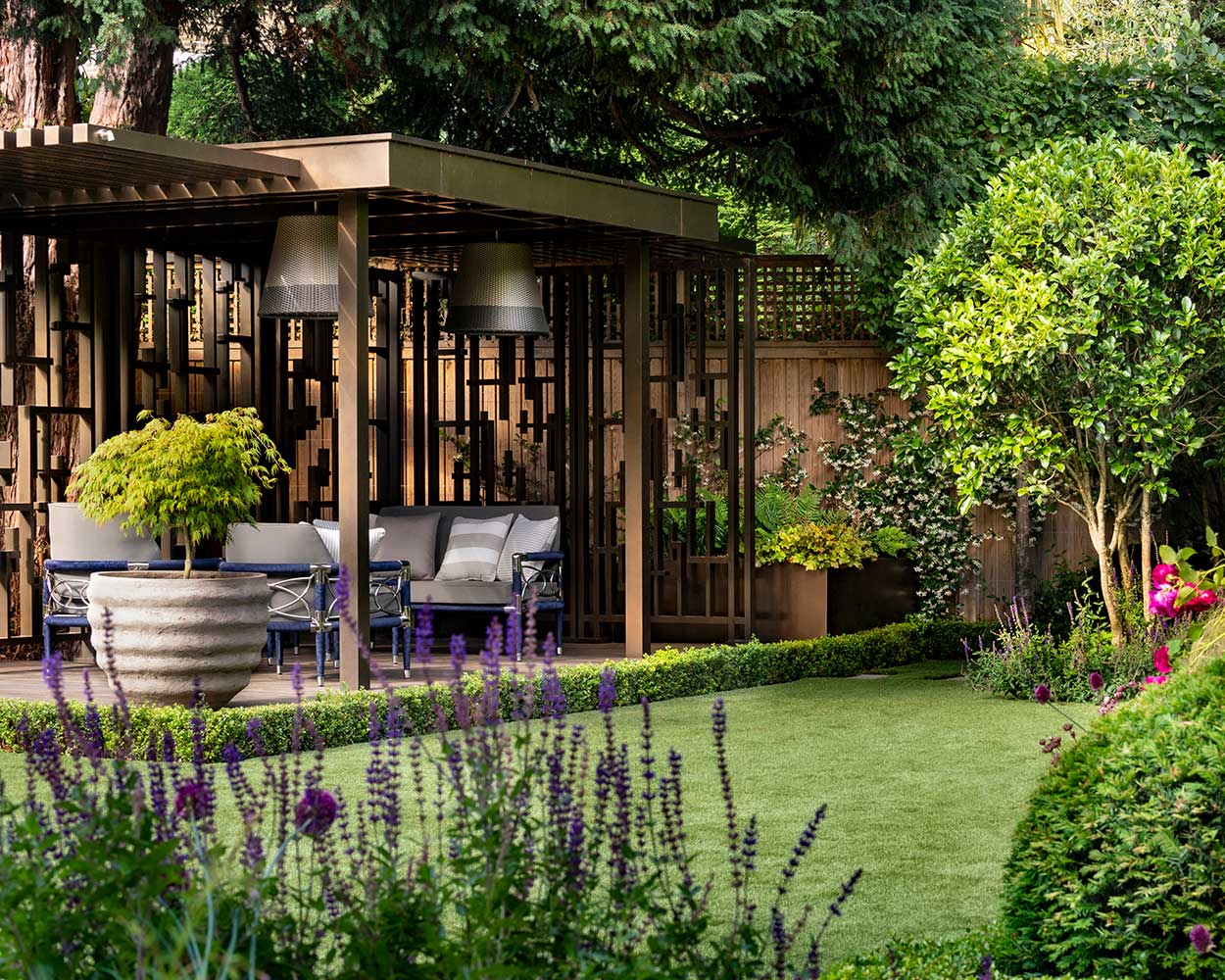
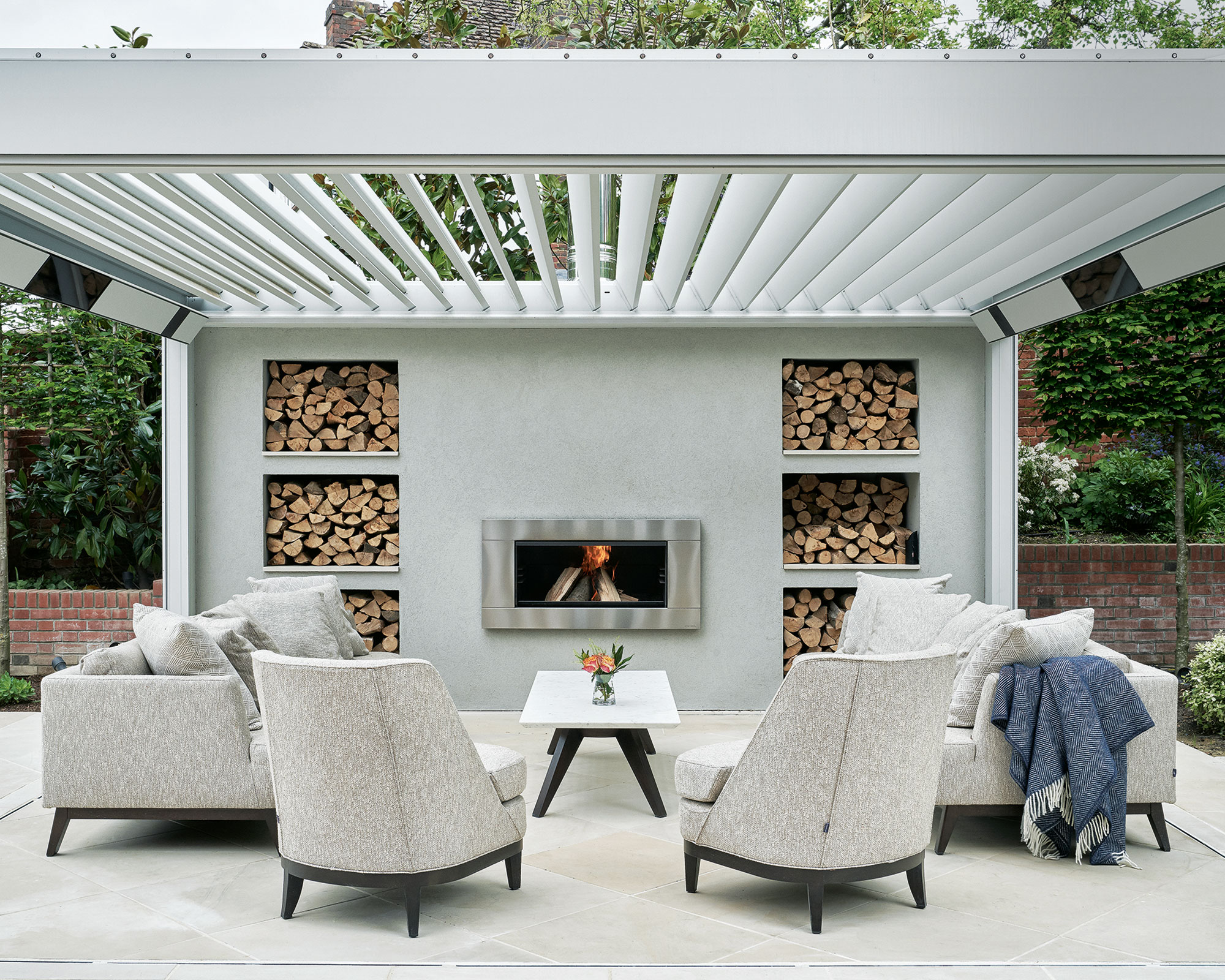
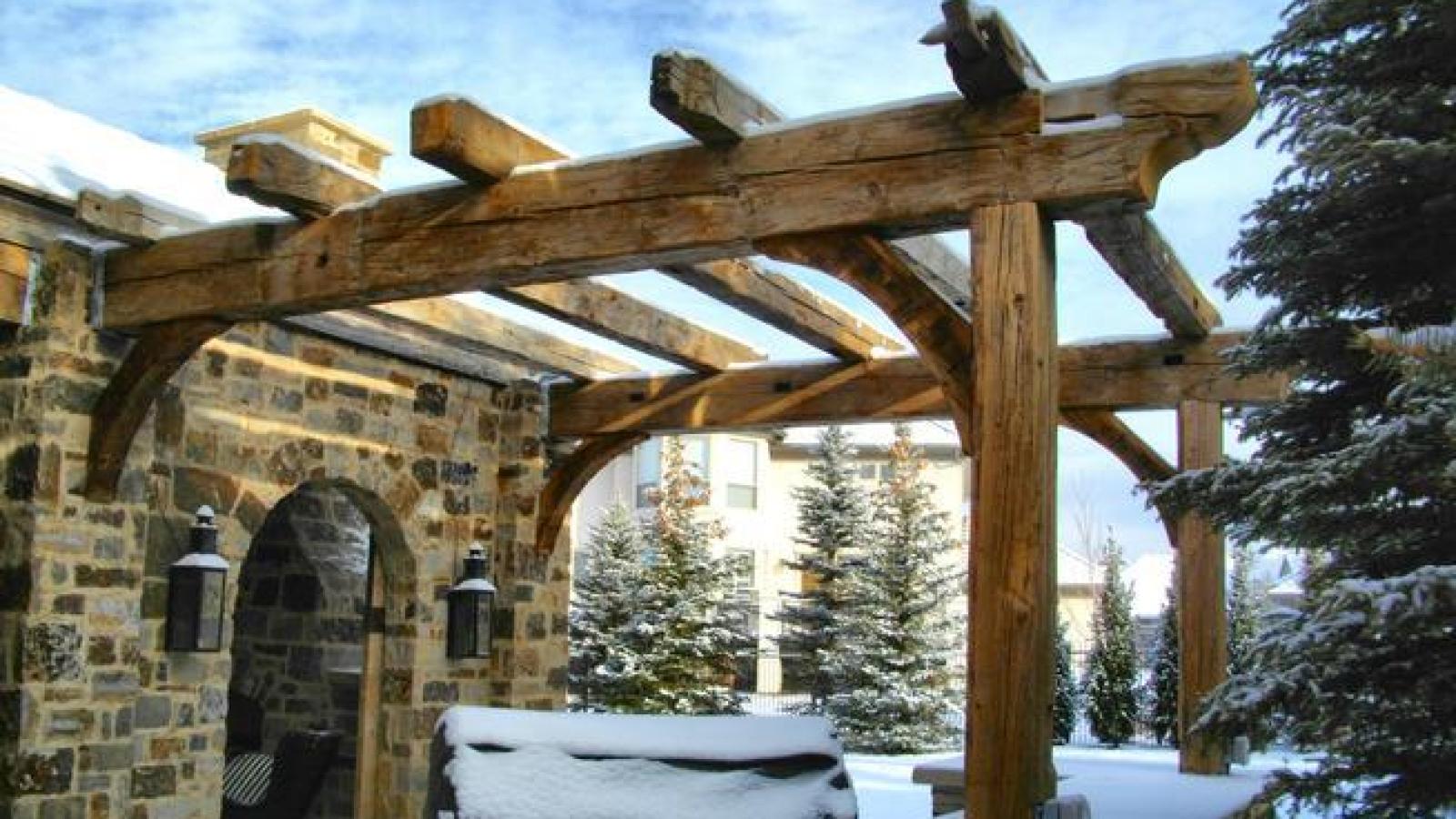
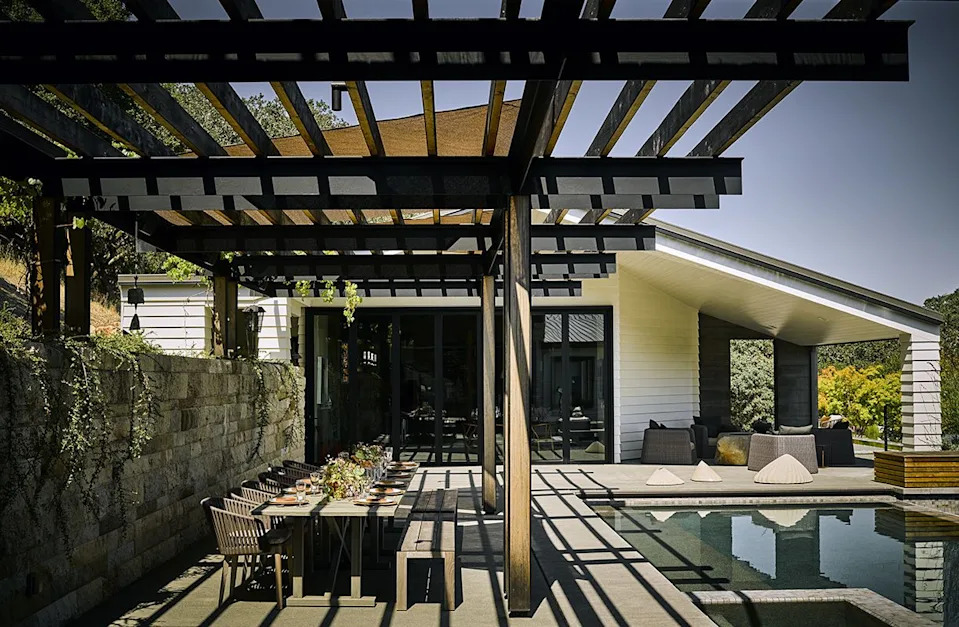
Pergolas serve as both an architectural feature and a functional addition to outdoor spaces, including homes and commercial properties. They contribute to classic garden design by defining outdoor areas and offering practical benefits. These structures can provide privacy, shade, act as a ceiling for an outdoor room, create a focal point, and support climbing plants like vines. Chad Beall of Tree Frog Woodworking highlights that pergolas create an exterior space that offers protection, comfort, and the warm feeling of a room without being fully enclosed. Their versatility makes them suitable for various settings, such as around pools and fire pits.
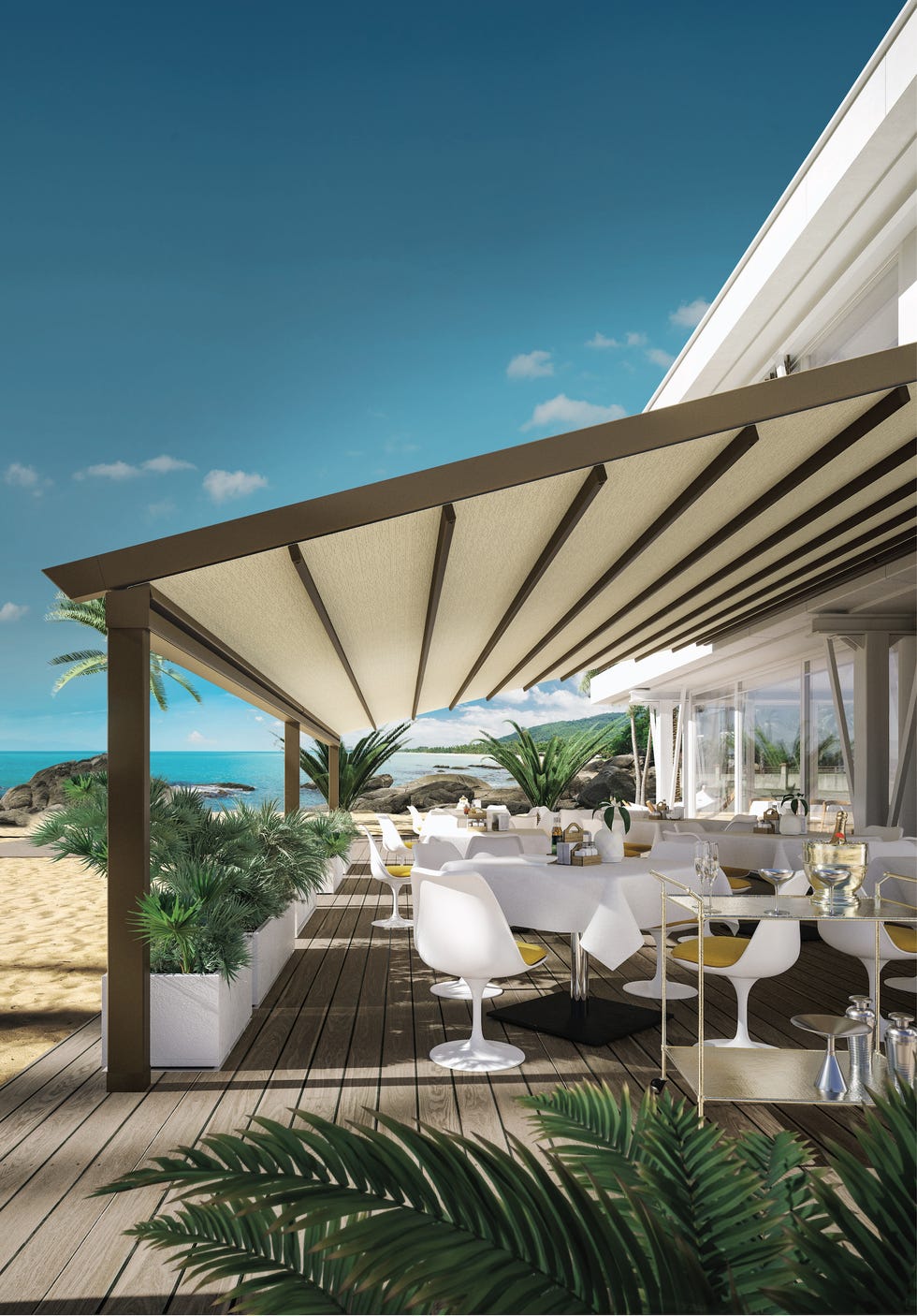
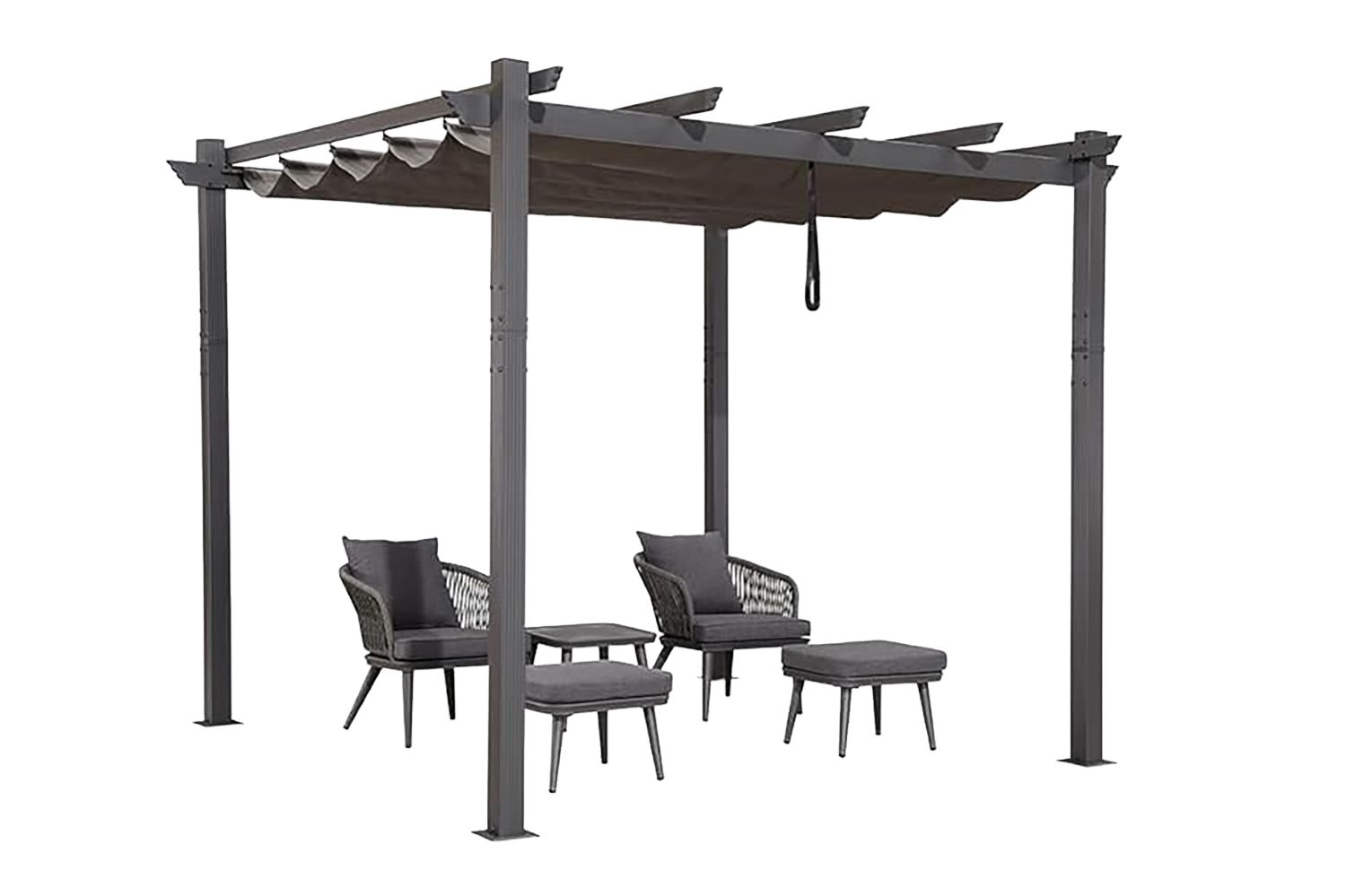
The history of pergolas dates back to ancient times, with an Egyptian garden plan from 1400 BC featuring such a structure. Modern pergolas are typically constructed from wood or metal, but can also incorporate materials like canvas, stone, clay tiles, plastic, or even glass. Beyond basic construction, pergolas can be enhanced with amenities such as chandeliers, ceiling fans, or retractable awning systems, as noted by Wendy Booth of Ivy Street Design Group Inc. When designing and installing a pergola, Booth emphasizes three key considerations: adherence to municipal zoning rules, solid structural engineering, and aesthetic integration with the existing home and landscape. Layers of planting can soften the structure, making it a cohesive part of the outdoor living space, especially in urban areas where hardscape might dominate.
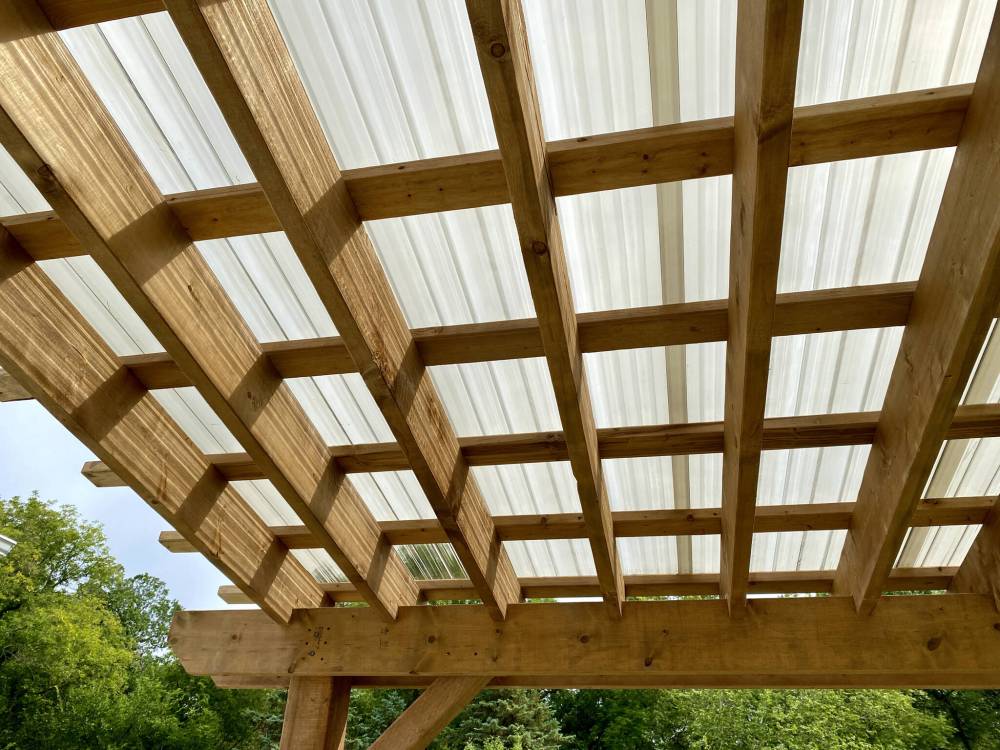
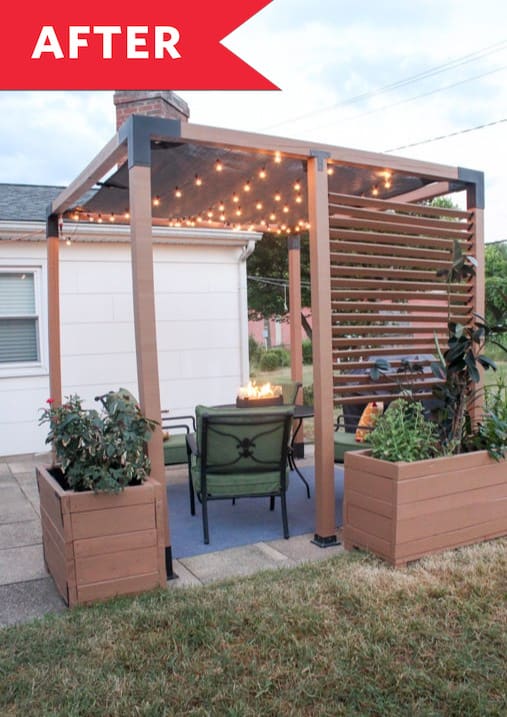
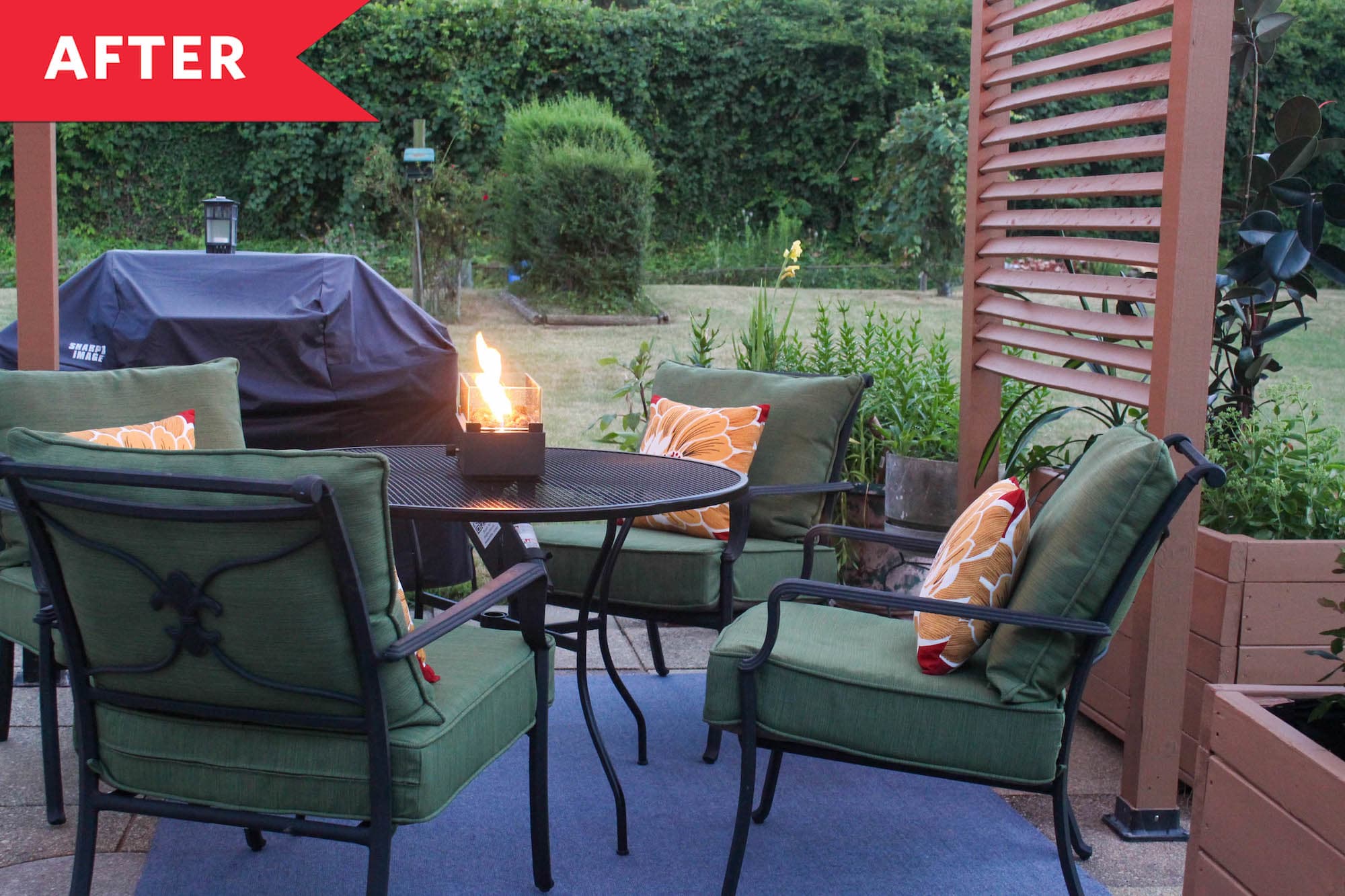
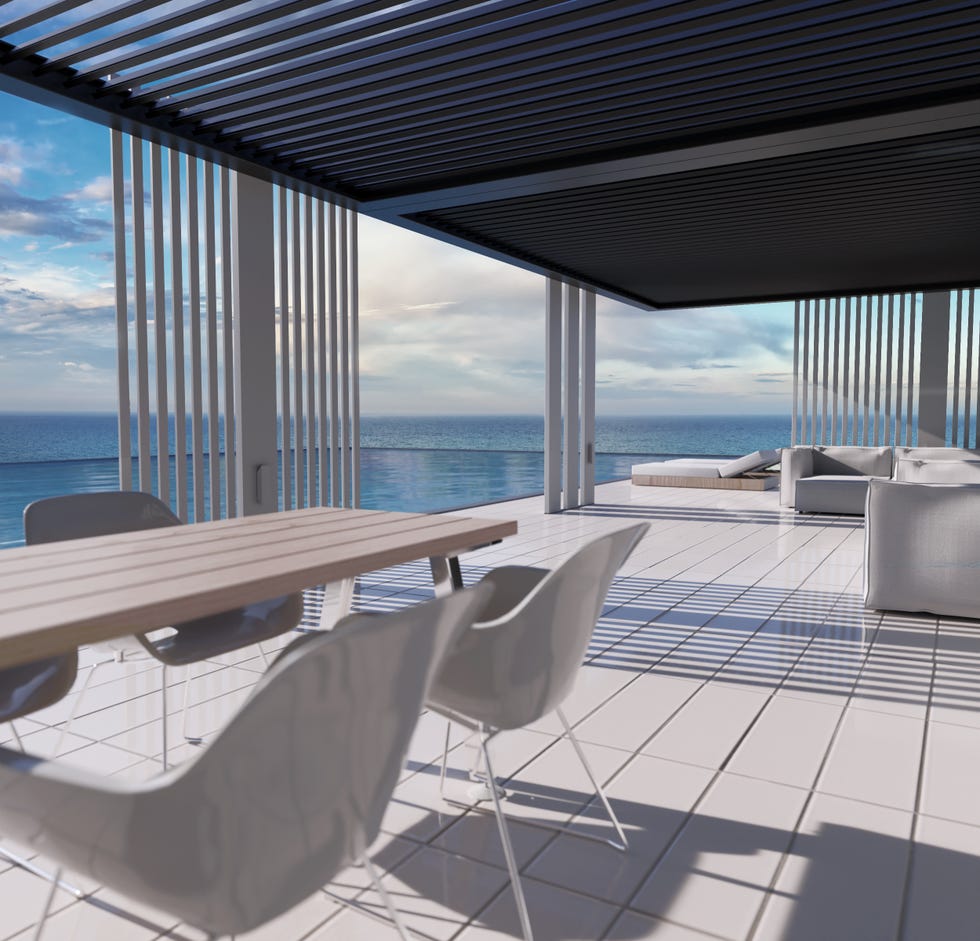
Selecting the ideal location for a pergola is crucial, and a landscape architect can help determine optimal placement. Booth suggests evaluating how the pergola appears from inside the house and whether its placement encourages use or merely serves as a visual element. Keith Violett of Hi-Country Carpentry recommends the south side of a house for optimal placement. While primarily decorative, pergolas offer opportunities for additional features. They provide some shade, though not as much as a solid roof. To increase shade, owners can add shade cloth, or the pergola can be designed with multiple layers of lumber or a lattice top. Privacy and concealment of unattractive views can be achieved by incorporating wood, metal, glass, or plant screens between support posts.
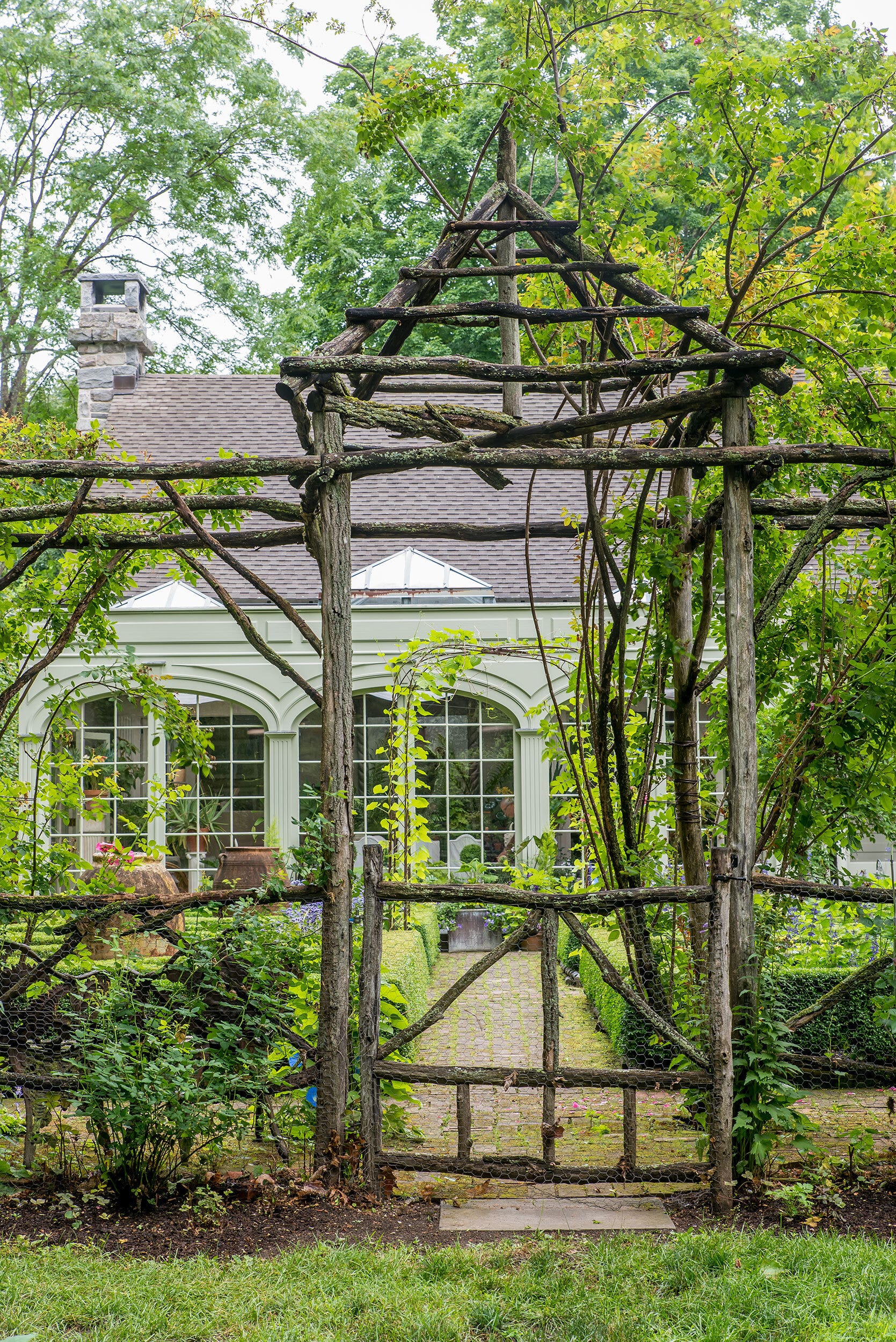
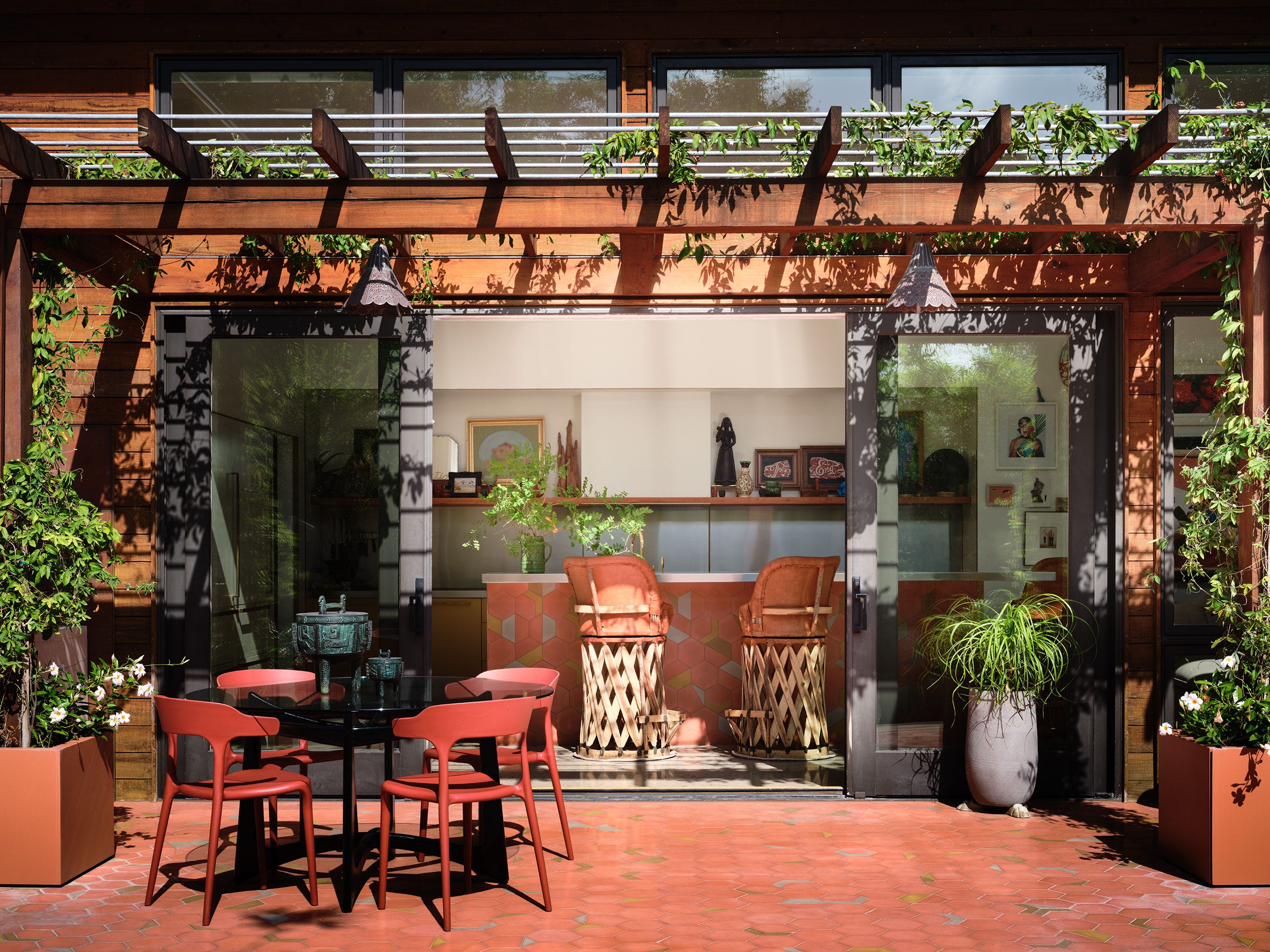
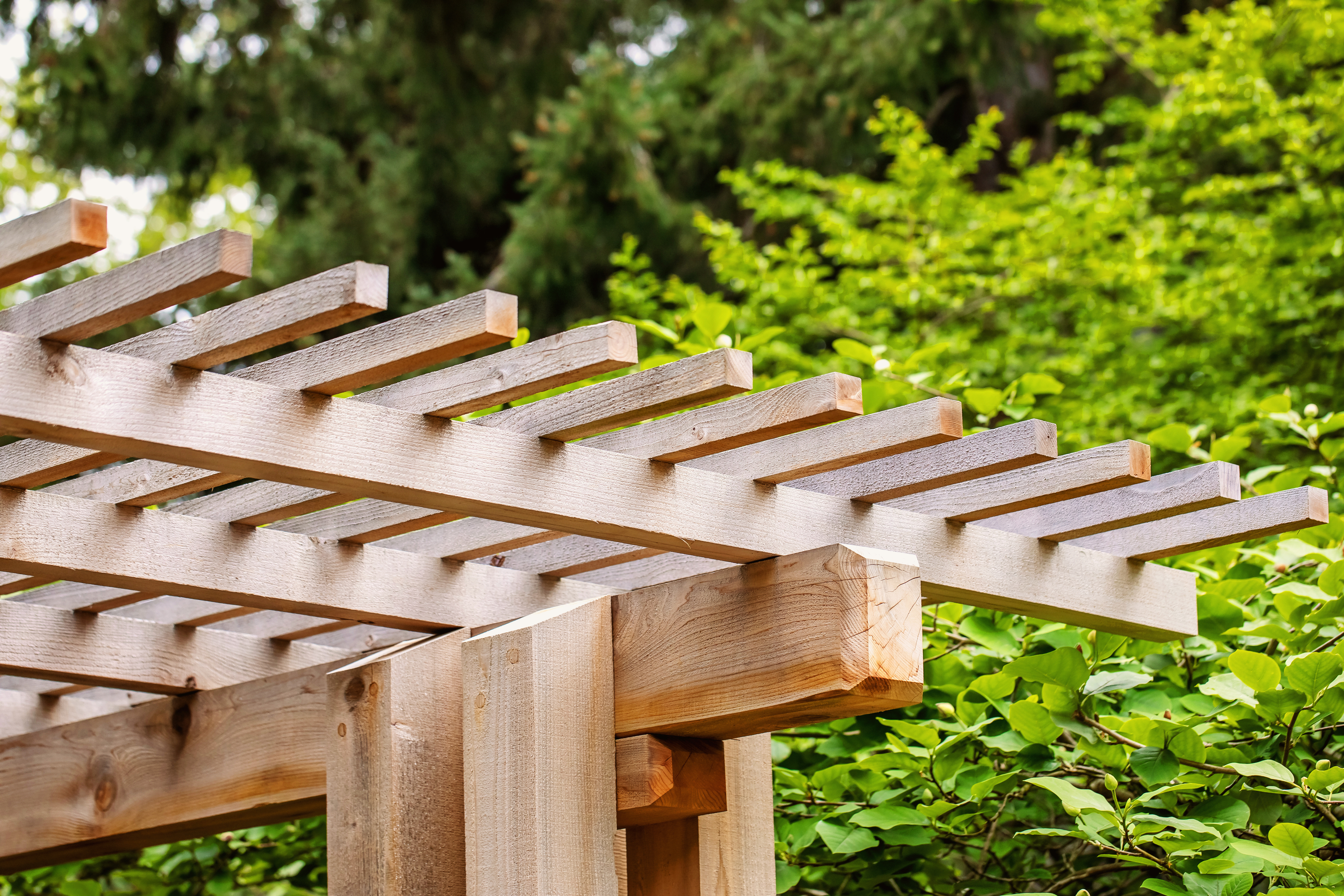
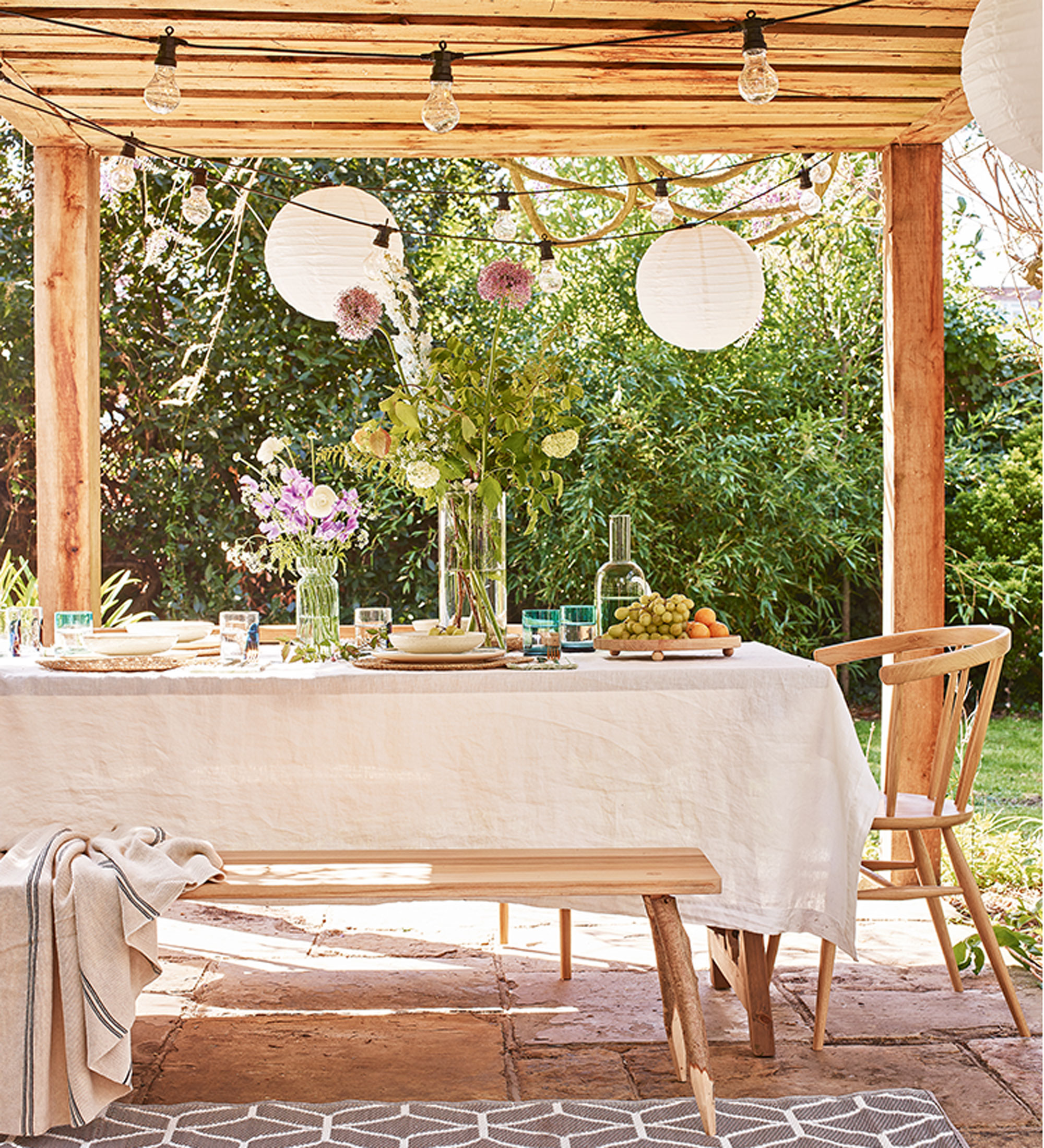
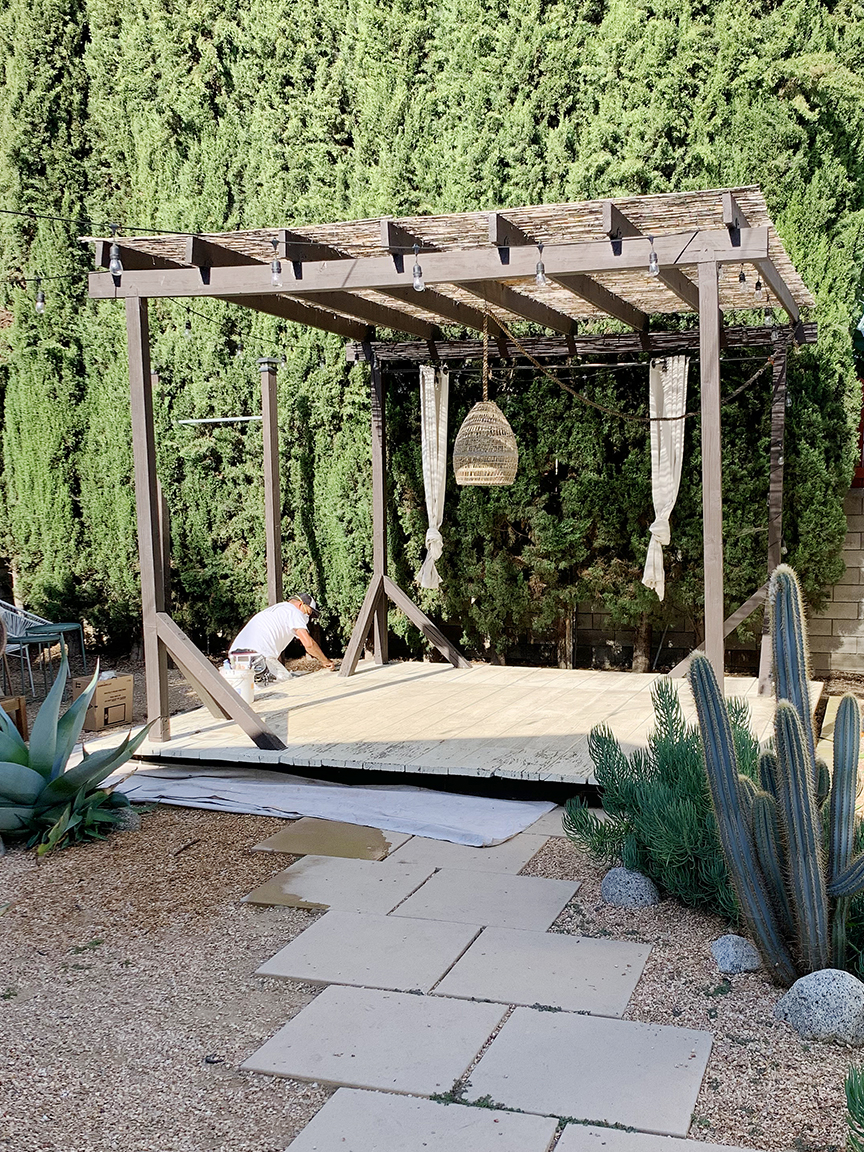
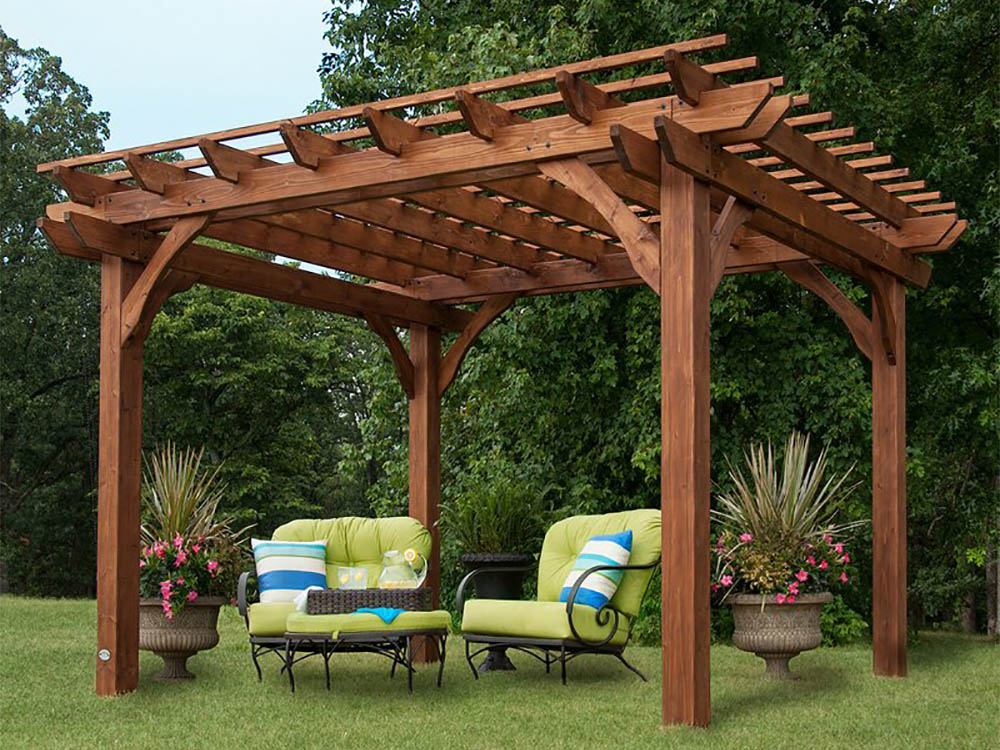
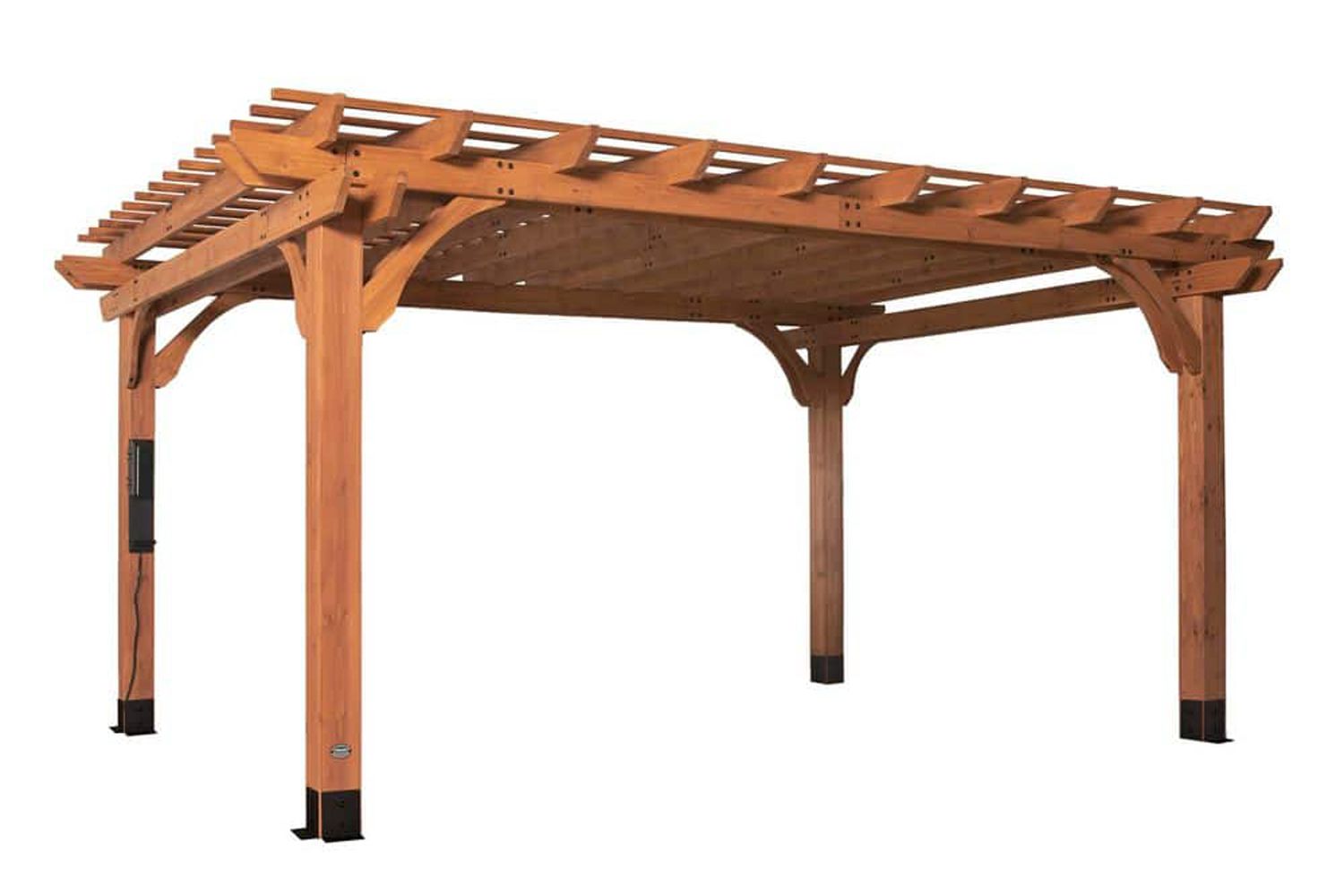
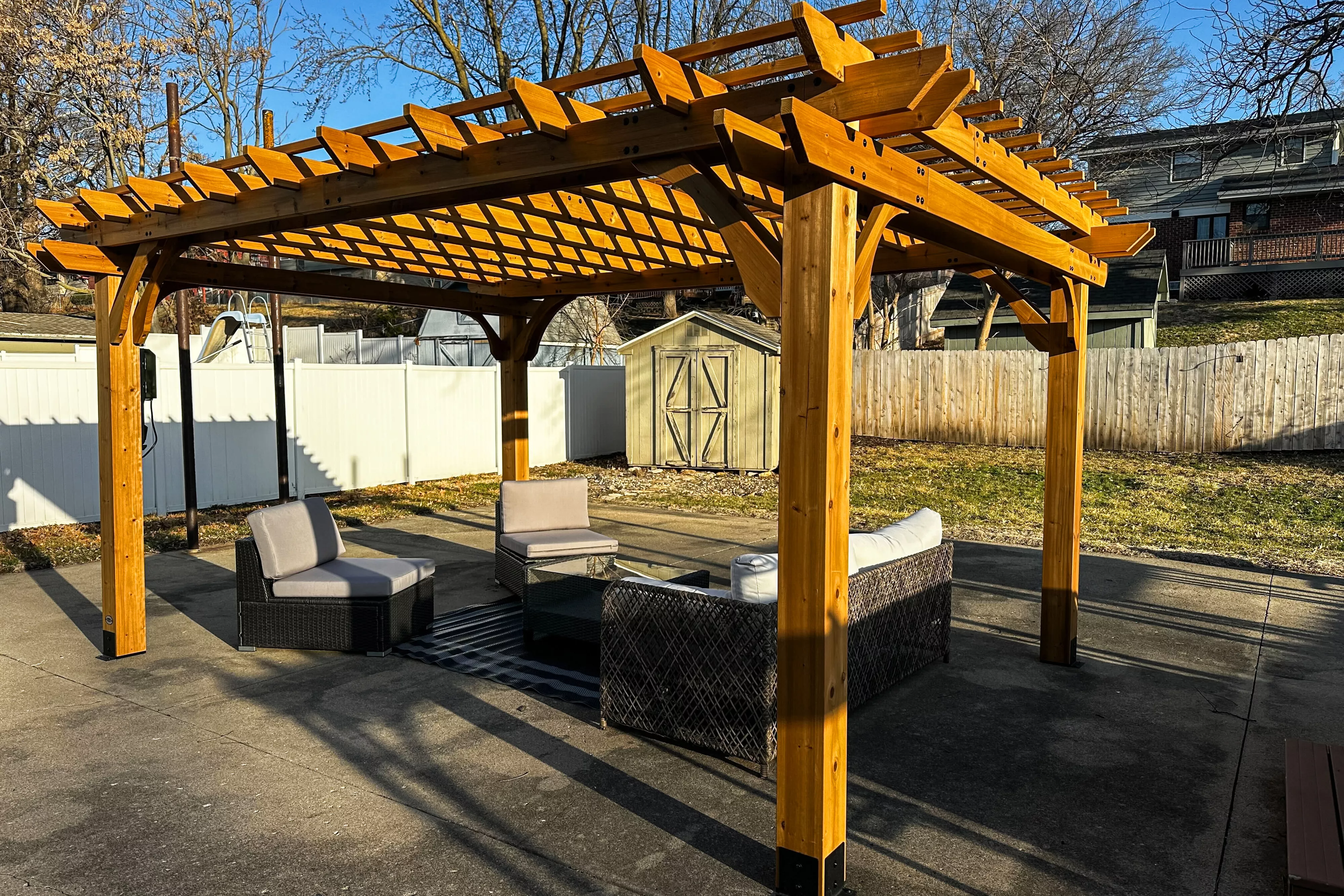
Pergolas come in various styles, from sharp, modern angles to gentle mission arches or fanciful shapes. The appropriate size depends on its intended use and the dimensions of the home and yard. Violett advises considering the size of furniture, such as a dining table, that will be placed beneath it. For a natural aesthetic popular in Colorado, rough-sawn Western Red cedar is a preferred material. Violett cautions against using treated lumber due to its tendency to twist and crack. To manage costs, designing within standard lumber parameters, using two-foot increments, allows for the use of in-stock materials and avoids the higher cost of special orders for lengths over 20 feet.
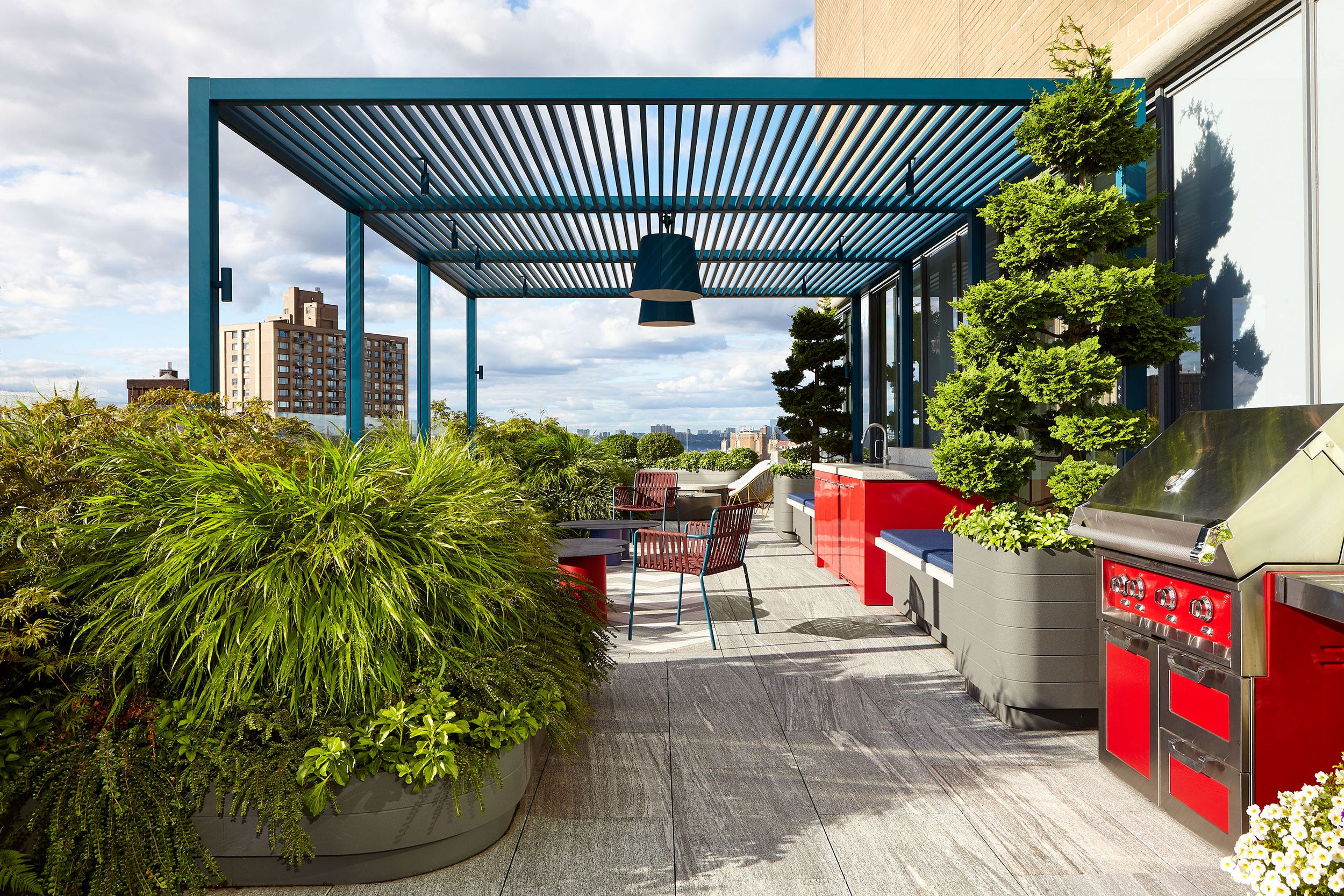
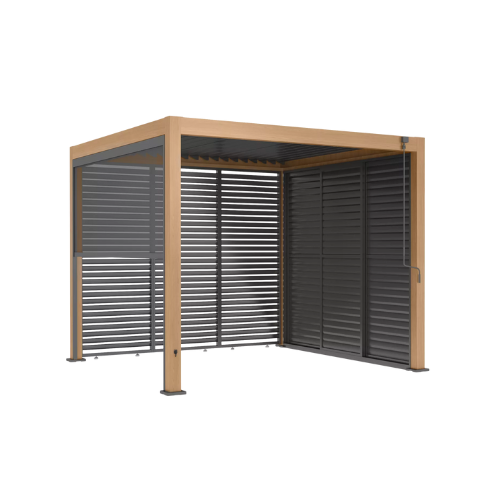
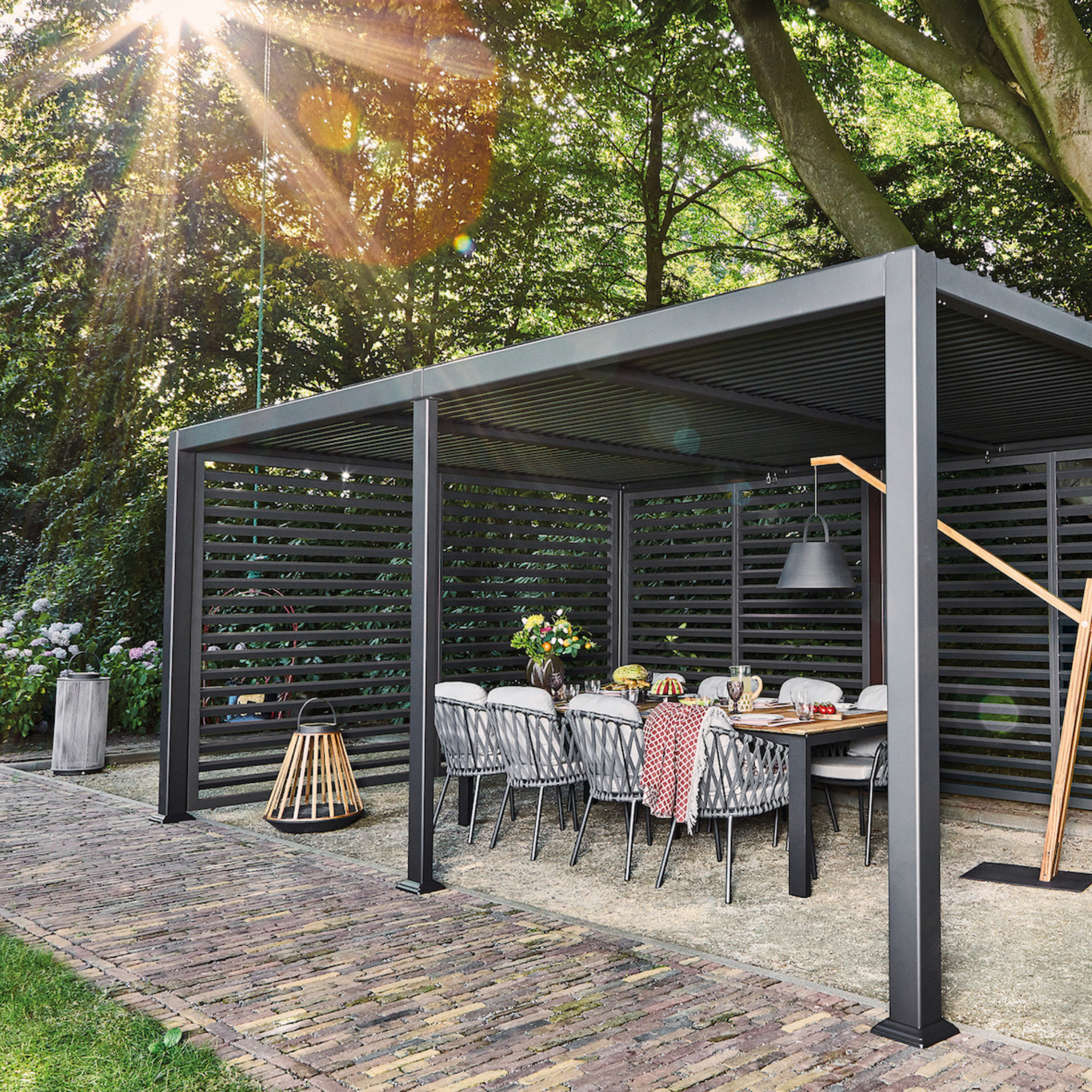
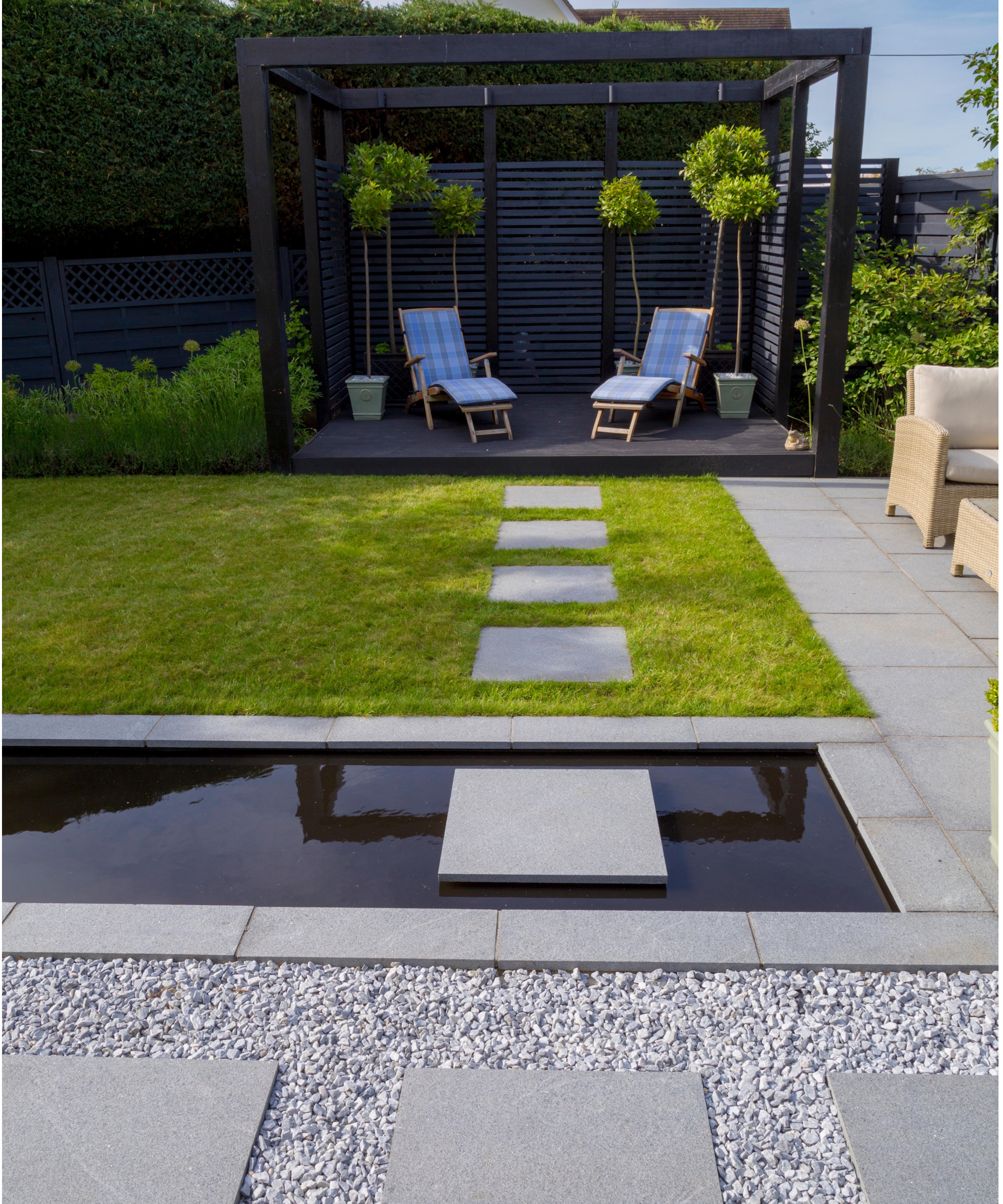
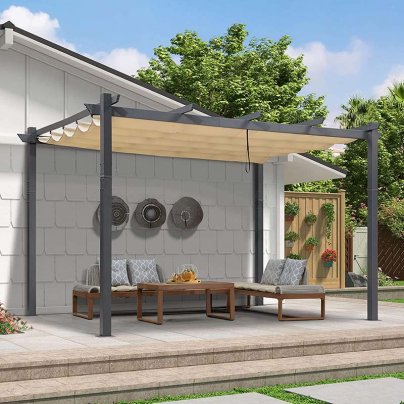
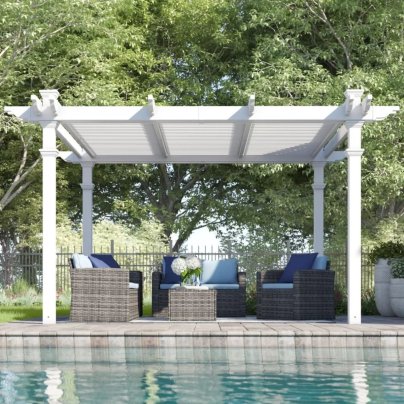
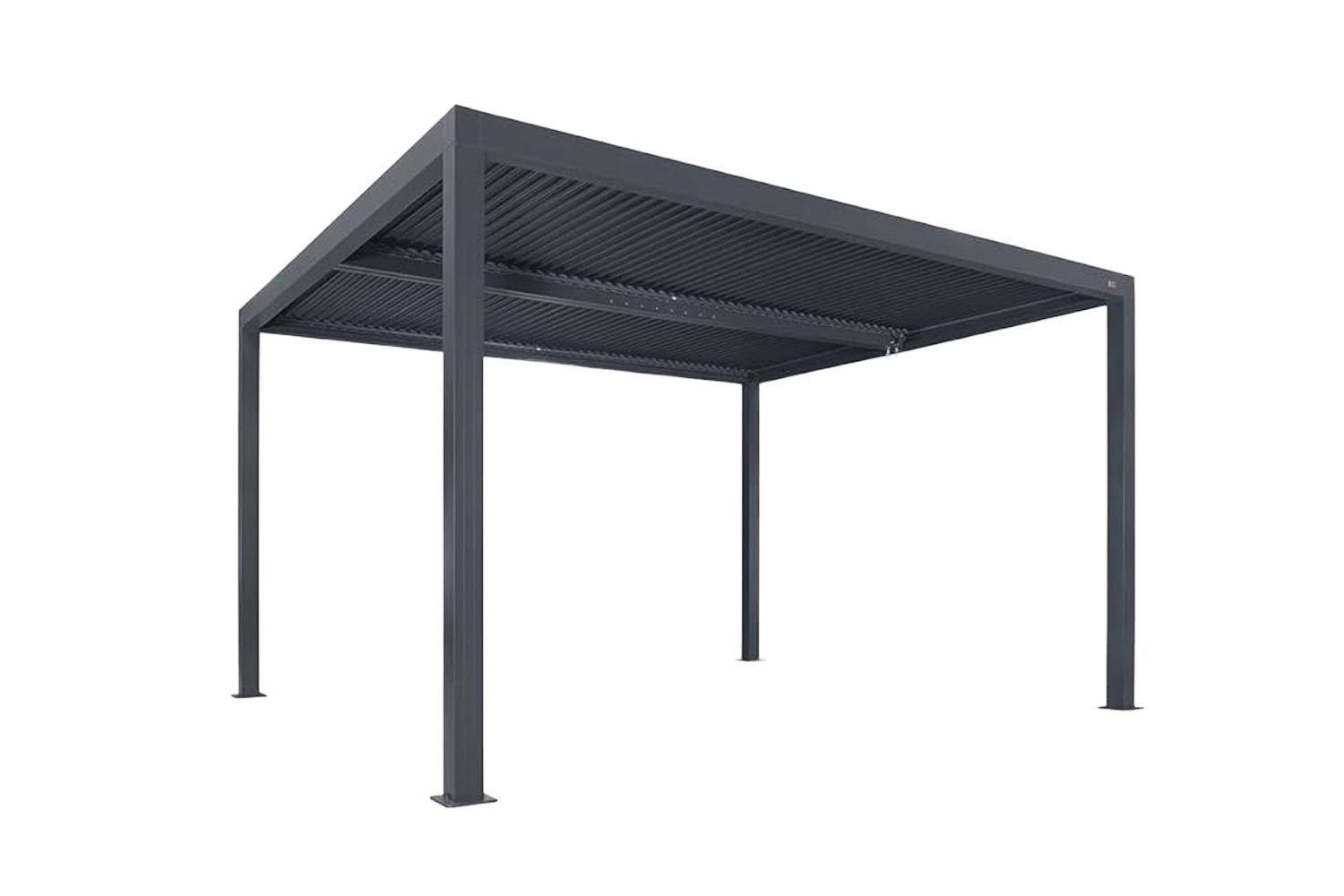
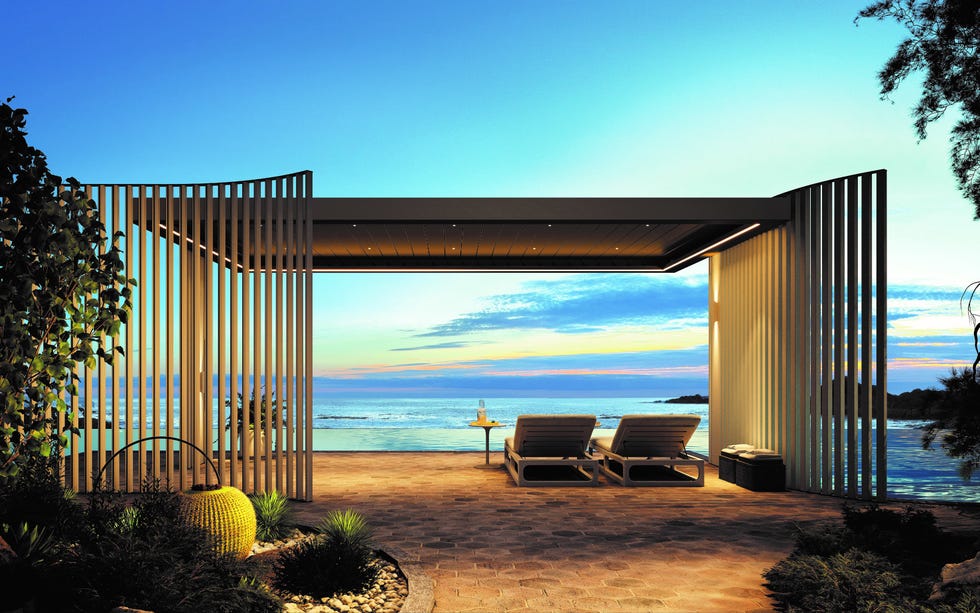
Metal pergolas offer an alternative with distinct advantages, especially for complex designs involving arches and curves, as steel is more easily bent than wood. While wood is often perceived as warmer, metal, particularly when powder-coated, requires less upkeep, a significant benefit in harsh climates. Aluminum is another option, offering a balance between wood and steel in terms of weight and durability. Ready-made kits are available, but Violett warns that wooden kits might not withstand Colorado's weather conditions, especially heavy snow. PVC kits, however, are noted for their low maintenance and durability. Staining wooden pergolas requires annual reapplication to maintain a new look, a factor influenced by the type of stain and sun exposure. Alternatively, allowing cedar or redwood to naturally gray can eliminate maintenance, though staining is counterproductive if vines are intended to grow on the structure.
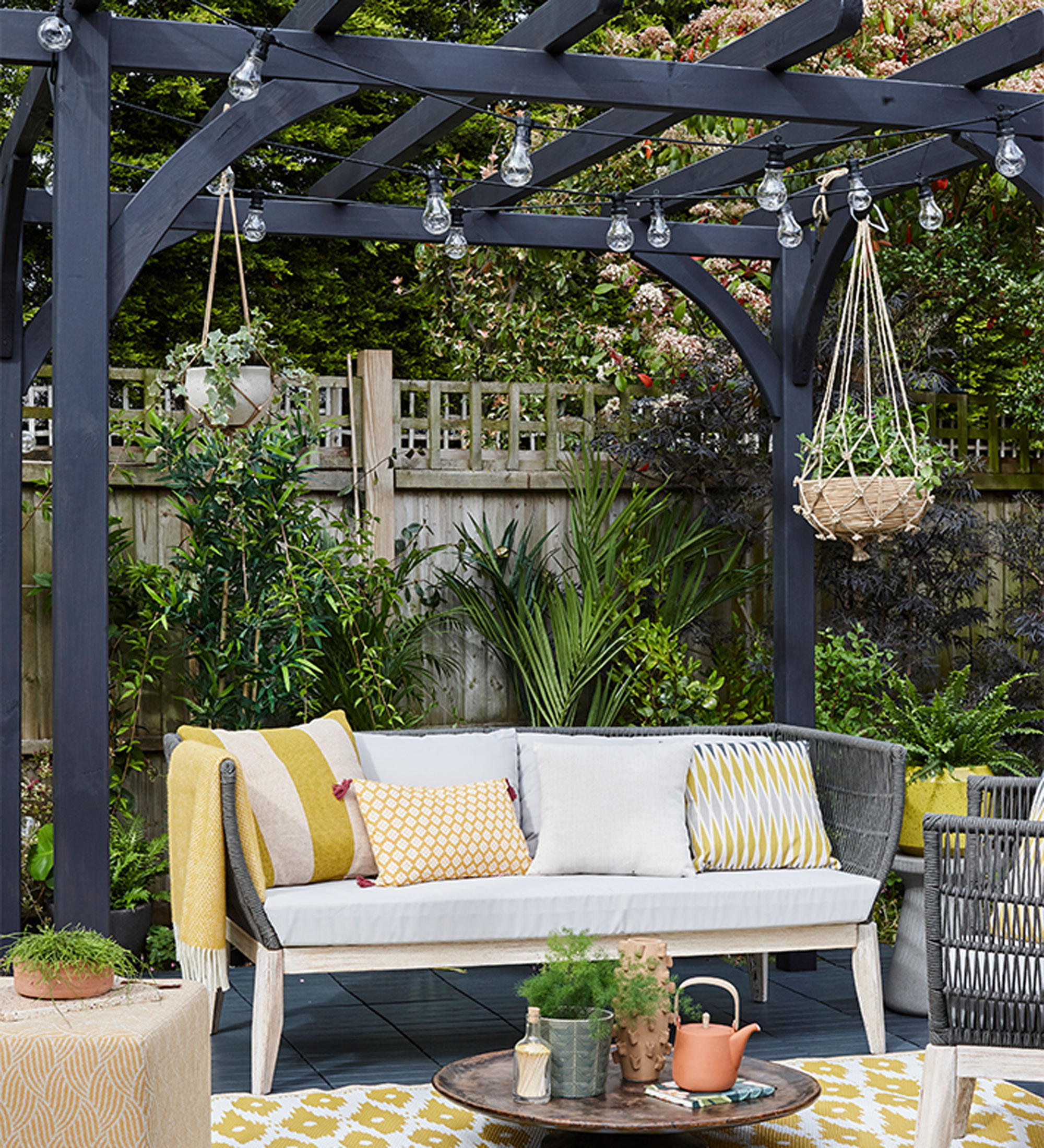
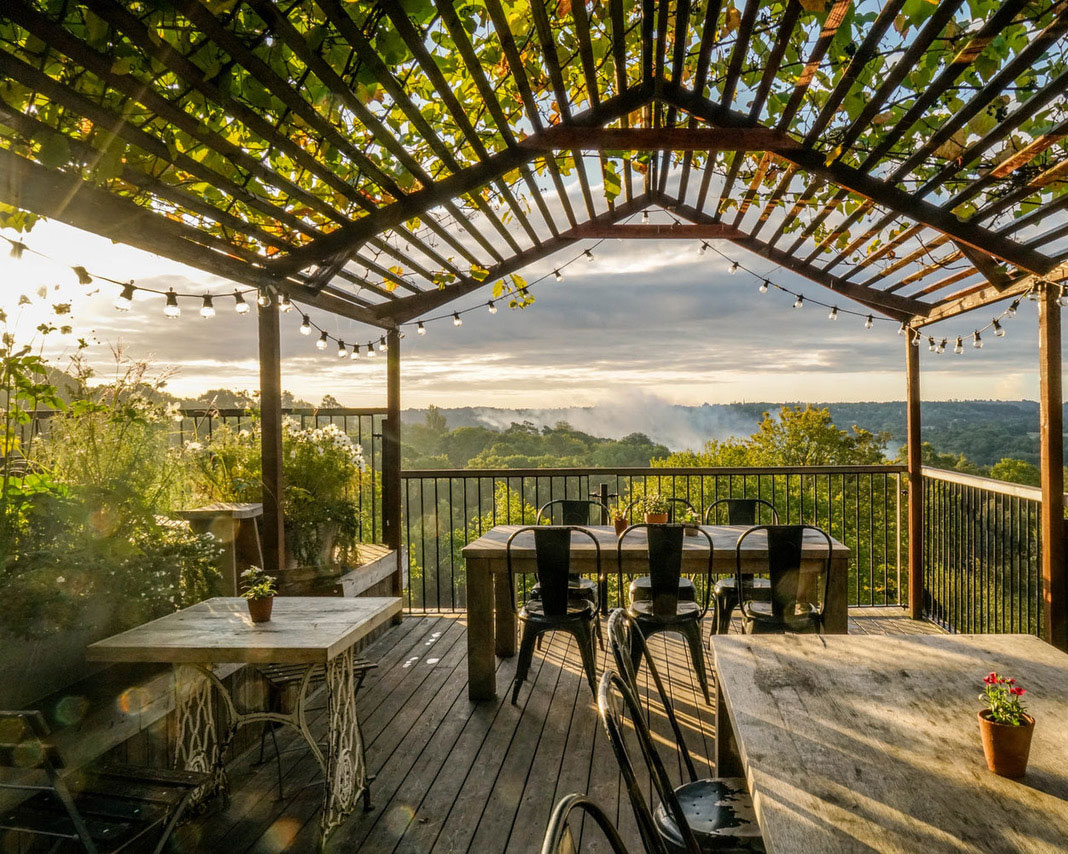
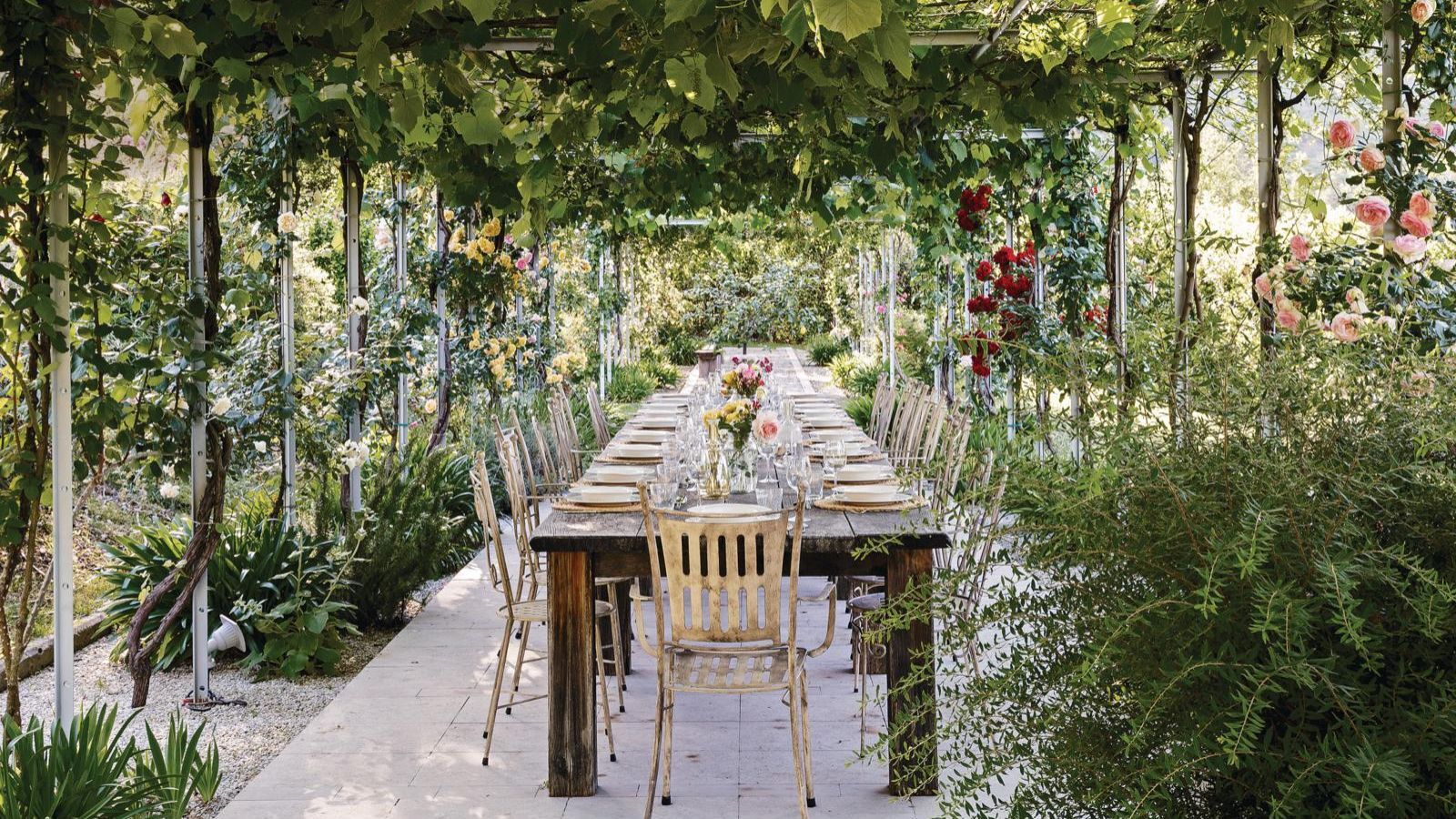
For training vines on a pergola, recommended plants include roses, clematis, euonymus, and honeysuckle (if light conditions permit). Trumpet vine is cautioned against due to its aggressive growth. While the romantic image of an Italian pergola draped with grapevines is appealing, the reality of fallen, rotting grapes attracting pests like bees and ants makes it less practical for many homeowners.
#OutdoorLiving #PergolaDesign #GardenArchitecture #HomeImprovement #LandscapeDesign #Woodworking #MetalFabrication #DIYHome #OutdoorLiving #PergolaDesign #GardenArchitecture #HomeImprovement #LandscapeDesign #Woodworking #MetalFabrication #DIYHome
0 comment in total
 No comments yet
You may also like
Nov 2022: The endless pergola summer

Is It Better to Buy or Build Your Own Pergola? Experts Discuss the Most Cost-Effective Way to Embrace Those Shady Summer Days

Pergola mistakes: a pro reveals 9 common pergola errors
Pergola ideas: 16 stunning garden structures for added style and shade
Interiors conquer the outdoors thanks to designer pergolas

Before and After: A “Daunting” Patio Becomes a Peaceful, Pergola-Shaded Escape
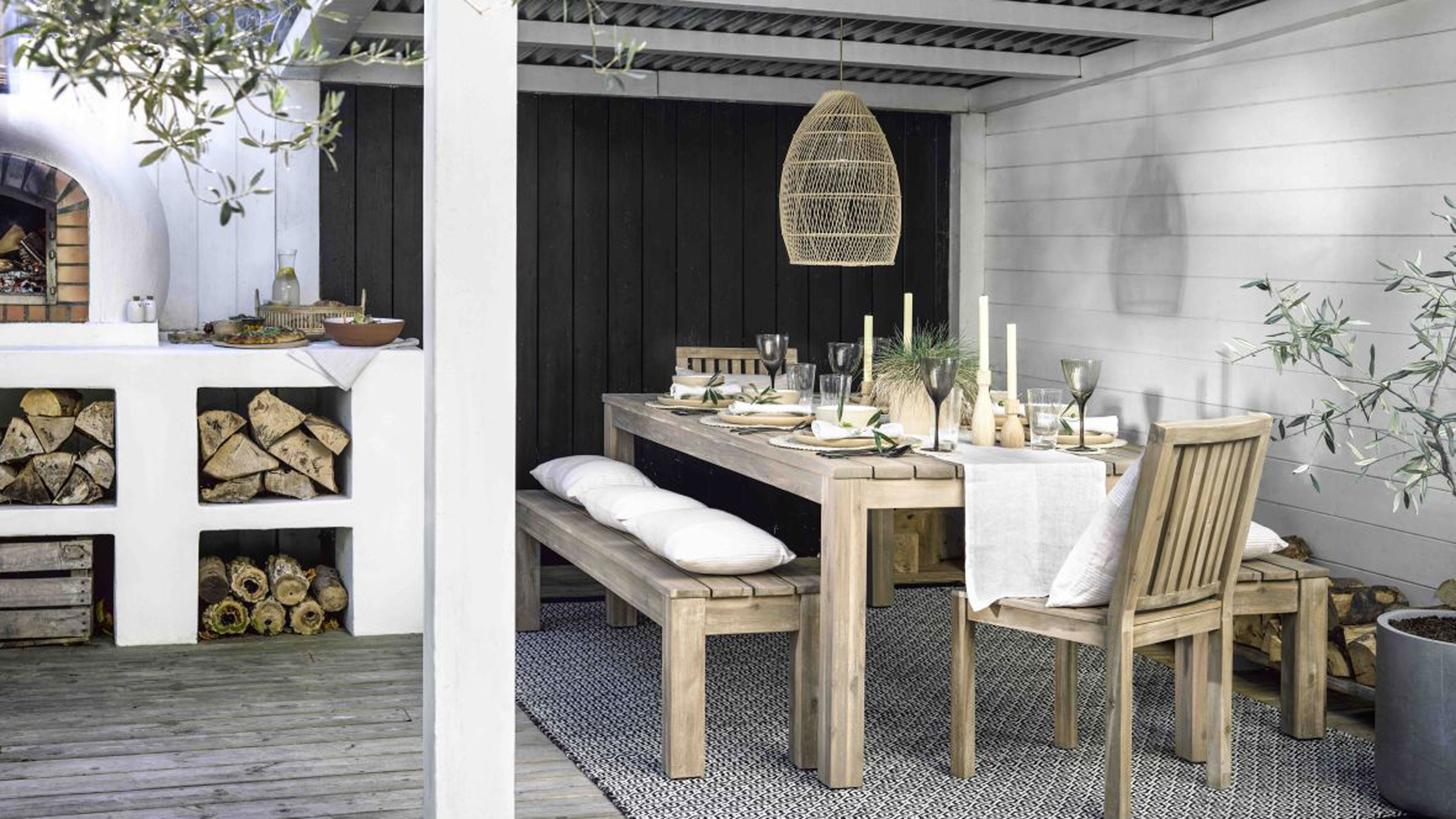
15 Pergola Ideas That'll Turn Any Outdoor Space Into a Majestic Escape

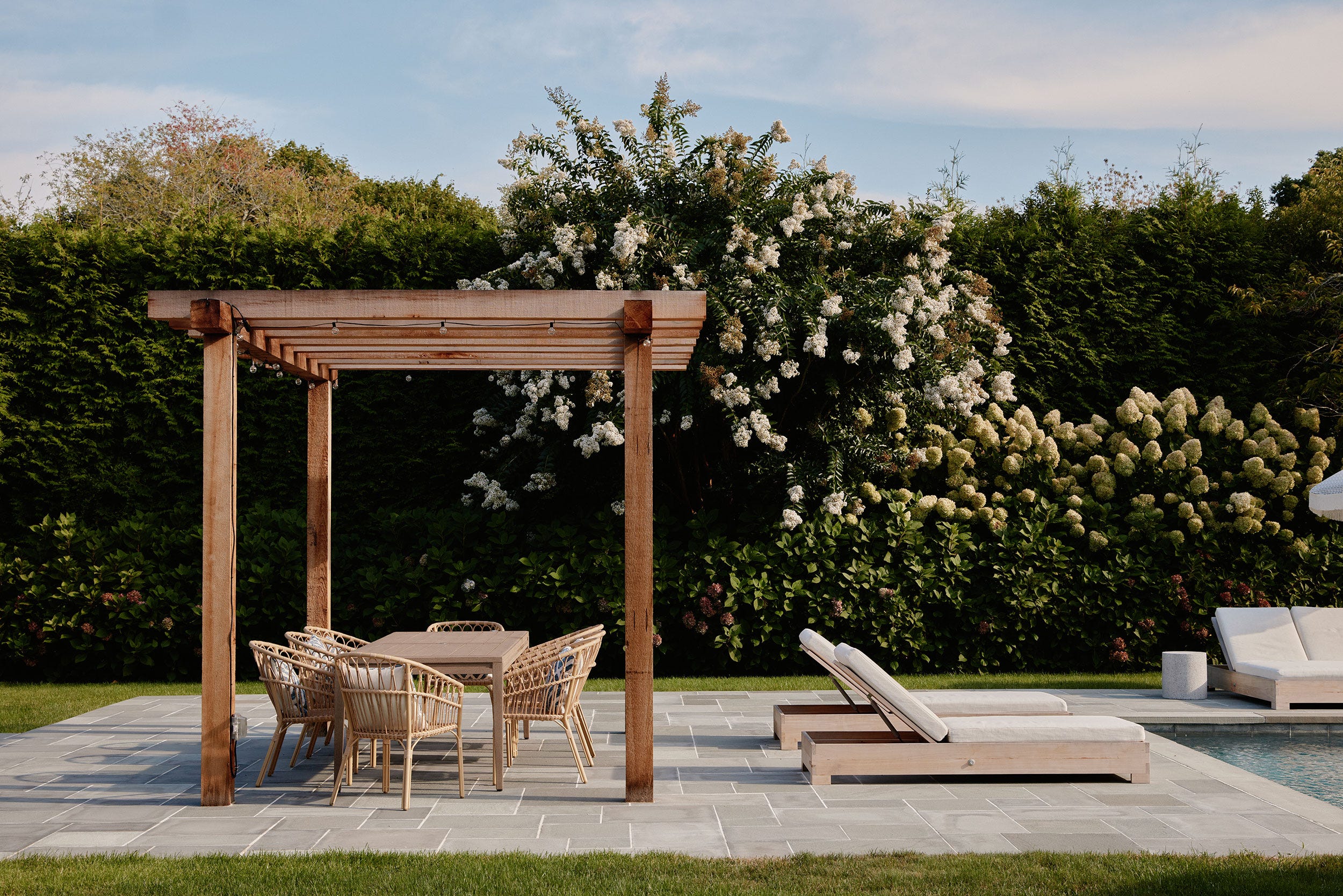
How to design an entertaining garden – expert ways to switch up your space

Want the Garden of Your Dreams? Check Out These 29 Enchanting Pergola Ideas
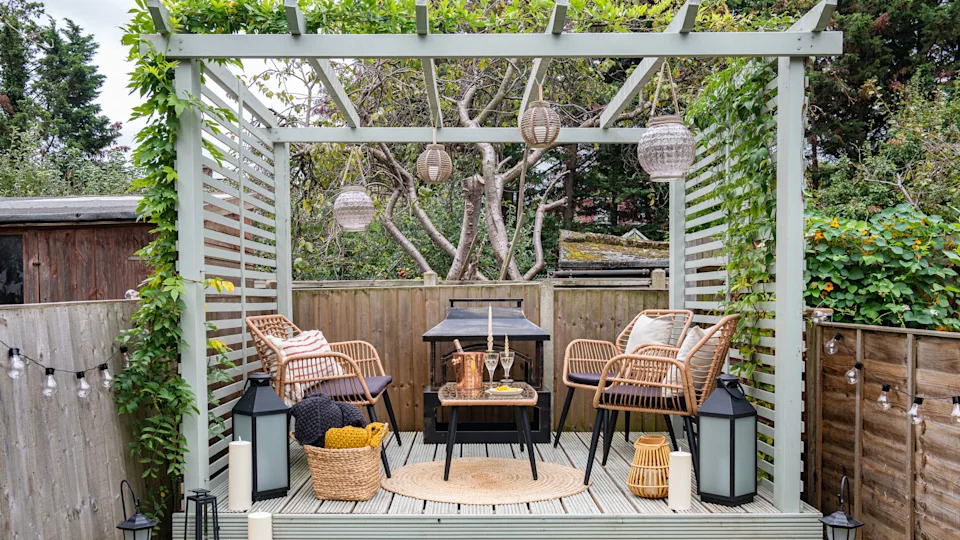
27 pergola ideas to add shade, privacy and style to your outside space
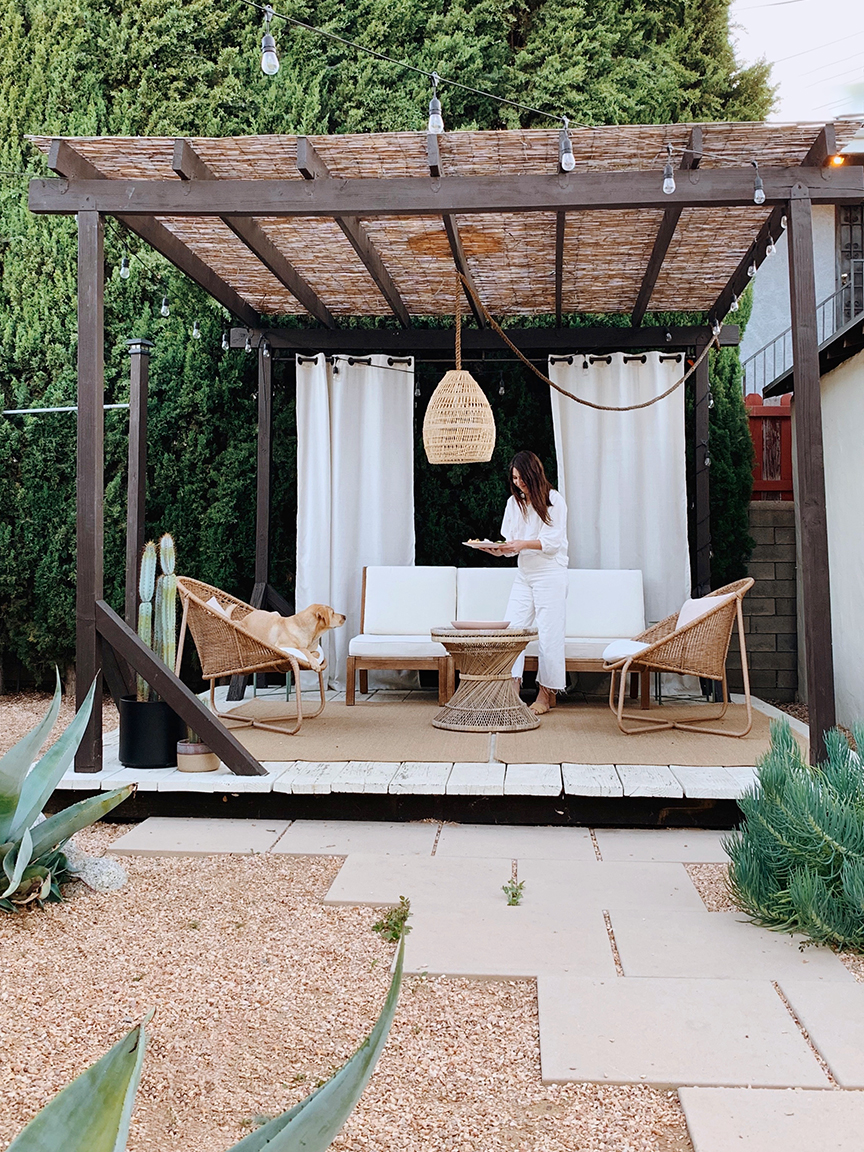
A $25 Bamboo Roof Gave This Pergola Cabana Vibes
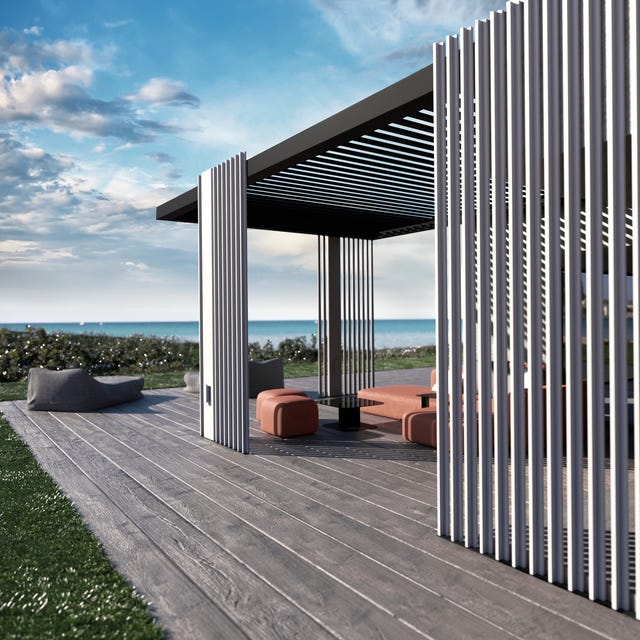
Tailor-made pergolas designed to enjoy the outdoors all year long
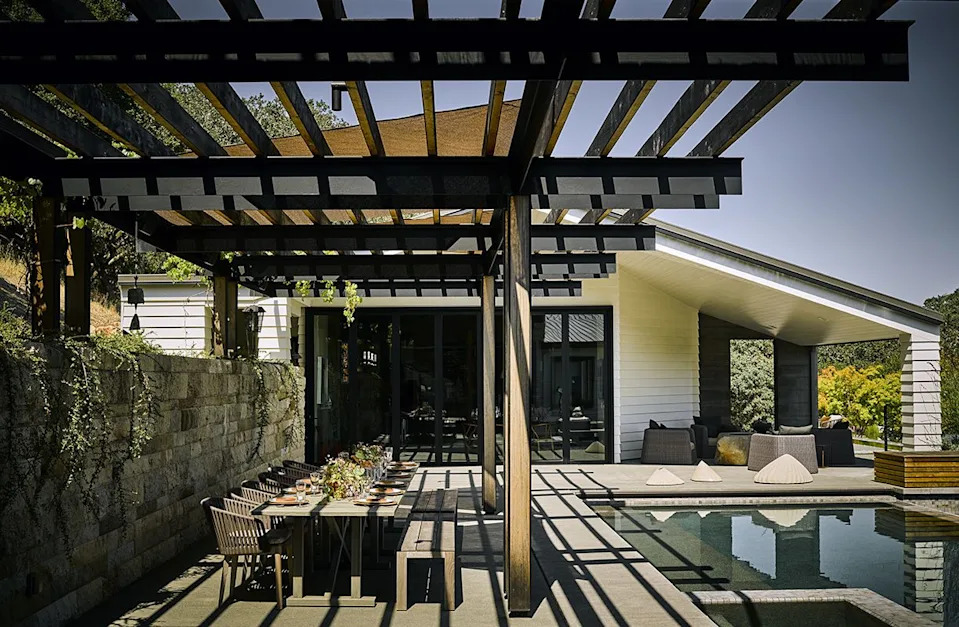
15 Pergola Ideas That'll Turn Any Outdoor Space Into a Majestic Escape

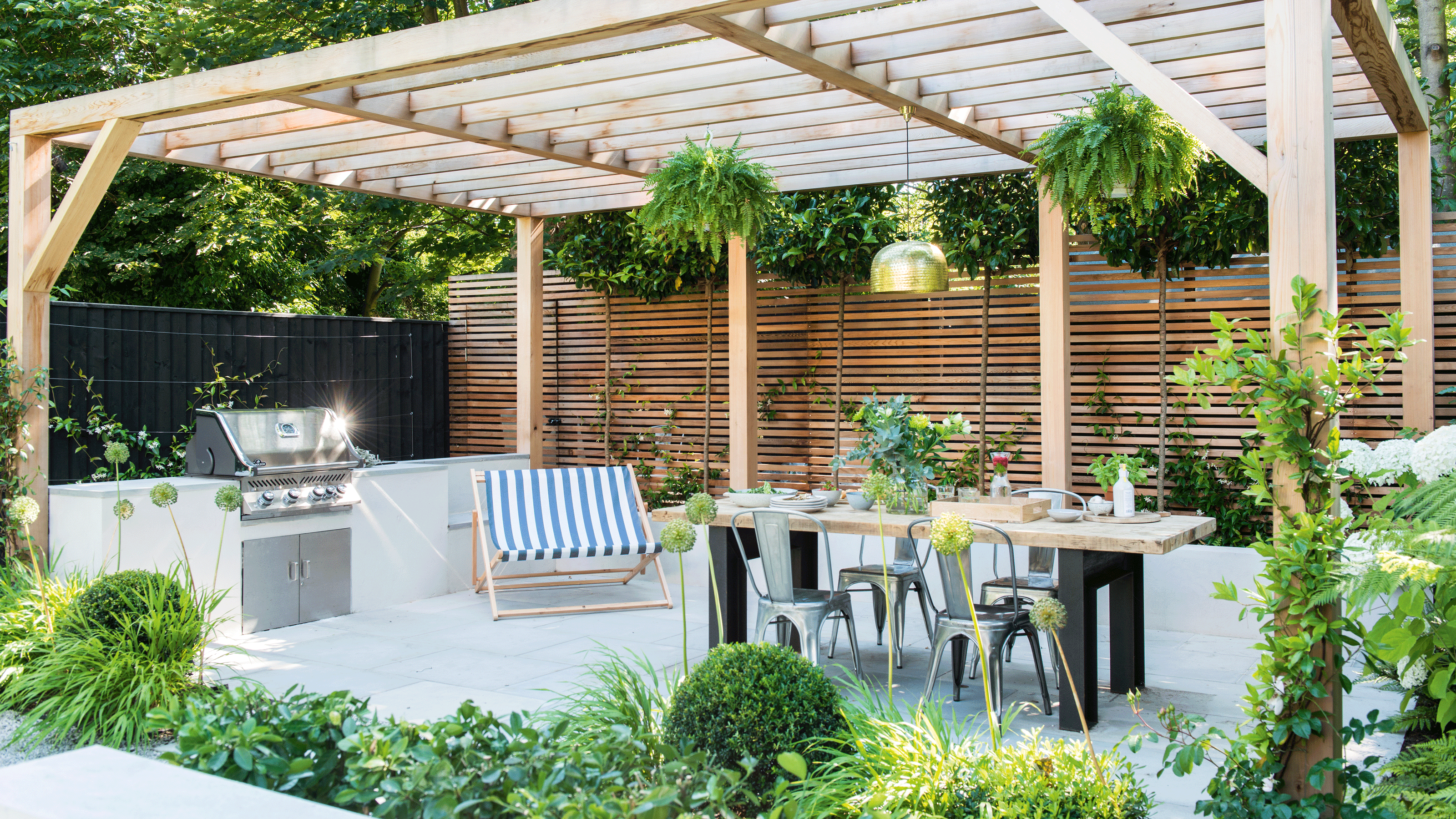
Pergola ideas - 14 gorgeous garden structures to add style and shade
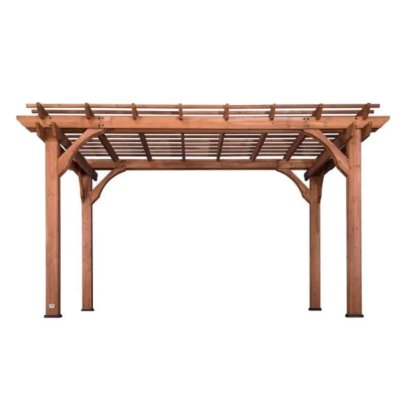
Pass Off Your DIY Skills As Those of a Pro With An Easy-To-Assemble Pergola Kit

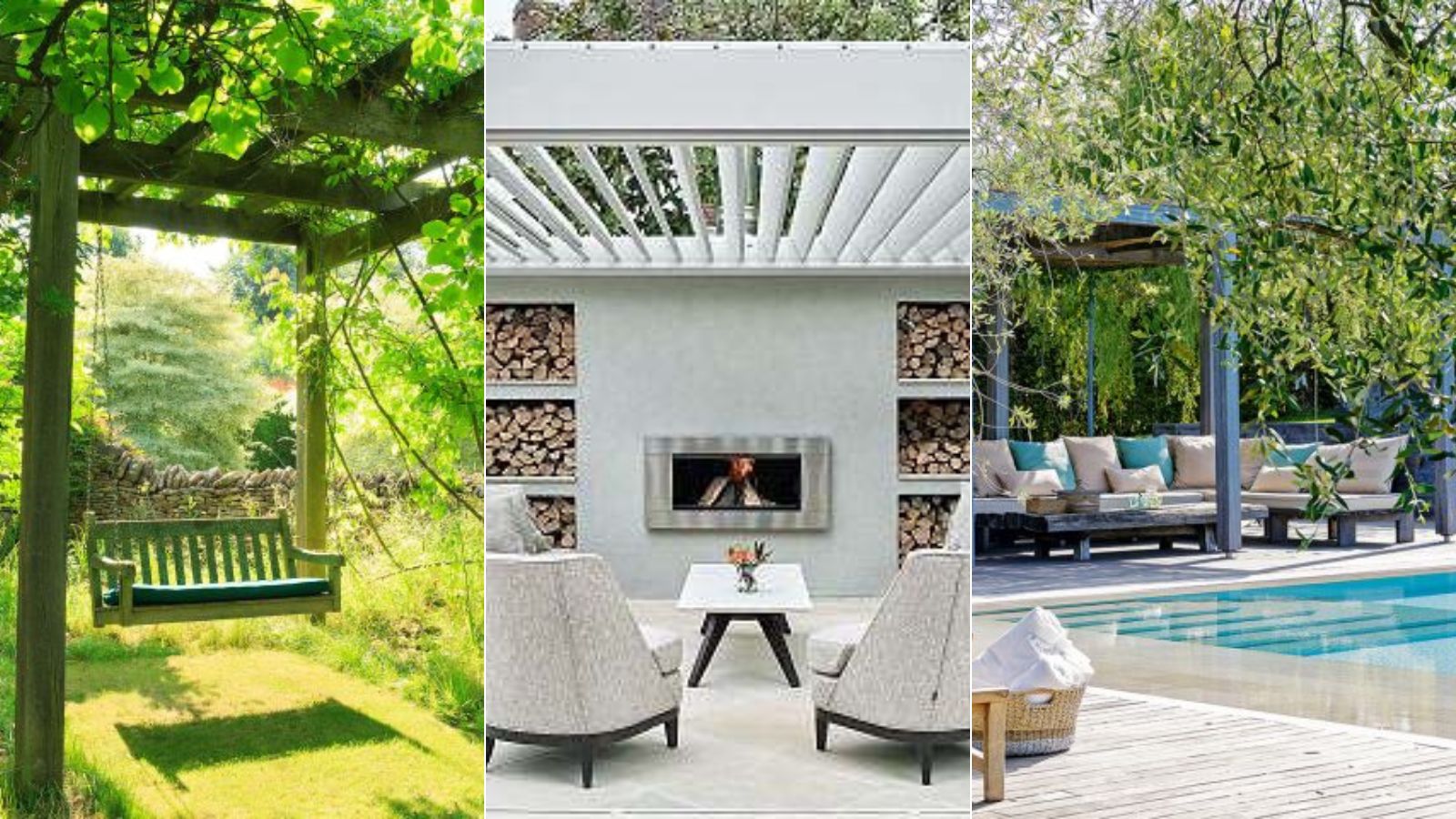
Pergola ideas – 19 ways a pergola can enhance your backyard design
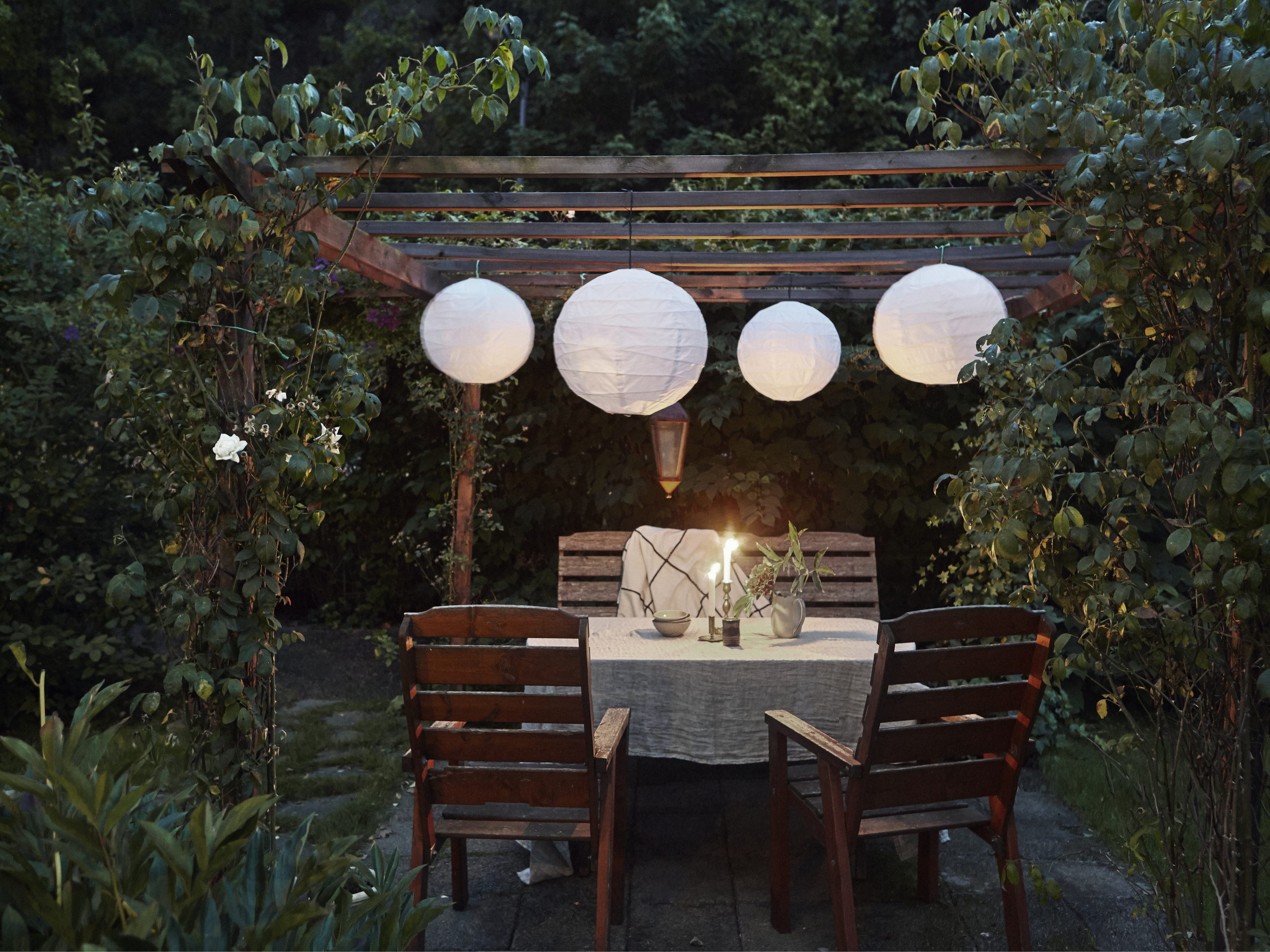
How do you build a pergola? Experts explains their methods so you can enjoy the best parts of open-air living
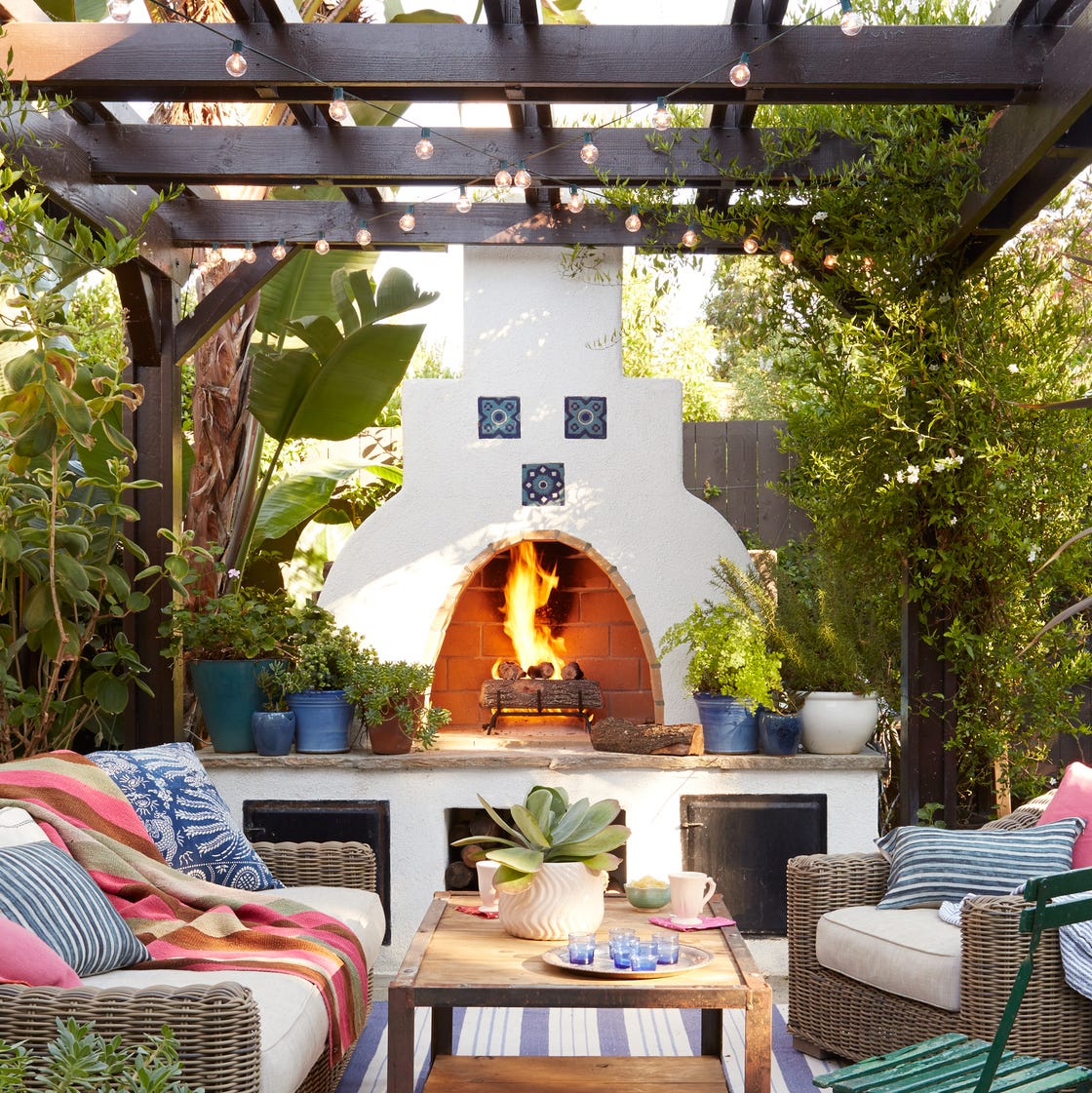
Add Shade to Your Backyard with a Pretty Pergola
The 4 Best Pergola Kits, Tested by BHG

Pergolas with Matter from Pergolux