1/6
Is This Peak Game Room?
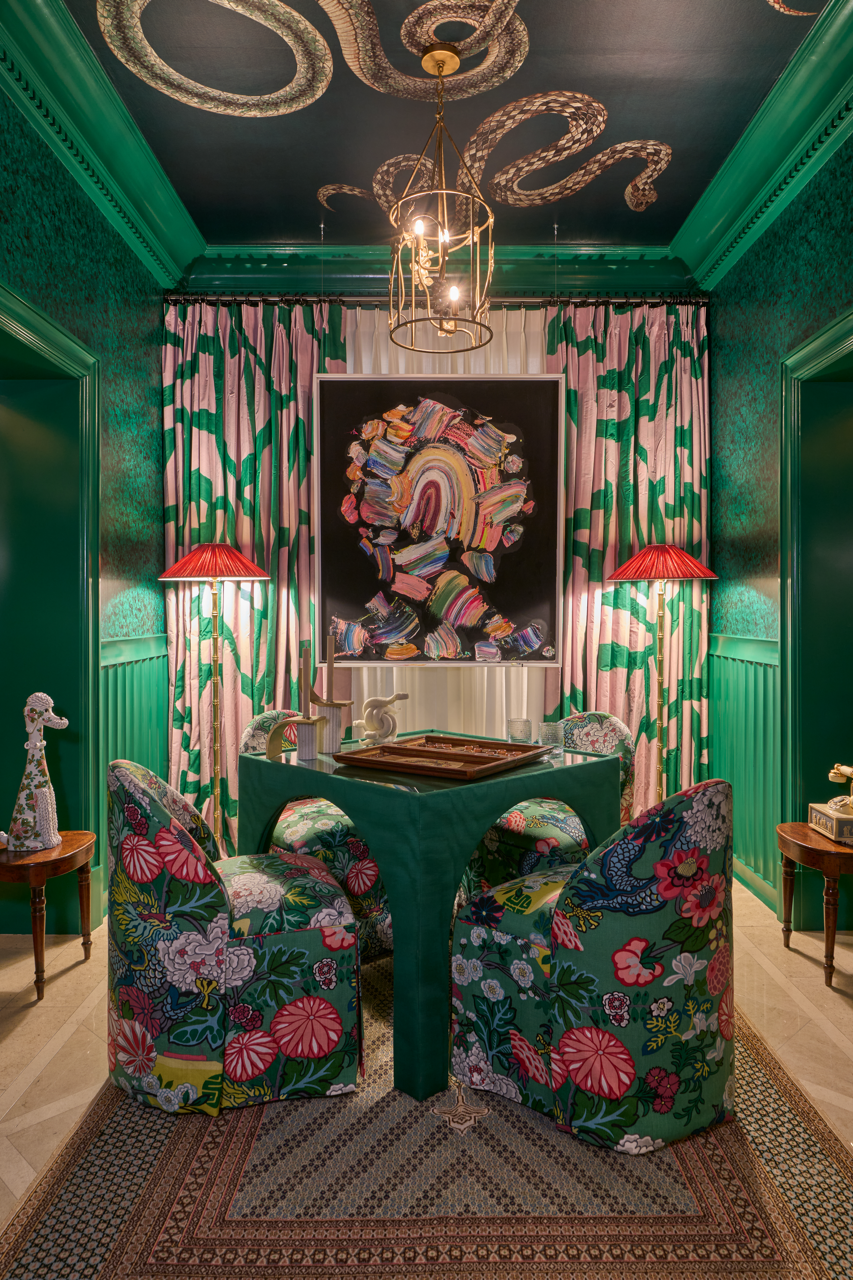
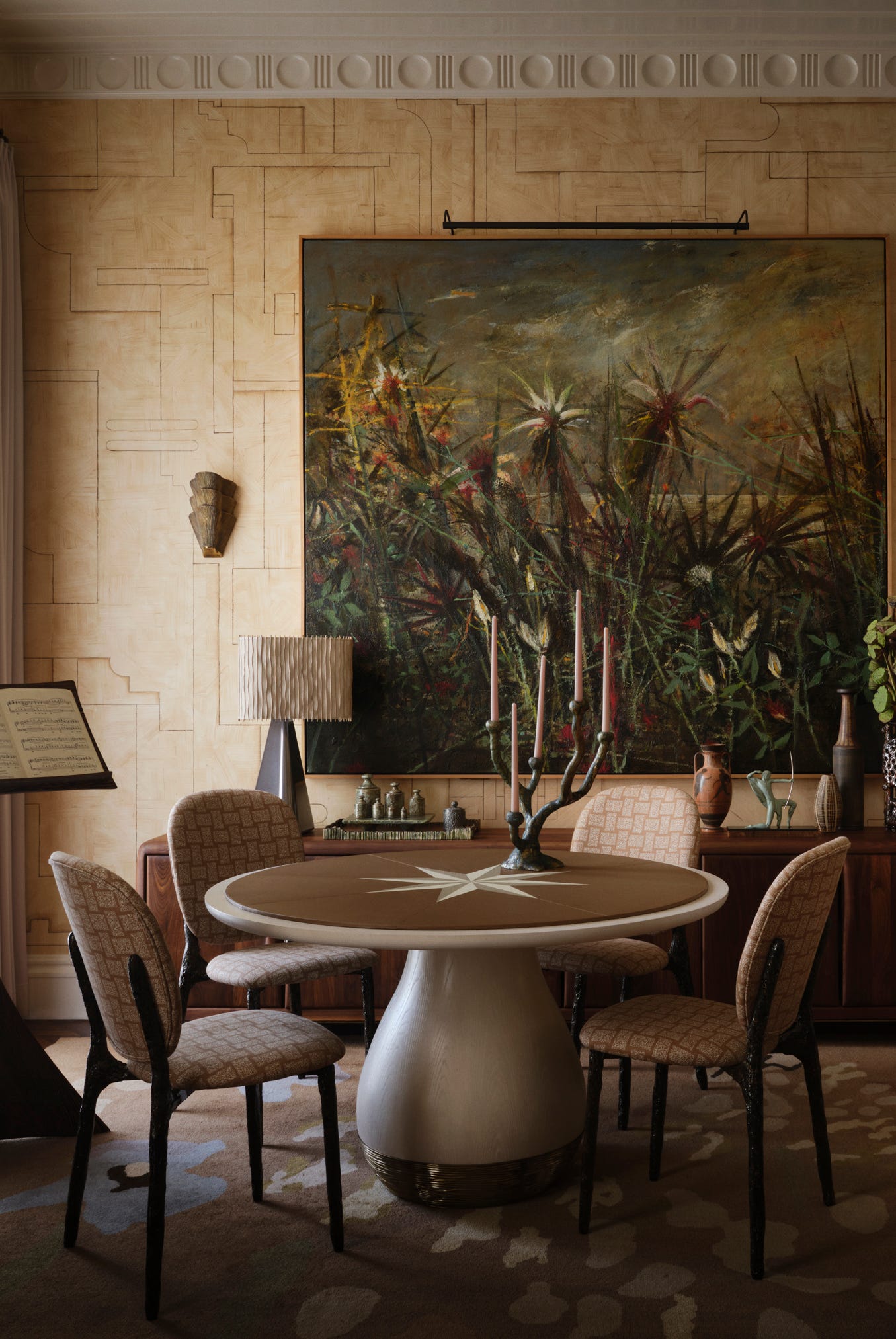
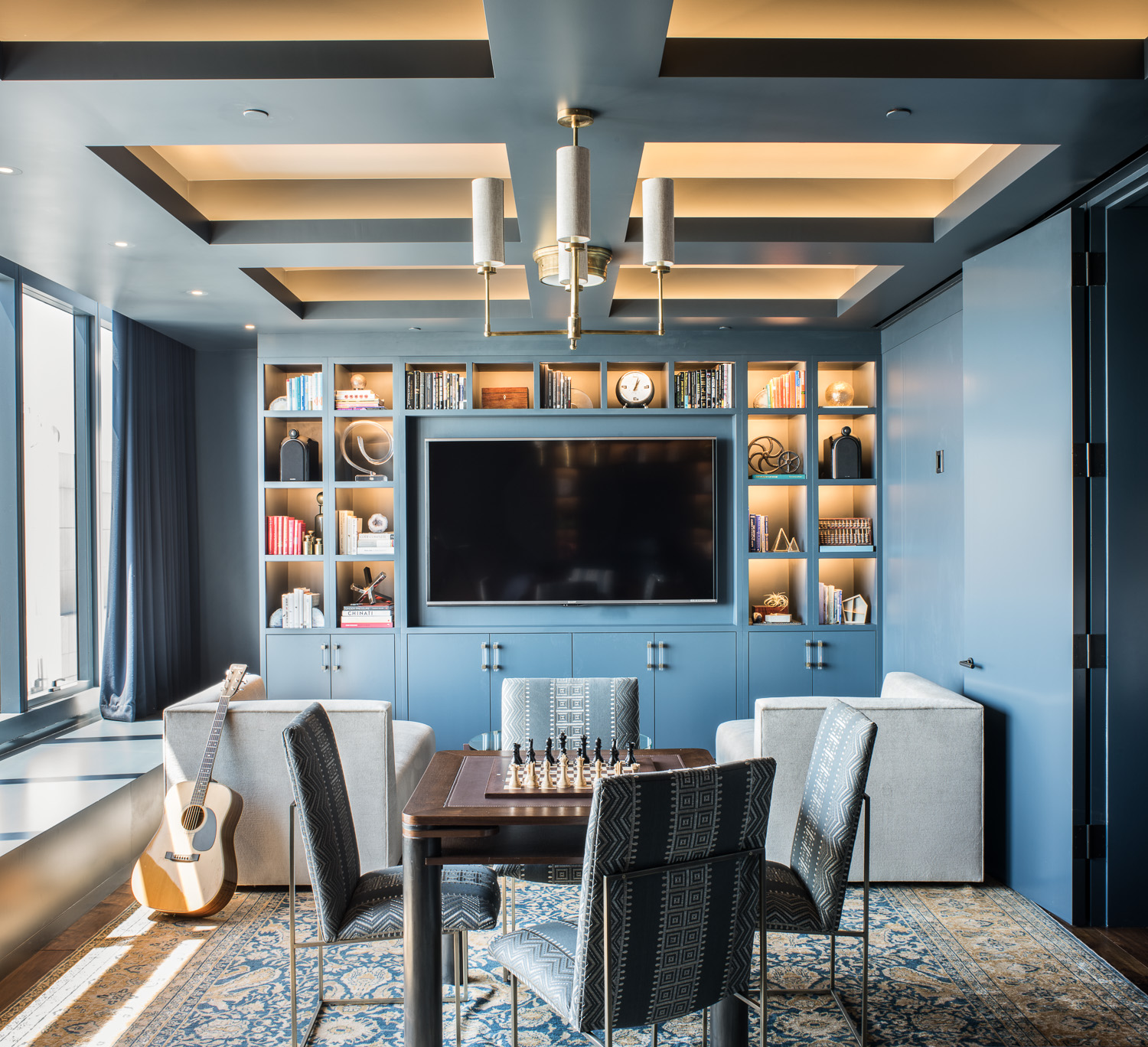
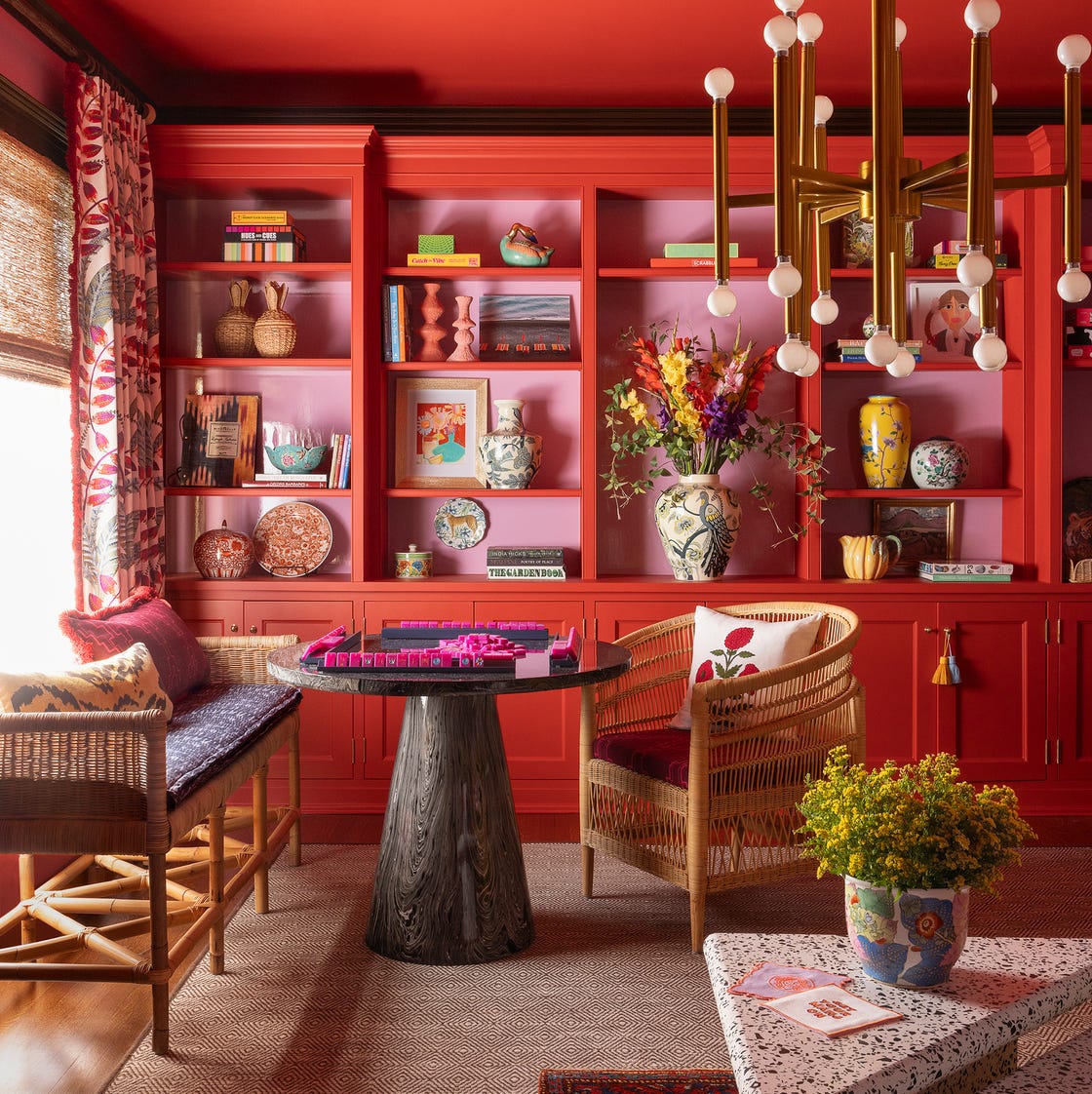
The article discusses the growing trend of designing dedicated mahjong rooms in homes, highlighting a shift in interior design towards spaces that foster human connection through games. Jean Liu, a designer, notes an increase in client requests for mahjong tables in living or great rooms, a significant change from two years prior. The focus is now on integrating game tables early in the furniture layout process to prioritize social interaction.
Mahjong, a Chinese tile-based strategy game originating in the mid-1800s, translates to "sparrow," referencing the distinctive clicking sound of shuffling tiles. It began in Southern China's metropolitan areas and quickly spread across the country, becoming a popular social pastime that fostered community. The game gained international traction in the 1920s, particularly in America, where its ability to bring people together was embraced. Christine Lin of Form + Field describes mahjong as a versatile game that can be played casually or with intense focus, enhancing social engagement among players.
The game typically involves four players whose objective is to form four sets of three tiles and a pair from a complete set of 144 tiles, which includes four of each tile across three suits: sticks, dots, Chinese characters, and bamboo, numbered one to nine. Mahjong's popularity stems not only from its social aspect but also from its tactile nature. Liu emphasizes the physical engagement with the tiles, contrasting it with digital experiences. The availability of beautifully hand-painted and carved mahjong sets further contributes to its appeal.
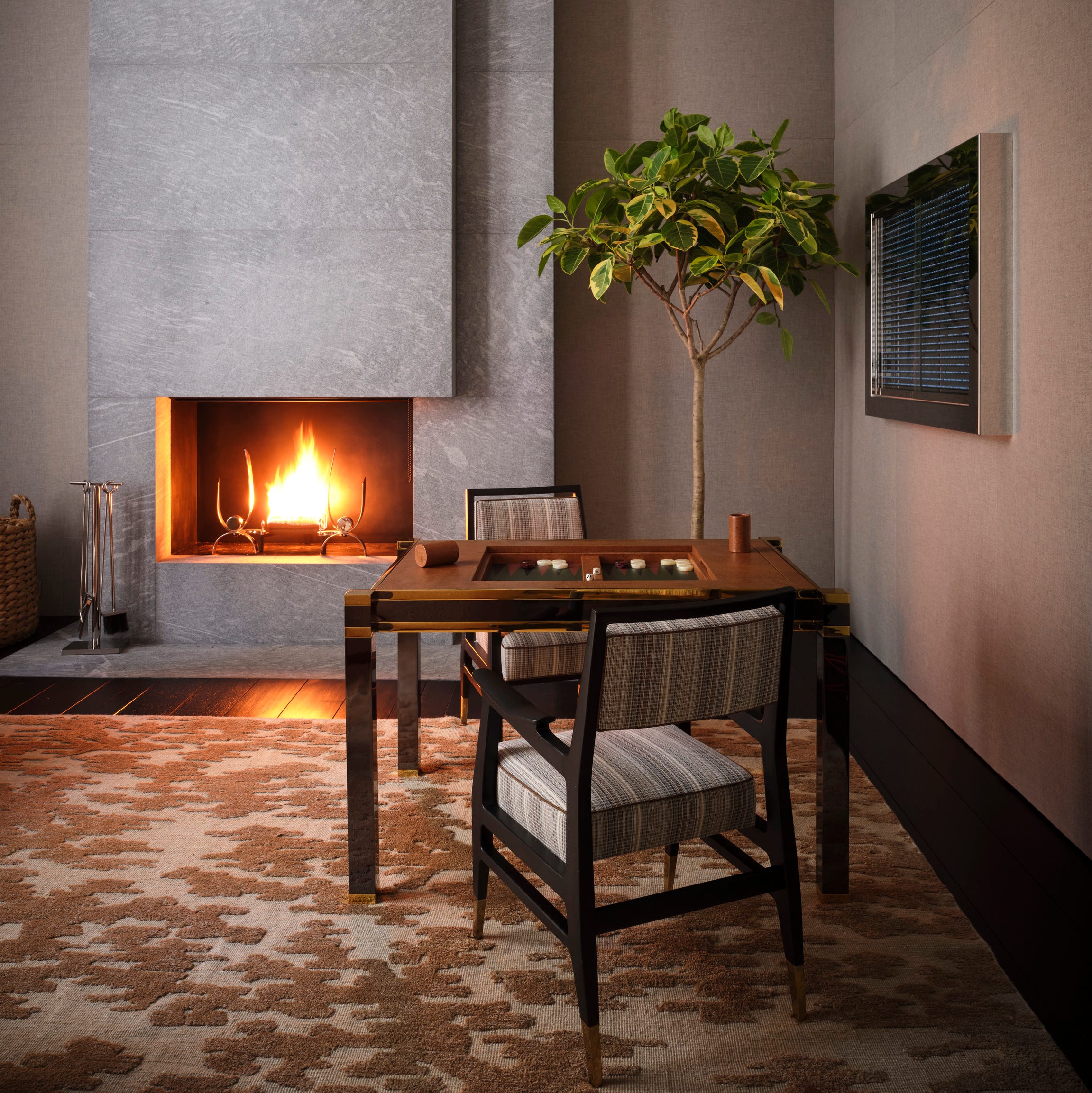
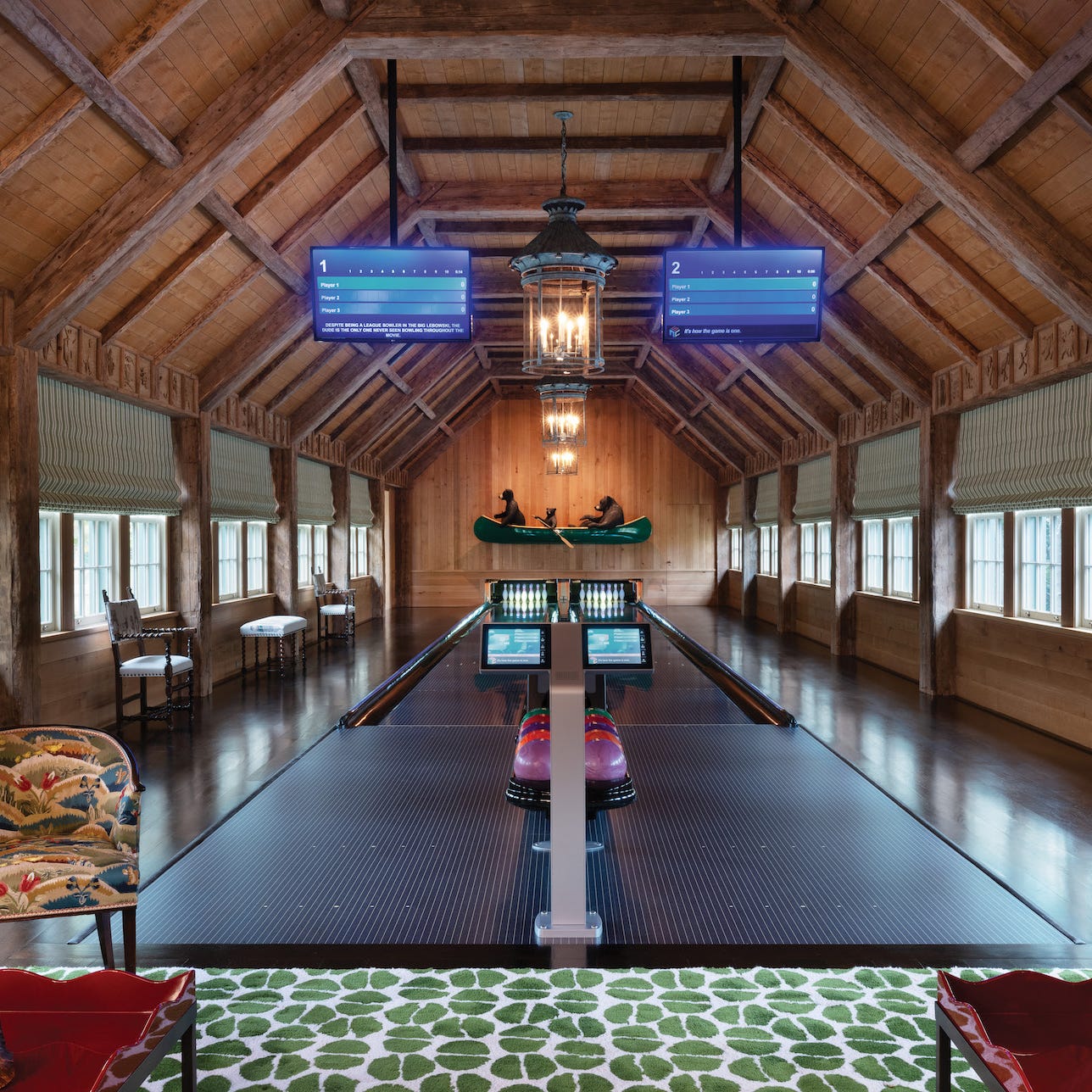
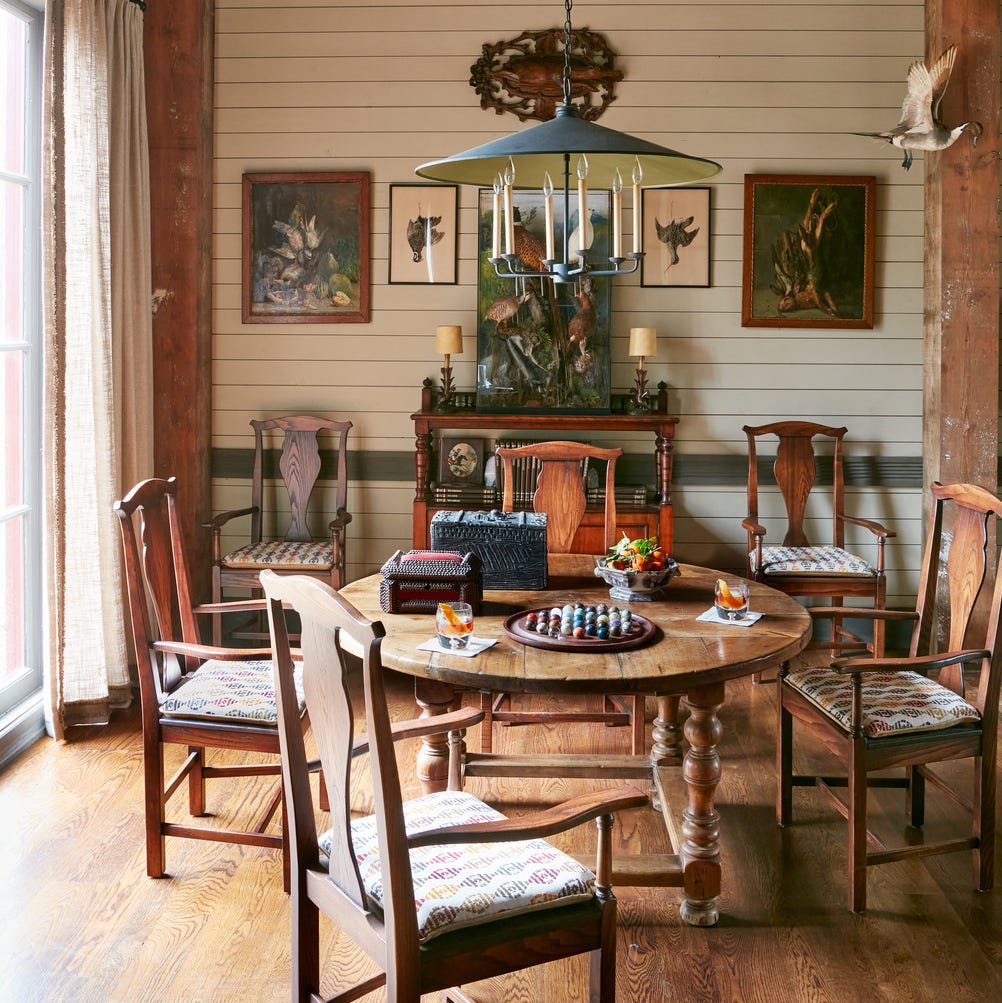
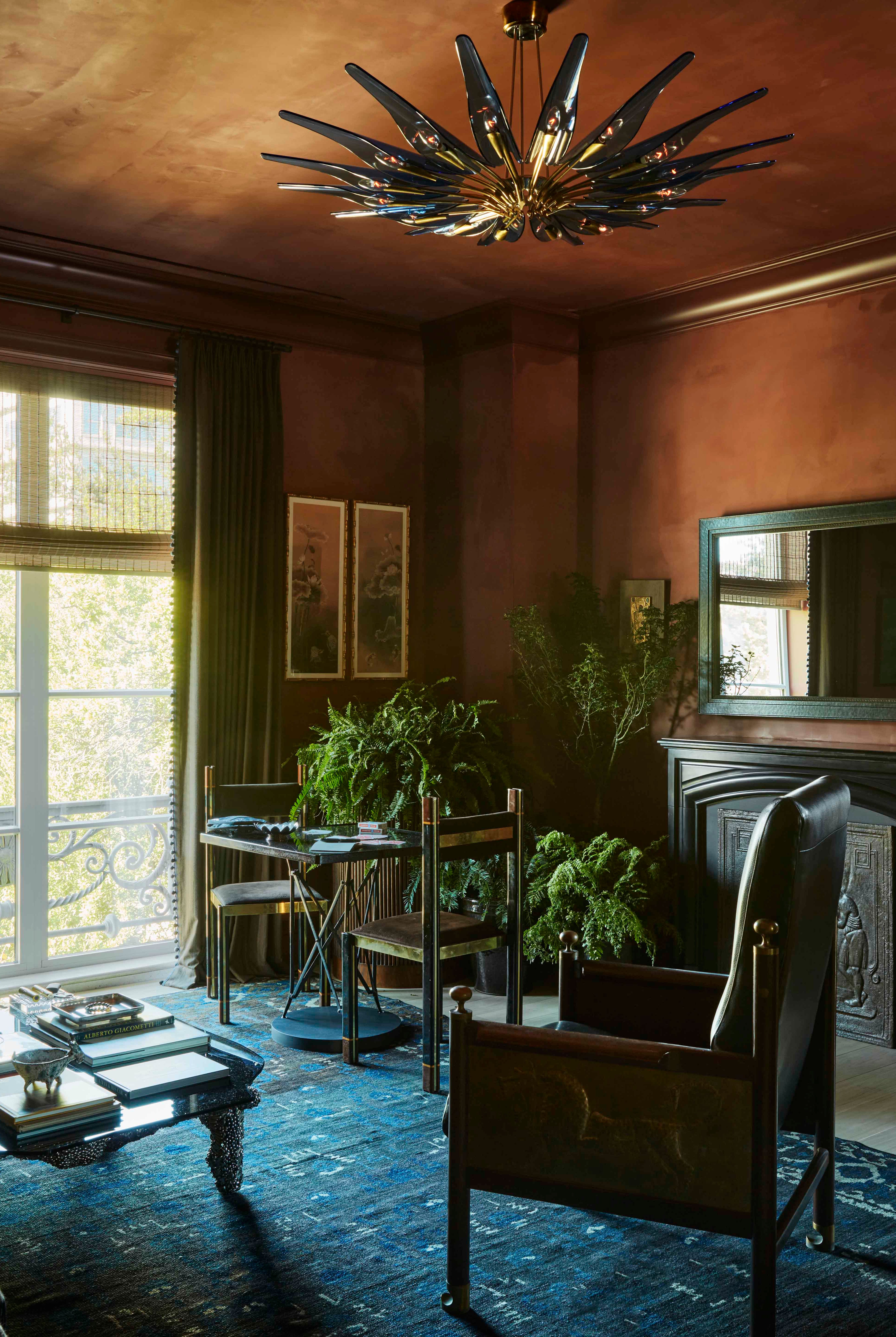
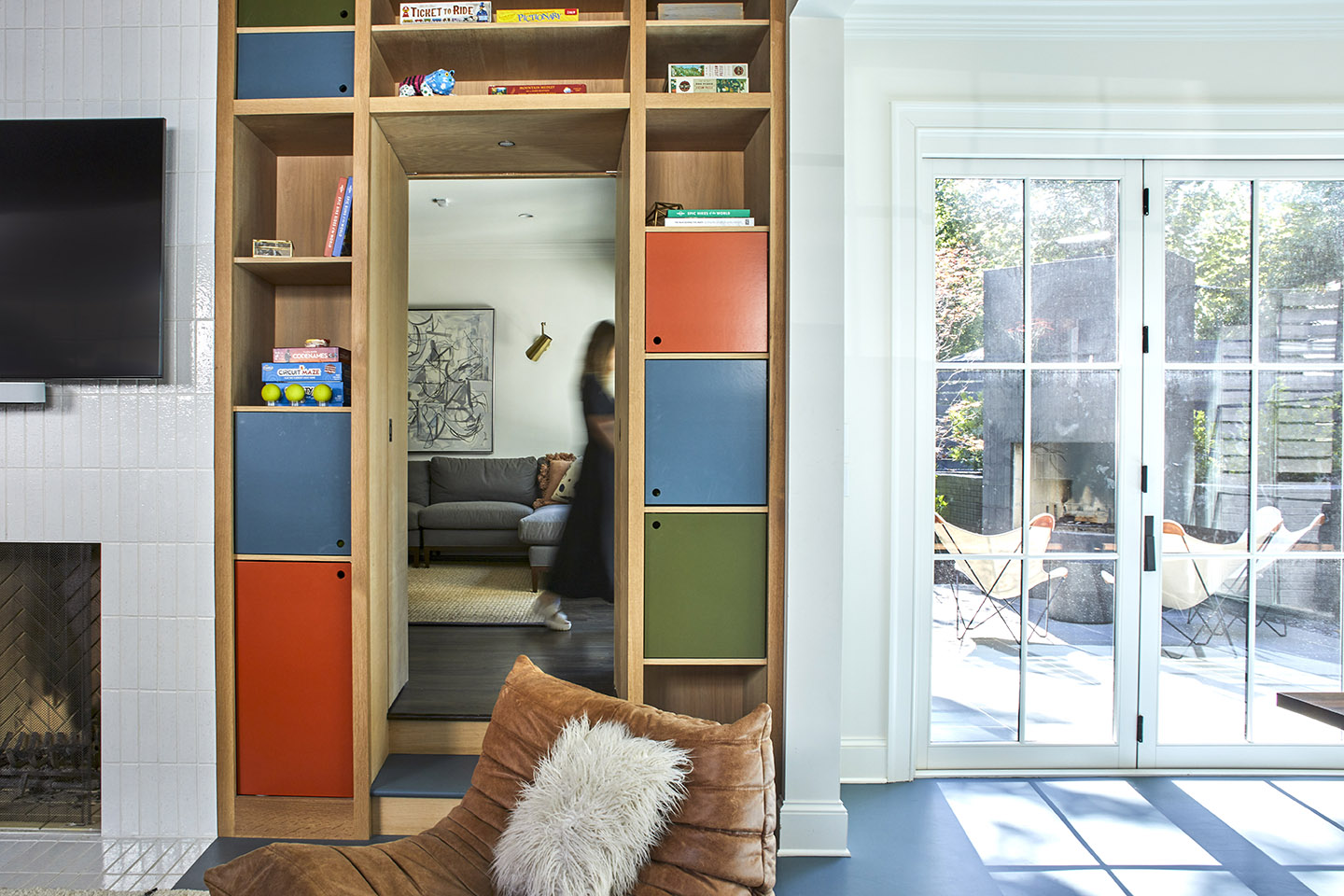
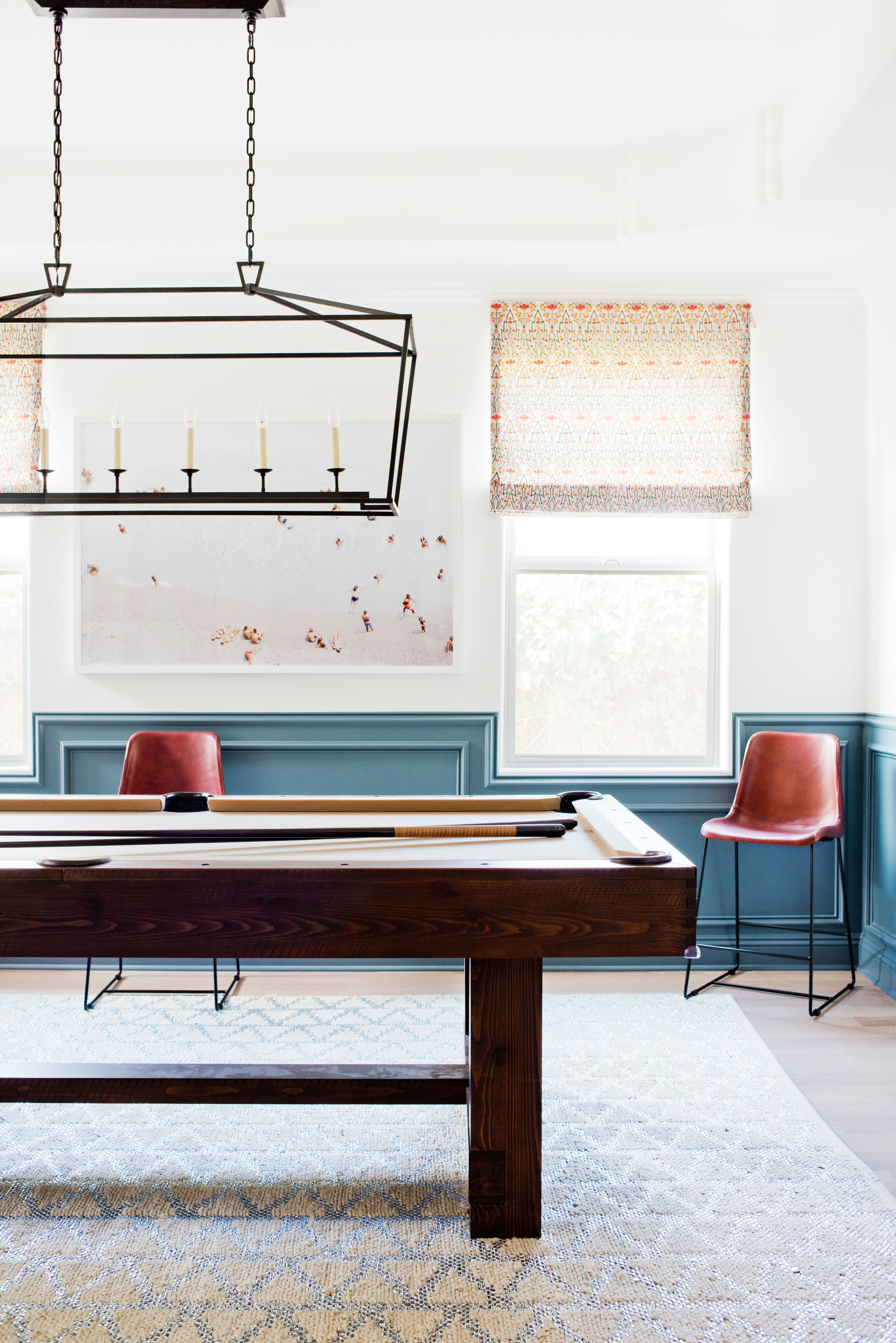
Designing a mahjong room reflects a broader trend of incorporating permanent game features into home spaces, driven by people spending more time at home and valuing domestic experiences. Lin advocates for dedicated game tables with comfortable seating and adequate space, allowing games to be set up and revisited without disrupting other areas like coffee or dining tables. When designing such a space, Lin suggests considering the type of games to be played and the number of players, noting specific requirements like felt tabletops for card games.
Liu also points out the importance of location, recommending placing the game table near a kitchen for easy access to food and cocktails, as mahjong games often double as social gatherings. For those hesitant to commit to a specific game, starting with a versatile option like card games is suggested due to their timeless appeal and simplicity. Overall, the trend underscores a desire for intentional spaces that promote shared experiences and connection through traditional games.
#InteriorDesign #MahjongRooms #GameRoomDesign #HomeDecor #SocialSpaces #ChineseCulture #TileGames #DesignTrends #EntertainmentSpaces #InteriorDesign #MahjongRooms #GameRoomDesign #HomeDecor #SocialSpaces #ChineseCulture #TileGames #DesignTrends #EntertainmentSpaces
0 comment in total
 No comments yet
You may also like
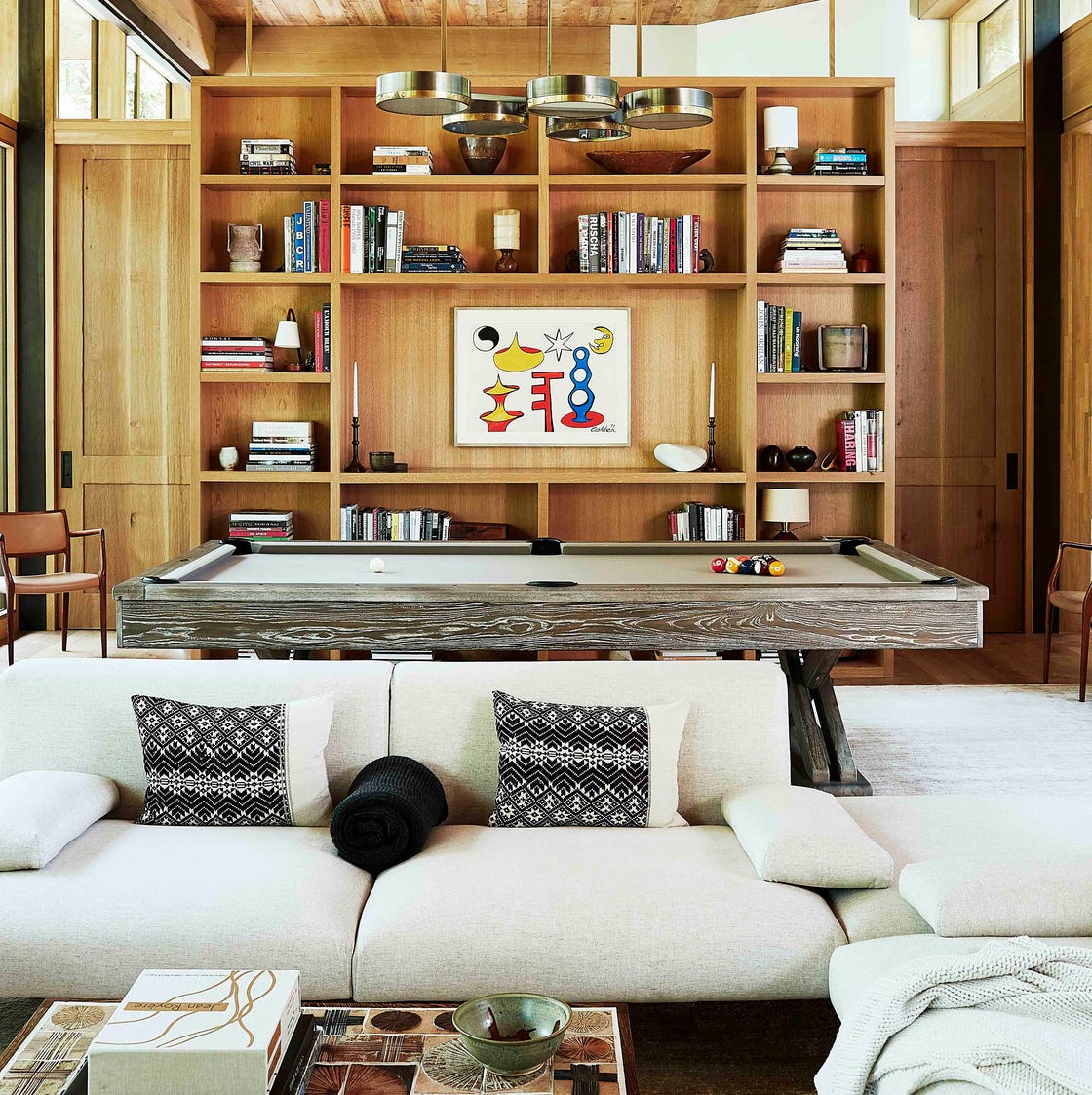
22 Game Room Ideas for the Ultimate Entertainment Hub

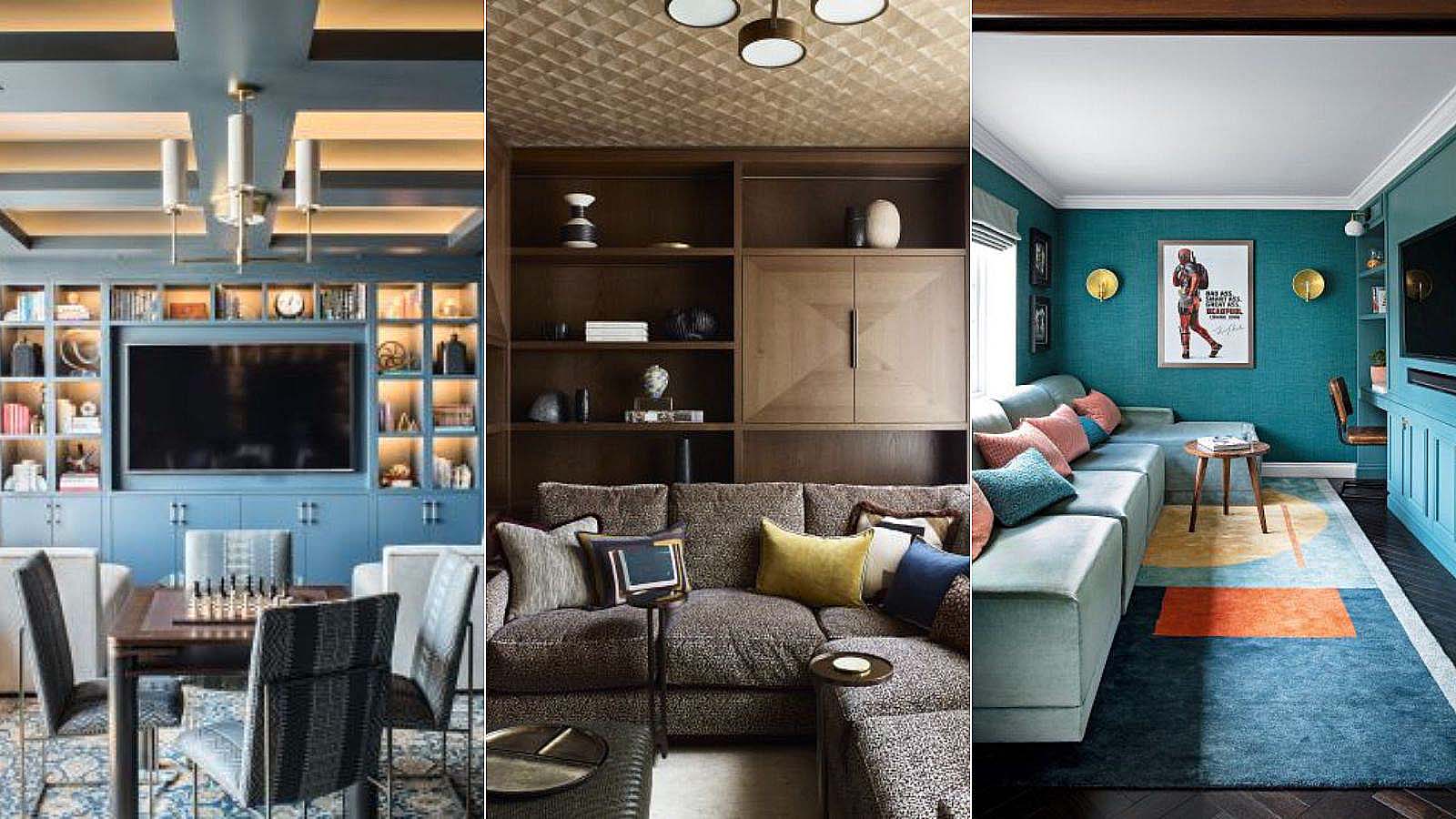
Small games room ideas – 10 ways to making gaming stylish


Please Convince Me I Don't Need a Home Arcade Cabinet

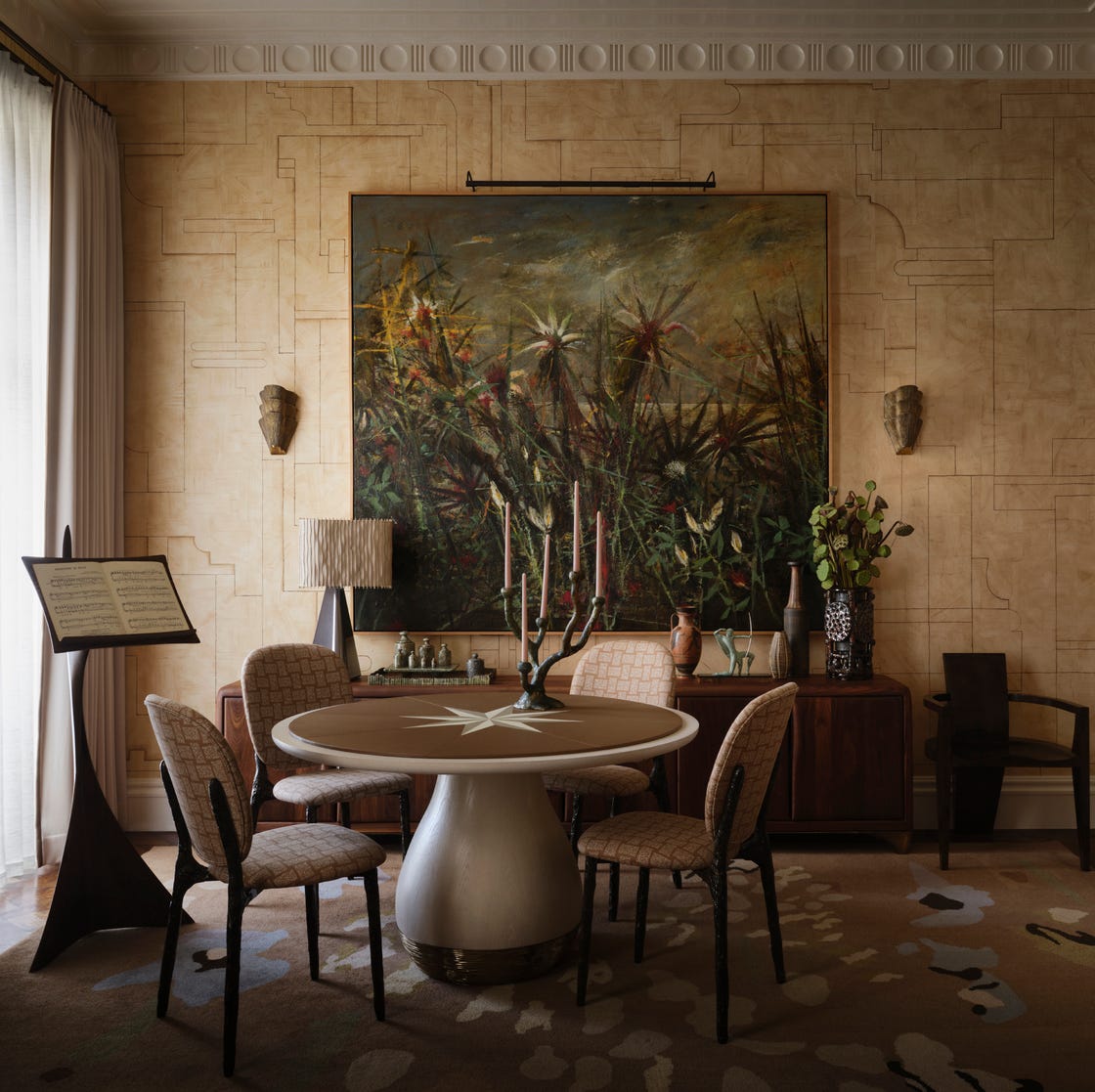
How to Elevate Your Game Room in Time for "Indoor-Activities" Season, According to Designers
Floors by Big-Game

Enshrouded Bathroom Design: To Expand or Not to Expand?

This Game Room–Meets–Outdoor Hangout Zone Is a Teen’s Dream Space
48 Best Game Room Ideas for Home Entertainment in Style

Should You Add a Playroom? 3 Experts Weigh In
15 Game Room Ideas for Adults That Combine Luxury and Leisure
Cloud Walls and a Kid-Proof Breakfast Nook Make This Whole Apartment a Playhouse

A child-friendly penthouse

These Fun Game Room Ideas Will Happily Make You a Homebody
playoffice inserts children's indoor climbing gym into home