1/6
5 design tips for your windowless bathroom - how to fake a light and bright look
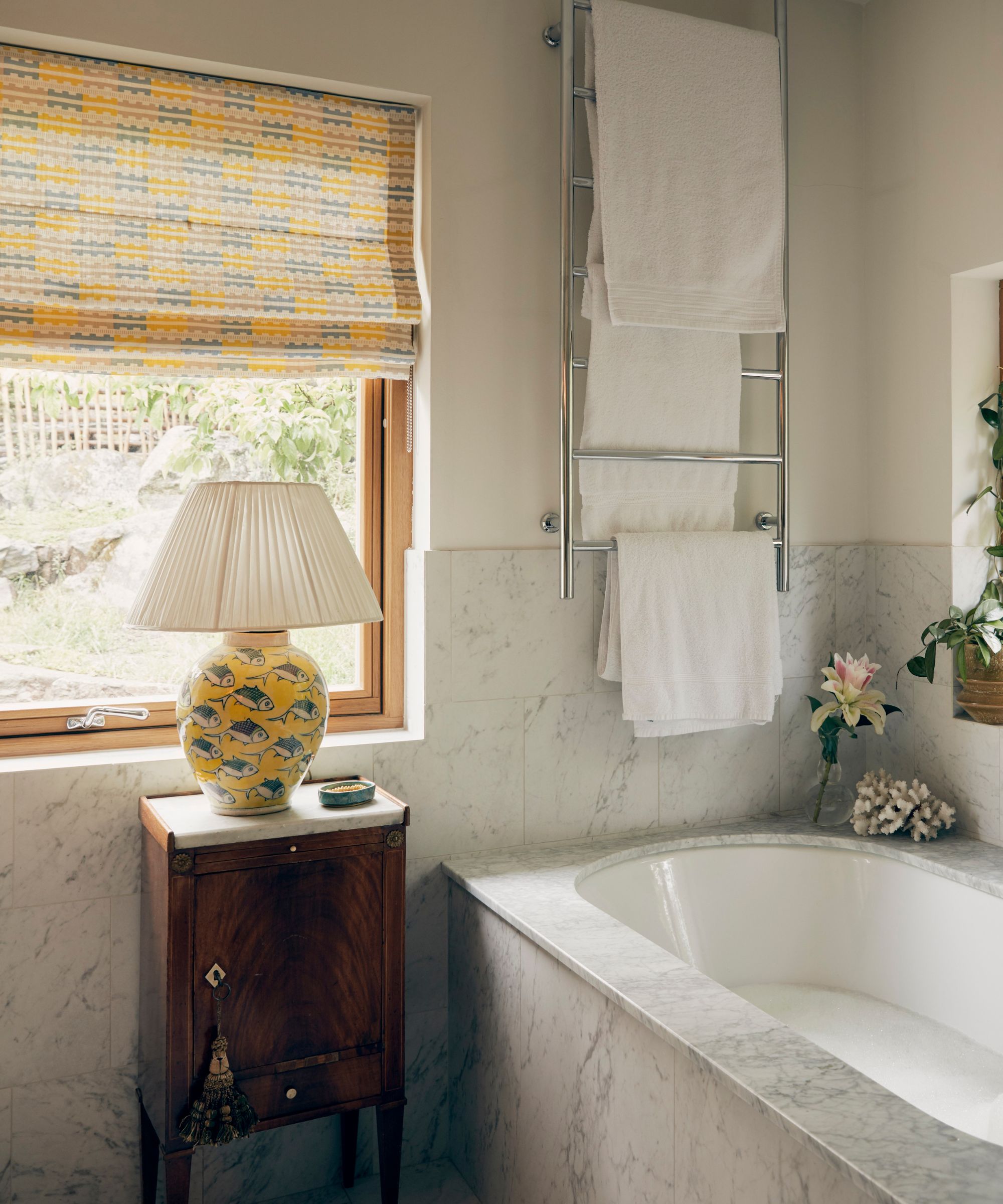
Many homes feature windowless bathrooms, whether they are downstairs cloakrooms or en-suites. These spaces often pose a design challenge due to their lack of natural light. However, with strategic design choices, these rooms can be transformed into inviting and relaxing areas. The key lies in employing clever design techniques that create optical illusions, making windowless bathrooms feel larger and brighter than they are. This approach is particularly useful for small bathrooms where space is a premium, allowing for stunning results comparable to those achieved in naturally lit rooms.
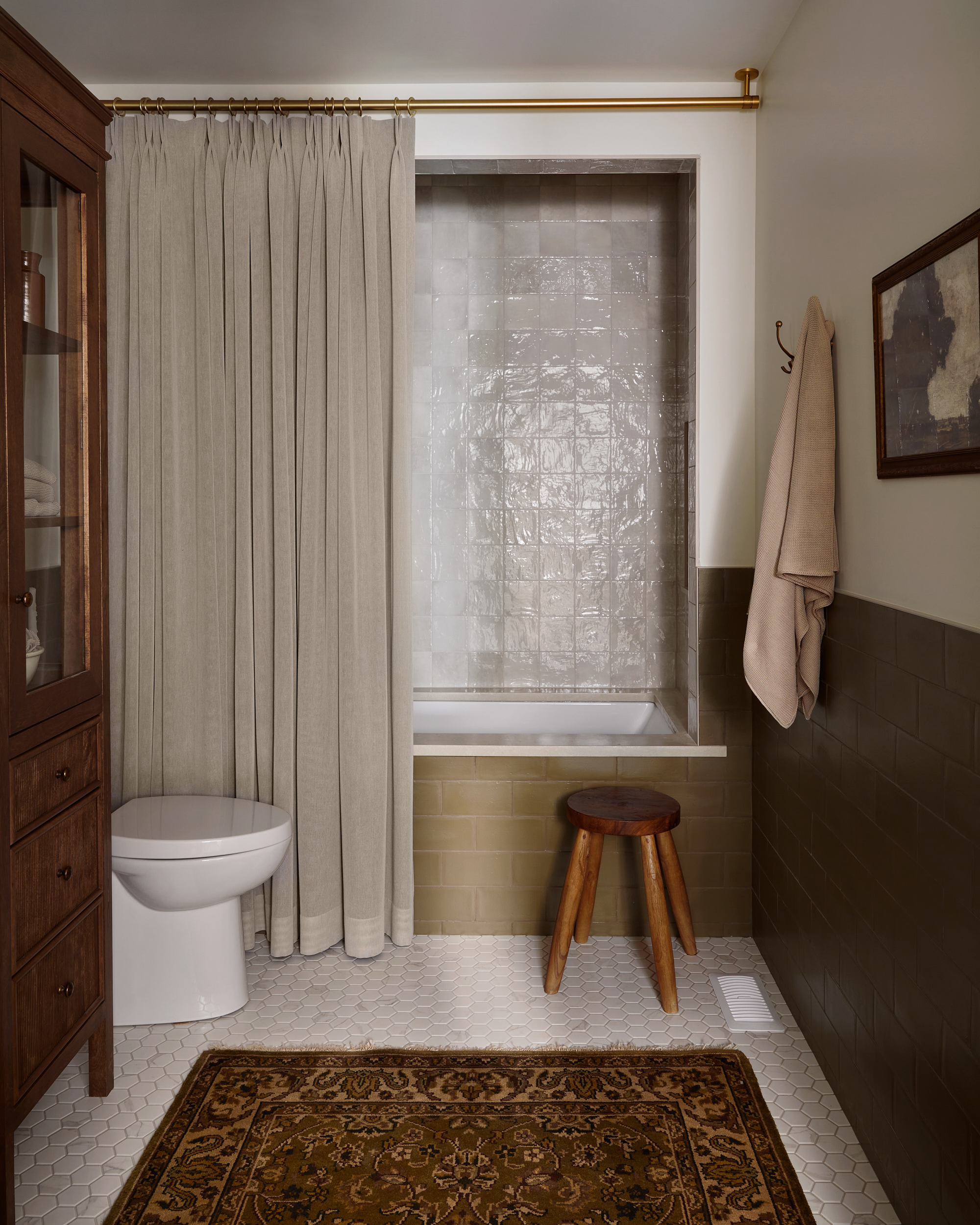
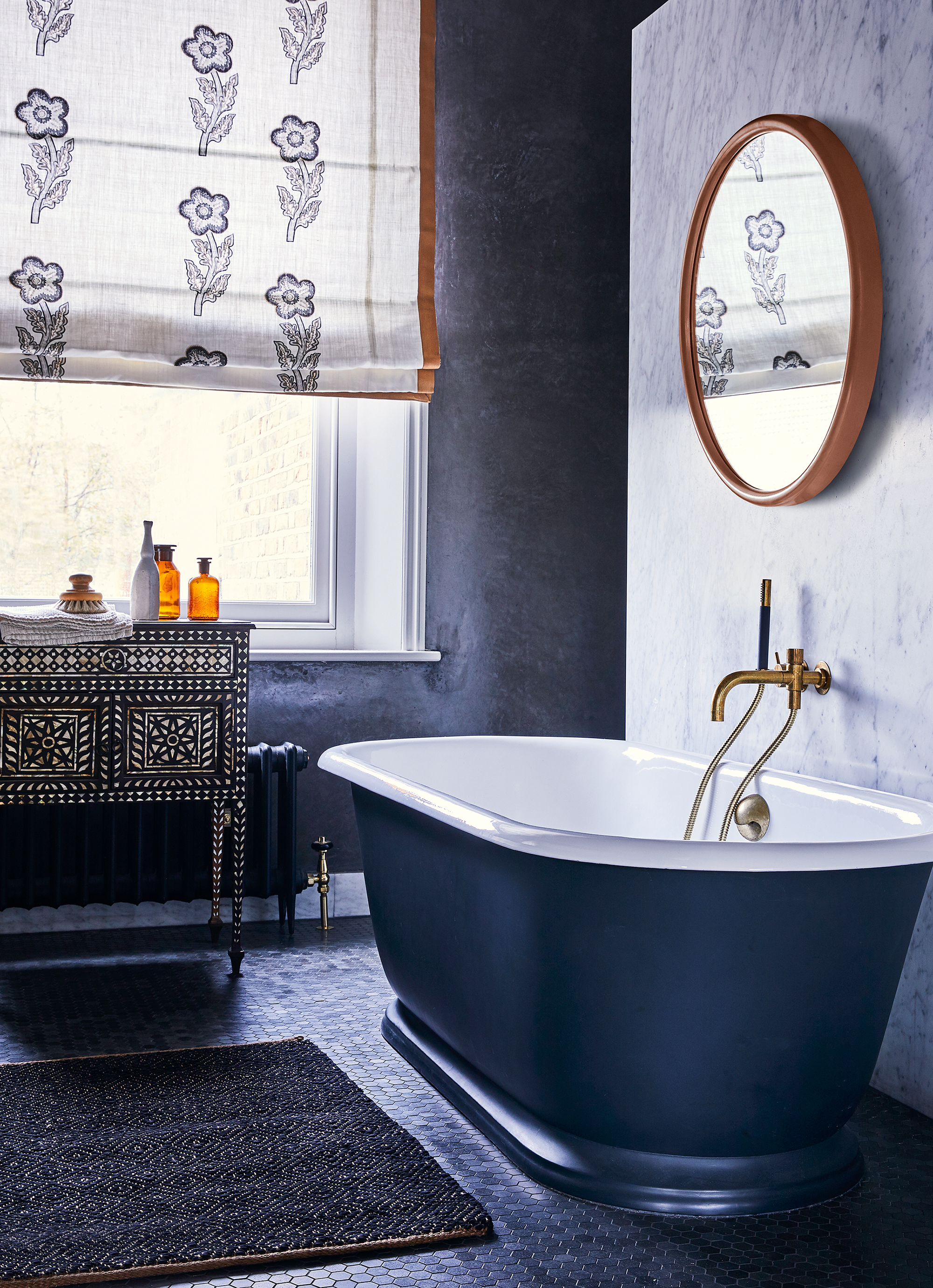
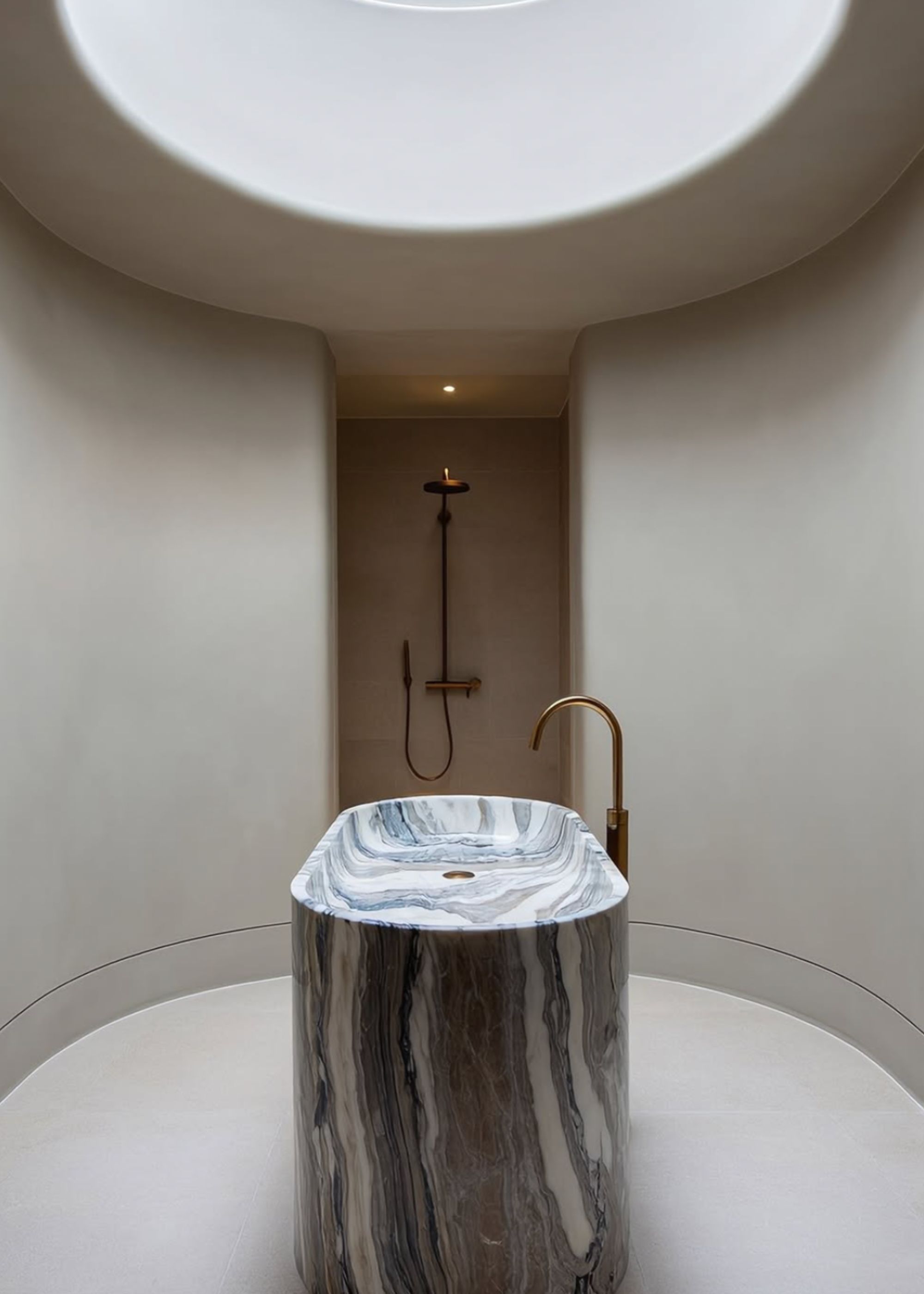
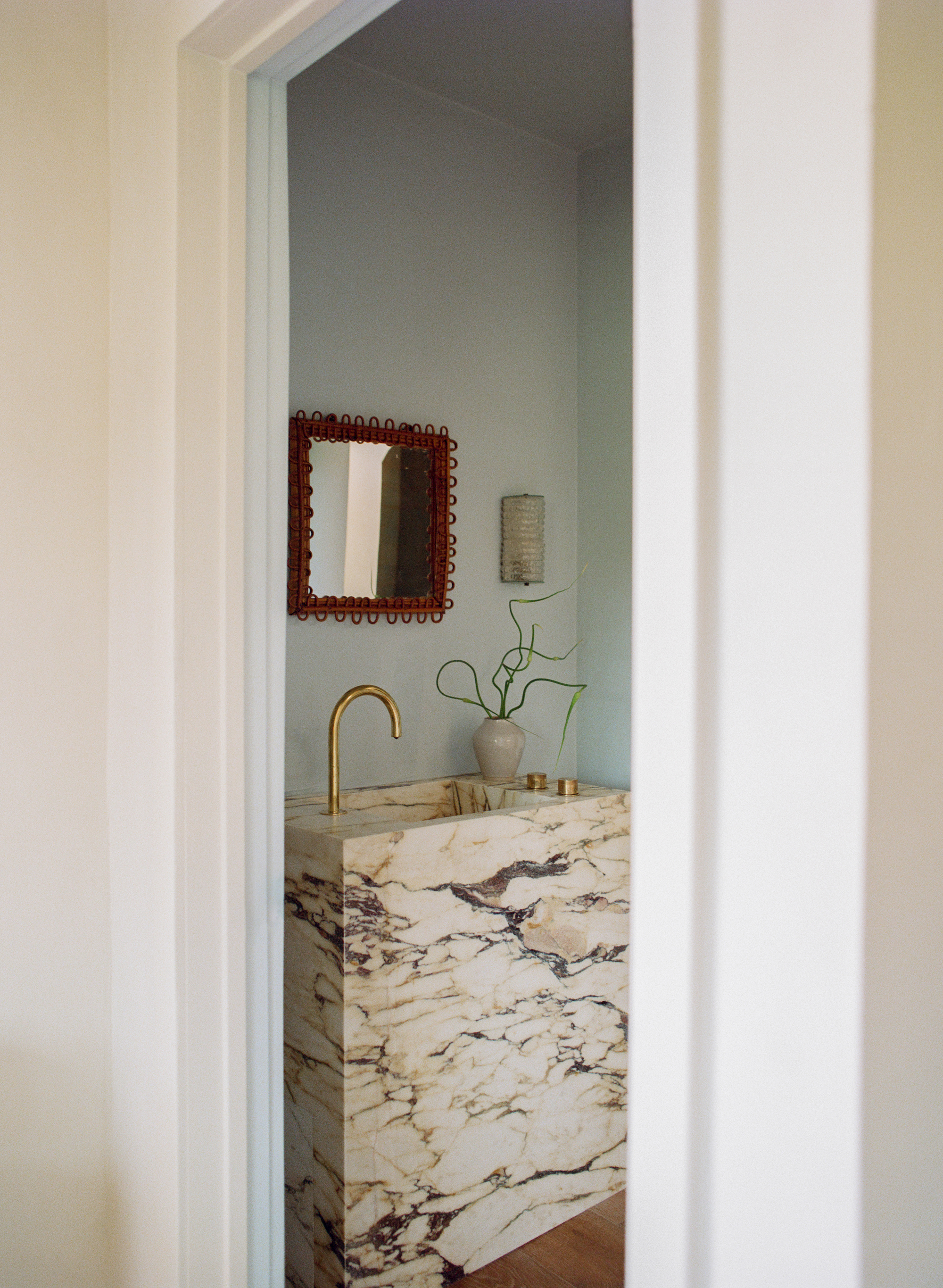
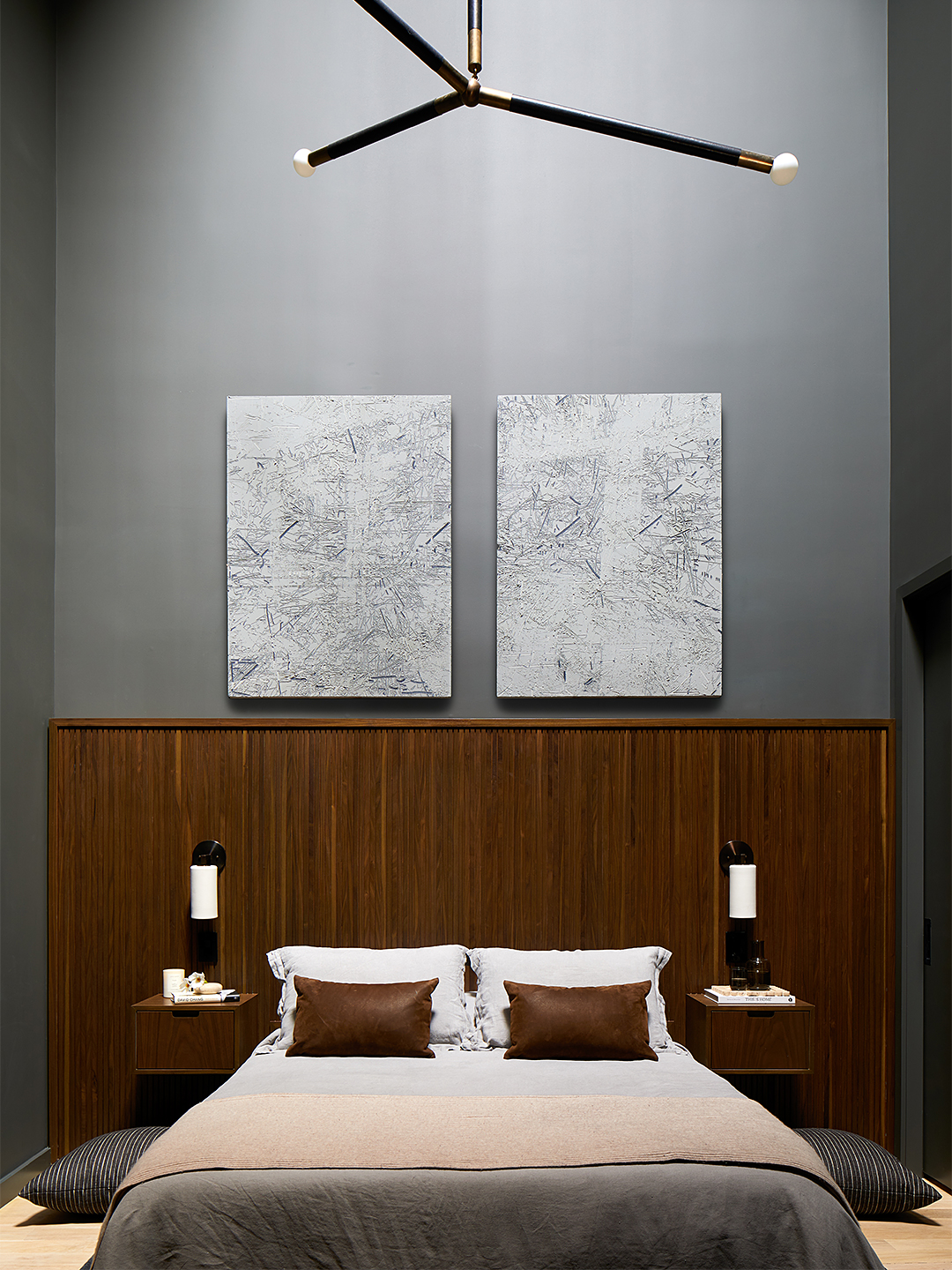
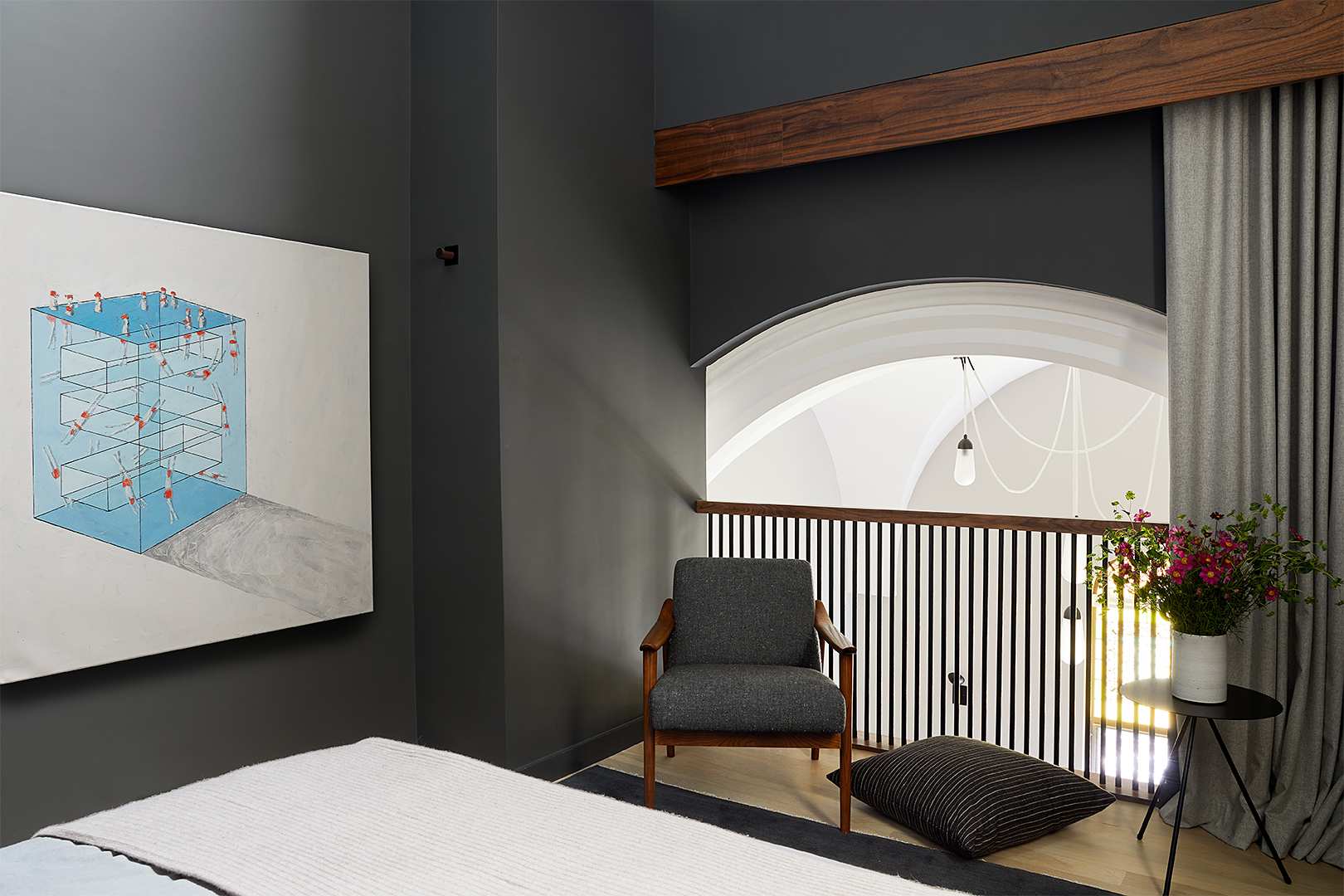
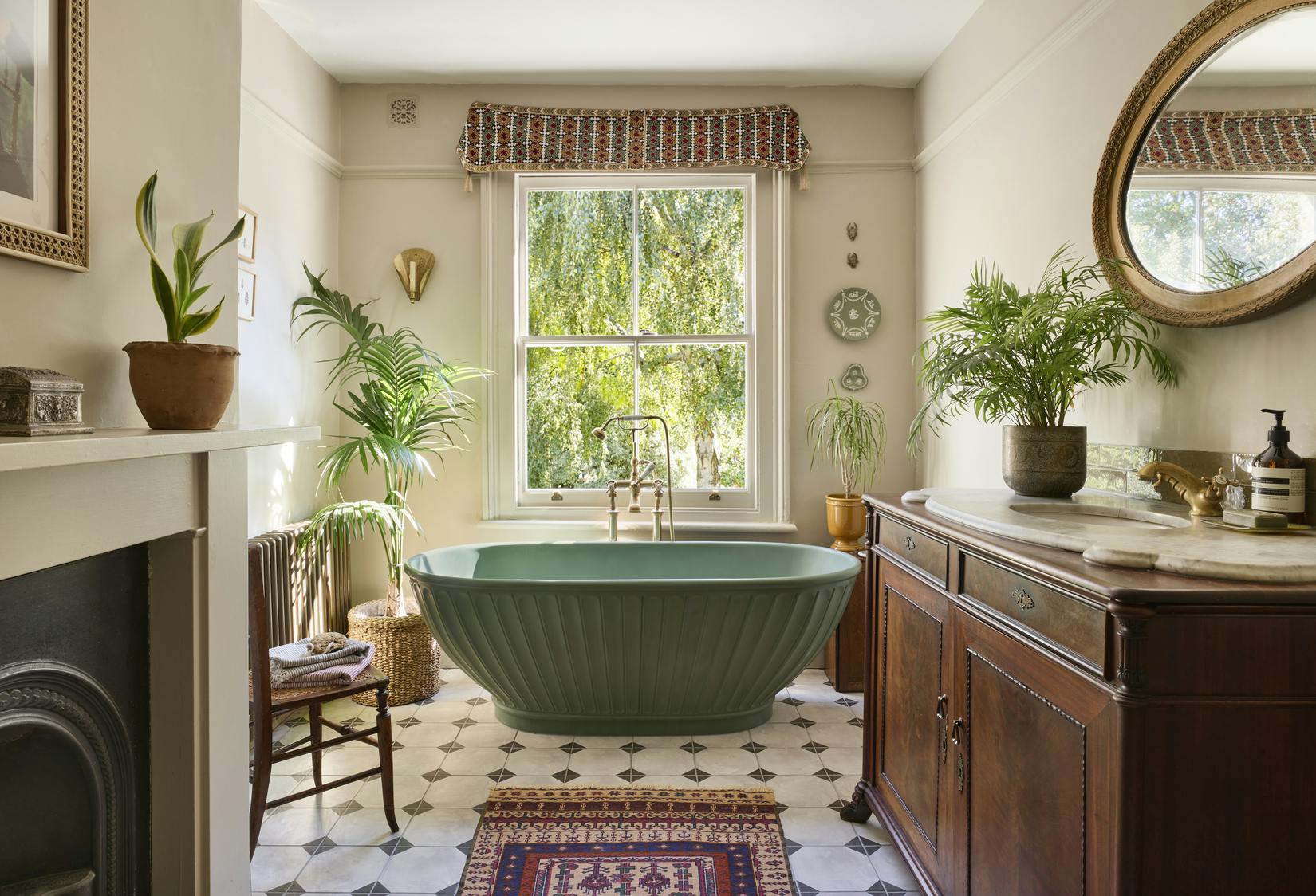
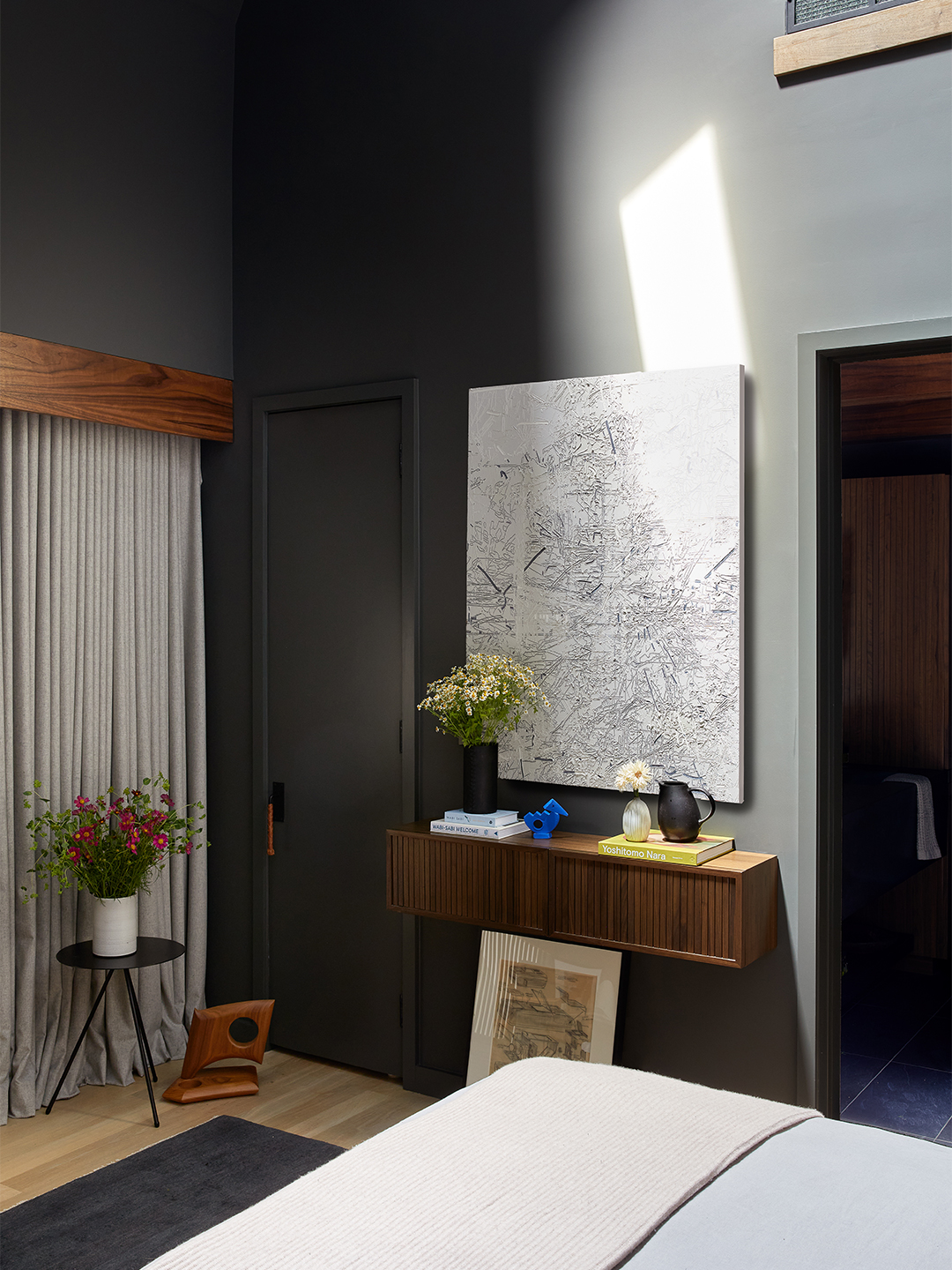
The article outlines five main design tips for windowless bathrooms. The first tip suggests embracing the inherent darkness of the space. Instead of trying to mimic a naturally lit room with light colors, designers can lean into a cozy ambiance by using dark hues. For instance, navy can lend an elegant touch, while dark green can evoke nature and create a calming environment. Barrie Cutchie, design director at BC Designs, emphasizes that white walls often require natural light to look their best and advises against using them in windowless spaces. He notes that color can add depth and draw attention to interesting features, such as a freestanding bath.
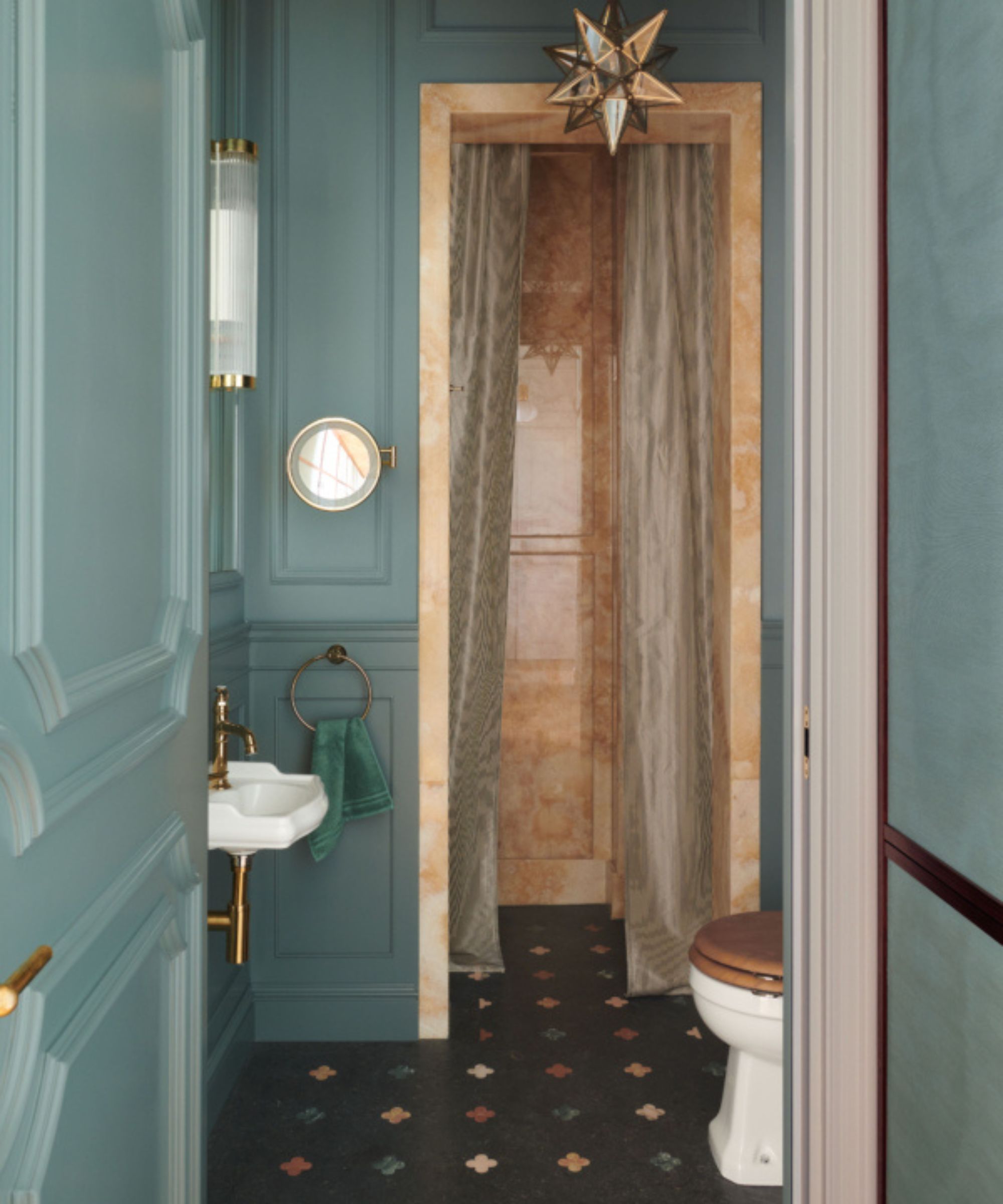
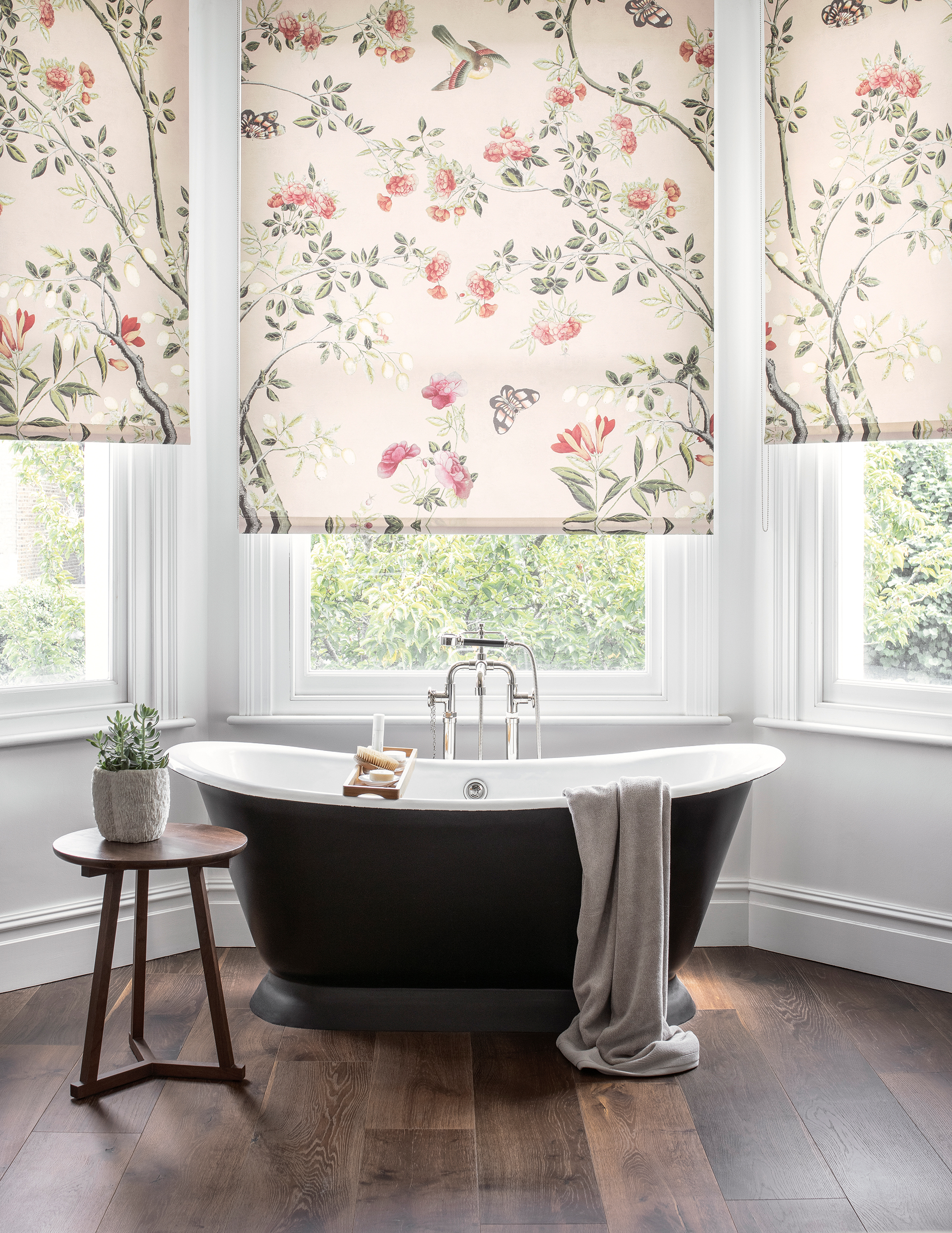
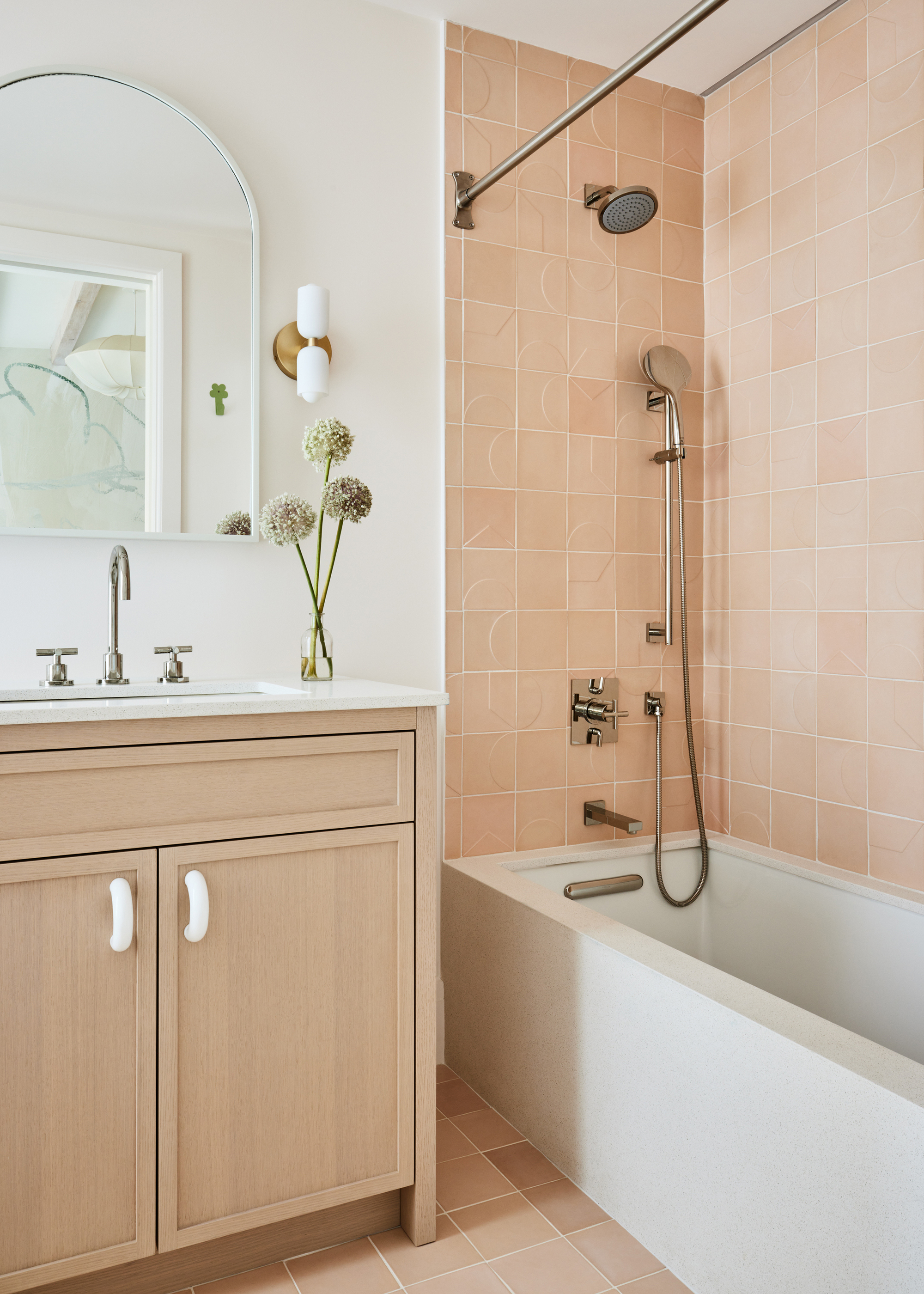
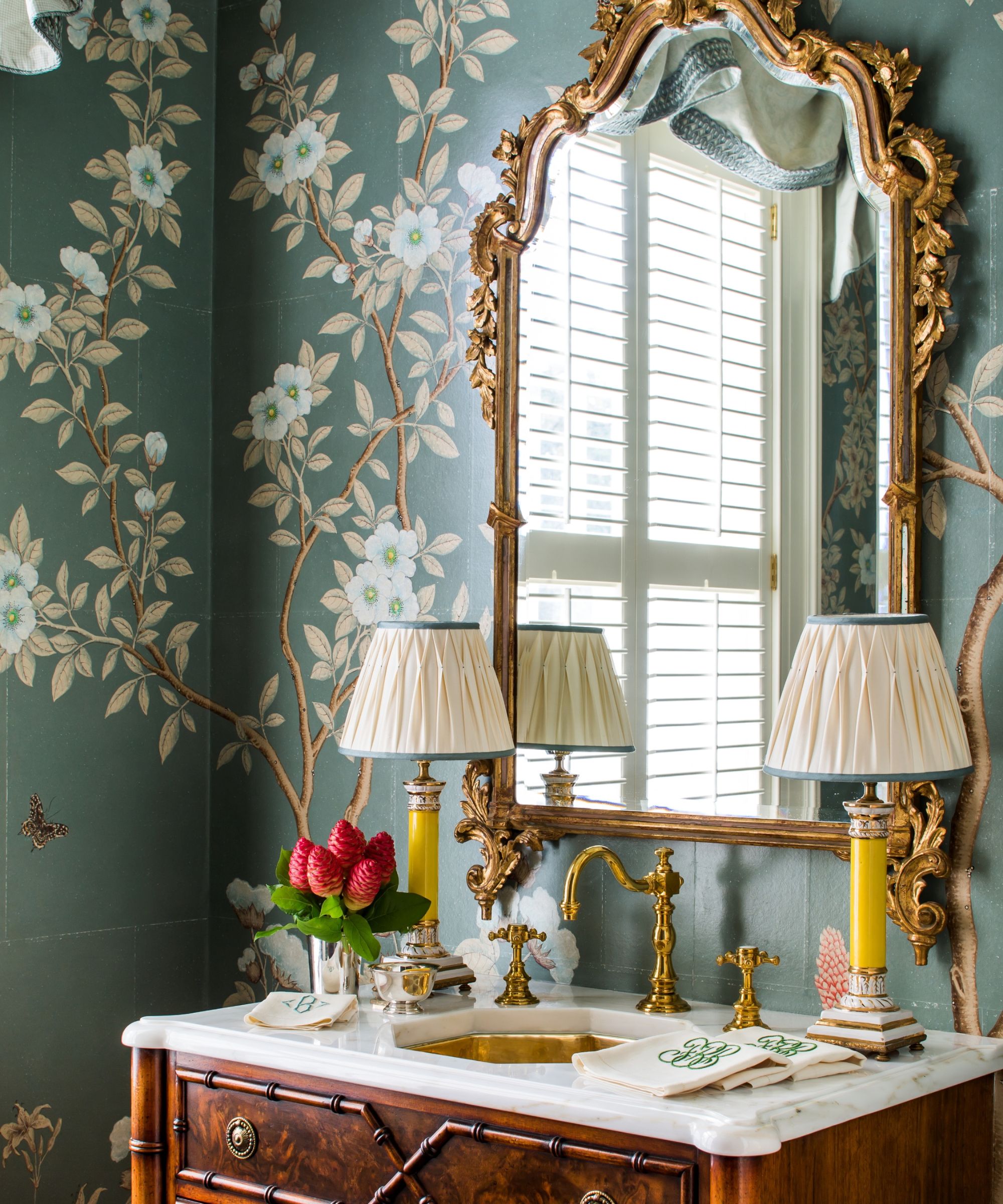
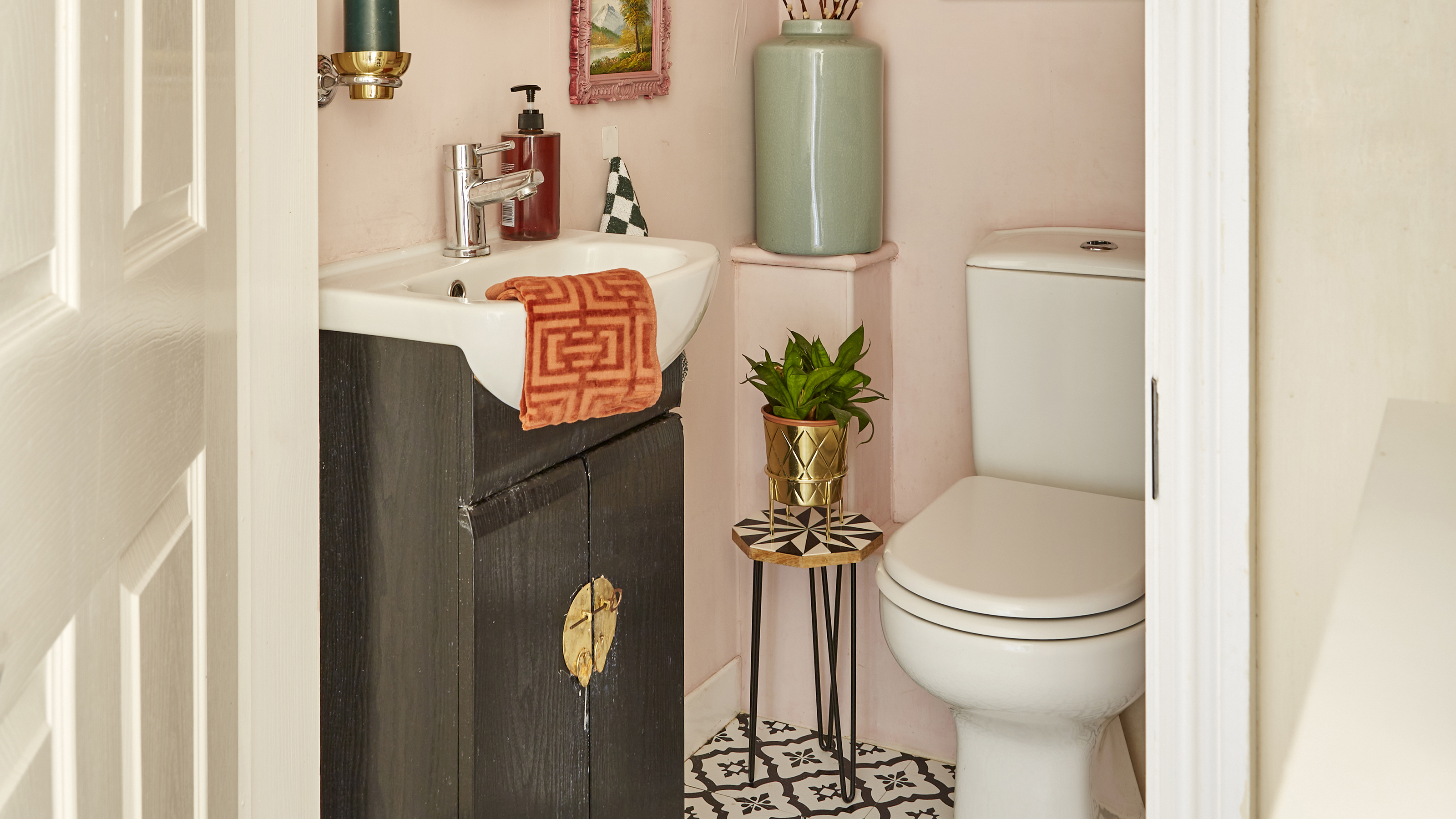
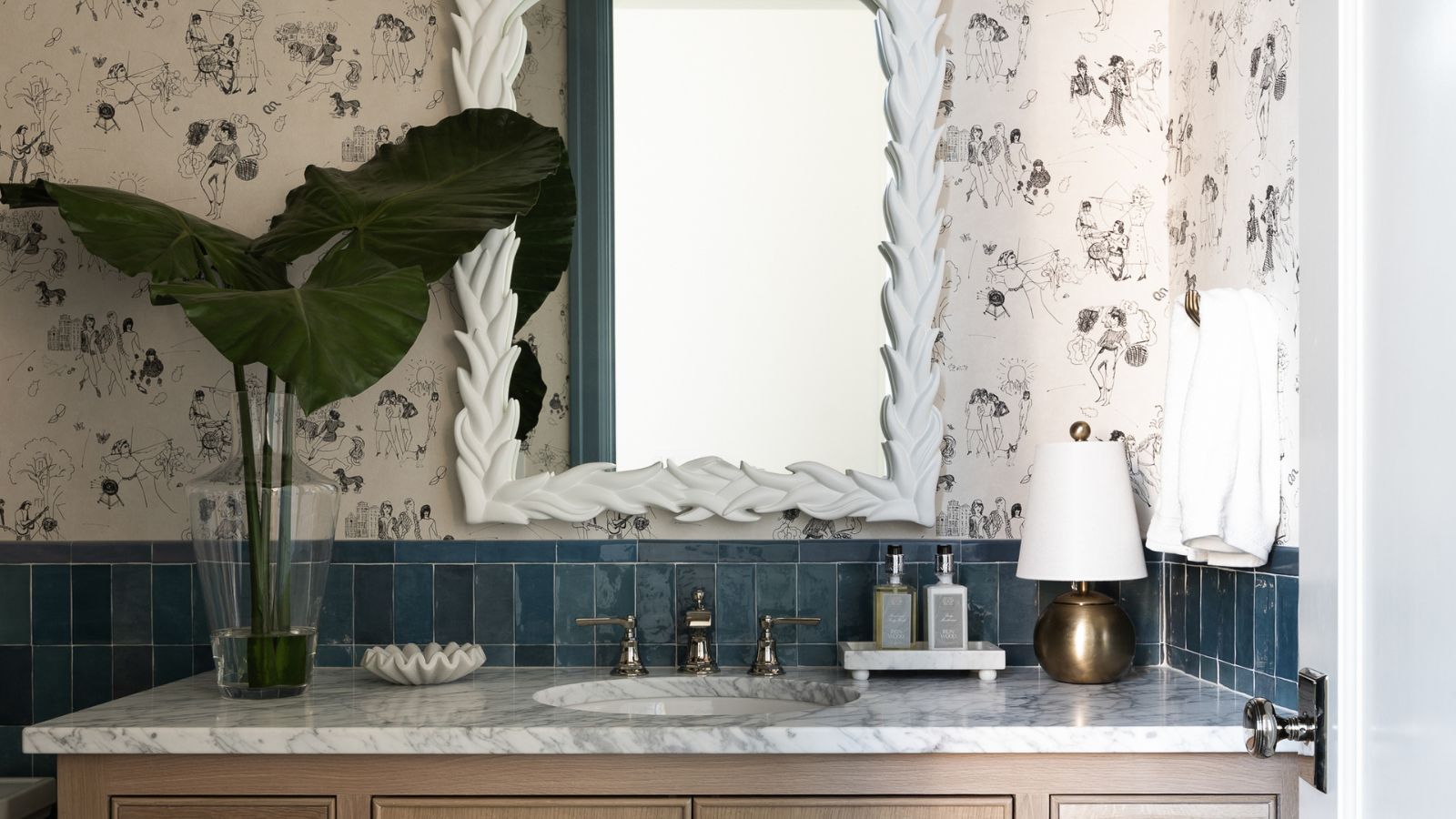
The second tip is to drench the room in color and pattern. Brightness doesn't solely rely on neutral walls. Bold designs with vibrant colors and patterns can energize a room. The article encourages mixing different patterns, such as bathroom wallpaper with featured paint colors, to create a dynamic look. Grazzie Wilson, head of creative at Ca' Pietra, suggests using wainscoting as a divider between multiple patterns to ensure each stands out. This maximalist approach helps shift focus from the lack of windows to the intentional and vibrant design.
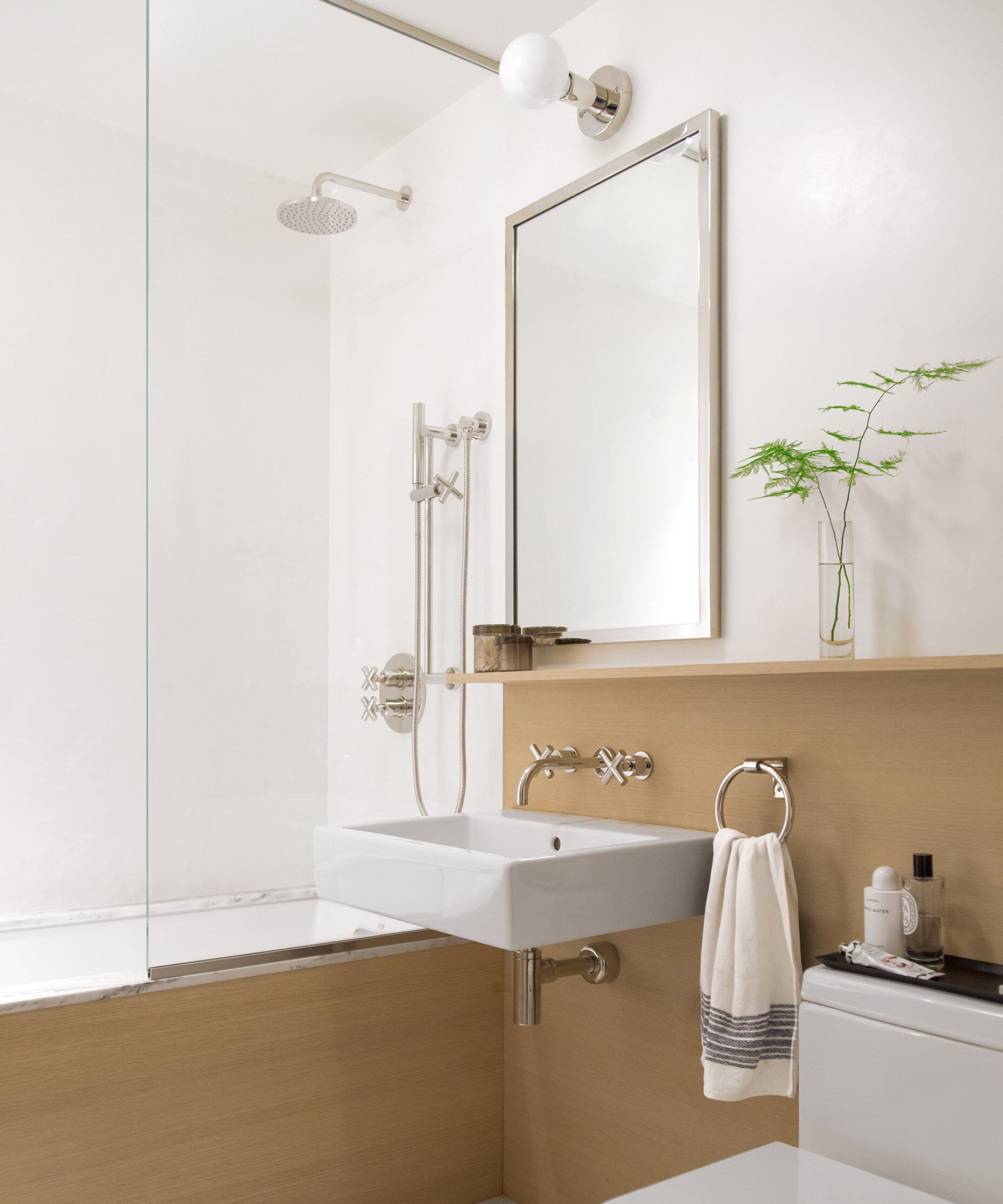
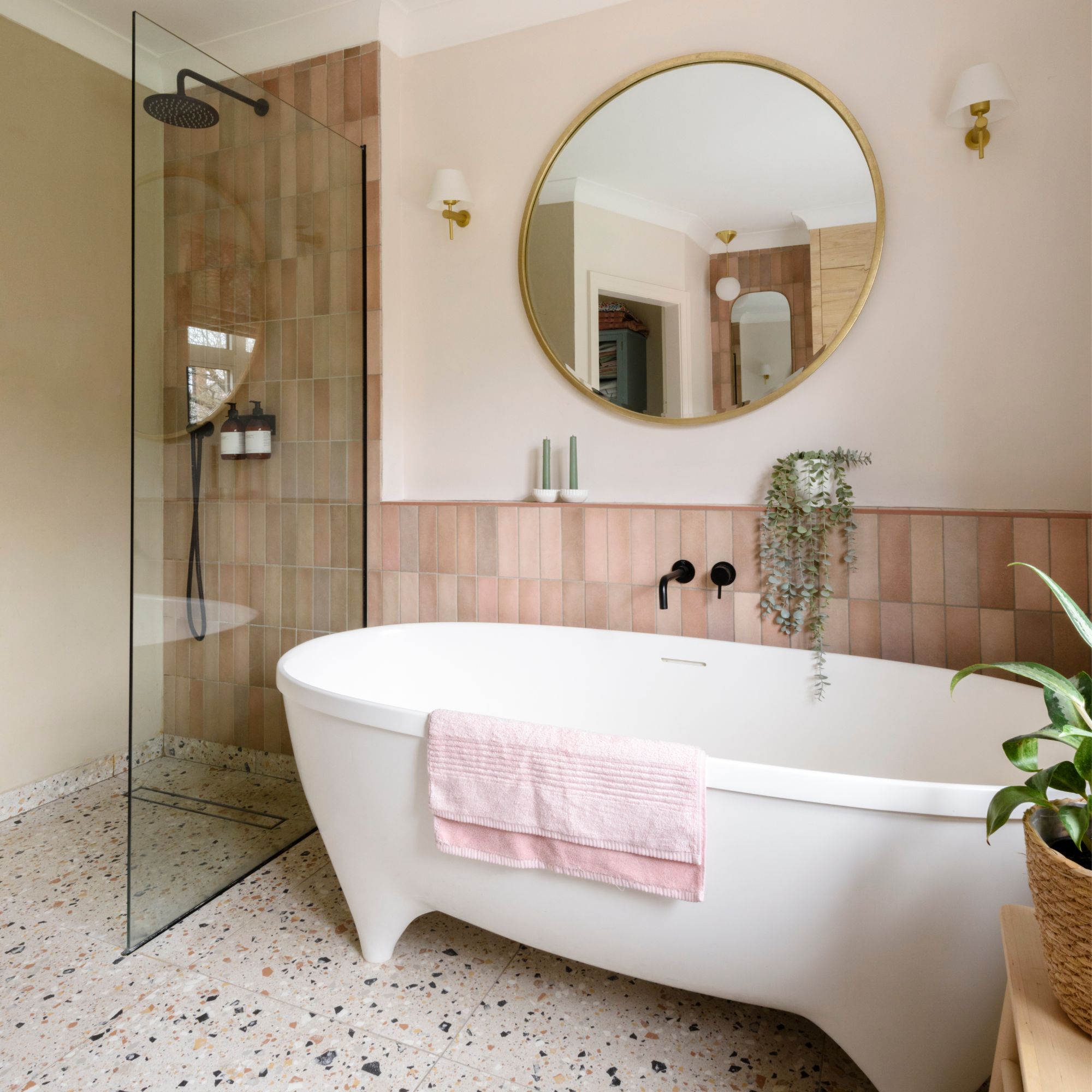
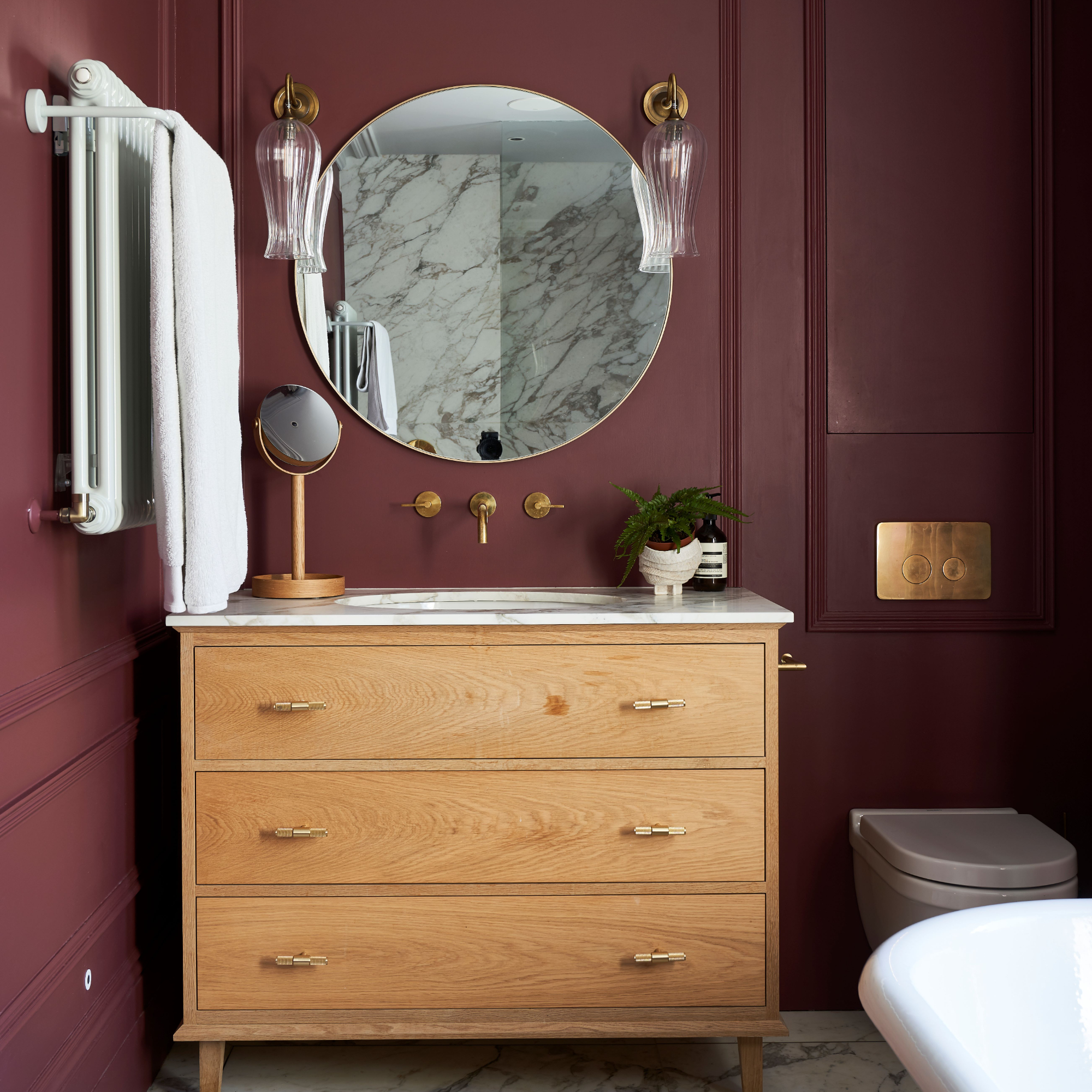
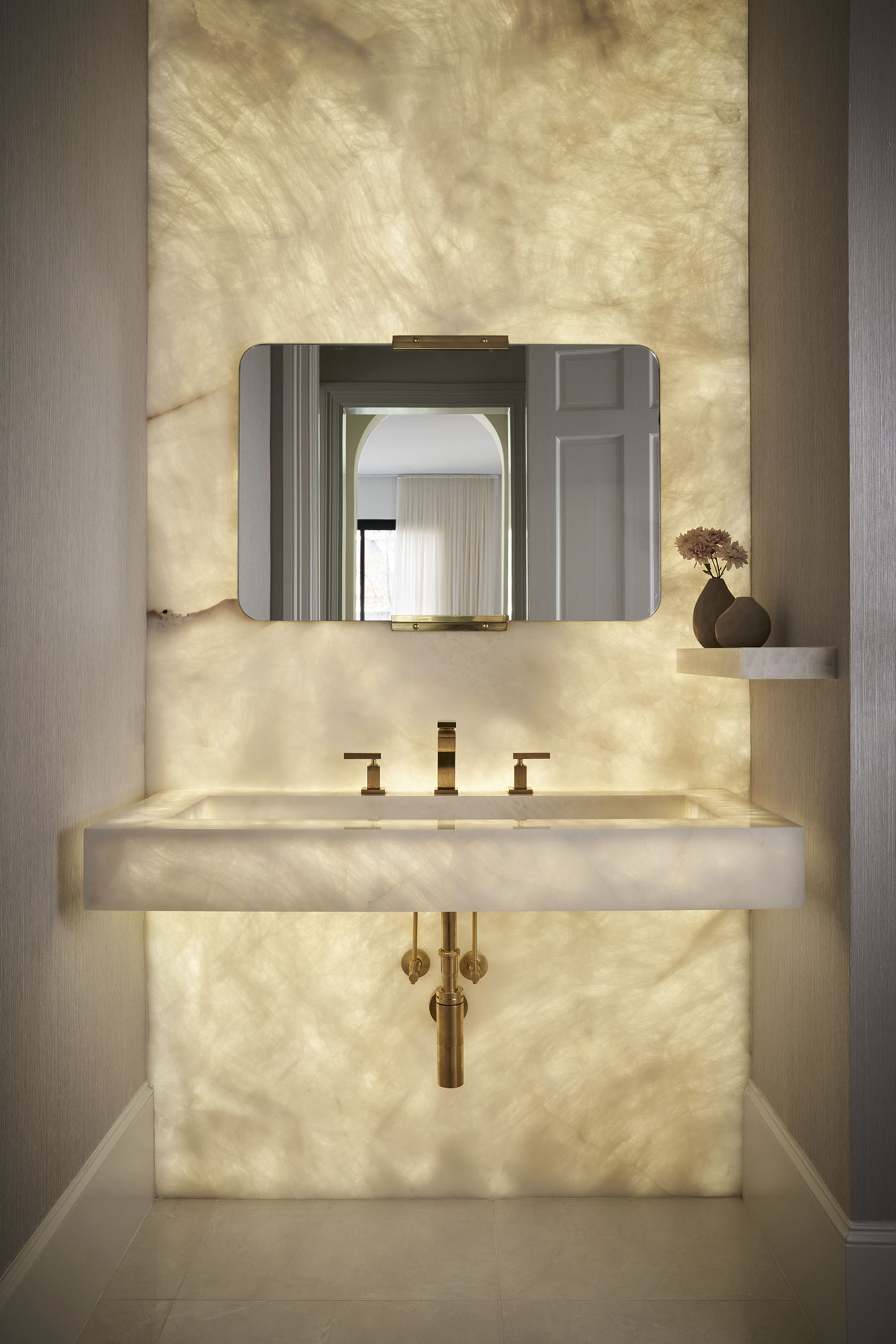
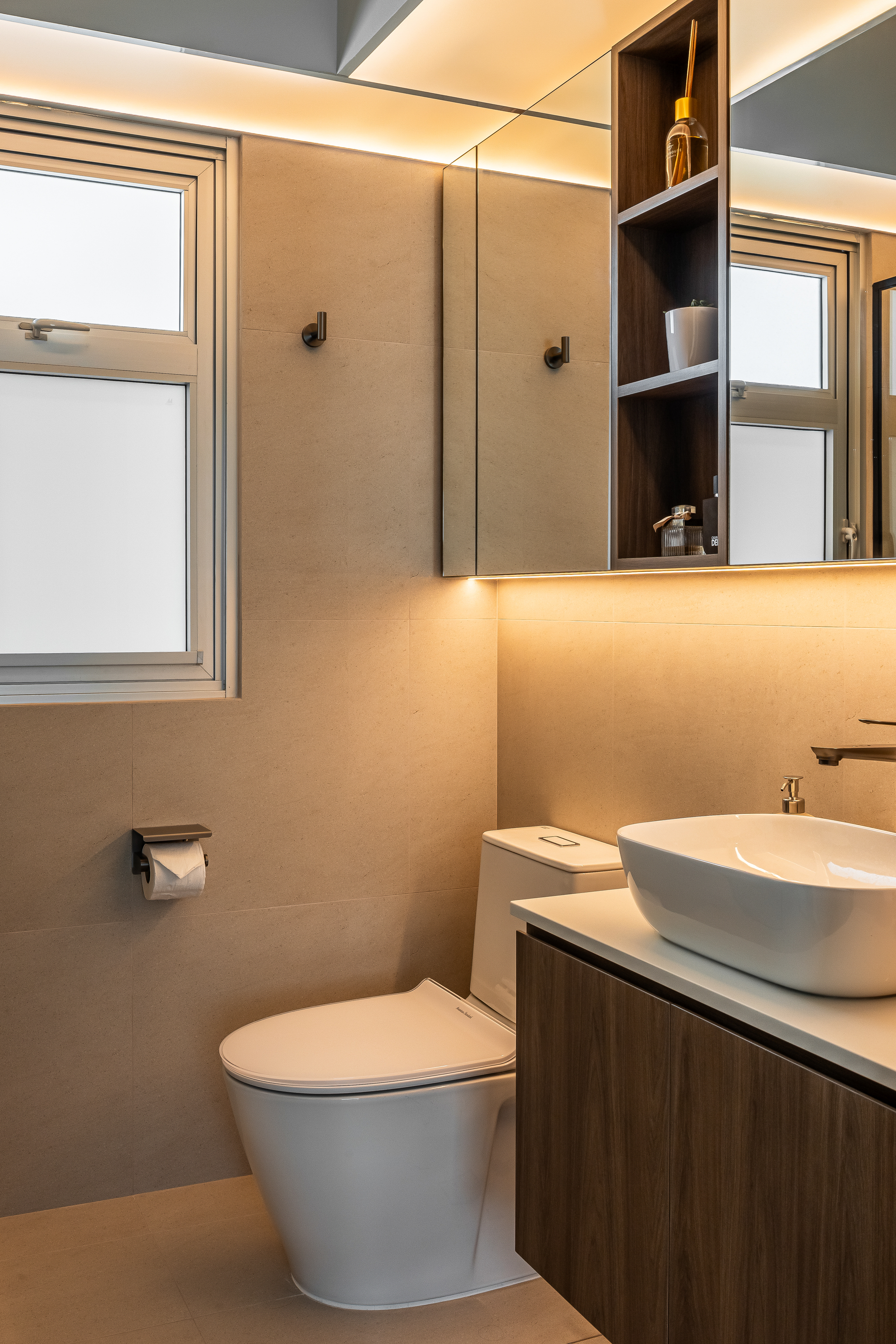
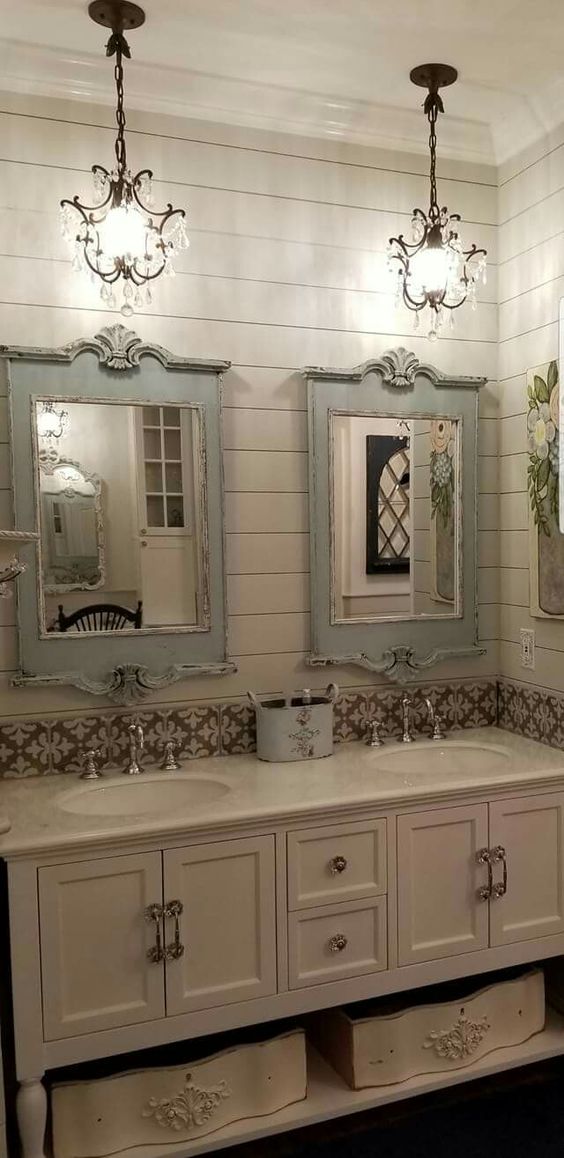
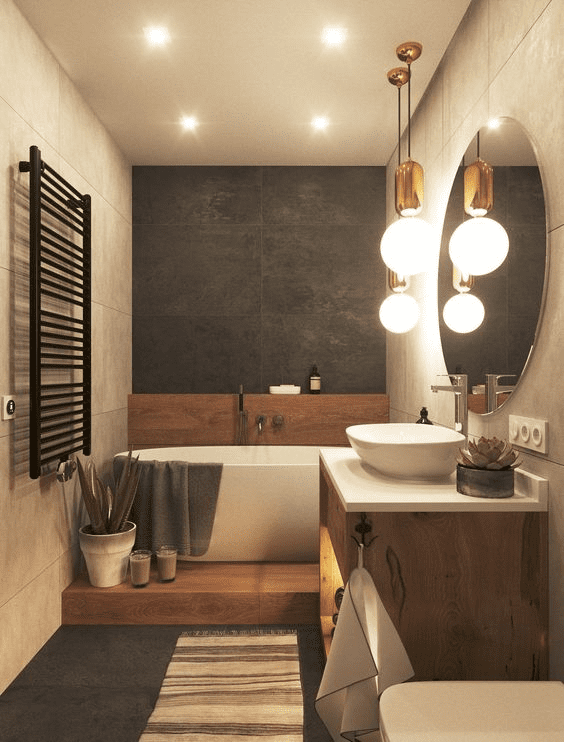
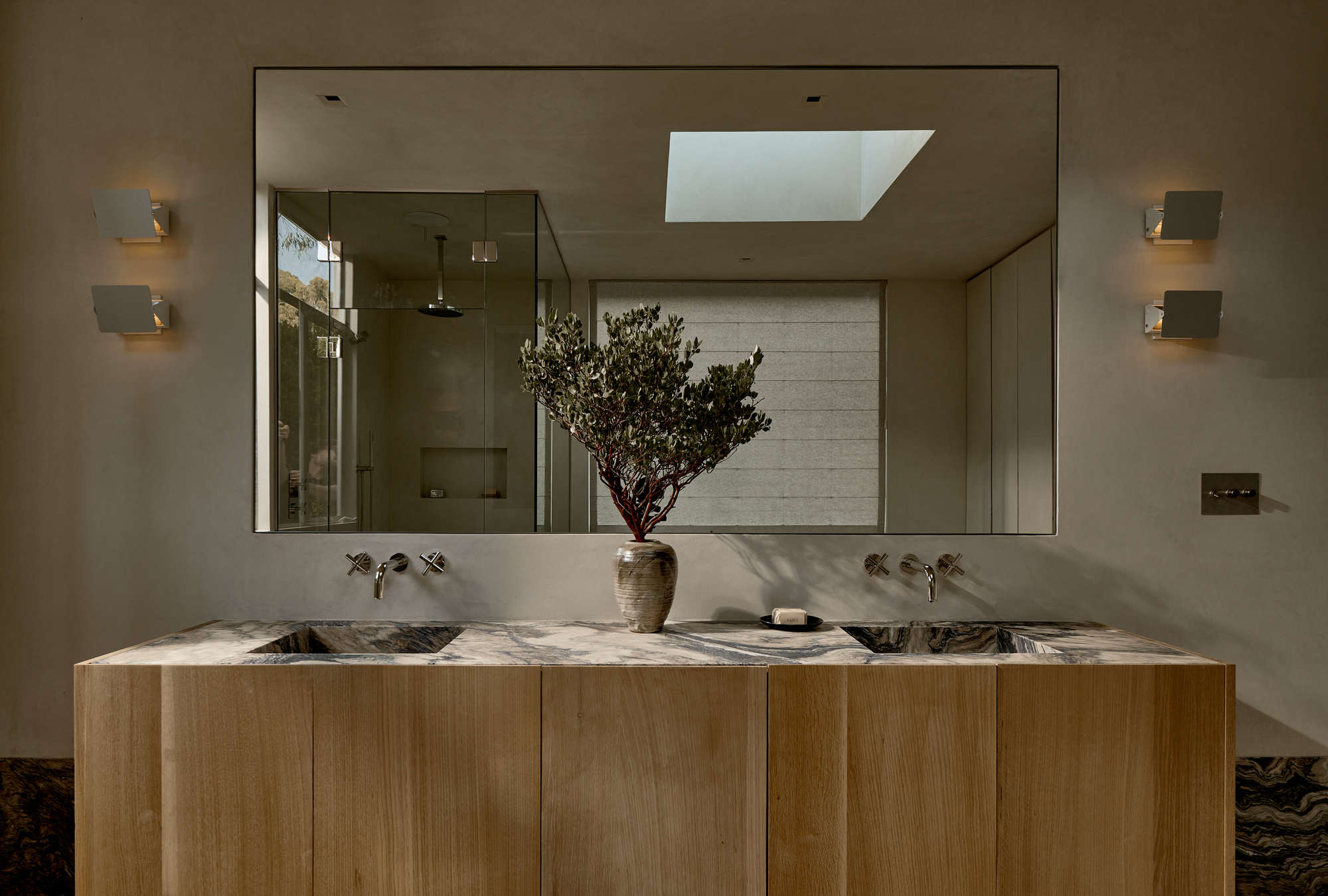
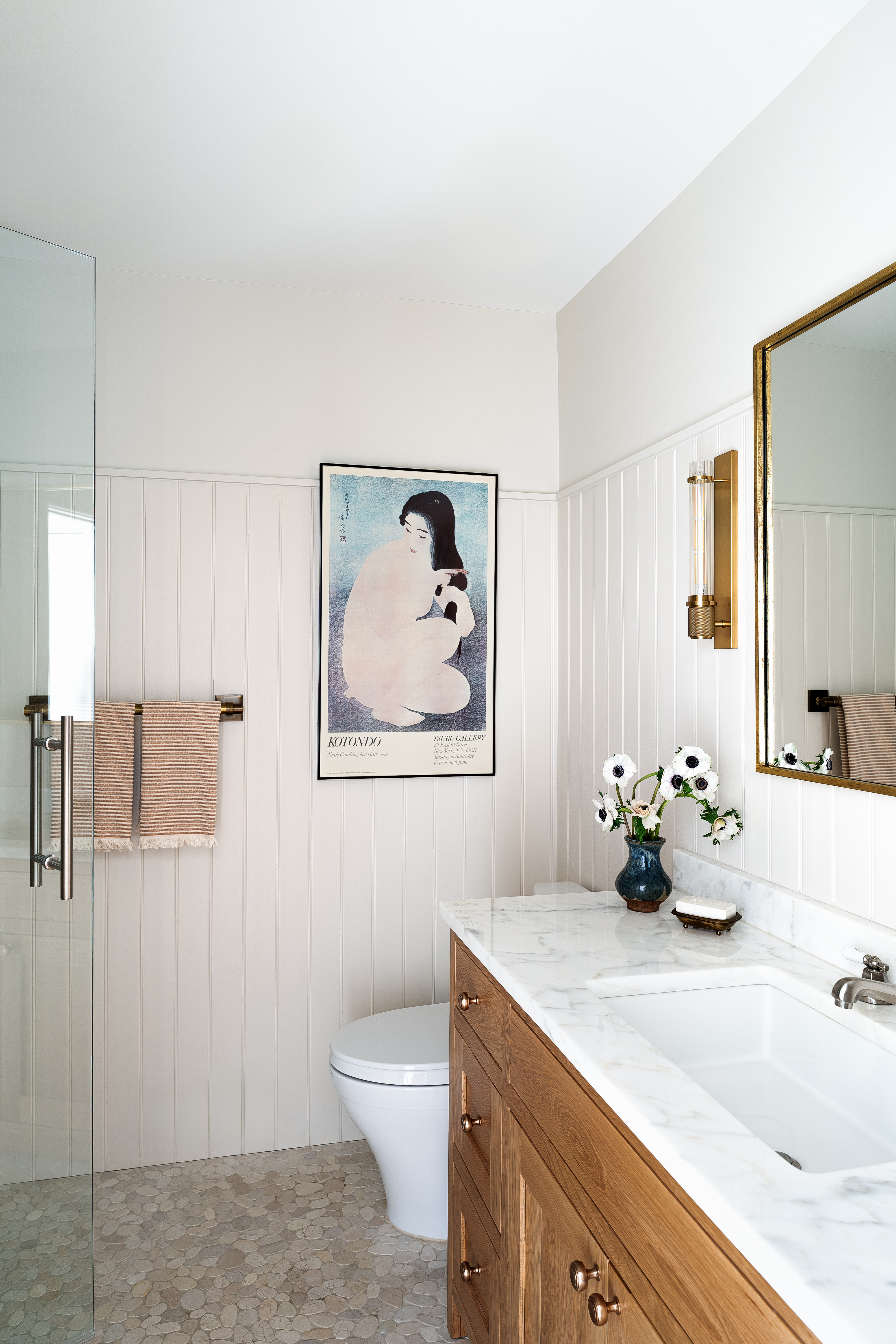
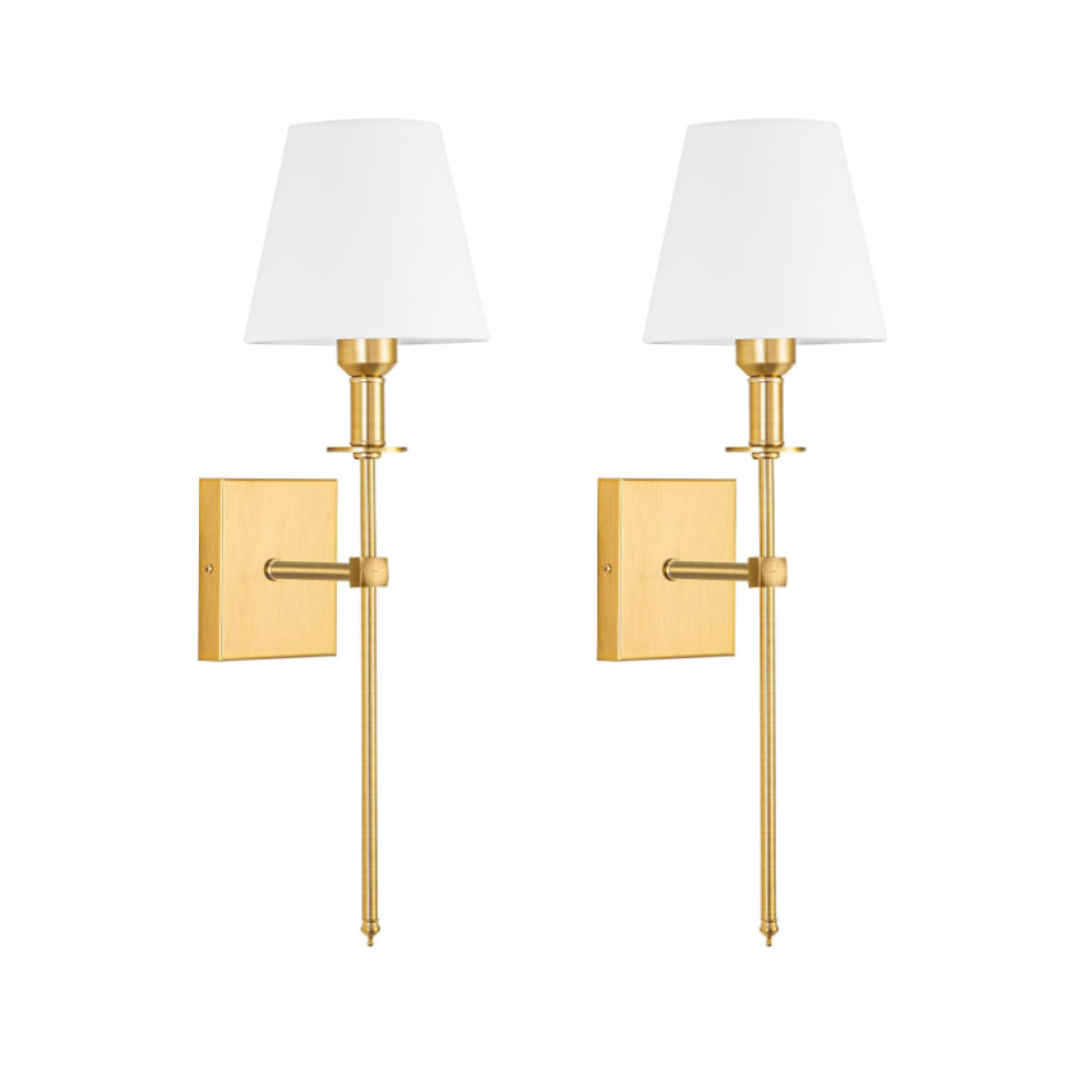
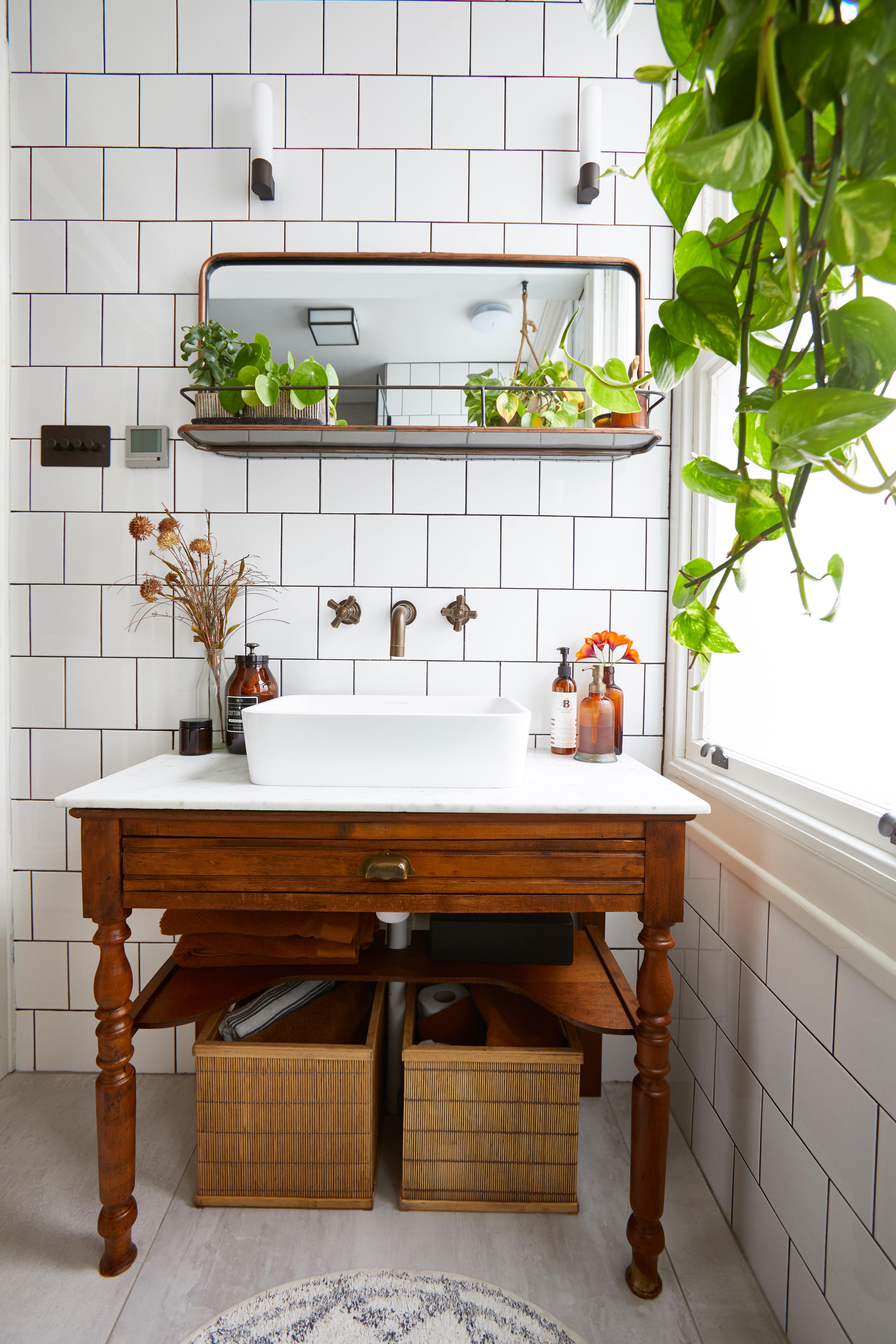
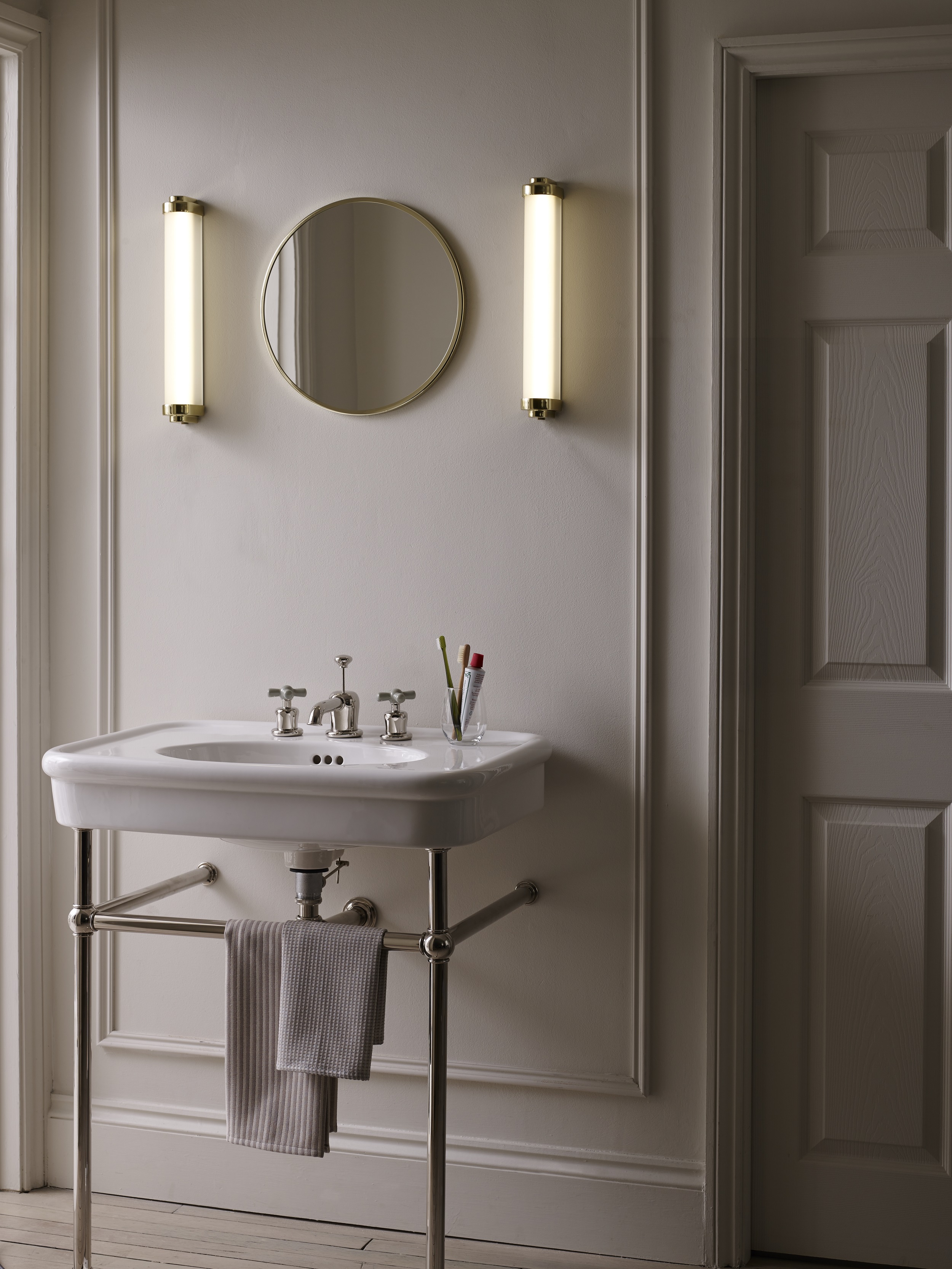
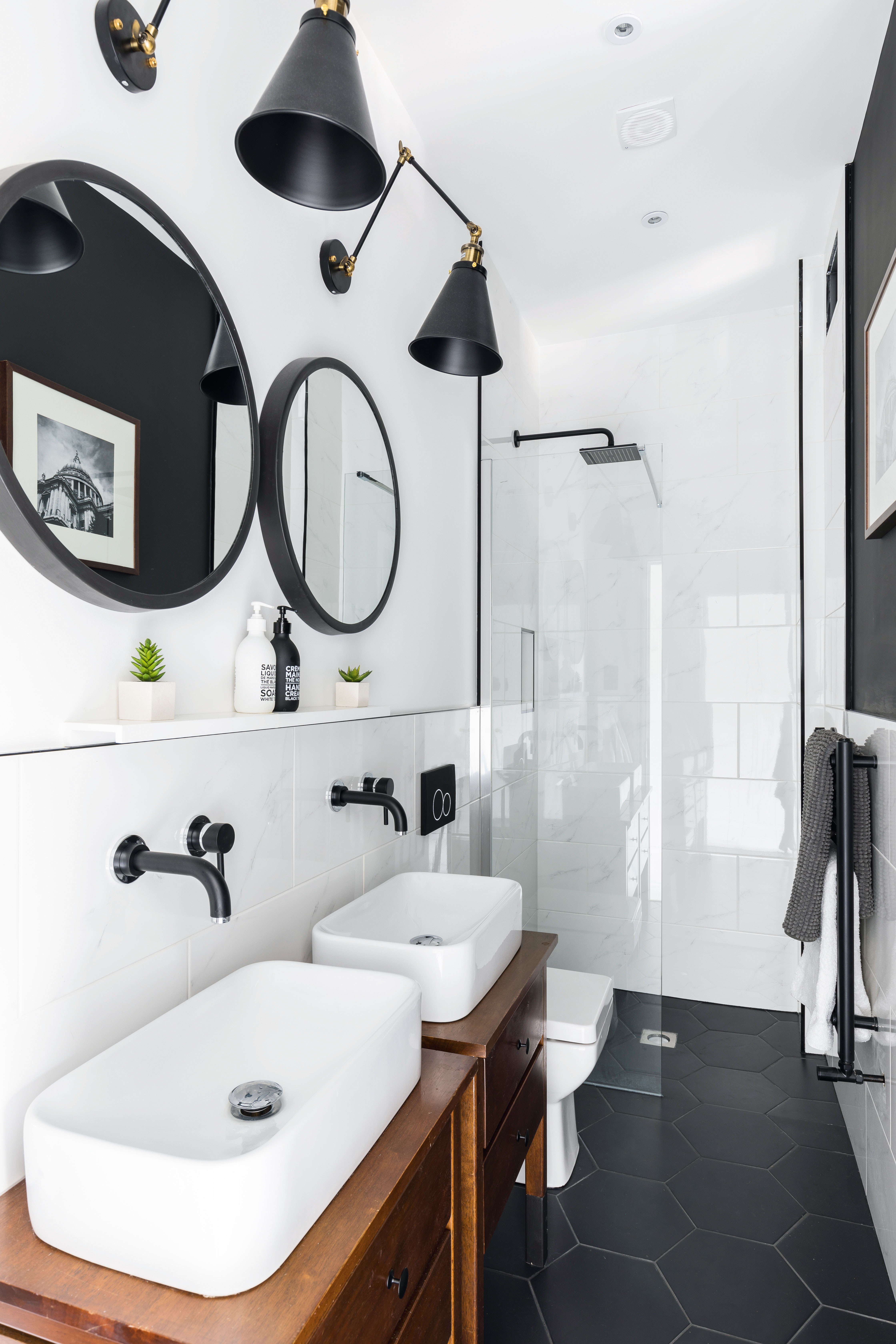
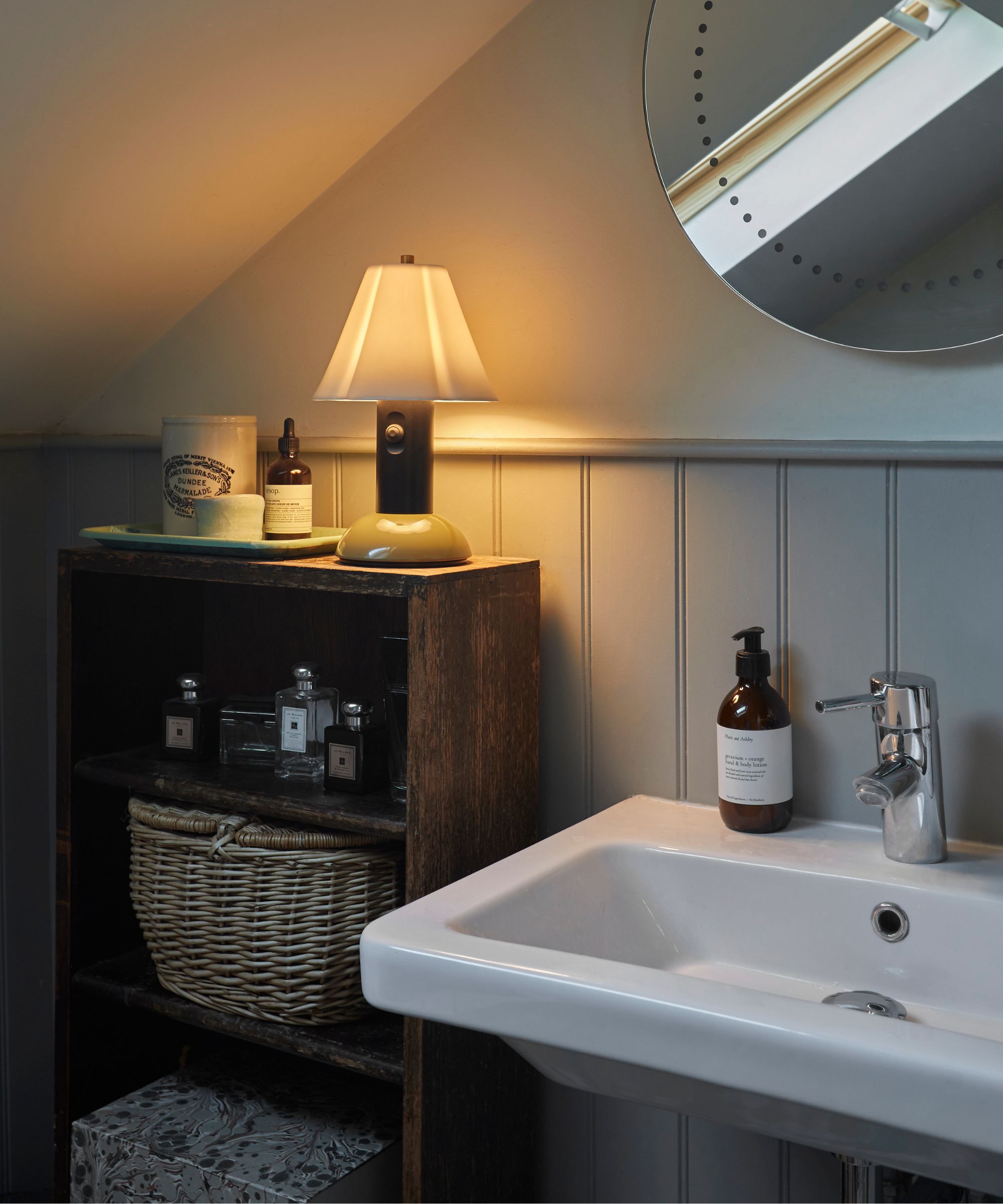
The third tip highlights the importance of effective lighting. A single ceiling light is insufficient for a windowless bathroom. Beyond practicality, lighting significantly impacts the room's ambiance. Incorporating multiple light sources, such as wall lights flanking a mirror and dimmable spotlights, can provide both functional illumination and a cozy atmosphere. This layered lighting approach allows for flexibility, catering to both practical needs and the desire for a relaxing environment.
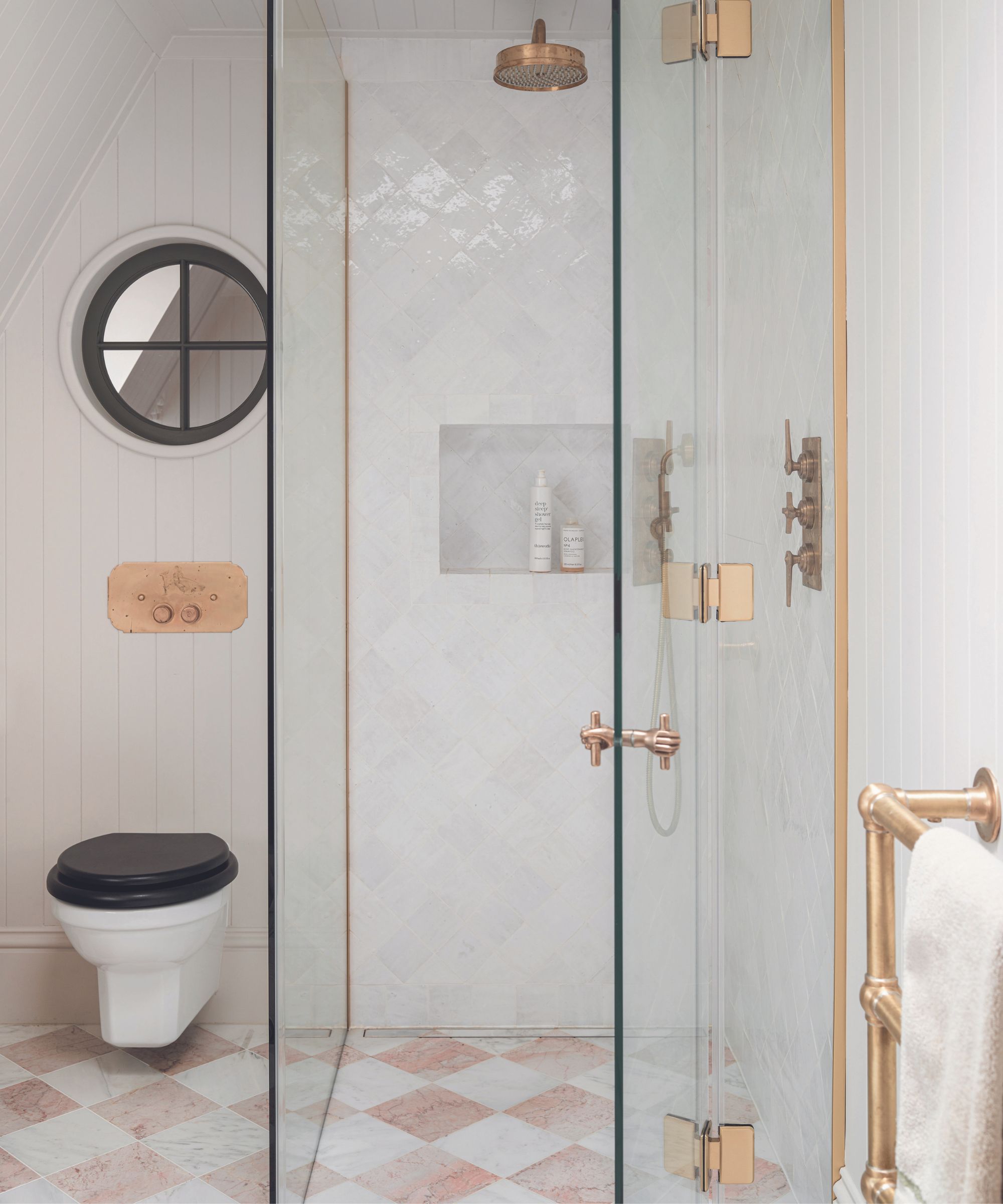
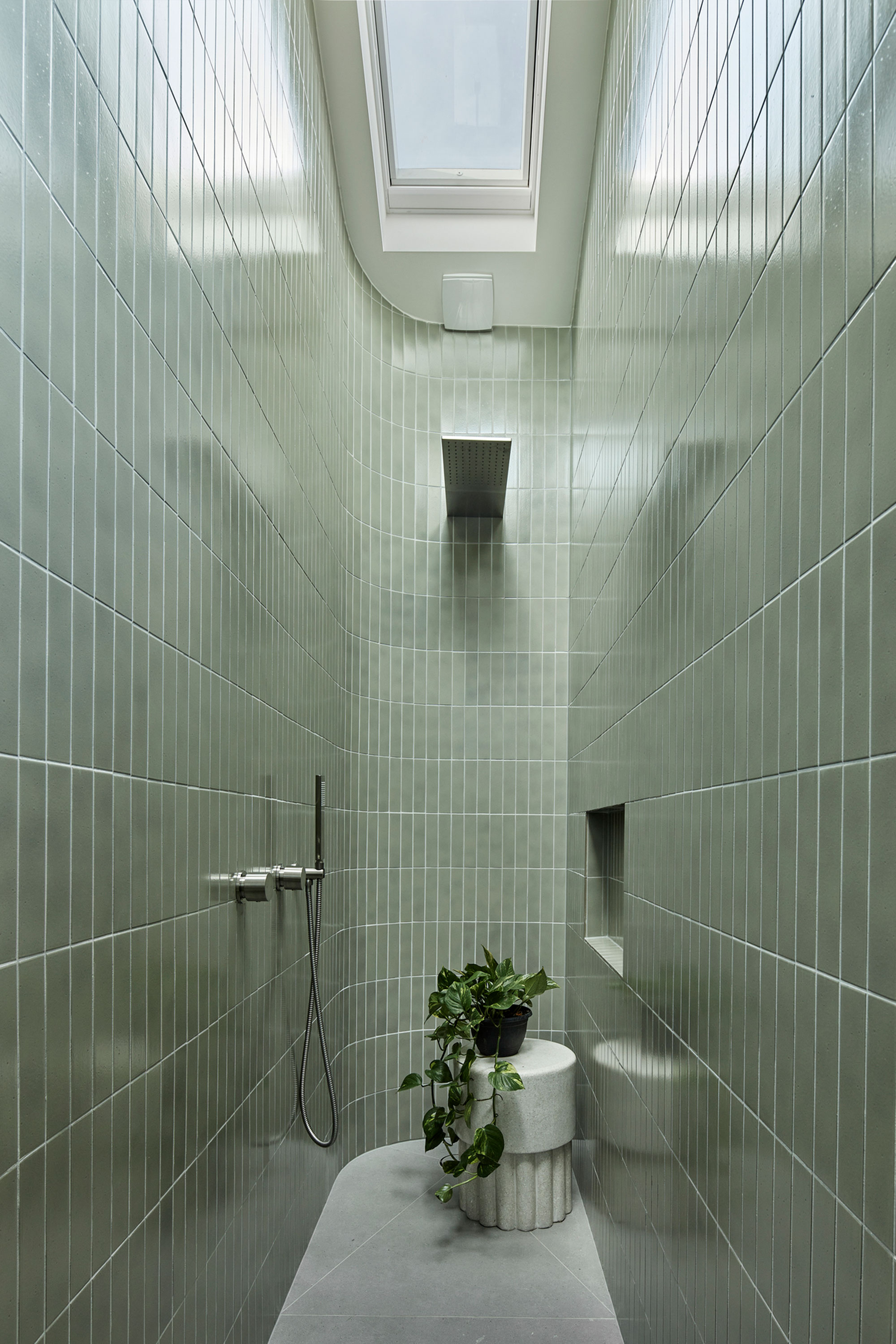
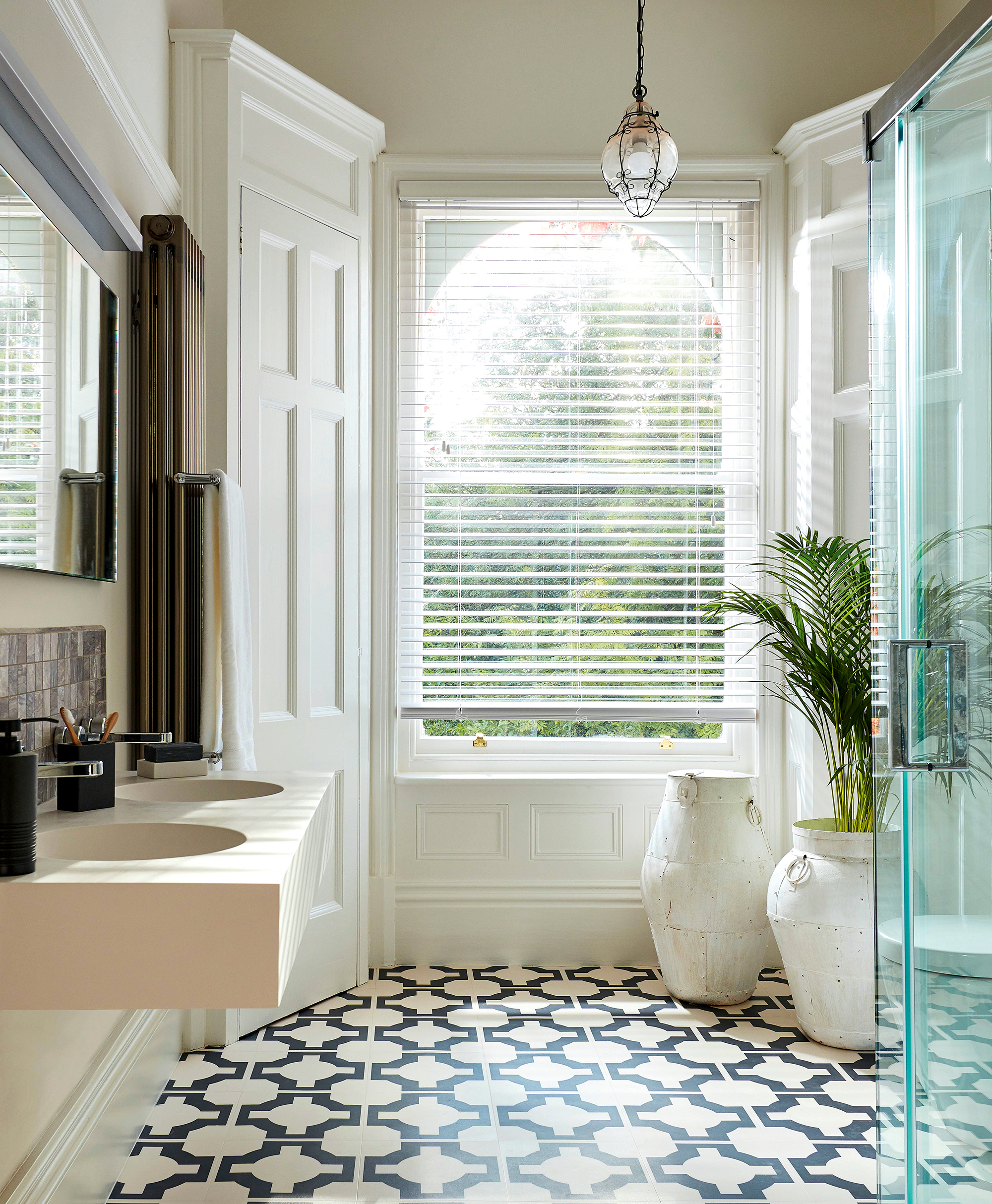
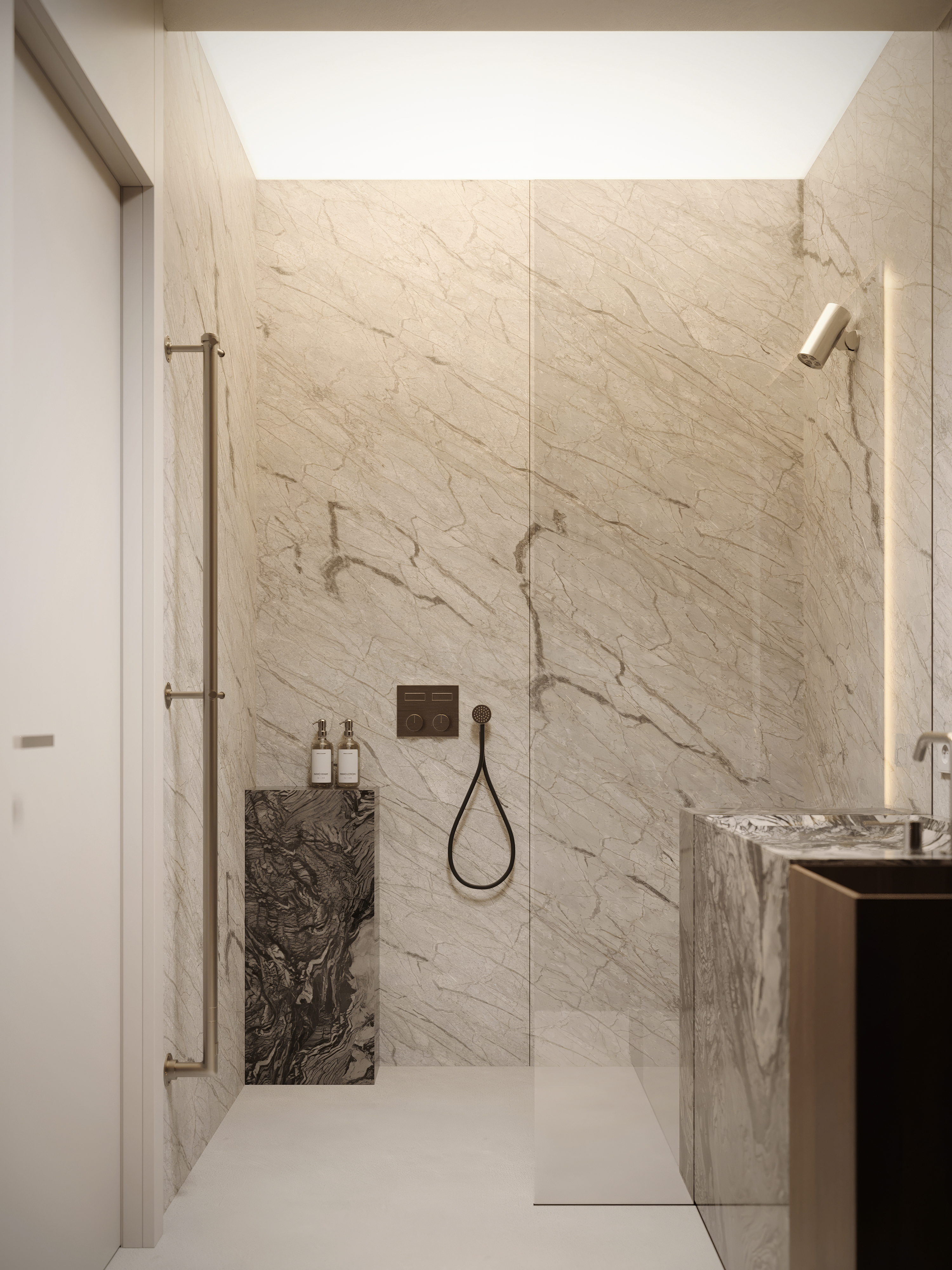
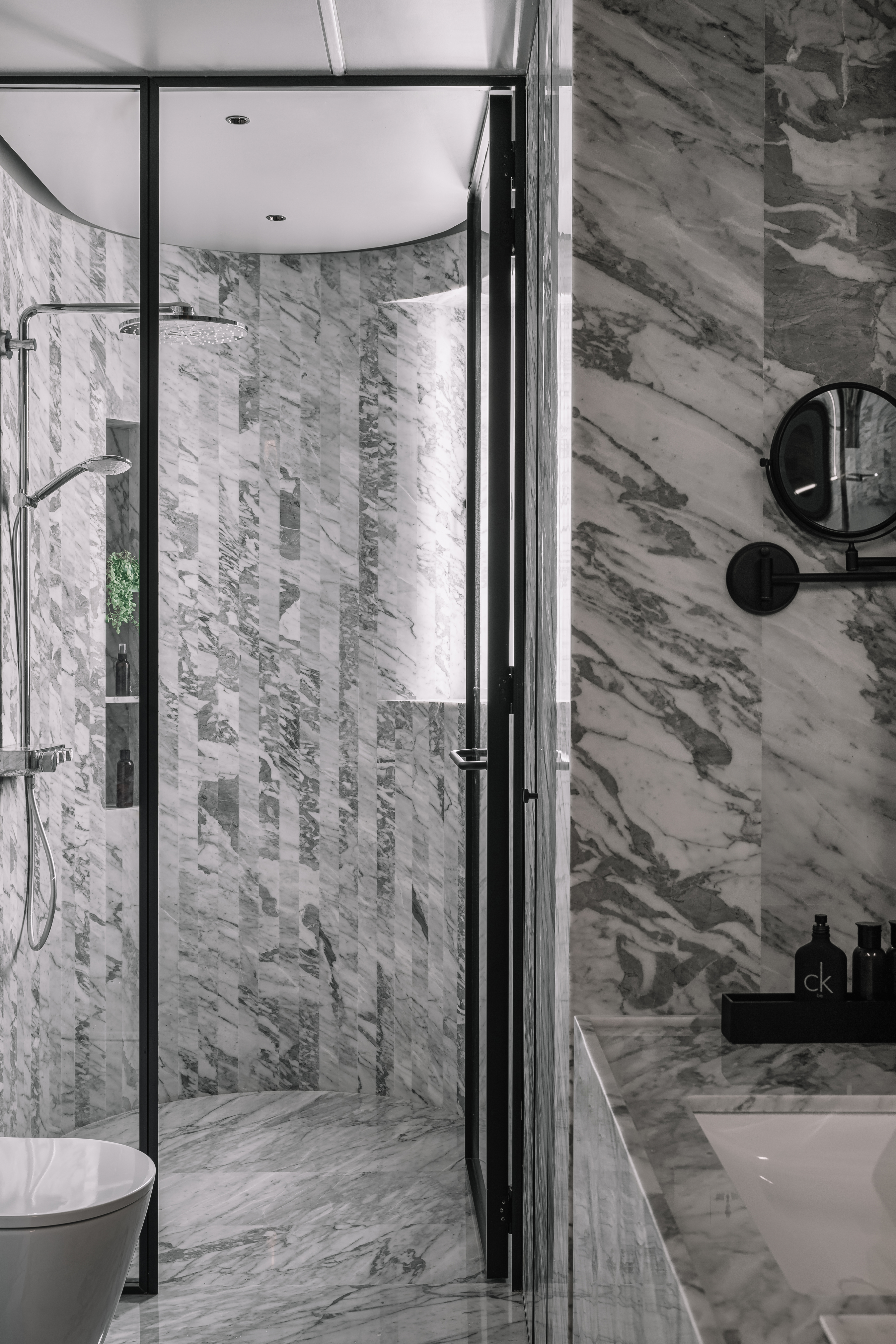
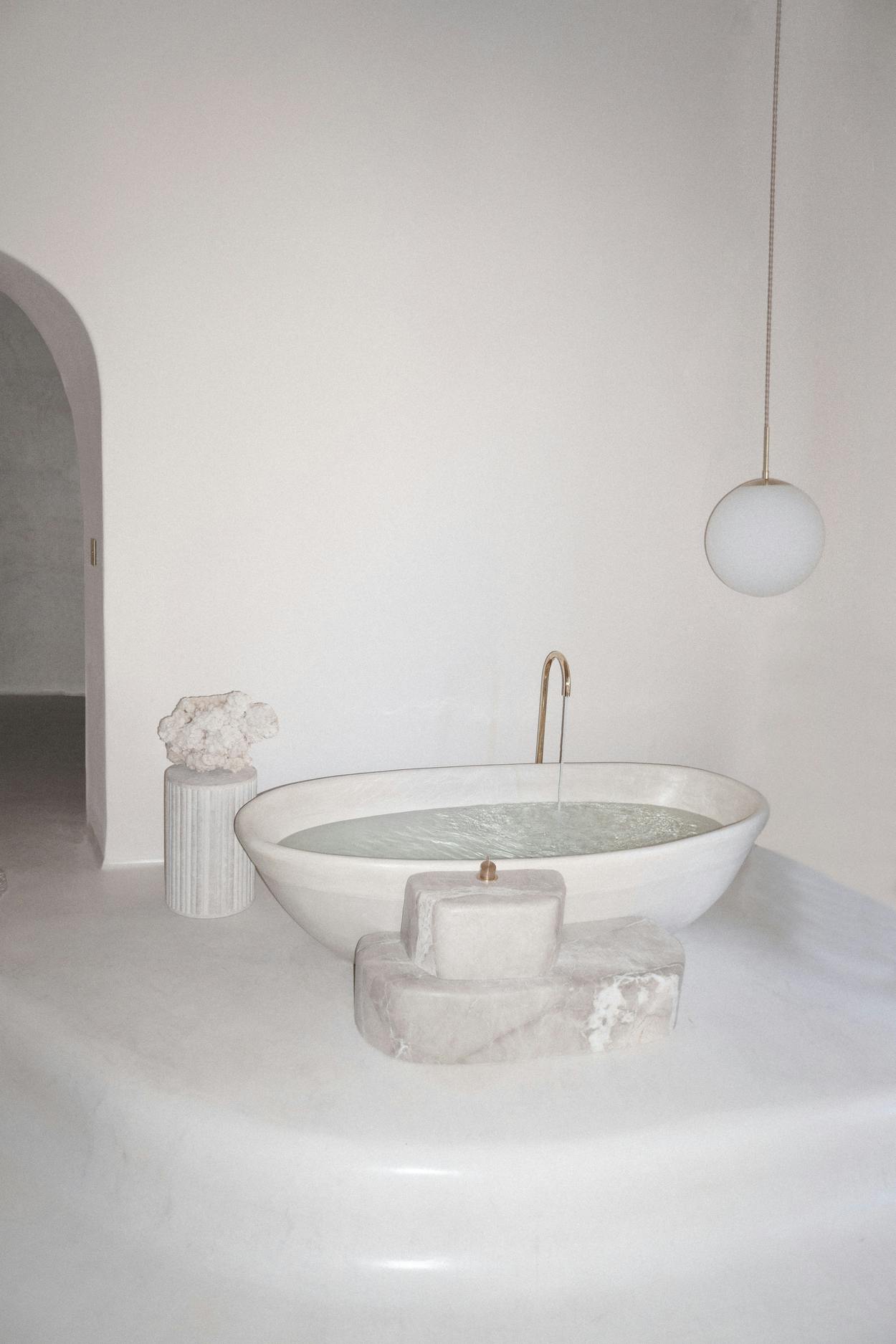
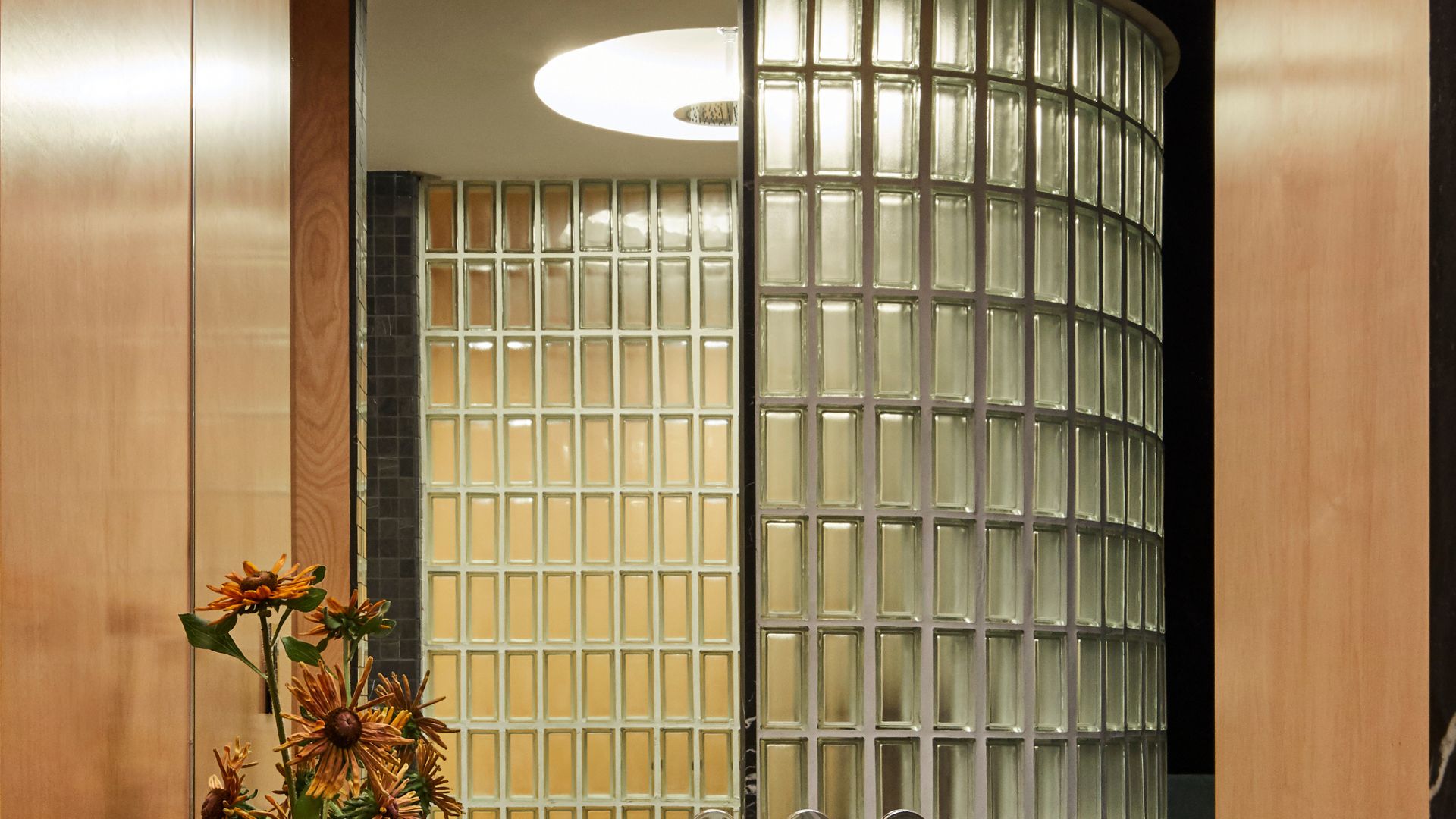
Fourth, playing with texture is crucial for bouncing artificial light around the room. In the absence of natural sunlight, creative use of texture can brighten the space. Glossy bathroom tiles and mirrored surfaces are effective in reflecting light, making the room appear more luminous. Textures also add visual interest, transforming a potentially dull space into a detailed and engaging design. Grazzie Wilson reiterates that tiles, especially patterned ones, can bring significant visual texture and impact, even in small windowless bathrooms.
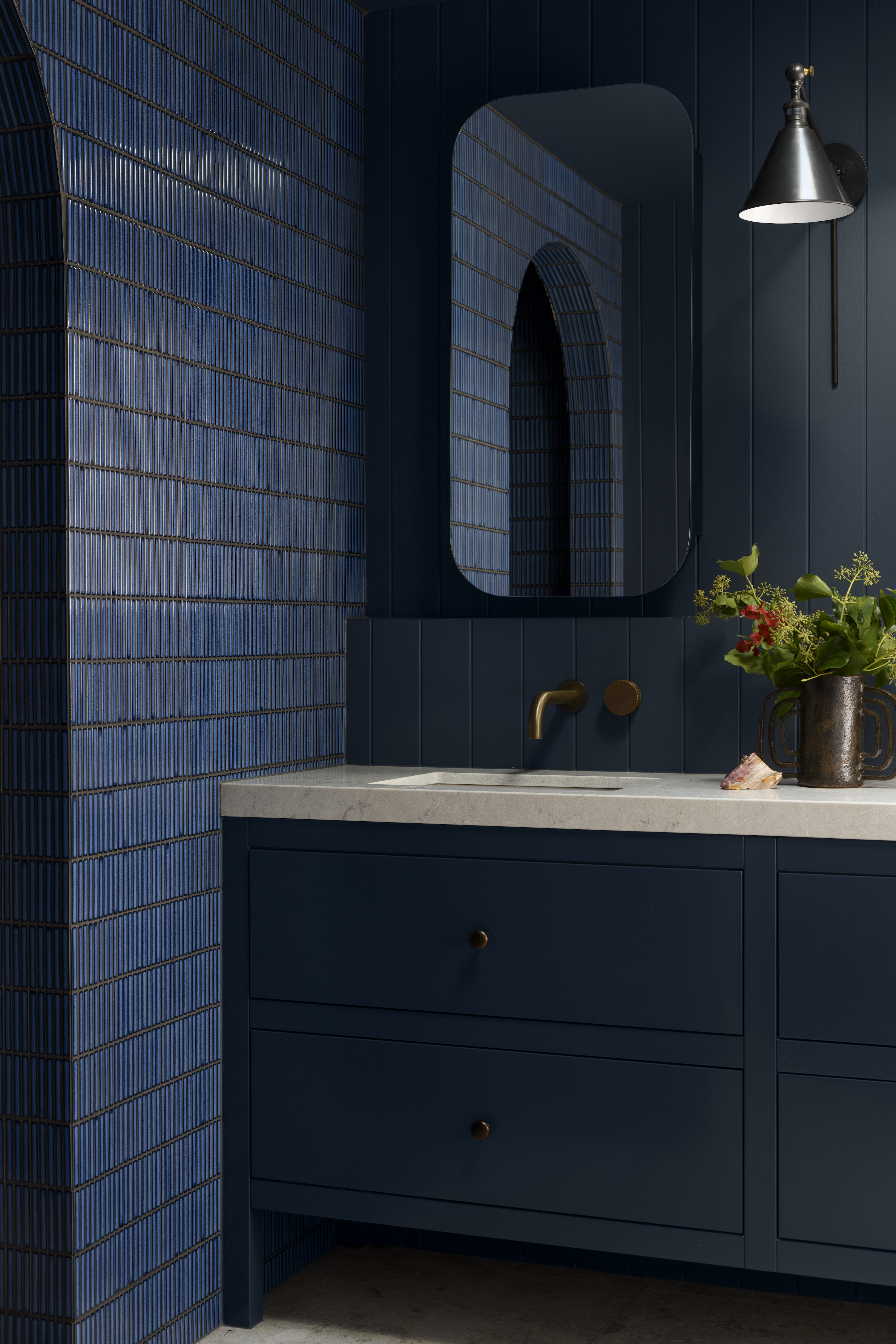
The final tip recommends color drenching, a technique popular for dark, small rooms. This involves painting walls, woodwork, and ceilings in the same shade. This method creates a snug, enveloping feel, drawing attention to the dramatic color choice rather than the absence of windows. For an even richer effect, adding bathroom wall paneling to a color-drenched room can introduce depth and allow for tonal variations within the chosen shade. Ultimately, these design strategies offer effective solutions to create inviting and well-designed windowless bathrooms, transforming potential flaws into unique features.
#BathroomDesign #WindowlessBathroom #InteriorLighting #ColorDrenching #TexturalDesign #SmallBathroomIdeas #HomeRenovation #DesignTips #BathroomDesign #WindowlessBathroom #InteriorLighting #ColorDrenching #TexturalDesign #SmallBathroomIdeas #HomeRenovation #DesignTips
0 comment in total
 No comments yet
You may also like
5 designer tips for decorating a windowless bathroom
Bathroom blind ideas – 10 beautiful ways to frame windows
What's the Most Flattering Light For a Bathroom? 7 Designer Tricks to Give Your Space a Glow-Up

17 Simple Ways to Beautify a Small Bathroom Without Remodeling

5 Decor Ideas To Transform a Windowless Bathroom — "It'll Feel So Energizing"
A Minimalist Home With the Best Bathroom Lighting Trick
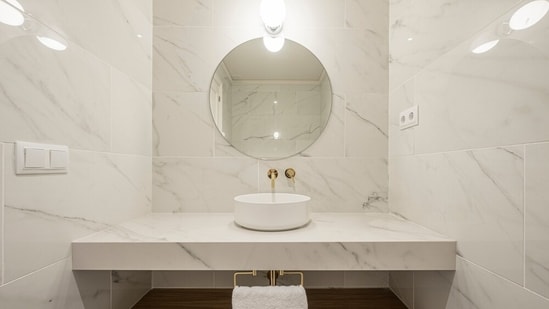
Bathroom looks too bland? Give it spa-like design facelift with these tips | Hindustan Times

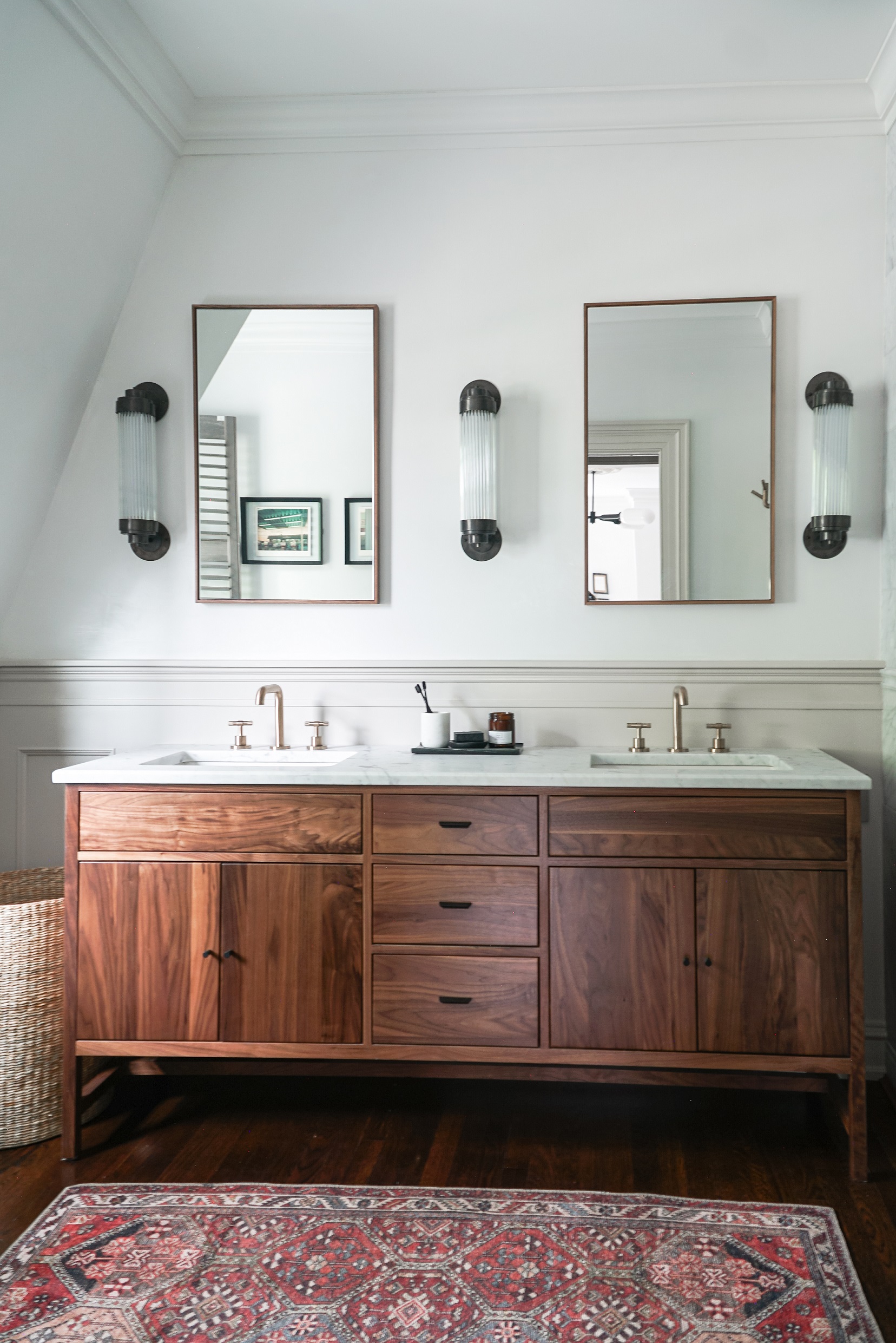
20 bathroom lighting ideas – beautiful ways to brighten up your space

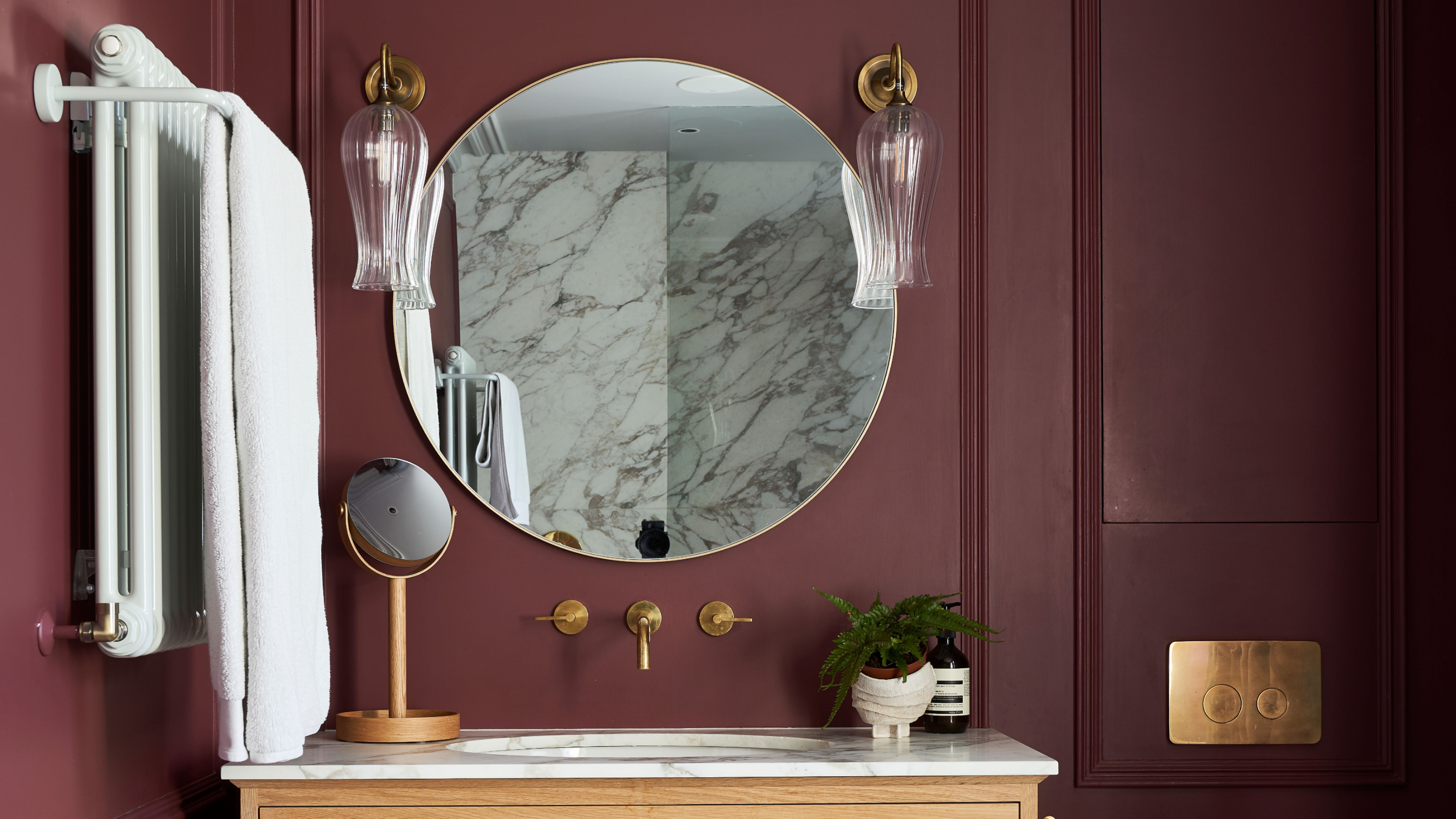
7 best colours to paint a windowless bathroom that will transform the mood of a dark wash space

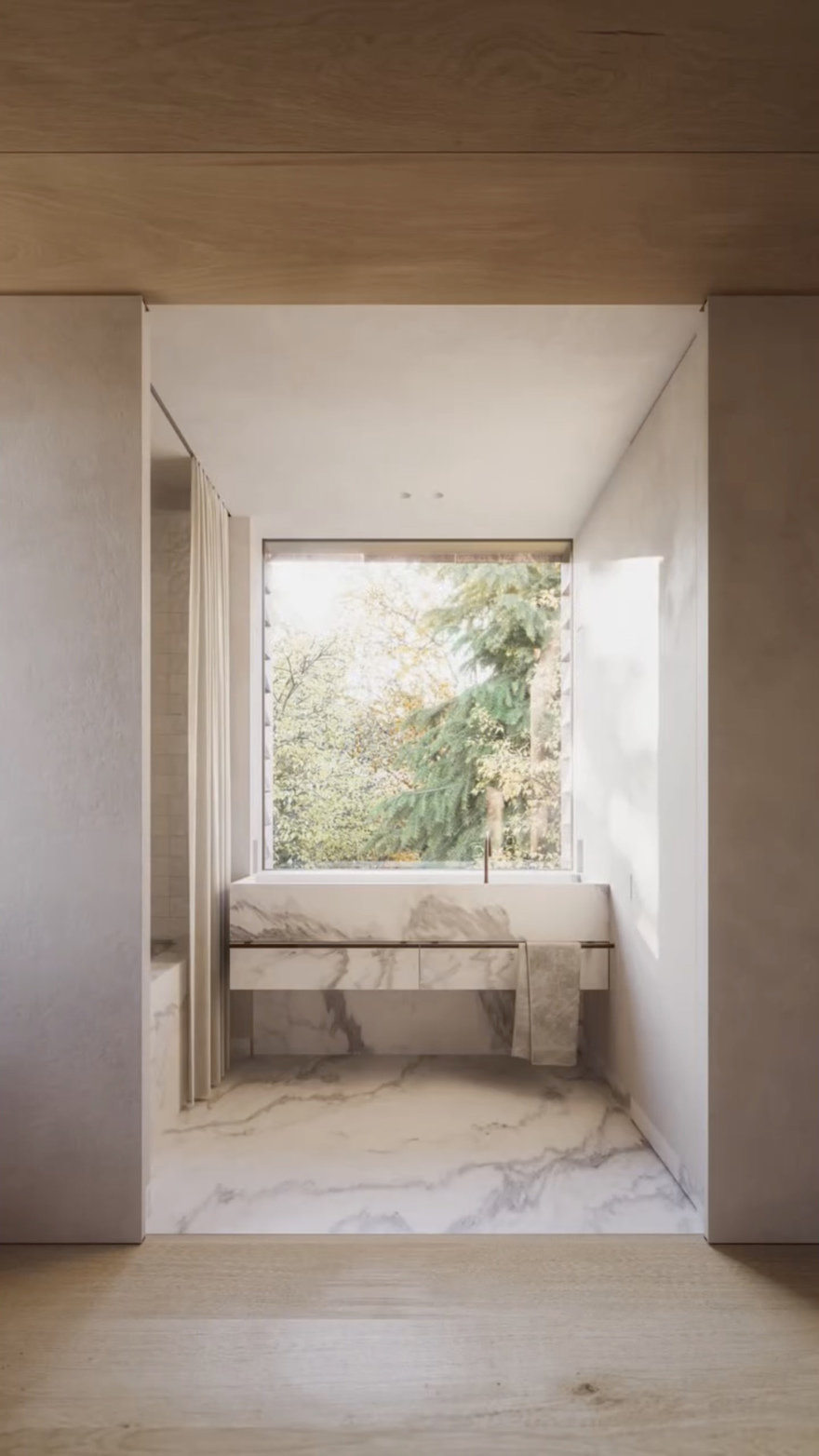
Clever Design Solution for a Bathroom with a Large Window, No Room for a Mirror

Not Going Dark and Moody in Your Windowless Bathroom Is a Missed Opportunity

The One Thing Your Bathroom Is Missing This Winter – Designers Say It's the Simple Answer to a Cozier, Warmer, More Welcoming Space

How to Instantly Make a Windowless Bathroom Feel Light and Airy, According to a Designer
'Light Wells' Are the Trick to Make Your Bathroom Feel Bright
7 Lighting Tricks That Can Make Even a Small Bathroom Seem Bigger — Now Isn't That a Bright Idea
The Best Bathroom Ideas To Get The Glow-Up You Deserve
How to make a small bathroom feel brighter – 10 ideas that can bring light to even a windowless space
Bathroom light ideas for your home
How to fake natural light in a dark room - 5 design tricks to brighten up a gloomy space
How to Light Your Bathroom Like a Spa — 11 Ideas That Will Take Your Space From Everyday to Luxurious Retreat