1/2
Why House Prices Skyrocket And Why The New Biden Housing Plan Won’t Work
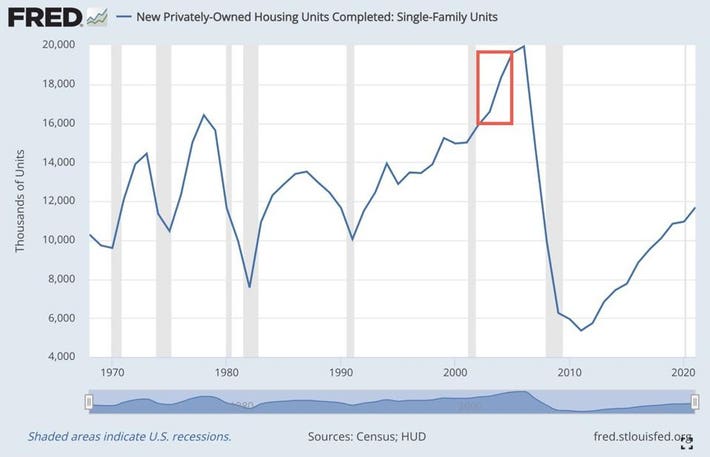
The article analyzes the primary reasons behind skyrocketing house prices, asserting that the slow growth of housing supply combined with volatile demand, particularly from investors, creates a significant mismatch that current policy proposals, such as the Biden Housing Supply Action Plan, fail to adequately address. While acknowledging factors like residential zoning and NIMBYism, the author argues that the inherent immobility and longevity of houses mean their total supply increases far slower than many other commodities, such as gold. This slow supply growth, approximately 0.9% annually for single-family homes in the U.S. compared to 1.7% for gold, means that even substantial increases in new construction have a minimal impact on the overall market. For instance, an 11% increase in new construction, which is a historically high figure, would only boost the total number of houses for sale by about 1.2% given that new homes constitute only 11% of all sales.
Historically, the demand from live-in homeowners has also increased slowly, aligning with the pace of new construction. However, investor demand is highly volatile and can fluctuate much faster than supply. Investors view houses as both a consumption and an investment good, and when prices rise, they are incentivized to buy more and sell less, creating a feedback loop. This behavior is exacerbated by external factors such as a desire to diversify from other investment markets (e.g., a booming stock market) or low interest rates relative to inflation, which make real estate an attractive hedge. Furthermore, the ability of investors to leverage debt significantly more than in other asset classes, coupled with tax deductions on mortgage interest, amplifies their purchasing power and potential profits in a bull market, further boosting demand.
This fundamental mismatch between slow-moving supply and fast-changing investor demand leads to pronounced boom-and-bust cycles, as seen in areas like Phoenix, which experienced rapid price increases followed by a significant crash despite its reputation for elastic supply. The article suggests that while addressing man-made barriers to supply is important, a more effective strategy involves stabilizing investor demand. Proposals include implementing speculation taxes on profits from quick sales, similar to policies in other countries. More immediately, the author advocates for leveling the playing field by removing existing tax breaks for landlords that are not available to live-in homeowners. This would reduce the financial incentives for investors to buy single-family homes as tax shelters, thereby reducing overall demand and increasing homeownership rates without negatively impacting live-in buyers. The author also suggests that the real estate industry's focus on increasing sales and demand, often at the expense of long-term stability, highlights the need for political intervention to address these systemic issues, warning of potential political instability if house price volatility remains unchecked.
#RealEstate #HousingMarket #HomePrices #BidenHousingPlan #InvestorDemand #HousingSupply #TaxBreaks #InterestRates #MarketVolatility #RealEstate #HousingMarket #HomePrices #BidenHousingPlan #InvestorDemand #HousingSupply #TaxBreaks #InterestRates #MarketVolatility
 No comments yet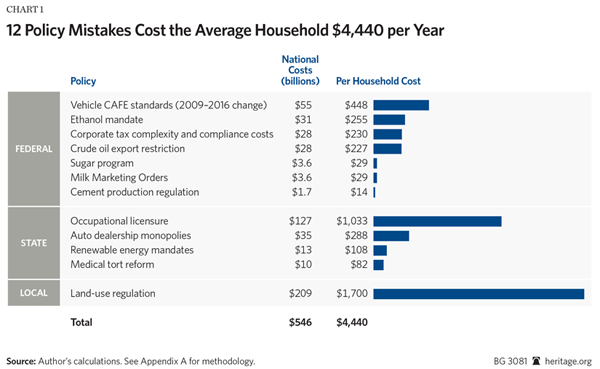
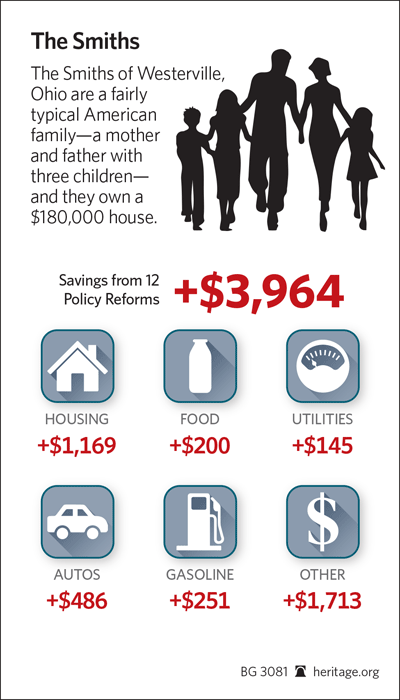
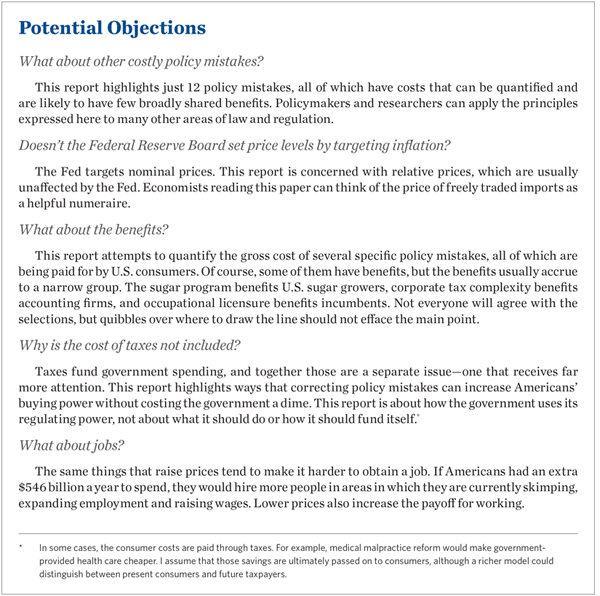
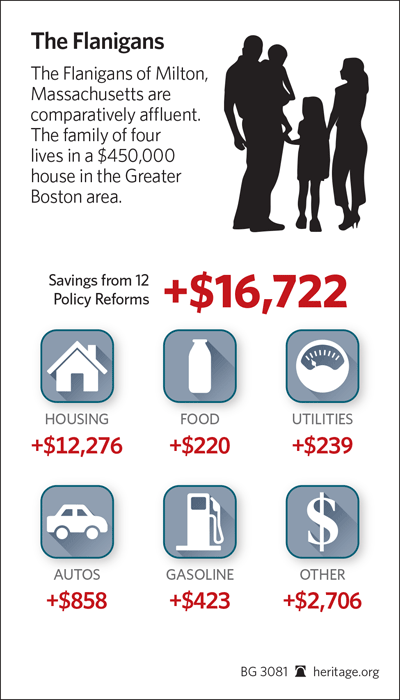
Costly Mistakes: How Bad Policies Raise the Cost of Living
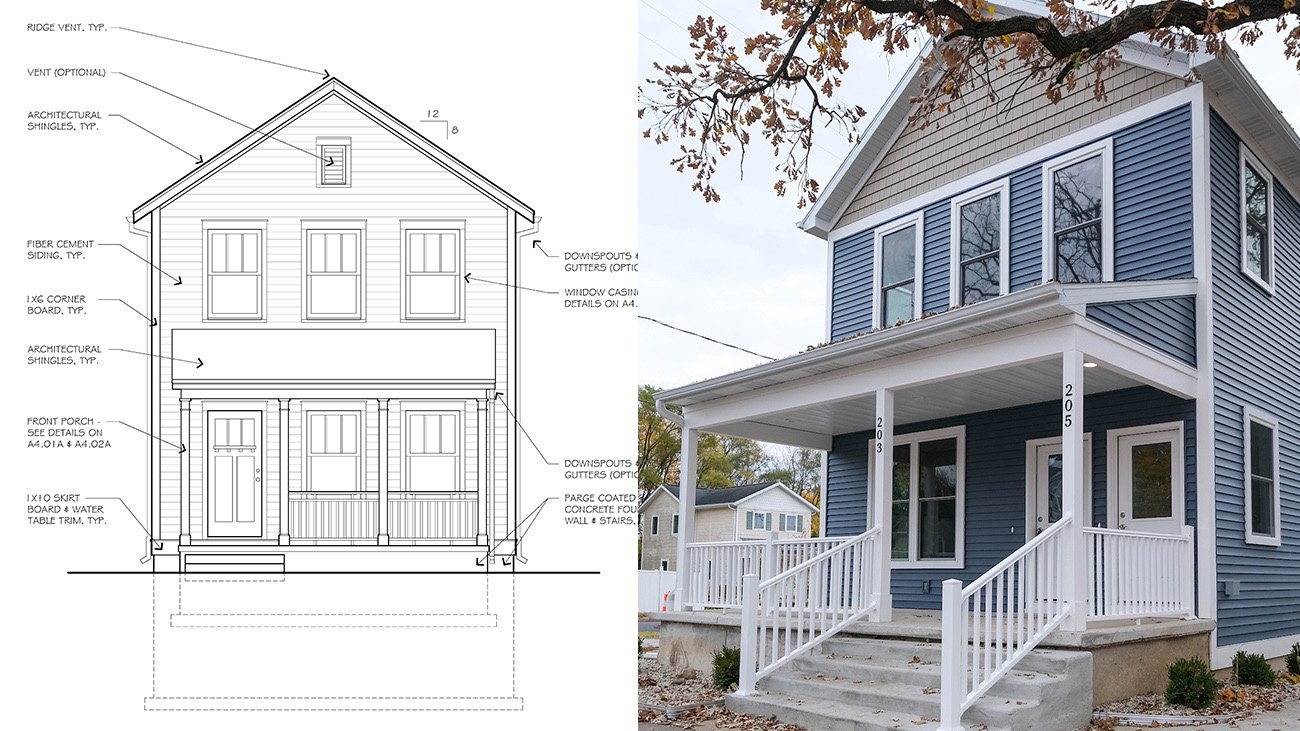
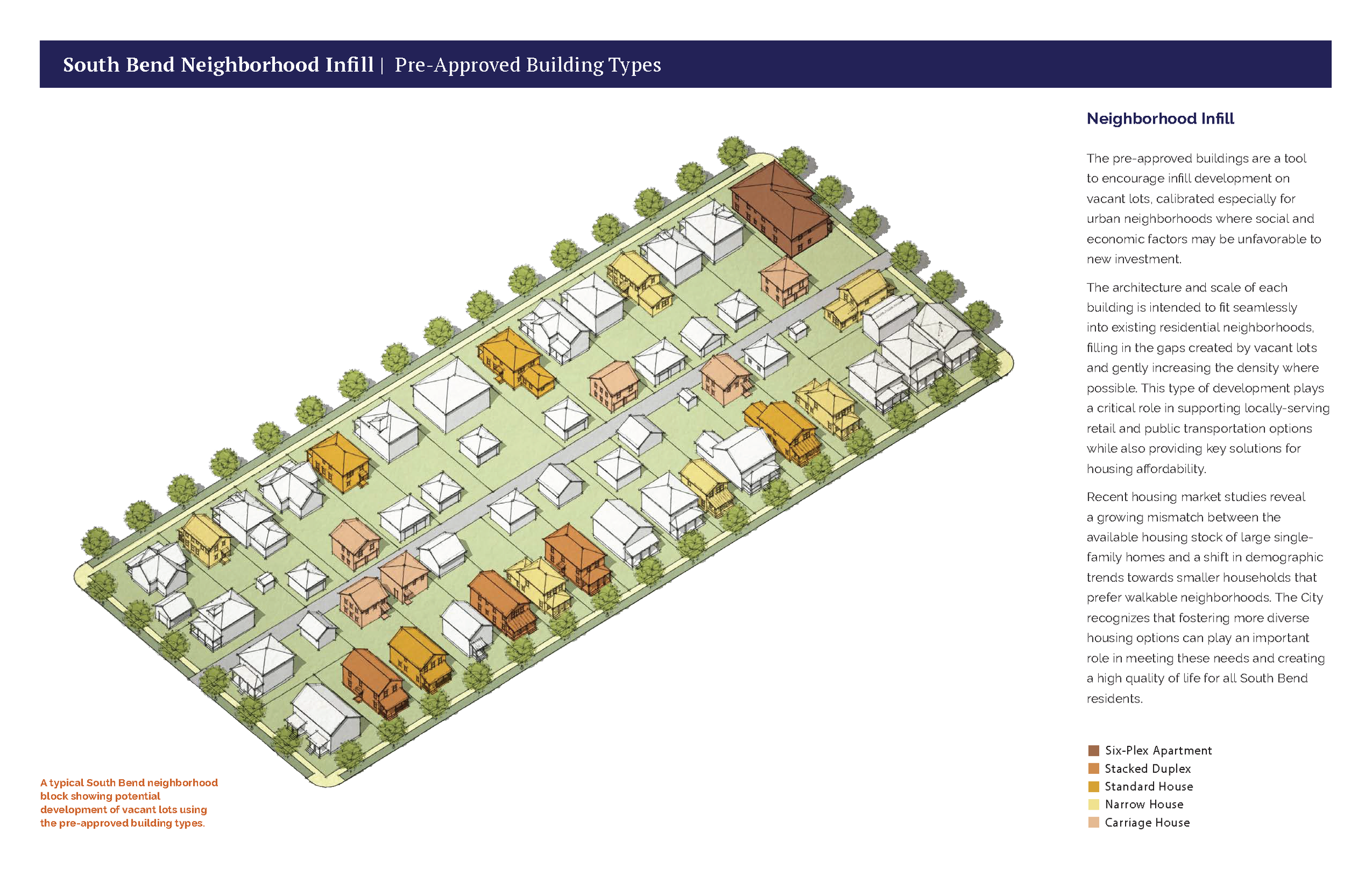
Say Yes to New Housing—Before Anyone Even Asks To Build It

Flipped Homes Flop when Mortgage Rates Rise

Now is the worst possible time to renovate your home. Here's why.