1/8
Costly Mistakes: How Bad Policies Raise the Cost of Living
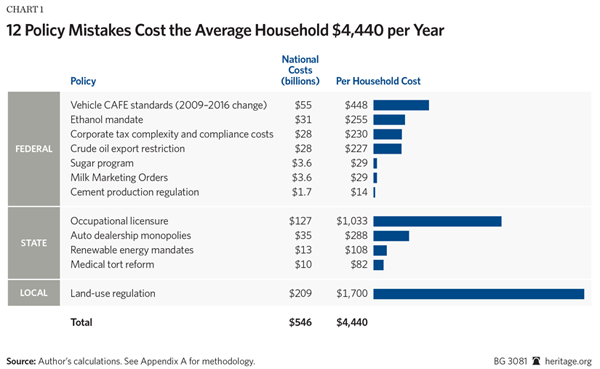
Government policies at the local, state, and federal levels significantly inflate the cost of living for American households, imposing an average additional burden of $4,440 annually due to just 12 identified policy mistakes. These policies lead to higher prices by restricting supply, fostering monopolies, introducing unnecessary requirements, and causing production delays. The cumulative annual cost of these policies amounts to $546 billion, representing 4.6 percent of total U.S. consumption, a figure comparable to the Department of Defense budget and substantially exceeding the budget of the National Institutes of Health.
The report illustrates these costs through the experiences of a fictional average American family, the Smiths of Westerville, Ohio, who annually spend an extra $3,964 on necessities like food, utilities, gasoline, cars, and housing due to these policies. This additional expenditure prevents them from saving for college, home repairs, or vacations. The paper emphasizes that while all policy mistakes impact the U.S. economy by reducing productivity, increasing monopoly power, decreasing employment, shrinking incomes, and deterring investment, its primary focus is on their effects on consumer prices and household budgets.
The document categorizes policy mistakes by their governmental level, noting that federal policies often involve cronyism and benefit specific industries, such as the ethanol mandate and the sugar program. State policies frequently impose unnecessary occupational licensure requirements, affecting a broad range of professions and raising consumer costs. Local governments are primarily responsible for restrictive land-use regulations and permitting delays, which significantly drive up housing costs.
Key federal policy mistakes include Corporate Average Fuel Economy (CAFE) standards, which add approximately $448 per year to vehicle costs; the Renewable Fuel Standard (RFS) ethanol mandate, costing $255 per year through higher fuel and food prices; the complexity of corporate income tax, which passes an estimated $230 per year to consumers; and the crude oil export restriction, raising gasoline prices by 12 cents per gallon, or $227 per year for the average household. Additionally, the sugar program and Federal Milk Marketing Orders (FMMOs) each cost the average household $29 annually, while cement production regulations add $14.
At the state level, occupational licensure is identified as one of the most costly mistakes, imposing an extra $1,033 per year on the average household. State-mandated auto dealership monopolies add approximately $2,880 over a decade by increasing new car prices by 6 percent. Renewable Energy Mandates raise electricity prices, costing the average household $108 annually, and a lack of medical tort reform contributes to $82 in extra medical spending per year.
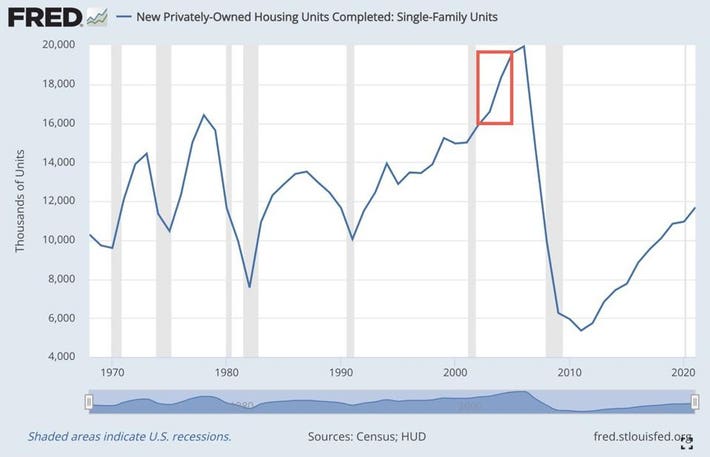
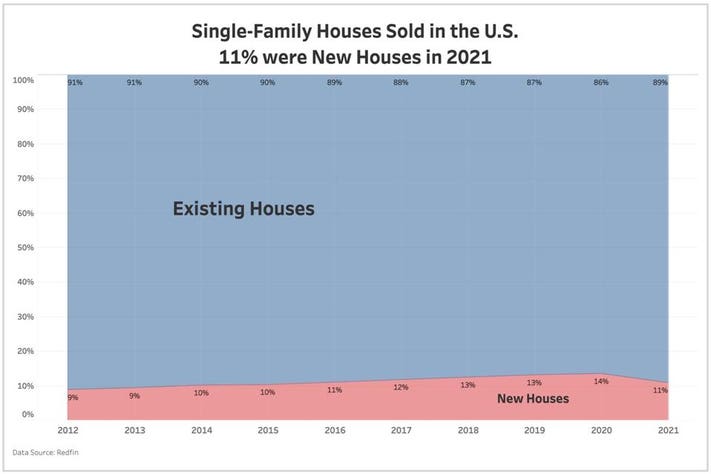
Local land-use regulations are highlighted as the most significant source of inflated costs, adding about $1,700 per year for the average household, with those in expensive metropolitan areas paying over $5,000 annually. These regulations, including restrictive zoning laws, NIMBYism (Not In My Backyard) attitudes, and environmental review delays, stifle construction and artificially inflate property values. The impact varies considerably, with families in less-regulated areas experiencing minimal effects, while those in highly regulated urban centers bear substantial burdens.
Illustrative households demonstrate the varied impact of these policies. The Mosley family in Barnwell, South Carolina, with lower housing costs due to fewer land-use restrictions, pays an extra $1,600 per year. In contrast, the affluent Flanigans of Milton, Massachusetts, face an additional $17,000 annually, largely due to Greater Boston's highly restrictive land-use laws and higher electricity prices from renewable energy targets.
The report concludes by advocating for policy reforms across all levels of government. It suggests repealing misguided policies like the sugar program, FMMOs, and unnecessary occupational licenses. It also recommends reforming medical licensing to be more efficient, reevaluating environmental regulations like CAFE standards with a broader cost-benefit analysis, and encouraging local officials to reduce restrictive land-use rules and streamline permitting processes to lower living expenses for residents.
#CostOfLiving #GovernmentRegulation #EconomicPolicy #ConsumerPrices #HousingCosts #OccupationalLicensure #EnergyPolicy #TaxComplexity #LandUseRegulation #CostOfLiving #GovernmentRegulation #EconomicPolicy #ConsumerPrices #HousingCosts #OccupationalLicensure #EnergyPolicy #TaxComplexity #LandUseRegulation
 No comments yet