1/4
Let’s Architect! Open-source technologies on AWS
This blog post, part of the "Let's Architect!" series, focuses on open-source technologies within the Amazon Web Services (AWS) ecosystem. It highlights several key areas including the development and scaling of open-source projects, observability using OpenTelemetry, optimizing Apache Kafka clusters on AWS, and Infrastructure as Code with the AWS Cloud Development Kit (CDK). The content is a continuation of previous discussions on open-source on AWS, aiming to provide further insights into these domains.
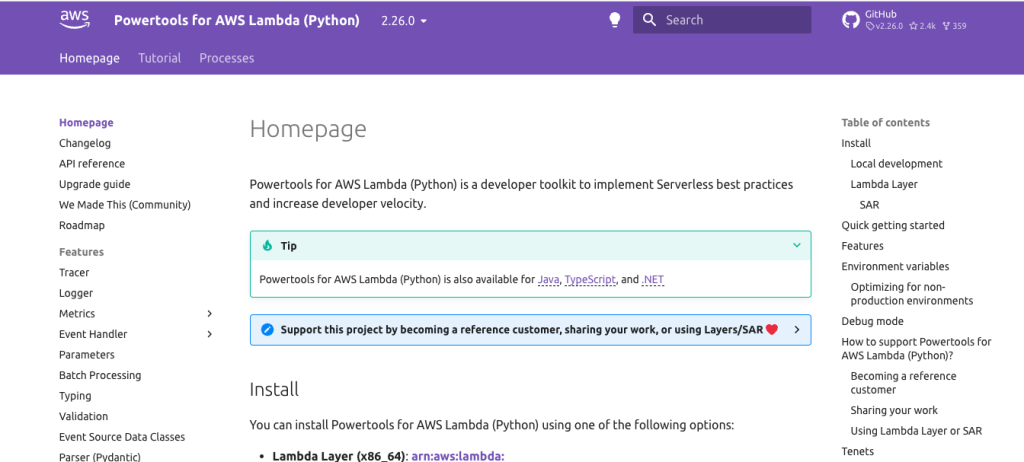
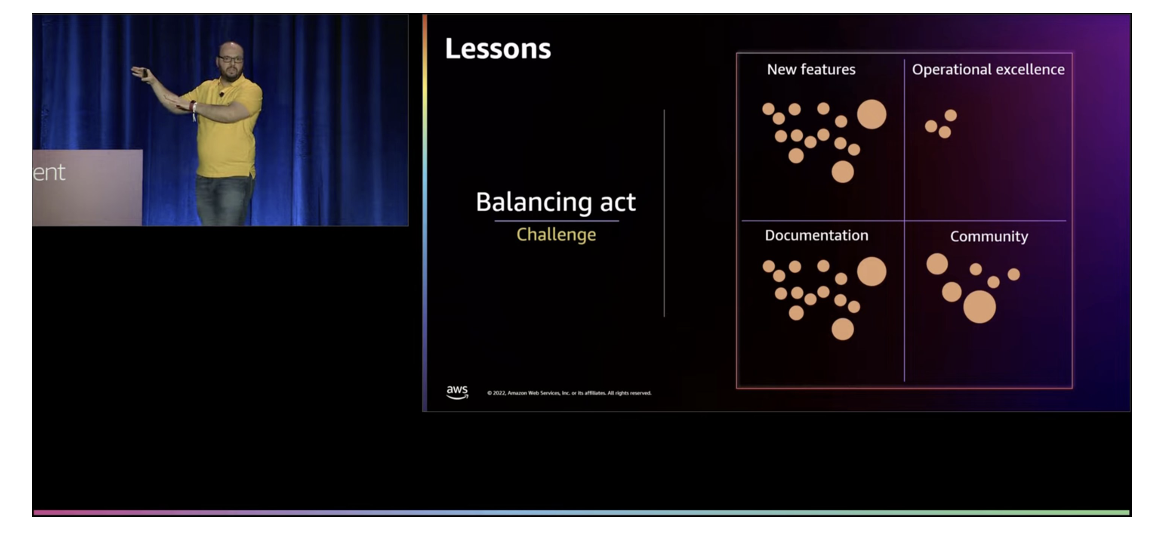
The first section delves into lessons learned from the successful scaling of "Powertools for AWS Lambda," an open-source library designed to assist engineering teams in implementing serverless best practices. Initially a prototype, Powertools for AWS Lambda rapidly evolved into a significant open-source project, leading to challenges associated with its rapid growth and widespread community support. These challenges included balancing the introduction of new features with maintaining operational excellence, managing bug reports and Request for Comments (RFCs), and scaling and redesigning documentation. The discussion emphasizes the importance of carefully considering the trade-offs between feature development and operational stability, as well as the need for effective project impact measurement in open-source initiatives.
The article then transitions to the topic of observability, specifically through the lens of OpenTelemetry. It underscores the critical role of observability in maintaining the health of applications and infrastructure. A common difficulty in achieving comprehensive observability is the instrumentation of applications to collect monitoring signals, such as metrics and logs, often complicated by vendor-specific Software Development Kits (SDKs). OpenTelemetry is presented as an open-source, vendor-agnostic observability framework that provides a flexible SDK based on open-source specifications. This framework enables developers to instrument applications and collect various signals, with practical demonstrations on monitoring microservice-based applications using the OpenTelemetry SDK.
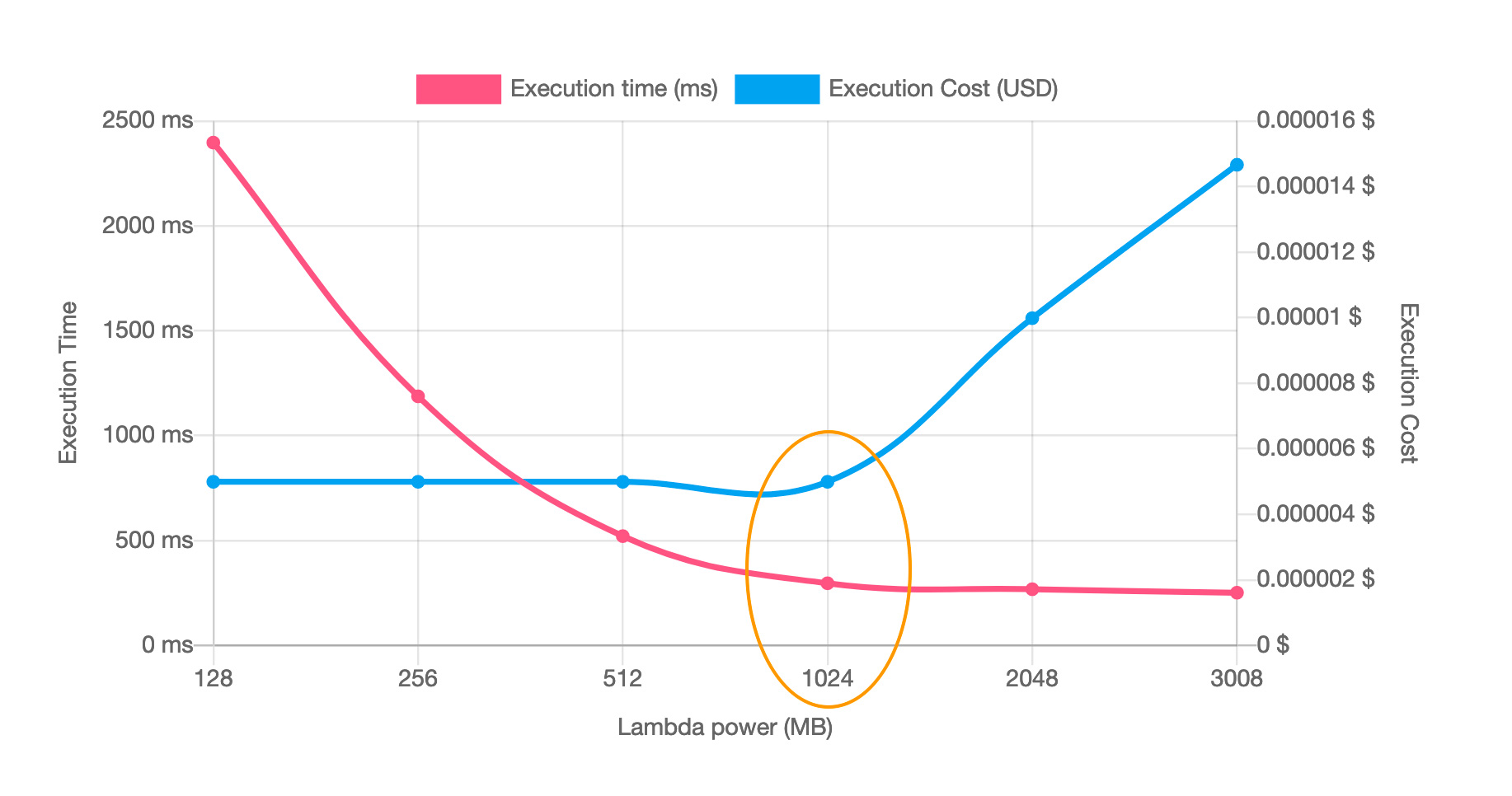
Next, the blog post addresses best practices for right-sizing Apache Kafka clusters to optimize both performance and cost. Apache Kafka is defined as an open-source streaming data store that facilitates the decoupling of applications producing streaming data from those consuming it. Amazon Managed Streaming for Apache Kafka (Amazon MSK) is introduced as a service that allows users to leverage the open-source Apache Kafka while AWS handles the underlying infrastructure and operational management. The post details how the configuration of the underlying infrastructure significantly influences Apache Kafka's performance. It outlines strategies for sizing clusters to meet specific requirements for throughput, availability, and latency. The resource also aims to guide users in identifying optimal resource sizing and understanding the methodologies employed to conduct investigations and draw conclusions.
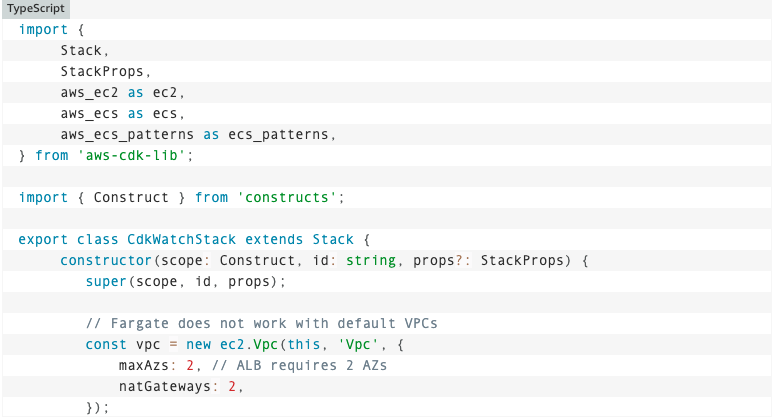
Finally, the post covers Infrastructure as Code (IaC) using the AWS Cloud Development Kit (CDK). AWS CDK is described as an open-source software development framework that allows for the programmatic provisioning of cloud resources. It supports popular programming languages like Python, TypeScript, JavaScript, Java, Go, and C#/.Net. CDK's advantages include the ability to create reusable templates and assets, facilitate infrastructure testing, ensure repeatable deployments, and enhance the stability of cloud environments by minimizing manual, error-prone operations. A workshop is referenced as a resource for learning CDK, from provisioning a basic application to mastering advanced concepts such as CDK constructs. This construct, for example, can be attached to any Lambda function acting as an API Gateway backend to count requests to each URL, offering a practical application of CDK.
#OpenSource #AWSLambda #Observability #OpenTelemetry #ApacheKafka #AmazonMSK #InfrastructureAsCode #AWSCDK #ServerlessBestPractices #OpenSource #AWSLambda #Observability #OpenTelemetry #ApacheKafka #AmazonMSK #InfrastructureAsCode #AWSCDK #ServerlessBestPractices
0 comment in total
 No comments yet
You may also like
Let’s Architect! Serverless developer experience in AWS | AWS Architecture Blog
Let’s Architect! Designing serverless solutions
Let’s Architect! Security in software architectures
Let’s Architect! Tools for developers
Let’s Architect! Designing microservices architectures
Let’s Architect! Discovering Generative AI on AWS | AWS Architecture Blog
Architect personalized generative AI SaaS applications on Amazon SageMaker
Let’s Architect! Getting started with containers
Efficient and cost-effective rendering pipelines with Blender and AWS Batch
Let’s Architect! Learn About Machine Learning on AWS
Architect fault-tolerant applications with instance fleets on Amazon EMR on EC2