1/8
Architect fault-tolerant applications with instance fleets on Amazon EMR on EC2
The article addresses strategies for optimizing capacity and architecting fault-tolerant applications on Amazon EMR on EC2. Organizations frequently utilize Amazon EMR for large-scale data processing with frameworks such as Apache Spark, Apache Hive, and Trino. However, fluctuating compute demands, often spurred by events like marketing campaigns, necessitate efficient capacity planning to avert workload failures or limits. A common challenge arises when daily Spark jobs use consistent Amazon EC2 instance types, as auto-scaling during demand spikes can lead to InsufficientCapacityExceptions (ICE) if the specific on-demand instance pool lacks the required capacity. This article provides solutions to mitigate such issues by analyzing EMR workloads and implementing tailored capacity optimization strategies.
It introduces instance fleets in Amazon EMR as a flexible and robust solution for managing EC2 instances. This feature allows users to define target capacities for On-Demand and Spot Instances, select up to five (or thirty via AWS CLI/API) EC2 instance types per fleet, and utilize multiple subnets across various Availability Zones. A key capability is the support for Amazon EC2 On-Demand Capacity Reservations (ODCRs), enabling EMR clusters to align with pre-purchased EC2 capacity, thereby guaranteeing capacity for predictable workloads. The article categorizes EMR workload patterns into stable and variable (spiky) and outlines optimization techniques for each. Stable workloads, characterized by predictable resource utilization (e.g., daily processing of large datasets in pharmaceutical research), benefit from reserving baseline capacity using ODCRs. The process involves estimating baseline usage via AWS Cost and Usage Reports (AWS CUR), creating and tagging an ODCR, and configuring Amazon EMR to use these targeted ODCRs.
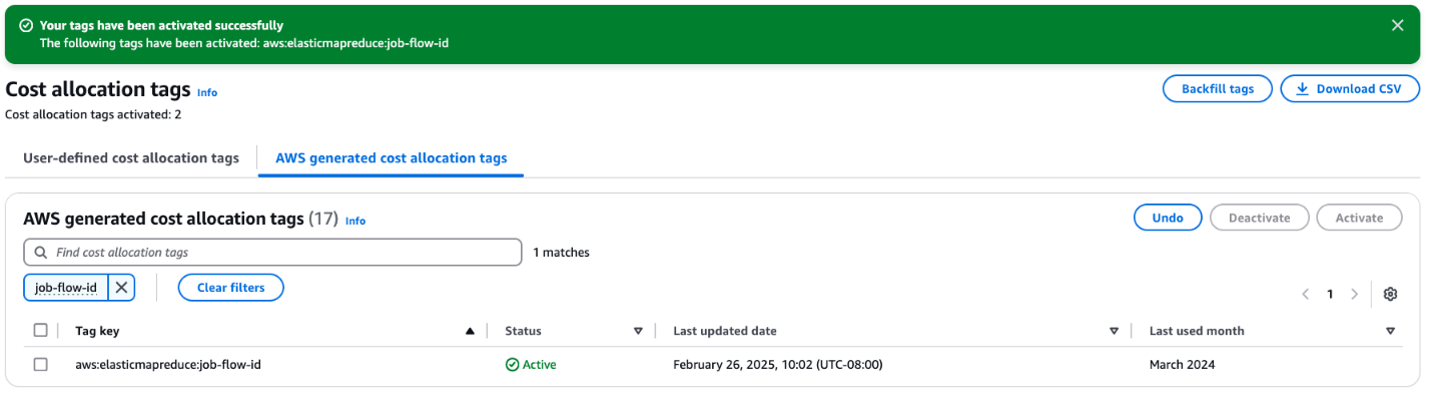
For stable workloads, the article recommends activating the `aws:elasticmapreduce:job-flow-id` cost allocation tag in AWS CUR to track compute resources. A provided SQL query for Amazon Athena helps analyze historical instance usage to establish a baseline. It further details the creation of targeted ODCRs using the AWS CLI, illustrating how instances can be launched against these reservations. The importance of associating ODCRs with resource groups for better management and cleanup is also highlighted, along with the necessary IAM permissions for the EMR service role to utilize capacity reservations. The article explains how to configure the EMR cluster to use ODCRs with instance fleets, emphasizing the decision-making process of Amazon EMR when prioritizing targeted capacity reservations during cluster provisioning.
Spiky workloads, marked by unpredictable and significant fluctuations in processing demands (e.g., real-time processing of user location data during peak hours), are addressed through a combination of instance flexibility, intelligent subnet selection, and managed scaling. Running spiky workloads with limited instance type or Availability Zone flexibility can lead to ICE errors during scaling. To counter this, the article suggests using diverse instance types, prioritized allocation strategies, and Availability Zone flexibility to enhance availability and balance price-performance. It explains how Amazon EMR instance fleets support up to 30 instance types with weighted capacities and spot bid prices, allowing for more cost-effective and faster capacity acquisition. The prioritized allocation strategy, introduced in August 2024, enables EMR to allocate capacity to higher-priority instances first, improving cost savings and reducing launch times. The article also recommends combining new-generation instances for price-performance with previous-generation instances for broader availability and suggests fixing instance sizes for latency-sensitive workloads.
To ensure resilience, the article advises specifying multiple EC2 subnets across different Availability Zones during cluster creation, enabling Amazon EMR to select a subnet with adequate IP addresses. Managed scaling is presented as a mechanism to automatically adjust the number of instances based on workload demands, scaling up during high demand and down during idle periods to optimize costs and performance. The article concludes by recommending a hybrid approach for managing both baseline and spiky workloads in Amazon EMR: using ODCRs for consistent baseline capacity and configuring instance fleets with a strategic mix of ODCR, On-Demand, and Spot Instances, prioritizing ODCR usage. It stresses the importance of continuous monitoring and configuration adjustments based on specific workload patterns and business requirements.
#AmazonEMR #EC2 #FaultTolerance #InstanceFleets #OnDemandCapacityReservations #CapacityPlanning #BigData #CostOptimization #CloudComputing #AWSCLI #AmazonEMR #EC2 #FaultTolerance #InstanceFleets #OnDemandCapacityReservations #CapacityPlanning #BigData #CostOptimization #CloudComputing #AWSCLI
 No comments yet
Let’s Architect! Getting started with containers
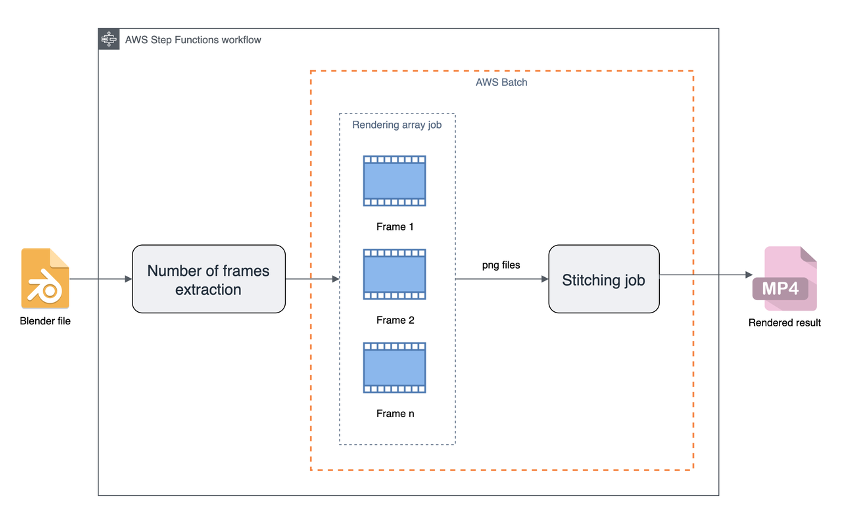
Efficient and cost-effective rendering pipelines with Blender and AWS Batch
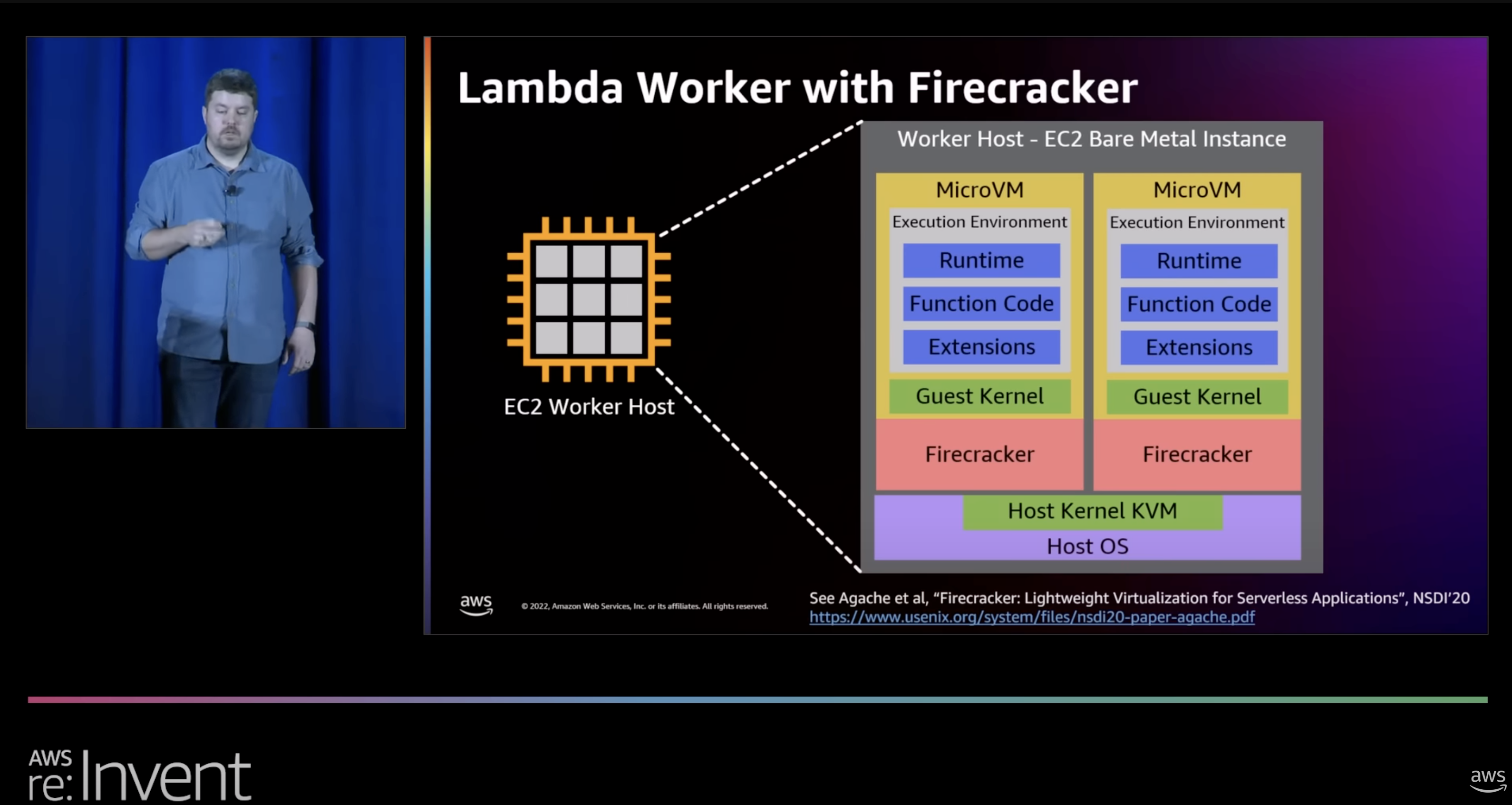
Let’s Architect! Designing serverless solutions
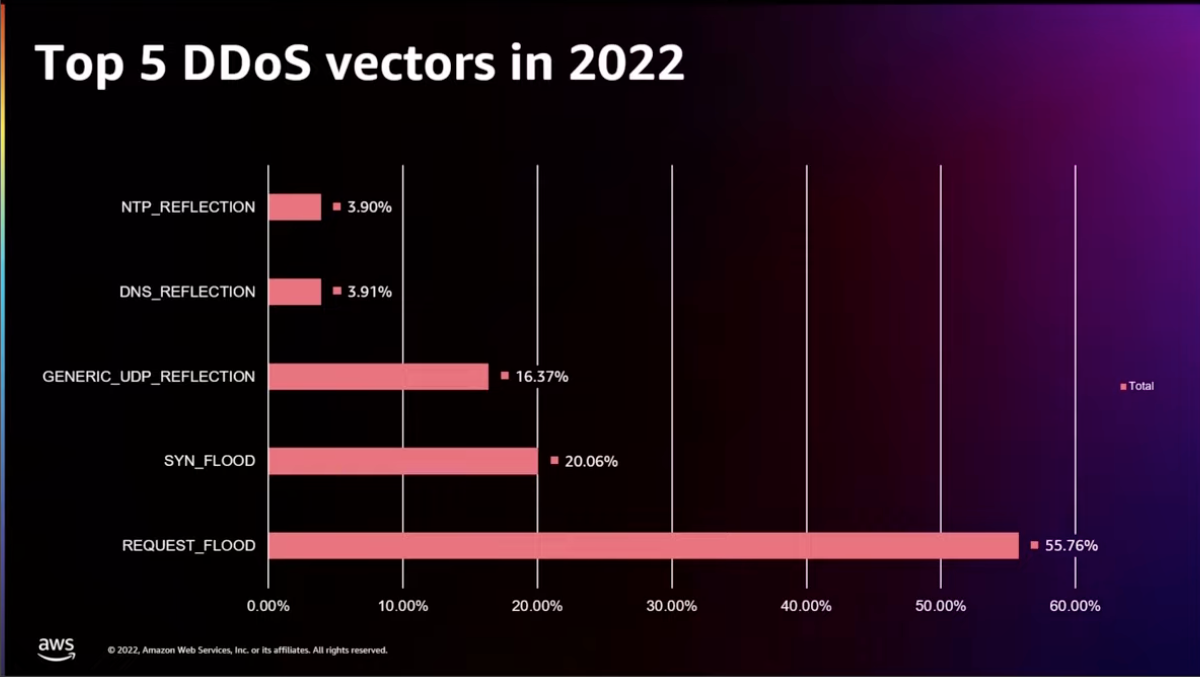
Let’s Architect! Security in software architectures
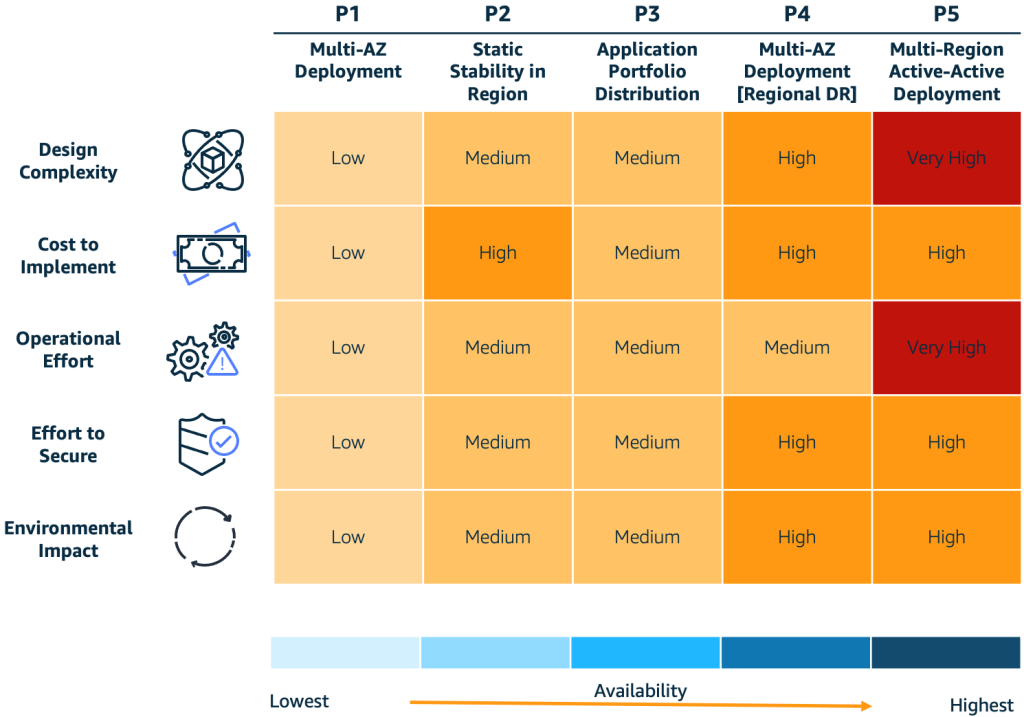
Let’s Architect! Resiliency in architectures
Let’s Architect! Designing microservices architectures
Let’s Architect! Serverless developer experience in AWS | AWS Architecture Blog