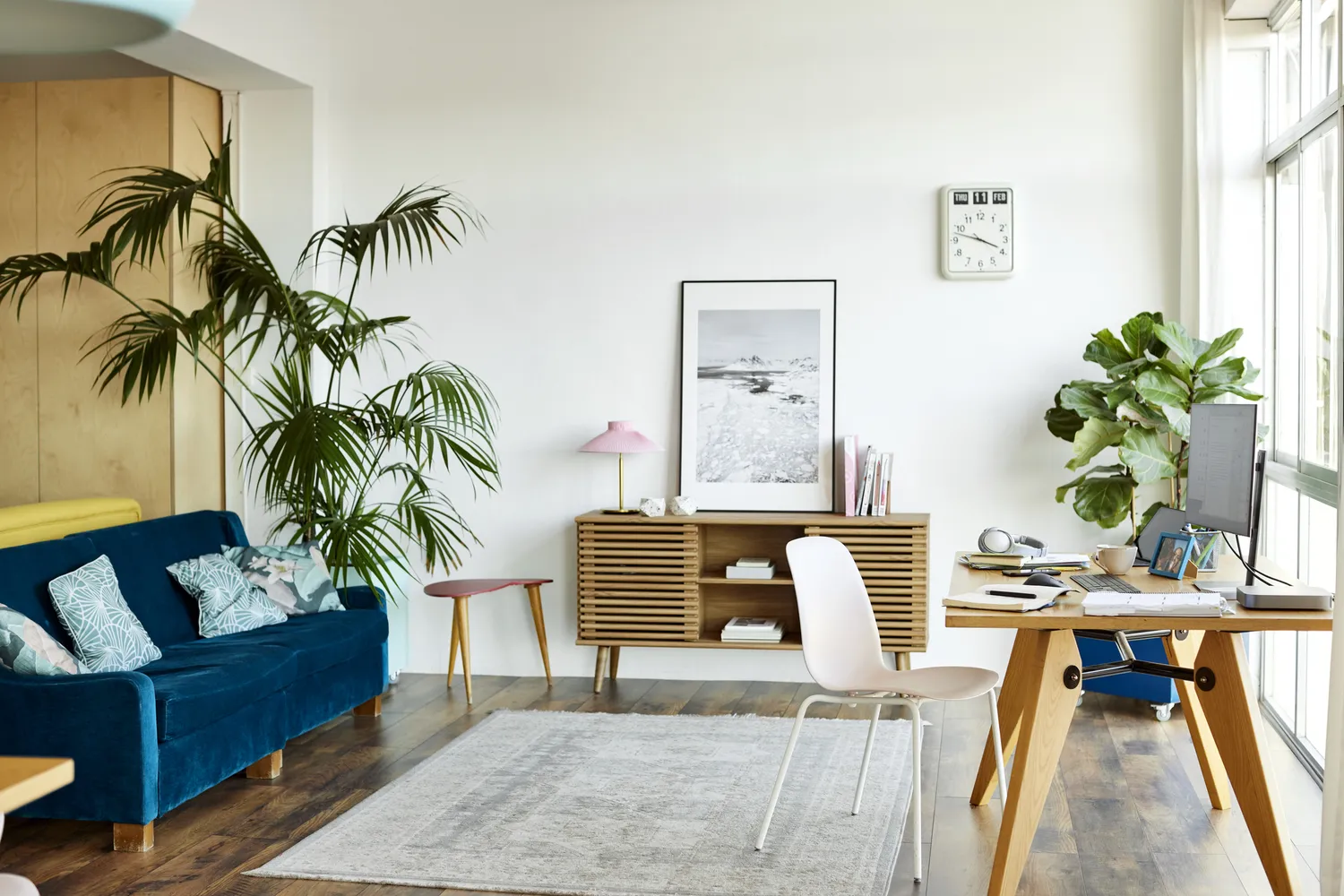
Every Piece of Home Decor Designers Already Regret Buying in 2025
The article explores specific home decor items that professional interior designers regret purchasing in 2025, offering insights into common pitfalls and advice for consumers. This information is gleaned from interviews with three designers: Elaine Burns of Pistachio Designs, Emily Roose of Emily Roose Interiors, and Meghan Jay of Meghan Jay Design. Their collective experiences highlight key considerations for making thoughtful and lasting home decor choices.
One significant area of regret concerns storage pieces that lack a clear purpose. Elaine Burns emphasizes that purchasing stylish storage solutions without a defined use often leads to wasted space. She advises readers to first conduct a closet or cabinet cleanout to understand their exact storage needs, then select bins and baskets that fit those specific requirements. This strategic approach ensures that every storage item serves a functional role, preventing clutter and optimizing space.
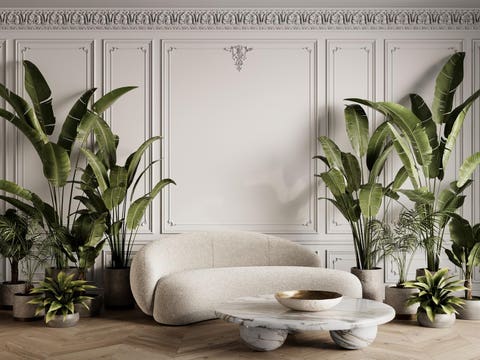
Another regretted purchase involves faux plants, particularly those of low quality. Emily Roose notes that while faux plants can introduce greenery and a sense of nature to a space, cheaply made ones often look unconvincing. She suggests that investing in higher-quality faux plants is worthwhile for those without a green thumb, as they offer a more realistic appearance and require minimal maintenance, enhancing the aesthetic appeal of a room without the upkeep of live plants.
Fast furniture, characterized by its quick availability and lower cost, is another item designers regret. Roose points out that while appealing for immediate needs, fast furniture frequently comes with drawbacks such as complex assembly, missing parts, and a lack of durability. This type of furniture is often not built to last, leading to frequent replacements. The recommendation is to save for more durable, higher-quality pieces that offer longevity and better value over time, reducing the need for repeat purchases.
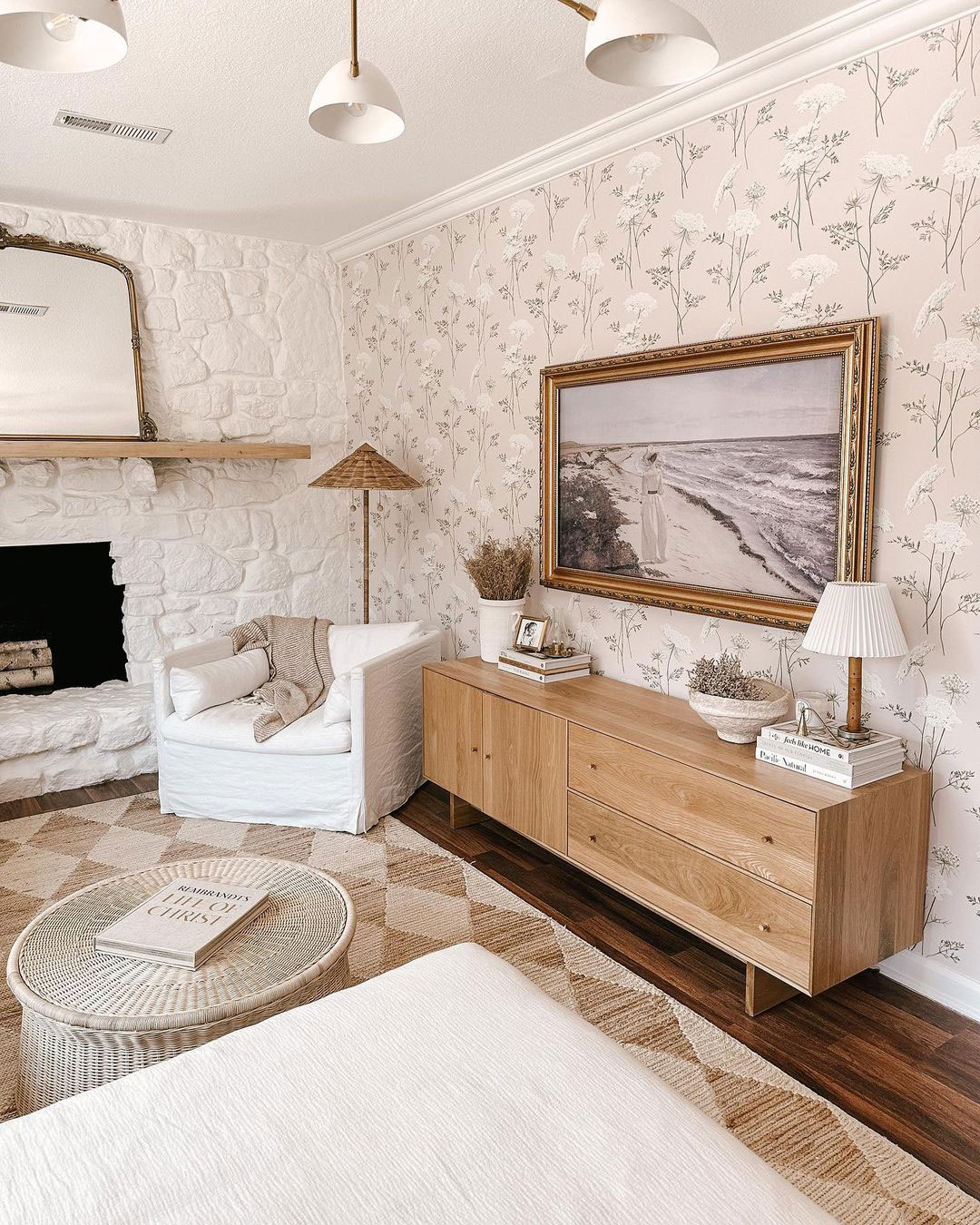
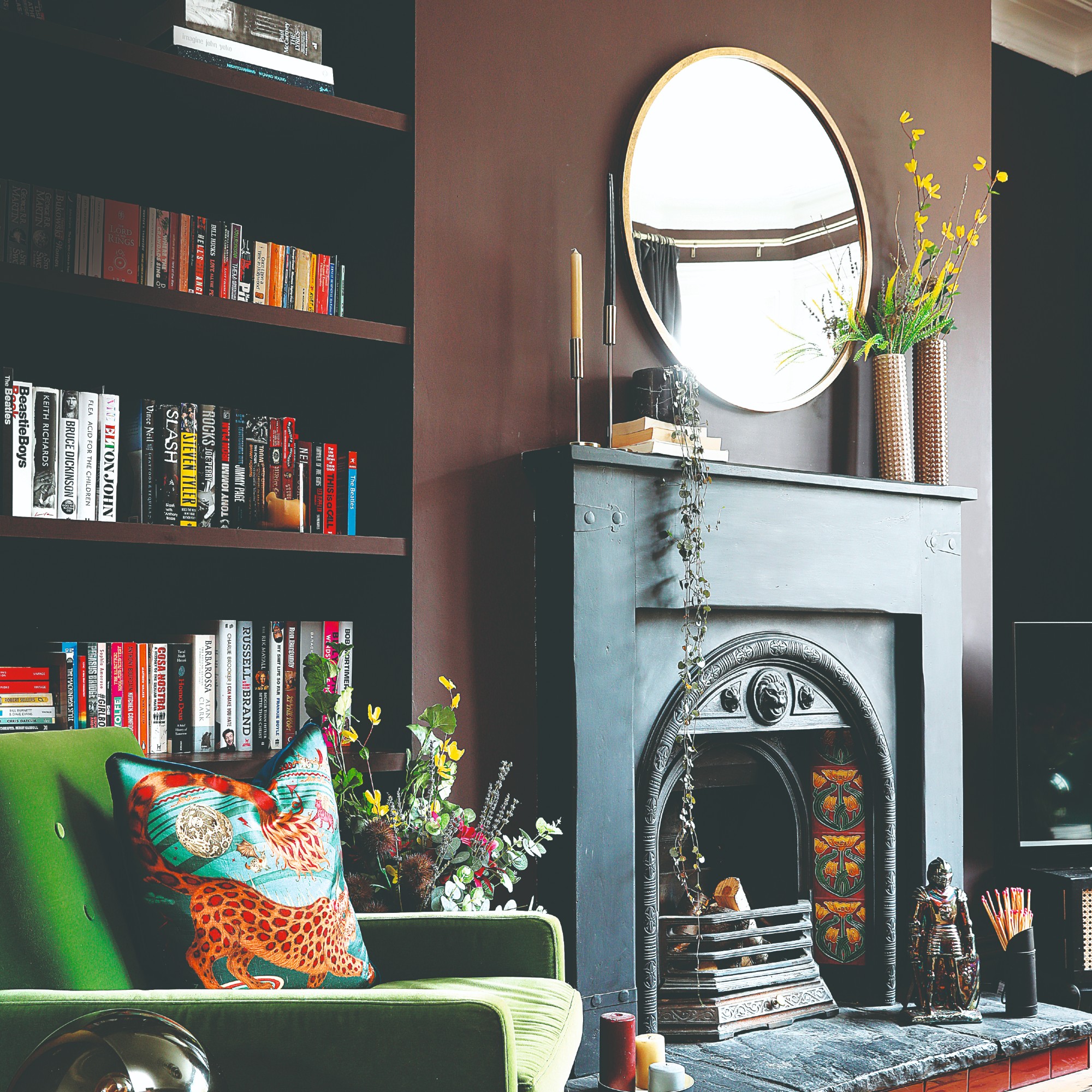
Plain, utilitarian mirrors are also on the list of regrets. Meghan Jay expresses her dissatisfaction with purchasing generic mirrors solely to fill a space. She advises patience and encourages searching for vintage or unique mirrors from antique stores, vintage shops, or online marketplaces like Facebook Marketplace. These sources often provide mirrors with distinct character and history, adding a more personal and eye-catching element to a room compared to mass-produced options.
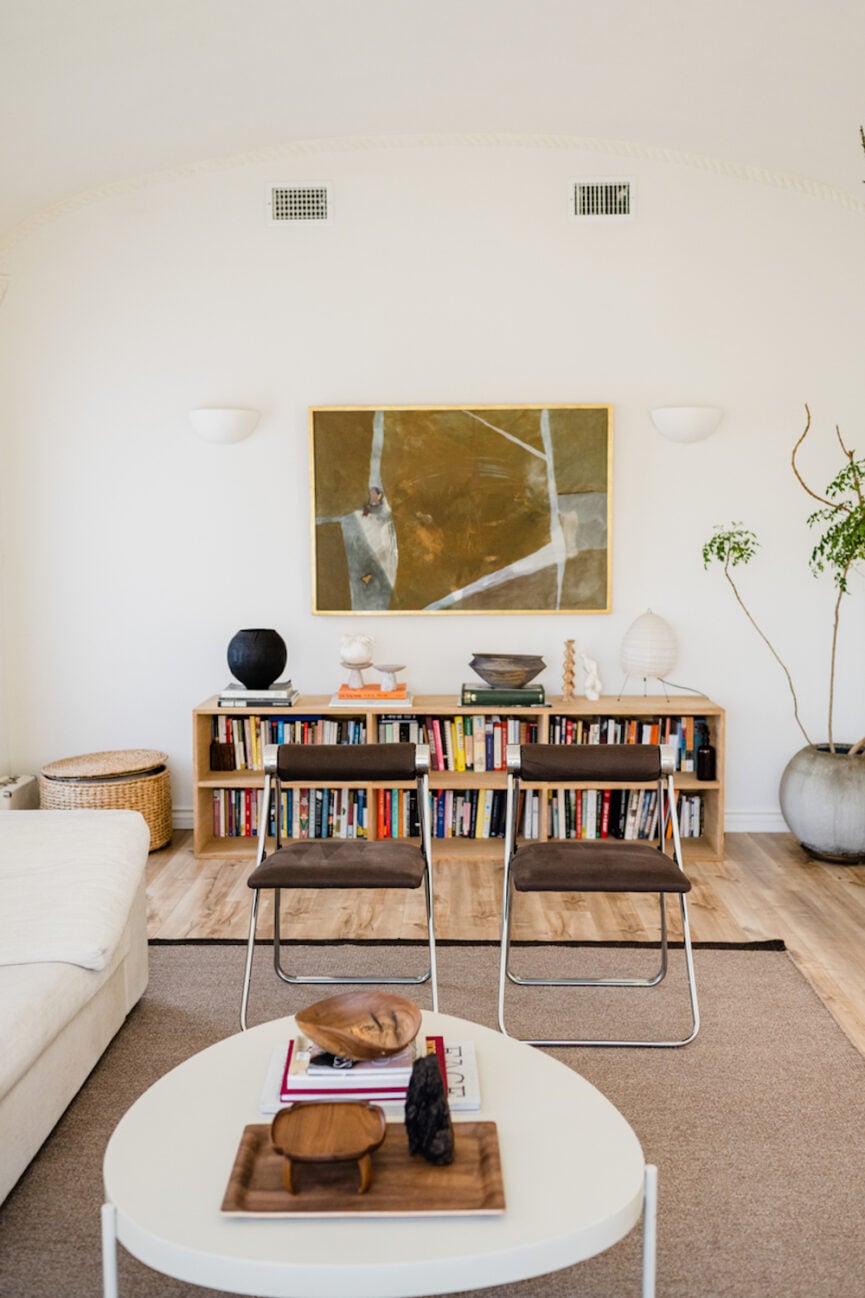
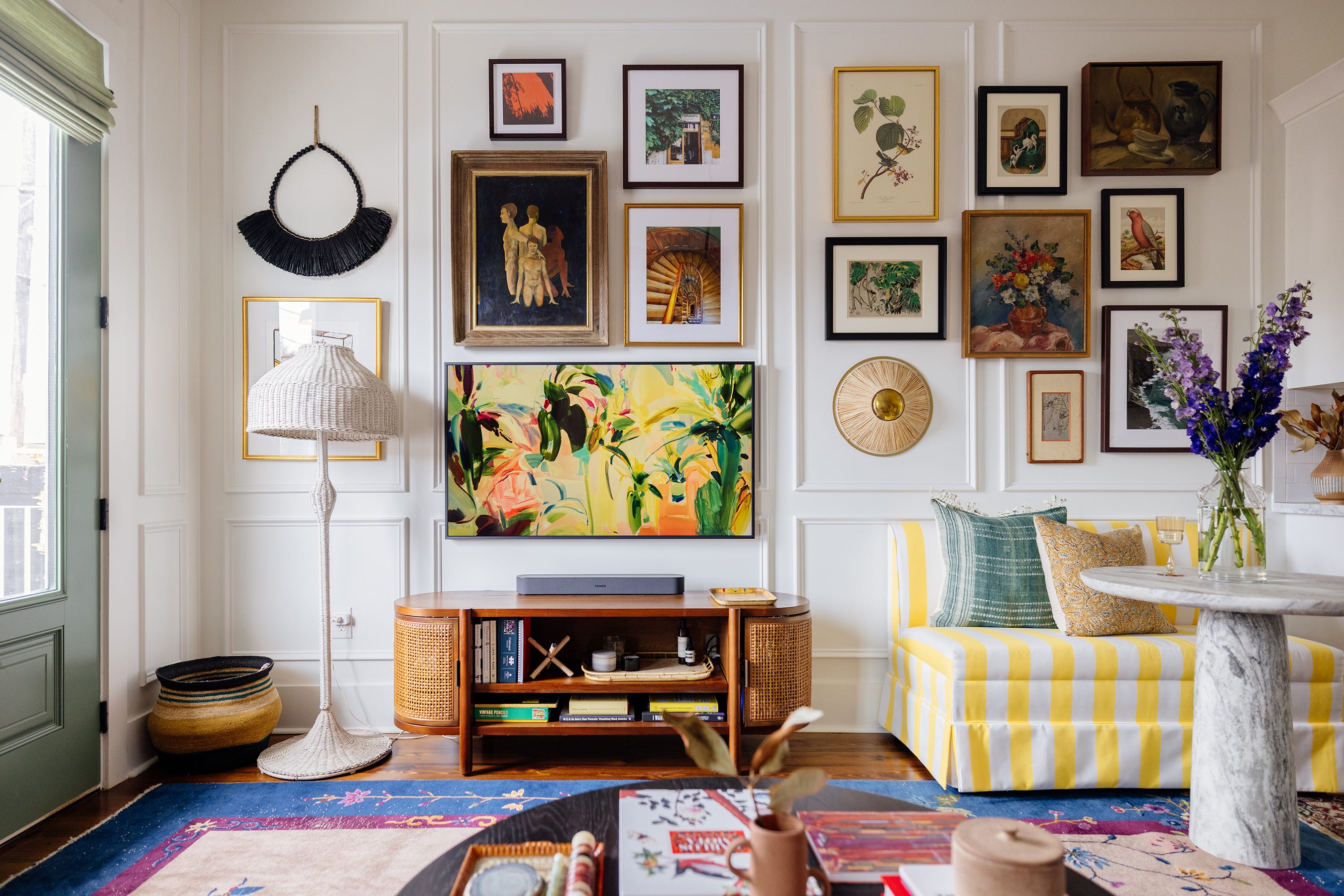
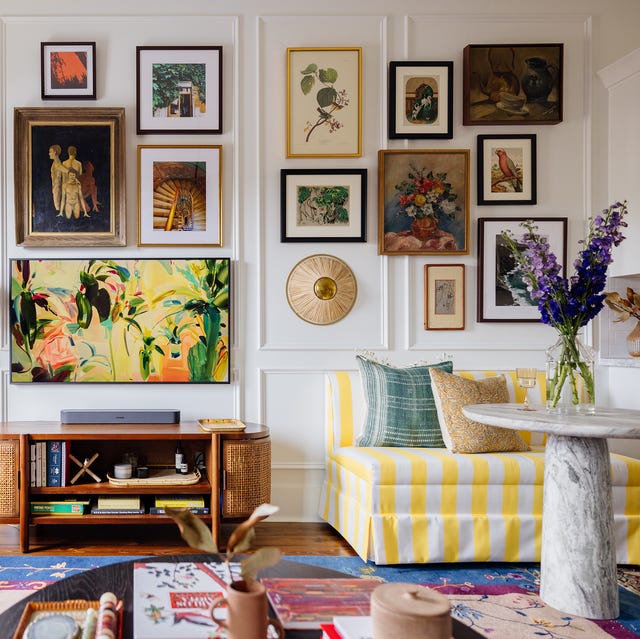
Finally, mass-produced art is identified as another regret. Jay admits to buying generic artwork to address empty wall spaces. She now advocates for investing in original or character-filled art pieces, even if they require a longer search or a larger budget. Her reasoning is that these unique artworks resonate more personally and add significant value and personality to a home, surpassing the temporary satisfaction offered by readily available, mass-produced alternatives. The designers' experiences collectively underscore the importance of thoughtful consideration, patience, and investment in quality when decorating a home.
#HomeDecor #InteriorDesign #DesignTrends #BuyingGuide #StorageSolutions #FauxPlants #FurnitureChoices #MirrorSelection #ArtAcquisition #HomeDecor #InteriorDesign #DesignTrends #BuyingGuide #StorageSolutions #FauxPlants #FurnitureChoices #MirrorSelection #ArtAcquisition
0 comment in total
 No comments yet
You may also like
Ready to Redecorate? 2025’s Top Design Trends Just Dropped

The biggest home decor trends that interior experts say you’ll be championing in your home in 2025
The Decorating Trends Designers Are Leaving Behind in 2026

We Asked Designers for the Most Overdone Decor Trends of 2025 and They Did Not Hold Back
8 Decorating Trends Designers Wish Would Go Away in 2025

I asked interior designers what trends they are already sick of seeing in 2025
7 Outdated Home Decor Items To Toss In 2025, According To Southern Designers
The Pros Have Spoken: These Interior Design Trends Will Define 2025

The decorating trends designers definitely want you to leave behind in 2025 – from fads to faux pas

5 Design Trends Interior Designers Can't Wait to Say Goodbye to in 2025
6 Trends Defining Home Décor in 2025

8 "Tacky" Home Trends That Are Tragically Dead to Designers in 2026

9 Home Décor Trends on Their Way Out in 2025, According to Interior Designers
Interior Designers are Ditching These Home Trends in 2024
How to decorate in 2025: Skip these tired trends, interior designers say
10 furniture trends that designers are loving for 2025
5 outdated home decor trends interior designers want you to kiss goodbye in 2024, and what to do instead

"It Will Go Out As Quickly As It Came In": Interior Designers Are Sharing Their Honest Takes About 2024 Home Decor Trends

10 Interior Design Trends Going Away In 2025

I'm an interior designer. Here are 10 trends I won't be wasting money on in 2025.