1/14
Box room ideas – 13 ways to maximise the limited space and make the most of every inch
Box rooms, characterized by their compact nature, are a common feature in many British homes and are increasingly found in modern new builds. These small spaces, originally used for storage or as auxiliary bedrooms, offer versatile opportunities for utilization. The key to maximizing a box room’s potential lies in determining its primary purpose, whether it's for extra storage, a guest bedroom, a home office, or a play area. Strategic design choices can transform these often-overlooked areas into functional and aesthetically pleasing parts of a home.
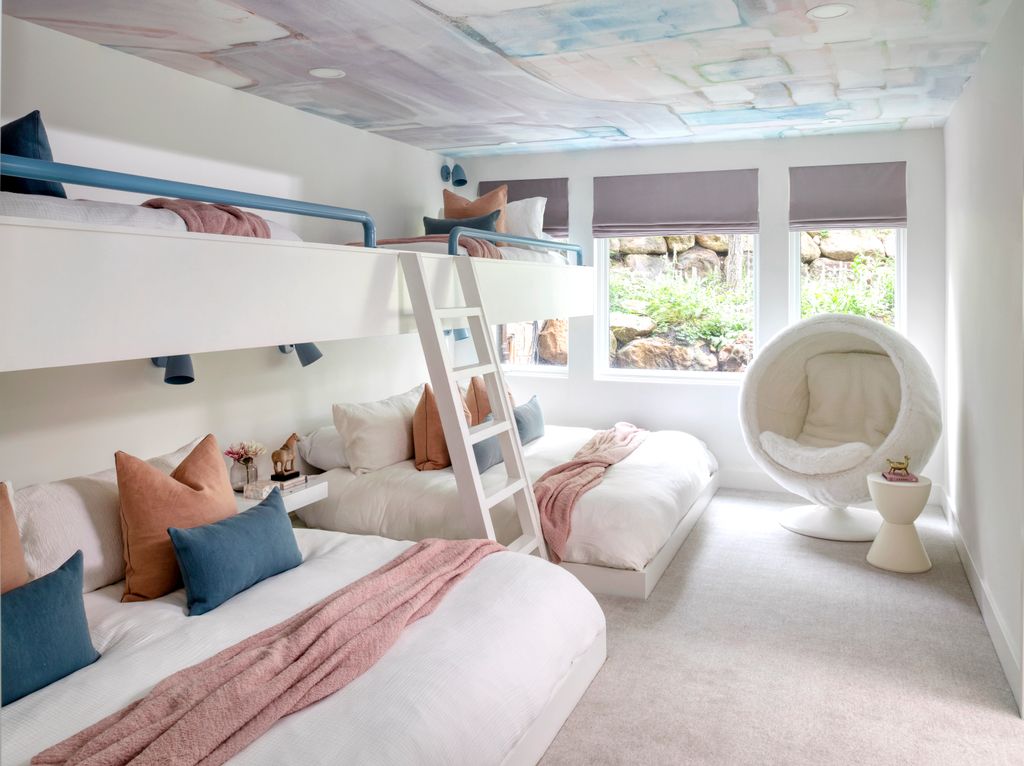
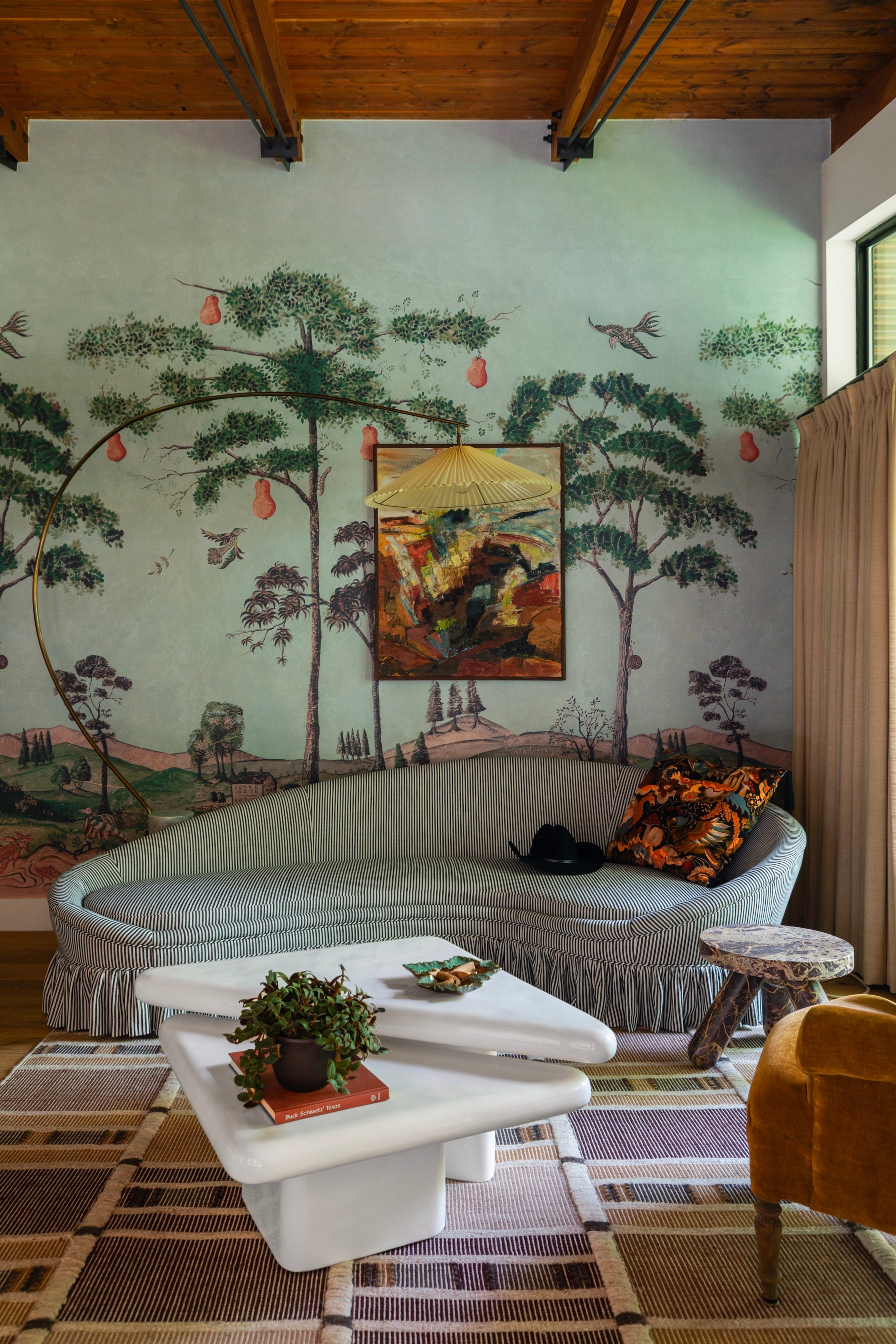
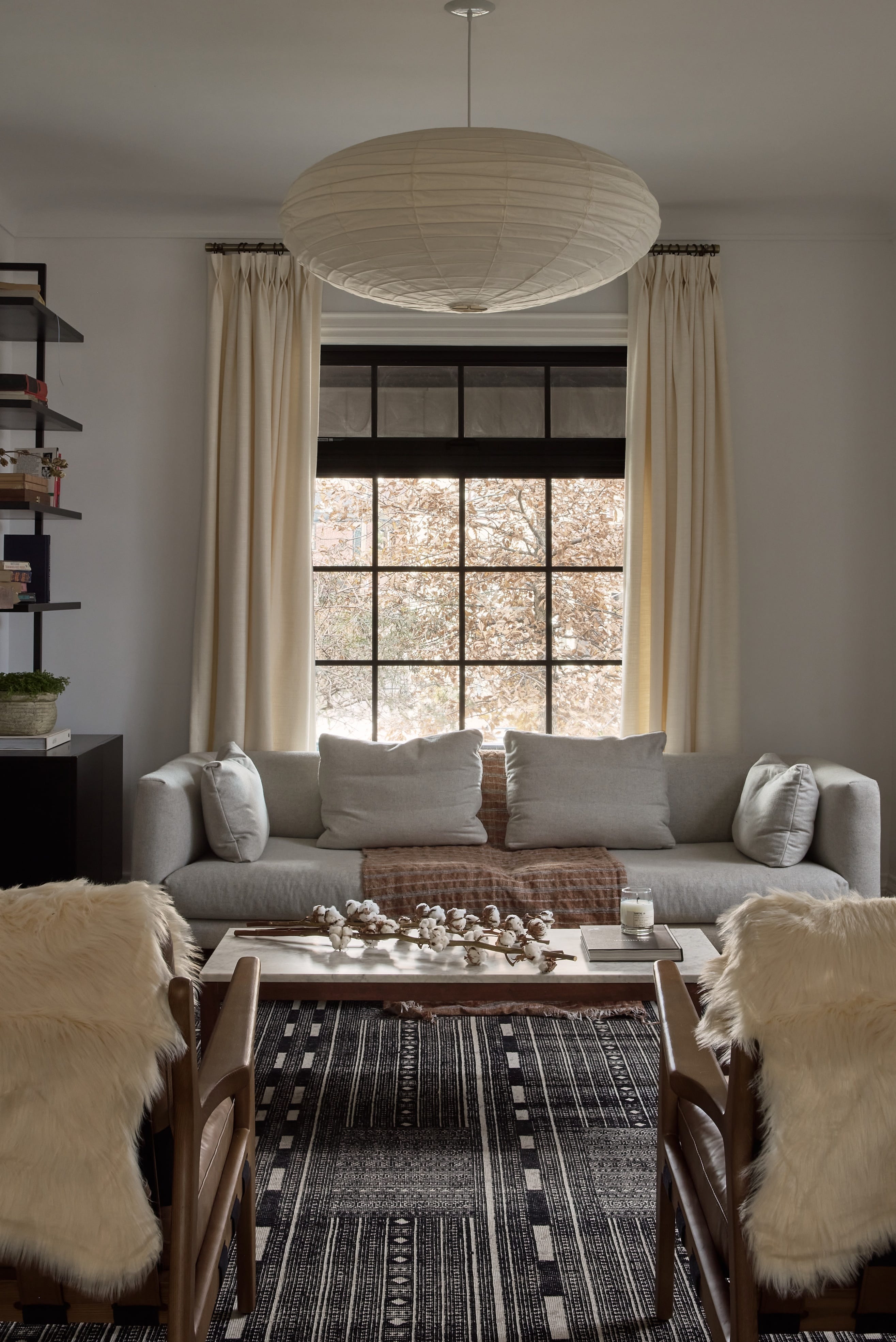
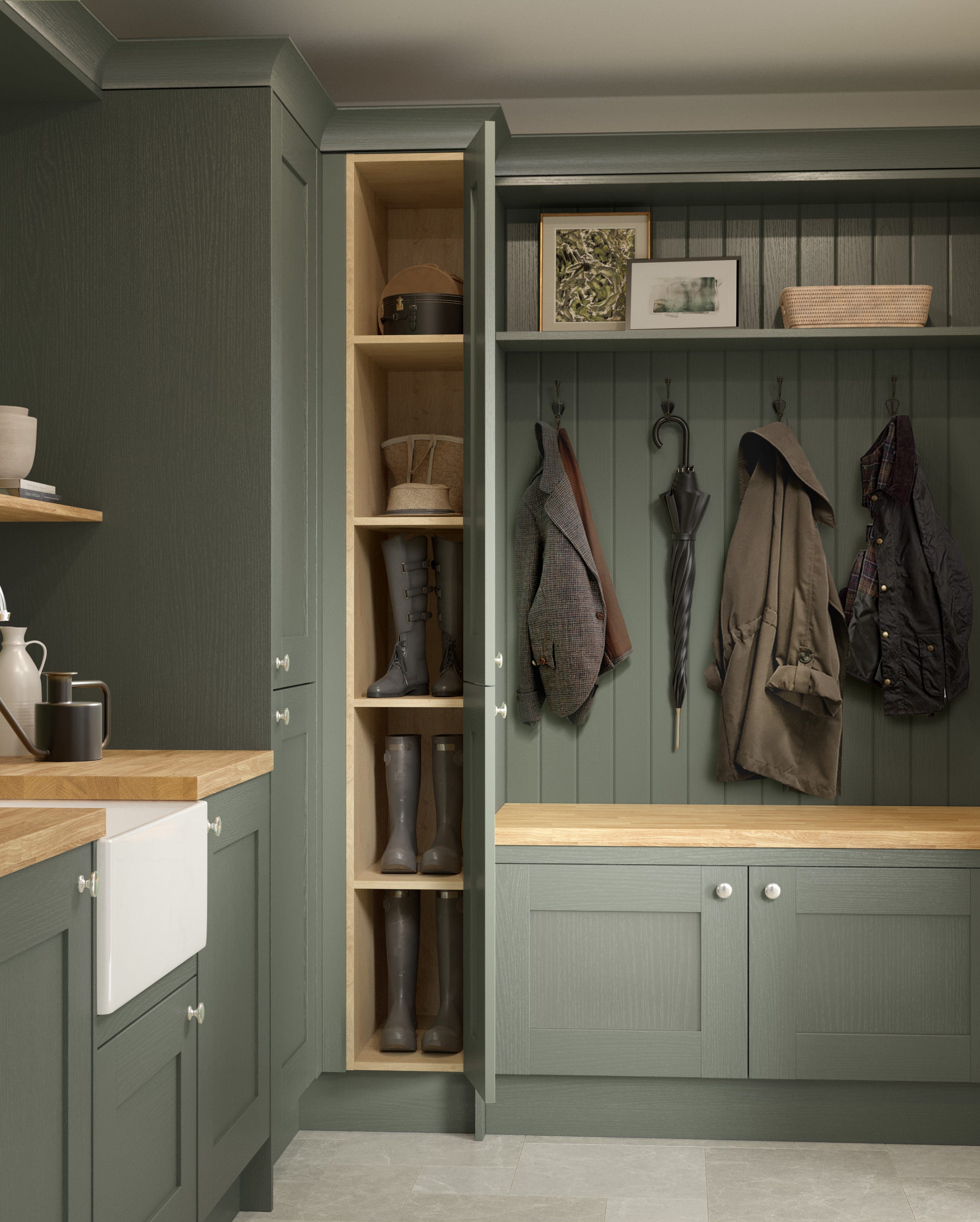
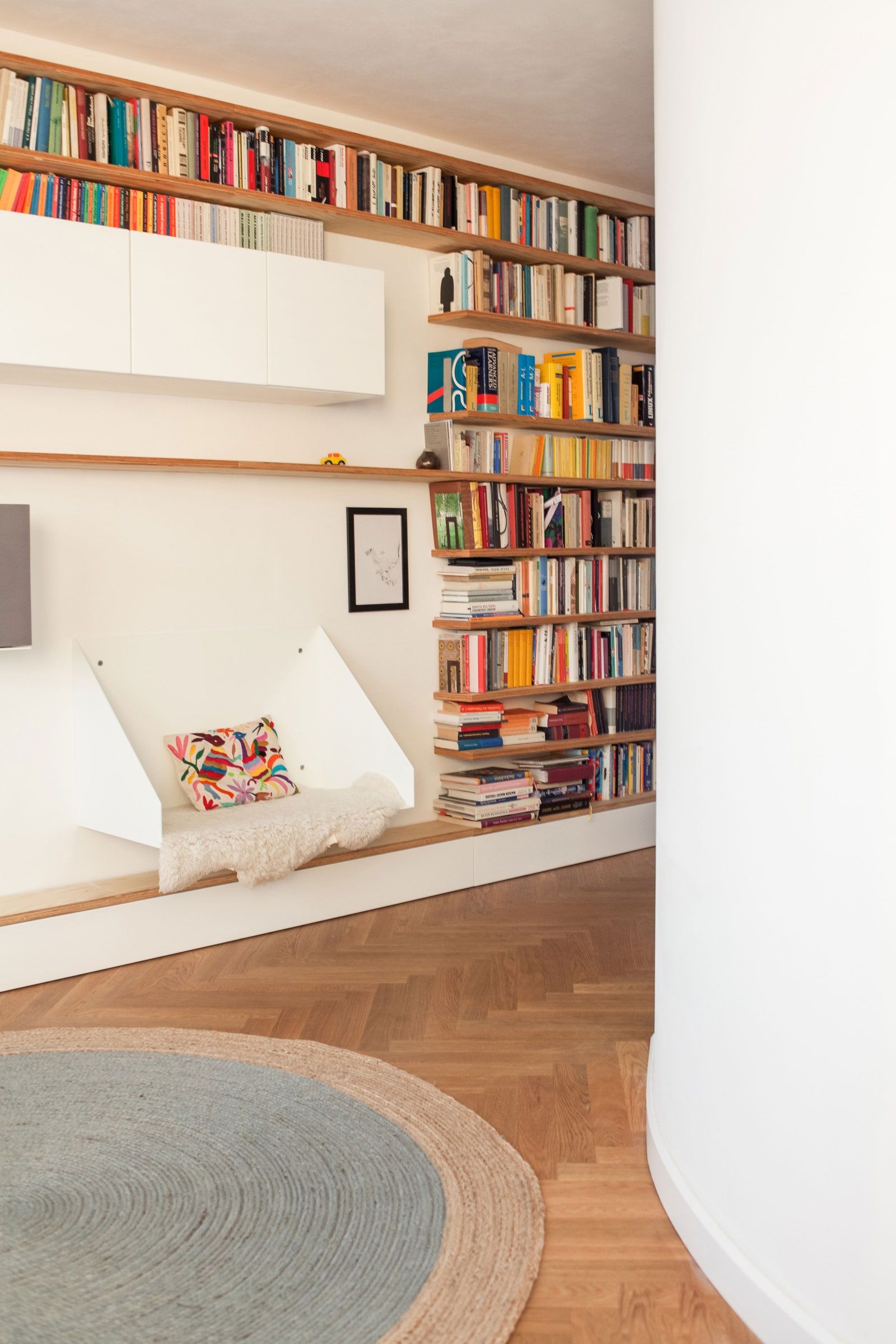
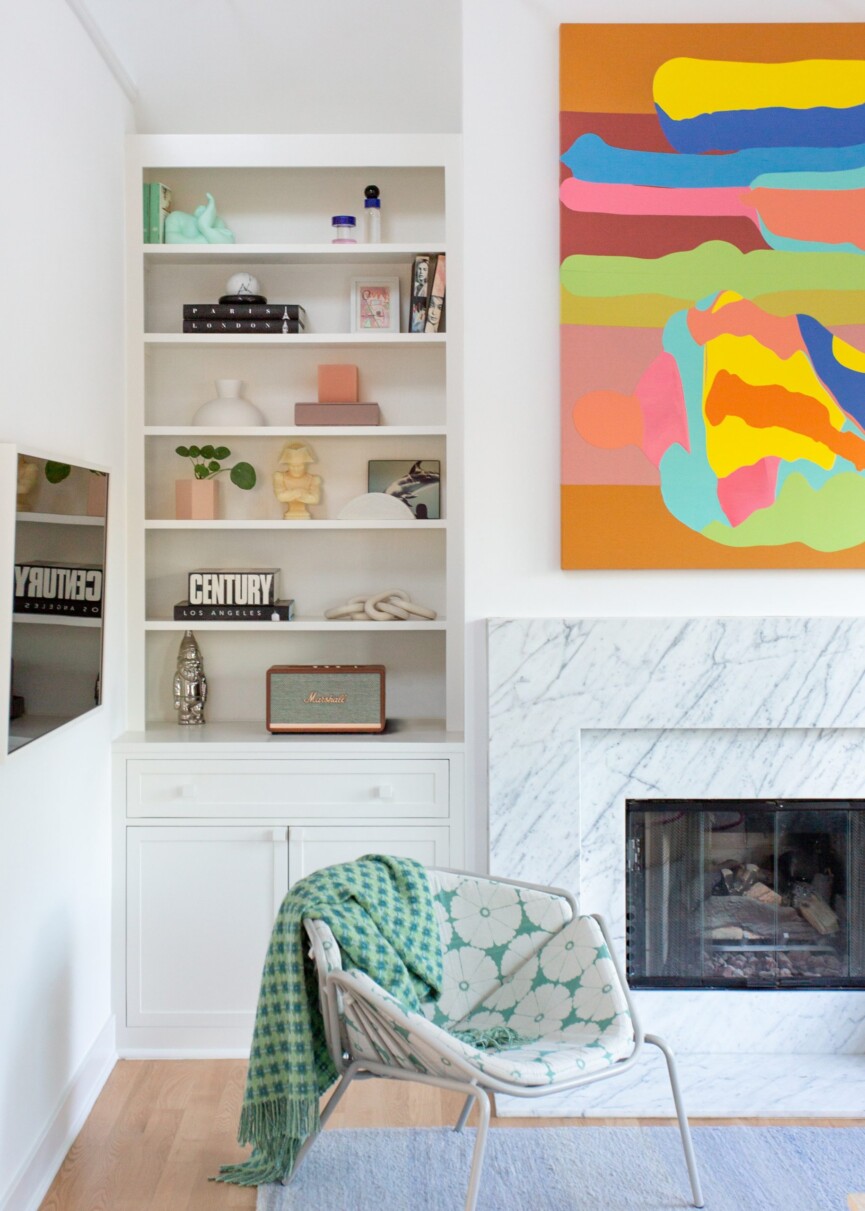
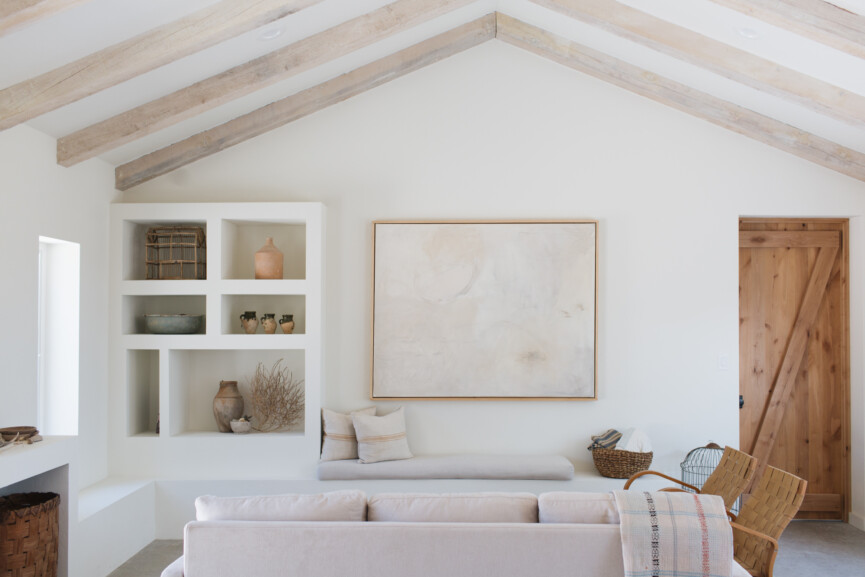
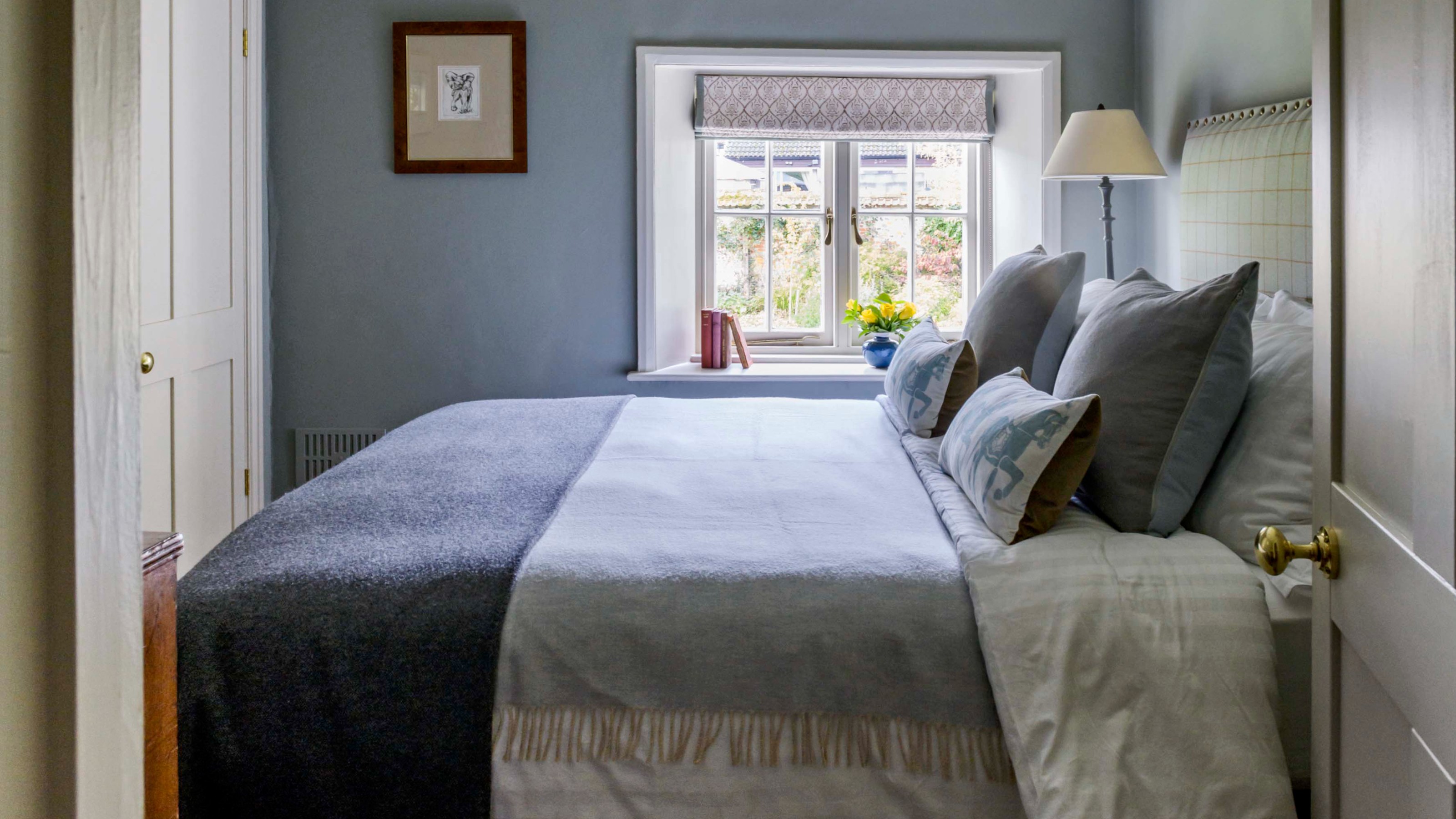
One fundamental design principle for box rooms is the use of a light color palette. Lighter shades like soft neutrals, pale blues, or muted greens visually expand the space and enhance brightness. Interior designers advise against dark colors and busy patterns, which can make the room feel smaller and more cramped. To add depth without sacrificing the sense of space, subtle patterns or textured fabrics in similar tones can be incorporated. Another effective technique is to keep the floor as clear as possible. This involves utilizing wall-mounted lighting and vertical storage solutions such as tall shelving units, which draw the eye upwards and create an illusion of greater space.
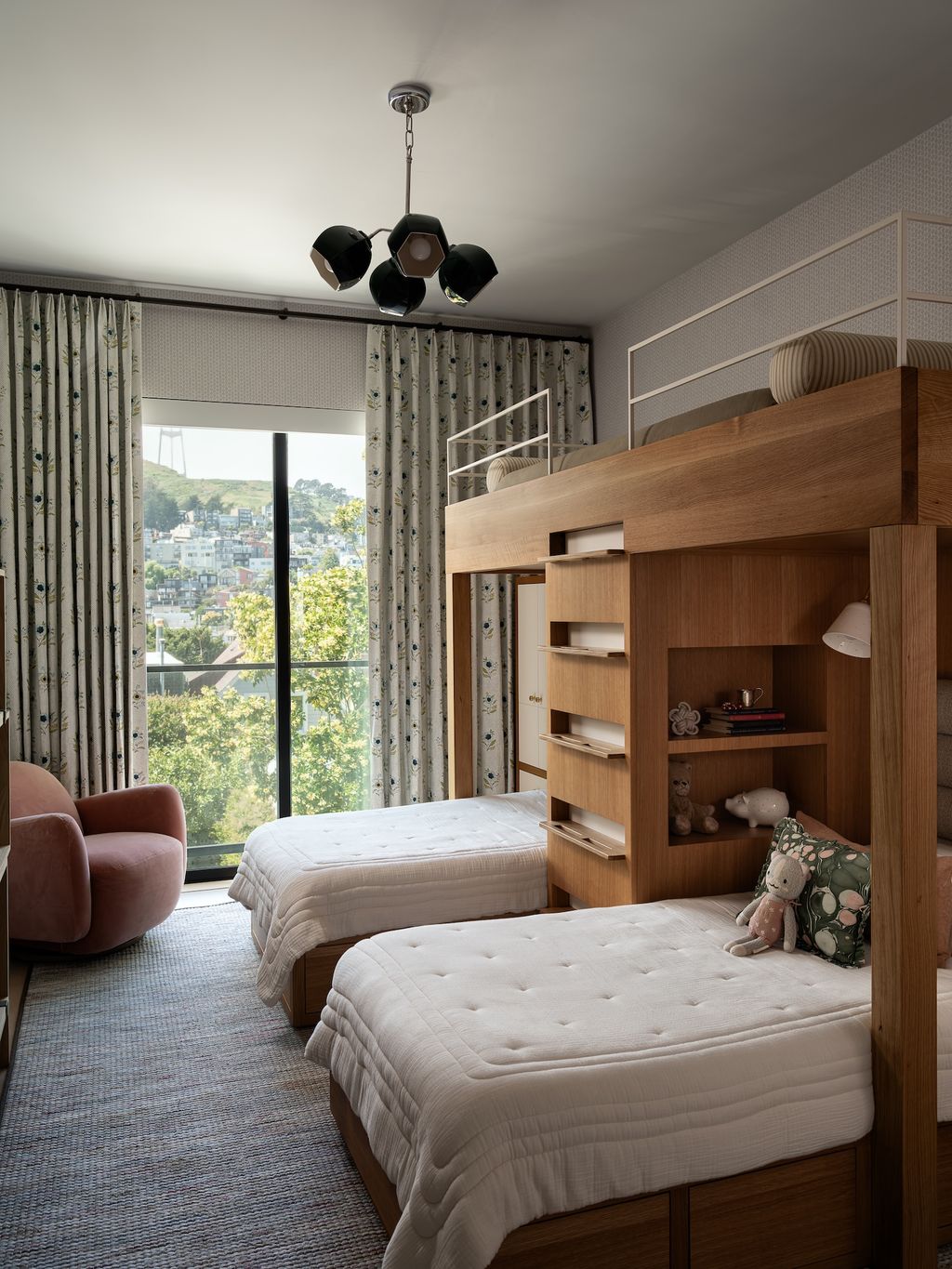
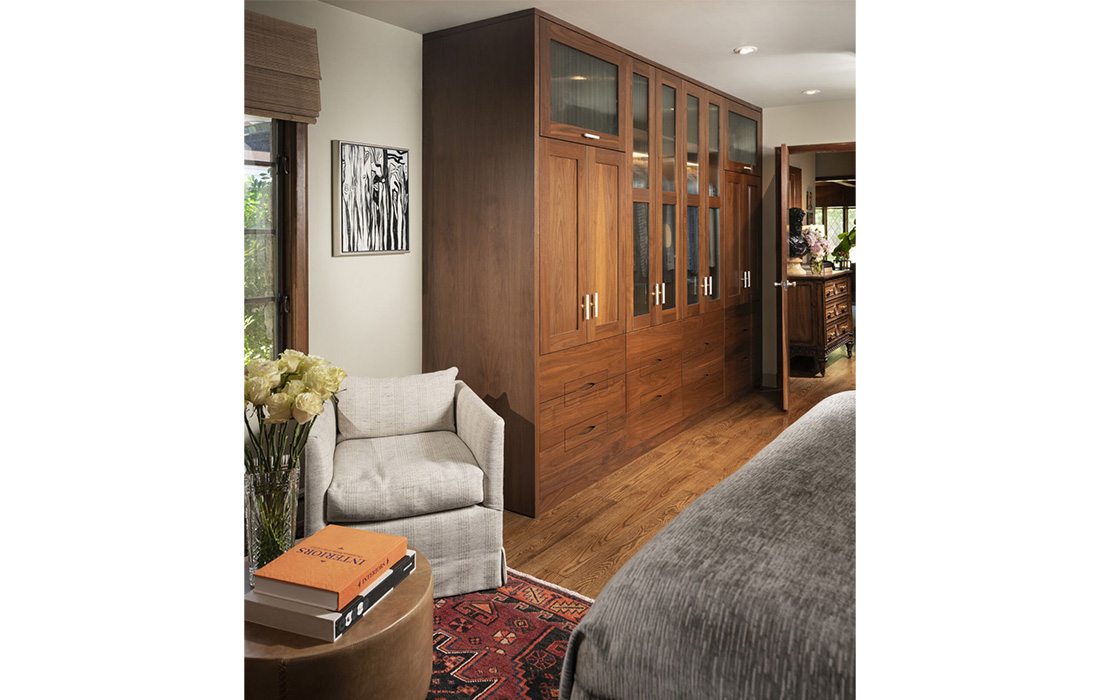
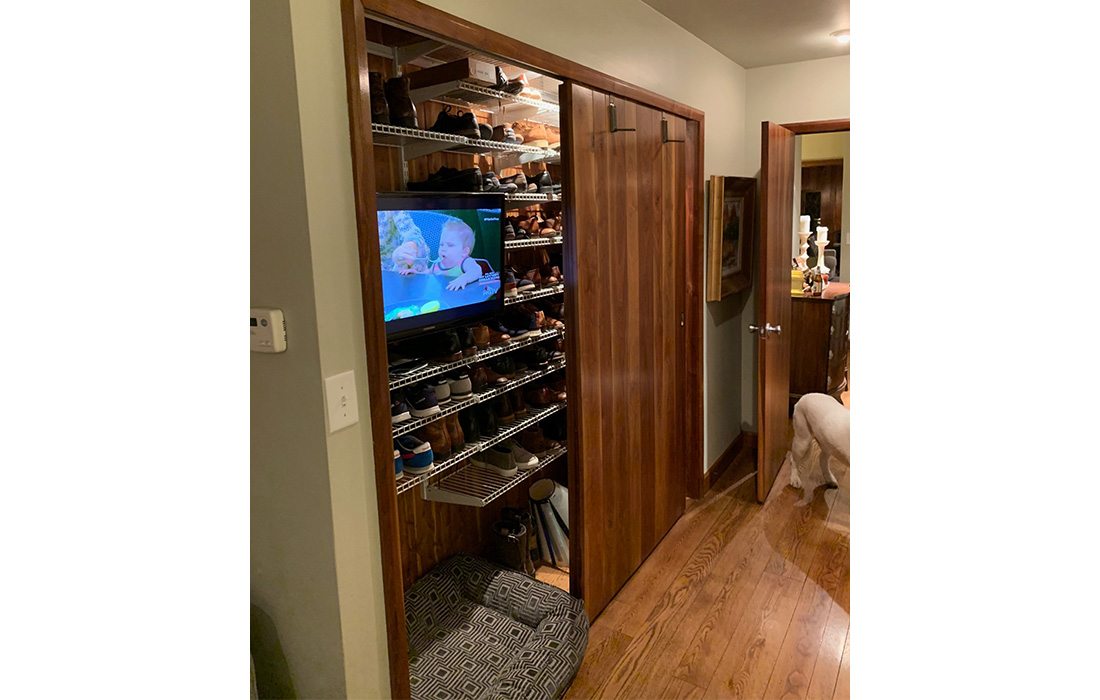
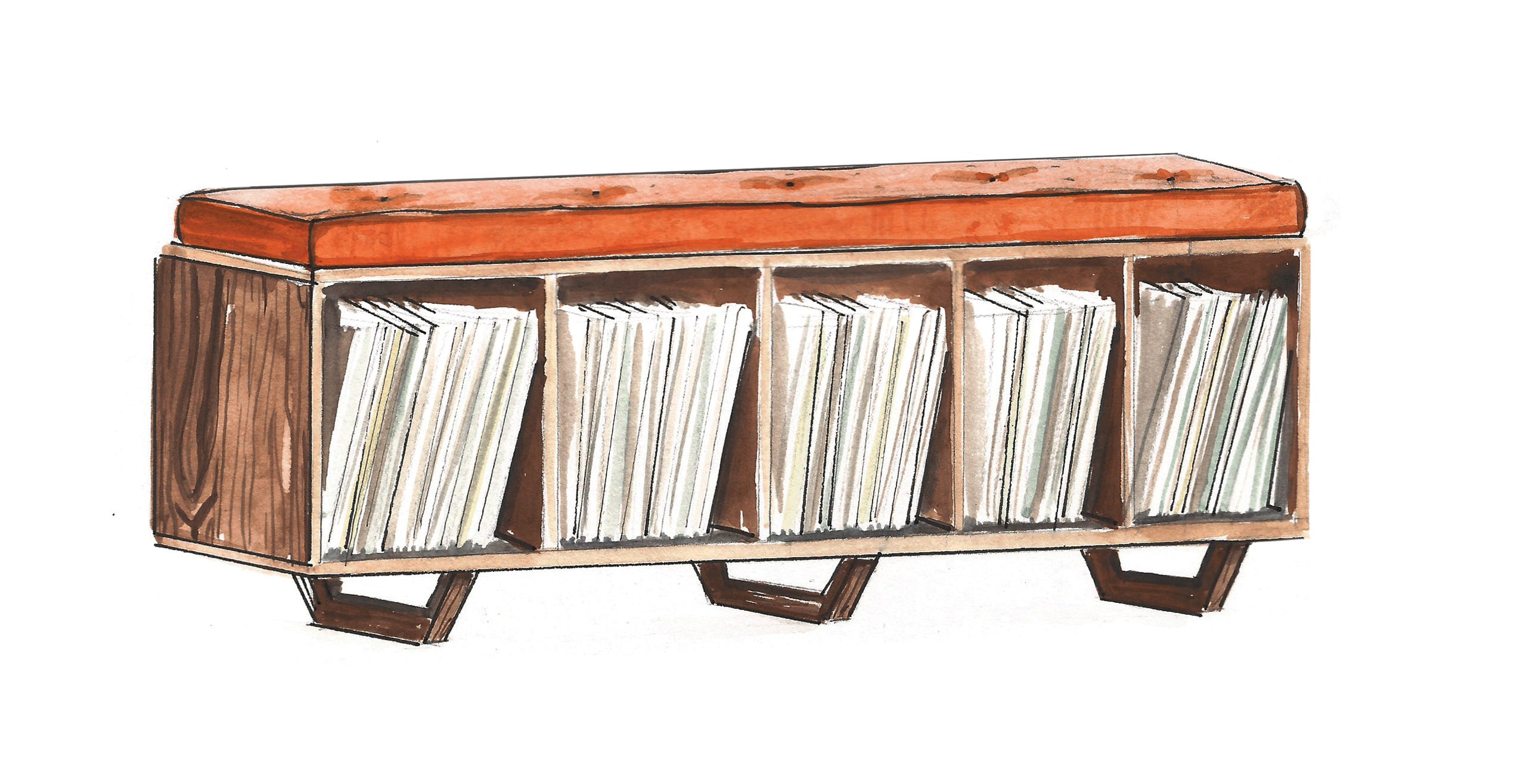
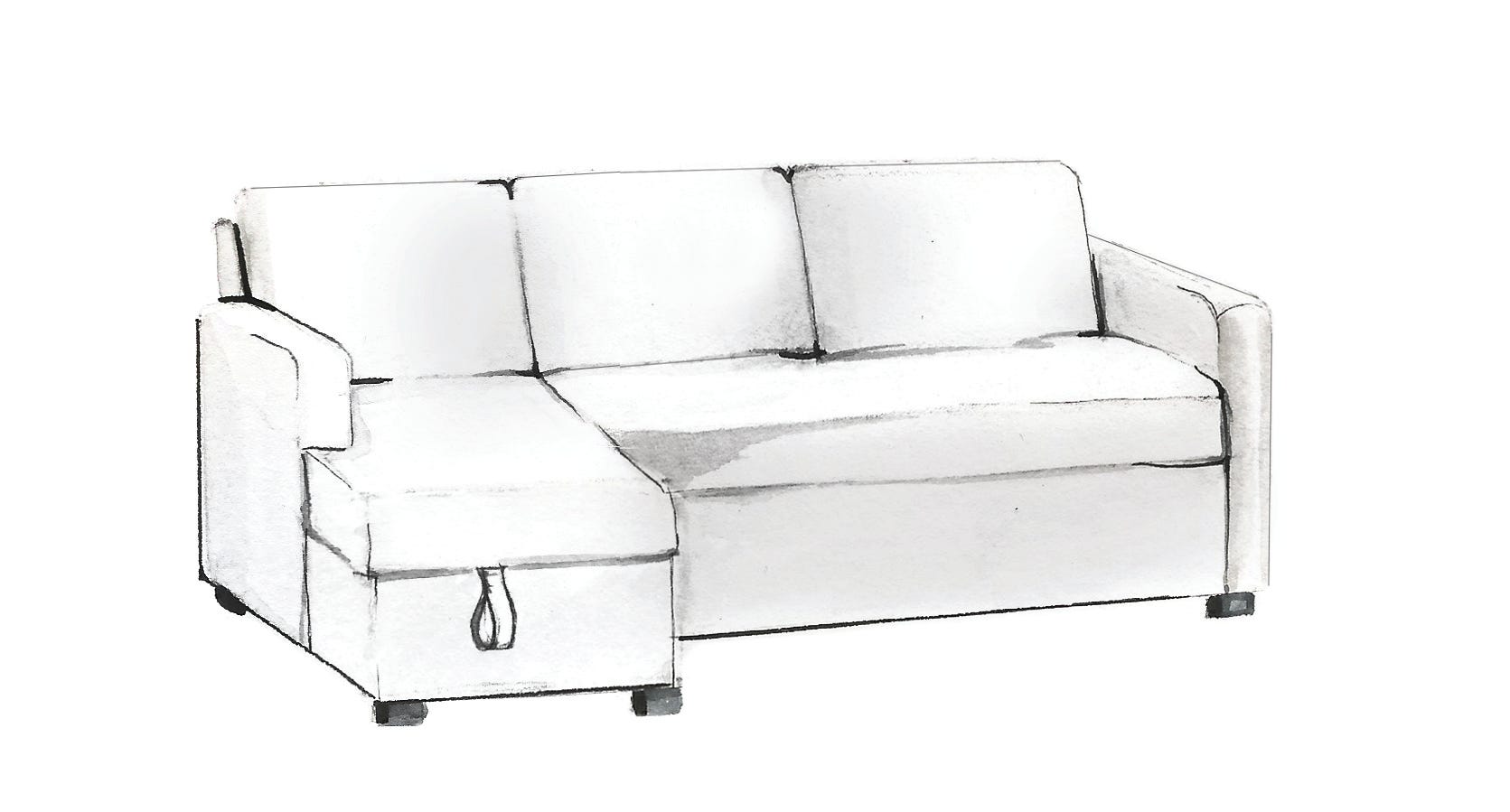
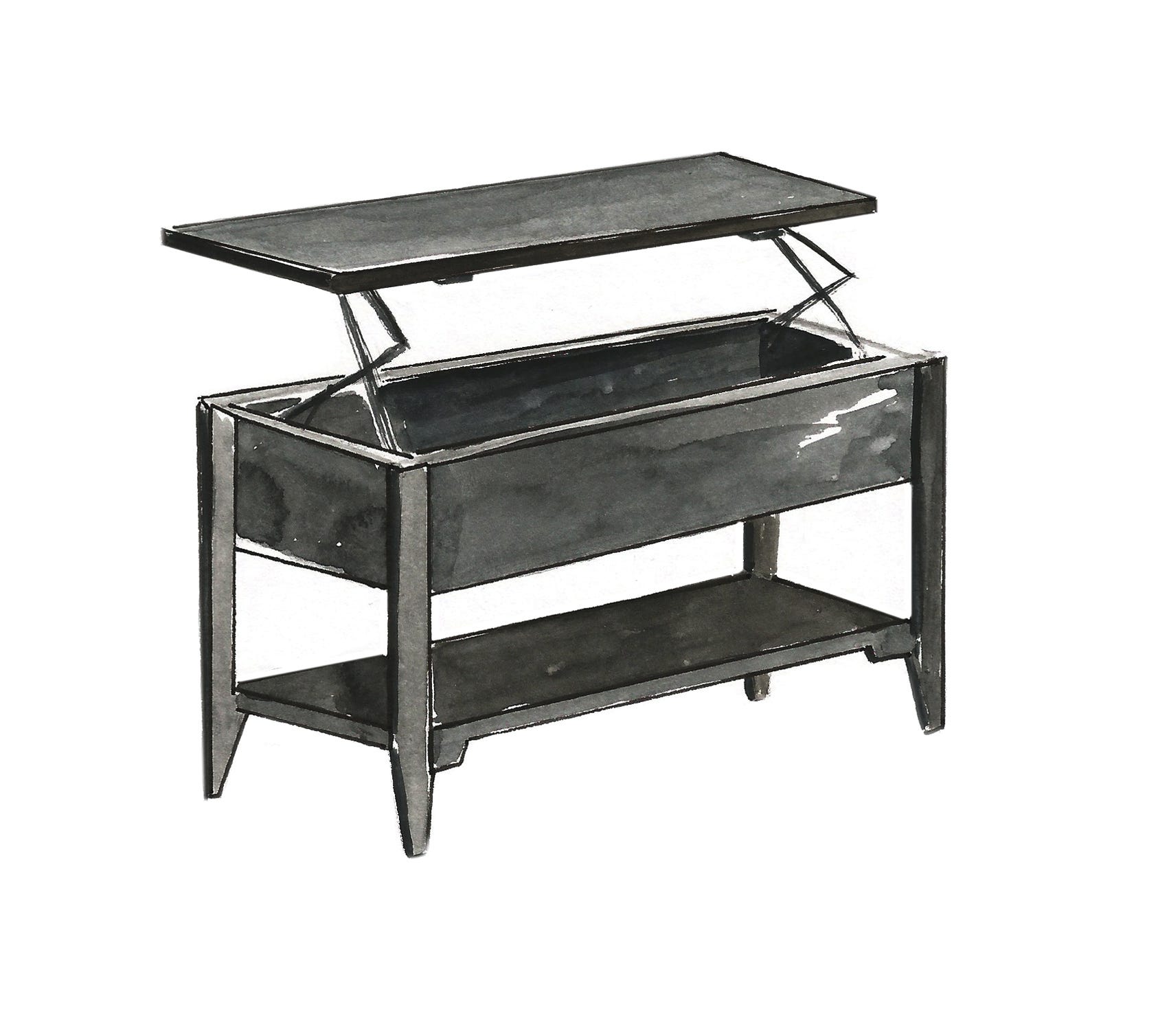
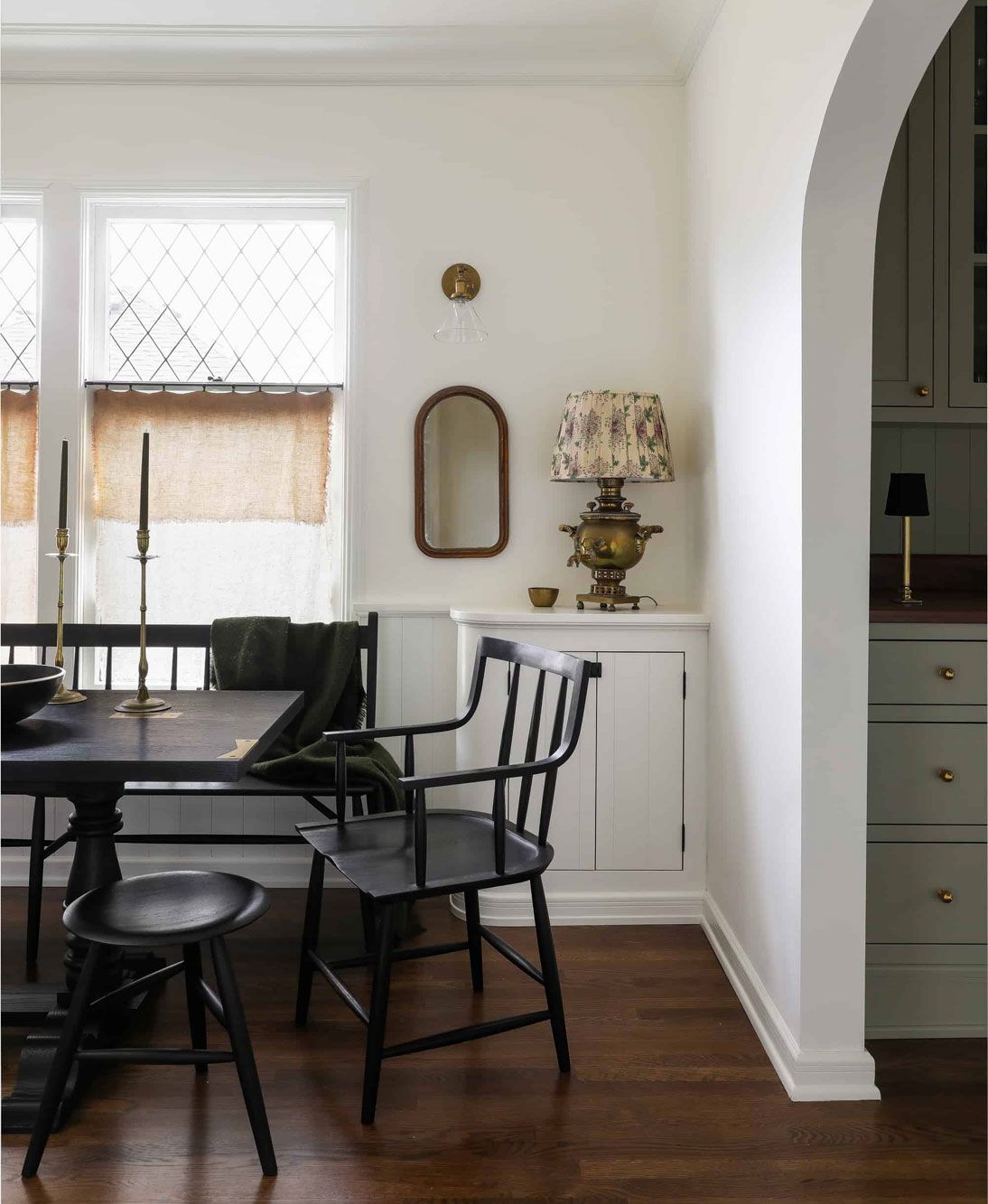
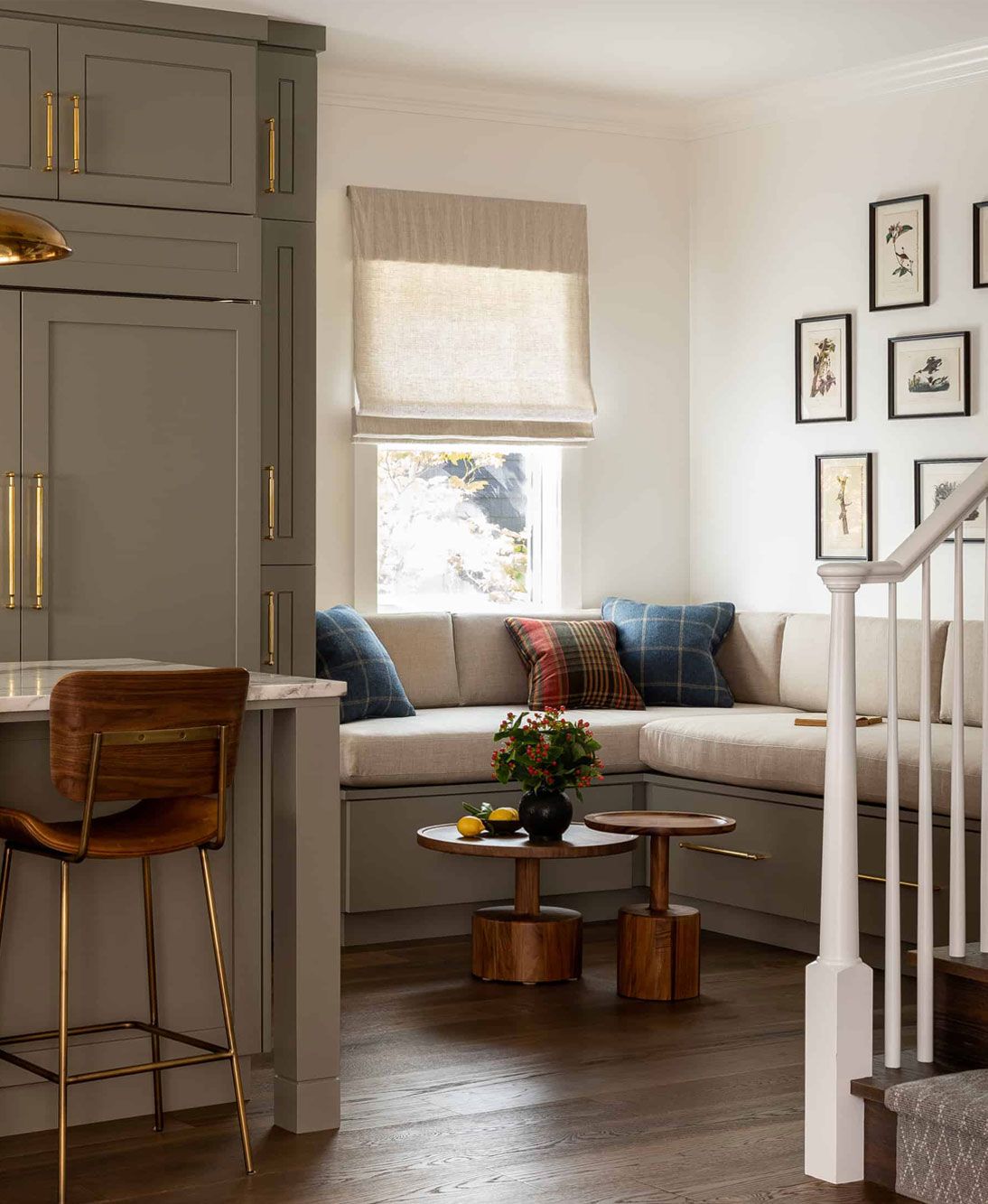
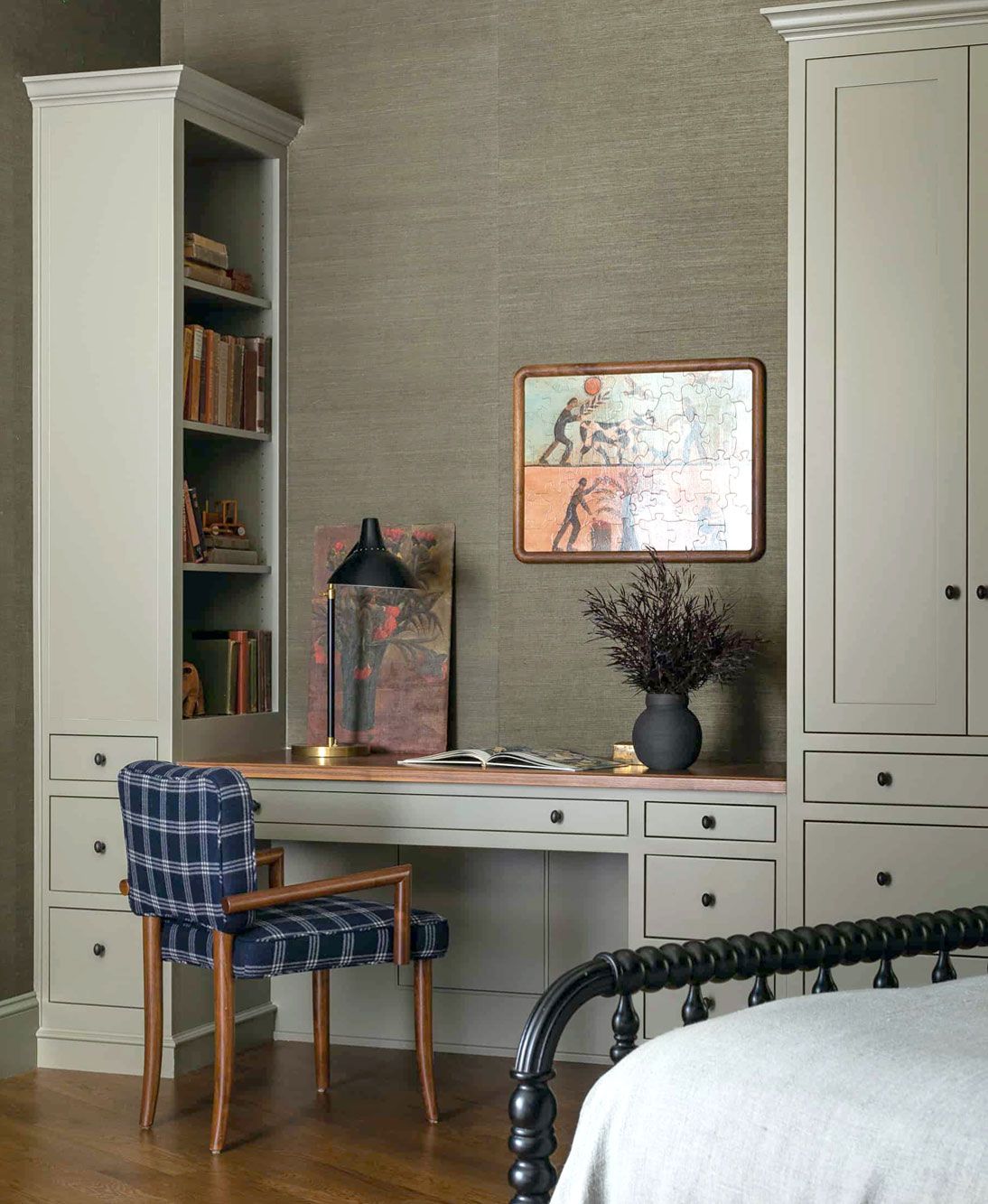
Multi-functional furniture is crucial for optimizing box rooms. Sofa beds, chair beds, or ottoman fold-out beds can convert a box room into a compact guest room, ensuring that overnight visitors have comfortable sleeping arrangements without dedicating the space solely to guest use. Custom-built furniture is highly recommended as it can be tailored to fit the exact dimensions of the room, providing 15-20% more efficiency than freestanding units. Fitted wardrobes, desks, and shelving systems eliminate awkward gaps and create a streamlined look, which is essential in small areas. Sliding doors for wardrobes or even the main room entrance can save valuable floor space that would otherwise be taken up by traditional hinged doors.
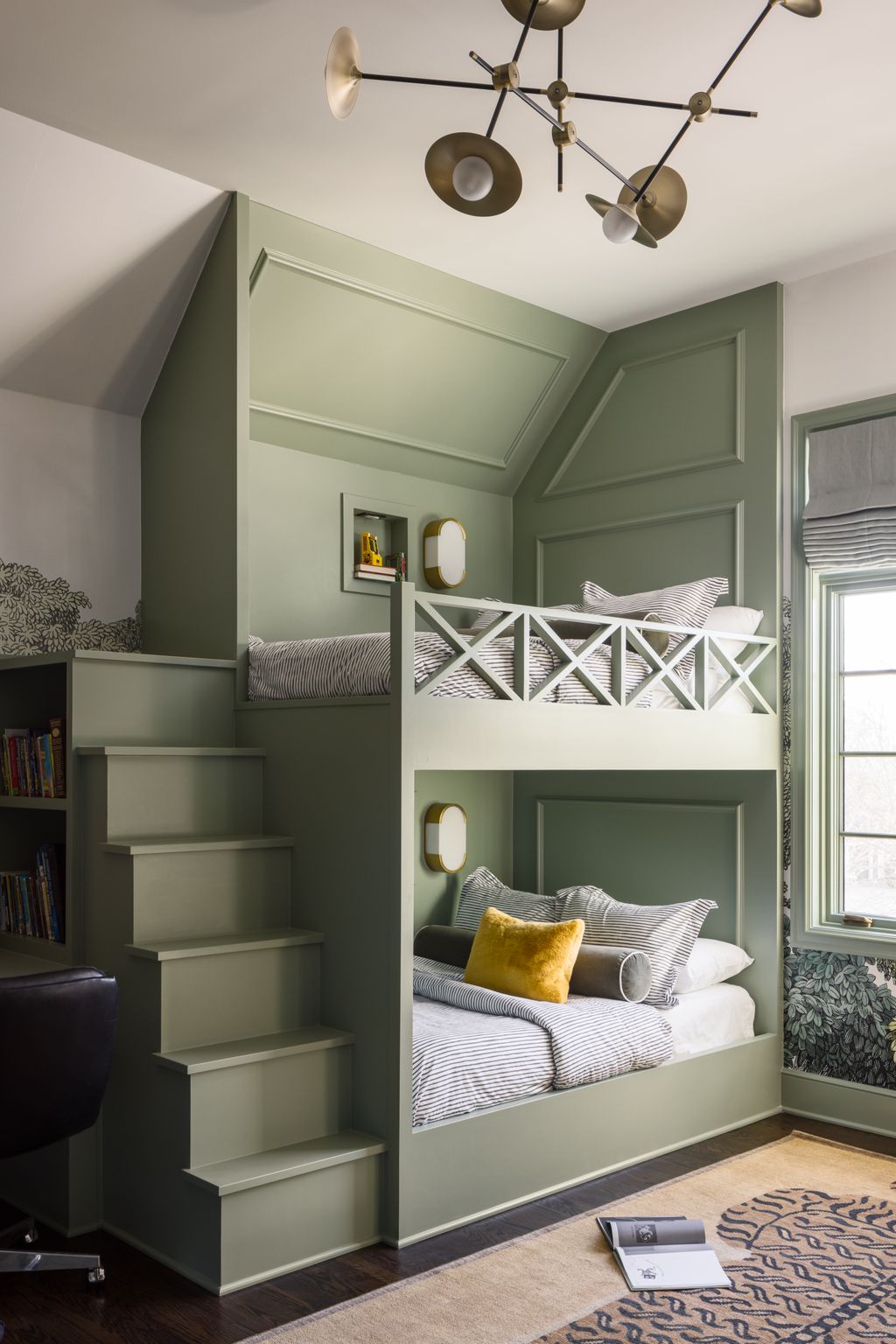
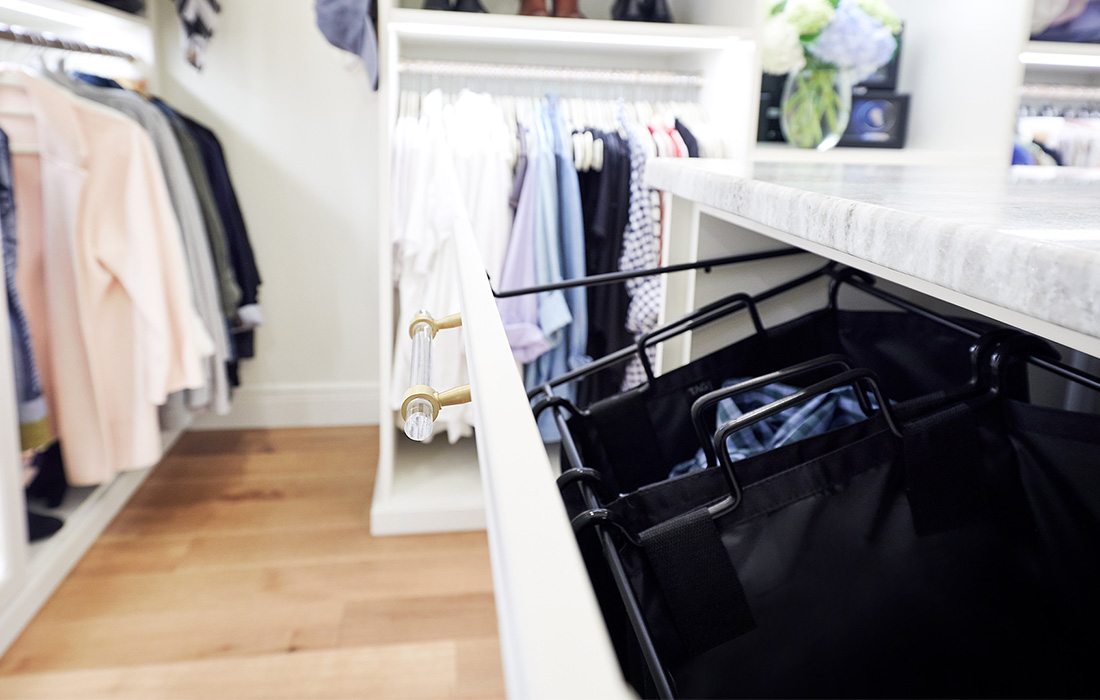
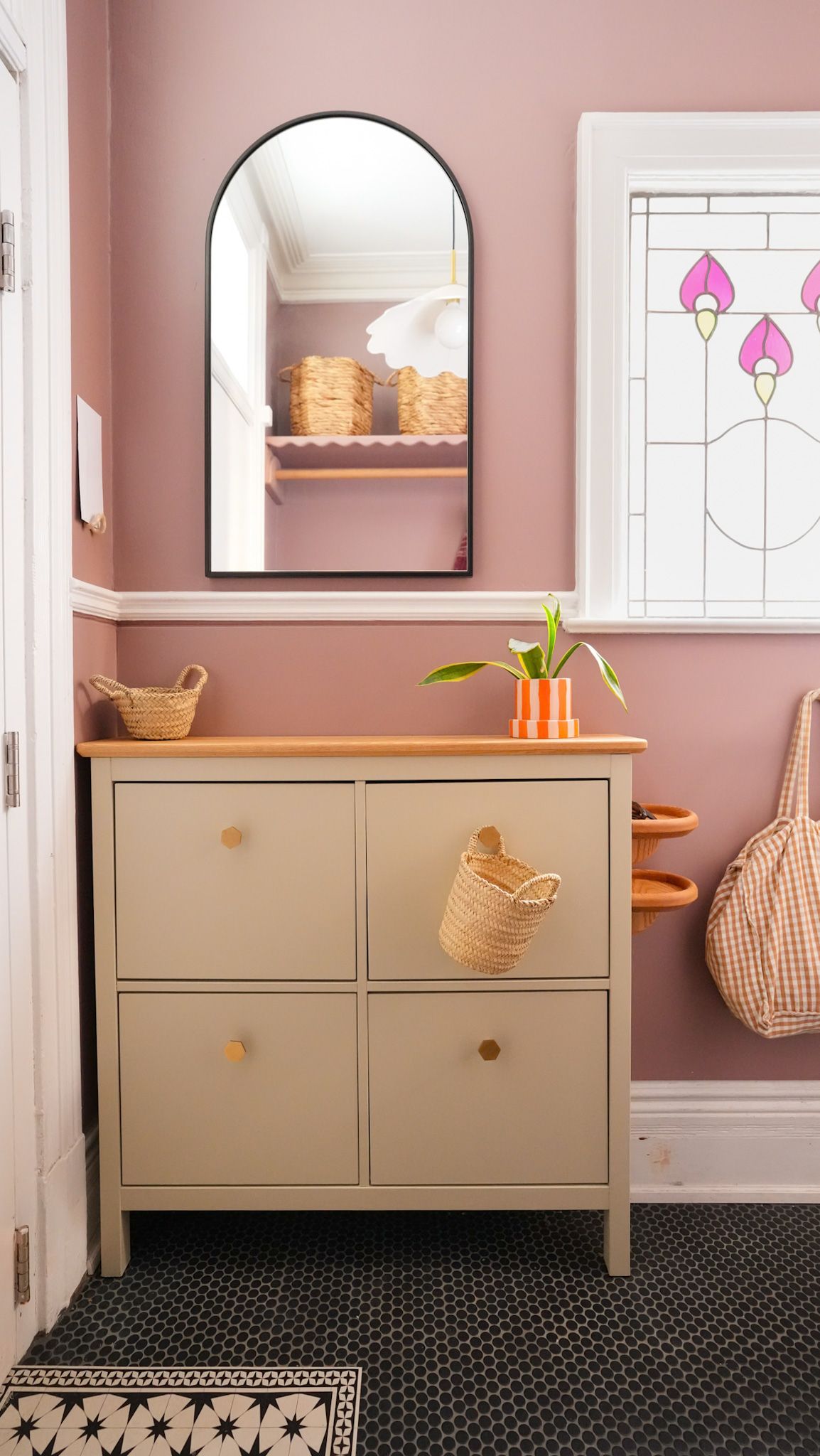
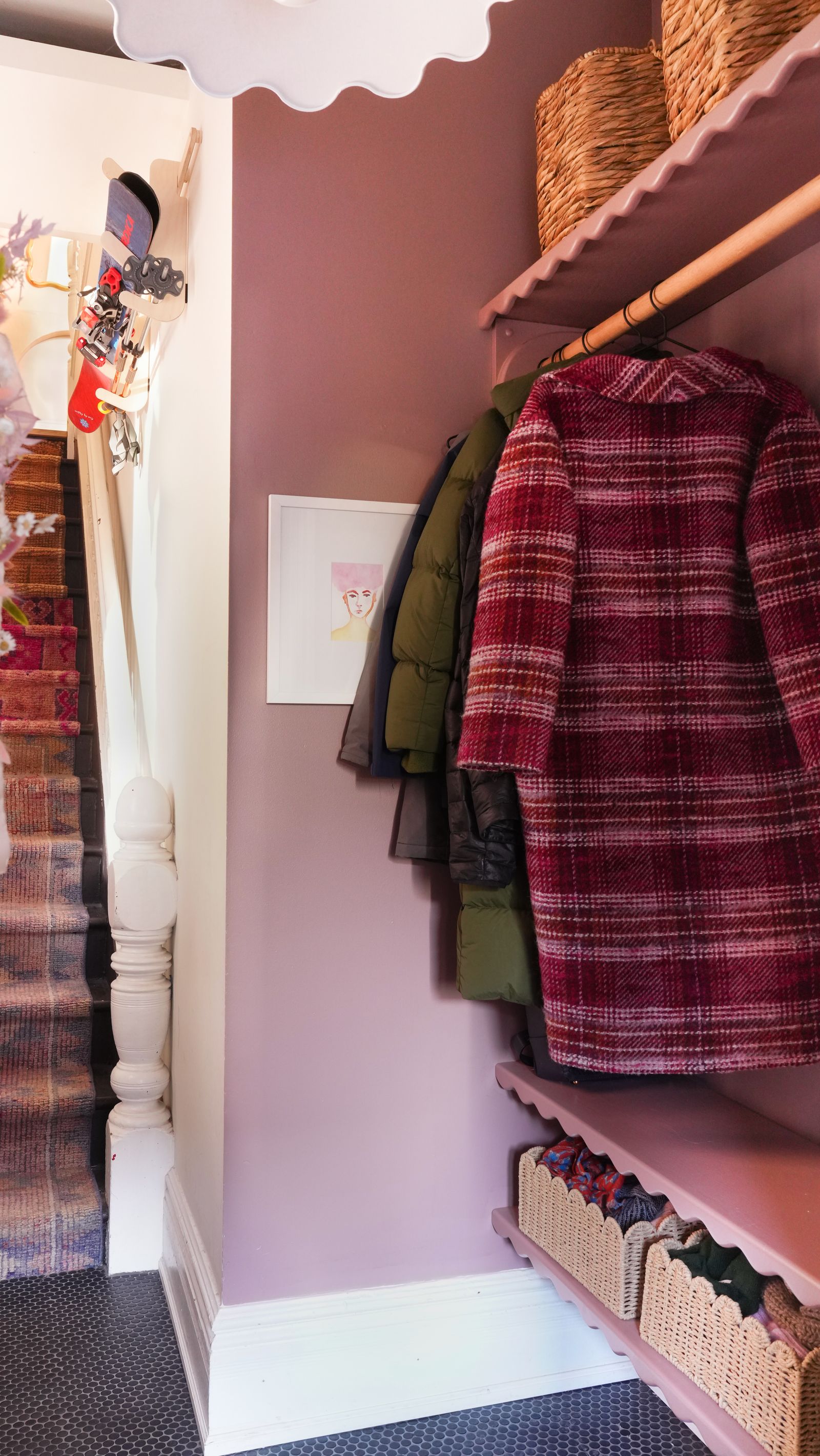
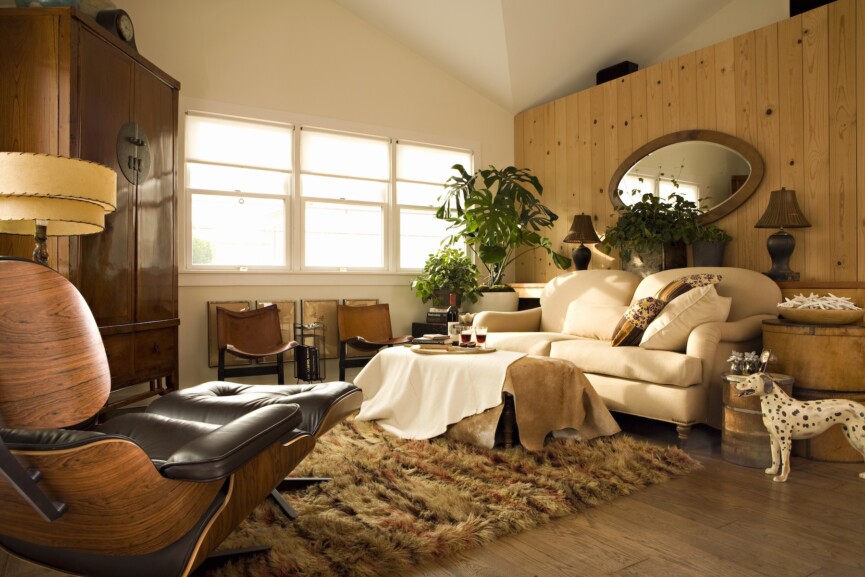
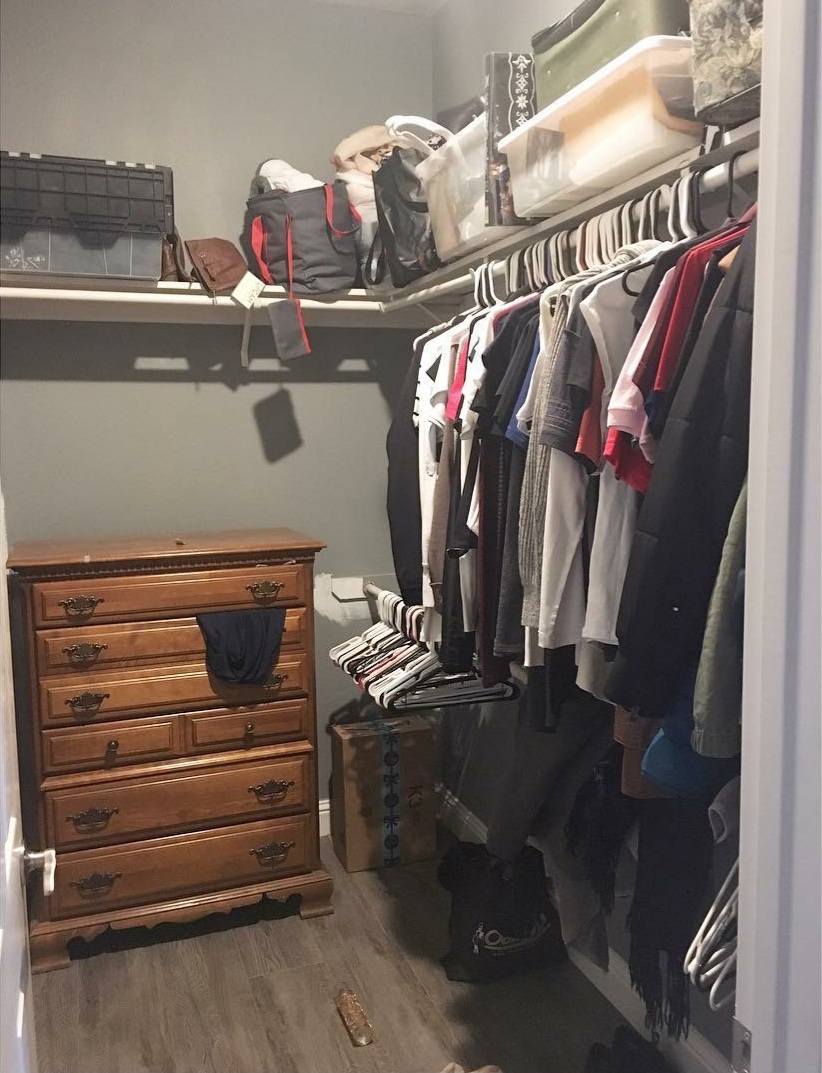
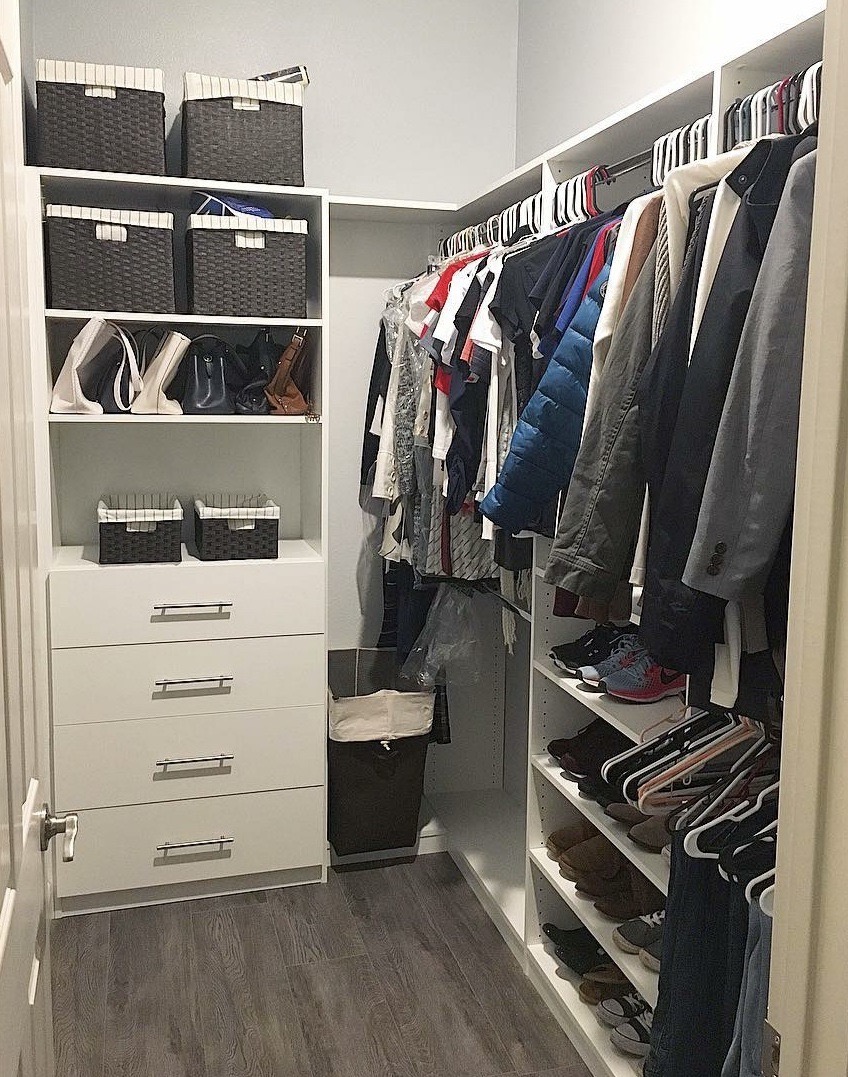
Mirrors are powerful tools for making small rooms appear larger by reflecting light and creating an illusion of depth. Placing a large mirror opposite a window can significantly brighten the room and visually expand its boundaries. Mirrored wardrobe doors are particularly effective for this purpose. Color drenching, the practice of painting all surfaces in a single color, can also make a box room feel more cohesive and larger by eliminating visual breaks. Deep, rich hues applied uniformly can create a cozy and inviting atmosphere without overwhelming the space. Additionally, turning a box room into a walk-in wardrobe offers a luxurious and practical storage solution, freeing up space in larger bedrooms. For those needing a dedicated workspace, a compact desk and vertical storage can transform a box room into an efficient home office, ideally positioned near a window for natural light.
Other creative uses include converting the box room into a bunk room, maximizing vertical space for sleeping, or a cozy snug, a screen-free retreat for relaxation. For families, a box room can become a dedicated playroom, helping to keep children's toys organized and separate from bedrooms, promoting better sleep hygiene. While box rooms are inherently small, thoughtful design and clever utilization can turn them into valuable and functional spaces within any home.
#BoxRoomIdeas #SmallSpaceDesign #InteriorDesign #HomeOrganization #MultiFunctionalFurniture #SpaceSavingSolutions #ColorPalette #MirroredDecor #BuiltInFurniture #BoxRoomIdeas #SmallSpaceDesign #InteriorDesign #HomeOrganization #MultiFunctionalFurniture #SpaceSavingSolutions #ColorPalette #MirroredDecor #BuiltInFurniture
0 comment in total
 No comments yet
You may also like
17 Loft Bed Ideas to Maximize Every Inch of Your Room

9 Shipping Container Home Floor Plans That Maximize Space

21 utility room ideas to make the most of extra space
23 Small Apartment Storage Ideas That Maximize Every Inch
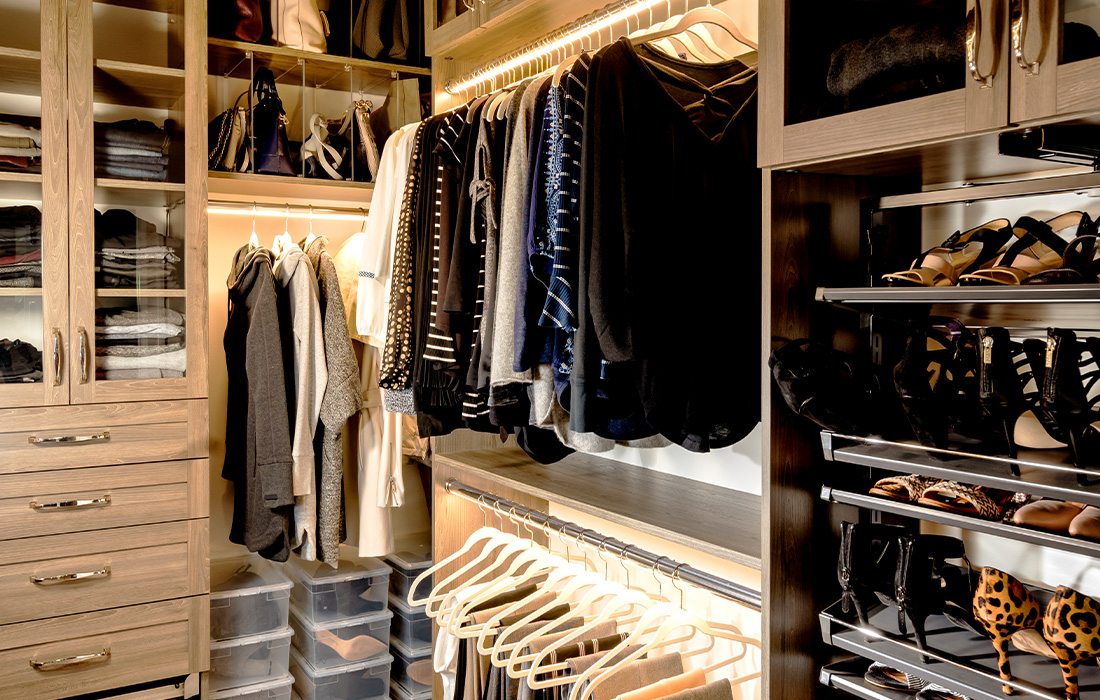
How to Make the Most of Your Closet Space
15 Genius Space-Saving Room Ideas
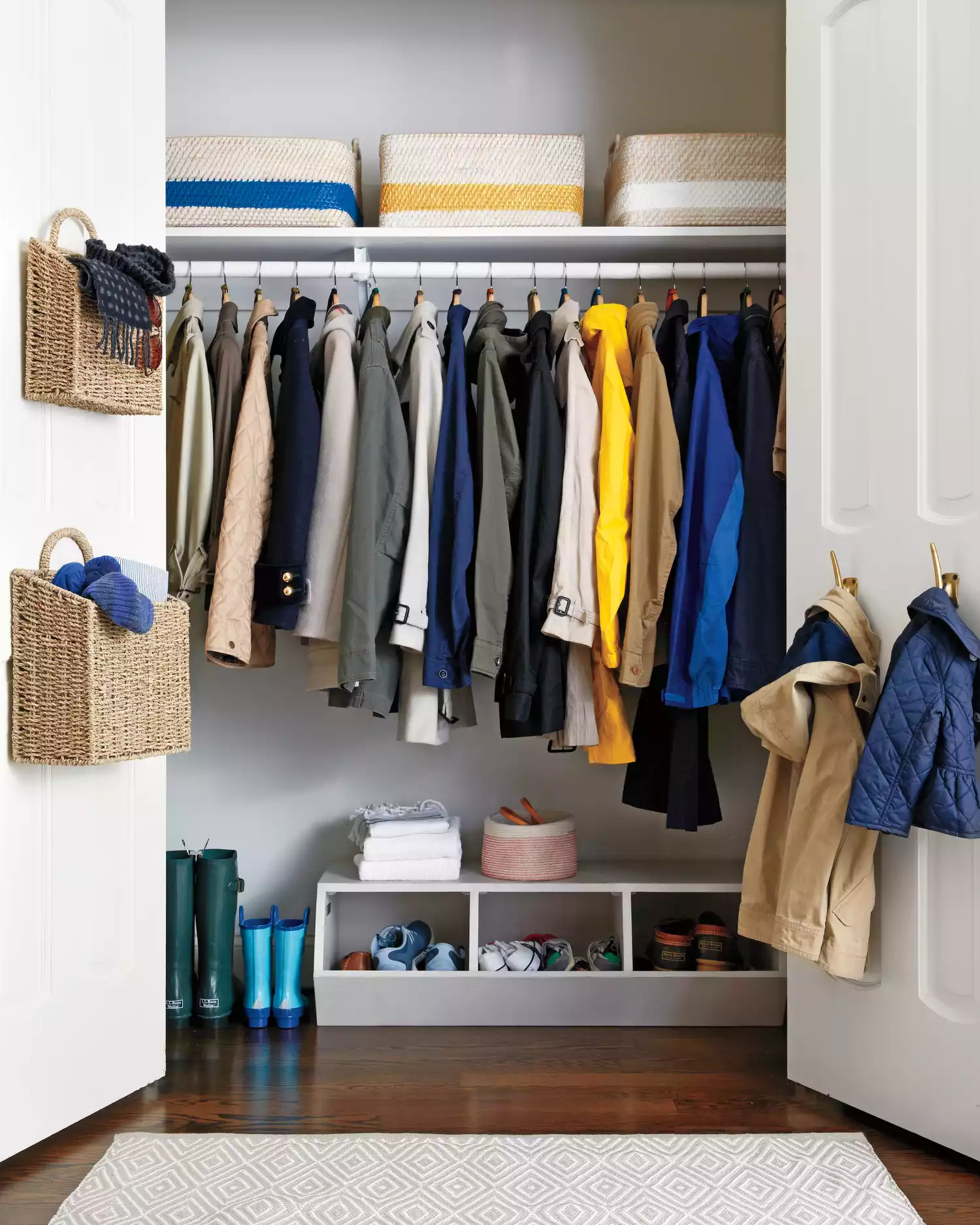
10 Small Closet Organization Ideas to Make the Most of the Space You Have

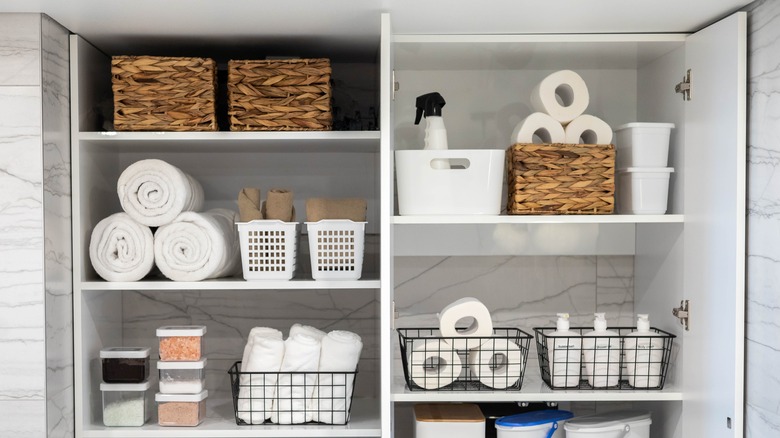
Utilize Every Inch Of Cabinet Storage Space With These Genius Hacks
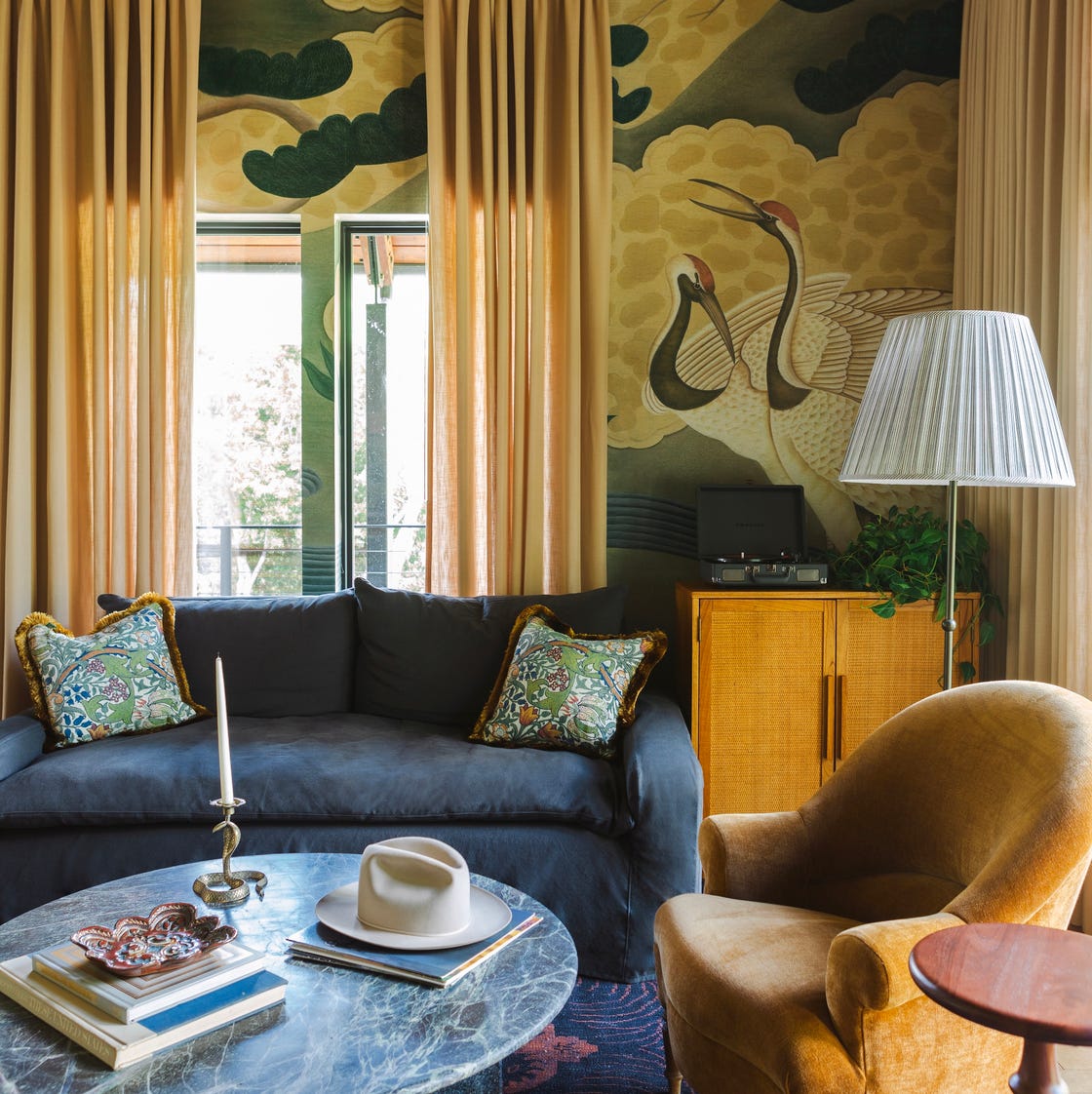
Design Pros Reveal Their Secret Tricks for Maximizing Space in the Tiniest Living Rooms

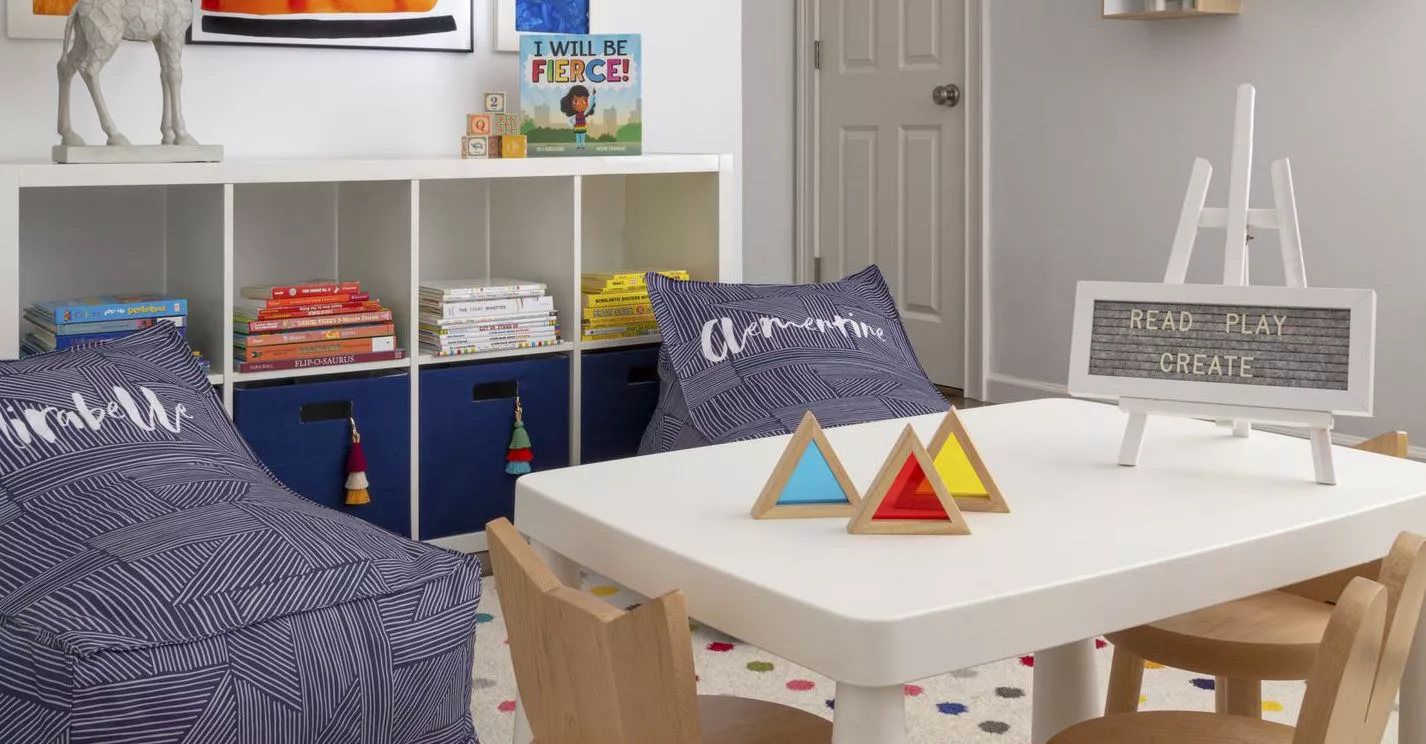
48 Bonus Room Ideas to Optimize Your Extra Space and Enjoy Favorite Pastimes

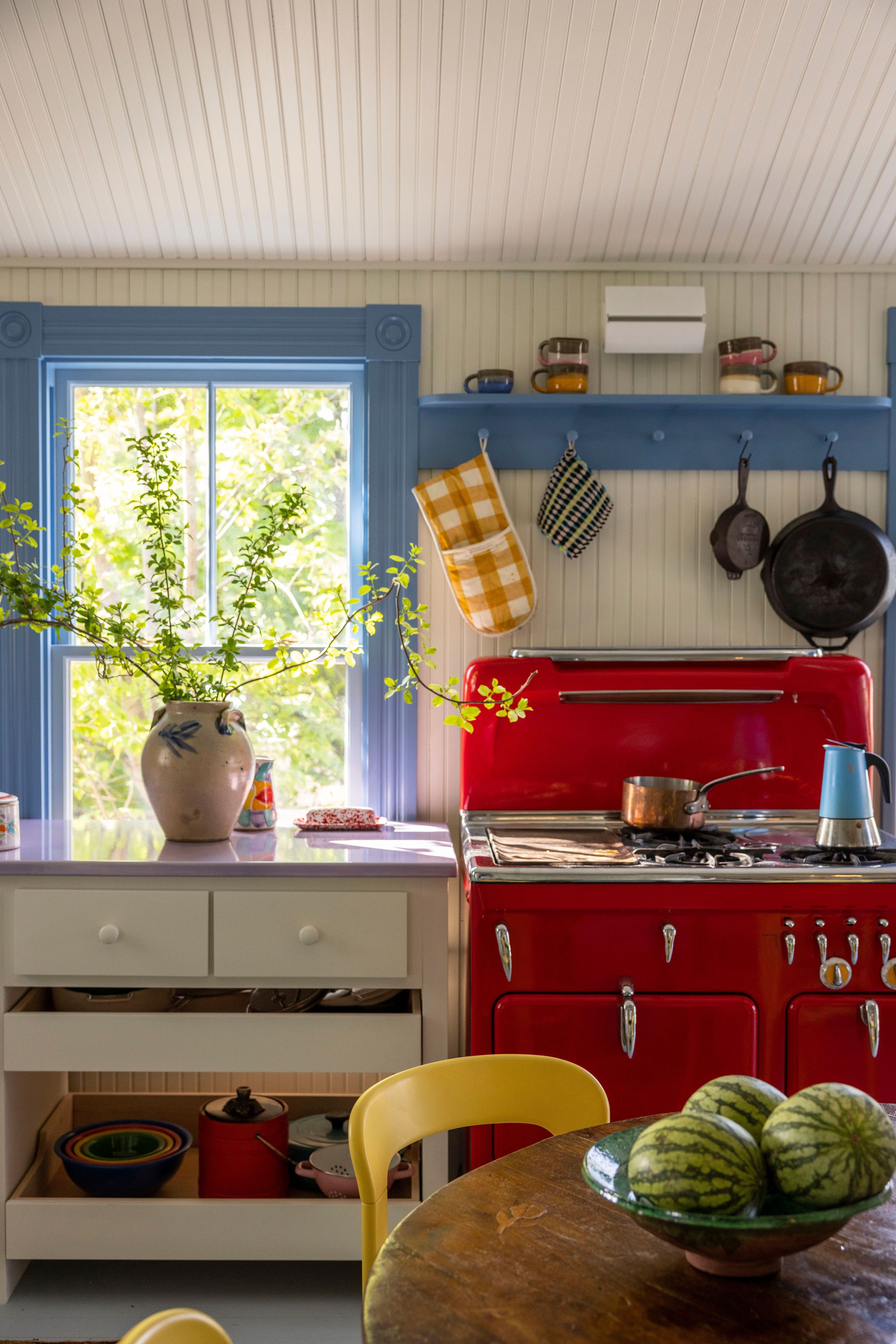
9 Genius Storage Ideas for Small Spaces in 2026
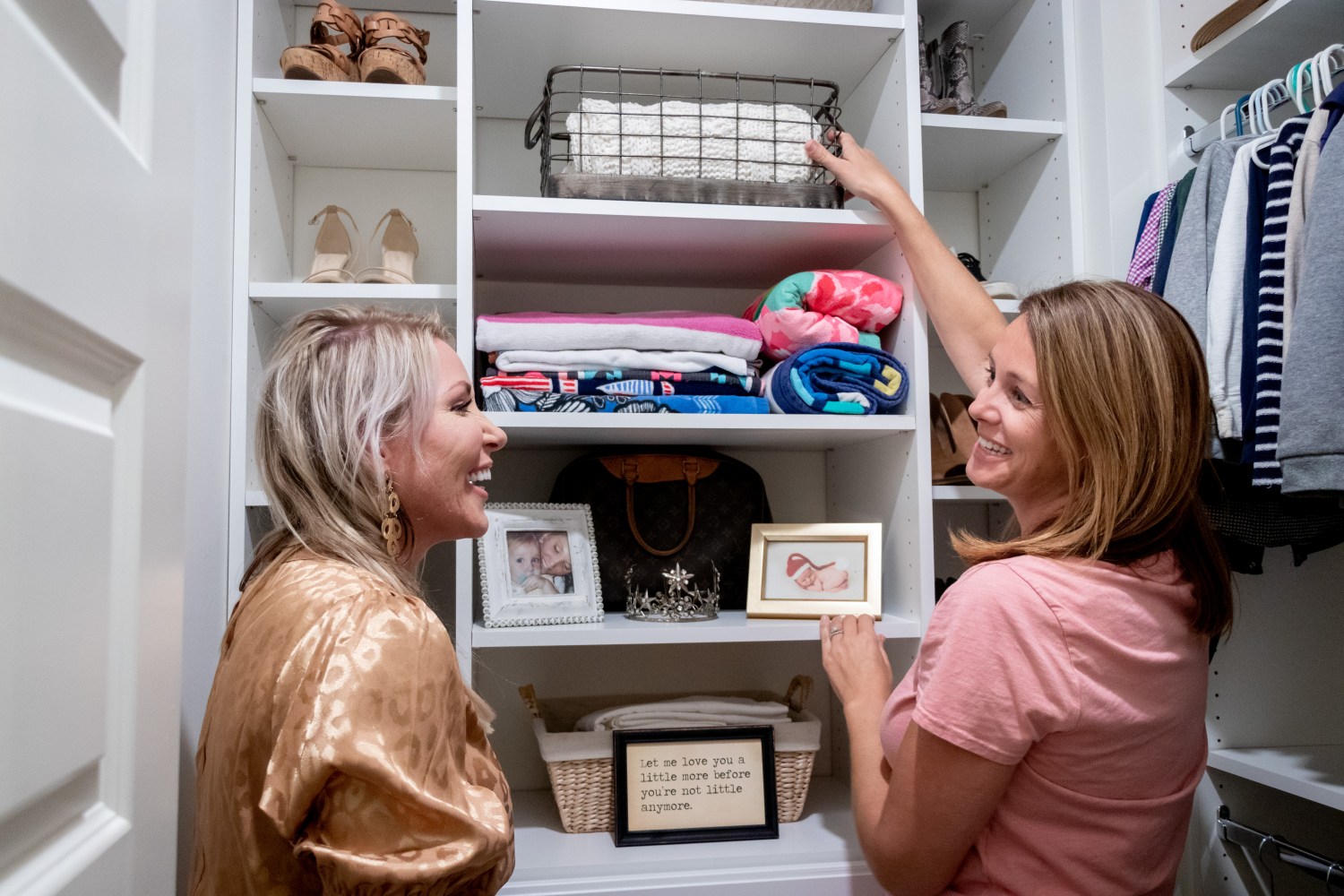
5 expert tips from local designers to maximize your closet space
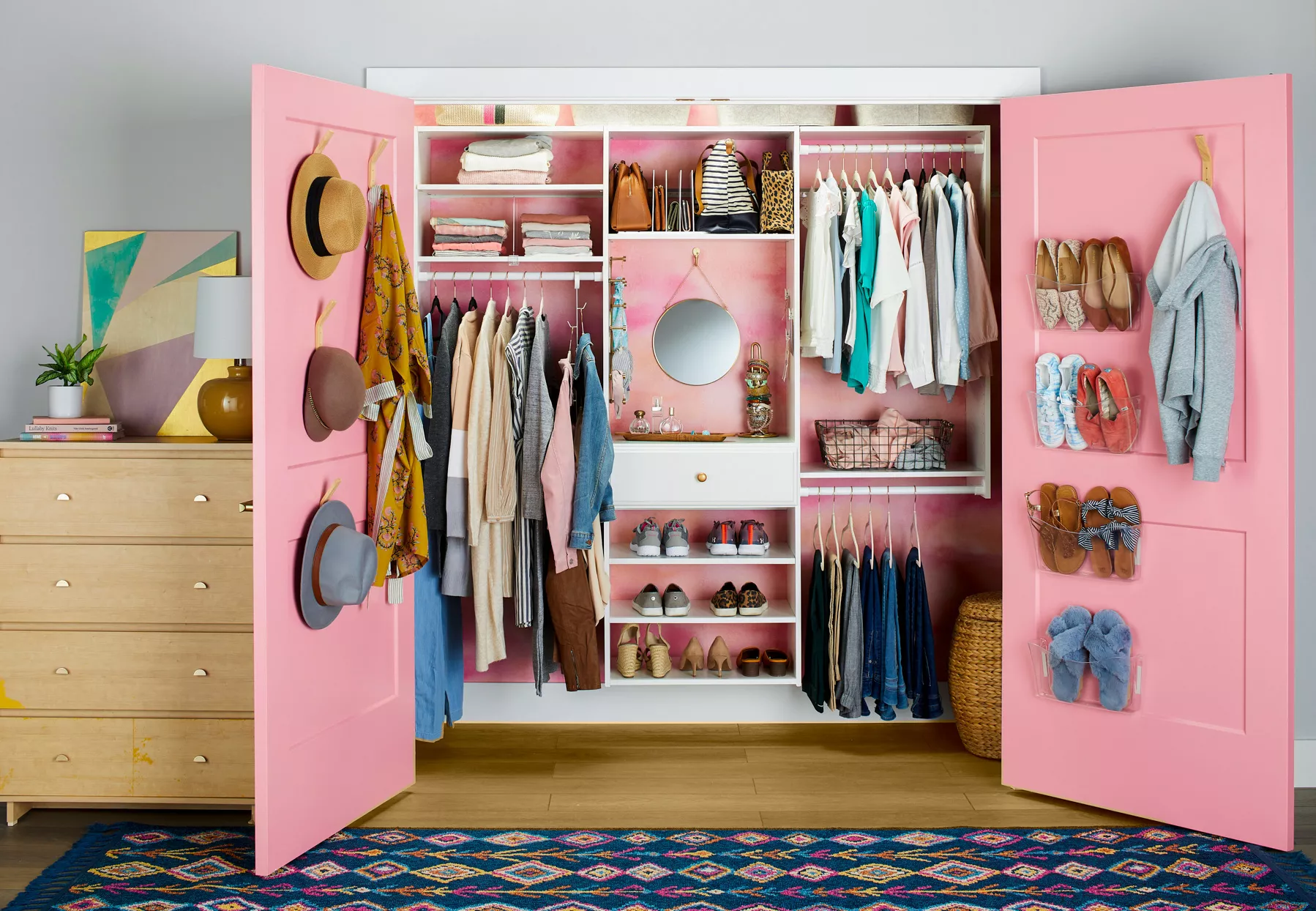
13 Ways to Maximize Closet Space for More Storage

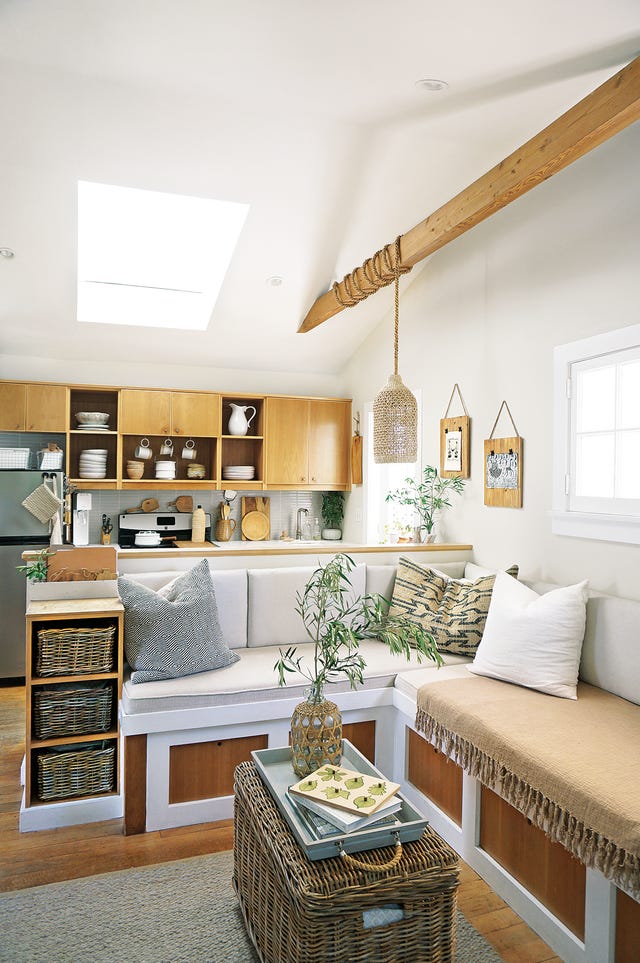
The Secrets to Maximizing a Small Living Room

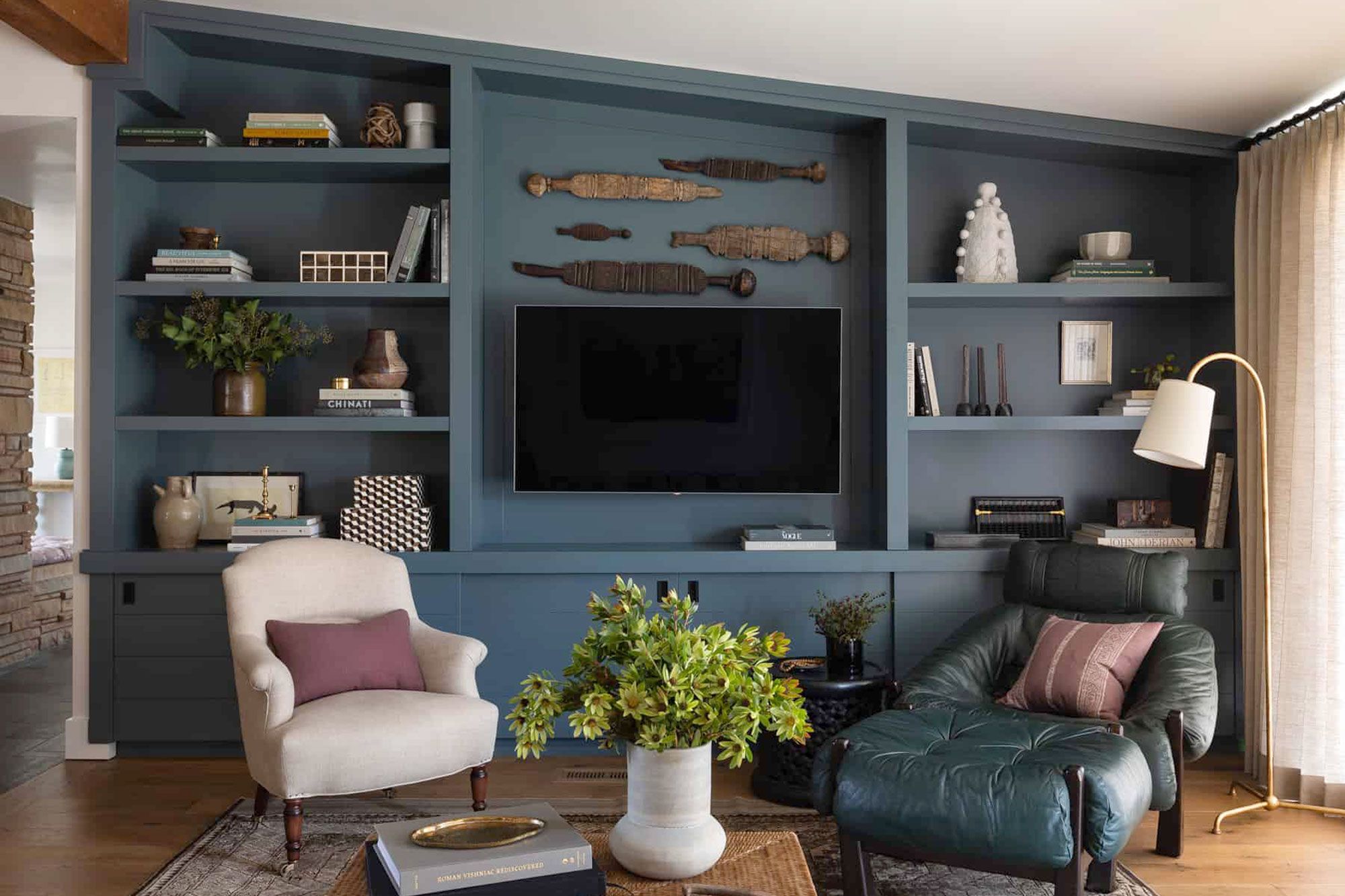
Custom storage: How to use built-ins to maximize small spaces


Organizing Your Closet? DIY Hacks to Maximize Space in a Small Closet

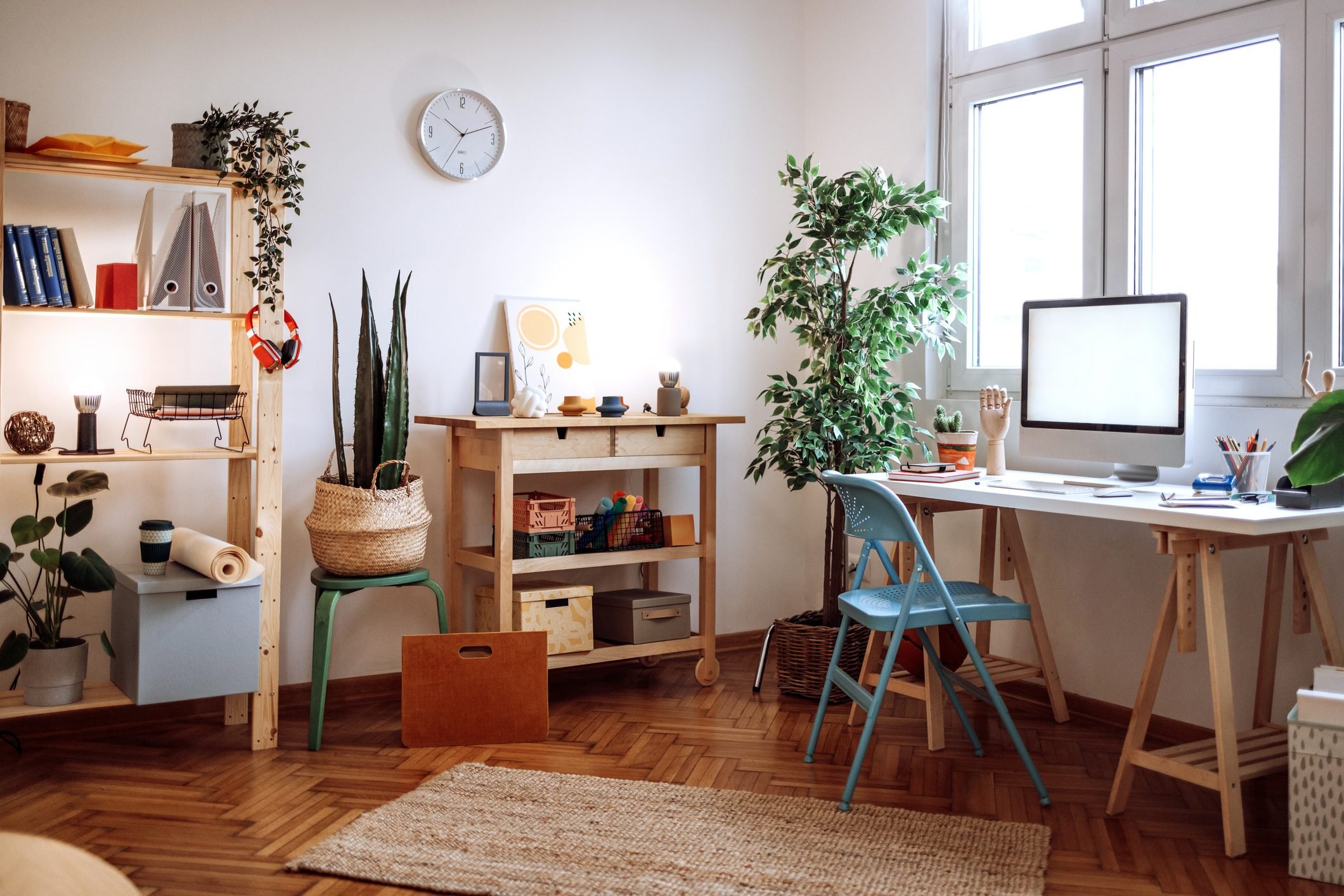
Maximize Your Space: 19 Tips to Make a Small Room Feel Bigger

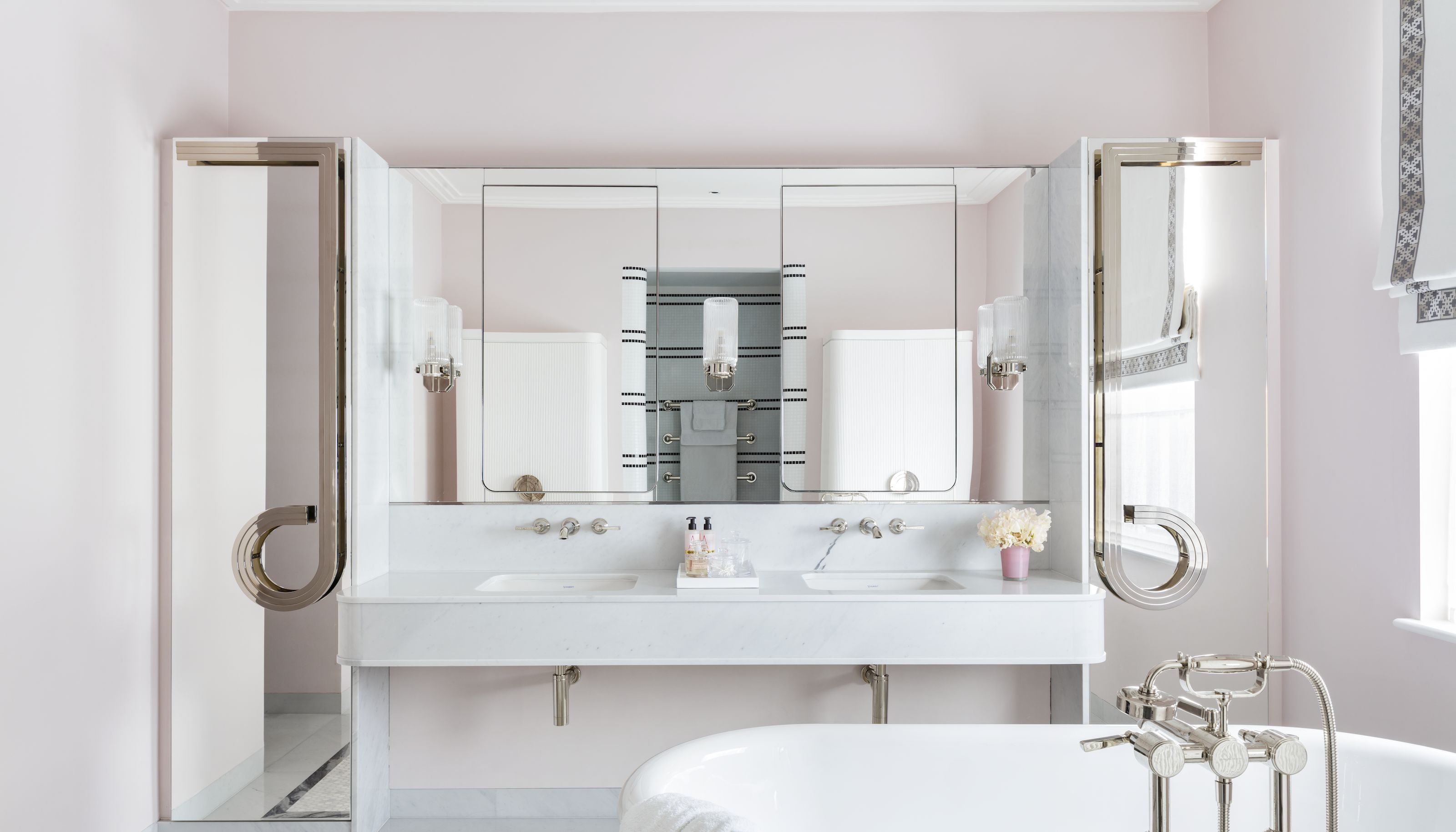
Bathroom cabinet ideas - 10 ways to maximize space and style in the smallest room

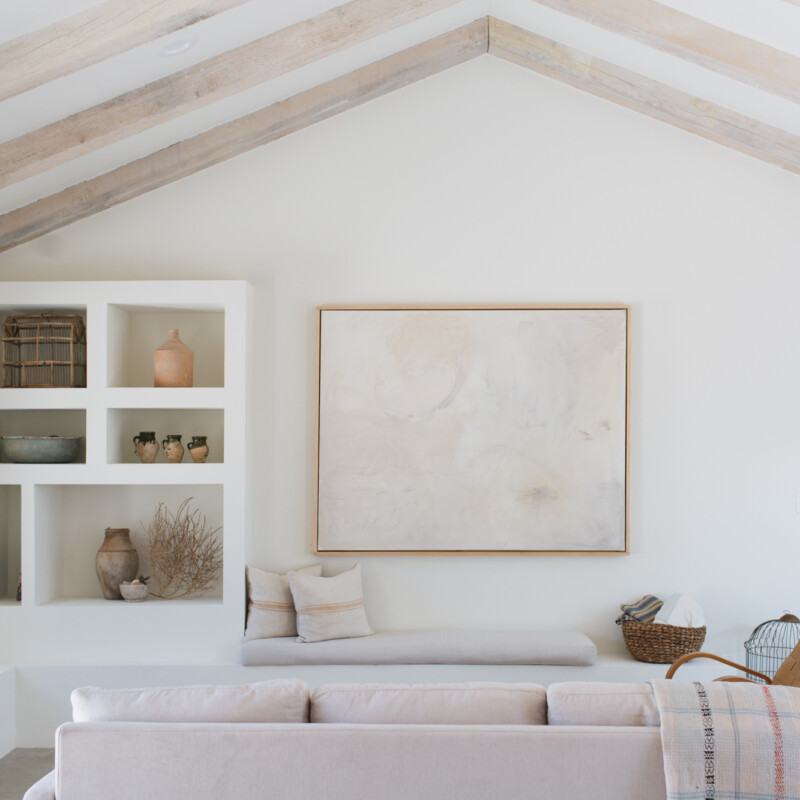
Tiny Living Room? These 10 Small-Space Solutions Will Transform Your Home

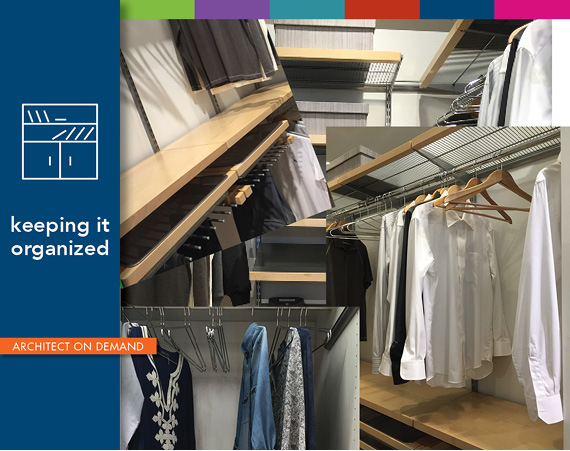
Tips on Designing a Reach-in Closet