1/2
The Game-Changing Bedroom Design Hack Pros Swear by
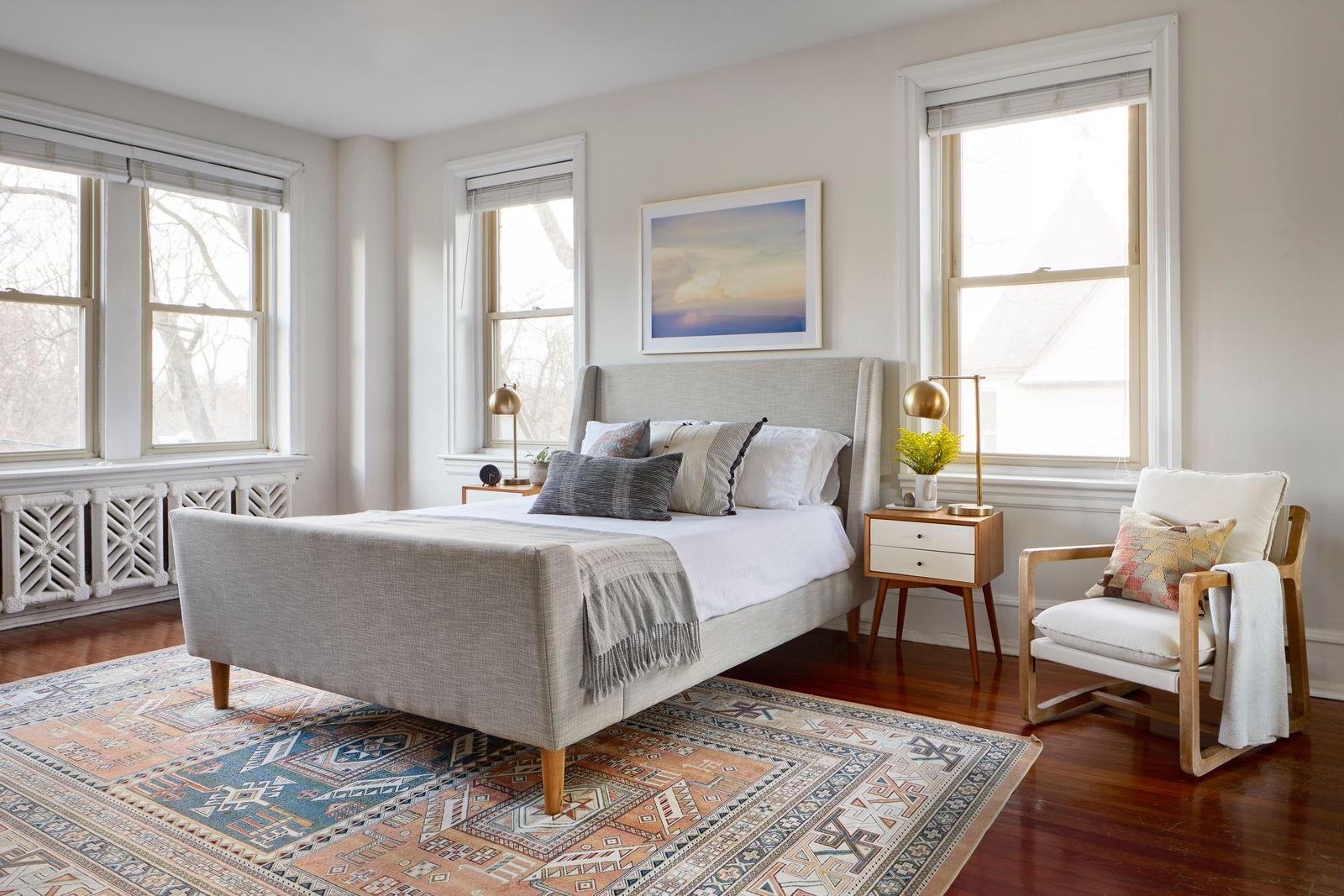
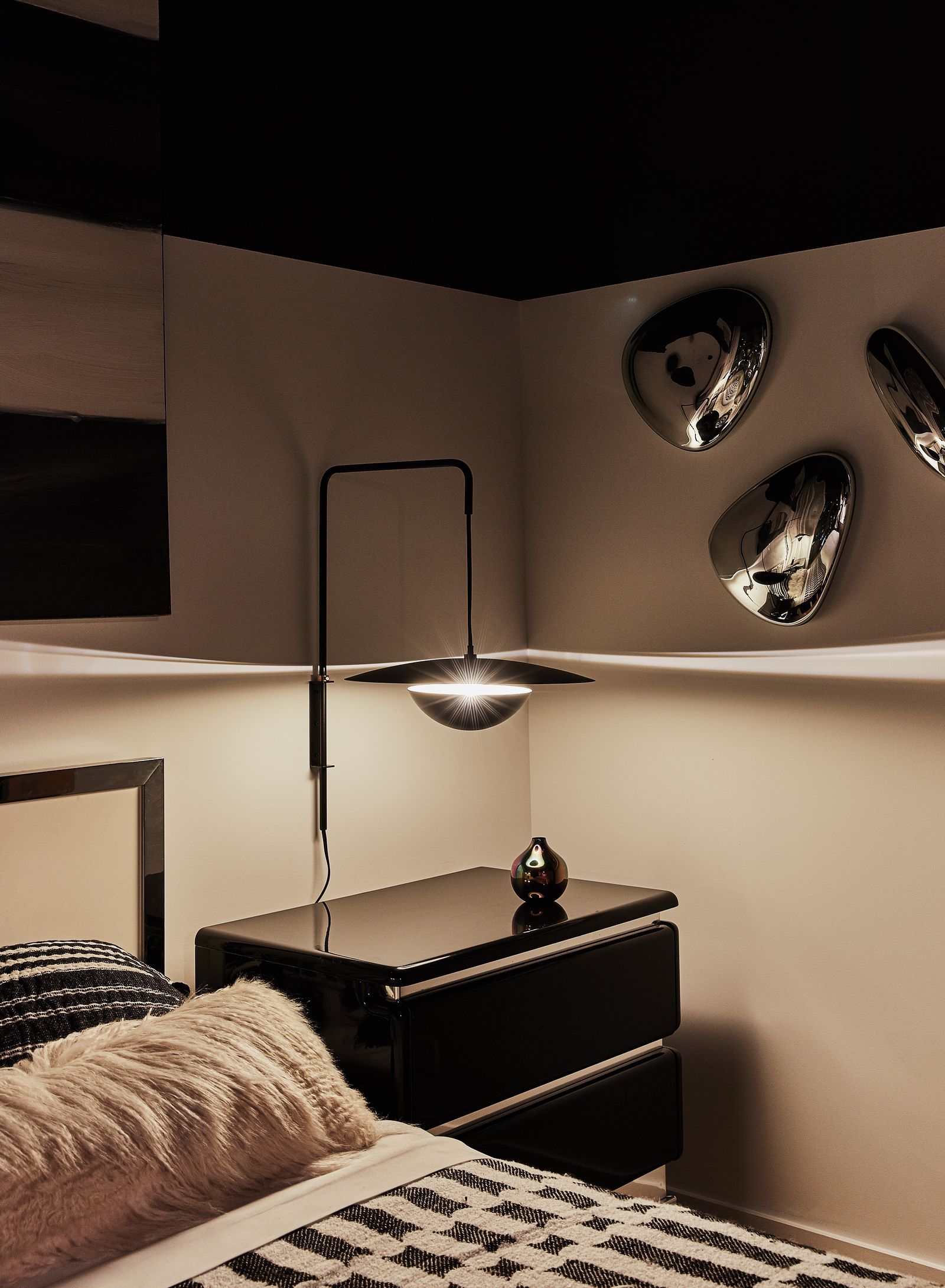
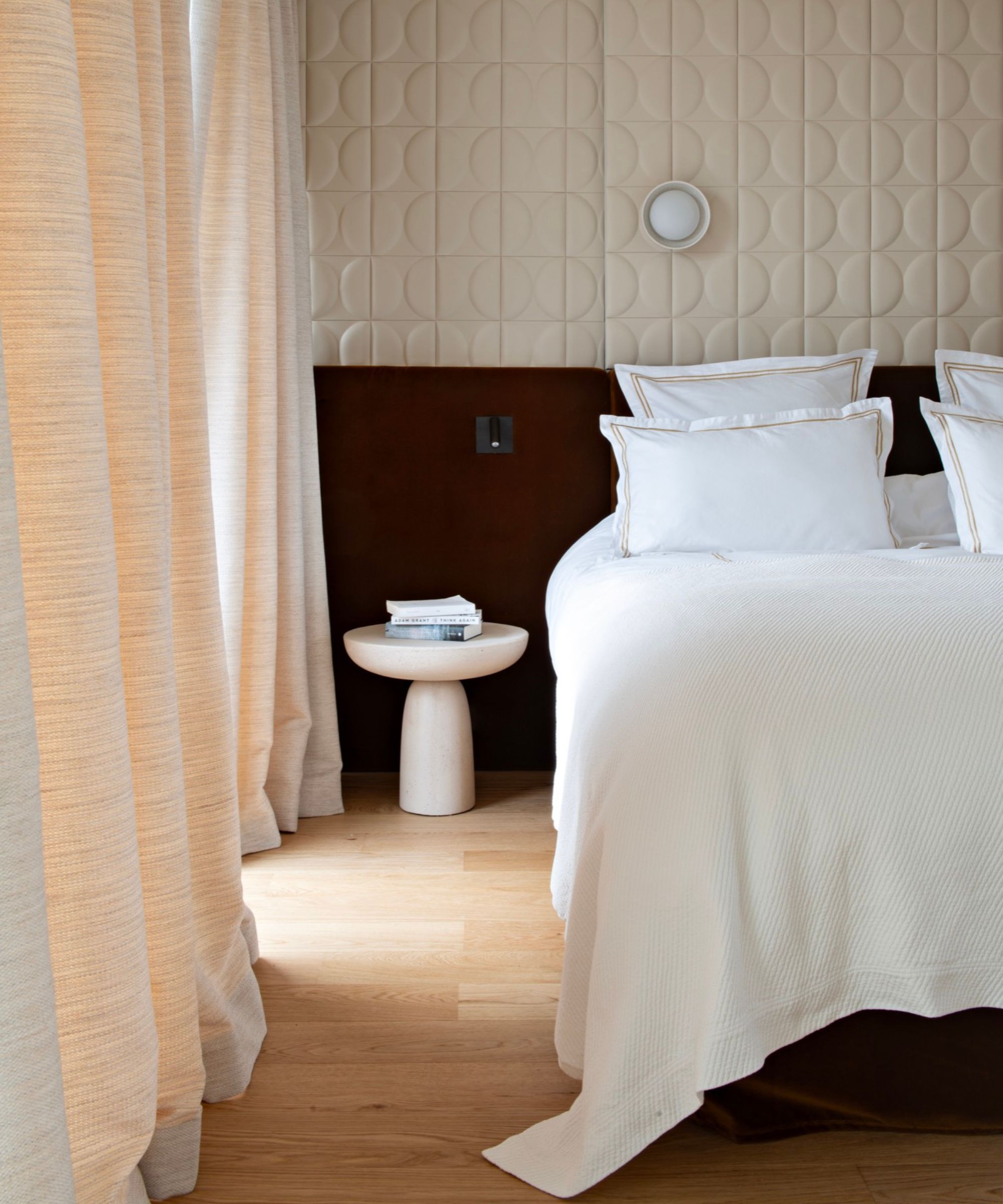
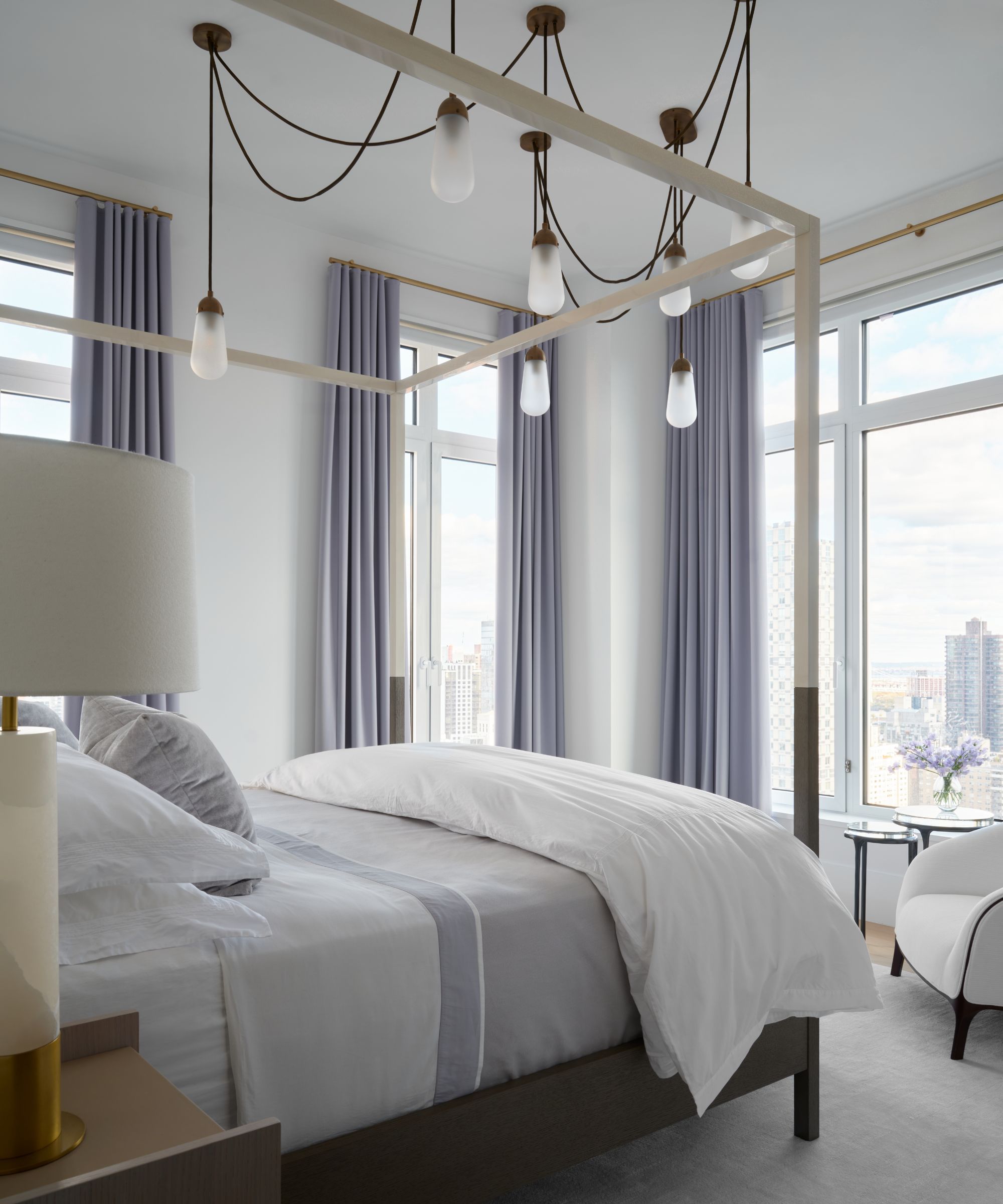
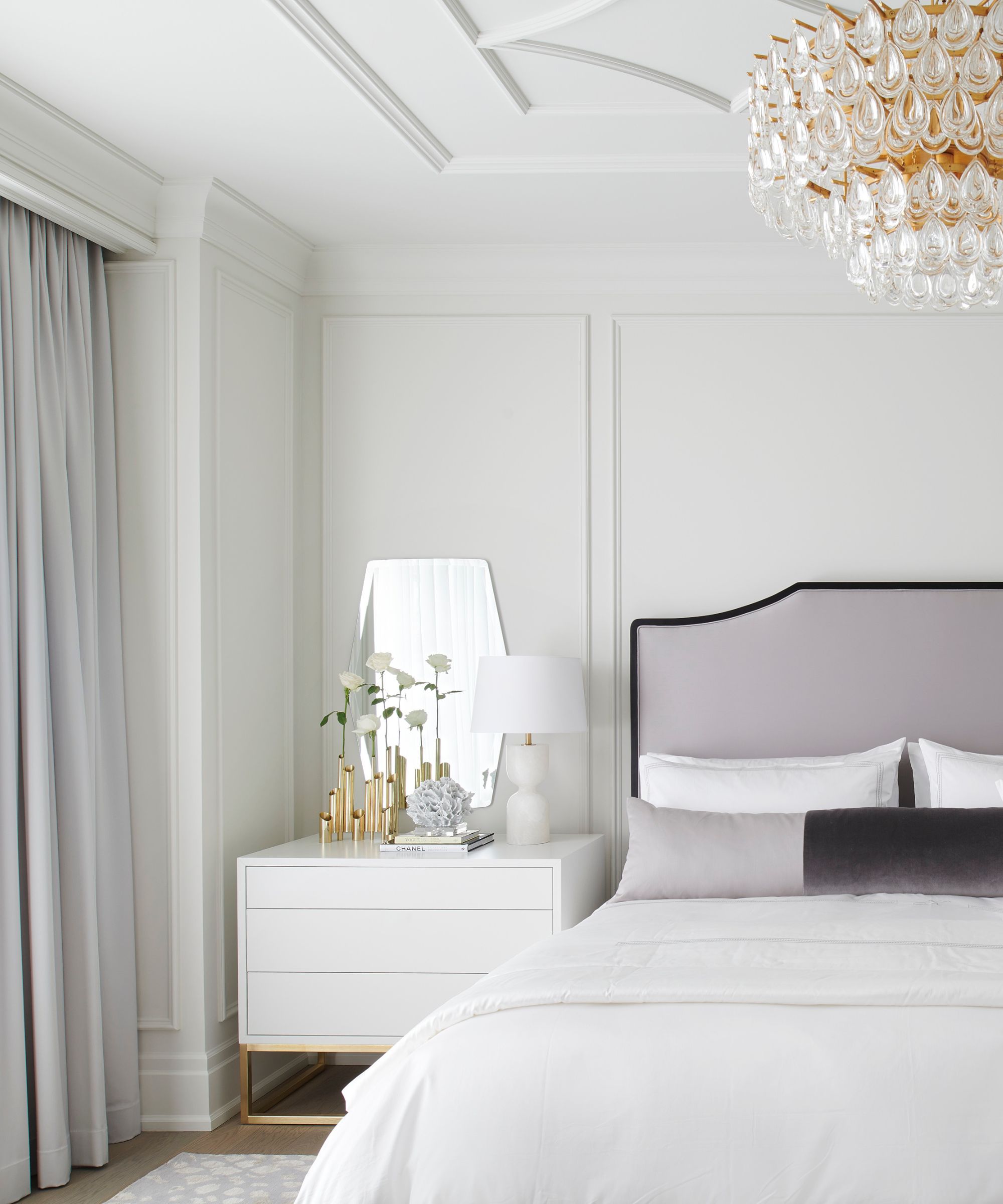
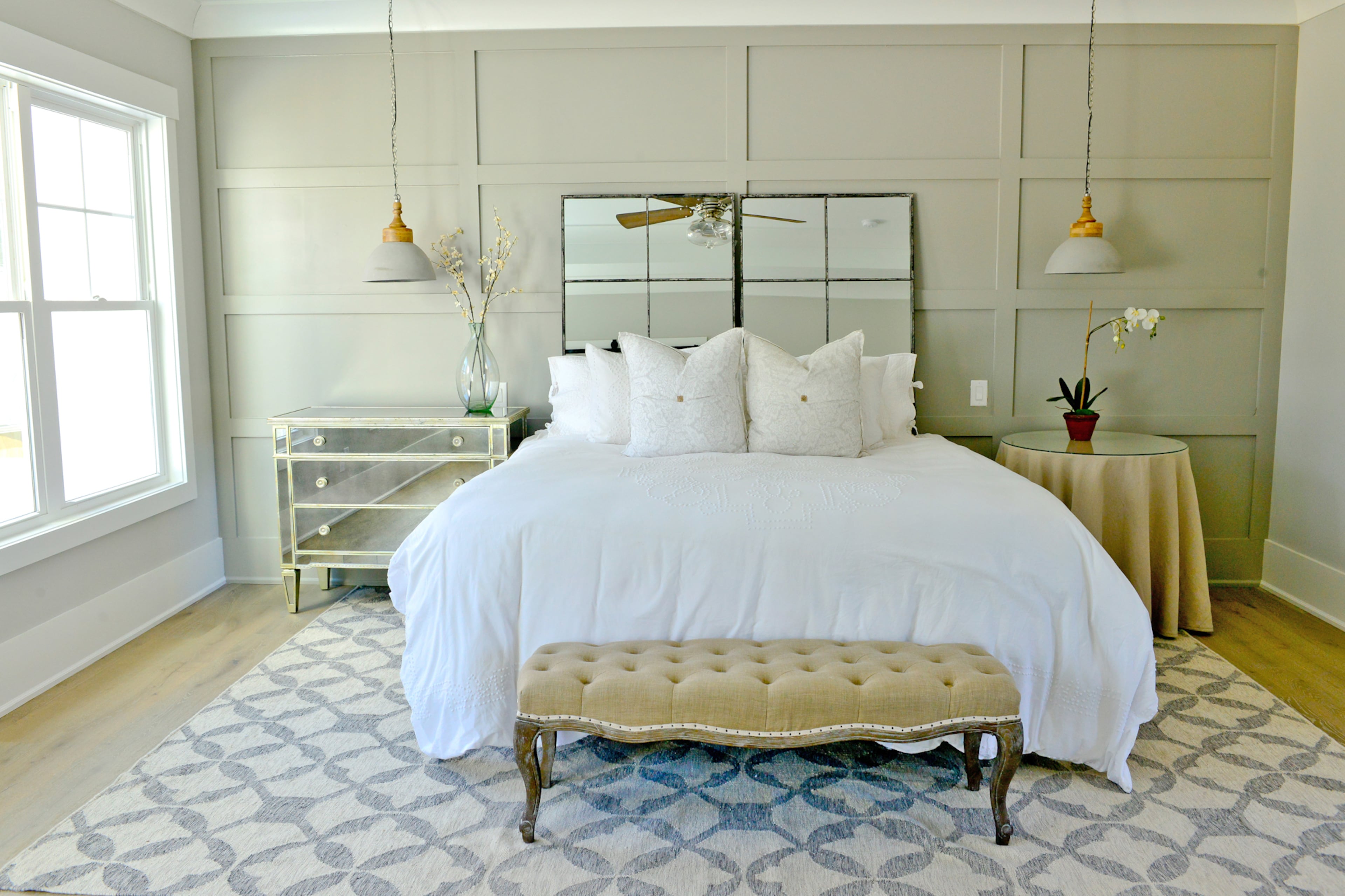
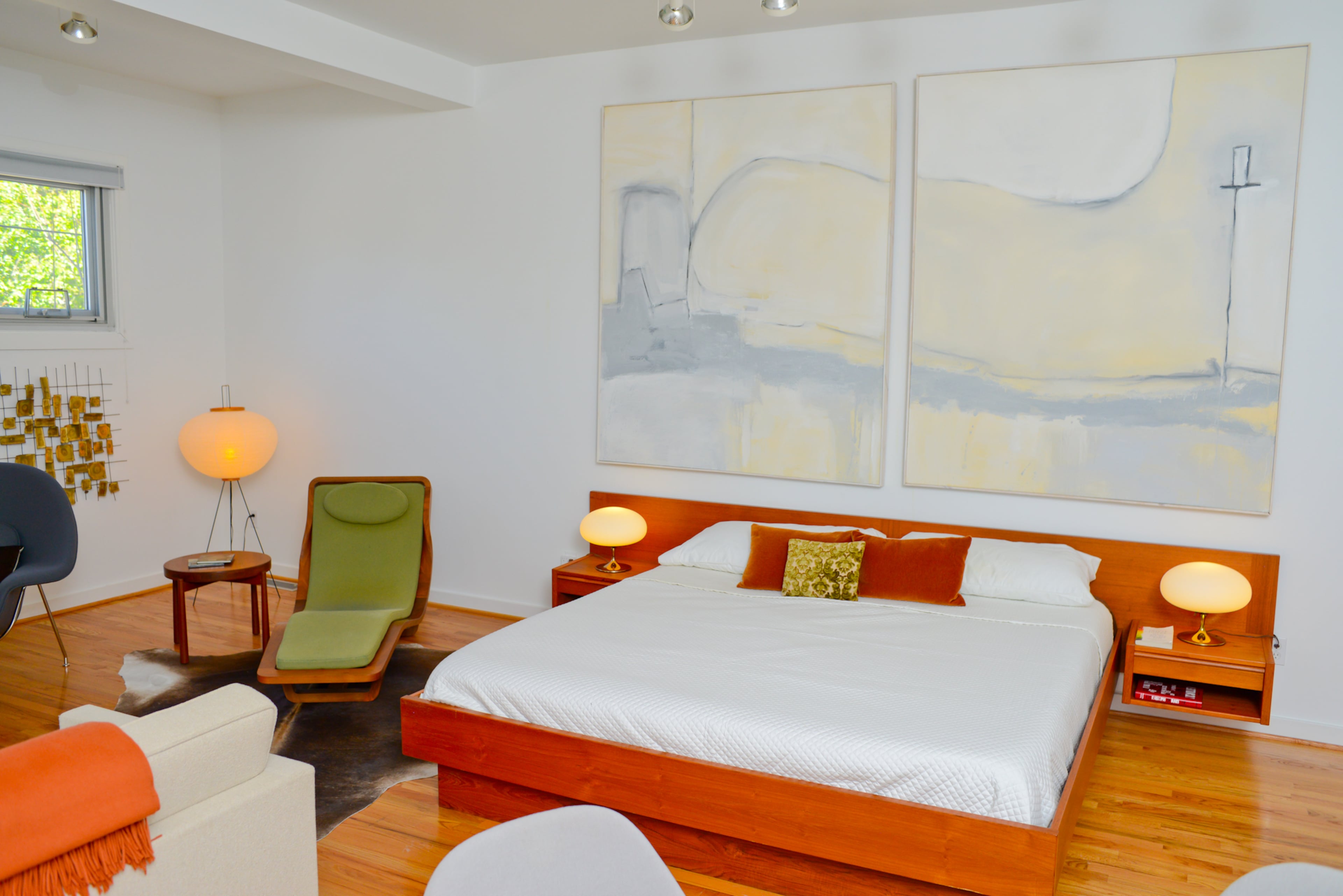
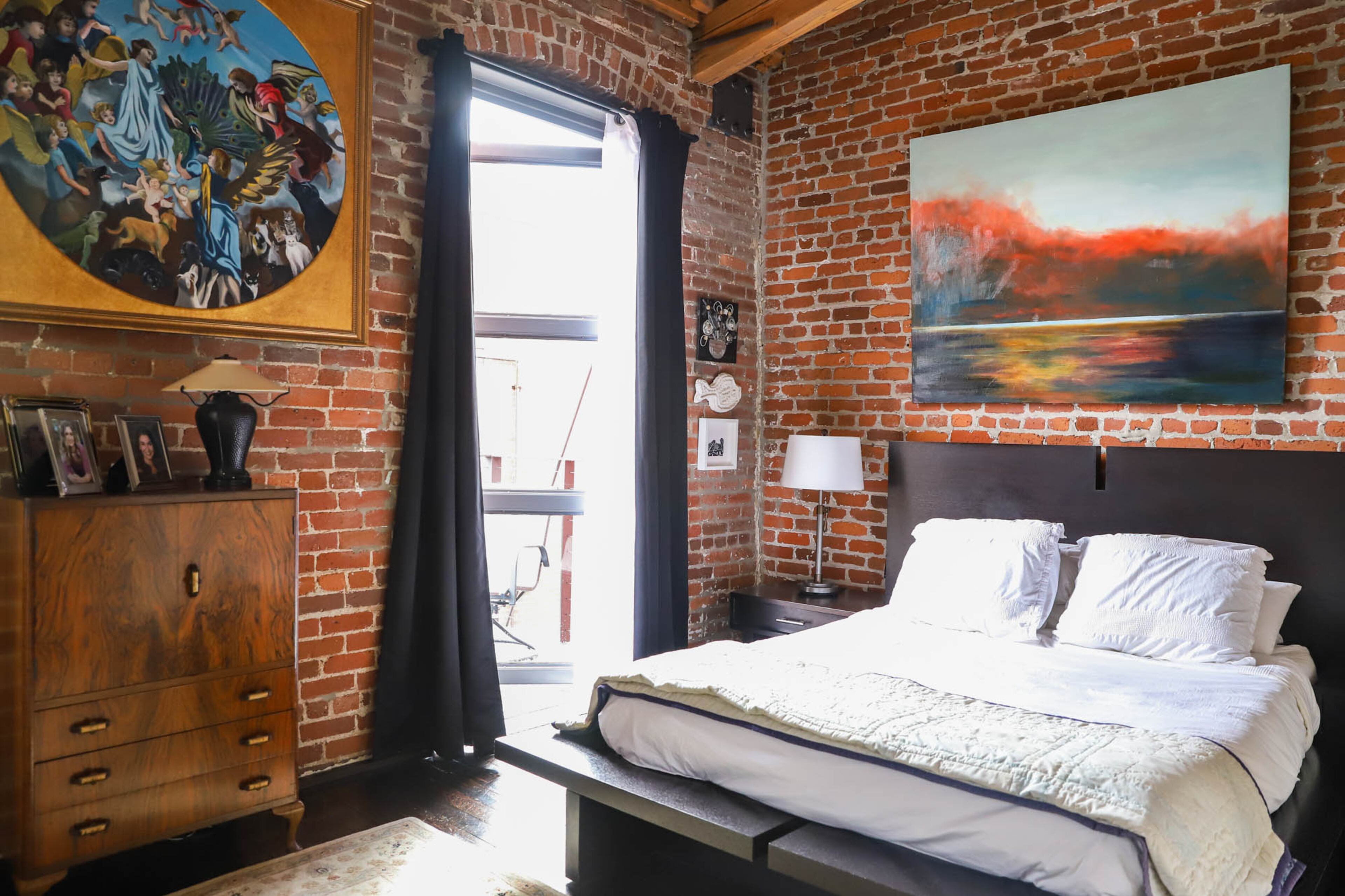
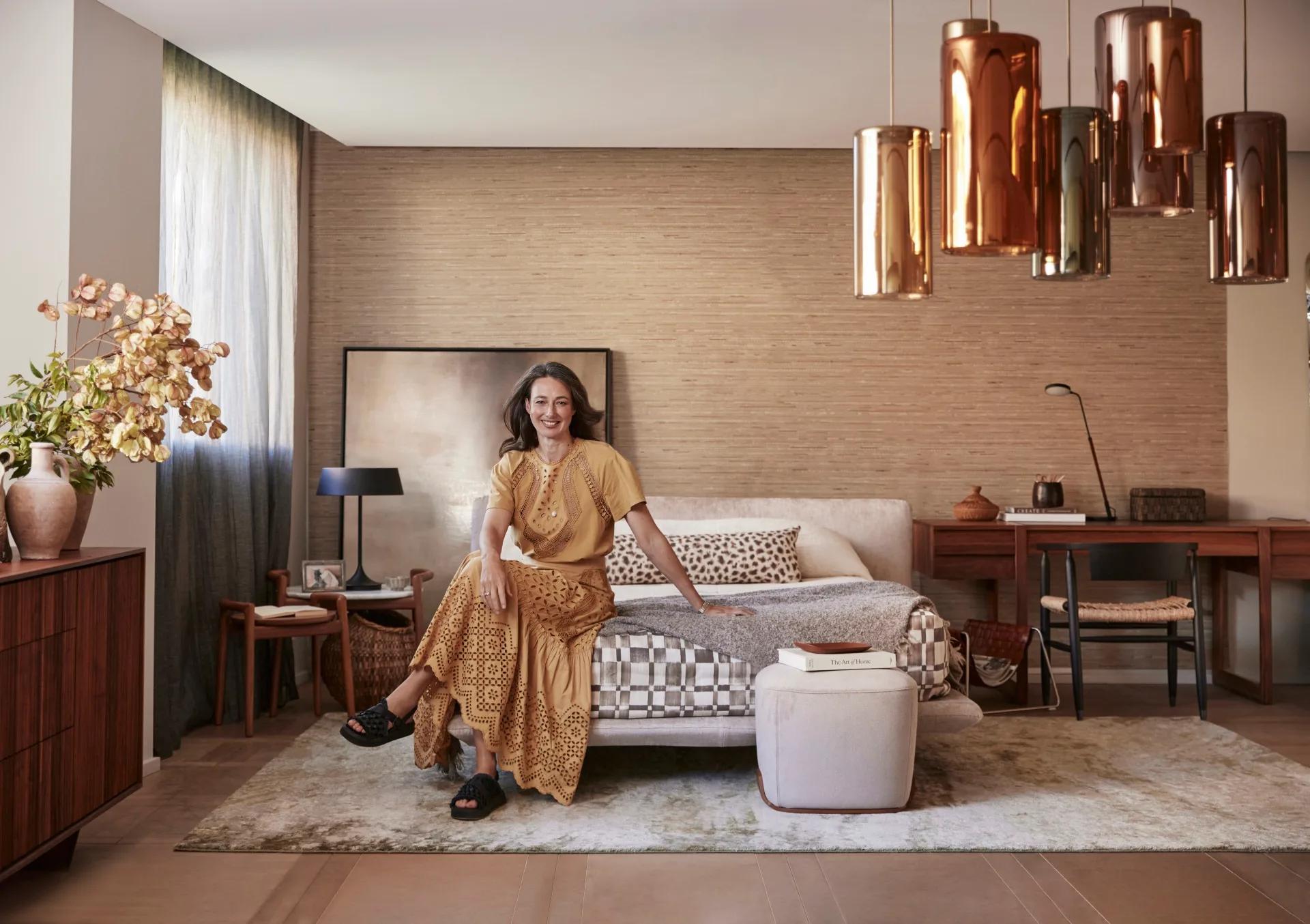
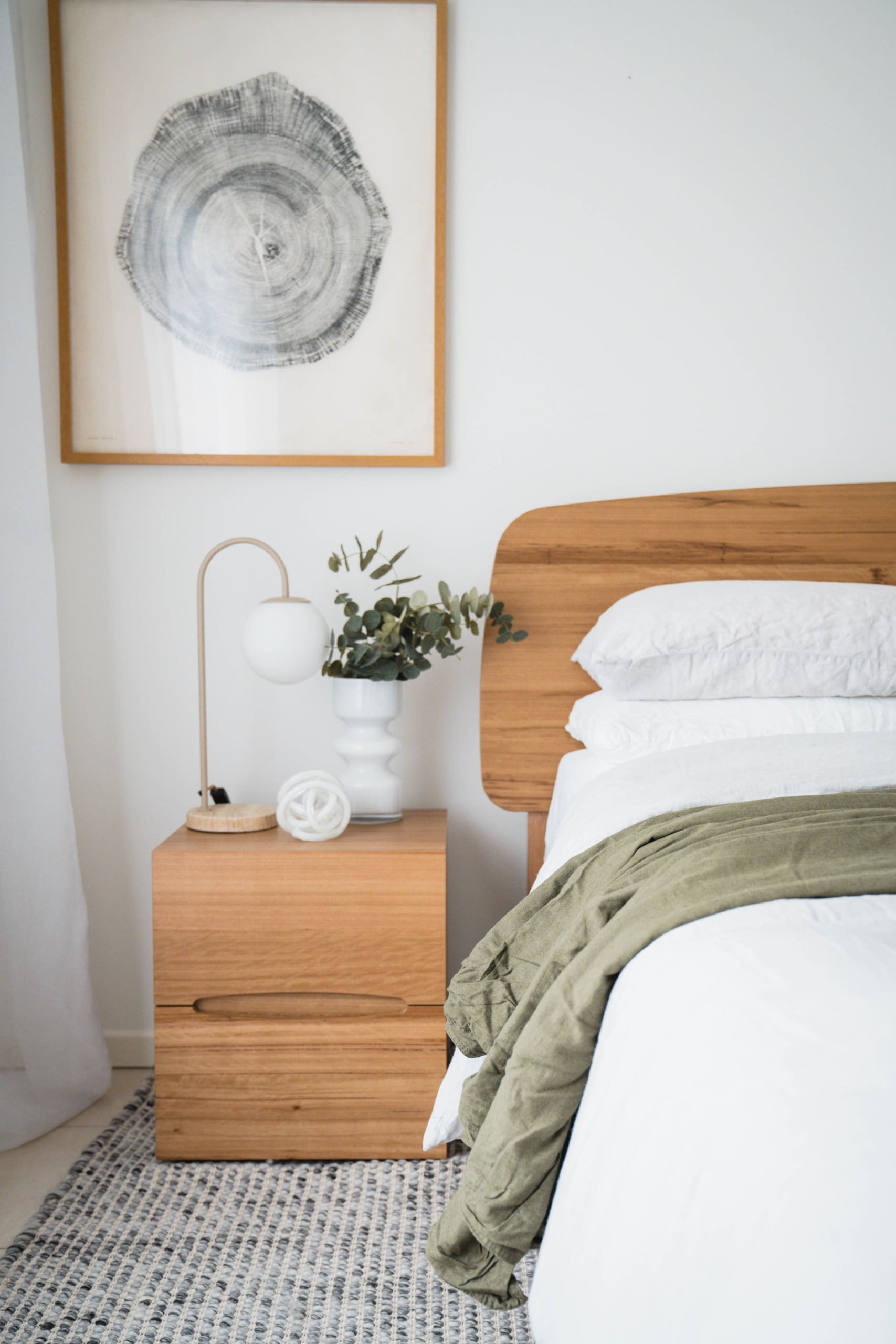
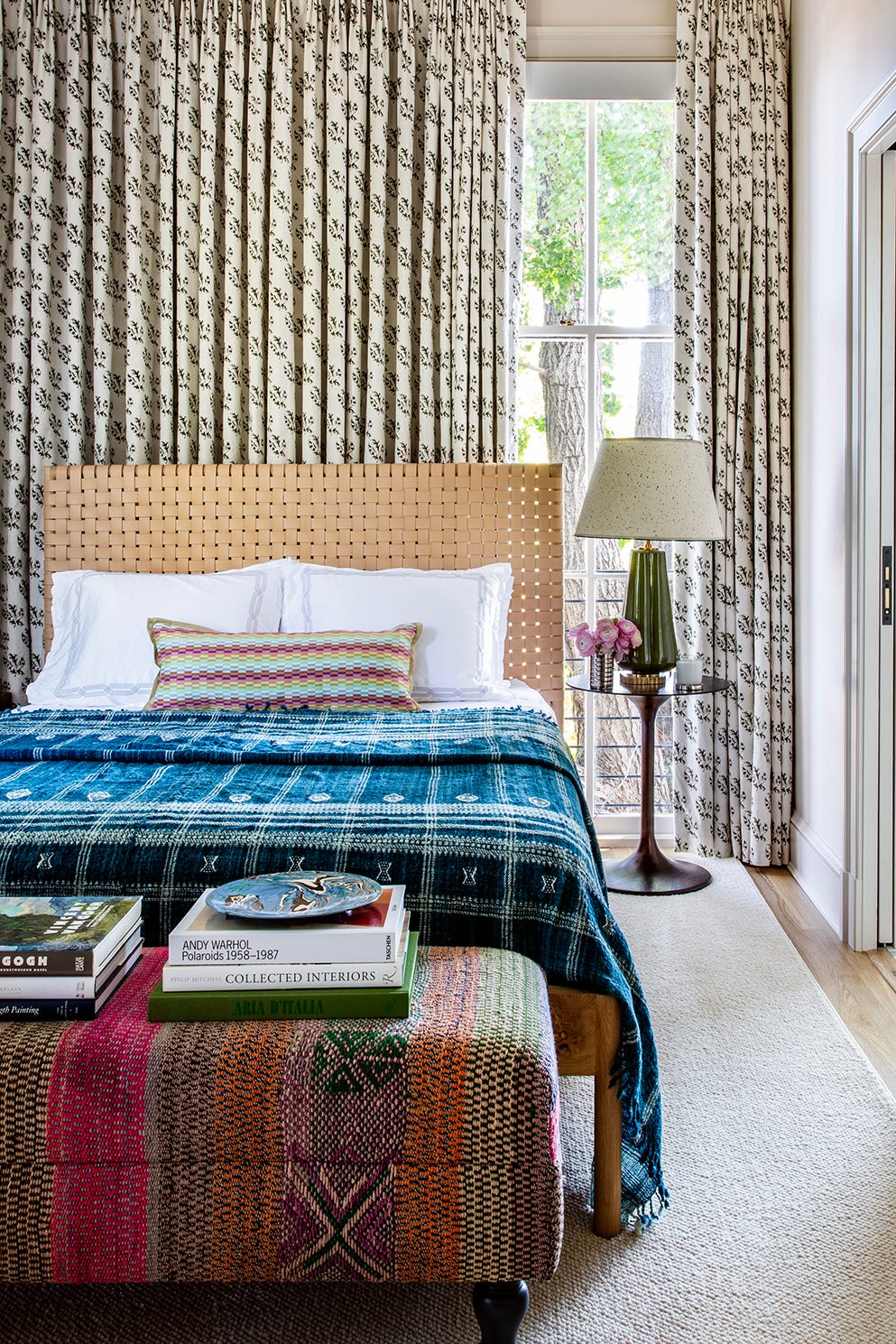
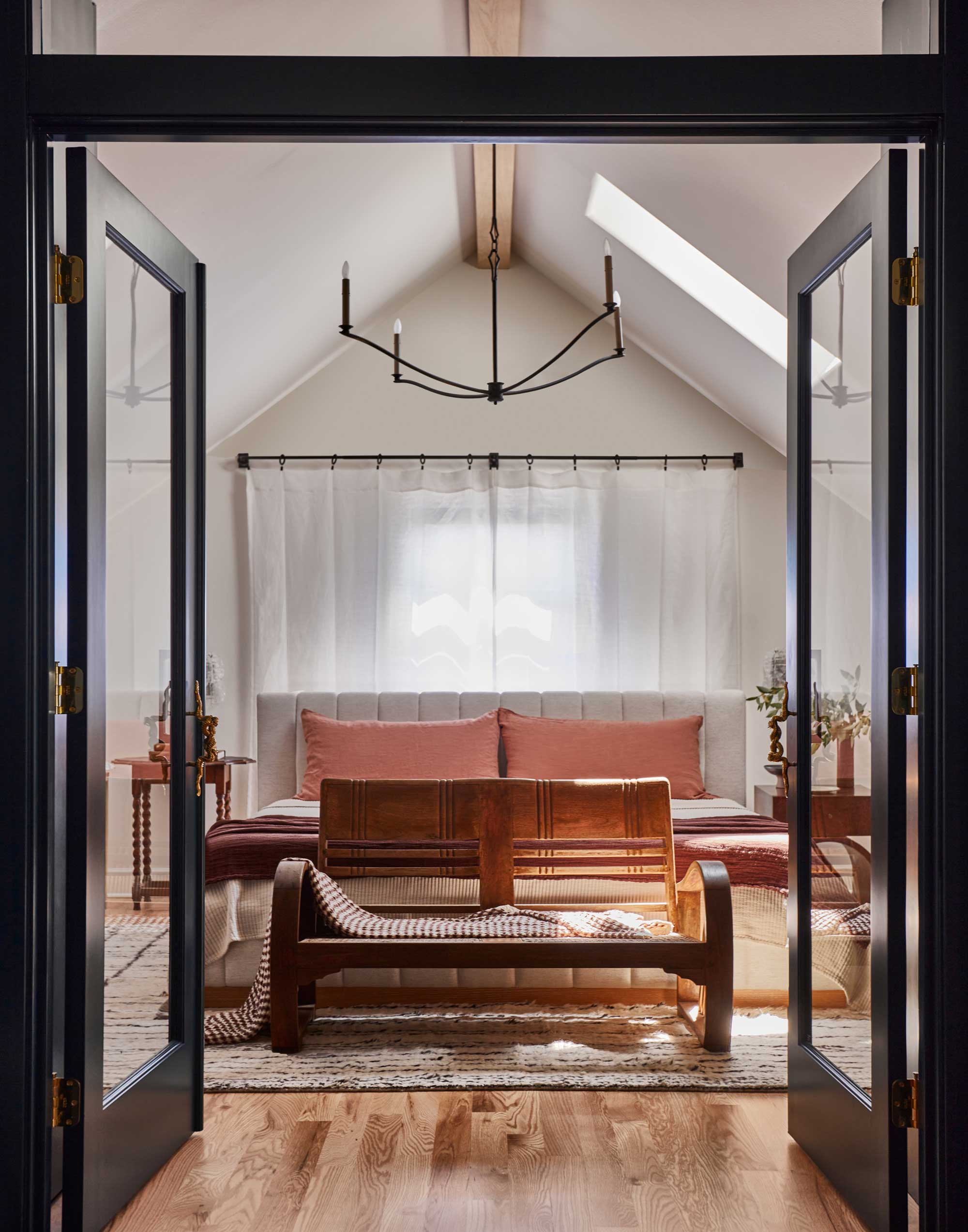
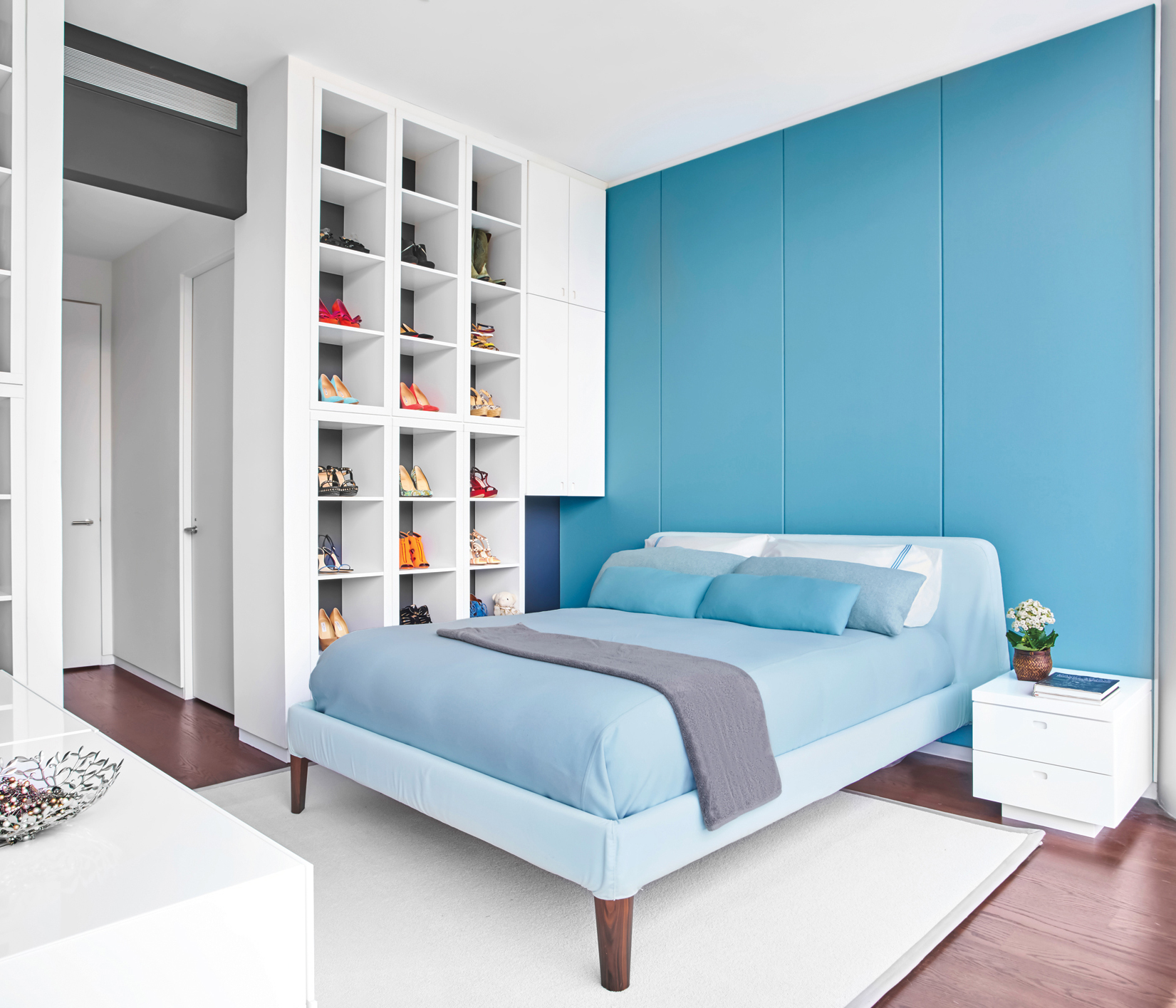
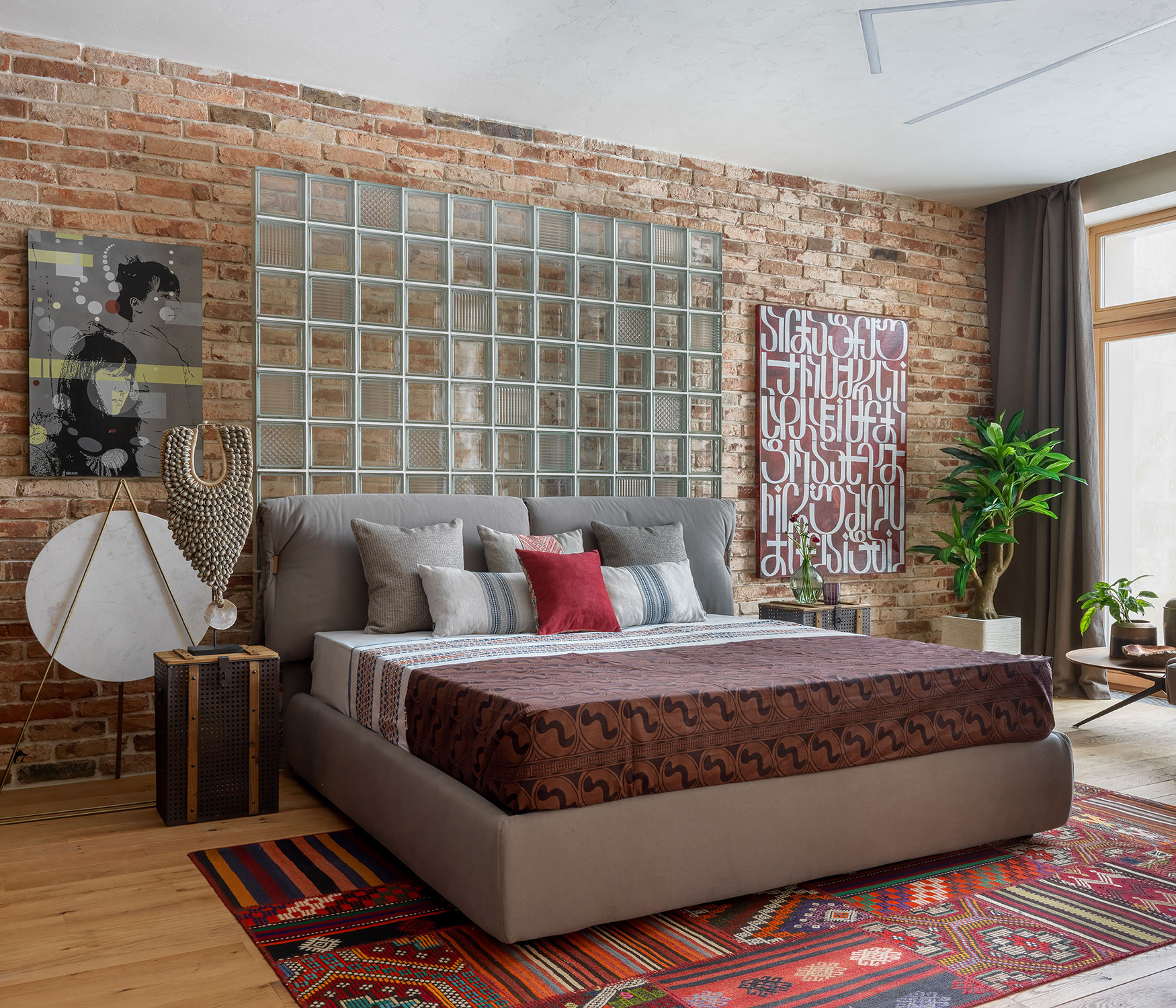
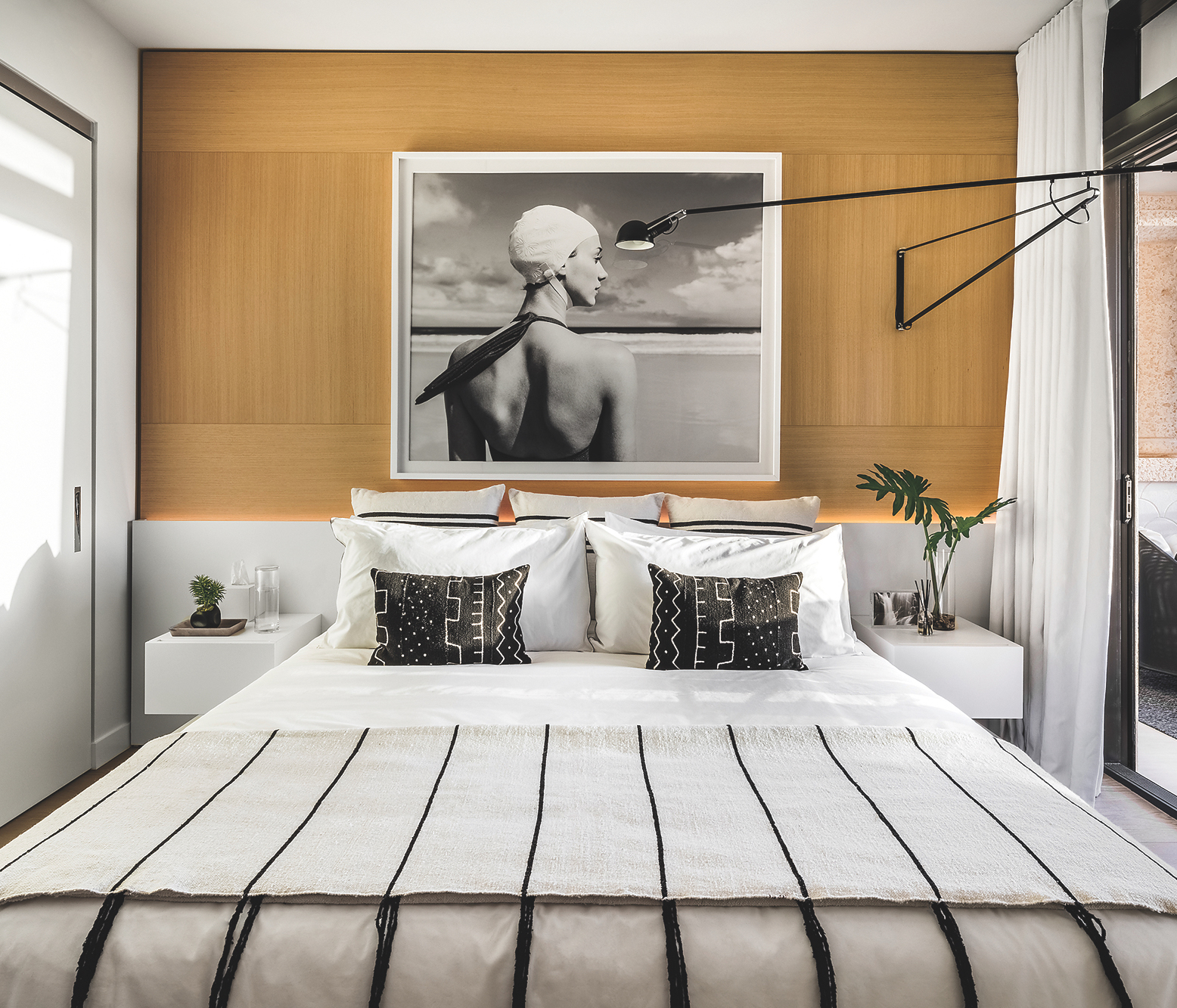
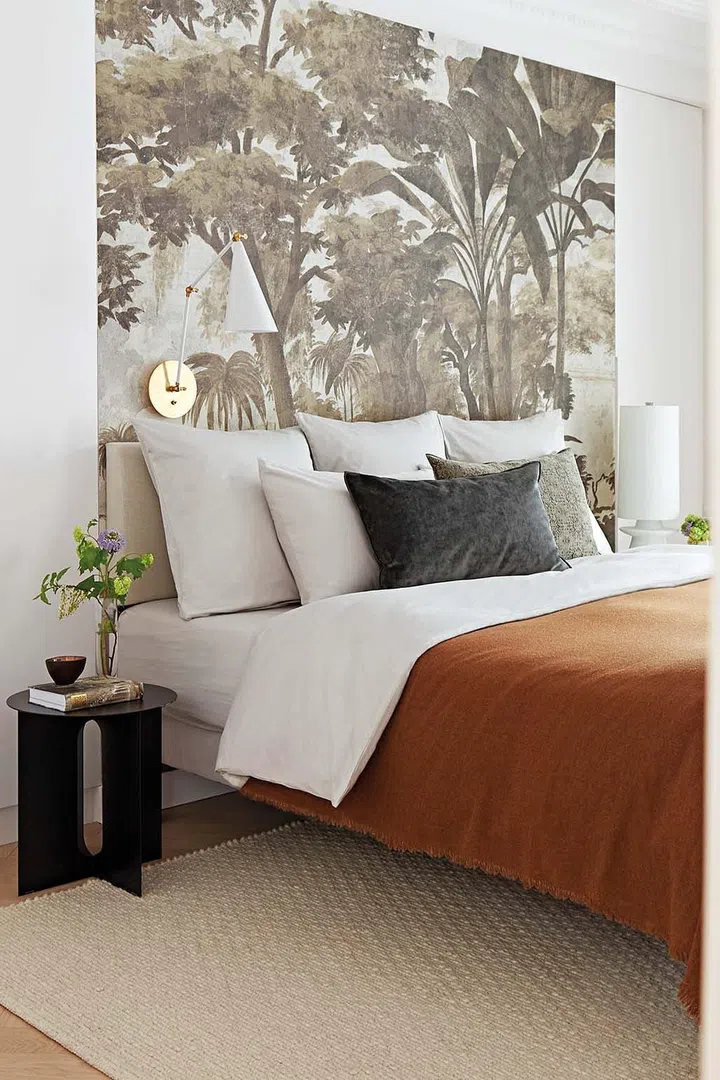
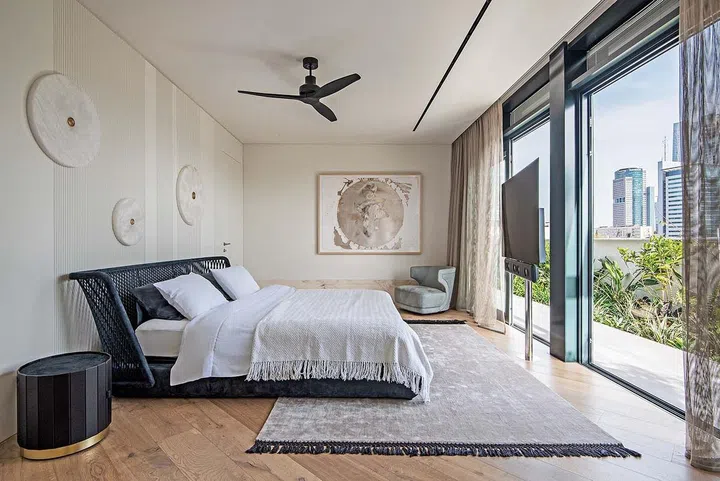
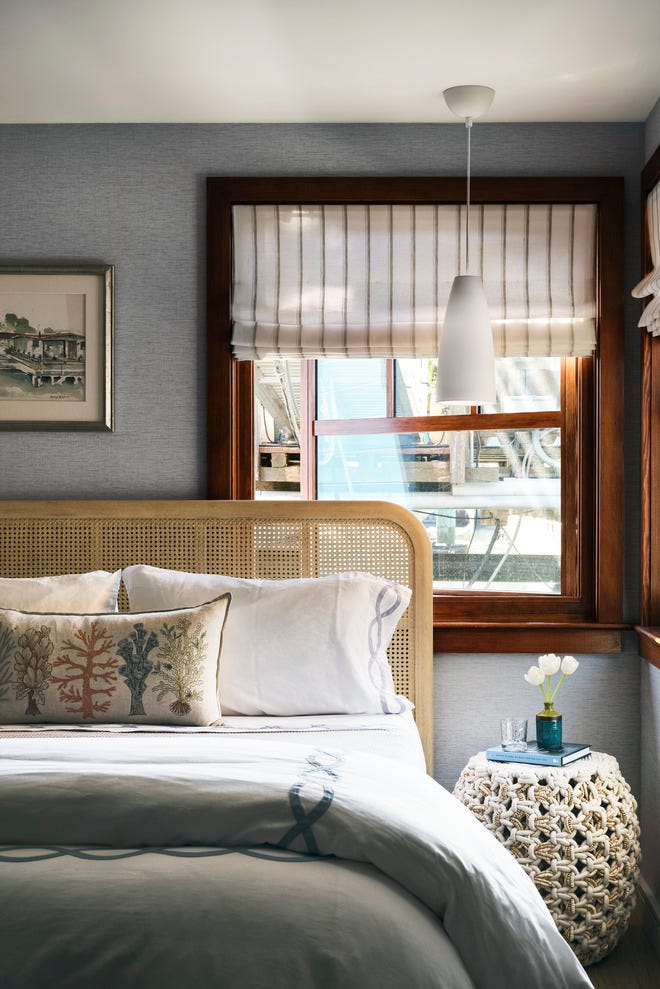
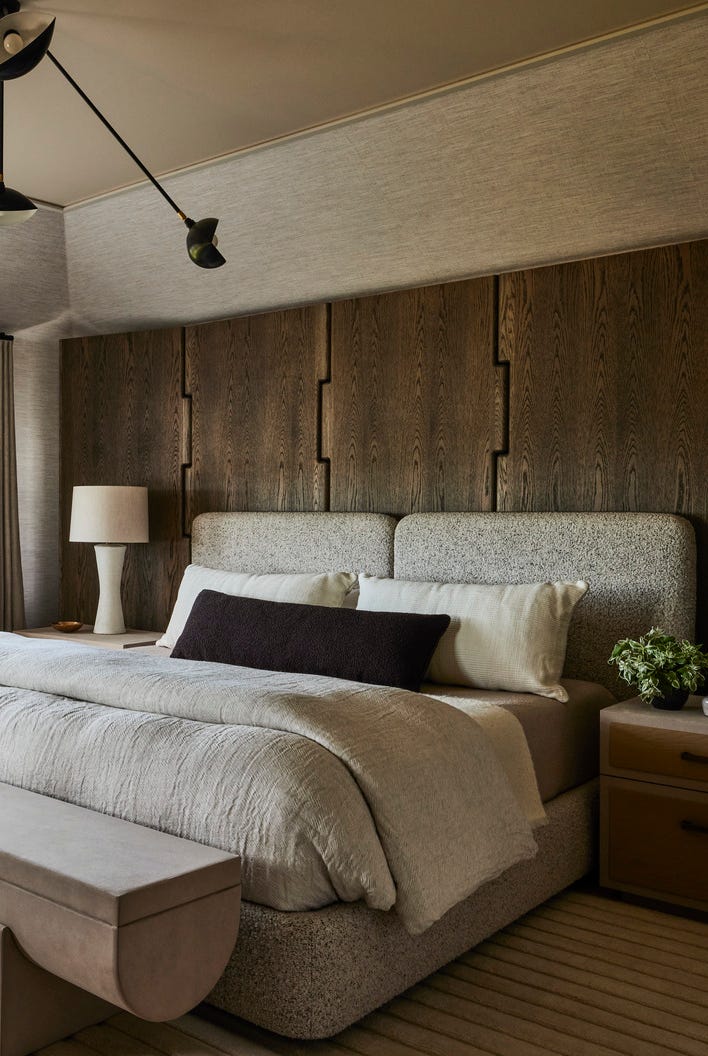
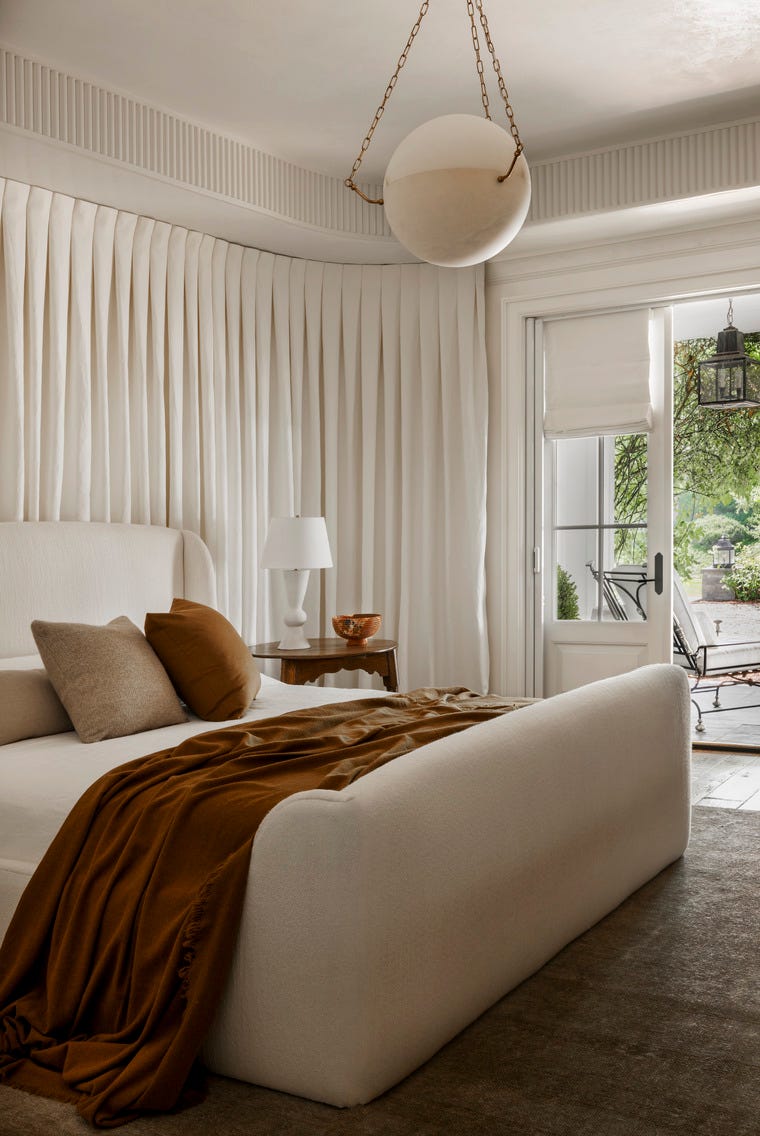
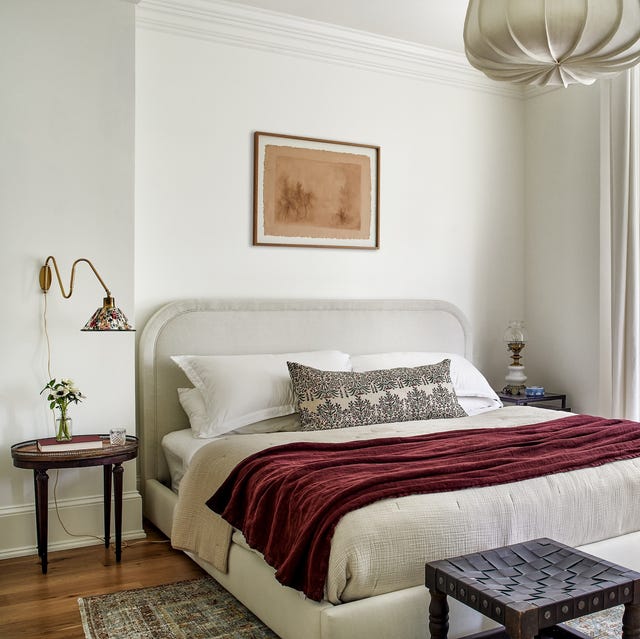
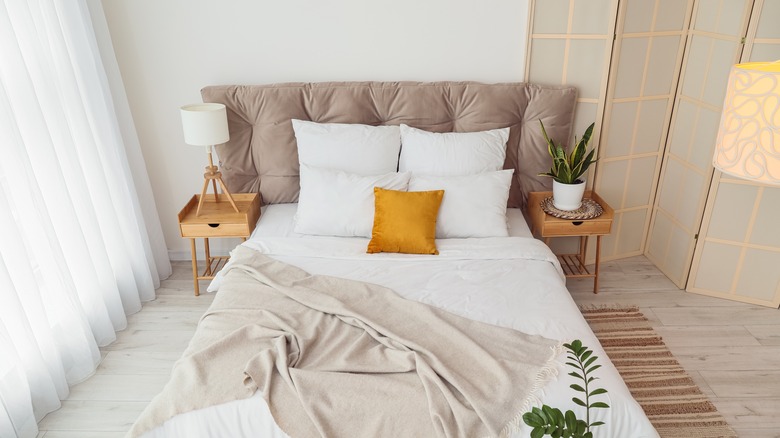
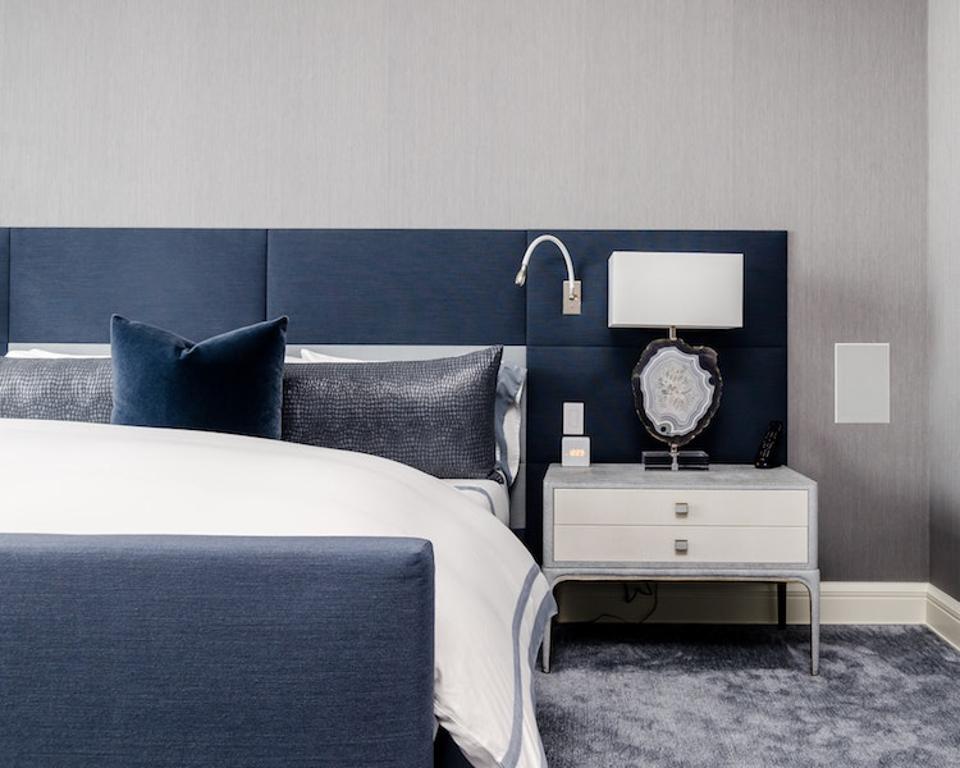
The article explores the design hack of using mismatched nightstands in a bedroom, a concept gaining traction among design professionals. While a matching set of nightstands often comes to mind when picturing a well-designed primary bedroom, this traditional approach isn't always practical due to space limitations, budget constraints, or a desire to incorporate unique, pre-owned, or inherited pieces. Design experts confirm that an asymmetrical arrangement of nightstands is not a design faux pas and can add aesthetic appeal by allowing for the display of two equally loved pieces or creating a less 'matchy-matchy' look. However, certain styling considerations are crucial for successfully implementing this design choice.
One of the most critical aspects is maintaining consistent heights between the two nightstands. Ellie Stein, founder of Stein Studio Interior Design, emphasizes that a noticeable difference in height, particularly with bedside lamps, can create an unsettling visual imbalance. Therefore, careful selection of nightstands that are of similar height is paramount. Beyond height, the scale of each nightstand relative to the bed and to each other is also important. Kerrie Kelly of Kerrie Kelly Studio advises that both nightstands should appear proportionate, even if their styles are different. She suggests unifying them with common elements such as a similar finish, color palette, or hardware. If one nightstand has a heavier design, it can be balanced with a lighter silhouette on the other side, perhaps enhanced with layered lighting or artwork above it.
The finishes and detailing of the nightstands also play a significant role in creating a cohesive look. Rebekah Murphy, co-founder and architect at Murphy & Moore Design, notes that shared elements like a common wood tone, a similar lacquered finish, or even subtle echoes in shape (e.g., rounded corners) can effectively tie the pairing together. The overall bedroom aesthetic should be considered when choosing finishes. Tehilla Bennett, founder and principal designer at Teela Bennett Design, suggests that a painted nightstand and a wood nightstand can coexist harmoniously if they share a similar tone or if the wood finish is repeated elsewhere in the room. Rebecca Merritt of Merritt Design Co. highlights that while combining a stone nightstand with a wood one can create a curated look, mixing two different wood nightstands can be challenging due to the difficulty of finding complementary undertones.
Even with varying nightstand styles, unifying accessories can bring cohesion to the bedroom. Kerrie Kelly points out that mismatched nightstands can tell a story, perhaps combining vintage and modern elements, but they should be unified by what sits on top. Matching lamps, complementary textures, or a shared pattern in accessories can create an intentional and collected feel. Finally, for bedrooms shared by two people, equal storage capacity in each nightstand is a practical consideration. Regan Billingsley, founder of Regan Billingsley Interiors, emphasizes that balanced storage keeps the room fair and functional, preventing disputes over space. The overarching principle is to either fully commit to the intentionally mismatched look or opt for a perfectly matched pair to avoid an unintentionally disjointed appearance.
#BedroomDesign #InteriorDecorating #MismatchedNightstands #HomeDecor #StylingTips #DesignHacks #BedroomFurniture #BedroomDesign #InteriorDecorating #MismatchedNightstands #HomeDecor #StylingTips #DesignHacks #BedroomFurniture
0 comment in total
 No comments yet
You may also like
6 editors share their bedroom decorating hacks


Must-Try 2025 Trends To Create A Dreamy Bedroom You'll Never Want To Leave
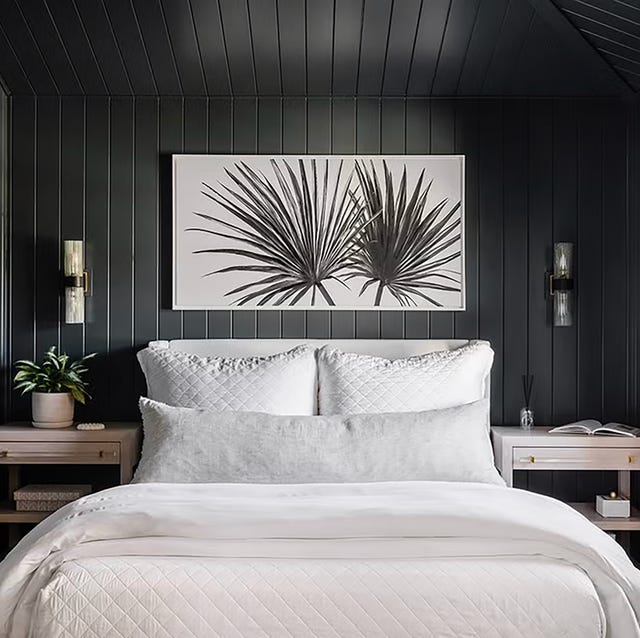
Pull off a Dreamy Bedroom Design — No Matter Your Square Footage
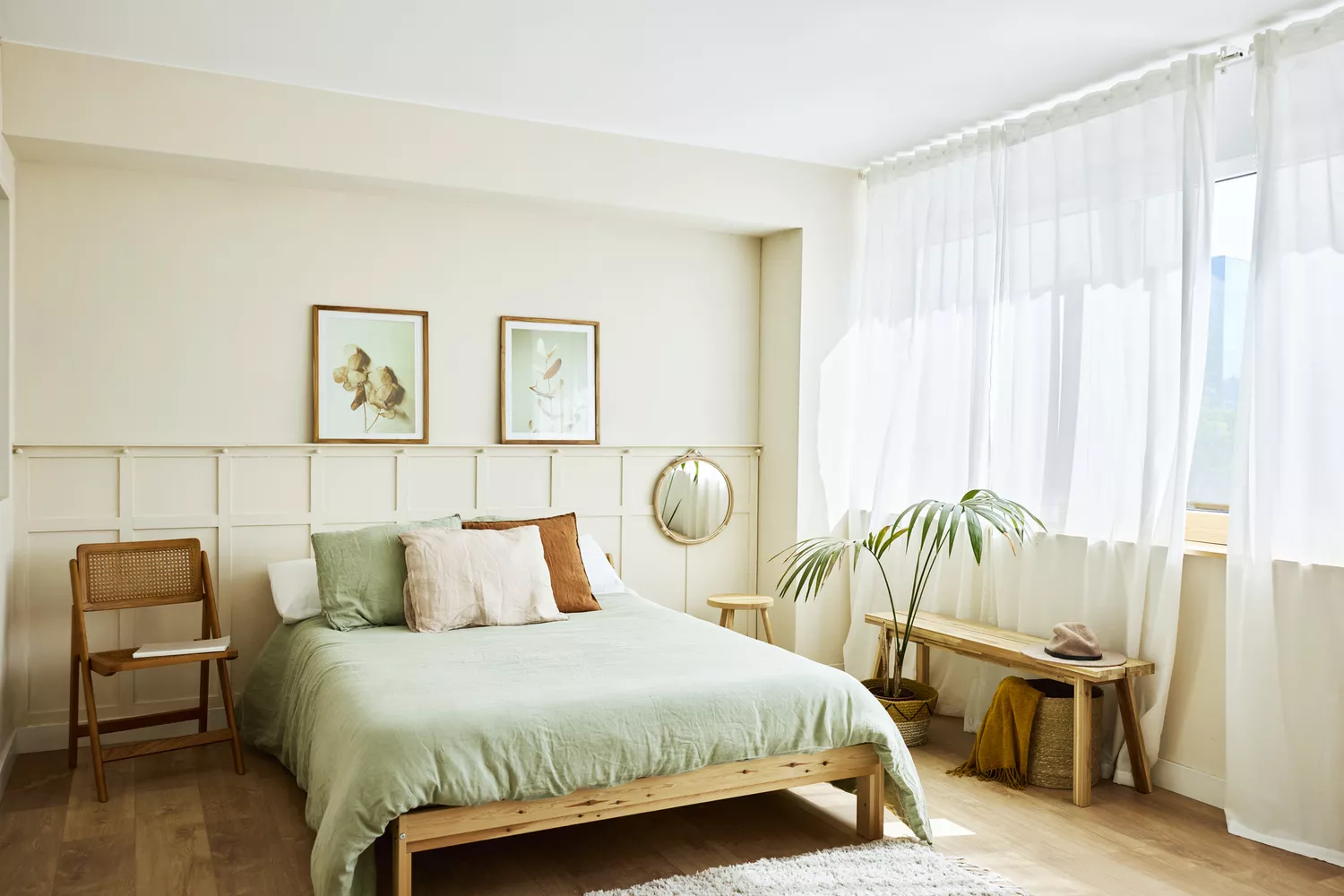
9 Things That Immediately Make Your Bedroom Look Bad, According to a Designer

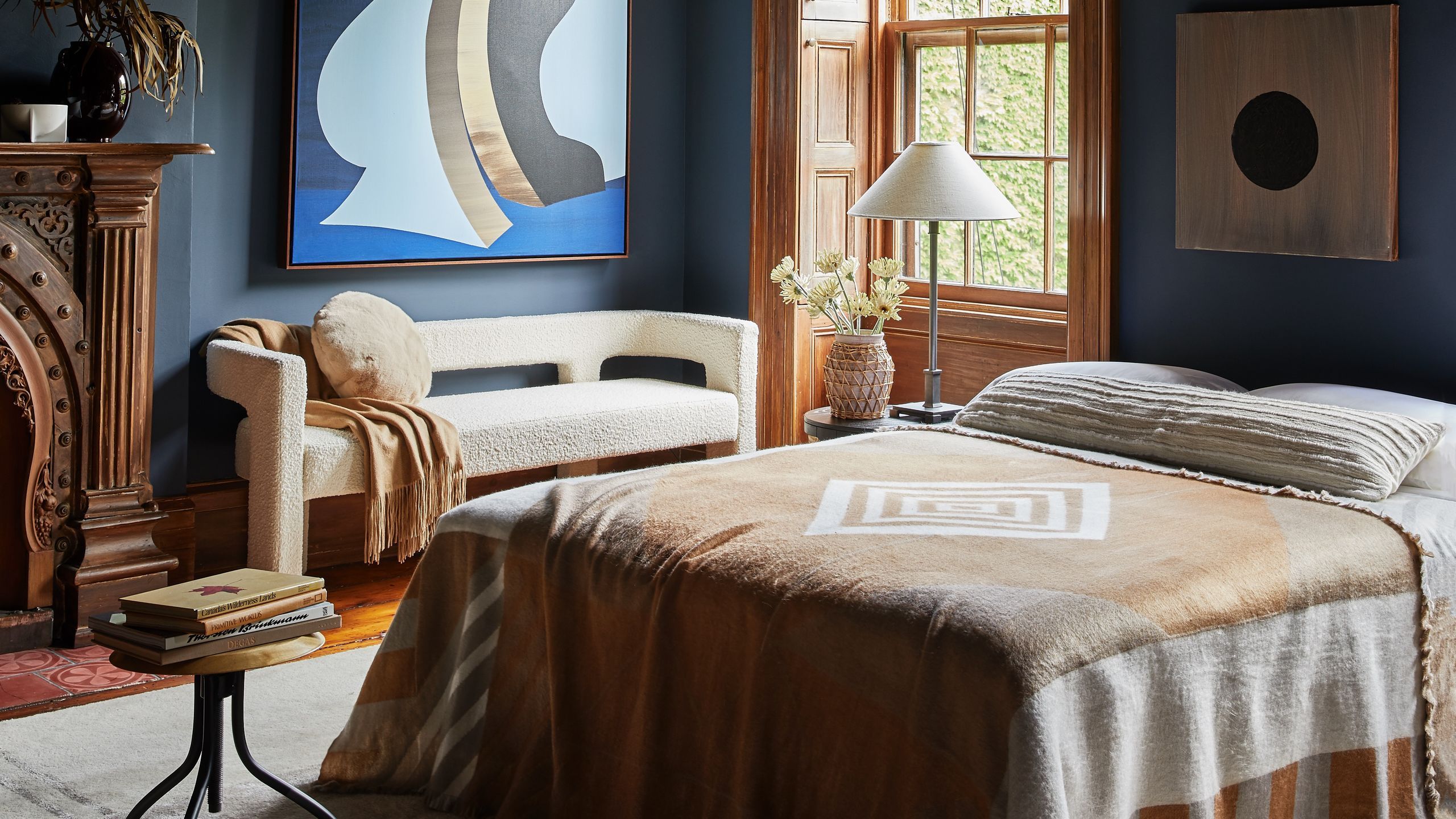
9 bedroom design ideas designers swear by

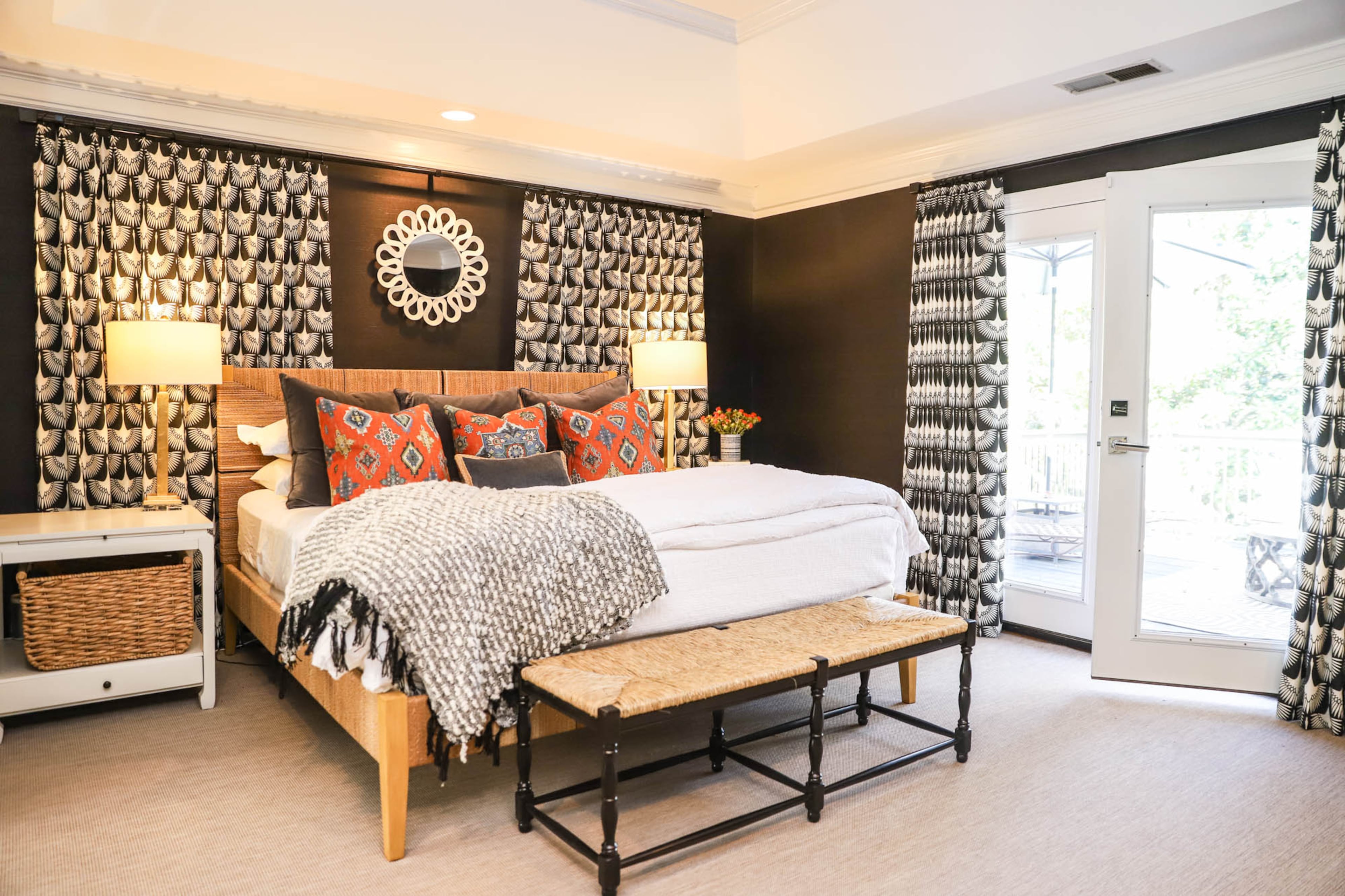
Master bedroom remodels offer fresh look
The Extreme Makeover: Home Edition Bedroom Design Choice Pinterest Is Loving
Bedroom Design Ideas: 20 Expert tips from interior designers
Interior designers share their secrets to designing a bedroom like a 5-star luxury hotel room at home
An interior designer shares her thoughts on achieving the perfect bedroom

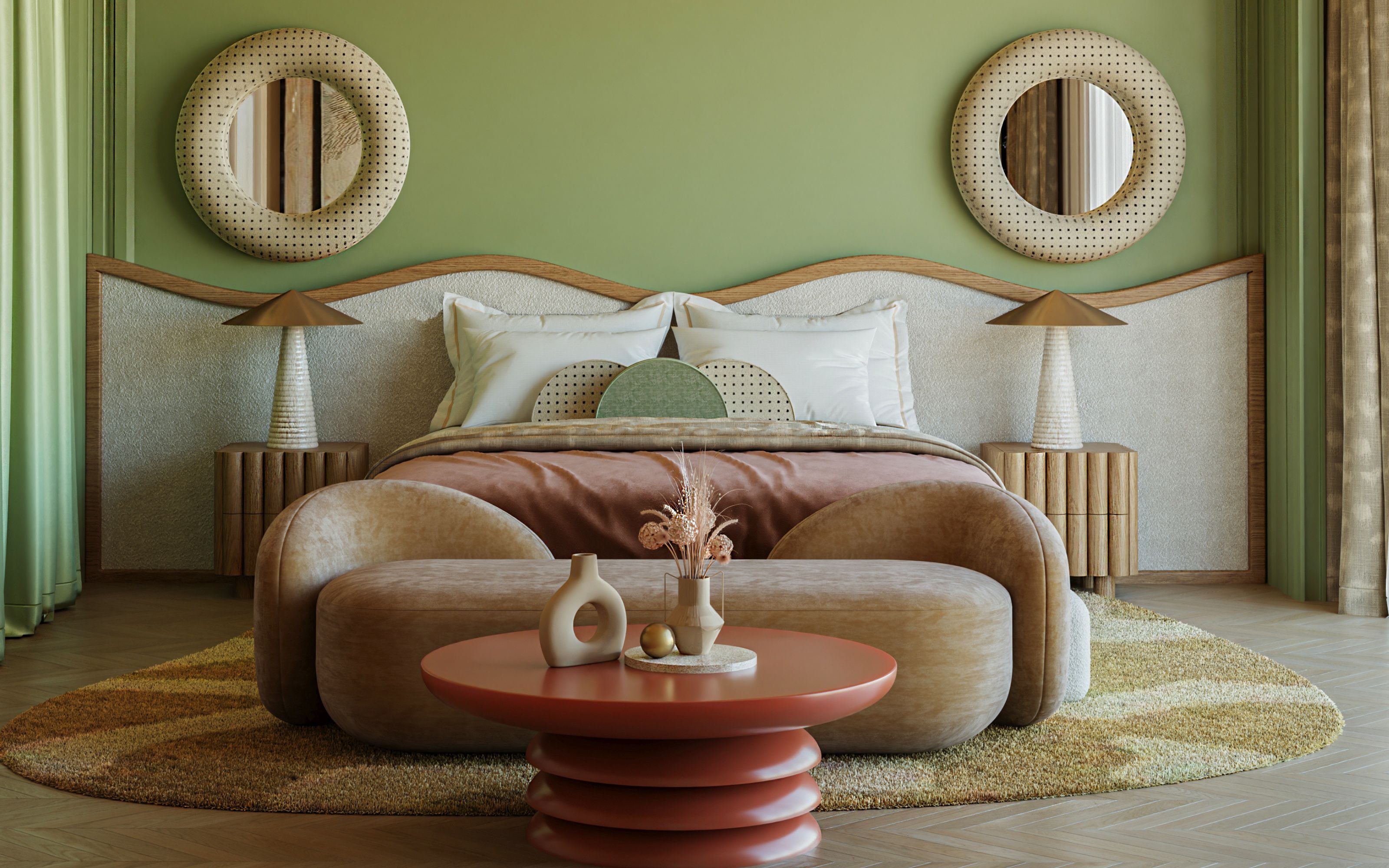
The smallest tweak to your bedroom makes the biggest difference - 5 designer secrets for creating restful schemes

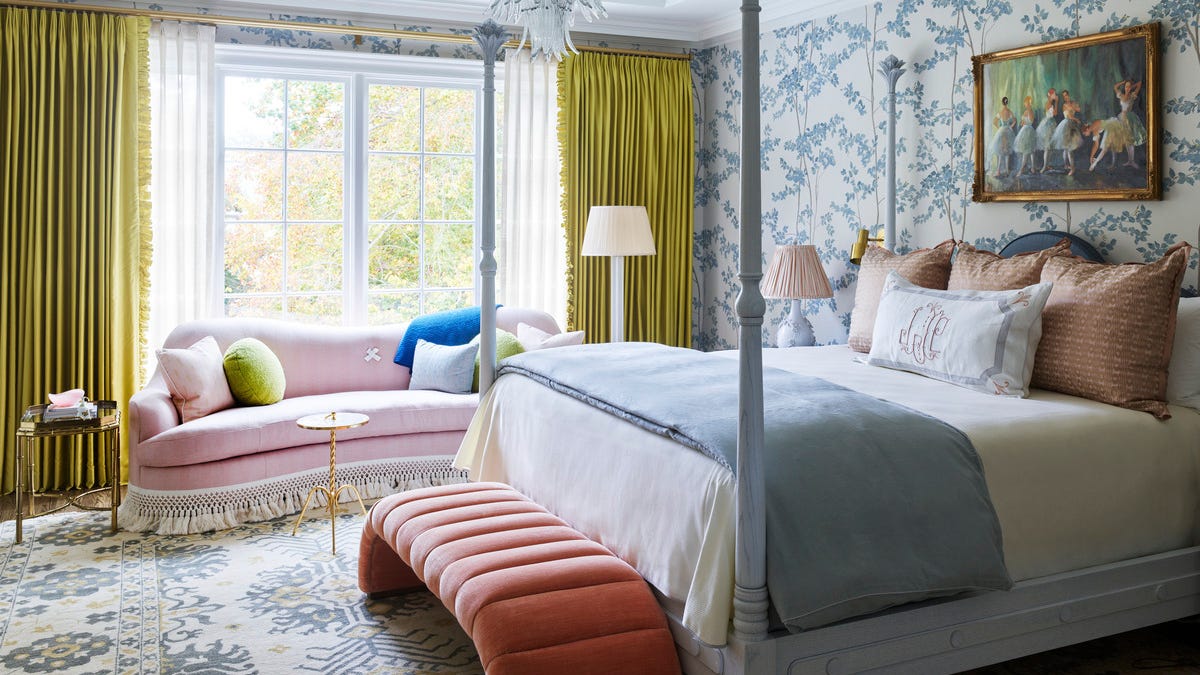
The Best Tips From Designers on Decorating the Bedroom of Your Dreams
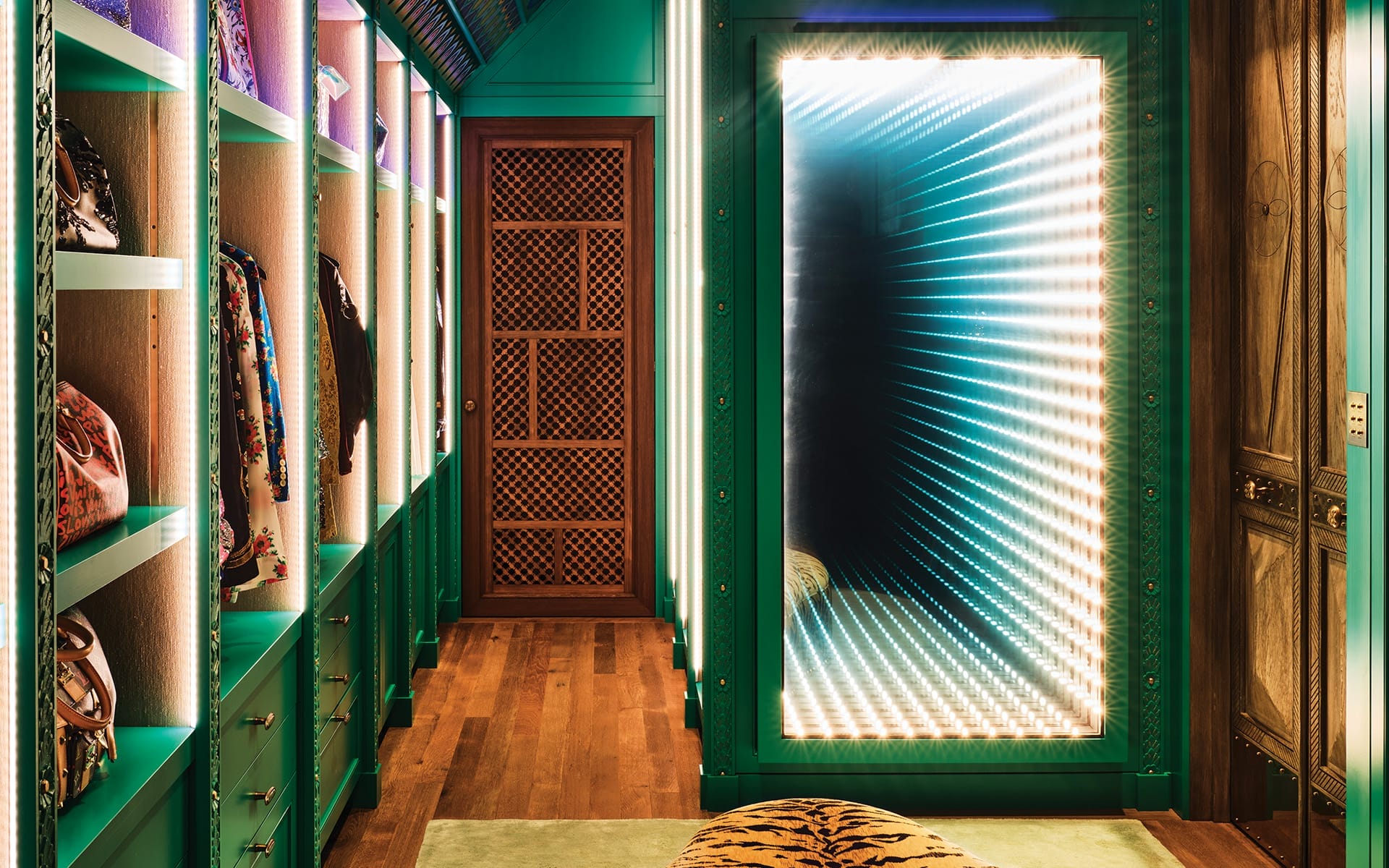
6 Leading Interior Experts Detail How to Design a Fantasy Dressing Room

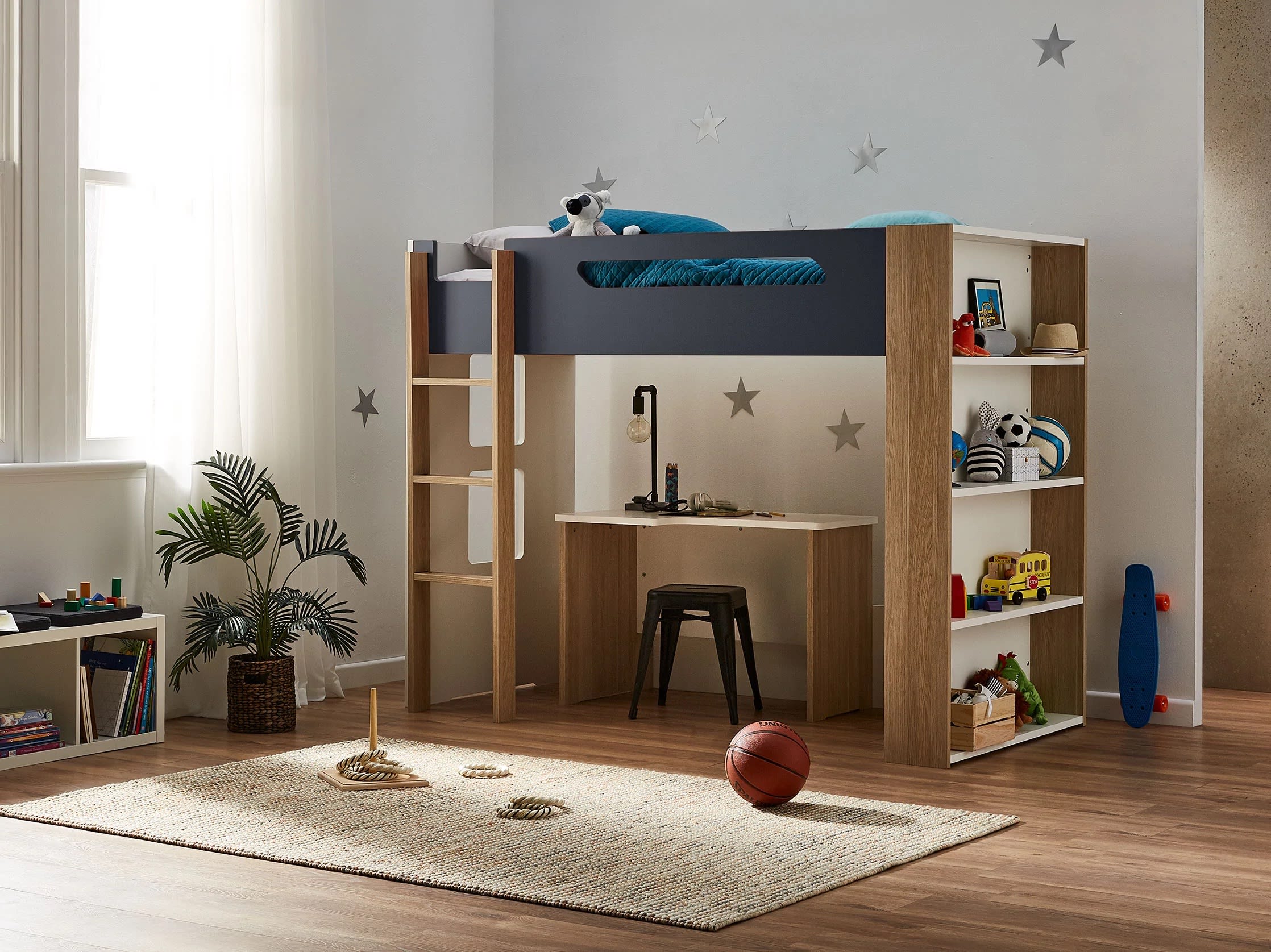
5 Transformative Bedroom Ideas That Make the Most of Your Space
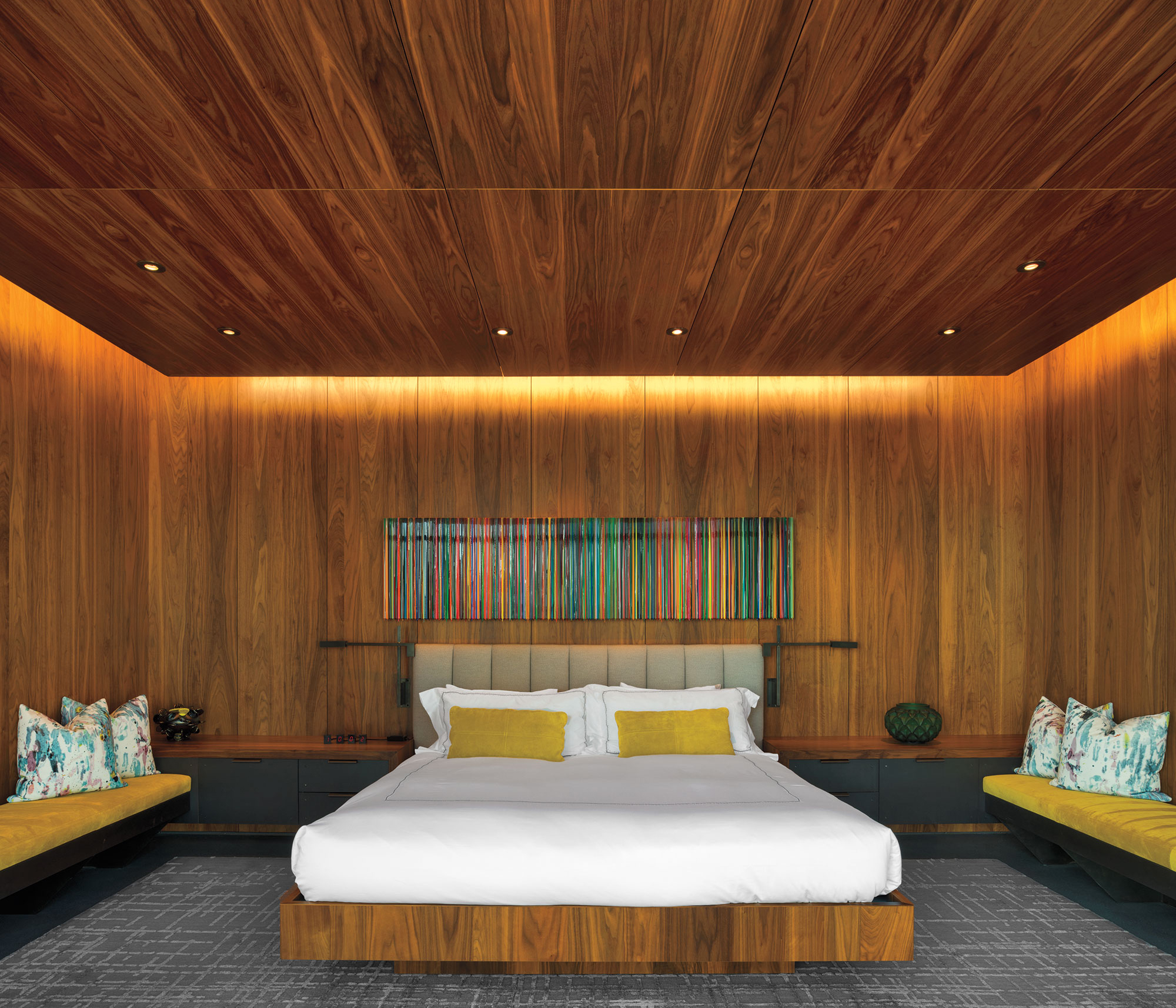
15 Dreamy Bedroom Design Ideas Where Creativity Meets Comfort

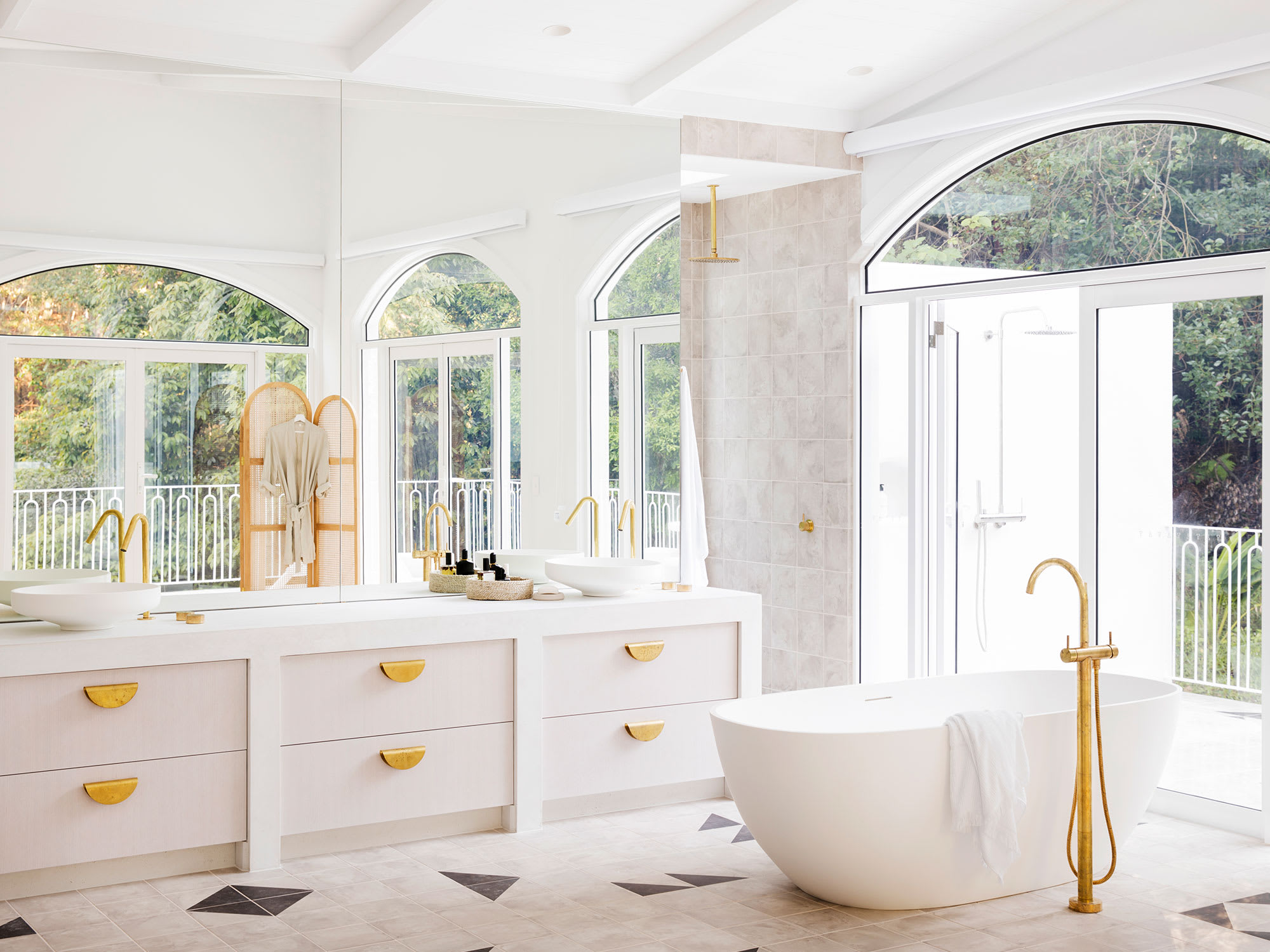
8 of the Latest Wild Trends in Bedroom Design
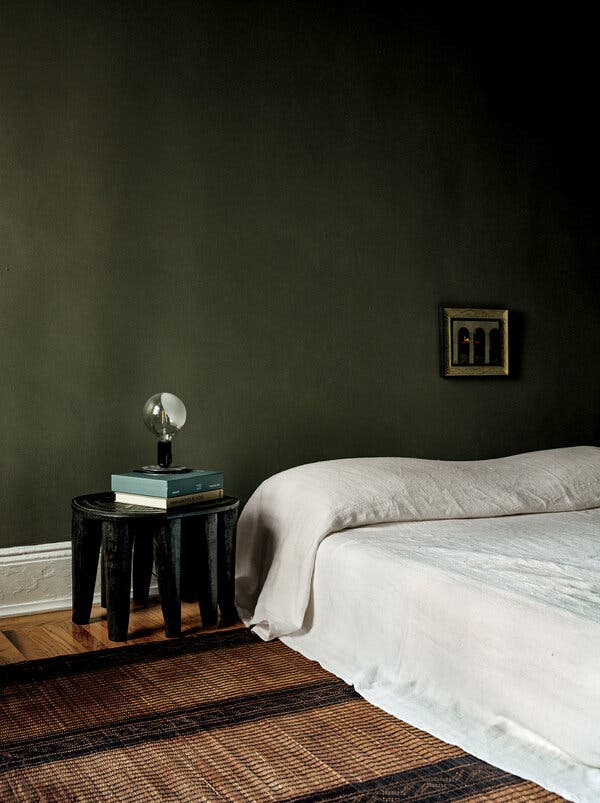
Our Favorite Bedrooms
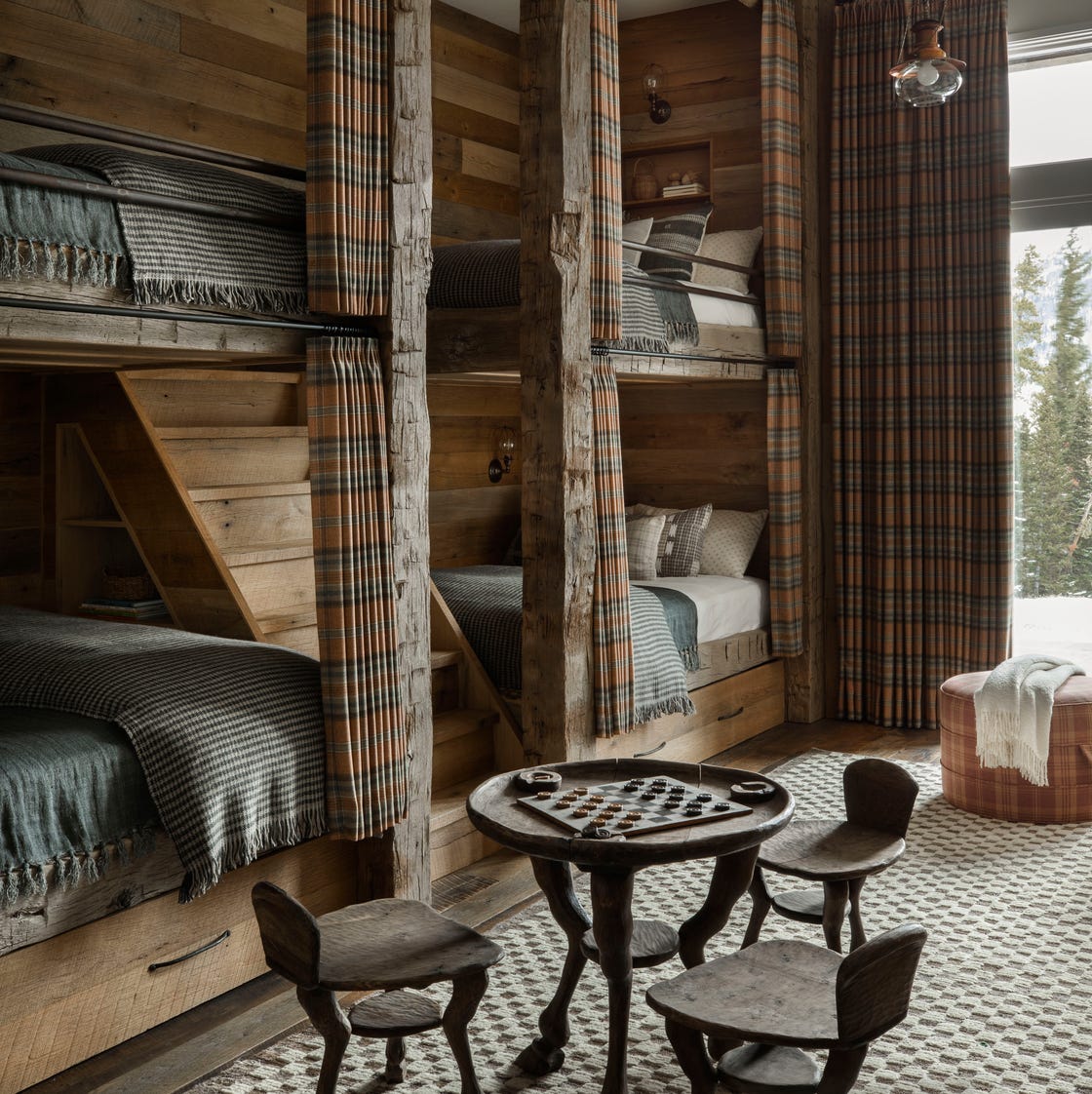
How to Build the Ultimate Bunk Room, According to Designers
Interior Designers Share Their Favorite Bedroom Design Trends For 2020

7 Bedroom Features That Immediately Ruin Your Space, According to Designers