This Living Room Feature Is Always an Eyesore (And You Already Have It), Designers Say
Many interior designers consider the television a major eyesore in a beautifully curated living space, often intentionally omitting it from design photographs. While some clients opt to remove TVs entirely, substituting them with art, the article explores various strategies for seamlessly integrating televisions into home decor without sacrificing functionality. Monika Nessbach, founder of Designbar, notes a growing trend among clients to avoid the "big black rectangle" on their walls, with even multi-family clients choosing art over TVs in model units. Recognizing that abandoning a TV is not feasible for everyone, the article gathers expert advice on blending televisions into a room more effectively.
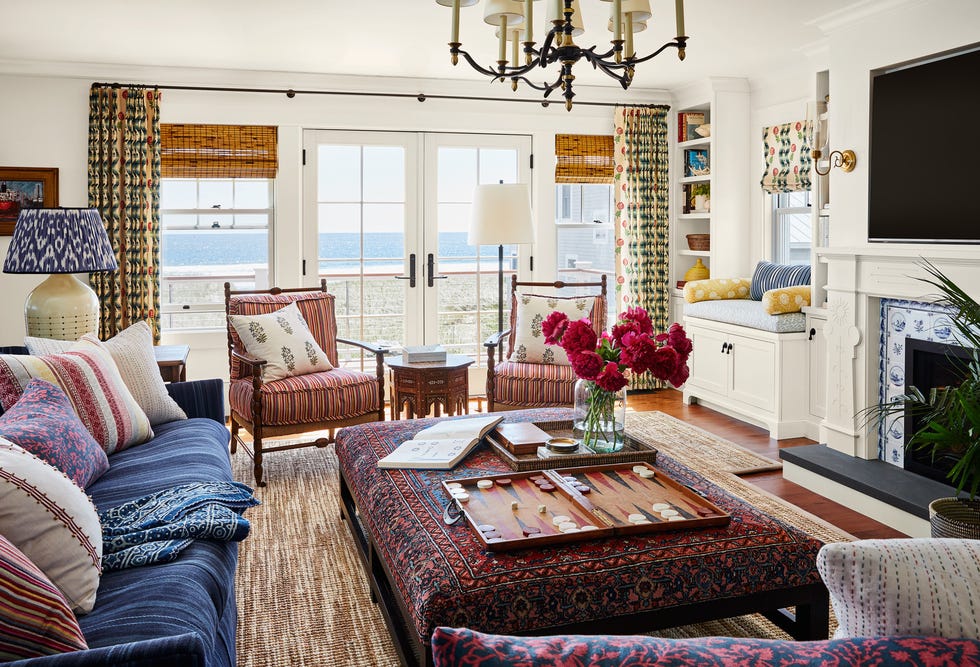
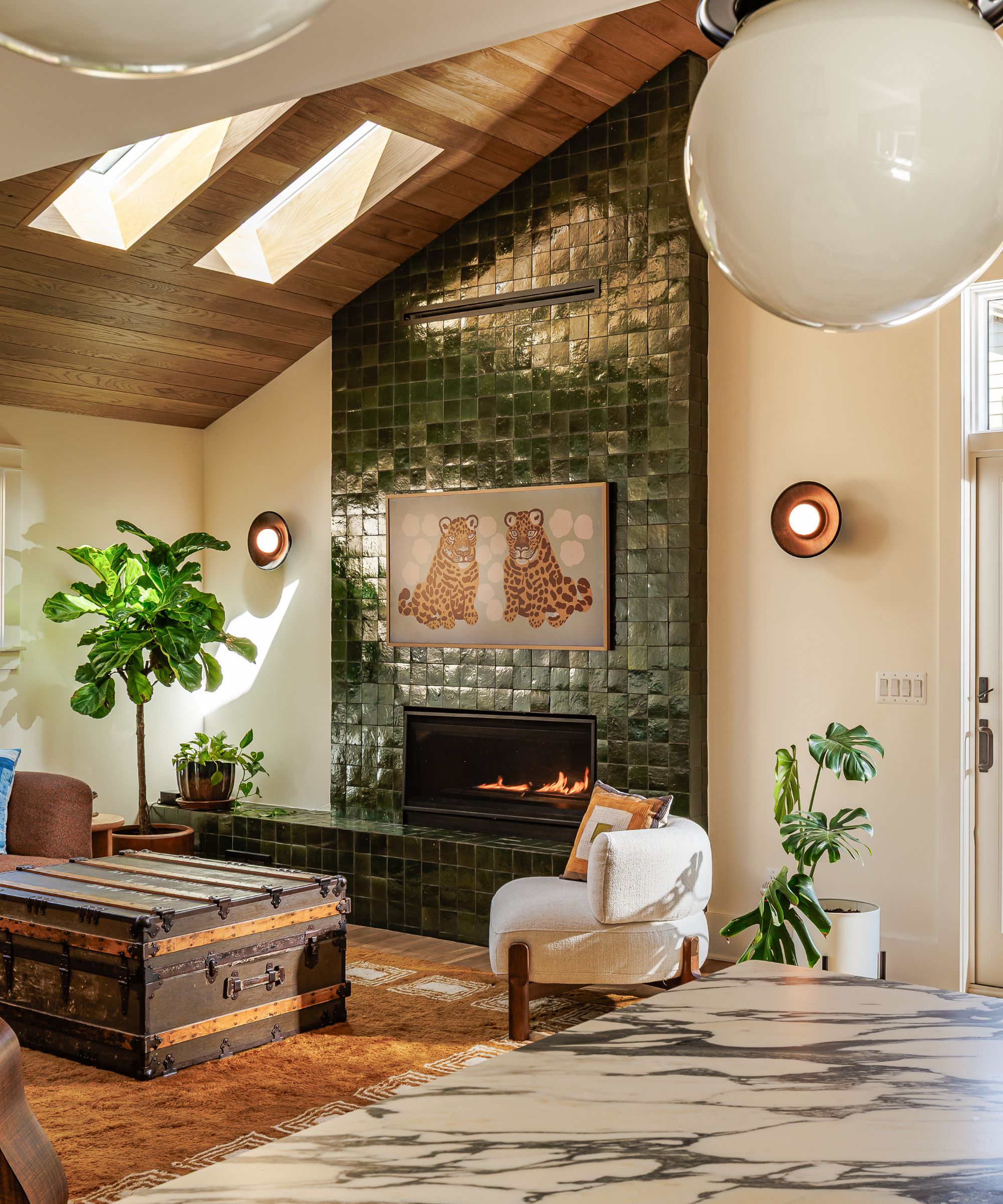
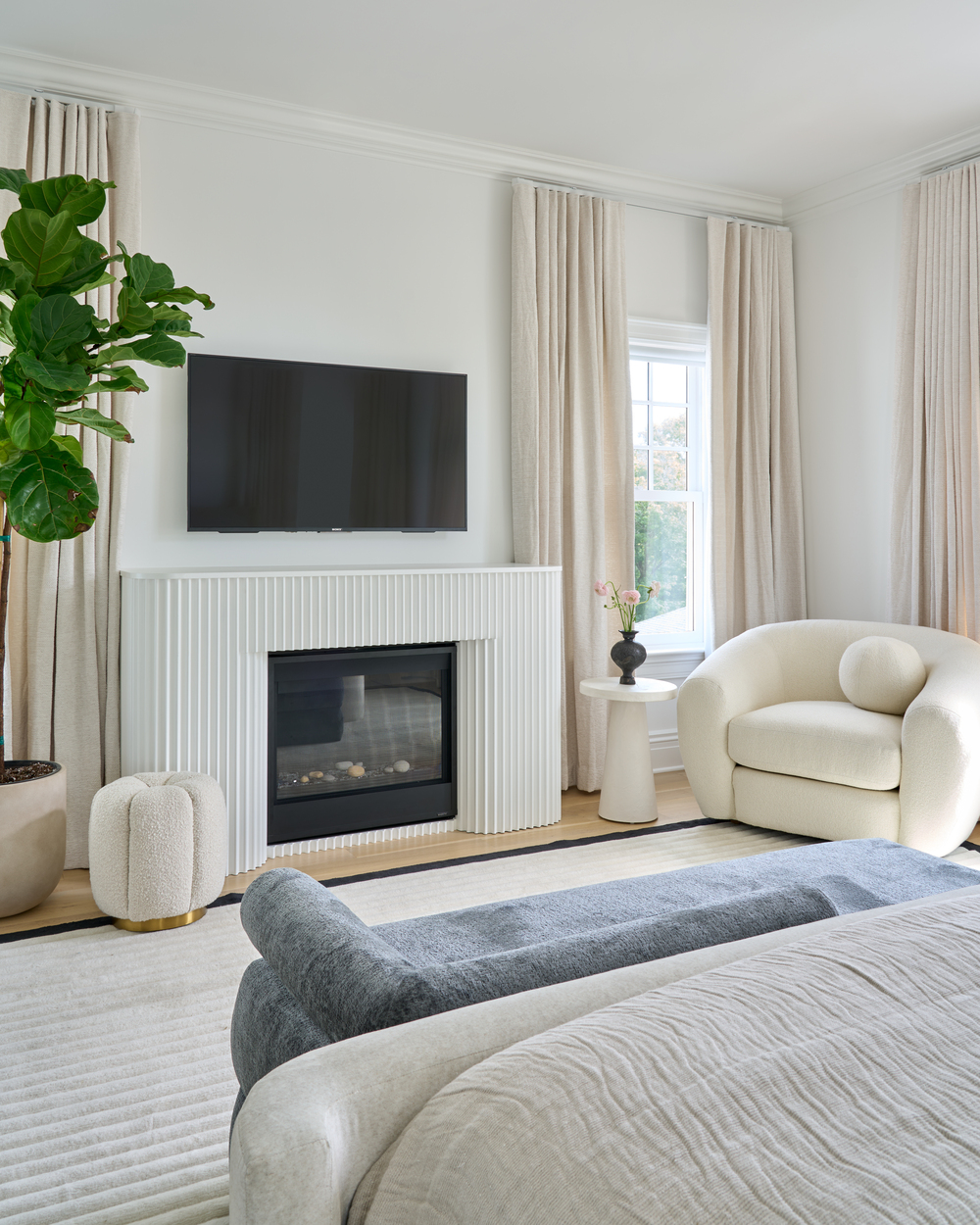
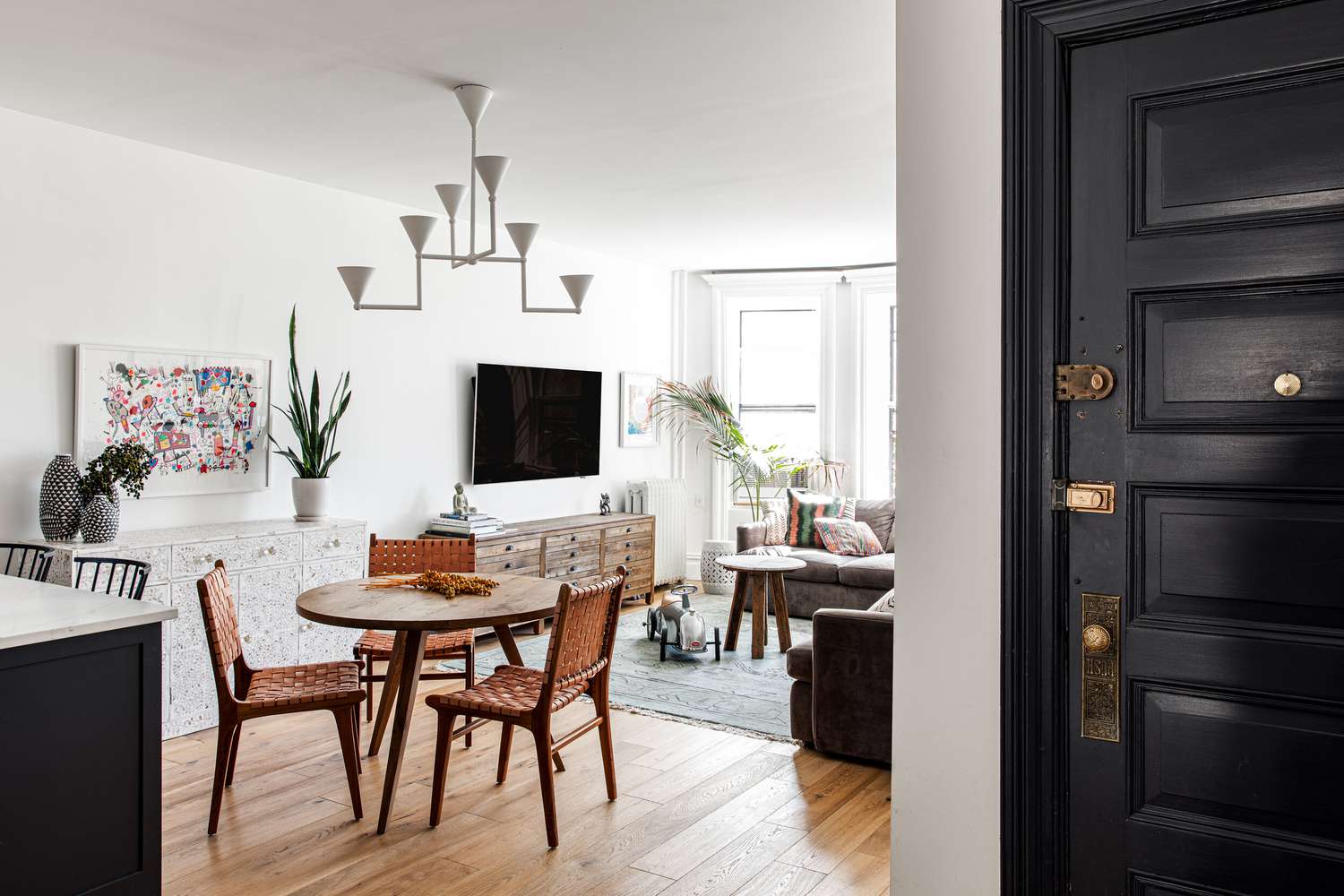
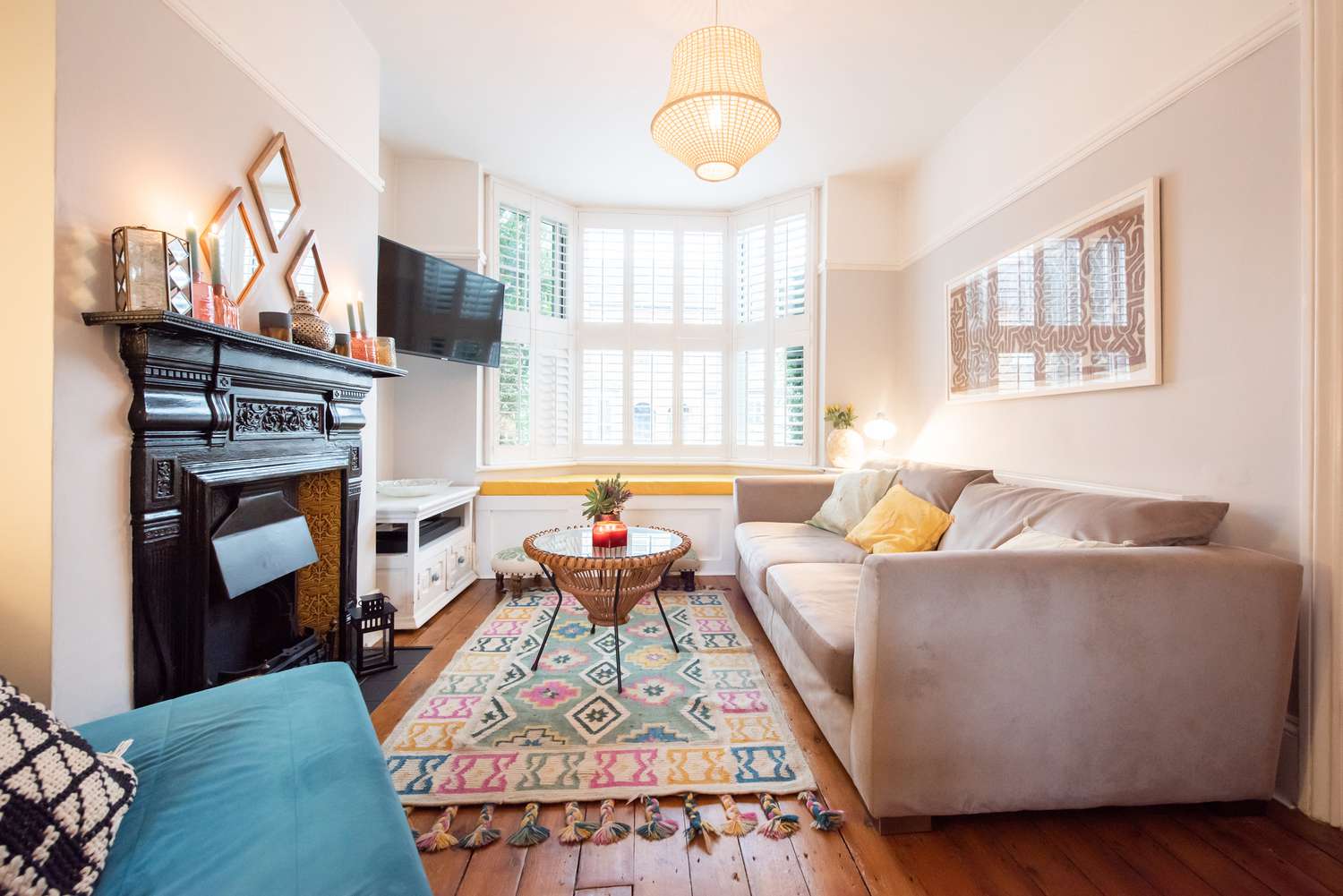
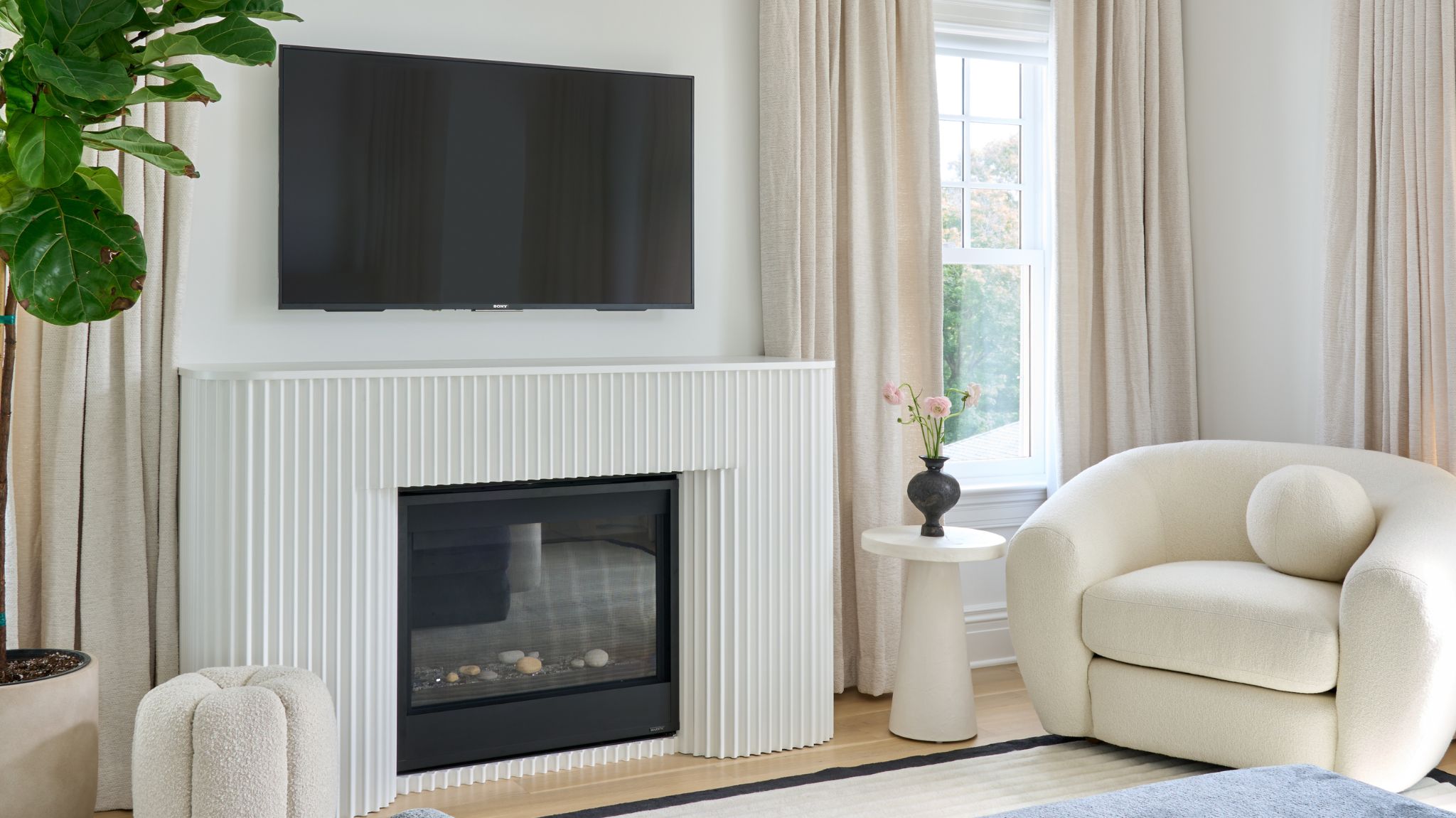
Functionality is a key consideration when attempting to disguise a TV. Lauren Sullivan of Well x Design emphasizes that hiding a TV too well can make it cumbersome to use, defeating its purpose. Therefore, any concealment method should prioritize ease of access and viewing. One effective method is to incorporate the TV into a gallery wall. By wall-mounting the TV among framed art pieces, especially those with black frames, the television can appear as an intentional part of the artwork. Playing with different sizes of rectangular frames can further integrate the TV visually. Even if a black frame isn't desired, many modern TVs offer art-inspired screens when not in use, and framing the TV with artful molding can further blur the line between technology and art, elevating its aesthetic.
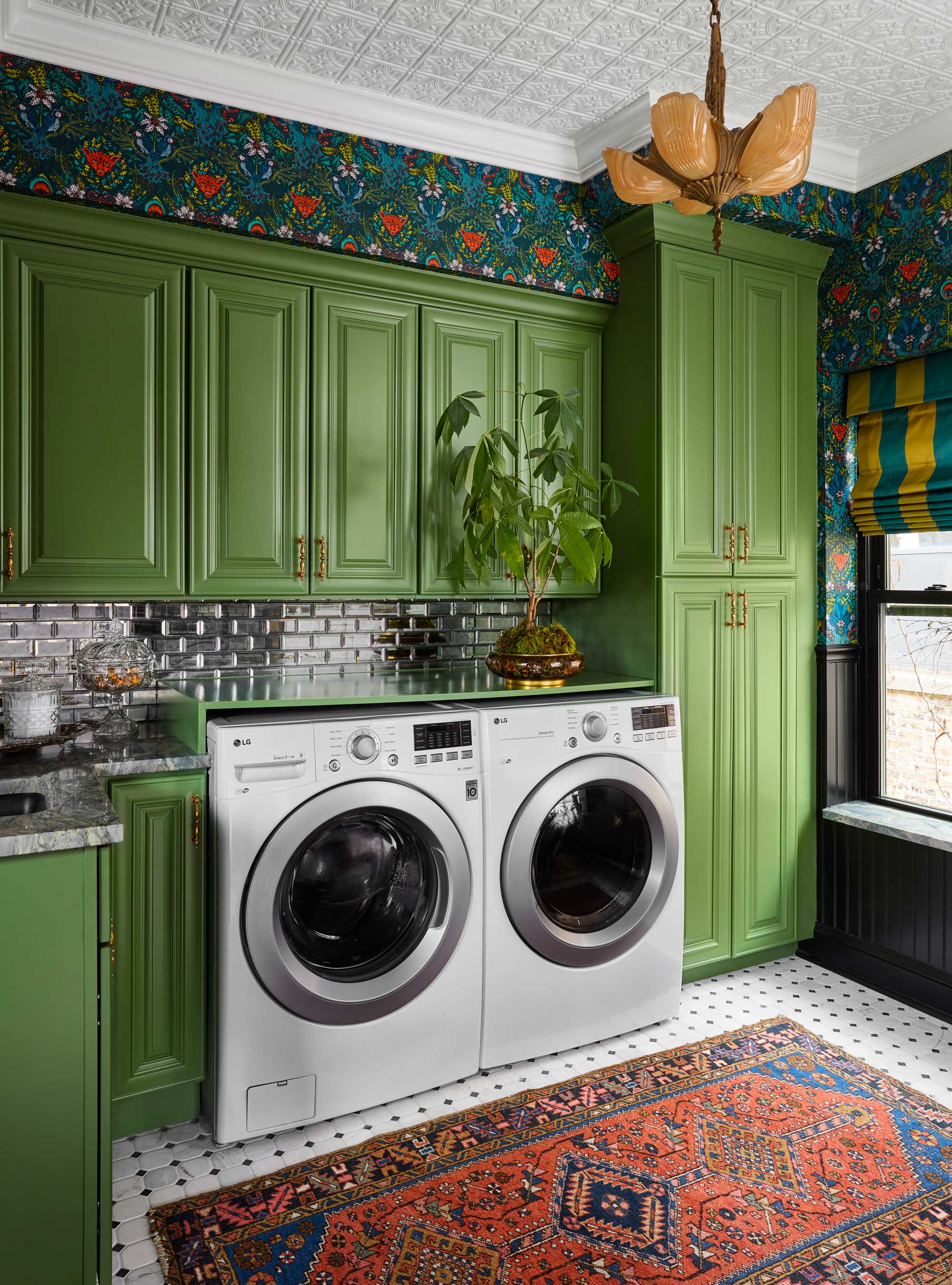
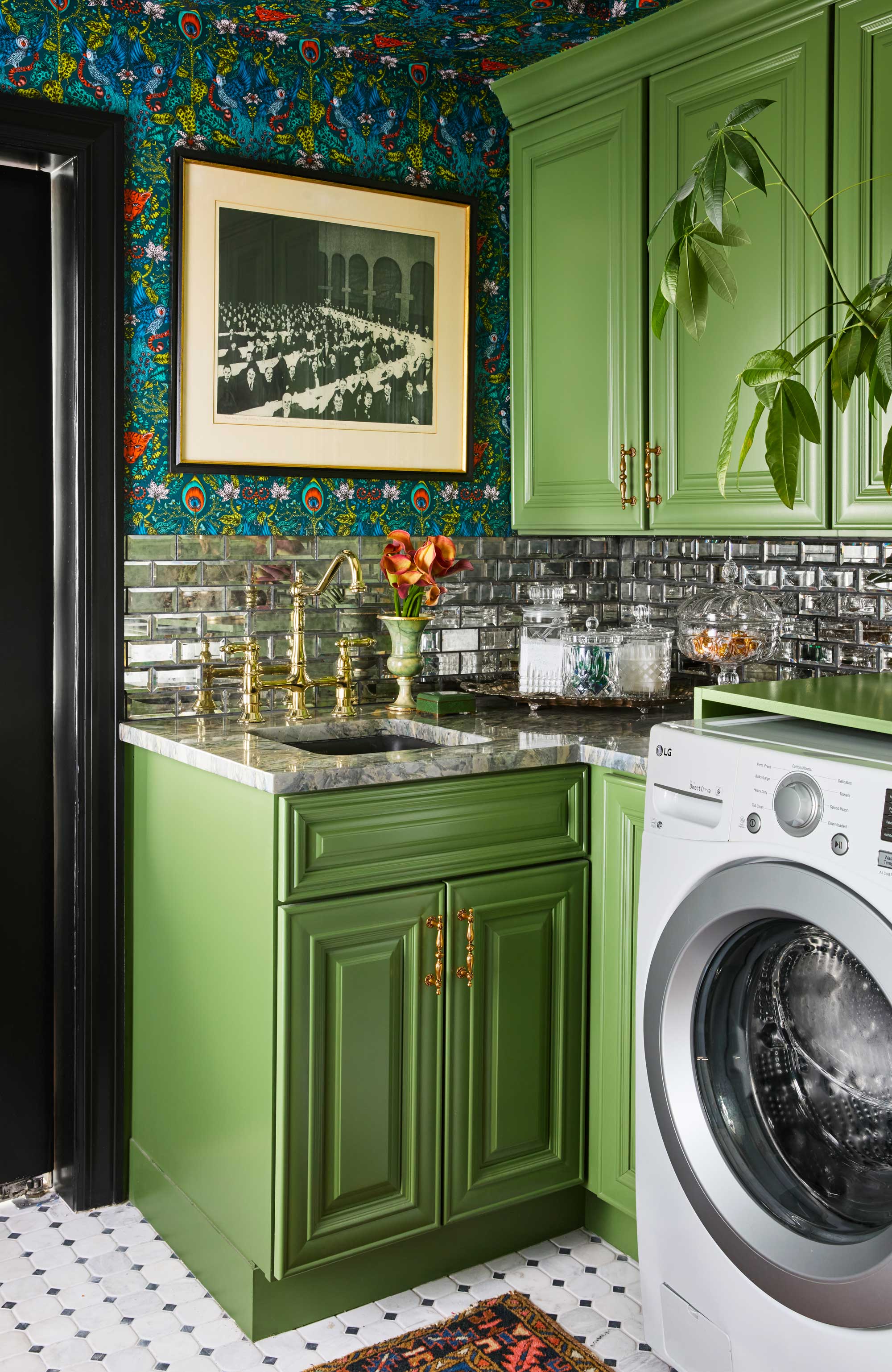
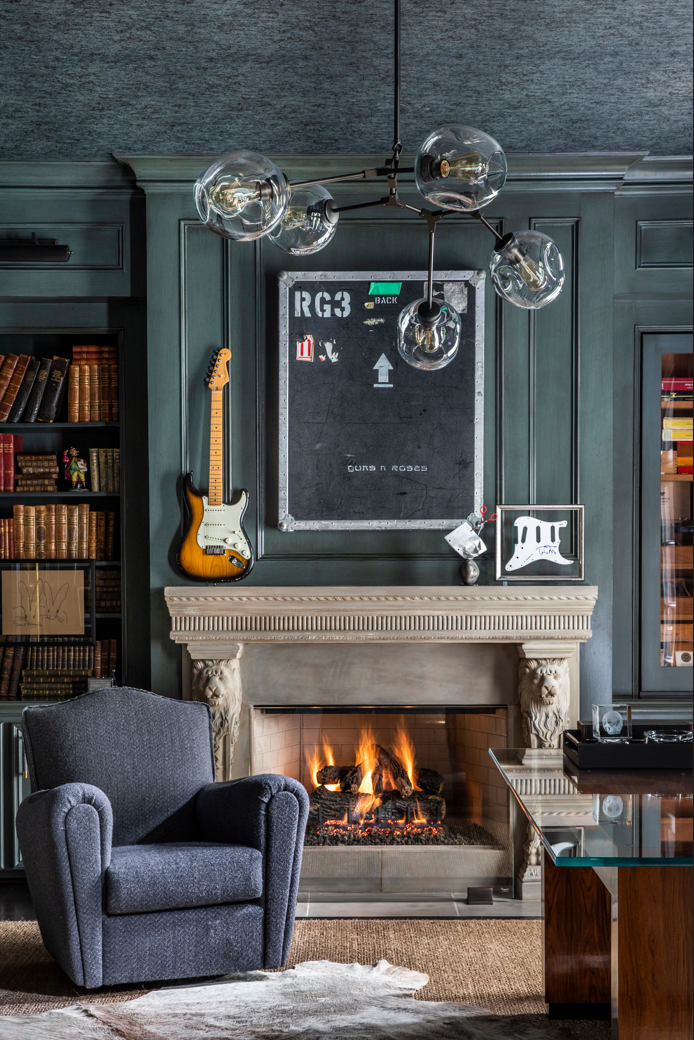
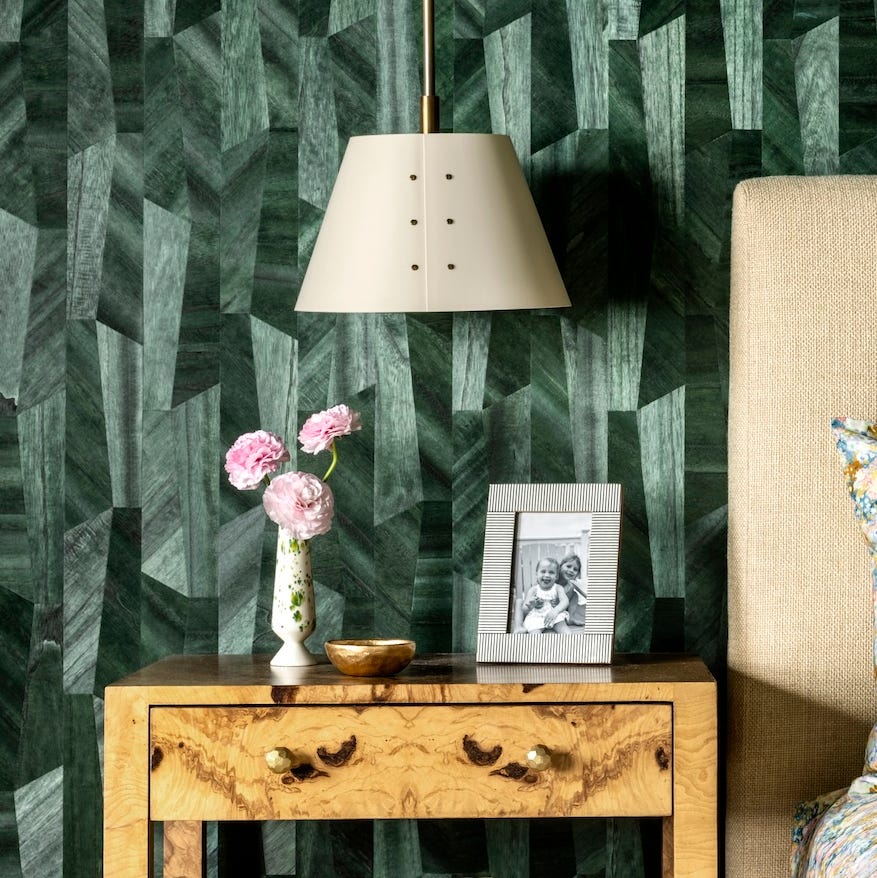
Another approach is to position the television against a bold or dramatic backdrop, such as eye-catching wallpaper. Monika Nessbach suggests that a lush botanical print or a striking geometric pattern can make the TV an intentional design element rather than an intrusive one. The choice of TV size also plays a role in its integration. Laura Chappetto Flynn, owner of Element Design Network, points out that a smaller TV allows for more versatile furniture options and can be more easily surrounded by visually attractive decor that draws the eye away from the screen. If a large TV is preferred, it's crucial to balance its presence with other interesting items around it.
Technological advancements offer beautiful solutions, with manufacturers producing televisions designed to blend into interiors. Mirrored TV screens, for instance, can make a TV virtually disappear into its surroundings until activated. Samsung's Frame TV is highlighted as a popular choice, as it displays art when not in use and offers customizable frames and an extensive art gallery. For those undertaking new construction or creating custom entertainment centers, built-in solutions provide maximum discretion. Nessbach suggests mounting a TV to a sliding door panel for a "grand reveal" effect, keeping it hidden until needed.
Despite these various hiding techniques, the article concludes with a crucial piece of advice: sometimes, it's acceptable to simply embrace the TV. Flynn warns against over-complicating concealment, noting that overly forced attempts to hide a TV can look worse than the TV itself. The goal is a balanced aesthetic, and in a real home, a TV is often a practical necessity. Attempting to completely erase its presence can sometimes lead to an unnatural or awkward design. Ultimately, the best approach depends on individual preferences and the overall design vision for the living space.
#LivingRoomDesign #TVIntegration #InteriorDesign #HomeDecor #GalleryWall #SmartTV #SpacePlanning #AestheticAppeal #LivingRoomDesign #TVIntegration #InteriorDesign #HomeDecor #GalleryWall #SmartTV #SpacePlanning #AestheticAppeal
0 comment in total
 No comments yet
You may also like
Designers Say This One Trick Will Make Your Living Room Look More Luxe
Designers are loving a new living room trend which makes even small spaces seem smart

This ONE Tiny Detail Makes the Biggest Impact in Any Room, According to Designers

These 6 Living Room Details Always Give Designers the Ick
Designers definitely approve of this statement trend that elevates a cozy room
5 things interior designers say every living room should have in it – are you missing any?
4 Things In Your Living Room Guests Notice Immediately
4 Outdated Living Room Trends Designers say you Should Move on From — and What to Replace Them With

Stunning Living Room Ideas Interior Designers Always Rely on

These Bedroom Features Are Always Eyesores (And You May Have Them), Designers Say
2024 home design: 9 gorgeous living room decor ideas the experts swear by
How To Add More Character & Interest To Your Home
Interior Designers NEVER Overlook This Surprising Space

The 5 Rules of Decorating a Living Room in 2025 (Don’t Worry—They’ll Still Hold Up in 2030)

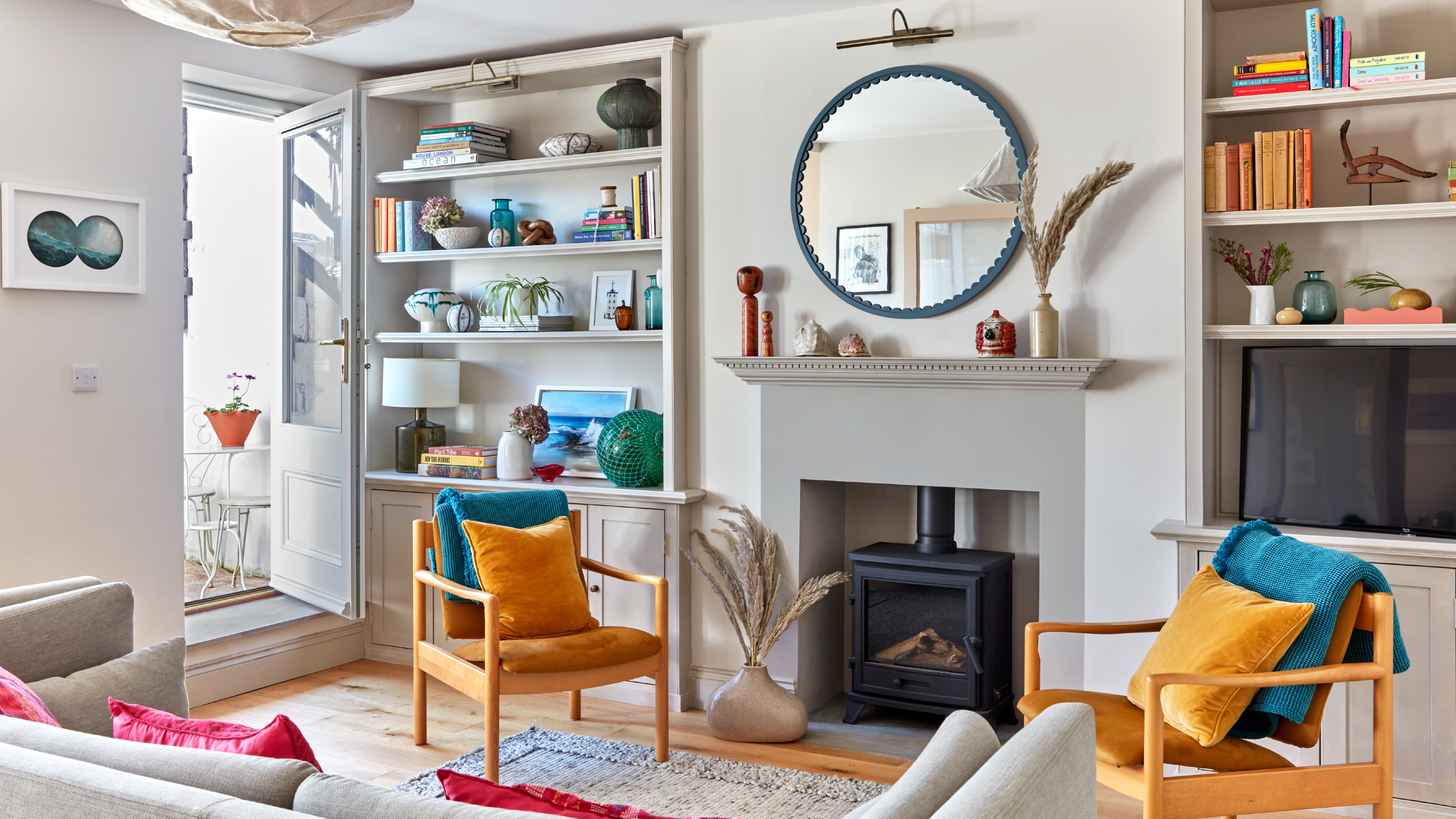
Dream living room upgrades homeowners always come to regret – according to the experts

‘It will create a sense of balance and proportionality’ – if you’re buying a living room mirror, this is the sizing rule to follow
This often-overlooked room is having a design moment – I think it's the secret to making your home much more cheerful
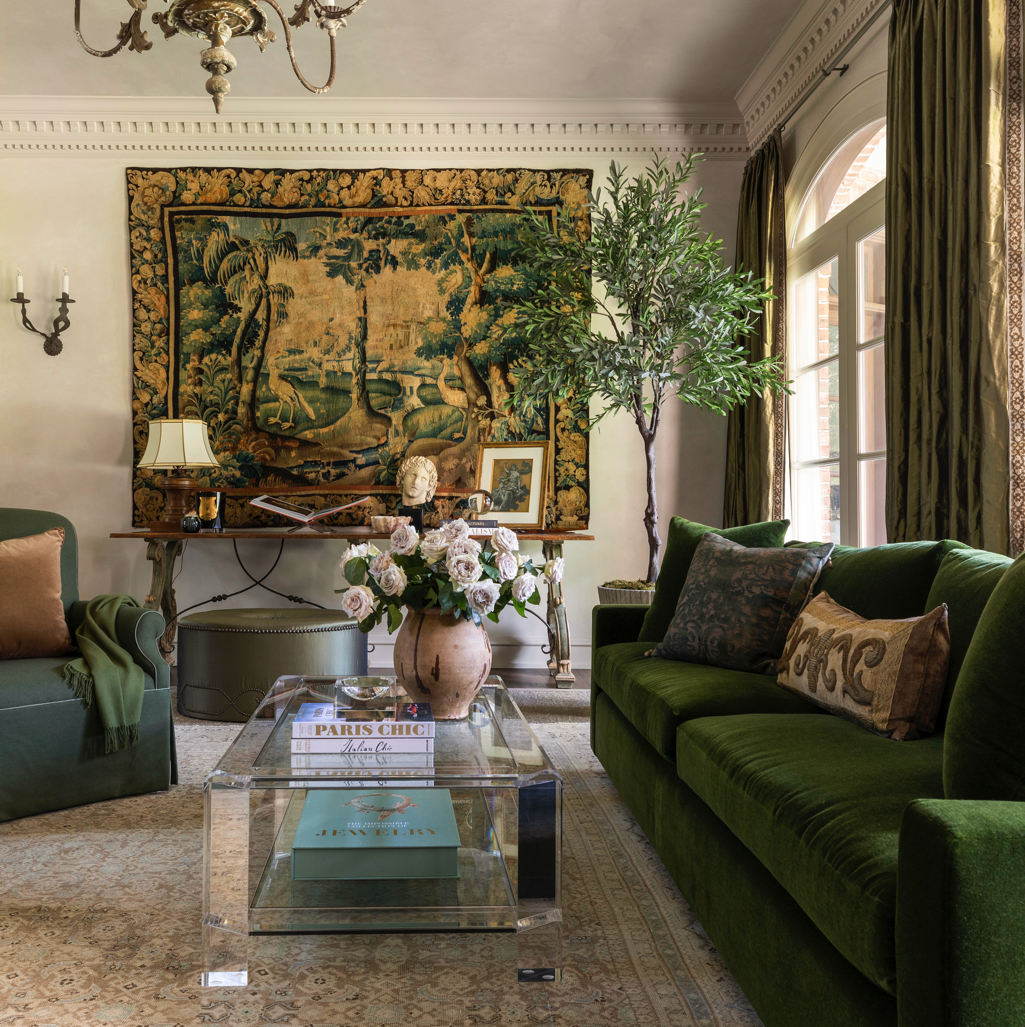
10 Living Room Design Trends You'll See Everywhere in 2025
'It makes a room soft and serene.' A designer explains a new decor trend that is better than any you've seen before
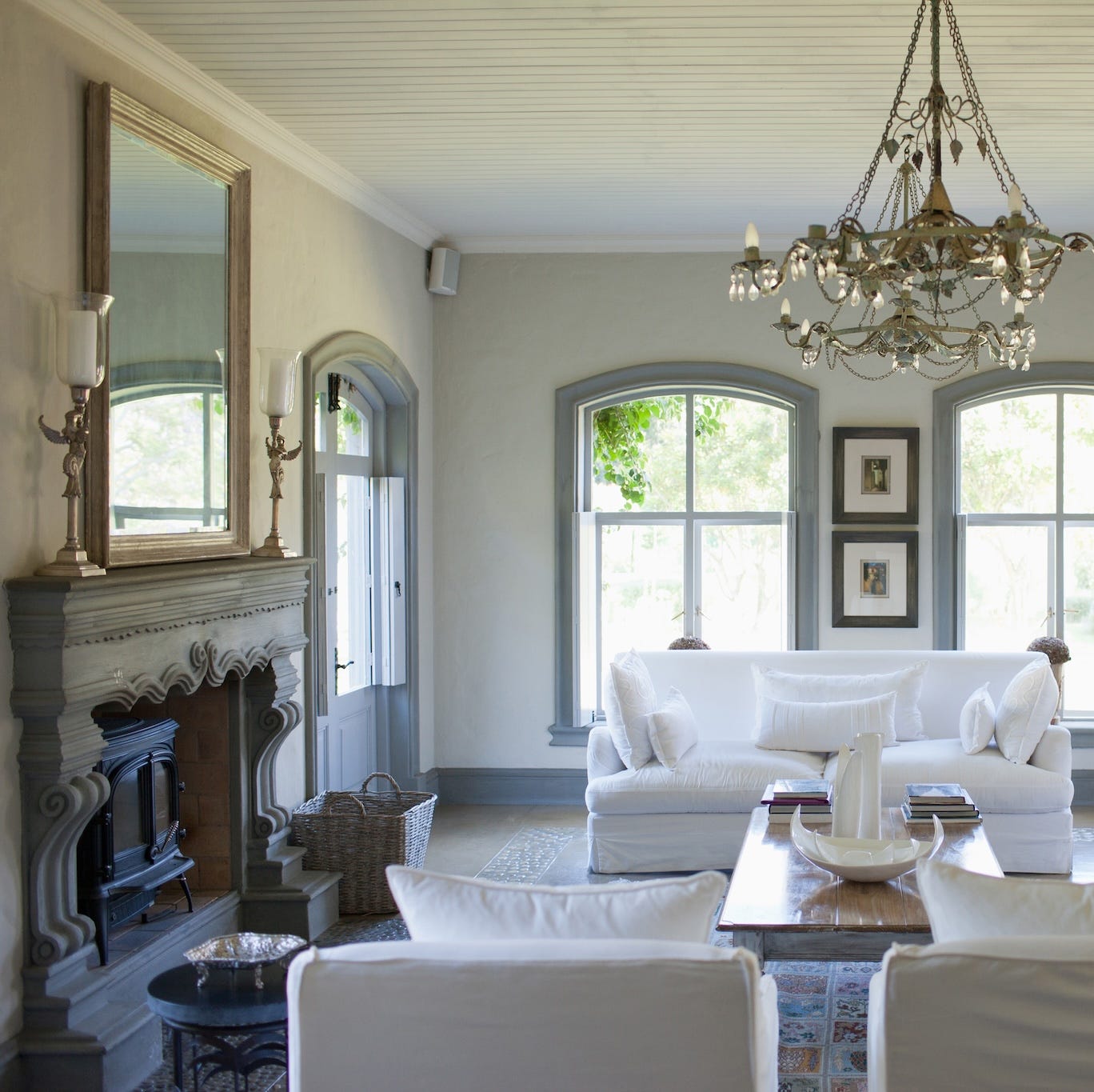
Designers Have Spoken: This Vintage Trend Is Never Coming Back