


Home Gym Design Ideas: Layout, Flooring, Equipment & Ambiance
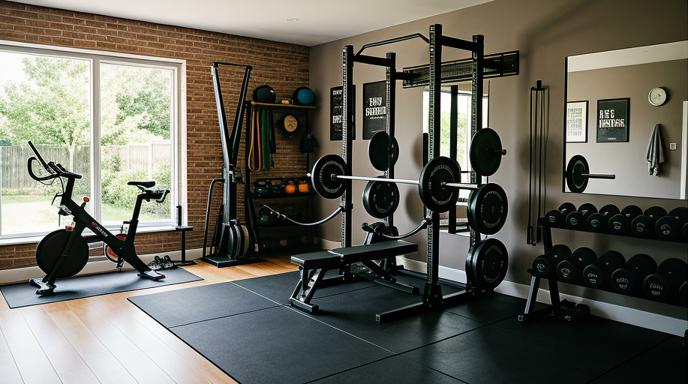
A practical guide to planning layout, choosing flooring and equipment, and creating a comfortable, motivational home gym that fits your space and fitness goals.
Dedicating a space in your home to fitness is more than a convenience; it's an investment in your well-being. A home gym eliminates commutes, crowded spaces, and monthly fees, offering a private, personalized environment to pursue your health goals. But creating a truly effective workout zone involves more than just buying a treadmill. It requires thoughtful design, from the floor under your feet to the layout of your equipment.
Before you lift a single weight, visualizing the final space is the critical first step. This is where AI-powered tools can transform your planning process, allowing you to experiment with finishes and layouts digitally. For instance, with a tool like Ideal House's Room Visualizer, you can upload a photo of your spare room or garage and instantly preview different flooring and wall colors, ensuring your future fitness sanctuary is both functional and motivating from day one.
Laying the Foundation: Finding Your Space and Planning the Layout
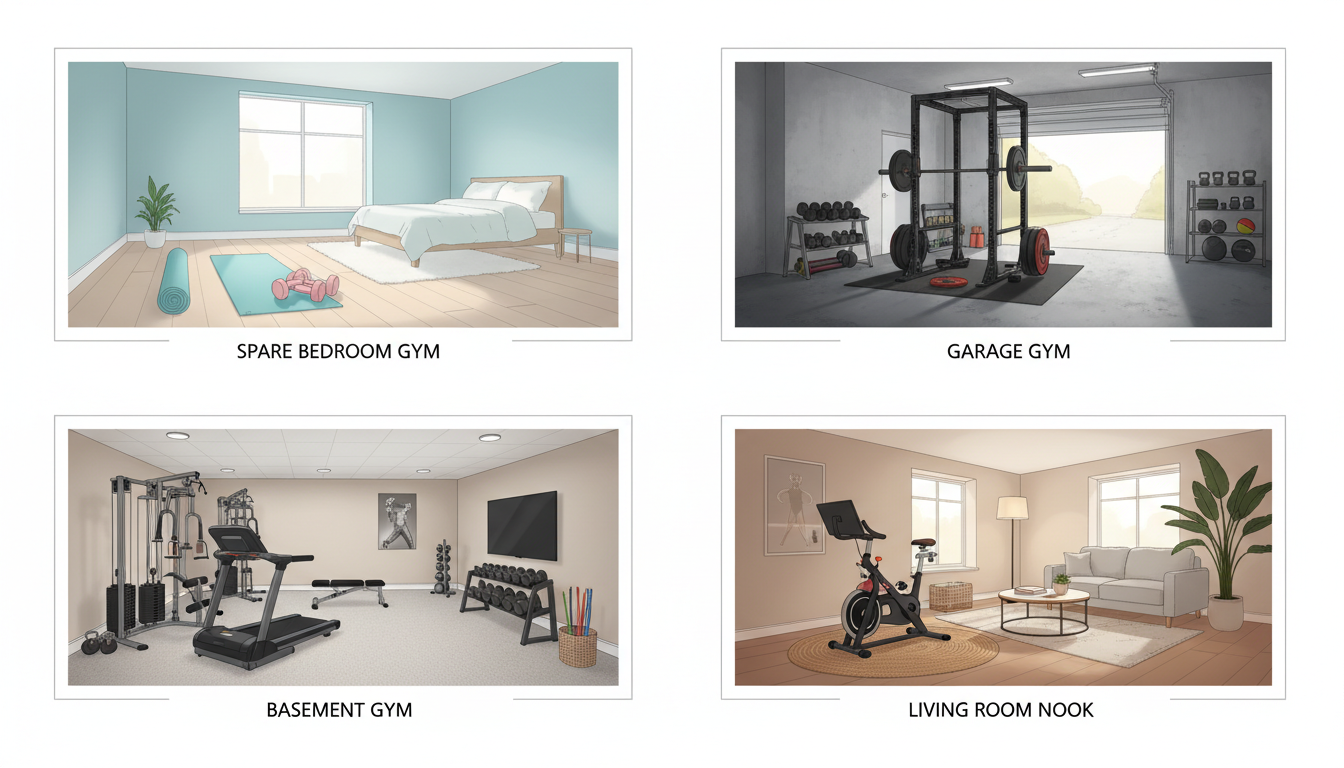
The first question every home gym designer must answer is "where?" Whether it's a dedicated spare bedroom, a corner of the basement, a section of the garage, or even a small nook in your living area, the right location is key.
Choosing and Measuring Your Zone
Consider the type of exercise you'll be doing. Weightlifting requires sturdy floors and high ceilings, while yoga or Pilates can fit into a much smaller, quieter corner. Once you've identified a potential area, measure it carefully. Note the dimensions, ceiling height, and the location of any windows, doors, or electrical outlets.
Common home gym locations include:
- Spare Bedroom: Offers privacy and climate control but may have less durable flooring.
- Garage: Excellent for heavy lifting and dropping weights, but often requires flooring and insulation upgrades.
- Basement: Often spacious and naturally cool, but check for humidity and proper ventilation.
- Small Nook: Ideal for compact, minimalist setups focusing on bodyweight exercises or a single piece of cardio equipment.
From Sketch to 3D Vision
Once you have your measurements, you can plan the layout. A good home gym layout creates distinct zones for cardio, strength training, and flexibility work. This prevents clutter and ensures you have enough safe space for each movement. To truly understand the flow of your space, you can take a simple floor plan sketch and bring it to life. Using a tool like Plan Visualizer, you can upload your layout and generate a realistic 3D render. This helps you visualize equipment placement, walking paths, and clearance, preventing costly mistakes like buying a machine that won’t fit.
The Groundwork: Essential Surfaces for Safety and Style
The surfaces in your gym are about more than aesthetics; they are critical for safety, performance, and protecting both your equipment and your home's structure.
What's the Best Flooring for a Home Gym?
Your floor needs to be durable, shock-absorbent, and easy to clean. Here are some of the most popular home gym flooring options:
- Rubber Tiles or Rolls: The gold standard for most home gyms. They are extremely durable, absorb impact from dropped weights, provide excellent traction, and are water-resistant.
- Foam Tiles: A more affordable, lightweight option. They are comfortable for floor exercises like yoga and stretching but can be permanently dented by heavy equipment or weights.
- Luxury Vinyl Tile (LVT): A versatile and stylish choice that mimics wood or stone. It's highly durable, waterproof, and easy to clean, making it a great option for multi-purpose rooms.
- Turf: Perfect for sled pushes, agility drills, and functional fitness. It adds a unique texture and high-performance feel to your space.
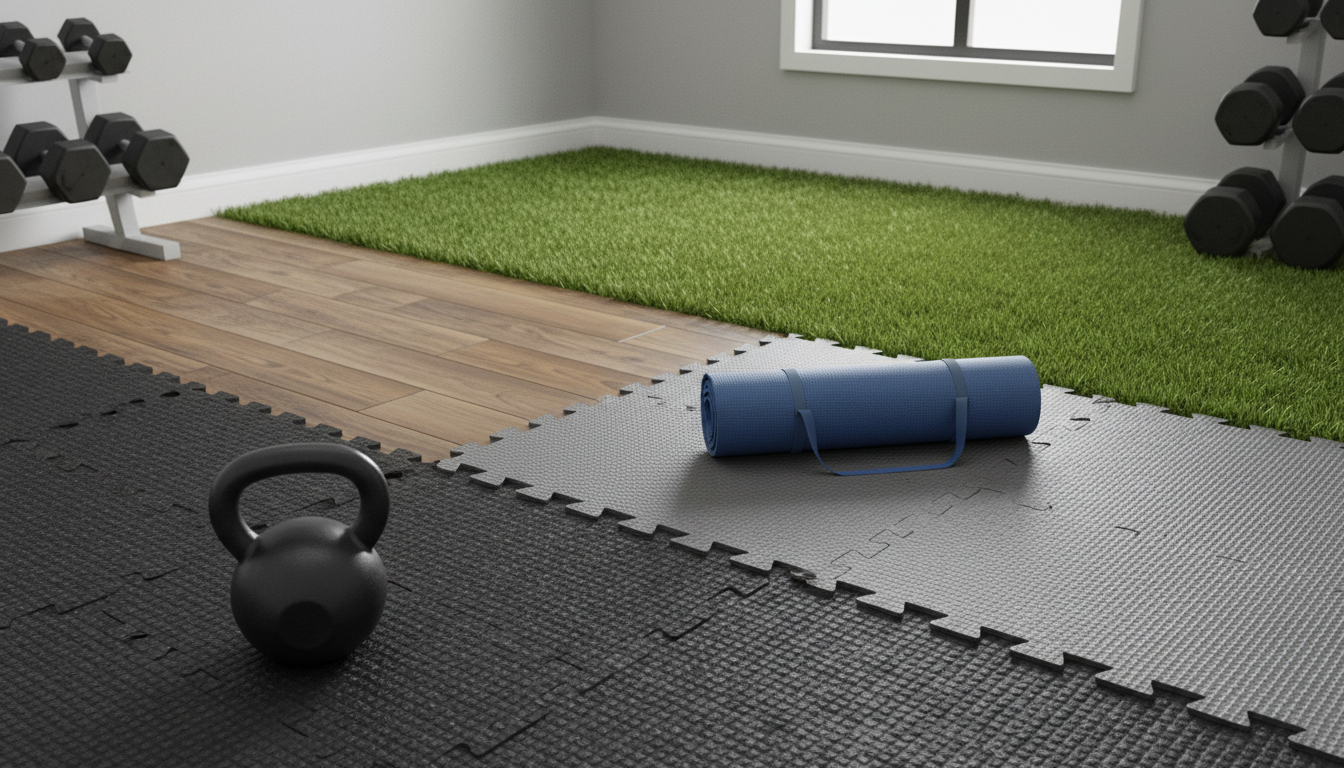
Not sure which look is right for you? This is the perfect time to use a flooring visualizer. By uploading a photo of your space to an AI tool, you can swap between rubber, LVT, and other textures to see exactly how they will look in your environment.
Walls That Motivate
The right walls can make your gym feel energizing and expansive.
- Color Choice: Cool tones like blues and greens can have a calming effect, ideal for yoga or meditation spaces. More vibrant colors like orange or red can boost energy for high-intensity workouts. Use an material visualizer to test different paint colors on your walls before committing.
- Mirrors: A large wall mirror is a near-essential for a home gym. It helps you check your form to prevent injury and makes the space feel larger and brighter.
- Motivation: Consider adding motivational decals, a whiteboard for tracking progress, or shelving for a sound system.
Equipping Your Space: Choosing Your Tools
The equipment you choose should directly reflect your fitness goals. Don't feel pressured to buy everything at once. Start with the essentials and build your collection over time.
Starting with Home Gym Equipment Essentials
If you're new to working out at home, begin with versatile, space-saving items:
- An exercise mat
- A set of adjustable dumbbells or a few pairs of fixed-weight dumbbells
- Resistance bands (both loop and tube styles)
- A kettlebell
- A jump rope
Expanding Your Arsenal
As you progress, you may want to add larger pieces of equipment. When considering a significant purchase like a squat rack, treadmill, or stationary bike, spatial planning is crucial. To avoid the "will this actually fit?" dilemma, you can use a tool like Ideal House's Furniture Try-On. While designed for sofas and tables, it works brilliantly for visualizing large equipment. Simply find a product photo of the treadmill or power rack you’re considering, upload it along with a picture of your room, and let the AI show you how it will fit to scale.
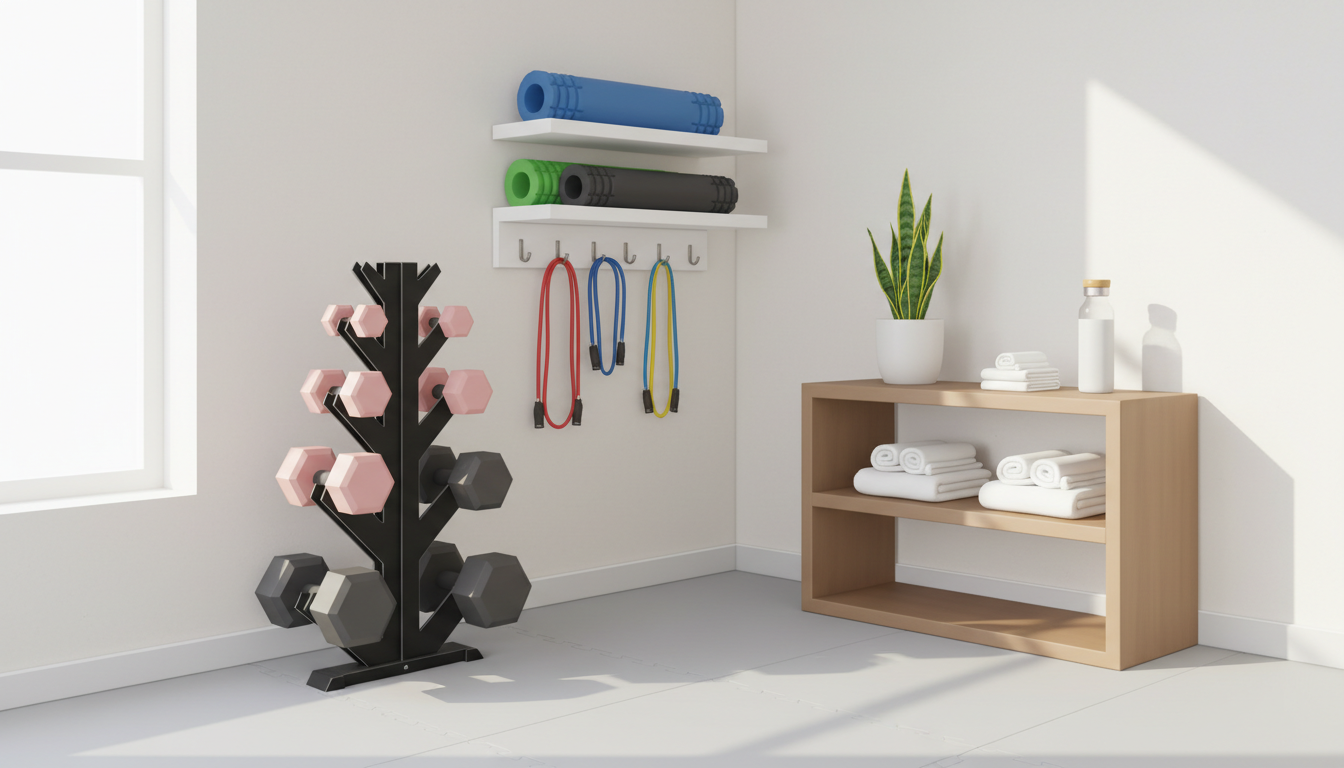
Don't Forget Home Gym Storage Solutions
A cluttered gym is an unsafe gym. Plan for smart storage from the start.
- Weight Trees: For dumbbells and plates.
- Wall-Mounted Racks: For resistance bands, foam rollers, and yoga mats.
- Shelving Units: For towels, supplements, and smaller accessories.
Setting the Vibe: Lighting, Airflow, and Ambiance
The final touches are what transform a room with equipment into a personal fitness sanctuary you’ll be excited to use.
- Lighting: Bright, overhead lighting is crucial for safety and energy. LED fixtures are an efficient choice. If possible, maximize natural light, which is a known mood-booster.
- Ventilation: A stuffy room is no place for a workout. Ensure good airflow with a ceiling fan, a standing fan, or by opening a window. For basement or garage gyms, a dehumidifier might be necessary.
- Sound: Music is a powerful motivator. Invest in a quality Bluetooth speaker or a good pair of noise-canceling headphones.
- Personal Touches: Add a plant for a touch of nature, hang some art that inspires you, and make sure you have a dedicated spot for your water bottle and towel.
By carefully planning your space, selecting the right surfaces and equipment, and creating a motivating atmosphere, you can build a home gym that serves your needs for years to come. Ready to stop dreaming and start designing? Your perfect fitness space is just a few visualizations away.