1/5
TV backlights take your movies and shows to the next level — here's my top picks
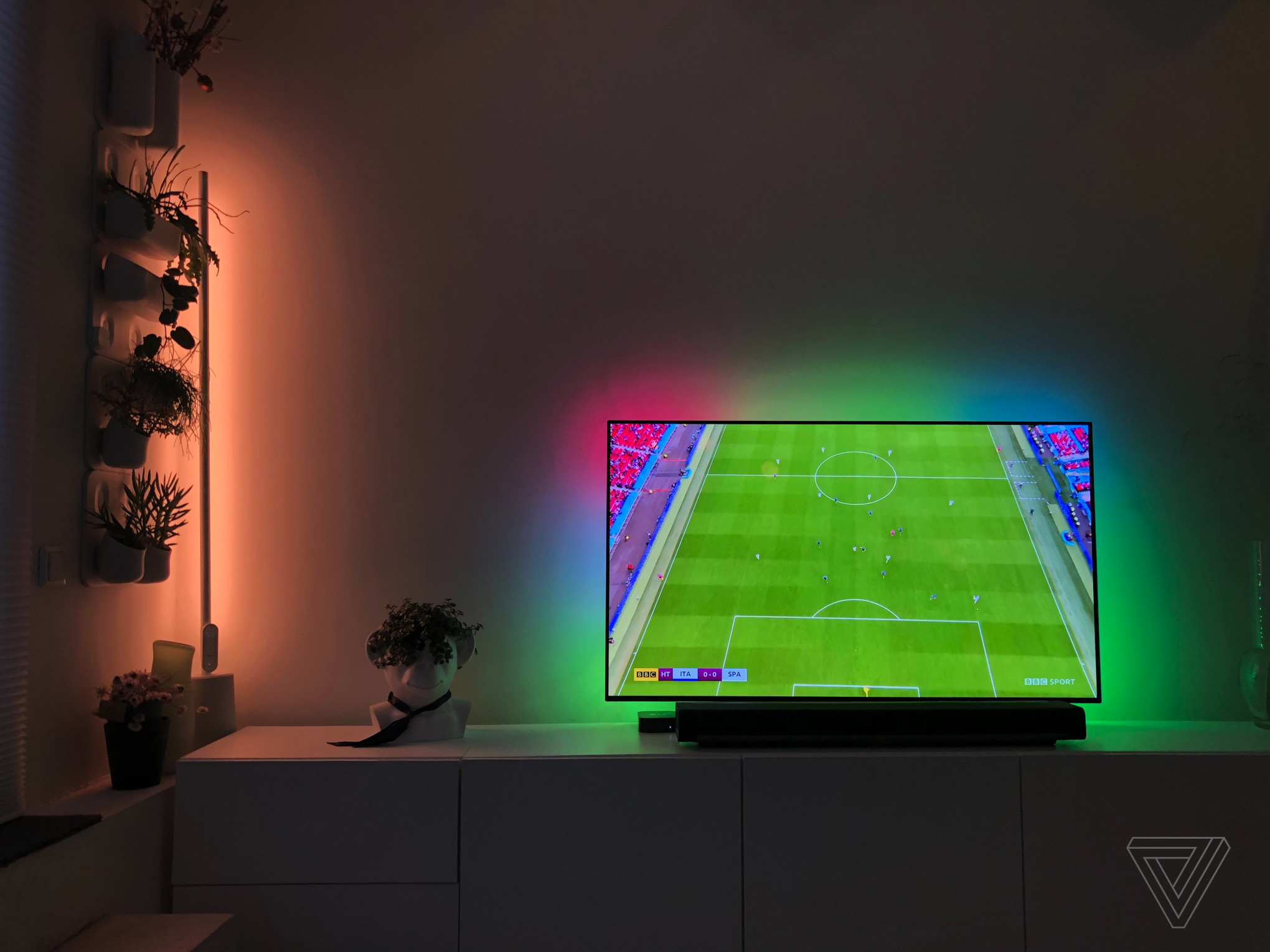
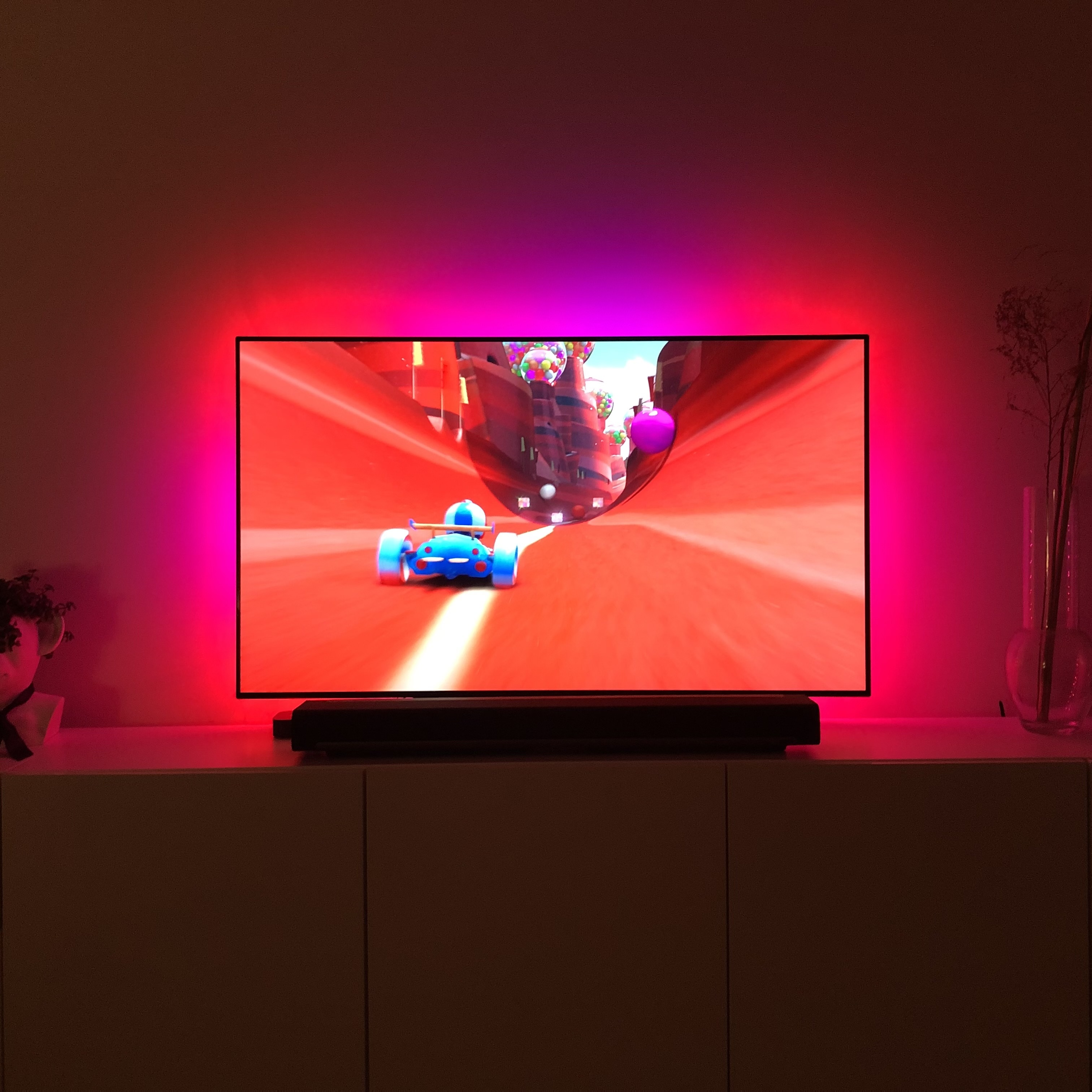
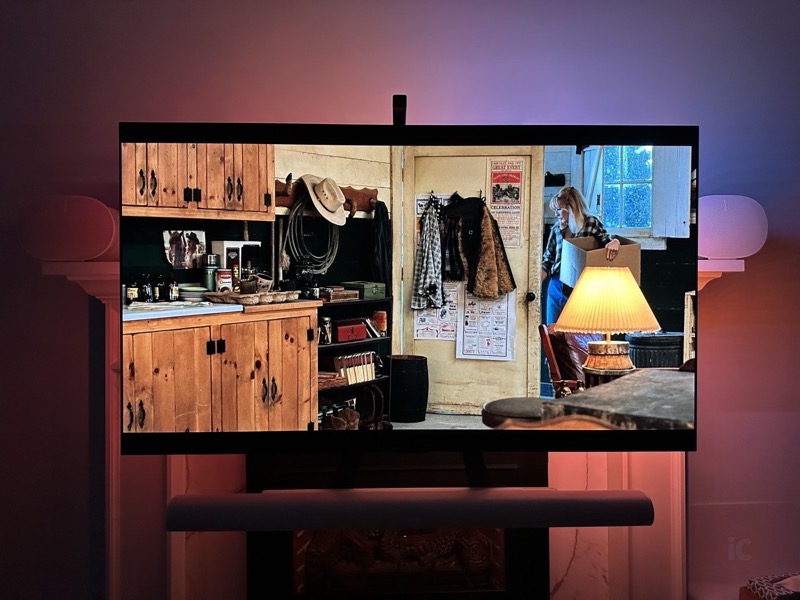
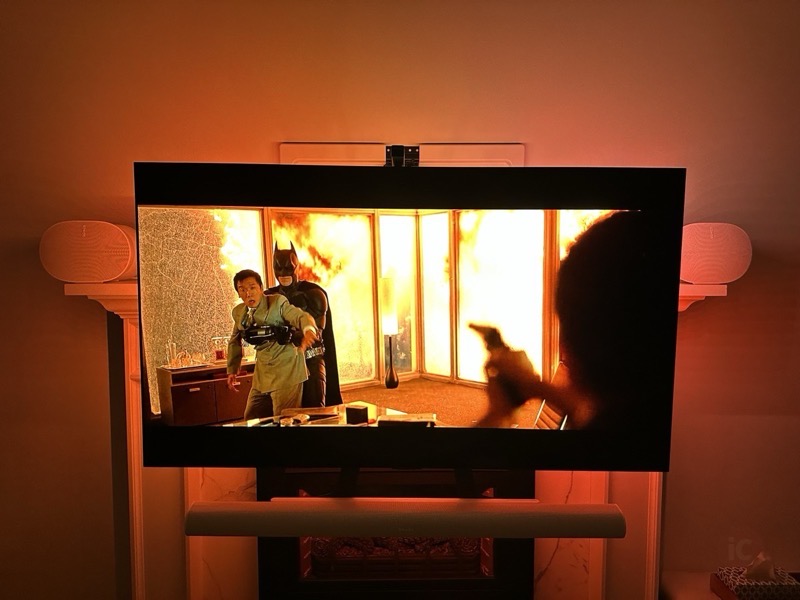
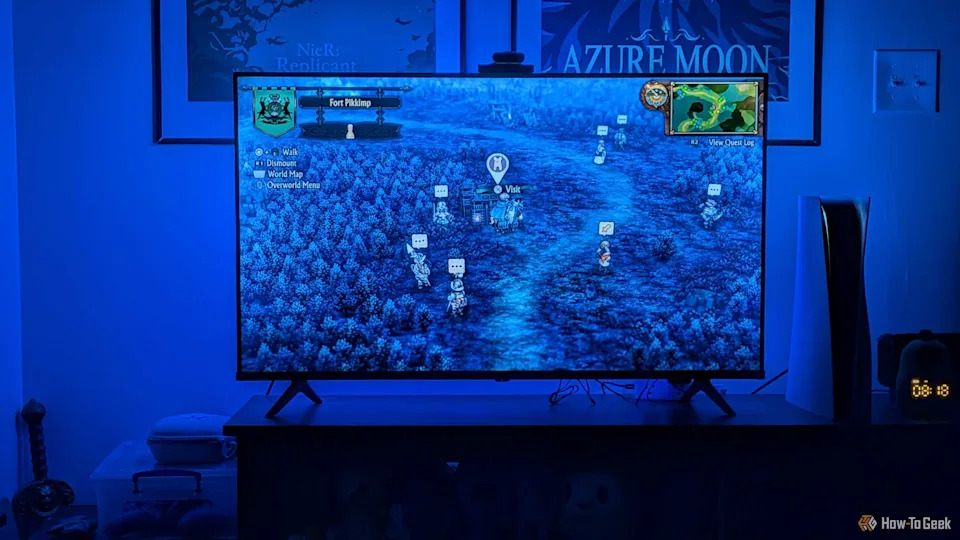
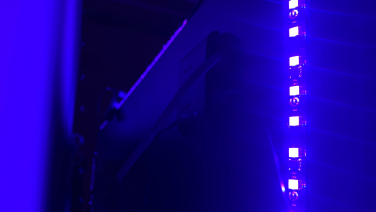
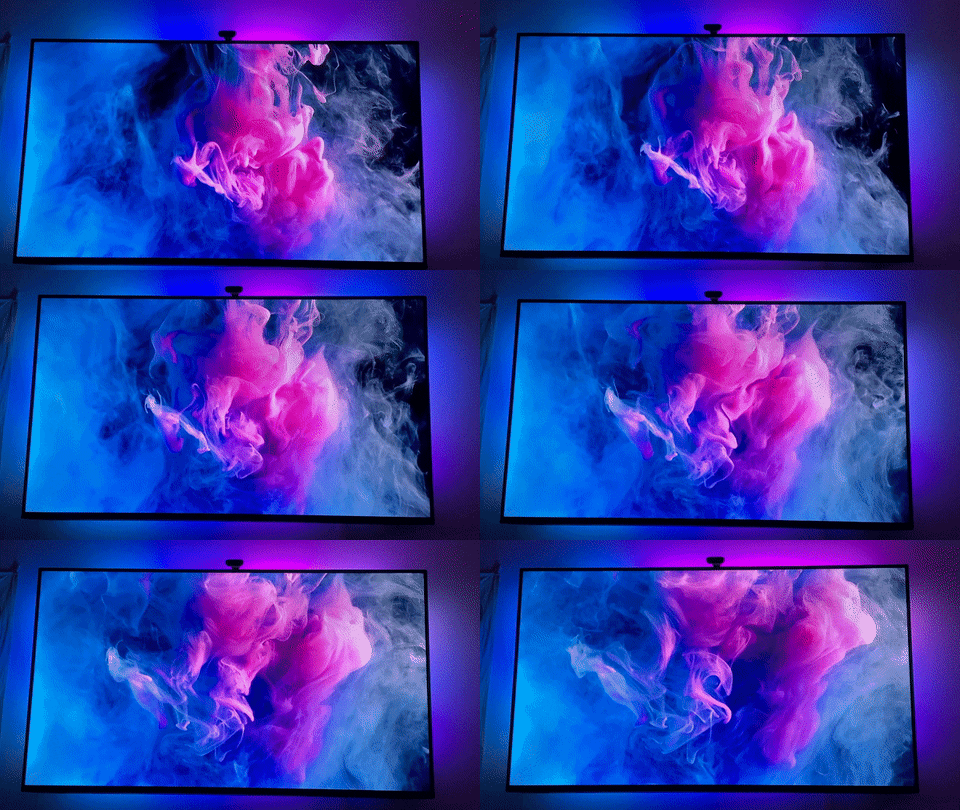
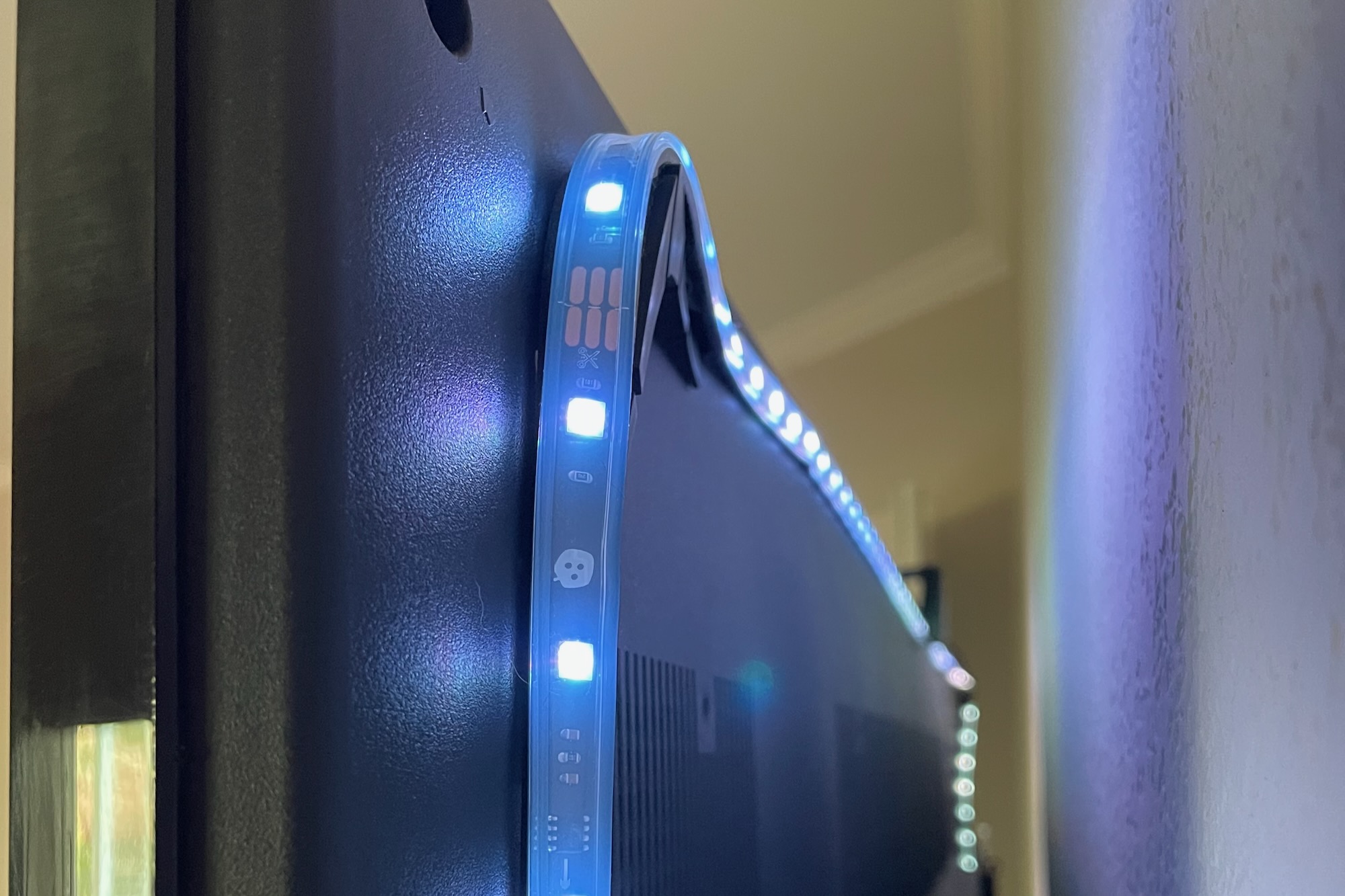
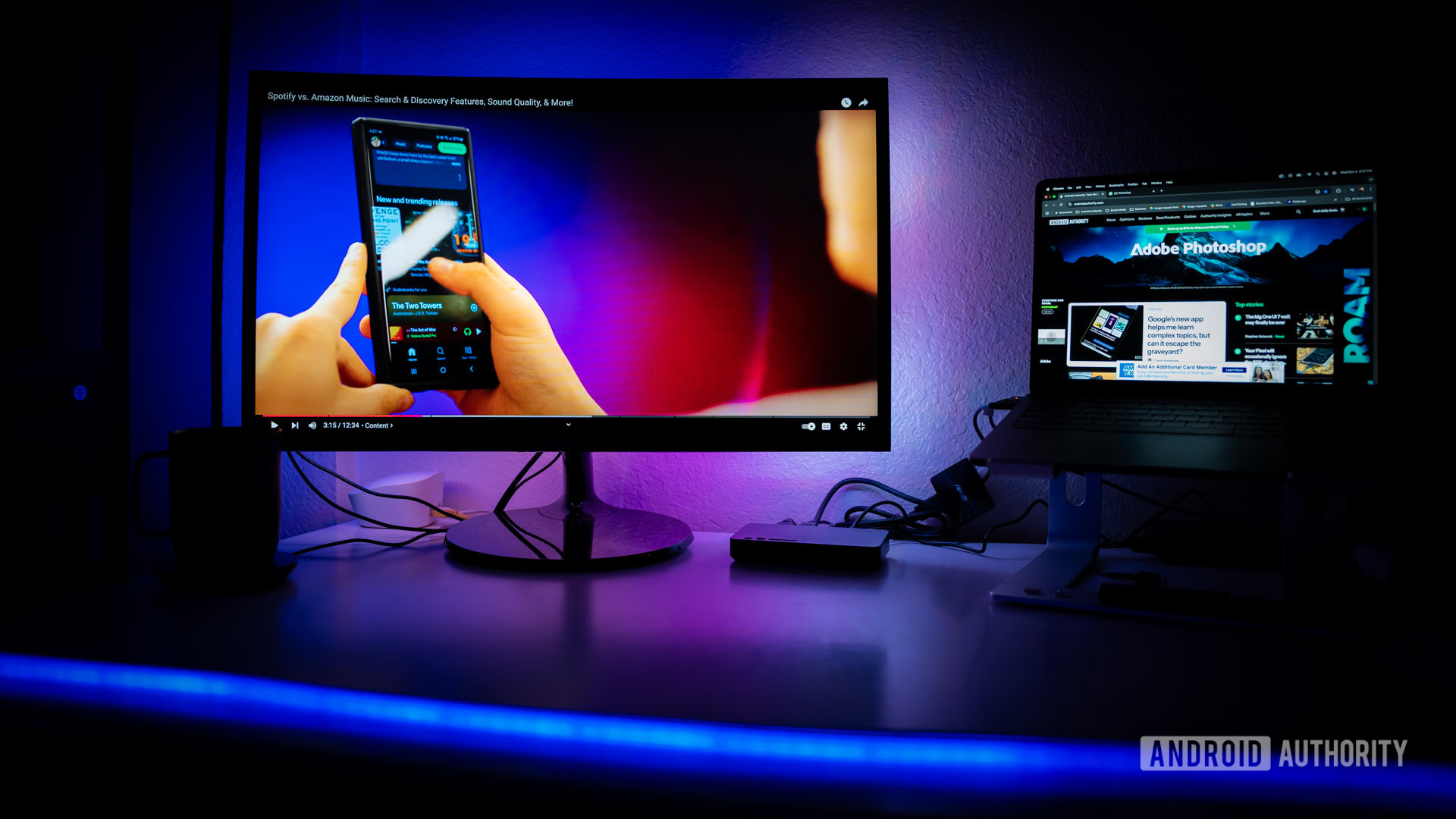
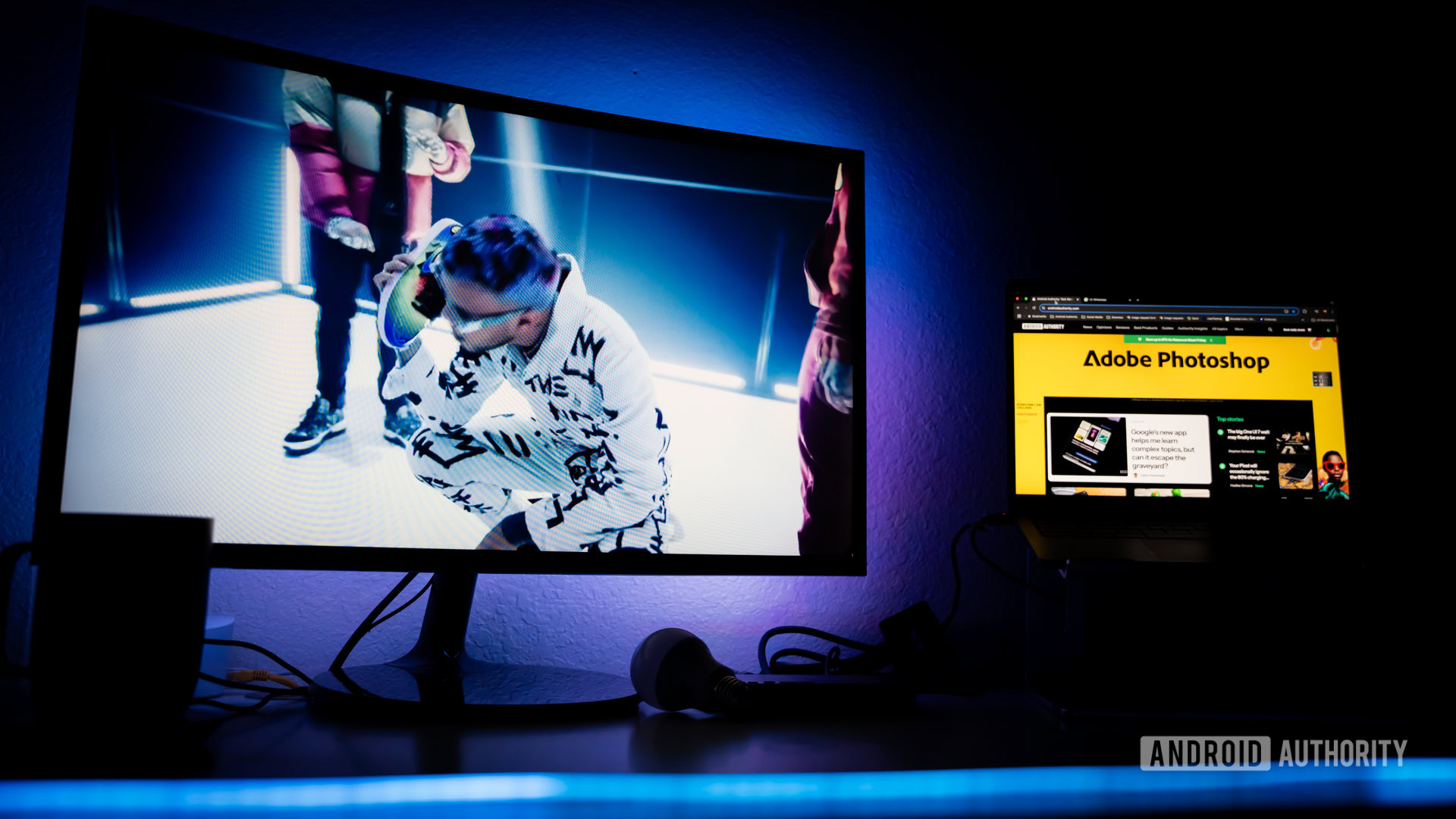
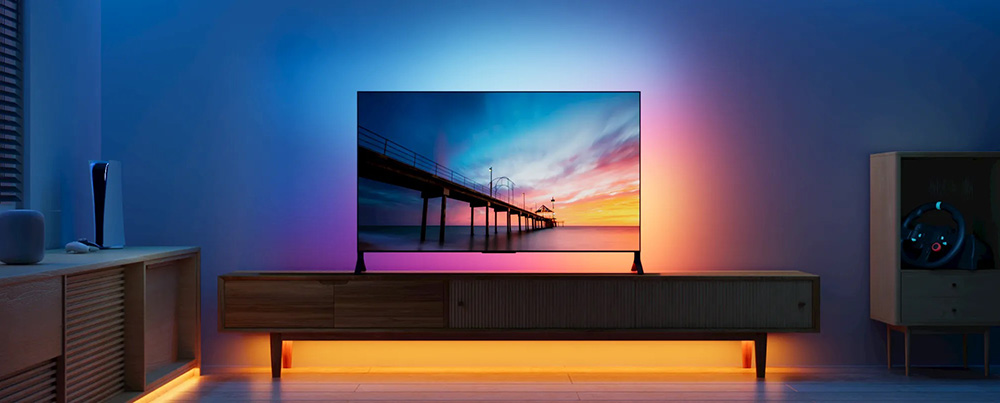
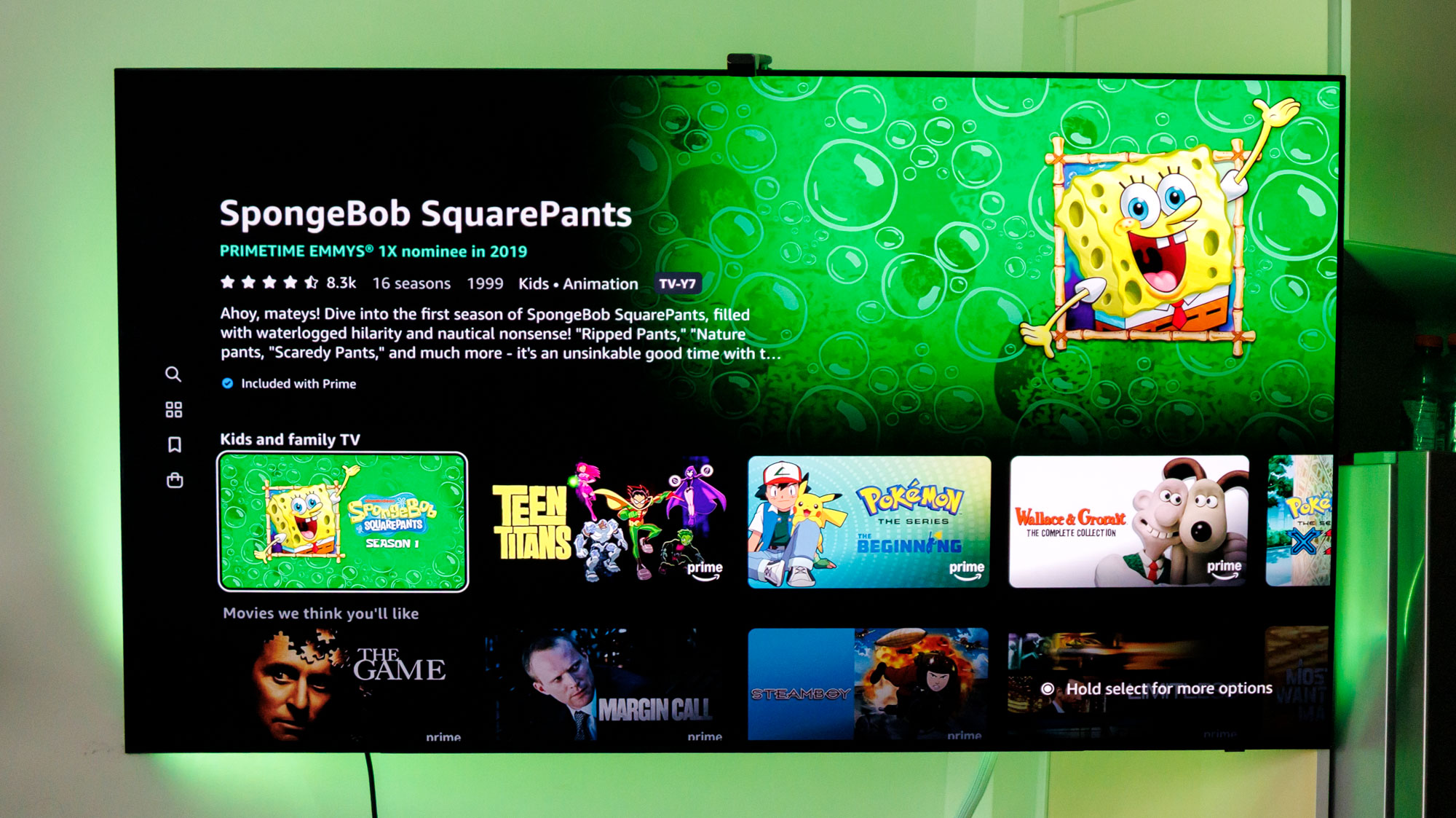
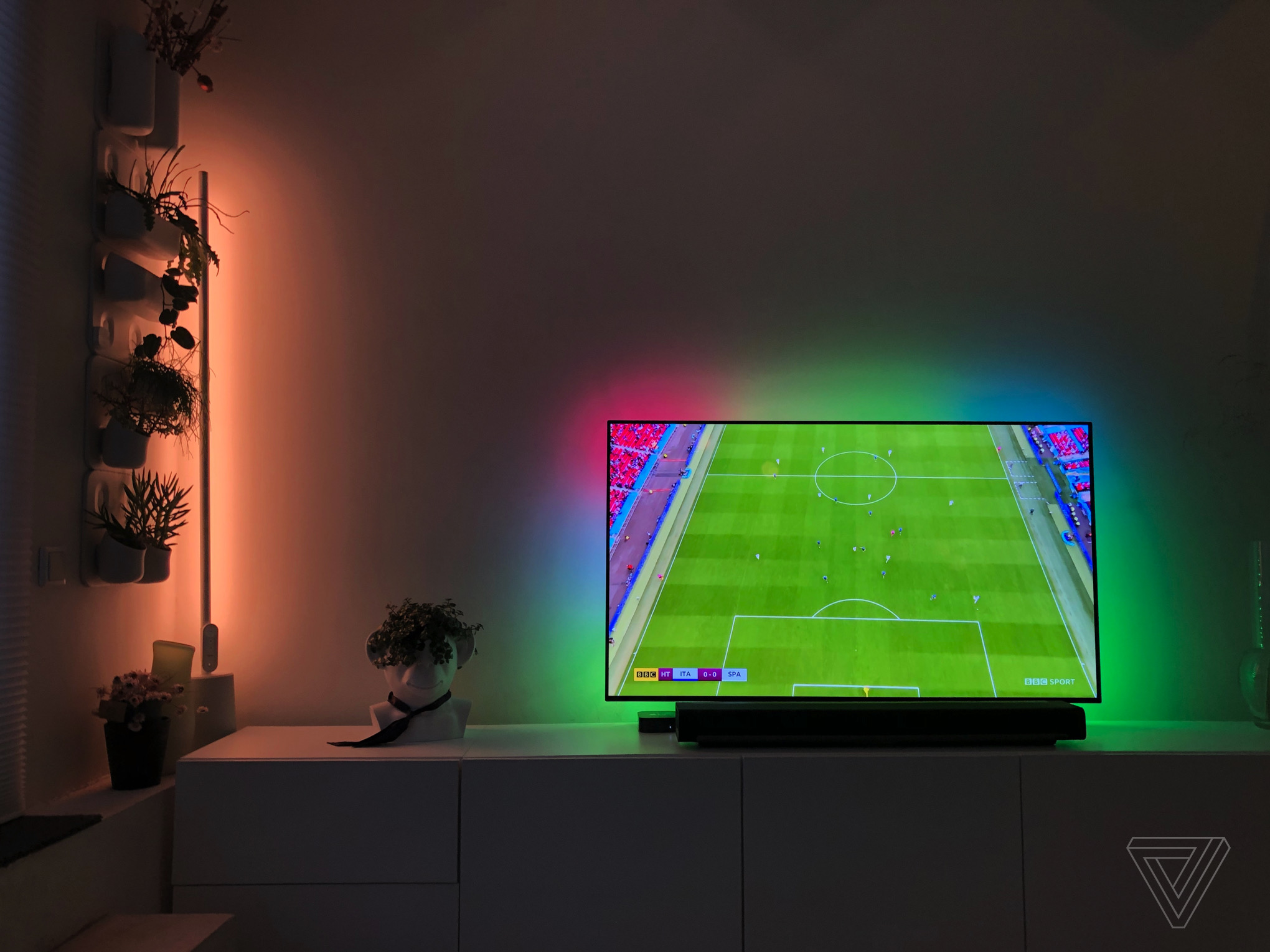
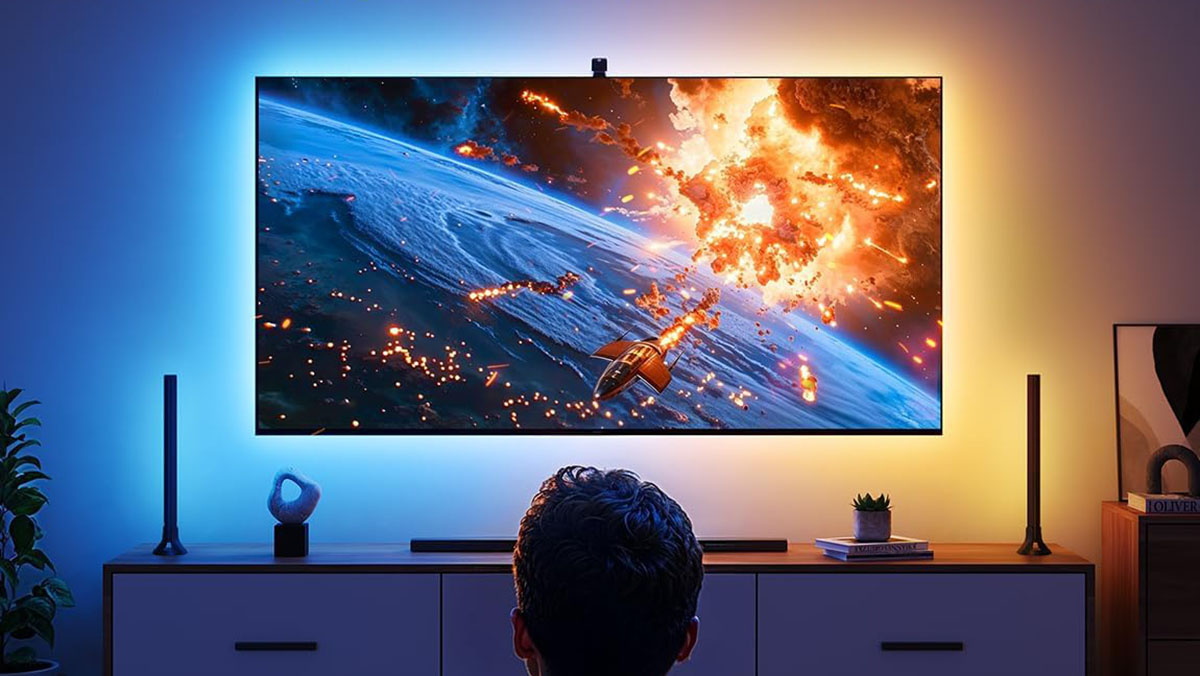
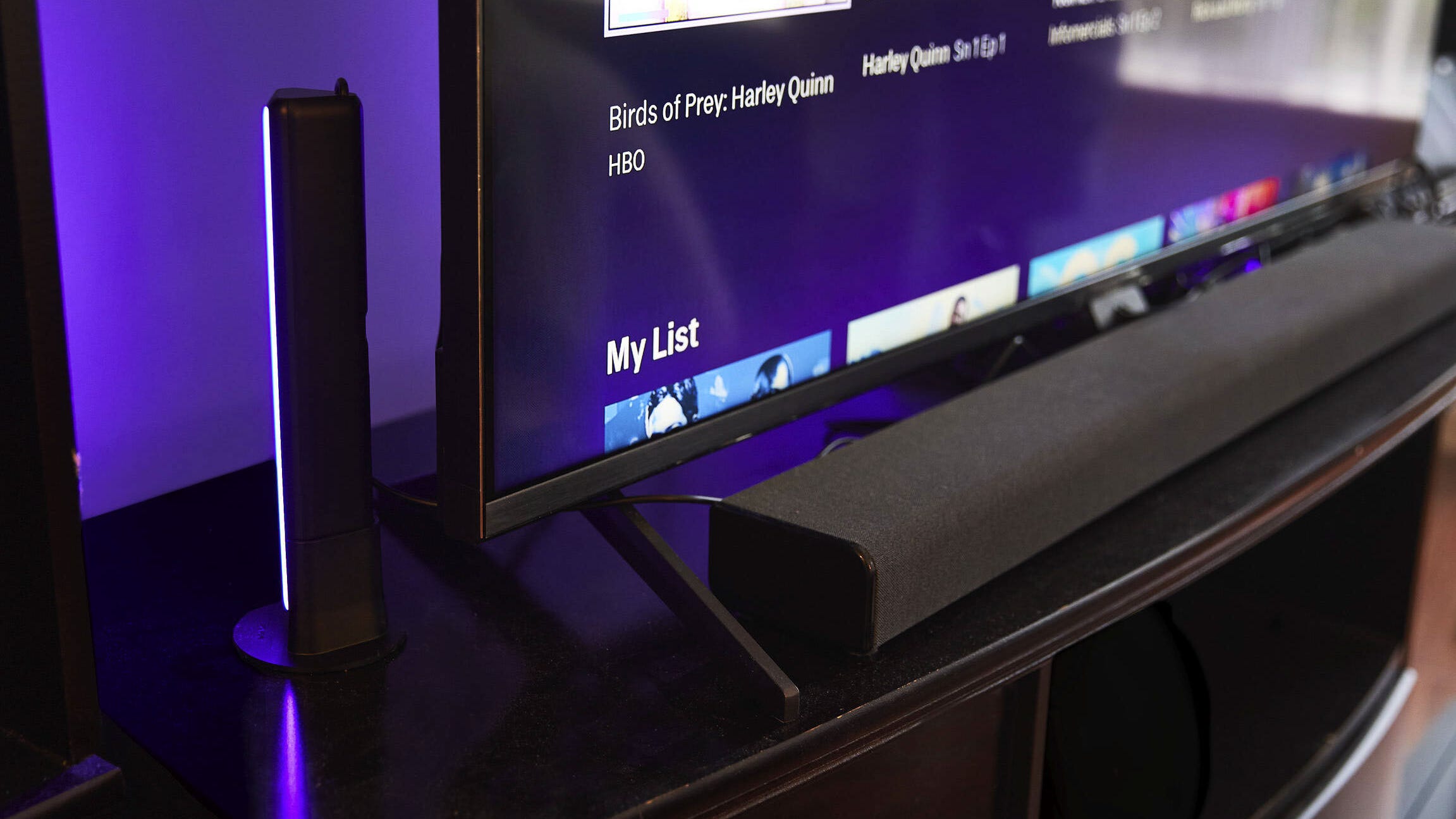
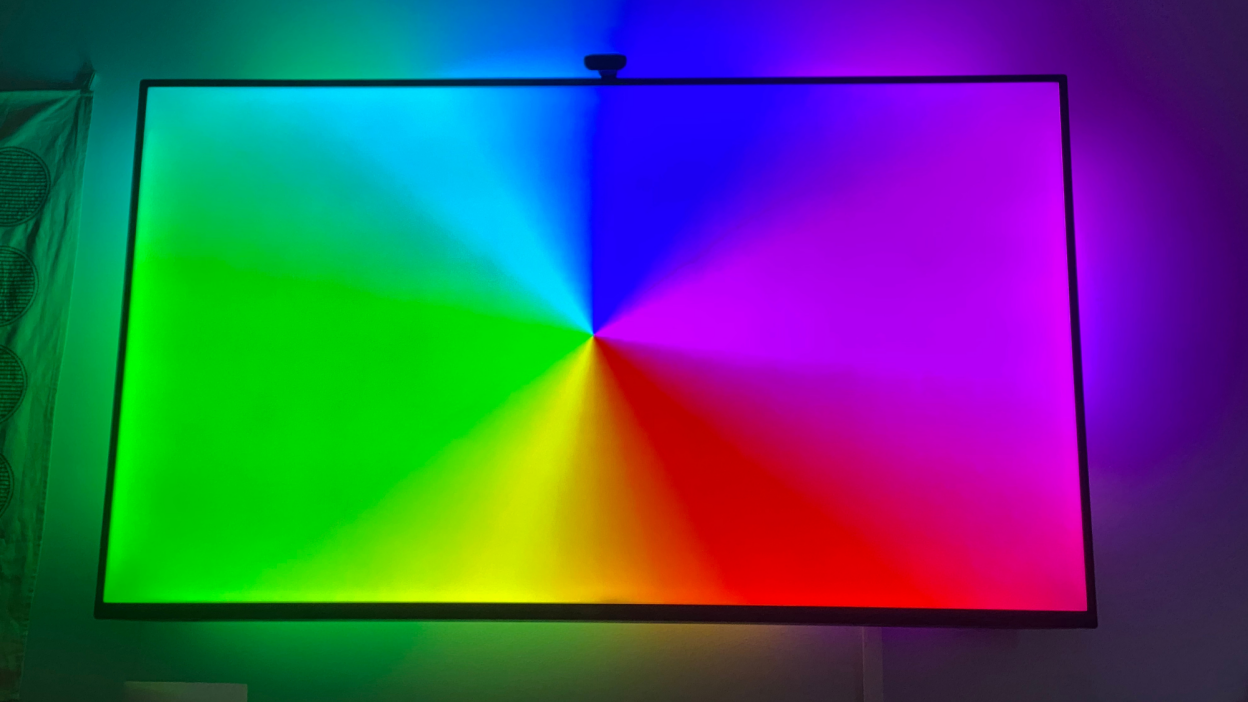
The integration of TV RGB backlighting can significantly enhance the immersive quality of a home entertainment setup, providing an engaging visual experience that complements improved surround sound systems or advanced streaming devices. RGB backlights, which are LED strips attached to the rear of a television, are designed to enrich viewing experiences, particularly when they synchronize with on-screen content. While Philips offers TVs with built-in Ambilight technology, the article explores alternative solutions for those seeking to add dynamic backlighting to their existing televisions.
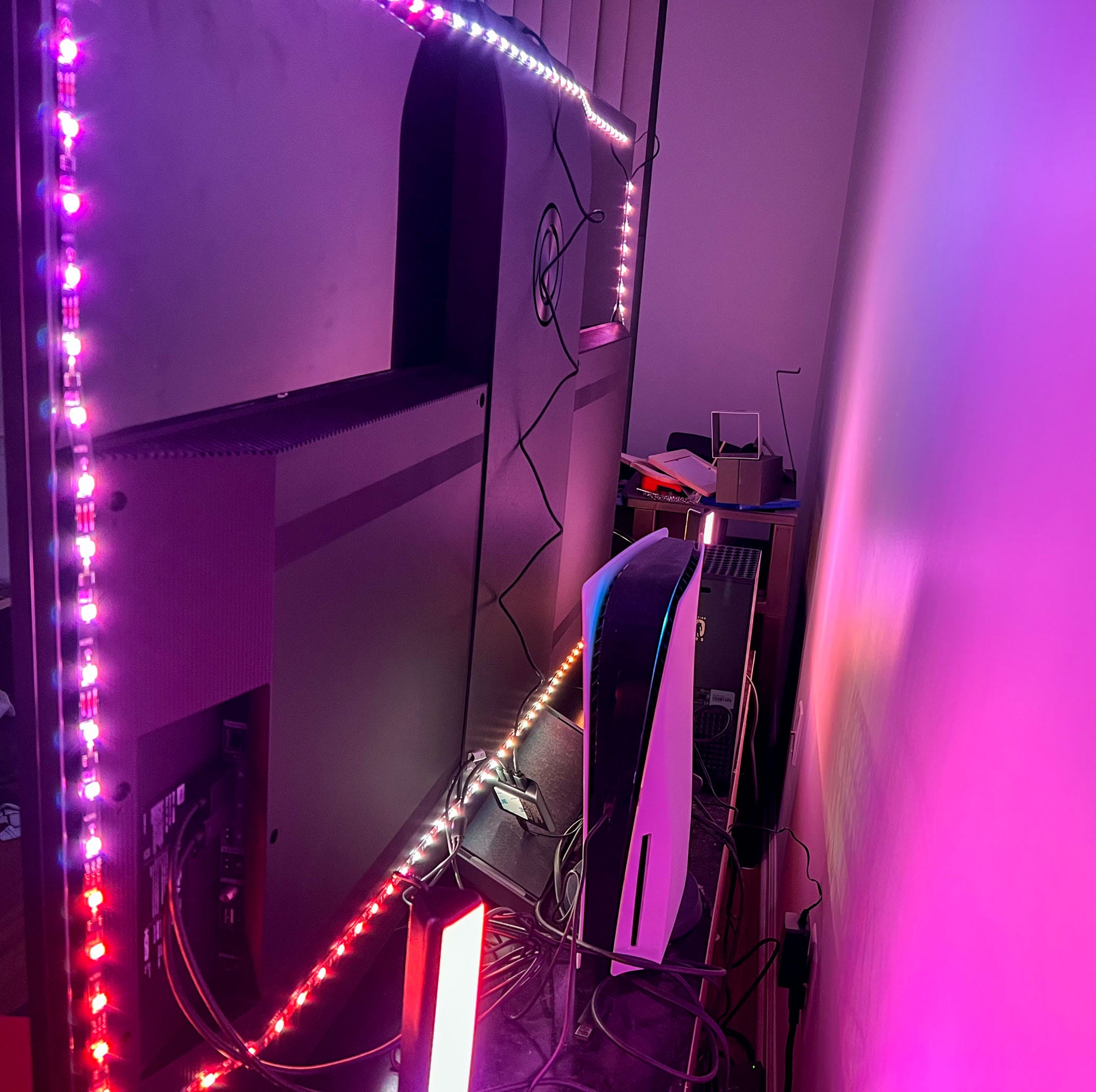
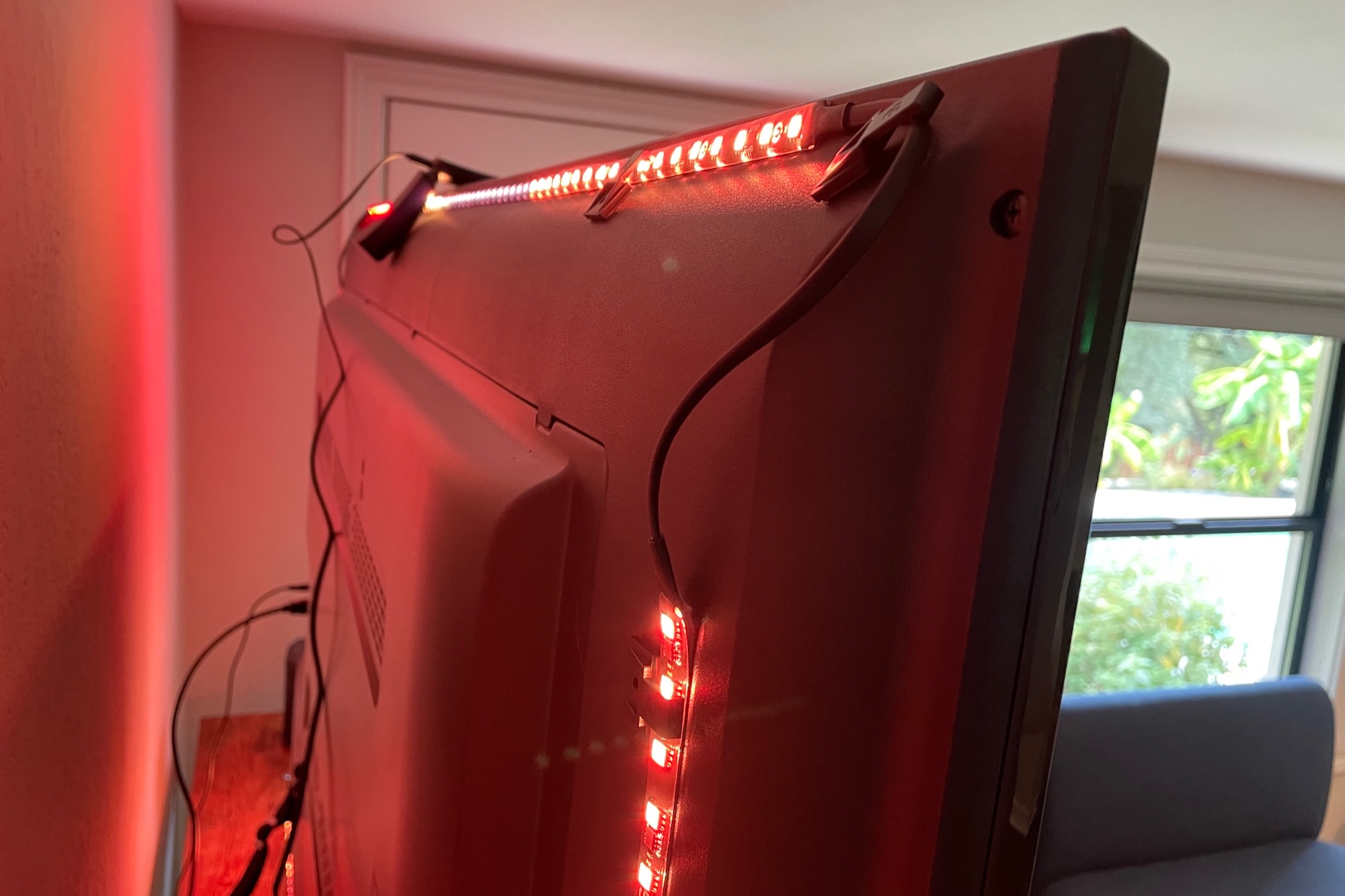
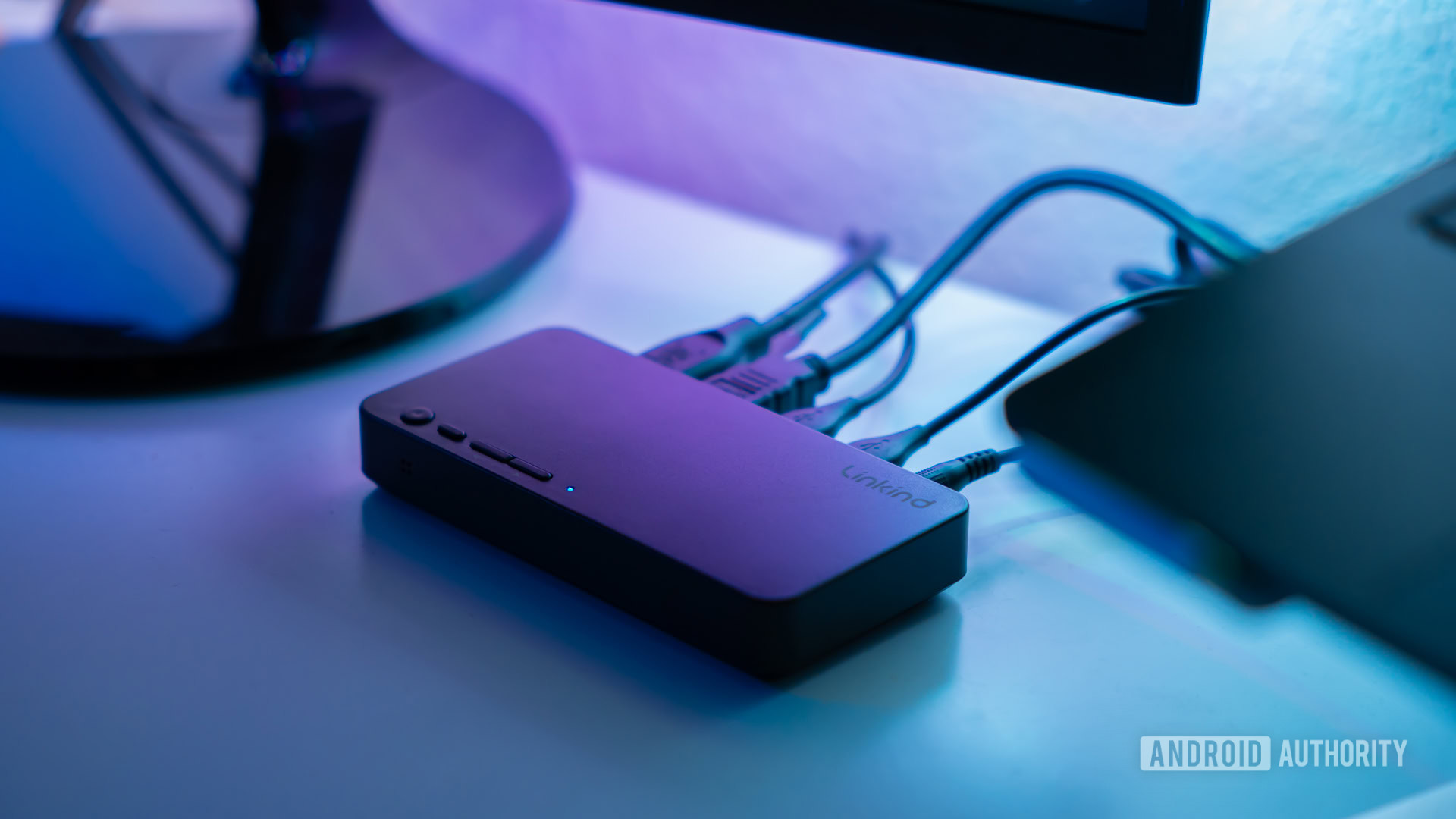
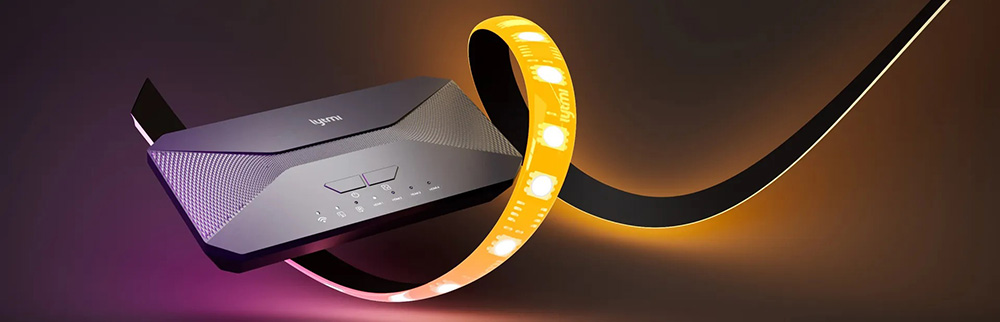
Two primary types of TV RGB lighting kits are available: AI sync box systems and camera-based systems. AI sync box kits, generally more expensive, incorporate a dedicated processing unit that analyzes incoming data from connected devices, such as gaming consoles like the PS5 Pro or 4K Blu-ray players, to match the LED colors to the on-screen visuals. These systems are largely plug-and-play, with installation primarily involving affixing the light strips to the TV, a process that typically takes 15 to 30 minutes. An example highlighted is the Govee HDMI Sync Box 2, which demonstrated strong performance with gaming, supporting high refresh rates and resolutions like 4K at 144Hz. A notable limitation of AI sync boxes is that they only synchronize with content from external devices connected directly to the box, meaning built-in smart TV streaming apps would not benefit from the dynamic backlighting unless a separate streaming device is routed through the sync box.
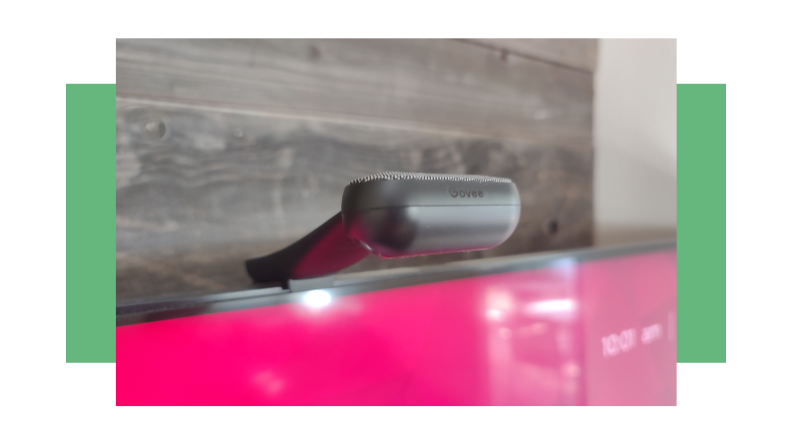
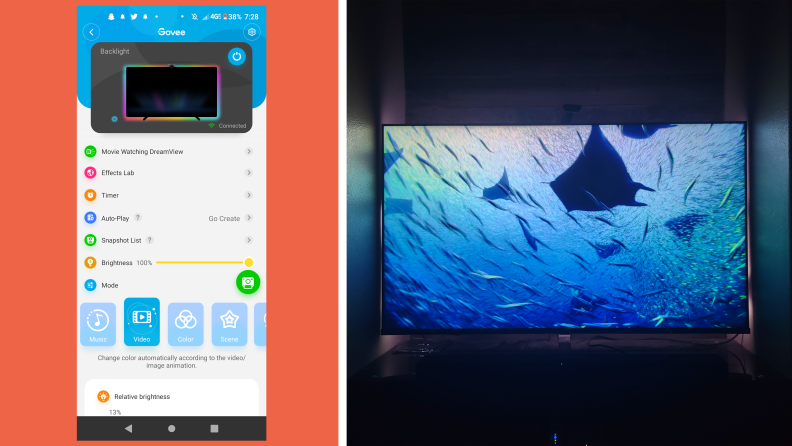
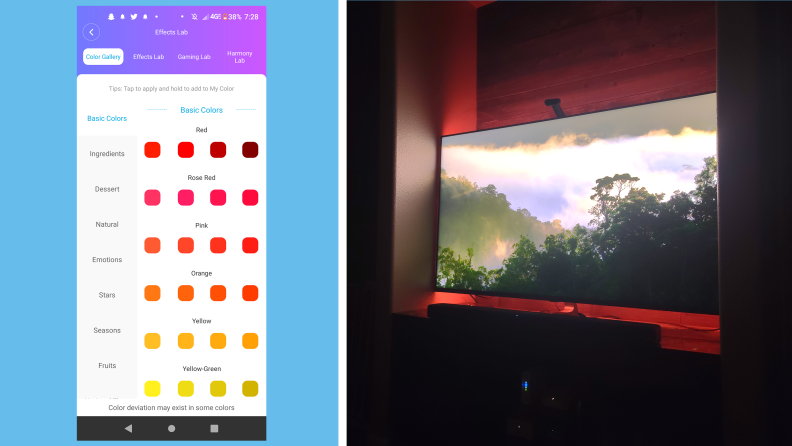
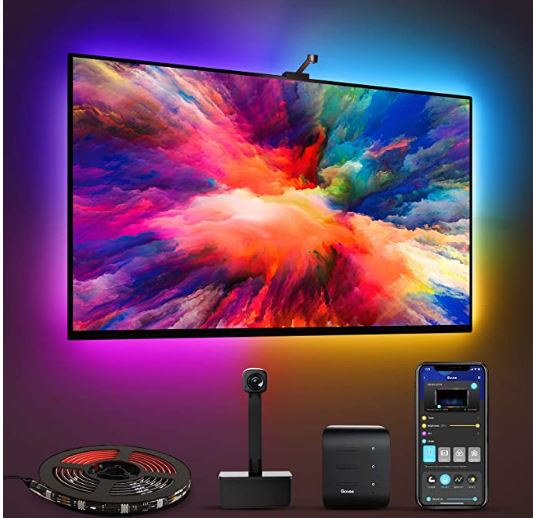
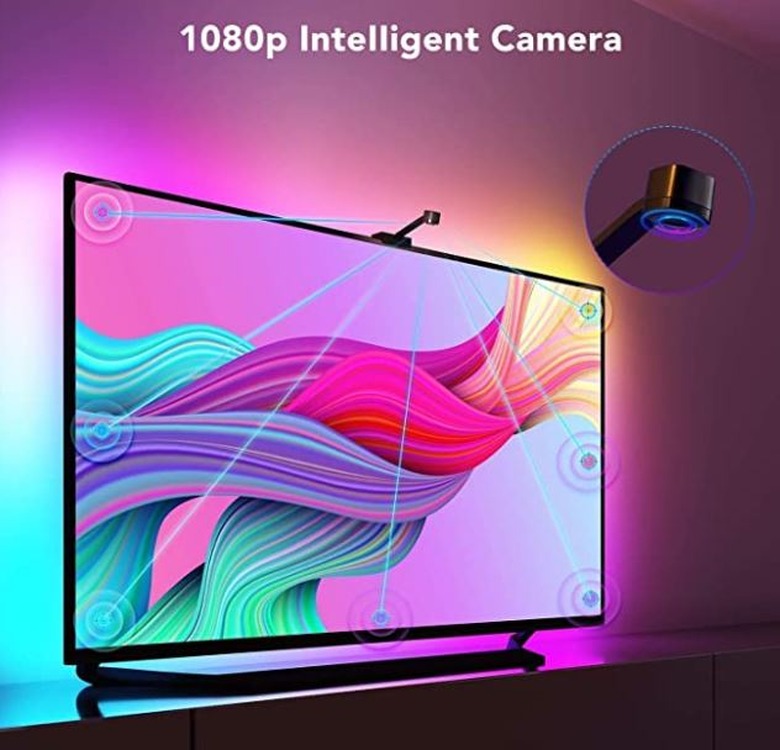
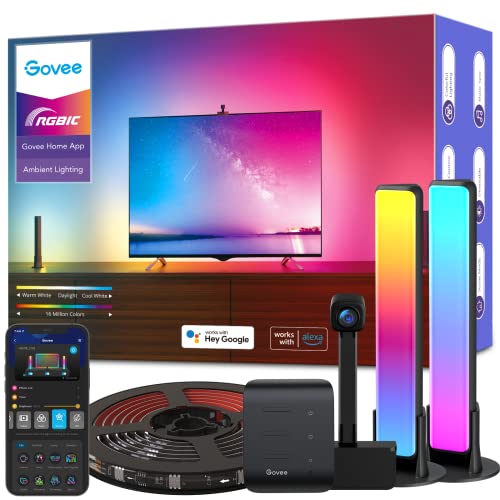
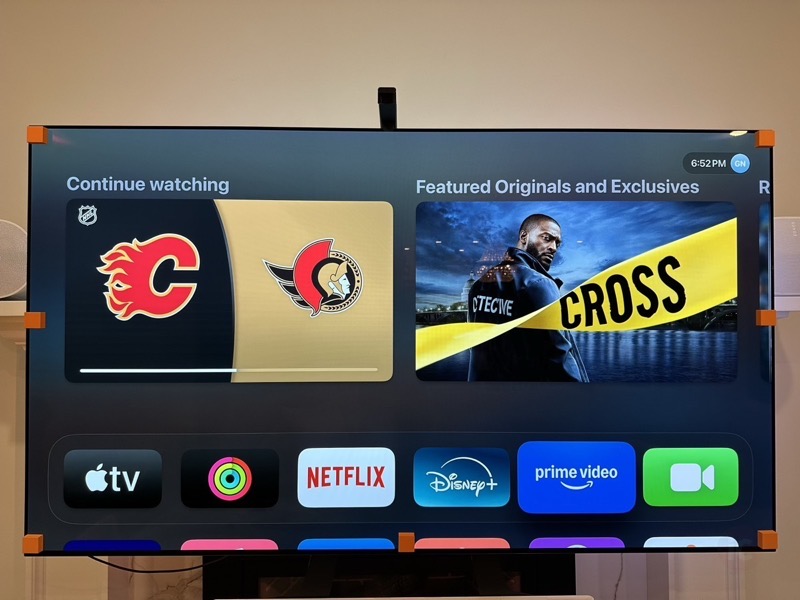
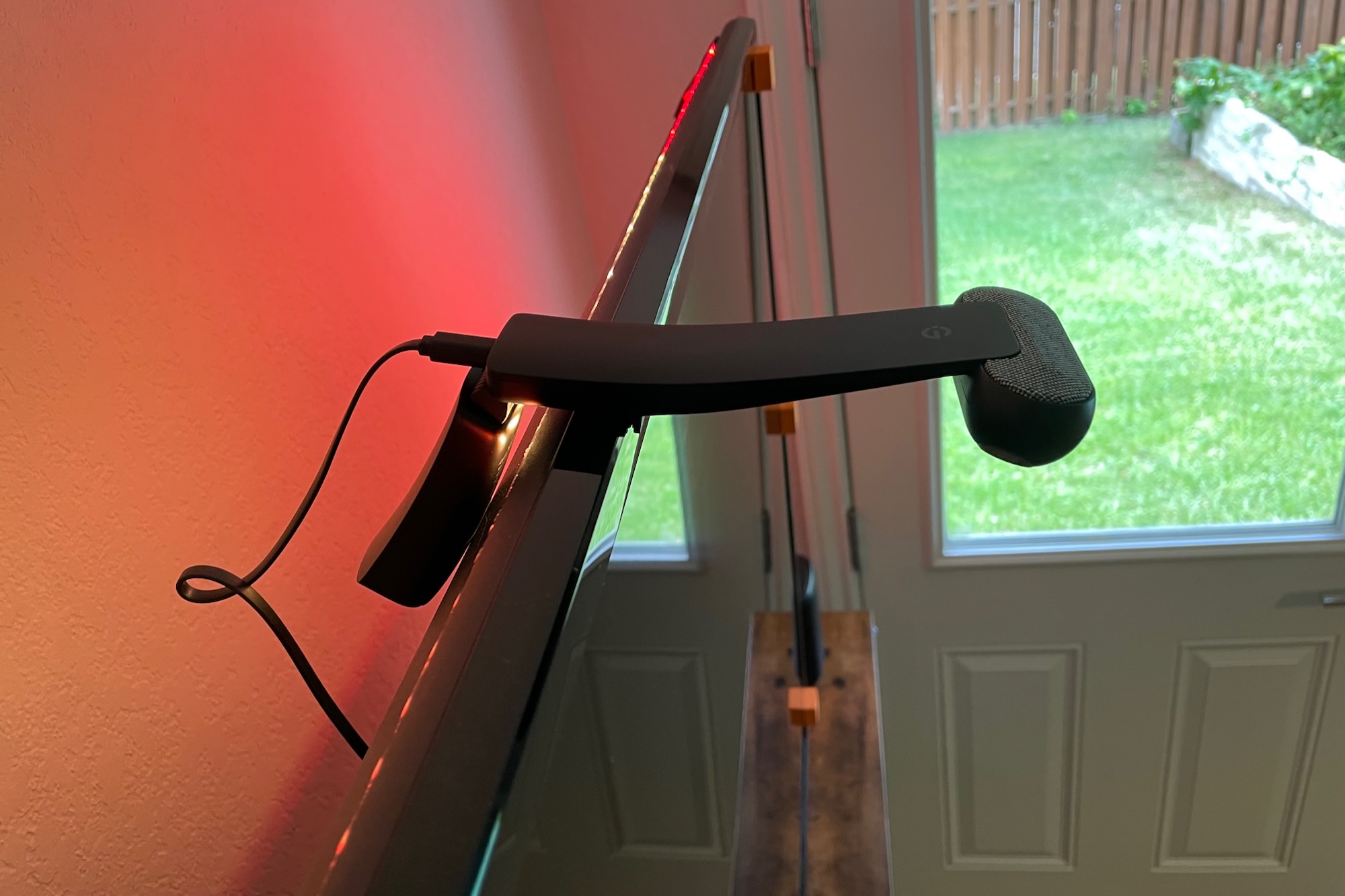
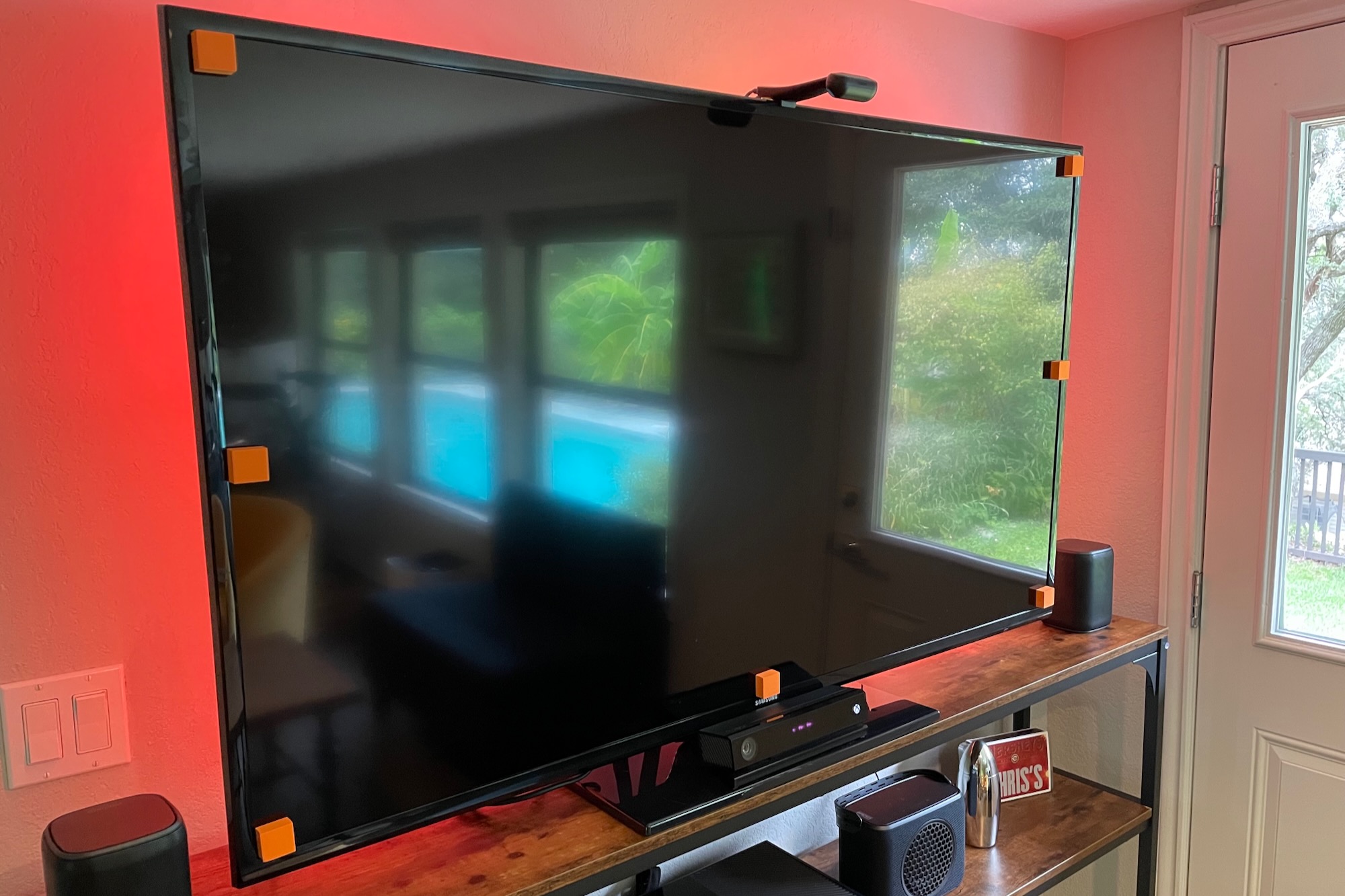
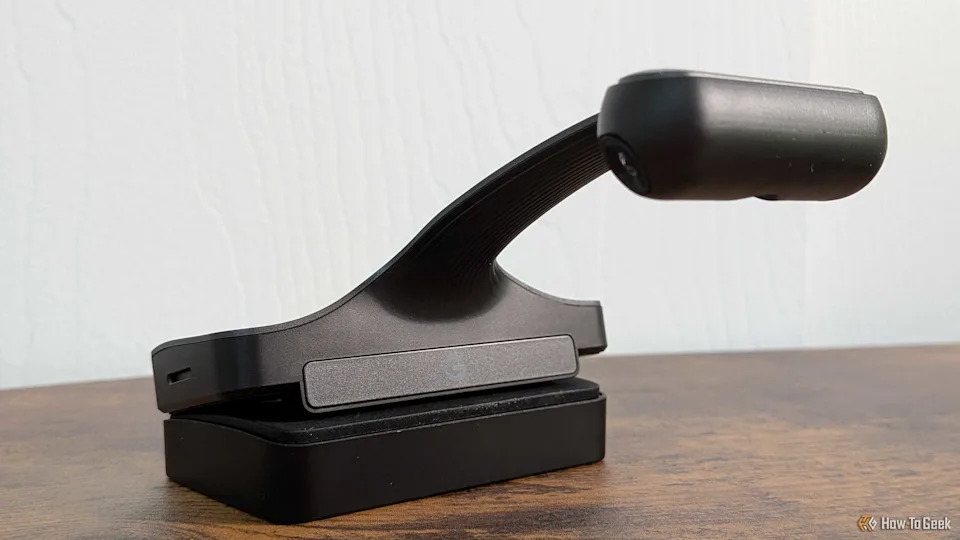
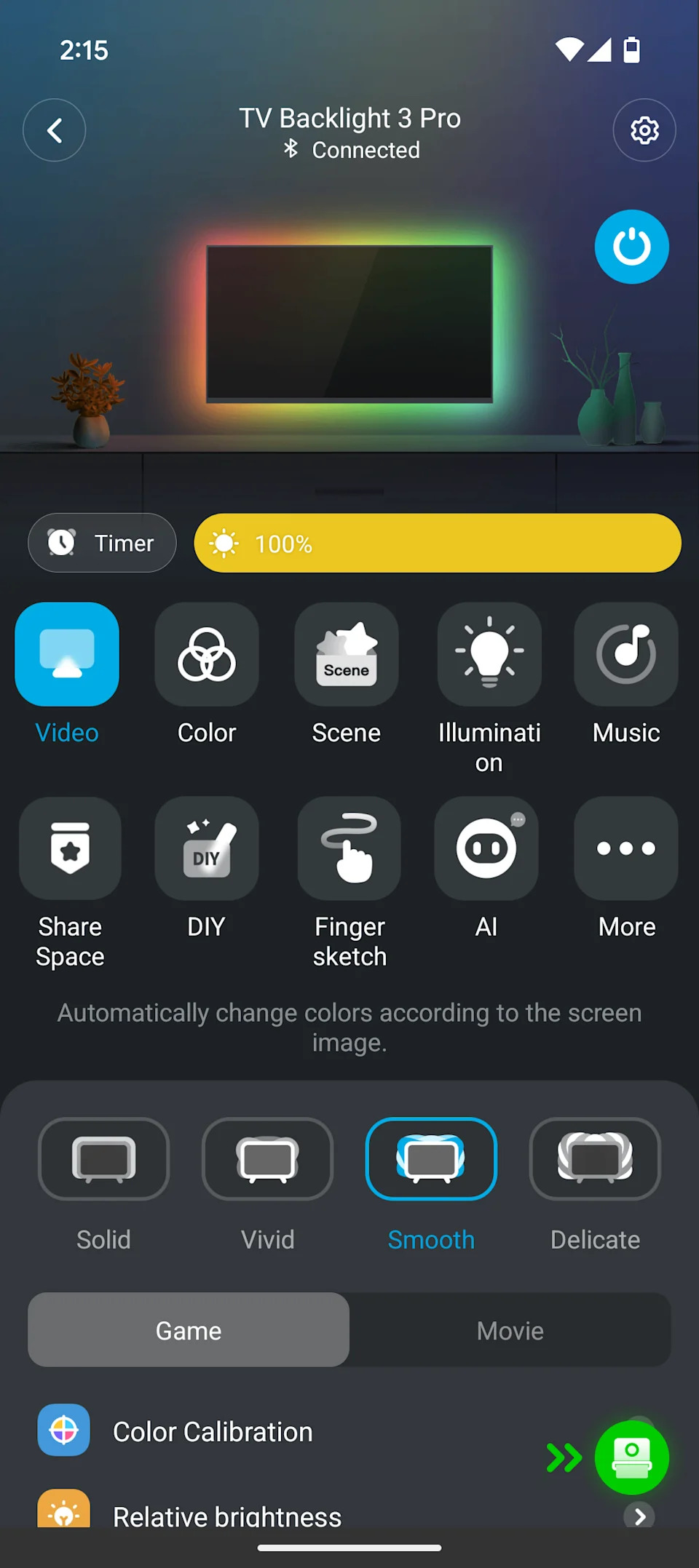
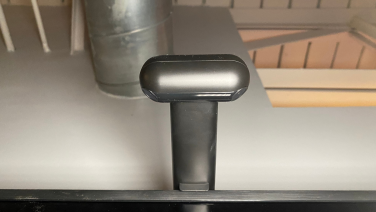
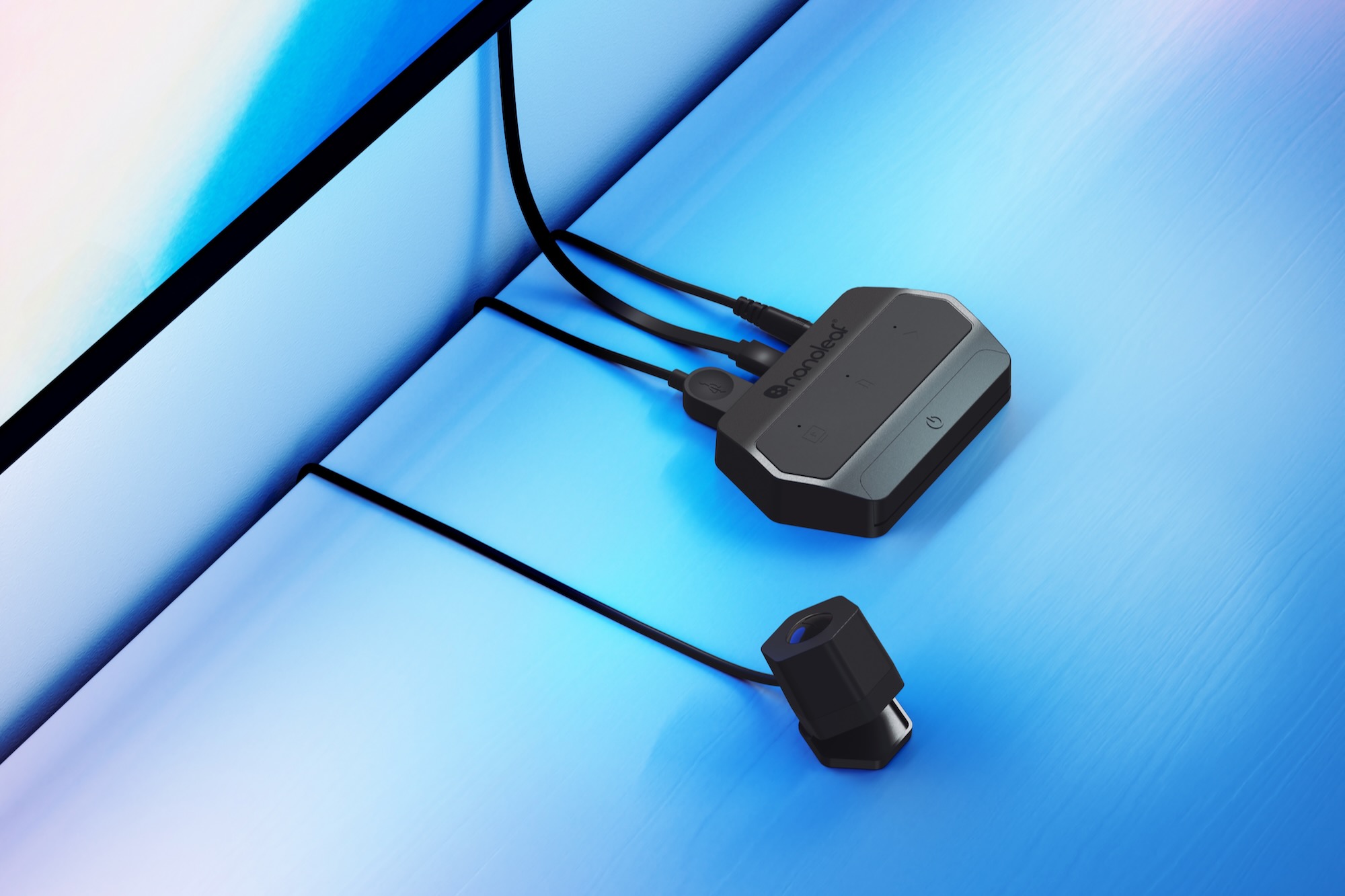
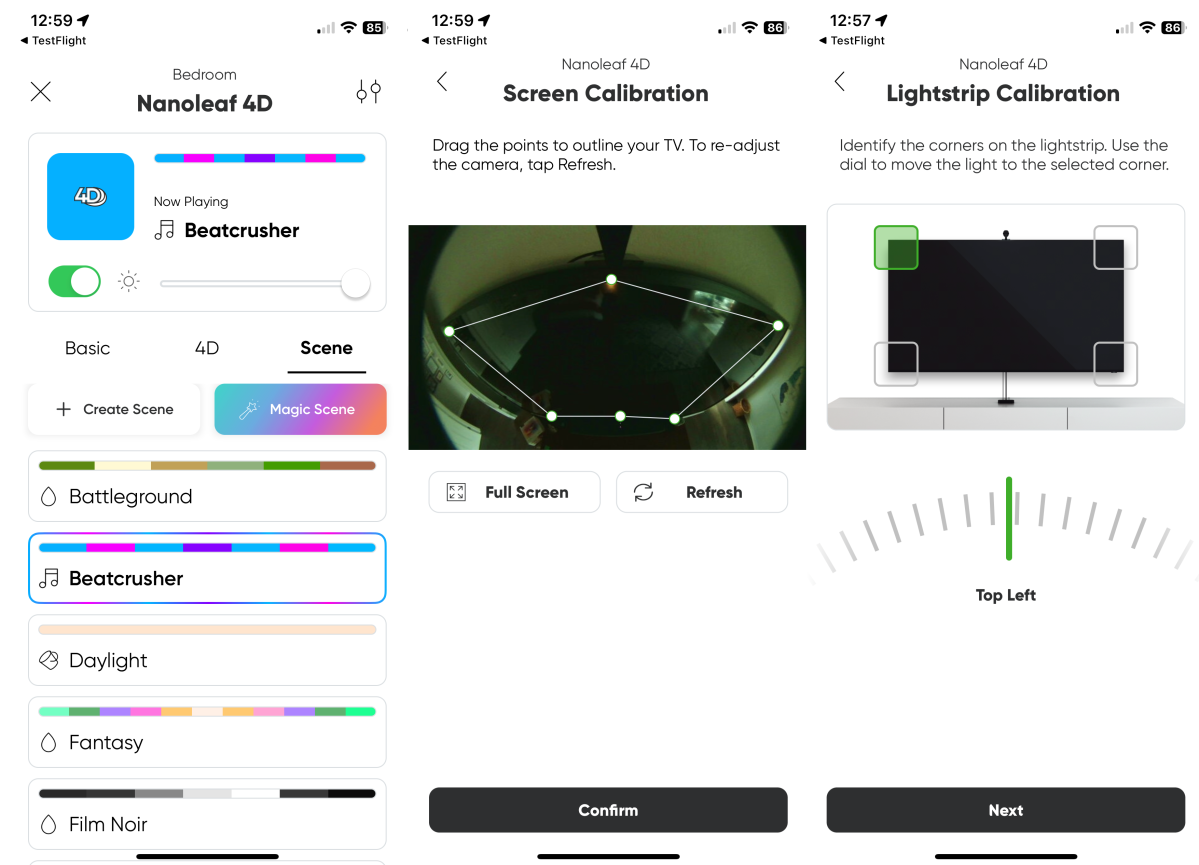
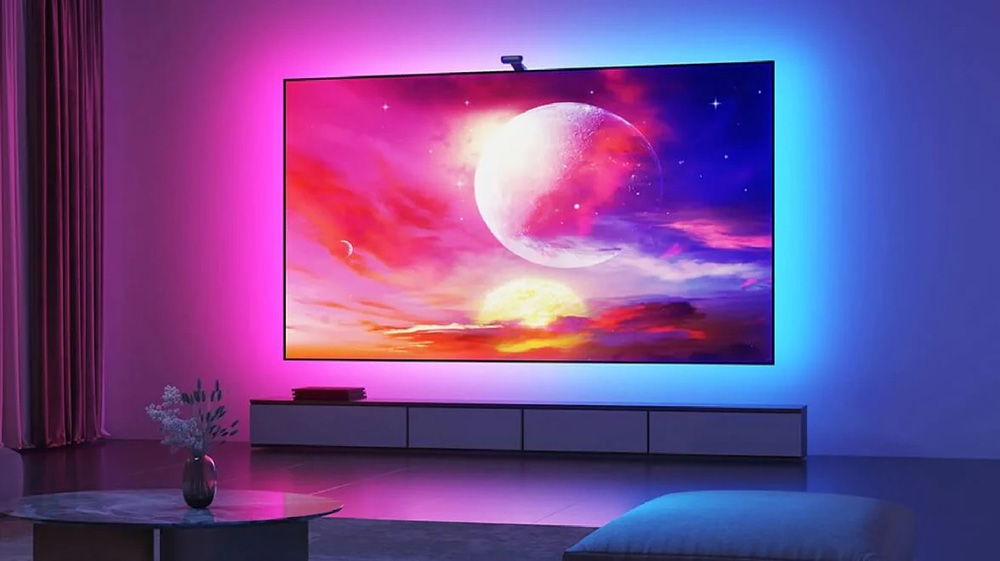
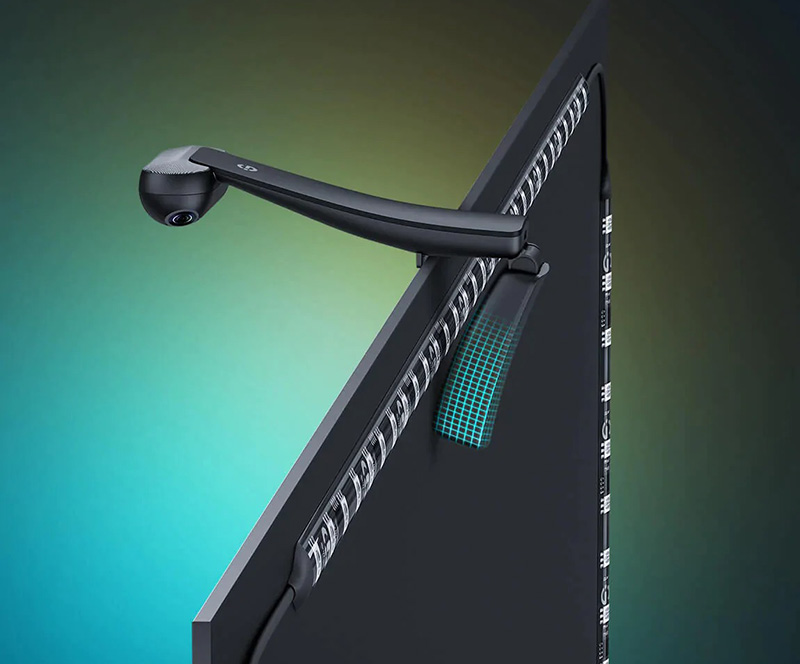
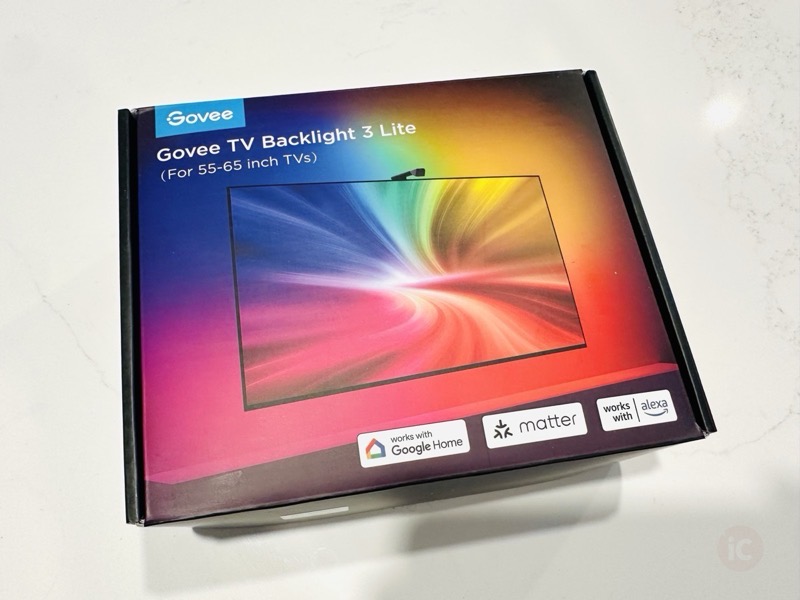
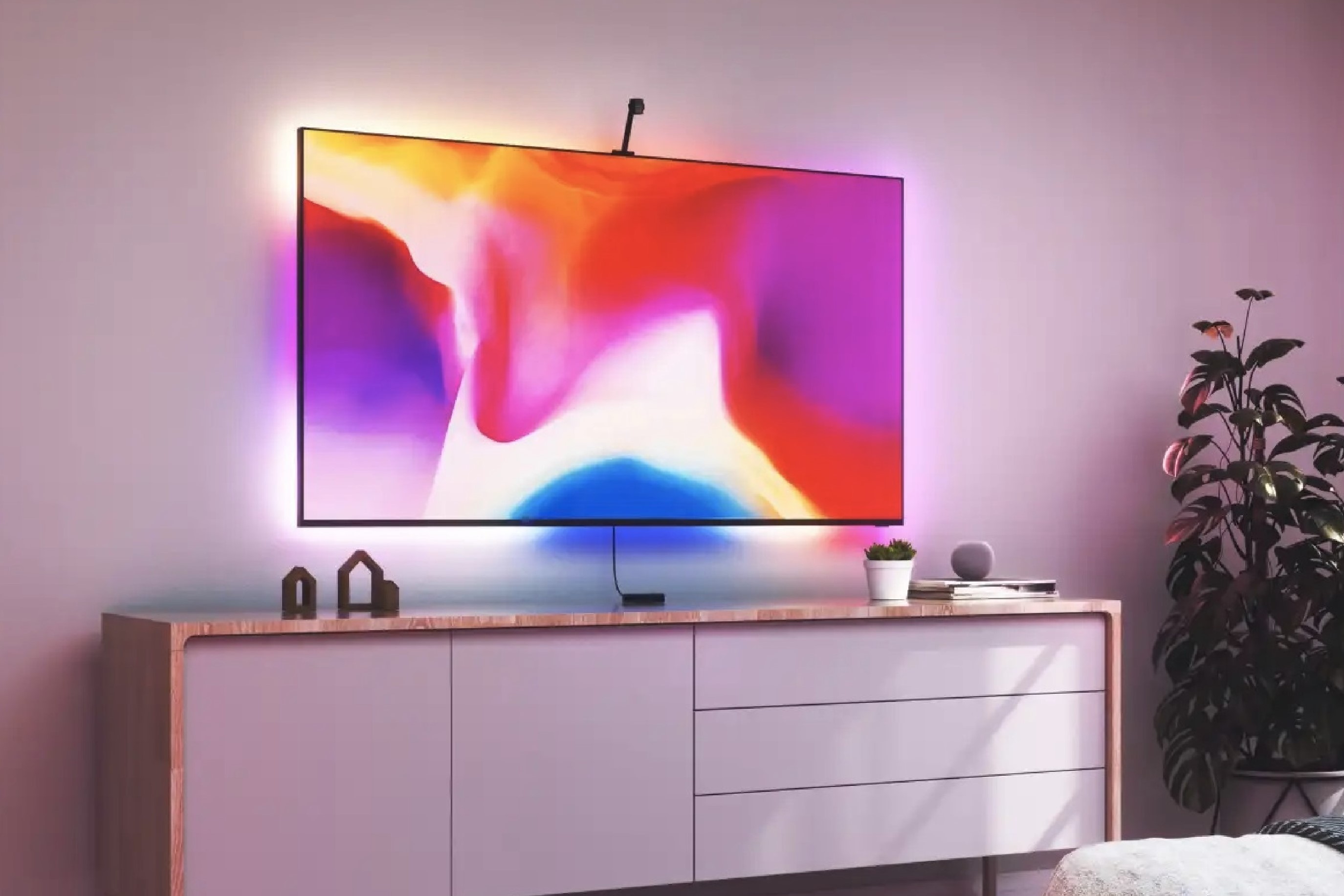
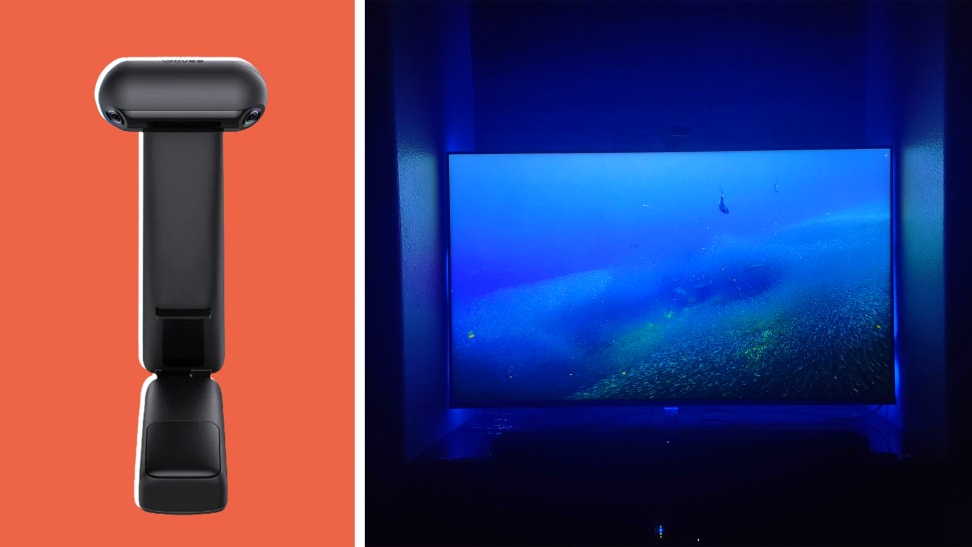
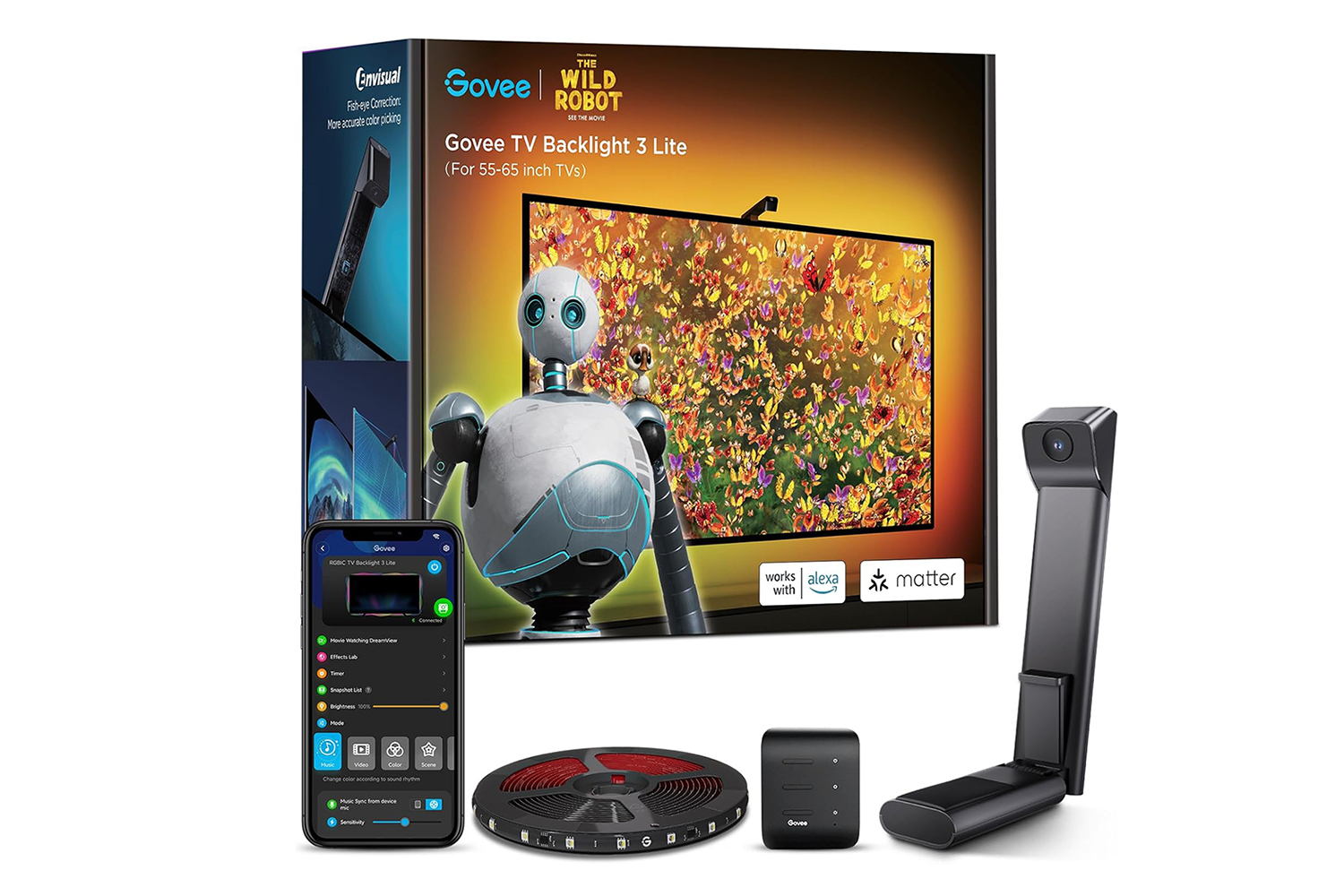
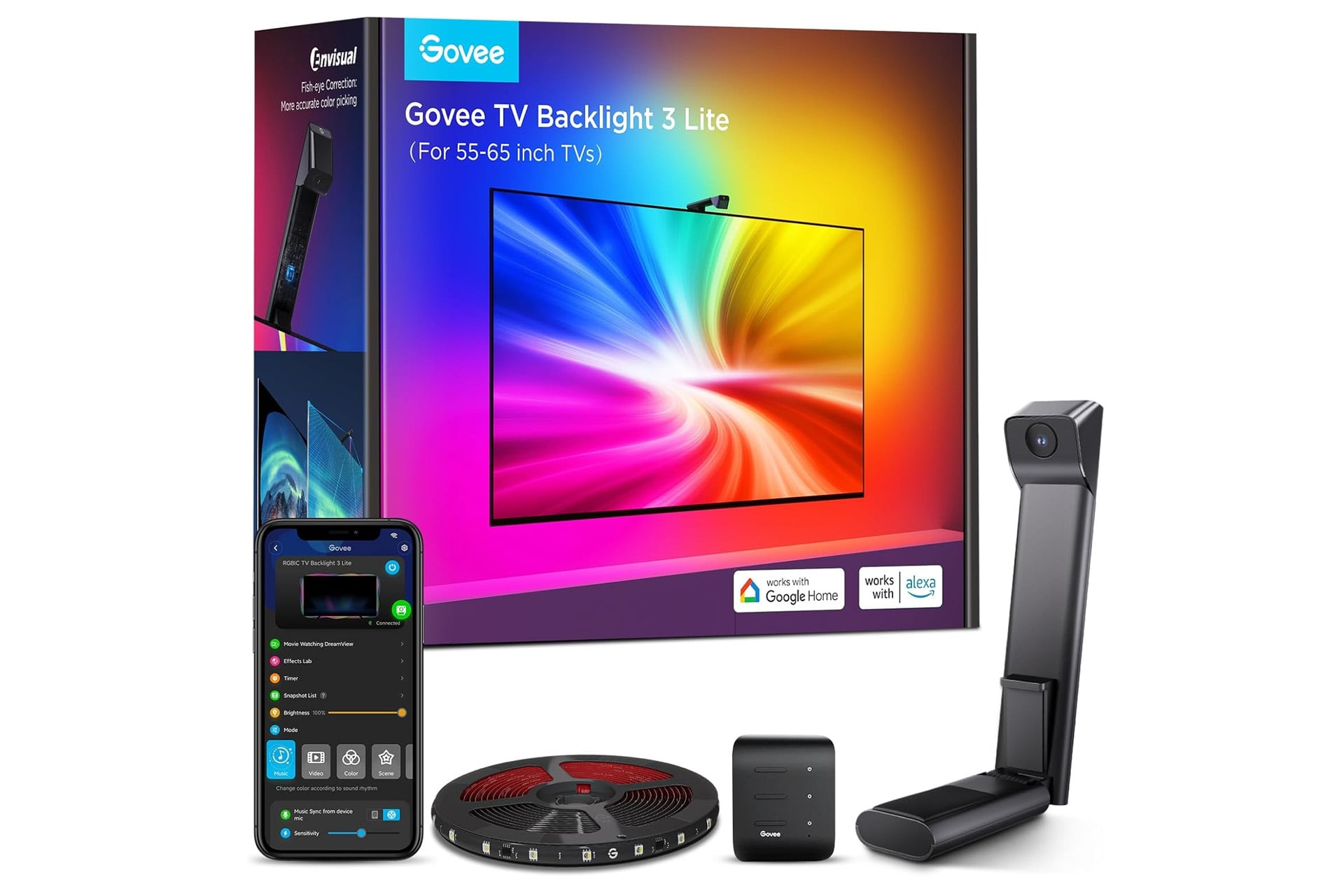
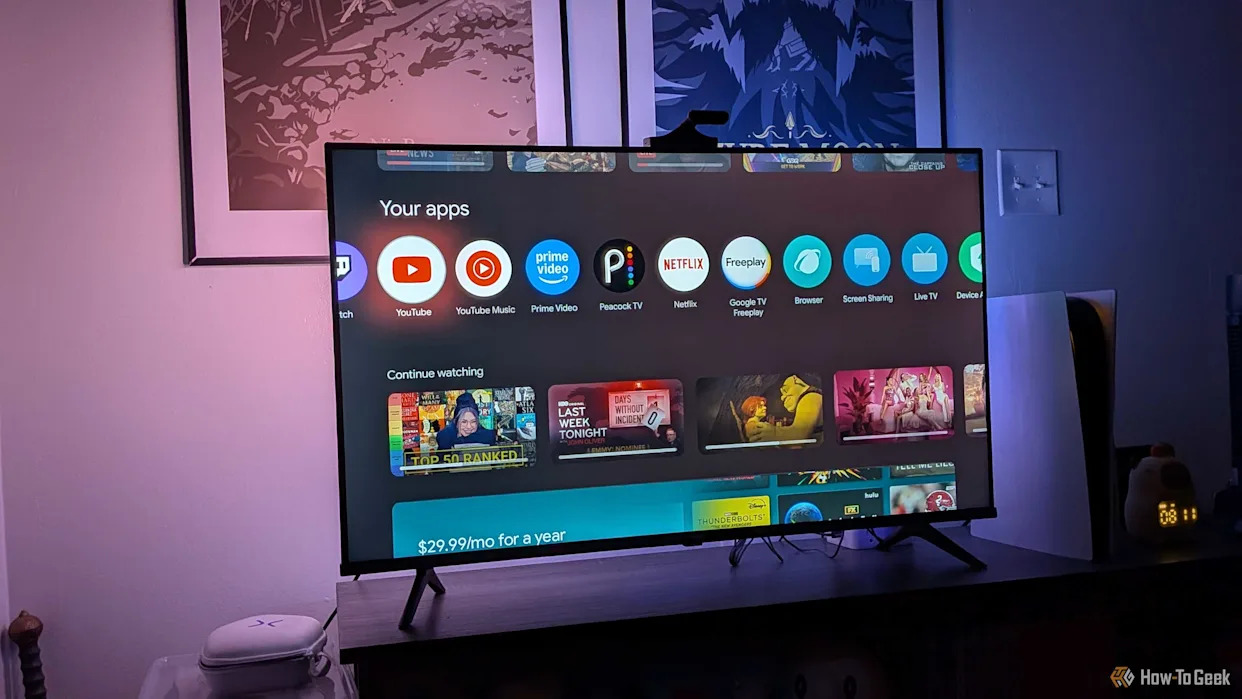
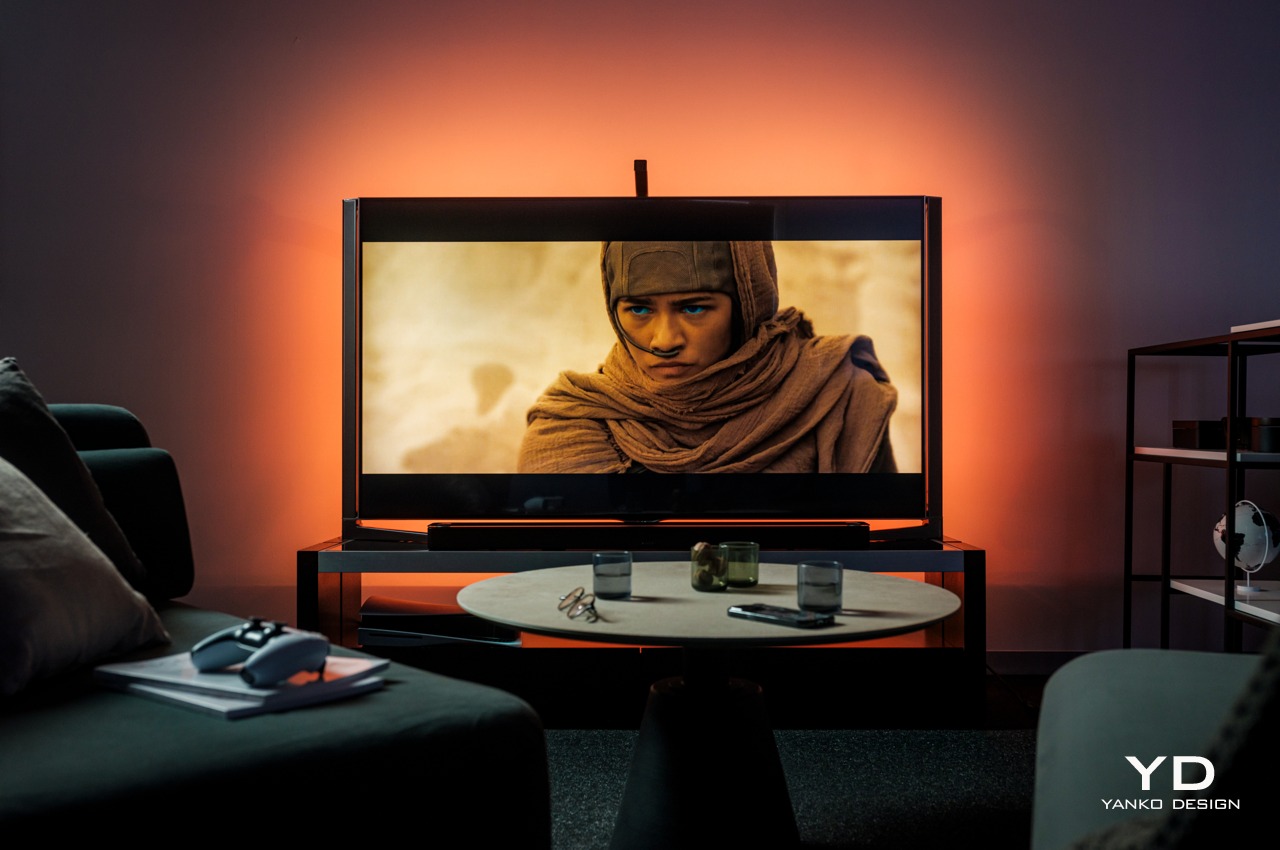
Conversely, camera-based TV lighting systems utilize a camera mounted on top of the TV to analyze the displayed content and adjust the backlight colors accordingly. These systems are generally more affordable and offer the advantage of synchronizing with all on-screen content, including native smart TV applications, without requiring external device routing. However, they come with certain trade-offs, such as potential aesthetic concerns or privacy considerations due to the visible camera. The setup process for camera-based systems, like the Govee TV Backlight 3 Lite, is more involved, requiring careful calibration with foam boxes and specific ambient lighting conditions to ensure accurate color detection. Despite the more hands-on setup, these systems deliver stellar performance and can also function as ambient lighting when the TV is off.
The decision between AI sync box and camera-based lighting ultimately depends on individual preferences and budget. While AI sync boxes offer convenience and high performance for connected devices, camera-based systems provide broader compatibility with all on-screen content at a lower price point, albeit with a more complex initial setup. Both types of backlighting kits discussed are Matter-compliant and compatible with Google Home, allowing for voice control and customizable settings. TV backlighting is presented as a luxury add-on that enhances the visual appeal and immersion of a TV setup, providing a significant aesthetic and experiential polish.
#TVBacklighting #RGBLEDLights #HomeEntertainment #SmartHome #Govee #PhilipsHue #GamingSetup #MovieNights #TechAccessories #TVBacklighting #RGBLEDLights #HomeEntertainment #SmartHome #Govee #PhilipsHue #GamingSetup #MovieNights #TechAccessories
0 تعليق إجمالاً
 لا توجد تعليقات بعد
قد تعجبك أيضًا
This inexpensive backlight makes your big TV even more immersive
Govee TV Backlight 3 Lite Review: Elevating the TV Watching Experience

Nanoleaf 4D Review: Immersive TV Bias Lighting For Less
Govee's TV Backlight 3 Lite kit syncs to your TV and audio for dazzling immersive lighting at $100 low (Reg. $150), more

Govee’s awesome new TV backlights will brighten up your home movie nights

Govee Envisual TV Backlight T2 review: A worthy upgrade

13 Stylish TV Stands That Upgrade Every Movie Marathon

TV wall ideas – 10 ways to incorporate this essential item into your design scheme

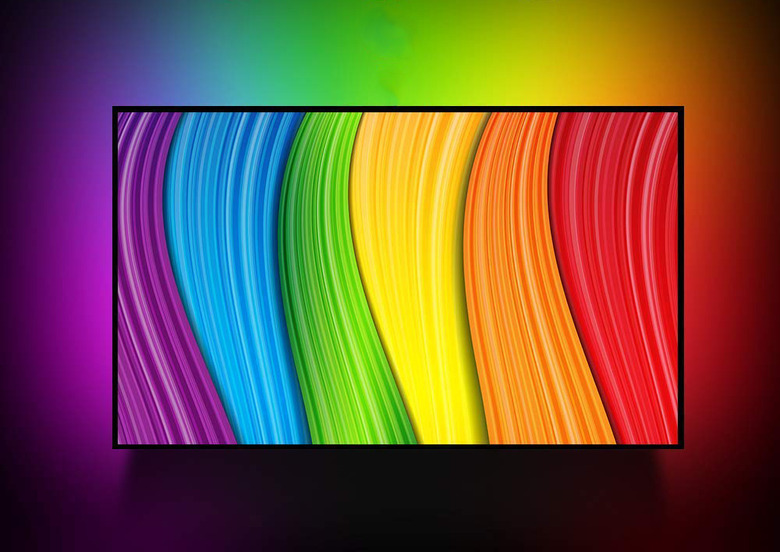
This Awesome TV Backlight Kit Glows The Same Colors As The Images On Your Screen

Govee TV Backlight Is Priced Lower Than Ever, Rare Discount Ahead of Black Friday

The Best TV Mounts to Level Up Your Space
These Statement Lighting Options Will Take Your Living Room from Drab to Fab
Govee TV Backlight Going for Peanuts if You're Prime, Now at All-Time Low in Early Black Friday Sale
Govee’s Newest TV Backlight Produces Vivid Colors in the Light and the Dark
Linkind by AiDot: Smart TV Backlight Experience That Brings Your Movies and Games to Life

Okay, These TV Wall Ideas Might Be the Best Inspiration to Stop Your Screen Becoming an Imposing Black Box

Looking to Boost Your Home Theater Setup? Get Reactive Backlighting.
Review: Govee’s Envisual TV Backlight T2 syncs to your TV for stunning visuals

Improve Your Display Immersion with Lytmi Synced RGB Lighting

Govee TV Backlight 3 Lite with Dune-themed Packaging Review: Elevating Your Home Theater Experience