1/11
This Is How to Declutter Your Home Without Getting Overwhelmed
Decluttering a home can often feel overwhelming, but professional organizers offer practical, stress-free strategies to make the process manageable and even satisfying. The article emphasizes that decluttering is a gradual process, often looking worse before it gets better, and encourages readers to anticipate this and not be discouraged. A key piece of advice is to start small to prevent decision fatigue. Tackling a minor task, such as organizing a single drawer that takes less than 20 minutes, can build momentum. This initial success can then make larger projects seem less daunting, as decluttering is described as "contagious." To maintain accountability and motivation, the article suggests enlisting a "buddy," such as a spouse, family member, friend, or professional organizer, to provide support throughout the process.
Scheduling dedicated time for decluttering, treating it like any other important appointment, is crucial to ensure it gets done. The article also advises focusing on one room at a time, thoroughly assessing each item. If an item is not loved or regularly used, the recommendation is to let it go. Rewarding progress, whether with a small treat like a bottle of wine or a new clothing item after purging a wardrobe, can provide necessary motivation.
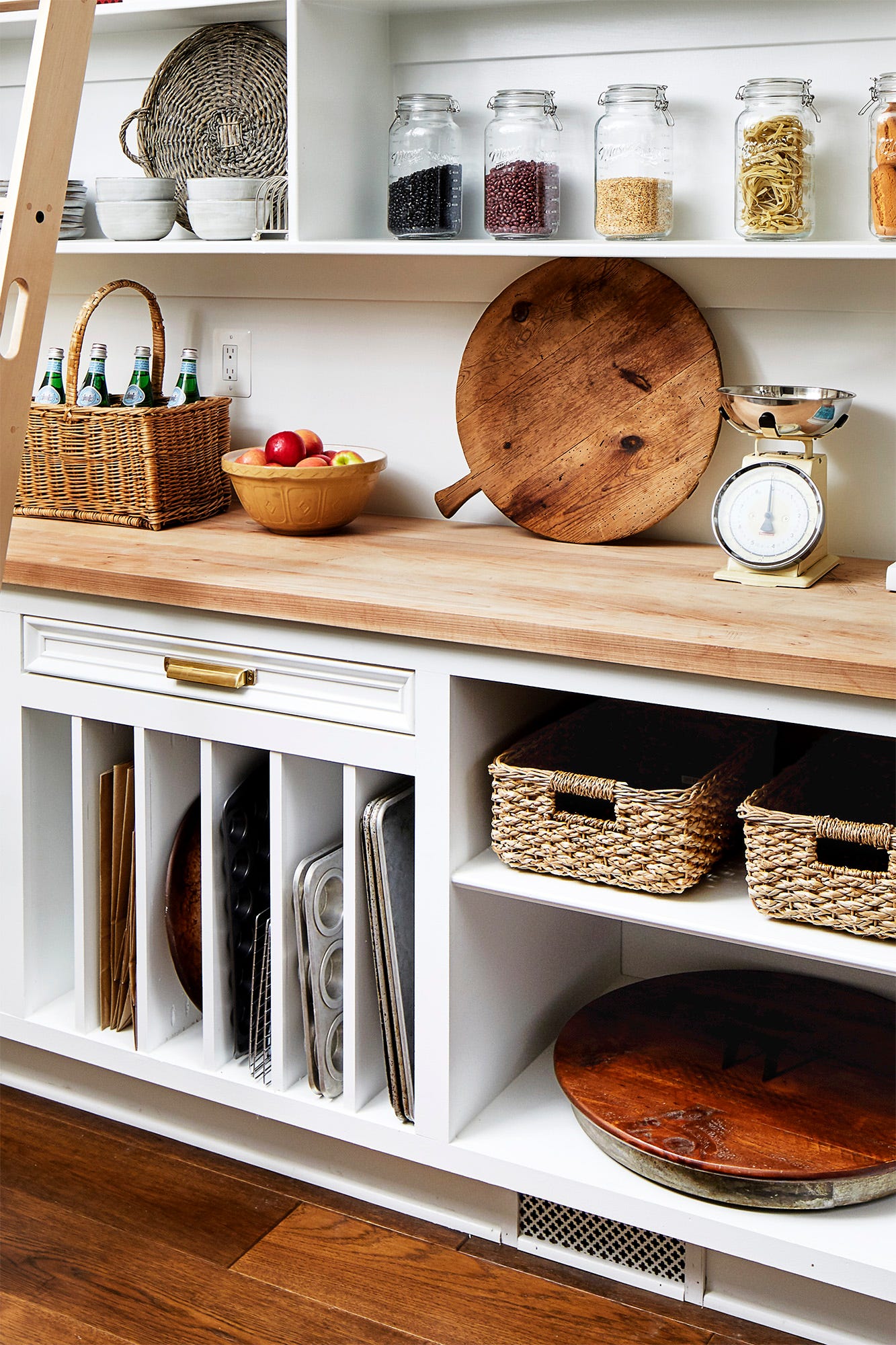
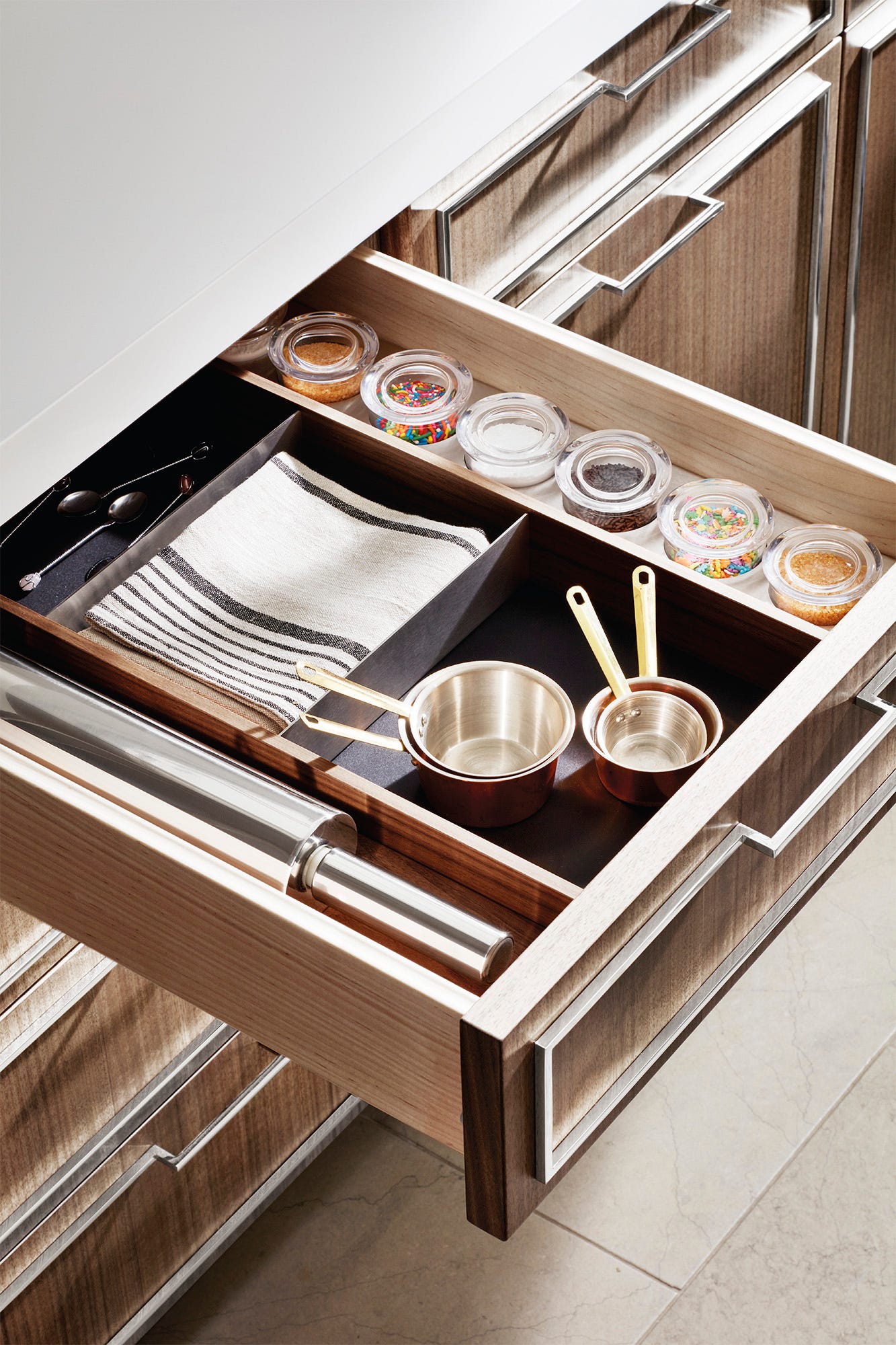
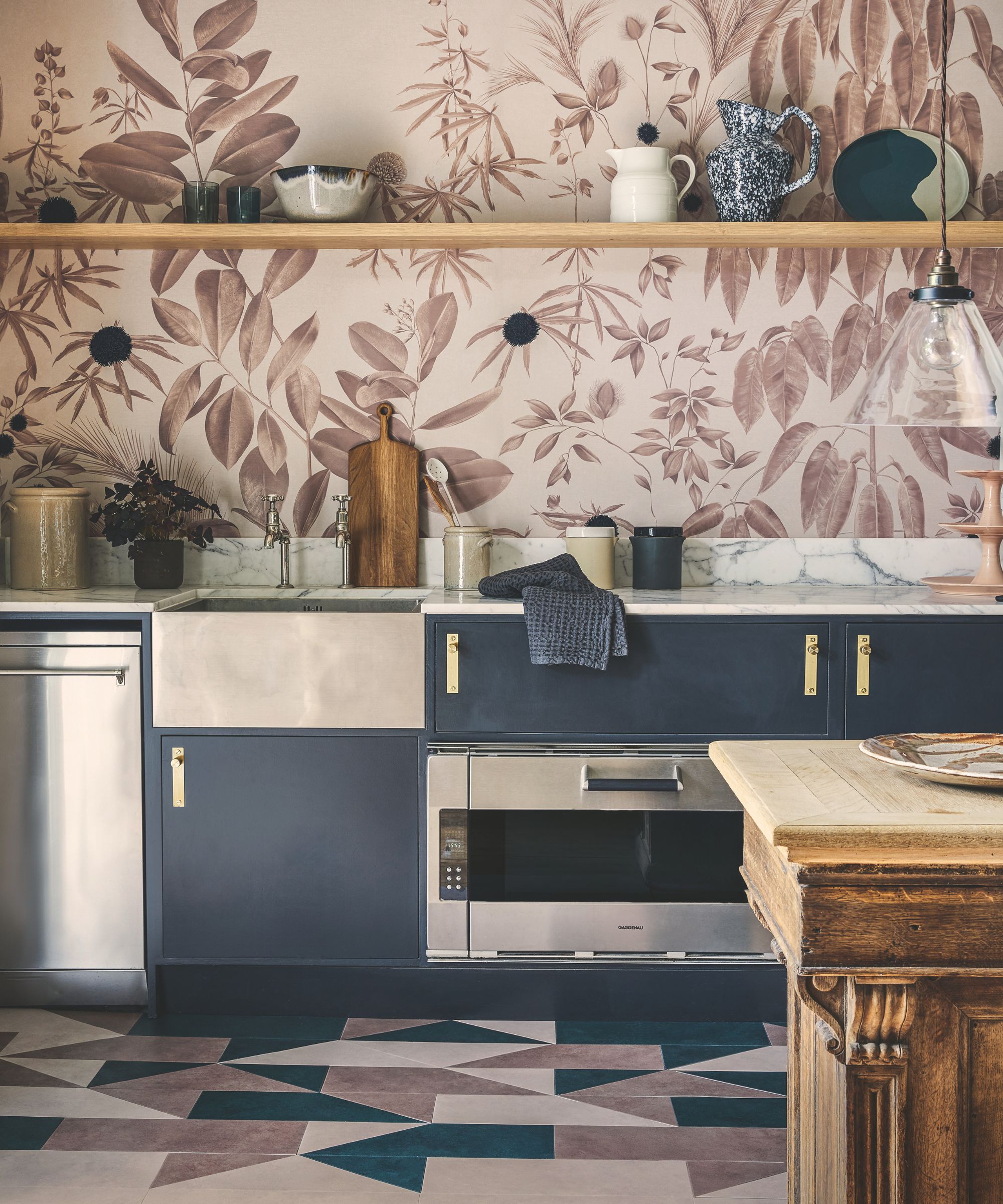
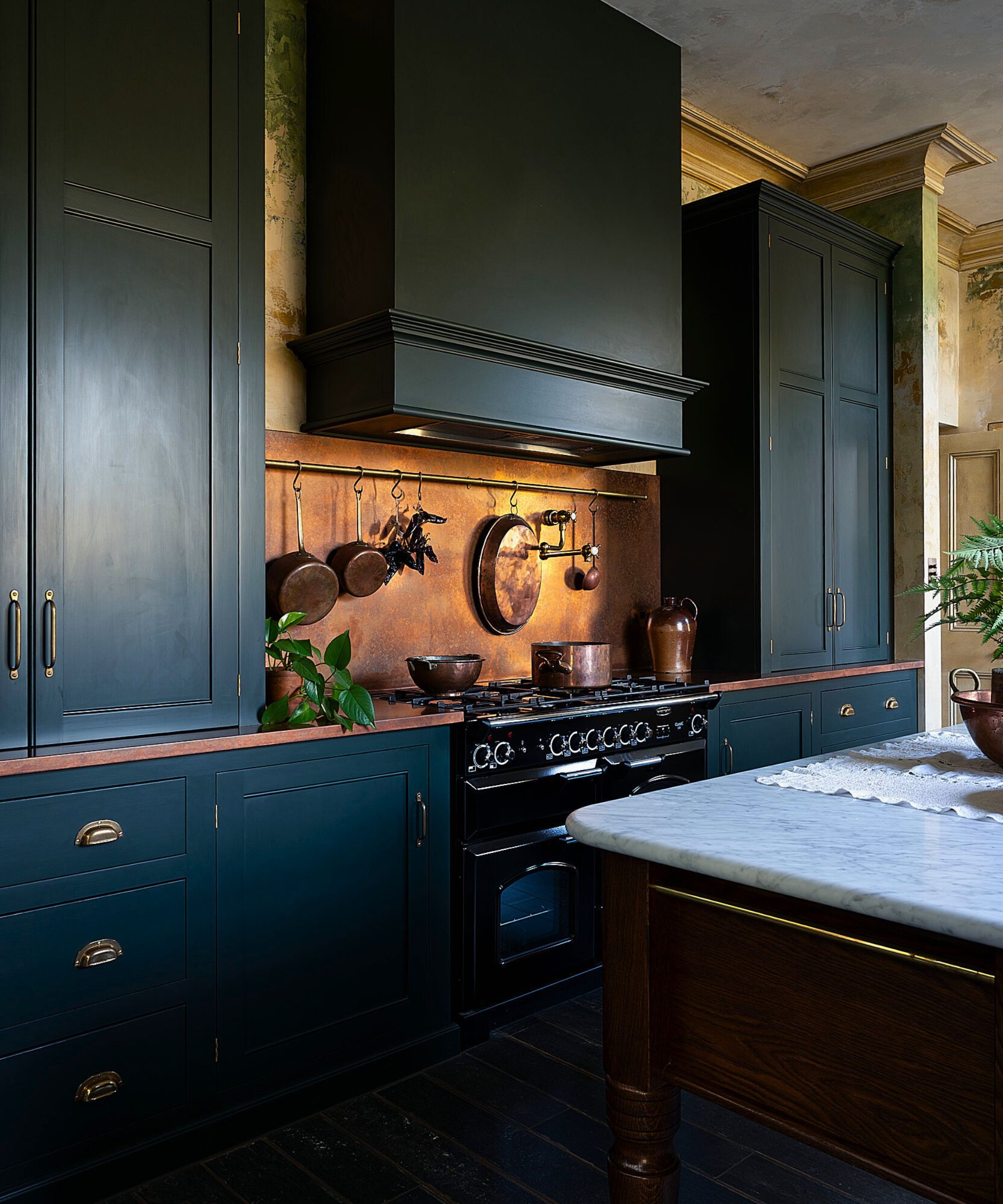
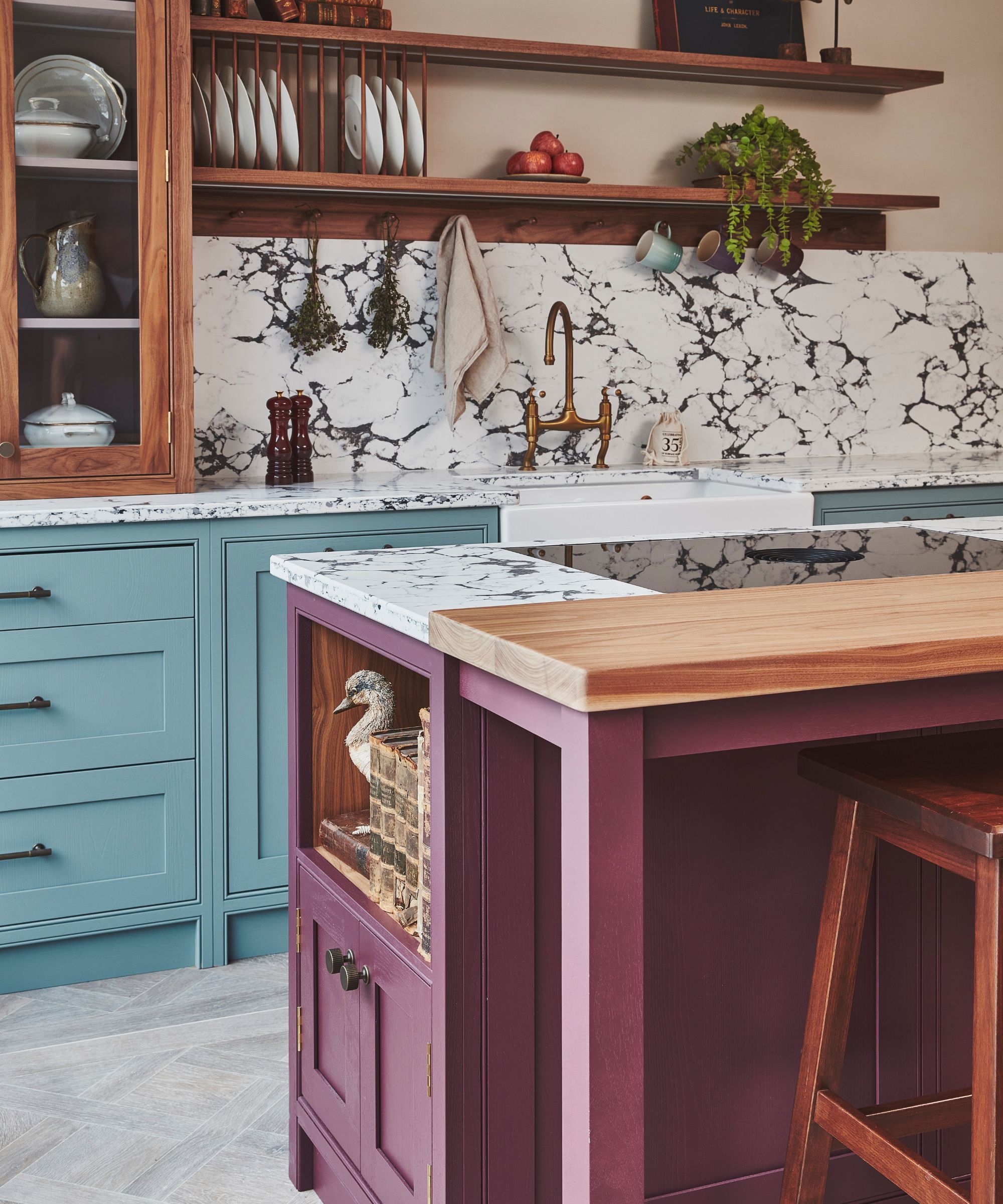
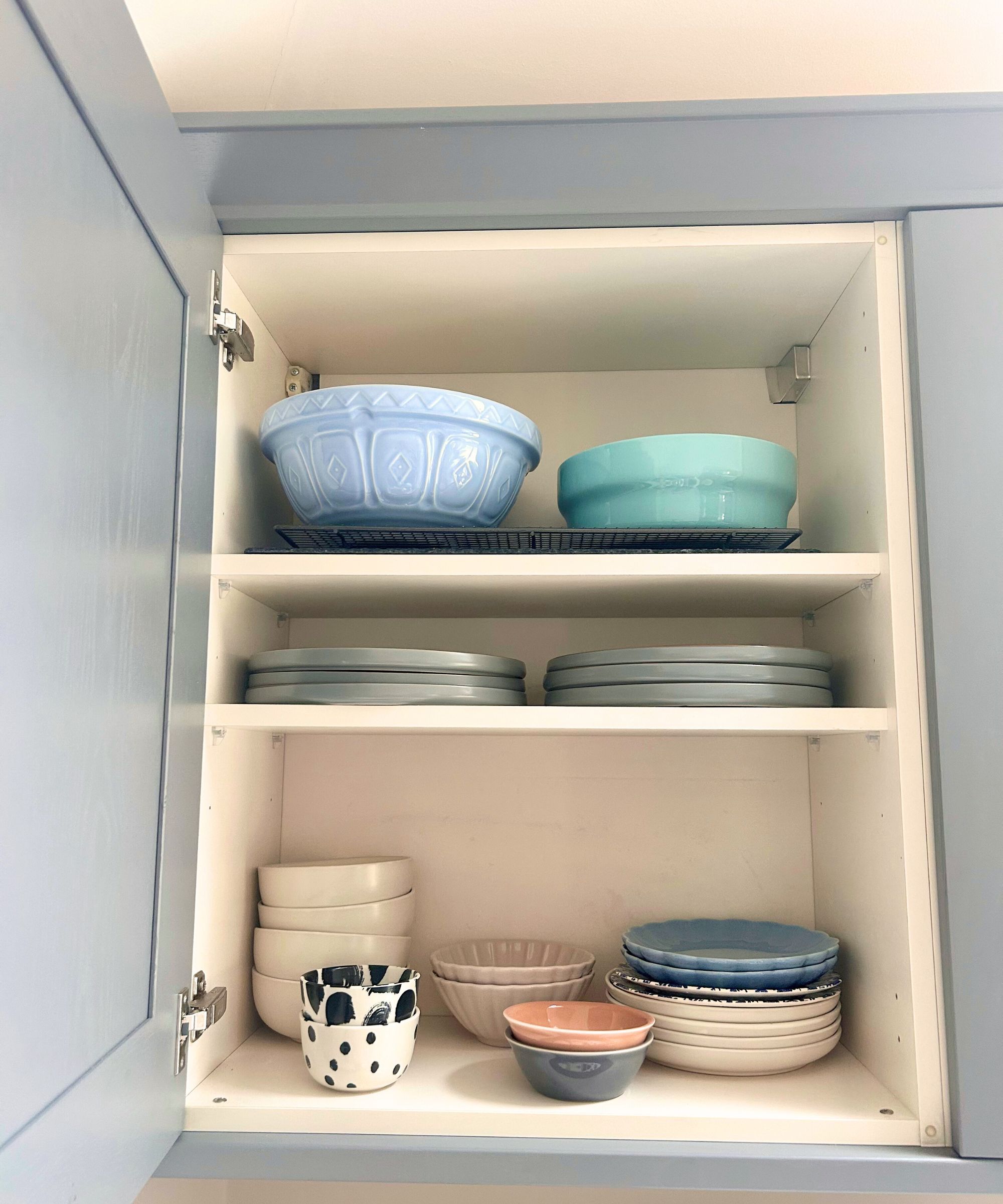
Detailed, room-by-room strategies are provided, starting with the kitchen, often considered the "heart of the home." For the kitchen, the advice includes completely emptying cabinets and drawers to sort through food items and kitchenware. Readers should check expiration dates, identify duplicates, and consider investing in organizers like spice racks. Cleaning out the refrigerator involves removing all contents, wiping shelves, and discarding old foods or condiments that have been open for over three months. The article stresses mindfulness about unused items, purging mismatched lids, broken containers, or chipped dishes. Categorizing items into groups like baking supplies or glassware and assigning each a designated, accessible home is important before restocking.
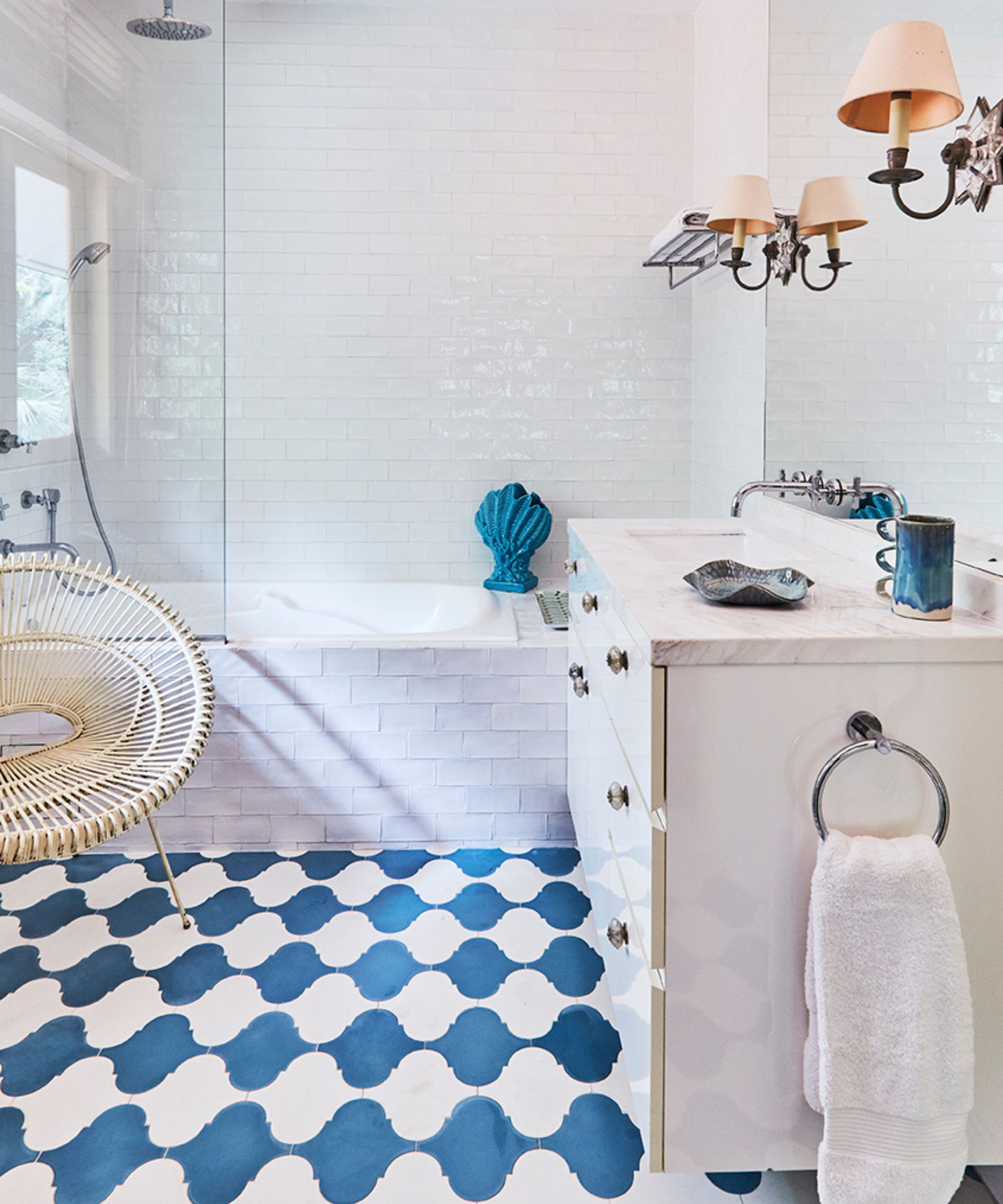
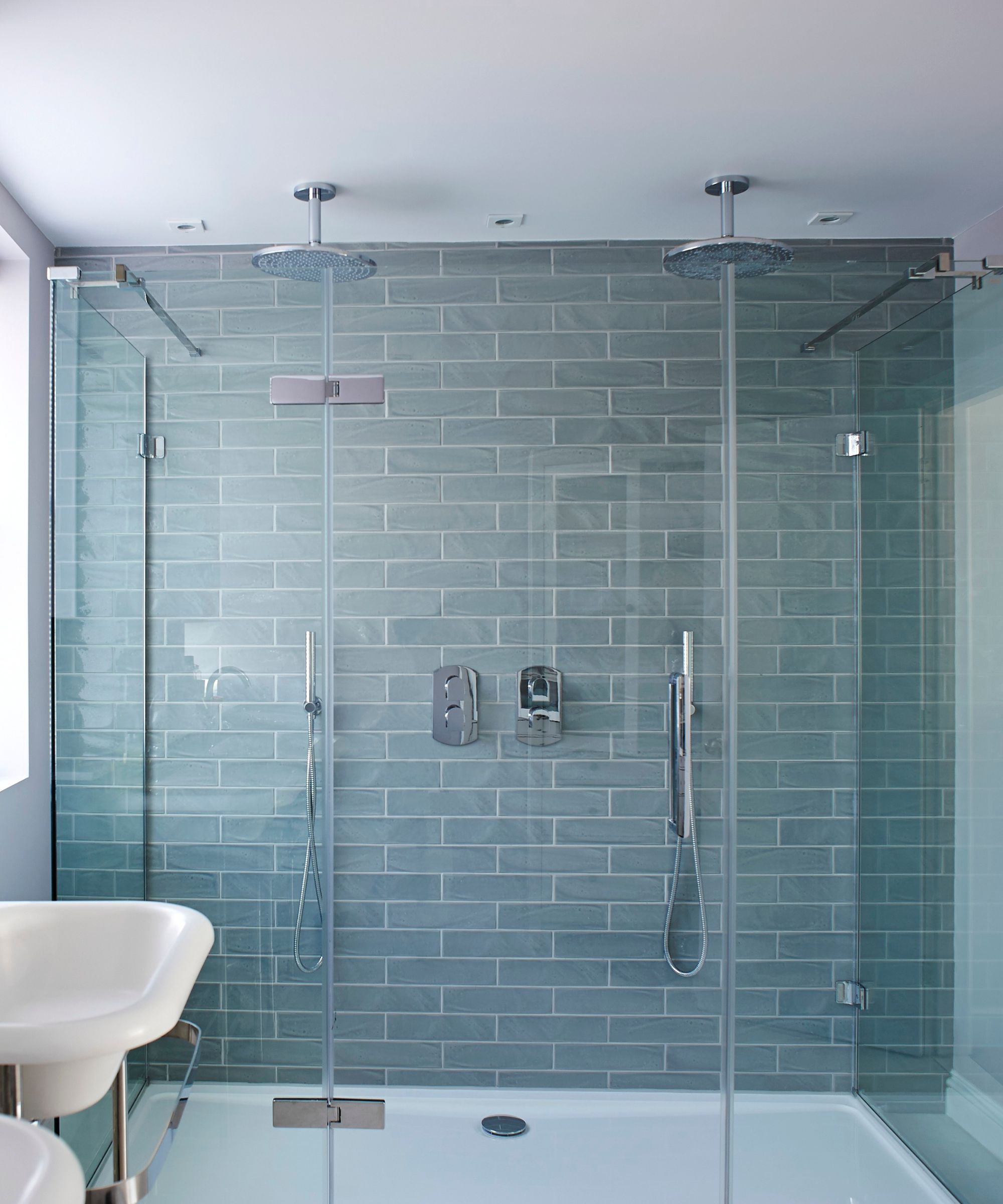
For the bathroom, the focus is on creating a streamlined space for daily routines. This involves clearing drawers and under-sink storage, disposing of expired medications, and checking cosmetics and skincare products for expiration dates, noting that eye products may expire in as little as three months. Tossing bulky packaging can also free up space. Items should be grouped into categories like skincare, haircare, and medications, with daily essentials placed at eye level. Organization systems such as decorative trays, apothecary jars, and over-the-toilet organizers are suggested for added storage. The shower should also be decluttered of empty bottles and unused products.
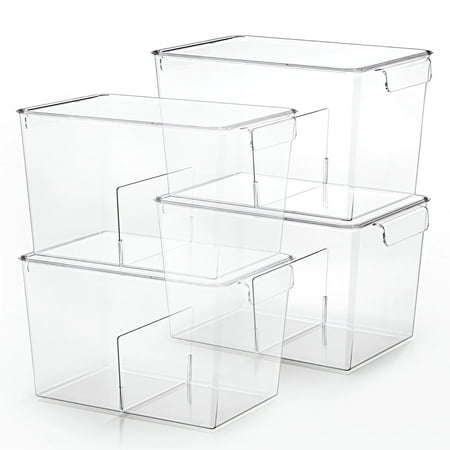
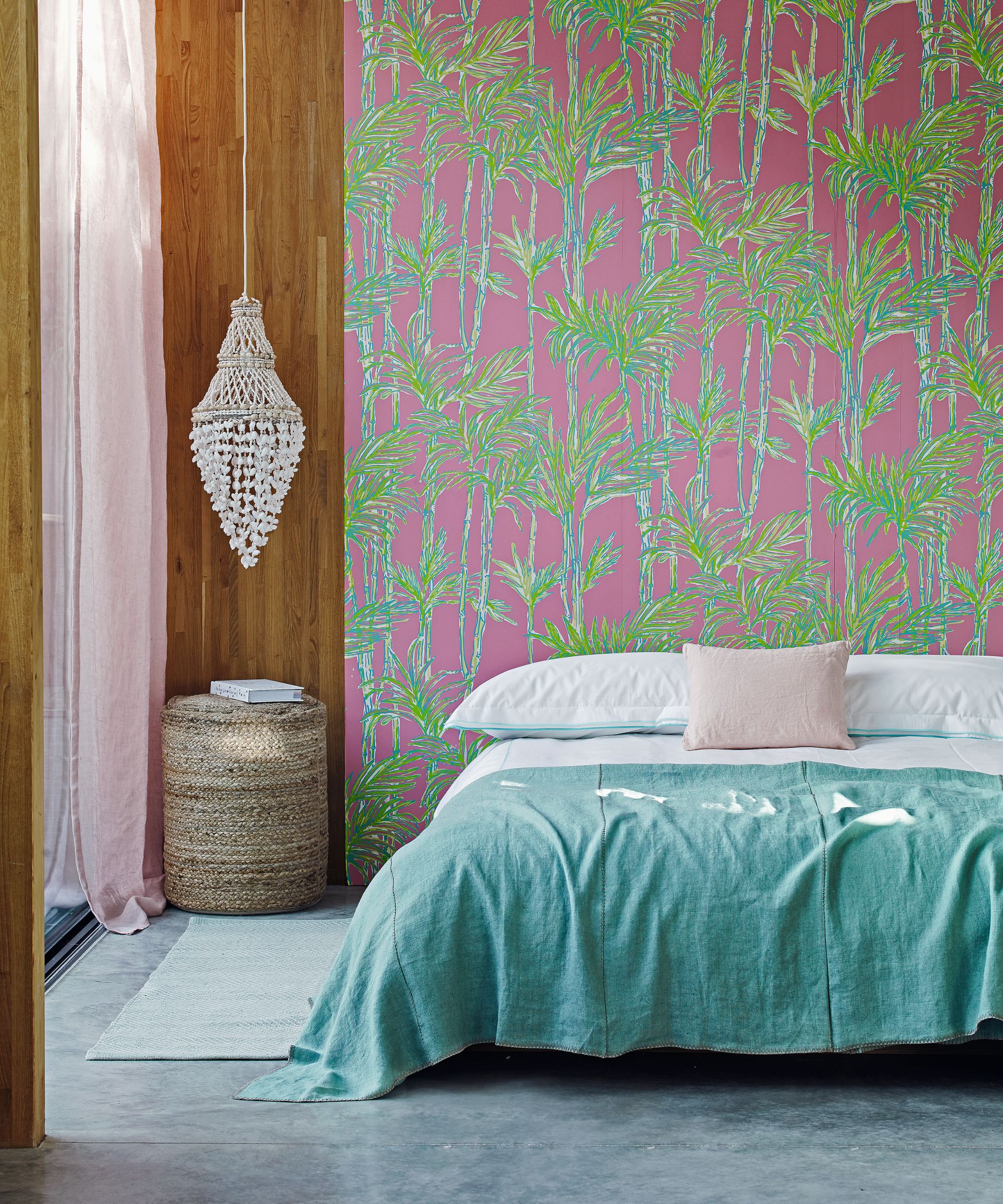
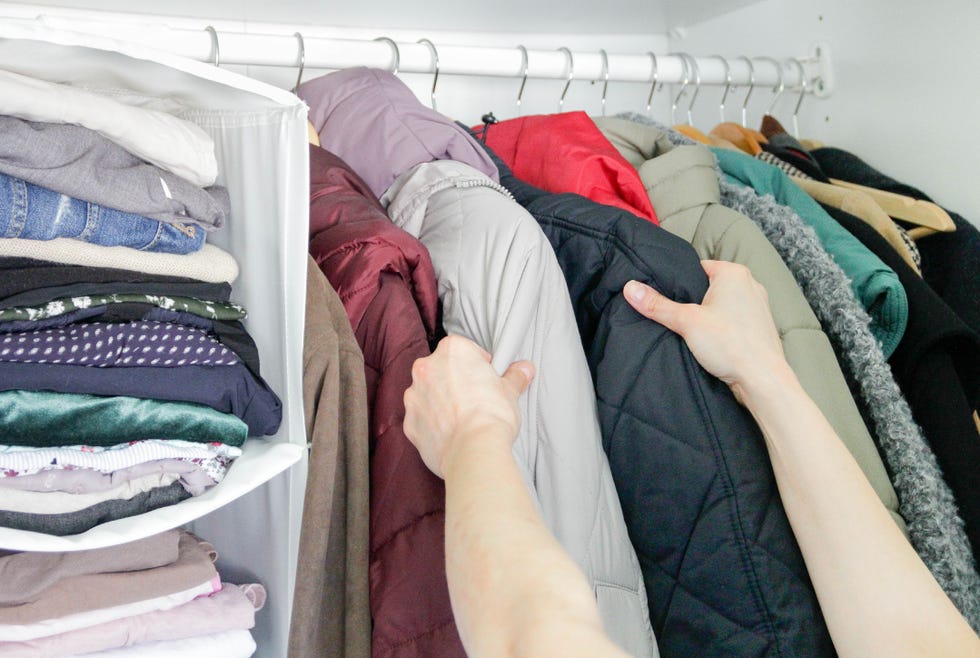
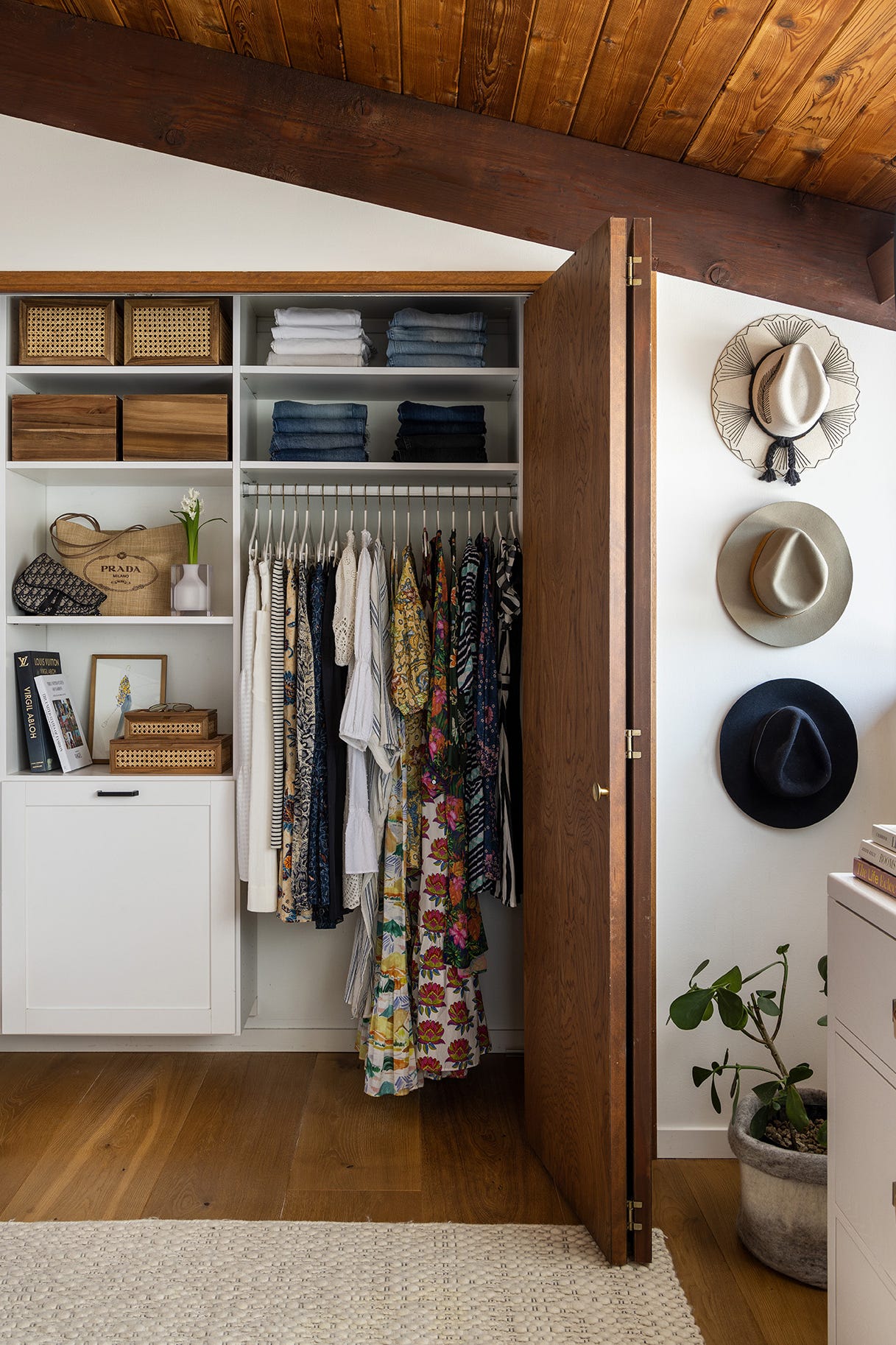
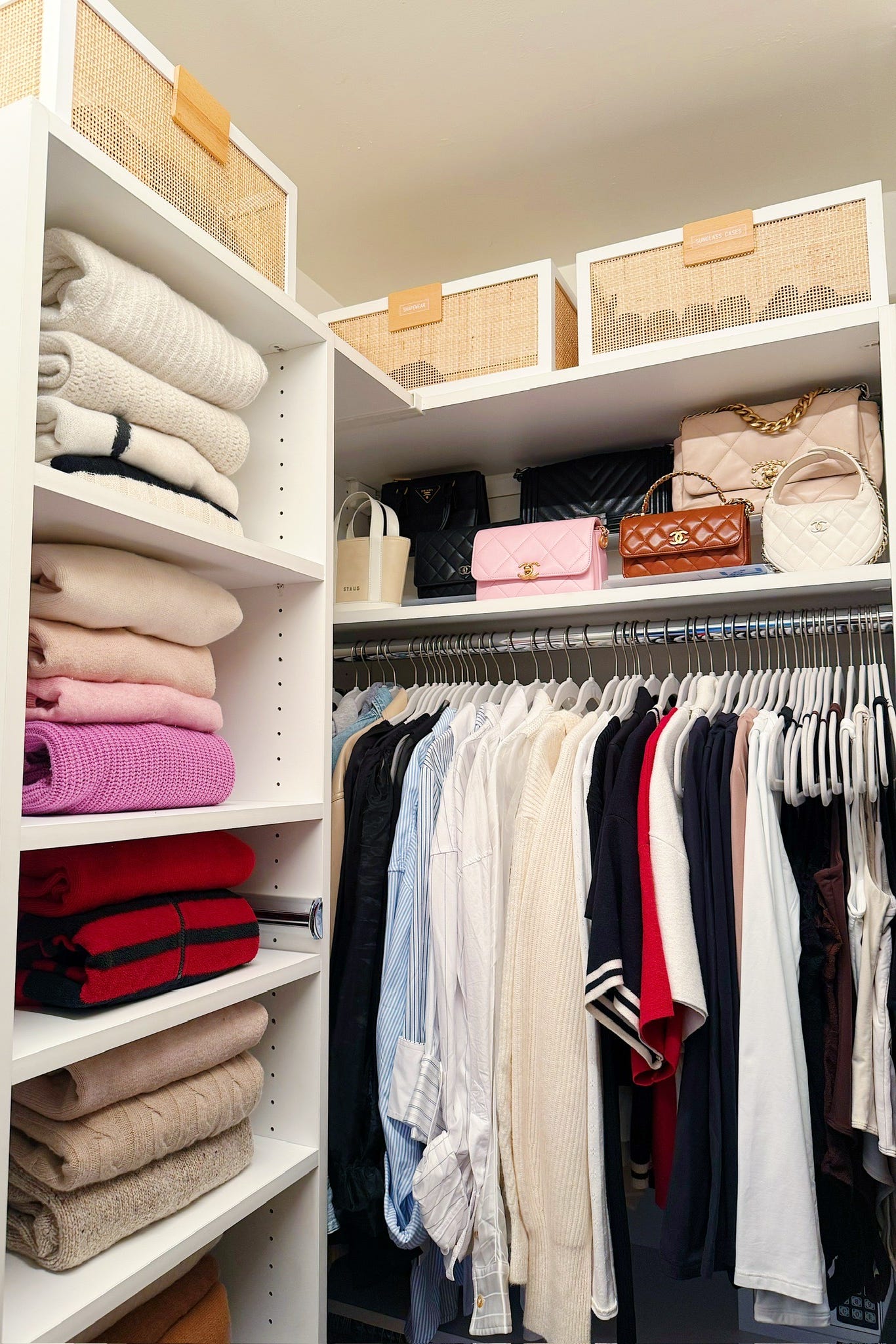
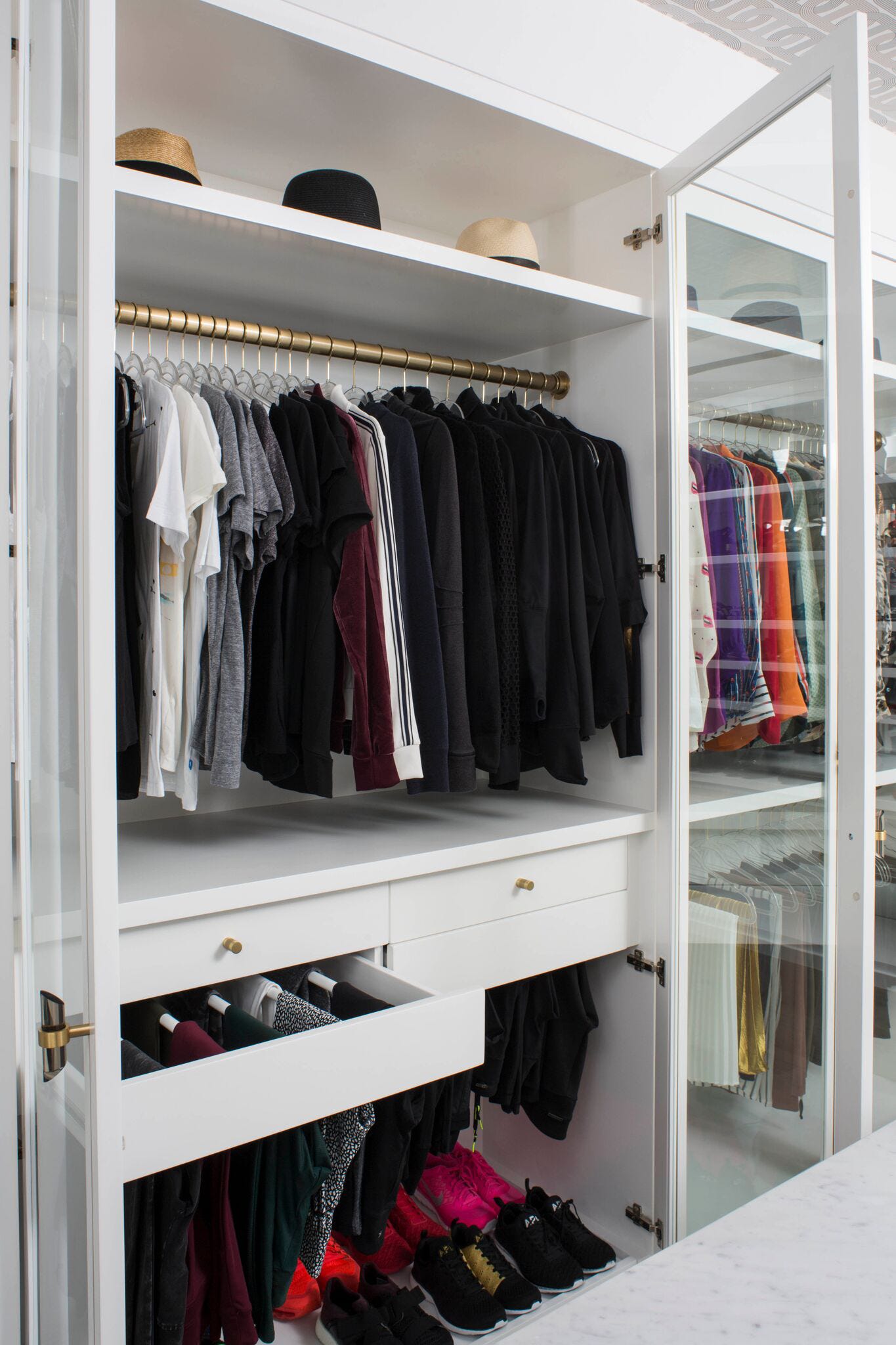
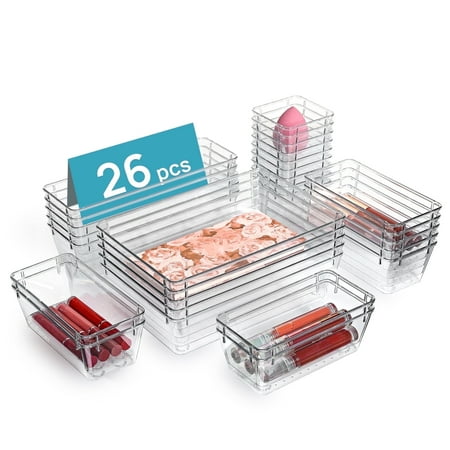
In the bedroom and closets, the article suggests that a clutter-free environment can improve sleep quality. The process begins with clearing nightstands of miscellaneous items like chargers and old paperwork. Dresser drawers require pulling out all clothing and accessories, purging unloved items, and then categorizing and refolding what remains, possibly using drawer organizers. For closets, a thorough purge involves pulling everything out to assess items, considering why something hasn't been worn, and prioritizing an everyday wardrobe. The "one-in-one-out" rule is recommended for future purchases. Streamlining hangers and using clear storage vessels for items stored out of sight, placing favorites at eye level, also contributes to an organized closet.
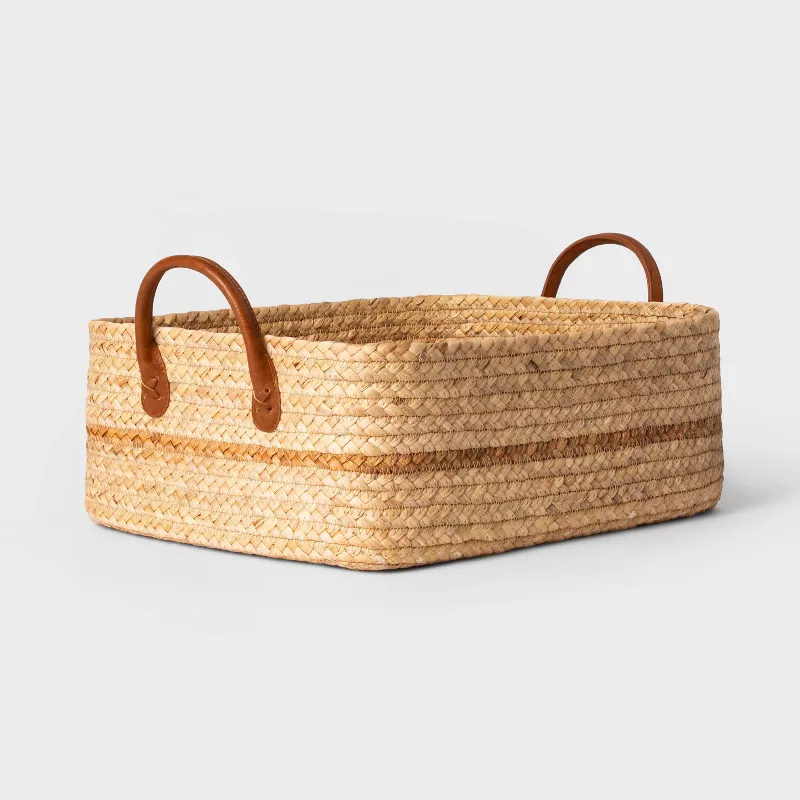
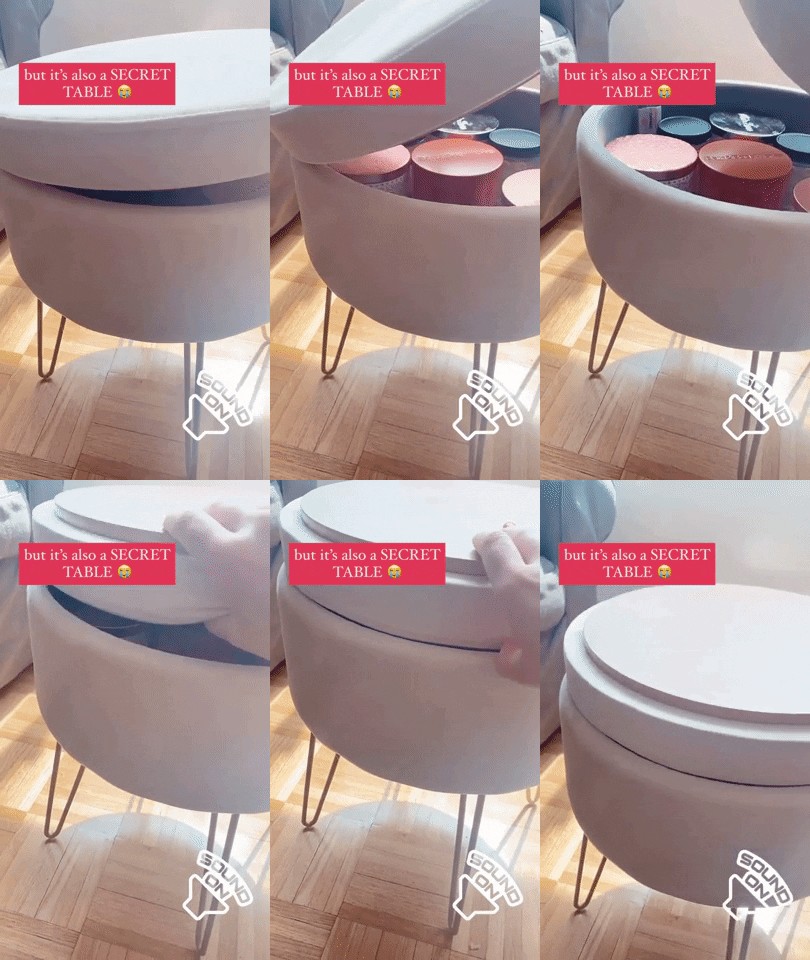
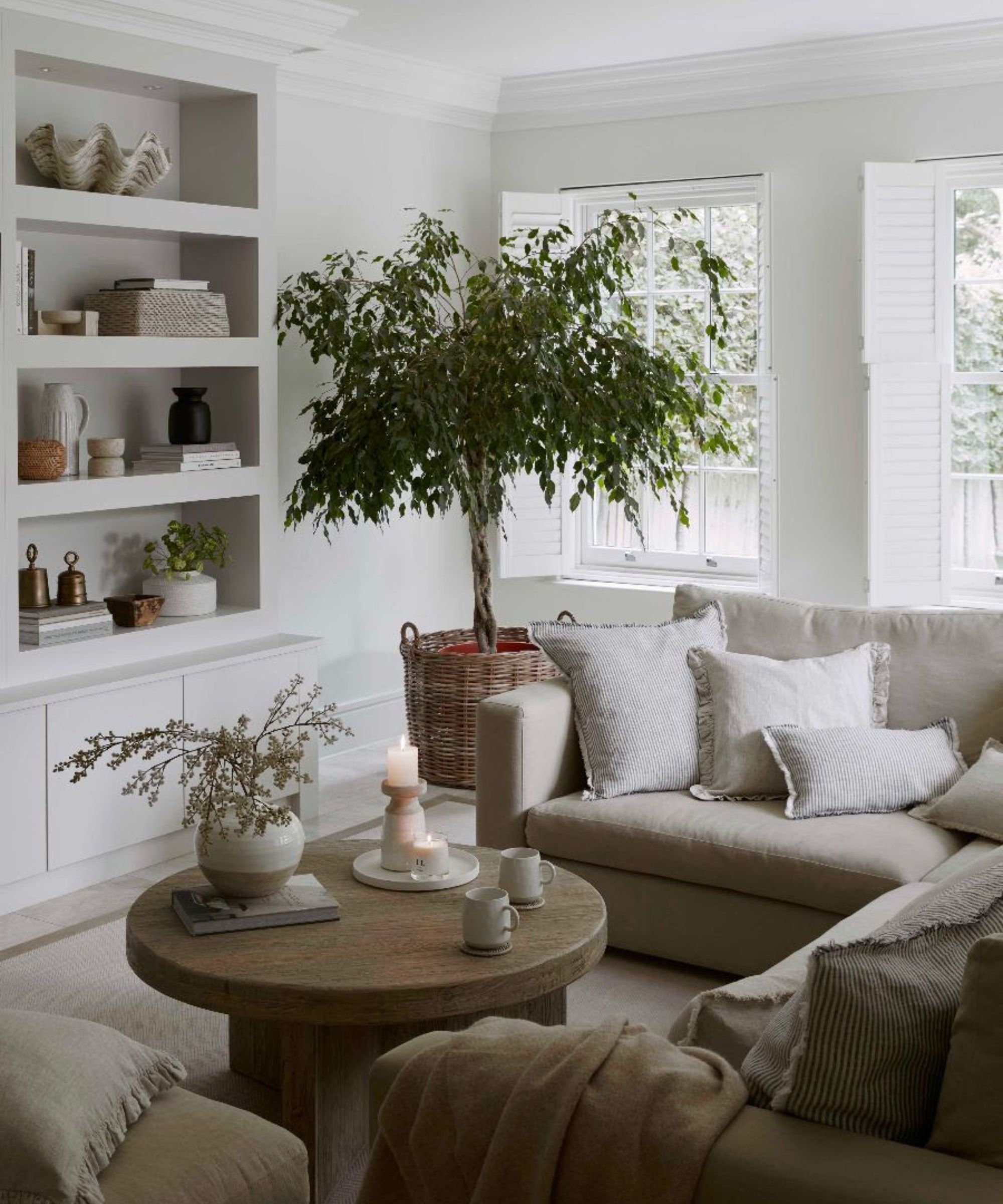
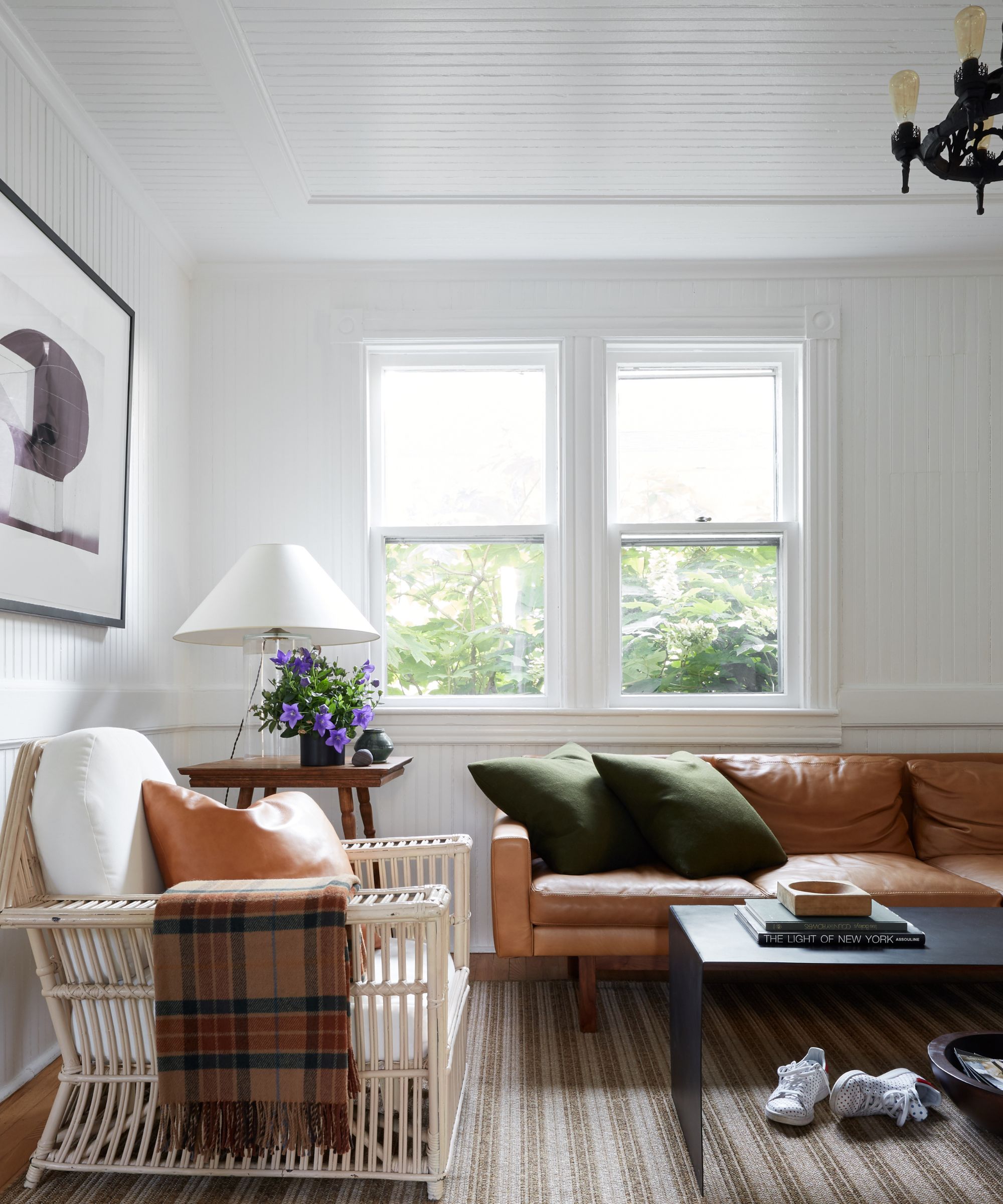
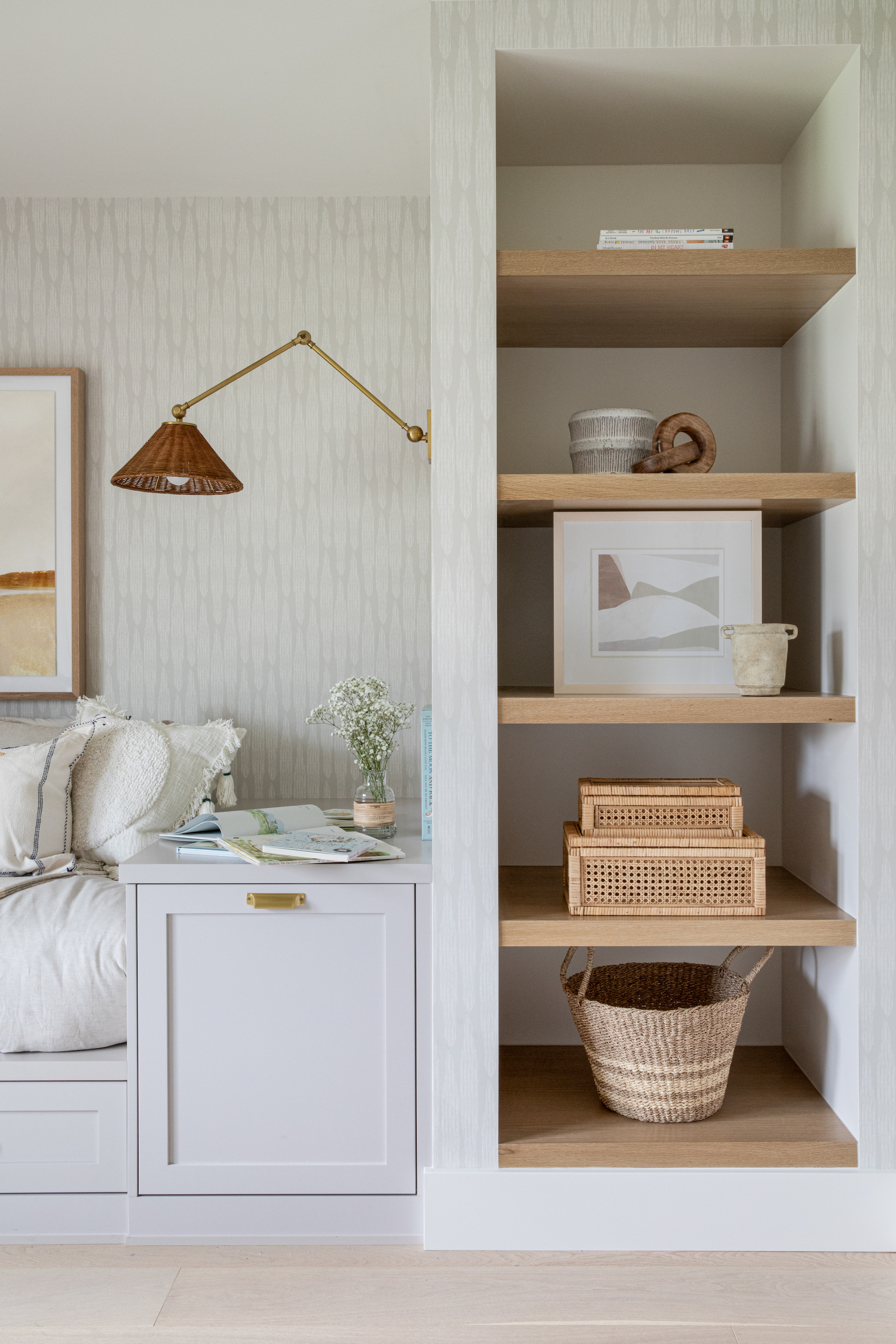
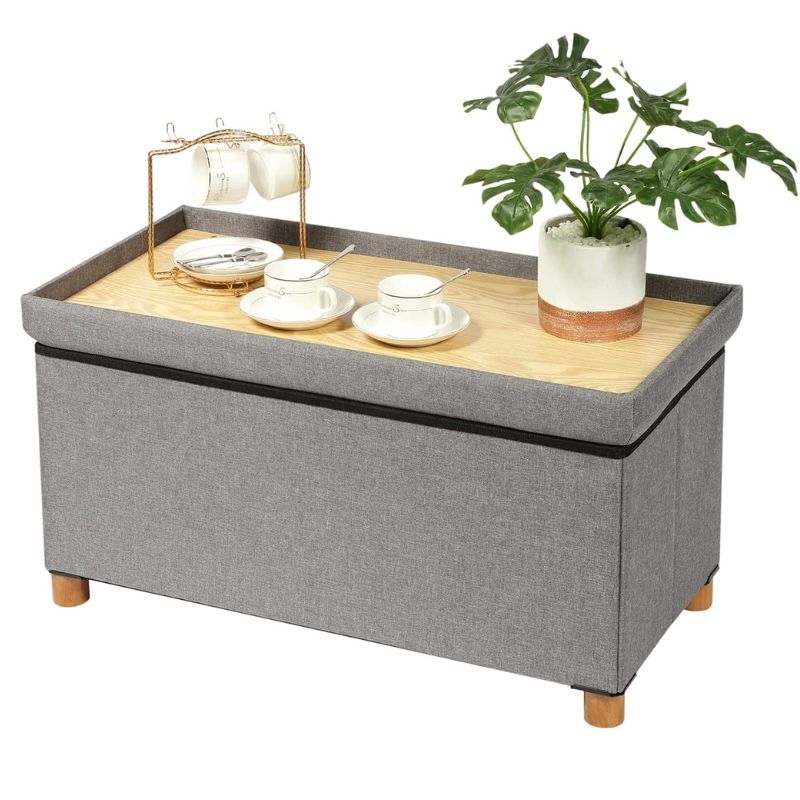
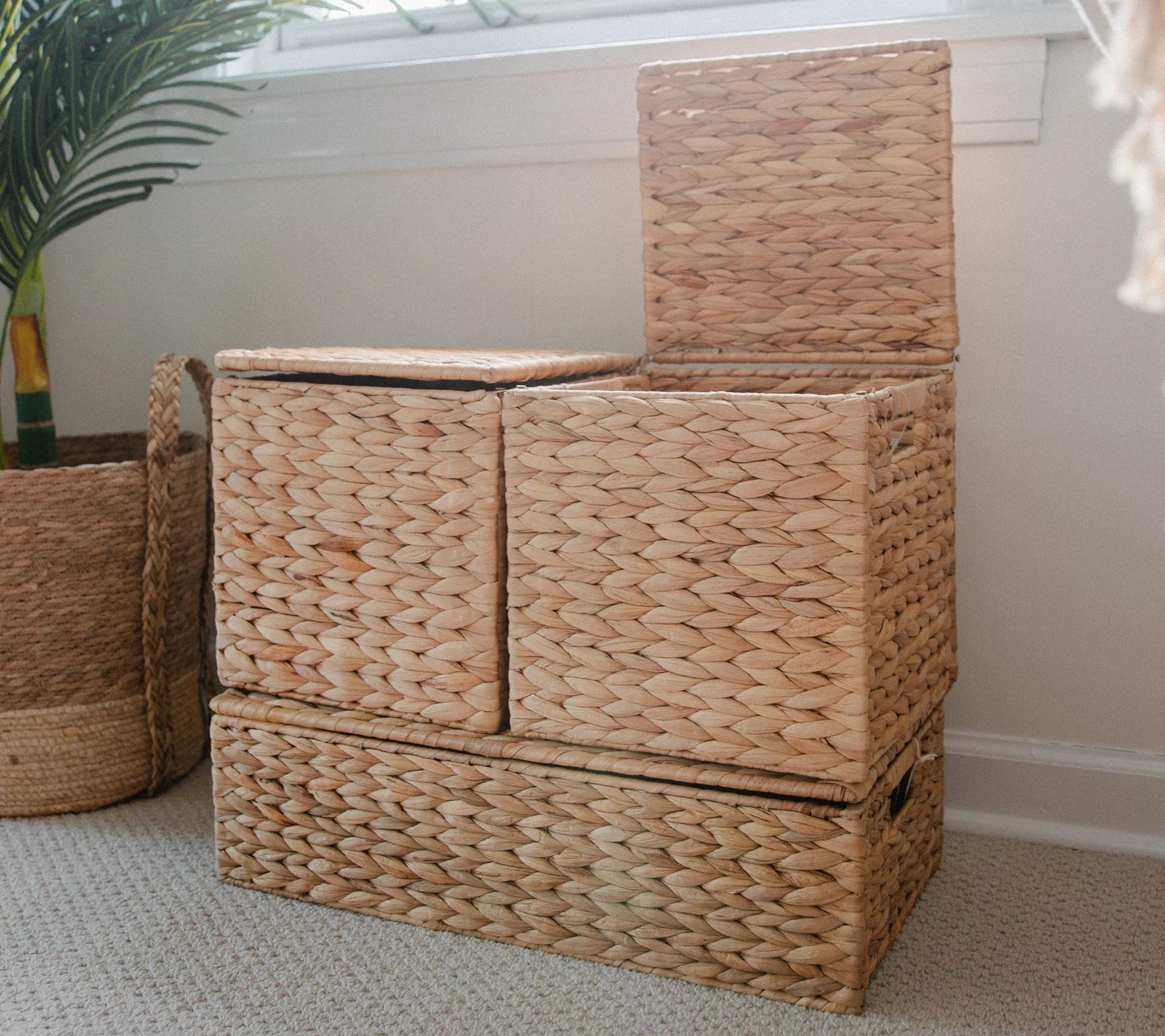

Living rooms, which can quickly accumulate clutter from toys, books, and electronics, benefit from assigning a permanent home to everyday items. Utilizing ottomans with hidden storage and entertainment centers with cabinets can conceal visible clutter. Decorative bins are suggested for tucking away items like dog toys, blankets, or spare chargers, turning them into decorative elements. Sorting through books, board games, and toys, discarding those with missing pieces or those no longer used, is also advised.
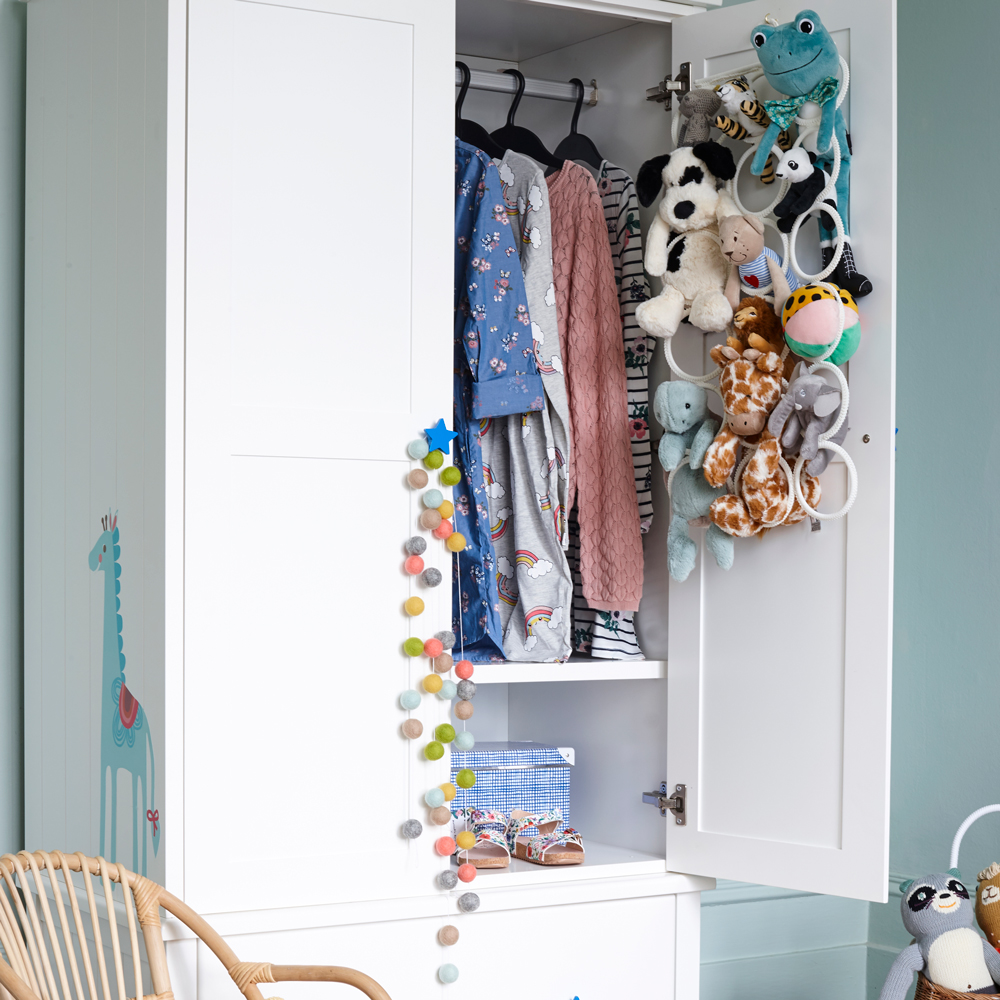
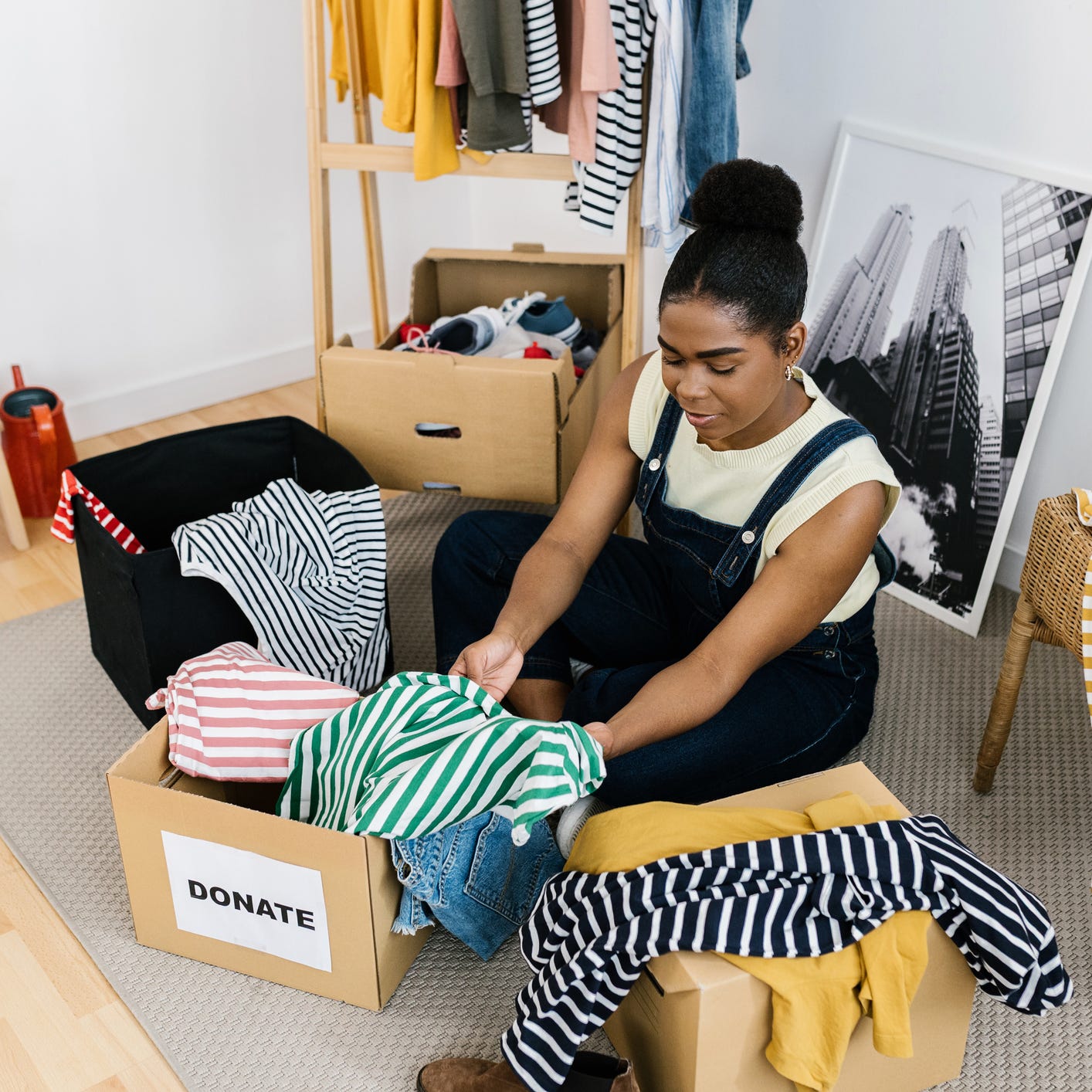
For kids' spaces, regular decluttering is essential due to rapid growth and changing tastes. Donating outgrown toys and clothes, or boxing them for storage, is recommended. Using labeled bins for "too small" or "too big" clothing and keeping a donation bag handy can integrate decluttering into routine. Sorting through art supplies and discarding dried markers, broken crayons, or incomplete sets is also a good practice.
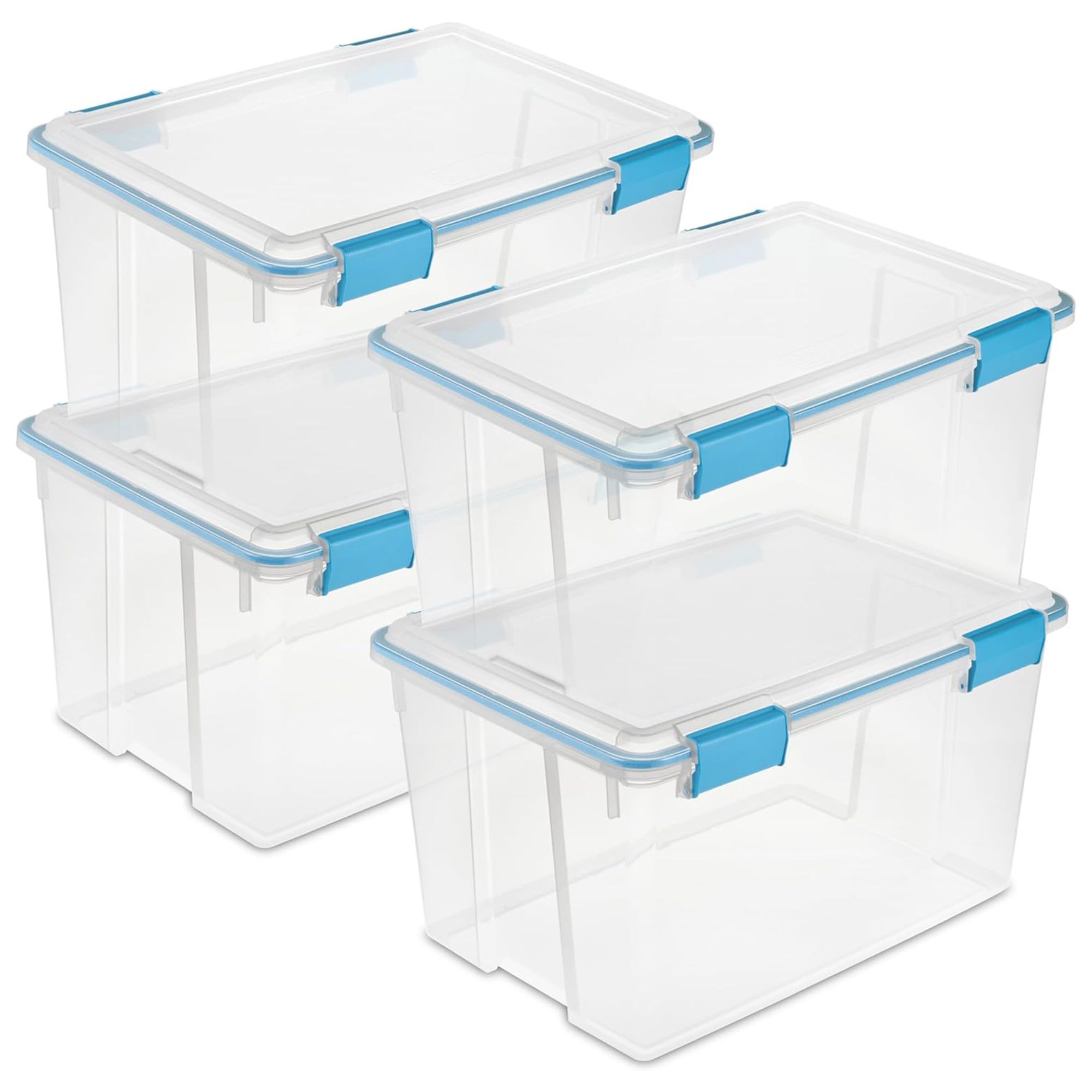
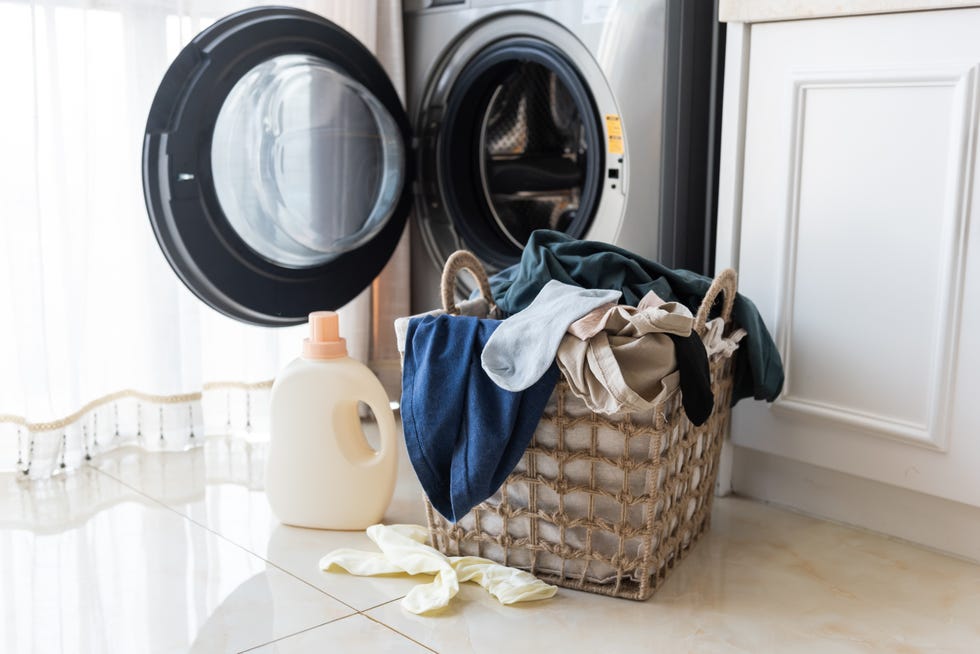
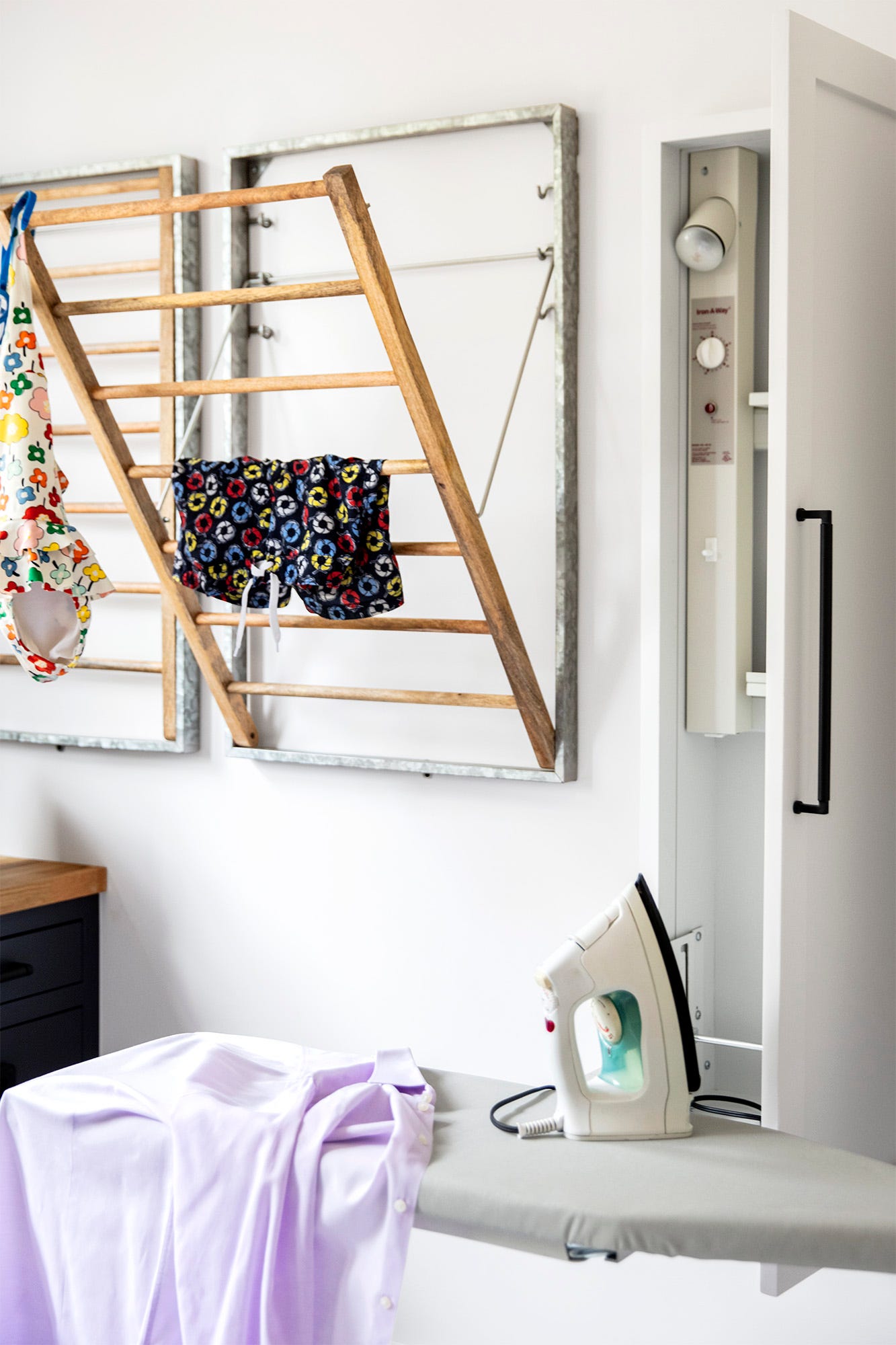
Finally, laundry rooms, often catch-all spaces, can be made more functional by relocating items unrelated to laundry. Cleaning supplies should be corralled in bins and baskets, with unused or old items discarded. Investing in multiple laundry baskets for whites, darks, and hand-wash items, and creating a "to do" bin for items needing dry cleaning or mending, can streamline the laundry process. Making use of vertical space with shelving is also suggested.
#DeclutteringTips #HomeOrganization #StressFreeLiving #RoomByRoomDeclutter #KitchenOrganization #BathroomDeclutter #ClosetOrganization #LivingRoomOrganization #KidsRoomDeclutter #DeclutteringTips #HomeOrganization #StressFreeLiving #RoomByRoomDeclutter #KitchenOrganization #BathroomDeclutter #ClosetOrganization #LivingRoomOrganization #KidsRoomDeclutter
0 تعليق إجمالاً
 لا توجد تعليقات بعد
قد تعجبك أيضًا
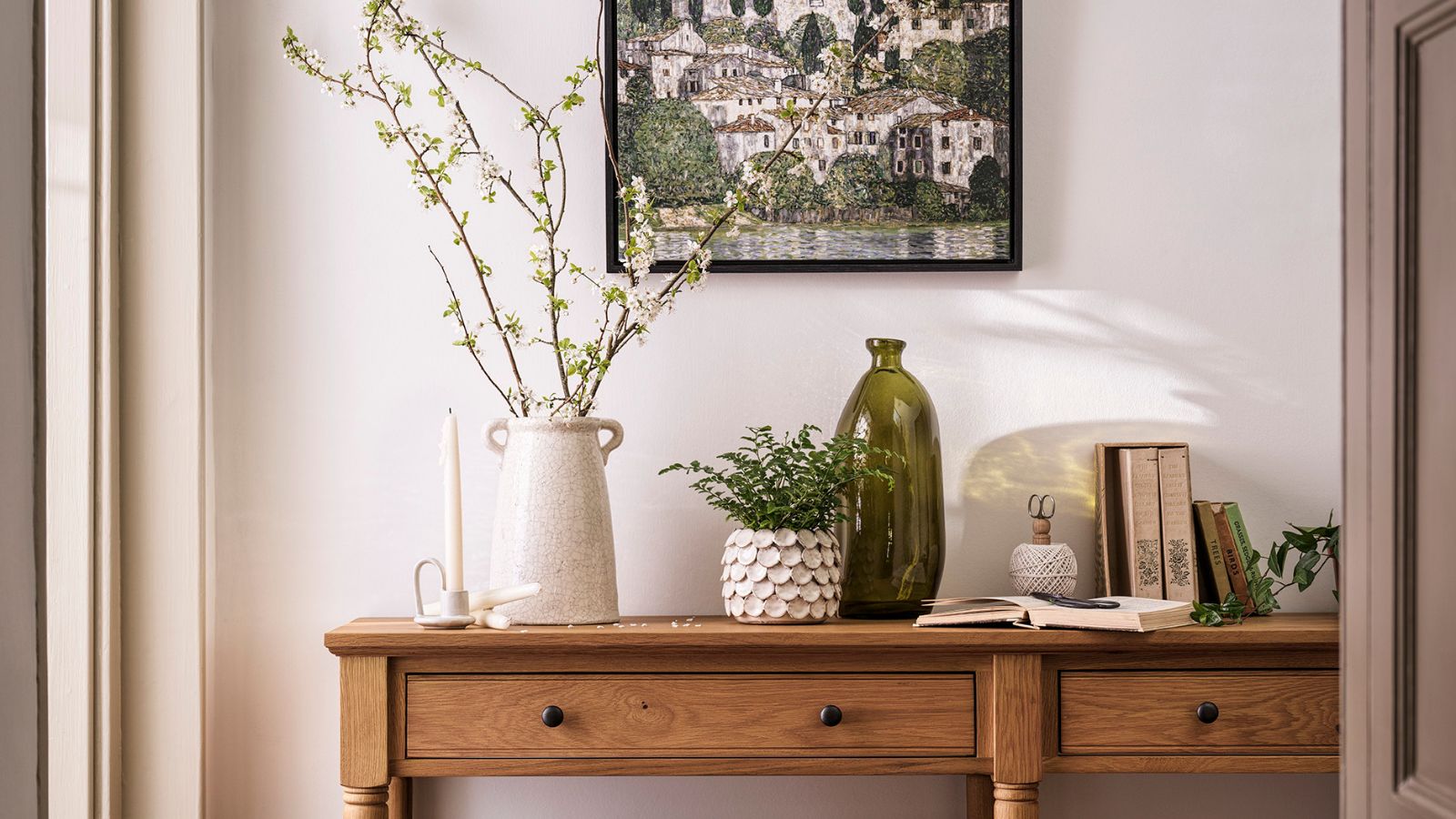
Your house will be less messy, clutter won't spread, and you'll feel less stressed if you tidy 1 vital but tiny area daily – it's why pro organizers prioritize it

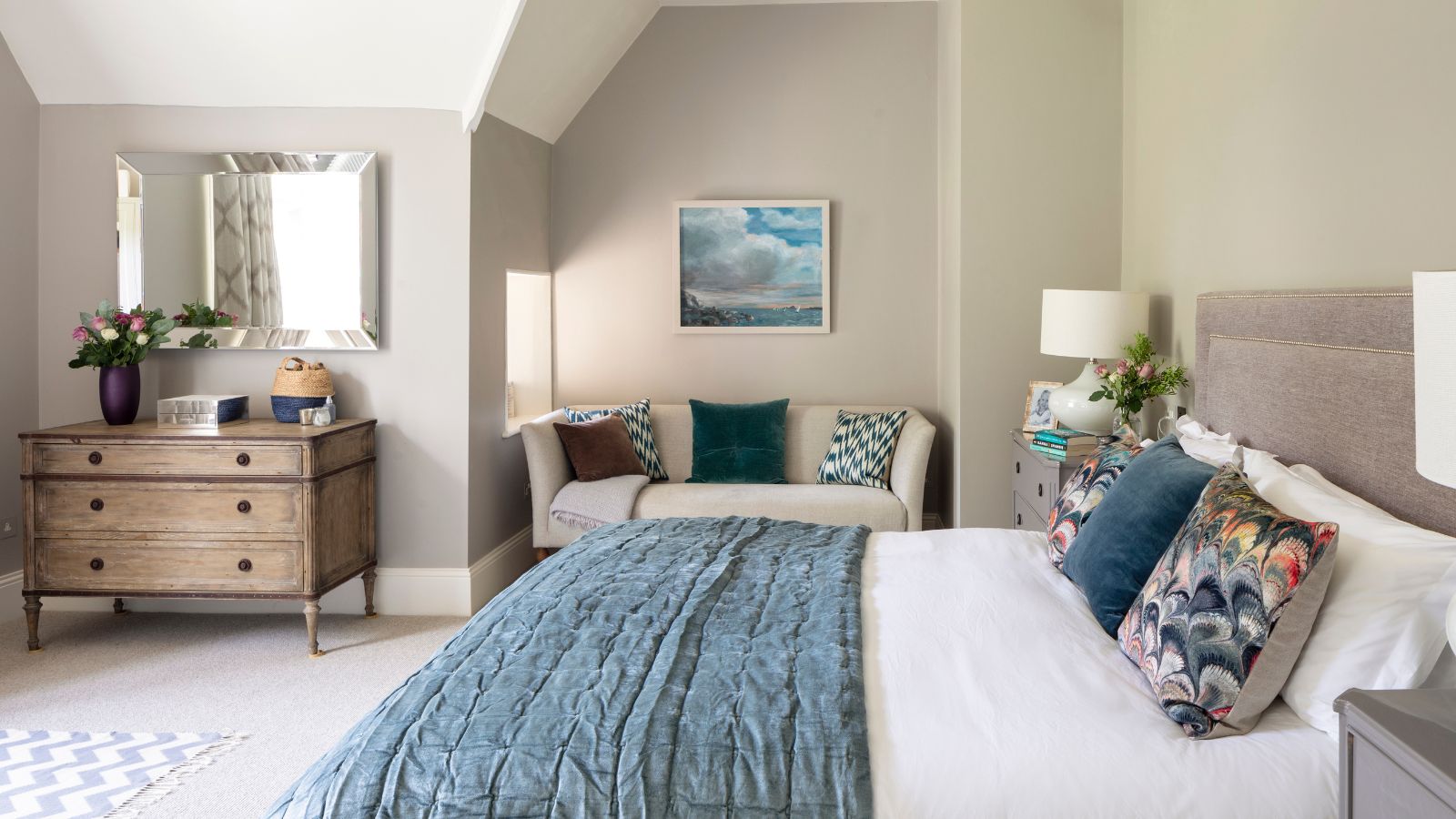
I tried the ‘Would you buy it again’ test in my bedroom
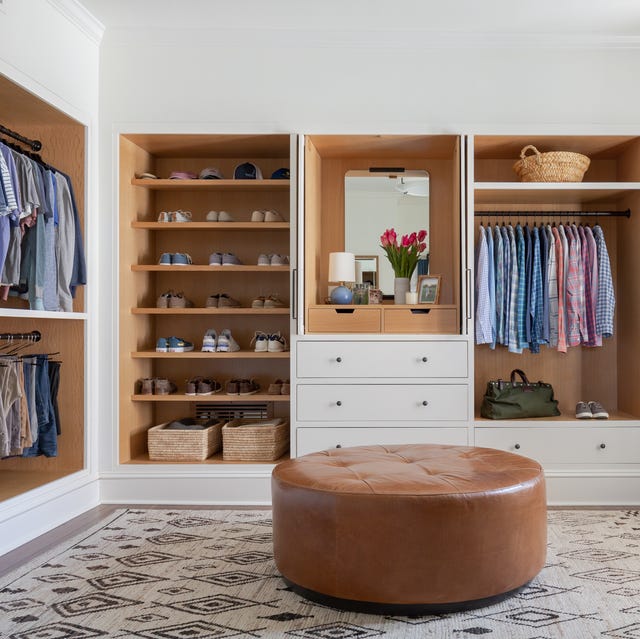
10 Clever Ways to Organize a Small Laundry Room

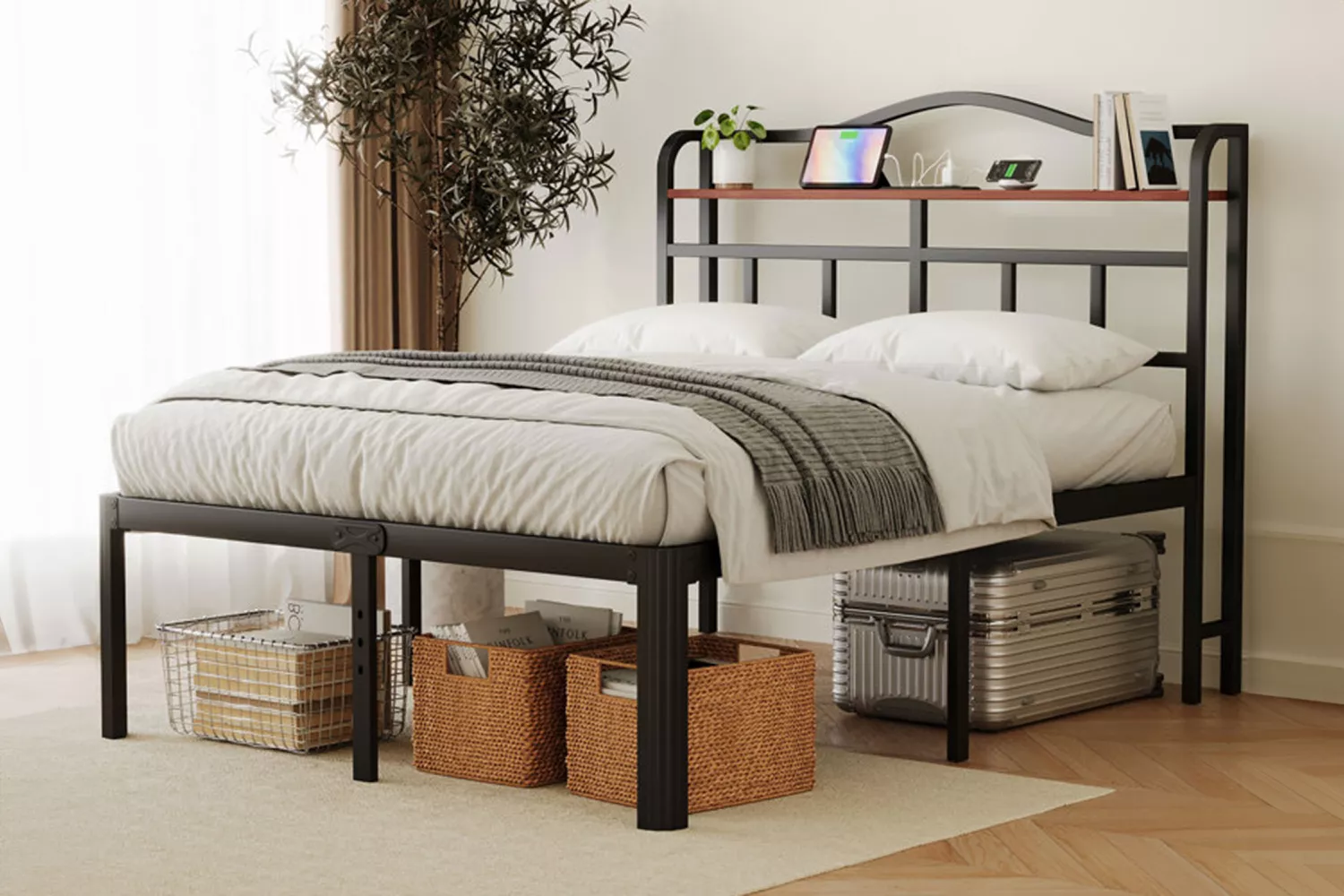
3 Common Decluttering Mistakes You’re Making and the Best Ways to Fix Them, From $10


The Floor Decluttering Method is so easy and works
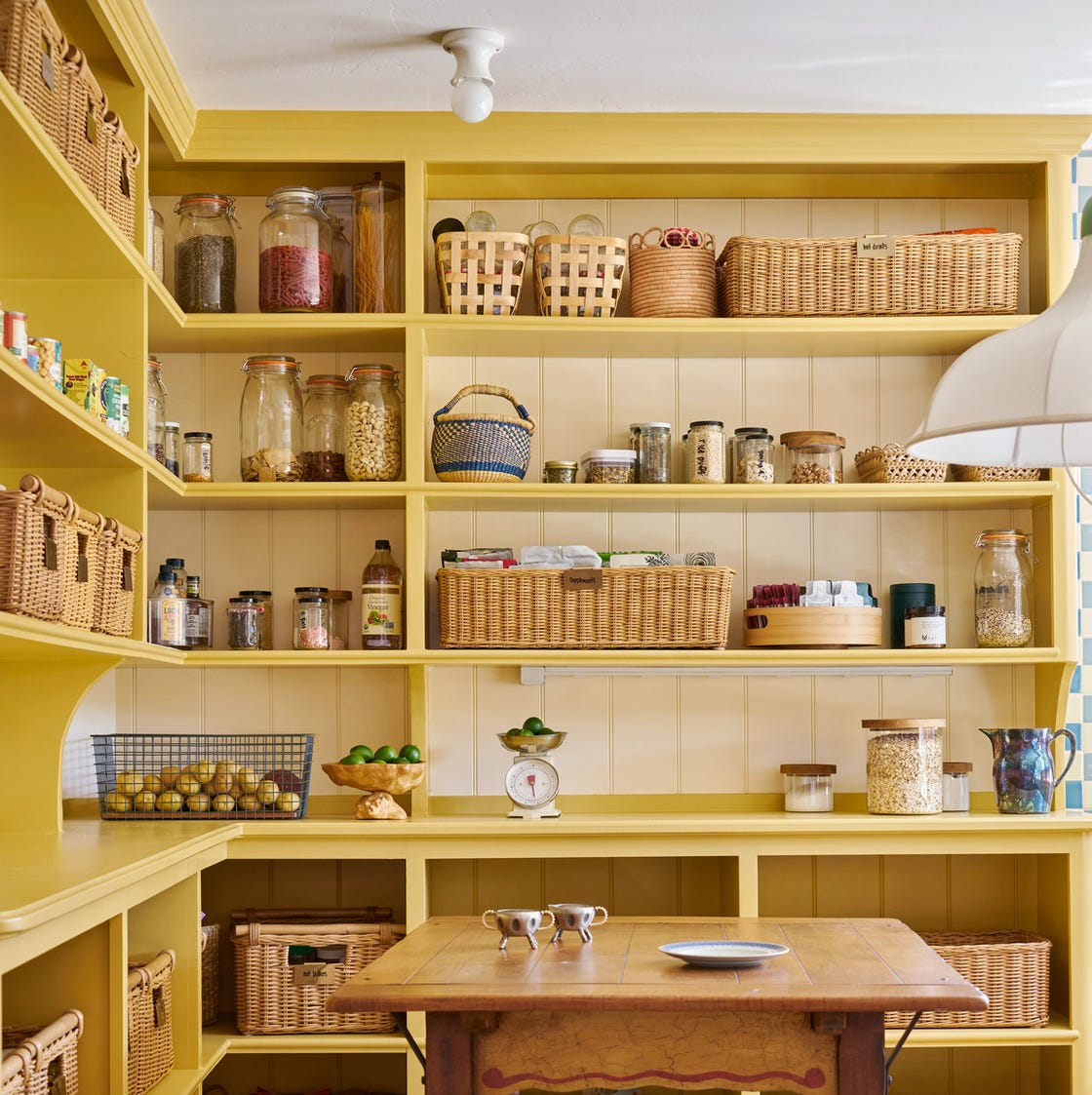
13 Things EVERY Professional Organizer Does to Keep Their Home Clutter-Free

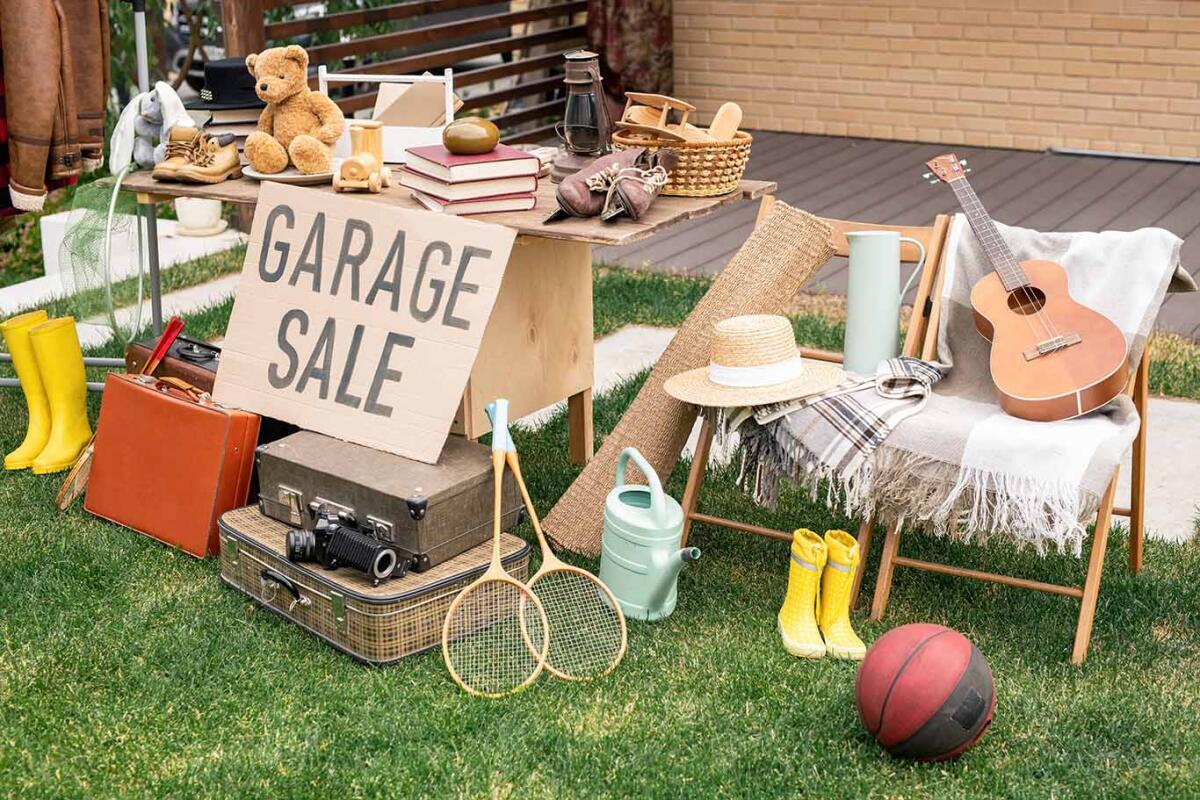
The Art of Letting Go and Keeping Only What You Love
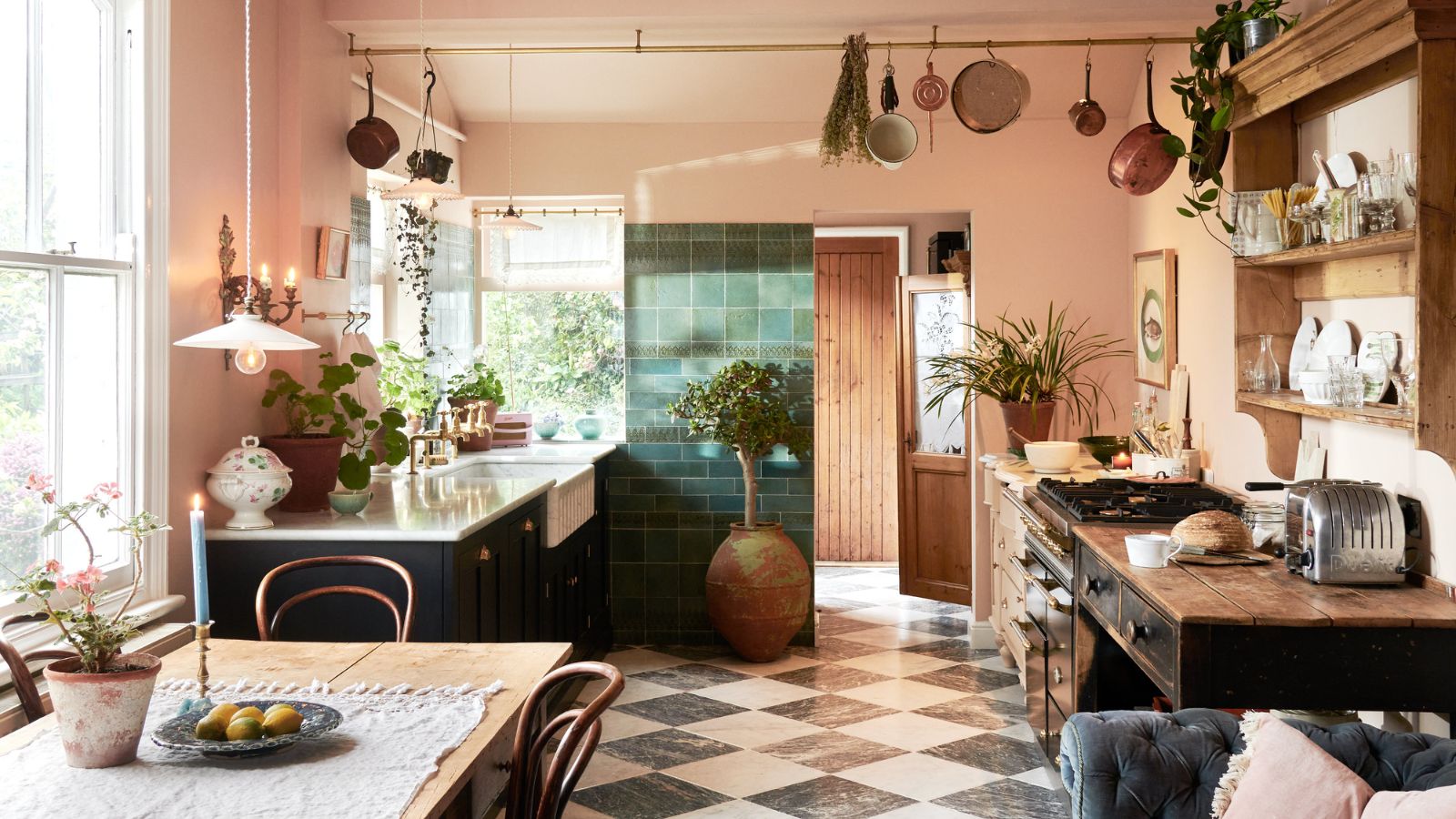
I tried the 50% decluttering rule, and it gave me the ruthless push to clear the clutter in my cramped kitchen cabinets
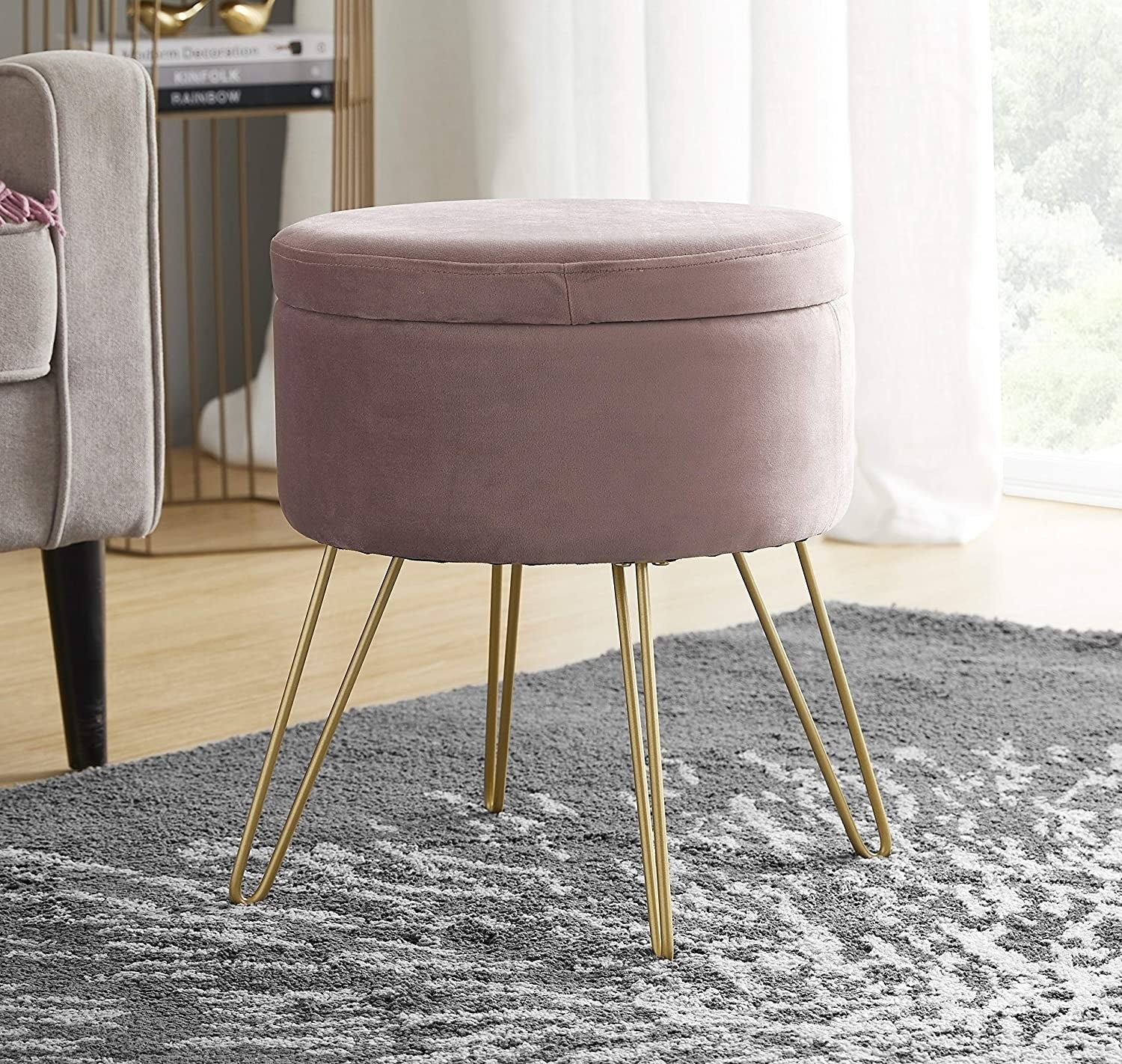
If You're Trying To Hide All Your Junk In Plain Sight, Try These 24 Organization Products

4 Essential Bedroom Decluttering Tips Minimalists Wish Everybody Knew

The 80 Best Organizing Tips for the Tidiest Home Ever

Eco-friendly organizing tips for a more sustainable home
Here's how to start decluttering your space, according to a local expert

Items to get rid of in your living room – 10 things decluttering experts want to clear out
9 ways to use hooks for increased storage where you need it
'Where there are hooks, people will always hang coats' – 8 things you should never store in your entryway to avoid it becoming a dumping ground
5 surprising storage essentials minimalists avoid – and what they use instead
How to organize a small space: 13 tips to keep your home clutter-free

What to declutter before the kids go back to school
Organizing with Baskets: 20 Ways to Make Your Home Less Cluttered